Hope, Hot Springs, Georgetown, Oxford and Yale
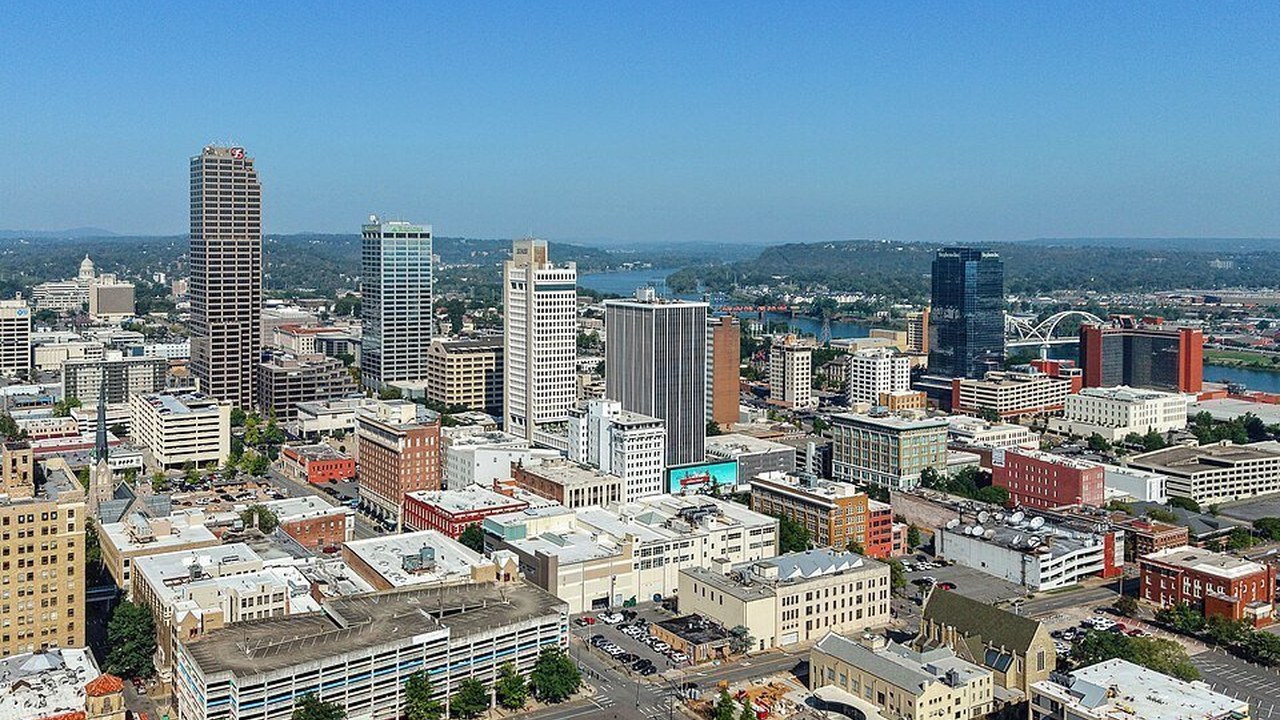
William Jefferson Blythe III was born on 19 August 1946 in Hope, Arkansas. His father, William Jefferson Blythe Jr., had died in a car accident before the birth; his mother, Virginia Cassidy Blythe, later married Roger Clinton, and the boy took the Clinton surname. He grew up largely in Hot Springs, where he attended public schools, played saxophone, and built the early public persona of a high-achieving Southern teenager headed for national politics. [1] [2]
He entered Georgetown University’s School of Foreign Service, earned a Bachelor of Science in Foreign Service in 1968, and worked on Capitol Hill for Arkansas senator J. William Fulbright. A Rhodes Scholarship took him to University College, Oxford (1968–1970). He then enrolled at Yale Law School, graduating in 1973. Those years fixed the résumé that later campaigns would cite — Georgetown, Oxford, Yale — and also placed him in the same Yale Law cohort as Hillary Rodham. [1] [3]
Official biographies and National Park Service records agree on the 1946 birth year. A Clinton Presidential Library research-index page once listed 1942; the Library’s dedicated biography and the NPS entry correctly give 1946. Official sources can contain typos too. [1] [4]
Hot Springs in the 1950s and 1960s mixed tourism, illegal gambling lore and ordinary Southern church-and-school life; Clinton’s own later autobiographical accounts lean on that mix. The Fulbright internship placed him inside Vietnam-era Senate foreign-relations politics at the moment antiwar argument was reshaping the Democratic Party. Oxford years overlapped draft-lottery politics and American student activism abroad; Clinton’s draft history was litigated as campaign biography in 1992 rather than as a settled moral ledger here. [1] [3]
Park Ridge, Wellesley, Yale Law and the impeachment inquiry
Hillary Diane Rodham was born on 26 October 1947 in Chicago and raised in Park Ridge, Illinois, the eldest child of Hugh Ellsworth Rodham and Dorothy Emma Howell Rodham. She attended Maine Township High School South, then Wellesley College, where she became the first student commencement speaker in the college’s history (1969). Her Wellesley address — and the contemporaneous coverage of it — is an early primary marker of a public political voice formed before she met Bill Clinton. [5] [6]
At Yale Law School she worked on legal-aid and children’s-rights projects, edited the Yale Review of Law and Social Action, and met Bill Clinton. After graduation she served on the staff of the House Judiciary Committee’s impeachment inquiry into President Richard Nixon (1974), a documented institutional role distinct from later partisan mythology about either Watergate or the Clintons. When that inquiry ended after Nixon’s resignation, she moved to Arkansas, taught at the University of Arkansas School of Law in Fayetteville, and married Bill Clinton on 11 October 1975 in Fayetteville. [5] [7]
Park Ridge’s Methodist youth ministry and Republican household politics are part of Hillary Rodham’s own early self-description; Wellesley’s 1969 speech answered a campus debate about protest versus institutional reform. The House Judiciary Committee staff role under John Doar placed her inside the formal impeachment machinery as a young lawyer — a credential later campaigns cited and opponents sometimes caricatured. Moving to Arkansas in 1974, rather than a coastal firm track, is the biographical fork that made the dual Clinton political brand possible. [5] [7]
Marriage, Rose Law and the Arkansas years
Bill Clinton won election as Arkansas attorney general in 1976 and as governor in 1978, lost the 1980 gubernatorial race, then returned as governor in 1982 and held the office until he resigned after winning the 1992 presidential election. Hillary Clinton practiced at the Rose Law Firm in Little Rock, became a partner, and served on corporate boards while also acting as Arkansas first lady with visible roles in education policy. Their daughter, Chelsea Victoria Clinton, was born on 27 February 1980. [1] [5] [3]
The Arkansas years are also the documentary spine of several later files: the Whitewater Development Corporation investment with Jim and Susan McDougal; Hillary Clinton’s commodity-futures trading in the late 1970s; friendships and professional ties that later became White House personnel (including Vince Foster and Webster Hubbell); and the long-running rival and ally networks of Little Rock politics. Those controversies are not settled in this biography — they have their own maintained records. Arkansas years · Whitewater · Cattle futures · Vince Foster. [8]
Education reform was the signature Arkansas first-lady project: Hillary Clinton chaired the Arkansas Educational Standards Committee in the early 1980s, touring the state and pressing for teacher testing and curriculum standards that passed the legislature after bitter fights with the teachers’ union. Bill Clinton’s later gubernatorial years emphasized economic development, highways and a national profile through the Democratic Leadership Council. The couple’s finances — modest relative to later Foundation wealth — and the Rose Law billing practices would be re-litigated under oath in the 1990s. [1] [5] [7]
Contemporaneous Arkansas reporting and later Independent Counsel exhibits also fix a cast of recurring names: Jim Guy Tucker (successor governor), Bruce Lindsey (longtime counsel), Betsey Wright (gubernatorial chief of staff), and the McDougals. Those names reappear in Whitewater, Foster and Hubbell chronologies; the biography’s job is to show why the cast was already assembled before January 1993. Arkansas years.
1992 and the first term
Bill Clinton announced for president in 1991, survived early-primary damage from personal and draft controversies, and won the 1992 election against incumbent George H. W. Bush and independent Ross Perot. He took office on 20 January 1993. Hillary Clinton led the administration’s early health-care effort; the task force’s process and eventual legislative failure became a lasting political memory even as other first-term measures — the 1993 budget package, NAFTA’s ratification fight, the 1994 crime bill, and the 1994 Republican midterm wave — reshaped the decade. [1] [3] [9]
Early White House staffing controversies (including the Travel Office dismissals later labeled “Travelgate” and the FBI-files matter labeled “Filegate”) belong to the case index, not to a verdict inside this chapter. So do the 1995–96 budget confrontations with Speaker Newt Gingrich’s Republican Congress and the 1996 reelection campaign’s fundraising controversies. Travelgate · Filegate · 1996 fundraising. [3]
Personnel choices announced the fusion of Arkansas and Washington networks: Mack McLarty as chief of staff, Foster and Hubbell into counsel and Justice roles, and Hillary Clinton’s unprecedented West Wing policy portfolio on health care. The failed Health Security Act (1993–94) left a documentary trail of task-force meetings, sealed records litigation and later memoir accounts — process controversy distinct from later Foundation or email files. The 1994 midterms delivered Republican control of both chambers for the first time in decades, forcing the triangulation politics that defined 1995–96. [3] [9]
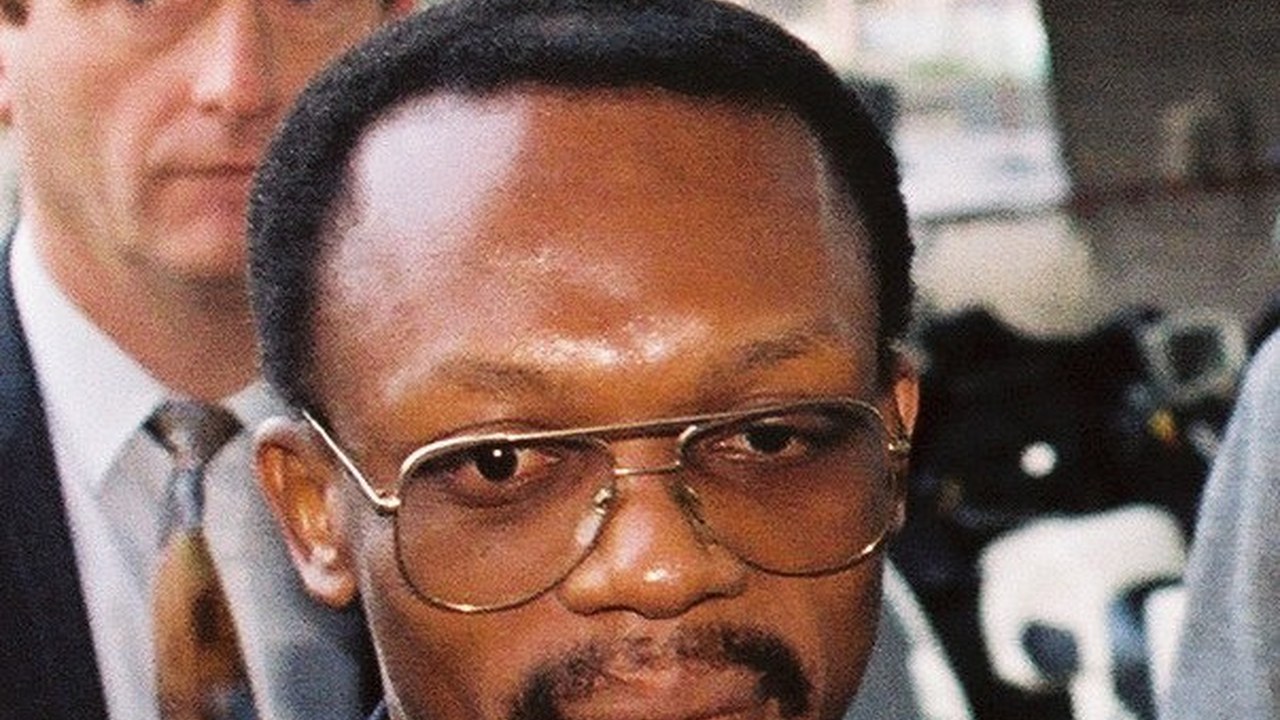
Foreign-policy first-term markers include the Oslo process continuity, the 1993 World Trade Center bombing’s domestic-security aftermath, Haiti policy culminating in the 1994 intervention threat, and the early Balkan crisis that would deepen in the second term. None of those files is “corruption” by default; each has its own evidentiary bar when this collection covers it. Haiti.
Second term, Lewinsky, impeachment and exit
Clinton won reelection in 1996 against Bob Dole. The second term’s domestic ledger includes the 1997 balanced-budget agreement and the late-1990s surplus years in federal budget scoring; foreign-policy markers include Balkan interventions and the 1998 strikes on al-Qaeda-linked targets after the embassy bombings. The administration’s own eight-year retrospective emphasizes growth, education, health initiatives, welfare changes and crime policy — an advocacy document whose claimed achievements and causal claims deserve independent evaluation, not automatic credit or dismissal. [9] [3]
In January 1998 the Monica Lewinsky matter broke into public view during the Paula Jones civil case and the Independent Counsel investigation led by Kenneth Starr. Clinton denied a sexual relationship under oath, later admitted an inappropriate relationship, and was impeached by the House in December 1998 on charges of perjury and obstruction of justice. The Senate acquitted him on both articles in February 1999. Acquittal is a fact of the constitutional record; it is not a finding that every underlying factual dispute vanished. The deep chronology sits in the Lewinsky file. Lewinsky & impeachment · Misconduct allegations. [10] [11]
Final-week clemency and pardon decisions — including the Marc Rich pardon — and the White House exit controversies are likewise maintained as separate records. Pardons · Clemency & China · White House exit.
The Paula Jones civil lawsuit, filed in 1994 over an alleged 1991 incident when Clinton was governor, is the procedural doorway through which the Lewinsky evidence entered federal court. Clinton’s January 1998 deposition denials, the stained-dress DNA match, the August 17 grand-jury testimony and televised admission, and the House votes on four proposed articles (two passed) are the load-bearing public facts. Separate misconduct allegations spanning Arkansas and the White House years — some settled, some denied, some never tried — are catalogued without collapsing them into a single guilt score. Misconduct allegations. [10] [11]
Budget surpluses in the late 1990s, the Financial Services Modernization Act (Gramm-Leach-Bliley), and NATO’s Kosovo campaign sit on the same presidential calendar as impeachment. Visitors often arrive with only one of those threads; the case index exists so each thread keeps its own spine. [3] [9]
Senate and the State Department
After leaving the White House, Hillary Clinton won election to the U.S. Senate from New York in 2000 (seated January 2001) and reelection in 2006. Congressional biographical records fix the service dates, committee work, and the shift from first lady to statewide elected official — a rare modern path. Bill Clinton remained a global political celebrity and philanthropist while she built an independent electoral base in New York. [5] [6]
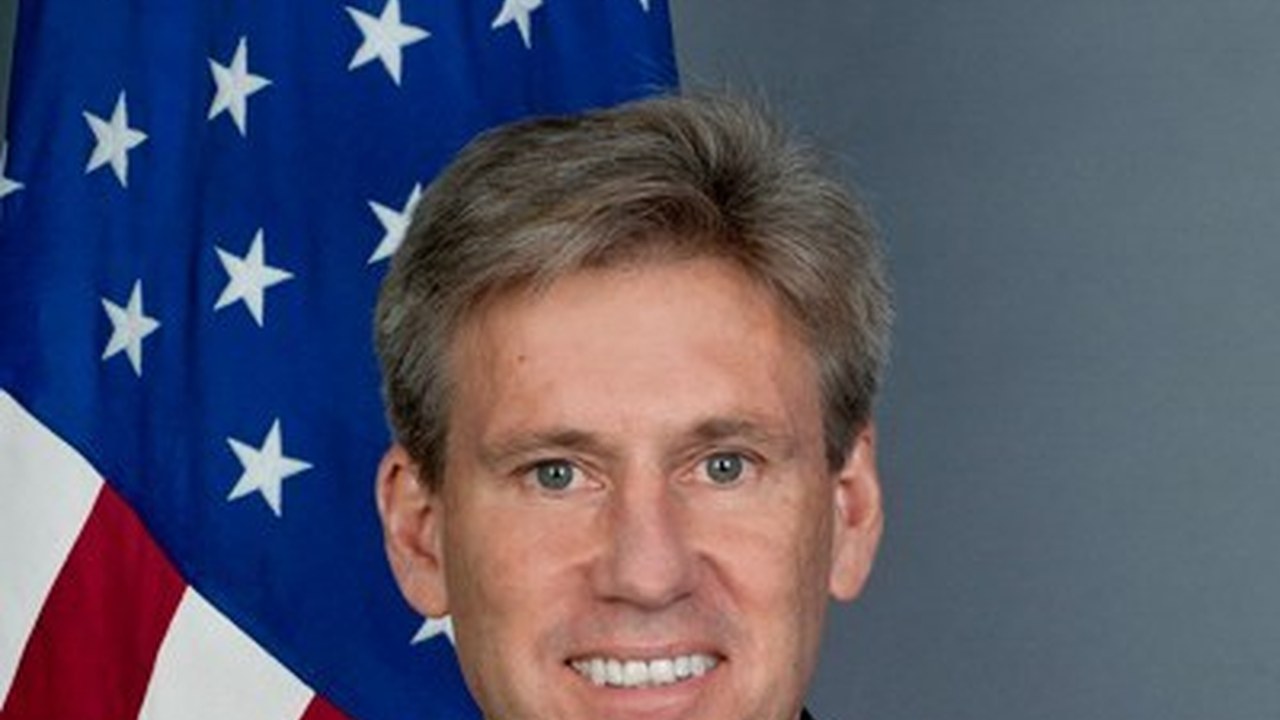
In 2009 President Barack Obama nominated her as secretary of state; she served from 21 January 2009 to 1 February 2013. The State tenure includes the “reset” with Russia, the Libyan intervention, the Pivot to Asia framing, and the 11 September 2012 Benghazi attack that killed Ambassador J. Christopher Stevens and three other Americans. Benghazi investigations, her use of a private email server, and Clinton Foundation fundraising during and around the State years are separate files with their own primary spines — not biography substitutes. Benghazi · Emails & server · Foundation money · Uranium One. [5] [12]
Senate years included work on the Senate Armed Services Committee, a 9/11-era New York recovery focus, and a 2002 vote authorizing force in Iraq that later became a primary-campaign liability. The 2008 concession and subsequent State nomination closed a rival-primary rupture with Obama that both camps documented in real time. At State, the Quadrennial Diplomacy and Development Review, sanctions diplomacy on Iran, and the Abbottabad raid period (as a principal) are part of the institutional résumé even when later campaigns argued over credit. [5] [12]
The private email domain clintonemail.com, the FBI’s Midyear Exam, Director James Comey’s July 2016 and October 2016 public statements, and the State/National Archives records disputes are the email-server file’s spine — not a biography adjective. Likewise, Uranium One’s Committee on Foreign Investment in the United States (CFIUS) approval path is a multi-agency record that long predates viral summaries. Emails & server · Uranium One.
2008, 2016 and the Foundation years
Hillary Clinton sought the Democratic presidential nomination in 2008, losing a long primary to Barack Obama, then endorsed him and joined his cabinet. She ran again in 2016, became the Democratic nominee, selected Tim Kaine as her running mate, and lost the Electoral College to Donald Trump while winning the national popular vote. Campaign email controversies, the FBI’s public statements in 2016, and Russia-related investigations that later intersected both the Clinton and Trump stories are treated in the campaign and Russia-origins files rather than collapsed into a single biography verdict. 2016 campaign · Russia origins. [5] [13]
The Bill, Hillary & Chelsea Clinton Foundation (and related entities) raised large sums for global health, development and Clinton presidential-library programming. Donor lists, speaking fees, and the overlap between Foundation fundraising and Hillary Clinton’s State tenure are the heart of the foundation-money file. Documented donations and schedules are one thing; proof of a specific quid pro quo is another — keep those claims separate. Foundation money · Haiti.
The 2016 campaign’s documentary residue includes the Democratic National Committee email publication, the Podesta email publication, the Access Hollywood tape week, the Comey letter to Congress, and the post-election Intelligence Community Assessment on Russian interference. Which of those artifacts prove coordination, opportunism, or parallel action is exactly what the Russia-origins and campaign files separate. Popular memory often merges them; this collection does not. [13]
Foundation and CGI donor geography — Saudi gifts, Ukrainian oligarch adjacency claims, Canadian mining circles, and U.S. corporate sponsors — appears in IRS filings and journalist reconstructions. Speaking fees paid to Bill Clinton by entities with foreign or regulatory interests are similarly documented as payments; the leap to a specific official act for Hillary Clinton as secretary requires claim-by-claim proof. Foundation money.
After 2016 — the continuing public record
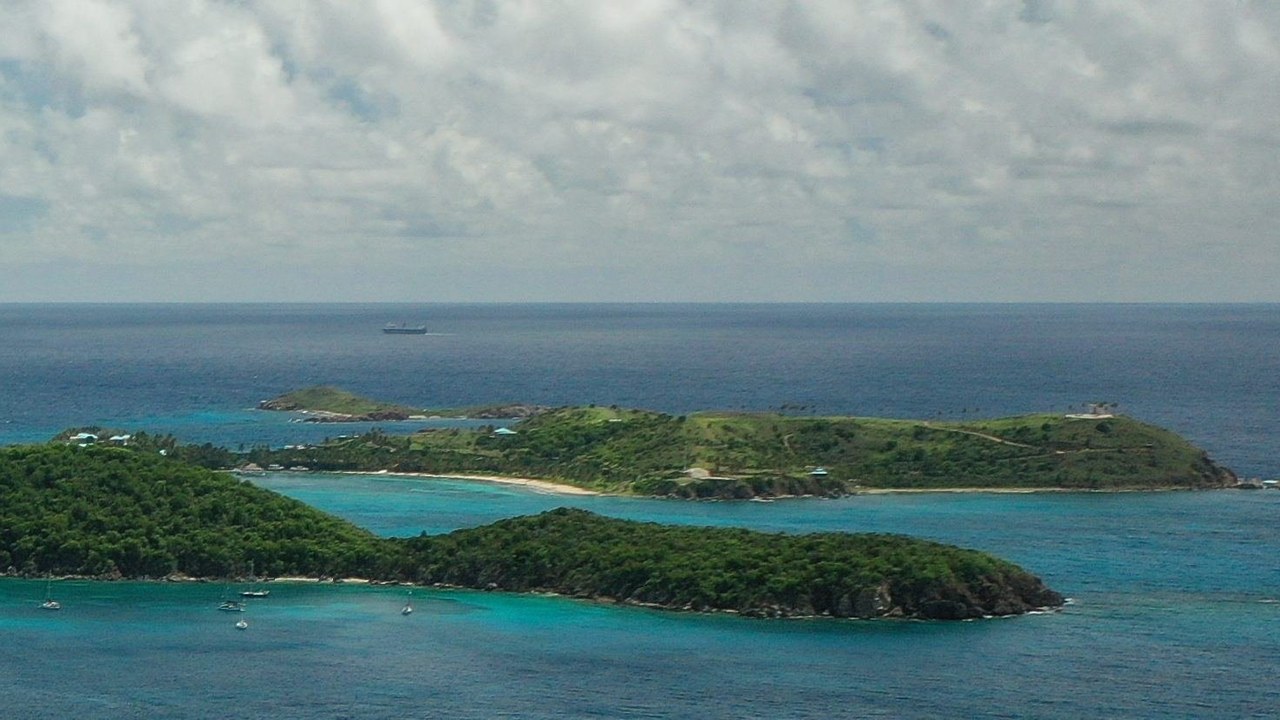
After the 2016 defeat Hillary Clinton remained a public author, speaker and Democratic Party figure; Bill Clinton continued Foundation and public appearances. Chelsea Clinton took on larger Foundation and public roles. Social adjacency to Jeffrey Epstein — flights, photographs, and schedule entries in the public record — is documented for Bill Clinton in flight logs and related materials; it is not, by itself, proof of participation in Epstein’s crimes. Indictment is not guilt; photograph is not conspiracy. The maintained file states the documented edges and the open questions. Epstein connections. [14]
Health, family and longevity claims about either Clinton belong in their own file when they become public controversies; words-and-quotes tracks attributed public statements. This biography ends where the primary institutional résumés end: two of the most documented American political careers of the late twentieth and early twenty-first centuries, with a case index beneath them. Health & family · Words & quotes.
Memoirs (What Happened, My Life, and later essays), paid speeches, and Foundation reorganizations after 2016 are public acts with paper trails. Conspiracy genres that invent body counts or secret police states around the Clintons are tracked — and usually demolished by primary records — in the body-count and conspiracy-stories gateways; they are not biography. Visitors who came for a scandal scorecard should use the case index; visitors who need the résumé spine should stay here. Body count · Conspiracy stories.
BIOGRAPHY SOURCES
- William J. Clinton Presidential Library — Clinton biographies ↗
Library biographical pages for Bill and Hillary Clinton; institutional dates and résumé facts.
- National Park Service — President William Jefferson Clinton ↗
NPS biographical summary; confirms 19 August 1946 birth date.
- Miller Center (UVA) — Bill Clinton presidency essays ↗
Scholarly presidential essays used here for dated institutional facts; characterizations remain the Center’s.
- Clinton Library research index ↗
Research landing page; historically carried a 1942 birth-year typo on an index line while dedicated bios gave 1946.
- U.S. House Office of the Historian — Hillary Rodham Clinton ↗
Congressional biographical record: birth, education, Senate service, State tenure.
- U.S. Senate — Featured biography: Hillary Rodham Clinton ↗
Senate historical biography for service dates and career outline.
- Clinton Library — Hillary Rodham Clinton biography ↗
Library biography covering Wellesley, Yale, Judiciary Committee staff work, marriage date and Arkansas years.
- govinfo — Referral from Independent Counsel (Starr Report materials / related prints) ↗
Gateway into Independent Counsel-era printed record; use for document presence, not as a single-source verdict.
- Clinton White House archives — The Clinton Presidency: A Historic Era of Progress and Prosperity (PDF) ↗
Administration retrospective; advocacy source — evaluate claims independently.
- U.S. Senate legislative floor activity archives ↗
Institutional path to February 1999 impeachment trial floor record and acquittal votes.
- govinfo — Impeachment of President William Jefferson Clinton: Proceedings of the Senate (S. Doc.) ↗
Senate impeachment proceedings compilation.
- Department of State Office of the Historian — Hillary Rodham Clinton ↗
Official State historian page for secretaryship dates (21 Jan 2009 – 1 Feb 2013).
- Federal Election Commission — candidate and committee filings ↗
Primary disclosure home for 2008/2016 campaign finance filings (search candidate committees).
- U.S. Department of Justice — public releases on Epstein-related records ↗
Federal release announcements and dockets evolve; pair with the collection’s Epstein file rather than a single URL snapshot.
Library, NPS, Miller Center, Congressional and State Historian pages are written for institutional presentation; this hub uses them for dates and résumé facts. Contested influence, corruption and conspiracy claims live in the case gateways and full guides — with epistemology labels, not biography compression. Presidential Library biographies ↗ · Miller Center ↗

 FULL GUIDE










Approved reader comments and ratings appear here when JavaScript is on.