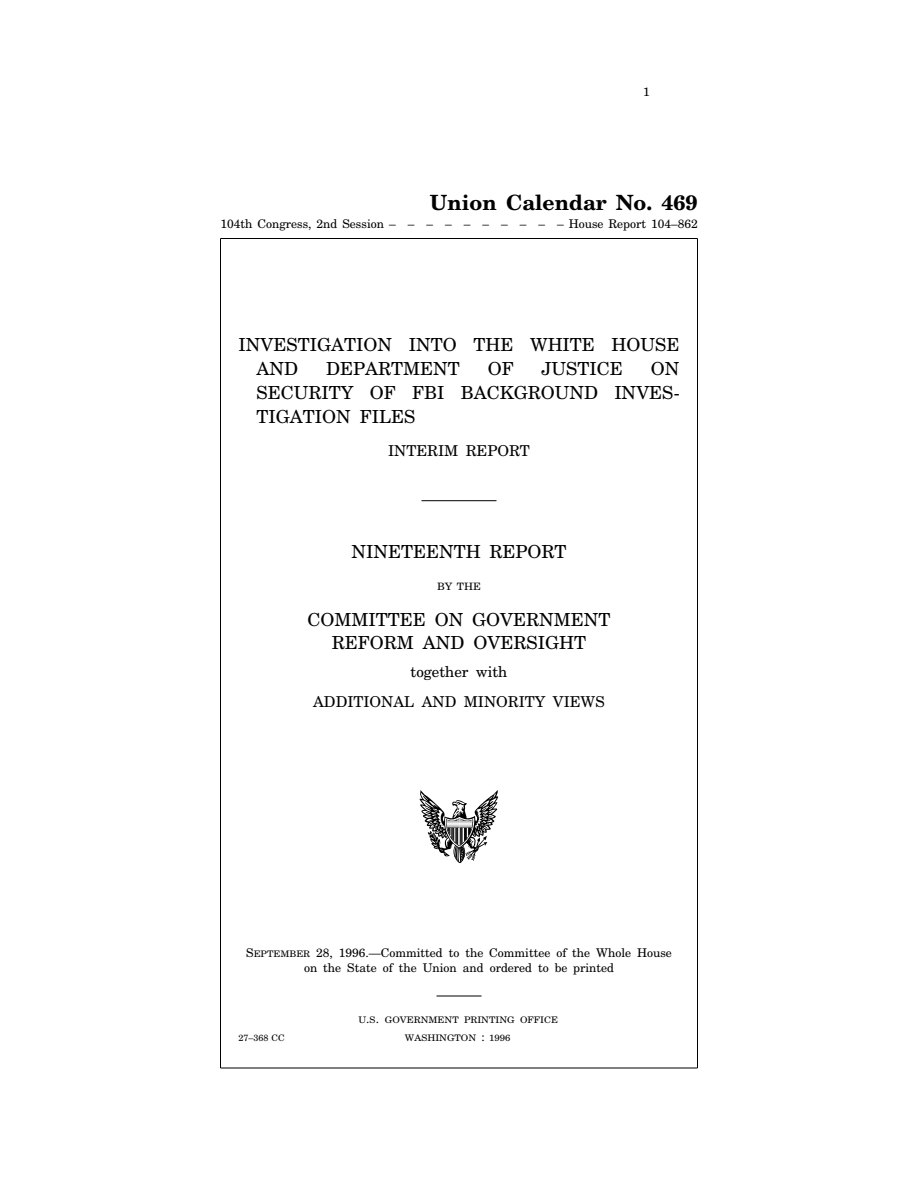
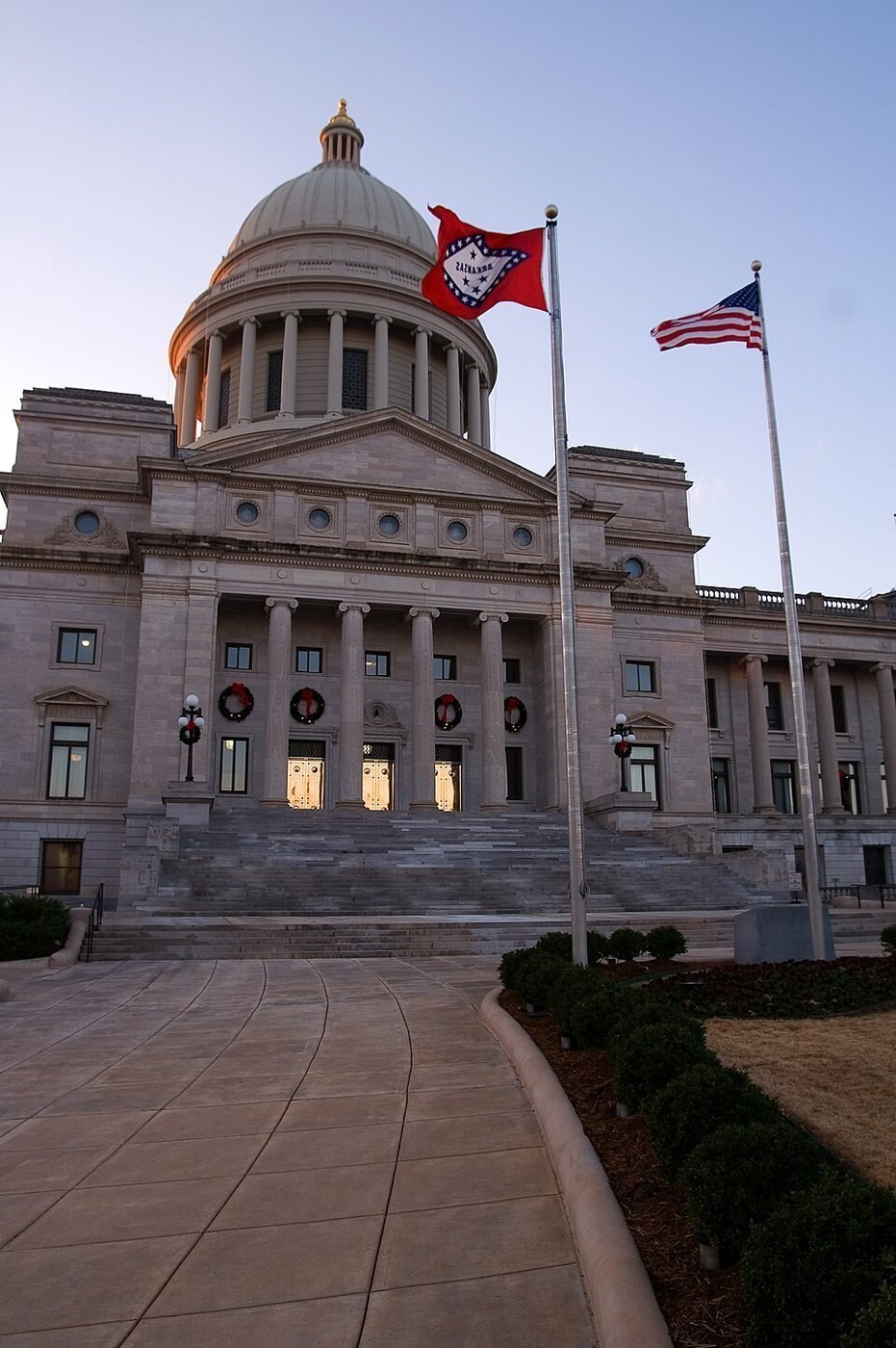
House Report 104-862 cover page (raster).

The AI Files · White House FBI background files, Craig Livingstone, Anthony Marceca, House inquiries, Independent Counsel Ray, and Alexander v. FBI · 1993–2010

Filegate

Hundreds of FBI background files on Republicans land in a Clinton White House security office. Critics cry enemies list. Investigators later call it a bad list and a bungled shop — and still say the files should never have been there.

This guide follows Craig Livingstone and Anthony Marceca from the Office of Personnel Security through the Secret Service list, the 1996 House explosion, Ray’s March 2000 no-prosecution finding, the fuller Marceca report, and Lamberth’s 2010 civil judgments — then rates conspiracy framings against that path. Privacy failure is documented. A Clinton-ordered dirt operation is what Ray said the evidence did not show.

House Report 104-862 cover page (raster). Image: U.S. House of Representatives · Public domain — U.S. government work

The story

The story

From a security office with the wrong list to Ray’s close and Lamberth’s judgments — chapter by chapter.

House Report 104-862 cover page (raster).
House Report 104-862 cover page (raster). U.S. House of Representatives · Public domain — U.S. government work

Chapter 1

Hundreds of files, one bad list

In the first Clinton term, the White House Office of Personnel Security obtained hundreds of FBI background summaries on people who no longer worked there — including prominent Republicans. Critics heard Nixon. Investigators later described an overinclusive passholder list and an inexperienced shop. [1] [2] [3]

Both can be true in ordinary English: the privacy failure was real, and a proven senior-ordered enemies list was what Independent Counsel Robert Ray said the evidence did not show. [4]

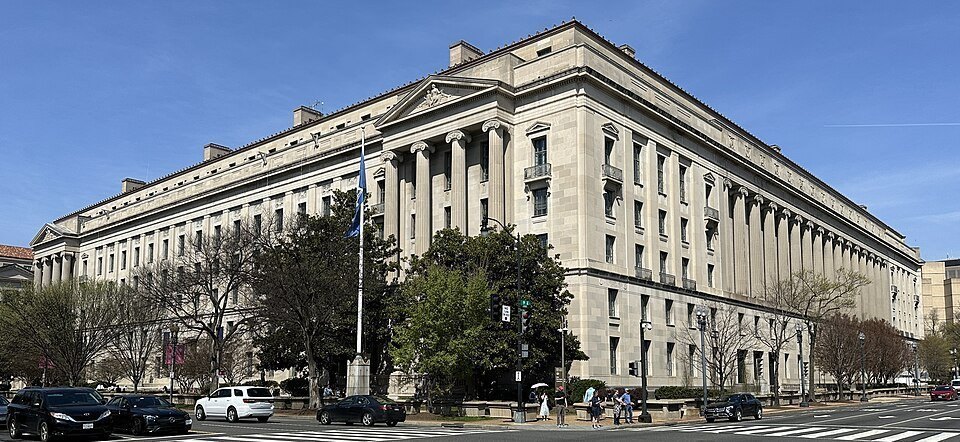
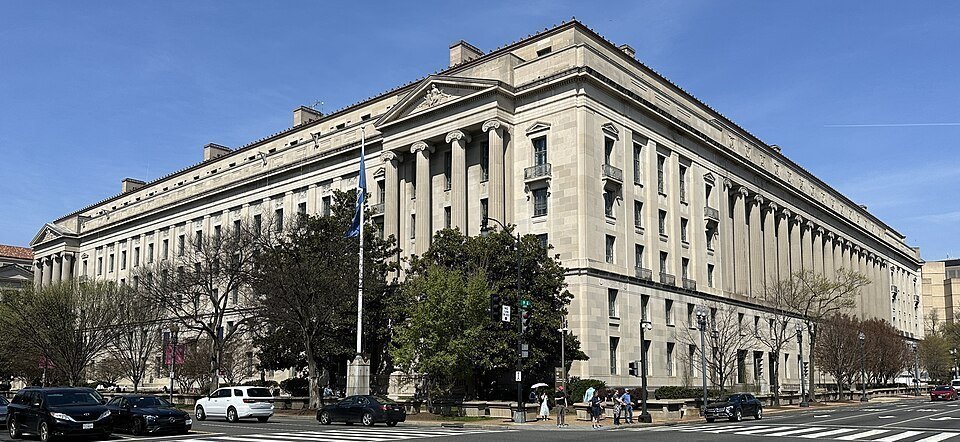
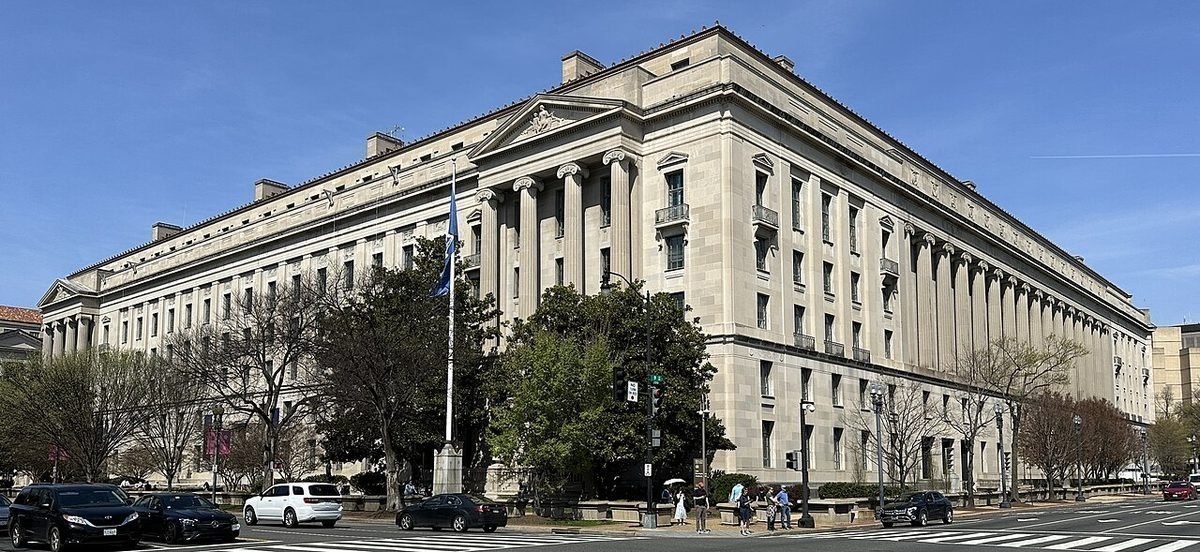
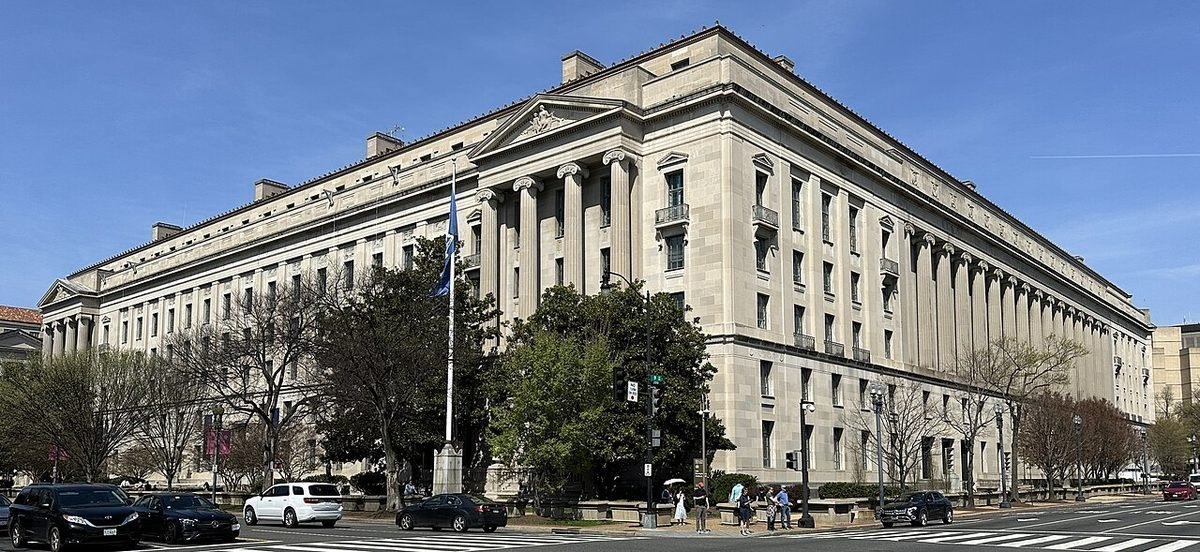
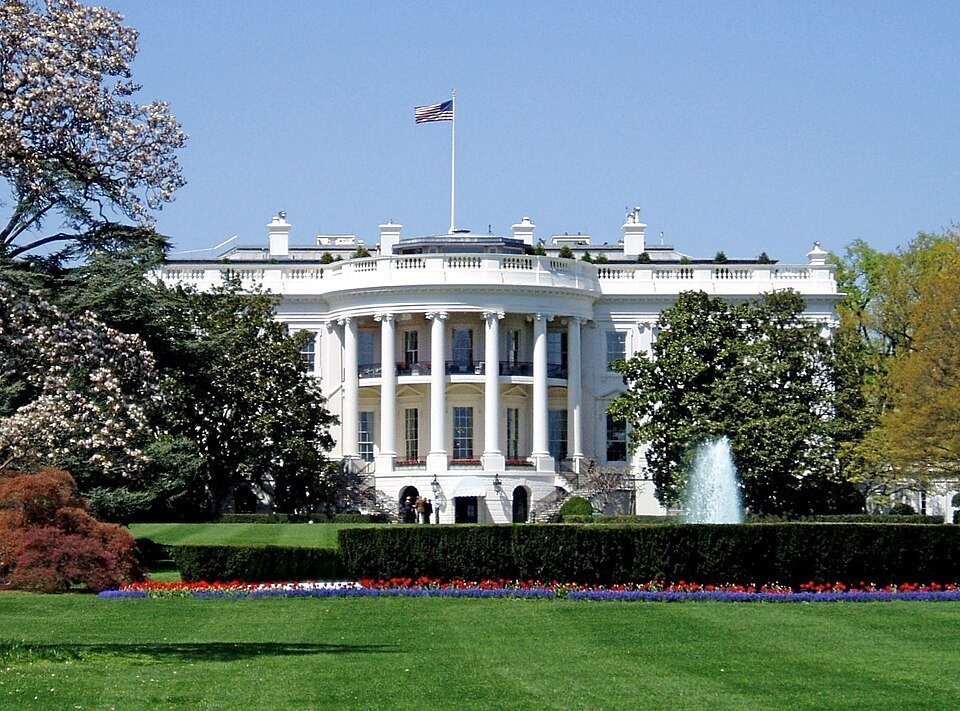
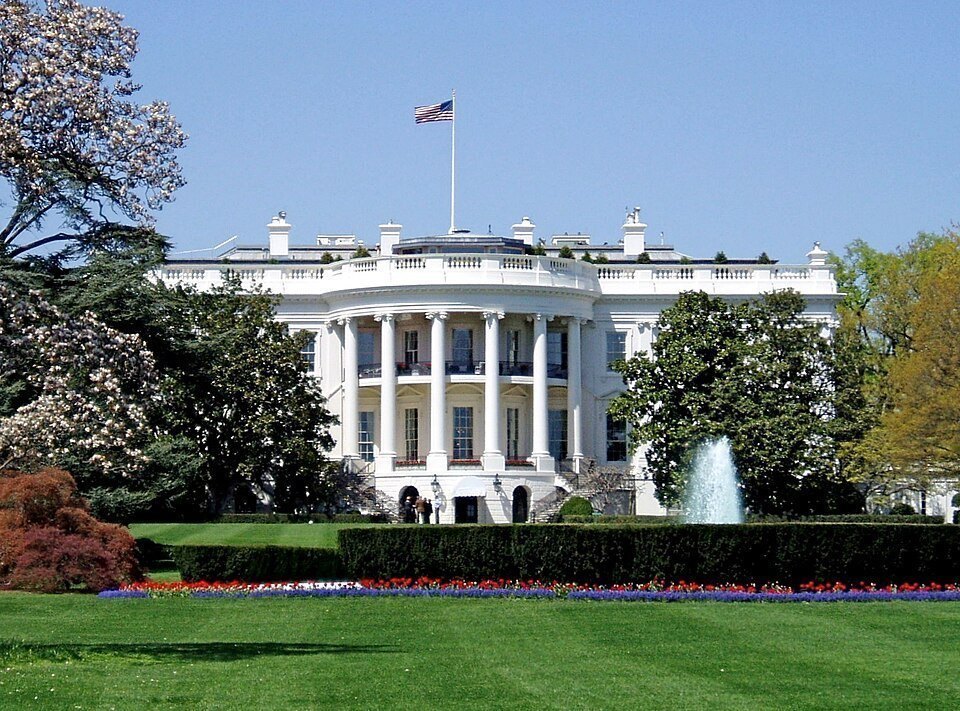
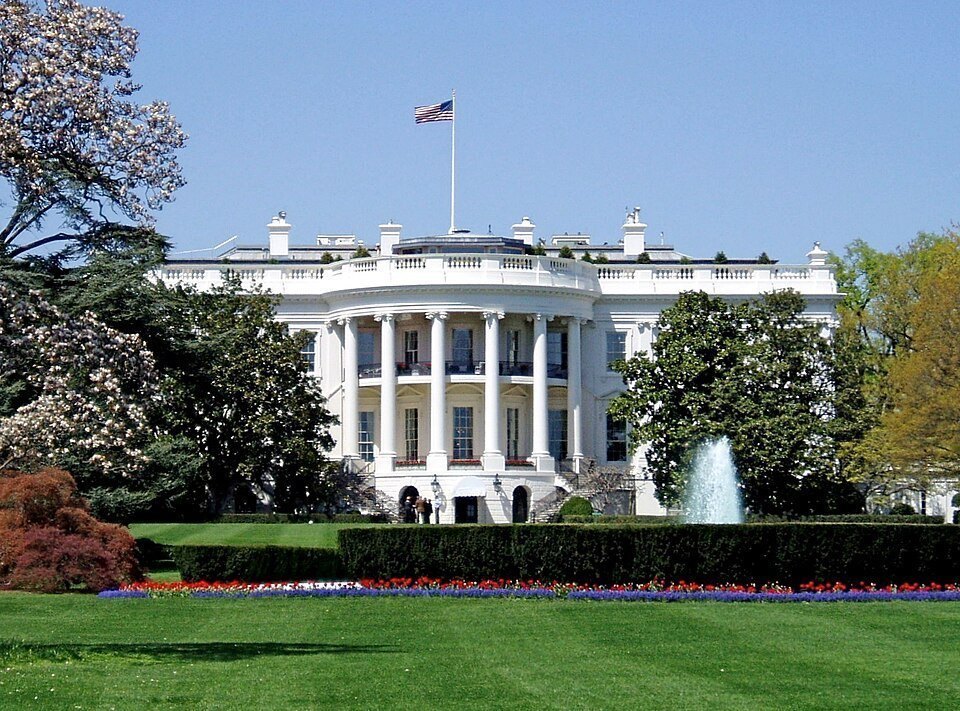
White House north façade (site archive).
White House north façade (site archive). Nishkid64 / Patrickneil (via site archive) · Public domain

Chapter 2

A transition that needed names

January 1993 brought a new staff into an old security machine. Passes, clearances, and background files had to match who actually needed access. That chore is the unglamorous precondition of Filegate’s error story. [5] [6] Transition workload

Institutional stand-in used for Craig Livingstone (no freely licensed portrait located this build); re-encoded from Vince Foster guide archive asset livingstone.jpg.
Institutional stand-in used for Craig Livingstone (no freely licensed portrait located this build); re-encoded from Vince Foster guide archive asset livingstone.jpg. AI Files archive re-encode · Stand-in — flagged

Chapter 3

Livingstone’s office

Craig Livingstone — a political advance aide, not a career security professional — headed the Office of Personnel Security. For critics, that résumé was the tell. For Ray’s later narrative, it was part of how a bungled shop could make a historic mess without a presidential dirt order. [2] [6] Livingstone’s shop

Stand-in image for Anthony Marceca (no freely licensed portrait located); not a likeness claim.
Stand-in image for Anthony Marceca (no freely licensed portrait located); not a likeness claim. AI Files archive · Stand-in — flagged

Chapter 4

Marceca and the update job

Anthony Marceca was brought in to help get the files in order. From August 1993 he requisitioned FBI summary background reports. He becomes the operational center of every serious Filegate chronology. [2] [7] Marceca’s assignment

Document stand-in for the overinclusive passholder list.
Document stand-in for the overinclusive passholder list. AI Files archive · Stand-in — flagged

Chapter 5

The list that would not die

The requests rode a Secret Service-derived list of White House passholders. Ray found it unlabeled and overinclusive: former Reagan- and Bush-era passholders were still on it. The Secret Service disputed blame; Ray said its denials made the public more certain a conspiracy must exist. [2] [8] The bad list

Document stand-in for FBI background file haul.
Document stand-in for FBI background file haul. AI Files archive · Stand-in — flagged

Chapter 6

How large was the haul?

Ray’s report counted more than 1,100 files requested and at least 726 for people who no longer worked at the White House. Early public talk often said “about 900.” The scale, either way, is why Filegate could not be shrugged off as a handful of mistakes. [9] [2] How many files

Hearing stand-in for Republican file-subjects category.
Hearing stand-in for Republican file-subjects category. AI Files archive · Stand-in — flagged

Chapter 7

Famous Republicans, quiet career staff

Politics heard James Baker and Brent Scowcroft. The court later also noted career, non-political employees among those whose reports were taken. Famous names explained the oxygen; career names explained why “enemies list” was too neat. [10] [11] Why GOP names mattered Not only celebrities

Document stand-in for FBI institutional context (no building photo this build).
Document stand-in for FBI institutional context (no building photo this build). AI Files archive · Stand-in — flagged

Chapter 8

Files in the building

Whatever one believes about motive, confidential FBI summaries sat in a political White House security office. That is the privacy failure that survives every later clearance of a senior plot. [3] [1] Files in the building

Press/memory texture from Foster guide archive.
Press/memory texture from Foster guide archive. AI Files archive · Archive re-encode

Chapter 9

June 1996: the name “Filegate”

When the story broke, Congress moved, cable news named it, and Livingstone resigned. It was an election year. The Nixon analogy wrote itself. [12] [13] [14] Filegate breaks

House interim Filegate report cover.
House interim Filegate report cover. U.S. House of Representatives · Public domain — U.S. government work

Chapter 10

The House interim report

On September 28, 1996, House Report 104-862 criticized what the majority called a cavalier White House approach to FBI file security. Minority views fought the framing inside the same document. Oversight is not a verdict — but it set memory. [14] [15] H. Rept. 104-862

Independent Counsel institutional image (Ray archive asset).
Independent Counsel institutional image (Ray archive asset). AI Files archive · Archive re-encode

Chapter 11

Independent Counsel takes the file

Filegate entered the Independent Counsel world that also held Whitewater and other Clinton-era fights — Starr’s office, then Robert Ray’s. Shared institutions are not shared facts. OIC jurisdiction Whitewater cross-link [16] [17]

Stand-in image for Anthony Marceca (no freely licensed portrait located); not a likeness claim.
Stand-in image for Anthony Marceca (no freely licensed portrait located); not a likeness claim. AI Files archive · Stand-in — flagged

Chapter 12

Immunity and lies

Marceca received immunity. Ray later reported he admitted lying to Congress and a grand jury — and that those lies still did not establish a Clinton-ordered conspiracy. Credibility damage and plot proof are different questions. [18] [2] Immunity, lies, and limits

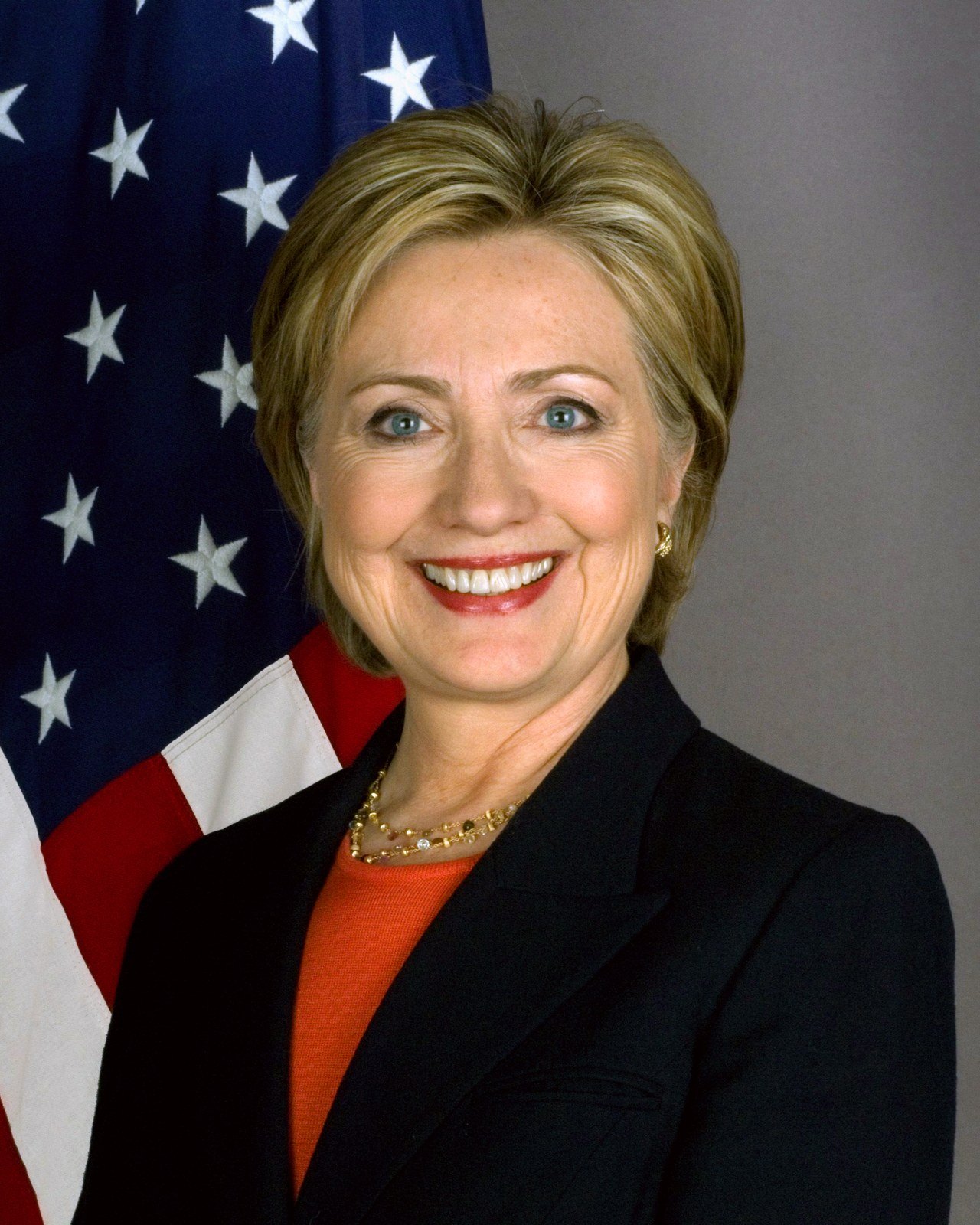
Hillary Clinton official portrait (site archive).
Hillary Clinton official portrait (site archive). U.S. Department of State · Public domain

Chapter 13

The First Lady under oath

In 1999 Hillary Clinton swore she had not hired Livingstone for the security job. The hiring fight remains the bridge many critics still want; Ray’s seeking-files finding is a different bridge. [19] [1] Sworn denial

Robert Ray era institutional image from Foster guide archive (re-encode).
Robert Ray era institutional image from Foster guide archive (re-encode). AI Files archive / U.S. government materials · Public domain or archive re-encode

Chapter 14

March 16, 2000

Ray’s office announced there was no substantial and credible evidence that Bill or Hillary Clinton — or other senior officials — sought the files. No prosecutions. The Nussbaum false-testimony question closed the same way. [4] [1] [20] No senior plot

Document stand-in for the overinclusive passholder list.
Document stand-in for the overinclusive passholder list. AI Files archive · Stand-in — flagged

Chapter 15

July’s fuller story

When more of the Marceca report reached the public in late July 2000, the New York Times summarized Ray’s mechanics: Marceca’s mistakes, the bad list, and a Secret Service testimony fight that had made conspiracy feel inevitable. [2] [7] Error, not a dirt op

Institutional façade stand-in for D.C. federal court.
Institutional façade stand-in for D.C. federal court. AI Files archive · Stand-in — flagged

Chapter 16

Fourteen years in civil court

Subjects of the files sued under the Privacy Act. Criminal close did not end civil discovery. The case outlasted the Clinton presidency and then some. [21] [11] Suits begin Fourteen years

Institutional stand-in for Judge Lamberth (no portrait this build).
Institutional stand-in for Judge Lamberth (no portrait this build). AI Files archive · Stand-in — flagged

Chapter 17

Lamberth, March 9, 2010

Chief Judge Royce Lamberth entered judgment for the defendants. FBI disclosures fit published routine uses; willful Privacy Act conspiracy was unproven. The opinion’s opening contrast — bungling versus “something rotten” — is Filegate in one paragraph. [11] [22] [23] Mix-up, not conspiracy

White House north façade (site archive).
White House north façade (site archive). Nishkid64 / Patrickneil (via site archive) · Public domain

Chapter 18

Sibling doors, not one hallway

Vince Foster, Travelgate, and Whitewater share years and institutions with Filegate. They do not share this critical path. Travelgate especially stays a later separate case — light cross-link only. [24] [25] [17]

Critical-path graphic texture from Foster guide archive.
Critical-path graphic texture from Foster guide archive. AI Files archive · Archive re-encode

Chapter 19

Path tease — sixteen links

Follow the numbered critical path (#path): transition chore → Livingstone → Marceca → FBI requests → bad list → hundreds of former-staff files → GOP names in the politics → 1996 break → House interim report → OIC → Marceca immunity/lies → Hillary’s sworn denial → Ray’s March 2000 no-plot finding → July error report → civil suits → Lamberth 2010. Theories that need a Clinton-ordered enemies list must break or recast the Ray and Lamberth steps.

Memory texture for online retellings.
Memory texture for online retellings. AI Files archive · Archive re-encode

Chapter 20

What memory still gets wrong

Online lists still serve Filegate as proof of an enemies list while skipping Ray and Lamberth. The honest ledger is shorter and harder: the files should not have been there; the senior plot charge did not meet the Independent Counsel’s standard — and later failed civil willfulness too. [26] [4] [11] What settled Ukraine hard stop [27] [28]

Sources for the story
  1. CNN: Independent Counsel finds no 'substantial and credible' evidence of Clinton involvement in Filegate (16 Mar 2000)
  2. New York Times: F.B.I. Files Wound Up at White House by Error, Report Finds (29 Jul 2000)
  3. Documented: FBI files of former staff should not have been sitting in WH security office
  4. Robert W. Ray Independent Counsel — Filegate no-prosecution determination (Mar 2000)
  5. 1993 Clinton administration transition — personnel/security workload context
  6. White House Office of Personnel Security — institutional role
  7. Final Report of the Independent Counsel — Investigation In Re: Anthony Marceca (Robert W. Ray, 16 Mar 2000)
  8. U.S. Secret Service — White House pass / access list context (as discussed in Ray reporting)
  9. Ray report file counts (via NYT Jul 2000)
  10. Contemporaneous reporting that FBI files obtained included prominent Republicans
  11. Alexander v. Federal Bureau of Investigation, 691 F. Supp. 2d 182 (D.D.C. 2010)
  12. June 1996 public break of Filegate
  13. Contemporaneous coverage of Craig Livingstone resignation (June 1996 Filegate break)
  14. House Report 104-862: Investigation into the White House and Department of Justice on Security of FBI Background Investigation Files (Interim Report)
  15. House Committee on Government Reform and Oversight — Filegate investigation context (104th Congress)
  16. Independent Counsel institutional context (Ethics in Government Act era)
  17. The AI Files — Whitewater full guide
  18. Anthony Marceca immunity and admitted false statements (Ray report via NYT)
  19. Hillary Rodham Clinton 1999 sworn statement on Livingstone hiring (as reported)
  20. Washington Post: Report Clears First Lady and Others in FBI Files Case (17 Mar 2000)
  21. Alexander v. FBI civil actions filed (1996–97)
  22. Politico: Judge kills off Filegate suits, 14 years on (9 Mar 2010)
  23. Lamberth: bureaucratic bungling vs conspiracy framing (2010 opinion)
  24. The AI Files — Vince Foster full guide
  25. The AI Files — Travelgate short case (later full guide planned)
  26. No senior-ordered enemies-list finding (Ray 2000)
  27. Hard stop note — Ukraine war out of scope
  28. Editorial rule — never cite Grokipedia

Explore

Go deeper, era by era

Pick an era, or search everything at once: entries, people, dated events, claims, theories and media.

Threads

Follow one thread through the whole story

Each thread pulls together the entries on one question, across all the eras.

Key people

Who was who

Livingstone, Marceca, the Clintons, Nussbaum, Clinger’s committee, Ray, Lamberth, and the Secret Service dispute.

Craig LivingstoneCraig LivingstoneHead, White House Office of Personnel Security

Political advance aide who ran the office that requested FBI background summaries; resigned when Filegate broke in 1996.

Sources
  1. New York Times: F.B.I. Files Wound Up at White House by Error, Report Finds (29 Jul 2000)
  2. Contemporaneous coverage of Craig Livingstone resignation (June 1996 Filegate break)
Anthony MarcecaAnthony MarcecaDetailée / investigator, Office of Personnel Security
Hillary Rodham ClintonHillary Rodham ClintonFirst Lady (1993–2001)
Kenneth W. StarrKenneth W. StarrIndependent Counsel (predecessor)

OIC structure that later included Filegate under Starr then Ray; not the author of the 2000 Filegate close.

Sources
  1. Independent Counsel institutional context (Ethics in Government Act era)
  2. The AI Files — Whitewater full guide
Royce C. LamberthRoyce C. LamberthChief Judge, U.S. District Court for D.C.

Entered March 9, 2010 judgments ending remaining Filegate Privacy Act suits for the defendants.

Sources
  1. Alexander v. Federal Bureau of Investigation, 691 F. Supp. 2d 182 (D.D.C. 2010)
  2. Politico: Judge kills off Filegate suits, 14 years on (9 Mar 2010)
Dan BurtonDan BurtonHouse investigator / later chair track
Cardiss CollinsCardiss CollinsRanking Democrat, House Government Reform

Named on the 104th Congress committee roster that produced the interim report with minority views.

Sources
  1. House Report 104-862: Investigation into the White House and Department of Justice on Security of FBI Background Investigation Files (Interim Report)
Henry WaxmanHenry WaxmanHouse Democrat on Government Reform
Lewis MerlettiLewis MerlettiSecret Service director (era of dispute)

Ray criticized Secret Service denials about list capabilities; Merletti’s counsel disputed Ray’s characterization.

Sources
  1. U.S. Secret Service — White House pass / access list context (as discussed in Ray reporting)
  2. New York Times: F.B.I. Files Wound Up at White House by Error, Report Finds (29 Jul 2000)
Federal Bureau of InvestigationFederal Bureau of InvestigationCustodian of background summaries

Provided summary reports on request; Lamberth treated disclosures as routine-use suitability releases.

Sources
  1. Alexander v. Federal Bureau of Investigation, 691 F. Supp. 2d 182 (D.D.C. 2010)
  2. Federal Register notice of FBI routine uses (background for Privacy Act analysis)
U.S. Secret ServiceU.S. Secret ServiceWhite House pass / access systems
Cara Leslie AlexanderCara Leslie AlexanderLead named plaintiff, Alexander v. FBI

Among those whose FBI background reports were obtained; civil case caption plaintiff.

Sources
  1. Alexander v. Federal Bureau of Investigation, 691 F. Supp. 2d 182 (D.D.C. 2010)
  2. Alexander v. FBI civil actions filed (1996–97)
James A. Baker IIIJames A. Baker IIIFormer senior GOP official (file among those discussed in press)

Contemporaneous politics treated prominent Republican names in the haul as proof of targeting; Ray later attributed the haul to list error.

Sources
  1. Contemporaneous reporting that FBI files obtained included prominent Republicans
  2. CNN: Independent Counsel finds no 'substantial and credible' evidence of Clinton involvement in Filegate (16 Mar 2000)
Brent ScowcroftBrent ScowcroftFormer National Security Advisor (press-cited file subject type)

Example of the high-profile Republican category that made Filegate politically explosive.

Sources
  1. Contemporaneous reporting that FBI files obtained included prominent Republicans
Janet RenoJanet RenoAttorney General

Institutional DOJ context for Independent Counsel appointments in the Clinton-era probes.

Sources
  1. Independent Counsel institutional context (Ethics in Government Act era)
Lorraine AdamsLorraine AdamsWashington Post reporter

Co-byline on the March 2000 WaPo Filegate clear story.

Sources
  1. Washington Post: Report Clears First Lady and Others in FBI Files Case (17 Mar 2000)
David A. ViseDavid A. ViseWashington Post reporter

Co-byline on the March 2000 WaPo Filegate clear story.

Sources
  1. Washington Post: Report Clears First Lady and Others in FBI Files Case (17 Mar 2000)
Warren L. DennisWarren L. DennisCounsel for Secret Service officials

Submitted appendix comments disputing Ray’s criticism of Secret Service testimony.

Sources
  1. New York Times: F.B.I. Files Wound Up at White House by Error, Report Finds (29 Jul 2000)
John LibonatiJohn LibonatiFormer Secret Service special agent

Among SS officials whose counsel disputed Ray’s list-capability critique.

Sources
  1. New York Times: F.B.I. Files Wound Up at White House by Error, Report Finds (29 Jul 2000)
Jeffrey UndercofferJeffrey UndercofferFormer Secret Service special agent

Named with Merletti/Libonati in the Ray-report appendix dispute.

Sources
  1. New York Times: F.B.I. Files Wound Up at White House by Error, Report Finds (29 Jul 2000)
White House Office of Personnel SecurityWhite House Office of Personnel SecurityInstitutional office
Special Division (Independent Counsel court)Special Division (Independent Counsel court)Judicial panel overseeing Independent Counsel
File subjects / civil plaintiffsFile subjects / civil plaintiffsPeople whose FBI files were obtained

Hundreds of former staff — GOP political and career — whose privacy interests drove the civil litigation.

Sources
  1. Alexander v. Federal Bureau of Investigation, 691 F. Supp. 2d 182 (D.D.C. 2010)
  2. Documented: FBI files of former staff should not have been sitting in WH security office
House majority investigators (104th)House majority investigators (104th)Republican majority, Government Reform
House minority (104th)House minority (104th)Democratic minority views
Democratic political advance networkDemocratic political advance networkHiring pool for Livingstone/Marceca backgrounds

Ray/press descriptions emphasize advance-politics résumés rather than career security résumés.

Sources
  1. New York Times: F.B.I. Files Wound Up at White House by Error, Report Finds (29 Jul 2000)
Office of Independent Counsel staffOffice of Independent Counsel staffInvestigators under Starr then Ray
Attorney General (scope certification)Attorney General (scope certification)Westfall Act / scope-of-employment certification in civil case

Lamberth opinion also addresses AG certification on individual defendants’ scope of employment.

Sources
  1. Alexander v. Federal Bureau of Investigation, 691 F. Supp. 2d 182 (D.D.C. 2010)

Timeline

Day by day

32 dated events, 1993–2010, each with its source.

  1. Jan 1993
    Clinton White House opens New administration faces pass and personnel-security update workload. Personnel security · source source
  2. 1993
    Livingstone runs personnel security Craig Livingstone heads the Office of Personnel Security despite a political-advance, not career-security, résumé. Personnel security · source source
  3. 1993
    Marceca arrives to update files Anthony Marceca is brought in to help get personnel-security files in order. Marceca track · source source
  4. Aug 1993
    FBI summary requests begin Marceca starts requisitioning FBI background summaries using a White House passholder list. FBI file requests · source source
  5. 1993–94
    Overinclusive list in use The list includes former Reagan/Bush-era passholders who no longer needed access. FBI file requests · source source
  6. 1993–94
    Hundreds of former-staff files arrive Ray later tallies more than 1,100 requests and at least 726 files for people no longer at the White House. Whose files · source source
  7. 1993–94
    High-profile Republican names in the set Press later emphasizes prominent GOP figures among the files — the scandal’s political fuel. Whose files · source source
  8. 1994–96
    Files sit in the security office Sensitive summaries remain in White House personnel-security custody — the privacy failure even error accounts concede. FBI file requests · source source
  9. Jun 1996
    Filegate becomes public Congress and press learn the White House had obtained hundreds of FBI files on former Republican-era staff. The 1996 break · source source
  10. Jun 1996
    Livingstone resigns The personnel-security chief exits as the scandal peaks. Livingstone resigns · source source
  11. Summer–Fall 1996
    House hearings Government Reform investigates White House and DOJ handling of FBI background files. The 1996 break · source source
  12. 28 Sep 1996
    House interim report issued H. Rept. 104-862 criticizes a cavalier White House approach to FBI file security; minority views contest the framing. House interim report · source source
  13. 1996–97
    Civil suits filed Alexander v. FBI and related actions bring Privacy Act and common-law claims. Alexander v. FBI · source source
  14. 1996–1999
    Independent Counsel takes Filegate OIC jurisdiction covers the FBI-files matter within the broader Clinton-era independent-counsel structure. Independent Counsel · source source
  15. Nov 1996
    1996 election context Filegate is live political ammunition in the presidential year; it does not become a criminal conviction story. The 1996 break · source source
  16. mid/late 1990s
    Marceca immunity Marceca receives immunity; Ray later says he admitted lying to Congress and a grand jury but could not be prosecuted for those lies. Marceca track · source source
  17. 1999
    Hillary Clinton sworn statement She denies under oath a role in hiring Livingstone for the security post. No prosecution · source source
  18. 1999–2000
    Ray succeeds Starr Robert W. Ray becomes Independent Counsel and closes remaining matters including Filegate. Independent Counsel · source source
  19. 16 Mar 2000
    Ray: no substantial and credible evidence No prosecutions of the Clintons or other senior officials for seeking the files; Nussbaum false-testimony question also closed without prosecution. No prosecution · source source
  20. Mar 2000
    Report filed under seal process Named persons may comment before public release of fuller volumes. Independent Counsel · source
  21. 28–29 Jul 2000
    Fuller Marceca report public NYT: files arrived by error — Marceca + bad Secret Service list; SS denials magnified conspiracy fears Ray rejected. Secret Service dispute · source source
  22. 2000
    Secret Service appendix dispute Counsel for Merletti, Libonati, and Undercoffer contest Ray’s characterization of their testimony. Secret Service dispute · source
  23. 2000–2009
    Civil litigation grinds on Discovery and motions practice continue for years after Ray’s criminal close. Alexander v. FBI · source source
  24. 9 Mar 2010
    Lamberth enters judgment for defendants Remaining Filegate suits end: FBI routine-use; no proven willful Privacy Act conspiracy by the White House. Lamberth judgments · source source
  25. 2000s
    Post-Ray political memory Enemies-list tellings continue in partisan media even after the no-prosecution finding. After the findings · source source
  26. 2010s–2020s
    Internet retellings Filegate recirculates in online Clinton scandal lists, often without Ray or Lamberth endpoints. After the findings · source source
  27. 1978–2000
    Whitewater OIC context (sibling) Same Independent Counsel institutional world — separate financial spine. Independent Counsel · source source
  28. Jul 1993
    Vince Foster death (sibling) Same early Clinton counsel-office year — separate death investigation. Personnel security · source
  29. 1993–2000
    Travelgate (sibling nest) Travel Office firings are a different case; not absorbed into Filegate’s critical path. Personnel security · source
  30. 2014–2026
    Hard stop: Ukraine war out of scope This guide does not cover Ukraine-war controversies. After the findings · source
  31. 1974 / applied 1996–2010
    Privacy Act frame 5 U.S.C. § 552a supplies the civil statutory tests Lamberth applies. Alexander v. FBI · source source
  32. 1993 notice / 2010 opinion
    FBI routine-use publication FBI publishes routine uses for suitability/access disclosures; Lamberth relies on that framework. Lamberth judgments · source source

What we know now

What we know now

What criminal and civil forums settled, what politics kept alive, and what still divides camps.

The yardstick

The critical path

Sixteen links the mainstream account needs — each tied to a dated event.

  1. 1
    Jan 19931993 security workload

    New Clinton White House must update passes and personnel-security holdings.[1][2]

    On the timeline
  2. 2
    1993Livingstone heads OPS

    Craig Livingstone — political advance background — runs Office of Personnel Security.[3][2]

    On the timeline
  3. 3
    1993Marceca brought in

    Anthony Marceca helps update personnel-security files.[3][4]

    On the timeline
  4. 4
    Aug 1993FBI requests begin

    From August 1993, Marceca requisitions FBI summary background reports using a passholder list.[3][5]

    On the timeline
  5. 5
    1993–94Overinclusive list

    The Secret Service-derived list is unlabeled/overinclusive and includes former passholders.[3][6]

    On the timeline
  6. 6
    1993–94Hundreds of former-staff files

    Ray: >1,100 files requested; ≥726 for people no longer at the White House.[5][3]

    On the timeline
  7. 7
    1993–94GOP names in the haul

    Files include prominent Republicans as well as career staff — the political oxygen of the scandal.[7][8]

    On the timeline
  8. 8
    Jun 1996June 1996 break

    Filegate becomes public; House investigates; Livingstone resigns.[9][10][11]

    On the timeline
  9. 9
    28 Sep 1996House interim report

    H. Rept. 104-862 (Sept 28, 1996) criticizes White House handling of FBI file security.[11][12]

    On the timeline
  10. 10
    1996–1999OIC jurisdiction

    Independent Counsel reviews Filegate under the Clinton-era probe structure (Starr→Ray).[13][4]

    On the timeline
  11. 11
    mid/late 1990sMarceca immunity & lies

    Marceca’s immunized false statements to Congress/grand jury do not, for Ray, prove a senior plot.[14][3]

    On the timeline
  12. 12
    1999Hillary sworn denial

    1999 sworn statement denies role in hiring Livingstone for the security job.[15][8]

    On the timeline
  13. 13
    16 Mar 2000Ray: no senior plot

    March 16, 2000 — no substantial and credible evidence Clintons or other senior officials sought the files; no prosecutions.[16][8][17]

    On the timeline
  14. 14
    28–29 Jul 2000Fuller error finding

    July 2000 public Marceca report: error/incompetence + bad list; SS testimony magnified conspiracy fears.[3][6][4]

    On the timeline
  15. 15
    1996–97Civil Privacy Act track

    Alexander v. FBI and related suits litigate Privacy Act and related claims for years.[18][19][20]

    On the timeline
  16. 16
    9 Mar 2010Lamberth 2010

    March 9, 2010 — judgment for defendants; mix-up, not proven willful conspiracy.[19][21][22]

    On the timeline
Sources for the 16 steps
  1. 1993 Clinton administration transition — personnel/security workload context
  2. White House Office of Personnel Security — institutional role
  3. New York Times: F.B.I. Files Wound Up at White House by Error, Report Finds (29 Jul 2000)
  4. Final Report of the Independent Counsel — Investigation In Re: Anthony Marceca (Robert W. Ray, 16 Mar 2000)
  5. Ray report file counts (via NYT Jul 2000)
  6. U.S. Secret Service — White House pass / access list context (as discussed in Ray reporting)
  7. Contemporaneous reporting that FBI files obtained included prominent Republicans
  8. CNN: Independent Counsel finds no 'substantial and credible' evidence of Clinton involvement in Filegate (16 Mar 2000)
  9. June 1996 public break of Filegate
  10. Contemporaneous coverage of Craig Livingstone resignation (June 1996 Filegate break)
  11. House Report 104-862: Investigation into the White House and Department of Justice on Security of FBI Background Investigation Files (Interim Report)
  12. House Committee on Government Reform and Oversight — Filegate investigation context (104th Congress)
  13. Independent Counsel institutional context (Ethics in Government Act era)
  14. Anthony Marceca immunity and admitted false statements (Ray report via NYT)
  15. Hillary Rodham Clinton 1999 sworn statement on Livingstone hiring (as reported)
  16. Robert W. Ray Independent Counsel — Filegate no-prosecution determination (Mar 2000)
  17. Washington Post: Report Clears First Lady and Others in FBI Files Case (17 Mar 2000)
  18. Alexander v. FBI civil actions filed (1996–97)
  19. Alexander v. Federal Bureau of Investigation, 691 F. Supp. 2d 182 (D.D.C. 2010)
  20. Privacy Act of 1974, 5 U.S.C. § 552a
  21. Politico: Judge kills off Filegate suits, 14 years on (9 Mar 2010)
  22. Lamberth: bureaucratic bungling vs conspiracy framing (2010 opinion)

OTHER READINGS

How camps tell the same file haul differently

Each major framing measured against the critical path: what it must deny or recast, and what it adds.

Hearing stand-in for Republican file-subjects category.
Hearing stand-in for Republican file-subjects category. AI Files archive · Stand-in — flagged
Discredited

Clinton-ordered enemies list

Seniors directed Livingstone/Marceca to harvest Republican FBI files for political intelligence.

  1. 11993 security workload
  2. 2Livingstone heads OPS
  3. 3Marceca brought in
  4. 4FBI requests begin
  5. 5Overinclusive list
  6. 6Hundreds of former-staff files
  7. 7GOP names in the haul
  8. 8June 1996 break
  9. 9House interim report
  10. 10OIC jurisdiction
  11. 11Marceca immunity & lies
  12. 12Hillary sworn denial
  13. 13Ray: no senior plotbreaks
  14. 14Fuller error findingbreaks
  15. 15Civil Privacy Act track
  16. 16Lamberth 2010recast
  17. +Senior directive to harvest GOP filesNo evidence
  18. +Documented blackmail useNo evidence
Open the file
Who believes it
Who has voiced it
Where it started

June 1996 public break + House majority framing of a politicized security office.[2][4]

Why it lives

Online Clinton scandal lists and talk-radio memory after Ray.

If it were true

Ray’s no-prosecution announcement and error narrative would have to be fundamentally wrong.

How it squares with the record

The theory treats GOP names + advance-man résumés as proof of direction. [5]

Ray required substantial and credible evidence of senior seeking of files — and said he lacked it. [1]

What holds up Discredited

Explains 1996 political anger; fails Ray’s and Lamberth’s proof standards.

Against the critical path
  1. 11993 security workload
  2. 2Livingstone heads OPS
  3. 3Marceca brought in
  4. 4FBI requests begin
  5. 5Overinclusive list
  6. 6Hundreds of former-staff files
  7. 7GOP names in the haul
  8. 8June 1996 break
  9. 9House interim report
  10. 10OIC jurisdiction
  11. 11Marceca immunity & lies
  12. 12Hillary sworn denial
  13. 13Ray: no senior plotbreaks
  14. 14Fuller error findingbreaks
  15. 15Civil Privacy Act track
  16. 16Lamberth 2010recast
  17. +Senior directive to harvest GOP filesNo evidence
  18. +Documented blackmail useNo evidence

Strongest 1996 intuition; weakest after 2000/2010 endpoints.

Removes from the critical path
  • 13. Ray: no senior plot must deny Must reject Ray’s no substantial and credible evidence finding What has to be fake or wrong: Ray’s March 2000 determination[1]
  • 14. Fuller error finding must deny Must reject error/bad-list causal story What has to be fake or wrong: Marceca report’s mechanical explanation[3]
  • 16. Lamberth 2010 must recast Must treat Lamberth as technical dodge What has to be fake or wrong: That civil defeat ends conspiracy proof claims[6]
Adds to the critical path
  • Senior directive to harvest GOP files No evidence Not found by Ray[1]
  • Documented blackmail use No evidence Acquisition ≠ proven use[7]
What would have to turn out fake or wrong
  • Ray’s integrity on Filegate
  • The overinclusive-list explanation
What new information would make it true
  • Contemporaneous senior directive to collect named opponents’ FBI files
  • Documented political use tied to that directive
What would prove it false
  • Ray-style finding of no senior direction plus mechanistic bad-list explanation standing up
Hillary Clinton official portrait (site archive).
Hillary Clinton official portrait (site archive). U.S. Department of State · Public domain
Unproven

Hillary planted Livingstone

First Lady installed Livingstone to enable a dirt operation.

  1. 11993 security workload
  2. 2Livingstone heads OPS
  3. 3Marceca brought in
  4. 4FBI requests begin
  5. 5Overinclusive list
  6. 6Hundreds of former-staff files
  7. 7GOP names in the haul
  8. 8June 1996 break
  9. 9House interim report
  10. 10OIC jurisdiction
  11. 11Marceca immunity & lies
  12. 12Hillary sworn denialbreaks
  13. 13Ray: no senior plotrecast
  14. 14Fuller error finding
  15. 15Civil Privacy Act track
  16. 16Lamberth 2010
  17. +Documented hire-for-dirt purposeThin evidence
Open the file
Who believes it
Who has voiced it
Where it started

Hiring narratives in 1996 oversight politics.[2][1]

Why it lives

Whenever Filegate is retold as a Hillary scandal specifically.

If it were true

Her 1999 sworn denial and Ray’s senior clearance would be incomplete or false.

How it squares with the record

Hiring influence is the load-bearing claim. [1]

Even a hiring role would still need a bridge to proven file-seeking direction — which Ray said he lacked. [4]

What holds up Unproven

Keeps a personnel mystery alive; does not overturn Ray on seeking files.

Against the critical path
  1. 11993 security workload
  2. 2Livingstone heads OPS
  3. 3Marceca brought in
  4. 4FBI requests begin
  5. 5Overinclusive list
  6. 6Hundreds of former-staff files
  7. 7GOP names in the haul
  8. 8June 1996 break
  9. 9House interim report
  10. 10OIC jurisdiction
  11. 11Marceca immunity & lies
  12. 12Hillary sworn denialbreaks
  13. 13Ray: no senior plotrecast
  14. 14Fuller error finding
  15. 15Civil Privacy Act track
  16. 16Lamberth 2010
  17. +Documented hire-for-dirt purposeThin evidence
Removes from the critical path
  • 12. Hillary sworn denial must deny Must treat sworn denial as false What has to be fake or wrong: Her 1999 statement[1]
  • 13. Ray: no senior plot must recast Hiring suspicion stands in for seeking-files proof What has to be fake or wrong: Ray’s separate seeking-files standard[4]
Adds to the critical path
  • Documented hire-for-dirt purpose Thin evidence Alleged more than shown in public excerpts used here[2]
What would have to turn out fake or wrong
  • The denial’s truthfulness
What new information would make it true
  • Hiring paper trail showing her purposeful placement for intel gathering
What would prove it false
  • Credible contemporaneous hiring record excluding that purpose
Document stand-in for FBI background file haul.
Document stand-in for FBI background file haul. AI Files archive · Stand-in — flagged
Unproven

Files mined for politics

Regardless of who ordered requests, the office used the files against opponents.

  1. 11993 security workload
  2. 2Livingstone heads OPS
  3. 3Marceca brought in
  4. 4FBI requests begin
  5. 5Overinclusive list
  6. 6Hundreds of former-staff files
  7. 7GOP names in the haul
  8. 8June 1996 break
  9. 9House interim report
  10. 10OIC jurisdiction
  11. 11Marceca immunity & lies
  12. 12Hillary sworn denial
  13. 13Ray: no senior plotrecast
  14. 14Fuller error finding
  15. 15Civil Privacy Act track
  16. 16Lamberth 2010
  17. +Political mining work productNo evidence
Open the file
Who believes it
Where it started

Inference from custody of sensitive summaries in a political WH.[2][4]

Why it lives

Blackmail and opposition-research retellings.

If it were true

There would be a documented use chain Ray’s public conclusions did not establish.

How it squares with the record

Custody is real. [2]

Use is the leap. [1]

What holds up Unproven

Names the fear; lacks the public use proof.

Against the critical path
  1. 11993 security workload
  2. 2Livingstone heads OPS
  3. 3Marceca brought in
  4. 4FBI requests begin
  5. 5Overinclusive list
  6. 6Hundreds of former-staff files
  7. 7GOP names in the haul
  8. 8June 1996 break
  9. 9House interim report
  10. 10OIC jurisdiction
  11. 11Marceca immunity & lies
  12. 12Hillary sworn denial
  13. 13Ray: no senior plotrecast
  14. 14Fuller error finding
  15. 15Civil Privacy Act track
  16. 16Lamberth 2010
  17. +Political mining work productNo evidence
Removes from the critical path
  • 13. Ray: no senior plot must recast Treats acquisition clearance as irrelevant to use What has to be fake or wrong: That Ray’s focus on seeking/acquisition answers the scandal[3]
Adds to the critical path
  • Political mining work product No evidence Not established in cited Ray/Lamberth endpoints[1]
What would have to turn out fake or wrong
  • The no-use implication of the official close
What new information would make it true
  • Memos, witnesses, or work product showing political mining of named files
What would prove it false
  • Investigative conclusion that files were not so used
Document stand-in for FBI institutional context (no building photo this build).
Document stand-in for FBI institutional context (no building photo this build). AI Files archive · Stand-in — flagged
Discredited

FBI complicit illegal transfer

The Bureau knowingly enabled an illegal political file dump.

  1. 11993 security workload
  2. 2Livingstone heads OPS
  3. 3Marceca brought in
  4. 4FBI requests begin
  5. 5Overinclusive list
  6. 6Hundreds of former-staff files
  7. 7GOP names in the haul
  8. 8June 1996 break
  9. 9House interim report
  10. 10OIC jurisdiction
  11. 11Marceca immunity & lies
  12. 12Hillary sworn denial
  13. 13Ray: no senior plot
  14. 14Fuller error finding
  15. 15Civil Privacy Act track
  16. 16Lamberth 2010breaks
  17. +Willful FBI knowledge of political abuseNo evidence
Open the file
Who believes it
Who has voiced it
Where it started

Civil Privacy Act theories against the FBI.[1][3]

Why it lives

Whenever Filegate is told as a deep-state-for-Clinton story.

If it were true

Lamberth’s routine-use and willfulness holdings would be wrong.

How it squares with the record

Wrong list at the White House still needed FBI responses. [4]

Lamberth: routine use + no willfulness shown. [1]

What holds up Discredited

Collapses after 2010 on the civil theory that tried it.

Against the critical path
  1. 11993 security workload
  2. 2Livingstone heads OPS
  3. 3Marceca brought in
  4. 4FBI requests begin
  5. 5Overinclusive list
  6. 6Hundreds of former-staff files
  7. 7GOP names in the haul
  8. 8June 1996 break
  9. 9House interim report
  10. 10OIC jurisdiction
  11. 11Marceca immunity & lies
  12. 12Hillary sworn denial
  13. 13Ray: no senior plot
  14. 14Fuller error finding
  15. 15Civil Privacy Act track
  16. 16Lamberth 2010breaks
  17. +Willful FBI knowledge of political abuseNo evidence
Removes from the critical path
  • 16. Lamberth 2010 must deny Must reject Lamberth routine-use/willfulness holdings What has to be fake or wrong: 2010 opinion[1]
Adds to the critical path
  • Willful FBI knowledge of political abuse No evidence Not shown to the court[1]
What would have to turn out fake or wrong
  • The routine-use publication framework
What new information would make it true
  • Proof FBI knew requests were political abuses outside routine use and proceeded willfully
What would prove it false
  • Routine-use judgment standing
Books and films that argue it
Office stand-in for Secret Service institutional context.
Office stand-in for Secret Service institutional context. AI Files archive · Stand-in — flagged
Disputed

Secret Service denial as plot shield

SS lied about the list to hide a White House conspiracy.

  1. 11993 security workload
  2. 2Livingstone heads OPS
  3. 3Marceca brought in
  4. 4FBI requests begin
  5. 5Overinclusive list
  6. 6Hundreds of former-staff files
  7. 7GOP names in the haul
  8. 8June 1996 break
  9. 9House interim report
  10. 10OIC jurisdiction
  11. 11Marceca immunity & lies
  12. 12Hillary sworn denial
  13. 13Ray: no senior plot
  14. 14Fuller error findingrecast
  15. 15Civil Privacy Act track
  16. 16Lamberth 2010
  17. +SS knowledge of senior plotNo evidence
Open the file
Who believes it
Who has voiced it
Where it started

Ray’s criticism of SS testimony + conspiracy readings of that criticism.[1][2]

Why it lives

Inside deep Filegate lore about who printed the list.

If it were true

SS denial would be in service of a senior plot Ray said did not exist.

How it squares with the record

Ray did criticize SS denials as magnifying suspicion. [1]

He still concluded error, not Clinton conspiracy. [3]

SS counsel disputed Ray. [1]

What holds up Disputed

Real agency fight; wrong as a plot proof.

Against the critical path
  1. 11993 security workload
  2. 2Livingstone heads OPS
  3. 3Marceca brought in
  4. 4FBI requests begin
  5. 5Overinclusive list
  6. 6Hundreds of former-staff files
  7. 7GOP names in the haul
  8. 8June 1996 break
  9. 9House interim report
  10. 10OIC jurisdiction
  11. 11Marceca immunity & lies
  12. 12Hillary sworn denial
  13. 13Ray: no senior plot
  14. 14Fuller error findingrecast
  15. 15Civil Privacy Act track
  16. 16Lamberth 2010
  17. +SS knowledge of senior plotNo evidence
Removes from the critical path
  • 14. Fuller error finding must recast Reads SS dispute as proof of plot rather than blame fight inside error story What has to be fake or wrong: Ray’s coupling of SS critique with no-plot finding[1][3]
Adds to the critical path
  • SS knowledge of senior plot No evidence Not Ray’s conclusion[1]
What would have to turn out fake or wrong
  • Ray’s no-plot bottom line
What new information would make it true
  • Evidence SS knowingly hid a senior-directed haul
What would prove it false
  • Ray’s error narrative plus SS appendix explanations
Document stand-in for the overinclusive passholder list.
Document stand-in for the overinclusive passholder list. AI Files archive · Stand-in — flagged
Official finding

Bureaucratic bungling (mainstream)

Inexperienced office + overinclusive list produced a real privacy failure without a senior enemies-list order.

  1. 11993 security workload
  2. 2Livingstone heads OPS
  3. 3Marceca brought in
  4. 4FBI requests begin
  5. 5Overinclusive list
  6. 6Hundreds of former-staff files
  7. 7GOP names in the haul
  8. 8June 1996 break
  9. 9House interim report
  10. 10OIC jurisdiction
  11. 11Marceca immunity & lies
  12. 12Hillary sworn denial
  13. 13Ray: no senior plot
  14. 14Fuller error finding
  15. 15Civil Privacy Act track
  16. 16Lamberth 2010
Open the file
Where it started

Ray Marceca report / March–July 2000 announcements; later Lamberth mix-up framing.[1][2][5]

Why it lives

Mainstream histories and this guide’s critical path.

If it were true

Still leaves victims of the haul with a real grievance.

How it squares with the record

Matches Ray’s published causal story. [1]

Matches Lamberth’s opening contrast of bungling vs conspiracy. [5]

Does not deny House criticism of cavalier handling. [6]

What holds up Official finding

Best fit to the official endpoints; must not be used to shrug off privacy harm.

Against the critical path
  1. 11993 security workload
  2. 2Livingstone heads OPS
  3. 3Marceca brought in
  4. 4FBI requests begin
  5. 5Overinclusive list
  6. 6Hundreds of former-staff files
  7. 7GOP names in the haul
  8. 8June 1996 break
  9. 9House interim report
  10. 10OIC jurisdiction
  11. 11Marceca immunity & lies
  12. 12Hillary sworn denial
  13. 13Ray: no senior plot
  14. 14Fuller error finding
  15. 15Civil Privacy Act track
  16. 16Lamberth 2010

Aligns with cp05–cp06, cp13–cp14, cp16; critics must break those steps.

Removes from the critical path

Nothing. It leaves every established link standing.

Adds to the critical path

No new links.

What new information would make it true
  • Continued primary-document support for list error without senior directive
What would prove it false
  • Hard evidence of senior-directed targeting
Institutional façade stand-in for D.C. federal court.
Institutional façade stand-in for D.C. federal court. AI Files archive · Stand-in — flagged
Discredited

Willful Privacy Act conspiracy (civil)

Named officials willfully violated the Privacy Act even if criminal charges never came.

  1. 11993 security workload
  2. 2Livingstone heads OPS
  3. 3Marceca brought in
  4. 4FBI requests begin
  5. 5Overinclusive list
  6. 6Hundreds of former-staff files
  7. 7GOP names in the haul
  8. 8June 1996 break
  9. 9House interim report
  10. 10OIC jurisdiction
  11. 11Marceca immunity & lies
  12. 12Hillary sworn denial
  13. 13Ray: no senior plot
  14. 14Fuller error finding
  15. 15Civil Privacy Act track
  16. 16Lamberth 2010breaks
  17. +Willful Privacy Act violation proofNo evidence
Open the file
Who believes it
Who has voiced it
Where it started

Alexander v. FBI pleadings and years of discovery.[4][1]

Why it lives

Until March 9, 2010 — and in memory among those who never read the opinion.

If it were true

Summary judgment for defendants would be legal error.

How it squares with the record

Civil standard (willfulness) is not Ray’s criminal standard. [3]

Lamberth still found no willful conspiracy proof. [1]

What holds up Discredited

Tried the non-criminal path; lost.

Against the critical path
  1. 11993 security workload
  2. 2Livingstone heads OPS
  3. 3Marceca brought in
  4. 4FBI requests begin
  5. 5Overinclusive list
  6. 6Hundreds of former-staff files
  7. 7GOP names in the haul
  8. 8June 1996 break
  9. 9House interim report
  10. 10OIC jurisdiction
  11. 11Marceca immunity & lies
  12. 12Hillary sworn denial
  13. 13Ray: no senior plot
  14. 14Fuller error finding
  15. 15Civil Privacy Act track
  16. 16Lamberth 2010breaks
  17. +Willful Privacy Act violation proofNo evidence
Removes from the critical path
  • 16. Lamberth 2010 must deny Must reject Lamberth’s willfulness/routine-use conclusions What has to be fake or wrong: March 9, 2010 judgments[1]
Adds to the critical path
  • Willful Privacy Act violation proof No evidence Court found plaintiffs failed to adduce it[1]
What would have to turn out fake or wrong
  • The summary-judgment record as Lamberth read it
What new information would make it true
  • Evidence meeting Privacy Act willfulness against named defendants
What would prove it false
  • 2010 judgments standing
Books and films that argue it

Genuinely unknown

Still open

What remains unknown, partly known, or often misread.

Partly knownExact Livingstone hiring chain
What is known
  • Livingstone headed OPS with an advance résumé [2]
  • Hillary Clinton swore she did not hire him for that post [1]
What is not

A complete public personnel paper trail satisfying all camps.

Why it is still open

Hiring remains the favorite bridge into plot theories.

Does it change the story?

Separates résumé criticism from proven dirt-op direction.

What would settle it

Full contemporaneous hiring records with decision-makers named.

Sources
  1. Hillary Rodham Clinton 1999 sworn statement on Livingstone hiring (as reported)
  2. New York Times: F.B.I. Files Wound Up at White House by Error, Report Finds (29 Jul 2000)
  3. CNN: Independent Counsel finds no 'substantial and credible' evidence of Clinton involvement in Filegate (16 Mar 2000)
Genuinely unknownAny political mining of the files
What is known
  • Files were obtained and held [2]
  • Ray did not find senior seeking/plot evidence [3]
What is not

Whether anyone quietly used particular files for politics in ways never charged.

Why it is still open

Use is the scare word that acquisition alone cannot prove.

Does it change the story?

Turns a privacy scandal into an espionage scandal — or not.

What would settle it

Work product or credible insider testimony of mining.

Sources
  1. No senior-ordered enemies-list finding (Ray 2000)
  2. Documented: FBI files of former staff should not have been sitting in WH security office
  3. Robert W. Ray Independent Counsel — Filegate no-prosecution determination (Mar 2000)
Partly knownSecret Service list blame details
What is known
  • Ray blamed an unlabeled overinclusive SS-derived list and criticized SS testimony [1]
  • SS counsel disputed Ray [1]
What is not

A consensus technical history both sides accept.

Why it is still open

List provenance is the hinge of the error story.

Does it change the story?

Who owns the “mistake” narrative.

What would settle it

Agreed forensic reconstruction of the list system outputs.

Sources
  1. New York Times: F.B.I. Files Wound Up at White House by Error, Report Finds (29 Jul 2000)
  2. U.S. Secret Service — White House pass / access list context (as discussed in Ray reporting)
Known, often misreadFile counts
What is known
  • Ray: >1,100 requested; ≥726 former employees [1]
  • Early public talk ~900 [2]
What is not

Which secondary pages still use which round number.

Why it is still open

Often misread as contradiction rather than definition differences.

Does it change the story?

Scale communication.

What would settle it

Cite Ray’s definitions alongside any round number.

Sources
  1. Ray report file counts (via NYT Jul 2000)
  2. CNN: Independent Counsel finds no 'substantial and credible' evidence of Clinton involvement in Filegate (16 Mar 2000)
Partly knownMeaning of office markings
What is known
  • Report appendices discuss list reconstruction and notes/highlighting [1]
What is not

Whether pop claims about markings prove opposition research.

Why it is still open

Details get inflated online.

Does it change the story?

Keeps appendix trivia from becoming fake smoking guns.

What would settle it

Primary appendix text read in full context.

Sources
  1. Final Report of the Independent Counsel — Investigation In Re: Anthony Marceca (Robert W. Ray, 16 Mar 2000)
  2. GPO / Independent Counsel report portal (historical)
Known, often misreadWhy memory ignores Ray
What is known
  • Legal endpoints exist [2] [3]
  • Online lists often omit them [1]
What is not

Precise belief rates without a dedicated poll cited here.

Why it is still open

Explains the gap this guide is for.

Does it change the story?

Public understanding.

What would settle it

Better primary-linked explainers (this page’s job).

Sources
  1. No senior-ordered enemies-list finding (Ray 2000)
  2. Robert W. Ray Independent Counsel — Filegate no-prosecution determination (Mar 2000)
  3. Alexander v. Federal Bureau of Investigation, 691 F. Supp. 2d 182 (D.D.C. 2010)
Known, often misreadTravelgate boundary
What is known
  • Travel Office firings are a separate case [1]
What is not

Nothing material — boundary is editorial.

Why it is still open

Bundled scandal lists blur spines.

Does it change the story?

Critical-path hygiene.

What would settle it

Keep separate guides.

Sources
  1. The AI Files — Travelgate short case (later full guide planned)

WHAT PEOPLE SAY

Claims, checked against the record

{n} popular claims about enemies lists, Livingstone’s hiring, blackmail, and cover-ups — each with points for, points against, and sources.

What the ratings mean
  • Documented Established by primary records cited.
  • Partly true Core fact holds; popular framing overreaches.
  • Disputed Serious evidence points more than one way.
  • Unproven Claimed; not shown in the cited record.
  • False Contradicted by the cited record.
  • Mixed Different parts land differently.
  • Cleared (criminal) Independent Counsel declined prosecution on the plot charge.
  • Official finding Stated in an official report or judgment.
  • Alleged Allegation in politics or pleadings, not a finding.
  • History Context event, not a scandal verdict.
  • Debated Still argued in public memory.
  • Discredited Major investigations rejected the framing.

UnprovenThe Clintons ordered an enemies-list haul of Republican FBI files.Enemies-list plot

What the record shows. Ray found no substantial and credible evidence that the Clintons or other senior officials sought the files; Lamberth treated the episode as bureaucratic bungling, not proven conspiracy.

Who says it: 1996 Republican investigators, later partisan retellings

Points for
  • Hundreds of GOP-era files in a Democratic White House
  • Livingstone/Marceca advance-politics backgrounds
  • Election-year political usefulness
Points against
  • Ray March 2000 no-prosecution finding
  • July 2000 Marceca report: bad list + error
  • Lamberth 2010 summary judgment for defendants
Sources
  1. Robert W. Ray Independent Counsel — Filegate no-prosecution determination (Mar 2000)
  2. New York Times: F.B.I. Files Wound Up at White House by Error, Report Finds (29 Jul 2000)
  3. Alexander v. Federal Bureau of Investigation, 691 F. Supp. 2d 182 (D.D.C. 2010)
  4. CNN: Independent Counsel finds no 'substantial and credible' evidence of Clinton involvement in Filegate (16 Mar 2000)
Read the full entry
DisputedHillary Clinton hired Craig Livingstone specifically to collect dirt.Livingstone hiring

What the record shows. She denied a hiring role under oath in 1999; Ray did not convert hiring suspicions into a proven plot to seek FBI files.

Who says it: House-era critics; later commentary

Points for
  • Livingstone’s thin security résumé
  • Political reports linking her to his hiring
Points against
  • 1999 sworn denial
  • Ray’s senior-official clearance on seeking files
Sources
  1. Hillary Rodham Clinton 1999 sworn statement on Livingstone hiring (as reported)
  2. CNN: Independent Counsel finds no 'substantial and credible' evidence of Clinton involvement in Filegate (16 Mar 2000)
  3. Washington Post: Report Clears First Lady and Others in FBI Files Case (17 Mar 2000)
Read the full entry
UnprovenThe files were used for blackmail or opposition research.Political use of files

What the record shows. Acquisition and custody are documented; a proven political-use campaign is not what Ray’s published conclusions established.

Who says it: Political critics; online lists

Points for
  • Sensitive content of FBI summaries
  • Files sat in a political office
Points against
  • No Ray finding of senior-directed political mining
  • Civil case did not prove willful conspiracy use
Sources
  1. No senior-ordered enemies-list finding (Ray 2000)
  2. Documented: FBI files of former staff should not have been sitting in WH security office
  3. Robert W. Ray Independent Counsel — Filegate no-prosecution determination (Mar 2000)
  4. Alexander v. Federal Bureau of Investigation, 691 F. Supp. 2d 182 (D.D.C. 2010)
Read the full entry
Partly trueThe White House improperly obtained about 900 FBI files.Enemies-list plot

What the record shows. Scale is real; Ray’s fuller count was >1,100 requests with ≥726 former-employee files. Round numbers in early talk were approximate.

Who says it: 1996 press and Congress

Points for
  • Large haul confirmed by OIC reporting
  • Public scandal used ~900 figure
Points against
  • Exact tallies differ by account and definition
Sources
  1. Ray report file counts (via NYT Jul 2000)
  2. CNN: Independent Counsel finds no 'substantial and credible' evidence of Clinton involvement in Filegate (16 Mar 2000)
  3. New York Times: F.B.I. Files Wound Up at White House by Error, Report Finds (29 Jul 2000)
Read the full entry
DisputedThe Secret Service covered up a White House plot by denying the bad list.FBI / Secret Service roles

What the record shows. Ray flipped the implication: he said SS denials magnified conspiracy fears about an error his investigation attributed to Marceca + an overinclusive list. SS counsel disputed Ray.

Who says it: Conspiracy tellings; Ray critique of SS

Points for
  • Ray found SS testimony misleading on capabilities
  • Agency incentives to avoid blame
Points against
  • Ray still rejected Clinton-ordered plot
  • Appendix dispute from SS counsel
Sources
  1. New York Times: F.B.I. Files Wound Up at White House by Error, Report Finds (29 Jul 2000)
  2. U.S. Secret Service — White House pass / access list context (as discussed in Ray reporting)
Read the full entry
FalseThe FBI illegally dumped files to Clinton operatives outside any routine use.FBI / Secret Service roles

What the record shows. Lamberth held disclosures fit published routine uses for suitability/access and that willful Privacy Act violation was unproven.

Who says it: Civil plaintiffs’ theories; popular summaries

Points for
  • Files should not have been needed for former staff
Points against
  • 2010 opinion’s routine-use holding
  • No willfulness showing
Sources
  1. Alexander v. Federal Bureau of Investigation, 691 F. Supp. 2d 182 (D.D.C. 2010)
  2. Federal Register notice of FBI routine uses (background for Privacy Act analysis)
  3. Politico: Judge kills off Filegate suits, 14 years on (9 Mar 2010)
Read the full entry
DiscreditedRay whitewashed Filegate to protect the Clintons.Enemies-list plot

What the record shows. Ray was closing an Independent Counsel office that had spent years as a Clinton adversary institution; his Filegate finding matches a detailed Marceca error narrative, later echoed in civil judgment posture.

Who says it: Hardline critics after March 2000

Points for
  • Political distrust of any non-prosecution
Points against
  • Documented error/list findings
  • Subsequent Lamberth civil outcome aligned against conspiracy proof
Sources
  1. Robert W. Ray Independent Counsel — Filegate no-prosecution determination (Mar 2000)
  2. New York Times: F.B.I. Files Wound Up at White House by Error, Report Finds (29 Jul 2000)
  3. Alexander v. Federal Bureau of Investigation, 691 F. Supp. 2d 182 (D.D.C. 2010)
Read the full entry
UnprovenBernard Nussbaum lied to Congress about Filegate and should have been charged.Enemies-list plot

What the record shows. Ray examined the false-testimony question and declined prosecution.

Who says it: 1996 majority critics

Points for
  • Contentious 1996 hearing record
Points against
  • Ray no-prosecution determination
Sources
  1. CNN: Independent Counsel finds no 'substantial and credible' evidence of Clinton involvement in Filegate (16 Mar 2000)
  2. Washington Post: Report Clears First Lady and Others in FBI Files Case (17 Mar 2000)
  3. Bernard Nussbaum — White House Counsel context in Filegate reporting
Read the full entry
Partly trueOnly Republican enemies were targeted.Political use of files

What the record shows. Famous GOP names drove politics, but Lamberth notes career non-political employees were also in the haul — consistent with an overinclusive list, not a pure enemies roster.

Who says it: 1996 political framing

Points for
  • Prominent Republicans were included
Points against
  • Career staff also included per court opinion
Sources
  1. Alexander v. Federal Bureau of Investigation, 691 F. Supp. 2d 182 (D.D.C. 2010)
  2. Contemporaneous reporting that FBI files obtained included prominent Republicans
  3. Ray report file counts (via NYT Jul 2000)
Read the full entry
FalseIf Ray cleared the Clintons, nothing improper happened.Privacy Act suits

What the record shows. False collapse: Ray rejected a senior plot; the mistaken acquisition of confidential files remains the documented privacy failure.

Who says it: Defensive popular shorthand

Points for
  • No prosecution of seniors
Points against
  • Hundreds of former-staff files wrongly obtained
  • House criticism of cavalier handling
Sources
  1. Documented: FBI files of former staff should not have been sitting in WH security office
  2. House Report 104-862: Investigation into the White House and Department of Justice on Security of FBI Background Investigation Files (Interim Report)
  3. Robert W. Ray Independent Counsel — Filegate no-prosecution determination (Mar 2000)
Read the full entry
Partly trueMarceca went rogue; nobody else bears responsibility.Enemies-list plot

What the record shows. Ray centers Marceca’s mistakes, but also an overinclusive list and an inexperienced office — responsibility is wider than one rogue, short of a Clinton-ordered plot.

Who says it: Some White House-friendly summaries

Points for
  • Marceca as requisitioner
  • Immunity/lying issues
Points against
  • Livingstone’s office
  • Secret Service list dispute
  • Institutional design failure
Sources
  1. New York Times: F.B.I. Files Wound Up at White House by Error, Report Finds (29 Jul 2000)
  2. White House Office of Personnel Security — institutional role
  3. U.S. Secret Service — White House pass / access list context (as discussed in Ray reporting)
Read the full entry
Partly trueThe 1996 House report proved the conspiracy.Enemies-list plot

What the record shows. The interim report is a serious majority oversight product with minority dissent — not a criminal verdict. Ray’s later standard was different.

Who says it: Consumers of H. Rept. 104-862 alone

Points for
  • Detailed majority criticism
  • Hearing record
Points against
  • Minority views
  • Ray 2000 / Lamberth 2010 endpoints
Sources
  1. House Report 104-862: Investigation into the White House and Department of Justice on Security of FBI Background Investigation Files (Interim Report)
  2. Robert W. Ray Independent Counsel — Filegate no-prosecution determination (Mar 2000)
  3. Alexander v. Federal Bureau of Investigation, 691 F. Supp. 2d 182 (D.D.C. 2010)
Read the full entry
FalseFile subjects won their Privacy Act case.Privacy Act suits

What the record shows. Lamberth entered judgment for the defendants on March 9, 2010.

Who says it: Confused later summaries

Points for
  • Long litigation suggested vitality
Points against
  • 2010 judgments ending suits
Sources
  1. Alexander v. Federal Bureau of Investigation, 691 F. Supp. 2d 182 (D.D.C. 2010)
  2. Politico: Judge kills off Filegate suits, 14 years on (9 Mar 2010)
Read the full entry
Partly trueFilegate and Travelgate are the same scandal.Later retellings

What the record shows. Related 1993 personnel politics, different facts: Travel Office firings vs FBI file haul. This guide keeps Travelgate separate.

Who says it: Bundled Clinton-scandal lists

Points for
  • Same early administration
  • Overlapping cast in public memory
Points against
  • Distinct critical paths and findings
Sources
  1. The AI Files — Travelgate short case (later full guide planned)
  2. CNN: Independent Counsel finds no 'substantial and credible' evidence of Clinton involvement in Filegate (16 Mar 2000)
Read the full entry
DiscreditedFilegate remains an open criminal case against the Clintons.Enemies-list plot

What the record shows. Ray closed the criminal Filegate inquiry without prosecutions in 2000; civil suits ended in 2010.

Who says it: Online evergreen claims

Points for
  • Enduring distrust
Points against
  • Ray March 2000 announcement
  • Lamberth 2010 judgments
Sources
  1. Robert W. Ray Independent Counsel — Filegate no-prosecution determination (Mar 2000)
  2. Alexander v. Federal Bureau of Investigation, 691 F. Supp. 2d 182 (D.D.C. 2010)
  3. Politico: Judge kills off Filegate suits, 14 years on (9 Mar 2010)
Read the full entry

Media

Reports, hearings, and later tellings

House interim report, Independent Counsel volumes, court opinions, and works that argue a thesis about Filegate.

Popular culture 1

Memory texture for online retellings.AI Files archive · Archive re-encodeWeb explainer / list · 2010s–2020sBundled Clinton scandal listiclesVarious web publishersOften cite Filegate as enemies-list proof without Ray/Lamberth. Verify: omit endpoints.
How it changes the story

Keeps enemies-list framing alive in memory.

  1. 11993 security workload
  2. 2Livingstone heads OPS
  3. 3Marceca brought in
  4. 4FBI requests begin
  5. 5Overinclusive list
  6. 6Hundreds of former-staff files
  7. 7GOP names in the haul
  8. 8June 1996 break
  9. 9House interim report
  10. 10OIC jurisdiction
  11. 11Marceca immunity & lies
  12. 12Hillary sworn denial
  13. 13Ray: no senior plotbreaks
  14. 14Fuller error finding
  15. 15Civil Privacy Act track
  16. 16Lamberth 2010breaks
Supports
none
Challenges
13. Ray: no senior plot, 16. Lamberth 2010
Whose account it centres
Partisan memory
For its thesis to hold
Readers must add the legal endpoints themselves.

Matching theories: Clinton-ordered enemies list

Open

Official follow-ups 7

House interim Filegate report cover.U.S. House of Representatives · Public domain — U.S. government workCongressional report · 1996House Report 104-862 (Interim)House Committee on Government Reform and OversightMajority interim findings on FBI file security; includes minority views.
How it changes the story

Sets the 1996 oversight charge sheet against which later Ray/Lamberth endpoints are measured.

  1. 11993 security workload
  2. 2Livingstone heads OPS
  3. 3Marceca brought in
  4. 4FBI requests begin
  5. 5Overinclusive list
  6. 6Hundreds of former-staff files
  7. 7GOP names in the haul
  8. 8June 1996 breakrecast
  9. 9House interim reportrecast
  10. 10OIC jurisdiction
  11. 11Marceca immunity & lies
  12. 12Hillary sworn denial
  13. 13Ray: no senior plotbreaks
  14. 14Fuller error finding
  15. 15Civil Privacy Act track
  16. 16Lamberth 2010
Supports
8. June 1996 break, 9. House interim report
Challenges
13. Ray: no senior plot
Whose account it centres
House majority investigators
For its thesis to hold
Readers must not treat interim oversight as a criminal verdict.

Matching theories: Clinton-ordered enemies list

Open
Robert Ray era institutional image from Foster guide archive (re-encode).AI Files archive / U.S. government materials · Public domain or archive re-encodeIndependent Counsel report · 2000Final Report of the Independent Counsel — In Re: Anthony MarcecaRobert W. Ray, Independent CounselPrimary official spine for how files were requested and why prosecutions were declined.
How it changes the story

Supplies the error/bad-list account and no-senior-plot conclusion.

  1. 11993 security workload
  2. 2Livingstone heads OPS
  3. 3Marceca brought in
  4. 4FBI requests beginrecast
  5. 5Overinclusive listrecast
  6. 6Hundreds of former-staff filesrecast
  7. 7GOP names in the haul
  8. 8June 1996 break
  9. 9House interim report
  10. 10OIC jurisdiction
  11. 11Marceca immunity & liesrecast
  12. 12Hillary sworn denial
  13. 13Ray: no senior plotrecast
  14. 14Fuller error findingrecast
  15. 15Civil Privacy Act track
  16. 16Lamberth 2010
Supports
4. FBI requests begin, 5. Overinclusive list, 6. Hundreds of former-staff files, 11. Marceca immunity & lies, 13. Ray: no senior plot, 14. Fuller error finding
Challenges
none
Whose account it centres
Marceca’s conduct and list mechanics
For its thesis to hold
Accepts OIC fact-finding unless overturned by harder primary evidence.

Matching theories: Bureaucratic bungling (mainstream)

Open
Institutional façade stand-in for D.C. federal court.AI Files archive · Stand-in — flaggedJudicial opinion · 2010Alexander v. FBI, 691 F. Supp. 2d 182U.S. District Court for D.C. (Lamberth, C.J.)Ends remaining Privacy Act Filegate suits for defendants.
How it changes the story

Civil endpoint: routine use + no willful conspiracy proof.

  1. 11993 security workload
  2. 2Livingstone heads OPS
  3. 3Marceca brought in
  4. 4FBI requests begin
  5. 5Overinclusive list
  6. 6Hundreds of former-staff files
  7. 7GOP names in the haul
  8. 8June 1996 break
  9. 9House interim report
  10. 10OIC jurisdiction
  11. 11Marceca immunity & lies
  12. 12Hillary sworn denial
  13. 13Ray: no senior plot
  14. 14Fuller error finding
  15. 15Civil Privacy Act trackrecast
  16. 16Lamberth 2010breaks
Supports
15. Civil Privacy Act track, 16. Lamberth 2010
Challenges
16. Lamberth 2010
Whose account it centres
Privacy Act standards
For its thesis to hold
Summary-judgment record as the court read it.

Matching theories: Willful Privacy Act conspiracy (civil) FBI complicit illegal transfer

Open
Press/memory texture from Foster guide archive.AI Files archive · Archive re-encodeNews report · 2000CNN Filegate close story (16 Mar 2000)CNN AllPoliticsContemporaneous translation of Ray’s announcement, hiring dispute, Nussbaum question.Open Press/memory texture from Foster guide archive.AI Files archive · Archive re-encodeNews report · 2000NYT on Ray’s fuller Marceca report (29 Jul 2000)Neil A. LewisBest single press summary of counts, bad list, immunity, SS dispute.Open Press/memory texture from Foster guide archive.AI Files archive · Archive re-encodeNews report · 2000Washington Post: Report Clears First Lady… (17 Mar 2000)Lorraine Adams and David A. ViseWaPo same-week account of Ray’s clearance language.Open Institutional façade stand-in for D.C. federal court.AI Files archive · Stand-in — flaggedNews report · 2010Politico: Judge kills off Filegate suits (9 Mar 2010)PoliticoContemporaneous civil end note.Open

Public memory

How memory of it changed

From 1996 campaign heat through Ray’s close to later internet enemies-list retellings.

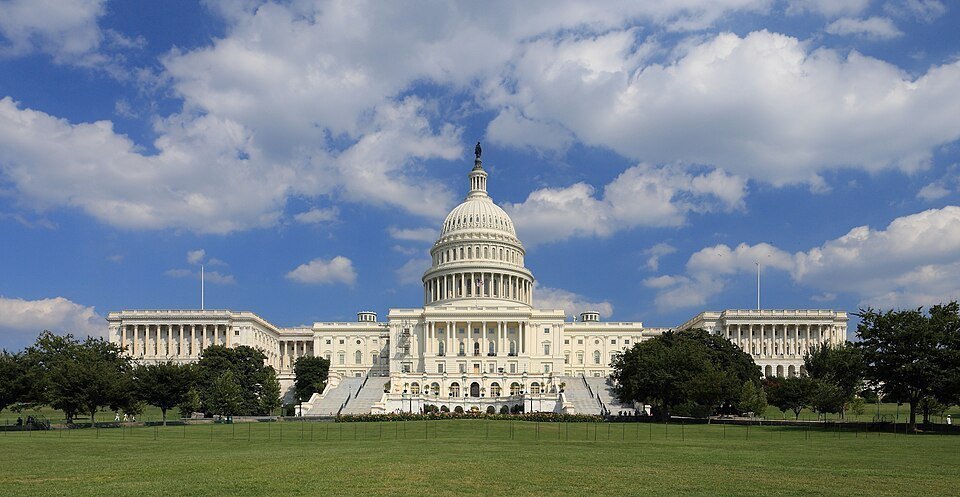
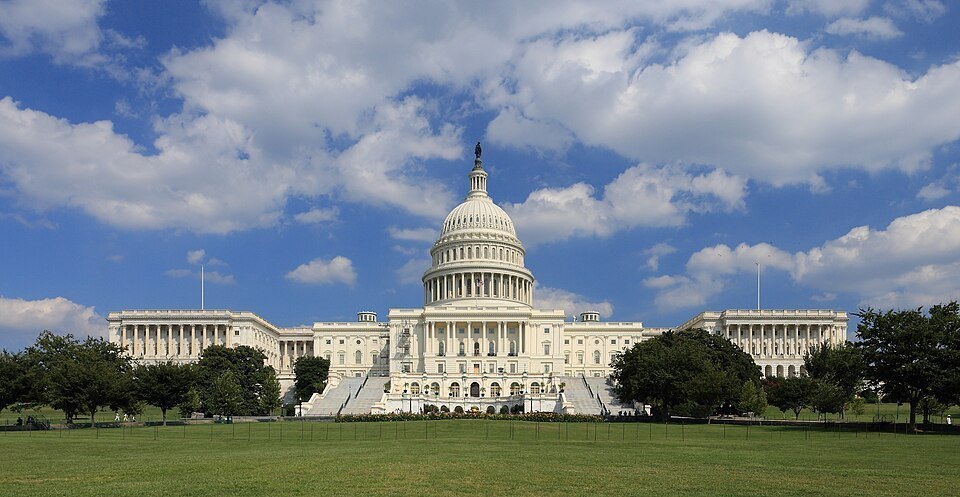
  1. Capitol stand-in for House oversight.
    AI Files archive · Archive re-encode
    1996 Split into camps

    Election-year explosion

    Dominant views
    • Republican oversight Politicized security office / enemies-list fear[1]
    • White House Bureaucratic mistake, not a plot[2]
    What drove it
    • GOP names in the haul + Livingstone resignation[3][4]
  2. Robert Ray era institutional image from Foster guide archive (re-encode).
    AI Files archive / U.S. government materials · Public domain or archive re-encode
    2000 Split into camps

    Ray’s close

    Dominant views
    • OIC / mainstream press No senior plot; error and bad list[5][6]
    • Hardline critics Whitewash[7]
    What drove it
    • March announcement + July fuller report[8][6]
  3. Institutional façade stand-in for D.C. federal court.
    AI Files archive · Stand-in — flagged
    2010 Converging

    Civil end

    Dominant views
    • Court Judgment for defendants; mix-up framing[9][10]
    What drove it
    • Fourteen-year litigation fatigue + summary judgment[11]
  4. Memory texture for online retellings.
    AI Files archive · Archive re-encode
    2010s–2020s Split into camps

    Listicle afterlife

    Dominant views
    • Online scandal aggregators Filegate as evergreen enemies-list exhibit[7]
    • Primary-linked explainers Cite Ray/Lamberth endpoints beside privacy harm[5][9]
    What drove it
    • Search-driven bundling of Clinton controversies[12]
  5. Document stand-in for FBI background file haul.
    AI Files archive · Stand-in — flagged
    1996–2026 Broad agreement

    Two true things

    Dominant views
    • This guide’s ledger Privacy failure documented; senior plot unproven[13][5]
    What drove it
    • Need to stop collapsing the ledger into one slogan[13][5][7]
Sources and polls
  1. House Report 104-862: Investigation into the White House and Department of Justice on Security of FBI Background Investigation Files (Interim Report)
  2. June 1996 public break of Filegate
  3. Contemporaneous reporting that FBI files obtained included prominent Republicans
  4. Contemporaneous coverage of Craig Livingstone resignation (June 1996 Filegate break)
  5. Robert W. Ray Independent Counsel — Filegate no-prosecution determination (Mar 2000)
  6. New York Times: F.B.I. Files Wound Up at White House by Error, Report Finds (29 Jul 2000)
  7. No senior-ordered enemies-list finding (Ray 2000)
  8. CNN: Independent Counsel finds no 'substantial and credible' evidence of Clinton involvement in Filegate (16 Mar 2000)
  9. Alexander v. Federal Bureau of Investigation, 691 F. Supp. 2d 182 (D.D.C. 2010)
  10. Lamberth: bureaucratic bungling vs conspiracy framing (2010 opinion)
  11. Politico: Judge kills off Filegate suits, 14 years on (9 Mar 2010)
  12. FactCheck.org — Clinton scandal primers (contextual)
  13. Documented: FBI files of former staff should not have been sitting in WH security office

Lasting impact

How it changed us

Privacy expectations, Independent Counsel politics, and the template for later file-scandal wars.

Laws & institutions 3

What Filegate changed — or failed to change — in oversight and privacy fights.

Institutional façade stand-in for D.C. federal court.
AI Files archive · Stand-in — flagged
1996–2010One-case law

Privacy Act litigation as a long second forum

Civil Privacy Act suits became a decade-long parallel track after the criminal close.

The evidence it changed
  • Alexander v. FBI ended in 2010 summary judgment for defendants.[1][2]
Robert Ray era institutional image from Foster guide archive (re-encode).
AI Files archive / U.S. government materials · Public domain or archive re-encode
2000Lapsed

Independent Counsel as scandal closer

Filegate’s criminal endpoint came from the Ethics-in-Government Independent Counsel structure later abandoned.

The evidence it changed
  • Ray’s March 2000 Filegate determination closed prosecutions.[3][4]
House interim Filegate report cover.
U.S. House of Representatives · Public domain — U.S. government work
1996In force

Interim oversight reports as political facts

House interim reports can define a scandal’s public meaning years before criminal endpoints.

The evidence it changed
  • H. Rept. 104-862 shaped 1996 Filegate memory.[5]

People it marked 2

Names that still travel with the scandal.

Institutional stand-in used for Craig Livingstone (no freely licensed portrait located this build); re-encoded from Vince Foster guide archive asset livingstone.jpg.
AI Files archive re-encode · Stand-in — flagged
1996Partly true

Craig Livingstone as résumé caution

His name remains shorthand for putting political advance talent in a security job.

The evidence it changed
  • Ray-era press stresses advance background; he resigned in 1996.[6][7]
Stand-in image for Anthony Marceca (no freely licensed portrait located); not a likeness claim.
AI Files archive · Stand-in — flagged
2000Documented

Anthony Marceca as the operational face

The fuller report made Marceca the center of the error story — including immunized lies.

The evidence it changed
  • NYT summary of Ray’s Marceca report.[6][8]

Things we now take for granted 2

Assumptions about FBI files near politics.

Document stand-in for FBI background file haul.
AI Files archive · Stand-in — flagged
2000–2026

Holding plot and privacy apart

Before

Scandal talk collapsed “files in the building” into “Clintons ordered it.”

After

Careful accounts separate documented haul from unproven senior direction.

The evidence it changed
  • Ray + privacy-failure ledger.[3][9]
Document stand-in for the overinclusive passholder list.
AI Files archive · Stand-in — flagged
2000

List hygiene for access systems

Before

Passholder lists could be unlabeled/overinclusive without public crisis.

After

Filegate made outdated access lists a recognizable failure mode.

The evidence it changed
  • Ray’s overinclusive-list finding via NYT.[6][10]
Sources for this section
  1. Alexander v. Federal Bureau of Investigation, 691 F. Supp. 2d 182 (D.D.C. 2010)
  2. Politico: Judge kills off Filegate suits, 14 years on (9 Mar 2010)
  3. Robert W. Ray Independent Counsel — Filegate no-prosecution determination (Mar 2000)
  4. Independent Counsel institutional context (Ethics in Government Act era)
  5. House Report 104-862: Investigation into the White House and Department of Justice on Security of FBI Background Investigation Files (Interim Report)
  6. New York Times: F.B.I. Files Wound Up at White House by Error, Report Finds (29 Jul 2000)
  7. Contemporaneous coverage of Craig Livingstone resignation (June 1996 Filegate break)
  8. Anthony Marceca immunity and admitted false statements (Ray report via NYT)
  9. Documented: FBI files of former staff should not have been sitting in WH security office
  10. U.S. Secret Service — White House pass / access list context (as discussed in Ray reporting)

How this guide works

Sources and method

This page is an AI-generated illustrated guide to Filegate — the White House FBI background-files controversy of the 1990s and its aftermath. Every factual line points to a source. Ratings are badges, not the spine.

Primary anchors: House Report 104-862 (Sept 1996); Independent Counsel Robert W. Ray’s Filegate/Marceca determinations (March 2000 announcement; fuller report public ~July 2000); Alexander v. FBI, 691 F. Supp. 2d 182 (D.D.C. 2010); contemporaneous CNN, New York Times, and Washington Post reporting.

*Hard stop:* this is not a Ukraine-war guide. Whitewater’s financial spine, Vince Foster’s death, Travelgate’s Travel Office firings, Lewinsky, and later Foundation/email fights are cross-linked — not rebuilt here. Travelgate remains a separate later case. [@whitewater-guide] [@foster-guide] [@travelgate-nest] [@lewinsky-guide] [@ukraine-hardstop]

Never cite Grokipedia. [@never-grokipedia] Pictures are freely licensed or U.S. government works, re-encoded with EXIF stripped.

The Record (sourced facts) is kept visually separate from camp framings in Theories. A real privacy failure and an unproven enemies-list plot can both be discussed honestly at once.
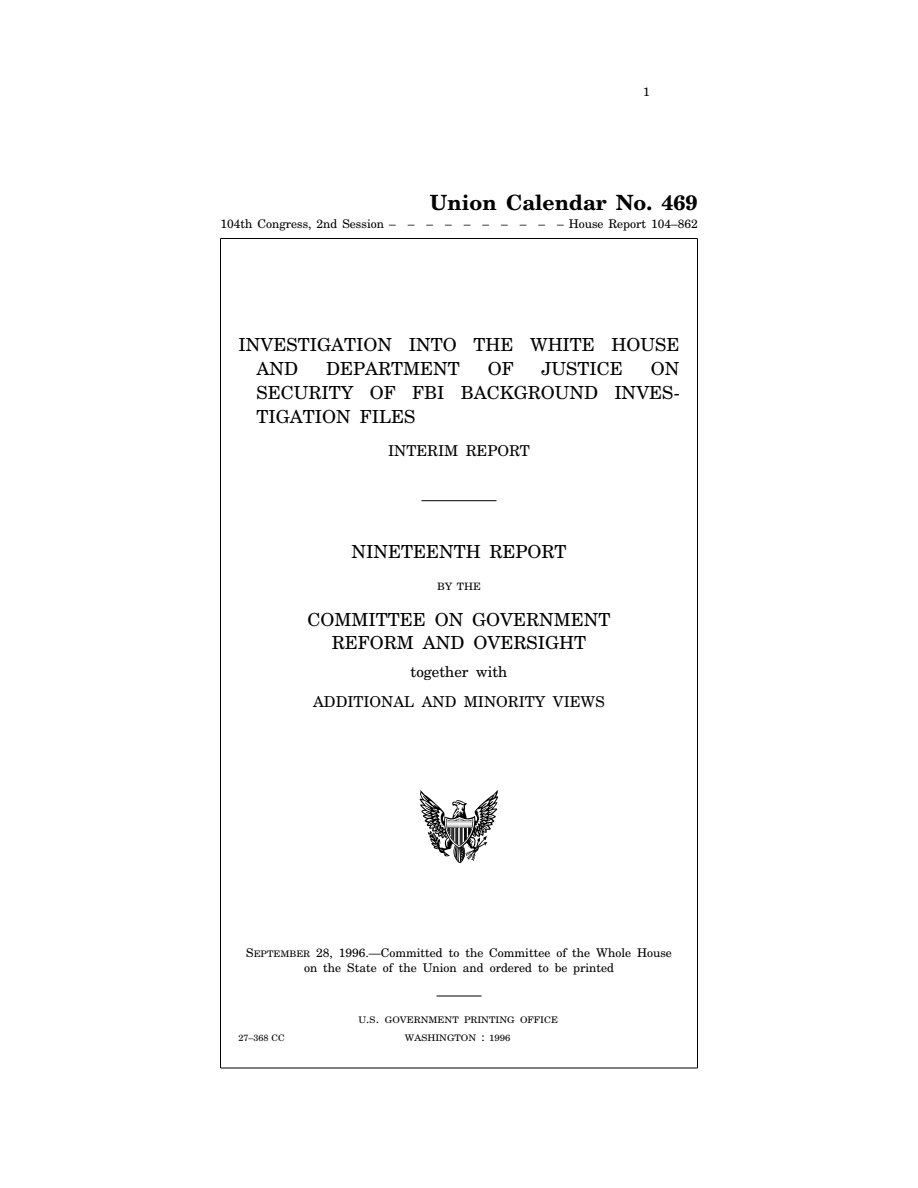
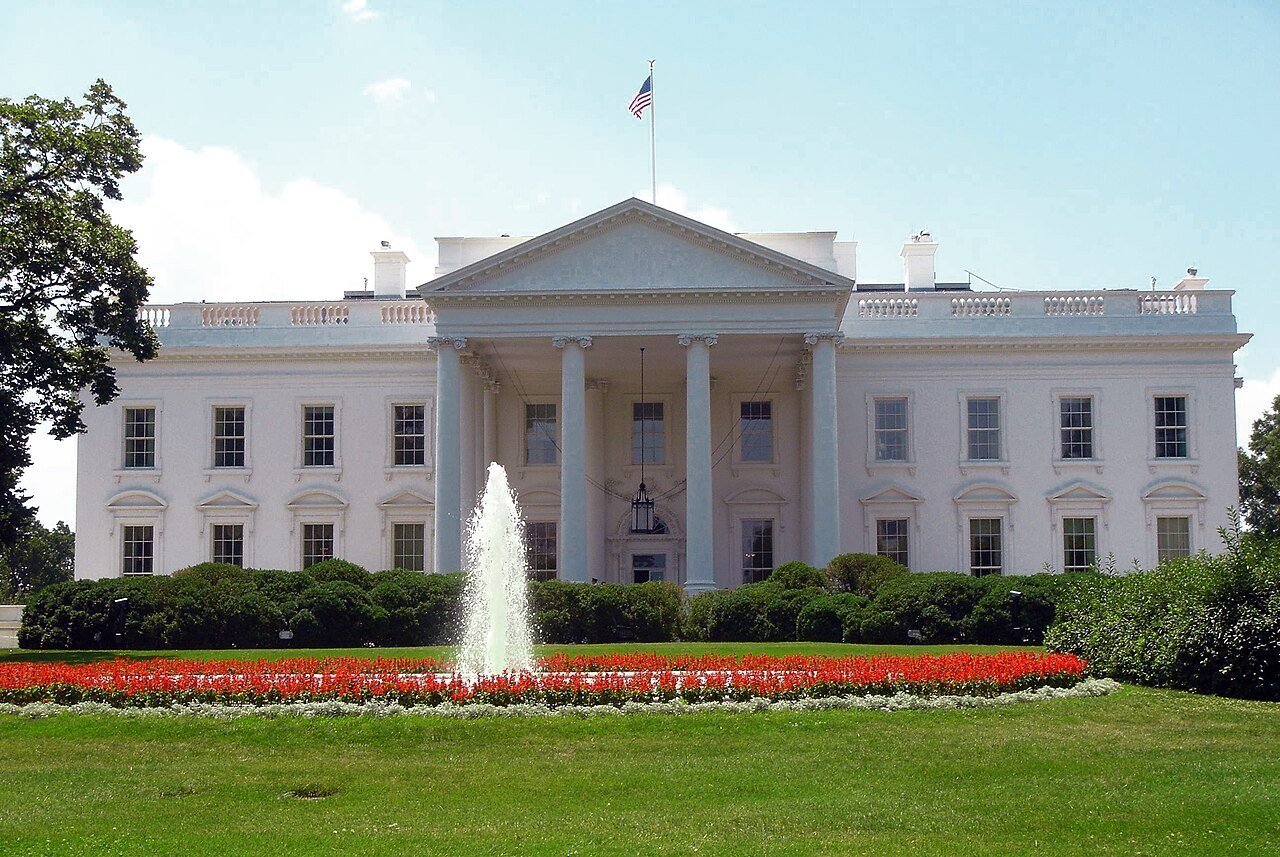
By the numbers
  • 50 entries in 6 eras
  • 36 distinct sources cited
  • 32 dated events
  • 15 claims checked
  • 7 theories opened up
  • 8 books, films and follow-ups
  • 16 steps on the critical path
  • 7 open questions
  • 7 lasting changes
  • 41 freely licensed pictures

Pictures & licenses

Picture credits

Every picture is public domain or freely licensed, from Wikimedia Commons. Files are stored on this site with their metadata removed; each credit links to the original.

House Report 104-862 cover page (raster).
U.S. House of Representatives · Public domain — U.S. government work · original
House interim Filegate report cover.
U.S. House of Representatives · Public domain — U.S. government work · original
White House north façade (site archive).
Nishkid64 / Patrickneil (via site archive) · Public domain · original
Bill Clinton official portrait (site archive).
White House / Bob McNeely · Public domain · original
Hillary Clinton official portrait (site archive).
U.S. Department of State · Public domain · original
Clintons at Johns Hopkins, 1993 (site archive).
Bob McNeely / White House · Public domain · original
Clintons outdoors, 1993 (site archive).
White House / Library of Congress · Public domain · original
Kenneth Starr portrait (site archive).
U.S. federal government · Public domain · original
Institutional stand-in used for Craig Livingstone (no freely licensed portrait located this build); re-encoded from Vince Foster guide archive asset livingstone.jpg.
AI Files archive re-encode · Stand-in — flagged · original
Robert Ray era institutional image from Foster guide archive (re-encode).
AI Files archive / U.S. government materials · Public domain or archive re-encode · original
Bernard Nussbaum stand-in/archive asset from Foster guide.
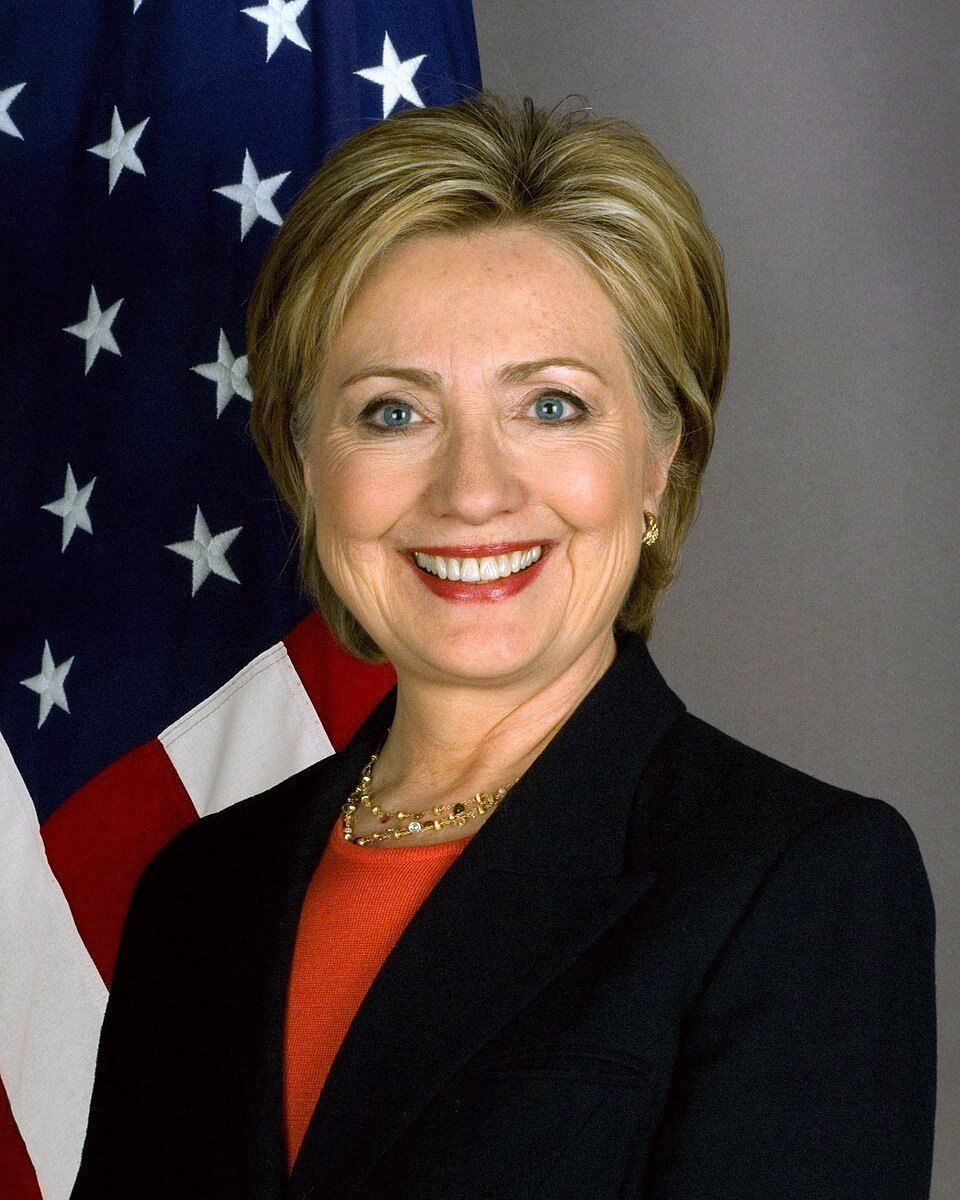
AI Files archive · Stand-in/archive · original
Press/memory texture from Foster guide archive.
AI Files archive · Archive re-encode · original
Critical-path graphic texture from Foster guide archive.
AI Files archive · Archive re-encode · original
Janet Reno archive asset.
AI Files archive / U.S. government · Public domain or archive · original
U.S. Capitol archive asset.
AI Files archive · Public domain or archive · original
Hearing/room archive asset.
AI Files archive · Archive re-encode · original
Document stack archive asset — used for files/list/fbi stand-ins.
AI Files archive · Archive re-encode · original
Office interior archive asset — Secret Service stand-in.
AI Files archive · Archive re-encode · original
Memory/web texture archive asset.
AI Files archive · Archive re-encode · original
Newspaper archive asset.
AI Files archive · Archive re-encode · original
Bill Clinton archive asset.
White House · Public domain · original
Hillary Clinton (guide archive re-encode).
U.S. Department of State · Public domain · original
Vince Foster portrait — sibling cross-link only.
Sharon Farmer / White House · Public domain · original
NARA/institutional façade archive — court stand-in.
AI Files archive · Archive re-encode · original
Document stand-in for FBI institutional context (no building photo this build).
AI Files archive · Stand-in — flagged · original
Capitol stand-in for House oversight.
AI Files archive · Archive re-encode · original
Institutional façade stand-in for D.C. federal court.
AI Files archive · Stand-in — flagged · original
Stand-in image for Anthony Marceca (no freely licensed portrait located); not a likeness claim.
AI Files archive · Stand-in — flagged · original
Document stand-in for the overinclusive passholder list.
AI Files archive · Stand-in — flagged · original
Document stand-in for FBI background file haul.
AI Files archive · Stand-in — flagged · original
Hearing stand-in for Republican file-subjects category.
AI Files archive · Stand-in — flagged · original
Independent Counsel institutional image (Ray archive asset).
AI Files archive · Archive re-encode · original
Office stand-in for Secret Service institutional context.
AI Files archive · Stand-in — flagged · original
Document stand-in for Privacy Act theme.
AI Files archive · Stand-in — flagged · original
Hearing stand-in for civil plaintiffs class.
AI Files archive · Stand-in — flagged · original
Institutional stand-in for Judge Lamberth (no portrait this build).
AI Files archive · Stand-in — flagged · original
Capitol stand-in for Chairman Clinger.
AI Files archive · Stand-in — flagged · original
Hearing stand-in for Rep. Burton.
AI Files archive · Stand-in — flagged · original
Capitol stand-in for Rep. Collins.
AI Files archive · Stand-in — flagged · original
Hearing stand-in for Rep. Waxman.
AI Files archive · Stand-in — flagged · original
Memory texture for online retellings.
AI Files archive · Archive re-encode · original