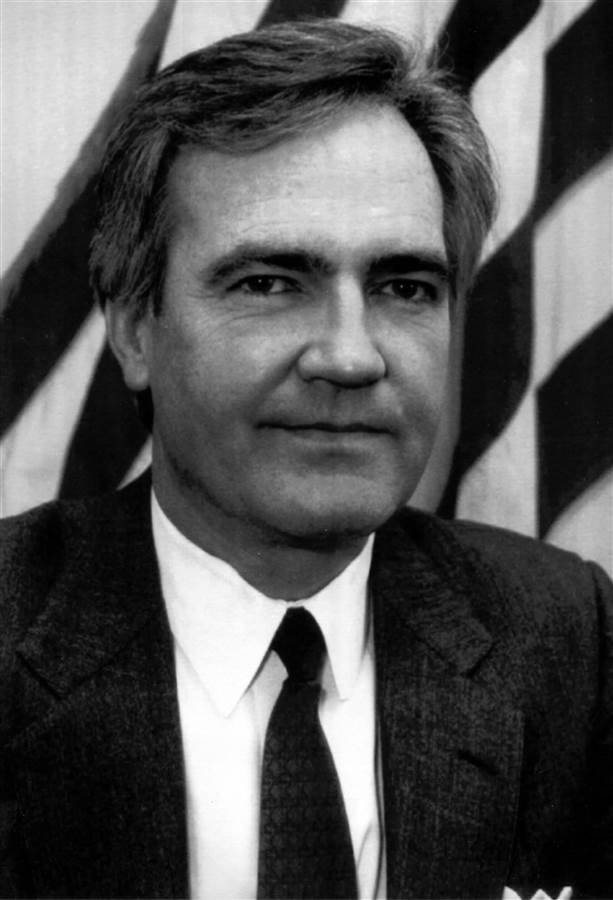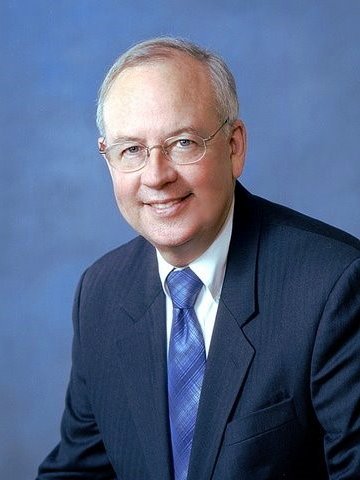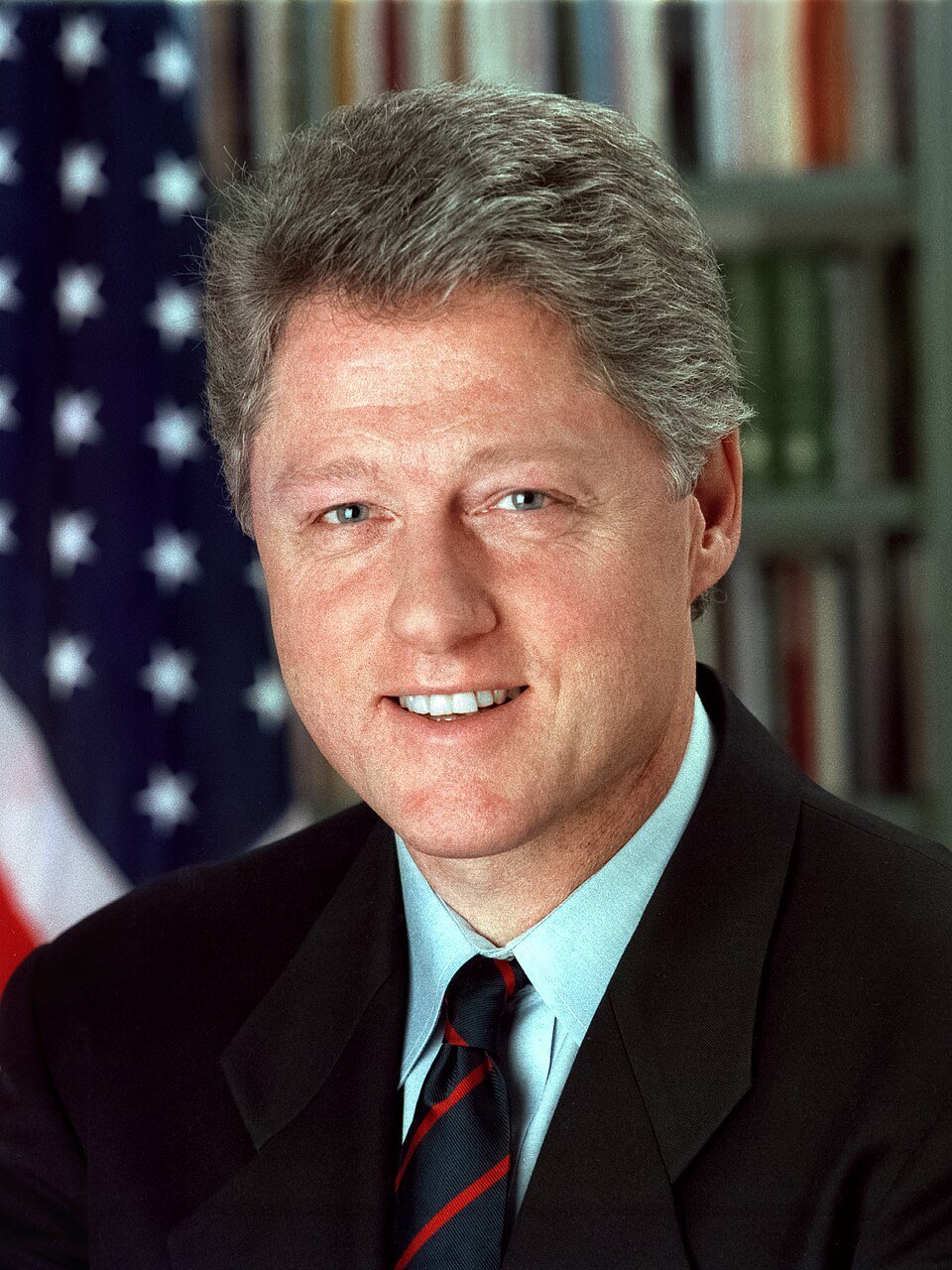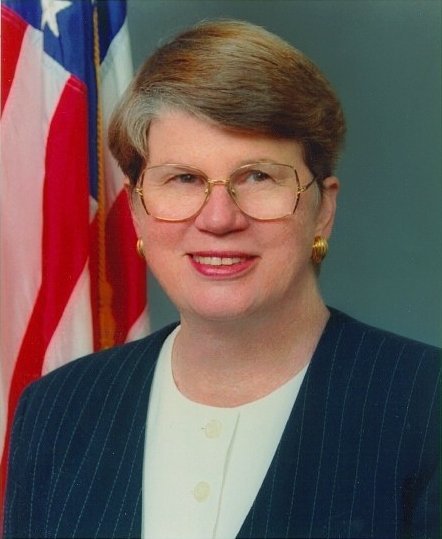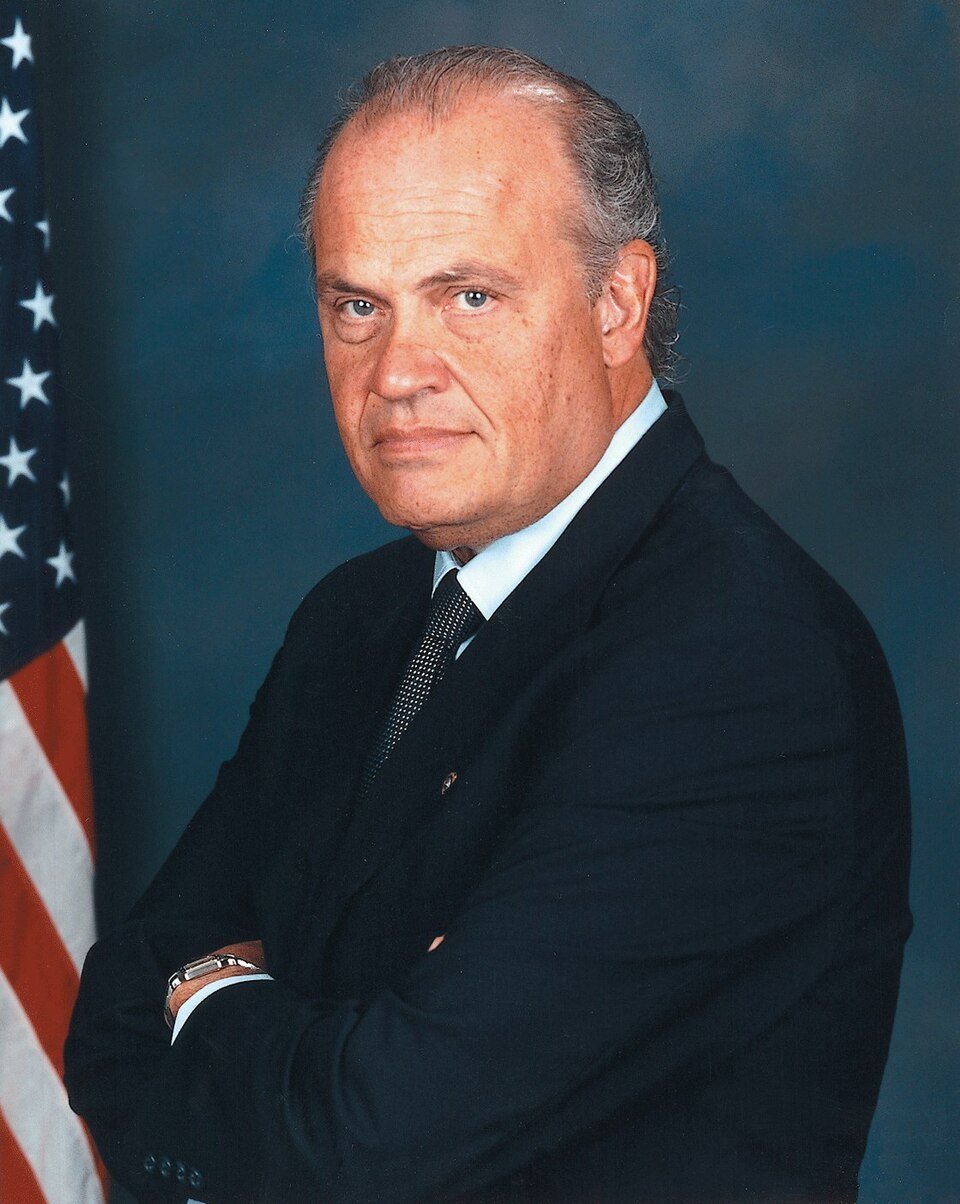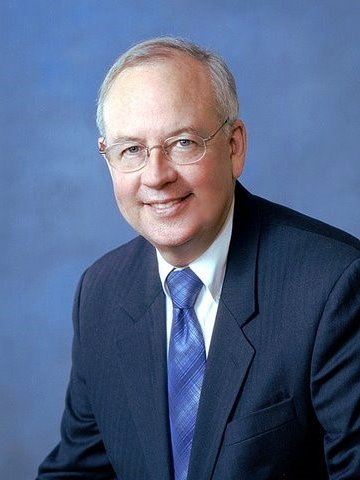
Kenneth W. Starr, official portrait as U.S. solicitor general (stand-in hero for Independent Counsel era).

The AI Files · The land deal, Madison Guaranty, the McDougals, RTC referrals, Fiske, Starr’s Whitewater phase, and Ray’s close · 1978–2000

Whitewater

A failed Ozark land deal. A failed Arkansas savings and loan. Real fraud convictions for the Clintons’ partners. Seven years of special and independent counsel work. And, at the end, a charging decision that named neither Clinton.

Whitewater is two stories that refuse to stay apart: documented crimes by Jim and Susan McDougal (and Governor Jim Guy Tucker), and a long fight over whether Bill and Hillary Clinton knowingly joined them. This guide follows the land, the S&L, the referrals, Fiske, Starr’s Whitewater phase, the billing records, and Ray’s close — then rates the cover-up, witch-hunt, and Castle Grande theories against that path.

Kenneth W. Starr, official portrait as U.S. solicitor general (stand-in hero for Independent Counsel era). Image: U.S. federal government · Public domain

The story

The story

From Ozark lots to a September 2000 charging decision — chapter by chapter.

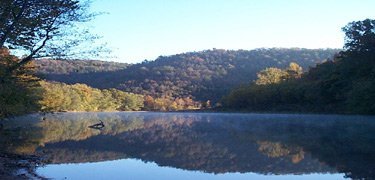
Buffalo National River, Arkansas (Ozarks landscape stand-in for Whitewater lots).
Buffalo National River, Arkansas (Ozarks landscape stand-in for Whitewater lots). U.S. National Park Service · Public domain

Chapter 1

A failed deal and a seven-year hunt

In 1978, Bill and Hillary Clinton joined Jim and Susan McDougal in an Ozark land company called Whitewater Development. [1]

Jim McDougal’s Madison Guaranty Savings & Loan later failed at a taxpayer cost in the tens of millions. [2] The McDougals — and Arkansas Governor Jim Guy Tucker — were convicted of fraud. [3]

After Fiske, Starr, billing-record fights, and Hale’s loan allegation, Independent Counsel Robert Ray announced on September 20, 2000, that the evidence was insufficient to charge either Clinton. [4]

That double ending — partner crimes proved, Clinton charges declined — is the whole argument people still refuse to hold at once.
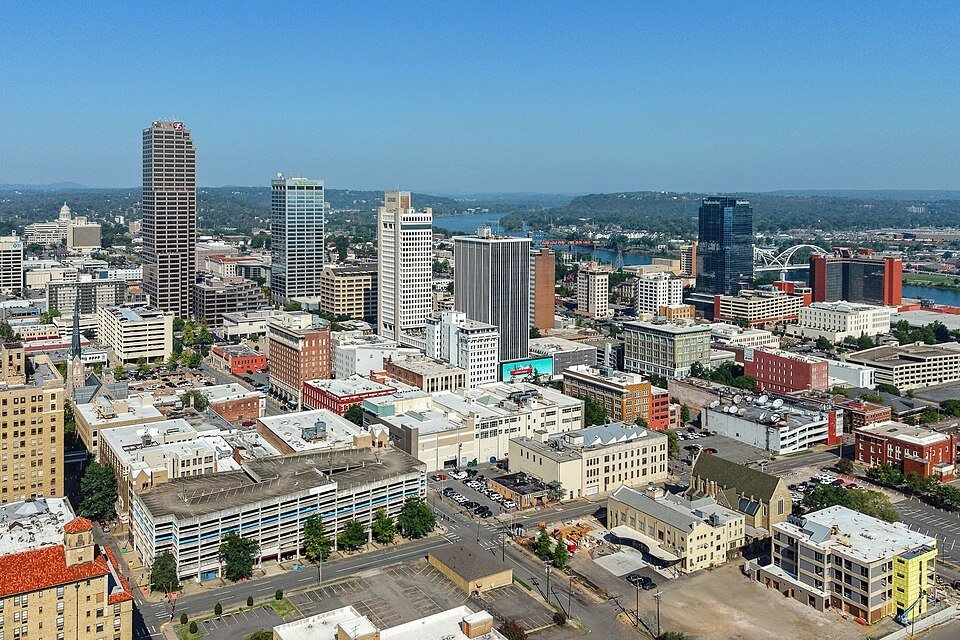
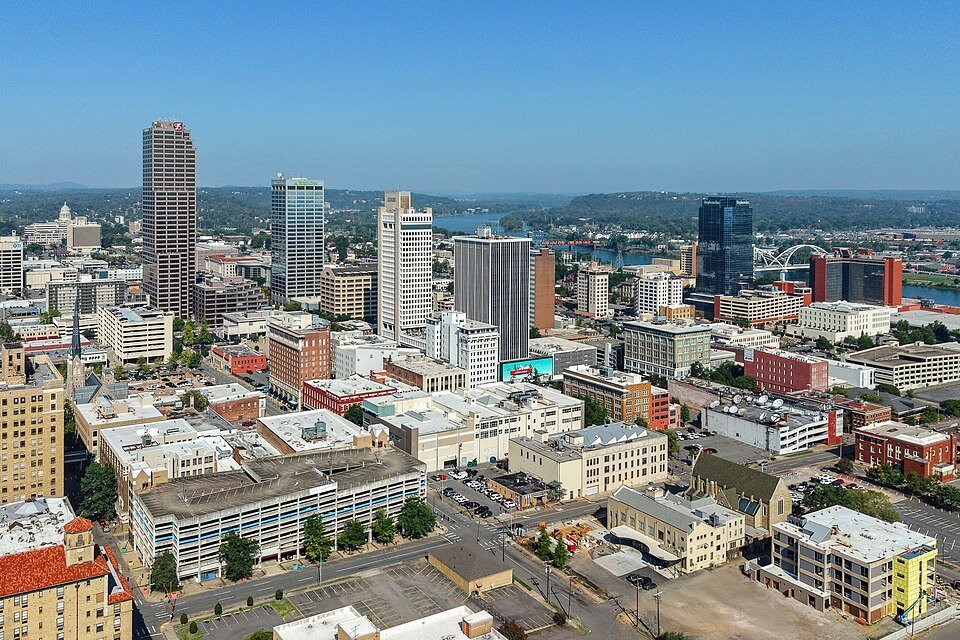
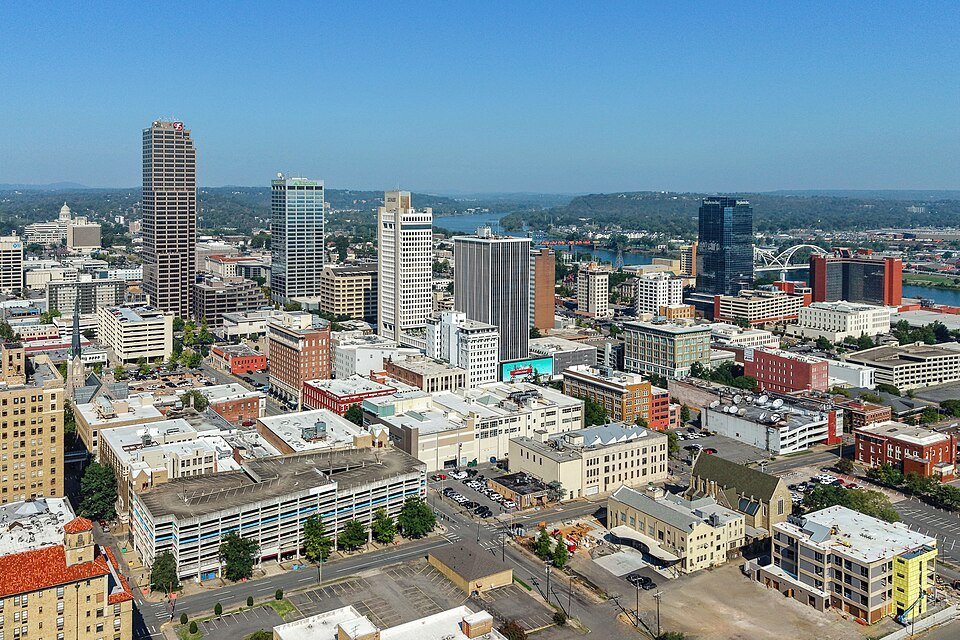
Little Rock, Arkansas skyline (stand-in for Madison Guaranty / Arkansas finance).
Little Rock, Arkansas skyline (stand-in for Madison Guaranty / Arkansas finance). Commons photographer · CC BY-SA

Chapter 2

River lots that would not pay

Whitewater was supposed to be vacation lots along Arkansas water. [1]

It was not a gold mine. The Clintons’ own financial picture of the venture is a losing investment, later tangled in tax amendments and scrutiny. [5] [6]

A bad real-estate deal becomes a scandal only when the financing around it turns criminal — or when politics needs a name for corruption.

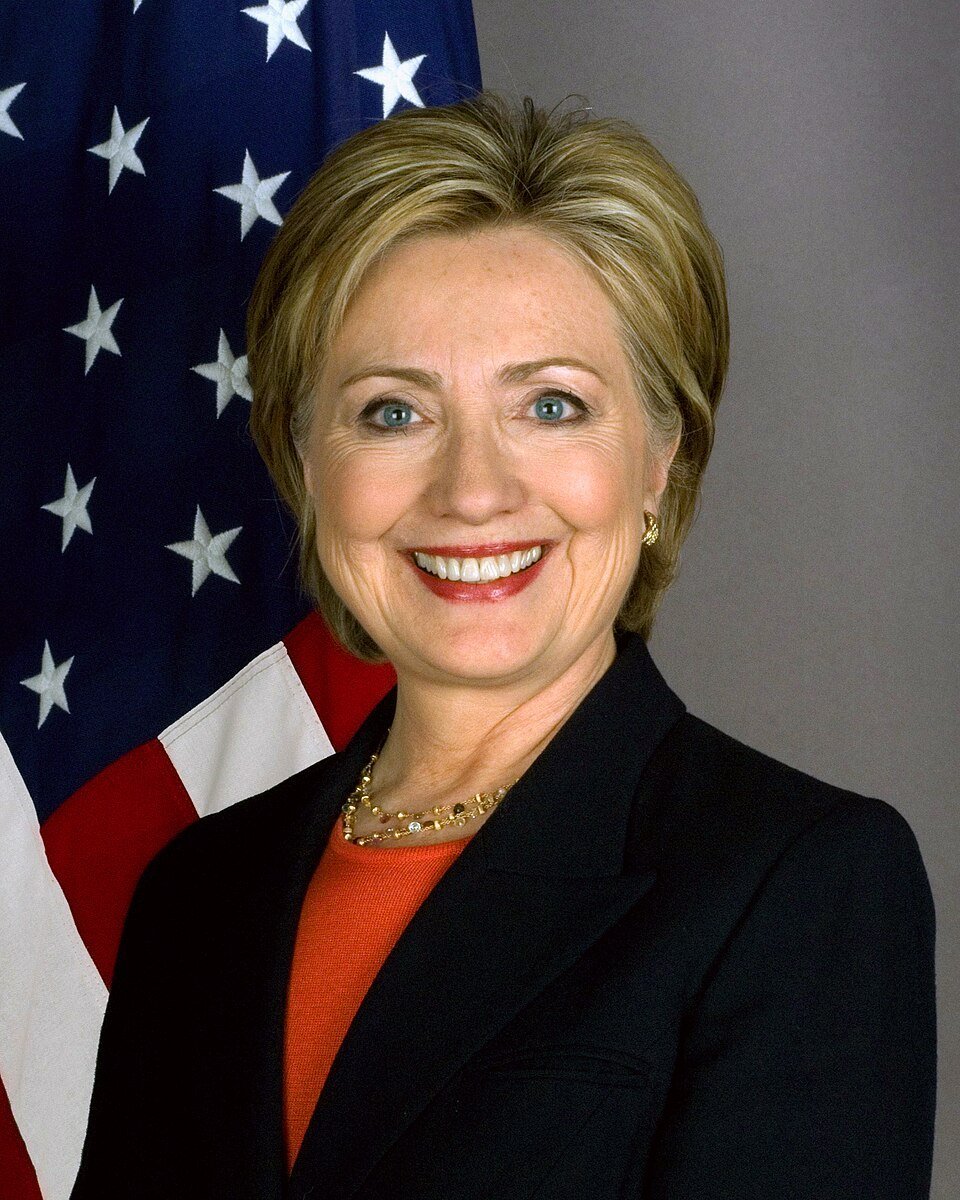
Hillary Clinton, official Secretary of State portrait.
Hillary Clinton, official Secretary of State portrait. U.S. Department of State · Public domain

Chapter 3

Madison Guaranty catches fire

Jim McDougal’s thrift lent, shuffled, and dreamed past its capital. [6]

When Madison Guaranty failed in 1989, the Resolution Trust Corporation’s world of criminal referrals and civil cleanups arrived. [7] Whitewater’s name stuck to Madison’s wreckage because the same people kept appearing in both ledgers.

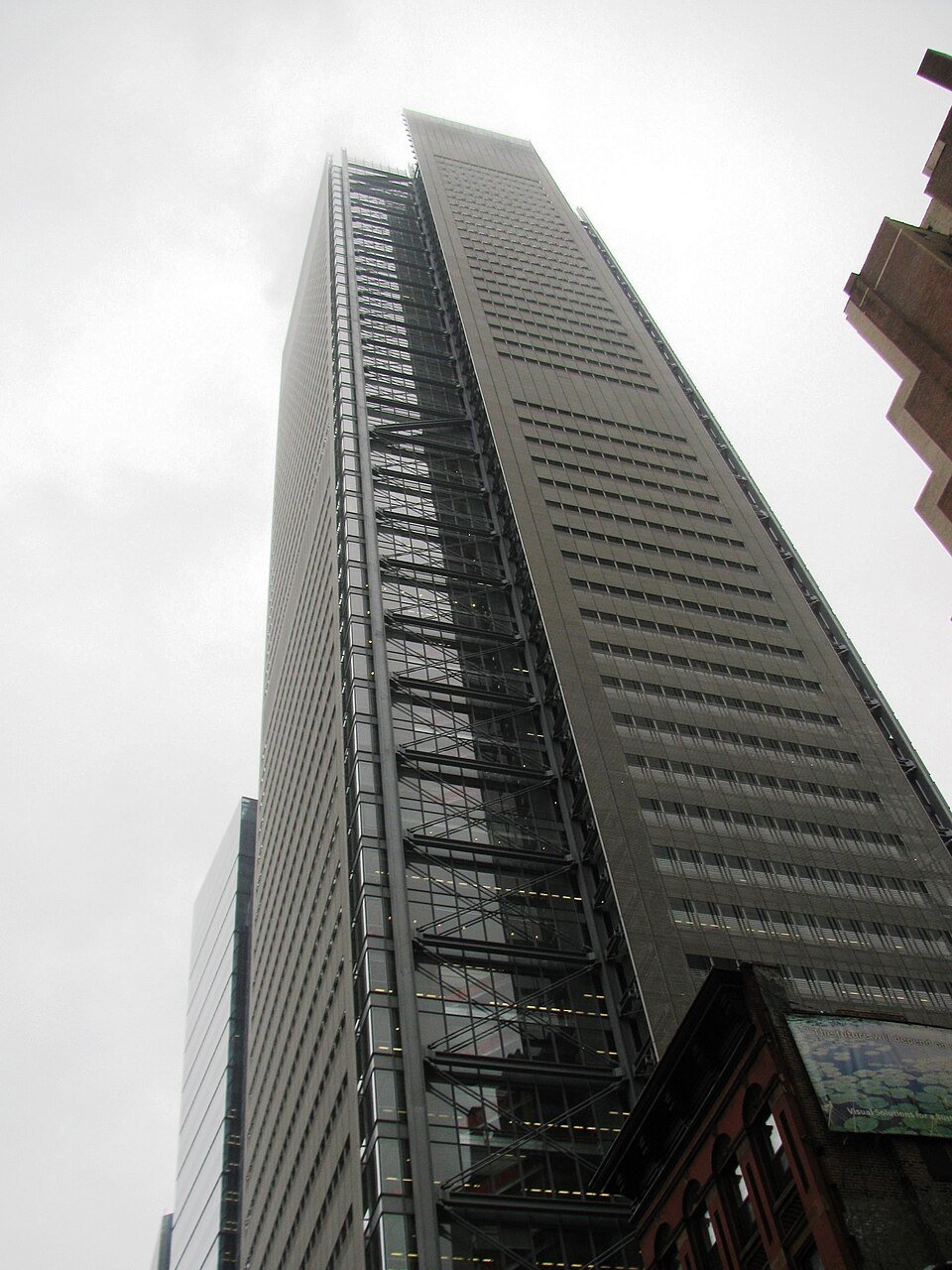
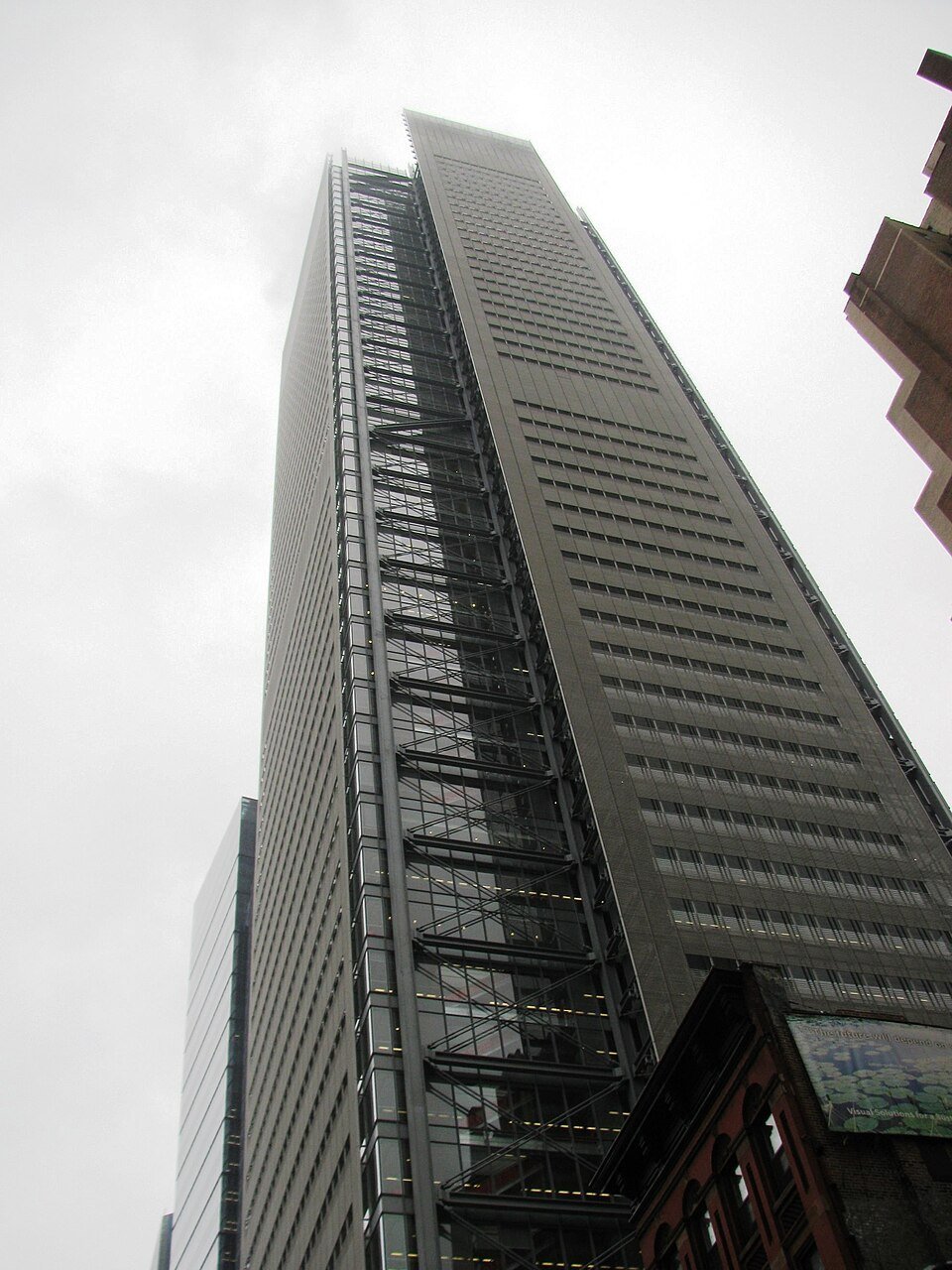
New York Times Building (press stand-in for 1992 Whitewater coverage).
New York Times Building (press stand-in for 1992 Whitewater coverage). Commons · CC BY-SA

Chapter 4

Rose Law Firm on the file

Hillary Clinton, a Rose Law Firm partner, did legal work for Madison Guaranty — including tasks later discussed under the Castle Grande heading. [8] [9]

That fact is not optional. The fight is what she knew, what she billed, and what happened to the billing records when investigators asked for them.

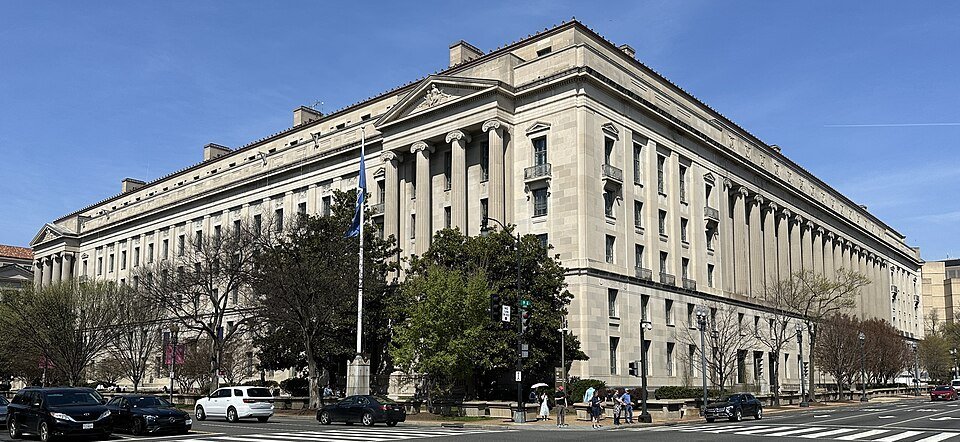
Institutional stand-in (DOJ building) for RTC referral contexts.
Institutional stand-in (DOJ building) for RTC referral contexts. Stand-in from freely licensed institutional photo · Public domain / CC (underlying file)

Chapter 5

March 1992: the story goes national

Jeff Gerth’s New York Times piece put the Clintons’ McDougal partnership into the presidential campaign. [10]

It did not need to prove a felony to change the weather. From then on, Whitewater was not only Arkansas paper. It was a national loyalty test.

Institutional stand-in (DOJ building) — Robert Fiske portrait unavailable.
Institutional stand-in (DOJ building) — Robert Fiske portrait unavailable. Stand-in from freely licensed institutional photo · Public domain / CC (underlying file)

Chapter 6

Referrals, not verdicts

RTC criminal referrals named transactions and people for prosecutors to consider. [7]

Congressional hearings later treated those papers like buried treasure maps. [11] A referral can start a war. It cannot, by itself, end one with a conviction.

Vince Foster, White House photograph, Feb. 19, 1993.
Vince Foster, White House photograph, Feb. 19, 1993. Sharon Farmer / White House · Public domain

Chapter 7

Reno calls Fiske

On January 20, 1994, Attorney General Janet Reno appointed Robert B. Fiske Jr. as regulatory special counsel. [12]

Fiske was meant to look independent. For half a year, he was the center of the federal Whitewater story.

Kenneth W. Starr, official portrait as U.S. solicitor general.
Kenneth W. Starr, official portrait as U.S. solicitor general. U.S. federal government · Public domain

Chapter 8

Foster, briefly — then back to the money

Vince Foster died in July 1993. Fiske’s June 1994 report called it suicide. [13]

Murder-for-Whitewater theories live in a separate case file on this site. [14] This guide will not smuggle them into Madison’s loan history.

Fiske also reported no prosecutable obstruction in the White House–Treasury contacts he reviewed. [15] The financial case was still alive when his tenure ended.

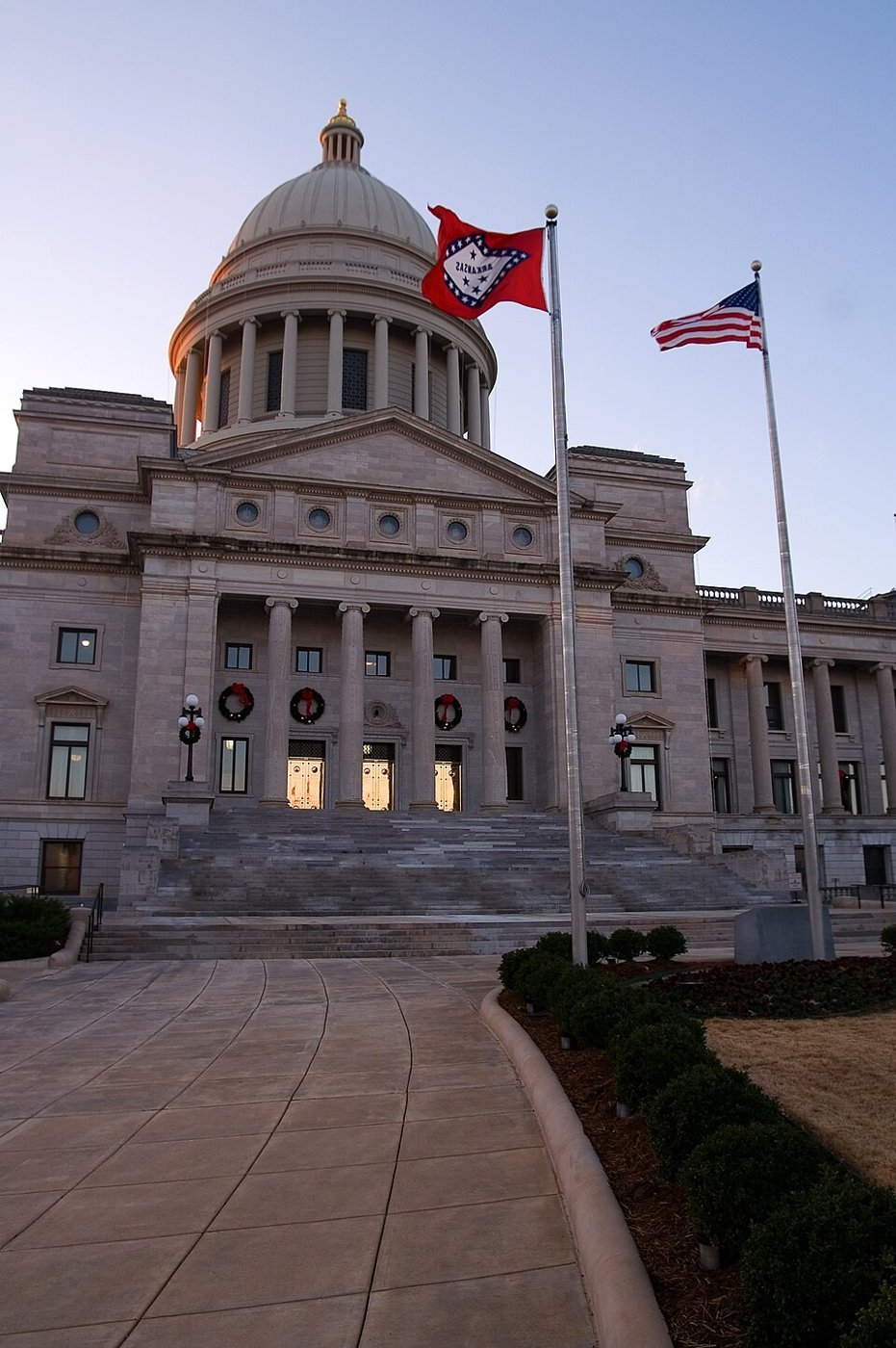
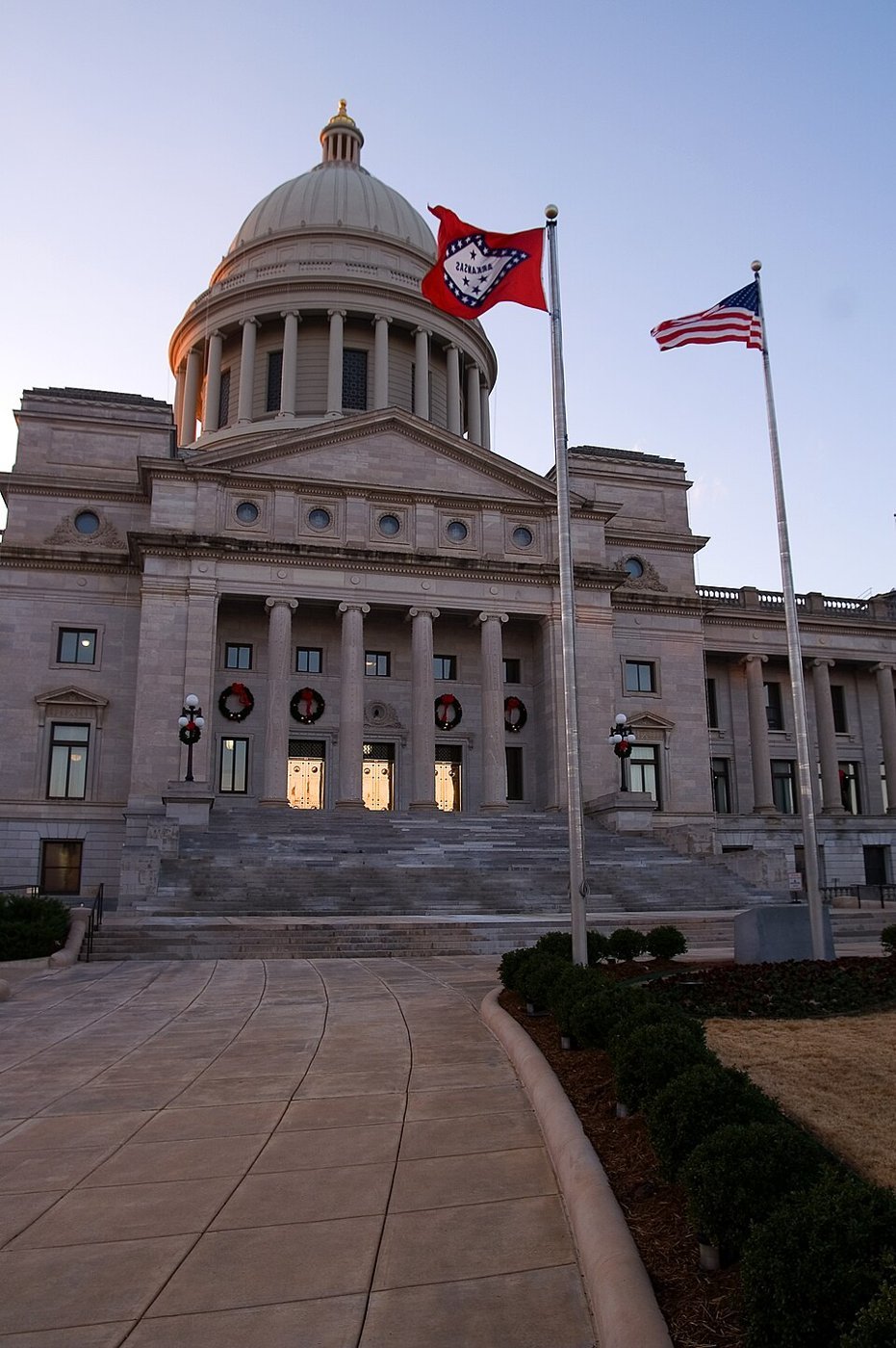
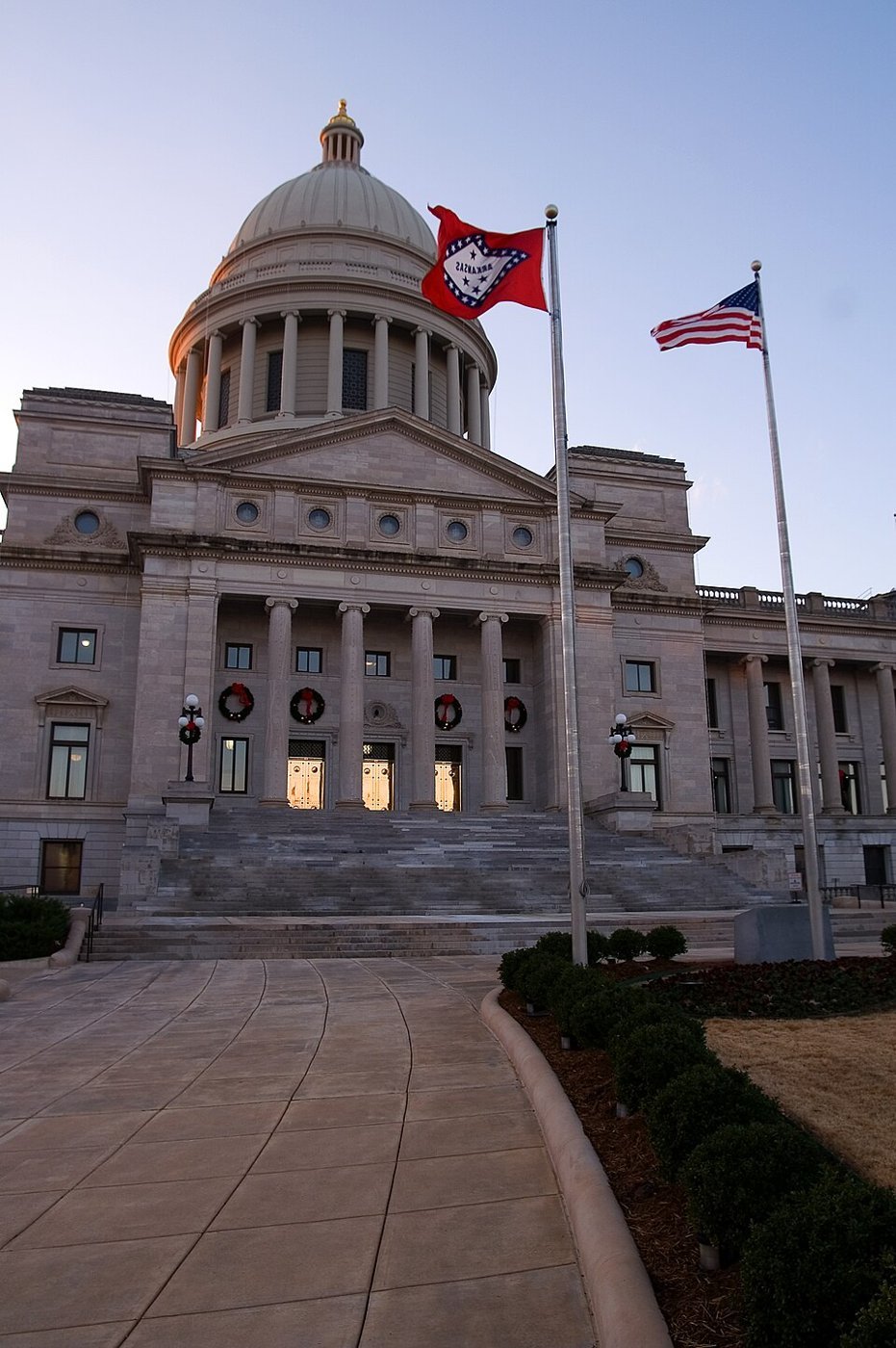
Arkansas State Capitol (stand-in for Rose Law Firm / billing-records fight).
Arkansas State Capitol (stand-in for Rose Law Firm / billing-records fight). Commons · CC BY-SA

Chapter 9

The panel installs Starr

Congress reauthorized the Independent Counsel statute. A three-judge panel appointed Kenneth W. Starr on August 5, 1994, replacing Fiske. [16]

To Clinton defenders, it was a coup against a fair prosecutor. To Clinton critics, it was the law working. Either way, Whitewater’s federal engine changed drivers.

U.S. Supreme Court Building (court institutional stand-in).
U.S. Supreme Court Building (court institutional stand-in). U.S. government · Public domain

Chapter 10

The book-room records

In January 1996, long-sought Rose Law Firm billing records turned up in the White House residence book room. [17]

Independent Counsel later found some of Hillary Clinton’s explanations inaccurate — and still did not charge a knowing falsehood beyond a reasonable doubt. [8]

Late paper is oxygen for suspicion. Suspicion is not an indictment.

Institutional stand-in (DOJ building) — David Hale portrait unavailable.
Institutional stand-in (DOJ building) — David Hale portrait unavailable. Stand-in from freely licensed institutional photo · Public domain / CC (underlying file)

Chapter 11

A jury speaks — about other people

On May 28, 1996, Jim McDougal, Susan McDougal, and Governor Jim Guy Tucker were convicted of Whitewater-related fraud. [3]

Tucker resigned. [3] Susan’s convictions were affirmed on appeal. [18] Jim McDougal later died in federal custody. [19]

These are the story’s immovable criminal facts. Everything else is argument about whether the Clintons belong in the same dock.

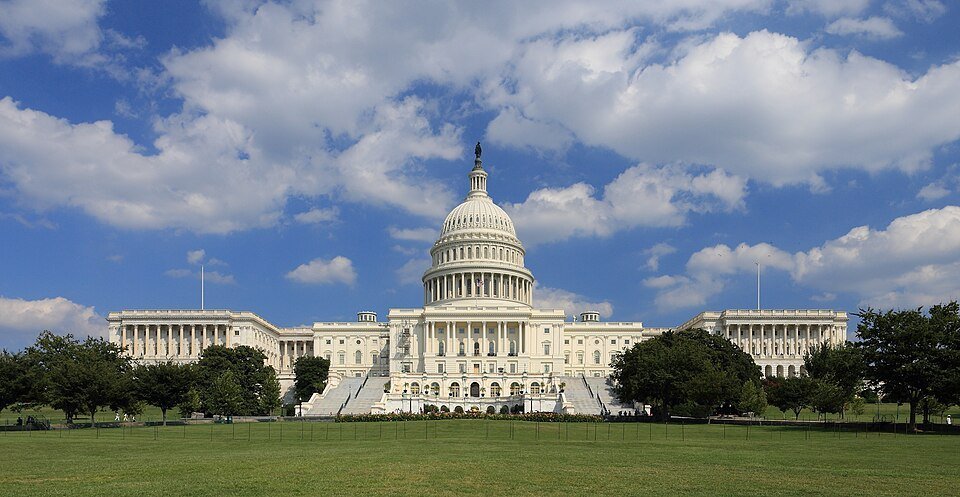
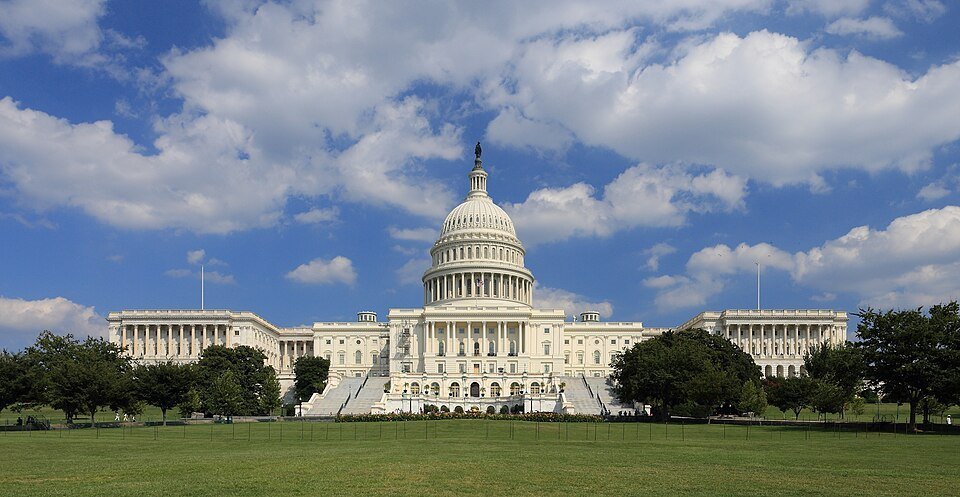
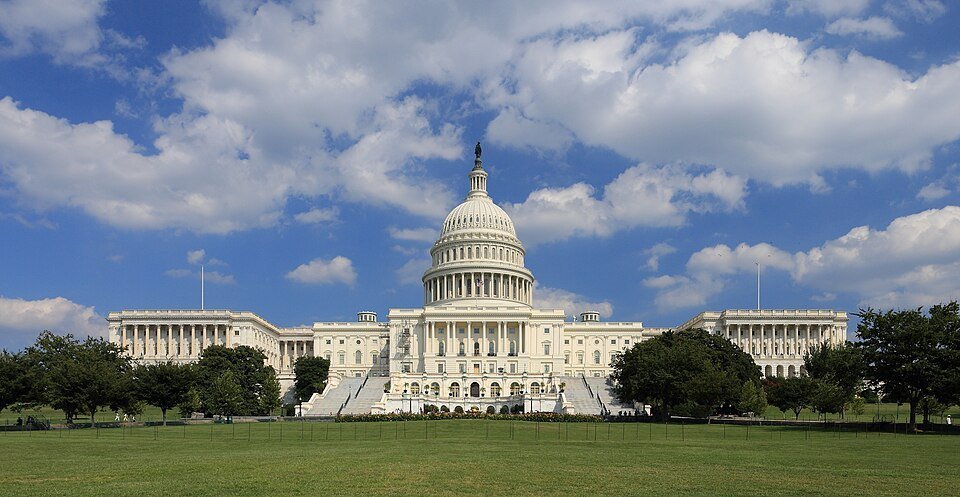
United States Capitol, west side.
United States Capitol, west side. Martin Falbisoner · CC BY-SA

Chapter 12

Hale’s loan story

David Hale said Bill Clinton pressed him to issue a fraudulent SBA-backed loan. [20]

The Clintons denied it. Susan McDougal went to jail for contempt rather than answer whether the president had told the truth. [21]

Independent Counsel never converted Hale’s allegation into a Clinton charge. [6] That gap is why the claim still travels.

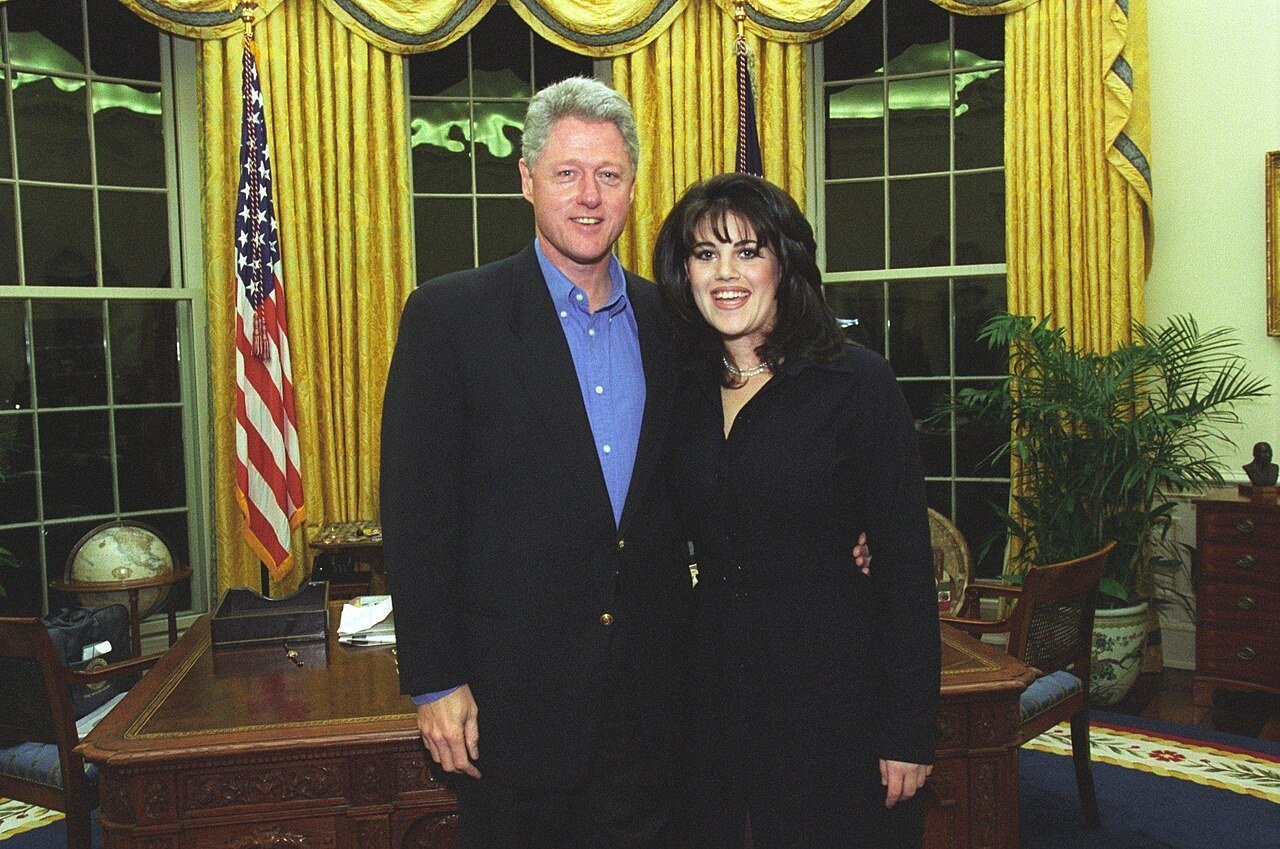
Bill Clinton and Monica Lewinsky, Feb. 28, 1997 (cross-link visual only; not Whitewater misconduct).
Bill Clinton and Monica Lewinsky, Feb. 28, 1997 (cross-link visual only; not Whitewater misconduct). Barbara Kinney / White House · Public domain

Chapter 13

Oversight writes two histories

Senate Whitewater Committee majority and minority reports read like different planets built from overlapping exhibits. [22] [23]

House Banking hearings under Jim Leach did the same work in another chamber. [11] Oversight can illuminate. It cannot substitute for a charging decision.

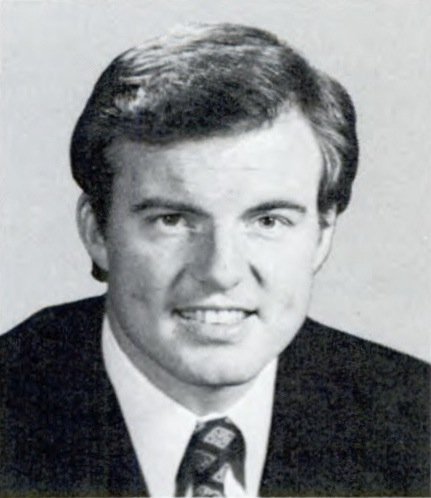
Robert W. Ray (from site archive re-encode).
Robert W. Ray (from site archive re-encode). U.S. government / site archive · Public domain

Chapter 14

January 1998: the other scandal begins

Starr’s jurisdiction expanded into the Lewinsky matter. [24]

Public memory often erased Madison Guaranty at that moment. This guide refuses the erase. Partner fraud in 1996 does not become “pretext” just because 1998 became about sex and perjury. [3] For the affair, Jones case, impeachment, and acquittal, open the Lewinsky full guide.

Robert F. Kennedy Department of Justice Building.
Robert F. Kennedy Department of Justice Building. U.S. government · Public domain

Chapter 15

Ray inherits the remainder

Starr resigned in October 1999. Robert W. Ray took the Independent Counsel oath. [25] [4]

Someone still had to decide whether Whitewater’s financial file supported charges against Bill or Hillary Clinton.

United States Capitol (critical-path visual).
United States Capitol (critical-path visual). Martin Falbisoner · CC BY-SA

Chapter 16

September 20, 2000

Ray announced the evidence was insufficient to charge either Clinton. [4] [26]

That sentence ends the docket. It does not end the slogan. Partner convictions remain. Clinton non-charges remain. Honest talk needs both.

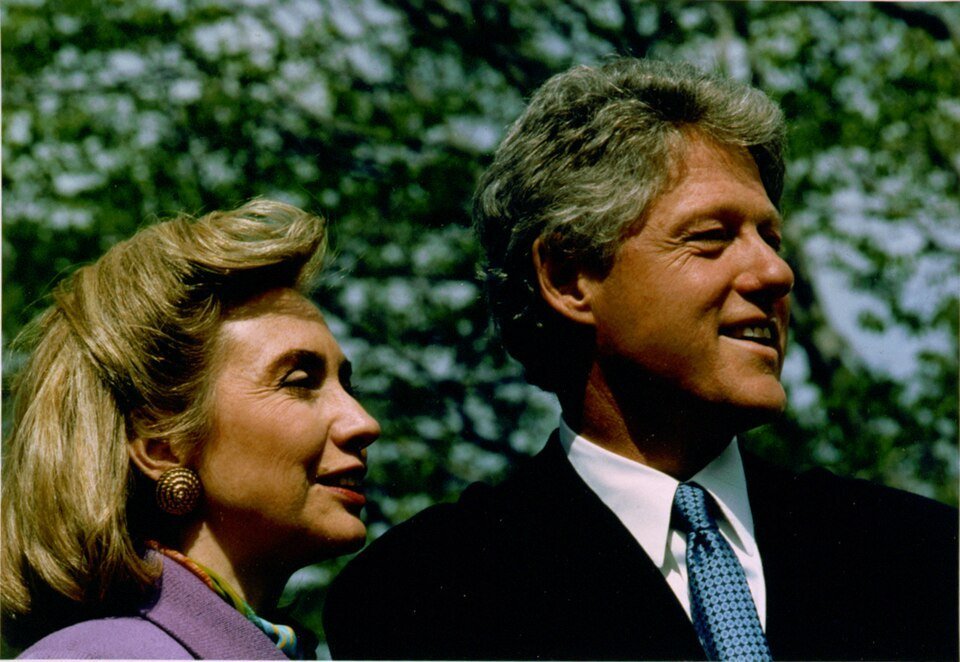
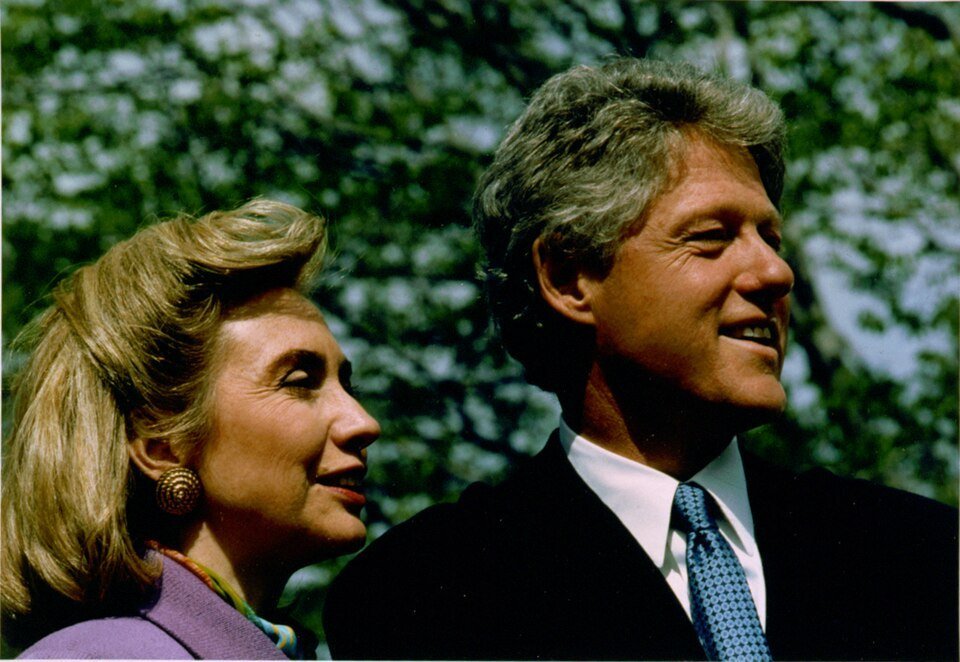
Bill and Hillary Clinton, April 23, 1993.
Bill and Hillary Clinton, April 23, 1993. White House / Library of Congress · Public domain

Chapter 17

The critical path (path tease)

Sixteen links carry the mainstream account — from the 1978 partnership through Ray’s close:

1. Whitewater formed — Clintons + McDougals. [1]

2. Madison Guaranty as the thrift engine. [6]

3. Rose Law Firm work for Madison / Castle Grande. [8]

4. Madison fails; taxpayer losses in the tens of millions. [2]

5. 1992 NYT campaign story. [10]

6. RTC criminal referrals. [7]

7. Fiske appointed. [12]

8. Fiske: Foster suicide; contacts findings; finance continues. [13]

9. Starr replaces Fiske. [16]

10. Billing records appear in the White House. [17]

11. McDougals and Tucker convicted. [3]

12. Hale loan allegation unproved as a Clinton charge. [20]

13. Susan McDougal’s contempt silence. [21]

14. Starr expands to Lewinsky (separate guide). [24]

15. Ray succeeds Starr. [25]

16. Insufficient evidence to charge either Clinton. [4]

Open the numbered chain at #path. Every major other reading is scored against these steps.

The critical path — 16 steps

  1. 11. Whitewater formed
  2. 22. Madison Guaranty
  3. 33. Rose Law Firm work
  4. 44. Madison fails
  5. 55. 1992 campaign story
  6. 66. RTC referrals
  7. 77. Fiske appointed
  8. 88. Fiske mid-1994 reports
  9. 99. Starr replaces Fiske
  10. 1010. Billing records appear
  11. 1111. McDougals and Tucker convicted
  12. 1212. Hale loan allegation
  13. 1313. Susan McDougal’s silence
  14. 1414. Jurisdiction expands (cross-link)
  15. 1515. Ray succeeds Starr
  16. 1616. Insufficient evidence

View the critical path · See Theories

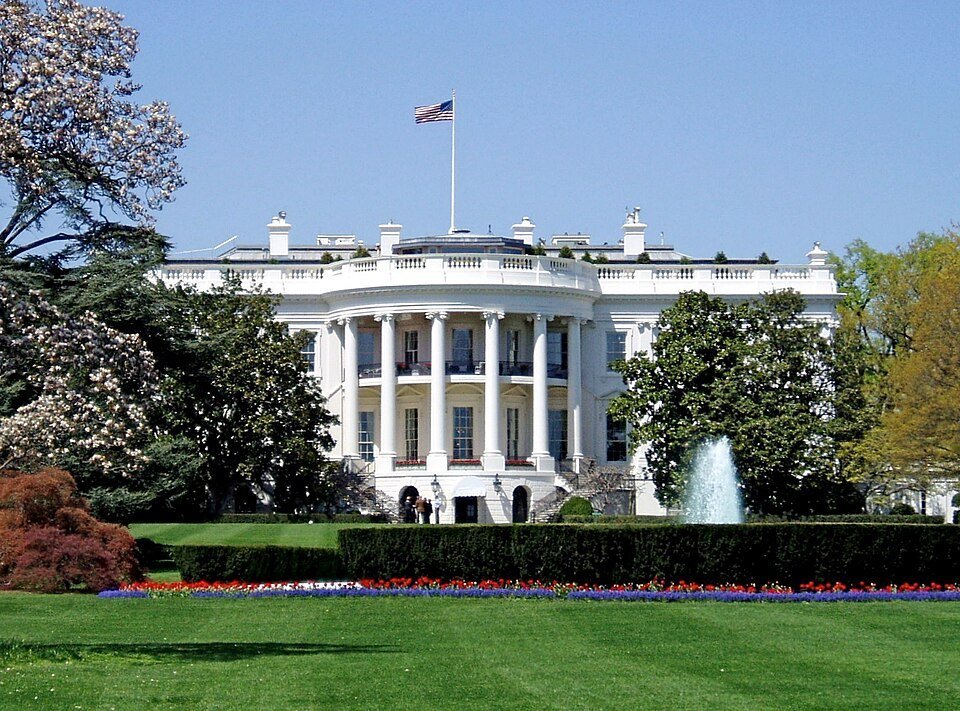
White House south façade (institutional stand-in for White House contexts).
White House south façade (institutional stand-in for White House contexts). U.S. government work / Commons · Public domain

Chapter 18

What this guide will not do

It will not rebuild Lewinsky. [24]

It will not absorb Vince Foster murder theories, Filegate, or Travelgate — those nests stay separate with light doors only. [14] [27] [28]

It will not wander into Ukraine-war politics. [29]

It will not cite Grokipedia. [30]

Institutional stand-in (NYT building) — James Stewart portrait unavailable.
Institutional stand-in (NYT building) — James Stewart portrait unavailable. Stand-in from freely licensed institutional photo · Public domain / CC (underlying file)

Chapter 19

Adjacent scandals stay in their lanes

Filegate and Travelgate share the mid-1990s Washington weather and some of the same surnames. [27] [28]

They are not Madison Guaranty. Merging every Clinton-era controversy into “Whitewater” is how careful records become fog. This guide keeps the finance spine — and leaves doors, not annexations, to the neighboring short cases.

Chapter 20

How memory kept the fight alive

Blood Sport, memoirs, Sunday shows, and campaign attacks turned a closed charging file into a permanent American word. [31] [32] [33]

If you remember only “witch hunt,” you have forgotten a jury. If you remember only “Clinton crime,” you have forgotten Ray. The record is harder — and more interesting — than either chant.

Sources for the story
  1. Whitewater Development Corp. land purchase record (IC narrative)
  2. Independent Counsel / RTC figures on Madison Guaranty failure cost
  3. Coverage / docket history: conviction of Gov. Jim Guy Tucker (1996)
  4. Office of Independent Counsel: Ray statement closing Whitewater charging decisions (Sept. 20, 2000)
  5. Clintons’ Whitewater tax treatment / amended returns (IC and press record)
  6. Independent Counsel final report, Vol. II Part A: Clintons, McDougals and Whitewater
  7. RTC criminal referrals regarding Madison Guaranty (summarized in IC/congressional record)
  8. Independent Counsel final report, Vol. II Part B Ch. 3: Hillary Clinton’s Madison representation
  9. Independent Counsel discussion of Castle Grande / IDC
  10. Jeff Gerth, New York Times: Clintons joined S&L operator in Ozark real-estate venture (Mar. 8, 1992)
  11. House Banking Committee Whitewater hearings (1994–96 record)
  12. DOJ / AG Reno announcement appointing Robert B. Fiske Jr. (Jan. 20, 1994)
  13. Report of the Independent Counsel In re: Vincent W. Foster, Jr. (Fiske, June 30, 1994)
  14. AI Files short case: Vince Foster (nest)
  15. Fiske report on White House–Treasury contacts (July 1994 summaries / congressional reprints)
  16. Independent Counsel appointment of Kenneth W. Starr (Aug. 5, 1994)
  17. NYT: Missing Whitewater billing records found in White House (Jan. 6, 1996)
  18. United States v. McDougal, Eighth Circuit (Feb. 23, 1998)
  19. Death of Jim McDougal in federal custody (Mar. 8, 1998)
  20. Independent Counsel treatment of David Hale’s loan allegation
  21. Susan McDougal contempt / refusal to answer (1996–98 record)
  22. Senate Special Committee to Investigate Whitewater (final reports, 1996)
  23. Senate Whitewater Committee minority views (1996)
  24. AI Files: Lewinsky, Paula Jones and impeachment (full guide)
  25. Kenneth Starr resignation as Independent Counsel (Oct. 1999)
  26. AP: Whitewater investigation ends (Sept. 21, 2000 archive)
  27. AI Files short case: Filegate (nest)
  28. AI Files short case: Travelgate (nest)
  29. Hard stop: Ukraine war out of scope
  30. Method: never cite Grokipedia
  31. James B. Stewart, Blood Sport (1996)
  32. Bill Clinton, My Life (2004) — Whitewater chapters
  33. Hillary Rodham Clinton, Living History (2003) — Whitewater passages

Explore

Go deeper, era by era

Pick an era, or search everything at once: entries, people, dated events, claims, theories and media.

Threads

Follow one thread through the whole story

Each thread pulls together the entries on one question, across all the eras.

Key people

Who was who

The Clintons, the McDougals, Tucker, Hale, Fiske, Starr, Ray, Hubbell, and the Arkansas cast.

Bill ClintonBill ClintonGovernor of Arkansas; U.S. President (1993–2001)
Hillary Rodham ClintonHillary Rodham ClintonRose Law Firm partner; First Lady
Jim McDougalJim McDougalWhitewater partner; Madison Guaranty operator
Susan McDougalSusan McDougalWhitewater partner

Convicted in 1996; jailed for contempt after refusing to answer about Clinton’s truthfulness.

Sources
  1. United States v. McDougal, Eighth Circuit (Feb. 23, 1998)
  2. Susan McDougal contempt / refusal to answer (1996–98 record)
Jim Guy TuckerJim Guy TuckerGovernor of Arkansas (1993–96)
David HaleDavid HaleFormer municipal judge; Capital Management Services

Alleged Clinton pressed him for a fraudulent SBA-backed loan; claim never proved as a Clinton charge.

Sources
  1. Independent Counsel treatment of David Hale’s loan allegation
  2. Independent Counsel final report, Vol. II Part A: Clintons, McDougals and Whitewater
Webster HubbellWebster HubbellRose Law Firm partner; Associate Attorney General

Pleaded guilty to Rose billing fraud (1994); Arkansas legal network figure examined alongside Whitewater.

Sources
  1. Webster Hubbell guilty plea (1994) — Rose Law Firm billing fraud
  2. Webster Hubbell related inquiries after plea
Vince FosterVince FosterDeputy White House Counsel; former Rose partner

Died July 1993; Fiske and later Starr probes found suicide. Separate nest — light cross-link only.

Sources
  1. Report of the Independent Counsel In re: Vincent W. Foster, Jr. (Fiske, June 30, 1994)
  2. AI Files short case: Vince Foster (nest)
Robert W. RayRobert W. RayIndependent Counsel (1999–2002)

Succeeded Starr; announced insufficient evidence to charge either Clinton on Whitewater (Sept. 20, 2000).

Sources
  1. Office of Independent Counsel: Ray statement closing Whitewater charging decisions (Sept. 20, 2000)
  2. AP: Whitewater investigation ends (Sept. 21, 2000 archive)
Janet RenoJanet RenoU.S. Attorney General

Appointed Fiske under DOJ regulations in January 1994.

Sources
  1. DOJ / AG Reno announcement appointing Robert B. Fiske Jr. (Jan. 20, 1994)
Bernard NussbaumBernard NussbaumWhite House Counsel (1993–94)
Seth WardSeth WardCastle Grande / IDC figure; Hubbell’s father-in-law
L. Jean LewisL. Jean LewisRTC investigator
Paula CaseyPaula CaseyU.S. Attorney, Eastern District of Arkansas
Samuel DashSamuel DashEthics adviser to Independent Counsel Starr

Watergate-era figure who later advised Starr’s office; resigned after Lewinsky referral fight.

Sources
  1. Jeffrey Toobin, A Vast Conspiracy (1999)
  2. Susan Schmidt & Michael Weisskopf, Truth at Any Cost (2000)
Jeff GerthJeff GerthNew York Times reporter
James B. StewartJames B. StewartAuthor, Blood Sport

Wrote a major narrative history of Whitewater published in 1996.

Sources
  1. James B. Stewart, Blood Sport (1996)
Chris WadeChris WadeWhitewater real-estate broker / local figure
Don DentonDon DentonMadison Guaranty loan officer
David KendallDavid KendallPersonal counsel to the Clintons
James CarvilleJames CarvilleClinton political adviser

Public defender of the Clintons against Whitewater attacks.

Sources
  1. Bill Clinton, My Life (2004) — Whitewater chapters
Nancy HernreichNancy HernreichWhite House aide (oval office operations)

White House operations figure in broader Clinton-era document contexts.

Sources
  1. Clinton Presidential Library: Whitewater research topic guide
Fred ThompsonFred ThompsonSenate Whitewater Committee (counsel/member roles in 1990s oversight ecosystem)

Associated with 1990s congressional Clinton investigations climate.

Sources
  1. Senate Special Committee to Investigate Whitewater (final reports, 1996)
Alfonse D'AmatoAlfonse D'AmatoSenate Whitewater Committee chair
Paul SarbanesPaul SarbanesSenate Whitewater Committee ranking member
Jim LeachJim LeachHouse Banking Committee chair

Led House Whitewater/Madison hearings in the mid-1990s.

Sources
  1. House Banking Committee Whitewater hearings (1994–96 record)
Susan Webber WrightSusan Webber WrightU.S. District Judge (Arkansas)

Presided over related Arkansas litigation climate; later central in Jones case (Lewinsky guide).

Sources
  1. AI Files: Lewinsky, Paula Jones and impeachment (full guide)
Michael ChertoffMichael ChertoffSenate Whitewater Committee counsel

Republican counsel figure in Senate Whitewater investigation.

Sources
  1. Senate Special Committee to Investigate Whitewater (final reports, 1996)
Richard Ben-VenisteRichard Ben-VenisteDemocratic counsel, Senate Whitewater

Minority counsel voice in Senate Whitewater fights.

Sources
  1. Senate Whitewater Committee minority views (1996)
Betsey WrightBetsey WrightLongtime Clinton Arkansas aide

Arkansas political aide in the broader Clinton defensive apparatus.

Sources
  1. Bill Clinton, My Life (2004) — Whitewater chapters
James BlairJames BlairTyson Foods counsel; commodities adviser (related Arkansas money stories)

Better known for cattle-futures advice; Arkansas insider orbit near Whitewater years.

Sources
  1. Hillary Rodham Clinton, Living History (2003) — Whitewater passages

Timeline

Day by day

31 dated events, 1978–2000, each with its source.

  1. 1978
    Whitewater Development formed The Clintons and Jim and Susan McDougal create Whitewater Development Corporation to buy Ozark land. The deal · source source
  2. 1982–86
    Madison Guaranty era Jim McDougal’s Madison Guaranty S&L becomes the financial engine later tied to Whitewater losses and fraud cases. Madison Guaranty · source source
  3. 1985–86
    Rose represents Madison Hillary Clinton and Rose Law Firm perform legal work for Madison, including Castle Grande-related matters. Rose Law Firm · source source
  4. 1989
    Madison fails Madison Guaranty is closed; taxpayer losses later cited in the tens of millions. Madison Guaranty · source source
  5. Mar 8, 1992
    NYT Whitewater story Jeff Gerth’s New York Times story puts the Clintons’ McDougal partnership into the presidential campaign. Campaign heat · source
  6. 1992–94
    RTC criminal referrals RTC referrals concerning Madison circulate; investigators and Congress fight over their meaning. RTC referrals · source source
  7. Jan 20, 1993
    Clintons arrive in Washington Arkansas files and relationships follow the new administration into the White House. Campaign heat · source
  8. Jul 20, 1993
    Vince Foster dies Deputy counsel Vince Foster dies; later Fiske/Starr probes find suicide. Separate nest. Special / independent counsel · source source
  9. Jan 20, 1994
    Fiske appointed Attorney General Reno names Robert B. Fiske Jr. special counsel. Special / independent counsel · source
  10. Jun–Jul 1994
    Fiske reports Fiske: Foster suicide; no prosecutable obstruction in reviewed White House–Treasury contacts. Special / independent counsel · source source
  11. Aug 5, 1994
    Starr appointed Three-judge panel appoints Kenneth Starr Independent Counsel, replacing Fiske. Special / independent counsel · source
  12. Dec 1994
    Hubbell plea Webster Hubbell pleads guilty to Rose Law Firm billing fraud. Rose Law Firm · source
  13. 1995–96
    Senate Whitewater Committee Senate Special Committee investigates; majority and minority publish opposing narratives. Special / independent counsel · source source
  14. Jan 4–5, 1996
    Billing records found Subpoenaed Rose billing records turn up in the White House book room. Billing records · source source
  15. May 28, 1996
    McDougals and Tucker convicted Federal jury convicts Jim McDougal, Susan McDougal, and Gov. Jim Guy Tucker. The trials · source source
  16. 1994–96
    Hale loan story litigated David Hale’s claim that Clinton urged a fraudulent loan is aired; not proved as a Clinton charge. The trials · source source
  17. Sep 1996
    Susan McDougal held in contempt She refuses to say whether Clinton lied; jailed for contempt. The trials · source
  18. Jul 15, 1996
    Tucker resigns governorship After conviction, Jim Guy Tucker leaves office. The trials · source
  19. Mar 8, 1998
    Jim McDougal dies Jim McDougal dies in federal custody while cooperating expectations remained unfinished for many observers. The trials · source
  20. Jan 1998
    Starr expands to Lewinsky Jurisdiction expands into Lewinsky — separate guide; Whitewater financial track continues. Special / independent counsel · source source
  21. Feb 23, 1998
    Eighth Circuit affirms Susan McDougal Appeals court affirms Susan McDougal’s financial convictions. The trials · source
  22. Oct 1999
    Starr resigns Kenneth Starr steps down as Independent Counsel. The close · source
  23. Oct 1999
    Ray takes over Robert W. Ray becomes Independent Counsel. The close · source
  24. Sep 20, 2000
    Ray: insufficient evidence Ray announces evidence insufficient to charge Bill or Hillary Clinton on Whitewater/Madison matters. The close · source source
  25. 2000–02
    Final IC report volumes Independent Counsel final report volumes on Madison/Whitewater issue publicly through govinfo. The close · source source
  26. 1978–94
    Tax losses and amendments Clintons claim Whitewater-related tax positions; later amendments and scrutiny appear in the record. The deal · source source
  27. 1985–86
    Castle Grande transactions IDC/Castle Grande land deals become a focus of later fraud and conflict questions. Madison Guaranty · source source
  28. 1994–96
    House Banking hearings House Banking Committee under Jim Leach holds Madison/Whitewater hearings. Special / independent counsel · source
  29. 1996
    Blood Sport published James B. Stewart’s Blood Sport becomes a major narrative history of Whitewater. Campaign heat · source
  30. 2003
    Living History answers Hillary Clinton’s memoir gives her account of Whitewater-era fights. The close · source
  31. 2000s–2020s
    Whitewater as shorthand The word remains a political shorthand even after the charging decision. The close · source source

What we know now

What we know now

What the final reports settled, what politics kept alive, and what still divides camps.

The yardstick

The critical path

Sixteen links the mainstream account needs — each tied to a dated event.

  1. 1
    19781. Whitewater formed

    In 1978 the Clintons and Jim and Susan McDougal form Whitewater Development Corporation to buy Ozark riverfront land.[1][2]

    On the timeline
  2. 2
    1982–862. Madison Guaranty

    Jim McDougal controls Madison Guaranty Savings & Loan; Whitewater finances and Madison become entangled in the later record.[2][3]

    On the timeline
  3. 3
    1985–863. Rose Law Firm work

    Hillary Clinton, at the Rose Law Firm, performs legal work for Madison Guaranty, including work tied to the Castle Grande/IDC transactions.[4][5]

    On the timeline
  4. 4
    19894. Madison fails

    Madison Guaranty collapses in the late 1980s; taxpayer losses are later tallied in the tens of millions (commonly ~$60–73 million across RTC/IC materials).[3][2]

    On the timeline
  5. 5
    Mar 8, 19925. 1992 campaign story

    In March 1992 the New York Times puts the Clintons’ Whitewater partnership with the McDougals into national campaign coverage.[6]

    On the timeline
  6. 6
    1992–946. RTC referrals

    Resolution Trust Corporation criminal referrals concerning Madison name associates and bring investigative attention that includes the Clintons as figures in the paper trail.[7][2]

    On the timeline
  7. 7
    Jan 20, 19947. Fiske appointed

    On January 20, 1994, Attorney General Janet Reno appoints Robert B. Fiske Jr. as regulatory special counsel.[8]

    On the timeline
  8. 8
    Jun–Jul 19948. Fiske mid-1994 reports

    Fiske reports that Vince Foster’s death was a suicide and finds no prosecutable obstruction in the White House–Treasury contacts he reviewed; Whitewater financial work continues.[9][10][11]

    On the timeline
  9. 9
    Aug 5, 19949. Starr replaces Fiske

    After the Independent Counsel statute is reauthorized, a three-judge panel appoints Kenneth W. Starr on August 5, 1994, replacing Fiske.[12]

    On the timeline
  10. 10
    Jan 4–5, 199610. Billing records appear

    In January 1996, long-sought Rose Law Firm billing records related to Madison work are found in the White House residence book room.[13][4]

    On the timeline
  11. 11
    May 28, 199611. McDougals and Tucker convicted

    In May 1996 a federal jury convicts Jim McDougal, Susan McDougal, and Arkansas Governor Jim Guy Tucker of Whitewater-related fraud.[14][15][2]

    On the timeline
  12. 12
    1994–9612. Hale loan allegation

    David Hale alleges Bill Clinton pressed him to make a fraudulent $300,000 SBA-backed loan; the Clintons deny it; Independent Counsel materials do not establish the claim as a charge against Clinton.[16][2]

    On the timeline
  13. 13
    Sep 199613. Susan McDougal’s silence

    Susan McDougal refuses to answer whether President Clinton told the truth about the loan; she is held in contempt and jailed.[17]

    On the timeline
  14. 14
    Jan 199814. Jurisdiction expands (cross-link)

    In January 1998 Starr’s jurisdiction expands into the Lewinsky matter — a separate scandal spine covered in the Lewinsky impeachment guide; Whitewater financial questions continue on their own track.[18][19]

    On the timeline
  15. 15
    Oct 199915. Ray succeeds Starr

    In October 1999 Starr resigns; Robert W. Ray becomes Independent Counsel and finishes remaining Whitewater charging decisions.[20][21]

    On the timeline
  16. 16
    Sep 20, 200016. Insufficient evidence

    On September 20, 2000, Ray announces the evidence is insufficient to charge Bill or Hillary Clinton in the Whitewater/Madison matters under investigation.[21][22][2]

    On the timeline
Sources for the 16 steps
  1. Whitewater Development Corp. land purchase record (IC narrative)
  2. Independent Counsel final report, Vol. II Part A: Clintons, McDougals and Whitewater
  3. Independent Counsel / RTC figures on Madison Guaranty failure cost
  4. Independent Counsel final report, Vol. II Part B Ch. 3: Hillary Clinton’s Madison representation
  5. Independent Counsel discussion of Castle Grande / IDC
  6. Jeff Gerth, New York Times: Clintons joined S&L operator in Ozark real-estate venture (Mar. 8, 1992)
  7. RTC criminal referrals regarding Madison Guaranty (summarized in IC/congressional record)
  8. DOJ / AG Reno announcement appointing Robert B. Fiske Jr. (Jan. 20, 1994)
  9. Report of the Independent Counsel In re: Vincent W. Foster, Jr. (Fiske, June 30, 1994)
  10. Fiske report on White House–Treasury contacts (July 1994 summaries / congressional reprints)
  11. AI Files short case: Vince Foster (nest)
  12. Independent Counsel appointment of Kenneth W. Starr (Aug. 5, 1994)
  13. NYT: Missing Whitewater billing records found in White House (Jan. 6, 1996)
  14. Coverage / docket history: conviction of Gov. Jim Guy Tucker (1996)
  15. United States v. McDougal, Eighth Circuit (Feb. 23, 1998)
  16. Independent Counsel treatment of David Hale’s loan allegation
  17. Susan McDougal contempt / refusal to answer (1996–98 record)
  18. AI Files: Lewinsky, Paula Jones and impeachment (full guide)
  19. Jeffrey Toobin, A Vast Conspiracy (1999)
  20. Kenneth Starr resignation as Independent Counsel (Oct. 1999)
  21. Office of Independent Counsel: Ray statement closing Whitewater charging decisions (Sept. 20, 2000)
  22. AP: Whitewater investigation ends (Sept. 21, 2000 archive)

OTHER READINGS

How camps tell the same deal differently

Each major framing measured against the critical path: what it must deny or recast, and what it adds.

Bill and Hillary Clinton, April 23, 1993.
Bill and Hillary Clinton, April 23, 1993. White House / Library of Congress · Public domain
Debated

The Clintons knowingly joined the fraud

Argues Bill and Hillary knew Madison/Whitewater crimes and benefited.

  1. 11. Whitewater formed
  2. 22. Madison Guaranty
  3. 33. Rose Law Firm work
  4. 44. Madison fails
  5. 55. 1992 campaign story
  6. 66. RTC referrals
  7. 77. Fiske appointed
  8. 88. Fiske mid-1994 reports
  9. 99. Starr replaces Fiske
  10. 1010. Billing records appear
  11. 1111. McDougals and Tucker convicted
  12. 1212. Hale loan allegation
  13. 1313. Susan McDougal’s silence
  14. 1414. Jurisdiction expands (cross-link)
  15. 1515. Ray succeeds Starr
  16. 1616. Insufficient evidencebreaks
  17. +Court-ready proof of Clinton knowledgeThin evidence
Open the file
Who believes it
Who has voiced it
Where it started

Grew from RTC referrals, Hale’s testimony, and partner convictions.[5][1][4]

Why it lives

Remains a staple of anti-Clinton financial narratives after 2000.

If it were true

Would mean Ray’s insufficient-evidence decision missed or buried a provable case.

How it squares with the record

Partner fraud is real. [4]

Hale alleges Clinton pressure on a loan. [1]

Hillary’s Rose work and late billing records feed concealment inferences. [6]

What holds up Debated

Holds partner crime; leaps to Clinton knowledge without a charge.

Against the critical path
  1. 11. Whitewater formed
  2. 22. Madison Guaranty
  3. 33. Rose Law Firm work
  4. 44. Madison fails
  5. 55. 1992 campaign story
  6. 66. RTC referrals
  7. 77. Fiske appointed
  8. 88. Fiske mid-1994 reports
  9. 99. Starr replaces Fiske
  10. 1010. Billing records appear
  11. 1111. McDougals and Tucker convicted
  12. 1212. Hale loan allegation
  13. 1313. Susan McDougal’s silence
  14. 1414. Jurisdiction expands (cross-link)
  15. 1515. Ray succeeds Starr
  16. 1616. Insufficient evidencebreaks
  17. +Court-ready proof of Clinton knowledgeThin evidence
Removes from the critical path
  • 16. 16. Insufficient evidence must deny Must reject Ray’s insufficient-evidence judgment as wrong or corrupt. What has to be fake or wrong: Ray’s charging decision[2]
Adds to the critical path
  • Court-ready proof of Clinton knowledge Thin evidence Hale + inferences; not an indictment.[1][3]
What would have to turn out fake or wrong
  • Ray’s good-faith insufficient-evidence conclusion
What new information would make it true
  • Corroborated proof Clinton ordered Hale’s loan
  • Documents showing Hillary knowingly structured sham Castle Grande fraud
What would prove it false
  • Ray’s charging analysis standing
  • Absence of a Clinton Whitewater indictment after full IC process
Books and films that argue it
Arkansas State Capitol (stand-in for Rose Law Firm / billing-records fight).
Arkansas State Capitol (stand-in for Rose Law Firm / billing-records fight). Commons · CC BY-SA
Debated

Billing records were hidden on purpose

Argues Hillary or aides concealed Rose records until politically safer.

  1. 11. Whitewater formed
  2. 22. Madison Guaranty
  3. 33. Rose Law Firm work
  4. 44. Madison fails
  5. 55. 1992 campaign story
  6. 66. RTC referrals
  7. 77. Fiske appointed
  8. 88. Fiske mid-1994 reports
  9. 99. Starr replaces Fiske
  10. 1010. Billing records appearrecast
  11. 1111. McDougals and Tucker convicted
  12. 1212. Hale loan allegation
  13. 1313. Susan McDougal’s silence
  14. 1414. Jurisdiction expands (cross-link)
  15. 1515. Ray succeeds Starr
  16. 1616. Insufficient evidence
  17. +Order or act of deliberate concealmentDisputed evidence
Open the file
Who believes it
Who has voiced it
Where it started

Ignited when subpoenaed records appeared in the White House book room in January 1996.[1]

Why it lives

Still cited whenever Clinton document controversies arise.

If it were true

Would imply obstruction-level concealment beyond messy storage.

How it squares with the record

Records were sought and missing, then found in the residence. [1]

IC found inaccurate explanations in places. [2]

What holds up Debated

Late find is solid; willful criminal concealment was not charged.

Against the critical path
  1. 11. Whitewater formed
  2. 22. Madison Guaranty
  3. 33. Rose Law Firm work
  4. 44. Madison fails
  5. 55. 1992 campaign story
  6. 66. RTC referrals
  7. 77. Fiske appointed
  8. 88. Fiske mid-1994 reports
  9. 99. Starr replaces Fiske
  10. 1010. Billing records appearrecast
  11. 1111. McDougals and Tucker convicted
  12. 1212. Hale loan allegation
  13. 1313. Susan McDougal’s silence
  14. 1414. Jurisdiction expands (cross-link)
  15. 1515. Ray succeeds Starr
  16. 1616. Insufficient evidence
  17. +Order or act of deliberate concealmentDisputed evidence
Removes from the critical path
  • 10. 10. Billing records appear must recast Treats discovery as timed reveal of a hide. What has to be fake or wrong: Innocent explanation of storage[1]
Adds to the critical path
  • Order or act of deliberate concealment Disputed evidence Public suspicion > charging proof.[2]
What would have to turn out fake or wrong
  • IC’s no-charge judgment on willful false statements about the records
What new information would make it true
  • Fingerprint-quality proof of who hid them and why
What would prove it false
  • IC conclusion that willful falsehood was not proved beyond a reasonable doubt
Vince Foster, White House photograph, Feb. 19, 1993.
Vince Foster, White House photograph, Feb. 19, 1993. Sharon Farmer / White House · Public domain
Discredited

Foster was killed over Whitewater

Murder theory tied to Madison secrets.

  1. 11. Whitewater formed
  2. 22. Madison Guaranty
  3. 33. Rose Law Firm work
  4. 44. Madison fails
  5. 55. 1992 campaign story
  6. 66. RTC referrals
  7. 77. Fiske appointed
  8. 88. Fiske mid-1994 reportsbreaks
  9. 99. Starr replaces Fiske
  10. 1010. Billing records appear
  11. 1111. McDougals and Tucker convicted
  12. 1212. Hale loan allegation
  13. 1313. Susan McDougal’s silence
  14. 1414. Jurisdiction expands (cross-link)
  15. 1515. Ray succeeds Starr
  16. 1616. Insufficient evidence
  17. +Homicide evidence tied to Whitewater motiveNo evidence
Open the file
Where it started

Conspiracy literature after July 1993 linked Foster’s death to Whitewater files.[2][1]

Why it lives

Persists online; rejected by Fiske and Starr suicide findings.

If it were true

Would rewrite the Foster investigations and imply a body count tied to S&L paper.

How it squares with the record

Foster had Whitewater-related files in his portfolio as White House counsel alumnus of Rose. [1]

What holds up Discredited

Breaks the official suicide path; see Foster nest — not rebuilt here.

Against the critical path
  1. 11. Whitewater formed
  2. 22. Madison Guaranty
  3. 33. Rose Law Firm work
  4. 44. Madison fails
  5. 55. 1992 campaign story
  6. 66. RTC referrals
  7. 77. Fiske appointed
  8. 88. Fiske mid-1994 reportsbreaks
  9. 99. Starr replaces Fiske
  10. 1010. Billing records appear
  11. 1111. McDougals and Tucker convicted
  12. 1212. Hale loan allegation
  13. 1313. Susan McDougal’s silence
  14. 1414. Jurisdiction expands (cross-link)
  15. 1515. Ray succeeds Starr
  16. 1616. Insufficient evidence
  17. +Homicide evidence tied to Whitewater motiveNo evidence
Removes from the critical path
  • 8. 8. Fiske mid-1994 reports must deny Must reject Fiske suicide finding. What has to be fake or wrong: Fiske Foster report core conclusion[1]
Adds to the critical path
  • Homicide evidence tied to Whitewater motive No evidence Not established by official probes.[2]
What would have to turn out fake or wrong
  • Fiske/Starr suicide findings
What new information would make it true
  • Forensic case overturning suicide findings
What would prove it false
  • Fiske report
  • Later Independent Counsel suicide conclusion
Kenneth W. Starr, official portrait as U.S. solicitor general.
Kenneth W. Starr, official portrait as U.S. solicitor general. U.S. federal government · Public domain
Mixed

Starr was only a partisan hunt

Claims no underlying crime justified the IC.

  1. 11. Whitewater formed
  2. 22. Madison Guaranty
  3. 33. Rose Law Firm work
  4. 44. Madison fails
  5. 55. 1992 campaign story
  6. 66. RTC referrals
  7. 77. Fiske appointed
  8. 88. Fiske mid-1994 reports
  9. 99. Starr replaces Fiske
  10. 1010. Billing records appear
  11. 1111. McDougals and Tucker convictedrecast
  12. 1212. Hale loan allegation
  13. 1313. Susan McDougal’s silence
  14. 1414. Jurisdiction expands (cross-link)
  15. 1515. Ray succeeds Starr
  16. 1616. Insufficient evidence
  17. +Proof the fraud case was fabricated solely to get ClintonsThin evidence
Open the file
Who believes it
Who has voiced it
Where it started

Clinton defenders cast Starr’s office as a political continuation of 1990s culture war.[3][5]

Why it lives

Powerful after Lewinsky; overstates if it erases McDougal/Tucker verdicts.

If it were true

Would mean partner convictions were illegitimate leverage and Madison fraud is miscategorized.

How it squares with the record

Replacement of Fiske looked political to many. [1]

Lewinsky expansion dwarfed Whitewater in public mind. [4]

What holds up Mixed

Partisan heat was real; ‘no underlying crime’ fails against partner convictions.

Against the critical path
  1. 11. Whitewater formed
  2. 22. Madison Guaranty
  3. 33. Rose Law Firm work
  4. 44. Madison fails
  5. 55. 1992 campaign story
  6. 66. RTC referrals
  7. 77. Fiske appointed
  8. 88. Fiske mid-1994 reports
  9. 99. Starr replaces Fiske
  10. 1010. Billing records appear
  11. 1111. McDougals and Tucker convictedrecast
  12. 1212. Hale loan allegation
  13. 1313. Susan McDougal’s silence
  14. 1414. Jurisdiction expands (cross-link)
  15. 1515. Ray succeeds Starr
  16. 1616. Insufficient evidence
  17. +Proof the fraud case was fabricated solely to get ClintonsThin evidence
Removes from the critical path
  • 11. 11. McDougals and Tucker convicted must recast Must recast partner convictions as illegitimate or irrelevant. What has to be fake or wrong: Meaning of 1996 verdicts[2]
Adds to the critical path
  • Proof the fraud case was fabricated solely to get Clintons Thin evidence Jury verdicts still stand.[6]
What would have to turn out fake or wrong
  • Integrity of the 1996 fraud convictions
What new information would make it true
  • Vacatur of McDougal/Tucker convictions as wrongful
What would prove it false
  • 1996 fraud verdicts standing
Books and films that argue it
Institutional stand-in (DOJ building) for RTC referral contexts.
Institutional stand-in (DOJ building) for RTC referral contexts. Stand-in from freely licensed institutional photo · Public domain / CC (underlying file)
Mixed

RTC referrals prove buried Clinton guilt

Treats referrals as a suppressed indictment.

  1. 11. Whitewater formed
  2. 22. Madison Guaranty
  3. 33. Rose Law Firm work
  4. 44. Madison fails
  5. 55. 1992 campaign story
  6. 66. RTC referralsrecast
  7. 77. Fiske appointed
  8. 88. Fiske mid-1994 reports
  9. 99. Starr replaces Fiske
  10. 1010. Billing records appear
  11. 1111. McDougals and Tucker convicted
  12. 1212. Hale loan allegation
  13. 1313. Susan McDougal’s silence
  14. 1414. Jurisdiction expands (cross-link)
  15. 1515. Ray succeeds Starr
  16. 1616. Insufficient evidence
  17. +Hidden charging memo proving Clinton crimes ignored by RayNo evidence
Open the file
Where it started

House/Senate fights claimed early referrals naming Clinton orbit were slow-walked.[1][2]

Why it lives

Still used to argue ‘they knew in 1992–94.’

If it were true

Would collapse the difference between a referral and proof beyond a reasonable doubt.

How it squares with the record

Referrals existed and were politically radioactive. [1]

What holds up Mixed

Referrals opened doors; they did not adjudicate Clinton guilt.

Against the critical path
  1. 11. Whitewater formed
  2. 22. Madison Guaranty
  3. 33. Rose Law Firm work
  4. 44. Madison fails
  5. 55. 1992 campaign story
  6. 66. RTC referralsrecast
  7. 77. Fiske appointed
  8. 88. Fiske mid-1994 reports
  9. 99. Starr replaces Fiske
  10. 1010. Billing records appear
  11. 1111. McDougals and Tucker convicted
  12. 1212. Hale loan allegation
  13. 1313. Susan McDougal’s silence
  14. 1414. Jurisdiction expands (cross-link)
  15. 1515. Ray succeeds Starr
  16. 1616. Insufficient evidence
  17. +Hidden charging memo proving Clinton crimes ignored by RayNo evidence
Removes from the critical path
  • 6. 6. RTC referrals must recast Reads referrals as findings of guilt. What has to be fake or wrong: Referral ≠ adjudication distinction[1]
Adds to the critical path
  • Hidden charging memo proving Clinton crimes ignored by Ray No evidence Not produced as a public charging instrument.[3]
What would have to turn out fake or wrong
  • The referral/charging distinction taught in the IC close
What new information would make it true
  • Referral facts that independently meet charging standard without later IC work
What would prove it false
  • Ray close after years of IC process
Hillary Clinton, official Secretary of State portrait.
Hillary Clinton, official Secretary of State portrait. U.S. Department of State · Public domain
Debated

Castle Grande was Hillary’s sham

Claims she knowingly built a fraudulent land structure.

  1. 11. Whitewater formed
  2. 22. Madison Guaranty
  3. 33. Rose Law Firm workrecast
  4. 44. Madison fails
  5. 55. 1992 campaign story
  6. 66. RTC referrals
  7. 77. Fiske appointed
  8. 88. Fiske mid-1994 reports
  9. 99. Starr replaces Fiske
  10. 1010. Billing records appear
  11. 1111. McDougals and Tucker convicted
  12. 1212. Hale loan allegation
  13. 1313. Susan McDougal’s silence
  14. 1414. Jurisdiction expands (cross-link)
  15. 1515. Ray succeeds Starr
  16. 1616. Insufficient evidence
  17. +Proof of fraudulent intent by HillaryThin evidence
Open the file
Where it started

Focuses on Rose work for Madison/IDC and examiner views of Castle Grande as sham.[1][2]

Why it lives

Recurs in ‘Hillary the lawyer’ attack lines.

If it were true

Would require proof she knew of and intended fraud, not merely billed discrete tasks.

How it squares with the record

Castle Grande drew examiner suspicion. [1]

She did Madison legal work. [2]

What holds up Debated

Work + suspicious deal ≠ proved knowing fraud by her.

Against the critical path
  1. 11. Whitewater formed
  2. 22. Madison Guaranty
  3. 33. Rose Law Firm workrecast
  4. 44. Madison fails
  5. 55. 1992 campaign story
  6. 66. RTC referrals
  7. 77. Fiske appointed
  8. 88. Fiske mid-1994 reports
  9. 99. Starr replaces Fiske
  10. 1010. Billing records appear
  11. 1111. McDougals and Tucker convicted
  12. 1212. Hale loan allegation
  13. 1313. Susan McDougal’s silence
  14. 1414. Jurisdiction expands (cross-link)
  15. 1515. Ray succeeds Starr
  16. 1616. Insufficient evidence
  17. +Proof of fraudulent intent by HillaryThin evidence
Removes from the critical path
  • 3. 3. Rose Law Firm work must recast Treats any Rose work as knowing sham structuring. What has to be fake or wrong: Limited-task/knowledge findings[2]
Adds to the critical path
  • Proof of fraudulent intent by Hillary Thin evidence IC did not charge.[3]
What would have to turn out fake or wrong
  • IC’s no-charge outcome on her Madison work
What new information would make it true
  • Contemporaneous documents showing she designed a sham to deceive regulators
What would prove it false
  • IC decision not to charge on Madison representation
Bill Clinton and Monica Lewinsky, Feb. 28, 1997 (cross-link visual only; not Whitewater misconduct).
Bill Clinton and Monica Lewinsky, Feb. 28, 1997 (cross-link visual only; not Whitewater misconduct). Barbara Kinney / White House · Public domain
Mixed

Whitewater was only a pretext for Lewinsky

Claims financial probe existed solely to reach sex/perjury.

  1. 11. Whitewater formed
  2. 22. Madison Guaranty
  3. 33. Rose Law Firm work
  4. 44. Madison fails
  5. 55. 1992 campaign story
  6. 66. RTC referrals
  7. 77. Fiske appointed
  8. 88. Fiske mid-1994 reports
  9. 99. Starr replaces Fiske
  10. 1010. Billing records appear
  11. 1111. McDougals and Tucker convicted
  12. 1212. Hale loan allegation
  13. 1313. Susan McDougal’s silence
  14. 1414. Jurisdiction expands (cross-link)recast
  15. 1515. Ray succeeds Starr
  16. 1616. Insufficient evidence
  17. +Internal plan showing financial counts were dummy countsNo evidence
Open the file
Who believes it
Who has voiced it
Where it started

After 1998, many argued Starr ‘started with land’ to finish with an affair.[2][1]

Why it lives

Dominates pop memory of Starr; incomplete as Whitewater history.

If it were true

Would imply Madison fraud prosecutions were incidental cover — despite real verdicts.

How it squares with the record

Jurisdiction did expand to Lewinsky in Jan 1998. [1]

Public memory collapsed the two. [2]

What holds up Mixed

Expansion is real; ‘only a pretext’ underweights 1996 convictions and years of financial work.

Against the critical path
  1. 11. Whitewater formed
  2. 22. Madison Guaranty
  3. 33. Rose Law Firm work
  4. 44. Madison fails
  5. 55. 1992 campaign story
  6. 66. RTC referrals
  7. 77. Fiske appointed
  8. 88. Fiske mid-1994 reports
  9. 99. Starr replaces Fiske
  10. 1010. Billing records appear
  11. 1111. McDougals and Tucker convicted
  12. 1212. Hale loan allegation
  13. 1313. Susan McDougal’s silence
  14. 1414. Jurisdiction expands (cross-link)recast
  15. 1515. Ray succeeds Starr
  16. 1616. Insufficient evidence
  17. +Internal plan showing financial counts were dummy countsNo evidence
Removes from the critical path
  • 14. 14. Jurisdiction expands (cross-link) must recast Reads expansion as proof the financial case never mattered. What has to be fake or wrong: Independence of Madison fraud facts[3]
Adds to the critical path
  • Internal plan showing financial counts were dummy counts No evidence Not established.[5]
What would have to turn out fake or wrong
  • Substance of partner fraud convictions
What new information would make it true
  • Evidence the McDougal/Tucker case was filed without belief in financial crime
What would prove it false
  • 1996 verdicts and Madison loss record
Books and films that argue it

Genuinely unknown

Still open

What remains unknown, partly known, or often misread.

Genuinely unknownWho put the billing records in the book room?
What is known
  • The records were found in the White House residence in January 1996. [1]
  • IC analyzed Hillary Clinton’s statements about them. [2]
What is not

A charging-quality account of who placed them, when, and with what intent.

Why it is still open

Chain-of-custody style facts never fully closed publicly.

Does it change the story?

Feeds concealment theories even after no charge.

What would settle it

Contemporaneous authenticated evidence of placement and intent.

Sources
  1. NYT: Missing Whitewater billing records found in White House (Jan. 6, 1996)
  2. Independent Counsel final report, Vol. II Part B Ch. 3: Hillary Clinton’s Madison representation
Partly knownWhat exactly was said about the Hale loan?
What is known
  • Hale alleged Clinton pressure. [1]
  • Clintons denied it; no charge. [2]
What is not

A reconciled transcript of any Clinton–Hale conversation that satisfies both camps.

Why it is still open

One witness vs denial, decades cold.

Does it change the story?

It is the sharpest personal accusation inside Whitewater.

What would settle it

New corroborated contemporaneous evidence.

Sources
  1. Independent Counsel treatment of David Hale’s loan allegation
  2. Independent Counsel final report, Vol. II Part A: Clintons, McDougals and Whitewater
Partly knownWhat did Hillary Clinton understand about Castle Grande?
What is known
  • She performed Rose work for Madison/IDC matters. [2]
  • Examiners viewed Castle Grande as problematic. [1]
What is not

Her contemporaneous subjective knowledge of any sham purpose.

Why it is still open

Legal tasking vs fraudulent design is the gap.

Does it change the story?

Separates ‘lawyer on a bad deal’ from ‘architect of fraud.’

What would settle it

Notes or sworn evidence proving intent.

Sources
  1. Independent Counsel discussion of Castle Grande / IDC
  2. Independent Counsel final report, Vol. II Part B Ch. 3: Hillary Clinton’s Madison representation
Known, often misreadWere RTC referrals ‘buried’?
What is known
  • Referrals existed and sparked political war. [1]
  • Later IC process still ended without Clinton charges. [2]
What is not

Often misread: people treat referral paper as a hidden guilty verdict.

Why it is still open

Oversight rhetoric flattened legal categories.

Does it change the story?

Clears a common confusion.

What would settle it

Already largely settleable from public IC/hearing record — category error.

Sources
  1. RTC criminal referrals regarding Madison Guaranty (summarized in IC/congressional record)
  2. Office of Independent Counsel: Ray statement closing Whitewater charging decisions (Sept. 20, 2000)
  3. House Banking Committee Whitewater hearings (1994–96 record)
Genuinely unknownWhy did the three-judge panel pick Starr over Fiske?
What is known
  • Statute reauthorized; panel appointed Starr Aug. 5, 1994. [1]
What is not

Private judicial motives beyond the order.

Why it is still open

Judges do not publish political diaries with appointments.

Does it change the story?

Fuels ‘coup against Fiske’ narratives.

What would settle it

Unusual contemporaneous judicial records (unlikely).

Sources
  1. Independent Counsel appointment of Kenneth W. Starr (Aug. 5, 1994)
  2. DOJ / AG Reno announcement appointing Robert B. Fiske Jr. (Jan. 20, 1994)
Partly knownWhat is the precise Madison taxpayer loss?
What is known
  • Tens of millions; ~$60–73M appears across materials. [1]
What is not

A single uncontested accounting line-item everyone cites identically.

Why it is still open

Resolution accounting methods differ.

Does it change the story?

Round numbers become slogans.

What would settle it

A reconciled RTC/FDIC final loss schedule cited uniformly.

Sources
  1. Independent Counsel / RTC figures on Madison Guaranty failure cost
  2. Independent Counsel final report, Vol. II Part A: Clintons, McDougals and Whitewater
Known, often misreadDid Whitewater ‘prove’ the Clintons criminal?
What is known
  • Partners convicted; Clintons not charged. [2] [1]
What is not

Often misread in slogans that collapse those two outcomes.

Why it is still open

Political speech prefers one verb.

Does it change the story?

This guide’s whole point.

What would settle it

Reader discipline — outcomes already public.

Sources
  1. Office of Independent Counsel: Ray statement closing Whitewater charging decisions (Sept. 20, 2000)
  2. Coverage / docket history: conviction of Gov. Jim Guy Tucker (1996)
  3. Independent Counsel final report, Vol. II Part A: Clintons, McDougals and Whitewater

WHAT PEOPLE SAY

Claims, checked against the record

{n} popular claims about guilt, billing records, RTC referrals, and Starr — each with points for, points against, and sources.

What the ratings mean
  • History Established narrative spine.
  • Archives Documented in primary records.
  • Official Stated by an official body.
  • Convicted Court conviction on point.
  • Mixed Evidence cuts more than one way.
  • Cleared Investigations did not sustain the charge.
  • Alleged Claimed, not adjudicated.
  • Debated Serious dispute remains.
  • Discredited Collapsed against the record.
  • Partly Partly sustained.

AllegedBill and Hillary Clinton committed crimes in Whitewater/Madison.Clinton guilt

What the record shows. Independent Counsel did not charge them; Ray cited insufficient evidence. Partner crimes are separate.

Who says it: Critics; answered by IC close

Points for
  • Partner convictions show real fraud nearby. [@tucker-conviction]
  • Hale alleged Clinton loan pressure. [@hale-claim]
  • Rose work and records fights feed suspicion. [@ic-madison-billing]
Points against
  • Ray: insufficient evidence to charge either Clinton. [@ray-statement]
  • No Clinton Whitewater conviction. [@ic-madison-2a]
  • Allegation is not proof beyond a reasonable doubt. [@ray-ends-ap]
Sources
  1. Office of Independent Counsel: Ray statement closing Whitewater charging decisions (Sept. 20, 2000)
  2. Independent Counsel final report, Vol. II Part A: Clintons, McDougals and Whitewater
  3. Independent Counsel treatment of David Hale’s loan allegation
  4. Coverage / docket history: conviction of Gov. Jim Guy Tucker (1996)
Read the full entry
DebatedHillary Clinton hid the Rose billing records.Billing records

What the record shows. Records appeared late in the White House; willful concealment was not charged.

Who says it: Congressional critics; press

Points for
  • Subpoenaed records were missing, then found in the residence. [@billing-records-nyt]
  • IC noted inaccurate explanations in places. [@ic-madison-billing]
Points against
  • IC did not prove knowing falsehood beyond a reasonable doubt. [@ic-madison-billing]
  • No obstruction charge on a deliberate-hide theory. [@ray-statement]
Sources
  1. NYT: Missing Whitewater billing records found in White House (Jan. 6, 1996)
  2. Independent Counsel final report, Vol. II Part B Ch. 3: Hillary Clinton’s Madison representation
Read the full entry
AllegedBill Clinton told David Hale to make a fraudulent $300,000 loan.Hale loan

What the record shows. Hale said so; the Clintons denied it; it was not established as a Clinton charge.

Who says it: David Hale

Points for
  • Hale testified to pressure. [@hale-claim]
  • A fraudulent loan existed in the wider fraud web. [@ic-madison-2a]
Points against
  • No Clinton charge on this theory. [@ray-statement]
  • Hale’s credibility was bitterly contested. [@ic-madison-2a]
  • Susan McDougal’s silence is not proof. [@susan-contempt]
Sources
  1. Independent Counsel treatment of David Hale’s loan allegation
  2. Independent Counsel final report, Vol. II Part A: Clintons, McDougals and Whitewater
  3. Susan McDougal contempt / refusal to answer (1996–98 record)
Read the full entry
MixedThe Starr investigation was a baseless witch hunt.Starr / counsel

What the record shows. Partisan heat and the Lewinsky expansion were real; McDougal/Tucker convictions were also real.

Who says it: Clinton defenders

Points for
  • Replacing Fiske looked political to many. [@starr-appointment]
  • The Lewinsky turn consumed Starr’s public brand. [@lewinsky-guide]
Points against
  • The 1996 fraud convictions stand. [@tucker-conviction]
  • Madison taxpayer losses were real. [@madison-cost]
Sources
  1. Independent Counsel appointment of Kenneth W. Starr (Aug. 5, 1994)
  2. Coverage / docket history: conviction of Gov. Jim Guy Tucker (1996)
  3. AI Files: Lewinsky, Paula Jones and impeachment (full guide)
  4. Independent Counsel / RTC figures on Madison Guaranty failure cost
Read the full entry
MixedRTC referrals proved Clinton guilt that prosecutors buried.RTC referrals

What the record shows. Referrals were leads; years of Independent Counsel work still ended without Clinton charges.

Who says it: House/Senate majority voices

Points for
  • Referrals named Madison crimes and Clinton-orbit figures. [@rtc-referrals]
  • Early handling was politically fought. [@house-ww]
Points against
  • A referral is not an indictment. [@ic-madison-2a]
  • Ray closed without charges after a full process. [@ray-statement]
Sources
  1. RTC criminal referrals regarding Madison Guaranty (summarized in IC/congressional record)
  2. House Banking Committee Whitewater hearings (1994–96 record)
  3. Office of Independent Counsel: Ray statement closing Whitewater charging decisions (Sept. 20, 2000)
Read the full entry
AllegedHillary Clinton knowingly structured Castle Grande as a sham.Castle Grande

What the record shows. She did related legal work; knowing fraud was not charged.

Who says it: Critics of Rose work

Points for
  • Examiners saw Castle Grande as suspicious. [@castle-grande]
  • She billed Madison legal work. [@ic-madison-billing]
Points against
  • IC examined the representation and did not charge. [@ic-madison-billing]
  • Task work is not proved fraudulent intent. [@ray-statement]
Sources
  1. Independent Counsel discussion of Castle Grande / IDC
  2. Independent Counsel final report, Vol. II Part B Ch. 3: Hillary Clinton’s Madison representation
  3. Office of Independent Counsel: Ray statement closing Whitewater charging decisions (Sept. 20, 2000)
Read the full entry
DiscreditedVince Foster was murdered to hide Whitewater secrets.Foster overlap

What the record shows. Fiske and later Independent Counsel work found suicide; the murder claim is unsupported.

Who says it: Conspiracy publishers

Points for
  • Foster had access to sensitive files. [@fiske-foster]
  • Document-removal fights fed theories. [@foster-nest]
Points against
  • Official probes concluded suicide. [@fiske-foster]
  • The Foster nest covers that record separately. [@foster-nest]
Sources
  1. Report of the Independent Counsel In re: Vincent W. Foster, Jr. (Fiske, June 30, 1994)
  2. AI Files short case: Vince Foster (nest)
Read the full entry
MixedWhitewater existed only as a pretext to investigate sex.Starr / counsel

What the record shows. Jurisdiction expanded in 1998; financial crimes and convictions predated that expansion.

Who says it: Starr critics

Points for
  • Lewinsky expansion dominated politics. [@lewinsky-guide]
  • Public memory merged the probes. [@toobin-starr]
Points against
  • McDougals and Tucker were convicted in 1996. [@tucker-conviction]
  • Madison losses were real before 1998. [@madison-cost]
Sources
  1. AI Files: Lewinsky, Paula Jones and impeachment (full guide)
  2. Coverage / docket history: conviction of Gov. Jim Guy Tucker (1996)
  3. Independent Counsel / RTC figures on Madison Guaranty failure cost
  4. Jeffrey Toobin, A Vast Conspiracy (1999)
Read the full entry
DiscreditedNothing criminal happened in the Whitewater story at all.Clinton guilt

What the record shows. McDougals and Tucker were convicted of fraud.

Who says it: Strong-form popular defenders

Points for
  • The Clintons were not charged. [@ray-statement]
  • The land deal lost money. [@ic-madison-2a]
Points against
  • Federal fraud convictions of partners and a governor. [@tucker-conviction]
  • Taxpayer losses from Madison. [@madison-cost]
Sources
  1. Coverage / docket history: conviction of Gov. Jim Guy Tucker (1996)
  2. United States v. McDougal, Eighth Circuit (Feb. 23, 1998)
  3. Independent Counsel / RTC figures on Madison Guaranty failure cost
Read the full entry
MixedOnly the McDougals did wrong; the Clintons were mere passive investors.Clinton guilt

What the record shows. Passive-investor picture is the defense baseline; Hale, Rose work, and records keep dispute alive — without a charge.

Who says it: Clinton memoirs / defenders

Points for
  • Ray did not charge the Clintons. [@ray-statement]
  • The investment lost money. [@clinton-taxes]
Points against
  • Hale’s allegation remains. [@hale-claim]
  • Rose representation and late billing records remain. [@ic-madison-billing]
Sources
  1. Office of Independent Counsel: Ray statement closing Whitewater charging decisions (Sept. 20, 2000)
  2. Bill Clinton, My Life (2004) — Whitewater chapters
  3. Independent Counsel treatment of David Hale’s loan allegation
  4. Independent Counsel final report, Vol. II Part B Ch. 3: Hillary Clinton’s Madison representation
Read the full entry
DebatedFiske was replaced because he was going to clear the Clintons.Starr / counsel

What the record shows. Fiske made some clearing findings; replacement followed statute reauthorization and panel choice — motive remains debated.

Who says it: Clinton allies

Points for
  • Fiske found suicide and no contacts obstruction. [@fiske-contacts]
  • Starr was harder-edged politically. [@starr-appointment]
Points against
  • The statute was revived; the panel had appointment power. [@starr-appointment]
  • Whitewater financial work was unfinished under Fiske. [@reno-fiske]
Sources
  1. Fiske report on White House–Treasury contacts (July 1994 summaries / congressional reprints)
  2. Independent Counsel appointment of Kenneth W. Starr (Aug. 5, 1994)
  3. DOJ / AG Reno announcement appointing Robert B. Fiske Jr. (Jan. 20, 1994)
Read the full entry
AllegedSusan McDougal’s silence proves Clinton lied.Hale loan

What the record shows. Contempt for silence is not a finding on Clinton’s veracity.

Who says it: Some public commenters

Points for
  • She refused the key question. [@susan-contempt]
  • She was a partner with knowledge. [@mcdougal-8th]
Points against
  • A contempt posture is not an adjudication of Clinton. [@susan-contempt]
  • She also had her own case incentives. [@ic-madison-2a]
Sources
  1. Susan McDougal contempt / refusal to answer (1996–98 record)
  2. Independent Counsel final report, Vol. II Part A: Clintons, McDougals and Whitewater
Read the full entry
AllegedThe Clintons committed tax fraud on Whitewater.Clinton guilt

What the record shows. Tax positions were scrutinized; criminal tax fraud was not the Ray close charge.

Who says it: Financial critics

Points for
  • Loss deductions and amendments drew questions. [@clinton-taxes]
Points against
  • Insufficient evidence to charge on the Whitewater package. [@ray-statement]
  • Tax complexity is not proved fraud. [@ic-madison-2a]
Sources
  1. Clintons’ Whitewater tax treatment / amended returns (IC and press record)
  2. Office of Independent Counsel: Ray statement closing Whitewater charging decisions (Sept. 20, 2000)
  3. Independent Counsel final report, Vol. II Part A: Clintons, McDougals and Whitewater
Read the full entry
DebatedRay’s close was a political deal, not a legal judgment.Clinton guilt

What the record shows. No public evidence of a quid-pro-quo deal; disagreement over judgment calls is not proof of a deal.

Who says it: Hardline critics

Points for
  • Timing near election season fuels cynicism. [@ray-ends-ap]
  • Long-probe fatigue was real. [@ray-statement]
Points against
  • The stated standard was insufficient evidence. [@ray-statement]
  • Final report volumes argue the legal analysis. [@ic-madison-2a]
Sources
  1. Office of Independent Counsel: Ray statement closing Whitewater charging decisions (Sept. 20, 2000)
  2. Independent Counsel final report, Vol. II Part A: Clintons, McDougals and Whitewater
  3. AP: Whitewater investigation ends (Sept. 21, 2000 archive)
Read the full entry
MixedMadison’s failure cost taxpayers about $73 million because of the Clintons.RTC referrals

What the record shows. Loss magnitude is in the tens of millions; treating the whole loss as personal Clinton theft is not the IC finding.

Who says it: Campaign rhetoric

Points for
  • Madison loss figures appear in RTC/IC materials. [@madison-cost]
Points against
  • Loss is not a Clinton embezzlement finding. [@ic-madison-2a]
  • Partner fraud and bad lending explain much of the failure. [@tucker-conviction]
Sources
  1. Independent Counsel / RTC figures on Madison Guaranty failure cost
  2. Independent Counsel final report, Vol. II Part A: Clintons, McDougals and Whitewater
  3. Coverage / docket history: conviction of Gov. Jim Guy Tucker (1996)
Read the full entry

Media

Books, film, and official follow-ups

Independent Counsel volumes, Senate reports, and works that argue a thesis about Whitewater.

Books 5

Institutional stand-in (NYT building) — James Stewart portrait unavailable.Stand-in from freely licensed institutional photo · Public domain / CC (underlying file)book · 1996Blood SportJames B. StewartMajor narrative history of Whitewater’s people and paper.
How it changes the story

Centers investigative narrative and human detail over charging legalese.

  1. 11. Whitewater formedrecast
  2. 22. Madison Guaranty
  3. 33. Rose Law Firm work
  4. 44. Madison fails
  5. 55. 1992 campaign storyrecast
  6. 66. RTC referrals
  7. 77. Fiske appointed
  8. 88. Fiske mid-1994 reports
  9. 99. Starr replaces Fiske
  10. 1010. Billing records appear
  11. 1111. McDougals and Tucker convictedrecast
  12. 1212. Hale loan allegation
  13. 1313. Susan McDougal’s silence
  14. 1414. Jurisdiction expands (cross-link)
  15. 1515. Ray succeeds Starr
  16. 1616. Insufficient evidencebreaks
Supports
1. 1. Whitewater formed, 5. 5. 1992 campaign story, 11. 11. McDougals and Tucker convicted
Challenges
16. 16. Insufficient evidence
Whose account it centres
Reporters, McDougals, and Clinton orbit
For its thesis to hold
Stewart’s scene construction accepted as directionally right

Matching theories: The Clintons knowingly joined the fraud

Open
Kenneth W. Starr, official portrait as U.S. solicitor general.U.S. federal government · Public domainbook · 2000Truth at Any CostSusan Schmidt & Michael WeisskopfDefense-leaning portrait of Starr’s office pressures.
How it changes the story

Centers Starr office perspective against ‘witch hunt’ framing.

  1. 11. Whitewater formed
  2. 22. Madison Guaranty
  3. 33. Rose Law Firm work
  4. 44. Madison fails
  5. 55. 1992 campaign story
  6. 66. RTC referrals
  7. 77. Fiske appointed
  8. 88. Fiske mid-1994 reports
  9. 99. Starr replaces Fiskerecast
  10. 1010. Billing records appear
  11. 1111. McDougals and Tucker convictedrecast
  12. 1212. Hale loan allegation
  13. 1313. Susan McDougal’s silence
  14. 1414. Jurisdiction expands (cross-link)breaks
  15. 1515. Ray succeeds Starr
  16. 1616. Insufficient evidence
Supports
9. 9. Starr replaces Fiske, 11. 11. McDougals and Tucker convicted
Challenges
14. 14. Jurisdiction expands (cross-link)
Whose account it centres
Starr prosecutors
For its thesis to hold
Reader trusts insider reconstruction

Matching theories: Starr was only a partisan hunt

Open
Bill Clinton and Monica Lewinsky, Feb. 28, 1997 (cross-link visual only; not Whitewater misconduct).Barbara Kinney / White House · Public domainbook · 1999A Vast ConspiracyJeffrey ToobinCritical arc of Jones/Starr/Lewinsky; use cautiously for Whitewater-only claims.
How it changes the story

Pulls attention from Madison finance toward sex/perjury politics.

  1. 11. Whitewater formed
  2. 22. Madison Guaranty
  3. 33. Rose Law Firm work
  4. 44. Madison fails
  5. 55. 1992 campaign story
  6. 66. RTC referrals
  7. 77. Fiske appointed
  8. 88. Fiske mid-1994 reports
  9. 99. Starr replaces Fiske
  10. 1010. Billing records appear
  11. 1111. McDougals and Tucker convictedbreaks
  12. 1212. Hale loan allegation
  13. 1313. Susan McDougal’s silence
  14. 1414. Jurisdiction expands (cross-link)recast
  15. 1515. Ray succeeds Starr
  16. 1616. Insufficient evidence
Supports
14. 14. Jurisdiction expands (cross-link)
Challenges
11. 11. McDougals and Tucker convicted
Whose account it centres
Jones/Lewinsky legal politics
For its thesis to hold
Collapse of spines accepted

Matching theories: Whitewater was only a pretext for Lewinsky Starr was only a partisan hunt

Open
Bill Clinton, official presidential portrait.Bob McNeely / White House · Public domainmemoir · 2004My Life (Whitewater passages)Bill ClintonFirst-person defense of Whitewater as messy business + political attack.Open Hillary Clinton, official Secretary of State portrait.U.S. Department of State · Public domainmemoir · 2003Living History (Whitewater passages)Hillary Rodham ClintonFirst-person account of records fights and Madison representation.Open

Public memory

How memory of it changed

From 1992 campaign story through Starr fatigue to shorthand for ‘Clinton scandal.’

  1. New York Times Building (press stand-in for 1992 Whitewater coverage).
    Commons · CC BY-SA
    1992 Split into camps

    Campaign discovery

    Dominant views
    • Press A failed deal with an S&L operator needs sunlight.[1]
    • Clinton campaign A losing investment blown into innuendo.[2]
    What drove it
    • Gerth NYT story.[1]
  2. Kenneth W. Starr, official portrait as U.S. solicitor general.
    U.S. federal government · Public domain
    1994 Split into camps

    Counsel whiplash

    Dominant views
    • Defenders Fiske was fair; Starr was a takeover.[2]
    • Critics Statute restored real independence.[3]
    What drove it
    • Panel appointment replacing Fiske.[3]
  3. U.S. Supreme Court Building (court institutional stand-in).
    U.S. government · Public domain
    1996 Split into camps

    Verdicts and records

    Dominant views
    • Prosecutors Fraud was real — look at the jury.[4]
    • Clinton White House Partners’ crimes are not ours; billing-record freakout is politics.[5][6]
    What drove it
    • May convictions; January billing-record find.[4][5]
  4. Bill Clinton and Monica Lewinsky, Feb. 28, 1997 (cross-link visual only; not Whitewater misconduct).
    Barbara Kinney / White House · Public domain
    1998–99 Converging

    Whitewater swallowed by Lewinsky

    Dominant views
    • Public shorthand ‘Starr’ means the affair, not Madison.[7][8]
    What drove it
    • Jurisdiction expansion and impeachment politics.[8]
  5. Robert W. Ray (from site archive re-encode).
    U.S. government / site archive · Public domain
    2000–2020s Split into camps

    Closed file, open slogan

    Dominant views
    • Legalists Ray ended the charging story.[9]
    • Partisans Whitewater still ‘proves’ whatever their side needs.[2]
    What drove it
    • Sep 20, 2000 announcement + endless campaign memory.[10]
Sources and polls
  1. Jeff Gerth, New York Times: Clintons joined S&L operator in Ozark real-estate venture (Mar. 8, 1992)
  2. Bill Clinton, My Life (2004) — Whitewater chapters
  3. Independent Counsel appointment of Kenneth W. Starr (Aug. 5, 1994)
  4. Coverage / docket history: conviction of Gov. Jim Guy Tucker (1996)
  5. NYT: Missing Whitewater billing records found in White House (Jan. 6, 1996)
  6. Hillary Rodham Clinton, Living History (2003) — Whitewater passages
  7. Jeffrey Toobin, A Vast Conspiracy (1999)
  8. AI Files: Lewinsky, Paula Jones and impeachment (full guide)
  9. Office of Independent Counsel: Ray statement closing Whitewater charging decisions (Sept. 20, 2000)
  10. AP: Whitewater investigation ends (Sept. 21, 2000 archive)

Lasting impact

How it changed us

Independent counsel politics, document fights, and the template for later scandal wars.

Laws & institutions 2

What Whitewater did to the Independent Counsel era and oversight habits.

Kenneth W. Starr, official portrait as U.S. solicitor general.
U.S. federal government · Public domain
1994–1999Lapsed

Independent Counsel politics after Whitewater/Starr

The statutory Independent Counsel model took a political beating across Whitewater and Lewinsky.

The evidence it changed
  • Starr’s appointment, expansion, and resignation sit at the center of the IC repeal politics that followed. [@starr-appointment] [@starr-resign][1][2]
Institutional stand-in (DOJ building) for RTC referral contexts.
Stand-in from freely licensed institutional photo · Public domain / CC (underlying file)
1992–2000In force

Referral vs indictment literacy

Whitewater taught (or failed to teach) that an RTC referral is not a guilty verdict.

The evidence it changed
  • Referrals sparked probes; Ray still declined Clinton charges. [@rtc-referrals] [@ray-statement][3][4]

People it marked 2

Careers and reputations forged in the Madison paper wars.

Institutional stand-in (Arkansas State Capitol) — no freely licensed Susan McDougal portrait located this build.
Stand-in from freely licensed institutional photo · Public domain / CC (underlying file)
1996–1998History

The McDougals as cautionary partners

Jim and Susan McDougal became the human face of partner fraud beside a presidential couple.

The evidence it changed
  • Convictions, contempt, and Jim’s death fixed them in scandal memory. [@tucker-conviction] [@susan-contempt] [@jim-mcdougal-death][5][6][7]
Kenneth W. Starr, official portrait as U.S. solicitor general.
U.S. federal government · Public domain
1994–1999Mixed

Starr as a permanent verb

‘Starr’ entered American political speech as prosecutor-as-partisan — fairly or not.

The evidence it changed
  • Appointment through resignation spans Whitewater and Lewinsky memory. [@starr-appointment] [@lewinsky-guide][1][8]

Things we now take for granted 3

Document subpoenas, scandal shorthand, and spine-splitting.

United States Capitol, west side.
Martin Falbisoner · CC BY-SA
2000–

Scandal shorthand that outlives dockets

Before

A failed land deal and S&L case with a finite charging end.

After

A one-word political club usable without naming Madison Guaranty.

The evidence it changed
  • Ray closed charging; the word remained campaign vocabulary. [@ray-statement] [@clinton-my-life][4][9]
Arkansas State Capitol (stand-in for Rose Law Firm / billing-records fight).
Commons · CC BY-SA
1996–

The missing-document reflex

Before

Subpoenas as ordinary process.

After

Any late-appearing file read as possible concealment theater.

The evidence it changed
  • Book-room billing records set a template for later document fights. [@billing-records-nyt][10][11]
United States Capitol (critical-path visual).
Martin Falbisoner · CC BY-SA
1998–

Separate the spines

Before

One Independent Counsel office, one public blur.

After

Readers (and this site) split finance Whitewater from Lewinsky impeachment.

The evidence it changed
  • Jurisdiction expansion requires editorial separation to stay honest. [@lewinsky-guide] [@ic-madison-2a][8][12]
Sources for this section
  1. Independent Counsel appointment of Kenneth W. Starr (Aug. 5, 1994)
  2. Kenneth Starr resignation as Independent Counsel (Oct. 1999)
  3. RTC criminal referrals regarding Madison Guaranty (summarized in IC/congressional record)
  4. Office of Independent Counsel: Ray statement closing Whitewater charging decisions (Sept. 20, 2000)
  5. Coverage / docket history: conviction of Gov. Jim Guy Tucker (1996)
  6. Susan McDougal contempt / refusal to answer (1996–98 record)
  7. Death of Jim McDougal in federal custody (Mar. 8, 1998)
  8. AI Files: Lewinsky, Paula Jones and impeachment (full guide)
  9. Bill Clinton, My Life (2004) — Whitewater chapters
  10. NYT: Missing Whitewater billing records found in White House (Jan. 6, 1996)
  11. Independent Counsel final report, Vol. II Part B Ch. 3: Hillary Clinton’s Madison representation
  12. Independent Counsel final report, Vol. II Part A: Clintons, McDougals and Whitewater

How this guide works

Sources and method

This page is an AI-generated illustrated guide to Whitewater and the Madison Guaranty investigation. Every factual line points to a source. Ratings are badges, not the spine.

Primary anchors: the Independent Counsel Madison/Whitewater final report volumes; United States v. McDougal; Fiske’s 1994 Foster and contacts work; Ray’s September 2000 charging decision; contemporary NYT reporting; Senate Whitewater Committee materials (majority and minority).

*Hard stop:* this is not a Ukraine-war guide. Starr’s Lewinsky expansion is cross-linked to the Lewinsky impeachment guide — not rebuilt here. Vince Foster, Filegate, and Travelgate remain separate short cases with light cross-links only. [@lewinsky-guide] [@foster-nest] [@ukraine-hardstop]

Never cite Grokipedia. [@never-grokipedia] Pictures are freely licensed or U.S. government works, re-encoded with EXIF stripped.

The Record (sourced facts) is kept visually separate from camp framings in Theories. Partner fraud, late-appearing billing records, and insufficient evidence to charge the Clintons can all be true at once.
By the numbers
  • 50 entries in 6 eras
  • 42 distinct sources cited
  • 31 dated events
  • 15 claims checked
  • 7 theories opened up
  • 8 books, films and follow-ups
  • 16 steps on the critical path
  • 7 open questions
  • 7 lasting changes
  • 46 freely licensed pictures

Pictures & licenses

Picture credits

Every picture is public domain or freely licensed, from Wikimedia Commons. Files are stored on this site with their metadata removed; each credit links to the original.

Institutional stand-in (Capitol) — Richard Ben-Veniste portrait unavailable.
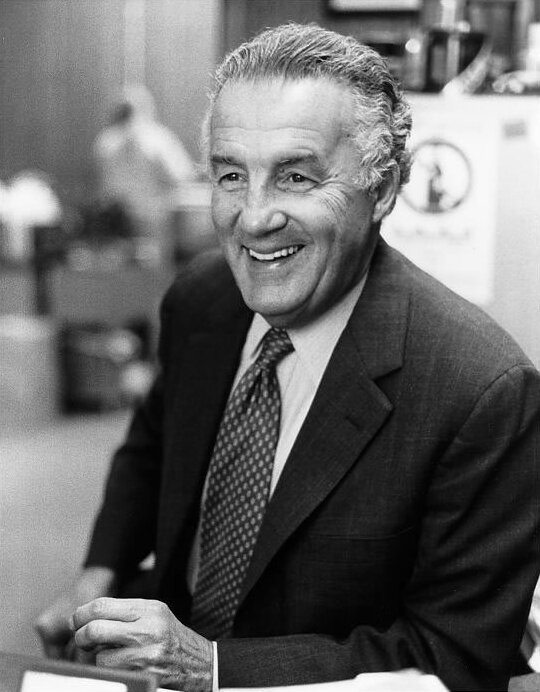
Stand-in from freely licensed institutional photo · Public domain / CC (underlying file) · original
Institutional stand-in (Clintons photo) — Betsey Wright portrait unavailable.
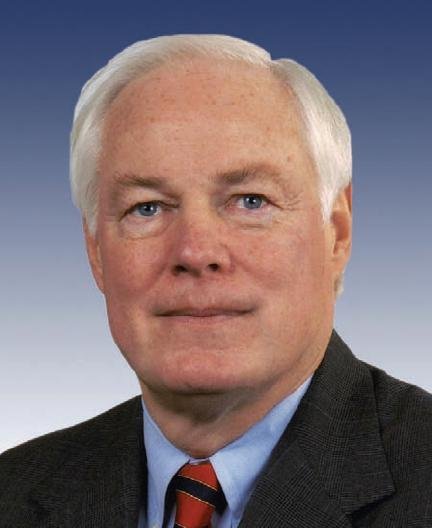
Stand-in from freely licensed institutional photo · Public domain / CC (underlying file) · original
Bill Clinton, official presidential portrait.
Bob McNeely / White House · Public domain · original
Arkansas State Capitol (stand-in for Rose Law Firm / billing-records fight).
Commons · CC BY-SA · original
Institutional stand-in (Arkansas Capitol) — James Blair portrait unavailable.
Stand-in from freely licensed institutional photo · Public domain / CC (underlying file) · original
United States Capitol, west side.
Martin Falbisoner · CC BY-SA · original
James Carville.
Commons · CC BY / PD variant · original
Institutional stand-in (DOJ) — Paula Casey portrait unavailable.
Stand-in from freely licensed institutional photo · Public domain / CC (underlying file) · original
Institutional stand-in (Capitol) — Michael Chertoff portrait file not fetched.
Stand-in from freely licensed institutional photo · Public domain / CC (underlying file) · original
Bill and Hillary Clinton, April 23, 1993.
White House / Library of Congress · Public domain · original
U.S. Supreme Court Building (court institutional stand-in).
U.S. government · Public domain · original
Alfonse D'Amato, U.S. senator.
U.S. Congress · Public domain · original
Samuel Dash (site archive).
Site archive · Public domain / archive · original
Institutional stand-in (Little Rock) — Don Denton portrait unavailable.
Stand-in from freely licensed institutional photo · Public domain / CC (underlying file) · original
Robert F. Kennedy Department of Justice Building.
U.S. government · Public domain · original
Institutional stand-in (DOJ building) — Robert Fiske portrait unavailable.
Stand-in from freely licensed institutional photo · Public domain / CC (underlying file) · original
Vince Foster, White House photograph, Feb. 19, 1993.
Sharon Farmer / White House · Public domain · original
Institutional stand-in (NYT building) — Jeff Gerth portrait unavailable.
Stand-in from freely licensed institutional photo · Public domain / CC (underlying file) · original
Institutional stand-in (DOJ building) — David Hale portrait unavailable.
Stand-in from freely licensed institutional photo · Public domain / CC (underlying file) · original
Institutional stand-in (White House).
Stand-in from freely licensed institutional photo · Public domain / CC (underlying file) · original
Kenneth W. Starr, official portrait as U.S. solicitor general (stand-in hero for Independent Counsel era).
U.S. federal government · Public domain · original
Hillary Clinton, official Secretary of State portrait.
U.S. Department of State · Public domain · original
Institutional stand-in (DOJ building) — Webster Hubbell portrait unavailable.
Stand-in from freely licensed institutional photo · Public domain / CC (underlying file) · original
Institutional stand-in (Arkansas State Capitol) — no freely licensed Jim McDougal portrait located this build.
Stand-in from freely licensed institutional photo · Public domain / CC (underlying file) · original
David Kendall (site archive stand-in / portrait).
Site archive · Public domain / archive · original
Jim Leach, U.S. representative.
U.S. Congress · Public domain · original
Bill Clinton and Monica Lewinsky, Feb. 28, 1997 (cross-link visual only; not Whitewater misconduct).
Barbara Kinney / White House · Public domain · original
Institutional stand-in (DOJ) — L. Jean Lewis portrait unavailable.
Stand-in from freely licensed institutional photo · Public domain / CC (underlying file) · original
Little Rock, Arkansas skyline (stand-in for Madison Guaranty / Arkansas finance).
Commons photographer · CC BY-SA · original
Institutional stand-in (White House) — Bernard Nussbaum portrait unavailable.
Stand-in from freely licensed institutional photo · Public domain / CC (underlying file) · original
New York Times Building (press stand-in for 1992 Whitewater coverage).
Commons · CC BY-SA · original
Buffalo National River, Arkansas (Ozarks landscape stand-in for Whitewater lots).
U.S. National Park Service · Public domain · original
United States Capitol (critical-path visual).
Martin Falbisoner · CC BY-SA · original
Robert W. Ray (from site archive re-encode).
U.S. government / site archive · Public domain · original
Janet Reno (from site archive re-encode).
U.S. government · Public domain · original
Institutional stand-in (DOJ building) for RTC referral contexts.
Stand-in from freely licensed institutional photo · Public domain / CC (underlying file) · original
Paul Sarbanes, U.S. senator.
U.S. Congress · Public domain · original
Kenneth W. Starr, official portrait as U.S. solicitor general.
U.S. federal government · Public domain · original
Institutional stand-in (NYT building) — James Stewart portrait unavailable.
Stand-in from freely licensed institutional photo · Public domain / CC (underlying file) · original
Institutional stand-in (Arkansas State Capitol) — no freely licensed Susan McDougal portrait located this build.
Stand-in from freely licensed institutional photo · Public domain / CC (underlying file) · original
Fred Thompson.
U.S. government / Commons · Public domain · original
Jim Guy Tucker, former Arkansas governor.
U.S. Congress / Commons · Public domain · original
Landscape stand-in (Buffalo National River) — Chris Wade portrait unavailable.
Stand-in from freely licensed institutional photo · Public domain / CC (underlying file) · original
Institutional stand-in (Little Rock skyline) — Seth Ward portrait unavailable.
Stand-in from freely licensed institutional photo · Public domain / CC (underlying file) · original
White House south façade (institutional stand-in for White House contexts).
U.S. government work / Commons · Public domain · original
Judge Susan Webber Wright (site archive).
U.S. government · Public domain · original