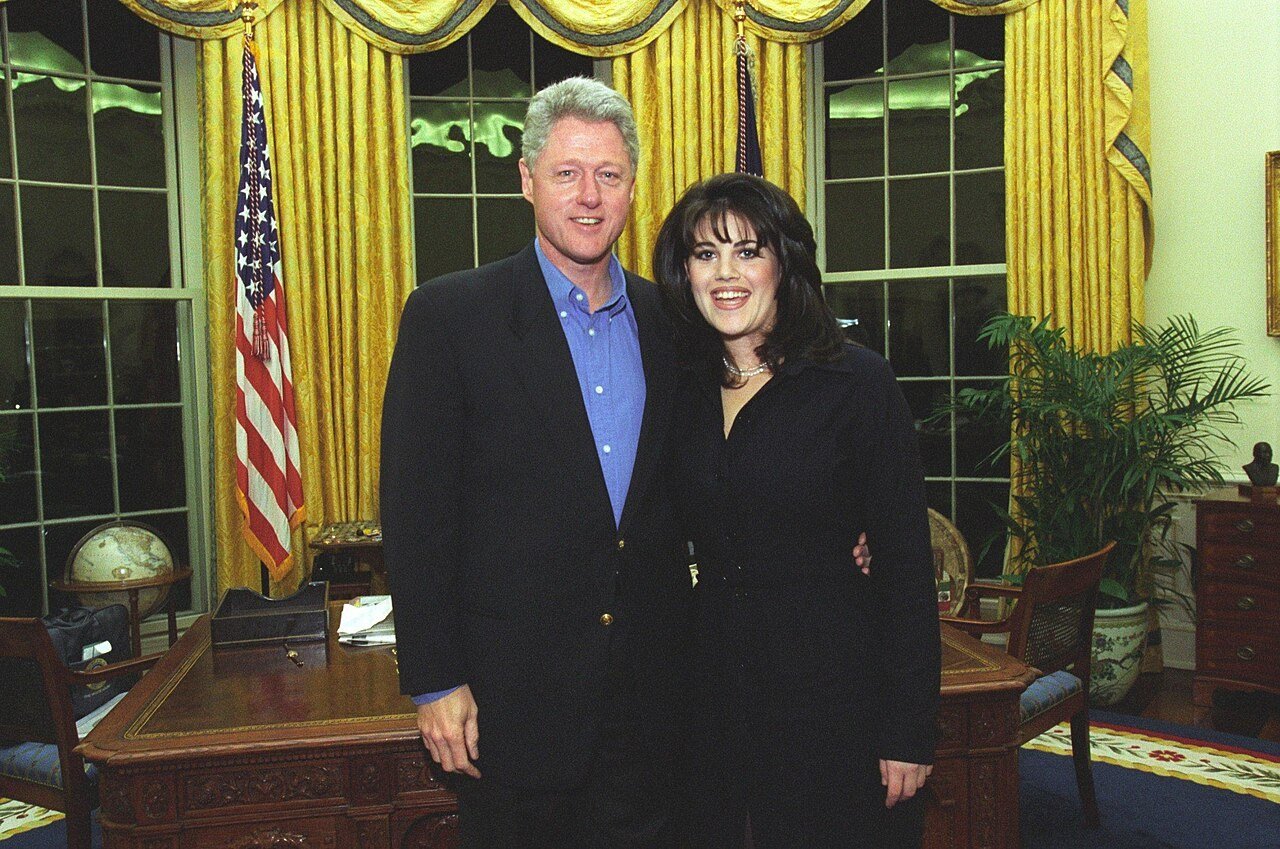
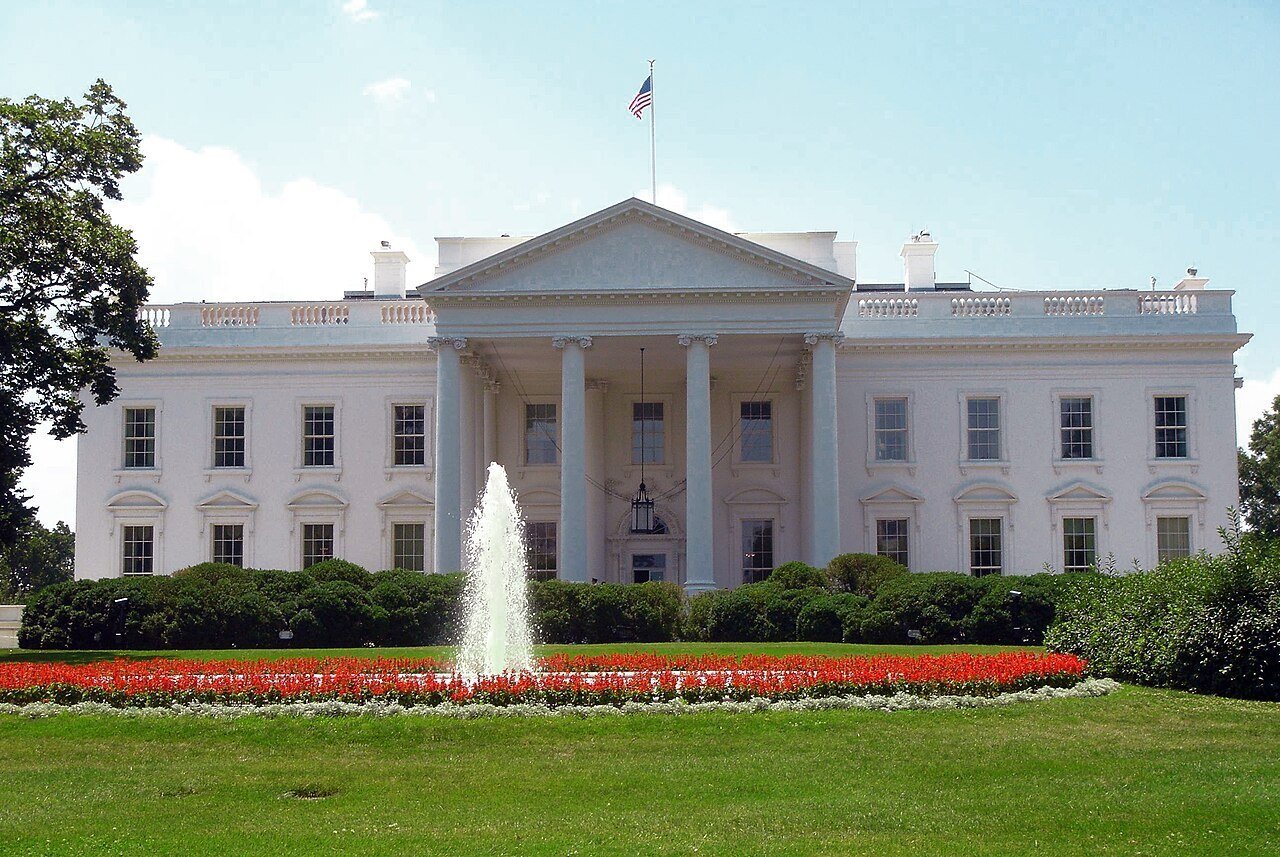
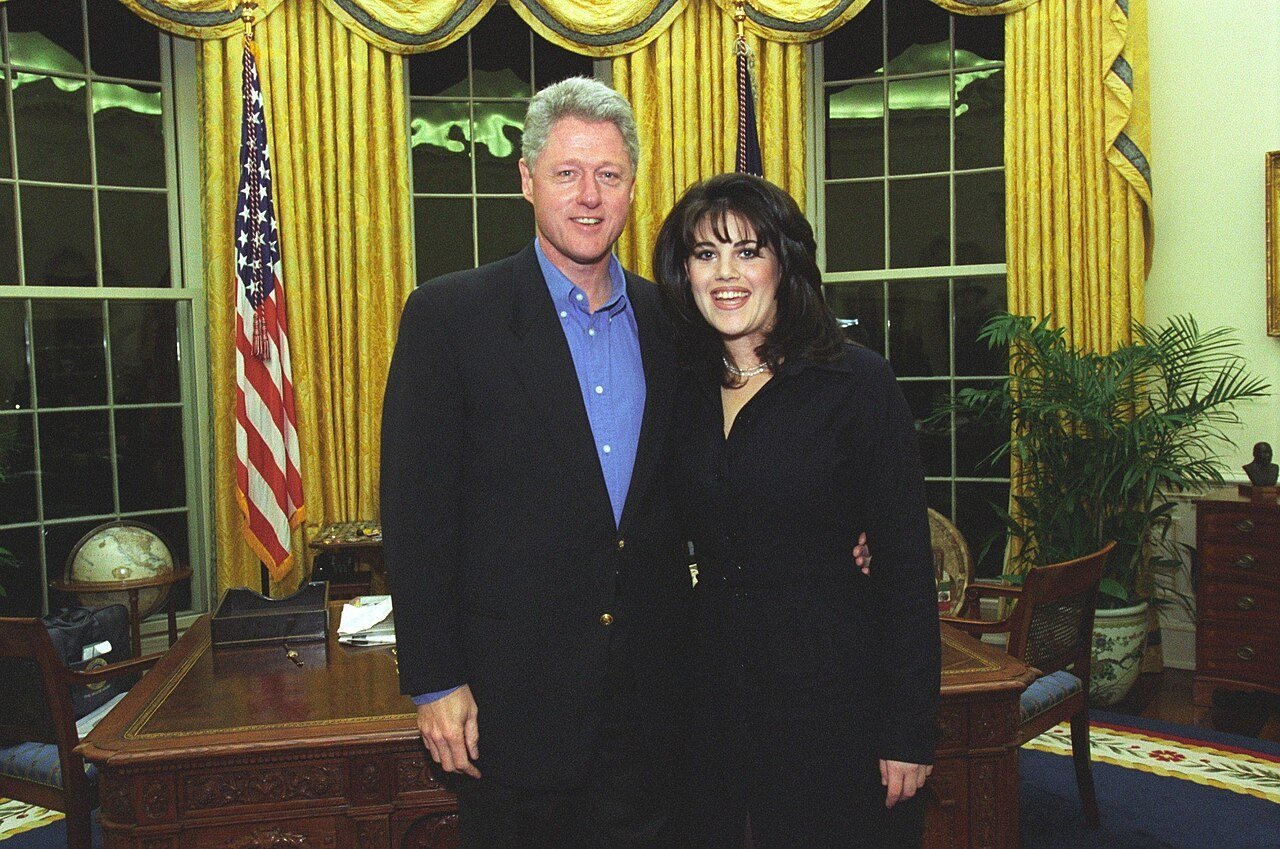
Bill Clinton and Monica Lewinsky at the White House, February 28, 1997. Documents a meeting; does not depict the misconduct.

The AI Files · The affair, the Jones lawsuit, the Starr investigation, the House impeachment, and the Senate acquittal · 1994–2001

Lewinsky, Paula Jones and impeachment

Bill Clinton wagged a finger on television and said he did not have sexual relations with “that woman, Miss Lewinsky.” Months later he admitted an inappropriate relationship. A federal judge found his sworn answers intentionally false. The House impeached him; the Senate acquitted him.

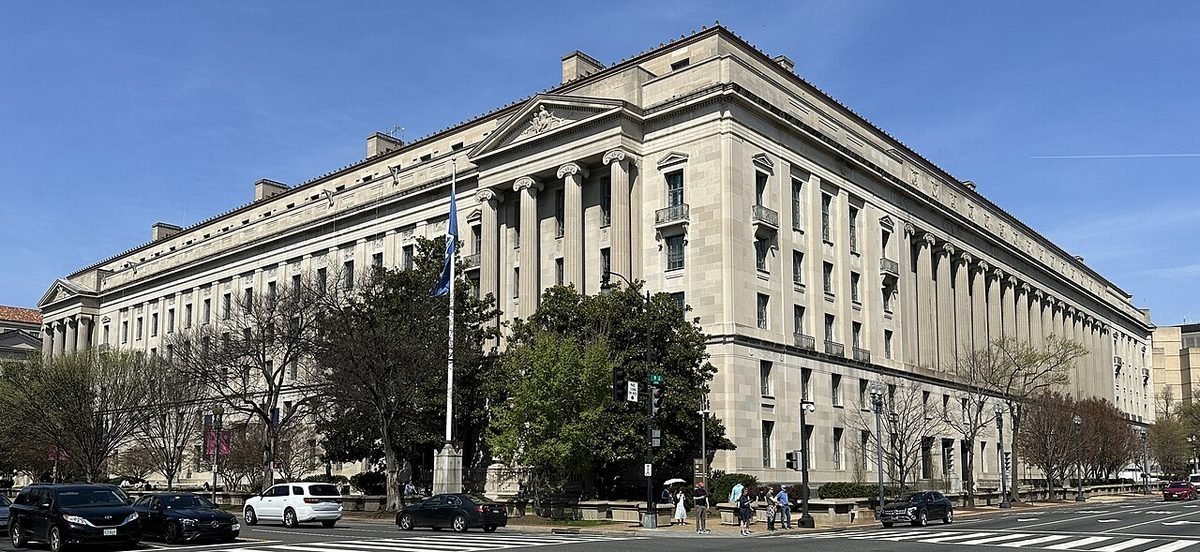
Between those facts sit a civil lawsuit the Supreme Court let proceed, Tripp’s tapes, a dress, a referral to Congress, a settlement with Paula Jones, and a five-year law-license suspension on his last full day as president. This guide follows the documented chain — and sets each theory against it. It is not a rebuild of the emails & Foundation guide.

Bill Clinton and Monica Lewinsky at the White House, February 28, 1997. Documents a meeting; does not depict the misconduct. Image: Barbara Kinney / White House Photograph Office · Public domain

The story

The story

From a hotel-room allegation and a White House intern to a Senate acquittal — chapter by chapter.

Institutional stand-in for jones (portrait unavailable or unclear license)
Institutional stand-in for jones (portrait unavailable or unclear license) Stand-in from U.S. government / Commons institutional image · Public domain stand-in

Chapter 1

A finger, a denial, a country watching

On January 26, 1998, Bill Clinton wagged a finger at the cameras and said he did not have sexual relations with “that woman, Miss Lewinsky.” [1]

Seven months later he admitted an inappropriate relationship. [2] A federal judge later found that sworn answers about Lewinsky had been intentionally false. [3] The House impeached him. The Senate acquitted him. [4] [5]

That sequence — denial, admission, impeachment, acquittal, contempt, law-license deal — is why this guide exists. The affair is the fuse. The oath is the charge.

Bill Clinton and Monica Lewinsky at the White House, February 28, 1997. Documents a meeting; does not depict the misconduct.
Bill Clinton and Monica Lewinsky at the White House, February 28, 1997. Documents a meeting; does not depict the misconduct. Barbara Kinney / White House Photograph Office · Public domain

Chapter 2

A lawsuit from Arkansas

Years before the finger wag, Paula Jones alleged that then-Governor Clinton had made an unwanted sexual advance in a Little Rock hotel room in 1991. She sued in 1994. [6]

Clinton said it never happened. He also said a sitting president should not have to defend a private civil suit until leaving office. In 1997 the Supreme Court disagreed — unanimously. [6]

Clinton v. Jones did not decide the hotel-room claim. It decided that discovery could proceed. That is how Monica Lewinsky’s name entered a witness list.

Institutional stand-in for tripp (portrait unavailable or unclear license)
Institutional stand-in for tripp (portrait unavailable or unclear license) Stand-in from U.S. government / Commons institutional image · Public domain stand-in

Chapter 3

An intern in a shutdown

In November 1995, during a government shutdown, a sexual relationship began between President Clinton and White House intern Monica Lewinsky. She was twenty-two. [7] [8]

It continued intermittently into 1997. She later moved to a Pentagon job. The private story stayed private — until it didn’t. [7]

Years afterward Lewinsky would write about the gulf in power between a president and an intern, without calling it assault. [9] In 1998 the country argued a different question first: was he lying?

Bill Clinton, official presidential portrait context (archive reuse).
Bill Clinton, official presidential portrait context (archive reuse). U.S. government / site archive reuse · Public domain or prior guide credit

Chapter 4

A friend with a tape recorder

Linda Tripp recorded conversations with Lewinsky. Lucianne Goldberg helped point the material toward lawyers. [10]

Friendship, betrayal, patriotism, ambition — Tripp’s motives are still argued. The tapes’ effect is not: they helped turn a secret into evidence. [7]

hillary (reused archive image)
hillary (reused archive image) U.S. government / site archive reuse · Public domain or prior guide credit

Chapter 5

Under oath in January

On January 17, 1998, in the Jones case, Clinton denied a sexual relationship with Lewinsky under the deposition’s definition. [7] [3]

Four days later the story broke into national headlines after online tips. [11] The finger-wag denial followed. [1]

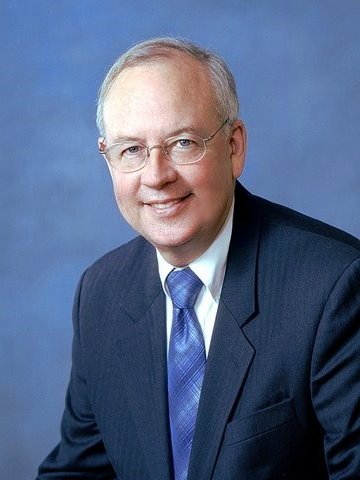
Kenneth W. Starr, independent counsel (official portrait as solicitor general).
Kenneth W. Starr, independent counsel (official portrait as solicitor general). U.S. government / site archive reuse · Public domain or prior guide credit

Chapter 6

“Vast right-wing conspiracy”

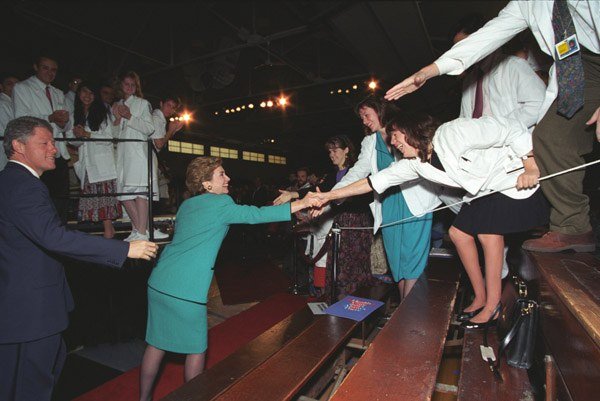
Hillary Clinton went on television and spoke of a “vast right-wing conspiracy.” [12] Opponents were real. So, it turned out, was the relationship.

The phrase became a permanent part of the political language of the scandal — and a theory this guide rates against the critical path, not as a slogan.

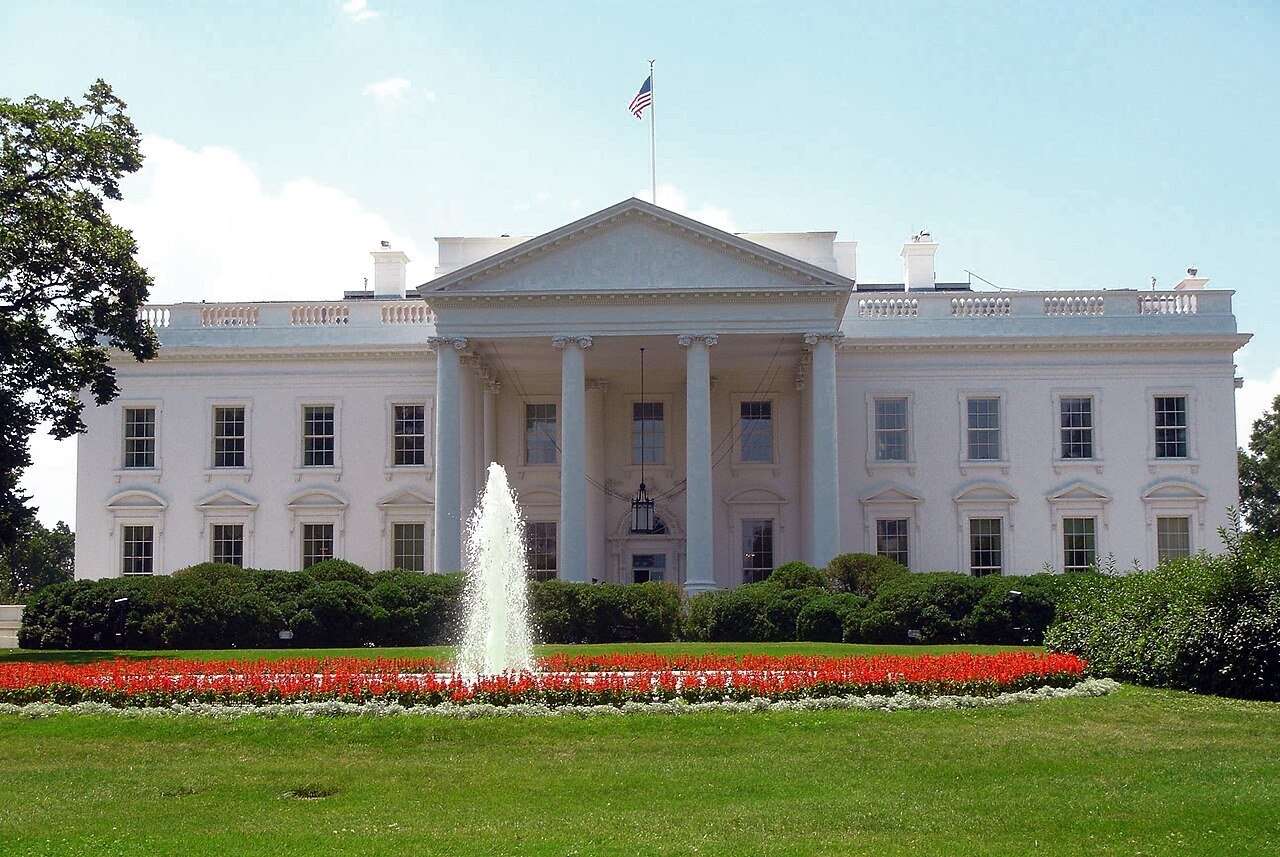
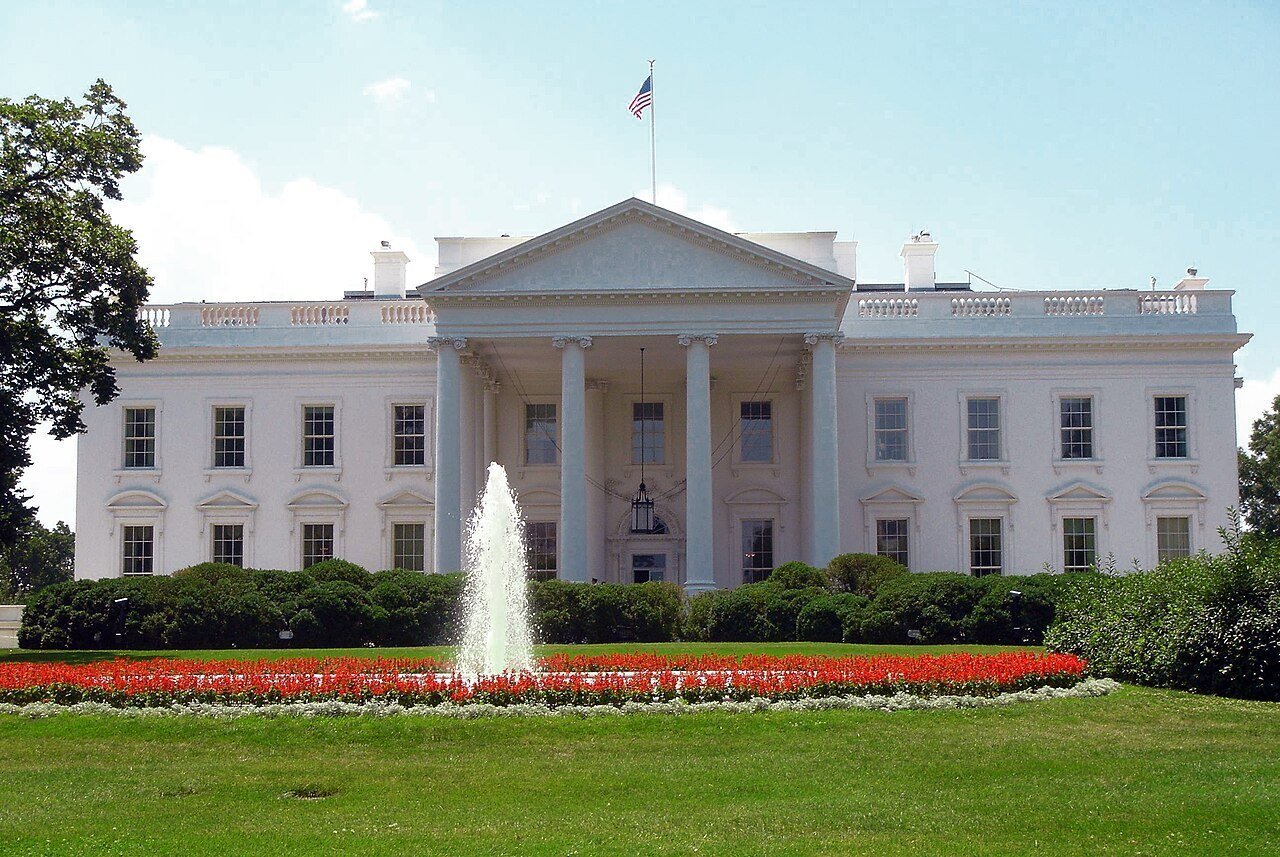
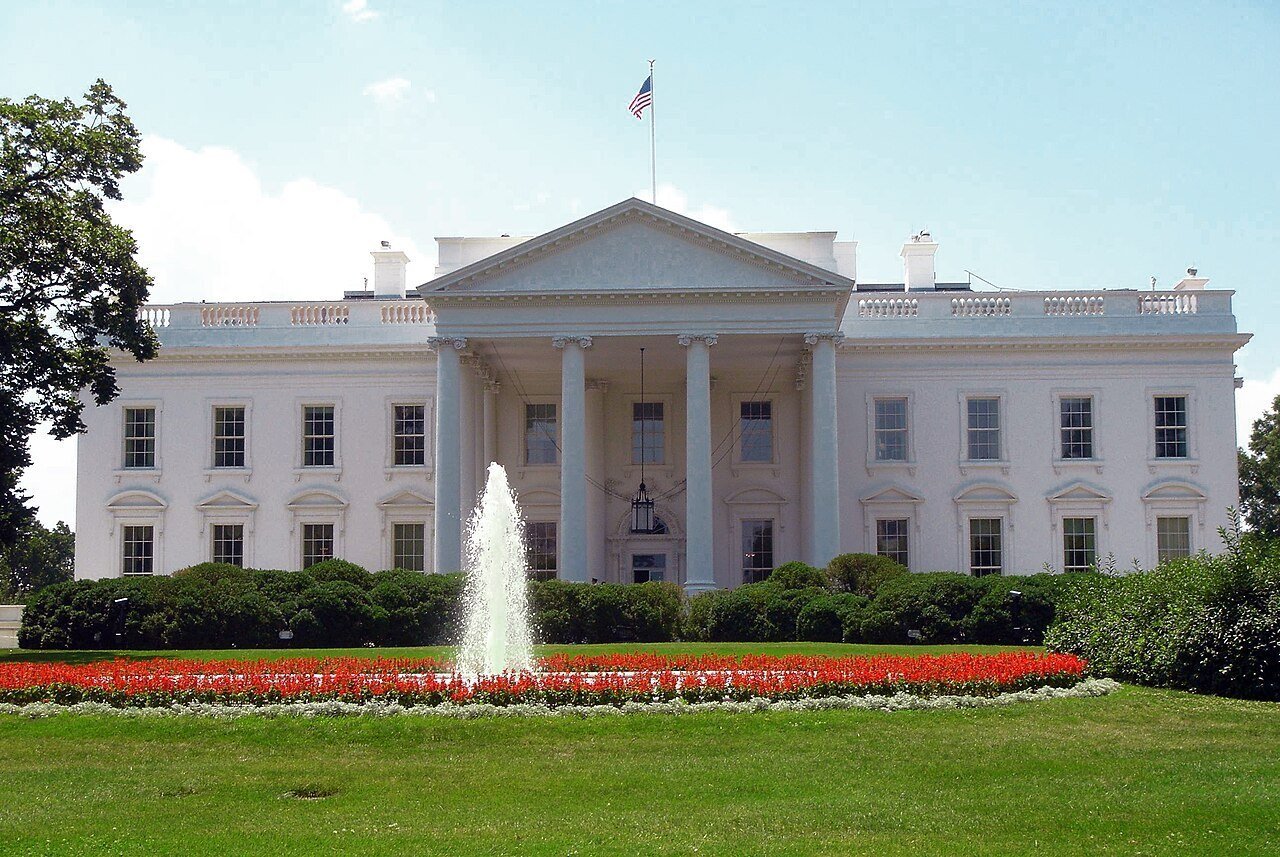
White House context stand-in for physical-evidence chapter (not a photo of the dress).
White House context stand-in for physical-evidence chapter (not a photo of the dress). Wikimedia Commons · Public domain

Chapter 7

Starr turns toward Lewinsky

Independent Counsel Kenneth Starr’s office had begun with Whitewater-related matters. In January 1998 its jurisdiction expanded into Lewinsky. [13] [14]

To allies of the president, it looked like a prosecutor without a leash. To Clinton’s critics, it looked like following evidence of possible crimes — false statements, obstruction — wherever it led. [7] [15]

Both things can be discussed at once. The expansion is why a land-and-banking investigation produced a referral about sex and lies.

Bill Clinton, official presidential portrait context (archive reuse).
Bill Clinton, official presidential portrait context (archive reuse). U.S. government / site archive reuse · Public domain or prior guide credit

Chapter 8

Evidence that ended the he-said fight

Lewinsky reached a cooperation deal. A dress with DNA evidence corroborated sexual contact. [16] [7]

After that, the fight was less “did it happen?” and more “what should the law do about the lies and the cover stories?”

Kenneth W. Starr, independent counsel (official portrait as solicitor general).
Kenneth W. Starr, independent counsel (official portrait as solicitor general). U.S. government / site archive reuse · Public domain or prior guide credit

Chapter 9

August 17

Clinton testified to a grand jury. That evening he told the country the relationship was not appropriate and that he had misled people, including his wife. [2]

He still disputed legal labels — perjury, obstruction — that his opponents wanted. Admission of the affair was not surrender on impeachment.

Institutional stand-in for jones (portrait unavailable or unclear license)
Institutional stand-in for jones (portrait unavailable or unclear license) Stand-in from U.S. government / Commons institutional image · Public domain stand-in

Chapter 10

A report to Congress

In September, Starr sent Congress a referral. [7] It was graphic, exhaustive, and immediately radioactive. Even Starr’s ethics adviser, Sam Dash, later quit in protest of Starr’s advocacy posture before Congress. [15]

The House now had a thick narrative. It did not yet have two-thirds of the Senate.

house (reused archive image)
house (reused archive image) U.S. government / site archive reuse · Public domain or prior guide credit

Chapter 11

Jones settles for money

In November 1998 Clinton paid Paula Jones $850,000. No apology. No admission about 1991. [17] [18]

The civil case ended. The oath problem did not.

livingston
livingston U.S. Congress · Public domain

Chapter 12

Two articles of impeachment

On December 19 the House impeached Clinton for grand-jury perjury and obstruction of justice. Two other articles failed. [4] [19]

Polls showed many Americans believed Clinton had lied and still opposed removing him. [20]

senate (reused archive image)
senate (reused archive image) U.S. government / site archive reuse · Public domain or prior guide credit

Chapter 13

Livingston resigns the same day

The same day as the House votes, Speaker-designate Bob Livingston announced he would leave Congress amid his own affair revelations. [21]

The coincidence became part of how the country remembered the week: private hypocrisy on both sides of the aisle, public votes that still stood.

senate (reused archive image)
senate (reused archive image) U.S. government / site archive reuse · Public domain or prior guide credit

Chapter 14

Trial in the Senate

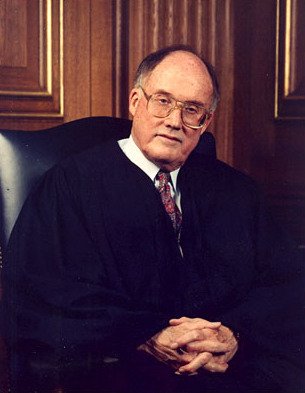
Chief Justice William Rehnquist opened the trial. [22] House managers argued high crimes. White House counsel argued constitutional overreach. Dale Bumpers told senators that when someone says it is not about sex, it is about sex. [23] [24] [25]

Institutional stand-in for wright (portrait unavailable or unclear license)
Institutional stand-in for wright (portrait unavailable or unclear license) Stand-in from U.S. government / Commons institutional image · Public domain stand-in

Chapter 15

Acquittal — short of sixty-seven

On February 12, 1999, the Senate acquitted: 45–55 and 50–50. Sixty-seven votes were required to convict. [5] [26]

Acquittal means not removed. It is not a finding that every sworn answer was true. [27]

scale (reused archive image)
scale (reused archive image) U.S. government / site archive reuse · Public domain or prior guide credit

Chapter 16

A judge is not a senator

In April 1999 Judge Susan Webber Wright held Clinton in civil contempt for intentionally false deposition answers about Lewinsky and ordered him to pay added costs. [3]

The courtroom and the Senate had answered different questions.

scale (reused archive image)
scale (reused archive image) U.S. government / site archive reuse · Public domain or prior guide credit

Chapter 17

The Arkansas bar and the last full day

On January 19, 2001, Clinton agreed to a five-year Arkansas law-license suspension and a fine, acknowledging knowingly evasive and misleading answers. [28] [29]

Bill Clinton and Monica Lewinsky at the White House, February 28, 1997. Documents a meeting; does not depict the misconduct.
Bill Clinton and Monica Lewinsky at the White House, February 28, 1997. Documents a meeting; does not depict the misconduct. Barbara Kinney / White House Photograph Office · Public domain

Chapter 18

Ray closes without indictment

Independent Counsel Robert Ray closed the investigation without a criminal indictment. [30]

So both popular shortcuts fail. “Never found to have lied” erases contempt and the bar deal. “Convicted of perjury” invents a criminal case that did not happen.

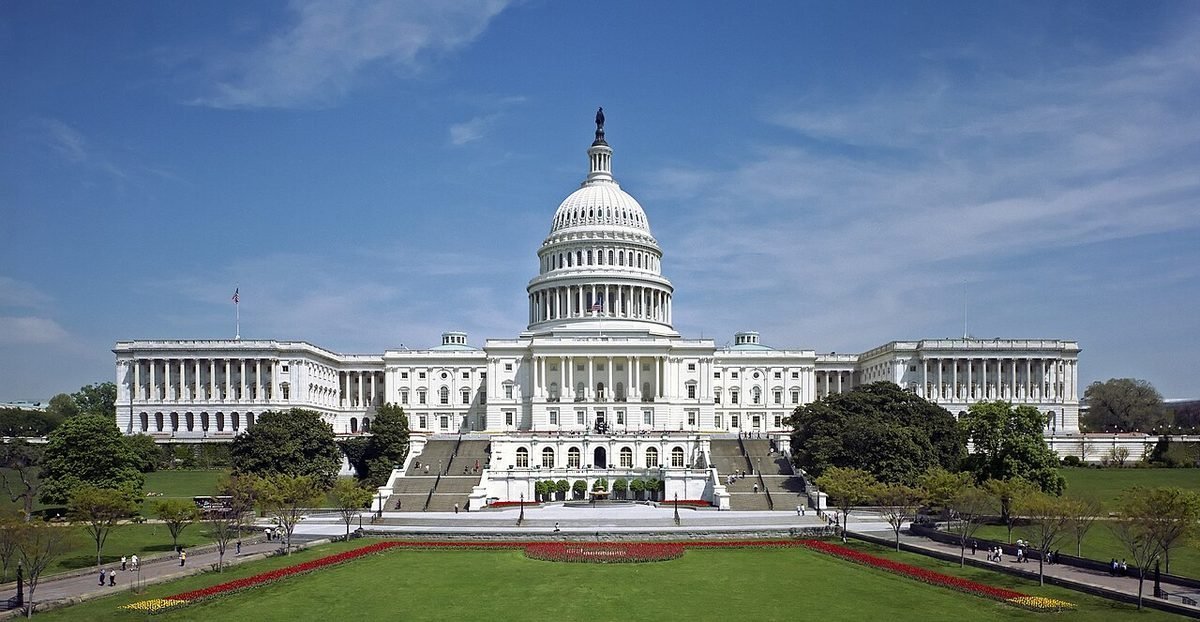
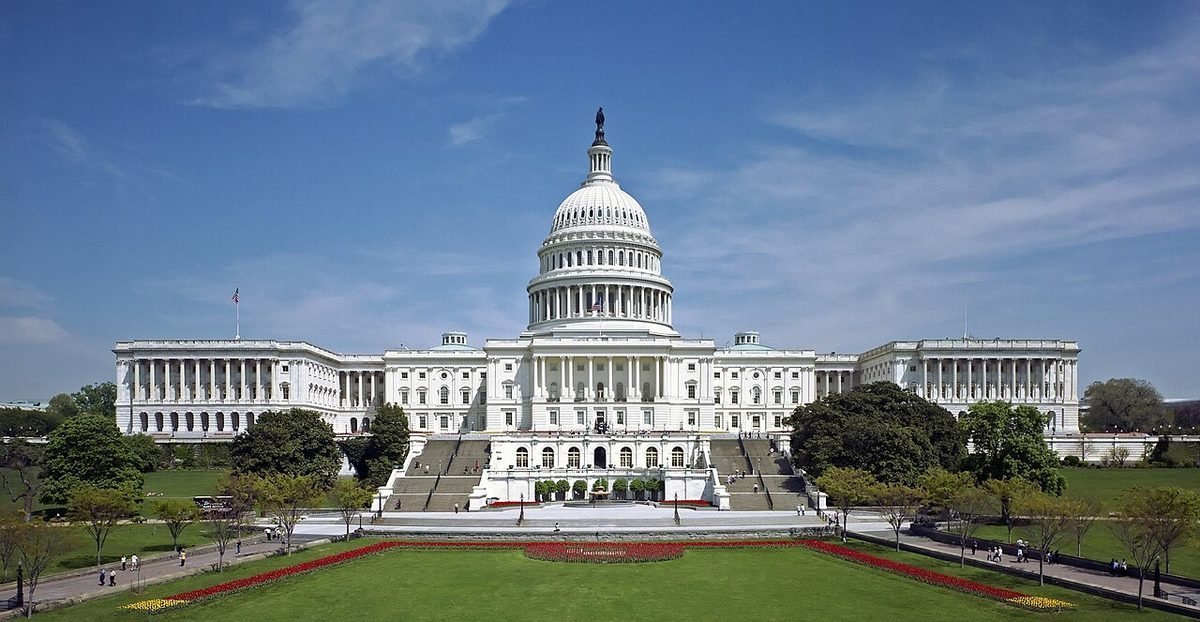
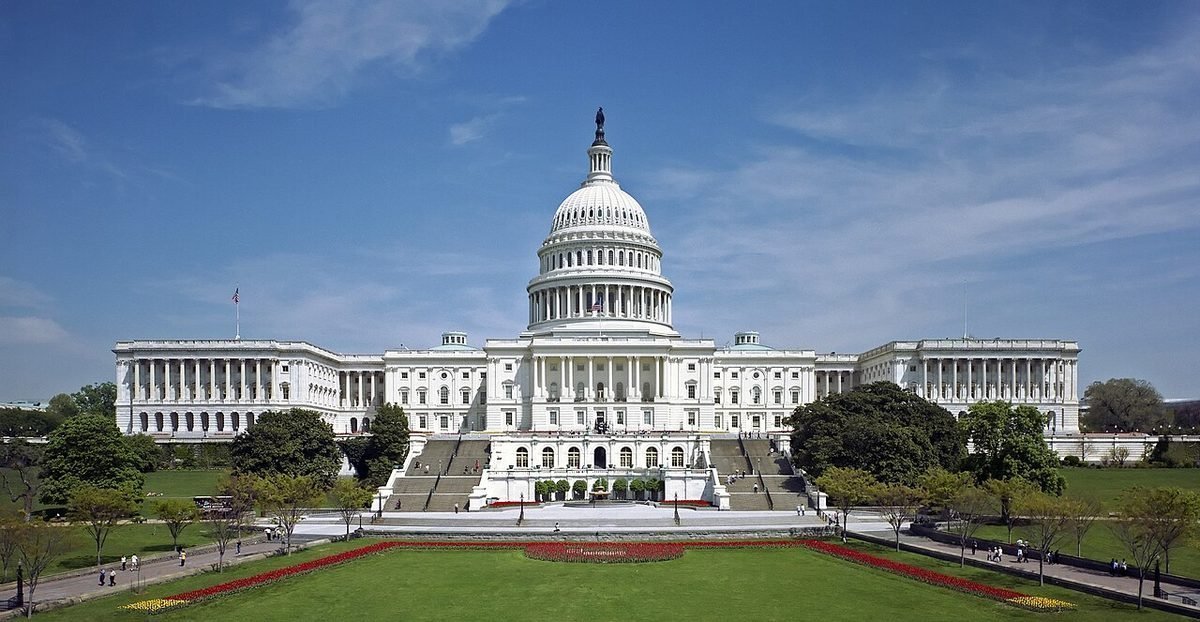
capitol (reused archive image)
capitol (reused archive image) U.S. government / site archive reuse · Public domain or prior guide credit

Chapter 19

Memory moves; the docket stays

In the #MeToo years Lewinsky reframed the moral story around power. [9] Later presidential impeachments invited comparison — without merging those records into this one. [31]

The Clinton Files already keeps a separate full guide on the emails and the Foundation. [32] This page does not rebuild it, and it does not become a Ukraine-war narrative.

Bill Clinton and Monica Lewinsky at the White House, February 28, 1997. Documents a meeting; does not depict the misconduct.
Bill Clinton and Monica Lewinsky at the White House, February 28, 1997. Documents a meeting; does not depict the misconduct. Barbara Kinney / White House Photograph Office · Public domain

Chapter 20

What to take with you

If you remember five things, remember these: the affair was real; the January denial was false; the House impeached on perjury and obstruction; the Senate acquitted; a federal judge and the Arkansas bar still marked the oath. [2] [4] [5] [3] [28]

Then open the critical path, test a theory against it, and decide which links you still doubt.

Chapter 21

Path tease — sixteen links

The mainstream account needs a chain. Theories are scored by which links they break, recast, or must invent.

1. **Jones sues** — a civil case creates discovery. [#path]

2. **Lewinsky relationship** — later admitted. [#path]

3. **Clinton v. Jones** — the suit may proceed. [#path]

4. **Tripp tapes / witness list** — the secret meets process. [#path]

5. **January 17 deposition** — sworn denial under the day’s definition. [#path]

6. **Public denial** — the finger wag. [#path]

7. **Starr expands** — IC authority reaches Lewinsky. [#path]

8. **Corroborating evidence** — cooperation and DNA. [#path]

9. **August 17 admission** — inappropriate relationship. [#path]

10. **Starr Report** — referral to the House. [#path]

11. **Jones settles** — money, no admission on 1991. [#path]

12. **House impeaches** — two articles. [#path]

13. **Senate tries** — managers, counsel, Rehnquist. [#path]

14. **Senate acquits** — short of sixty-seven. [#path]

15. **Civil contempt** — intentionally false answers. [#path]

16. **Law-license deal** — suspension; no criminal indictment. [#path]

Other readings — high crimes, private-sex-not-removable, Starr overreach, conspiracy framing, power-gap ethics, acquittal-as-wisdom, rule-of-law-without-removal — each have to live with that chain.
Sources for the story
  1. Miller Center: Clinton response to Lewinsky allegations, Jan. 26, 1998
  2. Miller Center: Clinton statement after grand-jury testimony, Aug. 17, 1998
  3. Jones v. Clinton, 36 F. Supp. 2d 1118 (E.D. Ark. 1999)
  4. House impeachment articles / Senate documentary record (106th Cong.)
  5. Senate roll call 17: Article I (grand-jury perjury), Feb. 12, 1999
  6. Clinton v. Jones, 520 U.S. 681 (1997)
  7. Referral from Independent Counsel Kenneth W. Starr (Starr Report), Sept. 9, 1998
  8. Clinton Library finding aid: Monica Lewinsky records
  9. Monica Lewinsky, Vanity Fair, Feb. 2018
  10. Washington Post: Linda Tripp tapes reporting
  11. Washington Post: story breaks Jan. 21, 1998
  12. Hillary Clinton Today show 'vast right-wing conspiracy' remarks (Jan. 27, 1998)
  13. DOJ materials on Independent Counsel Lewinsky expansion (Jan 1998 context)
  14. Independent Counsel background (Justice archive)
  15. NYT: Sam Dash quits Starr staff over report (Nov. 1998)
  16. Starr Report on dress DNA evidence
  17. UPI: Clinton and Jones settle case, Nov. 13, 1998
  18. Text of the Clinton-Jones settlement agreement (SFGate archive)
  19. House impeachment vote tallies in Senate documentary record
  20. Pew: Clinton scandal polarized public (Dec. 1998)
  21. Washington Post: Bob Livingston resigns (Dec. 1998)
  22. Chief Justice role in presidential impeachment trials
  23. House managers presentation — trial record
  24. White House counsel defense presentations coverage
  25. Sen. Dale Bumpers defense speech coverage (Jan. 21, 1999)
  26. Senate roll call 18: Article II (obstruction), Feb. 12, 1999
  27. Senate materials on meaning of acquittal
  28. Arkansas Committee on Professional Conduct agreed order, case 2000-013
  29. Presidential statement on legal resolution, Jan. 19, 2001 (Weekly Compilation)
  30. Independent Counsel Robert Ray closing statement (Jan. 19, 2001)
  31. U.S. Senate historical briefing: impeachment role
  32. AI Files: emails and the Foundation (related guide)

Explore

Go deeper, era by era

Pick an era, or search everything at once: entries, people, dated events, claims, theories and media.

Threads

Follow one thread through the whole story

Each thread pulls together the entries on one question, across all the eras.

Key people

Who was who

The president, the intern, the plaintiff, the independent counsel, the judge, House managers, and Senate leaders.

Bill ClintonBill Clinton42nd U.S. president

Admitted an inappropriate relationship with Lewinsky after denying it; impeached and acquitted; held in civil contempt; accepted a law-license suspension.

Sources
  1. Miller Center: Clinton statement after grand-jury testimony, Aug. 17, 1998
  2. Arkansas Committee on Professional Conduct agreed order, case 2000-013
  3. Senate roll call 17: Article I (grand-jury perjury), Feb. 12, 1999
Monica LewinskyMonica LewinskyWhite House intern / later Pentagon employee

Central witness; later wrote about the power gap and #MeToo-era reframing of consent.

Sources
  1. Referral from Independent Counsel Kenneth W. Starr (Starr Report), Sept. 9, 1998
  2. Monica Lewinsky, Vanity Fair, Feb. 2018
Paula JonesPaula JonesPlaintiff in Jones v. Clinton

Alleged a 1991 advance by then-Governor Clinton; suit created the discovery path to Lewinsky; settled for $850,000 with no admission.

Sources
  1. Clinton v. Jones, 520 U.S. 681 (1997)
  2. UPI: Clinton and Jones settle case, Nov. 13, 1998
Kenneth StarrKenneth StarrIndependent counsel

Whitewater IC whose jurisdiction expanded to Lewinsky; authored the 1998 referral to the House.

Sources
  1. Referral from Independent Counsel Kenneth W. Starr (Starr Report), Sept. 9, 1998
  2. Independent Counsel background (Justice archive)
Linda TrippLinda TrippPentagon employee; recorded Lewinsky

Secretly taped conversations with Lewinsky and helped bring the matter to lawyers and investigators.

Sources
  1. Washington Post: Linda Tripp tapes reporting
  2. Referral from Independent Counsel Kenneth W. Starr (Starr Report), Sept. 9, 1998
Hillary ClintonHillary ClintonFirst Lady

Defended her husband publicly; Jan. 1998 “vast right-wing conspiracy” framing became a lasting political shorthand.

Sources
  1. Hillary Clinton Today show 'vast right-wing conspiracy' remarks (Jan. 27, 1998)
  2. Clinton Presidential Library biographies
Betty CurrieBetty CurriePersonal secretary to the president

Appears in Starr’s obstruction narrative regarding gifts and contacts with Lewinsky.

Sources
  1. Starr Report narrative on Betty Currie and Vernon Jordan
  2. Referral from Independent Counsel Kenneth W. Starr (Starr Report), Sept. 9, 1998
Vernon JordanVernon JordanClinton friend; lawyer

Helped Lewinsky seek private-sector work; Starr cast the help as potential obstruction; Jordan denied wrongdoing.

Sources
  1. Starr Report narrative on Betty Currie and Vernon Jordan
  2. Referral from Independent Counsel Kenneth W. Starr (Starr Report), Sept. 9, 1998
Susan Webber WrightSusan Webber WrightU.S. District Judge (E.D. Ark.)

Presided over Jones case; held Clinton in civil contempt in 1999 for false deposition answers.

Sources
  1. Jones v. Clinton, 36 F. Supp. 2d 1118 (E.D. Ark. 1999)
  2. Washington Post: Wright dismisses Jones suit (Apr. 1, 1998)
William RehnquistWilliam RehnquistChief Justice of the United States
Henry HydeHenry HydeHouse Judiciary Chair; lead manager
Trent LottTrent LottSenate Majority Leader
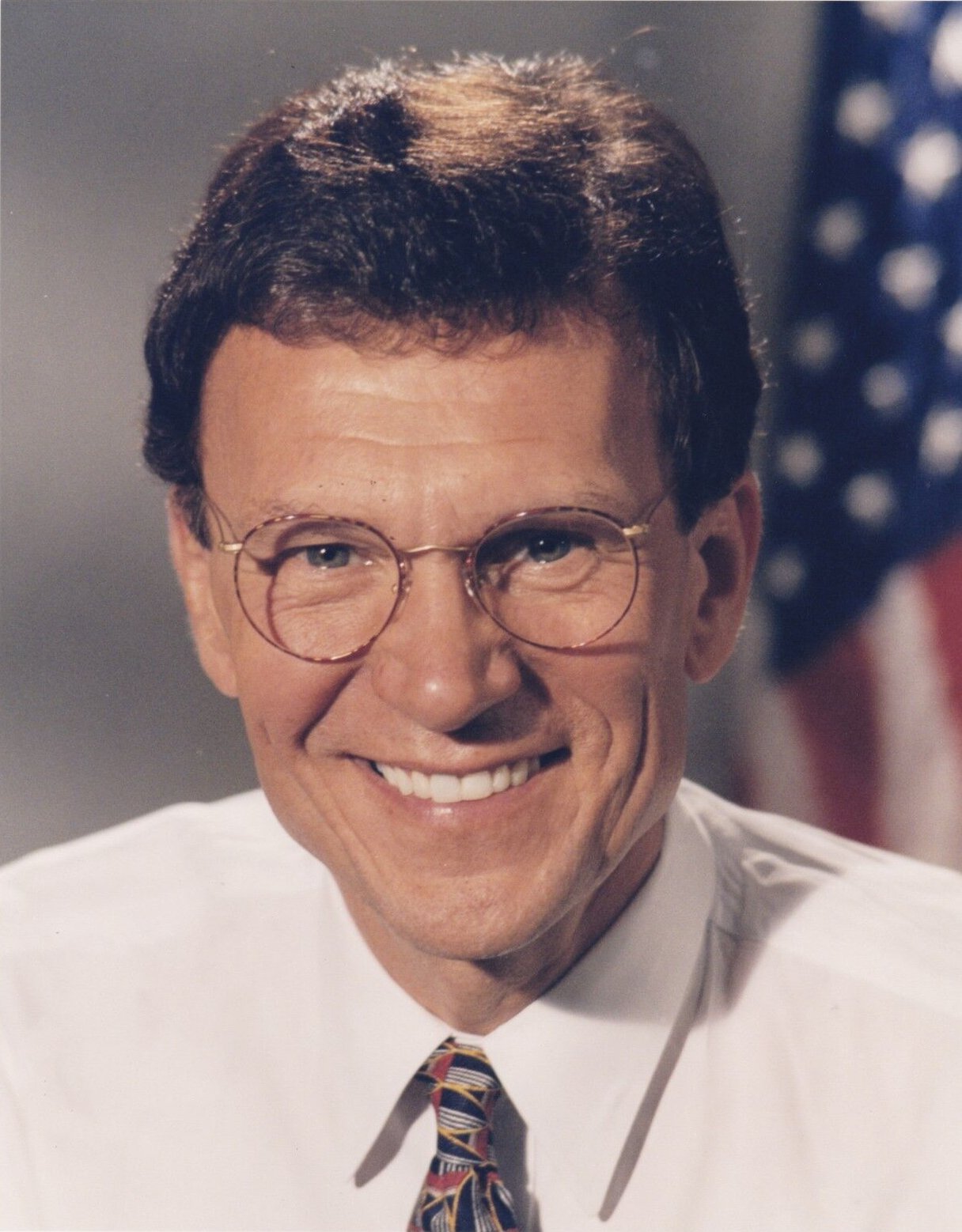
Tom DaschleTom DaschleSenate Minority Leader
Bob LivingstonBob LivingstonSpeaker-designate (resigned)

Resigned amid his own affair revelations during impeachment week in December 1998.

Sources
  1. Washington Post: Bob Livingston resigns (Dec. 1998)
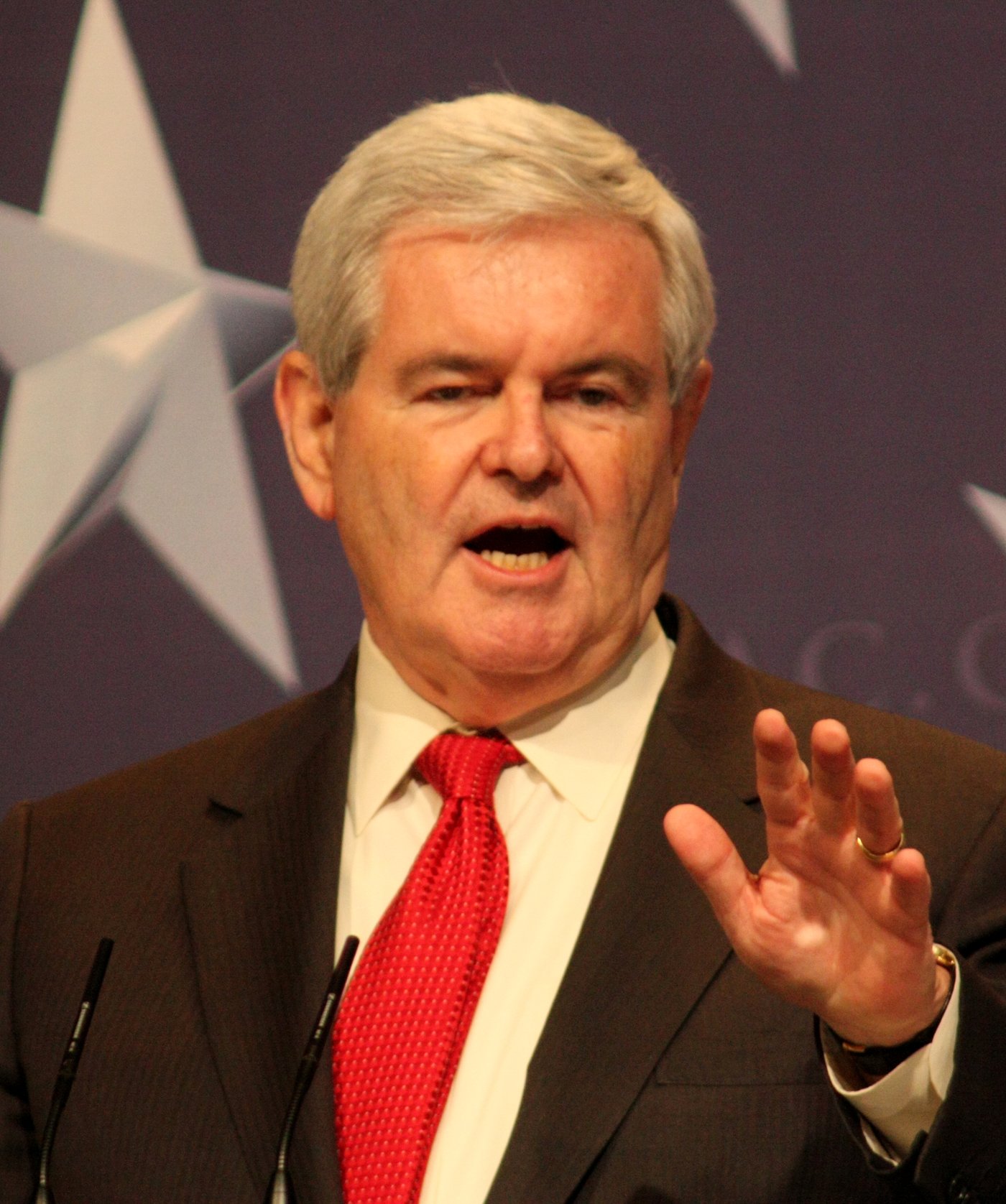
Newt GingrichNewt GingrichSpeaker (through early 1999 transition)

House Republican leader in the broader 1990s conflicts; speakership transition collided with impeachment week.

Sources
  1. Washington Post: Bob Livingston resigns (Dec. 1998)
  2. House impeachment articles / Senate documentary record (106th Cong.)
Charles RuffCharles RuffWhite House counsel

Led legal defense presentations in the Senate trial.

Sources
  1. White House counsel defense presentations coverage
Cheryl MillsCheryl MillsDeputy White House counsel

Presented defense arguments at the Senate trial.

Sources
  1. White House counsel defense presentations coverage
Dale BumpersDale BumpersFormer Arkansas senator; defense speaker

Delivered a widely cited Senate-floor defense speech arguing the case was about sex, not high crimes.

Sources
  1. Sen. Dale Bumpers defense speech coverage (Jan. 21, 1999)
Sam DashSam DashEthics adviser to Starr (resigned)

Resigned criticizing Starr’s advocacy posture before Congress.

Sources
  1. NYT: Sam Dash quits Starr staff over report (Nov. 1998)
Robert RayRobert RayIndependent counsel (succeeded Starr)

Closed the investigation in January 2001 without indicting Clinton, concurrent with the bar deal.

Sources
  1. Independent Counsel Robert Ray closing statement (Jan. 19, 2001)
Lucianne GoldbergLucianne GoldbergLiterary agent; advised Tripp

Encouraged Tripp’s taping and helped connect the story to lawyers and media.

Sources
  1. Washington Post: Linda Tripp tapes reporting
Sidney BlumenthalSidney BlumenthalWhite House aide
Mike McCurryMike McCurryWhite House press secretary
James CarvilleJames CarvilleClinton political adviser
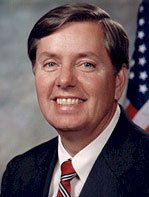
Lindsey GrahamLindsey GrahamHouse manager (then-Rep.)

House manager who argued high-crimes theory at trial; later a senator.

Sources
  1. House managers presentation — trial record
  2. House impeachment articles / Senate documentary record (106th Cong.)
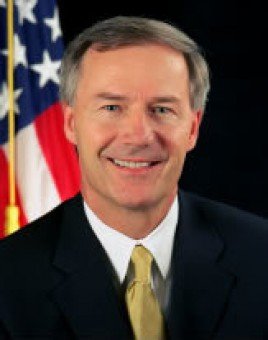
Asa HutchinsonAsa HutchinsonHouse manager

Presented obstruction arguments for the House.

Sources
  1. House managers presentation — trial record
James RoganJames RoganHouse manager

House manager in the Senate trial.

Sources
  1. House managers presentation — trial record
Bill McCollumBill McCollumHouse manager

House manager in the Senate trial.

Sources
  1. House managers presentation — trial record
Matt DrudgeMatt DrudgeDrudge Report publisher

Published early online tips that the Lewinsky story was coming.

Sources
  1. Washington Post: story breaks Jan. 21, 1998
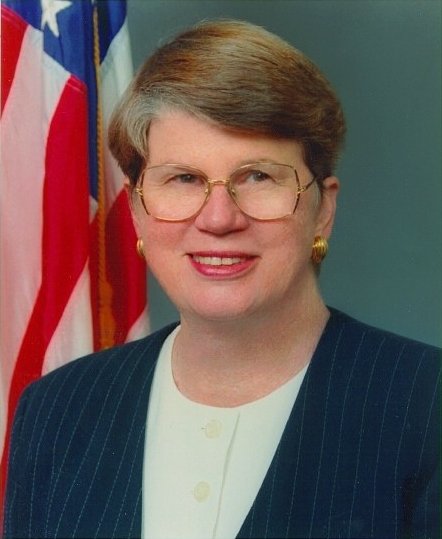
Janet RenoJanet RenoU.S. Attorney General

Attorney General during the Independent Counsel expansion into Lewinsky matters.

Sources
  1. DOJ materials on Independent Counsel Lewinsky expansion (Jan 1998 context)
Bruce LindseyBruce LindseySenior White House adviser / counsel circle

Longtime Clinton aide who appears in contemporaneous White House defense narratives.

Sources
  1. White House counsel defense presentations coverage
  2. Referral from Independent Counsel Kenneth W. Starr (Starr Report), Sept. 9, 1998
David KendallDavid KendallPersonal counsel to Clinton
Joe LockhartJoe LockhartWhite House press secretary (later)

Timeline

Day by day

31 dated events, 1994–2001, each with its source.

  1. 8 May 1991
    Jones allegation date Paula Jones later alleged that then-Governor Clinton made an unwanted sexual advance in a Little Rock hotel room. The Jones lawsuit · source
  2. 6 May 1994
    Jones files suit Jones files a federal civil lawsuit against Clinton. The Jones lawsuit · source source
  3. 15 Nov 1995
    Lewinsky relationship begins Sexual relationship between Clinton and intern Monica Lewinsky begins during the government shutdown period (later admitted). The relationship · source source
  4. 27 May 1997
    Clinton v. Jones decided Supreme Court rules 9–0 that the suit may proceed against a sitting president for unofficial acts. The Jones lawsuit · source
  5. Fall 1997
    Tripp tapes Lewinsky Linda Tripp records conversations with Lewinsky; the Jones discovery path widens. The relationship · source source
  6. 17 Jan 1998
    Jones deposition Clinton denies under oath a sexual relationship with Lewinsky under the deposition definition. Public denial · source source
  7. 21 Jan 1998
    Story breaks National press reports the Lewinsky allegations after online tips. Public denial · source
  8. 26 Jan 1998
    Finger-wag denial Clinton publicly says he did not have sexual relations with Lewinsky. Public denial · source
  9. 27 Jan 1998
    Vast right-wing conspiracy Hillary Clinton’s Today interview frames the attacks as a political conspiracy. Public denial · source
  10. Jan 1998
    Starr jurisdiction expands Independent counsel authority expands into Lewinsky-related matters. Starr expands · source source
  11. 1 Apr 1998
    Jones suit dismissed (SJ) Judge Wright grants summary judgment dismissing Jones’s claims as legally insufficient; appeal follows. The Jones lawsuit · source
  12. Jul–Aug 1998
    Immunity and dress evidence Lewinsky’s cooperation and DNA evidence on a dress corroborate sexual contact. Evidence and admission · source source
  13. 17 Aug 1998
    Grand jury and admission Clinton testifies to the grand jury; that evening he admits an inappropriate relationship. Evidence and admission · source
  14. 9–11 Sep 1998
    Starr Report to Congress Starr transmits the referral; much of it is soon public. Referral to Congress · source source
  15. 13 Nov 1998
    Jones settlement Clinton pays $850,000 to settle; no apology or admission on the hotel-room claim. The Jones lawsuit · source source
  16. 20 Nov 1998
    Sam Dash resigns Starr’s ethics adviser resigns, criticizing Starr’s advocacy before Congress. Starr expands · source
  17. 19 Dec 1998
    Livingston resigns; House impeaches Same day as impeachment votes, Speaker-designate Livingston announces resignation amid his own scandal. House articles · source source
  18. 19 Dec 1998
    Two articles adopted House adopts grand-jury perjury (228–206) and obstruction (221–212); two other articles fail. House articles · source source
  19. 7 Jan 1999
    Senate trial opens Chief Justice Rehnquist opens the trial; managers and counsel present. Senate trial · source source
  20. 21 Jan 1999
    Bumpers defense speech Former Sen. Dale Bumpers delivers a noted defense address on the Senate floor. Senate trial · source
  21. 12 Feb 1999
    Senate acquits Acquittal on both articles: 45–55 and 50–50; 67 needed to convict. Senate trial · source source
  22. 12 Apr 1999
    Civil contempt order Judge Wright holds Clinton in civil contempt for intentionally false deposition answers; orders payment of added costs (~$90,000). Contempt and license · source
  23. 19 Jan 2001
    Law-license agreement Clinton accepts a five-year Arkansas law-license suspension and fine; acknowledges knowingly evasive and misleading answers. Contempt and license · source source
  24. 19 Jan 2001
    IC closes without indictment Independent Counsel Ray announces the investigation’s end without criminal charges against Clinton. Contempt and license · source
  25. 2018
    Lewinsky #MeToo essay Lewinsky publishes a major essay revisiting consent and power; cultural memory shifts even as 1998–99 legal outcomes stay fixed. Contempt and license · source source
  26. 1997
    Relationship winds down The sexual relationship, later described as intermittent after 1995–96, ends before the 1998 public crisis. The relationship · source
  27. Apr 1996
    Lewinsky to Pentagon Lewinsky moves from the White House to a Pentagon job — a transfer later scrutinized in narratives about distancing. The relationship · source source
  28. Dec 1998
    Public opinion split Polling shows a polarized public: many believe Clinton lied yet oppose removal. House articles · source
  29. Jan 1999
    Managers present case House managers argue perjury and obstruction as high crimes. Senate trial · source
  30. Jan 1999
    White House defense Ruff, Mills and others argue the articles do not meet the constitutional standard for removal. Senate trial · source
  31. 1787 / invoked 1998–99
    Constitutional standard debated “High crimes and misdemeanors” becomes the central legal-political fight of the House and Senate proceedings. House articles · source source

What we know now

What we know now

How the record sits after contempt, the bar deal, #MeToo reframing, and two decades of argument.

The yardstick

The critical path

Sixteen links the mainstream account needs — each tied to a dated event.

  1. 1
    6 May 19941. Jones sues

    Paula Jones files a federal civil suit alleging a 1991 sexual advance by then-Governor Clinton.[1][2]

    On the timeline
  2. 2
    15 Nov 19952. Lewinsky relationship

    A sexual relationship between President Clinton and White House intern Monica Lewinsky begins in November 1995 and continues intermittently into 1997 — later admitted.[3][4][5]

    On the timeline
  3. 3
    27 May 19973. Clinton v. Jones

    The Supreme Court unanimously holds that a sitting president is not immune from this private civil suit for unofficial acts, allowing discovery to proceed.[1]

    On the timeline
  4. 4
    Fall 19974. Tripp tapes / witness list

    Linda Tripp records conversations with Lewinsky; Lewinsky’s name enters Jones discovery.[6][3]

    On the timeline
  5. 5
    17 Jan 19985. Jan. 17 deposition

    Under oath in the Jones case, Clinton denies a sexual relationship with Lewinsky under the definition used in the deposition.[7][3]

    On the timeline
  6. 6
    26 Jan 19986. Public denial

    On January 26, 1998, Clinton publicly declares he did not have sexual relations with Lewinsky.[8]

    On the timeline
  7. 7
    Jan 19987. Starr expands

    Independent Counsel Starr’s jurisdiction expands from Whitewater-related matters into the Lewinsky allegations.[9][10][3]

    On the timeline
  8. 8
    Jul–Aug 19988. Corroborating evidence

    Lewinsky’s cooperation and physical evidence (including the dress DNA match) corroborate sexual contact.[11][3]

    On the timeline
  9. 9
    17 Aug 19989. Aug. 17 admission

    After grand-jury testimony, Clinton tells the country the relationship was not appropriate and that he misled people.[4]

    On the timeline
  10. 10
    9–11 Sep 199810. Starr Report

    Starr transmits a referral to the House alleging possible impeachable offenses grounded in lies and obstruction theories.[3][12]

    On the timeline
  11. 11
    13 Nov 199811. Jones settles

    Clinton pays $850,000 to settle the Jones suit with no apology or admission of the underlying allegation.[2][13]

    On the timeline
  12. 12
    19 Dec 199812. House impeaches

    On December 19, 1998, the House adopts articles for grand-jury perjury and obstruction of justice; two other articles fail.[14][15]

    On the timeline
  13. 13
    7 Jan 199913. Senate tries

    The Senate conducts a trial with House managers and White House counsel; Chief Justice Rehnquist presides.[16][17][18]

    On the timeline
  14. 14
    12 Feb 199914. Senate acquits

    On February 12, 1999, the Senate acquits on both articles (45–55 and 50–50); 67 votes were required to convict.[19][20][21]

    On the timeline
  15. 15
    12 Apr 199915. Civil contempt

    Judge Susan Webber Wright holds Clinton in civil contempt for intentionally false deposition answers about Lewinsky and orders payment of added costs.[7]

    On the timeline
  16. 16
    19 Jan 200116. Law license deal

    On January 19, 2001, Clinton agrees to a five-year Arkansas law-license suspension and fine, acknowledging knowingly evasive and misleading answers; the independent counsel closes without criminal charges.[22][23][24]

    On the timeline
Sources for the 16 steps
  1. Clinton v. Jones, 520 U.S. 681 (1997)
  2. UPI: Clinton and Jones settle case, Nov. 13, 1998
  3. Referral from Independent Counsel Kenneth W. Starr (Starr Report), Sept. 9, 1998
  4. Miller Center: Clinton statement after grand-jury testimony, Aug. 17, 1998
  5. Clinton Library finding aid: Monica Lewinsky records
  6. Washington Post: Linda Tripp tapes reporting
  7. Jones v. Clinton, 36 F. Supp. 2d 1118 (E.D. Ark. 1999)
  8. Miller Center: Clinton response to Lewinsky allegations, Jan. 26, 1998
  9. DOJ materials on Independent Counsel Lewinsky expansion (Jan 1998 context)
  10. Independent Counsel background (Justice archive)
  11. Starr Report on dress DNA evidence
  12. House Judiciary Committee impeachment report (105th Cong.)
  13. Text of the Clinton-Jones settlement agreement (SFGate archive)
  14. House impeachment articles / Senate documentary record (106th Cong.)
  15. House impeachment vote tallies in Senate documentary record
  16. U.S. Senate historical briefing: impeachment role
  17. House managers presentation — trial record
  18. White House counsel defense presentations coverage
  19. Senate roll call 17: Article I (grand-jury perjury), Feb. 12, 1999
  20. Senate roll call 18: Article II (obstruction), Feb. 12, 1999
  21. Senate materials on meaning of acquittal
  22. Arkansas Committee on Professional Conduct agreed order, case 2000-013
  23. Presidential statement on legal resolution, Jan. 19, 2001 (Weekly Compilation)
  24. Independent Counsel Robert Ray closing statement (Jan. 19, 2001)

OTHER READINGS

How camps tell the same years differently

Each major framing measured against the critical path: what it must deny or recast, and what it adds.

hyde
hyde Office of Congressman Henry Hyde · Public domain
Debated

High crimes: remove him

Perjury and obstruction by a president are impeachable regardless of the sexual subject matter; the Senate failed a constitutional duty.

  1. 11. Jones sues
  2. 22. Lewinsky relationship
  3. 33. Clinton v. Jones
  4. 44. Tripp tapes / witness list
  5. 55. Jan. 17 deposition
  6. 66. Public denial
  7. 77. Starr expands
  8. 88. Corroborating evidence
  9. 99. Aug. 17 admission
  10. 1010. Starr Report
  11. 1111. Jones settles
  12. 1212. House impeaches
  13. 1313. Senate tries
  14. 1414. Senate acquitsrecast
  15. 1515. Civil contempt
  16. 1616. Law license deal
  17. +Duty to convict despite public oppositionDisputed evidence
Open the file
Who believes it
Who has voiced it
Where it started

House managers’ trial theory and Starr referral framing.[1][2][4]

Why it lives

Lives because contempt and the bar deal later confirmed serious oath problems.

If it were true

Acquittal was partisan nullification of the rule of law.

How it squares with the record

Judge Wright found intentionally false deposition answers. [3]

House adopted perjury and obstruction articles. [4]

What holds up Debated

Strong on false statements; politically rejected as removal grounds.

Against the critical path
  1. 11. Jones sues
  2. 22. Lewinsky relationship
  3. 33. Clinton v. Jones
  4. 44. Tripp tapes / witness list
  5. 55. Jan. 17 deposition
  6. 66. Public denial
  7. 77. Starr expands
  8. 88. Corroborating evidence
  9. 99. Aug. 17 admission
  10. 1010. Starr Report
  11. 1111. Jones settles
  12. 1212. House impeaches
  13. 1313. Senate tries
  14. 1414. Senate acquitsrecast
  15. 1515. Civil contempt
  16. 1616. Law license deal
  17. +Duty to convict despite public oppositionDisputed evidence
Removes from the critical path
  • 14. 14. Senate acquits must recast Treats acquittal as illegitimate nullification rather than constitutional judgment. What has to be fake or wrong: That the Senate’s political judgment is part of the design.[5]
Adds to the critical path
  • Duty to convict despite public opposition Disputed evidence Requires a thicker theory of senatorial obligation.[1]
What new information would make it true
  • Broader historical consensus that oath crimes always require removal
What would prove it false
  • Showing the Senate correctly treated this as below the removal line
bumpers
bumpers Unknown authorUnknown author · Public domain
Debated

Private sex lie — not removable

Concealing an affair, even under strained oaths, is not what “high crimes and misdemeanors” are for; removal would have been constitutional overreach.

  1. 11. Jones sues
  2. 22. Lewinsky relationship
  3. 33. Clinton v. Jones
  4. 44. Tripp tapes / witness list
  5. 55. Jan. 17 deposition
  6. 66. Public denial
  7. 77. Starr expands
  8. 88. Corroborating evidence
  9. 99. Aug. 17 admission
  10. 1010. Starr Report
  11. 1111. Jones settles
  12. 1212. House impeaches
  13. 1313. Senate tries
  14. 1414. Senate acquits
  15. 1515. Civil contemptrecast
  16. 1616. Law license deal
Open the file
Who believes it
Who has voiced it
Where it started

White House defense and Bumpers speech.[1][2]

Why it lives

Lives because the Senate acquitted and public opinion often opposed removal.

If it were true

The lasting lesson is limit impeachment to public abuses of power.

How it squares with the record

Senate acquittal votes. [3]

Bumpers: when they say it’s not about sex, it is. [1]

What holds up Debated

Won the institutional outcome; must still face contempt/bar facts.

Against the critical path
  1. 11. Jones sues
  2. 22. Lewinsky relationship
  3. 33. Clinton v. Jones
  4. 44. Tripp tapes / witness list
  5. 55. Jan. 17 deposition
  6. 66. Public denial
  7. 77. Starr expands
  8. 88. Corroborating evidence
  9. 99. Aug. 17 admission
  10. 1010. Starr Report
  11. 1111. Jones settles
  12. 1212. House impeaches
  13. 1313. Senate tries
  14. 1414. Senate acquits
  15. 1515. Civil contemptrecast
  16. 1616. Law license deal
Removes from the critical path
  • 15. 15. Civil contempt must recast Treats contempt as sufficient lesser remedy, not as proof removal was required. What has to be fake or wrong: That civil contempt already answers the oath problem without removal.[4]
Adds to the critical path

No new links.

What new information would make it true
  • Stable norm that private sexual concealment is non-removable
What would prove it false
  • Future consensus that sworn lies always require removal
Kenneth W. Starr, independent counsel (official portrait as solicitor general).
Kenneth W. Starr, independent counsel (official portrait as solicitor general). U.S. government / site archive reuse · Public domain or prior guide credit
Debated

Starr overreach / sex police

An Independent Counsel born in Whitewater became a boundless sex investigation that warped justice and politics.

  1. 11. Jones sues
  2. 22. Lewinsky relationship
  3. 33. Clinton v. Jones
  4. 44. Tripp tapes / witness list
  5. 55. Jan. 17 deposition
  6. 66. Public denial
  7. 77. Starr expandsrecast
  8. 88. Corroborating evidence
  9. 99. Aug. 17 admission
  10. 1010. Starr Report
  11. 1111. Jones settles
  12. 1212. House impeaches
  13. 1313. Senate tries
  14. 1414. Senate acquits
  15. 1515. Civil contempt
  16. 1616. Law license deal
  17. +Systematic prosecutorial abuse beyond known episodesThin evidence
Open the file
Who believes it
Who has voiced it
Where it started

Clinton allies; Sam Dash resignation; IC-law critics.[1][4][3]

Why it lives

Lives in the IC statute’s non-renewal and lasting distrust of unbound prosecutors.

If it were true

Even real crimes were pursued in a deforming institutional way.

How it squares with the record

Dash said Starr became an advocate before Congress. [1]

Referral’s sexual detail drew lasting criticism. [2]

What holds up Debated

Process critique can be true alongside false-statement facts.

Against the critical path
  1. 11. Jones sues
  2. 22. Lewinsky relationship
  3. 33. Clinton v. Jones
  4. 44. Tripp tapes / witness list
  5. 55. Jan. 17 deposition
  6. 66. Public denial
  7. 77. Starr expandsrecast
  8. 88. Corroborating evidence
  9. 99. Aug. 17 admission
  10. 1010. Starr Report
  11. 1111. Jones settles
  12. 1212. House impeaches
  13. 1313. Senate tries
  14. 1414. Senate acquits
  15. 1515. Civil contempt
  16. 1616. Law license deal
  17. +Systematic prosecutorial abuse beyond known episodesThin evidence
Removes from the critical path
  • 7. 7. Starr expands must recast Casts lawful expansion as illegitimate mission creep. What has to be fake or wrong: That jurisdiction documents and evidence of false statements justified inquiry.[5]
Adds to the critical path
  • Systematic prosecutorial abuse beyond known episodes Thin evidence Dash resignation is real; “sex police” is a slogan.[1]
What new information would make it true
  • Further evidence of abusive investigative tactics beyond known controversies
What would prove it false
  • Showing expansion was the only way to pursue clear felony evidence
Books and films that argue it
hillary (reused archive image)
hillary (reused archive image) U.S. government / site archive reuse · Public domain or prior guide credit
Mixed

Vast right-wing conspiracy / Jones as project

A network of political enemies used lawsuits and media to destroy Clinton; Lewinsky was a weaponized windfall.

  1. 11. Jones sues
  2. 22. Lewinsky relationshipbreaks
  3. 33. Clinton v. Jones
  4. 44. Tripp tapes / witness list
  5. 55. Jan. 17 deposition
  6. 66. Public denial
  7. 77. Starr expands
  8. 88. Corroborating evidence
  9. 99. Aug. 17 admission
  10. 1010. Starr Report
  11. 1111. Jones settles
  12. 1212. House impeaches
  13. 1313. Senate tries
  14. 1414. Senate acquits
  15. 1515. Civil contempt
  16. 1616. Law license deal
  17. +Centralized conspiracy controlling Jones+Tripp+StarrThin evidence
Open the file
Who believes it
Who has voiced it
Where it started

Hillary Clinton’s January 1998 Today framing, extended by allies.[1]

Why it lives

Lives as political mythos; fails as a claim that the affair was fabricated.

If it were true

Opponents’ opportunism explains the politics more than Clinton’s choices.

How it squares with the record

Real opposition research ecosystems existed in the 1990s. [1]

But Clinton admitted the relationship. [2]

What holds up Mixed

Half-true on opportunism; false on fabrication of the affair.

Against the critical path
  1. 11. Jones sues
  2. 22. Lewinsky relationshipbreaks
  3. 33. Clinton v. Jones
  4. 44. Tripp tapes / witness list
  5. 55. Jan. 17 deposition
  6. 66. Public denial
  7. 77. Starr expands
  8. 88. Corroborating evidence
  9. 99. Aug. 17 admission
  10. 1010. Starr Report
  11. 1111. Jones settles
  12. 1212. House impeaches
  13. 1313. Senate tries
  14. 1414. Senate acquits
  15. 1515. Civil contempt
  16. 1616. Law license deal
  17. +Centralized conspiracy controlling Jones+Tripp+StarrThin evidence
Removes from the critical path
  • 2. 2. Lewinsky relationship must deny Would need the relationship to be fake. What has to be fake or wrong: Clinton’s admission and DNA corroboration.[2][3]
Adds to the critical path
  • Centralized conspiracy controlling Jones+Tripp+Starr Thin evidence Overlapping incentives ≠ single command conspiracy.[1]
What would have to turn out fake or wrong
  • The affair itself
  • DNA match
What new information would make it true
  • Documentary proof the affair itself was invented — unavailable
What would prove it false
  • Admission and DNA already falsify fabrication
Bill Clinton and Monica Lewinsky at the White House, February 28, 1997. Documents a meeting; does not depict the misconduct.
Bill Clinton and Monica Lewinsky at the White House, February 28, 1997. Documents a meeting; does not depict the misconduct. Barbara Kinney / White House Photograph Office · Public domain
Debated

Power-gap / #MeToo reframing

Even if “consensual” in a thin legal sense, the president–intern hierarchy makes the moral story one of exploitation more than mutual affair.

  1. 11. Jones sues
  2. 22. Lewinsky relationship
  3. 33. Clinton v. Jones
  4. 44. Tripp tapes / witness list
  5. 55. Jan. 17 deposition
  6. 66. Public denial
  7. 77. Starr expands
  8. 88. Corroborating evidence
  9. 99. Aug. 17 admission
  10. 1010. Starr Report
  11. 1111. Jones settles
  12. 1212. House impeaches
  13. 1313. Senate tries
  14. 1414. Senate acquits
  15. 1515. Civil contempt
  16. 1616. Law license deal
  17. +Legal finding of nonconsentNo evidence
Open the file
Who believes it
Who has voiced it
Where it started

Lewinsky’s later essays and #MeToo-era commentary.[1][2]

Why it lives

Lives in cultural memory more than in 1999 legal outcomes.

If it were true

1998’s “how dare you ask about sex” frame underplayed structural coercion risk.

How it squares with the record

Lewinsky’s 2018 essay revisits consent and power. [1]

She does not allege assault in that framing. [1]

What holds up Debated

Important moral lens; not a substitute for the oath/impeachment docket.

Against the critical path
  1. 11. Jones sues
  2. 22. Lewinsky relationship
  3. 33. Clinton v. Jones
  4. 44. Tripp tapes / witness list
  5. 55. Jan. 17 deposition
  6. 66. Public denial
  7. 77. Starr expands
  8. 88. Corroborating evidence
  9. 99. Aug. 17 admission
  10. 1010. Starr Report
  11. 1111. Jones settles
  12. 1212. House impeaches
  13. 1313. Senate tries
  14. 1414. Senate acquits
  15. 1515. Civil contempt
  16. 1616. Law license deal
  17. +Legal finding of nonconsentNo evidence
Removes from the critical path

Nothing. It leaves every established link standing.

Adds to the critical path
  • Legal finding of nonconsent No evidence Moral reframing ≠ rape adjudication.[1]
What new information would make it true
  • Further first-person record from Lewinsky clarifying coercion
What would prove it false
  • Her insistence the old consensual frame was fully adequate — she has moved
senate (reused archive image)
senate (reused archive image) U.S. government / site archive reuse · Public domain or prior guide credit
Debated

Acquittal as constitutional wisdom

The Senate correctly refused to remove a president over a sex-cover-up; impeachment remains available for public abuses.

  1. 11. Jones sues
  2. 22. Lewinsky relationship
  3. 33. Clinton v. Jones
  4. 44. Tripp tapes / witness list
  5. 55. Jan. 17 deposition
  6. 66. Public denial
  7. 77. Starr expands
  8. 88. Corroborating evidence
  9. 99. Aug. 17 admission
  10. 1010. Starr Report
  11. 1111. Jones settles
  12. 1212. House impeachesrecast
  13. 1313. Senate tries
  14. 1414. Senate acquits
  15. 1515. Civil contempt
  16. 1616. Law license deal
Open the file
Who believes it
Who has voiced it
Where it started

Anti-removal senators and later comparative commentary after other impeachments.[4][5][3]

Why it lives

Lives whenever later impeachments are compared to 1998–99.

If it were true

1999 set a practical floor under removal.

How it squares with the record

50–50 / 45–55 outcomes. [2]

Public often opposed removal. [3]

What holds up Debated

Describes the institutional result; contested as “wisdom.”

Against the critical path
  1. 11. Jones sues
  2. 22. Lewinsky relationship
  3. 33. Clinton v. Jones
  4. 44. Tripp tapes / witness list
  5. 55. Jan. 17 deposition
  6. 66. Public denial
  7. 77. Starr expands
  8. 88. Corroborating evidence
  9. 99. Aug. 17 admission
  10. 1010. Starr Report
  11. 1111. Jones settles
  12. 1212. House impeachesrecast
  13. 1313. Senate tries
  14. 1414. Senate acquits
  15. 1515. Civil contempt
  16. 1616. Law license deal
Removes from the critical path
  • 12. 12. House impeaches must recast Treats House impeachment as the overreach rather than Senate acquittal. What has to be fake or wrong: That the House role is accusation, not final removal.[5]
Adds to the critical path

No new links.

What new information would make it true
  • Stable cross-party norm matching this floor
What would prove it false
  • Later consensus that 1999 was a mistake
scale (reused archive image)
scale (reused archive image) U.S. government / site archive reuse · Public domain or prior guide credit
Mixed

Rule of law without removal

Contempt, costs, and law-license suspension show accountability short of conviction in the Senate — the right tiered response.

  1. 11. Jones sues
  2. 22. Lewinsky relationship
  3. 33. Clinton v. Jones
  4. 44. Tripp tapes / witness list
  5. 55. Jan. 17 deposition
  6. 66. Public denial
  7. 77. Starr expands
  8. 88. Corroborating evidence
  9. 99. Aug. 17 admission
  10. 1010. Starr Report
  11. 1111. Jones settles
  12. 1212. House impeaches
  13. 1313. Senate tries
  14. 1414. Senate acquits
  15. 1515. Civil contempt
  16. 1616. Law license deal
  17. +That lesser sanctions were designed as the constitutional substituteSome evidence
Open the file
Who believes it
Who has voiced it
Where it started

Aftermath record: Wright contempt + Arkansas bar + IC non-indictment.[1][2][3]

Why it lives

Lives as a middle path between “innocent” and “should have been removed.”

If it were true

Professional and civil sanctions vindicated the oath without constitutional crisis.

How it squares with the record

Contempt finding. [1]

Five-year suspension agreement. [2]

What holds up Mixed

Best reconciles false-statement facts with acquittal politics.

Against the critical path
  1. 11. Jones sues
  2. 22. Lewinsky relationship
  3. 33. Clinton v. Jones
  4. 44. Tripp tapes / witness list
  5. 55. Jan. 17 deposition
  6. 66. Public denial
  7. 77. Starr expands
  8. 88. Corroborating evidence
  9. 99. Aug. 17 admission
  10. 1010. Starr Report
  11. 1111. Jones settles
  12. 1212. House impeaches
  13. 1313. Senate tries
  14. 1414. Senate acquits
  15. 1515. Civil contempt
  16. 1616. Law license deal
  17. +That lesser sanctions were designed as the constitutional substituteSome evidence
Removes from the critical path

Nothing. It leaves every established link standing.

Adds to the critical path
  • That lesser sanctions were designed as the constitutional substitute Some evidence They happened; whether they were “enough” is normative.[2]
What new information would make it true
  • That tiered sanctions deter presidential lying adequately
What would prove it false
  • Evidence only removal deters
Books and films that argue it

Genuinely unknown

Still open

What remains unknown, partly known, or often misread.

Genuinely unknownWhat happened in the 1991 hotel room?
What is known
  • Jones alleged an advance; Clinton denied; case settled without admission. [2]
What is not

No trial verdict establishes the encounter facts.

Why it is still open

SJ dismissal and settlement left the core allegation unadjudicated.

Does it change the story?

Separates Jones from Lewinsky-impeachment charges.

What would settle it

A finding from a full trial — unavailable.

Sources
  1. Washington Post: Wright dismisses Jones suit (Apr. 1, 1998)
  2. UPI: Clinton and Jones settle case, Nov. 13, 1998
  3. Clinton v. Jones, 520 U.S. 681 (1997)
Partly knownCorrupt intent on gifts/jobs?
What is known
  • Contacts, gifts, and job help are documented in investigative narratives. [1]
What is not

Whether each act meets criminal obstruction intent beyond reasonable doubt.

Why it is still open

Senate split; no criminal trial.

Does it change the story?

Decides how much weight the obstruction article deserved.

What would settle it

A criminal verdict or clearer contemporaneous orders.

Sources
  1. Starr Report narrative on Betty Currie and Vernon Jordan
  2. Senate roll call 18: Article II (obstruction), Feb. 12, 1999
  3. White House counsel defense presentations coverage
Genuinely unknownWhy each senator voted as they did
What is known
  • Roll calls and public speeches exist. [1]
What is not

Private mix of law, party, polls, and personal judgment.

Why it is still open

Secret conscience is not in the record.

Does it change the story?

Affects whether acquittal reads as principle or tribe.

What would settle it

Honest memoirs help; they cannot fully settle.

Sources
  1. Senate roll call 17: Article I (grand-jury perjury), Feb. 12, 1999
  2. Pew: Clinton scandal polarized public (Dec. 1998)
Partly knownTripp’s full motives
What is known
  • She taped Lewinsky and routed the story toward lawyers/investigators. [1]
What is not

Exact blend of friendship betrayal, patriotism, grievance, and ambition.

Why it is still open

Private intent.

Does it change the story?

Colors the “conspiracy” vs “citizen witness” stories.

What would settle it

More primary personal record.

Sources
  1. Washington Post: Linda Tripp tapes reporting
Known, often misreadWas the deposition “just parsing”?
What is known
  • Wright found intentionally false answers; Clinton later acknowledged misleading answers to the bar. [1] [2]
What is not

Often misread as unresolved.

Why it is still open

Internet arguments ignore contempt/bar.

Does it change the story?

Kills the “never found to have lied” shortcut.

What would settle it

Already largely settled by those orders.

Sources
  1. Jones v. Clinton, 36 F. Supp. 2d 1118 (E.D. Ark. 1999)
  2. Arkansas Committee on Professional Conduct agreed order, case 2000-013
Genuinely unknownWithout Starr expansion, what happens?
What is known
  • Jones discovery and Tripp tapes existed apart from Starr. [2] [3]
What is not

Whether Congress still impeaches without an IC referral package.

Why it is still open

Counterfactual history.

Does it change the story?

Measures how much institutions vs. personalities drove the crisis.

What would settle it

Nothing definitive.

Sources
  1. Referral from Independent Counsel Kenneth W. Starr (Starr Report), Sept. 9, 1998
  2. Washington Post: Linda Tripp tapes reporting
  3. Clinton v. Jones, 520 U.S. 681 (1997)

WHAT PEOPLE SAY

Claims, checked against the record

{n} popular claims about the affair, the lies, and the impeachment — each with points for, points against, and sources.

What the ratings mean
  • History Well-documented historical fact.
  • Archives Primary document in the record.
  • Official Court or government finding/order.
  • Convicted Criminal conviction (not the Senate impeachment outcome).
  • Mixed Partly supported; important caveats.
  • Cleared Officially cleared or not charged on that point.
  • Alleged Claimed but not established as a finding.
  • Debated Serious dispute among informed sources.
  • Discredited Contradicted by the controlling record.

HistoryClinton had a sexual relationship with Monica Lewinsky.The relationship

What the record shows. Admitted by Clinton on Aug. 17, 1998, and corroborated by evidence in the Starr referral.

Who says it: Stipulated in later public statements; detailed in Starr Report.

Points for
  • Aug. 17 admission
  • Dress DNA / cooperation evidence
Points against
  • None material after admission
Sources
  1. Miller Center: Clinton statement after grand-jury testimony, Aug. 17, 1998
  2. Starr Report on dress DNA evidence
  3. Referral from Independent Counsel Kenneth W. Starr (Starr Report), Sept. 9, 1998
Read the full entry
HistoryClinton’s January 26 televised denial was false.Lies under oath

What the record shows. His later admission that the relationship was inappropriate makes the categorical public denial false.

Who says it: Compare Jan. 26 and Aug. 17 statements.

Points for
  • Primary video/transcripts
Points against
  • Definitional quibbles do not salvage “that woman” denial
Sources
  1. Miller Center: Clinton response to Lewinsky allegations, Jan. 26, 1998
  2. Miller Center: Clinton statement after grand-jury testimony, Aug. 17, 1998
Read the full entry
DiscreditedClinton was convicted of perjury.Lies under oath

What the record shows. False. He was impeached on a grand-jury perjury article and acquitted; no criminal perjury conviction.

Who says it: Internet shorthand / political talk.

Points for
  • Impeachment article existed
Points against
  • Senate acquittal
  • No criminal conviction; IC closed without indictment
Sources
  1. Senate roll call 17: Article I (grand-jury perjury), Feb. 12, 1999
  2. Independent Counsel Robert Ray closing statement (Jan. 19, 2001)
Read the full entry
DiscreditedClinton was never found to have lied under oath.Lies under oath

What the record shows. False. Judge Wright found intentionally false deposition answers; he later acknowledged knowingly evasive and misleading answers to the Arkansas bar.

Who says it: Defense-flavored shorthand.

Points for
  • No criminal conviction
Points against
  • Contempt opinion
  • Bar agreed order
Sources
  1. Jones v. Clinton, 36 F. Supp. 2d 1118 (E.D. Ark. 1999)
  2. Arkansas Committee on Professional Conduct agreed order, case 2000-013
Read the full entry
AllegedThe 1991 Paula Jones hotel-room allegation was proved in court.The relationship

What the record shows. Unproven. The case was dismissed on summary judgment then settled for money with no admission; no trial verdict on the encounter.

Who says it: Partisan retellings on both sides overclaim.

Points for
  • Suit filed; settlement paid
Points against
  • SJ dismissal; settlement without admission; no jury finding
Sources
  1. Washington Post: Wright dismisses Jones suit (Apr. 1, 1998)
  2. UPI: Clinton and Jones settle case, Nov. 13, 1998
  3. Clinton v. Jones, 520 U.S. 681 (1997)
Read the full entry
MixedStarr investigated only sex.Starr and process

What the record shows. Partly misleading. The office began in Whitewater-related matters; Lewinsky became a major expansion focused on potential crimes of false statements and obstruction arising from sex-related concealment.

Who says it: Clinton defenders.

Points for
  • Referral’s graphic sexual narrative
  • Political obsession with bedroom detail
Points against
  • Whitewater origin
  • Legal theories were oath/obstruction
Sources
  1. Independent Counsel background (Justice archive)
  2. Referral from Independent Counsel Kenneth W. Starr (Starr Report), Sept. 9, 1998
Read the full entry
MixedImpeachment was only about sex.Impeachment

What the record shows. Partly true as politics, incomplete as law. Articles charged perjury and obstruction; the underlying secret was sexual. Bumpers made the political point explicitly.

Who says it: Bumpers speech / anti-removal camp.

Points for
  • Bumpers line
  • Public understood it as sex scandal
Points against
  • Adopted articles’ text concerns oath and obstruction
Sources
  1. Sen. Dale Bumpers defense speech coverage (Jan. 21, 1999)
  2. House impeachment articles / Senate documentary record (106th Cong.)
Read the full entry
DebatedClinton’s conduct met the constitutional standard for removal.Impeachment

What the record shows. Debated. House said yes; Senate said no. Still a live theoretical argument.

Who says it: House managers / many conservatives.

Points for
  • Contempt later confirmed false oath
  • Rule-of-law theory
Points against
  • Senate acquittal
  • Public opposition to removal
Sources
  1. House managers presentation — trial record
  2. Senate roll call 17: Article I (grand-jury perjury), Feb. 12, 1999
  3. Jones v. Clinton, 36 F. Supp. 2d 1118 (E.D. Ark. 1999)
Read the full entry
DebatedImpeachment was a partisan coup attempt, not a constitutional duty.Impeachment

What the record shows. Debated framing. Votes were highly partisan; constitutional process was real. Coup language overclaims; pure-duty language underplays party structure.

Who says it: Clinton allies.

Points for
  • Party-line House pattern
  • Polls against removal
Points against
  • Constitutional impeachment power used; false statements later found by a judge
Sources
  1. House impeachment vote tallies in Senate documentary record
  2. Pew: Clinton scandal polarized public (Dec. 1998)
  3. Jones v. Clinton, 36 F. Supp. 2d 1118 (E.D. Ark. 1999)
Read the full entry
DiscreditedSenate acquittal means Clinton was innocent of lying.Acquittal and aftermath

What the record shows. False as a reading of acquittal. Acquittal means not removed; contempt and bar findings address false/misleading sworn answers.

Who says it: Loose celebratory talk.

Points for
  • Acquittal is a form of legal success
Points against
  • Senate historical meaning
  • Contempt / bar record
Sources
  1. Senate materials on meaning of acquittal
  2. Jones v. Clinton, 36 F. Supp. 2d 1118 (E.D. Ark. 1999)
  3. Arkansas Committee on Professional Conduct agreed order, case 2000-013
Read the full entry
MixedA vast right-wing conspiracy fabricated the Lewinsky scandal.Starr and process

What the record shows. The affair was real. Political opponents eagerly used it. Fabrication of the relationship itself is false; organized opposition politics were real.

Who says it: Today-show framing extended.

Points for
  • Jones support networks; Tripp/Goldberg path; GOP zeal
Points against
  • Clinton’s admission; DNA corroboration
Sources
  1. Hillary Clinton Today show 'vast right-wing conspiracy' remarks (Jan. 27, 1998)
  2. Miller Center: Clinton statement after grand-jury testimony, Aug. 17, 1998
  3. Starr Report on dress DNA evidence
Read the full entry
DebatedClinton obstructed justice regarding Lewinsky evidence and witnesses.Lies under oath

What the record shows. House impeached on obstruction; Senate tied 50–50; no criminal conviction. Facts about jobs/gifts/contacts are documented; corrupt intent remains the dispute.

Who says it: Managers vs. White House counsel.

Points for
  • Starr narrative; House article
Points against
  • Senate acquittal; defense intent theory
Sources
  1. House impeachment articles / Senate documentary record (106th Cong.)
  2. Senate roll call 18: Article II (obstruction), Feb. 12, 1999
  3. Starr Report narrative on Betty Currie and Vernon Jordan
  4. White House counsel defense presentations coverage
Read the full entry
AllegedThe Lewinsky relationship was rape.Power and memory

What the record shows. Lewinsky has not said she was assaulted; she has questioned whether consent is the right frame given the power gap. No rape adjudication exists here.

Who says it: Some online #MeToo maximalism.

Points for
  • Extreme hierarchy
Points against
  • Lewinsky’s own published framing; no such finding
Sources
  1. Monica Lewinsky, Vanity Fair, Feb. 2018
Read the full entry
OfficialClinton admitted misconduct to keep his law license issues contained.Acquittal and aftermath

What the record shows. He entered an agreed order acknowledging knowingly evasive and misleading answers and accepted suspension and a fine.

Who says it: Bar record / WCPD statement.

Points for
  • Agreed order text
  • Presidential statement
Points against
  • Not a full litigated finding on every answer
Sources
  1. Arkansas Committee on Professional Conduct agreed order, case 2000-013
  2. Presidential statement on legal resolution, Jan. 19, 2001 (Weekly Compilation)
Read the full entry
DebatedClinton v. Jones was wrongly decided and caused a constitutional crisis.Starr and process

What the record shows. Policy debate. The decision is binding law; critics say it distracted a presidency; supporters say presidents are not above private law.

Who says it: Academic and political critics of the 9–0 result.

Points for
  • Practical chaos that followed
Points against
  • Unanimous Court; equality-under-law argument
Sources
  1. Clinton v. Jones, 520 U.S. 681 (1997)
Read the full entry

Media

Books, film, and official follow-ups

Official reports, hearing records, and works that argue a thesis about 1998–99.

Books 1

Bill Clinton and Monica Lewinsky at the White House, February 28, 1997. Documents a meeting; does not depict the misconduct.Barbara Kinney / White House Photograph Office · Public domainessay · 2018Emerging from the House of Gaslight (Vanity Fair essay)Monica LewinskyPower and #MeToo reframing.
How it changes the story

Reframes moral memory of consent.

  1. 11. Jones sues
  2. 22. Lewinsky relationship
  3. 33. Clinton v. Jones
  4. 44. Tripp tapes / witness list
  5. 55. Jan. 17 deposition
  6. 66. Public denial
  7. 77. Starr expands
  8. 88. Corroborating evidence
  9. 99. Aug. 17 admission
  10. 1010. Starr Report
  11. 1111. Jones settles
  12. 1212. House impeaches
  13. 1313. Senate tries
  14. 1414. Senate acquits
  15. 1515. Civil contempt
  16. 1616. Law license deal
Supports
none
Challenges
none
Whose account it centres
Lewinsky’s later voice
For its thesis to hold
That her retrospective account is taken seriously as her view

Matching theories: Power-gap / #MeToo reframing

Open

Official follow-up 4

Kenneth W. Starr, independent counsel (official portrait as solicitor general).U.S. government / site archive reuse · Public domain or prior guide creditofficial report · 1998Starr Referral (Starr Report)Office of the Independent CounselPrimary referral narrative to Congress.
How it changes the story

Sets the investigative story Congress received.

  1. 11. Jones sues
  2. 22. Lewinsky relationship
  3. 33. Clinton v. Jones
  4. 44. Tripp tapes / witness list
  5. 55. Jan. 17 deposition
  6. 66. Public denial
  7. 77. Starr expands
  8. 88. Corroborating evidencerecast
  9. 99. Aug. 17 admissionrecast
  10. 1010. Starr Reportrecast
  11. 1111. Jones settles
  12. 1212. House impeaches
  13. 1313. Senate tries
  14. 1414. Senate acquits
  15. 1515. Civil contempt
  16. 1616. Law license deal
Supports
8. 8. Corroborating evidence, 9. 9. Aug. 17 admission, 10. 10. Starr Report
Challenges
none
Whose account it centres
Independent counsel account
For its thesis to hold
That referral facts about lies/obstruction are substantially right

Matching theories: High crimes: remove him Starr overreach / sex police

Open
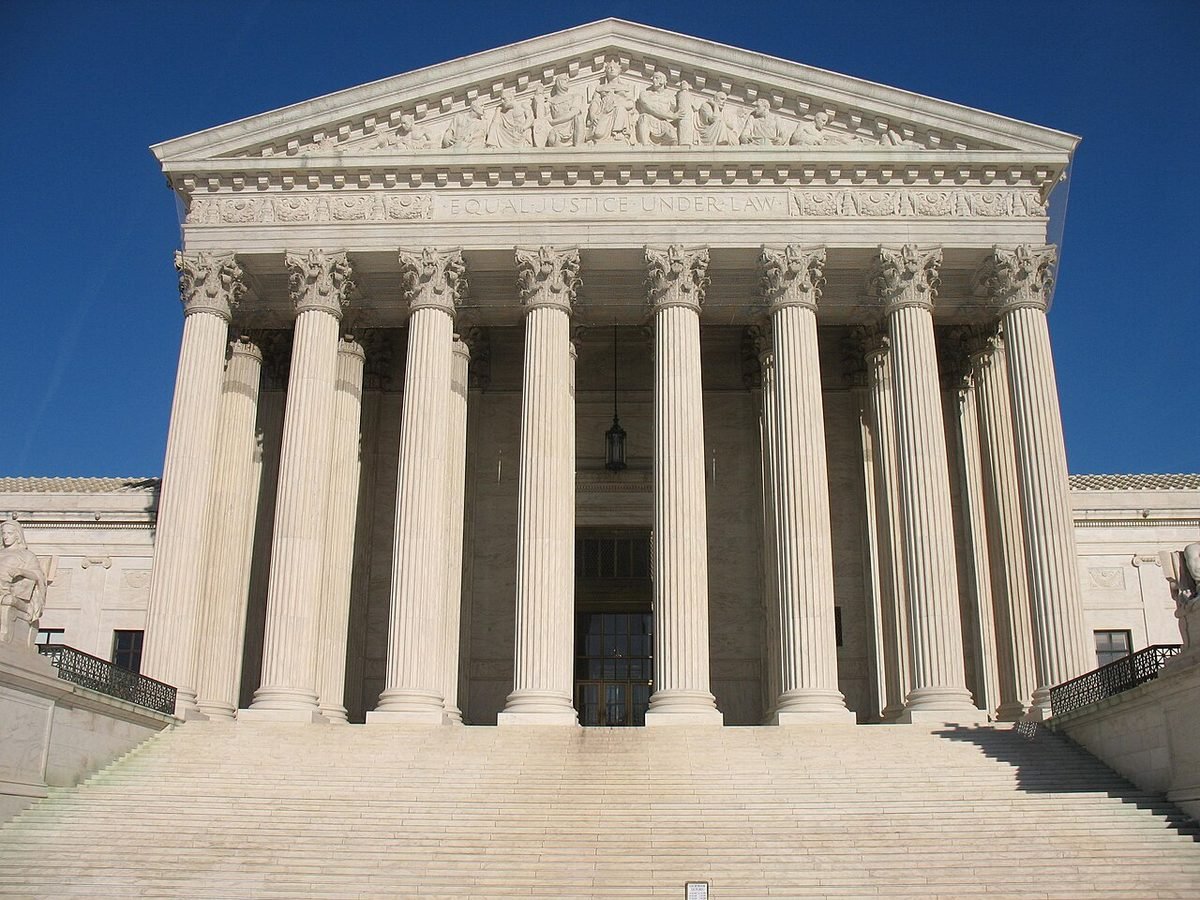
house (reused archive image)U.S. government / site archive reuse · Public domain or prior guide creditofficial record · 1999Senate documentary record of House articlesU.S. CongressArticles and trial documentation.Open scotus (reused archive image)U.S. government / site archive reuse · Public domain or prior guide creditcourt opinion · 1997Clinton v. Jones opinionU.S. Supreme CourtImmunity holding that enabled discovery.Open
Institutional stand-in for wright (portrait unavailable or unclear license)Stand-in from U.S. government / Commons institutional image · Public domain stand-incourt opinion · 1999Jones v. Clinton contempt opinionJudge Susan Webber WrightCivil contempt for false deposition answers.
How it changes the story

Judicial finding on false oath in the civil case.

  1. 11. Jones sues
  2. 22. Lewinsky relationship
  3. 33. Clinton v. Jones
  4. 44. Tripp tapes / witness list
  5. 55. Jan. 17 depositionrecast
  6. 66. Public denial
  7. 77. Starr expands
  8. 88. Corroborating evidence
  9. 99. Aug. 17 admission
  10. 1010. Starr Report
  11. 1111. Jones settles
  12. 1212. House impeaches
  13. 1313. Senate tries
  14. 1414. Senate acquitsbreaks
  15. 1515. Civil contemptrecast
  16. 1616. Law license deal
Supports
5. 5. Jan. 17 deposition, 15. 15. Civil contempt
Challenges
14. 14. Senate acquits
Whose account it centres
District court
For its thesis to hold
That intentionally false answers occurred

Matching theories: Rule of law without removal High crimes: remove him

Open

Public memory

How memory of it changed

From finger-wag denial through trial night to #MeToo reassessment.

  1. Bill Clinton, official presidential portrait context (archive reuse).
    U.S. government / site archive reuse · Public domain or prior guide credit
    Jan–Jul 1998 Split into camps

    Denial season

    Dominant views
    • White House allies Witch hunt / privacy[1]
    • Critics He’s lying[2]
    What drove it
    • Finger-wag clip and daily cable.[3]
  2. Kenneth W. Starr, independent counsel (official portrait as solicitor general).
    U.S. government / site archive reuse · Public domain or prior guide credit
    Aug–Nov 1998 Converging

    After August 17

    Dominant views
    • Broad public Affair real; argue about punishment[4][5]
    What drove it
    • Admission plus Starr Report release.[6]
  3. house (reused archive image)
    U.S. government / site archive reuse · Public domain or prior guide credit
    Dec 1998 Split into camps

    Impeachment week

    Dominant views
    • House GOP Constitutional duty[7]
    • Democrats Coup over sex[5]
    What drove it
    • House votes; Livingston resignation.[8][9]
  4. senate (reused archive image)
    U.S. government / site archive reuse · Public domain or prior guide credit
    Feb 1999 Split into camps

    Trial night

    Dominant views
    • Anti-removal Republic saved from overreach[10]
    • Pro-conviction Party protected a liar[7]
    What drove it
  5. Bill Clinton and Monica Lewinsky at the White House, February 28, 1997. Documents a meeting; does not depict the misconduct.
    Barbara Kinney / White House Photograph Office · Public domain
    2017– Split into camps

    #MeToo reassessment

    Dominant views
    • Reframers Power gap was the point[13]
    • 1999 institutionalists Don’t relitigate acquittal as rape law[14]
    What drove it
    • Lewinsky’s essays; broader movement.[15]
Sources and polls
  1. Hillary Clinton Today show 'vast right-wing conspiracy' remarks (Jan. 27, 1998)
  2. Washington Post: story breaks Jan. 21, 1998
  3. Miller Center: Clinton response to Lewinsky allegations, Jan. 26, 1998
  4. Miller Center: Clinton statement after grand-jury testimony, Aug. 17, 1998
  5. Pew: Clinton scandal polarized public (Dec. 1998)
  6. Referral from Independent Counsel Kenneth W. Starr (Starr Report), Sept. 9, 1998
  7. House managers presentation — trial record
  8. House impeachment articles / Senate documentary record (106th Cong.)
  9. Washington Post: Bob Livingston resigns (Dec. 1998)
  10. Sen. Dale Bumpers defense speech coverage (Jan. 21, 1999)
  11. Senate roll call 17: Article I (grand-jury perjury), Feb. 12, 1999
  12. Senate roll call 18: Article II (obstruction), Feb. 12, 1999
  13. Monica Lewinsky, Vanity Fair, Feb. 2018
  14. Senate materials on meaning of acquittal
  15. Lewinsky later essays on power (2018 VF)

Lasting impact

How it changed us

Independent counsel reform, impeachment norms, and the politics of private conduct.

Laws & institutions 3

What the crisis did to counsel statutes and impeachment practice.

doj (reused archive image)
U.S. government / site archive reuse · Public domain or prior guide credit
1999Lapsed

Independent counsel statute fades

After Lewinsky, Congress did not renew the Ethics in Government Act’s IC provisions; later probes use different tools.

The evidence it changed
  • IC era associated with Starr became politically toxic across parties.[1][2]
scotus (reused archive image)
U.S. government / site archive reuse · Public domain or prior guide credit
1997In force

Presidents and private suits

Clinton v. Jones remains the leading case that sitting presidents may face certain private civil suits for unofficial acts.

The evidence it changed
  • Unanimous opinion still cited in immunity debates.[5]

People it inspired 2

Public figures whose paths were marked by these years.

Bill Clinton and Monica Lewinsky at the White House, February 28, 1997. Documents a meeting; does not depict the misconduct.
Barbara Kinney / White House Photograph Office · Public domain
2018Mixed

Lewinsky’s later public voice

From punchline to essayist/advocate on cyberbullying and power — a rare principal who re-entered the narrative on her own terms.

The evidence it changed
  • 2018 Vanity Fair essay and subsequent public work.[6]
hyde
Office of Congressman Henry Hyde · Public domain
1999Mixed

Managers as constitutional prosecutors

Hyde and co-managers became templates for later House impeachment presentation — admired and reviled.

The evidence it changed
  • Trial presentations preserved in congressional record.[7]

Things we now take for granted 2

Habits of argument that outlived the trial.

Bill Clinton, official presidential portrait context (archive reuse).
U.S. government / site archive reuse · Public domain or prior guide credit
1998

“It depends on what the meaning of ‘is’ is”

Before

Ordinary viewers expected plain denials.

After

Parsing deposition definitions became a national punchline and a serious oath problem.

The evidence it changed
  • Contempt finding rejected “mere parsing” as complete defense.[8][9]
Institutional stand-in for drudge (portrait unavailable or unclear license)
Stand-in from U.S. government / Commons institutional image · Public domain stand-in
1998

Cable-era scandal as permanent weather

Before

Slower news cycles.

After

Tip sheets, cable panels, and daily briefings as the default crisis environment.

The evidence it changed
  • Drudge-to-front-page path in January 1998.[10][11]
Sources for this section
  1. Independent Counsel background (Justice archive)
  2. Referral from Independent Counsel Kenneth W. Starr (Starr Report), Sept. 9, 1998
  3. Senate roll call 17: Article I (grand-jury perjury), Feb. 12, 1999
  4. Senate roll call 18: Article II (obstruction), Feb. 12, 1999
  5. Clinton v. Jones, 520 U.S. 681 (1997)
  6. Monica Lewinsky, Vanity Fair, Feb. 2018
  7. House managers presentation — trial record
  8. Jones v. Clinton, 36 F. Supp. 2d 1118 (E.D. Ark. 1999)
  9. Miller Center: Clinton statement after grand-jury testimony, Aug. 17, 1998
  10. Washington Post: story breaks Jan. 21, 1998
  11. Pew: Clinton scandal polarized public (Dec. 1998)

How this guide works

Sources and method

This page is an AI-generated illustrated guide to the Lewinsky–Jones–impeachment record. Every factual line points to a source. Ratings are badges, not the spine.

Primary anchors: Clinton v. Jones; the Starr Referral; House articles and Senate roll calls; Judge Wright’s contempt opinion; the Arkansas bar agreed order; Clinton’s Jan. 26 and Aug. 17, 1998 statements.

*Hard stop:* this is not a Ukraine-war guide and not a rebuild of the emails/Foundation guide. Cross-link related Clinton Files topics; do not absorb them.

Never cite Grokipedia. Pictures are freely licensed or U.S. government works, re-encoded with EXIF stripped.

The Record (sourced facts) is kept visually separate from camp framings in Theories. Acquittal, contempt, and the bar deal are all part of the record — not interchangeable.

By the numbers
  • 50 entries in 6 eras
  • 38 distinct sources cited
  • 31 dated events
  • 15 claims checked
  • 7 theories opened up
  • 8 books, films and follow-ups
  • 16 steps on the critical path
  • 7 open questions
  • 7 lasting changes
  • 43 freely licensed pictures

Pictures & licenses

Picture credits

Every picture is public domain or freely licensed, from Wikimedia Commons. Files are stored on this site with their metadata removed; each credit links to the original.

Bill Clinton and Monica Lewinsky at the White House, February 28, 1997. Documents a meeting; does not depict the misconduct.
Barbara Kinney / White House Photograph Office · Public domain · original
Bill Clinton and Monica Lewinsky at the White House, February 28, 1997. Documents a meeting; does not depict the misconduct.
Barbara Kinney / White House Photograph Office · Public domain · original
Bill Clinton, official presidential portrait context (archive reuse).
U.S. government / site archive reuse · Public domain or prior guide credit · original
hillary (reused archive image)
U.S. government / site archive reuse · Public domain or prior guide credit · original
Kenneth W. Starr, independent counsel (official portrait as solicitor general).
U.S. government / site archive reuse · Public domain or prior guide credit · original
wh (reused archive image)
U.S. government / site archive reuse · Public domain or prior guide credit · original
couple (reused archive image)
U.S. government / site archive reuse · Public domain or prior guide credit · original
capitol (reused archive image)
U.S. government / site archive reuse · Public domain or prior guide credit · original
senate (reused archive image)
U.S. government / site archive reuse · Public domain or prior guide credit · original
house (reused archive image)
U.S. government / site archive reuse · Public domain or prior guide credit · original
scale (reused archive image)
U.S. government / site archive reuse · Public domain or prior guide credit · original
doj (reused archive image)
U.S. government / site archive reuse · Public domain or prior guide credit · original
scotus (reused archive image)
U.S. government / site archive reuse · Public domain or prior guide credit · original
rehnquist
Wikimedia Commons · Public domain · original
hyde
Office of Congressman Henry Hyde · Public domain · original
gingrich
Gage Skidmore · CC BY-SA 3.0 · original
lott
Mattclark223344 · CC0 · original
daschle
United States Congress · Public domain · original
reno
Department of Justice. · Public domain · original
graham
United States Congress · Public domain · original
hutchinson
U.S. Drug Enforcement Administration · Public domain · original
carville
Chris Gampat · CC BY 2.0 · original
bumpers
Unknown authorUnknown author · Public domain · original
livingston
U.S. Congress · Public domain · original
jordan
Veni Markovski | Вени Марковски · CC BY-SA 3.0 · original
White House context stand-in for physical-evidence chapter (not a photo of the dress).
Wikimedia Commons · Public domain · original
Institutional stand-in for jones (portrait unavailable or unclear license)
Stand-in from U.S. government / Commons institutional image · Public domain stand-in · original
Institutional stand-in for tripp (portrait unavailable or unclear license)
Stand-in from U.S. government / Commons institutional image · Public domain stand-in · original
Institutional stand-in for currie (portrait unavailable or unclear license)
Stand-in from U.S. government / Commons institutional image · Public domain stand-in · original
Institutional stand-in for wright (portrait unavailable or unclear license)
Stand-in from U.S. government / Commons institutional image · Public domain stand-in · original
Institutional stand-in for ruff (portrait unavailable or unclear license)
Stand-in from U.S. government / Commons institutional image · Public domain stand-in · original
Institutional stand-in for mills (portrait unavailable or unclear license)
Stand-in from U.S. government / Commons institutional image · Public domain stand-in · original
Institutional stand-in for dash (portrait unavailable or unclear license)
Stand-in from U.S. government / Commons institutional image · Public domain stand-in · original
Institutional stand-in for ray (portrait unavailable or unclear license)
Stand-in from U.S. government / Commons institutional image · Public domain stand-in · original
Institutional stand-in for goldberg (portrait unavailable or unclear license)
Stand-in from U.S. government / Commons institutional image · Public domain stand-in · original
Institutional stand-in for blumenthal (portrait unavailable or unclear license)
Stand-in from U.S. government / Commons institutional image · Public domain stand-in · original
Institutional stand-in for mccurry (portrait unavailable or unclear license)
Stand-in from U.S. government / Commons institutional image · Public domain stand-in · original
Institutional stand-in for rogan (portrait unavailable or unclear license)
Stand-in from U.S. government / Commons institutional image · Public domain stand-in · original
Institutional stand-in for mccollum (portrait unavailable or unclear license)
Stand-in from U.S. government / Commons institutional image · Public domain stand-in · original
Institutional stand-in for drudge (portrait unavailable or unclear license)
Stand-in from U.S. government / Commons institutional image · Public domain stand-in · original
Institutional stand-in for lindsey (portrait unavailable or unclear license)
Stand-in from U.S. government / Commons institutional image · Public domain stand-in · original
Institutional stand-in for kendall (portrait unavailable or unclear license)
Stand-in from U.S. government / Commons institutional image · Public domain stand-in · original
Institutional stand-in for lockhart (portrait unavailable or unclear license)
Stand-in from U.S. government / Commons institutional image · Public domain stand-in · original