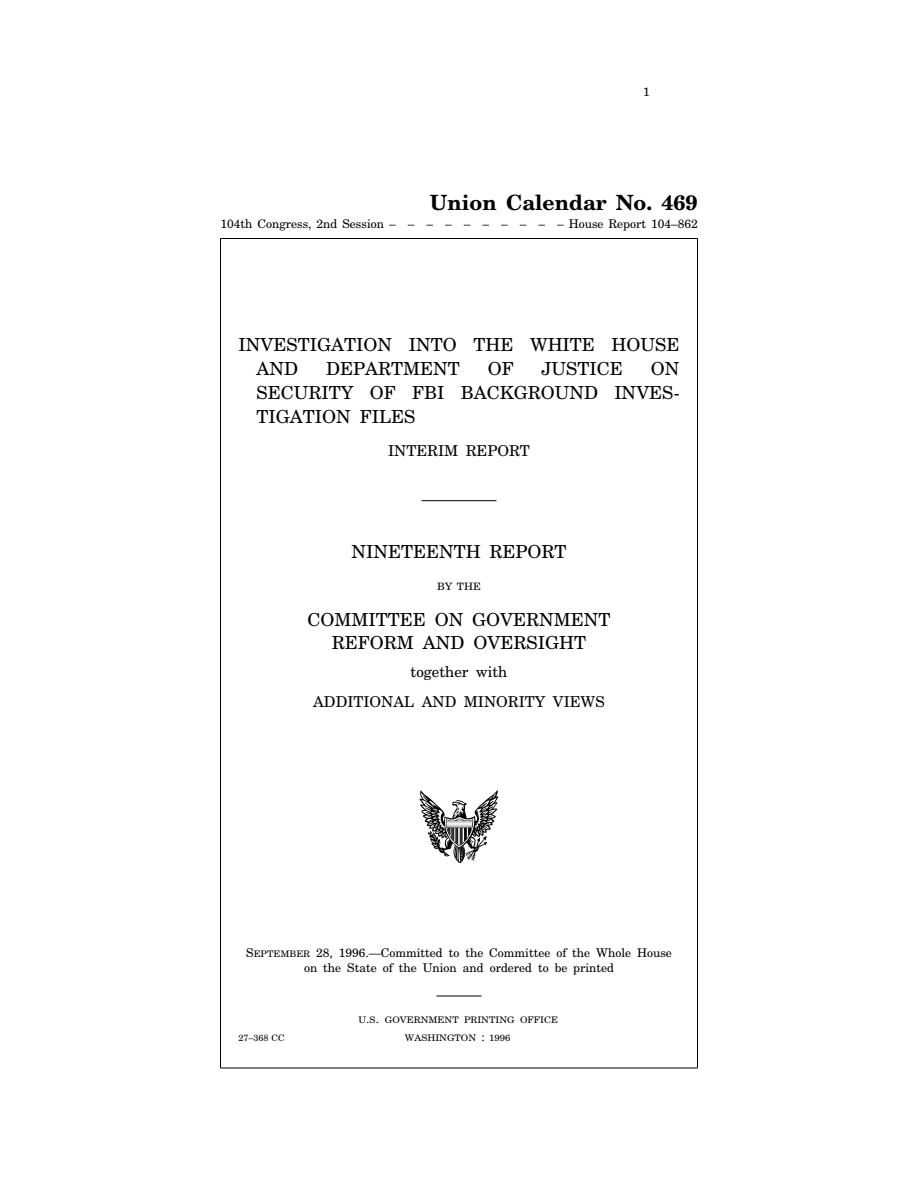
Filegate concerned White House access in the early Clinton years to FBI background reports of former Reagan and George H. W. Bush administration employees. The later court opinion describes more than 400 former employees’ reports being requested, including those of political appointees and career staff. Sensitive information had reached an office that had no appropriate current need for it.[1][2]
The 2010 Alexander v. FBI opinion traces the requests to an effort to update security files using a Secret Service list that failed to distinguish active and inactive pass holders. Routine processing offers a documented explanation for how the reports arrived.[1]
Judge Royce Lamberth granted judgment for the defendants. His analysis involved the evidentiary record and the legal scope of the Privacy Act and other claims. The outcome should not be inflated into a finding that every request was proper. Equally, the genuine privacy failure does not by itself establish that Hillary or Bill Clinton ordered an intelligence operation against political opponents. That stronger accusation needs evidence of direction, use and intent.