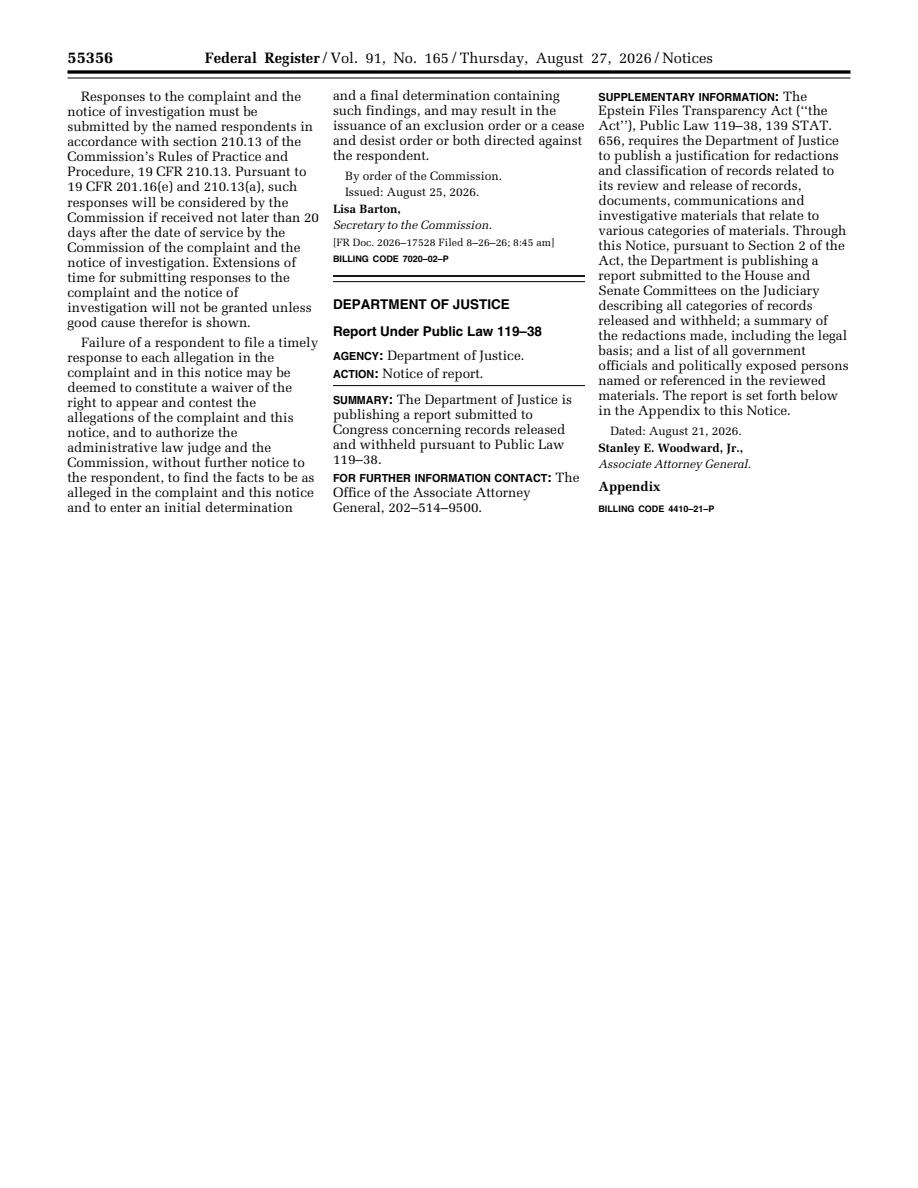
 CASE 01
2002–2026
Epstein connections
A real association, disputed island accounts and a larger public record. Examine what each kind of document can—and cannot—establish.
6 SOURCED ARTICLESOPEN FILE ↗
TWO PUBLIC LIVES. MANY SEPARATE QUESTIONS.
Power, misconduct, money and the stories that grew around them. A collection of distinct cases—not a single, sweeping verdict.
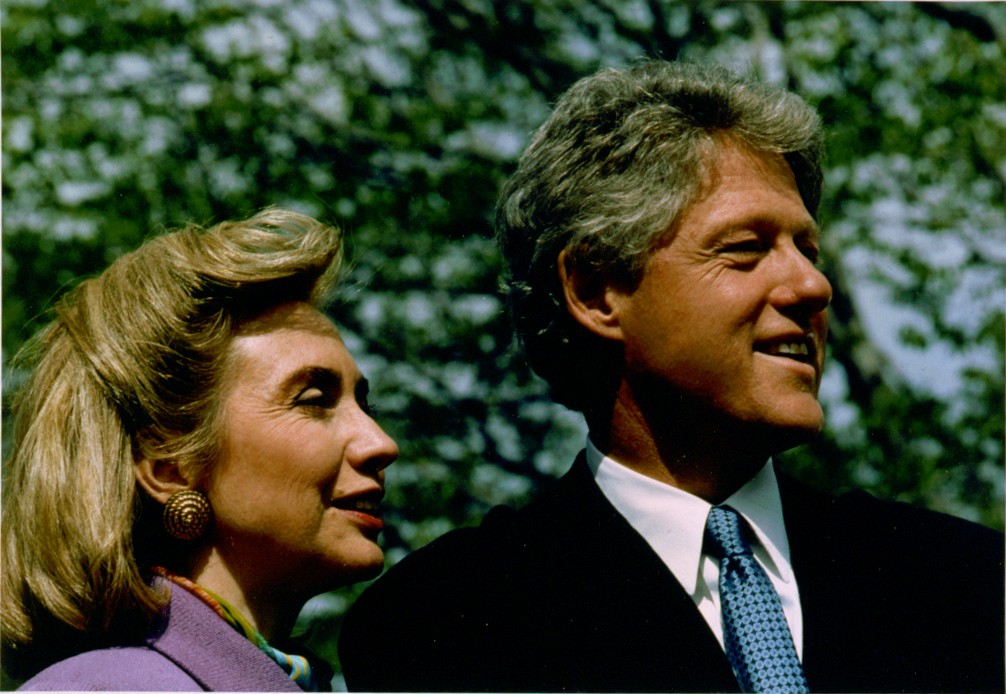
THE CASE CABINET
Choose the question you came for. Each case has a chronology, an assessment and the record behind it.
17 CASE FILES / EACH WITH ITS OWN PAGE
CASE 012002–2026
A real association, disputed island accounts and a larger public record. Examine what each kind of document can—and cannot—establish.
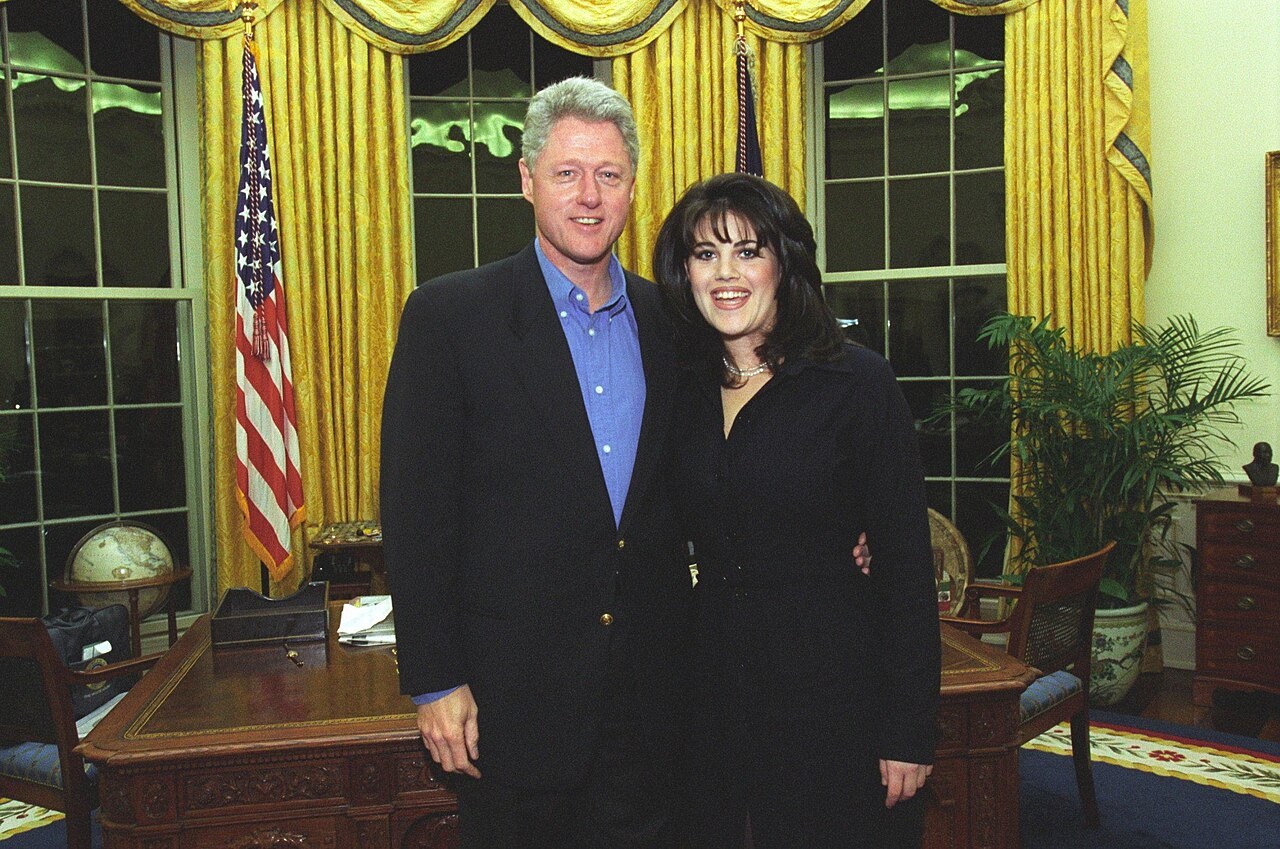 CASE 02
1991–2001
How a presidential relationship became a civil-court controversy, an impeachment and professional discipline.
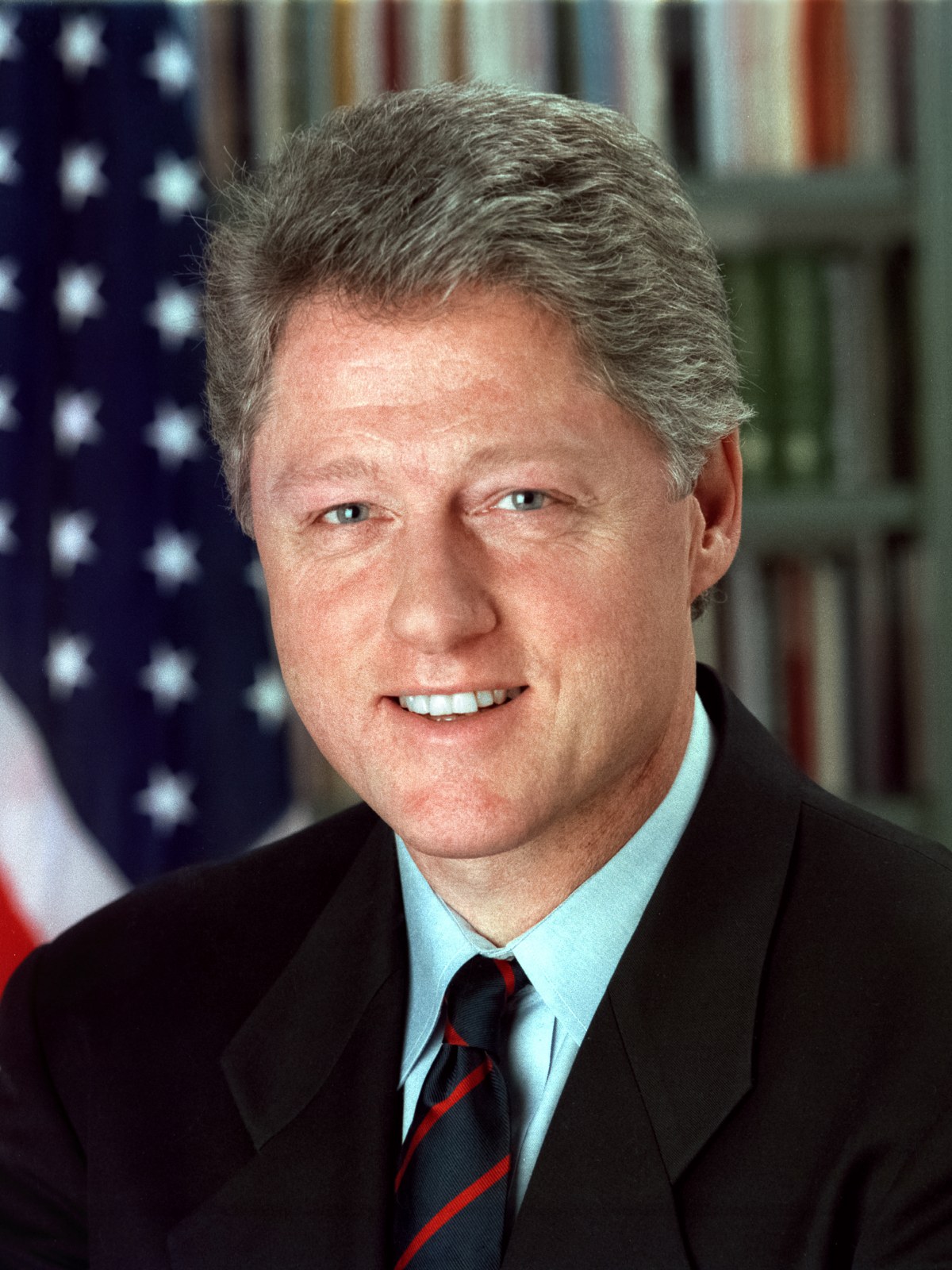 CASE 03
1970s–1990s; later public reassessment
Broaddrick, Willey and Flowers should not be merged into a single verdict—or treated as interchangeable claims.
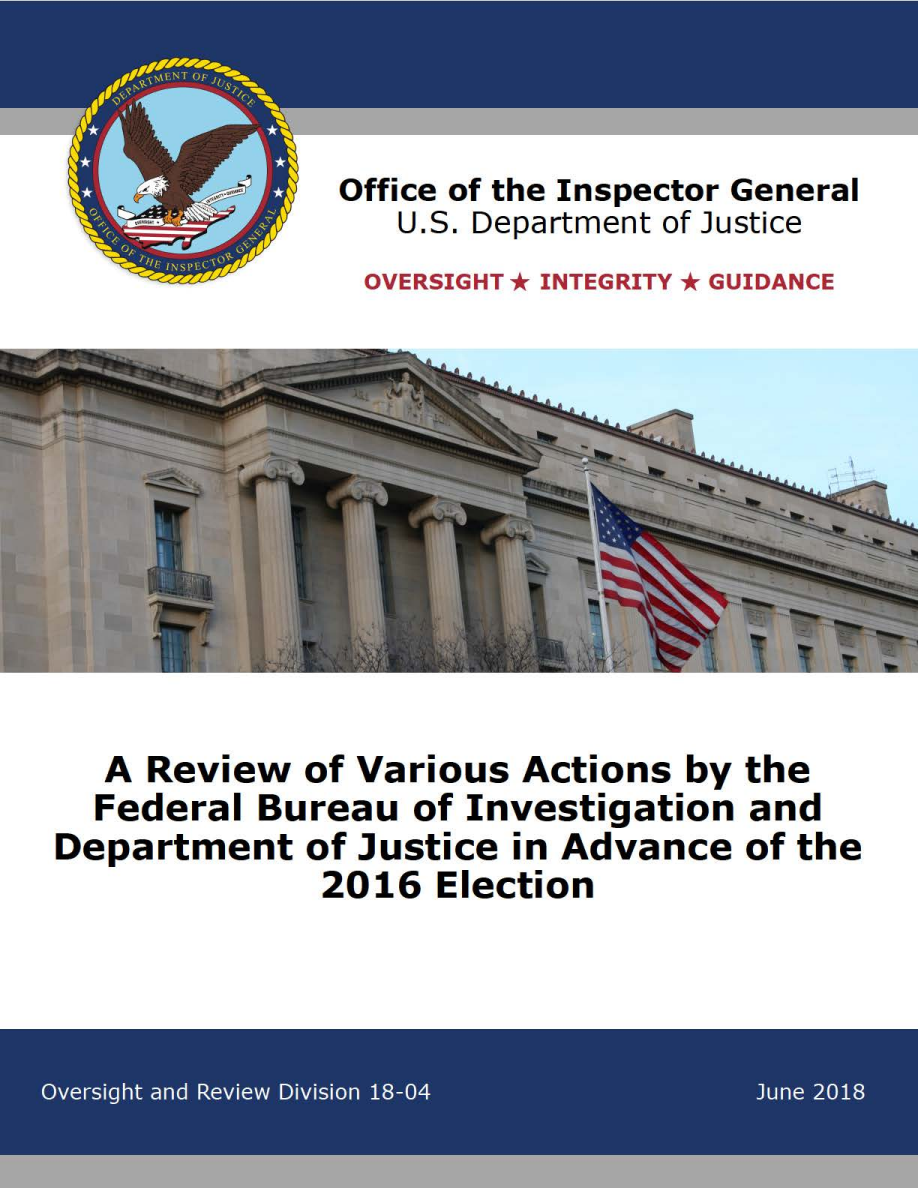 CASE 04
2009–2026
The private system, classified information, deleted messages, FBI decisions and subsequent releases deserve separate examination.
 CASE 05
2012–2026
The attack was real, the security weaknesses were serious, and the claim Clinton deliberately blocked a rescue requires evidence of its own.
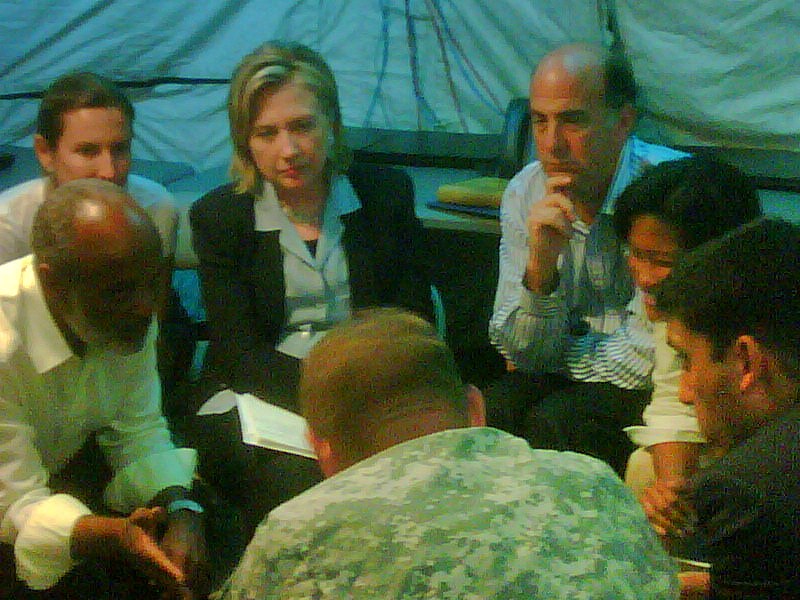 CASE 06
2001–2026
Real charitable activity coexisted with conflicts, wealthy donors, speaking income and legitimate questions about access. Specific corruption claims need specific proof.
2005–2026
A Russian acquisition, donor disclosures and a recurring claim of a sale-for-donations bargain. The actual transaction and approval powers matter.
CASE 082010–2026
Failed targets and blurred public-private roles warrant scrutiny. A separate missionary case and claims about trafficking require careful separation.
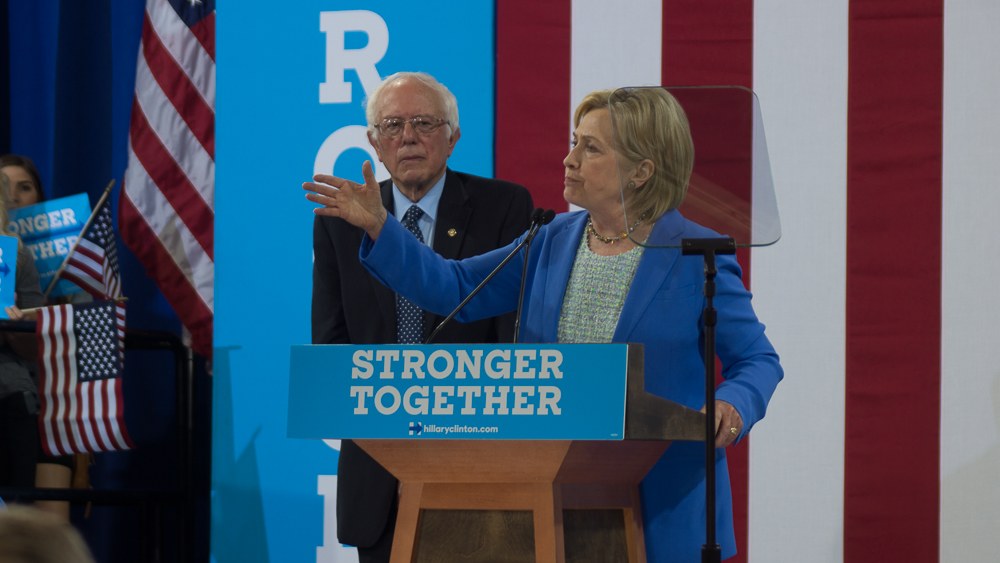 CASE 09
2015–2026
DNC independence, opposition research, Russian hacking and unproved claims of a unified frame-up are different questions.
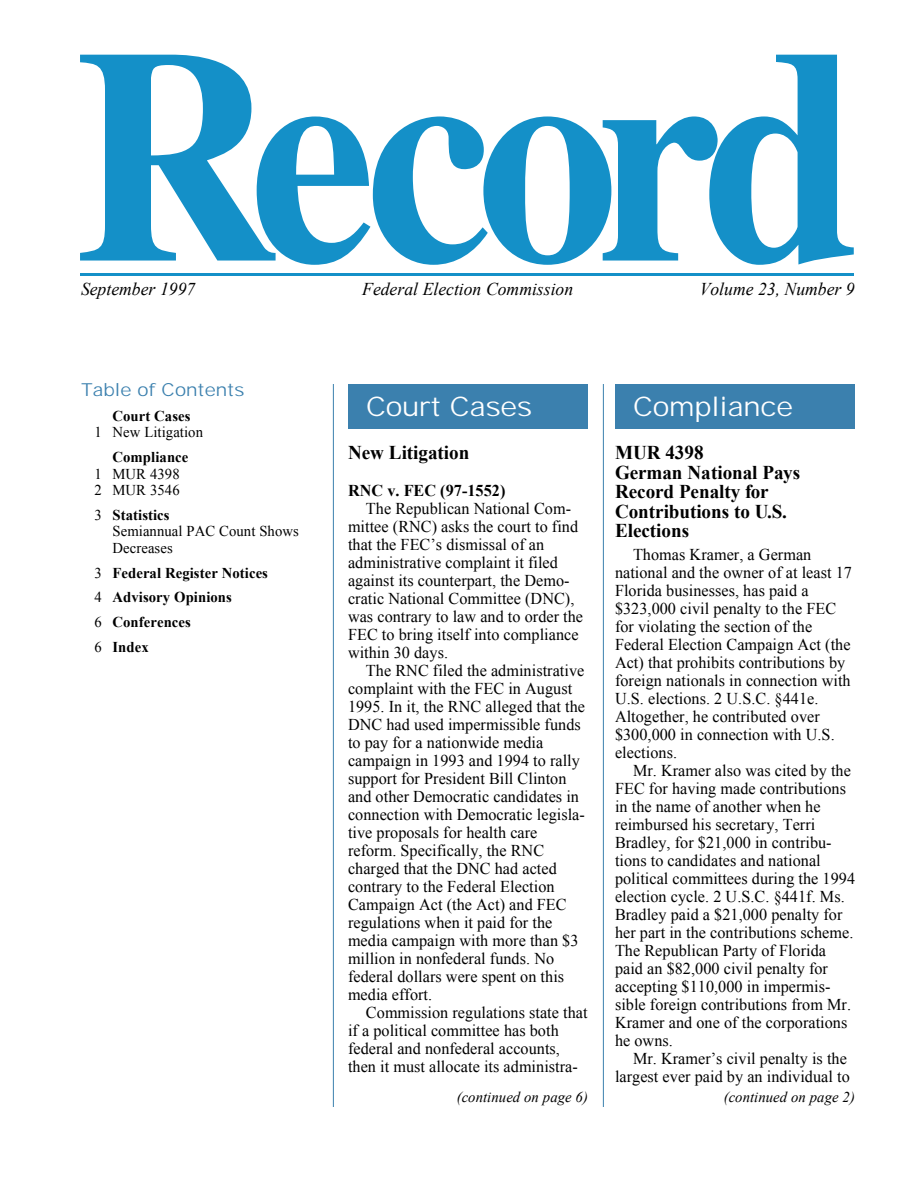 CASE 10
1992–2002
Illegal contributions, donor access and the difference between a fundraiser’s criminal case and a finding against the president.
 CASE 11
1978–2002
The land venture, fraudulent financing around Madison Guaranty and the limits of the case against the Clintons.
1993–1997; continuing circulation
Why the official suicide conclusion differs from the enduring claim that Foster was killed to protect the Clintons.
 CASE 13
1993–2000
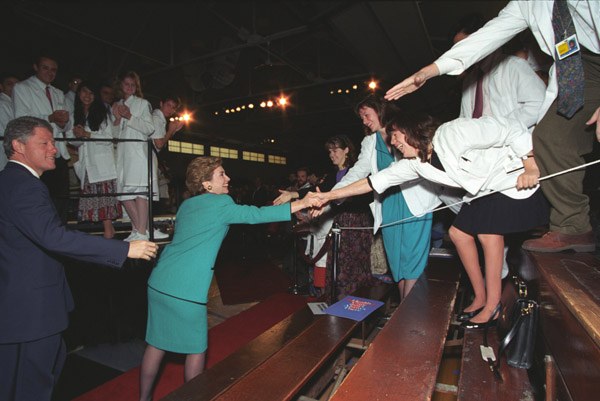
The Travel Office controversy includes genuine personnel consequences and a more qualified legal conclusion than a clean-bill-of-health slogan.
 CASE 14
1993–2011
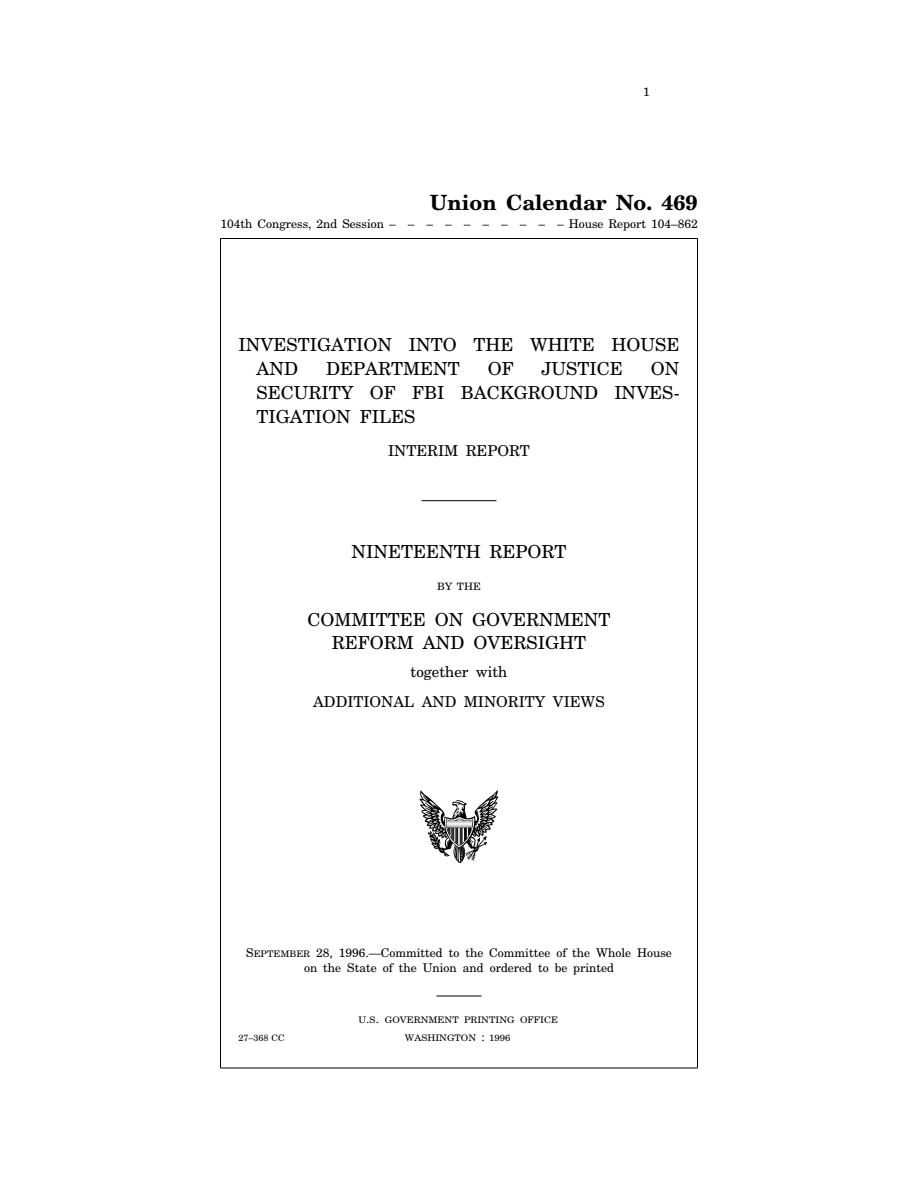
A real privacy failure, allegations of political spying and the later civil-court record.
1978–1979; disclosures in 1994
What the disclosed trades show—and why a striking profit is not by itself proof of a bribe.
 CASE 16
1983–2005 & later disclosure
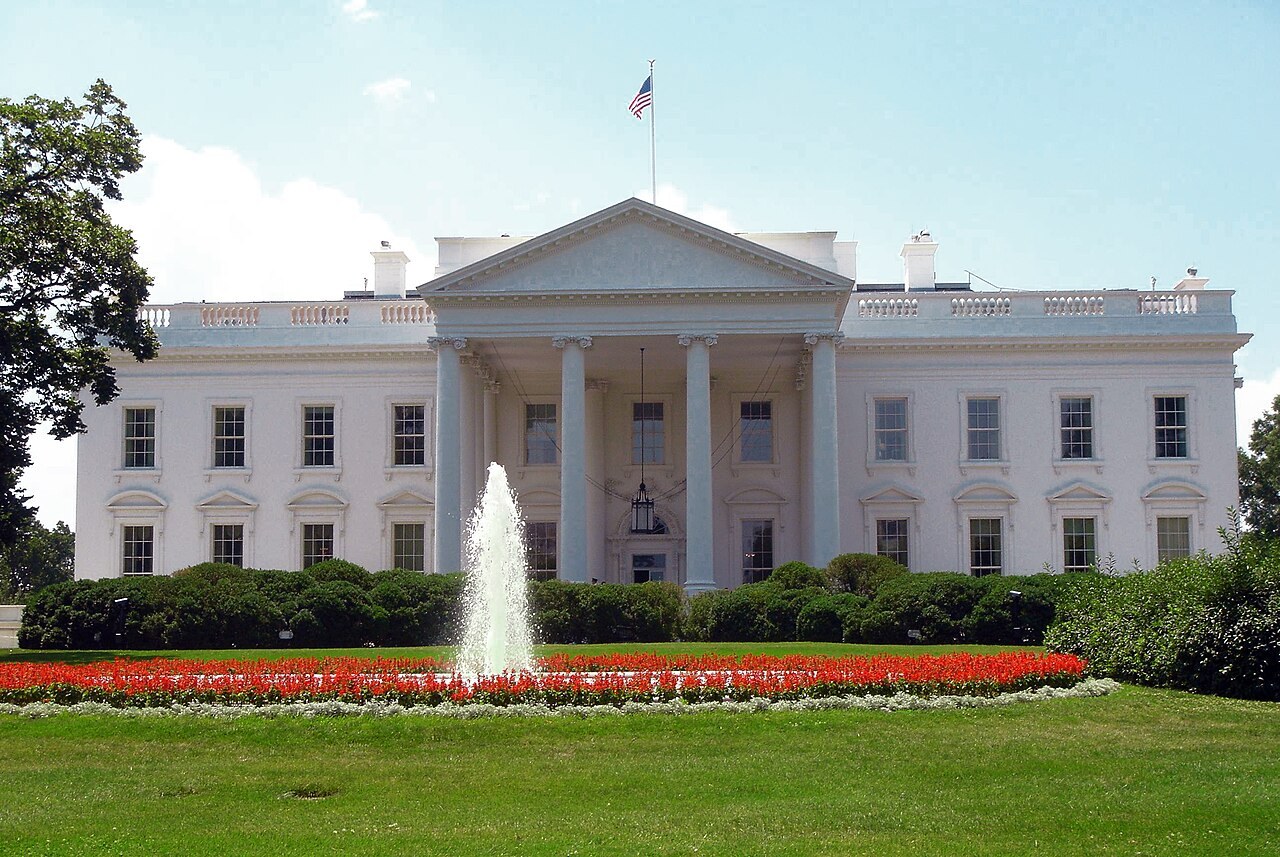
Marc Rich, the last-day clemency controversy, the inquiry that followed and why a pardon does not mean innocence.
1990s–2026
Trace how real records, anonymous assertions and repeated interpretations produced much larger claims—and where the evidence stops.
No matching case.
CONTEXT BEFORE CONTROVERSY
Biographies are context. Neither accomplishments nor allegations should stand in for a person’s entire record.
BORN / 19 AUGUST 1946
Born William Jefferson Blythe III in Hope, Arkansas. Georgetown, a Rhodes scholarship at Oxford and Yale Law preceded teaching and Arkansas politics. He served as attorney general and governor, then as the 42nd president from 1993 to 2001. He married Hillary Rodham in 1975. Presidential Library biography ↗
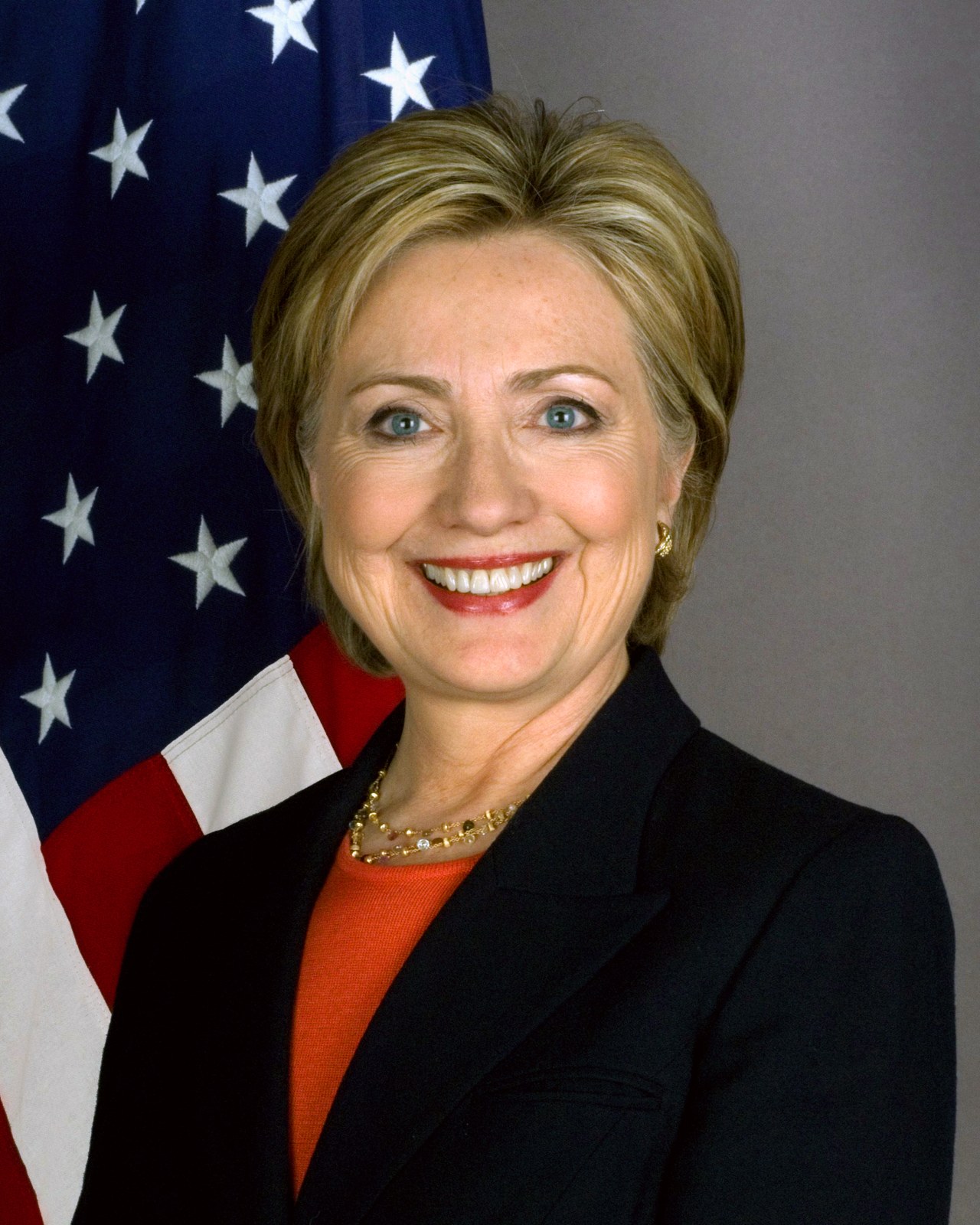
BORN / 26 OCTOBER 1947
Born in Chicago and raised in Park Ridge, Illinois. A Wellesley and Yale Law graduate, she became a lawyer, Arkansas first lady, U.S. first lady, New York senator and secretary of state. Her presidential bids were in 2008 and 2016; she became the Democratic nominee in 2016. Congressional biography ↗
A public record wider than scandal. The administration’s own retrospective emphasizes economic growth, education, health initiatives, welfare changes and crime policy. It is also a source with an advocacy purpose: claimed achievements and causal claims deserve independent evaluation. These policy debates are not automatically corruption cases. Read the administration’s account ↗
A small source error worth flagging. The Library’s research index lists Bill Clinton’s birth year as 1942. Its dedicated biography and the National Park Service correctly give 1946. Official sources can contain typos too. Index ↗ · NPS record ↗
THE OUTCOME LEDGER
These summaries do not replace the evidence. Open a case for the sources, responses and limits.
Travel and social ties are established. The records linked here do not establish that Bill or Hillary Clinton participated in Epstein’s sexual crimes.
Clinton acknowledged an inappropriate relationship and accepted professional sanctions for misleading deposition answers. He was acquitted by the Senate; the civil Jones settlement contained no admission. These outcomes answer different questions.
Broaddrick’s rape allegation and Willey’s account remain disputed without a criminal judgment against Clinton. Flowers’s claim includes a sexual encounter Clinton acknowledged, while the duration and other details were contested.
The server was a serious records and security controversy. The evidence does not justify either “nothing happened” or “every deleted email proves a crime.”
Accountability for inadequate security and confused response is supported. A Clinton-directed order to let Americans die has not been established.
A donation, a meeting and a favorable outcome can justify an inquiry. They do not automatically establish that one purchased the other.
The donor and conflict questions are real. The claim that Clinton personally sold 20 percent of America’s uranium for donations misstates the transaction and adds an unproved causal link.
Independent audits support serious criticism of reconstruction management. They do not establish that the Clintons stole the reconstruction budget or operated a child-trafficking network.
The dossier funding and FEC penalties were real. They do not erase independent evidence of Russian interference or prove every allegation about Clinton.
Fundraising abuses were real and produced guilty pleas and enforcement actions. Those outcomes belong to the people and committees named; they do not automatically establish that Bill Clinton directed an intelligence operation or personally committed the same crimes.
The record includes financial convictions of associates, a decision not to prosecute the Clintons, and criticism of some of Hillary’s statements. Knowing criminal participation was not established.
The independent investigations concluded that Foster died by suicide. Document-handling controversies and flaws asserted by critics did not establish a murder. Archived coverage shows how the story became part of an expanding conspiracy market.
The Travel Office employees were fired, Billy Dale was prosecuted and acquitted, and the independent counsel concluded that Hillary had input into the firings. The report found insufficient evidence that her contrary statements were knowingly false.
Sensitive background files were requested improperly. The later civil judgment did not establish the alleged Clinton-directed spying operation.
Exceptional profits and connected advice are documented. These sources do not establish a disguised bribe; the omitted-income disclosure raises a distinct tax question.
Clinton’s pardon of Marc Rich bypassed the ordinary DOJ route and generated a genuine criminal investigation. That investigation closed without charges. The lack of a bribery prosecution does not resolve the ethical judgment about privileged access.
The named theories lack the required evidentiary bridges. Real crimes and institutional failures should be investigated on their own records.
HOW TO READ THIS COLLECTION
“Scandal” describes a public controversy, not a universal finding of criminal guilt. Every case separates its allegation, evidence, response and disposition. A spouse’s conduct is not automatically the other spouse’s responsibility.
A civil settlement, criminal acquittal, congressional finding, professional sanction and decision not to prosecute answer different questions. Lack of charges does not make every criticism false; an accusation does not become true because it entered a government file.
Original court decisions, agency findings and hearing records sit beside clearly attributed reporting and personal accounts. Read dates and source limits. A later release can be genuinely new evidence or an old allegation in a new package.
The timelines show how an original event became an investigation, a headline or a wider theory. One proven error does not validate every related claim; one mistaken accusation does not excuse real misconduct.
Historical investigations had different mandates and evidentiary thresholds. Sources can contradict one another or contain errors. AI assessments are labeled and should be checked against the linked record.
Checked through 21 October 2026, within the sources identified in each guide. This is an exploration of AI website creation. AI generates the writing and checks; mistakes can favor or harm any subject. No automatic monitoring or updates are implied.
Bob McNeely / White House Photograph Office · Public domain · Original & rights ↗
Resized and metadata removed; layout crop only. No AI enhancement. CC BY images retain attribution.
Bob McNeely / White House · Public domain · Original & rights ↗
Archive rendition; resized for display, metadata removed. Layout crop only. No AI scene editing.
U.S. Department of State · Public domain · Original & rights ↗
Archive rendition; resized for display, metadata removed. Layout crop only. No AI scene editing.
Barbara Kinney / White House Photograph Office · Public domain · Original & rights ↗
Archive rendition; resized for display, metadata removed. Layout crop only. No AI scene editing.
U.S. Department of State · Public domain · Original & rights ↗
Archive rendition; resized for display, metadata removed. Layout crop only. No AI scene editing.
Nishkid64; color adjustment by Patrickneil · Public domain · Original & rights ↗
Archive rendition; resized for display, metadata removed. Layout crop only. No AI scene editing.
U.S. Department of State · Public domain — U.S. Department of State (source credit) · Original & rights ↗
Resized and metadata removed; layout crop only. No AI enhancement. CC BY images retain attribution. Original State credit explicitly says public domain; Commons also carries an imported CC BY-SA 2.0 tag.
U.S. Department of Justice / Federal Register · Public domain — U.S. government work · Original & rights ↗
Complete PDF page rasterized for screen display; no words or scene elements added.
Federal Election Commission · Public domain — U.S. government work · Original & rights ↗
Complete PDF page rasterized for screen display; no words or scene elements added.
DOJ Office of Inspector General · Public domain — U.S. government work · Original & rights ↗
Complete original page rasterized for display. No document content changed.
Office of Independent Counsel · Public domain — U.S. government work · Original & rights ↗
Complete original page rasterized for display. No document content changed.
U.S. House of Representatives · Public domain — U.S. government work · Original & rights ↗
Complete original page rasterized for display. No document content changed.
Marc Nozell · CC BY 2.0 · Original & rights ↗
Resized and metadata removed. Display crop only; no AI scene editing.
Official White House photograph · Public domain · Original & rights ↗
Resized and metadata removed. Display crop only; no AI scene editing.
The White House / Library of Congress · Public domain — U.S. government work · Original & rights ↗
Resized and metadata removed; layout crop only. No AI enhancement.
Photographs are documentary; later views are labeled. Document images reproduce complete source pages. Typographic case graphics are navigation aids, not photographs or evidence.