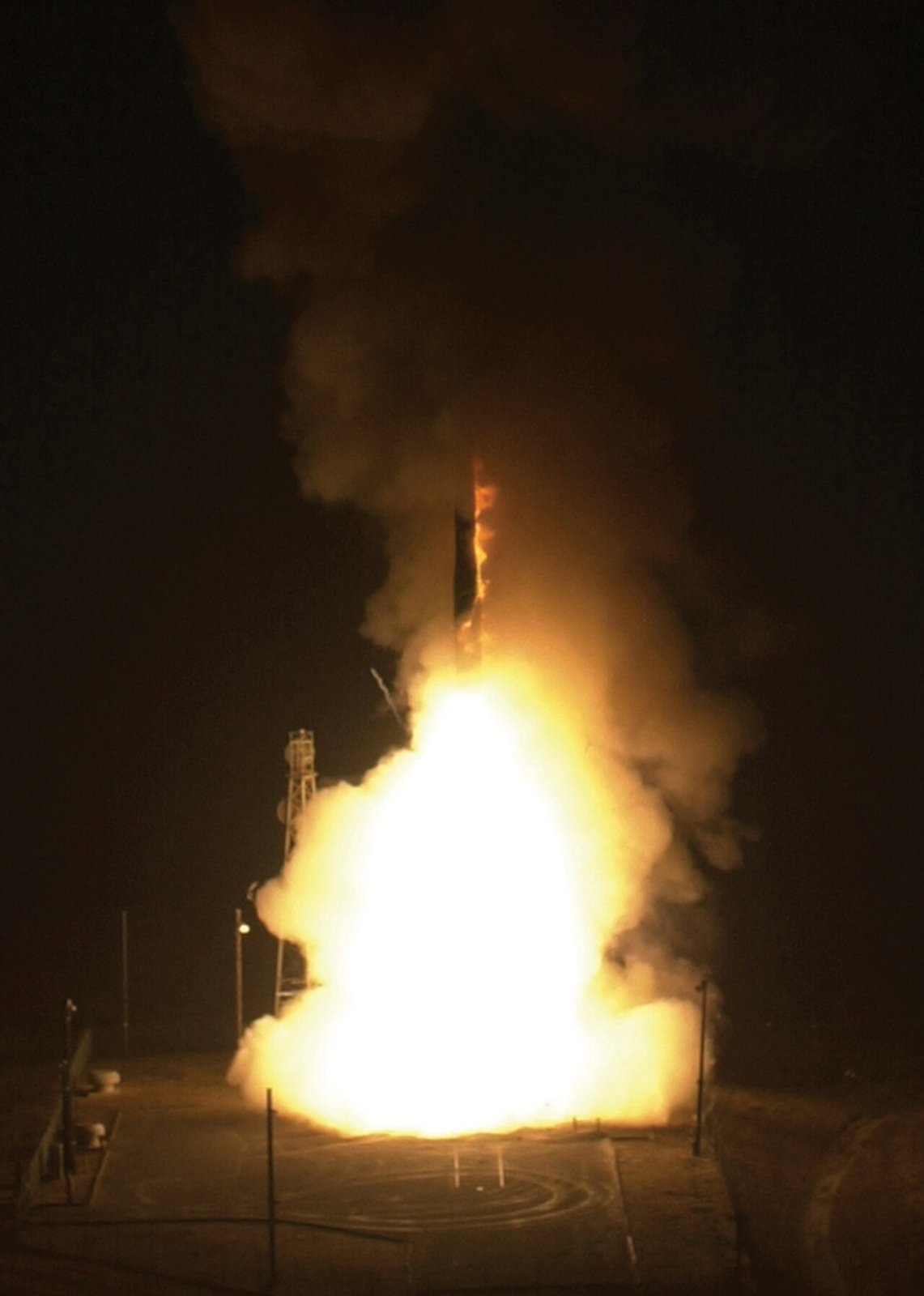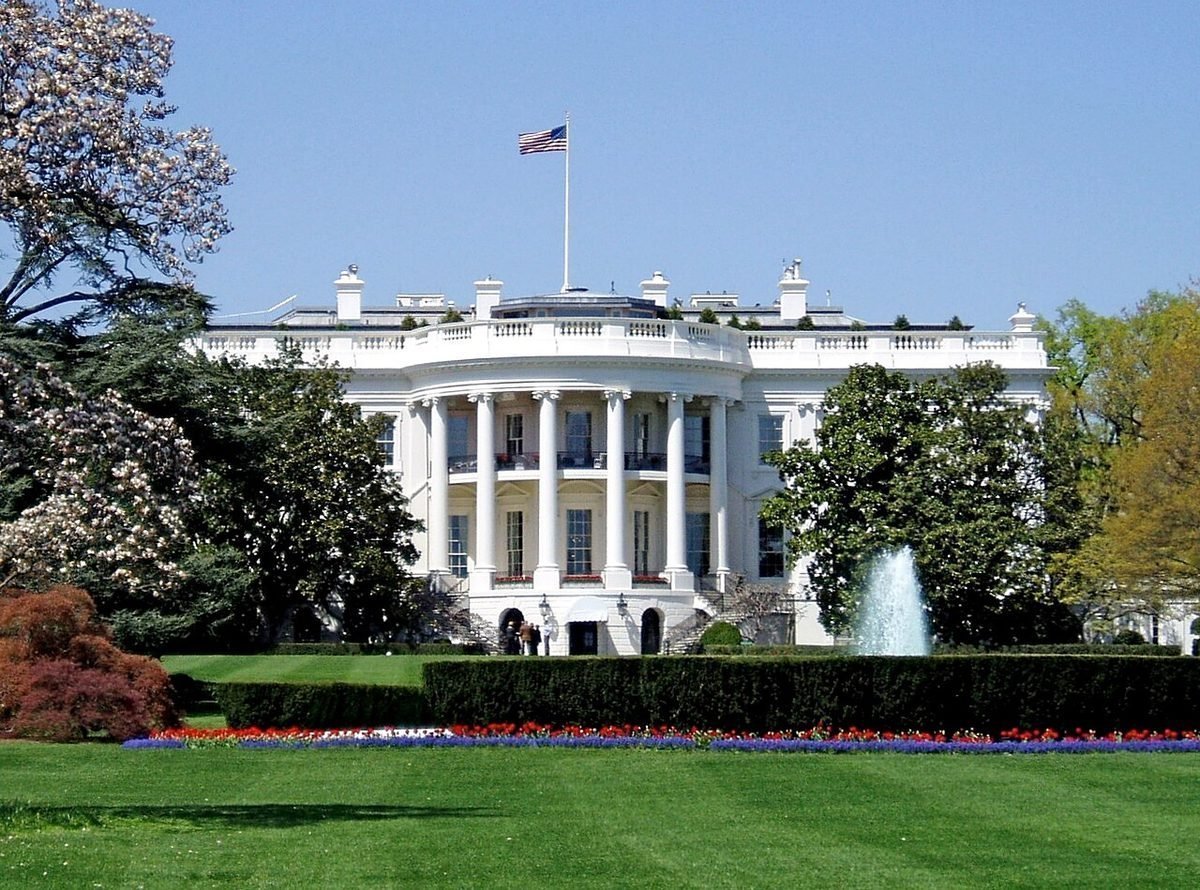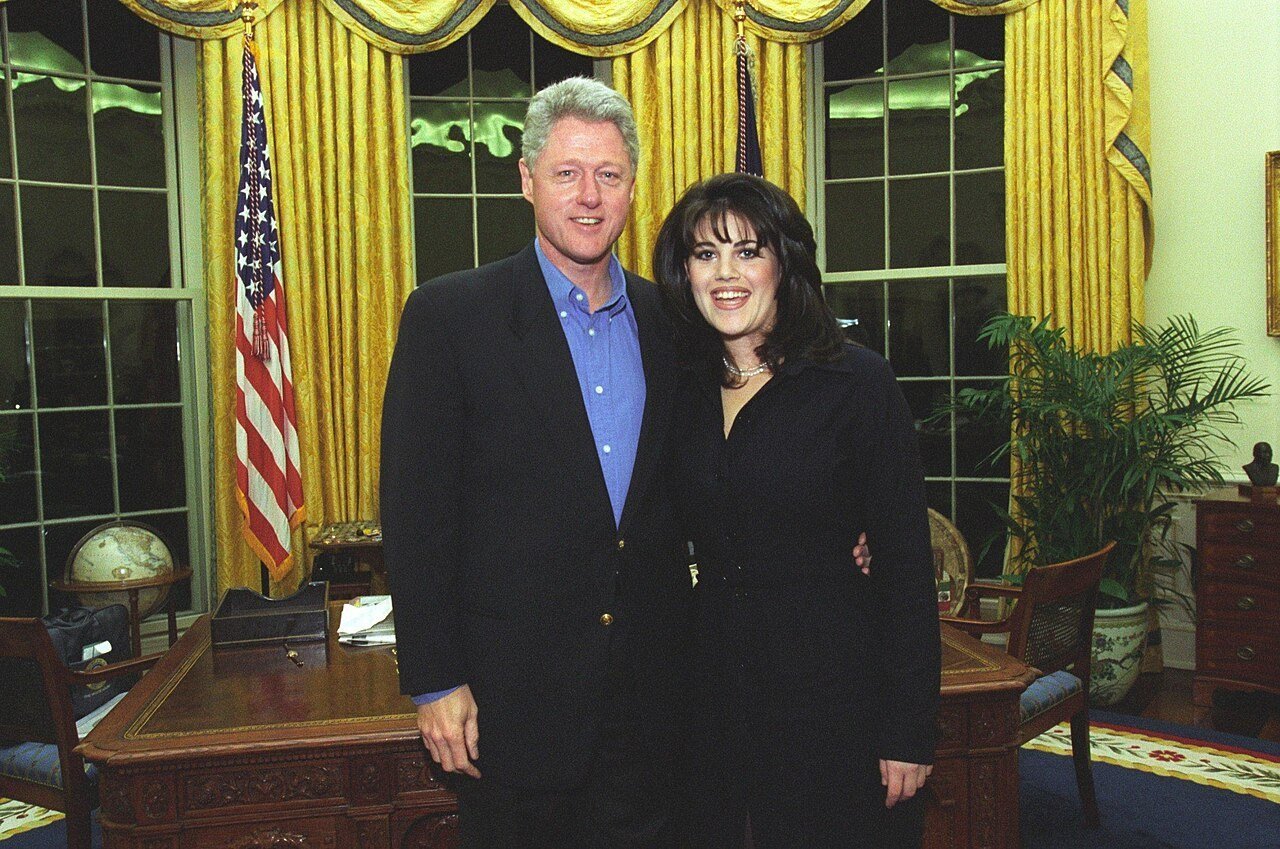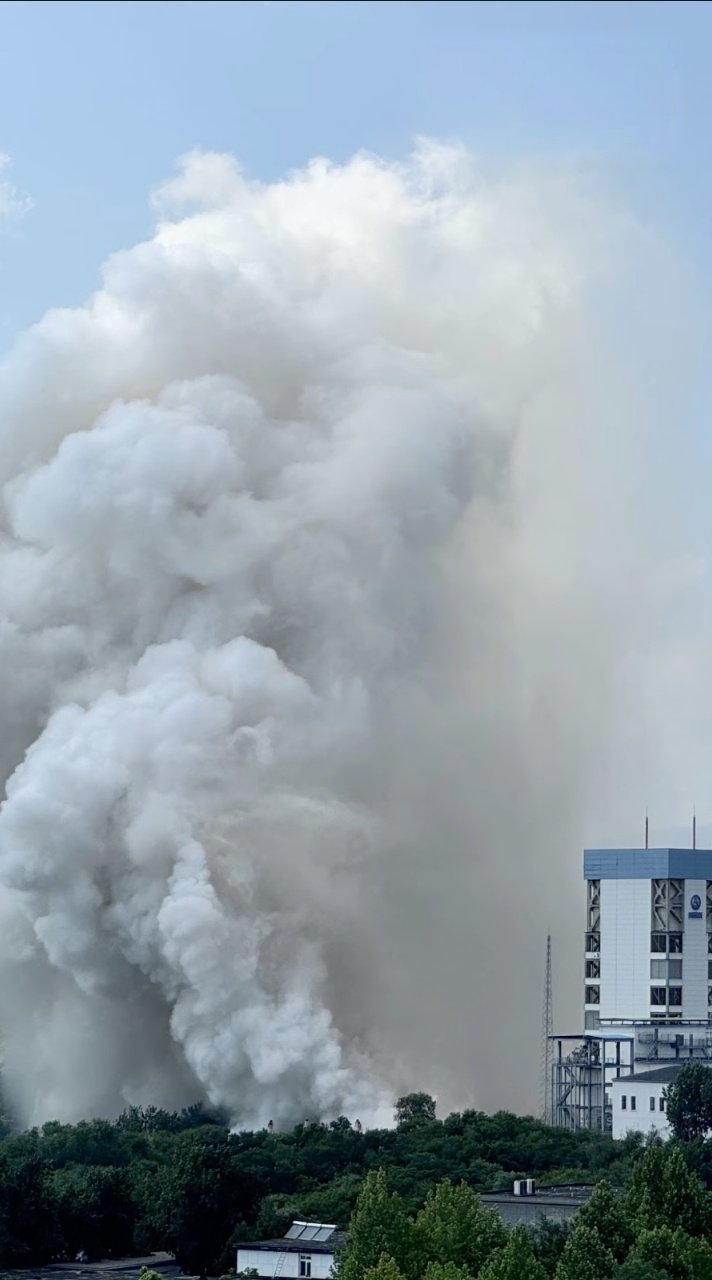
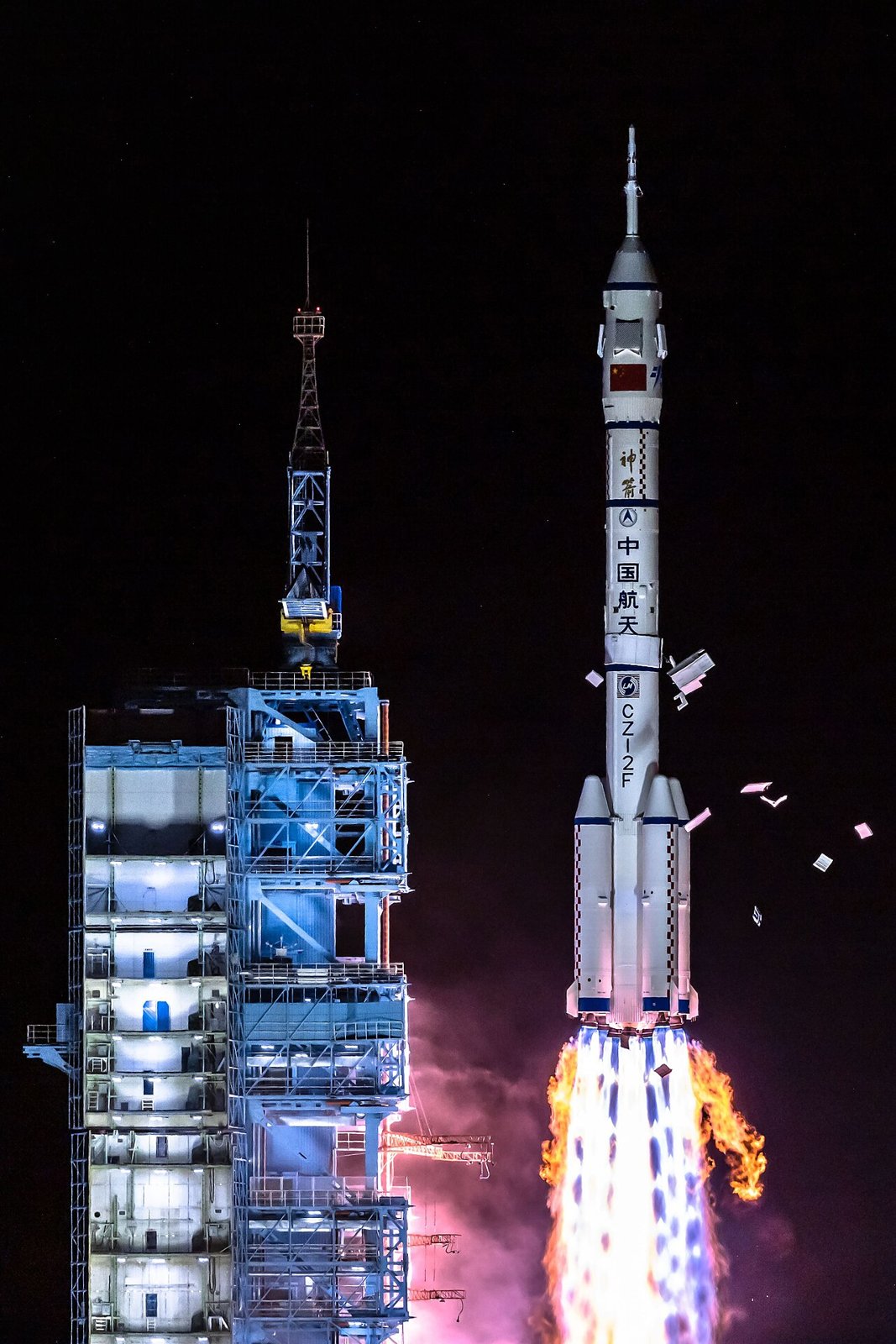
Long March / satellite launch imagery used as guide hero — documentary launch context, not a portrait of wrongdoing.

The AI Files · Clinton-era Loral/Hughes satellite export controversy and the Sudan/bin Laden ‘offer’ claim · 1988–2004

China, satellites and bin Laden

In February 1996 a Chinese rocket destroyed a Loral satellite. Engineers shared failure analysis with Beijing. In February 1998 President Clinton waived Tiananmen sanctions for another Loral bird — while Justice was investigating the first.

Loral’s chairman had been the Democrats’ largest individual donor in 1996. Separately, former Sudanese officials later said Khartoum offered bin Laden to Washington. The 9/11 Commission staff found no reliable evidence of that U.S. offer.

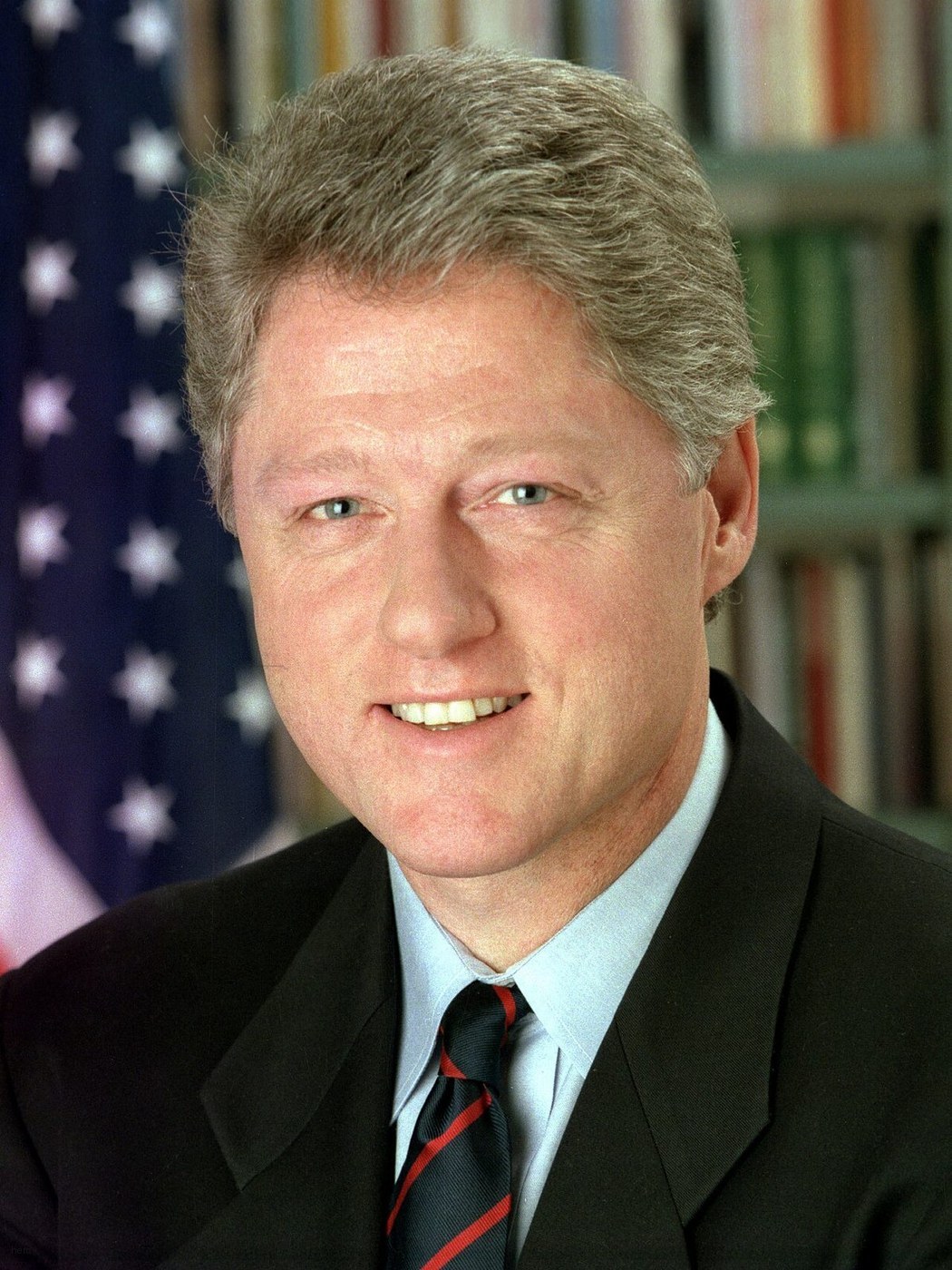
Long March / satellite launch imagery used as guide hero — documentary launch context, not a portrait of wrongdoing. Image: Bob McNeely / The White House (public domain) · Public domain / free license per upstream

The story

The story

Long March or analogous orbital rocket launch.
Long March or analogous orbital rocket launch. Free license / public domain · see credit

Chapter 1

Two national-security charges

The Clinton hub kept a short case with a misleading folder name — *clemency-china* — and a clear status line: **Donor link unproven / Sudan offer unproven**. [1]

One spine is rockets: after Chinese Long March failures destroyed U.S.-built satellites, Loral and Hughes shared failure analysis with Beijing. Loral later paid $20 million; Hughes and Boeing paid $32 million. Loral’s chairman, Bernard Schwartz, had been the Democrats’ largest individual donor in 1996. In February 1998 President Clinton waived Tiananmen sanctions for another Loral bird while Justice was investigating the first. [2][3]

The other spine is Sudan: former officials claimed Khartoum offered Usama bin Laden to the United States. Clinton officials denied it. The 9/11 Commission staff found no reliable evidence for that U.S. offer — while affirming a real expulsion track toward Saudi Arabia. [4]

This guide expands both without merging them into one betrayal myth, and without confusing either with presidential pardons. [5]
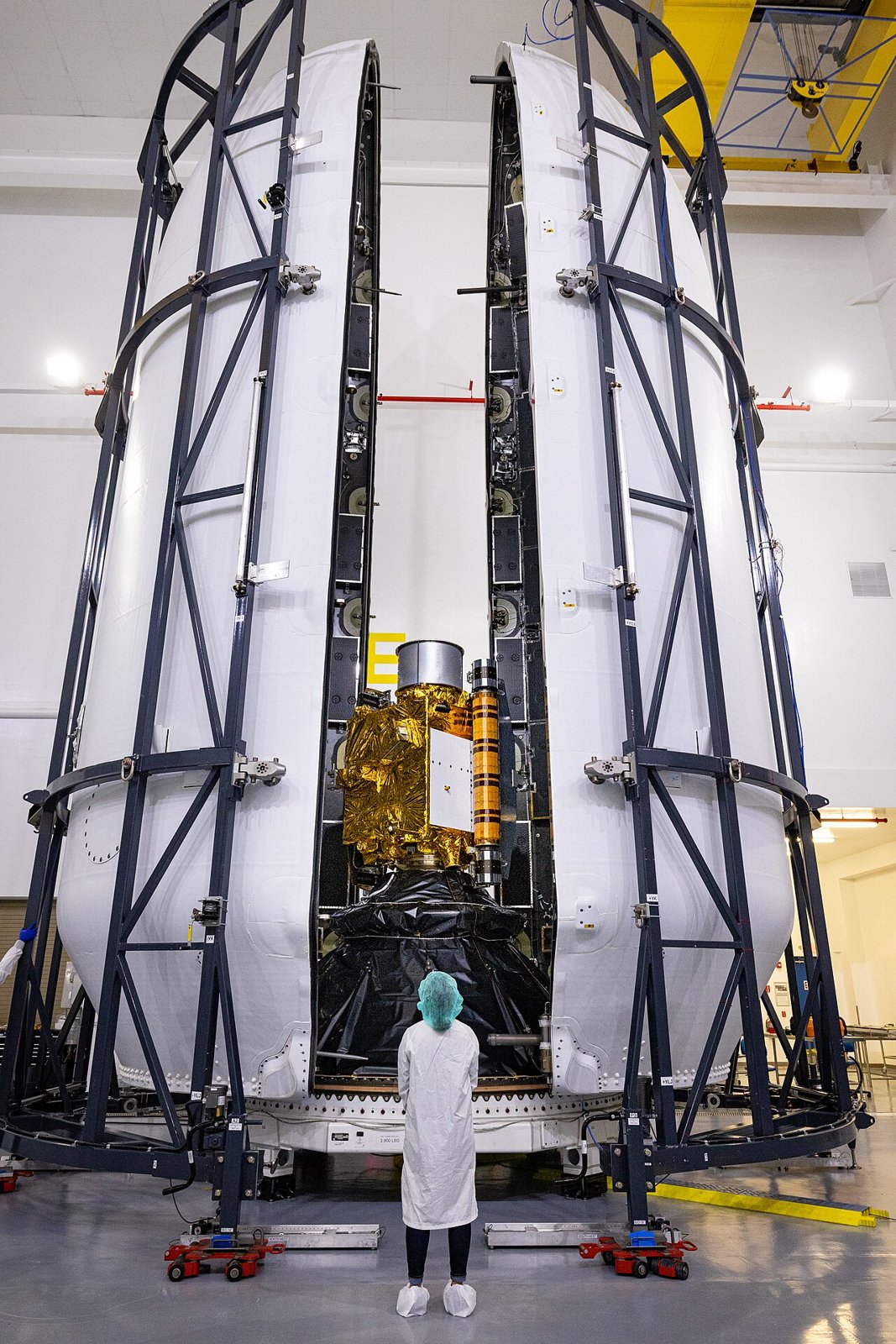
Long March or analogous orbital rocket launch.
Long March or analogous orbital rocket launch. Free license / public domain · see credit

Chapter 3

Hughes and the fairing

On 26 January 1995 a Long March destroyed Hughes’s Apstar-2. Hughes engineers worked the failure with China Great Wall and CALT. Years later State’s defense-trade office concluded the lessons were inherently applicable to missiles as well as space launchers. [9][10][11]

Commerce, not State or Defense, had cleared release of an insurance-oriented analysis at the time — a jurisdiction scar that never healed in Congress. [2]

Space Systems/Loral / satellite manufacturing context.
Space Systems/Loral / satellite manufacturing context. AI Files record card (no free-licensed portrait; not a face stand-in) · see credit

Chapter 4

Intelsat-708

On 15 February 1996 another Long March failed at Xichang. The payload was Loral’s Intelsat-708. Insurers wanted Western confirmation that China’s guidance story held. [12][13]

That commercial demand created the Independent Review Committee.

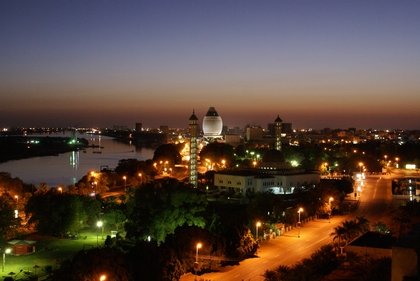
Khartoum / Sudan context image.
Khartoum / Sudan context image. Free license · see credit

Chapter 5

The committee that faxed Beijing

Wah L. Lim chaired an Independent Review Committee with Hughes participation. Meetings ran in Palo Alto and Beijing. Loral later admitted the committee’s report reached the Chinese **before** State licensing authorities were consulted. [13][2]

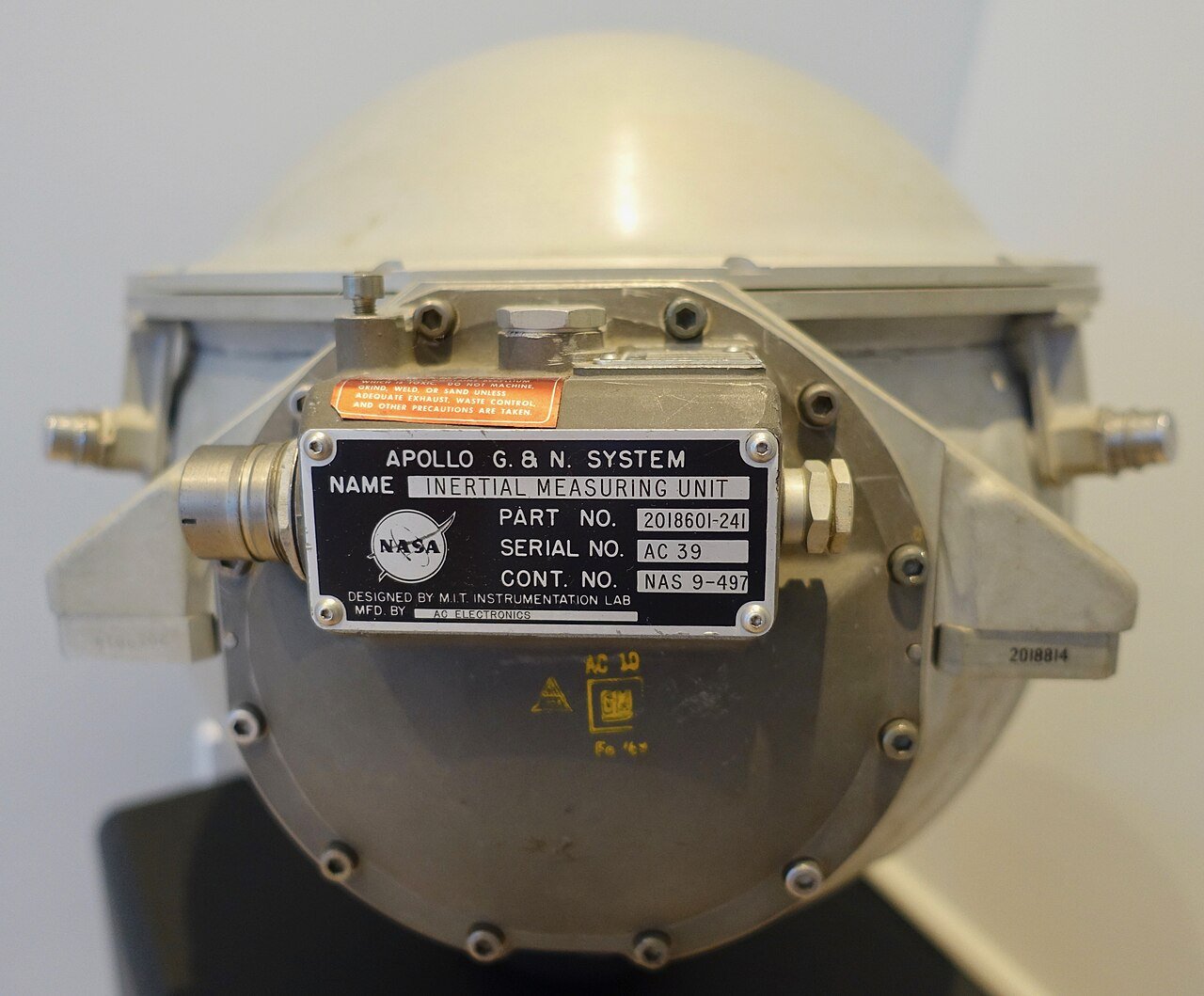
Loral’s steel-man still matters: China had already pointed at a solder joint in the inertial measurement unit; the IRC was, in the company’s telling, insurance hygiene. Cox and DTSA cared about something else — Western **diagnostic process** and reliability discipline that travel with any rocket family. [11][14]

U.S. Department of Commerce — satellite licensing jurisdiction fight.
U.S. Department of Commerce — satellite licensing jurisdiction fight. U.S. government work · Public domain

Chapter 6

Meanwhile in Khartoum

The same winter, Sudan was asking Washington what would ease terrorism sanctions. Bin Ladin was still there, framed in U.S. files mainly as a financier. [4]

U.S. officials wanted him expelled. Sudan talked to Saudi Arabia about taking him. Riyadh refused to bring him home. In May he flew to Afghanistan. [4][15]

Presidential signing / executive action motif.
Presidential signing / executive action motif. White House pool · Public domain

Chapter 8

Classified harm findings

By 1997 the Air Force’s NAIC and the Pentagon’s DTSA had written what CRS can only summarize: the assistance harmed U.S. national security by improving Chinese guidance and control know-how. [14][17][2]

Justice opened a criminal investigation that September. [18]

Bernard L. Schwartz — Loral chairman (if free portrait unavailable, use Loral/satellite proxy labeled).
Bernard L. Schwartz — Loral chairman (if free portrait unavailable, use Loral/satellite proxy labeled). Free license or proxy · see credit

Chapter 9

The Berger memo and the waiver

On 12 February 1998 Samuel Berger’s memo told President Clinton that Justice cautioned a Chinasat-8 waiver could hurt any prosecution of Space Systems/Loral — and recommended the waiver anyway. [3]

Clinton signed on 18 February. The national-interest finding and the caution are both on paper. A corrupt deal is not.

Congressional hearing room atmosphere image.
Congressional hearing room atmosphere image. U.S. government work pool · Public domain

Chapter 10

The largest donor

Bernard Schwartz gave on the order of $1.5 million to Democrats in 1996. [19][20]

That fact will never stop being adjacent to the waiver. Charles LaBella’s task-force papers, released in 2000, said the corrupt-influence theory likely did not merit investigation. [20][21][2]

Steel-man the quid if you want — then notice the missing agreement.

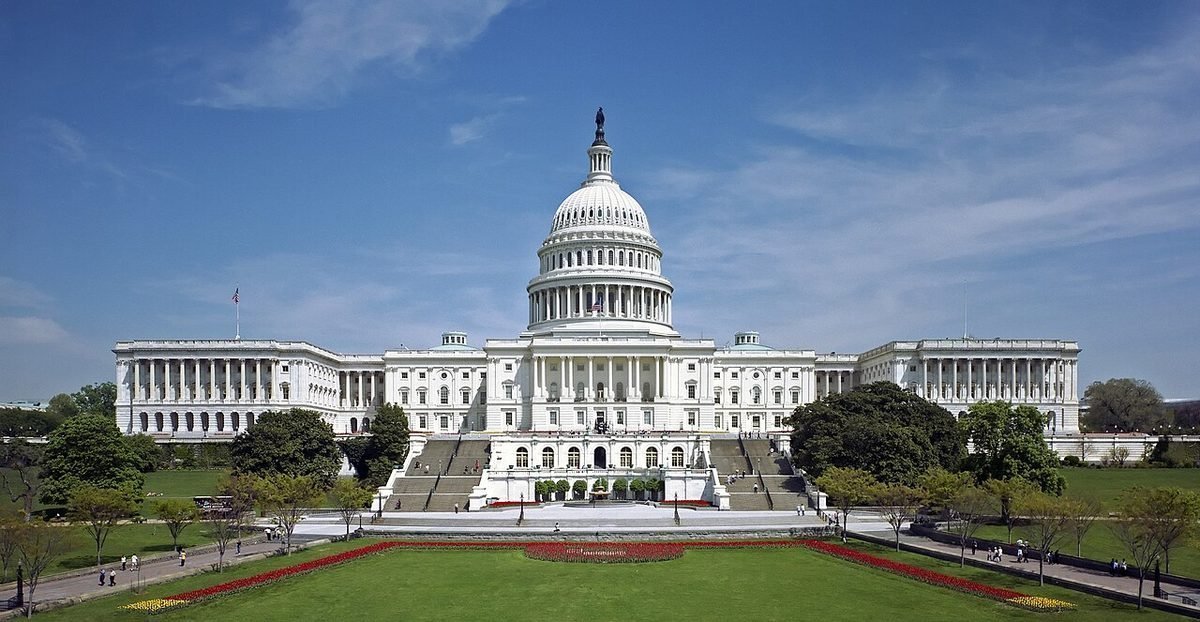
U.S. Capitol — congressional investigations venue.
U.S. Capitol — congressional investigations venue. AI Files record card (institutional / place / document context — not a person face) · Public domain

Chapter 12

Cox

On 25 May 1999 the Cox Committee released its redacted report. On satellites it agreed with the intelligence harm track: unlicensed help, better Chinese rockets, applicability to future missiles. [11]

Senate Intelligence, the same month, warned the public not to pretend the currently deployed ICBM force had already swallowed the upgrades — while still affirming forward risk. [24]

Motorola’s “MIRV dispenser” scare died inside Cox’s own pages. [25]

Civil settlement / fine motif.
Civil settlement / fine motif. AI Files / gavel pool · Public domain

Chapter 13

Congress claws back the licenses

The FY1999 defense authorization act returned commercial satellites to the Munitions List effective 15 March 1999 and hardened monitoring and waiver paperwork. [26][2]

Clinton signed the bill and objected to the jurisdiction shift in the same breath. The clawback is the scandal’s clearest legislative monument.

Critical-path visual motif.
Critical-path visual motif. AI Files record card (institutional / place / document context — not a person face) · Public domain pool

Chapter 15

The offer that was not shown

After 9/11 the recrimination machine needed a 1996 turning point. Former Sudanese officials supplied one: we offered him to you. [4]

Berger and Clarke described a hypothetical CSG talk about taking Bin Ladin — and said Sudan was unlikely to deliver him to a hostile country anyway. [30]

Staff Statement No. 5 drew the line the short case still quotes: no reliable evidence for the U.S. offer; Saudi expulsion talks were real. [4][1]

Archive / memory phase visual.
Archive / memory phase visual. AI Files pool · Public domain pool

Chapter 16

Critical path, not folklore

Sixteen links carry the mainstream account — from Reagan’s pad through the waiver and LaBella to Staff Statement 5. Rival theories must break or add those links in the open.

SLV versus ICBM remains a live engineering argument. Engagement versus control remains a live strategy argument. Neither argument converts “unproven” into “proven” by volume.

The critical path — 16 steps

  1. 1Reagan opens PRC launches
  2. 2Tiananmen suspensions
  3. 3Apstar-2 failure + Hughes review
  4. 4Intelsat-708 explosion
  5. 5Independent Review Committee
  6. 6Licensing moves to Commerce
  7. 7DTSA/NAIC harm findings
  8. 8Justice opens criminal track
  9. 9Chinasat-8 waiver despite Justice caution
  10. 10April 1998 public storm
  11. 11Cox Committee report
  12. 12Satellites returned to State
  13. 13LaBella: donor track thin
  14. 14Civil settlements, no company criminal conviction
  15. 15Sudan approaches U.S. (1996)
  16. 16Commission: U.S. offer claim unreliable

View the critical path · See Theories

Afghanistan mountains / Taliban-era context.
Afghanistan mountains / Taliban-era context. U.S. government or free · see credit

Chapter 17

How memory fused the file

Talk-radio bundles stacked Schwartz, Chinagate straw donors, Cox’s nuclear chapters, and the Sudan claim into one China betrayal. [1]

The hub short refused to launder the verbs. This full guide keeps that refusal — and finally separates the pardons name trap from the rockets.

Flag of the People's Republic of China — state party to launches.
Flag of the People's Republic of China — state party to launches. Public domain flag · Public domain

Chapter 18

Afghanistan, not a U.S. cell

When Bin Ladin left Sudan he did not enter American custody. He rebuilt in Taliban Afghanistan — the road that later owns the rest of Staff Statement 5’s diplomacy chapter. [4][15]

That outcome fuels the “missed chance” feeling. It does not, by itself, authenticate a U.S. handover offer. Keep the verbs straight.

Present-day status visual.
Present-day status visual. AI Files pool · Public domain pool

Chapter 19

What “commercial” meant in China

Xichang sits on PLA infrastructure. China Great Wall sold rides on rockets born beside the DF missile family. [2]

U.S. policy bet that safeguards and monitors could wall off the military half. The IRC and Hughes reviews are what that bet looked like when the wall cracked.

Sources for the story
  1. AI Files short case: China, satellites and bin Laden
  2. CRS Report 98-485: China — Possible Missile Technology Transfers Under U.S. Satellite Export Policy
  3. Berger et al. memo to President Clinton on Chinasat-8 waiver (Feb 12, 1998) — NYT archive text
  4. 9/11 Commission Staff Statement No. 5: Diplomacy
  5. AI Files: The last-day pardons (full guide)
  6. Reagan Administration decision allowing PRC launches of U.S.-origin satellites (1988) — CRS
  7. Foreign Relations Authorization Act FY1990–91, P.L. 101-246 §902 (Tiananmen suspensions)
  8. George H.W. Bush post-Tiananmen satellite waivers — CRS Table 2
  9. Apstar-2 / Long March failure (Jan 26, 1995) — Hughes review — CRS & Cox
  10. State ODTC assessment of Hughes 1995 assistance (Dec 18, 1998) — printed in Cox
  11. House Report 105-851 (Cox Committee) — declassified May 25, 1999
  12. Intelsat-708 / Long March 3B failure (Feb 15, 1996) — CRS & Cox
  13. Loral corporate statement (May 18, 1998) denying missile-guidance transfer — CRS paraphrase
  14. DTSA classified assessment (May 16, 1997) that national security was harmed — as reported in CRS/NYT
  15. The 9/11 Commission Report (final)
  16. 1996 transfer of commercial satellite licensing from State to Commerce — CRS
  17. Air Force NAIC March 1997 assessment — as reported in CRS
  18. Acting Undersecretary of State John Holum confirmation of possible Loral violation (Apr 9, 1998) — CRS
  19. Schwartz ~$1.5M Democratic contributions 1996 cycle — press/Justice document reporting
  20. NYT: Justice Dept. Memo Says Donor Was Cleared (June 9, 2000)
  21. LA Times: Internal Justice Memo Excuses Loral From Funds Probe (May 23, 2000)
  22. Washington Post campaign-finance archive: Loral waiver reporting (May 23, 1998)
  23. AI Files: The 1996 fundraising scandal (full guide)
  24. Senate Select Committee on Intelligence report on satellite launches / PRC influence (May 7, 1999) — via CRS summary
  25. Cox finding on Motorola Iridium Smart Dispenser
  26. Strom Thurmond NDAA FY1999, P.L. 105-261 §§1511–1521 (satellite export controls)
  27. Lockheed Martin $13 million State settlement (June 2000) — CRS recount
  28. Loral $20 million State Department civil settlement (announced Jan 9, 2002) — CRS recount
  29. Hughes/Boeing $32 million civil penalty (Mar 2003) — CRS recount
  30. Berger & Clarke interviews summarized in Staff Statement 5

Explore

Go deeper, era by era

Pick an era, or search everything at once: entries, people, dated events, claims, theories and media.

Threads

Follow one thread through the whole story

Each thread pulls together the entries on one question, across all the eras.

Key people

Who was who

Executives, investigators, diplomats and the CT cast — 33 people.

Hillary Rodham ClintonHillary Rodham ClintonFirst Lady (era); not a spine actor

Not a decision-maker in the Loral waiver or Sudan-offer records covered here; listed for hub orientation.

Sources
  1. AI Files short case: China, satellites and bin Laden
Samuel R. BergerSamuel R. BergerNational Security Advisor

Feb 12 1998 memo recommended Chinasat-8 waiver while noting Justice caution; described 1996 CSG Bin Ladin hypothetical to the 9/11 Commission.

Sources
  1. Berger et al. memo to President Clinton on Chinasat-8 waiver (Feb 12, 1998) — NYT archive text
  2. Berger & Clarke interviews summarized in Staff Statement 5
  3. 9/11 Commission Staff Statement No. 5: Diplomacy
Al GoreAl GoreVice President

Appears in later CT/Saudi diplomacy in Staff Statement 5; 1996 fundraising adjacency is the sibling guide.

Sources
  1. 9/11 Commission Staff Statement No. 5: Diplomacy
  2. AI Files: The 1996 fundraising scandal (full guide)
Janet RenoJanet RenoAttorney General

Received LaBella task-force memos; declined special-counsel path on the Schwartz track as reported in 2000.

Sources
  1. NYT: Justice Dept. Memo Says Donor Was Cleared (June 9, 2000)
  2. Sen. Specter Judiciary subcommittee hearing citing LaBella memo (May 2, 2000) — CRS/NYT
Madeleine AlbrightMadeleine AlbrightSecretary of State (1997–2001)

Led State diplomacy on Taliban/Bin Ladin after the Sudan chapter.

Sources
  1. 9/11 Commission Staff Statement No. 5: Diplomacy
  2. The 9/11 Commission Report (final)
Bernard L. SchwartzBernard L. SchwartzChairman & CEO, Loral
C. Michael ArmstrongC. Michael ArmstrongCEO, Hughes Electronics (era)
Christopher CoxChristopher CoxChair, House Select Committee
Norm DicksNorm DicksRanking Democrat, Cox Committee
Arlen SpecterArlen SpecterSenator (R-PA)
Charles G. LaBellaCharles G. LaBellaDOJ campaign-finance task force chief
John HolumJohn HolumActing Undersecretary of State
William ReinschWilliam ReinschUndersecretary of Commerce (Export Admin.)

Defended dual-use process; said Commerce alone cleared release of Hughes’s 1995 insurance analysis.

Sources
  1. CRS Report 98-485: China — Possible Missile Technology Transfers Under U.S. Satellite Export Policy
Richard ClarkeRichard ClarkeNSC counterterrorism coordinator

Chaired the 1996 CSG discussion; told Commission Sudan was unlikely to deliver Bin Ladin to a hostile country.

Sources
  1. Berger & Clarke interviews summarized in Staff Statement 5
  2. 9/11 Commission Staff Statement No. 5: Diplomacy
Louis FreehLouis FreehFBI Director

CT law-enforcement lead in the mid-1990s cases framing U.S. posture toward Sudan.

Sources
  1. 9/11 Commission Staff Statement No. 5: Diplomacy
Usama bin LadenUsama bin Ladenal Qaeda founder

Lived in Sudan until May 1996; departed for Afghanistan after expulsion pressure.

Sources
  1. 9/11 Commission Staff Statement No. 5: Diplomacy
  2. The 9/11 Commission Report (final)
Hassan al-TurabiHassan al-TurabiSudanese Islamist leader (era)

Staff Statement 5 ties Turabi’s influence to Sudan’s mid-1990s extremist haven reputation.

Sources
  1. 9/11 Commission Staff Statement No. 5: Diplomacy
Omar al-BashirOmar al-BashirPresident of Sudan (era)

Head of the sanctioned regime that hosted Bin Ladin then sought relief.

Sources
  1. 9/11 Commission Staff Statement No. 5: Diplomacy
Prince Turki bin FaisalPrince Turki bin FaisalSaudi intelligence chief (era)

Key later emissary on Taliban/Bin Ladin (1998) — after the Sudan chapter.

Sources
  1. 9/11 Commission Staff Statement No. 5: Diplomacy
Trent LottTrent LottSenate Majority Leader (era)

Stood up a Senate task force; delivered July 1998 interim judgments on transfers.

Sources
  1. CRS Report 98-485: China — Possible Missile Technology Transfers Under U.S. Satellite Export Policy
Joseph PrueherJoseph PrueherCINCPAC; later U.S. Ambassador to China

Said any ICBM benefit from satellite work was incremental, not a leap.

Sources
  1. CRS Report 98-485: China — Possible Missile Technology Transfers Under U.S. Satellite Export Policy
Henry SokolskiHenry SokolskiNonproliferation analyst
John PikeJohn PikeFAS Space Policy Project

Stressed engineering differences between SLVs and ICBMs / MIRVs.

Sources
  1. CRS Report 98-485: China — Possible Missile Technology Transfers Under U.S. Satellite Export Policy
Jiang ZeminJiang ZeminPresident of the PRC (era)

Cited in CRS for dual-use telecom remarks illustrating civil-military overlap concerns.

Sources
  1. CRS Report 98-485: China — Possible Missile Technology Transfers Under U.S. Satellite Export Policy
Shen JunShen JunInterpreter in Hughes licensing spat
Sam NunnSam NunnFormer Senator; Hughes compliance co-lead
Paul WolfowitzPaul WolfowitzFormer USD(P); Hughes task force
George TenetGeorge TenetDCI (1997–2004)

Central to post-Sudan Saudi/Taliban diplomacy in Staff Statement 5.

Sources
  1. 9/11 Commission Staff Statement No. 5: Diplomacy
Henry StackpoleHenry StackpolePresident, Loral Asia-Pacific (era)

Said China used foreign know-how to improve rockets after failures.

Sources
  1. CRS Report 98-485: China — Possible Missile Technology Transfers Under U.S. Satellite Export Policy

Timeline

Day by day

21 dated events, 1988–2004, each with its source.

  1. Sep 1988
    Reagan allows PRC launches Administration announces U.S.-origin satellites may fly on Chinese rockets with technology safeguards. Why China launched U.S. birds · source source
  2. 1990
    Tiananmen satellite suspensions P.L. 101-246 §902 suspends Munitions List and satellite exports to China unless waived. Why China launched U.S. birds · source source
  3. 1989–1992
    Bush issues early waivers President Bush grants case-by-case waivers even amid missile-sanctions fights. Why China launched U.S. birds · source source
  4. 26 Jan 1995
    Apstar-2 destroyed Long March explodes with Hughes-built Apstar-2; Hughes begins joint failure review. Hughes and the fairing · source source
  5. 15 Feb 1996
    Intelsat-708 destroyed Long March 3B fails at Xichang; Loral-built Intelsat satellite lost. Three embarrassing explosions · source source
  6. Feb–May 1996
    Sudan seeks relief Sudanese officials approach U.S. on easing terrorism pressure; Bin Ladin still in Khartoum. Khartoum’s approaches · source source
  7. Apr–May 1996
    IRC meets; report to China Independent Review Committee meets in California and Beijing; report reaches PRC before State consult. The Independent Review Committee · source source
  8. May 1996
    Bin Ladin flies to Afghanistan Under pressure, Bin Ladin leaves Sudan for Afghanistan; Sudan informs U.S. after departure. Khartoum’s approaches · source source
  9. Nov 1996
    Satellites to Commerce Licensing jurisdiction for commercial satellites shifts from State to Commerce. State vs Commerce · source source
  10. Mar–May 1997
    NAIC/DTSA harm assessments Classified studies conclude assistance could improve PRC missile guidance/reliability. Did it help the missiles? · source source
  11. Sep 1997
    Justice criminal investigation DOJ opens criminal inquiry into Loral/Hughes export conduct. Did it help the missiles? · source source
  12. 18 Feb 1998
    Chinasat-8 waiver signed Clinton issues national-interest waiver after Berger memo flags Justice caution. The Chinasat-8 waiver · source source
  13. Apr 1998
    Press storm & hearings NYT reporting on investigation and waiver; Congress opens months of hearings. The Cox Committee · source source
  14. Oct 1998 / Mar 1999
    NDAA returns satellites to State P.L. 105-261 signed; Munitions List jurisdiction effective March 15 1999. State vs Commerce · source source
  15. 25 May 1999
    Cox Report declassified Select Committee releases redacted report on PRC tech acquisition including satellites. The Cox Committee · source source
  16. 1998–2000
    LaBella papers surface Task-force memo language: Schwartz matter likely did not merit investigation. Schwartz and the money · source source
  17. Jun 2000
    Lockheed $13M settlement State settles kick-motor assessment case. Fines without trials · source source
  18. 9 Jan 2002
    Loral $20M settlement Civil fine + compliance spending; Justice ends company criminal pursuit. Fines without trials · source source
  19. 5 Mar 2003
    Hughes/Boeing $32M penalty Civil ITAR settlement after 123 charged violations. Fines without trials · source source
  20. 2004
    Staff Statement 5 9/11 Commission staff: no reliable evidence for Sudanese claim of offering Bin Ladin to the U.S. The ‘offer bin Laden’ claim · source
  21. 22 Oct 2026
    Hub short status line AI Files short case still reads: Donor link unproven / Sudan offer unproven. How the story fused · source

What we know now

Where the record sits now

The yardstick

The critical path

Sixteen links the mainstream account needs — from Reagan’s launch policy to Staff Statement 5.

  1. 1
    Sep 1988Reagan opens PRC launches

    1988 policy allows U.S.-origin satellites on Chinese rockets with safeguards agreements.[1][2]

    On the timeline
  2. 2
    1990Tiananmen suspensions

    P.L. 101-246 §902 suspends satellite exports; presidents may waive for national interest.[3][2]

    On the timeline
  3. 3
    26 Jan 1995Apstar-2 failure + Hughes review

    Jan 1995 failure; Hughes works failure analysis with PRC engineers — later charged as unlicensed.[4][5][2]

    On the timeline
  4. 4
    15 Feb 1996Intelsat-708 explosion

    Feb 15 1996 Long March 3B destroys Loral-built Intelsat-708.[6][2][5]

    On the timeline
  5. 5
    Apr–May 1996Independent Review Committee

    Loral chairs IRC; report reaches Chinese side before State licensing consult.[7][2][5]

    On the timeline
  6. 6
    Nov 1996Licensing moves to Commerce

    1996 jurisdiction shift for commercial satellites — monitoring fights intensify.[8][2]

    On the timeline
  7. 7
    Mar–May 1997DTSA/NAIC harm findings

    1997 classified assessments say assistance could improve PRC missile guidance/reliability.[9][10][2]

    On the timeline
  8. 8
    Sep 1997Justice opens criminal track

    Sep 1997 criminal investigation of Loral/Hughes export conduct.[2][11]

    On the timeline
  9. 9
    18 Feb 1998Chinasat-8 waiver despite Justice caution

    Feb 18 1998 Clinton waiver after Berger memo notes DOJ warning.[12][13][2]

    On the timeline
  10. 10
    Apr 1998April 1998 public storm

    NYT reporting triggers hearings; Schwartz donor status becomes political frame.[14][2][15]

    On the timeline
  11. 11
    25 May 1999Cox Committee report

    May 1999 declassified report: unlicensed help improved PRC rocket reliability with missile applicability.[5][2]

    On the timeline
  12. 12
    Oct 1998 / Mar 1999Satellites returned to State

    P.L. 105-261 moves licenses back to Munitions List (eff. Mar 15 1999).[16][2]

    On the timeline
  13. 13
    1998–2000LaBella: donor track thin

    Task force papers: Schwartz corrupt-influence case likely did not merit investigation.[17][18][19]

    On the timeline
  14. 14
    9 Jan 2002Civil settlements, no company criminal conviction

    Lockheed $13M (2000), Loral $20M (2002), Hughes/Boeing $32M (2003).[20][21][22]

    On the timeline
  15. 15
    Feb–May 1996Sudan approaches U.S. (1996)

    Under sanctions pressure, Sudanese officials ask what would ease pressure; Bin Ladin still in Khartoum.[23][24]

    On the timeline
  16. 16
    2004Commission: U.S. offer claim unreliable

    Staff Statement 5: no reliable evidence Sudan offered Bin Ladin to the United States; expulsion to Saudi Arabia was offered.[23][25]

    On the timeline
Sources for the 16 steps
  1. Reagan Administration decision allowing PRC launches of U.S.-origin satellites (1988) — CRS
  2. CRS Report 98-485: China — Possible Missile Technology Transfers Under U.S. Satellite Export Policy
  3. Foreign Relations Authorization Act FY1990–91, P.L. 101-246 §902 (Tiananmen suspensions)
  4. Apstar-2 / Long March failure (Jan 26, 1995) — Hughes review — CRS & Cox
  5. House Report 105-851 (Cox Committee) — declassified May 25, 1999
  6. Intelsat-708 / Long March 3B failure (Feb 15, 1996) — CRS & Cox
  7. Loral corporate statement (May 18, 1998) denying missile-guidance transfer — CRS paraphrase
  8. 1996 transfer of commercial satellite licensing from State to Commerce — CRS
  9. DTSA classified assessment (May 16, 1997) that national security was harmed — as reported in CRS/NYT
  10. Air Force NAIC March 1997 assessment — as reported in CRS
  11. Acting Undersecretary of State John Holum confirmation of possible Loral violation (Apr 9, 1998) — CRS
  12. Berger et al. memo to President Clinton on Chinasat-8 waiver (Feb 12, 1998) — NYT archive text
  13. Chinasat-8 project / Feb 18, 1998 presidential waiver — CRS & Berger memo
  14. Washington Post campaign-finance archive: Loral waiver reporting (May 23, 1998)
  15. Schwartz ~$1.5M Democratic contributions 1996 cycle — press/Justice document reporting
  16. Strom Thurmond NDAA FY1999, P.L. 105-261 §§1511–1521 (satellite export controls)
  17. NYT: Justice Dept. Memo Says Donor Was Cleared (June 9, 2000)
  18. LA Times: Internal Justice Memo Excuses Loral From Funds Probe (May 23, 2000)
  19. Sen. Specter Judiciary subcommittee hearing citing LaBella memo (May 2, 2000) — CRS/NYT
  20. Lockheed Martin $13 million State settlement (June 2000) — CRS recount
  21. Loral $20 million State Department civil settlement (announced Jan 9, 2002) — CRS recount
  22. Hughes/Boeing $32 million civil penalty (Mar 2003) — CRS recount
  23. 9/11 Commission Staff Statement No. 5: Diplomacy
  24. The 9/11 Commission Report (final)
  25. Berger & Clarke interviews summarized in Staff Statement 5

OTHER READINGS

Seven ways to read the satellites — and the Sudan claim

Each theory must break or add links on the critical path.

Critical-path visual motif.
Critical-path visual motif. AI Files record card (institutional / place / document context — not a person face) · Public domain pool
Documented

Violations real; donor deal and U.S. offer unproven

The short case’s status line as a full theory: export breaches and fines documented; Schwartz quid and Sudan→U.S. offer not shown.

  1. 1Reagan opens PRC launches
  2. 2Tiananmen suspensions
  3. 3Apstar-2 failure + Hughes review
  4. 4Intelsat-708 explosion
  5. 5Independent Review Committee
  6. 6Licensing moves to Commerce
  7. 7DTSA/NAIC harm findings
  8. 8Justice opens criminal track
  9. 9Chinasat-8 waiver despite Justice caution
  10. 10April 1998 public storm
  11. 11Cox Committee report
  12. 12Satellites returned to State
  13. 13LaBella: donor track thin
  14. 14Civil settlements, no company criminal conviction
  15. 15Sudan approaches U.S. (1996)
  16. 16Commission: U.S. offer claim unreliable
Open the file
Where it started

CRS + Cox + Berger memo + Staff Statement 5 + LaBella papers.[2][3][6][4][5]

Why it lives

AI Files short case; mainstream reference works.

If it were true

Readers should hold two unproven labels without denying the fines.

How it squares with the record

Loral admitted premature report to China [7]

Civil settlements landed [8][9]

LaBella cleared the bribery track [5]
Staff Statement 5 rejects reliable U.S.-offer evidence [4]

What holds up Documented

Holds if no later primary shows a Schwartz-Clinton corrupt agreement or a Sudan-to-U.S. handover cable.

Against the critical path
  1. 1Reagan opens PRC launches
  2. 2Tiananmen suspensions
  3. 3Apstar-2 failure + Hughes review
  4. 4Intelsat-708 explosion
  5. 5Independent Review Committee
  6. 6Licensing moves to Commerce
  7. 7DTSA/NAIC harm findings
  8. 8Justice opens criminal track
  9. 9Chinasat-8 waiver despite Justice caution
  10. 10April 1998 public storm
  11. 11Cox Committee report
  12. 12Satellites returned to State
  13. 13LaBella: donor track thin
  14. 14Civil settlements, no company criminal conviction
  15. 15Sudan approaches U.S. (1996)
  16. 16Commission: U.S. offer claim unreliable
Removes from the critical path

Nothing. It leaves every established link standing.

Adds to the critical path

No new links.

What new information would make it true
  • Continued absence of quid evidence
  • Continued absence of reliable U.S.-offer traffic
What would prove it false
  • Authenticated bribery agreement
  • Authenticated Sudan offer cable to U.S. accepted as reliable
Democratic National Committee / campaign finance adjacency.
Democratic National Committee / campaign finance adjacency. Free license · see credit
Unproven

Cash for waiver (corrupt exchange)

Schwartz’s money purchased the Chinasat-8 national-interest finding.

  1. 1Reagan opens PRC launches
  2. 2Tiananmen suspensions
  3. 3Apstar-2 failure + Hughes review
  4. 4Intelsat-708 explosion
  5. 5Independent Review Committee
  6. 6Licensing moves to Commerce
  7. 7DTSA/NAIC harm findings
  8. 8Justice opens criminal track
  9. 9Chinasat-8 waiver despite Justice caution
  10. 10April 1998 public storm
  11. 11Cox Committee report
  12. 12Satellites returned to State
  13. 13LaBella: donor track thinbreaks
  14. 14Civil settlements, no company criminal conviction
  15. 15Sudan approaches U.S. (1996)
  16. 16Commission: U.S. offer claim unreliable
  17. +Corrupt agreement Schwartz↔Clinton/DNCNo evidence
Open the file
Who believes it
Who has voiced it
Where it started

1998 opposition framing after NYT storm.[4][1]

Why it lives

Talk radio, partisan books, fused Chinagate memory.

If it were true

The waiver is a bribery story, not an engagement mistake.

How it squares with the record

Donor rank is real [1]

Justice feared waiver optics [2]

What holds up Unproven

Fails without an agreement or explicit exchange — which LaBella said was not there.

Against the critical path
  1. 1Reagan opens PRC launches
  2. 2Tiananmen suspensions
  3. 3Apstar-2 failure + Hughes review
  4. 4Intelsat-708 explosion
  5. 5Independent Review Committee
  6. 6Licensing moves to Commerce
  7. 7DTSA/NAIC harm findings
  8. 8Justice opens criminal track
  9. 9Chinasat-8 waiver despite Justice caution
  10. 10April 1998 public storm
  11. 11Cox Committee report
  12. 12Satellites returned to State
  13. 13LaBella: donor track thinbreaks
  14. 14Civil settlements, no company criminal conviction
  15. 15Sudan approaches U.S. (1996)
  16. 16Commission: U.S. offer claim unreliable
  17. +Corrupt agreement Schwartz↔Clinton/DNCNo evidence
Removes from the critical path
  • 13. LaBella: donor track thin must deny Must treat LaBella ‘no investigation merit’ as cover-up or wrong What has to be fake or wrong: LaBella papers’ substance[3]
Adds to the critical path
  • Corrupt agreement Schwartz↔Clinton/DNC No evidence Never produced[3]
What would have to turn out fake or wrong
  • LaBella’s conclusion that the matter lacked investigative merit
What new information would make it true
  • Wire/memo proving corrupt agreement
What would prove it false
  • Task-force no-case finding stands [@nyt-labella-2000]
Ballistic missile / ICBM schematic-style documentary image (not classified).
Ballistic missile / ICBM schematic-style documentary image (not classified). U.S. government educational · Public domain
Disputed

Quantum leap for the PLA ICBM force

U.S. satellite help transformed China’s deployed nuclear missiles overnight.

  1. 1Reagan opens PRC launches
  2. 2Tiananmen suspensions
  3. 3Apstar-2 failure + Hughes review
  4. 4Intelsat-708 explosion
  5. 5Independent Review Committee
  6. 6Licensing moves to Commerce
  7. 7DTSA/NAIC harm findings
  8. 8Justice opens criminal track
  9. 9Chinasat-8 waiver despite Justice caution
  10. 10April 1998 public storm
  11. 11Cox Committee reportrecast
  12. 12Satellites returned to State
  13. 13LaBella: donor track thin
  14. 14Civil settlements, no company criminal conviction
  15. 15Sudan approaches U.S. (1996)
  16. 16Commission: U.S. offer claim unreliable
  17. +Public engineering proof of deployed ICBM upgrade from U.S. dataThin evidence
Open the file
Who believes it
Who has voiced it
Where it started

Maximal reading of DTSA/Cox + launch-success streak.[2][1][4]

Why it lives

Hardline nonproliferation commentary.

If it were true

The scandal is primarily a strategic-weapons disaster already realized by 1999.

How it squares with the record

Cox: future missile applicability [1]

Post-1996 success streak invites inference [4]

What holds up Disputed

Overruns SSCI’s ‘not in currently deployed force’ caution and Pike-style SLV≠ICBM limits.

Against the critical path
  1. 1Reagan opens PRC launches
  2. 2Tiananmen suspensions
  3. 3Apstar-2 failure + Hughes review
  4. 4Intelsat-708 explosion
  5. 5Independent Review Committee
  6. 6Licensing moves to Commerce
  7. 7DTSA/NAIC harm findings
  8. 8Justice opens criminal track
  9. 9Chinasat-8 waiver despite Justice caution
  10. 10April 1998 public storm
  11. 11Cox Committee reportrecast
  12. 12Satellites returned to State
  13. 13LaBella: donor track thin
  14. 14Civil settlements, no company criminal conviction
  15. 15Sudan approaches U.S. (1996)
  16. 16Commission: U.S. offer claim unreliable
  17. +Public engineering proof of deployed ICBM upgrade from U.S. dataThin evidence
Removes from the critical path
  • 11. Cox Committee report must recast Reads Cox as proving already-deployed ICBM transformation What has to be fake or wrong: SSCI deployed-force caution[3][1]
Adds to the critical path
  • Public engineering proof of deployed ICBM upgrade from U.S. data Thin evidence Classified assessments exist; public leap does not[2]
What would have to turn out fake or wrong
  • SSCI’s statement that incorporation into currently deployed ICBMs was not evidenced
What new information would make it true
  • Declassified proof of specific deployed ICBM guidance upgrades from IRC/Hughes data
What would prove it false
  • SSCI deployed-force negative remains [@senate-intel-1999]
Books and films that argue it
Document stack — waivers, memos, reports.
Document stack — waivers, memos, reports. AI Files record card (institutional / place / document context — not a person face) · Public domain / site graphic
Disputed

Paperwork scandal only

Nothing militarily useful moved — only export paperwork drama and politics.

  1. 1Reagan opens PRC launches
  2. 2Tiananmen suspensions
  3. 3Apstar-2 failure + Hughes review
  4. 4Intelsat-708 explosion
  5. 5Independent Review Committee
  6. 6Licensing moves to Commerce
  7. 7DTSA/NAIC harm findingsbreaks
  8. 8Justice opens criminal track
  9. 9Chinasat-8 waiver despite Justice caution
  10. 10April 1998 public storm
  11. 11Cox Committee reportbreaks
  12. 12Satellites returned to State
  13. 13LaBella: donor track thin
  14. 14Civil settlements, no company criminal conviction
  15. 15Sudan approaches U.S. (1996)
  16. 16Commission: U.S. offer claim unreliable
  17. +Independent public engineering rebuttal of process-transfer harmThin evidence
Open the file
Where it started

Loral corporate defense + engagement Democrats.[1][4]

Why it lives

Company statements; some Clinton-defense op-eds.

If it were true

Cox/DTSA overreached; fines were political tax.

How it squares with the record

Loral: low-tech solder joint [1]

Prueher: incremental at most [5]
What holds up Disputed

Collides with bipartisan Cox satellite findings and huge civil penalties with acknowledgments.

Against the critical path
  1. 1Reagan opens PRC launches
  2. 2Tiananmen suspensions
  3. 3Apstar-2 failure + Hughes review
  4. 4Intelsat-708 explosion
  5. 5Independent Review Committee
  6. 6Licensing moves to Commerce
  7. 7DTSA/NAIC harm findingsbreaks
  8. 8Justice opens criminal track
  9. 9Chinasat-8 waiver despite Justice caution
  10. 10April 1998 public storm
  11. 11Cox Committee reportbreaks
  12. 12Satellites returned to State
  13. 13LaBella: donor track thin
  14. 14Civil settlements, no company criminal conviction
  15. 15Sudan approaches U.S. (1996)
  16. 16Commission: U.S. offer claim unreliable
  17. +Independent public engineering rebuttal of process-transfer harmThin evidence
Removes from the critical path
  • 7. DTSA/NAIC harm findings must deny Must discard DTSA/NAIC harm judgments What has to be fake or wrong: Those assessments’ core conclusion[6]
  • 11. Cox Committee report must deny Must discard Cox satellite conclusions What has to be fake or wrong: Bipartisan committee satellite findings[2]
Adds to the critical path
  • Independent public engineering rebuttal of process-transfer harm Thin evidence Company denials exist; peer consensus does not erase Cox[1]
What would have to turn out fake or wrong
  • Cox’s finding that unlicensed assistance improved PRC rocket reliability with missile applicability
What new information would make it true
  • Authoritative finding that no missile-applicable know-how transferred
What would prove it false
  • Cox + ODTC + settlements [@cox-report][@hughes-settlement-2003]
Books and films that argue it
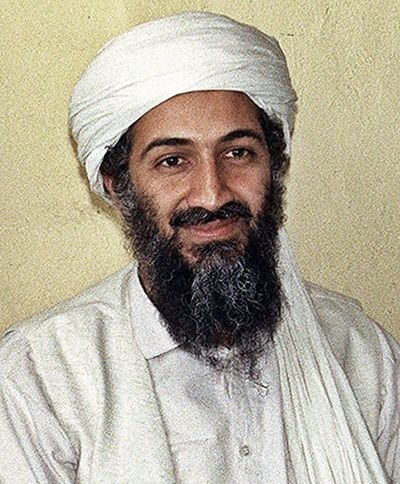
Usama bin Laden — historical photo used for Sudan spine identification only.
Usama bin Laden — historical photo used for Sudan spine identification only. Free license / public domain archival · verify license on file
Unproven

Clinton refused a real U.S. custody offer

Khartoum put Bin Ladin on offer to Washington and was turned down.

  1. 1Reagan opens PRC launches
  2. 2Tiananmen suspensions
  3. 3Apstar-2 failure + Hughes review
  4. 4Intelsat-708 explosion
  5. 5Independent Review Committee
  6. 6Licensing moves to Commerce
  7. 7DTSA/NAIC harm findings
  8. 8Justice opens criminal track
  9. 9Chinasat-8 waiver despite Justice caution
  10. 10April 1998 public storm
  11. 11Cox Committee report
  12. 12Satellites returned to State
  13. 13LaBella: donor track thin
  14. 14Civil settlements, no company criminal conviction
  15. 15Sudan approaches U.S. (1996)
  16. 16Commission: U.S. offer claim unreliablebreaks
  17. +Authentic Sudan→US handover offer cableNo evidence
Open the file
Who believes it
Who has voiced it
Where it started

Former Sudanese officials’ later claims.[1][3]

Why it lives

Post-9/11 recrimination media.

If it were true

1996 is a decisive missed rendition.

How it squares with the record

Sudan was seeking relief and discussing Bin Ladin [1]

What holds up Unproven

Commission staff explicitly found no reliable evidence.

Against the critical path
  1. 1Reagan opens PRC launches
  2. 2Tiananmen suspensions
  3. 3Apstar-2 failure + Hughes review
  4. 4Intelsat-708 explosion
  5. 5Independent Review Committee
  6. 6Licensing moves to Commerce
  7. 7DTSA/NAIC harm findings
  8. 8Justice opens criminal track
  9. 9Chinasat-8 waiver despite Justice caution
  10. 10April 1998 public storm
  11. 11Cox Committee report
  12. 12Satellites returned to State
  13. 13LaBella: donor track thin
  14. 14Civil settlements, no company criminal conviction
  15. 15Sudan approaches U.S. (1996)
  16. 16Commission: U.S. offer claim unreliablebreaks
  17. +Authentic Sudan→US handover offer cableNo evidence
Removes from the critical path
  • 16. Commission: U.S. offer claim unreliable must deny Must reject Staff Statement 5 reliability judgment What has to be fake or wrong: Commission staff document review[1]
Adds to the critical path
  • Authentic Sudan→US handover offer cable No evidence Not found reliable by staff[1]
What would have to turn out fake or wrong
  • The staff finding that no reliable evidence supports the Sudanese U.S.-offer claim
What new information would make it true
  • Reliable contemporaneous U.S. cable accepting a Sudan-to-U.S. offer
What would prove it false
  • Staff Statement 5 line stands [@911-staff-5]
U.S. Department of Commerce — satellite licensing jurisdiction fight.
U.S. Department of Commerce — satellite licensing jurisdiction fight. U.S. government work · Public domain
Debated

Structural Commerce capture

The scandal is less one donor than a systematic weakening of munitions controls for industry.

  1. 1Reagan opens PRC launches
  2. 2Tiananmen suspensions
  3. 3Apstar-2 failure + Hughes review
  4. 4Intelsat-708 explosion
  5. 5Independent Review Committeerecast
  6. 6Licensing moves to Commerce
  7. 7DTSA/NAIC harm findings
  8. 8Justice opens criminal track
  9. 9Chinasat-8 waiver despite Justice caution
  10. 10April 1998 public storm
  11. 11Cox Committee report
  12. 12Satellites returned to State
  13. 13LaBella: donor track thin
  14. 14Civil settlements, no company criminal conviction
  15. 15Sudan approaches U.S. (1996)
  16. 16Commission: U.S. offer claim unreliable
  17. +Causal proof Commerce rules compelled the IRC breachThin evidence
Open the file
Who believes it
Who has voiced it
Where it started

Congressional export-control critics; Cox recommendations.[3][2][4]
Why it lives

Export-control scholarship and NDAA debates.

If it were true

Even a ‘clean’ Schwartz story leaves a broken licensing regime.

How it squares with the record

1996 State→Commerce shift [1]

Unmonitored launches [4]

NDAA clawback [2]

What holds up Debated

Strong on process history; overreaches if it erases company-level IRC misconduct.

Against the critical path
  1. 1Reagan opens PRC launches
  2. 2Tiananmen suspensions
  3. 3Apstar-2 failure + Hughes review
  4. 4Intelsat-708 explosion
  5. 5Independent Review Committeerecast
  6. 6Licensing moves to Commerce
  7. 7DTSA/NAIC harm findings
  8. 8Justice opens criminal track
  9. 9Chinasat-8 waiver despite Justice caution
  10. 10April 1998 public storm
  11. 11Cox Committee report
  12. 12Satellites returned to State
  13. 13LaBella: donor track thin
  14. 14Civil settlements, no company criminal conviction
  15. 15Sudan approaches U.S. (1996)
  16. 16Commission: U.S. offer claim unreliable
  17. +Causal proof Commerce rules compelled the IRC breachThin evidence
Removes from the critical path
  • 5. Independent Review Committee must recast Treats IRC mainly as symptom of jurisdiction policy, not company choice What has to be fake or wrong: Loral admission of premature report as company failure [@loral-statement-1998][5]
Adds to the critical path
  • Causal proof Commerce rules compelled the IRC breach Thin evidence Timing and culture arguments, not a smoking memo[1]
What would have to turn out fake or wrong
  • That Loral’s premature fax was solely a Commerce-jurisdiction artifact
What new information would make it true
  • Further cases showing Commerce process systematically ignored munitions risk
What would prove it false
  • Showing IRC breach would have been identical under unbroken State practice
Archive / memory phase visual.
Archive / memory phase visual. AI Files pool · Public domain pool
Mixed

One giant China betrayal myth

Loral, Chinagate conduits, Cox nukes, and Sudan offer are a single proven conspiracy.

  1. 1Reagan opens PRC launches
  2. 2Tiananmen suspensions
  3. 3Apstar-2 failure + Hughes review
  4. 4Intelsat-708 explosion
  5. 5Independent Review Committee
  6. 6Licensing moves to Commerce
  7. 7DTSA/NAIC harm findings
  8. 8Justice opens criminal track
  9. 9Chinasat-8 waiver despite Justice caution
  10. 10April 1998 public storm
  11. 11Cox Committee report
  12. 12Satellites returned to State
  13. 13LaBella: donor track thinbreaks
  14. 14Civil settlements, no company criminal conviction
  15. 15Sudan approaches U.S. (1996)
  16. 16Commission: U.S. offer claim unreliablebreaks
  17. +Unified conspiracy dossier with primary chainNo evidence
Open the file
Who believes it
Where it started

Popular memory compression after 1998–2004.[1][2]

Why it lives

Online bundles and stump rhetoric.

If it were true

Every China-tinged Clinton story validates the next.

How it squares with the record

Same decade, overlapping villains in folklore [1]

What holds up Mixed

Violates the site method: each spine judged on its own record; two verbs stay unproven.

Against the critical path
  1. 1Reagan opens PRC launches
  2. 2Tiananmen suspensions
  3. 3Apstar-2 failure + Hughes review
  4. 4Intelsat-708 explosion
  5. 5Independent Review Committee
  6. 6Licensing moves to Commerce
  7. 7DTSA/NAIC harm findings
  8. 8Justice opens criminal track
  9. 9Chinasat-8 waiver despite Justice caution
  10. 10April 1998 public storm
  11. 11Cox Committee report
  12. 12Satellites returned to State
  13. 13LaBella: donor track thinbreaks
  14. 14Civil settlements, no company criminal conviction
  15. 15Sudan approaches U.S. (1996)
  16. 16Commission: U.S. offer claim unreliablebreaks
  17. +Unified conspiracy dossier with primary chainNo evidence
Removes from the critical path
  • 13. LaBella: donor track thin must deny Needs donor guilt anyway What has to be fake or wrong: LaBella no-case finding[4]
  • 16. Commission: U.S. offer claim unreliable must deny Needs Sudan U.S. offer anyway What has to be fake or wrong: Staff Statement 5[3]
Adds to the critical path
  • Unified conspiracy dossier with primary chain No evidence Memory fusion ≠ evidence fusion[1]
What would have to turn out fake or wrong
  • The separability of export settlements, fundraising guilty pleas, and the unproven Sudan U.S. offer
What new information would make it true
  • Single evidentiary chain linking Schwartz bribe, Huang conduits, lab theft, and Sudan offer
What would prove it false
  • Separable dockets and status lines [@short-case][@sibling-fundraising][@911-staff-5]

Camps unnamed beyond folklore — no single institutional author.

Genuinely unknown

Open questions

What the public record still does not settle.

Genuinely unknownIs there still an unreleased quid document?
What is known
  • LaBella papers undercut prosecution [1]
  • Berger memo shows Justice caution [2]
What is not

Any still-sealed communication proving corrupt agreement.

Why it is still open

Campaign-finance document dumps were partial.

Does it change the story?

Only thing that would flip cl-bought-waiver.

What would settle it

Authenticated agreement or credible participant admission.

Sources
  1. NYT: Justice Dept. Memo Says Donor Was Cleared (June 9, 2000)
  2. Berger et al. memo to President Clinton on Chinasat-8 waiver (Feb 12, 1998) — NYT archive text
Partly knownHow large was the missile reliability delta?
What is known
  • DTSA/Cox asserted harm [1][2]
  • SSCI: not seen in then-deployed ICBMs [3]
What is not

Public numeric effect on CEP/reliability.

Why it is still open

Assessments classified/redacted.

Does it change the story?

Separates ‘process help’ from ‘force transformed.’

What would settle it

Declassified engineering annex with methods.

Sources
  1. DTSA classified assessment (May 16, 1997) that national security was harmed — as reported in CRS/NYT
  2. House Report 105-851 (Cox Committee) — declassified May 25, 1999
  3. Senate Select Committee on Intelligence report on satellite launches / PRC influence (May 7, 1999) — via CRS summary
Genuinely unknownDoes a Sudan→US offer cable exist somewhere?
What is known
  • Staff found none reliable [1]
  • Saudi expulsion track documented [1]
What is not

Whether any misfiled or foreign archive changes that.

Why it is still open

Intelligence compartments and foreign records.

Does it change the story?

The entire second spine’s verb.

What would settle it

Cable authenticity + reliability judgment by historians/officials.

Sources
  1. 9/11 Commission Staff Statement No. 5: Diplomacy
Partly knownHow deeply was Clinton briefed on IRC tech?
What is known
  • He received Berger memo on investigation/waiver risk [1]
What is not

Personal engagement with engineering substance.

Why it is still open

Daily diaries/PDBs not fully public on this point.

Does it change the story?

Intent optics beyond national-interest boilerplate.

What would settle it

Detailed briefing records.

Sources
  1. Berger et al. memo to President Clinton on Chinasat-8 waiver (Feb 12, 1998) — NYT archive text
Partly knownFull roster and raw IRC notes
What is known
  • CRS/Cox describe meetings and PRC participation [1][2]
What is not

Complete verbatim technical notebooks.

Why it is still open

Company and government privilege/classification.

Does it change the story?

Process-transfer steel-man vs minimalism.

What would settle it

Full exhibit release.

Sources
  1. CRS Report 98-485: China — Possible Missile Technology Transfers Under U.S. Satellite Export Policy
  2. House Report 105-851 (Cox Committee) — declassified May 25, 1999
Genuinely unknownWhat did unmonitored launches actually leak?
What is known
  • Three Hughes launches lacked DoD monitors [1]
  • Tarbell: unaware of missile-aiding transfer from them [1]
What is not

Complete negative proof.

Why it is still open

Absence claims are hard.

Does it change the story?

Commerce-capture theory’s empirical bite.

What would settle it

Declassified monitor after-action corpus.

Sources
  1. CRS Report 98-485: China — Possible Missile Technology Transfers Under U.S. Satellite Export Policy
Known, often misreadWhy does the nest say ‘clemency’?
What is known
  • Hub short is satellites+Sudan; pardons are sibling [1][2]
What is not

Historical naming accident inside the hub taxonomy.

Why it is still open

Editorial archaeology.

Does it change the story?

Reader mis-navigation.

What would settle it

Hub maintainers renaming — gateway banner already warns.

Sources
  1. AI Files short case: China, satellites and bin Laden
  2. AI Files: The last-day pardons (full guide)

WHAT PEOPLE SAY

Donor deal? Missiles? The Sudan offer?

{n} popular claims measured against waivers, settlements and the 9/11 Commission staff.

What the ratings mean
  • Documented Primary sources establish it.
  • Partly true Real core with overclaim.
  • Disputed Serious sources disagree.
  • Unproven Claimed, not shown.
  • False Contradicted by the record.
  • Mixed True and false pieces fused.
  • Alleged Charged or asserted, not settled.
  • History Settled historical fact.
  • Official Government finding or certified result.
  • Debated Live argument among analysts.
  • Cleared Investigated and not sustained.
  • Discredited Collapsed under evidence.

UnprovenBernard Schwartz bought the Chinasat-8 waiver with campaign cash.Bought the waiver?

What the record shows. Unproven — top-donor adjacency and suspicious timing are real; LaBella task-force papers found no corrupt-influence case worth pursuing.

Who says it: Congressional critics / talk media

Points for
  • ~$1.5M Democratic donations in 1996 [@fec-schwartz]
  • Waiver during live export probe after Justice caution [@berger-memo-1998]
Points against
  • LaBella: matter likely did not merit investigation [@nyt-labella-2000]
  • CRS: no evidence Schwartz corruptly influenced waiver [@crs-98-485]
Sources
  1. Schwartz ~$1.5M Democratic contributions 1996 cycle — press/Justice document reporting
  2. Berger et al. memo to President Clinton on Chinasat-8 waiver (Feb 12, 1998) — NYT archive text
  3. NYT: Justice Dept. Memo Says Donor Was Cleared (June 9, 2000)
  4. CRS Report 98-485: China — Possible Missile Technology Transfers Under U.S. Satellite Export Policy
  5. AI Files short case: China, satellites and bin Laden
Read the full entry
Partly trueLoral/Hughes gave China missile technology.Helped the missiles?

What the record shows. Partly — unlicensed launch-failure assistance with missile-applicable know-how is the Cox/DTSA finding; ‘handed over finished ICBM blueprints’ overclaims.

Who says it: Cox Committee / security hawks

Points for
  • Cox: unlicensed help improved rocket reliability useful to future missiles [@cox-report]
  • DTSA harm assessment as reported [@dtsa-1997]
Points against
  • SSCI: not shown in currently deployed ICBM force [@senate-intel-1999]
  • Companies dispute ‘missile guidance tech’ framing [@loral-statement-1998]
Sources
  1. House Report 105-851 (Cox Committee) — declassified May 25, 1999
  2. DTSA classified assessment (May 16, 1997) that national security was harmed — as reported in CRS/NYT
  3. Senate Select Committee on Intelligence report on satellite launches / PRC influence (May 7, 1999) — via CRS summary
  4. Loral corporate statement (May 18, 1998) denying missile-guidance transfer — CRS paraphrase
Read the full entry
UnprovenSudan offered to hand bin Laden to the United States and Clinton refused.Sudan offer

What the record shows. Unproven — Staff Statement 5 finds no reliable evidence of a U.S. offer; Saudi expulsion track was real.

Who says it: Former Sudanese officials / CT critics

Points for
  • Sudanese officials later made the claim [@911-staff-5]
  • U.S. wanted him out of Sudan [@911-staff-5]
Points against
  • ‘No reliable evidence to support the Sudanese claim’ [@911-staff-5]
  • Clinton officials denied receiving such an offer [@911-staff-5]
Sources
  1. 9/11 Commission Staff Statement No. 5: Diplomacy
  2. AI Files short case: China, satellites and bin Laden
Read the full entry
FalseClinton uniquely invented satellite launches to China.Who loosened controls?

What the record shows. False — Reagan opened the policy in 1988; Bush issued multiple waivers.

Who says it: Partisan talking points

Points for
  • Clinton issued many waivers including Chinasat-8 [@crs-98-485]
Points against
  • Reagan 1988 decision [@reagan-satellite-1988]
  • Bush waiver table in CRS [@bush-waivers]
Sources
  1. Reagan Administration decision allowing PRC launches of U.S.-origin satellites (1988) — CRS
  2. George H.W. Bush post-Tiananmen satellite waivers — CRS Table 2
  3. CRS Report 98-485: China — Possible Missile Technology Transfers Under U.S. Satellite Export Policy
Read the full entry
DisputedMoving satellites to Commerce caused the tech loss.Who loosened controls?

What the record shows. Disputed — jurisdiction shift and monitoring gaps are real; Intelsat-708 IRC began under State-era rules in spring 1996 before the November shift finished reshaping practice.

Who says it: Congressional critics

Points for
  • Unmonitored Commerce-licensed launches [@crs-98-485]
  • NDAA clawback implies Congress blamed the shift [@pl-105-261]
Points against
  • IRC misconduct is a company licensing failure, not only a department label [@loral-statement-1998]
  • Hughes 1995 track also predates/ besides the shift fights [@apstar-2]
Sources
  1. 1996 transfer of commercial satellite licensing from State to Commerce — CRS
  2. Strom Thurmond NDAA FY1999, P.L. 105-261 §§1511–1521 (satellite export controls)
  3. CRS Report 98-485: China — Possible Missile Technology Transfers Under U.S. Satellite Export Policy
  4. Loral corporate statement (May 18, 1998) denying missile-guidance transfer — CRS paraphrase
Read the full entry
FalseThis case is about Clinton’s presidential pardons/clemency.Clemency vs satellites

What the record shows. False — nest name misleads; short and this guide are satellites + Sudan. Pardons are a sibling.

Who says it: Folder-name confusion

Points for
  • Folder id clemency-china [@short-case]
Points against
  • Short banner points pardons elsewhere [@short-case][@sibling-pardons]
Sources
  1. AI Files short case: China, satellites and bin Laden
  2. AI Files: The last-day pardons (full guide)
Read the full entry
Partly trueLoral’s $20M fine proves they armed China’s nukes.Helped the missiles?

What the record shows. Partly — proves a serious export case settled civilly; does not publicly quantify deployed nuclear-force improvement.

Who says it: Headline writers

Points for
  • $20M settlement after criminal probe [@loral-settlement-2002]
Points against
  • No company criminal conviction [@loral-settlement-2002]
  • SSCI caution on currently deployed ICBMs [@senate-intel-1999]
Sources
  1. Loral $20 million State Department civil settlement (announced Jan 9, 2002) — CRS recount
  2. Senate Select Committee on Intelligence report on satellite launches / PRC influence (May 7, 1999) — via CRS summary
Read the full entry
FalseMotorola taught China MIRVs via Iridium dispensers.Helped the missiles?

What the record shows. False per Cox — PRC built Smart Dispenser indigeneously to Motorola specs.

Who says it: 1998 scare stories

Points for
  • Dual-satellite launches look MIRV-adjacent to lay audiences [@crs-98-485]
Points against
  • Cox explicit negation [@motorola-smart-dispenser]
Sources
  1. Cox finding on Motorola Iridium Smart Dispenser
  2. House Report 105-851 (Cox Committee) — declassified May 25, 1999
Read the full entry
MixedClinton ‘passed’ on a chance to take bin Laden in 1996.Sudan offer

What the record shows. Mixed — he was not rendered to the U.S.; the specific ‘Sudan offered him to us’ predicate is unproven; Saudi expulsion and Afghan departure are real.

Who says it: Post-9/11 critics

Points for
  • No U.S. custody request/rendition in spring 1996 [@911-staff-5]
  • Bin Ladin left for Afghanistan [@911-staff-5]
Points against
  • U.S.-offer claim unreliable [@911-staff-5]
  • CSG doubted Sudan would deliver to a hostile country [@clarke-berger-911]
Sources
  1. 9/11 Commission Staff Statement No. 5: Diplomacy
  2. Berger & Clarke interviews summarized in Staff Statement 5
  3. AI Files short case: China, satellites and bin Laden
Read the full entry
Partly trueClinton ignored Justice to protect Loral.Bought the waiver?

What the record shows. Partly — Berger memo shows Justice caution and White House still recommending waiver; ‘protect Loral from all consequences’ is broader than the memo (civil penalties later landed).

Who says it: 1998 opposition

Points for
  • Justice caution quoted in Berger memo [@berger-memo-1998]
  • Waiver issued anyway [@chinasat-8]
Points against
  • Memo argues fairness before charging + engagement benefits [@berger-memo-1998]
  • Later $20M civil penalty [@loral-settlement-2002]
Sources
  1. Berger et al. memo to President Clinton on Chinasat-8 waiver (Feb 12, 1998) — NYT archive text
  2. Chinasat-8 project / Feb 18, 1998 presidential waiver — CRS & Berger memo
  3. Loral $20 million State Department civil settlement (announced Jan 9, 2002) — CRS recount
Read the full entry
DisputedNothing useful transferred — just a solder joint.Helped the missiles?

What the record shows. Disputed — Loral emphasized low-tech root cause; Cox/DTSA emphasized diagnostic process and reliability know-how.

Who says it: Company defense / some Democrats

Points for
  • Loral: defective solder joint already found by China [@loral-statement-1998]
Points against
  • Cox/DTSA process-and-reliability focus [@cox-report][@dtsa-1997]
Sources
  1. Loral corporate statement (May 18, 1998) denying missile-guidance transfer — CRS paraphrase
  2. House Report 105-851 (Cox Committee) — declassified May 25, 1999
  3. DTSA classified assessment (May 16, 1997) that national security was harmed — as reported in CRS/NYT
Read the full entry
MixedLoral is just another Chinagate foreign-money crime.Bought the waiver?

What the record shows. Mixed — same political season and China valence; Schwartz’s donations were not the Huang/Trie illegal-foreign-conduit guilty-plea spine (sibling guide).

Who says it: Merged scandal narratives

Points for
  • China + 1996 money optics [@sibling-fundraising][@fec-schwartz]
Points against
  • Different legal theories and outcomes [@sibling-fundraising][@nyt-labella-2000]
Sources
  1. AI Files: The 1996 fundraising scandal (full guide)
  2. Schwartz ~$1.5M Democratic contributions 1996 cycle — press/Justice document reporting
  3. NYT: Justice Dept. Memo Says Donor Was Cleared (June 9, 2000)
Read the full entry
FalseChina stole satellite encryption boards from the crash and broke U.S. crypto.Helped the missiles?

What the record shows. False per Cox/NSA judgment path — boards likely destroyed; reverse-engineering risk dismissed.

Who says it: Ancillary scare

Points for
  • Boards not recovered [@cox-report]
Points against
  • Cox/NSA assessment of low risk [@cox-report]
Sources
  1. House Report 105-851 (Cox Committee) — declassified May 25, 1999
Read the full entry
FalseCivil settlements mean the companies did nothing wrong / were shaken down.Bought the waiver?

What the record shows. False as vindication narrative — settlements followed charged ITAR cases; Hughes/Boeing acknowledged seriousness.

Who says it: Anti-enforcement spin

Points for
  • No criminal company convictions [@loral-settlement-2002]
Points against
  • Large fines + compliance mandates [@hughes-settlement-2003][@loral-settlement-2002]
Sources
  1. Loral $20 million State Department civil settlement (announced Jan 9, 2002) — CRS recount
  2. Hughes/Boeing $32 million civil penalty (Mar 2003) — CRS recount
Read the full entry
FalseOffering expulsion to Saudi Arabia is the same as offering him to the FBI.Sudan offer

What the record shows. False — Staff Statement 5 treats them as different facts.

Who says it: Sloppy retellings

Points for
  • Both involve removing him from Sudan [@911-staff-5]
Points against
  • Explicit Commission distinction [@911-staff-5]
Sources
  1. 9/11 Commission Staff Statement No. 5: Diplomacy
Read the full entry

Media

Reports, books and official follow-ups

Primaries first; argument-making books labeled.

Books 1

Document stack — waivers, memos, reports.AI Files record card (institutional / place / document context — not a person face) · Public domain / site graphicofficial report · 2004The 9/11 Commission ReportNational Commission on Terrorist AttacksBroader narrative including Sudan→Afghanistan.
How it changes the story

Contextualizes Staff Statement 5.

  1. 1Reagan opens PRC launches
  2. 2Tiananmen suspensions
  3. 3Apstar-2 failure + Hughes review
  4. 4Intelsat-708 explosion
  5. 5Independent Review Committee
  6. 6Licensing moves to Commerce
  7. 7DTSA/NAIC harm findings
  8. 8Justice opens criminal track
  9. 9Chinasat-8 waiver despite Justice caution
  10. 10April 1998 public storm
  11. 11Cox Committee report
  12. 12Satellites returned to State
  13. 13LaBella: donor track thin
  14. 14Civil settlements, no company criminal conviction
  15. 15Sudan approaches U.S. (1996)recast
  16. 16Commission: U.S. offer claim unreliablerecast
Supports
15. Sudan approaches U.S. (1996), 16. Commission: U.S. offer claim unreliable
Challenges
none
Whose account it centres
Commission
For its thesis to hold
Final report text

Matching theories: Clinton refused a real U.S. custody offer

Open

Follow up: official & authoritative 6

Document stack — waivers, memos, reports.AI Files record card (institutional / place / document context — not a person face) · Public domain / site graphicCRS report · 1998–2003CRS Report 98-485Congressional Research Service (Shirley Kan)Best open chronology of waivers, probes, Cox, settlements.
How it changes the story

Supplies dated spine for critical path.

  1. 1Reagan opens PRC launchesrecast
  2. 2Tiananmen suspensionsrecast
  3. 3Apstar-2 failure + Hughes review
  4. 4Intelsat-708 explosion
  5. 5Independent Review Committee
  6. 6Licensing moves to Commerce
  7. 7DTSA/NAIC harm findings
  8. 8Justice opens criminal track
  9. 9Chinasat-8 waiver despite Justice cautionrecast
  10. 10April 1998 public storm
  11. 11Cox Committee report
  12. 12Satellites returned to Staterecast
  13. 13LaBella: donor track thin
  14. 14Civil settlements, no company criminal convictionrecast
  15. 15Sudan approaches U.S. (1996)
  16. 16Commission: U.S. offer claim unreliable
Supports
1. Reagan opens PRC launches, 2. Tiananmen suspensions, 9. Chinasat-8 waiver despite Justice caution, 12. Satellites returned to State, 14. Civil settlements, no company criminal conviction
Challenges
none
Whose account it centres
Congress/executive record
For its thesis to hold
CRS accuracy on open sources

Matching theories: Violations real; donor deal and U.S. offer unproven Structural Commerce capture

Open
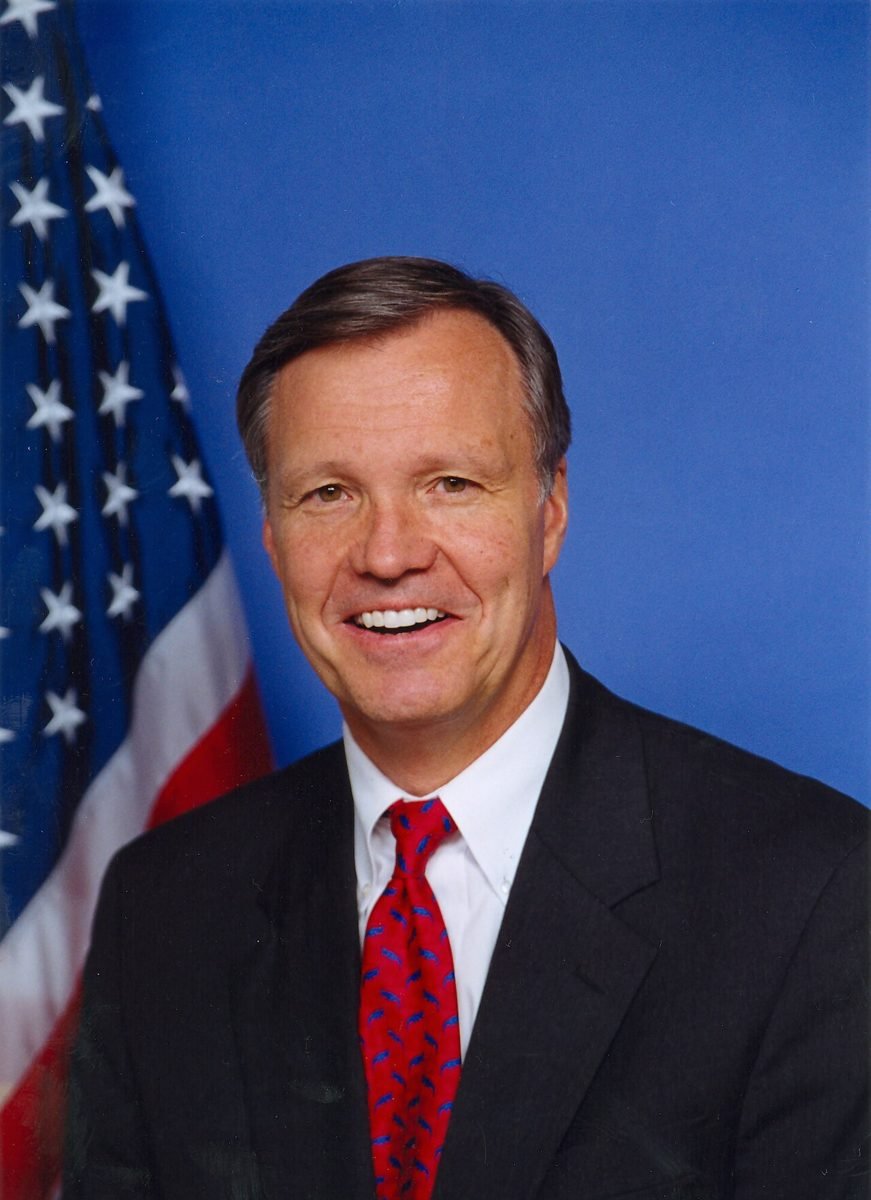
Christopher Cox / House select committee context.U.S. House / public domain · Public domain — U.S. government workcongressional report · 1999Cox Committee Report (H.Rpt. 105-851)House Select CommitteeDeclassified three-volume report; satellite chapters central here.
How it changes the story

Sets bipartisan finding on unlicensed assistance.

  1. 1Reagan opens PRC launches
  2. 2Tiananmen suspensions
  3. 3Apstar-2 failure + Hughes reviewrecast
  4. 4Intelsat-708 explosion
  5. 5Independent Review Committeerecast
  6. 6Licensing moves to Commerce
  7. 7DTSA/NAIC harm findings
  8. 8Justice opens criminal track
  9. 9Chinasat-8 waiver despite Justice caution
  10. 10April 1998 public storm
  11. 11Cox Committee reportrecast
  12. 12Satellites returned to State
  13. 13LaBella: donor track thinbreaks
  14. 14Civil settlements, no company criminal conviction
  15. 15Sudan approaches U.S. (1996)
  16. 16Commission: U.S. offer claim unreliable
Supports
3. Apstar-2 failure + Hughes review, 5. Independent Review Committee, 11. Cox Committee report
Challenges
13. LaBella: donor track thin
Whose account it centres
National-security harm
For its thesis to hold
Report authentic (it is)

Matching theories: Quantum leap for the PLA ICBM force Violations real; donor deal and U.S. offer unproven Paperwork scandal only

Open
Usama bin Laden — historical photo used for Sudan spine identification only.Free license / public domain archival · verify license on filestaff statement · 20049/11 Commission Staff Statement No. 5National Commission on Terrorist AttacksControlling public text on Sudan/Bin Ladin diplomacy claim.
How it changes the story

Locks ‘unproven’ on U.S. offer.

  1. 1Reagan opens PRC launches
  2. 2Tiananmen suspensions
  3. 3Apstar-2 failure + Hughes review
  4. 4Intelsat-708 explosion
  5. 5Independent Review Committee
  6. 6Licensing moves to Commerce
  7. 7DTSA/NAIC harm findings
  8. 8Justice opens criminal track
  9. 9Chinasat-8 waiver despite Justice caution
  10. 10April 1998 public storm
  11. 11Cox Committee report
  12. 12Satellites returned to State
  13. 13LaBella: donor track thin
  14. 14Civil settlements, no company criminal conviction
  15. 15Sudan approaches U.S. (1996)recast
  16. 16Commission: U.S. offer claim unreliablerecast
Supports
15. Sudan approaches U.S. (1996), 16. Commission: U.S. offer claim unreliable
Challenges
none
Whose account it centres
Commission staff
For its thesis to hold
Document access described in statement

Matching theories: Clinton refused a real U.S. custody offer Violations real; donor deal and U.S. offer unproven

Open
Eisenhower Executive Office Building / NSC context.AI Files record card (no free-licensed portrait; not a face stand-in) · Public domainWhite House memo · 1998Berger Chinasat-8 waiver memo (published text)Samuel Berger et al. / White HouseJustice caution + recommendation to waive.
How it changes the story

Primary for ‘Justice warned’ claim.

  1. 1Reagan opens PRC launches
  2. 2Tiananmen suspensions
  3. 3Apstar-2 failure + Hughes review
  4. 4Intelsat-708 explosion
  5. 5Independent Review Committee
  6. 6Licensing moves to Commerce
  7. 7DTSA/NAIC harm findings
  8. 8Justice opens criminal track
  9. 9Chinasat-8 waiver despite Justice cautionrecast
  10. 10April 1998 public storm
  11. 11Cox Committee report
  12. 12Satellites returned to State
  13. 13LaBella: donor track thin
  14. 14Civil settlements, no company criminal conviction
  15. 15Sudan approaches U.S. (1996)
  16. 16Commission: U.S. offer claim unreliable
Supports
9. Chinasat-8 waiver despite Justice caution
Challenges
none
Whose account it centres
NSC
For its thesis to hold
Text accurately transcribed by NYT archive

Matching theories: Cash for waiver (corrupt exchange) Violations real; donor deal and U.S. offer unproven

Open
U.S. Capitol — congressional investigations venue.AI Files record card (institutional / place / document context — not a person face) · Public domainstatute · 1998P.L. 105-261 satellite provisionsU.S. CongressMunitions List return and monitoring.
How it changes the story

Legislative legacy link.

  1. 1Reagan opens PRC launches
  2. 2Tiananmen suspensions
  3. 3Apstar-2 failure + Hughes review
  4. 4Intelsat-708 explosion
  5. 5Independent Review Committee
  6. 6Licensing moves to Commerce
  7. 7DTSA/NAIC harm findings
  8. 8Justice opens criminal track
  9. 9Chinasat-8 waiver despite Justice caution
  10. 10April 1998 public storm
  11. 11Cox Committee report
  12. 12Satellites returned to Staterecast
  13. 13LaBella: donor track thin
  14. 14Civil settlements, no company criminal conviction
  15. 15Sudan approaches U.S. (1996)
  16. 16Commission: U.S. offer claim unreliable
Supports
12. Satellites returned to State
Challenges
none
Whose account it centres
Congress
For its thesis to hold
Public law text

Matching theories: Structural Commerce capture

Open
Press conference setting — 1998 media storm.Public domain pool · Public domainpress · 2000NYT on LaBella donor clearance papersThe New York TimesLabeled press primary for released DOJ memo language.Open

Public memory

How memory of it changed

From 1998 hearings to a hub short that still says unproven.

  1. Press conference setting — 1998 media storm.
    Public domain pool · Public domain
    1998 Split into camps

    Scandal summer

    Dominant views
    • Republican Congress / security hawks Donor-aided tech betrayal.[1][2]
    • Clinton White House / industry Engagement + overcharged export case.[3][4]
    What drove it
    • NYT investigation reporting and wall-to-wall hearings.[2]
  2. Christopher Cox / House select committee context.
    U.S. House / public domain · Public domain — U.S. government work
    1999 Split into camps

    Cox Report detonates

    Dominant views
    • Select Committee majority+minority (unanimous classified) Broad PRC tech theft harm including satellites.[5]
    • Administration Accept some fixes; reject Cold-War export nostalgia.[6]
    What drove it
    • Declassification fight; nuclear-lab chapters overshadow satellites.[5][2]
  3. Civil settlement / fine motif.
    AI Files / gavel pool · Public domain
    2000–2003 Converging

    Fines, not trials

    Dominant views
    • State Department enforcement Civil penalties vindicate control violations.[7][8]
    • Companies Settle without admitting all allegations (Loral) or acknowledge seriousness (Hughes/Boeing).[8][7]
    What drove it
    • Bush-era civil negotiations replace criminal spectacle.[2]
  4. Usama bin Laden — historical photo used for Sudan spine identification only.
    Free license / public domain archival · verify license on file
    2004 Converging

    Commission writes the Sudan verb

    Dominant views
    • 9/11 Commission staff U.S. offer claim unreliable; Saudi expulsion real.[9]
    • Sudanese claimants / CT critics Still insist an offer existed.[9]
    What drove it
    • Staff Statement 5 document review.[9]
  5. Archive / memory phase visual.
    AI Files pool · Public domain pool
    2020s–2026 Broad agreement

    Hub short keeps ‘unproven’

    Dominant views
    • AI Files short case Donor link unproven / Sudan offer unproven.[10]
    What drove it
    • Editorial choice to refuse myth promotion and myth-laundering.[10]
Sources and polls
  1. Washington Post campaign-finance archive: Loral waiver reporting (May 23, 1998)
  2. CRS Report 98-485: China — Possible Missile Technology Transfers Under U.S. Satellite Export Policy
  3. White House response to Senate Intelligence satellite report (May 7, 1999) — CRS
  4. Loral corporate statement (May 18, 1998) denying missile-guidance transfer — CRS paraphrase
  5. House Report 105-851 (Cox Committee) — declassified May 25, 1999
  6. White House/NSC response to Cox recommendations (Feb 1, 1999) — CRS
  7. Hughes/Boeing $32 million civil penalty (Mar 2003) — CRS recount
  8. Loral $20 million State Department civil settlement (announced Jan 9, 2002) — CRS recount
  9. 9/11 Commission Staff Statement No. 5: Diplomacy
  10. AI Files short case: China, satellites and bin Laden

Lasting impact

How it changed export rules

ITAR clawbacks, monitoring, and CT memory.

Laws & institutions 3

Export-control clawbacks and monitoring rules.

People & enforcement 2

Companies paid; individuals’ bribery theories failed.

Things we now take for granted 2

Case-by-case China satellite suspicion; CT missed-opportunity arguments.

Sources for this section
  1. Strom Thurmond NDAA FY1999, P.L. 105-261 §§1511–1521 (satellite export controls)
  2. CRS Report 98-485: China — Possible Missile Technology Transfers Under U.S. Satellite Export Policy
  3. Lockheed Martin $13 million State settlement (June 2000) — CRS recount
  4. Loral $20 million State Department civil settlement (announced Jan 9, 2002) — CRS recount
  5. Hughes/Boeing $32 million civil penalty (Mar 2003) — CRS recount
  6. NYT: Justice Dept. Memo Says Donor Was Cleared (June 9, 2000)
  7. LA Times: Internal Justice Memo Excuses Loral From Funds Probe (May 23, 2000)
  8. 9/11 Commission Staff Statement No. 5: Diplomacy
  9. AI Files short case: China, satellites and bin Laden
  10. AI Files: The last-day pardons (full guide)

How this guide works

Sources and method

This page rebuilds the Clinton hub short case China, satellites and bin Laden (`/files/clintons/clemency-china/`) as a full AI Files guide. Despite the nest folder name clemency-china, the content is *not* presidential pardons — those live in [[sibling|clinton-pardons]]. The short itself banners that distinction.

Spine primaries: CRS 98-485; Cox Report (H.Rpt. 105-851); Berger Feb 12 1998 waiver memo (published text); 9/11 Commission Staff Statement No. 5; P.L. 105-261 satellite provisions. Press (NYT, WaPo, LA Times) is labeled press when it carries LaBella/donor reporting.

Mainstream critical path (labeled): real export-control violations and civil penalties; presidential waiver issued over Justice caution; Schwartz was a top 1996 donor; investigators did *not prove he bought the waiver; Sudan’s claimed offer of Bin Ladin to the United States* lacks reliable evidence per Commission staff.

Rival readings get full theory cards with path.removes / path.adds / mustBeFake. Cross-links to fundraising-1996, pardons, and russia-origins only — not rebuilt. Ukraine-war hard stop. Never Grokipedia.

By the numbers
  • 53 entries in 6 eras
  • 39 distinct sources cited
  • 21 dated events
  • 15 claims checked
  • 7 theories opened up
  • 8 books, films and follow-ups
  • 16 steps on the critical path
  • 7 open questions
  • 7 lasting changes
  • 46 freely licensed pictures

Pictures & licenses

Picture credits

Every picture is public domain or freely licensed, from Wikimedia Commons. Files are stored on this site with their metadata removed; each credit links to the original.

Long March / satellite launch imagery used as guide hero — documentary launch context, not a portrait of wrongdoing.
Bob McNeely / The White House (public domain) · Public domain / free license per upstream · original
President Bill Clinton, official portrait era.
Bob McNeely / The White House (public domain) · Public domain — U.S. government work · original
Hillary Rodham Clinton, official portrait.
U.S. Department of State (public domain) · Public domain — U.S. government work · original
Bill and Hillary Clinton, 1993 White House photograph.
White House / prior guide pool (Bill & Hillary together — use only as couple) · Public domain · original
U.S. Capitol — congressional investigations venue.
AI Files record card (institutional / place / document context — not a person face) · Public domain · original
Congressional hearing room atmosphere image.
U.S. government work pool · Public domain · original
Robert F. Kennedy Department of Justice building.
U.S. government work · Public domain · original
U.S. Department of Commerce — satellite licensing jurisdiction fight.
U.S. government work · Public domain · original
Eisenhower Executive Office Building / NSC context.
AI Files record card (no free-licensed portrait; not a face stand-in) · Public domain · original
Court / settlement symbolism.
Public domain pool · Public domain · original
Document stack — waivers, memos, reports.
AI Files record card (institutional / place / document context — not a person face) · Public domain / site graphic · original
PLA / Chinese military context image used cautiously as institutional, not personal guilt.
AI Files record card (no free-licensed portrait; not a face stand-in) · see file credit · original
Press conference setting — 1998 media storm.
Public domain pool · Public domain · original
Vice President Al Gore (fundraising adjacency).
White House (public domain) · Public domain · original
Archive / memory phase visual.
AI Files pool · Public domain pool · original
Critical-path visual motif.
AI Files record card (institutional / place / document context — not a person face) · Public domain pool · original
Communications satellite in space (generic).
NASA / public domain · Public domain — U.S. government work · original
Long March or analogous orbital rocket launch.
Free license / public domain · see credit · original
Christopher Cox / House select committee context.
U.S. House / public domain · Public domain — U.S. government work · original
Samuel R. Berger, National Security Advisor.
White House · Public domain · original
Attorney General Janet Reno.
U.S. Department of Justice (public domain) · Public domain · original
Richard Clarke (counterterrorism) — institutional portrait if available, else NSC context.
U.S. government / pool · Public domain or free · original
Usama bin Laden — historical photo used for Sudan spine identification only.
Free license / public domain archival · verify license on file · original
Khartoum / Sudan context image.
Free license · see credit · original
Afghanistan mountains / Taliban-era context.
U.S. government or free · see credit · original
Secretary of State Madeleine Albright.
Department of State · Public domain · original
FBI Director Louis Freeh.
FBI · Public domain · original
Bernard L. Schwartz — Loral chairman (if free portrait unavailable, use Loral/satellite proxy labeled).
Free license or proxy · see credit · original
Space Systems/Loral / satellite manufacturing context.
AI Files record card (no free-licensed portrait; not a face stand-in) · see credit · original
Hughes Electronics / satellite context.
Free license · see credit · original
Lockheed Martin space context.
Free license / U.S. gov · see credit · original
Flag of the People's Republic of China — state party to launches.
Public domain flag · Public domain · original
White House north façade.
Public domain · Public domain · original
Present-day status visual.
AI Files pool · Public domain pool · original
Civil settlement / fine motif.
AI Files / gavel pool · Public domain · original
Intelligence community context.
U.S. government · Public domain · original
U.S. Department of State building.
U.S. government · Public domain · original
Saudi Arabia context (expulsion offer destination).
Free license · see credit · original
United Nations — Sudan sanctions context.
AI Files record card (no free-licensed portrait; not a face stand-in) · see credit · original
Ballistic missile / ICBM schematic-style documentary image (not classified).
U.S. government educational · Public domain · original
Rocket fairing / payload shroud.
NASA or free · Public domain / free · original
Inertial measurement / guidance conceptual image.
Public domain technical · Public domain · original
Presidential signing / executive action motif.
White House pool · Public domain · original
Democratic National Committee / campaign finance adjacency.
Free license · see credit · original
Senator Arlen Specter.
U.S. Senate · Public domain · original
Xichang or CGWIC launch site context.
Free license · see credit · original