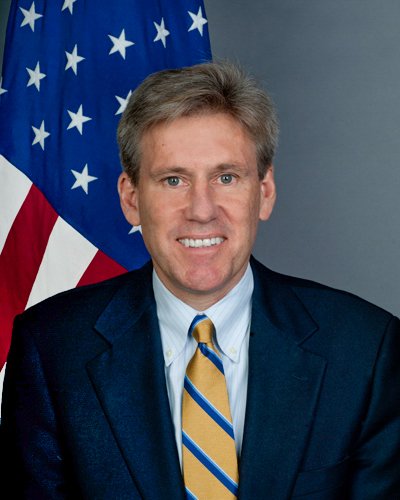
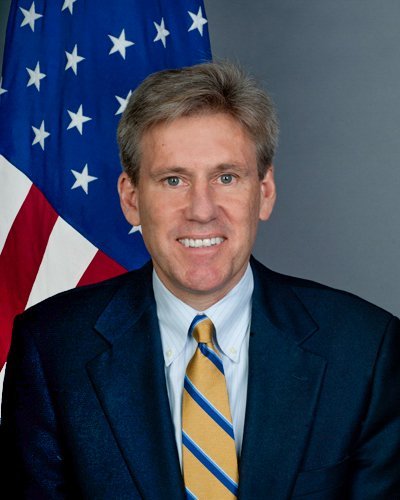
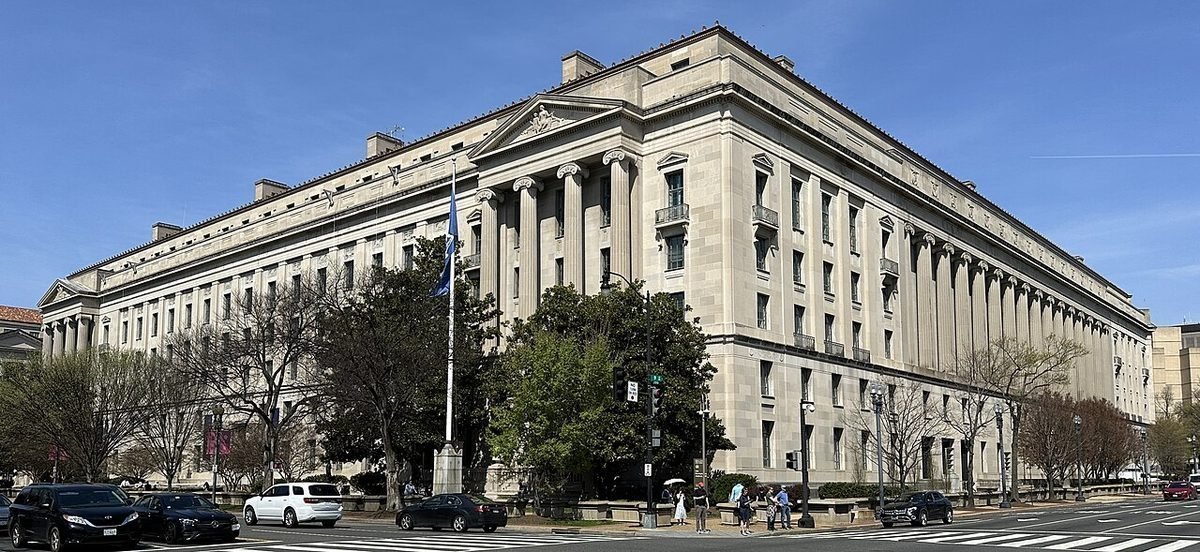
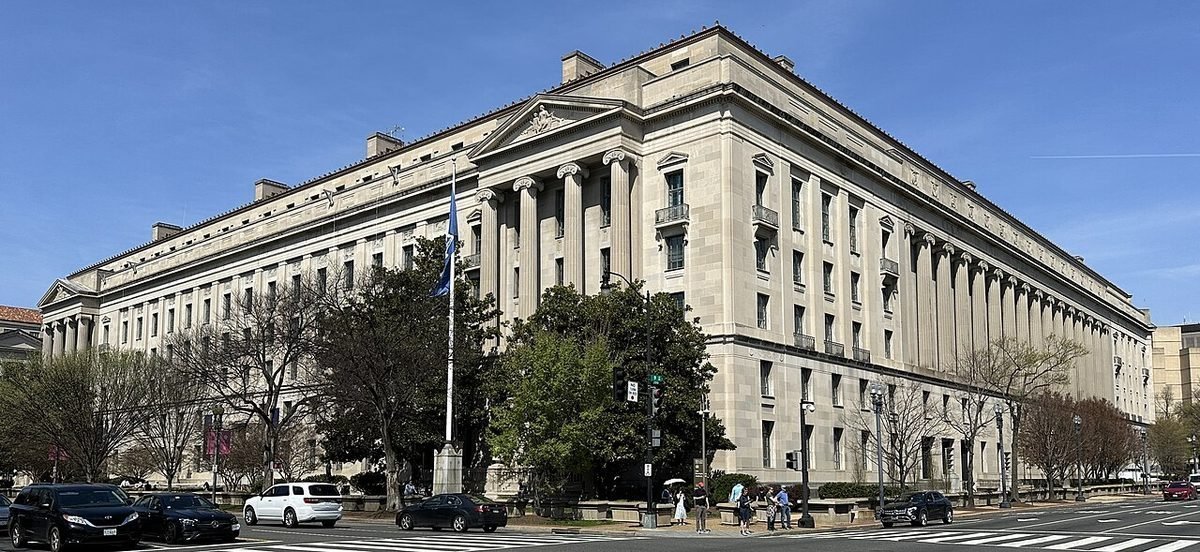
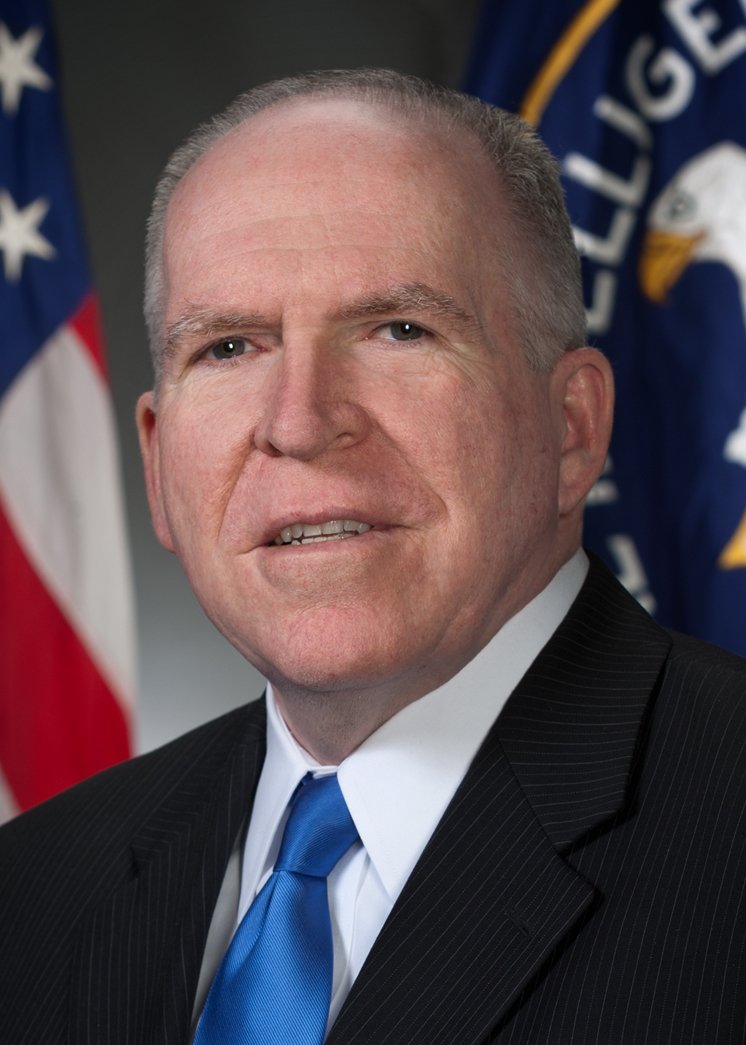
J. Christopher Stevens, April 2012.

The AI Files · The 2012 attack, the State and CIA response, the talking points, the ARB, and the hearings · 2012–2026

Benghazi

On the eleventh anniversary of 9/11, attackers overran a lightly protected U.S. compound in Benghazi. Ambassador Chris Stevens and Sean Smith died in the fire. Hours later, mortar rounds killed Tyrone Woods and Glen Doherty at a nearby CIA annex. Eight investigations followed. The fight over what Washington said — and what it did — never really ended.

Every major review found security failures. No investigation found that Clinton or Obama ordered rescuers to stand down. The early “video protest” story was wrong for Benghazi; Clinton’s private messages that night already called it a planned attack. This guide follows that documented chain — and rates the stand-down, cover-up, and “600 requests” claims against it.

J. Christopher Stevens, April 2012. Image: U.S. government (via VOA) · Public domain

The story

The story

From a post-revolution outpost to mortar fire on a CIA annex — chapter by chapter.

Flag of Libya (post-2011). Typographic/flag stand-in for the post-revolution setting — not a photograph of the compound.
Flag of Libya (post-2011). Typographic/flag stand-in for the post-revolution setting — not a photograph of the compound. Wikimedia Commons (flag) · Public domain

Chapter 1

Four Americans, one anniversary night

On the eleventh anniversary of September 11, attackers overran a lightly protected U.S. Special Mission Compound in Benghazi. [1]

Ambassador J. Christopher Stevens and Sean Smith died in the fire. Hours later, mortar rounds killed Tyrone Woods and Glen Doherty at a nearby CIA annex. [2] [3]

Eight investigations followed. The security failure is not seriously disputed. The fight — stand-down orders, talking points, “600 requests,” who is to blame — never really ended.

J. Christopher Stevens, April 2012.
J. Christopher Stevens, April 2012. U.S. government (via VOA) · Public domain

Chapter 2

An outpost in a broken country

After NATO helped topple Muammar Gaddafi in 2011, eastern Libya did not become a normal capital circuit. [4]

The United States kept a temporary Special Mission in Benghazi and a CIA annex about a mile away. [1] It was not a fortress embassy. That fact is the first link in every later argument.

J. Christopher Stevens, April 2012.
J. Christopher Stevens, April 2012. U.S. government (via VOA) · Public domain

Chapter 3

Security asks that did not match the risk

Cables and requests from Libya sought more security. Many stalled. [5] [1]

A month before the attack, Gen. Carter Ham of Africa Command offered a military team; Ambassador Stevens declined. [6] Critics read that as proof the post was not begging for every rifle. The Accountability Review Board still called the protection inadequate — “grossly inadequate” for the attack that came. [7]

Both can be true. Slogans later pretended only one was.

Institutional stand-in for annex (freely licensed substitute; not a verified personal portrait). Flagged.
Institutional stand-in for annex (freely licensed substitute; not a verified personal portrait). Flagged. Prior AI Files / U.S. government source as credited in origin guide · Public domain or prior credit (stand-in)

Chapter 4

The compound burns

On the evening of September 11, 2012, armed men with rifles and rocket-propelled grenades breached the Special Mission. [8]

There was no large anti-video protest outside the gate. [9] The main building was set alight. Stevens and Smith died of smoke inhalation. [10]

Cairo had seen video protests. Benghazi’s night was an assault.

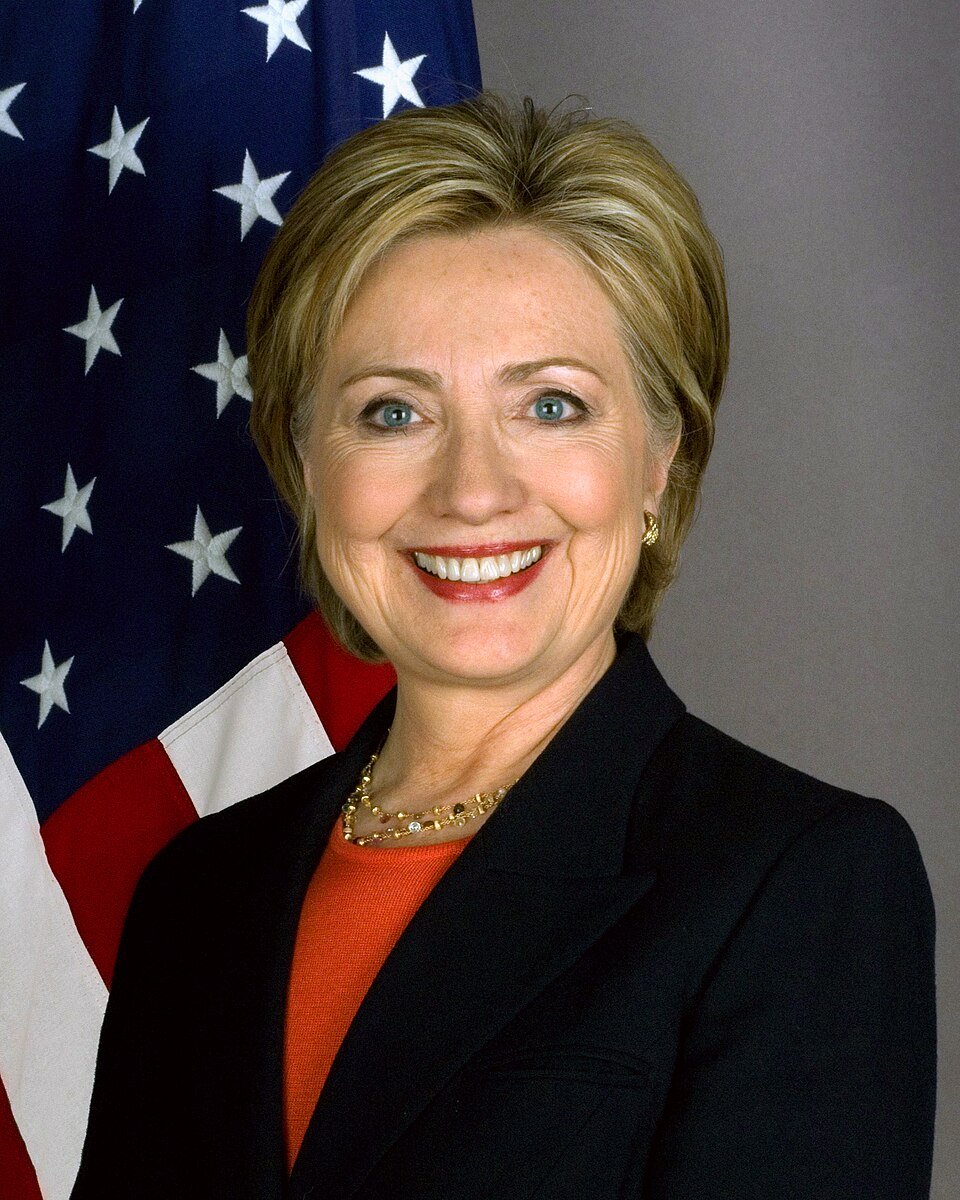
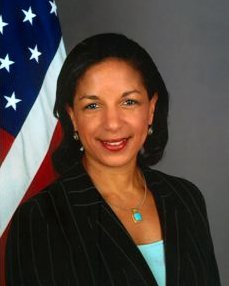
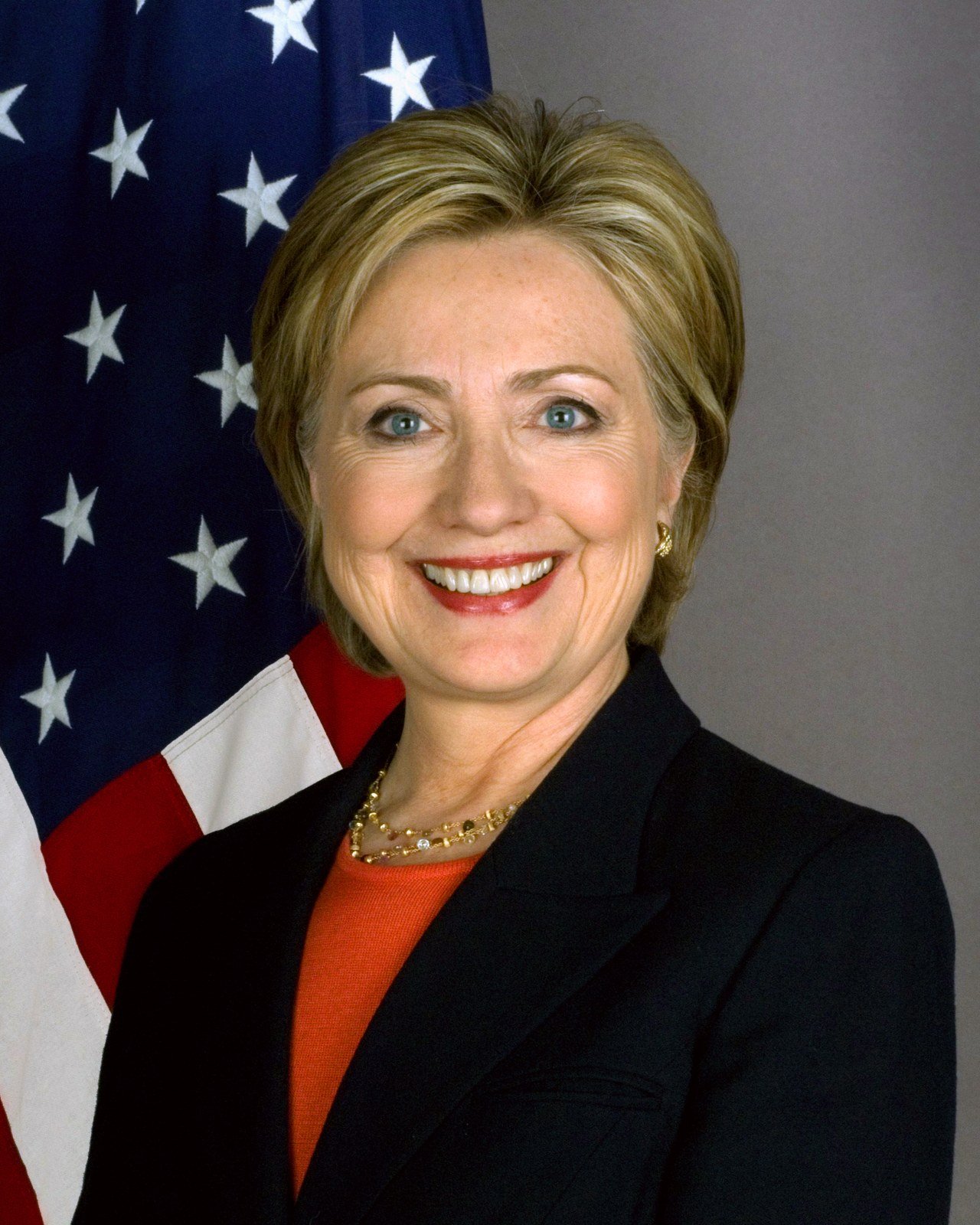
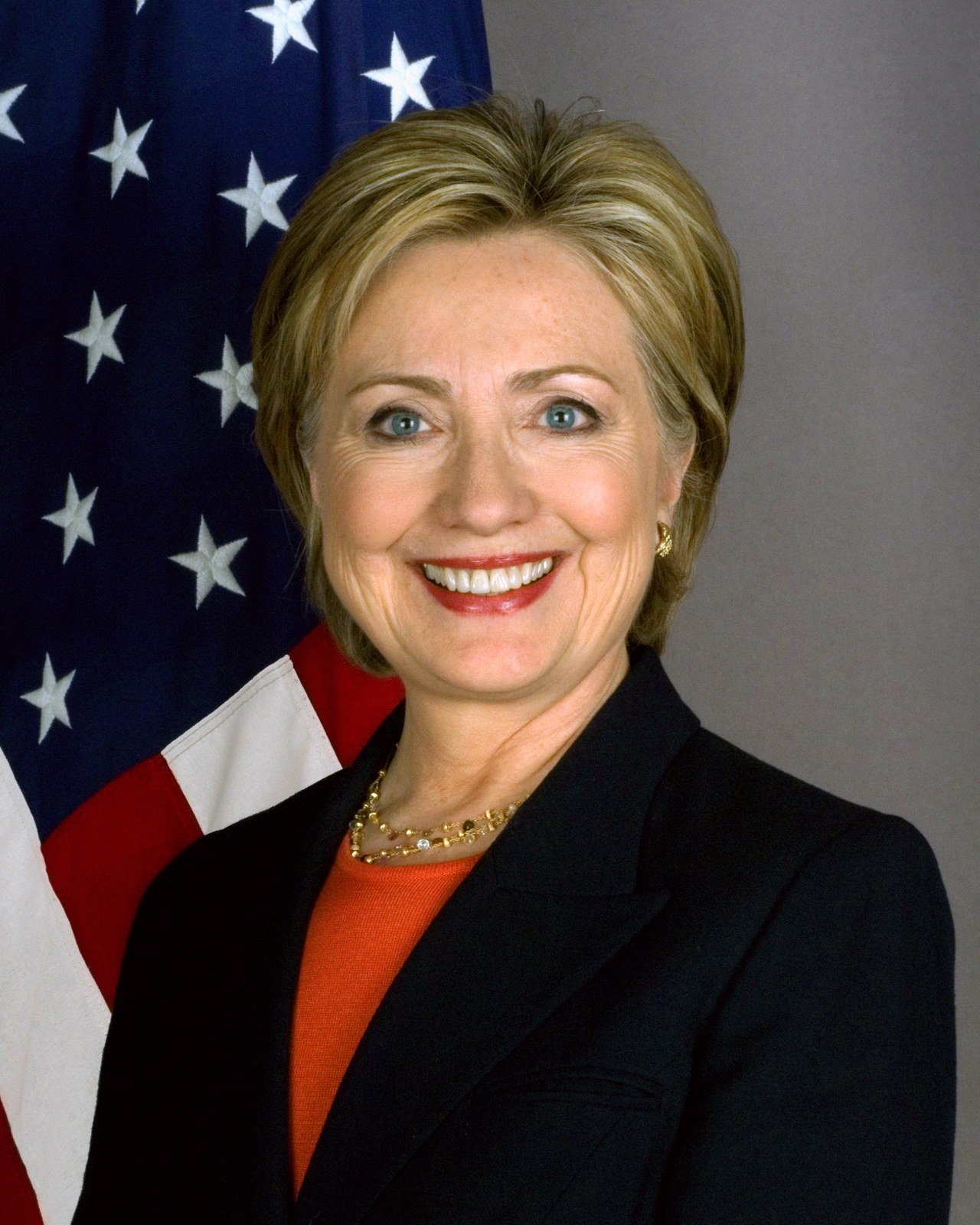
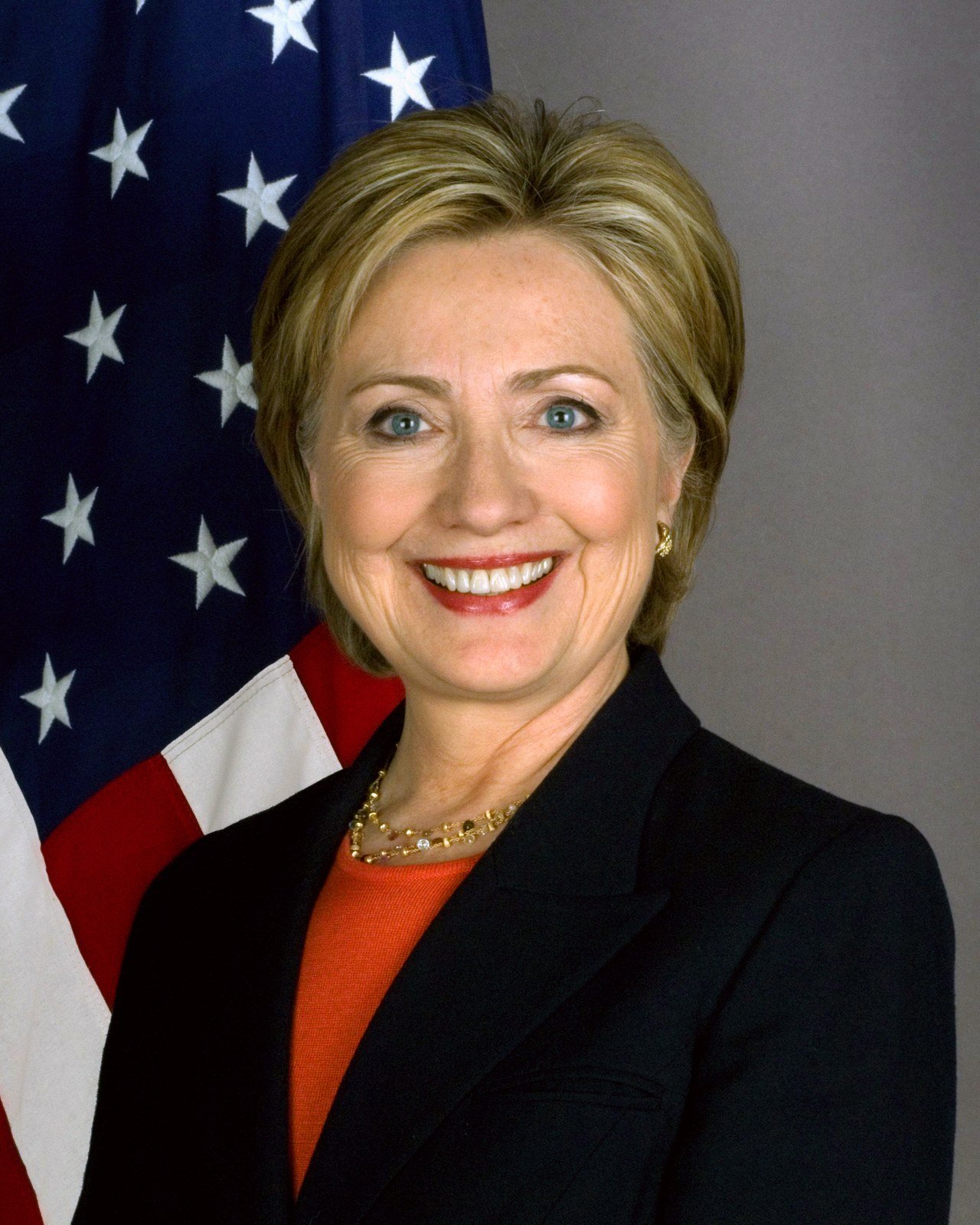
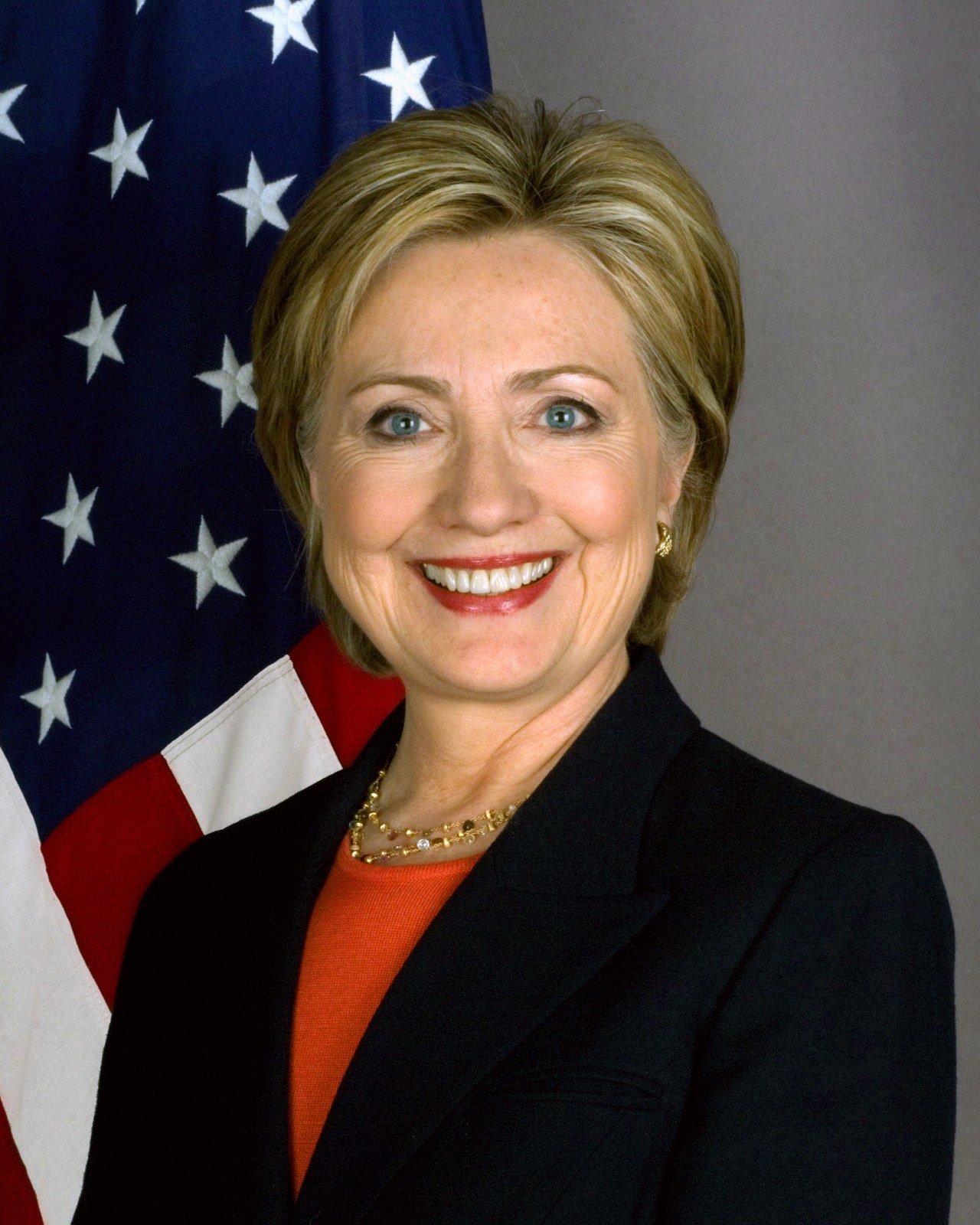
Hillary Clinton, Secretary of State portrait.
Hillary Clinton, Secretary of State portrait. U.S. State Department · Public domain

Chapter 5

A delay, then a mortar sky

At the CIA annex, a security team did not immediately roll to the burning compound. [11]

Some later told Congress they heard “stand down.” Others remembered “wait.” The chief of base denied ordering a stand-down. [8] The team did move, helped evacuate, and returned. In the early hours of September 12, mortar fire killed Woods and Doherty on the annex roof. [2]

A local delay is a real dispute. A White House order to abandon Americans is a different claim — and investigations did not establish it. [9]

Susan E. Rice official portrait.
Susan E. Rice official portrait. U.S. government · Public domain

Chapter 6

What she said in private

That same night, Hillary Clinton emailed her daughter Chelsea: officers had been killed by an al-Qaeda-like group. [12] [13]

The next day, notes of her call with Egypt’s prime minister quote her saying the Libya attack had nothing to do with the film. [14]

Those private lines matter because the public line was about to say something else.

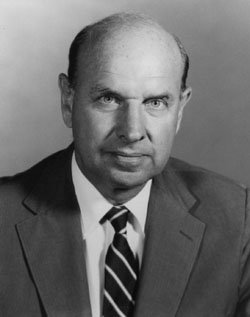
Thomas Pickering.
Thomas Pickering. U.S. government · Public domain

Chapter 7

Five Sunday shows

On September 16, UN Ambassador Susan Rice went on the Sunday shows with talking points that framed a spontaneous reaction to protests over an anti-Muslim video. [15]

The talking points had been interagency products under revision. [16] Early intelligence was messy. [9] None of that changes the Benghazi gate fact: it was not a protest that turned into a killing.

The wrong public story became the scandal inside the scandal.

Archive reuse: capitol.
Archive reuse: capitol. Prior AI Files / U.S. government source as credited in origin guide · Public domain or prior guide credit

Chapter 8

Pickering and Mullen walk in

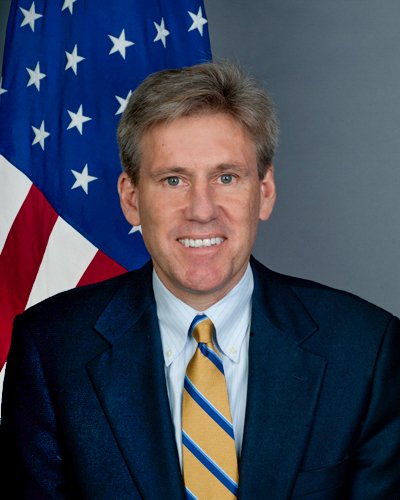
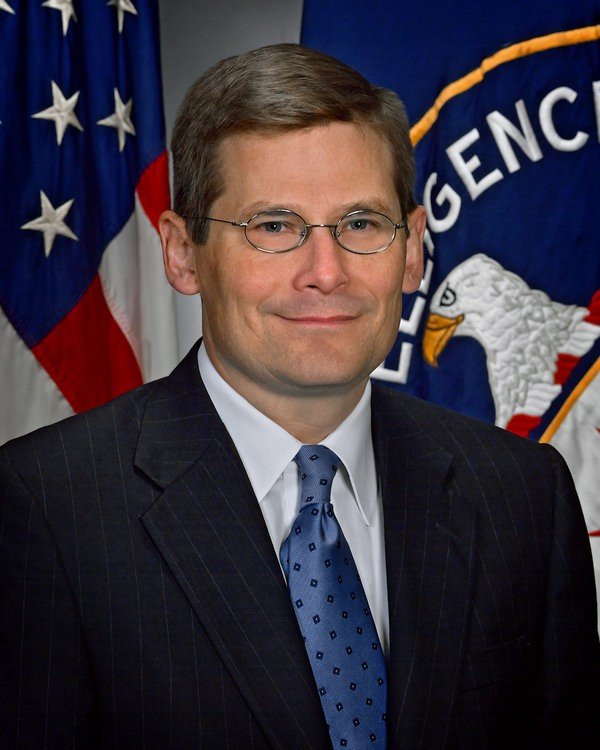
In December, the Accountability Review Board — Thomas Pickering and Admiral Mike Mullen — told the country the State Department had failed systematically. [7] [1]

Twenty-nine recommendations. Leadership and management deficiencies in two bureaus. Security inadequate for Benghazi. The board was convened by Clinton’s own department, a conflict critics never forgot. [17] Its findings were still blistering toward State.

Administrative failure is not the same thing as a criminal case. Campaigns often collapsed the two.

Institutional stand-in for hicks (freely licensed substitute; not a verified personal portrait). Flagged.
Institutional stand-in for hicks (freely licensed substitute; not a verified personal portrait). Flagged. Prior AI Files / U.S. government source as credited in origin guide · Public domain or prior credit (stand-in)

Chapter 9

“What difference does it make”

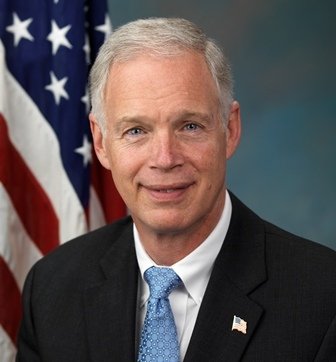
In January 2013 Clinton faced the Senate Foreign Relations Committee. Sen. Ron Johnson pressed the protest narrative. [18]

Her answer — asking what difference it made, given four dead Americans, whether protest or killers “out for a walk” — became a permanent clip. [19] In full, she was fighting about the public story’s relevance after the deaths. In politics, the clip won.

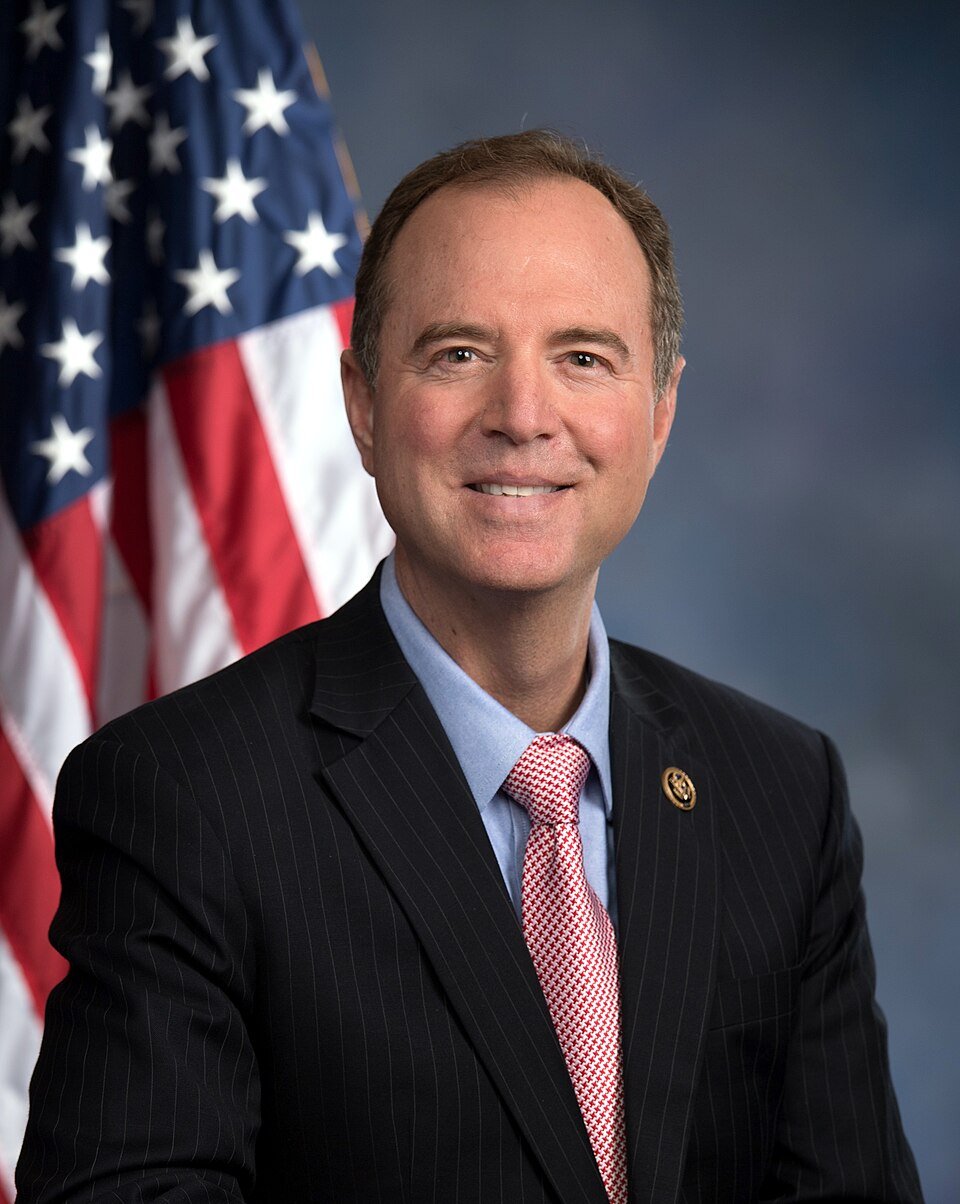
Rep. Adam Schiff.
Rep. Adam Schiff. U.S. House · Public domain

Chapter 10

Oversight becomes a serial

House Oversight hearings brought Deputy Chief of Mission Gregory Hicks and others into living rooms. [20]

Republicans heard a cover-up forming. Democrats heard a prosecution by hearing. The stack of investigations grew. [21]

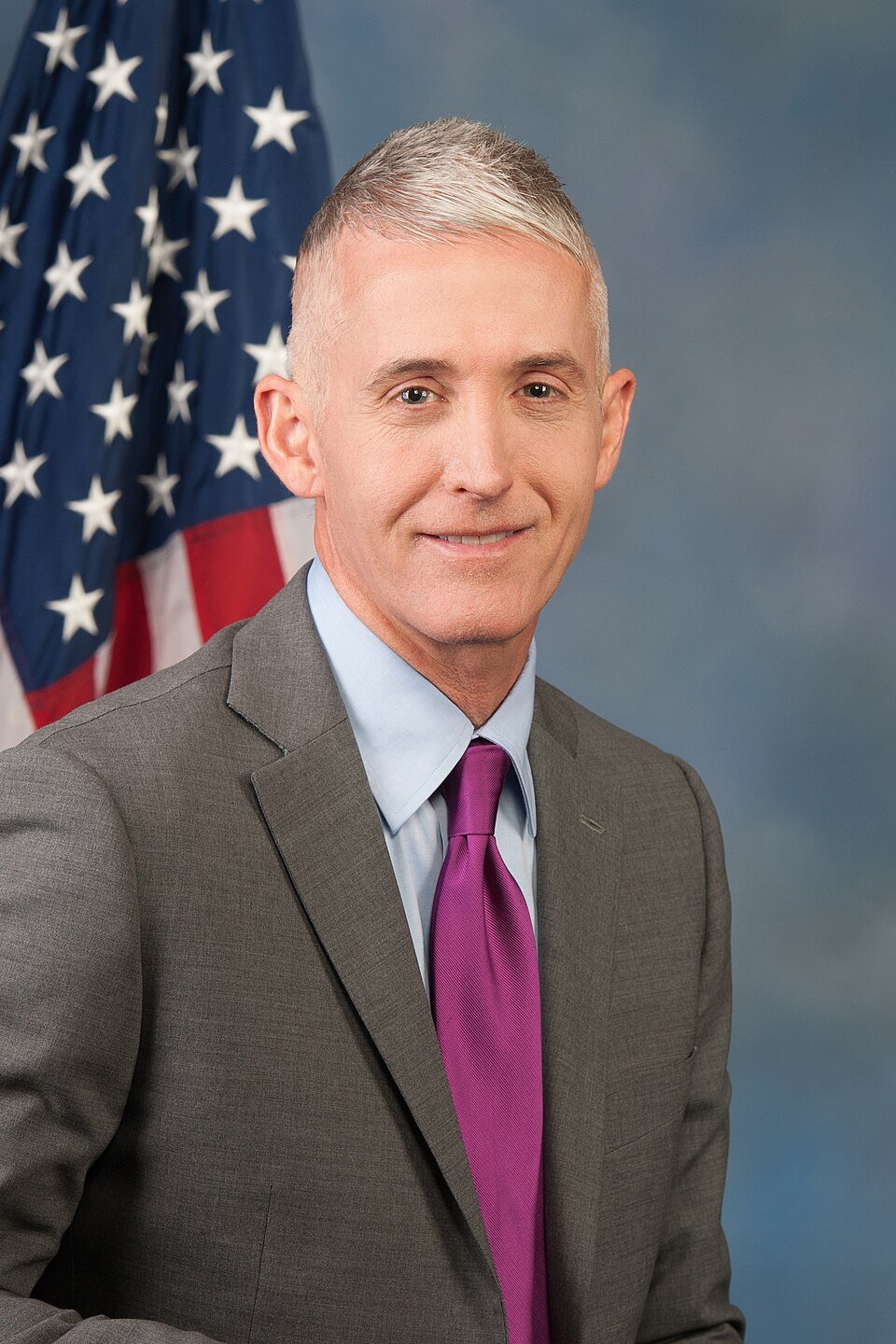
Rep. Trey Gowdy.
Rep. Trey Gowdy. U.S. House · Public domain

Chapter 11

Intelligence committee, bipartisan

In 2014 the House Intelligence Committee issued a bipartisan report: no stand-down order to U.S. military personnel in Tripoli, no denied air support as popularly alleged. [9]

That finding is the sharpest public instrument against the Washington-order myth. It did not erase the ARB’s verdict on State security. Different questions, different answers.

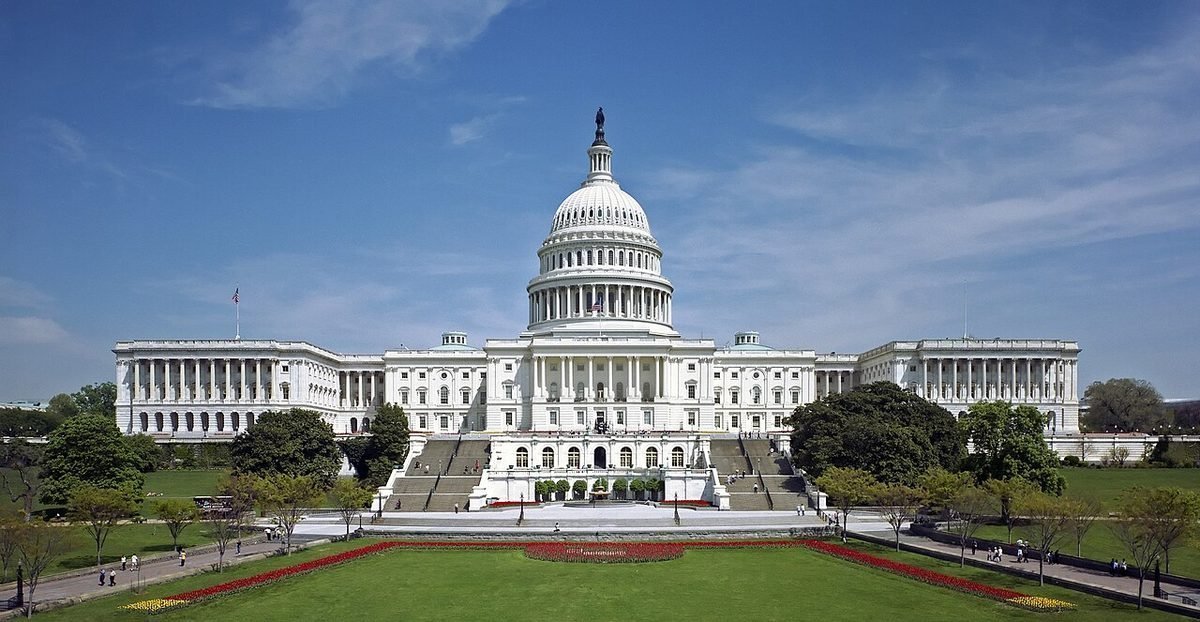
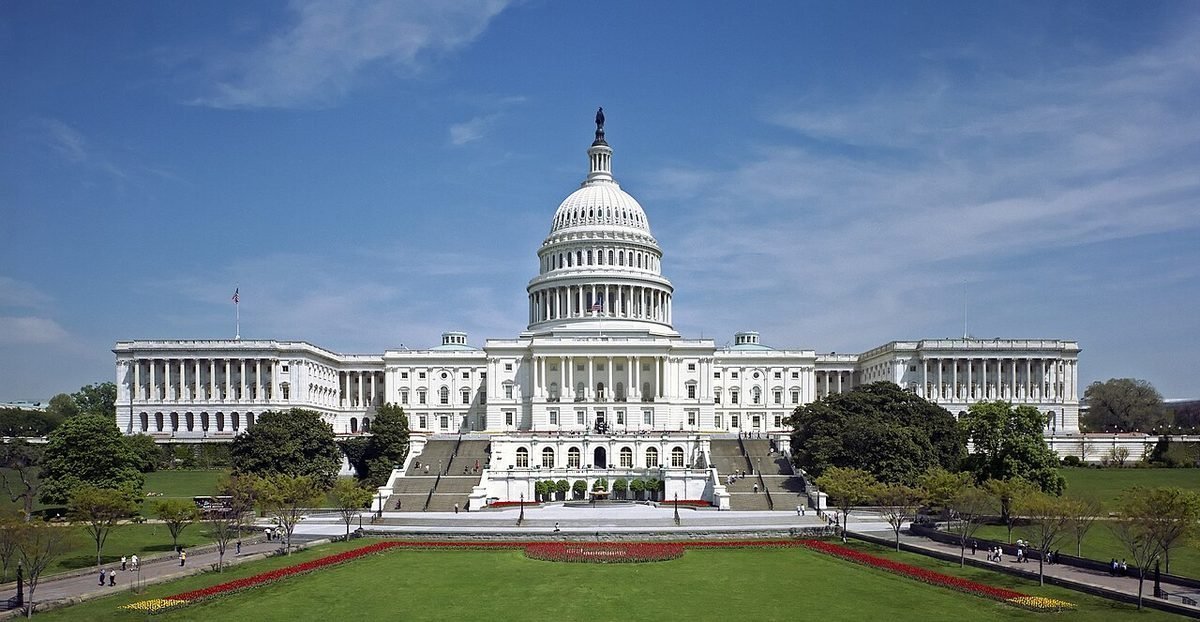
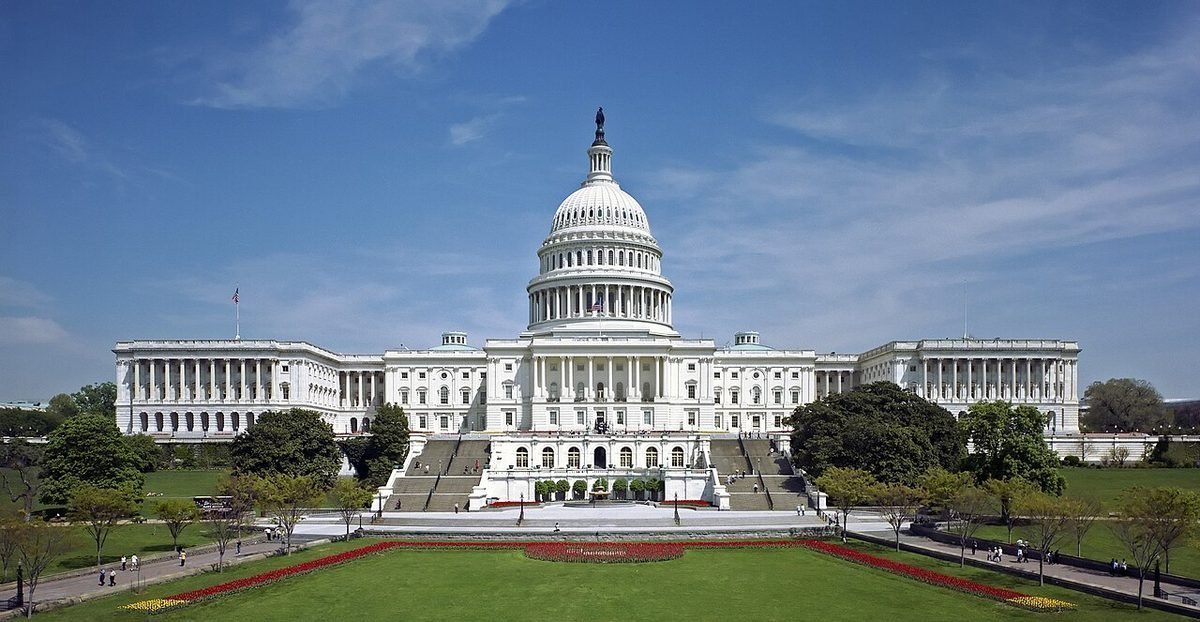
U.S. Capitol — institutional stand-in for hearing-room coverage (not a photo of the Select Committee chamber that day).
U.S. Capitol — institutional stand-in for hearing-room coverage (not a photo of the Select Committee chamber that day). Prior AI Files / U.S. government source as credited in origin guide · Public domain

Chapter 12

Gowdy’s select committee

The House created a Select Committee. Trey Gowdy chaired it. [22]

Democrats called it a prolonged hit job timed to a presidential campaign. [23] Republicans called it unfinished oversight. Both the politics and the document production are part of the record.

Archive reuse: server.
Archive reuse: server. Prior AI Files / U.S. government source as credited in origin guide · Public domain or prior guide credit

Chapter 13

Eleven hours

On October 22, 2015, Clinton testified for roughly eleven hours. [24] [25]

Much of what dominated cable — the Chelsea email, the Egypt call — was already in the paper trail. [13] The hearing was less a sudden reveal than a national stress test of a story everyone already half-knew.

Rep. Trey Gowdy.
Rep. Trey Gowdy. U.S. House · Public domain

Chapter 14

Where Benghazi touches the server

Benghazi-related messages lived on Clinton’s private email system. Select Committee fights and the separate server disclosure overlapped. [26] [24]

This guide does not rebuild Midyear Exam or the Foundation story. Those have their own full guide. The honest move is a cross-link, not a merge. [27]

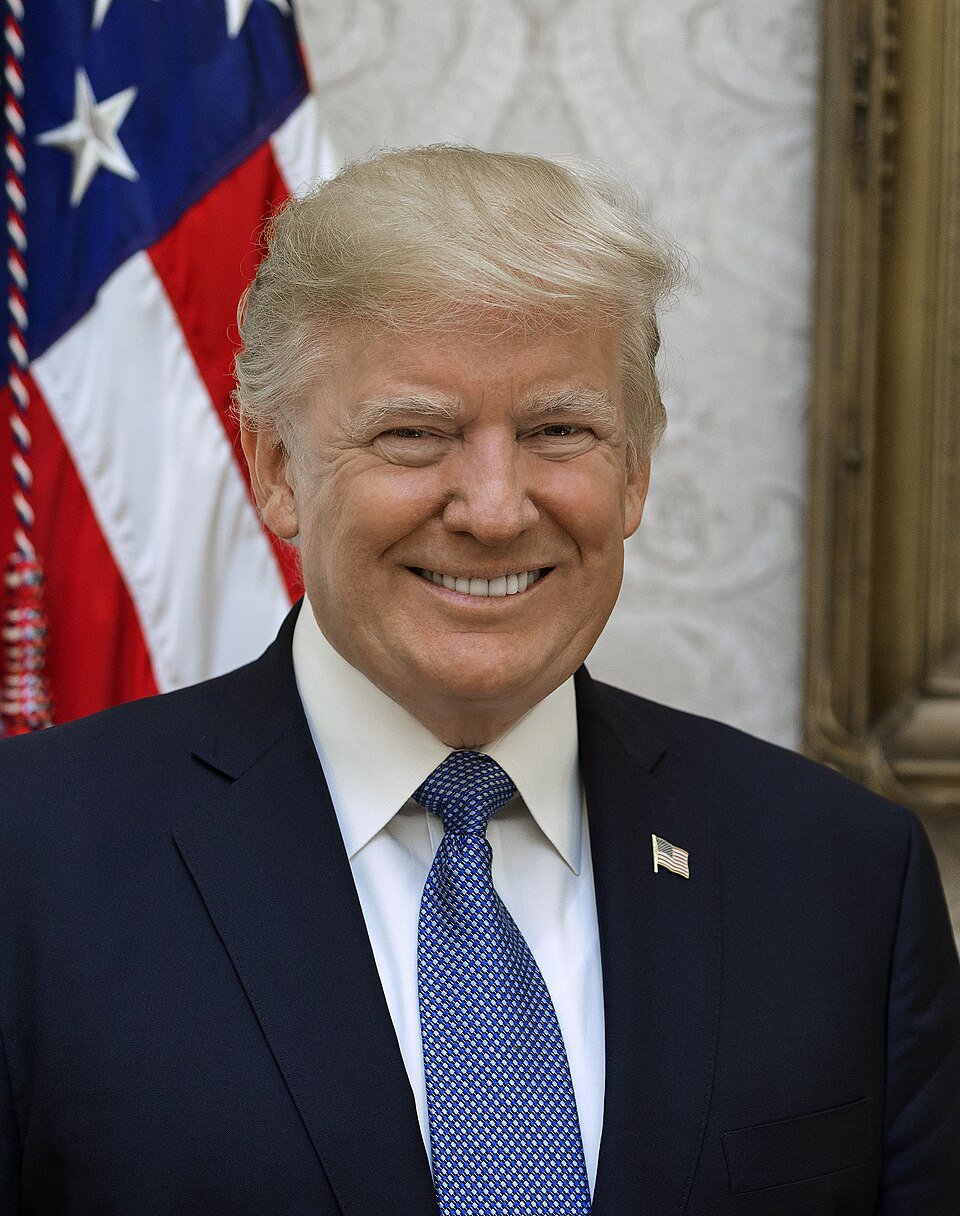
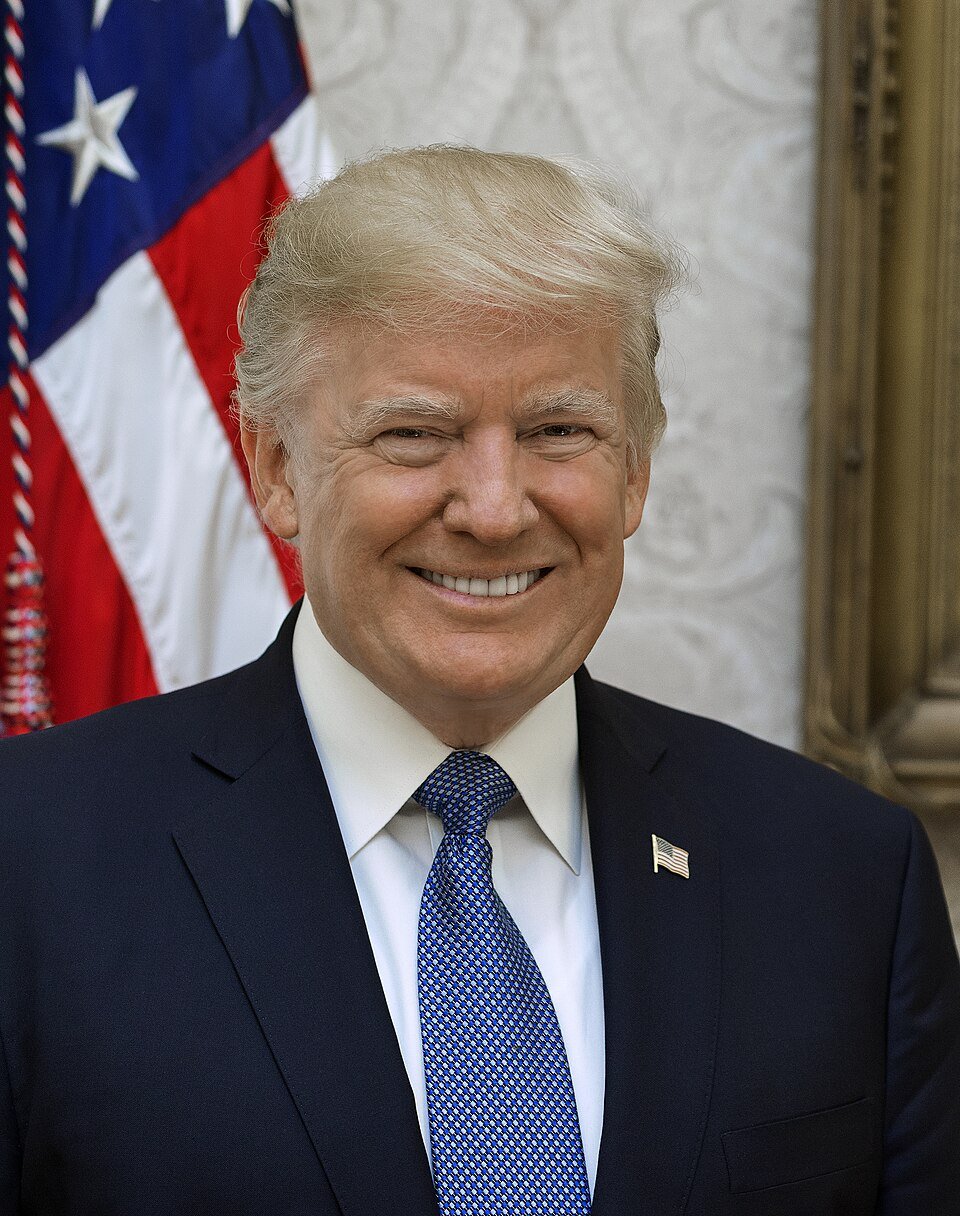
Donald Trump official portrait.
Donald Trump official portrait. White House · Public domain

Chapter 15

A majority report, and a minority shrug

In June 2016 the Select Committee’s majority report criticized administration decision-making and stressed that military help never reached Benghazi with men or machines in time. [8]

It still did not establish that Clinton or Obama ordered a stand-down. Democrats’ additional views attacked the committee’s purpose. [23] Read both. Yardsticks only work if you keep them honest.

Institutional stand-in for khatallah (freely licensed substitute; not a verified personal portrait). Flagged.
Institutional stand-in for khatallah (freely licensed substitute; not a verified personal portrait). Flagged. Prior AI Files / U.S. government source as credited in origin guide · Public domain or prior credit (stand-in)

Chapter 16

Six hundred requests and a stump speech

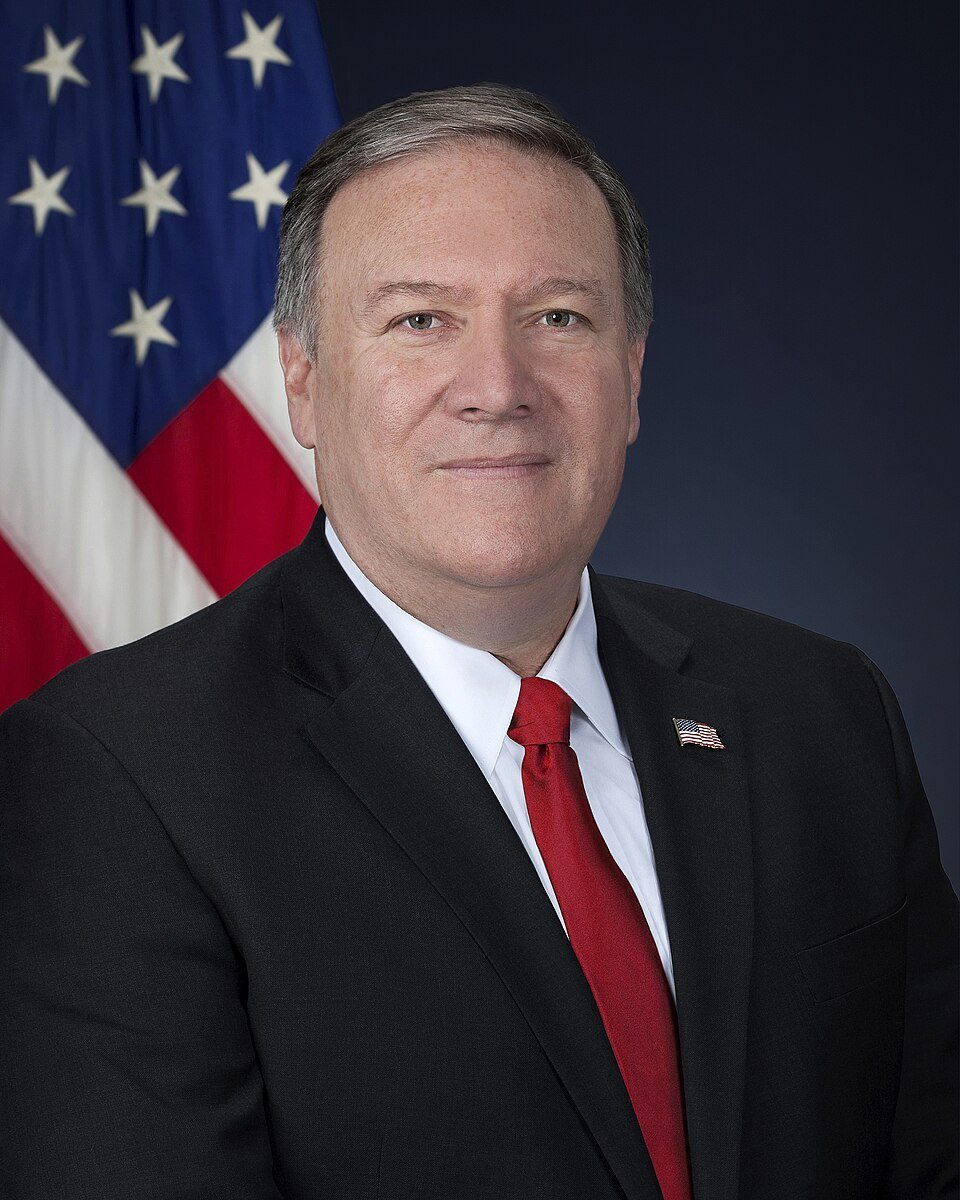
“Benghazi” hardened into campaign vocabulary. Mike Pompeo spoke of 600-plus security requests; Donald Trump escalated to Stevens begging or wiring hundreds of times. [5] [28]

Fact-checkers kept the unmet-need truth and rejected the personal tally. [28] That pattern — real failure, false slogan — is the political afterlife of the attack.

J. Christopher Stevens, April 2012.
J. Christopher Stevens, April 2012. U.S. government (via VOA) · Public domain

Chapter 17

Courts, years later

Ahmed Abu Khatallah was captured in 2014. A jury convicted him on some terrorism-related counts and acquitted him of the murders. [29]

Sentencing would not stay settled; in 2026 the D.C. Circuit again vacated a 28-year term as too lenient. [30] DOJ also announced another suspect, Zubayar Al-Bakoush, in custody on murder counts — allegations until tried. [31]

Justice moved. It did not tidy the politics.

Institutional stand-in for path (freely licensed substitute; not a verified personal portrait). Flagged.
Institutional stand-in for path (freely licensed substitute; not a verified personal portrait). Flagged. Prior AI Files / U.S. government source as credited in origin guide · Public domain or prior credit (stand-in)

Chapter 18

What the mainstream spine still holds

Strip the slogans and the documented chain remains: a thin mission; an armed assault; four dead; private attack language beside a wrong public video story; an ARB that blamed State; bipartisan intel findings against a Washington stand-down order; years of hearings; unfinished prosecutions. [1] [9] [12]

That is the critical path. Theories are measured against it — not the other way around.

Archive reuse: capitol.
Archive reuse: capitol. Prior AI Files / U.S. government source as credited in origin guide · Public domain or prior guide credit

Chapter 19

The critical path

Sixteen links the mainstream account needs. Each is tied to a dated event in the timeline. Jump the chain: [#path](#path).

1. **Light mission** — temporary SMC, nearby CIA annex.

2. **Unmet security asks** — real shortfalls, not a proven 600-plea tally.

3. **Ham offers declined** — context, not absolution.

4. **SMC overrun** — armed assault, not a gate protest.

5. **Stevens and Smith die** — fire at the compound.

6. **Annex delay** — disputed local hold before the team moves.

7. **Mortars kill Woods and Doherty** — annex roof.

8. **Private: planned attack** — Chelsea email; Egypt call notes.

9. **Public: video protest** — Rice Sunday shows, wrong for Benghazi.

10. **ARB: systemic failures** — Pickering–Mullen, 29 recommendations.

11. **Clinton at SFRC** — including “what difference.”

12. **HPSCI: no WH stand-down** — bipartisan intel finding.

13. **Select Committee hearing** — eleven hours in October 2015.

14. **Select majority report** — harsh on decisions; still no WH order.

15. **Khatallah prosecuted** — mixed verdict; sentencing fights.

16. **Further charges** — Al-Bakoush 2026 announcement.

Alternative framings that break these links — or add missing ones — are rated in Other readings.

The critical path — 16 steps

  1. 11. Light mission
  2. 22. Unmet security asks
  3. 33. Ham offers declined
  4. 44. SMC overrun
  5. 55. Stevens and Smith die
  6. 66. Annex delay
  7. 77. Mortars kill Woods and Doherty
  8. 88. Private: planned attack
  9. 99. Public: video protest
  10. 1010. ARB: systemic failures
  11. 1111. Clinton at SFRC
  12. 1212. HPSCI: no WH stand-down
  13. 1313. Select Committee hearing
  14. 1414. Select majority report
  15. 1515. Khatallah prosecuted
  16. 1616. Further charges

View the critical path · See Theories
Chapter 20

Hard stops

This is not a Ukraine-war guide. [32] It is not a rebuild of the emails and Foundation guide. [26]

Never Grokipedia. [33] Pictures are freely licensed or U.S. government works, re-encoded with metadata stripped.

The Record is what the citations can carry. The Theories are how camps retell the same night. Keep them apart on purpose.
Sources for the story
  1. Accountability Review Board report (unclassified)
  2. Defense / memorial statements on Tyrone Woods and Glen Doherty
  3. State Department memorial materials on Sean Smith
  4. U.S. Libya policy context 2011–12 (NATO intervention aftermath)
  5. Washington Post Fact Checker: The “600 requests” for Benghazi security (Jan 26, 2016)
  6. Reporting and hearing record on Gen. Carter Ham AFRICOM security-team offers
  7. Benghazi Accountability Review Board briefing (Pickering–Mullen)
  8. House Select Committee on Benghazi final report (2016)
  9. House Permanent Select Committee on Intelligence Benghazi report (2014)
  10. U.S. Department of State / VOA biography materials on J. Christopher Stevens
  11. Select Committee witness accounts of annex response delay
  12. Clinton email to Chelsea Clinton night of attack (released via State/email releases)
  13. FactCheck.org: Benghazi hearing — what’s new (Oct 2015)
  14. Notes of Clinton call with Egyptian prime minister, Sept 12, 2012
  15. Susan Rice appearances on Sunday talk shows, Sept 16, 2012 (transcripts via major networks)
  16. CIA / interagency talking-points record (released in investigations)
  17. Contemporary coverage of ARB findings (major papers)
  18. Clinton testimony, Senate Foreign Relations Committee, Jan 23, 2013
  19. PolitiFact: Clinton’s “What difference does it make” in context (May 8, 2013)
  20. House Oversight / early Benghazi hearings (Issa era)
  21. Congressional Research Service materials on Benghazi investigations
  22. House Select Committee formation / Gowdy chair materials
  23. Select Committee Democratic additional / minority views
  24. Clinton testimony before House Select Committee on Benghazi, Oct 22, 2015
  25. AP / wire coverage of Select Committee and Clinton testimony
  26. The AI Files: Clintons emails and Foundation full guide
  27. FBI Midyear Exam context (emails) — touchpoint only
  28. PolitiFact: Trump “wildly exaggerates” Stevens’s requests (Oct 14, 2016)
  29. DOJ / court coverage of Ahmed Abu Khatallah trial and sentencing
  30. D.C. Circuit: United States v. Abukhatallah (July 17, 2026)
  31. DOJ: Zubayar Al-Bakoush in U.S. custody on Benghazi charges (Feb 6, 2026)
  32. Editorial hard stop: Ukraine war excluded
  33. Method note: never cite Grokipedia

Explore

Go deeper, era by era

Pick an era, or search everything at once: entries, people, dated events, claims, theories and media.
Threads

Follow one thread through the whole story

Each thread pulls together the entries on one question, across all the eras.

Key people

Who was who

The ambassador, the slain, the secretary, the board chairs, the committee chairs, and the prosecutors’ targets.

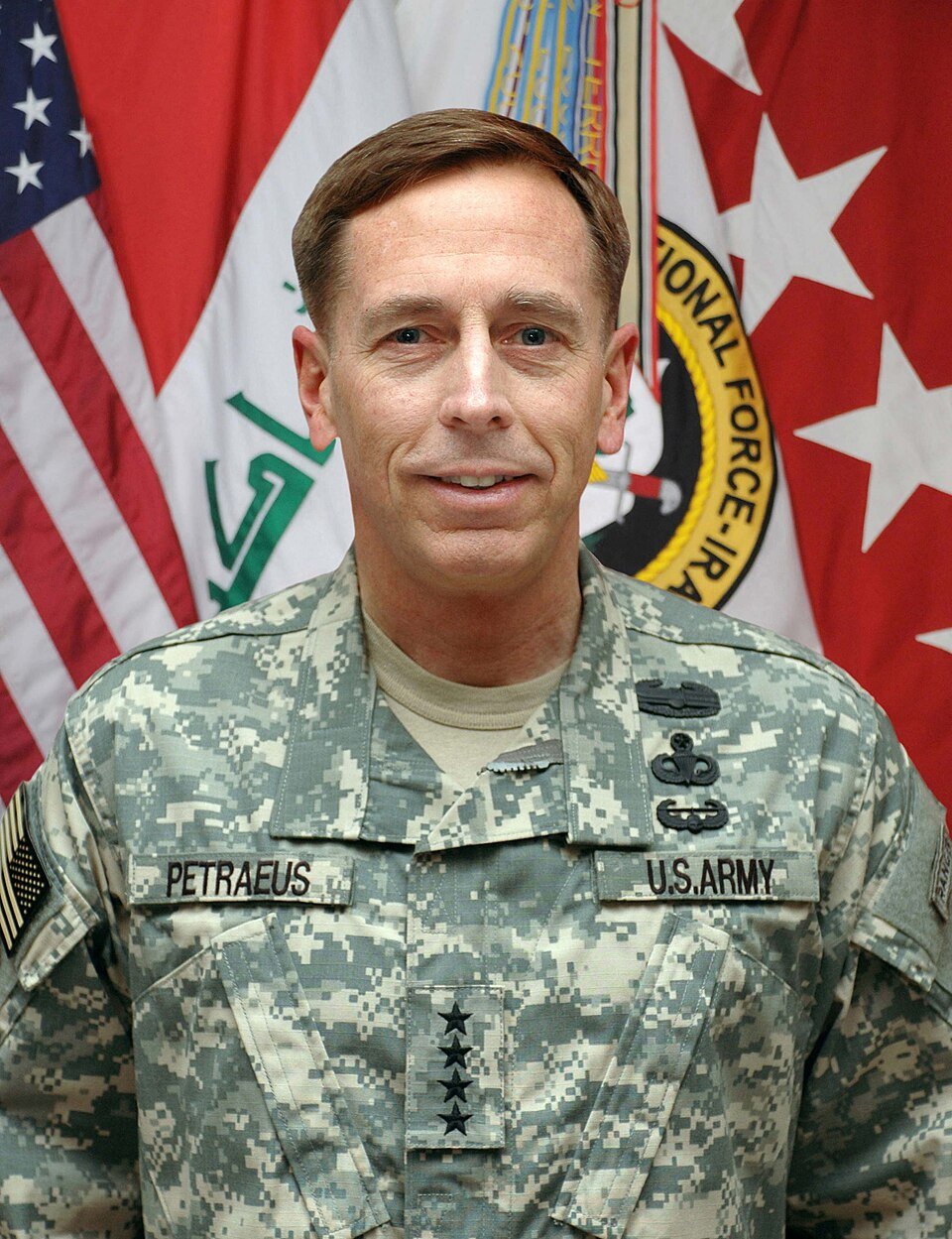
J. Christopher StevensJ. Christopher StevensU.S. Ambassador to Libya

Killed in the Special Mission Compound fire on the night of Sept 11–12, 2012.

Sources
  1. U.S. Department of State / VOA biography materials on J. Christopher Stevens
  2. Accountability Review Board report (unclassified)
Sean SmithSean SmithState Department Information Management Officer
Tyrone WoodsTyrone WoodsCIA contractor / former Navy SEAL
Glen DohertyGlen DohertyCIA contractor / former Navy SEAL
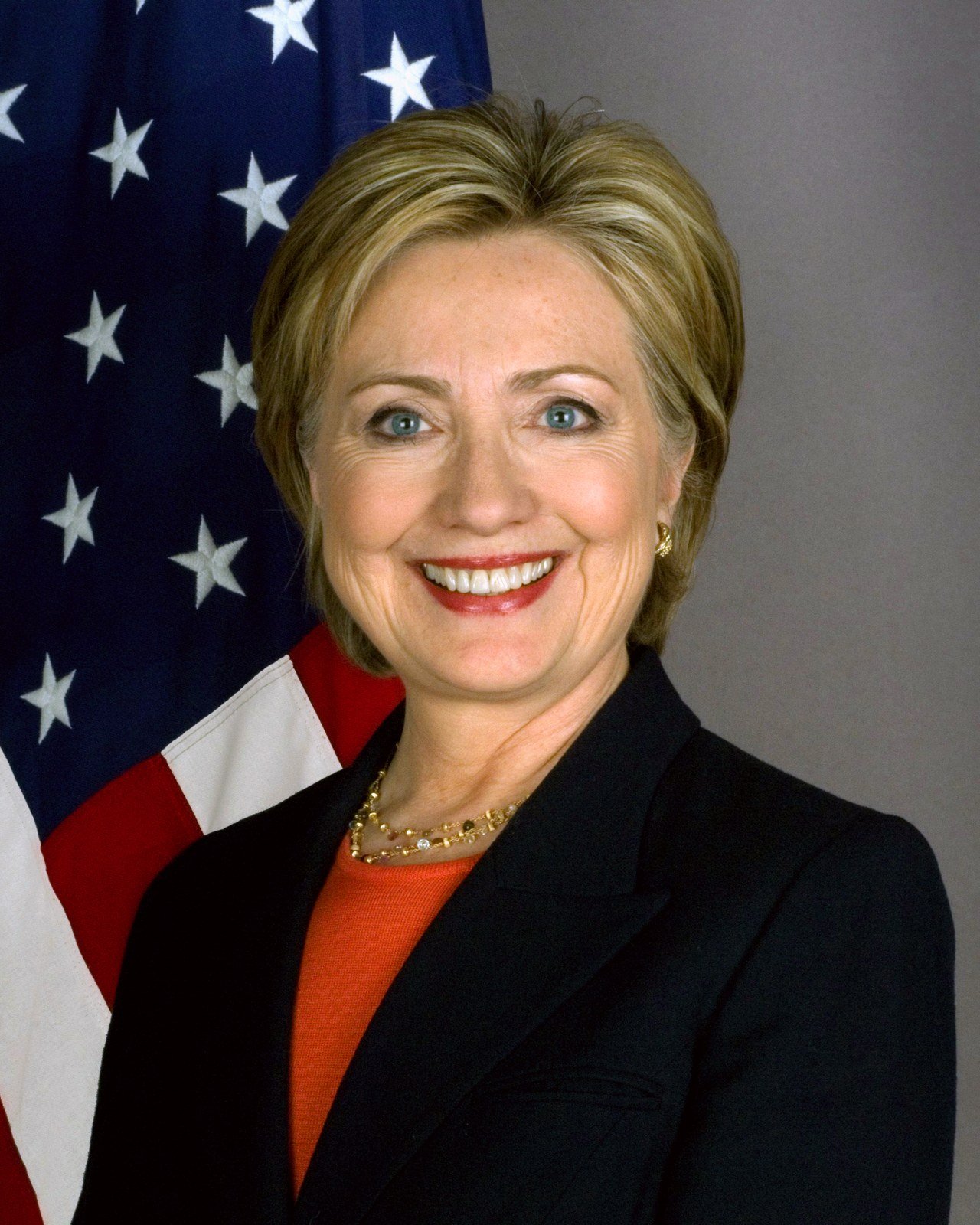
Hillary Rodham ClintonHillary Rodham ClintonSecretary of State (2009–2013)

Ran the department that failed to secure the mission; testified to SFRC and the Select Committee; privately called it a planned attack while public talking points lagged.

Sources
  1. Clinton testimony, Senate Foreign Relations Committee, Jan 23, 2013
  2. Clinton testimony before House Select Committee on Benghazi, Oct 22, 2015
  3. Benghazi Accountability Review Board briefing (Pickering–Mullen)
Barack ObamaBarack ObamaPresident of the United States

Commander-in-chief during the attack; public remarks and the stand-down-order claim center on his administration.

Sources
  1. President Obama remarks on Libya / embassy attacks, Sept 2012
  2. House Permanent Select Committee on Intelligence Benghazi report (2014)
Susan RiceSusan RiceU.S. Ambassador to the United Nations

Delivered the Sept 16 Sunday-show talking points tying events to a spontaneous protest / video — later shown wrong for Benghazi.

Sources
  1. Susan Rice appearances on Sunday talk shows, Sept 16, 2012 (transcripts via major networks)
  2. CIA / interagency talking-points record (released in investigations)
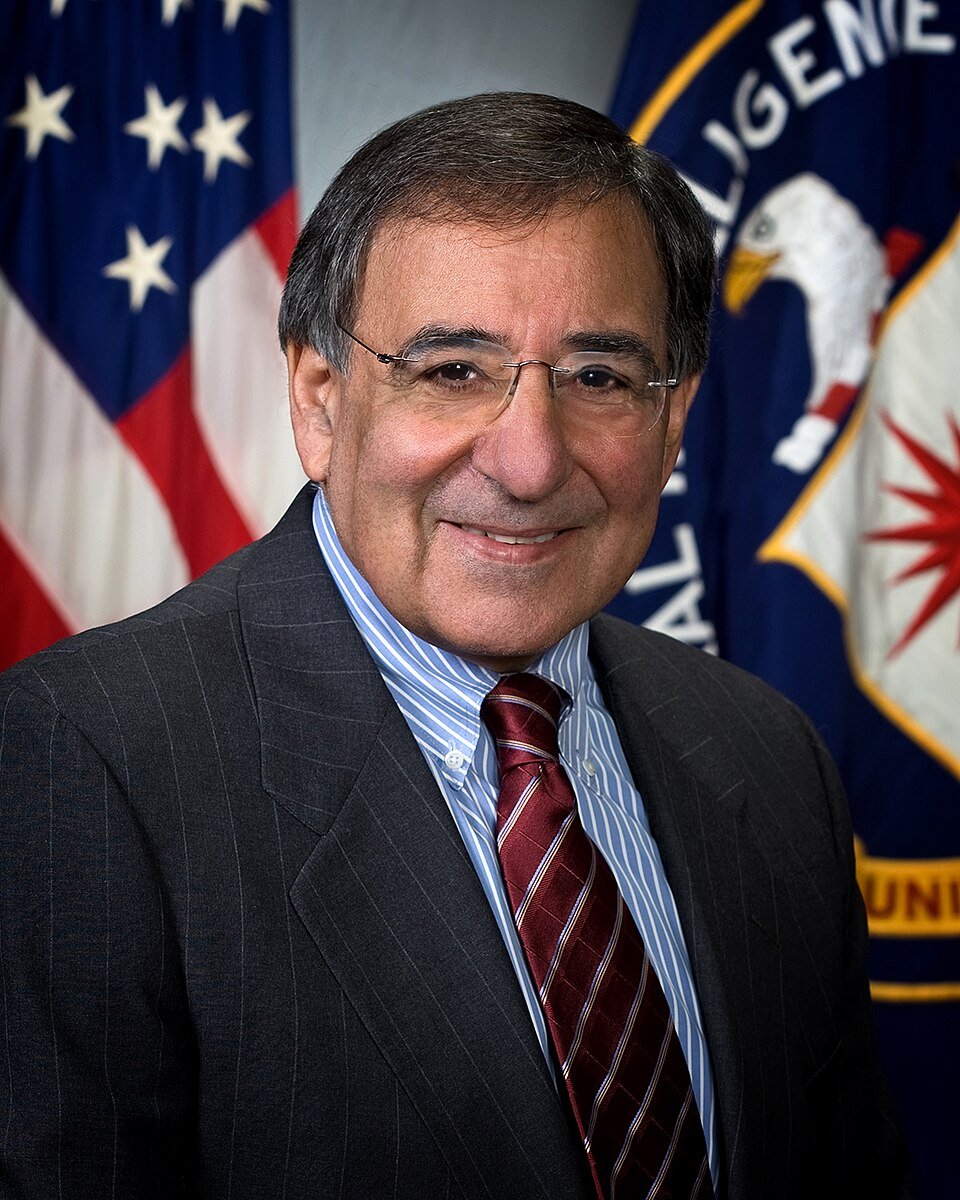
Leon PanettaLeon PanettaSecretary of Defense
David PetraeusDavid PetraeusCIA Director (until Nov 2012)

CIA director during the attack period; talking-points and annex issues touched Agency equities.

Sources
  1. CIA / interagency talking-points record (released in investigations)
  2. House Permanent Select Committee on Intelligence Benghazi report (2014)
Carter HamCarter HamCommander, U.S. Africa Command
Thomas PickeringThomas PickeringARB co-chair
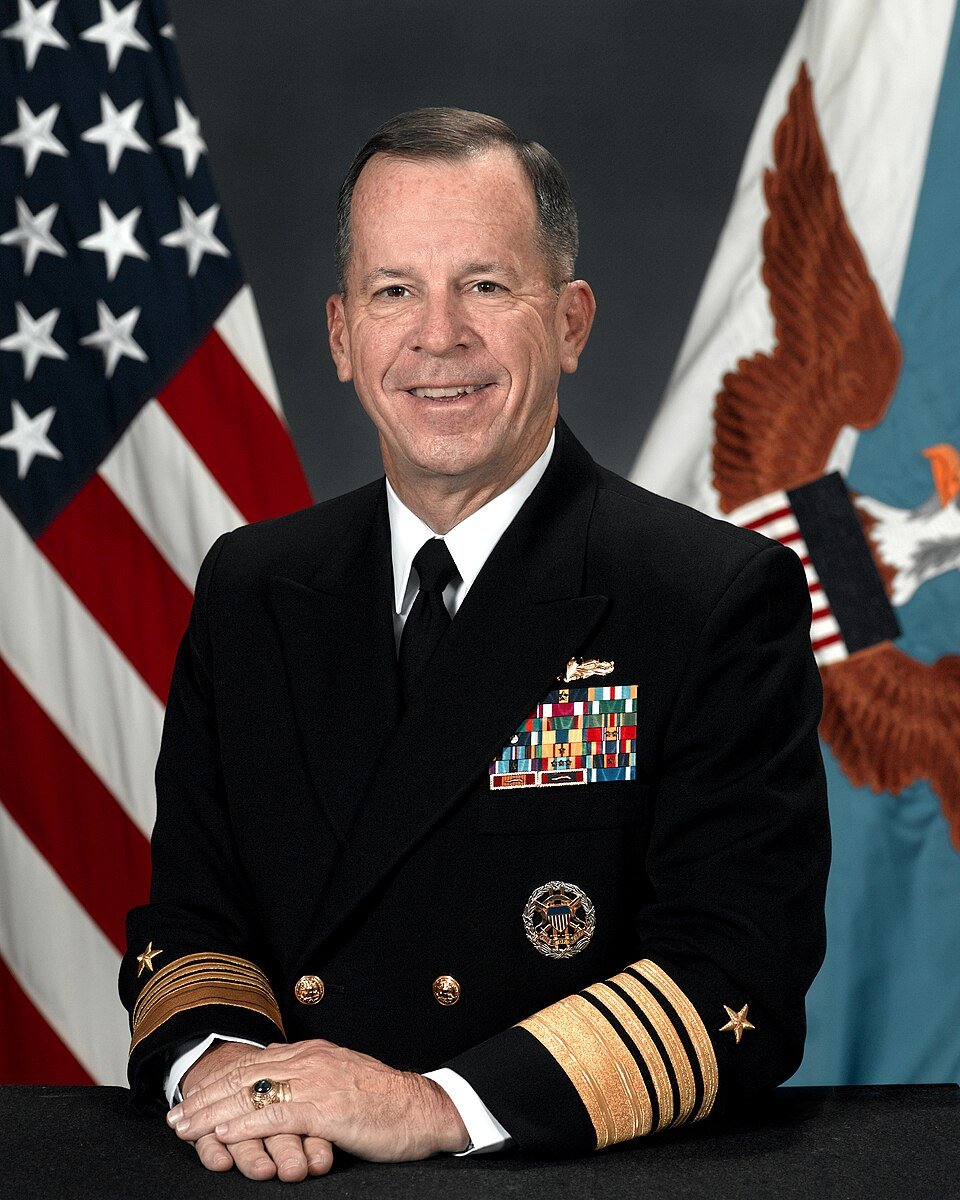
Mike MullenMike MullenARB co-chair; former CJCS

Co-chaired the ARB with Pickering; former Chairman of the Joint Chiefs.

Sources
  1. Benghazi Accountability Review Board briefing (Pickering–Mullen)
  2. Adm. Mike Mullen biographical materials
Trey GowdyTrey GowdyChair, House Select Committee on Benghazi

Led the Select Committee through the 2015 Clinton hearing and 2016 majority report.

Sources
  1. House Select Committee formation / Gowdy chair materials
  2. House Select Committee on Benghazi final report (2016)
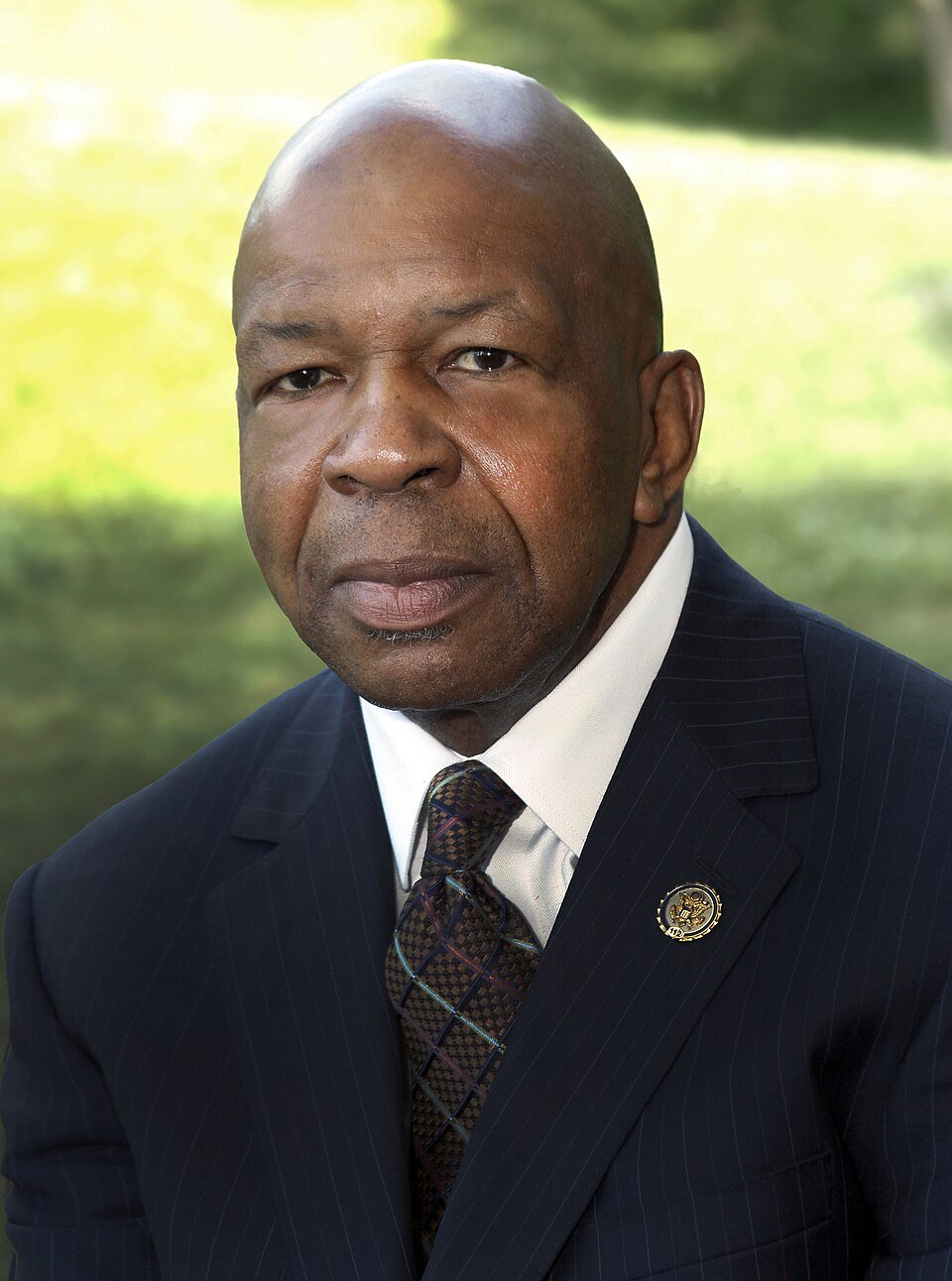
Elijah CummingsElijah CummingsRanking Democrat, House Oversight (Benghazi period)

Leading Democratic critic of early Oversight Benghazi investigations.

Sources
  1. House Oversight / early Benghazi hearings (Issa era)
  2. Select Committee Democratic additional / minority views
Adam SchiffAdam SchiffHouse Intelligence (Benghazi reviews)

Associated with Democratic intelligence-committee framing of the bipartisan findings.

Sources
  1. House Permanent Select Committee on Intelligence Benghazi report (2014)
  2. Select Committee Democratic additional / minority views
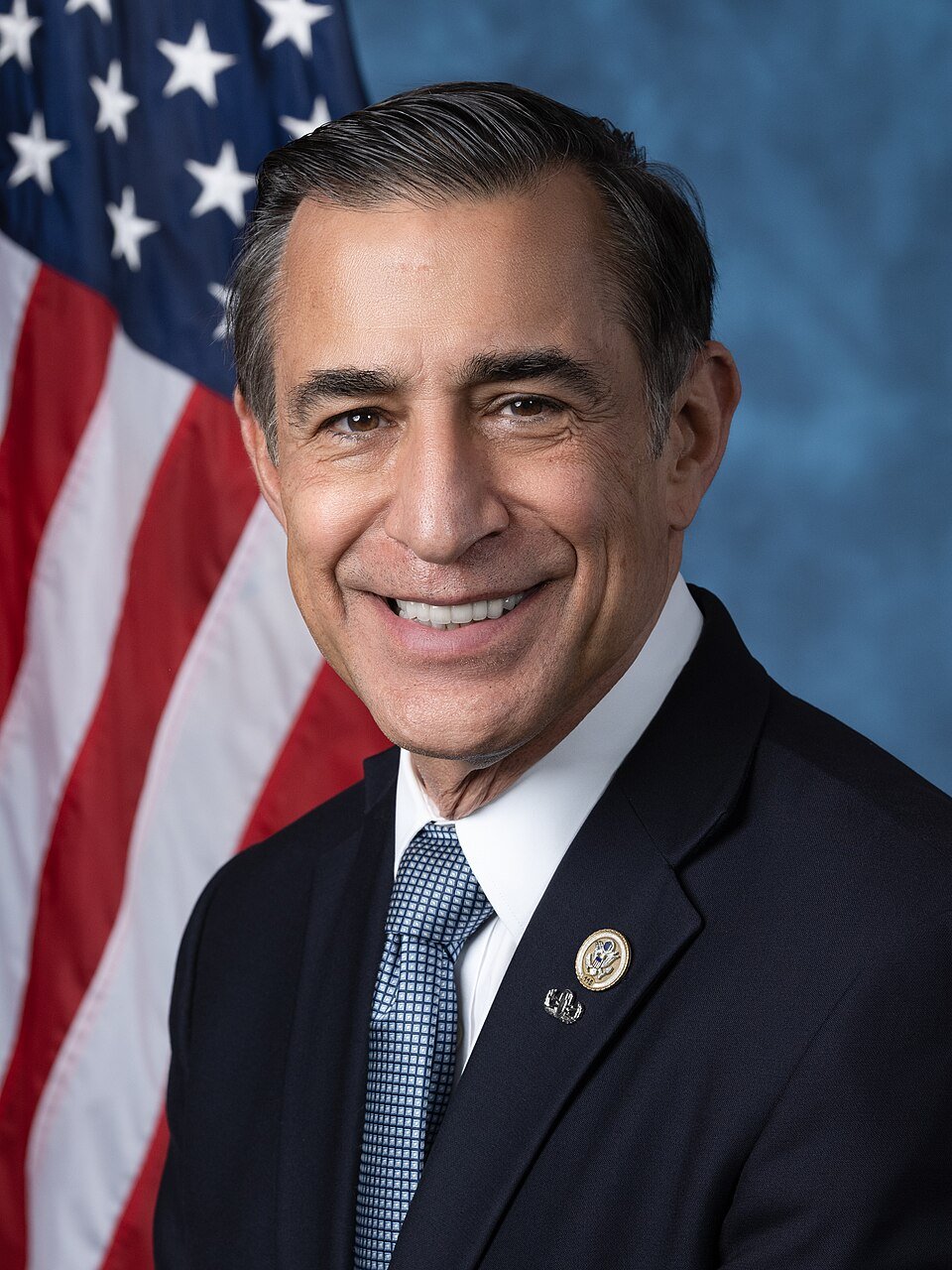
Darrell IssaDarrell IssaChair, House Oversight (early Benghazi hearings)

Led early Republican oversight hearings before the Select Committee.

Sources
  1. House Oversight / early Benghazi hearings (Issa era)
Ron JohnsonRon JohnsonU.S. Senator (R-WI)
Mike PompeoMike PompeoSelect Committee member (later CIA/State)
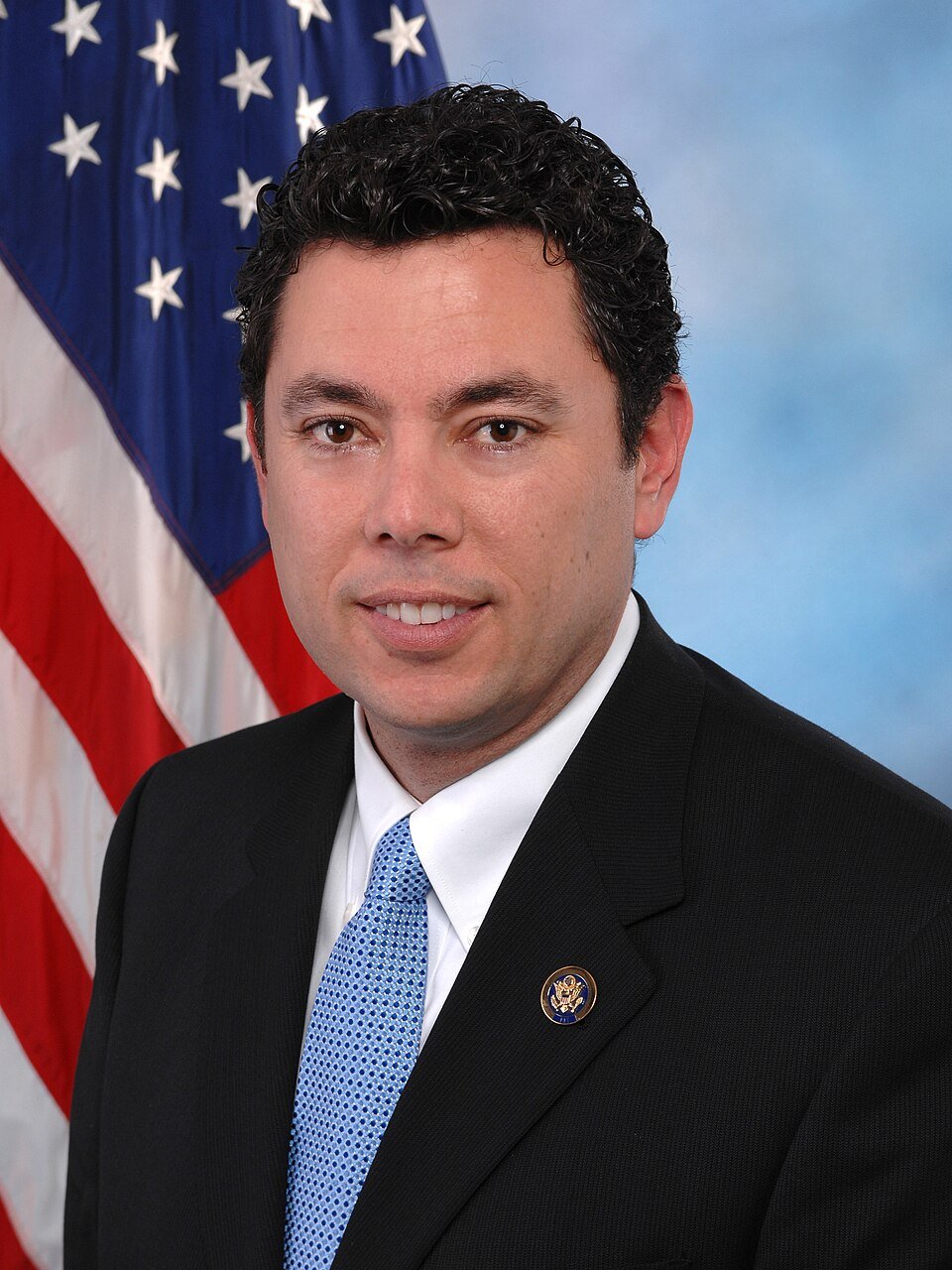
Jason ChaffetzJason ChaffetzHouse Oversight / Benghazi investigator

Active Republican questioner in Benghazi oversight.

Sources
  1. House Oversight / early Benghazi hearings (Issa era)
Michael MorellMichael MorellCIA Deputy / Acting Director
Johnnie CarsonJohnnie CarsonAsst. Secretary of State for African Affairs (period)

Senior State Africa official in the ARB’s bureau-leadership discussion.

Sources
  1. Accountability Review Board report (unclassified)
  2. Benghazi Accountability Review Board briefing (Pickering–Mullen)
Charlene LambCharlene LambDS official (security decisions)

Named in ARB-era discussion of Diplomatic Security decision-making on Benghazi posture.

Sources
  1. Accountability Review Board report (unclassified)
  2. House Oversight / early Benghazi hearings (Issa era)
Patrick KennedyPatrick KennedyUnder Secretary of State for Management
Ahmed Abu KhatallahAhmed Abu KhatallahMilitia leader; convicted on some U.S. counts

Captured 2014; convicted of conspiracy/material support counts; acquitted of murders; sentencing repeatedly litigated.

Sources
  1. DOJ / court coverage of Ahmed Abu Khatallah trial and sentencing
  2. D.C. Circuit: United States v. Abukhatallah (July 17, 2026)
Zubayar Al-BakoushZubayar Al-BakoushCharged in U.S. Benghazi indictment (2026 announcement)

DOJ said he was in U.S. custody on an eight-count indictment including murder — not yet a conviction.

Sources
  1. DOJ: Zubayar Al-Bakoush in U.S. custody on Benghazi charges (Feb 6, 2026)
Sidney BlumenthalSidney BlumenthalClinton correspondent / informal adviser

Private emails to Clinton about Libya surfaced in Select Committee / email releases.

Sources
  1. Clinton testimony before House Select Committee on Benghazi, Oct 22, 2015
  2. The AI Files: Clintons emails and Foundation full guide
Donald TrumpDonald Trump2016 campaign voice on Benghazi claims
Chelsea ClintonChelsea ClintonRecipient of night-of email
John BrennanJohn BrennanObama counterterror adviser / later CIA Director
Martin DempseyMartin DempseyChairman, Joint Chiefs of Staff
Eric NordstromEric NordstromRegional Security Officer (Tripoli period)

Witness on security requests and Tripoli/Benghazi posture in oversight hearings.

Sources
  1. House Oversight / early Benghazi hearings (Issa era)
  2. Accountability Review Board report (unclassified)
Gregory HicksGregory HicksDeputy Chief of Mission, Tripoli

Key early Oversight witness on the night’s events and aftermath.

Sources
  1. House Oversight / early Benghazi hearings (Issa era)
  2. House Select Committee on Benghazi final report (2016)
CIA Chief of Base (Benghazi)CIA Chief of Base (Benghazi)Annex leadership night of attack

Central figure in the disputed “stand down” / “wait” witness conflict; adamantly denied ordering stand-down.

Sources
  1. Select Committee witness accounts of annex response delay
  2. House Select Committee on Benghazi final report (2016)
  3. House Permanent Select Committee on Intelligence Benghazi report (2014)

Timeline

Day by day

31 dated events, 2012–2026, each with its source.

  1. 2011–2012
    A temporary mission in a dangerous city After the NATO-backed fall of Gaddafi, the U.S. kept a Special Mission Compound in Benghazi — temporary, lightly protected — with a CIA annex nearby. The posture · source source
  2. 2012
    Security requests pile up Cables and requests from Libya sought more security. Many were unmet. Later political slogans would inflate how personally and how often Stevens begged Clinton. The posture · source source
  3. Aug 2012
    AFRICOM offers a team — declined Gen. Carter Ham twice offered the Tripoli embassy a military security team; Stevens declined. The posture · source source
  4. Sept 11, 2012 (evening)
    Attackers breach the Special Mission Armed men with rifles and RPGs overran the compound and set the main building on fire. There was no protest outside the gate. The night · source source
  5. Sept 11–12, 2012
    Stevens and Smith die in the fire The ambassador and Sean Smith died of smoke inhalation in the burning villa. The night · source source
  6. Sept 11, 2012 (night)
    Annex team waits, then moves CIA security operators at the annex delayed before driving to the SMC. Witnesses later split on the words used — “stand down,” “wait,” or neither as an order from Washington. The night · source source
  7. Sept 12, 2012 (early morning)
    Mortars hit the annex Mortar rounds struck the annex roof, killing Tyrone Woods and Glen Doherty. The night · source source
  8. Sept 11–12, 2012
    Private messages: planned attack Clinton emailed Chelsea that officers were killed by an al-Qaeda-like group. Call notes with Egypt’s PM quote her saying the attack had nothing to do with the film. Talking points · source source
  9. Sept 16, 2012
    Rice on five Sunday shows Susan Rice presented talking points describing a spontaneous reaction to protests over an anti-Muslim video. That frame did not match Benghazi’s night. Talking points · source source
  10. Dec 18–19, 2012
    ARB: systemic failures Pickering and Mullen’s board blamed leadership and management deficiencies in two State bureaus and issued 29 recommendations. It did not criminally charge Clinton. The ARB · source source
  11. Jan 23, 2013
    Clinton before SFRC In a long hearing, Sen. Ron Johnson pressed the protest narrative. Clinton’s answer — “what difference… does it make” — became a permanent clip. Oversight · source source
  12. May 2013
    Hicks and early Oversight Deputy Chief of Mission Gregory Hicks and others testified in House Oversight hearings that kept Benghazi in the news. Oversight · source
  13. Nov 21, 2014
    HPSCI bipartisan report House Intelligence found no stand-down order to U.S. military in Tripoli and no denied air support as alleged — while not erasing State’s security failures. Oversight · source
  14. June 2014
    Abu Khatallah captured U.S. forces captured militia leader Ahmed Abu Khatallah in Libya for prosecution in federal court. Justice · source
  15. May 2014
    House creates Select Committee The House established a Select Committee on Benghazi; Trey Gowdy became chair. Select Committee · source source
  16. 2015
    Benghazi emails meet the server story Select Committee document fights and the separate private-server disclosure overlapped; Benghazi-related emails became part of a larger Midyear narrative. Emails touchpoint · source source
  17. Oct 22, 2015
    Eleven hours before Gowdy’s committee Clinton testified all day. New public attention focused on the Chelsea email and Egypt call notes versus the Rice narrative. Select Committee · source source
  18. June 28, 2016
    Select Committee majority report The majority criticized decision-making and force arrival; Democrats filed additional views attacking the committee’s purpose. No Clinton/Obama stand-down order was established. Select Committee · source source
  19. 2015–2016
    “600 requests” enters the campaign Pompeo, then Trump, pushed tallies that fact-checkers said wildly exaggerated Stevens’s personal pleas to Clinton. Political memory · source source
  20. Nov 2017
    Khatallah verdict A jury convicted Khatallah on some terrorism-related counts and acquitted him of murder charges tied to the four deaths. Justice · source
  21. 2018–2026
    Sentencing fights Initial sentence, appellate criticism as too light, resentencing, and a 2026 D.C. Circuit vacatur of a 28-year term continued the punishment fight. Justice · source source
  22. Feb 6, 2026
    Al-Bakoush in U.S. custody DOJ announced an eight-count indictment including murder. Charges are allegations until adjudicated. Justice · source
  23. 2013–2014
    State reports ARB implementation The department published updates claiming progress on the board’s recommendations. The ARB · source
  24. Sept 12–14, 2012
    White House public remarks Obama condemned the attack and spoke of an “act of terror” in some settings while the video-protest frame still shaped other messaging. Talking points · source source
  25. Sept 11, 2012
    No protest at the gate Unlike Cairo, Benghazi’s SMC was not facing a large video protest when the assault began — a fact later central to talking-points critiques. The night · source source
  26. Sept 11–12, 2012
    Forces too far to arrive in time Available aircraft and teams were hours away. The “denied jets overhead” claim collided with distance and readiness facts in HPSCI’s account. The night · source source
  27. Sept 12, 2012
    Four Americans confirmed dead Stevens, Smith, Woods, and Doherty — the human core of every later hearing. The night · source
  28. 2016
    Benghazi as campaign vocabulary By the presidential race, “Benghazi” functioned as shorthand for trust and security arguments far beyond the ARB’s text. Political memory · source source
  29. editorial
    Hard stop: not a Ukraine-war file Later Ukraine policy fights are outside this guide’s scope. Political memory · source
  30. 2012–2016
    A stack of investigations State ARB, multiple House and Senate committees, and the Select Committee produced overlapping records — and overlapping politics. Oversight · source source
  31. 2011–2012 / released 2015
    Blumenthal Libya emails surface Informal intel-style notes to Clinton about Libya became Select Committee exhibits and server-story fuel. Emails touchpoint · source source

What we know now

What we know now

Prosecutions, vacated sentences, and how the political argument still sits after 2016.

The yardstick

The critical path

Sixteen links the mainstream account needs — each tied to a dated event.

  1. 1
    2011–20121. Light mission

    The Benghazi Special Mission was a temporary, lightly protected compound; a CIA annex sat about a mile away.[1][2]

    On the timeline
  2. 2
    20122. Unmet security asks

    Benghazi and Tripoli repeatedly sought more security; many requests stalled or were denied — without proving a personal 600-plea tally to Clinton.[3][4][1]

    On the timeline
  3. 3
    Aug 20123. Ham offers declined

    Gen. Carter Ham of AFRICOM offered a military security team; Ambassador Stevens declined — context for posture, not a finding that security was adequate.[5][4]

    On the timeline
  4. 4
    Sept 11, 2012 (evening)4. SMC overrun

    On the evening of Sept 11, 2012, armed attackers breached the Special Mission Compound and set the main building alight.[1][6]

    On the timeline
  5. 5
    Sept 11–12, 20125. Stevens and Smith die

    Ambassador J. Christopher Stevens and Information Management Officer Sean Smith died in the fire at the compound.[1][7][8]

    On the timeline
  6. 6
    Sept 11, 2012 (night)6. Annex delay

    A CIA security team at the annex waited before driving to the burning mission; witnesses later disagreed whether anyone said “stand down” or “wait.”[9][6][10]

    On the timeline
  7. 7
    Sept 12, 2012 (early morning)7. Mortars kill Woods and Doherty

    In the early hours of Sept 12, mortar rounds hit the annex roof, killing Tyrone Woods and Glen Doherty.[1][11][6]

    On the timeline
  8. 8
    Sept 11–12, 20128. Private: planned attack

    That night and next day, Clinton’s private messages (Chelsea email; Egypt PM call notes) treated Benghazi as an al-Qaeda-like / film-unrelated attack.[12][13][14]

    On the timeline
  9. 9
    Sept 16, 20129. Public: video protest

    On Sept 16, Susan Rice’s Sunday-show talking points framed a spontaneous protest reaction tied to an anti-Muslim video — wrong for Benghazi (no protest outside the SMC).[15][16][10]

    On the timeline
  10. 10
    Dec 18–19, 201210. ARB: systemic failures

    The Pickering–Mullen Accountability Review Board found systemic failures and leadership deficiencies in two State bureaus; it issued 29 recommendations.[2][1][17]

    On the timeline
  11. 11
    Jan 23, 201311. Clinton at SFRC

    In January 2013 Clinton testified to the Senate Foreign Relations Committee, including the “what difference does it make” exchange with Sen. Ron Johnson.[18][19]

    On the timeline
  12. 12
    Nov 21, 201412. HPSCI: no WH stand-down

    The bipartisan 2014 House Intelligence report found no evidence of a stand-down order to U.S. military personnel and no denied air support as popularly alleged.[10]

    On the timeline
  13. 13
    Oct 22, 201513. Select Committee hearing

    In October 2015 Clinton testified for roughly eleven hours before the House Select Committee on Benghazi.[20][21][14]

    On the timeline
  14. 14
    June 28, 201614. Select majority report

    The 2016 majority report criticized administration decision-making and said military help never reached Benghazi with men or machines in time — while still not establishing a Clinton/Obama stand-down order.[6][22]

    On the timeline
  15. 15
    Nov 201715. Khatallah prosecuted

    Ahmed Abu Khatallah was captured in 2014; a jury convicted him on some counts and acquitted him of the murders; sentencing has been fought through 2026.[23][24]

    On the timeline
  16. 16
    Feb 6, 202616. Further charges

    In 2026 DOJ announced Zubayar Al-Bakoush in U.S. custody on an eight-count Benghazi indictment including murder — allegations until tried.[25]

    On the timeline
Sources for the 16 steps
  1. Accountability Review Board report (unclassified)
  2. Benghazi Accountability Review Board briefing (Pickering–Mullen)
  3. Washington Post Fact Checker: The “600 requests” for Benghazi security (Jan 26, 2016)
  4. PolitiFact: Trump “wildly exaggerates” Stevens’s requests (Oct 14, 2016)
  5. Reporting and hearing record on Gen. Carter Ham AFRICOM security-team offers
  6. House Select Committee on Benghazi final report (2016)
  7. U.S. Department of State / VOA biography materials on J. Christopher Stevens
  8. State Department memorial materials on Sean Smith
  9. Select Committee witness accounts of annex response delay
  10. House Permanent Select Committee on Intelligence Benghazi report (2014)
  11. Defense / memorial statements on Tyrone Woods and Glen Doherty
  12. Clinton email to Chelsea Clinton night of attack (released via State/email releases)
  13. Notes of Clinton call with Egyptian prime minister, Sept 12, 2012
  14. FactCheck.org: Benghazi hearing — what’s new (Oct 2015)
  15. Susan Rice appearances on Sunday talk shows, Sept 16, 2012 (transcripts via major networks)
  16. CIA / interagency talking-points record (released in investigations)
  17. Contemporary coverage of ARB findings (major papers)
  18. Clinton testimony, Senate Foreign Relations Committee, Jan 23, 2013
  19. PolitiFact: Clinton’s “What difference does it make” in context (May 8, 2013)
  20. Clinton testimony before House Select Committee on Benghazi, Oct 22, 2015
  21. AP / wire coverage of Select Committee and Clinton testimony
  22. Select Committee Democratic additional / minority views
  23. DOJ / court coverage of Ahmed Abu Khatallah trial and sentencing
  24. D.C. Circuit: United States v. Abukhatallah (July 17, 2026)
  25. DOJ: Zubayar Al-Bakoush in U.S. custody on Benghazi charges (Feb 6, 2026)

OTHER READINGS

How camps tell the same night differently

Each major framing measured against the critical path: what it must deny or recast, and what it adds.

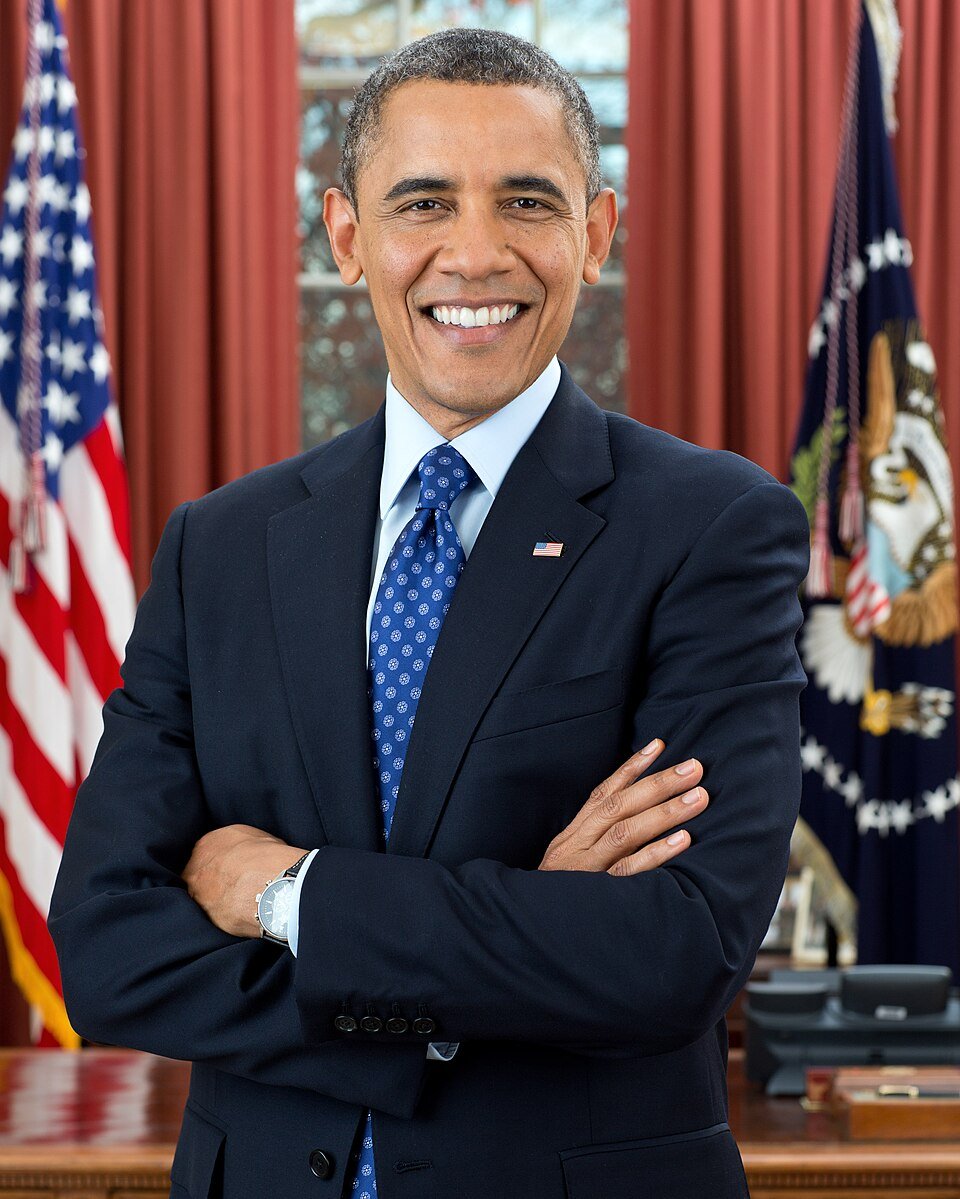
President Barack Obama, official photograph.
President Barack Obama, official photograph. Pete Souza / White House · Public domain
Discredited

Washington ordered a stand-down

The claim that Obama or Clinton ordered U.S. forces not to rescue Americans in Benghazi.

  1. 11. Light mission
  2. 22. Unmet security asks
  3. 33. Ham offers declined
  4. 44. SMC overrun
  5. 55. Stevens and Smith die
  6. 66. Annex delay
  7. 77. Mortars kill Woods and Doherty
  8. 88. Private: planned attack
  9. 99. Public: video protest
  10. 1010. ARB: systemic failures
  11. 1111. Clinton at SFRC
  12. 1212. HPSCI: no WH stand-downbreaks
  13. 1313. Select Committee hearing
  14. 1414. Select majority reportrecast
  15. 1515. Khatallah prosecuted
  16. 1616. Further charges
  17. +Authenticated WH/State forbid-rescue orderNo evidence
Open the file
Who believes it
Who has voiced it
Where it started

Grew from annex-delay witness fragments and cable-news/campaign compression into a White House kill-order story.[3][5]

Why it lives

It survives because a local delay is real, four Americans died, and the claim fits a betrayal narrative.

If it were true

It would be among the gravest civil-military scandals in modern U.S. history.

How it squares with the record

HPSCI found no stand-down order to U.S. military personnel in Tripoli and rejected the popular denied-air-support story. [1]

Even the Select majority, harsh on decision-making, did not establish a Clinton/Obama stand-down order. [2]

Distance and readiness constrained response timelines. [4]

What holds up Discredited

Fails as a Washington-order claim. The separate annex “wait/stand down” dispute does not rescue it.

Against the critical path
  1. 11. Light mission
  2. 22. Unmet security asks
  3. 33. Ham offers declined
  4. 44. SMC overrun
  5. 55. Stevens and Smith die
  6. 66. Annex delay
  7. 77. Mortars kill Woods and Doherty
  8. 88. Private: planned attack
  9. 99. Public: video protest
  10. 1010. ARB: systemic failures
  11. 1111. Clinton at SFRC
  12. 1212. HPSCI: no WH stand-downbreaks
  13. 1313. Select Committee hearing
  14. 1414. Select majority reportrecast
  15. 1515. Khatallah prosecuted
  16. 1616. Further charges
  17. +Authenticated WH/State forbid-rescue orderNo evidence
Removes from the critical path
  • 12. 12. HPSCI: no WH stand-down must deny Must reject HPSCI’s no-order finding. What has to be fake or wrong: HPSCI conclusion on stand-down/air support.[1]
  • 14. 14. Select majority report must recast Reads Select criticism of late arrival as proof of a forbid order. What has to be fake or wrong: Distinction between late/impossible arrival and a political veto.[2]
Adds to the critical path
  • Authenticated WH/State forbid-rescue order No evidence Not produced across probes.[1][2]
What would have to turn out fake or wrong
  • HPSCI’s core no-order finding
  • Panetta/Dempsey response timeline testimony if read as good-faith
What new information would make it true
  • A contemporaneous order from the President or Secretary of State forbidding rescue, authenticated.
What would prove it false
  • Bipartisan intel findings already cut against it; a leaked authentic order would be required to revive it.
Institutional stand-in for annex (freely licensed substitute; not a verified personal portrait). Flagged.
Institutional stand-in for annex (freely licensed substitute; not a verified personal portrait). Flagged. Prior AI Files / U.S. government source as credited in origin guide · Public domain or prior credit (stand-in)
Debated

The annex deliberately abandoned the mission

That CIA leadership at the annex chose to let Stevens die.

  1. 11. Light mission
  2. 22. Unmet security asks
  3. 33. Ham offers declined
  4. 44. SMC overrun
  5. 55. Stevens and Smith die
  6. 66. Annex delayrecast
  7. 77. Mortars kill Woods and Doherty
  8. 88. Private: planned attack
  9. 99. Public: video protest
  10. 1010. ARB: systemic failures
  11. 1111. Clinton at SFRC
  12. 1212. HPSCI: no WH stand-down
  13. 1313. Select Committee hearing
  14. 1414. Select majority report
  15. 1515. Khatallah prosecuted
  16. 1616. Further charges
  17. +Proof of malicious non-tactical holdDisputed evidence
Open the file
Who believes it
Who has voiced it
Where it started

Operator testimony about being told to wait or stand down before rolling to the SMC.[1][2]

Why it lives

Because someone delayed, and two contractors later died defending the annex.

If it were true

It would reframe the night as an internal betrayal at the annex, not a Washington order.

How it squares with the record

Witnesses disagree on the words and meaning. [1]

Chief of base denied a stand-down order. [2]

Team did eventually move to the SMC and later fought at the annex. [4]

What holds up Debated

A delay happened; “deliberate abandonment” is not established as a shared finding.

Against the critical path
  1. 11. Light mission
  2. 22. Unmet security asks
  3. 33. Ham offers declined
  4. 44. SMC overrun
  5. 55. Stevens and Smith die
  6. 66. Annex delayrecast
  7. 77. Mortars kill Woods and Doherty
  8. 88. Private: planned attack
  9. 99. Public: video protest
  10. 1010. ARB: systemic failures
  11. 1111. Clinton at SFRC
  12. 1212. HPSCI: no WH stand-down
  13. 1313. Select Committee hearing
  14. 1414. Select majority report
  15. 1515. Khatallah prosecuted
  16. 1616. Further charges
  17. +Proof of malicious non-tactical holdDisputed evidence
Removes from the critical path
  • 6. 6. Annex delay must recast Turns a disputed delay into proven malice. What has to be fake or wrong: Innocent tactical explanations.[1]
Adds to the critical path
  • Proof of malicious non-tactical hold Disputed evidence Witness conflict, not consensus.[2]
What would have to turn out fake or wrong
  • Chief of base denial if the malice theory is totalizing
What new information would make it true
  • Corroborated orders showing intent to withhold rescue for non-tactical reasons.
What would prove it false
  • Consistent tactical justification accepted across operator and leadership testimony.
Susan E. Rice official portrait.
Susan E. Rice official portrait. U.S. government · Public domain
Debated

The video story was a knowing political cover-up

That officials knew it was terrorism and sold a protest myth to protect the campaign/Obama record.

  1. 11. Light mission
  2. 22. Unmet security asks
  3. 33. Ham offers declined
  4. 44. SMC overrun
  5. 55. Stevens and Smith die
  6. 66. Annex delay
  7. 77. Mortars kill Woods and Doherty
  8. 88. Private: planned attack
  9. 99. Public: video protestrecast
  10. 1010. ARB: systemic failures
  11. 1111. Clinton at SFRC
  12. 1212. HPSCI: no WH stand-down
  13. 1313. Select Committee hearing
  14. 1414. Select majority report
  15. 1515. Khatallah prosecuted
  16. 1616. Further charges
  17. +Electoral-motive document trailThin evidence
Open the file
Who believes it
Who has voiced it
Where it started

Collision between private Clinton messages calling it an attack and Rice’s Sept 16 protest talking points.[1][3][6]

Why it lives

Because the public story was wrong and the private story was closer to right within a day.

If it were true

Messaging was not merely confused — it was strategically deceptive.

How it squares with the record

Private Clinton language undercuts a pure “we all believed the video” defense. [1] [2]

Talking points were interagency and revised; early intel was messy. [4] [5]

Wrong public narrative is documented either way. [3]

What holds up Debated

Strongest alternative on messaging. Proven intentional criminal cover-up is a higher bar than documented false public frame.

Against the critical path
  1. 11. Light mission
  2. 22. Unmet security asks
  3. 33. Ham offers declined
  4. 44. SMC overrun
  5. 55. Stevens and Smith die
  6. 66. Annex delay
  7. 77. Mortars kill Woods and Doherty
  8. 88. Private: planned attack
  9. 99. Public: video protestrecast
  10. 1010. ARB: systemic failures
  11. 1111. Clinton at SFRC
  12. 1212. HPSCI: no WH stand-down
  13. 1313. Select Committee hearing
  14. 1414. Select majority report
  15. 1515. Khatallah prosecuted
  16. 1616. Further charges
  17. +Electoral-motive document trailThin evidence
Removes from the critical path
  • 9. 9. Public: video protest must recast Treats wrong talking points as proof of knowing plot rather than (or in addition to) process failure. What has to be fake or wrong: Good-faith intel-lag account as complete explanation.[3][5]
Adds to the critical path
  • Electoral-motive document trail Thin evidence Inference from timing and contradiction, thin on smoking-gun memos.[6][7]
What would have to turn out fake or wrong
  • Clinton private messages if one claims everyone believed the video story
What new information would make it true
  • Contemporaneous evidence officials chose a known-false public line for electoral reasons.
What would prove it false
  • A clean record that public spokespeople lacked the private assessment (hard given Clinton’s own messages).
J. Christopher Stevens, April 2012.
J. Christopher Stevens, April 2012. U.S. government (via VOA) · Public domain
Discredited

Stevens begged Clinton 600 times

That the ambassador personally flooded the secretary with hundreds of unanswered pleas.

  1. 11. Light mission
  2. 22. Unmet security asksrecast
  3. 33. Ham offers declined
  4. 44. SMC overrun
  5. 55. Stevens and Smith die
  6. 66. Annex delay
  7. 77. Mortars kill Woods and Doherty
  8. 88. Private: planned attack
  9. 99. Public: video protest
  10. 1010. ARB: systemic failures
  11. 1111. Clinton at SFRC
  12. 1212. HPSCI: no WH stand-down
  13. 1313. Select Committee hearing
  14. 1414. Select majority report
  15. 1515. Khatallah prosecuted
  16. 1616. Further charges
  17. +600 personal Stevens-Clinton pleasNo evidence
Open the file
Who believes it
Who has voiced it
Where it started

Security-request tallies compressed by Pompeo and then Trump into a personal begging story.[1][2]

Why it lives

Because unmet security needs were real and emotionally legible.

If it were true

It would show personal, repeated refusal by Clinton of an ambassador’s direct pleas.

How it squares with the record

PolitiFact: Trump wildly exaggerates; Democrats found fewer than 200 reconstructable requests, many granted. [2] [3]

ARB still found security inadequate. [4]

What holds up Discredited

False in its slogan form; true that requests stalled.

Against the critical path
  1. 11. Light mission
  2. 22. Unmet security asksrecast
  3. 33. Ham offers declined
  4. 44. SMC overrun
  5. 55. Stevens and Smith die
  6. 66. Annex delay
  7. 77. Mortars kill Woods and Doherty
  8. 88. Private: planned attack
  9. 99. Public: video protest
  10. 1010. ARB: systemic failures
  11. 1111. Clinton at SFRC
  12. 1212. HPSCI: no WH stand-down
  13. 1313. Select Committee hearing
  14. 1414. Select majority report
  15. 1515. Khatallah prosecuted
  16. 1616. Further charges
  17. +600 personal Stevens-Clinton pleasNo evidence
Removes from the critical path
  • 2. 2. Unmet security asks must recast Inflates unmet requests into a personal 600-plea myth. What has to be fake or wrong: Distinction between institutional asks and personal wires to Clinton.[2]
Adds to the critical path
  • 600 personal Stevens-Clinton pleas No evidence Not reconstructed.[1]
What would have to turn out fake or wrong
  • Fact-checker reconstructions of the tally
What new information would make it true
  • A documented list of ~600 personal Stevens→Clinton pleas.
What would prove it false
  • Already collapsed under request reconstructions.
Thomas Pickering.
Thomas Pickering. U.S. government · Public domain
Mixed

The ARB was a State whitewash

That Pickering–Mullen protected Clinton because State convened them.

  1. 11. Light mission
  2. 22. Unmet security asks
  3. 33. Ham offers declined
  4. 44. SMC overrun
  5. 55. Stevens and Smith die
  6. 66. Annex delay
  7. 77. Mortars kill Woods and Doherty
  8. 88. Private: planned attack
  9. 99. Public: video protest
  10. 1010. ARB: systemic failuresrecast
  11. 1111. Clinton at SFRC
  12. 1212. HPSCI: no WH stand-down
  13. 1313. Select Committee hearing
  14. 1414. Select majority report
  15. 1515. Khatallah prosecuted
  16. 1616. Further charges
  17. +Proof of directed soft-pedalingThin evidence
Open the file
Who believes it
Who has voiced it
Where it started

Structural critique: the department investigated itself.[1][3]

Why it lives

Any internal review faces this suspicion — especially in partisan climate.

If it were true

The ARB’s blame on bureaus would be a shield for the secretary.

How it squares with the record

The ARB’s language on systemic failure and inadequate security is harsh toward State. [2] [4]

Convening authority is still Clinton’s department. [1]

Later Select work still did not produce a criminal case against her over security. [3]

What holds up Mixed

Process conflict-of-interest concern is fair; “whitewash” overstates a report that blistered State.

Against the critical path
  1. 11. Light mission
  2. 22. Unmet security asks
  3. 33. Ham offers declined
  4. 44. SMC overrun
  5. 55. Stevens and Smith die
  6. 66. Annex delay
  7. 77. Mortars kill Woods and Doherty
  8. 88. Private: planned attack
  9. 99. Public: video protest
  10. 1010. ARB: systemic failuresrecast
  11. 1111. Clinton at SFRC
  12. 1212. HPSCI: no WH stand-down
  13. 1313. Select Committee hearing
  14. 1414. Select majority report
  15. 1515. Khatallah prosecuted
  16. 1616. Further charges
  17. +Proof of directed soft-pedalingThin evidence
Removes from the critical path
  • 10. 10. ARB: systemic failures must recast Recasts systemic-failure findings as intentional shield. What has to be fake or wrong: ARB’s adverse findings as genuine.[2]
Adds to the critical path
  • Proof of directed soft-pedaling Thin evidence Structure argument more than documents.[3]
What would have to turn out fake or wrong
  • The ARB’s inadequate-security conclusions if “total whitewash” is the claim
What new information would make it true
  • Evidence chairs were directed to avoid secretary-level findings contrary to evidence.
What would prove it false
  • Independent corroboration of the same security failures (partly supplied by later committees).
Rep. Trey Gowdy.
Rep. Trey Gowdy. U.S. House · Public domain
Mixed

The Select Committee was only a hit job

That Gowdy’s committee existed solely to damage Clinton’s campaign, with no legitimate oversight residue.

  1. 11. Light mission
  2. 22. Unmet security asks
  3. 33. Ham offers declined
  4. 44. SMC overrun
  5. 55. Stevens and Smith die
  6. 66. Annex delay
  7. 77. Mortars kill Woods and Doherty
  8. 88. Private: planned attack
  9. 99. Public: video protest
  10. 1010. ARB: systemic failures
  11. 1111. Clinton at SFRC
  12. 1212. HPSCI: no WH stand-down
  13. 1313. Select Committee hearingrecast
  14. 1414. Select majority reportbreaks
  15. 1515. Khatallah prosecuted
  16. 1616. Further charges
  17. +Proof of zero oversight purposeThin evidence
Open the file
Who believes it
Who has voiced it
Where it started

Democratic additional views and length/cost critiques of the Select Committee.[1]

Why it lives

Because the timeline overlapped Hillary Clinton’s presidential run.

If it were true

Exhibits and hearing records would be politically tainted noise.

How it squares with the record

Partisan incentive is obvious from timing. [1]

The committee still produced a massive record, including private-message contrasts. [3] [5]

Process critique does not license ignoring primary documents. [4]

What holds up Mixed

Politics saturated the process; “only a hit job” erases usable record.

Against the critical path
  1. 11. Light mission
  2. 22. Unmet security asks
  3. 33. Ham offers declined
  4. 44. SMC overrun
  5. 55. Stevens and Smith die
  6. 66. Annex delay
  7. 77. Mortars kill Woods and Doherty
  8. 88. Private: planned attack
  9. 99. Public: video protest
  10. 1010. ARB: systemic failures
  11. 1111. Clinton at SFRC
  12. 1212. HPSCI: no WH stand-down
  13. 1313. Select Committee hearingrecast
  14. 1414. Select majority reportbreaks
  15. 1515. Khatallah prosecuted
  16. 1616. Further charges
  17. +Proof of zero oversight purposeThin evidence
Removes from the critical path
  • 13. 13. Select Committee hearing must recast Treats the hearing as pure theater without evidentiary value. What has to be fake or wrong: Usefulness of exhibits released.[3]
  • 14. 14. Select majority report must deny Discounts majority report wholesale. What has to be fake or wrong: Any substantive majority finding.[4]
Adds to the critical path
  • Proof of zero oversight purpose Thin evidence Timing arguments are not documents of pure intent.[1]
What would have to turn out fake or wrong
  • Private Clinton messages the hearing helped spotlight, if one claims nothing real surfaced
What new information would make it true
  • Internal admissions that investigation targets were chosen solely for electoral harm with zero oversight purpose.
What would prove it false
  • Substantive findings overlapping earlier ARB/HPSCI facts (already partly true).
Archive reuse: server.
Archive reuse: server. Prior AI Files / U.S. government source as credited in origin guide · Public domain or prior guide credit
Discredited

The private server existed to hide Benghazi

That Clinton’s email system was primarily a Benghazi cover tool.

  1. 11. Light mission
  2. 22. Unmet security asks
  3. 33. Ham offers declined
  4. 44. SMC overrun
  5. 55. Stevens and Smith die
  6. 66. Annex delay
  7. 77. Mortars kill Woods and Doherty
  8. 88. Private: planned attackrecast
  9. 99. Public: video protest
  10. 1010. ARB: systemic failures
  11. 1111. Clinton at SFRC
  12. 1212. HPSCI: no WH stand-down
  13. 1313. Select Committee hearing
  14. 1414. Select majority report
  15. 1515. Khatallah prosecuted
  16. 1616. Further charges
  17. +Benghazi-primary purpose for the serverNo evidence
Open the file
Who believes it
Who has voiced it
Where it started

Overlap of Benghazi document fights with the 2015 server disclosure.[1][2]

Why it lives

Because Benghazi emails really were on the server — and deletion fights were real in the wider Midyear story.

If it were true

The server’s purpose would be Benghazi-specific concealment.

How it squares with the record

Benghazi-related emails appear in the server corpus. [1] [2]

The server spanned all of Clinton’s State tenure and many topics; Midyear’s center of gravity is broader. [1] [3]

What holds up Discredited

Overlap yes; “existed to hide Benghazi” overclaims purpose. Full server story is the emails guide.

Against the critical path
  1. 11. Light mission
  2. 22. Unmet security asks
  3. 33. Ham offers declined
  4. 44. SMC overrun
  5. 55. Stevens and Smith die
  6. 66. Annex delay
  7. 77. Mortars kill Woods and Doherty
  8. 88. Private: planned attackrecast
  9. 99. Public: video protest
  10. 1010. ARB: systemic failures
  11. 1111. Clinton at SFRC
  12. 1212. HPSCI: no WH stand-down
  13. 1313. Select Committee hearing
  14. 1414. Select majority report
  15. 1515. Khatallah prosecuted
  16. 1616. Further charges
  17. +Benghazi-primary purpose for the serverNo evidence
Removes from the critical path
  • 8. 8. Private: planned attack must recast Reads private messages only as proof of a server plot rather than as messaging evidence. What has to be fake or wrong: Ordinary explanation of private email use spanning all duties.[1]
Adds to the critical path
  • Benghazi-primary purpose for the server No evidence Contradicted by tenure-wide use.[1]
What would have to turn out fake or wrong
  • The breadth of non-Benghazi server traffic
What new information would make it true
  • Evidence the server was created primarily to conceal Benghazi materials.
What would prove it false
  • Tenure-wide use pattern already cuts against Benghazi-only purpose.

Genuinely unknown

Still open

What remains unknown, partly known, or often misread.

Partly knownComplete attacker command chart
What is known
  • Some participants prosecuted; militia labels used in open sources. [1]
What is not

A full public order-of-battle for every cell that night.

Why it is still open

Classification, incomplete captures, contested affiliations.

Does it change the story?

Shapes how we name the enemy without over-attributing.

What would settle it

More final judgments and declassified network charts.

Sources
  1. DOJ / court coverage of Ahmed Abu Khatallah trial and sentencing
  2. DOJ: Zubayar Al-Bakoush in U.S. custody on Benghazi charges (Feb 6, 2026)
  3. House Select Committee on Benghazi final report (2016)
Genuinely unknownExact words at the annex hold
What is known
  • A delay occurred; witnesses disagree on “stand down” vs “wait.” [1]
What is not

A single agreed contemporaneous utterance and intent.

Why it is still open

Conflicting human memory under stress; limited public audio.

Does it change the story?

Separates local dispute from WH-order myth.

What would settle it

Authenticated contemporaneous recording or multi-witness convergence.

Sources
  1. Select Committee witness accounts of annex response delay
  2. House Select Committee on Benghazi final report (2016)
  3. House Permanent Select Committee on Intelligence Benghazi report (2014)
Partly knownWhy the public video line lasted
What is known
  • Private Clinton messages said attack; Rice public line said protest/video. [1] [5]
What is not

The mix of intel lag, interagency caution, and political incentive in each edit.

Why it is still open

Intent is inferred from process, not a confession memo.

Does it change the story?

Cover-up vs bungled messaging.

What would settle it

More complete draft-level deliberative records with authentic timestamps.

Sources
  1. Clinton email to Chelsea Clinton night of attack (released via State/email releases)
  2. CIA / interagency talking-points record (released in investigations)
  3. House Permanent Select Committee on Intelligence Benghazi report (2014)
  4. FactCheck.org: Benghazi hearing — what’s new (Oct 2015)
  5. Susan Rice appearances on Sunday talk shows, Sept 16, 2012 (transcripts via major networks)
Partly knownA definitive public ledger of every security request
What is known
  • Many asks stalled; 600 personal pleas not reconstructed. [1] [2]
What is not

A complete, agreed inventory with dispositions.

Why it is still open

Fragmented cable systems and category fights.

Does it change the story?

Keeps the unmet-need truth without the slogan lie.

What would settle it

A joint archival release with stable counting rules.

Sources
  1. Washington Post Fact Checker: The “600 requests” for Benghazi security (Jan 26, 2016)
  2. PolitiFact: Trump “wildly exaggerates” Stevens’s requests (Oct 14, 2016)
  3. Accountability Review Board report (unclassified)
Genuinely unknownOutcome of the Al-Bakoush case
What is known
  • 2026 custody/indictment announcement. [1]
What is not

Trial result and factual findings.

Why it is still open

Case pending as of this edition.

Does it change the story?

Further judicial light on attackers.

What would settle it

Final judgment.

Sources
  1. DOJ: Zubayar Al-Bakoush in U.S. custody on Benghazi charges (Feb 6, 2026)
Partly knownFinal punishment for Abu Khatallah
What is known
  • Mixed verdict; sentences repeatedly unsettled on appeal. [2] [1]
What is not

A durable final sentence.

Why it is still open

Appellate sentencing law still moving in 2026.

Does it change the story?

Whether U.S. courts deliver stable punishment.

What would settle it

Final unappealable sentence.

Sources
  1. D.C. Circuit: United States v. Abukhatallah (July 17, 2026)
  2. DOJ / court coverage of Ahmed Abu Khatallah trial and sentencing
Known, often misreadHow much annex detail stays closed
What is known
  • HPSCI and Select texts mark classification limits. [1]
What is not

Operational detail the public will never see.

Why it is still open

Intelligence sources and methods.

Does it change the story?

Readers should not invent what is redacted.

What would settle it

Future declassification — maybe never fully.

Sources
  1. House Permanent Select Committee on Intelligence Benghazi report (2014)
  2. House Select Committee on Benghazi final report (2016)

WHAT PEOPLE SAY

Claims, checked against the record

{n} popular claims about stand-downs, talking points, security requests, and responsibility — each with points for, points against, and sources.

What the ratings mean
  • History Established narrative spine.
  • Archives Documented in primary records.
  • Official Stated by an official body.
  • Convicted Court conviction on point.
  • Mixed Evidence cuts more than one way.
  • Cleared Investigations did not sustain the charge.
  • Alleged Claimed, not adjudicated.
  • Debated Serious dispute remains.
  • Discredited Collapsed against the record.

DiscreditedObama or Clinton ordered U.S. forces to stand down and abandon Americans in Benghazi.Stand-down

What the record shows. Not established by HPSCI or the Select Committee as a Washington order.

Who says it: Campaign speakers, cable segments

Points for
  • Annex operators described a hold before moving. [@annex-witness]
  • Forces did not arrive in time. [@select-final]
Points against
  • HPSCI: no stand-down order to U.S. military in Tripoli. [@hpsci-2014]
  • Select majority still did not document a Clinton/Obama forbid order. [@select-final]
Sources
  1. House Permanent Select Committee on Intelligence Benghazi report (2014)
  2. House Select Committee on Benghazi final report (2016)
  3. Examples of stand-down-order media claims (for framing audit)
  4. Select Committee witness accounts of annex response delay
Read the full entry
DebatedThe CIA chief of base ordered “stand down,” deliberately delaying rescue.Stand-down

What the record shows. Witnesses conflict; chief of base denied it; delay itself is real.

Who says it: Some operators; contested by leadership

Points for
  • Some testimony recalls “stand down.” [@annex-witness]
Points against
  • Others recall “wait”; leadership denial; team did move. [@select-final] [@hpsci-2014]
Sources
  1. Select Committee witness accounts of annex response delay
  2. House Select Committee on Benghazi final report (2016)
  3. House Permanent Select Committee on Intelligence Benghazi report (2014)
Read the full entry
DiscreditedThe Benghazi attack began as a spontaneous protest over an anti-Muslim video.Talking points

What the record shows. False for Benghazi’s timeline; video protests elsewhere were real.

Who says it: Early public talking points / Rice shows

Points for
  • Video unrest occurred in other cities. [@video-innocence]
Points against
  • No protest outside the SMC; armed assault. [@hpsci-2014] [@arb-unclassified]
Sources
  1. Susan Rice appearances on Sunday talk shows, Sept 16, 2012 (transcripts via major networks)
  2. House Permanent Select Committee on Intelligence Benghazi report (2014)
  3. Contemporary reporting on Innocence of Muslims protests (Cairo and elsewhere)
  4. Accountability Review Board report (unclassified)
Read the full entry
ArchivesClinton privately called it a terrorist/planned attack while the public heard “video.”Talking points

What the record shows. Documented contrast between private messages and Rice’s public frame.

Who says it: Email/call notes vs Sunday shows

Points for
  • Chelsea email; Egypt PM call notes. [@chelsea-email] [@egypt-pm-call]
Points against
  • Defenders cite evolving interagency points for the public line. [@cia-talking-points]
Sources
  1. Clinton email to Chelsea Clinton night of attack (released via State/email releases)
  2. Notes of Clinton call with Egyptian prime minister, Sept 12, 2012
  3. FactCheck.org: Benghazi hearing — what’s new (Oct 2015)
  4. Susan Rice appearances on Sunday talk shows, Sept 16, 2012 (transcripts via major networks)
Read the full entry
DiscreditedStevens asked Clinton for help 600 times.Security requests

What the record shows. Wild exaggeration of a real unmet-security problem.

Who says it: Pompeo tally → Trump rhetoric

Points for
  • Many security requests stalled. [@wapo-600] [@arb-unclassified]
Points against
  • No reconstructed 600 personal pleas; PolitiFact “wildly exaggerates.” [@politifact-600]
Sources
  1. Washington Post Fact Checker: The “600 requests” for Benghazi security (Jan 26, 2016)
  2. PolitiFact: Trump “wildly exaggerates” Stevens’s requests (Oct 14, 2016)
  3. Select Committee Democratic additional / minority views
Read the full entry
OfficialThe State Department failed to protect the Benghazi mission.Security requests

What the record shows. Yes — ARB finding of systemic failures and inadequate security.

Who says it: ARB

Points for
  • ARB unclassified report and briefing. [@arb-unclassified] [@arb-briefing]
Points against
  • Ham offer declined shows complexity of posture choices. [@ham-offer]
Sources
  1. Accountability Review Board report (unclassified)
  2. Benghazi Accountability Review Board briefing (Pickering–Mullen)
  3. Reporting and hearing record on Gen. Carter Ham AFRICOM security-team offers
Read the full entry
ClearedClinton committed a crime in the Benghazi security failure or talking points.Clinton responsibility

What the record shows. No Benghazi criminal charge against her; ARB was administrative.

Who says it: Some campaign rhetoric

Points for
  • She led the failing department; messaging contradictions exist. [@arb-briefing] [@chelsea-email]
Points against
  • No indictment on Benghazi security/talking points. [@select-final] [@arb-briefing]
Sources
  1. Benghazi Accountability Review Board briefing (Pickering–Mullen)
  2. House Select Committee on Benghazi final report (2016)
  3. Clinton testimony before House Select Committee on Benghazi, Oct 22, 2015
Read the full entry
MixedClinton’s “what difference does it make” meant she did not care how Americans died.Clinton responsibility

What the record shows. Clip omits context; she was disputing the relevance of protest-vs-terror labeling after deaths — poorly, for politics.

Who says it: Viral clip vs full SFRC exchange

Points for
  • The words were said. [@clinton-sfrc-2013]
Points against
  • Full exchange is about the public narrative fight. [@politifact-difference]
Sources
  1. Clinton testimony, Senate Foreign Relations Committee, Jan 23, 2013
  2. PolitiFact: Clinton’s “What difference does it make” in context (May 8, 2013)
Read the full entry
MixedThe ARB cleared Clinton because State ran it.ARB / process

What the record shows. Self-investigation concern is fair; the report still blistered State security.

Who says it: Process critics

Points for
  • Convened by her department. [@arb-briefing]
Points against
  • Harsh systemic-failure findings. [@arb-unclassified]
Sources
  1. Benghazi Accountability Review Board briefing (Pickering–Mullen)
  2. Accountability Review Board report (unclassified)
  3. Contemporary coverage of ARB findings (major papers)
Read the full entry
MixedThe Select Committee found nothing and was only political.Clinton responsibility

What the record shows. Politics saturated it; it also forced documents and a long hearing into public view.

Who says it: Democratic critics / majority defenders

Points for
  • Timing overlapped the campaign; cost/length critiques. [@dem-select-views]
Points against
  • Hearing record and report volumes exist. [@clinton-select-2015] [@select-final]
Sources
  1. Select Committee Democratic additional / minority views
  2. Clinton testimony before House Select Committee on Benghazi, Oct 22, 2015
  3. House Select Committee on Benghazi final report (2016)
Read the full entry
DiscreditedAvailable U.S. air support was improperly denied over Benghazi.Stand-down

What the record shows. HPSCI rejected the popular version; assets were hours away.

Who says it: Stand-down narrative variants

Points for
  • No effective air presence arrived. [@select-final]
Points against
  • HPSCI on denied air support and timelines. [@hpsci-2014] [@military-response]
Sources
  1. House Permanent Select Committee on Intelligence Benghazi report (2014)
  2. DoD / hearing record on military assets available night of attack
  3. House Select Committee on Benghazi final report (2016)
Read the full entry
DiscreditedClinton’s private server existed mainly to cover up Benghazi.Emails

What the record shows. Benghazi emails were on it; the server’s scope was tenure-wide. See emails guide.

Who says it: Collapse-the-scandals rhetoric

Points for
  • Benghazi messages present. [@clinton-select-2015]
Points against
  • Broader Midyear corpus and purpose. [@emails-guide]
Sources
  1. The AI Files: Clintons emails and Foundation full guide
  2. Clinton testimony before House Select Committee on Benghazi, Oct 22, 2015
  3. FBI Midyear Exam context (emails) — touchpoint only
Read the full entry
ClearedAbu Khatallah was convicted of murdering the four Americans.Justice

What the record shows. Acquitted of the murders; convicted on other counts.

Who says it: Compressed headlines

Points for
  • He was a central prosecuted figure. [@khatallah-trial]
Points against
  • Murder acquittals are part of the verdict. [@khatallah-trial]
Sources
  1. DOJ / court coverage of Ahmed Abu Khatallah trial and sentencing
  2. D.C. Circuit: United States v. Abukhatallah (July 17, 2026)
Read the full entry
AllegedZubayar Al-Bakoush murdered Americans in Benghazi.Justice

What the record shows. Charged in a 2026 DOJ announcement — allegations until tried.

Who says it: DOJ press announcement

Points for
  • Eight-count indictment including murder alleged. [@doj-abakoush-2026]
Points against
  • Not adjudicated. [@doj-abakoush-2026]
Sources
  1. DOJ: Zubayar Al-Bakoush in U.S. custody on Benghazi charges (Feb 6, 2026)
Read the full entry
ArchivesStevens refused extra military security shortly before the attack.Security requests

What the record shows. Documented: Ham offers declined — does not prove security was adequate.

Who says it: Hearing/PolitiFact record

Points for
  • Ham offers / decline cited in fact checks. [@ham-offer] [@politifact-600]
Points against
  • ARB still found grossly inadequate security. [@arb-unclassified]
Sources
  1. Reporting and hearing record on Gen. Carter Ham AFRICOM security-team offers
  2. PolitiFact: Trump “wildly exaggerates” Stevens’s requests (Oct 14, 2016)
  3. Accountability Review Board report (unclassified)
Read the full entry

Media

Books, film, and official follow-ups

Official reports, hearing records, and works that argue a thesis about Benghazi.

Books 1

2014bookbook · 201413 HoursMitchell Zuckoff with the Annex Security TeamOperator-centered narrative underlying the film.
How it changes the story

Primary popular account of annex fight.

  1. 11. Light mission
  2. 22. Unmet security asks
  3. 33. Ham offers declined
  4. 44. SMC overrun
  5. 55. Stevens and Smith die
  6. 66. Annex delayrecast
  7. 77. Mortars kill Woods and Dohertyrecast
  8. 88. Private: planned attack
  9. 99. Public: video protest
  10. 1010. ARB: systemic failures
  11. 1111. Clinton at SFRC
  12. 1212. HPSCI: no WH stand-down
  13. 1313. Select Committee hearing
  14. 1414. Select majority report
  15. 1515. Khatallah prosecuted
  16. 1616. Further charges
Supports
6. 6. Annex delay, 7. 7. Mortars kill Woods and Doherty
Challenges
none
Whose account it centres
Annex operators
For its thesis to hold
Operator memories accurate under stress

Matching theories: The annex deliberately abandoned the mission

Open

Film & TV 1

2016feature filmfeature film · 201613 Hours: The Secret Soldiers of BenghaziDir. Michael Bay (based on book by Mitchell Zuckoff with Annex Security Team)Hollywood annex-operator perspective; dramatized.
How it changes the story

Centers operators; amplifies annex-delay betrayal frame for mass audience.

  1. 11. Light mission
  2. 22. Unmet security asks
  3. 33. Ham offers declined
  4. 44. SMC overrun
  5. 55. Stevens and Smith die
  6. 66. Annex delayrecast
  7. 77. Mortars kill Woods and Dohertyrecast
  8. 88. Private: planned attack
  9. 99. Public: video protest
  10. 1010. ARB: systemic failures
  11. 1111. Clinton at SFRC
  12. 1212. HPSCI: no WH stand-downbreaks
  13. 1313. Select Committee hearing
  14. 1414. Select majority report
  15. 1515. Khatallah prosecuted
  16. 1616. Further charges
Supports
6. 6. Annex delay, 7. 7. Mortars kill Woods and Doherty
Challenges
12. 12. HPSCI: no WH stand-down
Whose account it centres
CIA annex security contractors
For its thesis to hold
That dramatized dialogue mirrors disputed testimony

Matching theories: The annex deliberately abandoned the mission

Open

Official & authoritative 6

2012official reportofficial report · 2012Accountability Review Board report (unclassified)Pickering & Mullen board / StatePrimary administrative findings on security failure.
How it changes the story

Defines the mainstream security-failure spine.

  1. 11. Light missionrecast
  2. 22. Unmet security asksrecast
  3. 33. Ham offers declined
  4. 44. SMC overrun
  5. 55. Stevens and Smith dierecast
  6. 66. Annex delay
  7. 77. Mortars kill Woods and Dohertyrecast
  8. 88. Private: planned attack
  9. 99. Public: video protest
  10. 1010. ARB: systemic failuresrecast
  11. 1111. Clinton at SFRC
  12. 1212. HPSCI: no WH stand-down
  13. 1313. Select Committee hearing
  14. 1414. Select majority report
  15. 1515. Khatallah prosecuted
  16. 1616. Further charges
Supports
1. 1. Light mission, 2. 2. Unmet security asks, 5. 5. Stevens and Smith die, 7. 7. Mortars kill Woods and Doherty, 10. 10. ARB: systemic failures
Challenges
none
Whose account it centres
State Department management failure
For its thesis to hold
That ARB evidence on posture is substantially accurate

Matching theories: The ARB was a State whitewash

Open
2014congressional reportcongressional report · 2014House Intelligence Committee Benghazi reportHPSCIBipartisan no-stand-down / no denied-air-support findings.
How it changes the story

Yardstick against WH-order myths.

  1. 11. Light mission
  2. 22. Unmet security asks
  3. 33. Ham offers declined
  4. 44. SMC overrun
  5. 55. Stevens and Smith die
  6. 66. Annex delaybreaks
  7. 77. Mortars kill Woods and Doherty
  8. 88. Private: planned attack
  9. 99. Public: video protestrecast
  10. 1010. ARB: systemic failures
  11. 1111. Clinton at SFRC
  12. 1212. HPSCI: no WH stand-downrecast
  13. 1313. Select Committee hearing
  14. 1414. Select majority report
  15. 1515. Khatallah prosecuted
  16. 1616. Further charges
Supports
12. 12. HPSCI: no WH stand-down, 9. 9. Public: video protest
Challenges
6. 6. Annex delay
Whose account it centres
Intelligence and military-response claims
For its thesis to hold
That committee access to intel was adequate

Matching theories: Washington ordered a stand-down

Open
2016congressional reportcongressional report · 2016House Select Committee on Benghazi final reportU.S. House Select CommitteeMajority report plus additional views.
How it changes the story

Thickens decision-making critique; still no WH stand-down proof.

  1. 11. Light mission
  2. 22. Unmet security asks
  3. 33. Ham offers declined
  4. 44. SMC overrun
  5. 55. Stevens and Smith die
  6. 66. Annex delayrecast
  7. 77. Mortars kill Woods and Doherty
  8. 88. Private: planned attack
  9. 99. Public: video protest
  10. 1010. ARB: systemic failures
  11. 1111. Clinton at SFRC
  12. 1212. HPSCI: no WH stand-down
  13. 1313. Select Committee hearingrecast
  14. 1414. Select majority reportrecast
  15. 1515. Khatallah prosecuted
  16. 1616. Further charges
Supports
13. 13. Select Committee hearing, 14. 14. Select majority report, 6. 6. Annex delay
Challenges
none
Whose account it centres
Republican majority narrative with minority rebuttal
For its thesis to hold
Readers weigh majority and Democratic views together

Matching theories: The Select Committee was only a hit job The video story was a knowing political cover-up

Open
2013hearinghearing · 2013Clinton SFRC Benghazi hearingSenate Foreign Relations CommitteeSource of the “what difference” exchange.Open 2015hearinghearing · 2015Clinton Select Committee hearing transcriptHouse Select CommitteeEleven-hour testimony.Open 2015explainerexplainer · 2015FactCheck.org: Benghazi hearing — what’s newFactCheck.orgPrivate vs public messaging summary.Open

Public memory

How memory of it changed

From night-of shock through Select Committee season to campaign slogan.

  1. J. Christopher Stevens, April 2012.
    U.S. government (via VOA) · Public domain
    Sept 2012 Split into camps

    Shock and a wrong public story

    Dominant views
    • Official early public line Video-linked spontaneous unrest.[1]
    • Families / Libya hands Terror attack on a thin post.[2]
    What drove it
    • Sunday-show talking points vs emerging attack facts.[3][4]
  2. Thomas Pickering.
    U.S. government · Public domain
    Dec 2012–2013 Converging

    ARB names State’s failure

    Dominant views
    • Institutional Systemic security failure inside State.[5]
    • Partisan critics Not enough personal blame on Clinton.[6]
    What drove it
    • Pickering–Mullen report release.[2]
  3. Archive reuse: capitol.
    Prior AI Files / U.S. government source as credited in origin guide · Public domain or prior guide credit
    2013–2014 Split into camps

    Oversight as serial drama

    Dominant views
    • Republican oversight Unanswered questions and whistleblowers.[6]
    • Democratic response Re-litigation for politics.[7]
    What drove it
    • Hicks hearing; HPSCI report.[4][6]
  4. U.S. Capitol — institutional stand-in for hearing-room coverage (not a photo of the Select Committee chamber that day).
    Prior AI Files / U.S. government source as credited in origin guide · Public domain
    2015–2016 Split into camps

    Select Committee season

    Dominant views
    • Majority Necessary accountability.[8]
    • Minority / Clinton campaign Partisan spectacle.[7]
    What drove it
    • Eleven-hour hearing; majority report; campaign overlap.[9][10]
  5. Donald Trump — stand-in visual for 2016 campaign-era Benghazi rhetoric (not a Benghazi event photo).
    White House · Public domain
    2016 onward Split into camps

    A campaign word

    Dominant views
    • Trump / allied media Proof of Clinton unfitness (compressed).[11][12]
    • Clinton / allied media Long-debunked witch hunt (compressed).[7][13]
    What drove it
    • Debate lines and “600 requests” rhetoric.[11]
Sources and polls
  1. Susan Rice appearances on Sunday talk shows, Sept 16, 2012 (transcripts via major networks)
  2. Accountability Review Board report (unclassified)
  3. CIA / interagency talking-points record (released in investigations)
  4. House Permanent Select Committee on Intelligence Benghazi report (2014)
  5. Benghazi Accountability Review Board briefing (Pickering–Mullen)
  6. House Oversight / early Benghazi hearings (Issa era)
  7. Select Committee Democratic additional / minority views
  8. House Select Committee on Benghazi final report (2016)
  9. Clinton testimony before House Select Committee on Benghazi, Oct 22, 2015
  10. AP / wire coverage of Select Committee and Clinton testimony
  11. PolitiFact: Trump “wildly exaggerates” Stevens’s requests (Oct 14, 2016)
  12. Examples of stand-down-order media claims (for framing audit)
  13. FactCheck.org: Benghazi hearing — what’s new (Oct 2015)

Lasting impact

How it changed us

Embassy security, oversight theater, and the politics of talking points.

Laws & institutions 2

Embassy security practice and oversight habits after ARB.

Institutional stand-in for kennedy (freely licensed substitute; not a verified personal portrait). Flagged.
Prior AI Files / U.S. government source as credited in origin guide · Public domain or prior credit (stand-in)
2013–In force

ARB-driven security reforms

State claimed implementation of dozens of ARB recommendations on risk and staffing.

The evidence it changed
  • State implementation update documents claimed progress.[1][2]

The debate. Self-reported completion vs independent effectiveness.

Rep. Trey Gowdy.
U.S. House · Public domain
2014–One-case law

The permanent Select-Committee temptation

A long, high-profile select probe overlapping a presidential campaign became a template argument for and against future selects.

The evidence it changed
  • Select Committee creation, hearing, and majority/minority reports are on record.[3][4][5]
How camps see it
  • Proponents Necessary when standing committees fail.[3]
  • Critics Oversight as campaign arm.[5]

People it inspired 2

Operators, relatives, and politicians who kept the word alive.

Rep. Trey Gowdy.
U.S. House · Public domain
2014–

Trey Gowdy’s national profile

Chairing the Select Committee made Gowdy a national oversight brand.

The evidence it changed
  • Committee chair role and hearing coverage.[3][7]

Things we now take for granted 3

Assumptions about talking points, hearings, and “Benghazi” as shorthand.

Sources for this section
  1. State Department implementation of Benghazi ARB recommendations (2014)
  2. Accountability Review Board report (unclassified)
  3. House Select Committee formation / Gowdy chair materials
  4. House Select Committee on Benghazi final report (2016)
  5. Select Committee Democratic additional / minority views
  6. 13 Hours (Mitchell Zuckoff with the Annex Security Team)
  7. AP / wire coverage of Select Committee and Clinton testimony
  8. Susan Rice appearances on Sunday talk shows, Sept 16, 2012 (transcripts via major networks)
  9. CIA / interagency talking-points record (released in investigations)
  10. PolitiFact: Trump “wildly exaggerates” Stevens’s requests (Oct 14, 2016)
  11. Examples of stand-down-order media claims (for framing audit)
  12. Benghazi Accountability Review Board briefing (Pickering–Mullen)

How this guide works

Sources and method

This page is an AI-generated illustrated guide to the Benghazi attack and its investigations. Every factual line points to a source. Ratings are badges, not the spine.

Primary anchors: the unclassified Accountability Review Board report; the 2014 House Intelligence Committee report; the 2016 House Select Committee final report; Clinton’s January 2013 SFRC and October 2015 Select Committee testimony; prosecution records for Abu Khatallah and later defendants.

*Hard stop:* this is not a Ukraine-war guide. It is not a rebuild of the emails & Foundation guide — Benghazi-related emails are cross-linked there. [@emails-guide] [@ukraine-hardstop]

Never cite Grokipedia. [@never-grokipedia] Pictures are freely licensed or U.S. government works, re-encoded with EXIF stripped.

The Record (sourced facts) is kept visually separate from camp framings in Theories. Security failure, false early public narrative, and absence of a Washington stand-down order can all be true at once.

By the numbers
  • 50 entries in 6 eras
  • 38 distinct sources cited
  • 31 dated events
  • 15 claims checked
  • 7 theories opened up
  • 8 books, films and follow-ups
  • 16 steps on the critical path
  • 7 open questions
  • 7 lasting changes
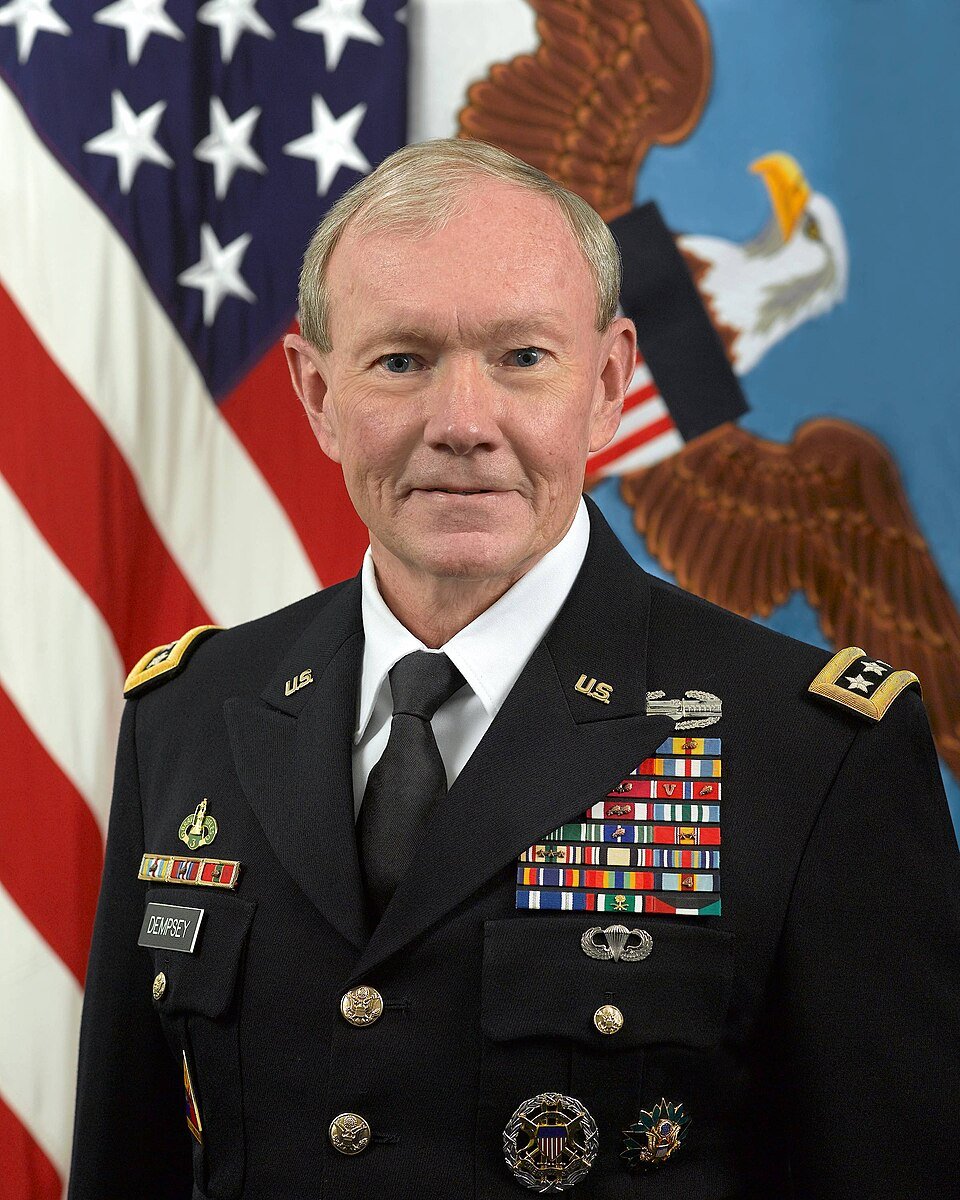
  • 44 freely licensed pictures
Pictures & licenses

Picture credits

Every picture is public domain or freely licensed, from Wikimedia Commons. Files are stored on this site with their metadata removed; each credit links to the original.

J. Christopher Stevens, April 2012.
U.S. government (via VOA) · Public domain · original
Hillary Clinton, Secretary of State portrait.
U.S. State Department · Public domain · original
Archive reuse: capitol.
Prior AI Files / U.S. government source as credited in origin guide · Public domain or prior guide credit · original
Archive reuse: doj.
Prior AI Files / U.S. government source as credited in origin guide · Public domain or prior guide credit · original
Archive reuse: court.
Prior AI Files / U.S. government source as credited in origin guide · Public domain or prior guide credit · original
Archive reuse: server.
Prior AI Files / U.S. government source as credited in origin guide · Public domain or prior guide credit · original
Archive reuse: couple.
Prior AI Files / U.S. government source as credited in origin guide · Public domain or prior guide credit · original
Archive reuse: wh.
Prior AI Files / U.S. government source as credited in origin guide · Public domain or prior guide credit · original
Flag of Libya (post-2011). Typographic/flag stand-in for the post-revolution setting — not a photograph of the compound.
Wikimedia Commons (flag) · Public domain · original
J. Christopher Stevens, April 2012.
U.S. government (via VOA) · Public domain · original
Institutional stand-in for abakoush (freely licensed substitute; not a verified personal portrait). Flagged.
Prior AI Files / U.S. government source as credited in origin guide · Public domain or prior credit (stand-in) · original
Institutional stand-in for annex (freely licensed substitute; not a verified personal portrait). Flagged.
Prior AI Files / U.S. government source as credited in origin guide · Public domain or prior credit (stand-in) · original
Institutional stand-in for blumenthal (freely licensed substitute; not a verified personal portrait). Flagged.
Prior AI Files / U.S. government source as credited in origin guide · Public domain or prior credit (stand-in) · original
John Brennan.
CIA · Public domain · original
Donald Trump — stand-in visual for 2016 campaign-era Benghazi rhetoric (not a Benghazi event photo).
White House · Public domain · original
Institutional stand-in for carson (freely licensed substitute; not a verified personal portrait). Flagged.
Prior AI Files / U.S. government source as credited in origin guide · Public domain or prior credit (stand-in) · original
Rep. Jason Chaffetz.
U.S. House · Public domain · original
Institutional stand-in for chelsea (freely licensed substitute; not a verified personal portrait). Flagged.
Prior AI Files / U.S. government source as credited in origin guide · Public domain or prior credit (stand-in) · original
Rep. Elijah Cummings.
U.S. House · Public domain · original
Gen. Martin Dempsey, CJCS official portrait.
U.S. Army · Public domain · original
Institutional stand-in for doherty (freely licensed substitute; not a verified personal portrait). Flagged.
Prior AI Files / U.S. government source as credited in origin guide · Public domain or prior credit (stand-in) · original
Rep. Trey Gowdy.
U.S. House · Public domain · original
Gen. Carter Ham.
U.S. Army · Public domain · original
U.S. Capitol — institutional stand-in for hearing-room coverage (not a photo of the Select Committee chamber that day).
Prior AI Files / U.S. government source as credited in origin guide · Public domain · original
Institutional stand-in for hicks (freely licensed substitute; not a verified personal portrait). Flagged.
Prior AI Files / U.S. government source as credited in origin guide · Public domain or prior credit (stand-in) · original
Rep. Darrell Issa, official portrait.
U.S. House · Public domain · original
Sen. Ron Johnson.
U.S. Senate · Public domain · original
Institutional stand-in for kennedy (freely licensed substitute; not a verified personal portrait). Flagged.
Prior AI Files / U.S. government source as credited in origin guide · Public domain or prior credit (stand-in) · original
Institutional stand-in for khatallah (freely licensed substitute; not a verified personal portrait). Flagged.
Prior AI Files / U.S. government source as credited in origin guide · Public domain or prior credit (stand-in) · original
Institutional stand-in for lamb (freely licensed substitute; not a verified personal portrait). Flagged.
Prior AI Files / U.S. government source as credited in origin guide · Public domain or prior credit (stand-in) · original
Michael Morell.
U.S. government · Public domain · original
Adm. Mike Mullen.
U.S. Navy · Public domain · original
Institutional stand-in for nordstrom (freely licensed substitute; not a verified personal portrait). Flagged.
Prior AI Files / U.S. government source as credited in origin guide · Public domain or prior credit (stand-in) · original
President Barack Obama, official photograph.
Pete Souza / White House · Public domain · original
Leon Panetta, Secretary of Defense.
U.S. DoD · Public domain · original
Institutional stand-in for path (freely licensed substitute; not a verified personal portrait). Flagged.
Prior AI Files / U.S. government source as credited in origin guide · Public domain or prior credit (stand-in) · original
David Petraeus.
U.S. government · Public domain · original
Thomas Pickering.
U.S. government · Public domain · original
Mike Pompeo.
U.S. government · Public domain · original
Susan E. Rice official portrait.
U.S. government · Public domain · original
Rep. Adam Schiff.
U.S. House · Public domain · original
Institutional stand-in for sean-smith (freely licensed substitute; not a verified personal portrait). Flagged.
Prior AI Files / U.S. government source as credited in origin guide · Public domain or prior credit (stand-in) · original
Donald Trump official portrait.
White House · Public domain · original
Institutional stand-in for woods (freely licensed substitute; not a verified personal portrait). Flagged.
Prior AI Files / U.S. government source as credited in origin guide · Public domain or prior credit (stand-in) · original