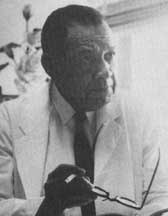
Eunice Rivers, the Black public health nurse closely associated with the project, helped maintain contact with participants over many years. Her relationship with the men made the study workable in ways distant federal administrators could not have managed alone. The 1973 panel identified the nurse as an important point of continuity in a study whose major examination periods were intermittent. [1]
That relationship presents an ethical difficulty rather than an easy escape from responsibility. Assistance with appointments, transport or ordinary needs could be valued by participants while also sustaining an exploitative investigation. Trust in a person can coexist with deception by the institution that person serves. Neither the existence of helpful acts nor the absence of ultimate authority makes the role ethically irrelevant. Conversely, focusing all blame on a Black nurse would obscure the physicians and federal decision-makers with greater control. [1][2]
This site does not claim access to Rivers’s private thoughts or turn later debate over her motives into a proven psychological diagnosis. The record supports describing what her role accomplished and examining the obligations attached to it. A useful question is how institutions recruit caring relationships into harmful systems: when people experience attention as help, who tells them that the larger arrangement is research, what is being withheld, and that they have a genuine choice? The unanswered institutional duty cannot be delegated to the patients. [1][3]