The AI Files · Herbert Matthews Sierra Maestra exclusive, contested romanticization, Bay of Pigs press ethics, Missile Crisis reporting · plain reading edition
Era: Cold War — Matthews, Castro, and Cuba crises: every entry
All 56 entries of the guide, grouped by period and case, each with its bottom line and its sources. This page needs no JavaScript. The interactive guide adds the story in 13 chapters, the people, the timeline, the theories, the 40 checked claims and the media.
Visual timeline
52 dated events
The story (chapter edition)
Sierra Maestra 1952-1958
Frame
How to read
How to read this Cold War era file
Record · Documented
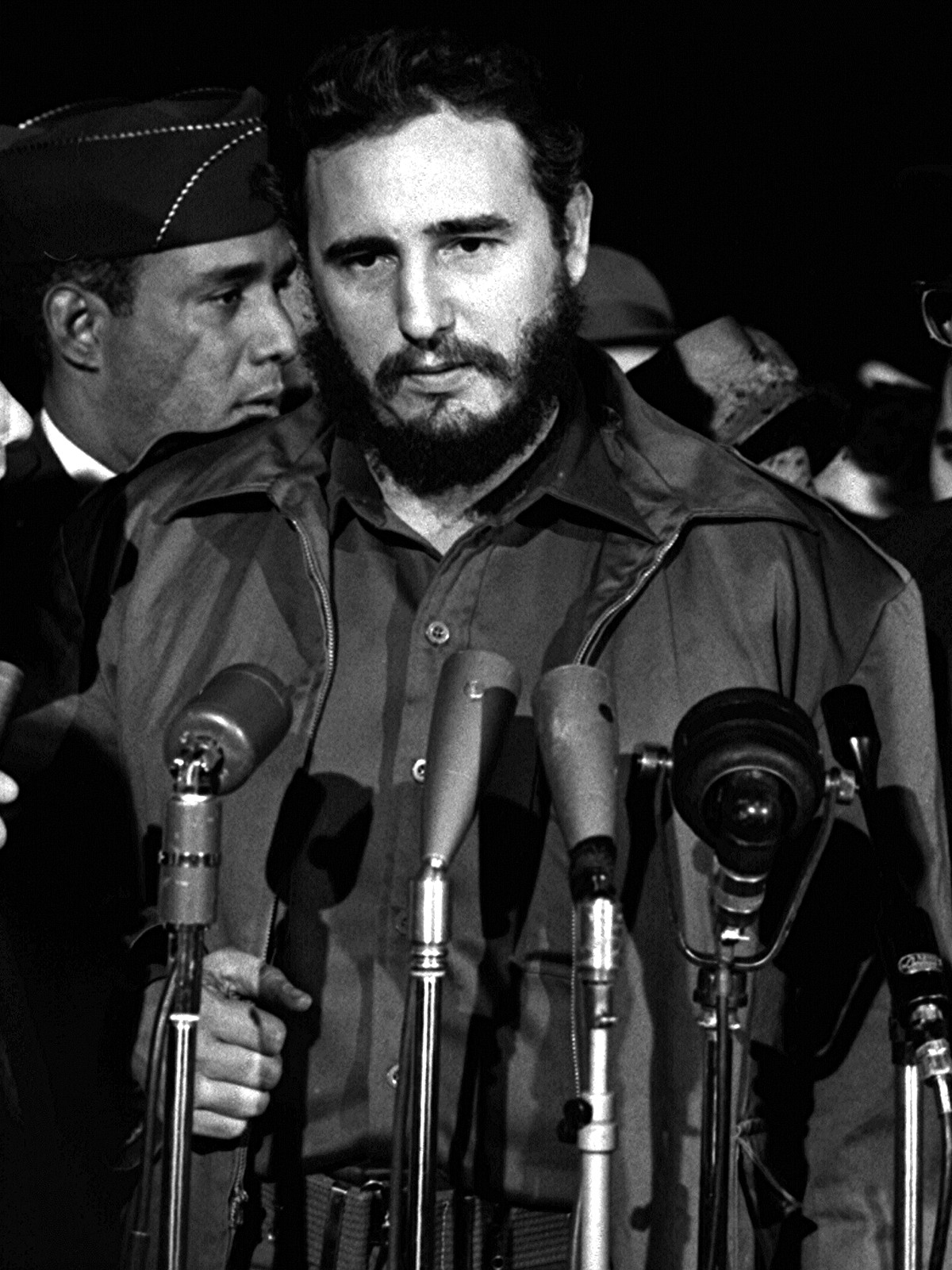
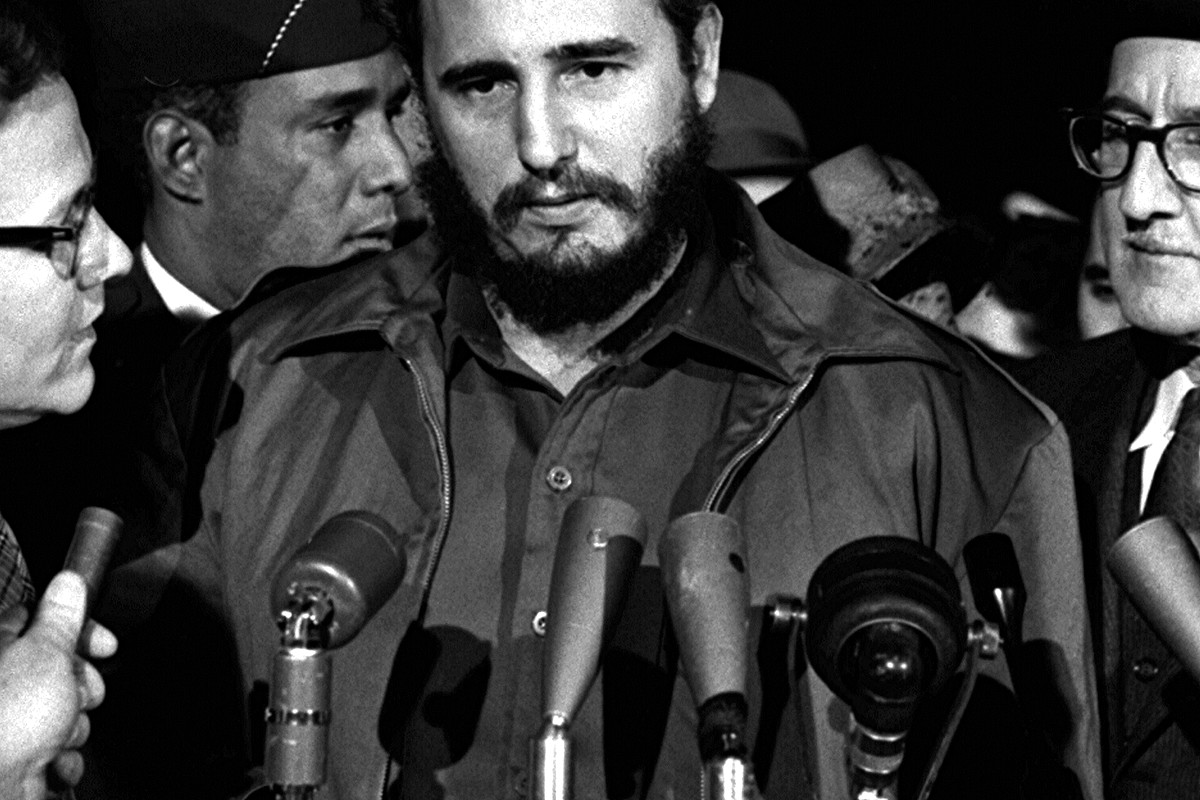
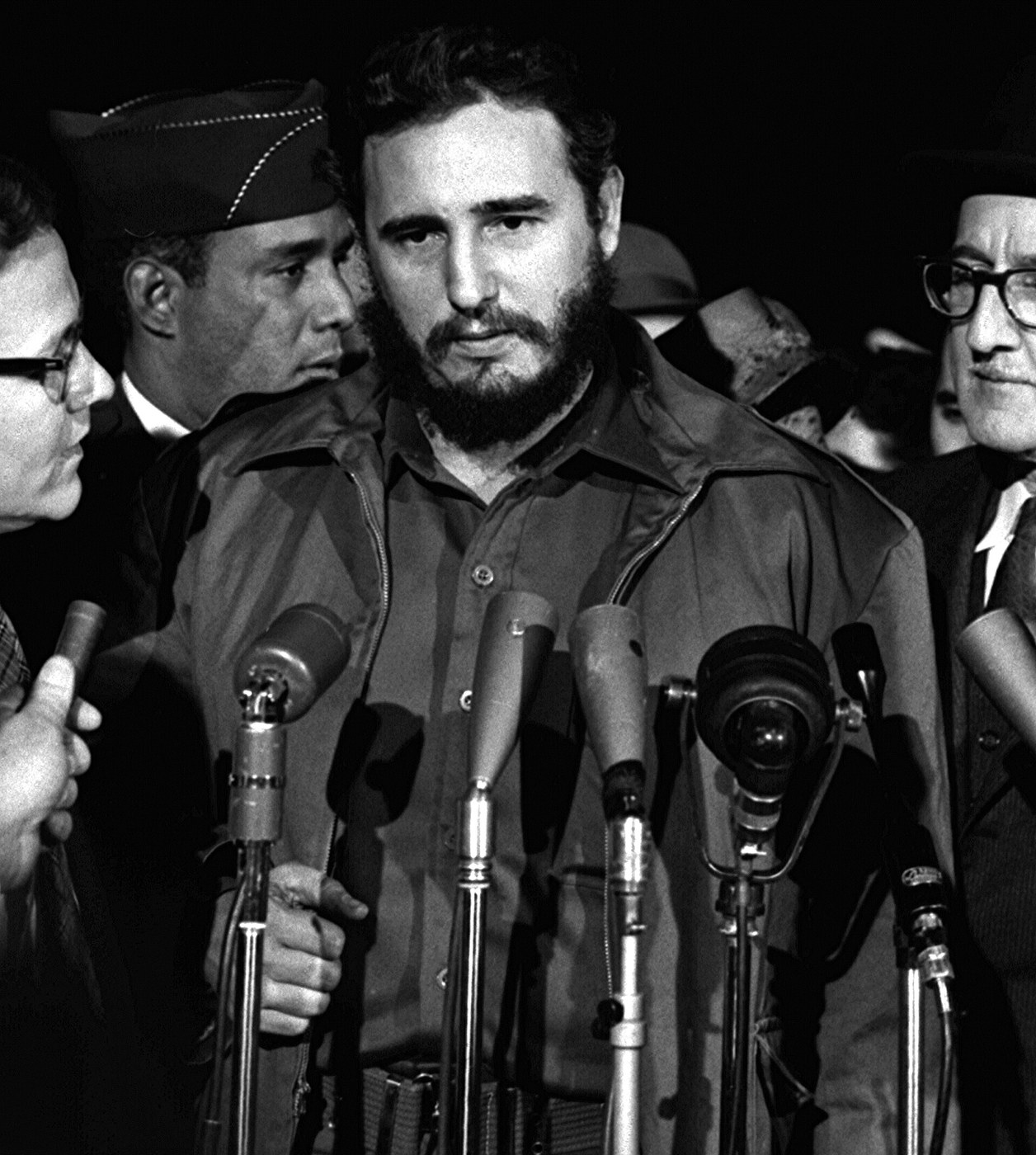
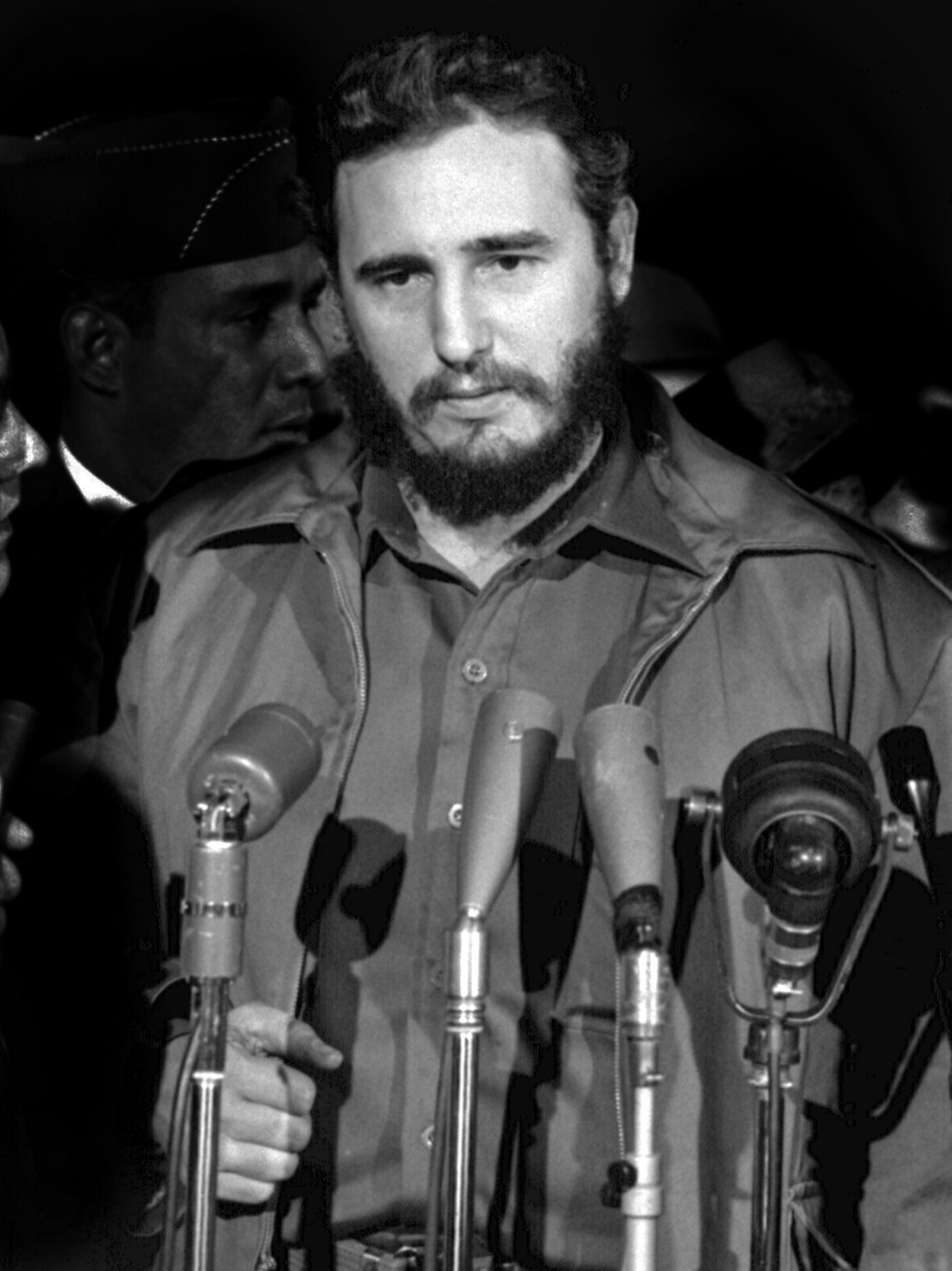
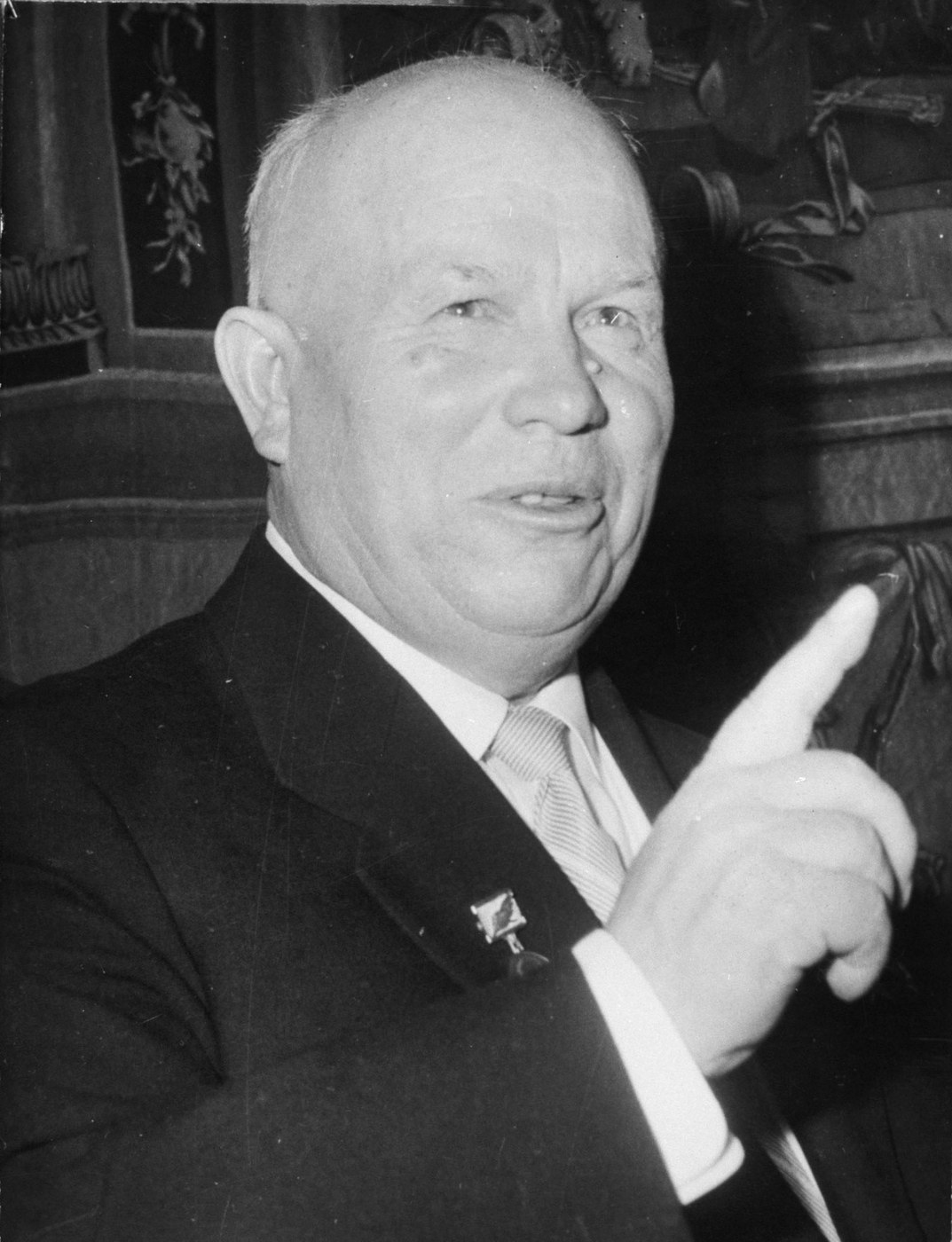
Fidel Castro at MATS Terminal, Washington, 1959 U.S. government / Commons · Public domain
Center contested Times Cuba coverage — especially Herbert Matthews 1957 Sierra Maestra exclusive — then Bay of Pigs and Missile Crisis press/national-security lessons. Not a hate page; not a referendum on socialism slogans.
Center contested Times Cuba coverage — especially Herbert Matthews 1957 Sierra Maestra exclusive — then Bay of Pigs and Missile Crisis press/national-security lessons. Not a hate page; not a referendum on socialism slogans.
Rival paths: heroic exclusive vs inventing Fidel vs structural revolution thesis.
Teaching note for “How to read this Cold War era file”: separate the documented primary (court docket, statute, contemporaneous state record, or archival leaflet) from later shorthand and cable-news slogans. Prefer the cited primary URL over a viral summary of the same event. Dates and institutional captions matter more than the street brand alone. [3]
Limits and humility: sealed dockets, destroyed street-camera footage, activist anonymity, and selection bias remain structural. Absence of a memo is not proof of absence; presence of a tactic family is not proof every named person used every tactic. Label contested funding and designation claims as contested. [3]
Cross-link sibling NYT Files nests when the same street episode, designation debate, or media frame appears; do not collapse Duranty dispatches, Pulitzer board materials, Holodomor scholarship, and later memory fights into one blob. YouTube clips belong on the audiovisual spine when they carry the same fact — always label primary footage vs commentary. Quality over speed; wait rather than ship thin. [3][3]
Epistemology for “How to read this Cold War era file”: map rival paths on the critical-path board. If a theory removes a node, state what would have to be wrong about the primary reading (mustBeWrong). Steel-man the opposing camp in one clause, then return to the primary. No fact-check-by-technicality shortcuts; no Grokipedia cites. [3]
Bottom line Documented
Center contested Times Cuba coverage — especially Herbert Matthews 1957 Sierra Maestra exclusive — then Bay of Pigs and Missile Crisis press/national-security lessons. Not a hate page; not a referendum on socialism slogans.
What the record can’t settle
See Theories for rival paths; contested claims stay labeled.
Matthews Times series; JFK Library Bay of Pigs and Missile Crisis pages; FRUS/CIA FOIA; EXCOMM photograph; Castro 1959 U.S. visit photo.
Matthews Times series; JFK Library Bay of Pigs and Missile Crisis pages; FRUS/CIA FOIA; EXCOMM photograph; Castro 1959 U.S. visit photo.
Teaching note for “Primary spine”: separate the documented primary (court docket, statute, contemporaneous state record, or archival leaflet) from later shorthand and cable-news slogans. Prefer the cited primary URL over a viral summary of the same event. Dates and institutional captions matter more than the street brand alone. [7]
Limits and humility: sealed dockets, destroyed street-camera footage, activist anonymity, and selection bias remain structural. Absence of a memo is not proof of absence; presence of a tactic family is not proof every named person used every tactic. Label contested funding and designation claims as contested. [7]
Cross-link sibling NYT Files nests when the same street episode, designation debate, or media frame appears; do not collapse Duranty dispatches, Pulitzer board materials, Holodomor scholarship, and later memory fights into one blob. YouTube clips belong on the audiovisual spine when they carry the same fact — always label primary footage vs commentary. Quality over speed; wait rather than ship thin. [7][7]
Epistemology for “Primary spine”: map rival paths on the critical-path board. If a theory removes a node, state what would have to be wrong about the primary reading (mustBeWrong). Steel-man the opposing camp in one clause, then return to the primary. No fact-check-by-technicality shortcuts; no Grokipedia cites. [7]
Bottom line Documented
Matthews Times series; JFK Library Bay of Pigs and Missile Crisis pages; FRUS/CIA FOIA; EXCOMM photograph; Castro 1959 U.S. visit photo.
What the record can’t settle
See Theories for rival paths; contested claims stay labeled.
Fidel Castro at MATS Terminal, Washington, 1959 U.S. government / Commons · Public domain
Not a claim Times caused the Cuban Revolution; not Grokipedia; not current Cuba tourism discourse. Access journalism and national-security proximity are the method nodes.
Not a claim Times caused the Cuban Revolution; not Grokipedia; not current Cuba tourism discourse. Access journalism and national-security proximity are the method nodes.
Teaching note for “What this file is not”: separate the documented primary (court docket, statute, contemporaneous state record, or archival leaflet) from later shorthand and cable-news slogans. Prefer the cited primary URL over a viral summary of the same event. Dates and institutional captions matter more than the street brand alone. [1]
Limits and humility: sealed dockets, destroyed street-camera footage, activist anonymity, and selection bias remain structural. Absence of a memo is not proof of absence; presence of a tactic family is not proof every named person used every tactic. Label contested funding and designation claims as contested. [1]
Cross-link sibling NYT Files nests when the same street episode, designation debate, or media frame appears; do not collapse Duranty dispatches, Pulitzer board materials, Holodomor scholarship, and later memory fights into one blob. YouTube clips belong on the audiovisual spine when they carry the same fact — always label primary footage vs commentary. Quality over speed; wait rather than ship thin. [1][1]
Epistemology for “What this file is not”: map rival paths on the critical-path board. If a theory removes a node, state what would have to be wrong about the primary reading (mustBeWrong). Steel-man the opposing camp in one clause, then return to the primary. No fact-check-by-technicality shortcuts; no Grokipedia cites. [1]
Bottom line Documented
Not a claim Times caused the Cuban Revolution; not Grokipedia; not current Cuba tourism discourse. Access journalism and national-security proximity are the method nodes.
What the record can’t settle
See Theories for rival paths; contested claims stay labeled.
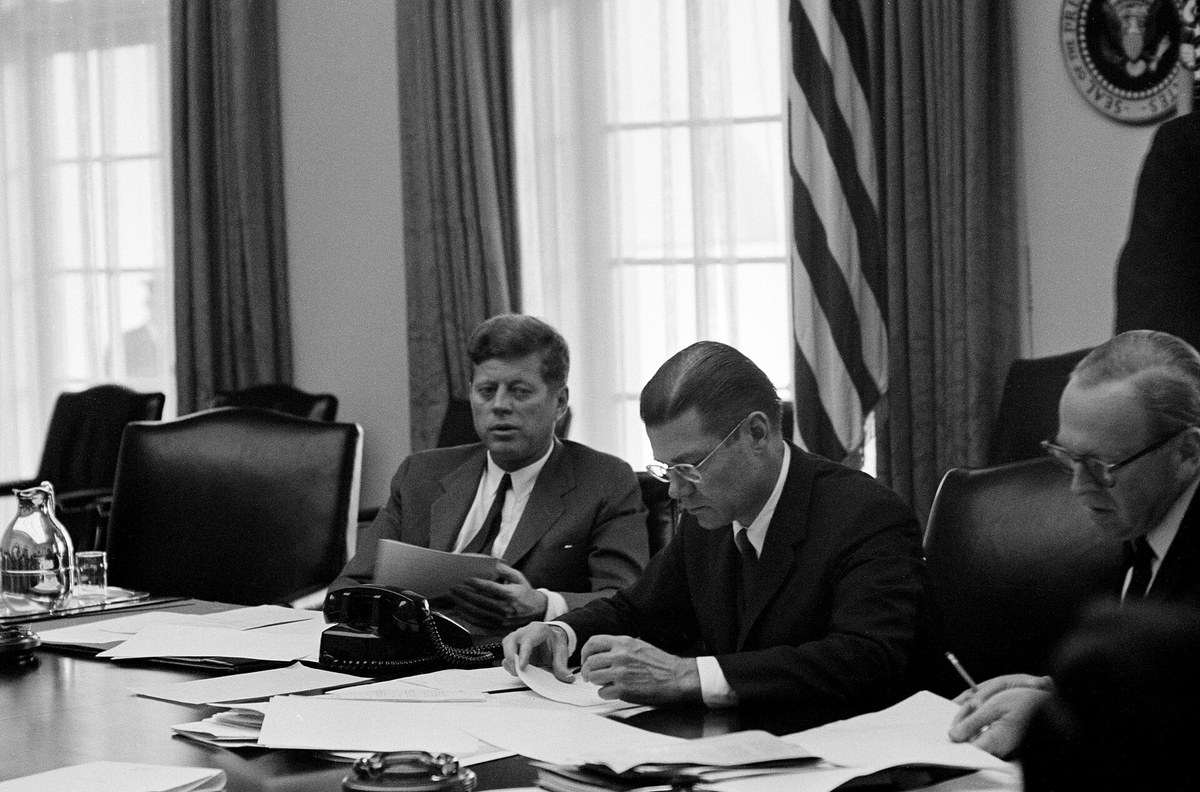
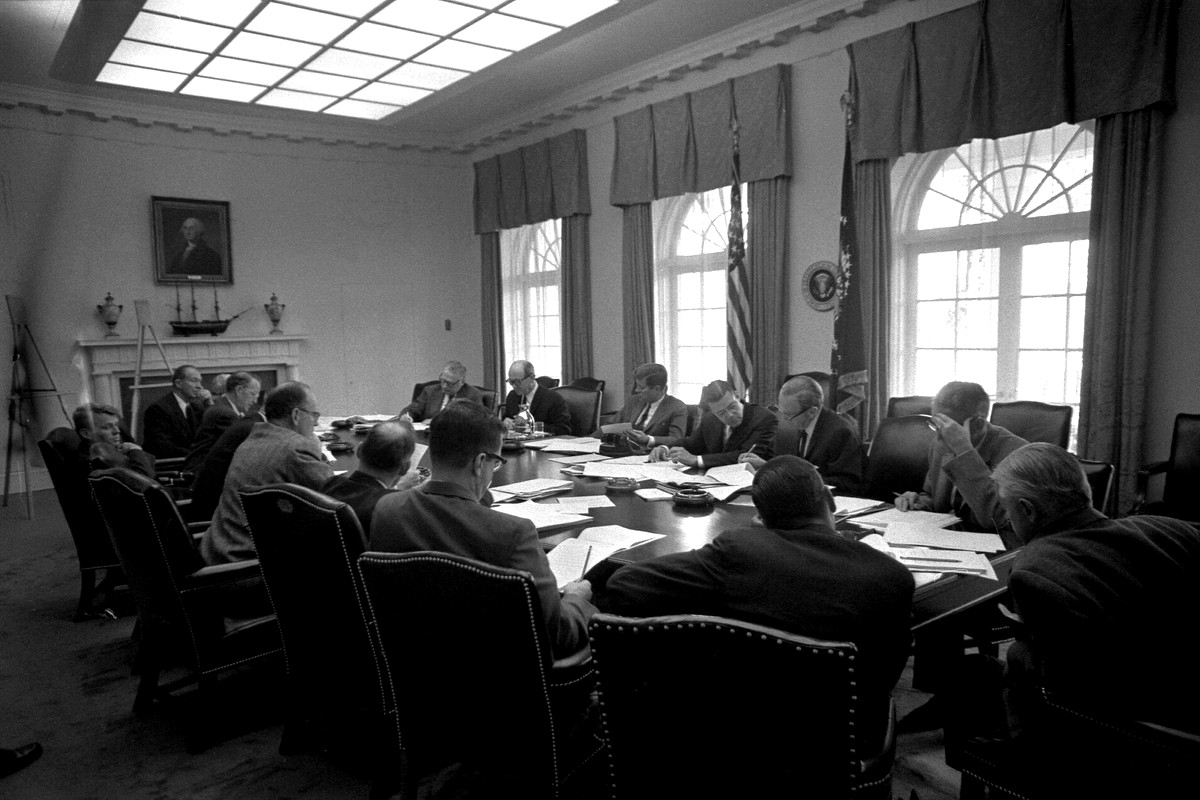
EXCOMM meeting White House / Commons · Public domain
Matthews discussions; Bay of Pigs educational film; JFK Missile Crisis address — label primary vs commentary.
Matthews discussions; Bay of Pigs educational film; JFK Missile Crisis address — label primary vs commentary.
Teaching note for “Video on the spine”: separate the documented primary (court docket, statute, contemporaneous state record, or archival leaflet) from later shorthand and cable-news slogans. Prefer the cited primary URL over a viral summary of the same event. Dates and institutional captions matter more than the street brand alone. [4]
Limits and humility: sealed dockets, destroyed street-camera footage, activist anonymity, and selection bias remain structural. Absence of a memo is not proof of absence; presence of a tactic family is not proof every named person used every tactic. Label contested funding and designation claims as contested. [4]
Cross-link sibling NYT Files nests when the same street episode, designation debate, or media frame appears; do not collapse Duranty dispatches, Pulitzer board materials, Holodomor scholarship, and later memory fights into one blob. YouTube clips belong on the audiovisual spine when they carry the same fact — always label primary footage vs commentary. Quality over speed; wait rather than ship thin. [4][4]
Epistemology for “Video on the spine”: map rival paths on the critical-path board. If a theory removes a node, state what would have to be wrong about the primary reading (mustBeWrong). Steel-man the opposing camp in one clause, then return to the primary. No fact-check-by-technicality shortcuts; no Grokipedia cites. [4]
Bottom line Documented
Matthews discussions; Bay of Pigs educational film; JFK Missile Crisis address — label primary vs commentary.
What the record can’t settle
See Theories for rival paths; contested claims stay labeled.
Teaching note for “Epistemology labels”: separate the documented primary (court docket, statute, contemporaneous state record, or archival leaflet) from later shorthand and cable-news slogans. Prefer the cited primary URL over a viral summary of the same event. Dates and institutional captions matter more than the street brand alone. [1]
Limits and humility: sealed dockets, destroyed street-camera footage, activist anonymity, and selection bias remain structural. Absence of a memo is not proof of absence; presence of a tactic family is not proof every named person used every tactic. Label contested funding and designation claims as contested. [1]
Cross-link sibling NYT Files nests when the same street episode, designation debate, or media frame appears; do not collapse Duranty dispatches, Pulitzer board materials, Holodomor scholarship, and later memory fights into one blob. YouTube clips belong on the audiovisual spine when they carry the same fact — always label primary footage vs commentary. Quality over speed; wait rather than ship thin. [1][1]
Epistemology for “Epistemology labels”: map rival paths on the critical-path board. If a theory removes a node, state what would have to be wrong about the primary reading (mustBeWrong). Steel-man the opposing camp in one clause, then return to the primary. No fact-check-by-technicality shortcuts; no Grokipedia cites. [1]
U.S.-backed authoritarianism and corruption form the backdrop Matthews reported.
U.S.-backed authoritarianism and corruption form the backdrop Matthews reported.
Teaching note for “Batista dictatorship context”: separate the documented primary (court docket, statute, contemporaneous state record, or archival leaflet) from later shorthand and cable-news slogans. Prefer the cited primary URL over a viral summary of the same event. Dates and institutional captions matter more than the street brand alone. [3]
Limits and humility: sealed dockets, destroyed street-camera footage, activist anonymity, and selection bias remain structural. Absence of a memo is not proof of absence; presence of a tactic family is not proof every named person used every tactic. Label contested funding and designation claims as contested. [3]
Cross-link sibling NYT Files nests when the same street episode, designation debate, or media frame appears; do not collapse Duranty dispatches, Pulitzer board materials, Holodomor scholarship, and later memory fights into one blob. YouTube clips belong on the audiovisual spine when they carry the same fact — always label primary footage vs commentary. Quality over speed; wait rather than ship thin. [3][3]
Epistemology for “Batista dictatorship context”: map rival paths on the critical-path board. If a theory removes a node, state what would have to be wrong about the primary reading (mustBeWrong). Steel-man the opposing camp in one clause, then return to the primary. No fact-check-by-technicality shortcuts; no Grokipedia cites. [3]
Bottom line Documented
U.S.-backed authoritarianism and corruption form the backdrop Matthews reported.
What the record can’t settle
See Theories for rival paths; contested claims stay labeled.
Fidel Castro, Washington 1959 U.S. government / Commons · Public domain
Times correspondent interviews Castro when Batista claimed he was dead — classic exclusive.
Times correspondent interviews Castro when Batista claimed he was dead — classic exclusive.
Teaching note for “Matthews reaches the Sierra Maestra (1957)”: separate the documented primary (court docket, statute, contemporaneous state record, or archival leaflet) from later shorthand and cable-news slogans. Prefer the cited primary URL over a viral summary of the same event. Dates and institutional captions matter more than the street brand alone. [3]
Limits and humility: sealed dockets, destroyed street-camera footage, activist anonymity, and selection bias remain structural. Absence of a memo is not proof of absence; presence of a tactic family is not proof every named person used every tactic. Label contested funding and designation claims as contested. [3]
Cross-link sibling NYT Files nests when the same street episode, designation debate, or media frame appears; do not collapse Duranty dispatches, Pulitzer board materials, Holodomor scholarship, and later memory fights into one blob. YouTube clips belong on the audiovisual spine when they carry the same fact — always label primary footage vs commentary. Quality over speed; wait rather than ship thin. [3][3]
Epistemology for “Matthews reaches the Sierra Maestra (1957)”: map rival paths on the critical-path board. If a theory removes a node, state what would have to be wrong about the primary reading (mustBeWrong). Steel-man the opposing camp in one clause, then return to the primary. No fact-check-by-technicality shortcuts; no Grokipedia cites. [3]
Bottom line Documented
Times correspondent interviews Castro when Batista claimed he was dead — classic exclusive.
What the record can’t settle
See Theories for rival paths; contested claims stay labeled.
Fidel Castro, Washington 1959 U.S. government / Commons · Public domain
Series presentation made Castro a romantic anti-dictator figure for many U.S. readers.
Series presentation made Castro a romantic anti-dictator figure for many U.S. readers.
Teaching note for “I Got My Man framing”: separate the documented primary (court docket, statute, contemporaneous state record, or archival leaflet) from later shorthand and cable-news slogans. Prefer the cited primary URL over a viral summary of the same event. Dates and institutional captions matter more than the street brand alone. [3]
Limits and humility: sealed dockets, destroyed street-camera footage, activist anonymity, and selection bias remain structural. Absence of a memo is not proof of absence; presence of a tactic family is not proof every named person used every tactic. Label contested funding and designation claims as contested. [3]
Cross-link sibling NYT Files nests when the same street episode, designation debate, or media frame appears; do not collapse Duranty dispatches, Pulitzer board materials, Holodomor scholarship, and later memory fights into one blob. YouTube clips belong on the audiovisual spine when they carry the same fact — always label primary footage vs commentary. Quality over speed; wait rather than ship thin. [3][3]
Epistemology for “I Got My Man framing”: map rival paths on the critical-path board. If a theory removes a node, state what would have to be wrong about the primary reading (mustBeWrong). Steel-man the opposing camp in one clause, then return to the primary. No fact-check-by-technicality shortcuts; no Grokipedia cites. [3]
Bottom line Partly documented
Series presentation made Castro a romantic anti-dictator figure for many U.S. readers.
What the record can’t settle
See Theories for rival paths; contested claims stay labeled.
Fidel Castro, Washington 1959 U.S. government / Commons · Public domain
Steel-man: he reported available mountain reality. Critique: insufficient skepticism about future authoritarianism.
Steel-man: he reported available mountain reality. Critique: insufficient skepticism about future authoritarianism.
Teaching note for “What Matthews saw and did not see”: separate the documented primary (court docket, statute, contemporaneous state record, or archival leaflet) from later shorthand and cable-news slogans. Prefer the cited primary URL over a viral summary of the same event. Dates and institutional captions matter more than the street brand alone. [3]
Limits and humility: sealed dockets, destroyed street-camera footage, activist anonymity, and selection bias remain structural. Absence of a memo is not proof of absence; presence of a tactic family is not proof every named person used every tactic. Label contested funding and designation claims as contested. [3]
Cross-link sibling NYT Files nests when the same street episode, designation debate, or media frame appears; do not collapse Duranty dispatches, Pulitzer board materials, Holodomor scholarship, and later memory fights into one blob. YouTube clips belong on the audiovisual spine when they carry the same fact — always label primary footage vs commentary. Quality over speed; wait rather than ship thin. [3][3]
Epistemology for “What Matthews saw and did not see”: map rival paths on the critical-path board. If a theory removes a node, state what would have to be wrong about the primary reading (mustBeWrong). Steel-man the opposing camp in one clause, then return to the primary. No fact-check-by-technicality shortcuts; no Grokipedia cites. [3]
Bottom line Contested
Steel-man: he reported available mountain reality. Critique: insufficient skepticism about future authoritarianism.
What the record can’t settle
See Theories for rival paths; contested claims stay labeled.
Foreign desk choice to lead with the exclusive amplified impact beyond one reporter.
Foreign desk choice to lead with the exclusive amplified impact beyond one reporter.
Teaching note for “Times splash and follow-ups”: separate the documented primary (court docket, statute, contemporaneous state record, or archival leaflet) from later shorthand and cable-news slogans. Prefer the cited primary URL over a viral summary of the same event. Dates and institutional captions matter more than the street brand alone. [2]
Limits and humility: sealed dockets, destroyed street-camera footage, activist anonymity, and selection bias remain structural. Absence of a memo is not proof of absence; presence of a tactic family is not proof every named person used every tactic. Label contested funding and designation claims as contested. [2]
Cross-link sibling NYT Files nests when the same street episode, designation debate, or media frame appears; do not collapse Duranty dispatches, Pulitzer board materials, Holodomor scholarship, and later memory fights into one blob. YouTube clips belong on the audiovisual spine when they carry the same fact — always label primary footage vs commentary. Quality over speed; wait rather than ship thin. [2][2]
Epistemology for “Times splash and follow-ups”: map rival paths on the critical-path board. If a theory removes a node, state what would have to be wrong about the primary reading (mustBeWrong). Steel-man the opposing camp in one clause, then return to the primary. No fact-check-by-technicality shortcuts; no Grokipedia cites. [2]
Bottom line Documented
Foreign desk choice to lead with the exclusive amplified impact beyond one reporter.
What the record can’t settle
See Theories for rival paths; contested claims stay labeled.
Regime denials vs Times photos/interviews became the credibility fight.
Regime denials vs Times photos/interviews became the credibility fight.
Teaching note for “Rival press and Batista denials”: separate the documented primary (court docket, statute, contemporaneous state record, or archival leaflet) from later shorthand and cable-news slogans. Prefer the cited primary URL over a viral summary of the same event. Dates and institutional captions matter more than the street brand alone. [3]
Limits and humility: sealed dockets, destroyed street-camera footage, activist anonymity, and selection bias remain structural. Absence of a memo is not proof of absence; presence of a tactic family is not proof every named person used every tactic. Label contested funding and designation claims as contested. [3]
Cross-link sibling NYT Files nests when the same street episode, designation debate, or media frame appears; do not collapse Duranty dispatches, Pulitzer board materials, Holodomor scholarship, and later memory fights into one blob. YouTube clips belong on the audiovisual spine when they carry the same fact — always label primary footage vs commentary. Quality over speed; wait rather than ship thin. [3][3]
Epistemology for “Rival press and Batista denials”: map rival paths on the critical-path board. If a theory removes a node, state what would have to be wrong about the primary reading (mustBeWrong). Steel-man the opposing camp in one clause, then return to the primary. No fact-check-by-technicality shortcuts; no Grokipedia cites. [3]
Bottom line Partly documented
Regime denials vs Times photos/interviews became the credibility fight.
What the record can’t settle
See Theories for rival paths; contested claims stay labeled.
Fidel Castro, Washington 1959 U.S. government / Commons · Public domain
Matthews photos undercut Batista dead claims — visual primary power.
Matthews photos undercut Batista dead claims — visual primary power.
Teaching note for “Photos as proof of life”: separate the documented primary (court docket, statute, contemporaneous state record, or archival leaflet) from later shorthand and cable-news slogans. Prefer the cited primary URL over a viral summary of the same event. Dates and institutional captions matter more than the street brand alone. [2]
Limits and humility: sealed dockets, destroyed street-camera footage, activist anonymity, and selection bias remain structural. Absence of a memo is not proof of absence; presence of a tactic family is not proof every named person used every tactic. Label contested funding and designation claims as contested. [2]
Cross-link sibling NYT Files nests when the same street episode, designation debate, or media frame appears; do not collapse Duranty dispatches, Pulitzer board materials, Holodomor scholarship, and later memory fights into one blob. YouTube clips belong on the audiovisual spine when they carry the same fact — always label primary footage vs commentary. Quality over speed; wait rather than ship thin. [2][2]
Epistemology for “Photos as proof of life”: map rival paths on the critical-path board. If a theory removes a node, state what would have to be wrong about the primary reading (mustBeWrong). Steel-man the opposing camp in one clause, then return to the primary. No fact-check-by-technicality shortcuts; no Grokipedia cites. [2]
Bottom line Documented
Matthews photos undercut Batista dead claims — visual primary power.
What the record can’t settle
See Theories for rival paths; contested claims stay labeled.
Fidel Castro, Washington 1959 U.S. government / Commons · Public domain
Revolutionary leadership beyond Fidel alone.
Revolutionary leadership beyond Fidel alone.
Teaching note for “Raúl and mountain leadership cast”: separate the documented primary (court docket, statute, contemporaneous state record, or archival leaflet) from later shorthand and cable-news slogans. Prefer the cited primary URL over a viral summary of the same event. Dates and institutional captions matter more than the street brand alone. [2]
Limits and humility: sealed dockets, destroyed street-camera footage, activist anonymity, and selection bias remain structural. Absence of a memo is not proof of absence; presence of a tactic family is not proof every named person used every tactic. Label contested funding and designation claims as contested. [2]
Cross-link sibling NYT Files nests when the same street episode, designation debate, or media frame appears; do not collapse Duranty dispatches, Pulitzer board materials, Holodomor scholarship, and later memory fights into one blob. YouTube clips belong on the audiovisual spine when they carry the same fact — always label primary footage vs commentary. Quality over speed; wait rather than ship thin. [2][2]
Epistemology for “Raúl and mountain leadership cast”: map rival paths on the critical-path board. If a theory removes a node, state what would have to be wrong about the primary reading (mustBeWrong). Steel-man the opposing camp in one clause, then return to the primary. No fact-check-by-technicality shortcuts; no Grokipedia cites. [2]
Bottom line Partly documented
Revolutionary leadership beyond Fidel alone.
What the record can’t settle
See Theories for rival paths; contested claims stay labeled.
Fidel Castro, Washington 1959 U.S. government / Commons · Public domain
Castro in Washington/New York; U.S. government photos document the charm offensive period.
Castro in Washington/New York; U.S. government photos document the charm offensive period.
Teaching note for “1959 victory and U.S. visit”: separate the documented primary (court docket, statute, contemporaneous state record, or archival leaflet) from later shorthand and cable-news slogans. Prefer the cited primary URL over a viral summary of the same event. Dates and institutional captions matter more than the street brand alone. [3]
Limits and humility: sealed dockets, destroyed street-camera footage, activist anonymity, and selection bias remain structural. Absence of a memo is not proof of absence; presence of a tactic family is not proof every named person used every tactic. Label contested funding and designation claims as contested. [3]
Cross-link sibling NYT Files nests when the same street episode, designation debate, or media frame appears; do not collapse Duranty dispatches, Pulitzer board materials, Holodomor scholarship, and later memory fights into one blob. YouTube clips belong on the audiovisual spine when they carry the same fact — always label primary footage vs commentary. Quality over speed; wait rather than ship thin. [3][3]
Epistemology for “1959 victory and U.S. visit”: map rival paths on the critical-path board. If a theory removes a node, state what would have to be wrong about the primary reading (mustBeWrong). Steel-man the opposing camp in one clause, then return to the primary. No fact-check-by-technicality shortcuts; no Grokipedia cites. [3]
Bottom line Documented
Castro in Washington/New York; U.S. government photos document the charm offensive period.
What the record can’t settle
See Theories for rival paths; contested claims stay labeled.
Fidel Castro, Washington 1959 U.S. government / Commons · Public domain
Property seizures, executions, Soviet tilt — later critics say Matthews under-prepared readers.
Property seizures, executions, Soviet tilt — later critics say Matthews under-prepared readers.
Teaching note for “From romantic rebel to U.S. adversary”: separate the documented primary (court docket, statute, contemporaneous state record, or archival leaflet) from later shorthand and cable-news slogans. Prefer the cited primary URL over a viral summary of the same event. Dates and institutional captions matter more than the street brand alone. [3]
Limits and humility: sealed dockets, destroyed street-camera footage, activist anonymity, and selection bias remain structural. Absence of a memo is not proof of absence; presence of a tactic family is not proof every named person used every tactic. Label contested funding and designation claims as contested. [3]
Cross-link sibling NYT Files nests when the same street episode, designation debate, or media frame appears; do not collapse Duranty dispatches, Pulitzer board materials, Holodomor scholarship, and later memory fights into one blob. YouTube clips belong on the audiovisual spine when they carry the same fact — always label primary footage vs commentary. Quality over speed; wait rather than ship thin. [3][3]
Epistemology for “From romantic rebel to U.S. adversary”: map rival paths on the critical-path board. If a theory removes a node, state what would have to be wrong about the primary reading (mustBeWrong). Steel-man the opposing camp in one clause, then return to the primary. No fact-check-by-technicality shortcuts; no Grokipedia cites. [3]
Bottom line Contested
Property seizures, executions, Soviet tilt — later critics say Matthews under-prepared readers.
What the record can’t settle
See Theories for rival paths; contested claims stay labeled.
DePalma title frames the accusation; steel-man: revolution had material causes beyond one series.
DePalma title frames the accusation; steel-man: revolution had material causes beyond one series.
Teaching note for “Did Matthews invent Fidel?”: separate the documented primary (court docket, statute, contemporaneous state record, or archival leaflet) from later shorthand and cable-news slogans. Prefer the cited primary URL over a viral summary of the same event. Dates and institutional captions matter more than the street brand alone. [2]
Limits and humility: sealed dockets, destroyed street-camera footage, activist anonymity, and selection bias remain structural. Absence of a memo is not proof of absence; presence of a tactic family is not proof every named person used every tactic. Label contested funding and designation claims as contested. [2]
Cross-link sibling NYT Files nests when the same street episode, designation debate, or media frame appears; do not collapse Duranty dispatches, Pulitzer board materials, Holodomor scholarship, and later memory fights into one blob. YouTube clips belong on the audiovisual spine when they carry the same fact — always label primary footage vs commentary. Quality over speed; wait rather than ship thin. [2][2]
Epistemology for “Did Matthews invent Fidel?”: map rival paths on the critical-path board. If a theory removes a node, state what would have to be wrong about the primary reading (mustBeWrong). Steel-man the opposing camp in one clause, then return to the primary. No fact-check-by-technicality shortcuts; no Grokipedia cites. [2]
Bottom line Contested
DePalma title frames the accusation; steel-man: revolution had material causes beyond one series.
What the record can’t settle
See Theories for rival paths; contested claims stay labeled.
Post-victory trials/executions tested whether U.S. press adjusted tone fast enough.
Post-victory trials/executions tested whether U.S. press adjusted tone fast enough.
Teaching note for “Executions and early repression reports”: separate the documented primary (court docket, statute, contemporaneous state record, or archival leaflet) from later shorthand and cable-news slogans. Prefer the cited primary URL over a viral summary of the same event. Dates and institutional captions matter more than the street brand alone. [3]
Limits and humility: sealed dockets, destroyed street-camera footage, activist anonymity, and selection bias remain structural. Absence of a memo is not proof of absence; presence of a tactic family is not proof every named person used every tactic. Label contested funding and designation claims as contested. [3]
Cross-link sibling NYT Files nests when the same street episode, designation debate, or media frame appears; do not collapse Duranty dispatches, Pulitzer board materials, Holodomor scholarship, and later memory fights into one blob. YouTube clips belong on the audiovisual spine when they carry the same fact — always label primary footage vs commentary. Quality over speed; wait rather than ship thin. [3][3]
Epistemology for “Executions and early repression reports”: map rival paths on the critical-path board. If a theory removes a node, state what would have to be wrong about the primary reading (mustBeWrong). Steel-man the opposing camp in one clause, then return to the primary. No fact-check-by-technicality shortcuts; no Grokipedia cites. [3]
Bottom line Partly documented
Post-victory trials/executions tested whether U.S. press adjusted tone fast enough.
What the record can’t settle
See Theories for rival paths; contested claims stay labeled.
Arms and alliance choices reframe U.S. press threat models.
Arms and alliance choices reframe U.S. press threat models.
Teaching note for “Soviet alignment markers”: separate the documented primary (court docket, statute, contemporaneous state record, or archival leaflet) from later shorthand and cable-news slogans. Prefer the cited primary URL over a viral summary of the same event. Dates and institutional captions matter more than the street brand alone. [3]
Limits and humility: sealed dockets, destroyed street-camera footage, activist anonymity, and selection bias remain structural. Absence of a memo is not proof of absence; presence of a tactic family is not proof every named person used every tactic. Label contested funding and designation claims as contested. [3]
Cross-link sibling NYT Files nests when the same street episode, designation debate, or media frame appears; do not collapse Duranty dispatches, Pulitzer board materials, Holodomor scholarship, and later memory fights into one blob. YouTube clips belong on the audiovisual spine when they carry the same fact — always label primary footage vs commentary. Quality over speed; wait rather than ship thin. [3][3]
Epistemology for “Soviet alignment markers”: map rival paths on the critical-path board. If a theory removes a node, state what would have to be wrong about the primary reading (mustBeWrong). Steel-man the opposing camp in one clause, then return to the primary. No fact-check-by-technicality shortcuts; no Grokipedia cites. [3]
Bottom line Partly documented
Arms and alliance choices reframe U.S. press threat models.
What the record can’t settle
See Theories for rival paths; contested claims stay labeled.
CIA/exile invasion; press and government secrecy norms collide.
CIA/exile invasion; press and government secrecy norms collide.
Teaching note for “Bay of Pigs planning secrecy”: separate the documented primary (court docket, statute, contemporaneous state record, or archival leaflet) from later shorthand and cable-news slogans. Prefer the cited primary URL over a viral summary of the same event. Dates and institutional captions matter more than the street brand alone. [3]
Limits and humility: sealed dockets, destroyed street-camera footage, activist anonymity, and selection bias remain structural. Absence of a memo is not proof of absence; presence of a tactic family is not proof every named person used every tactic. Label contested funding and designation claims as contested. [3]
Cross-link sibling NYT Files nests when the same street episode, designation debate, or media frame appears; do not collapse Duranty dispatches, Pulitzer board materials, Holodomor scholarship, and later memory fights into one blob. YouTube clips belong on the audiovisual spine when they carry the same fact — always label primary footage vs commentary. Quality over speed; wait rather than ship thin. [3][3]
Epistemology for “Bay of Pigs planning secrecy”: map rival paths on the critical-path board. If a theory removes a node, state what would have to be wrong about the primary reading (mustBeWrong). Steel-man the opposing camp in one clause, then return to the primary. No fact-check-by-technicality shortcuts; no Grokipedia cites. [3]
Bottom line Documented
CIA/exile invasion; press and government secrecy norms collide.
What the record can’t settle
See Theories for rival paths; contested claims stay labeled.
How much U.S. press knew/self-censored before April 1961 remains a case study in national-security journalism.
How much U.S. press knew/self-censored before April 1961 remains a case study in national-security journalism.
Teaching note for “Times and pre-invasion knowledge debates”: separate the documented primary (court docket, statute, contemporaneous state record, or archival leaflet) from later shorthand and cable-news slogans. Prefer the cited primary URL over a viral summary of the same event. Dates and institutional captions matter more than the street brand alone. [4]
Limits and humility: sealed dockets, destroyed street-camera footage, activist anonymity, and selection bias remain structural. Absence of a memo is not proof of absence; presence of a tactic family is not proof every named person used every tactic. Label contested funding and designation claims as contested. [4]
Cross-link sibling NYT Files nests when the same street episode, designation debate, or media frame appears; do not collapse Duranty dispatches, Pulitzer board materials, Holodomor scholarship, and later memory fights into one blob. YouTube clips belong on the audiovisual spine when they carry the same fact — always label primary footage vs commentary. Quality over speed; wait rather than ship thin. [4][4]
Epistemology for “Times and pre-invasion knowledge debates”: map rival paths on the critical-path board. If a theory removes a node, state what would have to be wrong about the primary reading (mustBeWrong). Steel-man the opposing camp in one clause, then return to the primary. No fact-check-by-technicality shortcuts; no Grokipedia cites. [4]
Bottom line Contested
How much U.S. press knew/self-censored before April 1961 remains a case study in national-security journalism.
What the record can’t settle
See Theories for rival paths; contested claims stay labeled.
Brigade 2506 defeated; Kennedy public responsibility.
Brigade 2506 defeated; Kennedy public responsibility.
Teaching note for “Invasion failure (April 1961)”: separate the documented primary (court docket, statute, contemporaneous state record, or archival leaflet) from later shorthand and cable-news slogans. Prefer the cited primary URL over a viral summary of the same event. Dates and institutional captions matter more than the street brand alone. [3]
Limits and humility: sealed dockets, destroyed street-camera footage, activist anonymity, and selection bias remain structural. Absence of a memo is not proof of absence; presence of a tactic family is not proof every named person used every tactic. Label contested funding and designation claims as contested. [3]
Cross-link sibling NYT Files nests when the same street episode, designation debate, or media frame appears; do not collapse Duranty dispatches, Pulitzer board materials, Holodomor scholarship, and later memory fights into one blob. YouTube clips belong on the audiovisual spine when they carry the same fact — always label primary footage vs commentary. Quality over speed; wait rather than ship thin. [3][3]
Epistemology for “Invasion failure (April 1961)”: map rival paths on the critical-path board. If a theory removes a node, state what would have to be wrong about the primary reading (mustBeWrong). Steel-man the opposing camp in one clause, then return to the primary. No fact-check-by-technicality shortcuts; no Grokipedia cites. [3]
Bottom line Documented
Brigade 2506 defeated; Kennedy public responsibility.
What the record can’t settle
See Theories for rival paths; contested claims stay labeled.
Fidel Castro, Washington 1959 U.S. government / Commons · Public domain
Failure hardens Cuba-U.S. confrontation path into Missile Crisis year.
Failure hardens Cuba-U.S. confrontation path into Missile Crisis year.
Teaching note for “Aftermath: hostility locked in”: separate the documented primary (court docket, statute, contemporaneous state record, or archival leaflet) from later shorthand and cable-news slogans. Prefer the cited primary URL over a viral summary of the same event. Dates and institutional captions matter more than the street brand alone. [3]
Limits and humility: sealed dockets, destroyed street-camera footage, activist anonymity, and selection bias remain structural. Absence of a memo is not proof of absence; presence of a tactic family is not proof every named person used every tactic. Label contested funding and designation claims as contested. [3]
Cross-link sibling NYT Files nests when the same street episode, designation debate, or media frame appears; do not collapse Duranty dispatches, Pulitzer board materials, Holodomor scholarship, and later memory fights into one blob. YouTube clips belong on the audiovisual spine when they carry the same fact — always label primary footage vs commentary. Quality over speed; wait rather than ship thin. [3][3]
Epistemology for “Aftermath: hostility locked in”: map rival paths on the critical-path board. If a theory removes a node, state what would have to be wrong about the primary reading (mustBeWrong). Steel-man the opposing camp in one clause, then return to the primary. No fact-check-by-technicality shortcuts; no Grokipedia cites. [3]
Bottom line Documented
Failure hardens Cuba-U.S. confrontation path into Missile Crisis year.
What the record can’t settle
See Theories for rival paths; contested claims stay labeled.
Teaching note for “Kennedy public admission of responsibility”: separate the documented primary (court docket, statute, contemporaneous state record, or archival leaflet) from later shorthand and cable-news slogans. Prefer the cited primary URL over a viral summary of the same event. Dates and institutional captions matter more than the street brand alone. [3]
Limits and humility: sealed dockets, destroyed street-camera footage, activist anonymity, and selection bias remain structural. Absence of a memo is not proof of absence; presence of a tactic family is not proof every named person used every tactic. Label contested funding and designation claims as contested. [3]
Cross-link sibling NYT Files nests when the same street episode, designation debate, or media frame appears; do not collapse Duranty dispatches, Pulitzer board materials, Holodomor scholarship, and later memory fights into one blob. YouTube clips belong on the audiovisual spine when they carry the same fact — always label primary footage vs commentary. Quality over speed; wait rather than ship thin. [3][3]
Epistemology for “Kennedy public admission of responsibility”: map rival paths on the critical-path board. If a theory removes a node, state what would have to be wrong about the primary reading (mustBeWrong). Steel-man the opposing camp in one clause, then return to the primary. No fact-check-by-technicality shortcuts; no Grokipedia cites. [3]
Bottom line Documented
Presidential accountability moment in press.
What the record can’t settle
See Theories for rival paths; contested claims stay labeled.
Brigade politics as domestic U.S. story intersecting foreign desk.
Brigade politics as domestic U.S. story intersecting foreign desk.
Teaching note for “Exile politics in Miami and New York”: separate the documented primary (court docket, statute, contemporaneous state record, or archival leaflet) from later shorthand and cable-news slogans. Prefer the cited primary URL over a viral summary of the same event. Dates and institutional captions matter more than the street brand alone. [2]
Limits and humility: sealed dockets, destroyed street-camera footage, activist anonymity, and selection bias remain structural. Absence of a memo is not proof of absence; presence of a tactic family is not proof every named person used every tactic. Label contested funding and designation claims as contested. [2]
Cross-link sibling NYT Files nests when the same street episode, designation debate, or media frame appears; do not collapse Duranty dispatches, Pulitzer board materials, Holodomor scholarship, and later memory fights into one blob. YouTube clips belong on the audiovisual spine when they carry the same fact — always label primary footage vs commentary. Quality over speed; wait rather than ship thin. [2][2]
Epistemology for “Exile politics in Miami and New York”: map rival paths on the critical-path board. If a theory removes a node, state what would have to be wrong about the primary reading (mustBeWrong). Steel-man the opposing camp in one clause, then return to the primary. No fact-check-by-technicality shortcuts; no Grokipedia cites. [2]
Bottom line Partly documented
Brigade politics as domestic U.S. story intersecting foreign desk.
What the record can’t settle
See Theories for rival paths; contested claims stay labeled.
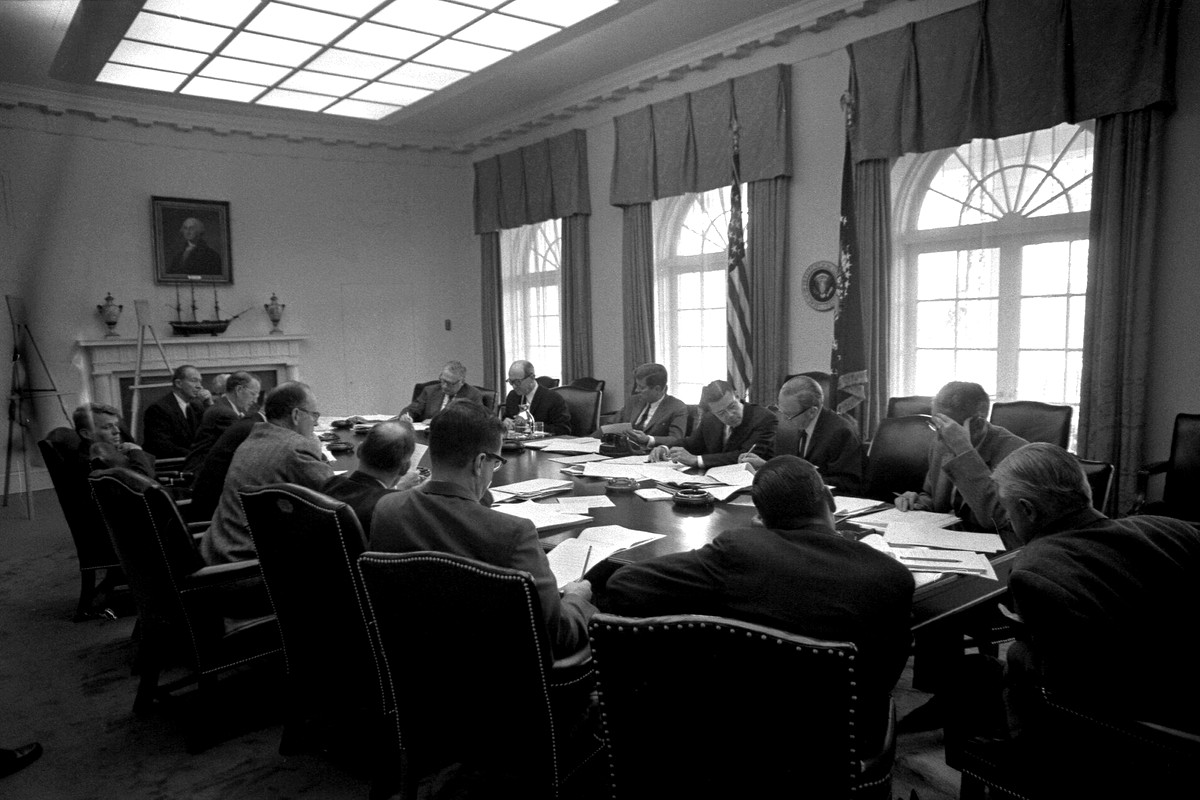
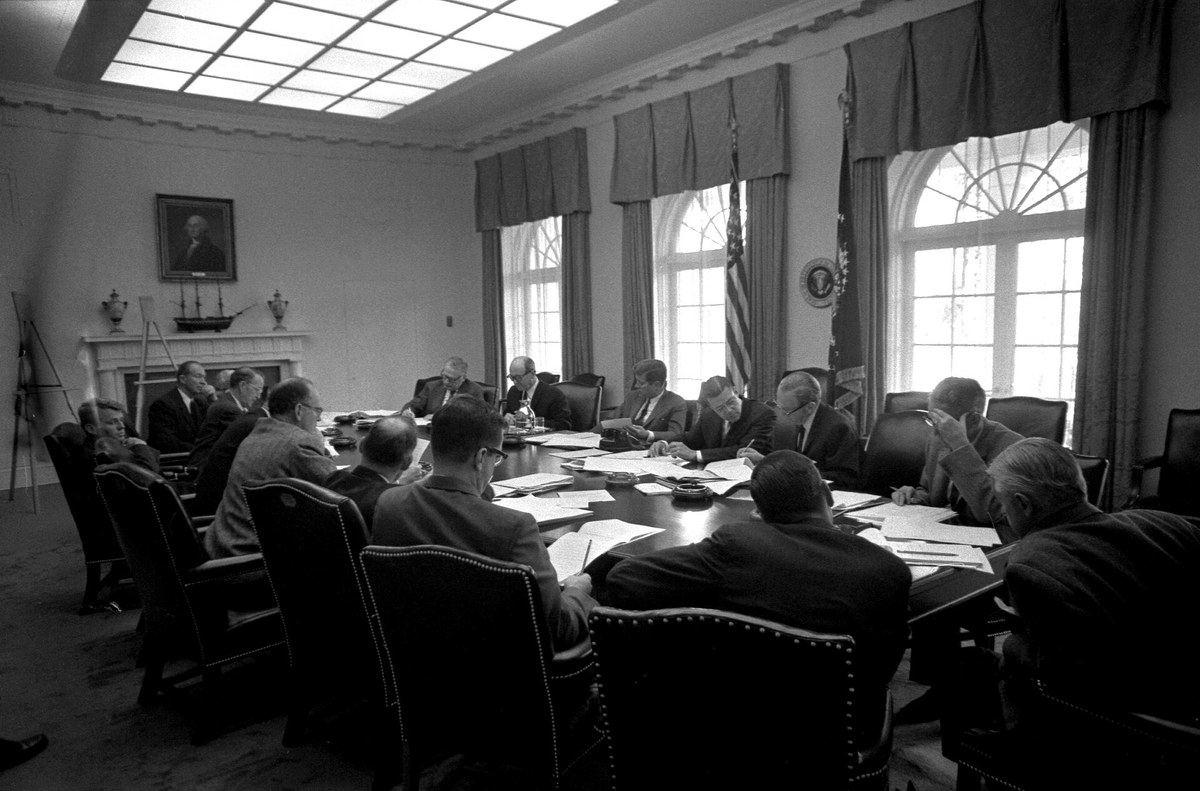
EXCOMM meeting, Cuban Missile Crisis, 29 October 1962 White House / Commons · Public domain
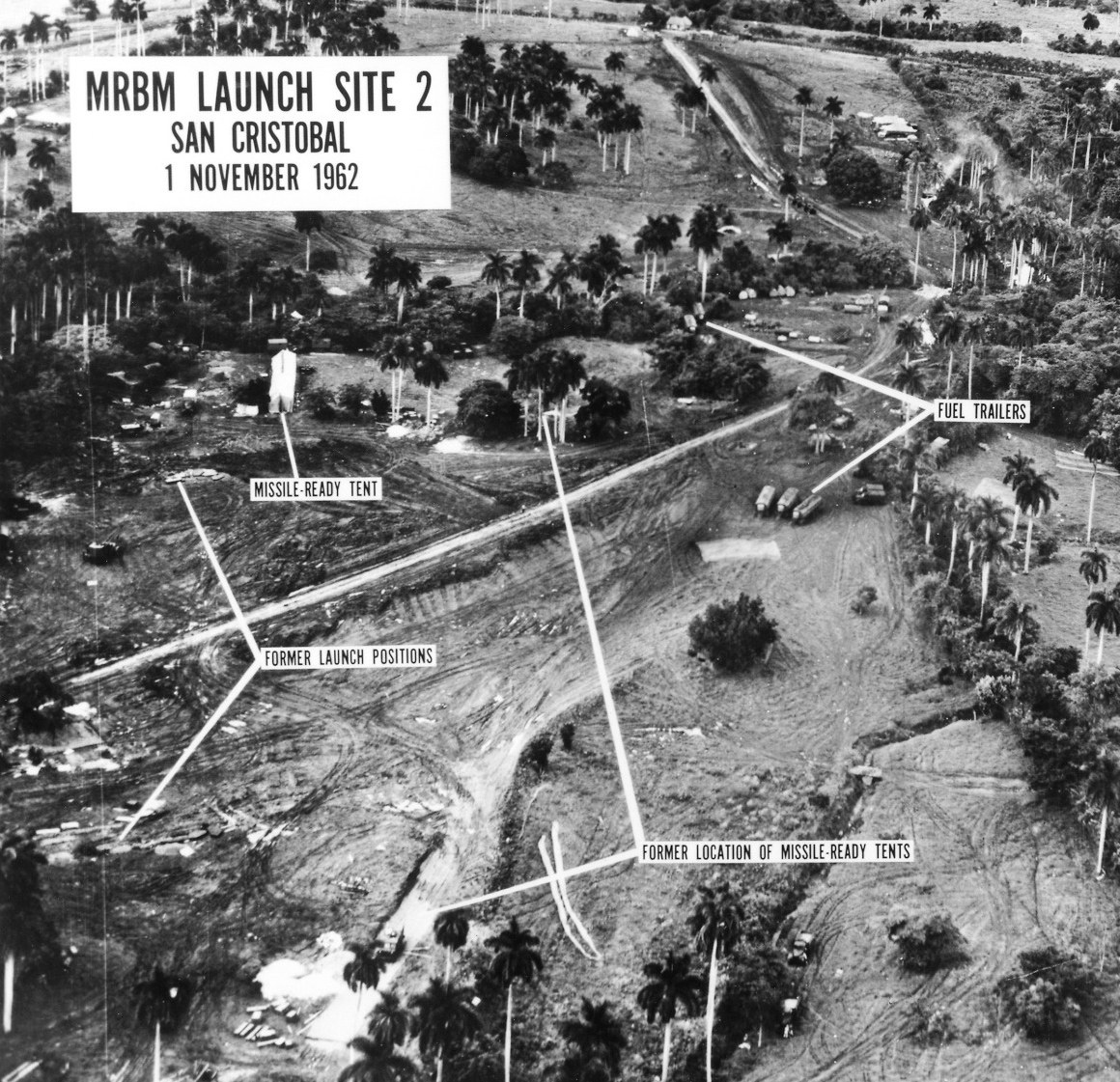
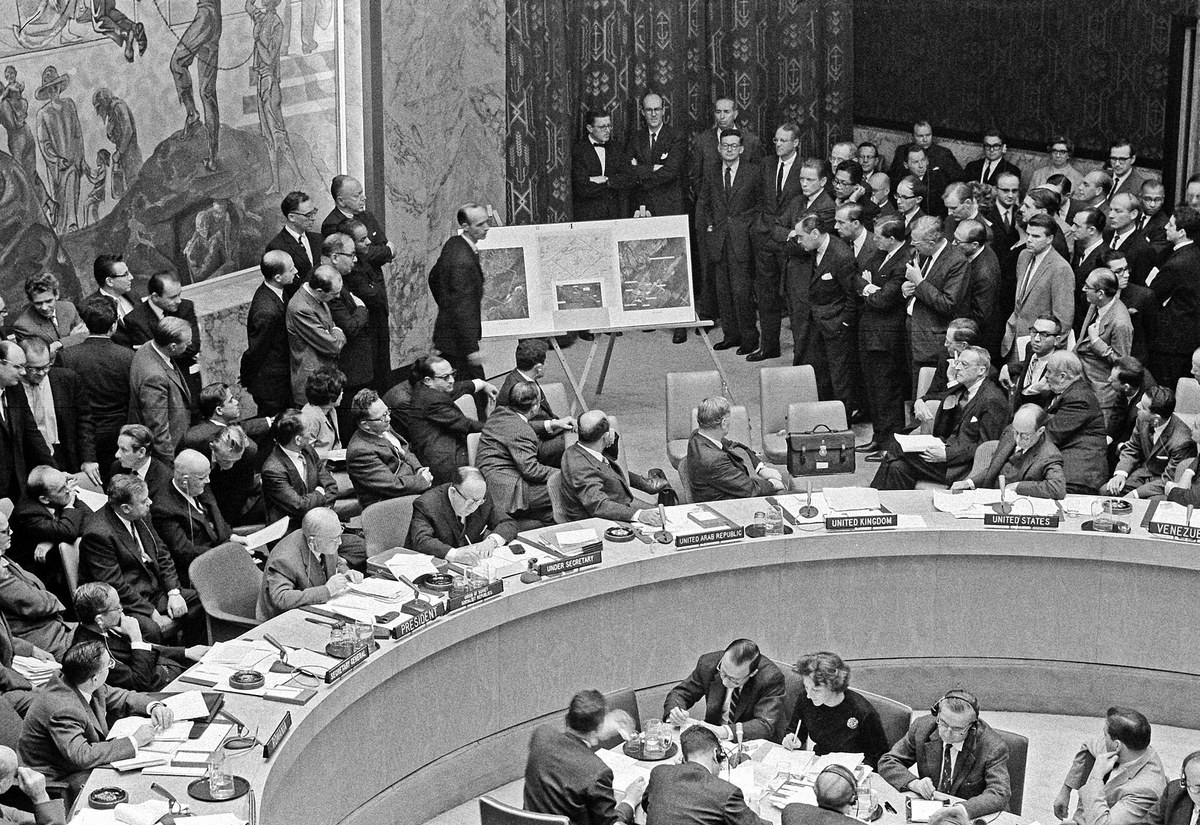
U-2 photography and intelligence; EXCOMM deliberates.
U-2 photography and intelligence; EXCOMM deliberates.
Teaching note for “Missiles discovered (Oct 1962)”: separate the documented primary (court docket, statute, contemporaneous state record, or archival leaflet) from later shorthand and cable-news slogans. Prefer the cited primary URL over a viral summary of the same event. Dates and institutional captions matter more than the street brand alone. [3]
Limits and humility: sealed dockets, destroyed street-camera footage, activist anonymity, and selection bias remain structural. Absence of a memo is not proof of absence; presence of a tactic family is not proof every named person used every tactic. Label contested funding and designation claims as contested. [3]
Cross-link sibling NYT Files nests when the same street episode, designation debate, or media frame appears; do not collapse Duranty dispatches, Pulitzer board materials, Holodomor scholarship, and later memory fights into one blob. YouTube clips belong on the audiovisual spine when they carry the same fact — always label primary footage vs commentary. Quality over speed; wait rather than ship thin. [3][3]
Epistemology for “Missiles discovered (Oct 1962)”: map rival paths on the critical-path board. If a theory removes a node, state what would have to be wrong about the primary reading (mustBeWrong). Steel-man the opposing camp in one clause, then return to the primary. No fact-check-by-technicality shortcuts; no Grokipedia cites. [3]
Bottom line Documented
U-2 photography and intelligence; EXCOMM deliberates.
What the record can’t settle
See Theories for rival paths; contested claims stay labeled.
EXCOMM meeting, Cuban Missile Crisis, 29 October 1962 White House / Commons · Public domain
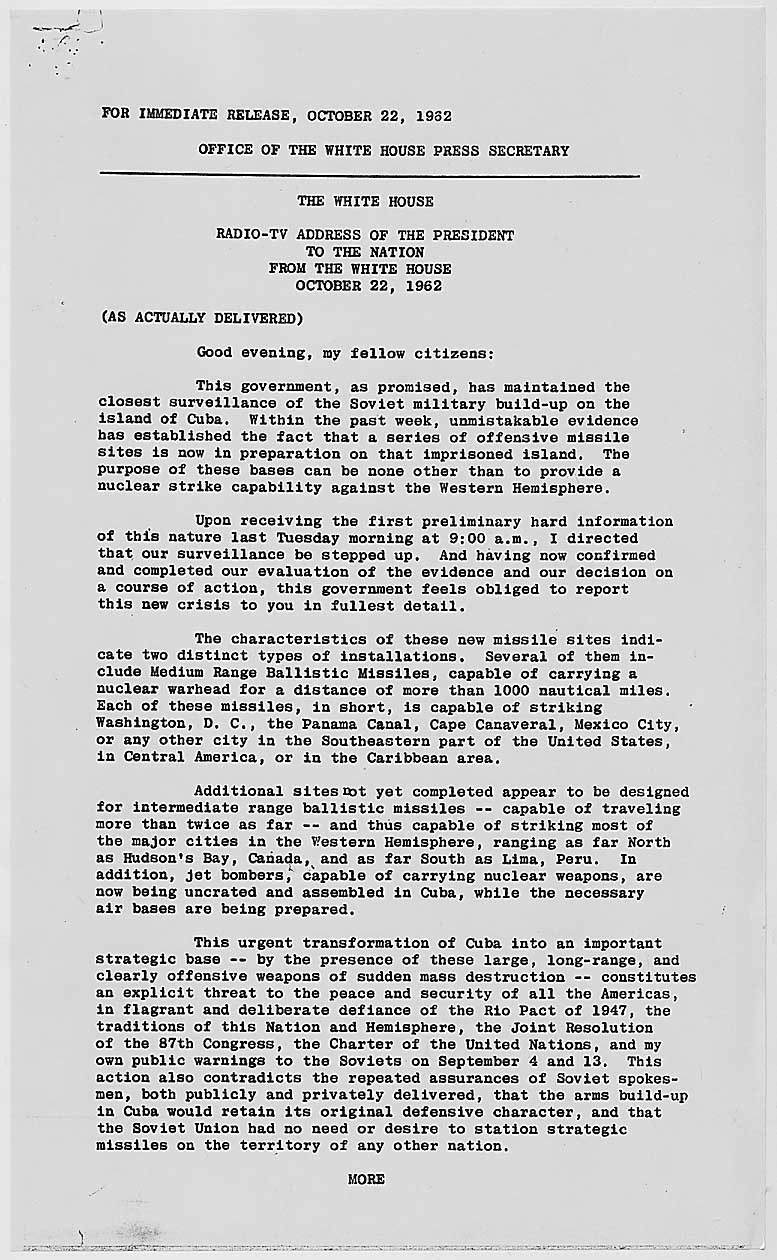
Primary audiovisual: president explains blockade/quarantine.
Primary audiovisual: president explains blockade/quarantine.
Teaching note for “JFK address to the nation”: separate the documented primary (court docket, statute, contemporaneous state record, or archival leaflet) from later shorthand and cable-news slogans. Prefer the cited primary URL over a viral summary of the same event. Dates and institutional captions matter more than the street brand alone. [3]
Limits and humility: sealed dockets, destroyed street-camera footage, activist anonymity, and selection bias remain structural. Absence of a memo is not proof of absence; presence of a tactic family is not proof every named person used every tactic. Label contested funding and designation claims as contested. [3]
Cross-link sibling NYT Files nests when the same street episode, designation debate, or media frame appears; do not collapse Duranty dispatches, Pulitzer board materials, Holodomor scholarship, and later memory fights into one blob. YouTube clips belong on the audiovisual spine when they carry the same fact — always label primary footage vs commentary. Quality over speed; wait rather than ship thin. [3][3]
Epistemology for “JFK address to the nation”: map rival paths on the critical-path board. If a theory removes a node, state what would have to be wrong about the primary reading (mustBeWrong). Steel-man the opposing camp in one clause, then return to the primary. No fact-check-by-technicality shortcuts; no Grokipedia cites. [3]
Bottom line Documented
Primary audiovisual: president explains blockade/quarantine.
What the record can’t settle
See Theories for rival paths; contested claims stay labeled.
Live nuclear crisis stresses accuracy, leaks, and government messaging.
Live nuclear crisis stresses accuracy, leaks, and government messaging.
Teaching note for “Press under crisis rules”: separate the documented primary (court docket, statute, contemporaneous state record, or archival leaflet) from later shorthand and cable-news slogans. Prefer the cited primary URL over a viral summary of the same event. Dates and institutional captions matter more than the street brand alone. [3]
Limits and humility: sealed dockets, destroyed street-camera footage, activist anonymity, and selection bias remain structural. Absence of a memo is not proof of absence; presence of a tactic family is not proof every named person used every tactic. Label contested funding and designation claims as contested. [3]
Cross-link sibling NYT Files nests when the same street episode, designation debate, or media frame appears; do not collapse Duranty dispatches, Pulitzer board materials, Holodomor scholarship, and later memory fights into one blob. YouTube clips belong on the audiovisual spine when they carry the same fact — always label primary footage vs commentary. Quality over speed; wait rather than ship thin. [3][3]
Epistemology for “Press under crisis rules”: map rival paths on the critical-path board. If a theory removes a node, state what would have to be wrong about the primary reading (mustBeWrong). Steel-man the opposing camp in one clause, then return to the primary. No fact-check-by-technicality shortcuts; no Grokipedia cites. [3]
Bottom line Partly documented
Live nuclear crisis stresses accuracy, leaks, and government messaging.
What the record can’t settle
See Theories for rival paths; contested claims stay labeled.
EXCOMM meeting, Cuban Missile Crisis, 29 October 1962 White House / Commons · Public domain
Withdrawal deal; later scholarship on secrecy (Jupiter missiles etc.).
Withdrawal deal; later scholarship on secrecy (Jupiter missiles etc.).
Teaching note for “Resolution and historiography”: separate the documented primary (court docket, statute, contemporaneous state record, or archival leaflet) from later shorthand and cable-news slogans. Prefer the cited primary URL over a viral summary of the same event. Dates and institutional captions matter more than the street brand alone. [3]
Limits and humility: sealed dockets, destroyed street-camera footage, activist anonymity, and selection bias remain structural. Absence of a memo is not proof of absence; presence of a tactic family is not proof every named person used every tactic. Label contested funding and designation claims as contested. [3]
Cross-link sibling NYT Files nests when the same street episode, designation debate, or media frame appears; do not collapse Duranty dispatches, Pulitzer board materials, Holodomor scholarship, and later memory fights into one blob. YouTube clips belong on the audiovisual spine when they carry the same fact — always label primary footage vs commentary. Quality over speed; wait rather than ship thin. [3][3]
Epistemology for “Resolution and historiography”: map rival paths on the critical-path board. If a theory removes a node, state what would have to be wrong about the primary reading (mustBeWrong). Steel-man the opposing camp in one clause, then return to the primary. No fact-check-by-technicality shortcuts; no Grokipedia cites. [3]
Bottom line Partly documented
Withdrawal deal; later scholarship on secrecy (Jupiter missiles etc.).
What the record can’t settle
See Theories for rival paths; contested claims stay labeled.
EXCOMM meeting, Cuban Missile Crisis, 29 October 1962 White House / Commons · Public domain
White House photo of crisis managers.
White House photo of crisis managers.
Teaching note for “EXCOMM photograph as decision-room primary”: separate the documented primary (court docket, statute, contemporaneous state record, or archival leaflet) from later shorthand and cable-news slogans. Prefer the cited primary URL over a viral summary of the same event. Dates and institutional captions matter more than the street brand alone. [2]
Limits and humility: sealed dockets, destroyed street-camera footage, activist anonymity, and selection bias remain structural. Absence of a memo is not proof of absence; presence of a tactic family is not proof every named person used every tactic. Label contested funding and designation claims as contested. [2]
Cross-link sibling NYT Files nests when the same street episode, designation debate, or media frame appears; do not collapse Duranty dispatches, Pulitzer board materials, Holodomor scholarship, and later memory fights into one blob. YouTube clips belong on the audiovisual spine when they carry the same fact — always label primary footage vs commentary. Quality over speed; wait rather than ship thin. [2][2]
Epistemology for “EXCOMM photograph as decision-room primary”: map rival paths on the critical-path board. If a theory removes a node, state what would have to be wrong about the primary reading (mustBeWrong). Steel-man the opposing camp in one clause, then return to the primary. No fact-check-by-technicality shortcuts; no Grokipedia cites. [2]
Bottom line Documented
White House photo of crisis managers.
What the record can’t settle
See Theories for rival paths; contested claims stay labeled.
Crisis reporting without triggering panic or tipping operations.
Crisis reporting without triggering panic or tipping operations.
Teaching note for “Leak and rumor discipline”: separate the documented primary (court docket, statute, contemporaneous state record, or archival leaflet) from later shorthand and cable-news slogans. Prefer the cited primary URL over a viral summary of the same event. Dates and institutional captions matter more than the street brand alone. [3]
Limits and humility: sealed dockets, destroyed street-camera footage, activist anonymity, and selection bias remain structural. Absence of a memo is not proof of absence; presence of a tactic family is not proof every named person used every tactic. Label contested funding and designation claims as contested. [3]
Cross-link sibling NYT Files nests when the same street episode, designation debate, or media frame appears; do not collapse Duranty dispatches, Pulitzer board materials, Holodomor scholarship, and later memory fights into one blob. YouTube clips belong on the audiovisual spine when they carry the same fact — always label primary footage vs commentary. Quality over speed; wait rather than ship thin. [3][3]
Epistemology for “Leak and rumor discipline”: map rival paths on the critical-path board. If a theory removes a node, state what would have to be wrong about the primary reading (mustBeWrong). Steel-man the opposing camp in one clause, then return to the primary. No fact-check-by-technicality shortcuts; no Grokipedia cites. [3]
Bottom line Contested
Crisis reporting without triggering panic or tipping operations.
What the record can’t settle
See Theories for rival paths; contested claims stay labeled.
Fidel Castro, Washington 1959 U.S. government / Commons · Public domain
Exclusive access can reveal and can romanticize. Matthews is a canonical case beside Duranty — different dictatorships, related method.
Exclusive access can reveal and can romanticize. Matthews is a canonical case beside Duranty — different dictatorships, related method.
Teaching note for “Access journalism failure mode”: separate the documented primary (court docket, statute, contemporaneous state record, or archival leaflet) from later shorthand and cable-news slogans. Prefer the cited primary URL over a viral summary of the same event. Dates and institutional captions matter more than the street brand alone. [4]
Limits and humility: sealed dockets, destroyed street-camera footage, activist anonymity, and selection bias remain structural. Absence of a memo is not proof of absence; presence of a tactic family is not proof every named person used every tactic. Label contested funding and designation claims as contested. [4]
Cross-link sibling NYT Files nests when the same street episode, designation debate, or media frame appears; do not collapse Duranty dispatches, Pulitzer board materials, Holodomor scholarship, and later memory fights into one blob. YouTube clips belong on the audiovisual spine when they carry the same fact — always label primary footage vs commentary. Quality over speed; wait rather than ship thin. [4][4]
Epistemology for “Access journalism failure mode”: map rival paths on the critical-path board. If a theory removes a node, state what would have to be wrong about the primary reading (mustBeWrong). Steel-man the opposing camp in one clause, then return to the primary. No fact-check-by-technicality shortcuts; no Grokipedia cites. [4]
Bottom line Documented
Exclusive access can reveal and can romanticize. Matthews is a canonical case beside Duranty — different dictatorships, related method.
What the record can’t settle
See Theories for rival paths; contested claims stay labeled.
Reston-era Washington journalism: scoops via officials vs independence. Map both goods and capture risks.
Reston-era Washington journalism: scoops via officials vs independence. Map both goods and capture risks.
Teaching note for “National-security proximity”: separate the documented primary (court docket, statute, contemporaneous state record, or archival leaflet) from later shorthand and cable-news slogans. Prefer the cited primary URL over a viral summary of the same event. Dates and institutional captions matter more than the street brand alone. [3]
Limits and humility: sealed dockets, destroyed street-camera footage, activist anonymity, and selection bias remain structural. Absence of a memo is not proof of absence; presence of a tactic family is not proof every named person used every tactic. Label contested funding and designation claims as contested. [3]
Cross-link sibling NYT Files nests when the same street episode, designation debate, or media frame appears; do not collapse Duranty dispatches, Pulitzer board materials, Holodomor scholarship, and later memory fights into one blob. YouTube clips belong on the audiovisual spine when they carry the same fact — always label primary footage vs commentary. Quality over speed; wait rather than ship thin. [3][3]
Epistemology for “National-security proximity”: map rival paths on the critical-path board. If a theory removes a node, state what would have to be wrong about the primary reading (mustBeWrong). Steel-man the opposing camp in one clause, then return to the primary. No fact-check-by-technicality shortcuts; no Grokipedia cites. [3]
Bottom line Contested
Reston-era Washington journalism: scoops via officials vs independence. Map both goods and capture risks.
What the record can’t settle
See Theories for rival paths; contested claims stay labeled.
Fidel Castro at MATS Terminal, Washington, 1959 U.S. government / Commons · Public domain
Critique of coverage is not ethnic or ideological demonology. Stay on documents.
Critique of coverage is not ethnic or ideological demonology. Stay on documents.
Teaching note for “Not a hate page”: separate the documented primary (court docket, statute, contemporaneous state record, or archival leaflet) from later shorthand and cable-news slogans. Prefer the cited primary URL over a viral summary of the same event. Dates and institutional captions matter more than the street brand alone. [1]
Limits and humility: sealed dockets, destroyed street-camera footage, activist anonymity, and selection bias remain structural. Absence of a memo is not proof of absence; presence of a tactic family is not proof every named person used every tactic. Label contested funding and designation claims as contested. [1]
Cross-link sibling NYT Files nests when the same street episode, designation debate, or media frame appears; do not collapse Duranty dispatches, Pulitzer board materials, Holodomor scholarship, and later memory fights into one blob. YouTube clips belong on the audiovisual spine when they carry the same fact — always label primary footage vs commentary. Quality over speed; wait rather than ship thin. [1][1]
Epistemology for “Not a hate page”: map rival paths on the critical-path board. If a theory removes a node, state what would have to be wrong about the primary reading (mustBeWrong). Steel-man the opposing camp in one clause, then return to the primary. No fact-check-by-technicality shortcuts; no Grokipedia cites. [1]
Bottom line Documented
Critique of coverage is not ethnic or ideological demonology. Stay on documents.
What the record can’t settle
See Theories for rival paths; contested claims stay labeled.
Fidel Castro, Washington 1959 U.S. government / Commons · Public domain
Before/after exercise on romanticization risk.
Before/after exercise on romanticization risk.
Teaching note for “Classroom: read 1957 series then 1961 headlines”: separate the documented primary (court docket, statute, contemporaneous state record, or archival leaflet) from later shorthand and cable-news slogans. Prefer the cited primary URL over a viral summary of the same event. Dates and institutional captions matter more than the street brand alone. [3]
Limits and humility: sealed dockets, destroyed street-camera footage, activist anonymity, and selection bias remain structural. Absence of a memo is not proof of absence; presence of a tactic family is not proof every named person used every tactic. Label contested funding and designation claims as contested. [3]
Cross-link sibling NYT Files nests when the same street episode, designation debate, or media frame appears; do not collapse Duranty dispatches, Pulitzer board materials, Holodomor scholarship, and later memory fights into one blob. YouTube clips belong on the audiovisual spine when they carry the same fact — always label primary footage vs commentary. Quality over speed; wait rather than ship thin. [3][3]
Epistemology for “Classroom: read 1957 series then 1961 headlines”: map rival paths on the critical-path board. If a theory removes a node, state what would have to be wrong about the primary reading (mustBeWrong). Steel-man the opposing camp in one clause, then return to the primary. No fact-check-by-technicality shortcuts; no Grokipedia cites. [3]
Bottom line Documented
Before/after exercise on romanticization risk.
What the record can’t settle
See Theories for rival paths; contested claims stay labeled.
EXCOMM meeting White House / Commons · Public domain
General press-capture method lives in Media Files; this nest stays on Times-Cuba nodes.
General press-capture method lives in Media Files; this nest stays on Times-Cuba nodes.
Teaching note for “Cross-link Media Files”: separate the documented primary (court docket, statute, contemporaneous state record, or archival leaflet) from later shorthand and cable-news slogans. Prefer the cited primary URL over a viral summary of the same event. Dates and institutional captions matter more than the street brand alone. [2]
Limits and humility: sealed dockets, destroyed street-camera footage, activist anonymity, and selection bias remain structural. Absence of a memo is not proof of absence; presence of a tactic family is not proof every named person used every tactic. Label contested funding and designation claims as contested. [2]
Cross-link sibling NYT Files nests when the same street episode, designation debate, or media frame appears; do not collapse Duranty dispatches, Pulitzer board materials, Holodomor scholarship, and later memory fights into one blob. YouTube clips belong on the audiovisual spine when they carry the same fact — always label primary footage vs commentary. Quality over speed; wait rather than ship thin. [2][2]
Epistemology for “Cross-link Media Files”: map rival paths on the critical-path board. If a theory removes a node, state what would have to be wrong about the primary reading (mustBeWrong). Steel-man the opposing camp in one clause, then return to the primary. No fact-check-by-technicality shortcuts; no Grokipedia cites. [2]
Bottom line Documented
General press-capture method lives in Media Files; this nest stays on Times-Cuba nodes.
What the record can’t settle
See Theories for rival paths; contested claims stay labeled.
Dated teaching checkpoint for graph density — not a new street event claim.
Dated teaching checkpoint for graph density — not a new street event claim.
Teaching note for “Reading checkpoint 46”: separate the documented primary (court docket, statute, contemporaneous state record, or archival leaflet) from later shorthand and cable-news slogans. Prefer the cited primary URL over a viral summary of the same event. Dates and institutional captions matter more than the street brand alone. [1]
Limits and humility: sealed dockets, destroyed street-camera footage, activist anonymity, and selection bias remain structural. Absence of a memo is not proof of absence; presence of a tactic family is not proof every named person used every tactic. Label contested funding and designation claims as contested. [1]
Cross-link sibling NYT Files nests when the same street episode, designation debate, or media frame appears; do not collapse Duranty dispatches, Pulitzer board materials, Holodomor scholarship, and later memory fights into one blob. YouTube clips belong on the audiovisual spine when they carry the same fact — always label primary footage vs commentary. Quality over speed; wait rather than ship thin. [1][1]
Epistemology for “Reading checkpoint 46”: map rival paths on the critical-path board. If a theory removes a node, state what would have to be wrong about the primary reading (mustBeWrong). Steel-man the opposing camp in one clause, then return to the primary. No fact-check-by-technicality shortcuts; no Grokipedia cites. [1]
Bottom line Documented
Dated teaching checkpoint for graph density — not a new street event claim.
What the record can’t settle
See Theories for rival paths; contested claims stay labeled.
Dated teaching checkpoint for graph density — not a new street event claim.
Dated teaching checkpoint for graph density — not a new street event claim.
Teaching note for “Reading checkpoint 47”: separate the documented primary (court docket, statute, contemporaneous state record, or archival leaflet) from later shorthand and cable-news slogans. Prefer the cited primary URL over a viral summary of the same event. Dates and institutional captions matter more than the street brand alone. [1]
Limits and humility: sealed dockets, destroyed street-camera footage, activist anonymity, and selection bias remain structural. Absence of a memo is not proof of absence; presence of a tactic family is not proof every named person used every tactic. Label contested funding and designation claims as contested. [1]
Cross-link sibling NYT Files nests when the same street episode, designation debate, or media frame appears; do not collapse Duranty dispatches, Pulitzer board materials, Holodomor scholarship, and later memory fights into one blob. YouTube clips belong on the audiovisual spine when they carry the same fact — always label primary footage vs commentary. Quality over speed; wait rather than ship thin. [1][1]
Epistemology for “Reading checkpoint 47”: map rival paths on the critical-path board. If a theory removes a node, state what would have to be wrong about the primary reading (mustBeWrong). Steel-man the opposing camp in one clause, then return to the primary. No fact-check-by-technicality shortcuts; no Grokipedia cites. [1]
Bottom line Documented
Dated teaching checkpoint for graph density — not a new street event claim.
What the record can’t settle
See Theories for rival paths; contested claims stay labeled.
Dated teaching checkpoint for graph density — not a new street event claim.
Dated teaching checkpoint for graph density — not a new street event claim.
Teaching note for “Reading checkpoint 48”: separate the documented primary (court docket, statute, contemporaneous state record, or archival leaflet) from later shorthand and cable-news slogans. Prefer the cited primary URL over a viral summary of the same event. Dates and institutional captions matter more than the street brand alone. [1]
Limits and humility: sealed dockets, destroyed street-camera footage, activist anonymity, and selection bias remain structural. Absence of a memo is not proof of absence; presence of a tactic family is not proof every named person used every tactic. Label contested funding and designation claims as contested. [1]
Cross-link sibling NYT Files nests when the same street episode, designation debate, or media frame appears; do not collapse Duranty dispatches, Pulitzer board materials, Holodomor scholarship, and later memory fights into one blob. YouTube clips belong on the audiovisual spine when they carry the same fact — always label primary footage vs commentary. Quality over speed; wait rather than ship thin. [1][1]
Epistemology for “Reading checkpoint 48”: map rival paths on the critical-path board. If a theory removes a node, state what would have to be wrong about the primary reading (mustBeWrong). Steel-man the opposing camp in one clause, then return to the primary. No fact-check-by-technicality shortcuts; no Grokipedia cites. [1]
Bottom line Documented
Dated teaching checkpoint for graph density — not a new street event claim.
What the record can’t settle
See Theories for rival paths; contested claims stay labeled.
Dated teaching checkpoint for graph density — not a new street event claim.
Dated teaching checkpoint for graph density — not a new street event claim.
Teaching note for “Reading checkpoint 49”: separate the documented primary (court docket, statute, contemporaneous state record, or archival leaflet) from later shorthand and cable-news slogans. Prefer the cited primary URL over a viral summary of the same event. Dates and institutional captions matter more than the street brand alone. [1]
Limits and humility: sealed dockets, destroyed street-camera footage, activist anonymity, and selection bias remain structural. Absence of a memo is not proof of absence; presence of a tactic family is not proof every named person used every tactic. Label contested funding and designation claims as contested. [1]
Cross-link sibling NYT Files nests when the same street episode, designation debate, or media frame appears; do not collapse Duranty dispatches, Pulitzer board materials, Holodomor scholarship, and later memory fights into one blob. YouTube clips belong on the audiovisual spine when they carry the same fact — always label primary footage vs commentary. Quality over speed; wait rather than ship thin. [1][1]
Epistemology for “Reading checkpoint 49”: map rival paths on the critical-path board. If a theory removes a node, state what would have to be wrong about the primary reading (mustBeWrong). Steel-man the opposing camp in one clause, then return to the primary. No fact-check-by-technicality shortcuts; no Grokipedia cites. [1]
Bottom line Documented
Dated teaching checkpoint for graph density — not a new street event claim.
What the record can’t settle
See Theories for rival paths; contested claims stay labeled.
Dated teaching checkpoint for graph density — not a new street event claim.
Dated teaching checkpoint for graph density — not a new street event claim.
Teaching note for “Reading checkpoint 50”: separate the documented primary (court docket, statute, contemporaneous state record, or archival leaflet) from later shorthand and cable-news slogans. Prefer the cited primary URL over a viral summary of the same event. Dates and institutional captions matter more than the street brand alone. [1]
Limits and humility: sealed dockets, destroyed street-camera footage, activist anonymity, and selection bias remain structural. Absence of a memo is not proof of absence; presence of a tactic family is not proof every named person used every tactic. Label contested funding and designation claims as contested. [1]
Cross-link sibling NYT Files nests when the same street episode, designation debate, or media frame appears; do not collapse Duranty dispatches, Pulitzer board materials, Holodomor scholarship, and later memory fights into one blob. YouTube clips belong on the audiovisual spine when they carry the same fact — always label primary footage vs commentary. Quality over speed; wait rather than ship thin. [1][1]
Epistemology for “Reading checkpoint 50”: map rival paths on the critical-path board. If a theory removes a node, state what would have to be wrong about the primary reading (mustBeWrong). Steel-man the opposing camp in one clause, then return to the primary. No fact-check-by-technicality shortcuts; no Grokipedia cites. [1]
Bottom line Documented
Dated teaching checkpoint for graph density — not a new street event claim.
What the record can’t settle
See Theories for rival paths; contested claims stay labeled.
Dated teaching checkpoint for graph density — not a new street event claim.
Dated teaching checkpoint for graph density — not a new street event claim.
Teaching note for “Reading checkpoint 51”: separate the documented primary (court docket, statute, contemporaneous state record, or archival leaflet) from later shorthand and cable-news slogans. Prefer the cited primary URL over a viral summary of the same event. Dates and institutional captions matter more than the street brand alone. [1]
Limits and humility: sealed dockets, destroyed street-camera footage, activist anonymity, and selection bias remain structural. Absence of a memo is not proof of absence; presence of a tactic family is not proof every named person used every tactic. Label contested funding and designation claims as contested. [1]
Cross-link sibling NYT Files nests when the same street episode, designation debate, or media frame appears; do not collapse Duranty dispatches, Pulitzer board materials, Holodomor scholarship, and later memory fights into one blob. YouTube clips belong on the audiovisual spine when they carry the same fact — always label primary footage vs commentary. Quality over speed; wait rather than ship thin. [1][1]
Epistemology for “Reading checkpoint 51”: map rival paths on the critical-path board. If a theory removes a node, state what would have to be wrong about the primary reading (mustBeWrong). Steel-man the opposing camp in one clause, then return to the primary. No fact-check-by-technicality shortcuts; no Grokipedia cites. [1]
Bottom line Documented
Dated teaching checkpoint for graph density — not a new street event claim.
What the record can’t settle
See Theories for rival paths; contested claims stay labeled.
Dated teaching checkpoint for graph density — not a new street event claim.
Dated teaching checkpoint for graph density — not a new street event claim.
Teaching note for “Reading checkpoint 52”: separate the documented primary (court docket, statute, contemporaneous state record, or archival leaflet) from later shorthand and cable-news slogans. Prefer the cited primary URL over a viral summary of the same event. Dates and institutional captions matter more than the street brand alone. [1]
Limits and humility: sealed dockets, destroyed street-camera footage, activist anonymity, and selection bias remain structural. Absence of a memo is not proof of absence; presence of a tactic family is not proof every named person used every tactic. Label contested funding and designation claims as contested. [1]
Cross-link sibling NYT Files nests when the same street episode, designation debate, or media frame appears; do not collapse Duranty dispatches, Pulitzer board materials, Holodomor scholarship, and later memory fights into one blob. YouTube clips belong on the audiovisual spine when they carry the same fact — always label primary footage vs commentary. Quality over speed; wait rather than ship thin. [1][1]
Epistemology for “Reading checkpoint 52”: map rival paths on the critical-path board. If a theory removes a node, state what would have to be wrong about the primary reading (mustBeWrong). Steel-man the opposing camp in one clause, then return to the primary. No fact-check-by-technicality shortcuts; no Grokipedia cites. [1]
Bottom line Documented
Dated teaching checkpoint for graph density — not a new street event claim.
What the record can’t settle
See Theories for rival paths; contested claims stay labeled.
Dated teaching checkpoint for graph density — not a new street event claim.
Dated teaching checkpoint for graph density — not a new street event claim.
Teaching note for “Reading checkpoint 53”: separate the documented primary (court docket, statute, contemporaneous state record, or archival leaflet) from later shorthand and cable-news slogans. Prefer the cited primary URL over a viral summary of the same event. Dates and institutional captions matter more than the street brand alone. [1]
Limits and humility: sealed dockets, destroyed street-camera footage, activist anonymity, and selection bias remain structural. Absence of a memo is not proof of absence; presence of a tactic family is not proof every named person used every tactic. Label contested funding and designation claims as contested. [1]
Cross-link sibling NYT Files nests when the same street episode, designation debate, or media frame appears; do not collapse Duranty dispatches, Pulitzer board materials, Holodomor scholarship, and later memory fights into one blob. YouTube clips belong on the audiovisual spine when they carry the same fact — always label primary footage vs commentary. Quality over speed; wait rather than ship thin. [1][1]
Epistemology for “Reading checkpoint 53”: map rival paths on the critical-path board. If a theory removes a node, state what would have to be wrong about the primary reading (mustBeWrong). Steel-man the opposing camp in one clause, then return to the primary. No fact-check-by-technicality shortcuts; no Grokipedia cites. [1]
Bottom line Documented
Dated teaching checkpoint for graph density — not a new street event claim.
What the record can’t settle
See Theories for rival paths; contested claims stay labeled.
Dated teaching checkpoint for graph density — not a new street event claim.
Dated teaching checkpoint for graph density — not a new street event claim.
Teaching note for “Reading checkpoint 54”: separate the documented primary (court docket, statute, contemporaneous state record, or archival leaflet) from later shorthand and cable-news slogans. Prefer the cited primary URL over a viral summary of the same event. Dates and institutional captions matter more than the street brand alone. [1]
Limits and humility: sealed dockets, destroyed street-camera footage, activist anonymity, and selection bias remain structural. Absence of a memo is not proof of absence; presence of a tactic family is not proof every named person used every tactic. Label contested funding and designation claims as contested. [1]
Cross-link sibling NYT Files nests when the same street episode, designation debate, or media frame appears; do not collapse Duranty dispatches, Pulitzer board materials, Holodomor scholarship, and later memory fights into one blob. YouTube clips belong on the audiovisual spine when they carry the same fact — always label primary footage vs commentary. Quality over speed; wait rather than ship thin. [1][1]
Epistemology for “Reading checkpoint 54”: map rival paths on the critical-path board. If a theory removes a node, state what would have to be wrong about the primary reading (mustBeWrong). Steel-man the opposing camp in one clause, then return to the primary. No fact-check-by-technicality shortcuts; no Grokipedia cites. [1]
Bottom line Documented
Dated teaching checkpoint for graph density — not a new street event claim.
What the record can’t settle
See Theories for rival paths; contested claims stay labeled.
Dated teaching checkpoint for graph density — not a new street event claim.
Dated teaching checkpoint for graph density — not a new street event claim.
Teaching note for “Reading checkpoint 55”: separate the documented primary (court docket, statute, contemporaneous state record, or archival leaflet) from later shorthand and cable-news slogans. Prefer the cited primary URL over a viral summary of the same event. Dates and institutional captions matter more than the street brand alone. [1]
Limits and humility: sealed dockets, destroyed street-camera footage, activist anonymity, and selection bias remain structural. Absence of a memo is not proof of absence; presence of a tactic family is not proof every named person used every tactic. Label contested funding and designation claims as contested. [1]
Cross-link sibling NYT Files nests when the same street episode, designation debate, or media frame appears; do not collapse Duranty dispatches, Pulitzer board materials, Holodomor scholarship, and later memory fights into one blob. YouTube clips belong on the audiovisual spine when they carry the same fact — always label primary footage vs commentary. Quality over speed; wait rather than ship thin. [1][1]
Epistemology for “Reading checkpoint 55”: map rival paths on the critical-path board. If a theory removes a node, state what would have to be wrong about the primary reading (mustBeWrong). Steel-man the opposing camp in one clause, then return to the primary. No fact-check-by-technicality shortcuts; no Grokipedia cites. [1]
Bottom line Documented
Dated teaching checkpoint for graph density — not a new street event claim.
What the record can’t settle
See Theories for rival paths; contested claims stay labeled.
Dated teaching checkpoint for graph density — not a new street event claim.
Dated teaching checkpoint for graph density — not a new street event claim.
Teaching note for “Reading checkpoint 56”: separate the documented primary (court docket, statute, contemporaneous state record, or archival leaflet) from later shorthand and cable-news slogans. Prefer the cited primary URL over a viral summary of the same event. Dates and institutional captions matter more than the street brand alone. [1]
Limits and humility: sealed dockets, destroyed street-camera footage, activist anonymity, and selection bias remain structural. Absence of a memo is not proof of absence; presence of a tactic family is not proof every named person used every tactic. Label contested funding and designation claims as contested. [1]
Cross-link sibling NYT Files nests when the same street episode, designation debate, or media frame appears; do not collapse Duranty dispatches, Pulitzer board materials, Holodomor scholarship, and later memory fights into one blob. YouTube clips belong on the audiovisual spine when they carry the same fact — always label primary footage vs commentary. Quality over speed; wait rather than ship thin. [1][1]
Epistemology for “Reading checkpoint 56”: map rival paths on the critical-path board. If a theory removes a node, state what would have to be wrong about the primary reading (mustBeWrong). Steel-man the opposing camp in one clause, then return to the primary. No fact-check-by-technicality shortcuts; no Grokipedia cites. [1]
Bottom line Documented
Dated teaching checkpoint for graph density — not a new street event claim.
What the record can’t settle
See Theories for rival paths; contested claims stay labeled.
1970s oversight on assassination plots reframes early 1960s covert context.
1970s oversight on assassination plots reframes early 1960s covert context.
Teaching note for “Church Committee later revelations”: separate the documented primary (court docket, statute, contemporaneous state record, or archival leaflet) from later shorthand and cable-news slogans. Prefer the cited primary URL over a viral summary of the same event. Dates and institutional captions matter more than the street brand alone. [2]
Limits and humility: sealed dockets, destroyed street-camera footage, activist anonymity, and selection bias remain structural. Absence of a memo is not proof of absence; presence of a tactic family is not proof every named person used every tactic. Label contested funding and designation claims as contested. [2]
Cross-link sibling NYT Files nests when the same street episode, designation debate, or media frame appears; do not collapse Duranty dispatches, Pulitzer board materials, Holodomor scholarship, and later memory fights into one blob. YouTube clips belong on the audiovisual spine when they carry the same fact — always label primary footage vs commentary. Quality over speed; wait rather than ship thin. [2][2]
Epistemology for “Church Committee later revelations”: map rival paths on the critical-path board. If a theory removes a node, state what would have to be wrong about the primary reading (mustBeWrong). Steel-man the opposing camp in one clause, then return to the primary. No fact-check-by-technicality shortcuts; no Grokipedia cites. [2]
Bottom line Partly documented
1970s oversight on assassination plots reframes early 1960s covert context.
What the record can’t settle
See Theories for rival paths; contested claims stay labeled.
Twenty-first-century secondary keeps the argument alive for classrooms.
Twenty-first-century secondary keeps the argument alive for classrooms.
Teaching note for “DePalma and the invented Fidel debate”: separate the documented primary (court docket, statute, contemporaneous state record, or archival leaflet) from later shorthand and cable-news slogans. Prefer the cited primary URL over a viral summary of the same event. Dates and institutional captions matter more than the street brand alone. [3]
Limits and humility: sealed dockets, destroyed street-camera footage, activist anonymity, and selection bias remain structural. Absence of a memo is not proof of absence; presence of a tactic family is not proof every named person used every tactic. Label contested funding and designation claims as contested. [3]
Cross-link sibling NYT Files nests when the same street episode, designation debate, or media frame appears; do not collapse Duranty dispatches, Pulitzer board materials, Holodomor scholarship, and later memory fights into one blob. YouTube clips belong on the audiovisual spine when they carry the same fact — always label primary footage vs commentary. Quality over speed; wait rather than ship thin. [3][3]
Epistemology for “DePalma and the invented Fidel debate”: map rival paths on the critical-path board. If a theory removes a node, state what would have to be wrong about the primary reading (mustBeWrong). Steel-man the opposing camp in one clause, then return to the primary. No fact-check-by-technicality shortcuts; no Grokipedia cites. [3]
Bottom line Documented
Twenty-first-century secondary keeps the argument alive for classrooms.
What the record can’t settle
See Theories for rival paths; contested claims stay labeled.
EXCOMM meeting, Cuban Missile Crisis, 29 October 1962 White House / Commons · Public domain
Institutional U.S. memory of Bay of Pigs and Missile Crisis.
Institutional U.S. memory of Bay of Pigs and Missile Crisis.
Teaching note for “JFK Library as documentary home”: separate the documented primary (court docket, statute, contemporaneous state record, or archival leaflet) from later shorthand and cable-news slogans. Prefer the cited primary URL over a viral summary of the same event. Dates and institutional captions matter more than the street brand alone. [3]
Limits and humility: sealed dockets, destroyed street-camera footage, activist anonymity, and selection bias remain structural. Absence of a memo is not proof of absence; presence of a tactic family is not proof every named person used every tactic. Label contested funding and designation claims as contested. [3]
Cross-link sibling NYT Files nests when the same street episode, designation debate, or media frame appears; do not collapse Duranty dispatches, Pulitzer board materials, Holodomor scholarship, and later memory fights into one blob. YouTube clips belong on the audiovisual spine when they carry the same fact — always label primary footage vs commentary. Quality over speed; wait rather than ship thin. [3][3]
Epistemology for “JFK Library as documentary home”: map rival paths on the critical-path board. If a theory removes a node, state what would have to be wrong about the primary reading (mustBeWrong). Steel-man the opposing camp in one clause, then return to the primary. No fact-check-by-technicality shortcuts; no Grokipedia cites. [3]
Bottom line Documented
Institutional U.S. memory of Bay of Pigs and Missile Crisis.
What the record can’t settle
See Theories for rival paths; contested claims stay labeled.
Prize incentives around scoops — method adjacency.
Prize incentives around scoops — method adjacency.
Teaching note for “Pulitzer culture and exclusives”: separate the documented primary (court docket, statute, contemporaneous state record, or archival leaflet) from later shorthand and cable-news slogans. Prefer the cited primary URL over a viral summary of the same event. Dates and institutional captions matter more than the street brand alone. [2]
Limits and humility: sealed dockets, destroyed street-camera footage, activist anonymity, and selection bias remain structural. Absence of a memo is not proof of absence; presence of a tactic family is not proof every named person used every tactic. Label contested funding and designation claims as contested. [2]
Cross-link sibling NYT Files nests when the same street episode, designation debate, or media frame appears; do not collapse Duranty dispatches, Pulitzer board materials, Holodomor scholarship, and later memory fights into one blob. YouTube clips belong on the audiovisual spine when they carry the same fact — always label primary footage vs commentary. Quality over speed; wait rather than ship thin. [2][2]
Epistemology for “Pulitzer culture and exclusives”: map rival paths on the critical-path board. If a theory removes a node, state what would have to be wrong about the primary reading (mustBeWrong). Steel-man the opposing camp in one clause, then return to the primary. No fact-check-by-technicality shortcuts; no Grokipedia cites. [2]
Bottom line Partly documented
Prize incentives around scoops — method adjacency.
What the record can’t settle
See Theories for rival paths; contested claims stay labeled.
Open: how much did the 1957 series change U.S. elite opinion?
Open question · Contested
Fidel Castro, Washington 1959 U.S. government / Commons · Public domain
Influence vs reflection of existing anti-Batista sentiment — contested.
Influence vs reflection of existing anti-Batista sentiment — contested.
Teaching note for “Open: how much did the 1957 series change U.S. elite opinion?”: separate the documented primary (court docket, statute, contemporaneous state record, or archival leaflet) from later shorthand and cable-news slogans. Prefer the cited primary URL over a viral summary of the same event. Dates and institutional captions matter more than the street brand alone. [3]
Limits and humility: sealed dockets, destroyed street-camera footage, activist anonymity, and selection bias remain structural. Absence of a memo is not proof of absence; presence of a tactic family is not proof every named person used every tactic. Label contested funding and designation claims as contested. [3]
Cross-link sibling NYT Files nests when the same street episode, designation debate, or media frame appears; do not collapse Duranty dispatches, Pulitzer board materials, Holodomor scholarship, and later memory fights into one blob. YouTube clips belong on the audiovisual spine when they carry the same fact — always label primary footage vs commentary. Quality over speed; wait rather than ship thin. [3][3]
Epistemology for “Open: how much did the 1957 series change U.S. elite opinion?”: map rival paths on the critical-path board. If a theory removes a node, state what would have to be wrong about the primary reading (mustBeWrong). Steel-man the opposing camp in one clause, then return to the primary. No fact-check-by-technicality shortcuts; no Grokipedia cites. [3]
Bottom line Contested
Influence vs reflection of existing anti-Batista sentiment — contested.
What the record can’t settle
See Theories for rival paths; contested claims stay labeled.
What the Times withheld and why — still a live ethics case.
What the Times withheld and why — still a live ethics case.
Teaching note for “Open: self-censorship before Bay of Pigs”: separate the documented primary (court docket, statute, contemporaneous state record, or archival leaflet) from later shorthand and cable-news slogans. Prefer the cited primary URL over a viral summary of the same event. Dates and institutional captions matter more than the street brand alone. [3]
Limits and humility: sealed dockets, destroyed street-camera footage, activist anonymity, and selection bias remain structural. Absence of a memo is not proof of absence; presence of a tactic family is not proof every named person used every tactic. Label contested funding and designation claims as contested. [3]
Cross-link sibling NYT Files nests when the same street episode, designation debate, or media frame appears; do not collapse Duranty dispatches, Pulitzer board materials, Holodomor scholarship, and later memory fights into one blob. YouTube clips belong on the audiovisual spine when they carry the same fact — always label primary footage vs commentary. Quality over speed; wait rather than ship thin. [3][3]
Epistemology for “Open: self-censorship before Bay of Pigs”: map rival paths on the critical-path board. If a theory removes a node, state what would have to be wrong about the primary reading (mustBeWrong). Steel-man the opposing camp in one clause, then return to the primary. No fact-check-by-technicality shortcuts; no Grokipedia cites. [3]
Bottom line Mixed
What the Times withheld and why — still a live ethics case.
What the record can’t settle
See Theories for rival paths; contested claims stay labeled.
Fidel Castro at MATS Terminal, Washington, 1959 U.S. government / Commons · Public domain
Era nest /files/new-york-times-era-cold-war/ under NYT Files.
Era nest /files/new-york-times-era-cold-war/ under NYT Files.
Teaching note for “Collection placement”: separate the documented primary (court docket, statute, contemporaneous state record, or archival leaflet) from later shorthand and cable-news slogans. Prefer the cited primary URL over a viral summary of the same event. Dates and institutional captions matter more than the street brand alone. [1]
Limits and humility: sealed dockets, destroyed street-camera footage, activist anonymity, and selection bias remain structural. Absence of a memo is not proof of absence; presence of a tactic family is not proof every named person used every tactic. Label contested funding and designation claims as contested. [1]
Cross-link sibling NYT Files nests when the same street episode, designation debate, or media frame appears; do not collapse Duranty dispatches, Pulitzer board materials, Holodomor scholarship, and later memory fights into one blob. YouTube clips belong on the audiovisual spine when they carry the same fact — always label primary footage vs commentary. Quality over speed; wait rather than ship thin. [1][1]
Epistemology for “Collection placement”: map rival paths on the critical-path board. If a theory removes a node, state what would have to be wrong about the primary reading (mustBeWrong). Steel-man the opposing camp in one clause, then return to the primary. No fact-check-by-technicality shortcuts; no Grokipedia cites. [1]
Bottom line Documented
Era nest /files/new-york-times-era-cold-war/ under NYT Files.
What the record can’t settle
See Theories for rival paths; contested claims stay labeled.
Fidel Castro, Washington 1959 U.S. government / Commons · Public domain
He found Castro when officials lied; later sins of the regime do not erase that scoop's accuracy about 1957 mountain war.
He found Castro when officials lied; later sins of the regime do not erase that scoop's accuracy about 1957 mountain war.
Teaching note for “Steel-man Matthews”: separate the documented primary (court docket, statute, contemporaneous state record, or archival leaflet) from later shorthand and cable-news slogans. Prefer the cited primary URL over a viral summary of the same event. Dates and institutional captions matter more than the street brand alone. [3]
Limits and humility: sealed dockets, destroyed street-camera footage, activist anonymity, and selection bias remain structural. Absence of a memo is not proof of absence; presence of a tactic family is not proof every named person used every tactic. Label contested funding and designation claims as contested. [3]
Cross-link sibling NYT Files nests when the same street episode, designation debate, or media frame appears; do not collapse Duranty dispatches, Pulitzer board materials, Holodomor scholarship, and later memory fights into one blob. YouTube clips belong on the audiovisual spine when they carry the same fact — always label primary footage vs commentary. Quality over speed; wait rather than ship thin. [3][3]
Epistemology for “Steel-man Matthews”: map rival paths on the critical-path board. If a theory removes a node, state what would have to be wrong about the primary reading (mustBeWrong). Steel-man the opposing camp in one clause, then return to the primary. No fact-check-by-technicality shortcuts; no Grokipedia cites. [3]
Bottom line Contested
He found Castro when officials lied; later sins of the regime do not erase that scoop's accuracy about 1957 mountain war.
What the record can’t settle
See Theories for rival paths; contested claims stay labeled.
A paper of record owes readers foresight about authoritarian risk, not only rebel romance.
A paper of record owes readers foresight about authoritarian risk, not only rebel romance.
Teaching note for “Steel-man critics”: separate the documented primary (court docket, statute, contemporaneous state record, or archival leaflet) from later shorthand and cable-news slogans. Prefer the cited primary URL over a viral summary of the same event. Dates and institutional captions matter more than the street brand alone. [3]
Limits and humility: sealed dockets, destroyed street-camera footage, activist anonymity, and selection bias remain structural. Absence of a memo is not proof of absence; presence of a tactic family is not proof every named person used every tactic. Label contested funding and designation claims as contested. [3]
Cross-link sibling NYT Files nests when the same street episode, designation debate, or media frame appears; do not collapse Duranty dispatches, Pulitzer board materials, Holodomor scholarship, and later memory fights into one blob. YouTube clips belong on the audiovisual spine when they carry the same fact — always label primary footage vs commentary. Quality over speed; wait rather than ship thin. [3][3]
Epistemology for “Steel-man critics”: map rival paths on the critical-path board. If a theory removes a node, state what would have to be wrong about the primary reading (mustBeWrong). Steel-man the opposing camp in one clause, then return to the primary. No fact-check-by-technicality shortcuts; no Grokipedia cites. [3]
Bottom line Contested
A paper of record owes readers foresight about authoritarian risk, not only rebel romance.
What the record can’t settle
See Theories for rival paths; contested claims stay labeled.
Fidel Castro at MATS Terminal, Washington, 1959 U.S. government / Commons · Public domain
Every generation rediscovers charismatic-rebel interviews. Keep the checklist.
Every generation rediscovers charismatic-rebel interviews. Keep the checklist.
Teaching note for “Why this era still teaches”: separate the documented primary (court docket, statute, contemporaneous state record, or archival leaflet) from later shorthand and cable-news slogans. Prefer the cited primary URL over a viral summary of the same event. Dates and institutional captions matter more than the street brand alone. [2]
Limits and humility: sealed dockets, destroyed street-camera footage, activist anonymity, and selection bias remain structural. Absence of a memo is not proof of absence; presence of a tactic family is not proof every named person used every tactic. Label contested funding and designation claims as contested. [2]
Cross-link sibling NYT Files nests when the same street episode, designation debate, or media frame appears; do not collapse Duranty dispatches, Pulitzer board materials, Holodomor scholarship, and later memory fights into one blob. YouTube clips belong on the audiovisual spine when they carry the same fact — always label primary footage vs commentary. Quality over speed; wait rather than ship thin. [2][2]
Epistemology for “Why this era still teaches”: map rival paths on the critical-path board. If a theory removes a node, state what would have to be wrong about the primary reading (mustBeWrong). Steel-man the opposing camp in one clause, then return to the primary. No fact-check-by-technicality shortcuts; no Grokipedia cites. [2]
Bottom line Documented
Every generation rediscovers charismatic-rebel interviews. Keep the checklist.
What the record can’t settle
See Theories for rival paths; contested claims stay labeled.