Chapter 1
How to read this Cold War nest
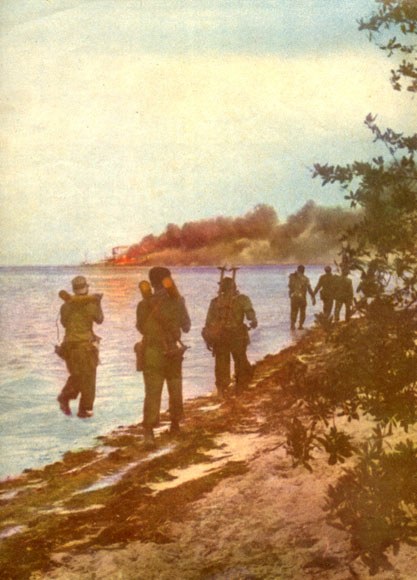
This nest sits inside the New York Times drawer after the Gilded→WW2 era guide. It is not a full Cuba encyclopedia, not a Castro biography, and not a general Cold War survey. It is a contested-coverage deep on how the paper of record handled three linked hinges: Herbert Matthews’s February 1957 Sierra Maestra exclusive, Bay of Pigs press ethics under covert war, and Missile Crisis reporting once U-2 photography and a presidential address made nuclear risk public. The visitor who wants beach-by-beach military history or a complete revolution timeline will need other books; the visitor who wants the Times’s choices under dictatorship, secrecy, and brinkmanship is in the right file.
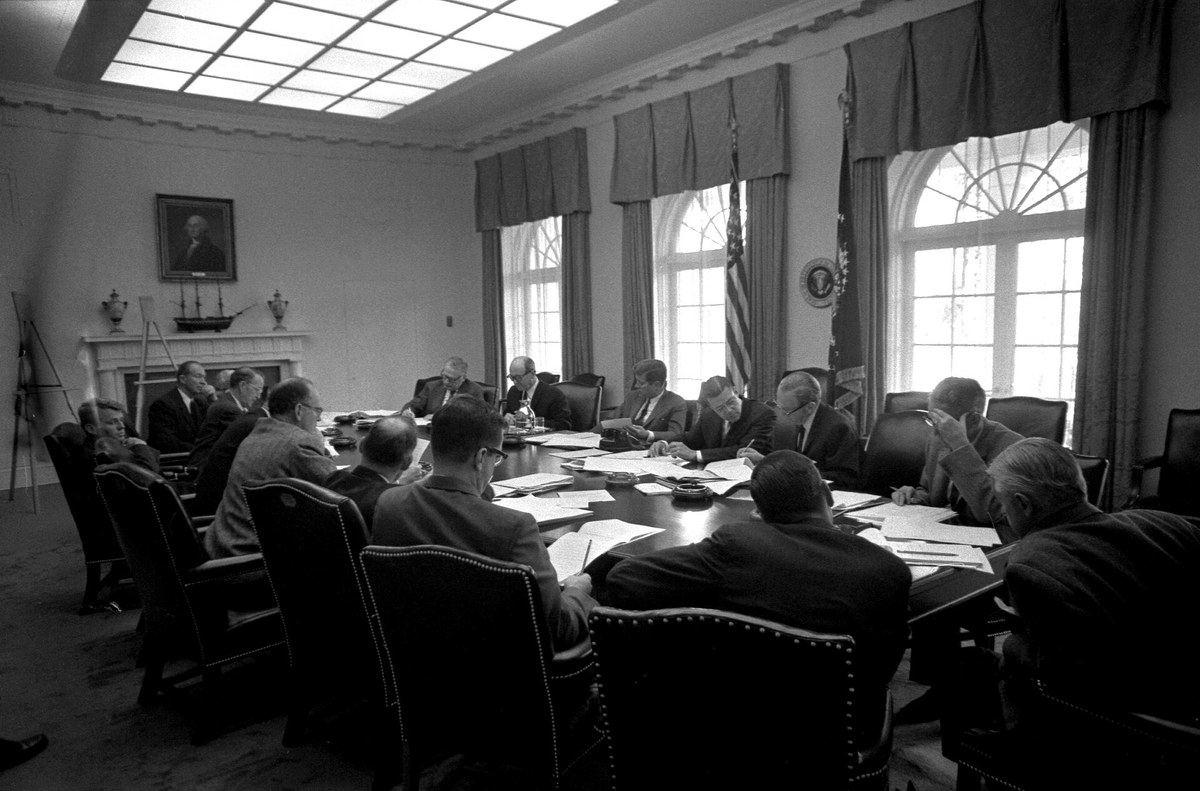
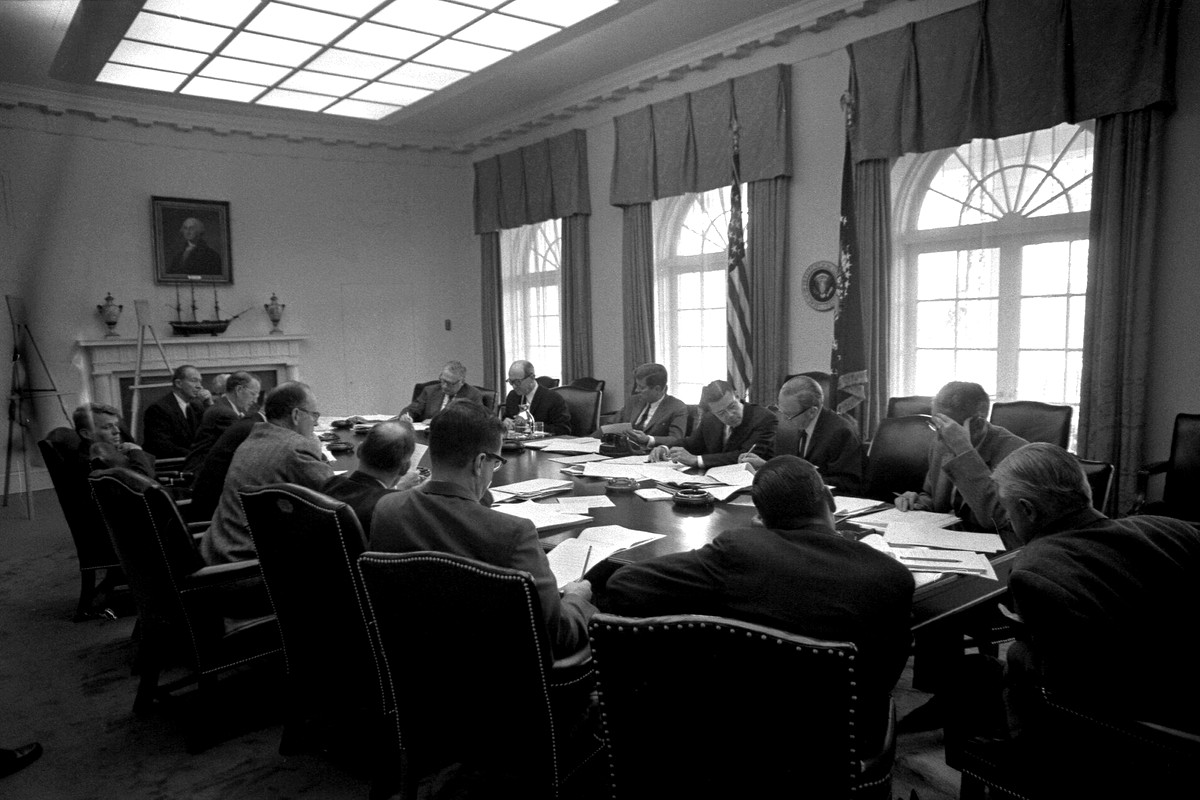
“Contested” means rival readings of the same dated pages and decisions — romanticization versus revelation, patriotic hold versus the public’s right to know, responsible crisis partnership versus stenography of EXCOMM messaging. The guide keeps those paths visible instead of collapsing them into a single anniversary moral. Mainstream national-security self-defense is labeled mainstream; press-capture critiques are labeled as rival critical paths; memoir is labeled memoir. Primaries lead: printed Times pages, government photography, UN session records, and later-released reconnaissance products.
Read Gilded→WW2 first when you can. Sulzberger-era habits and the paper-of-record brand are prior institutional DNA for how exclusives, page position, and “responsibility” language already worked before Matthews flew into the Sierra Maestra. Vietnam–Watergate, Iraq WMD, and Digital era nests ask later questions about the same institution — adversarial investigation, source failure, platform-era speed. This Cold War file stops at the Matthews–invasion–missile arc and the method lesson those episodes still teach.
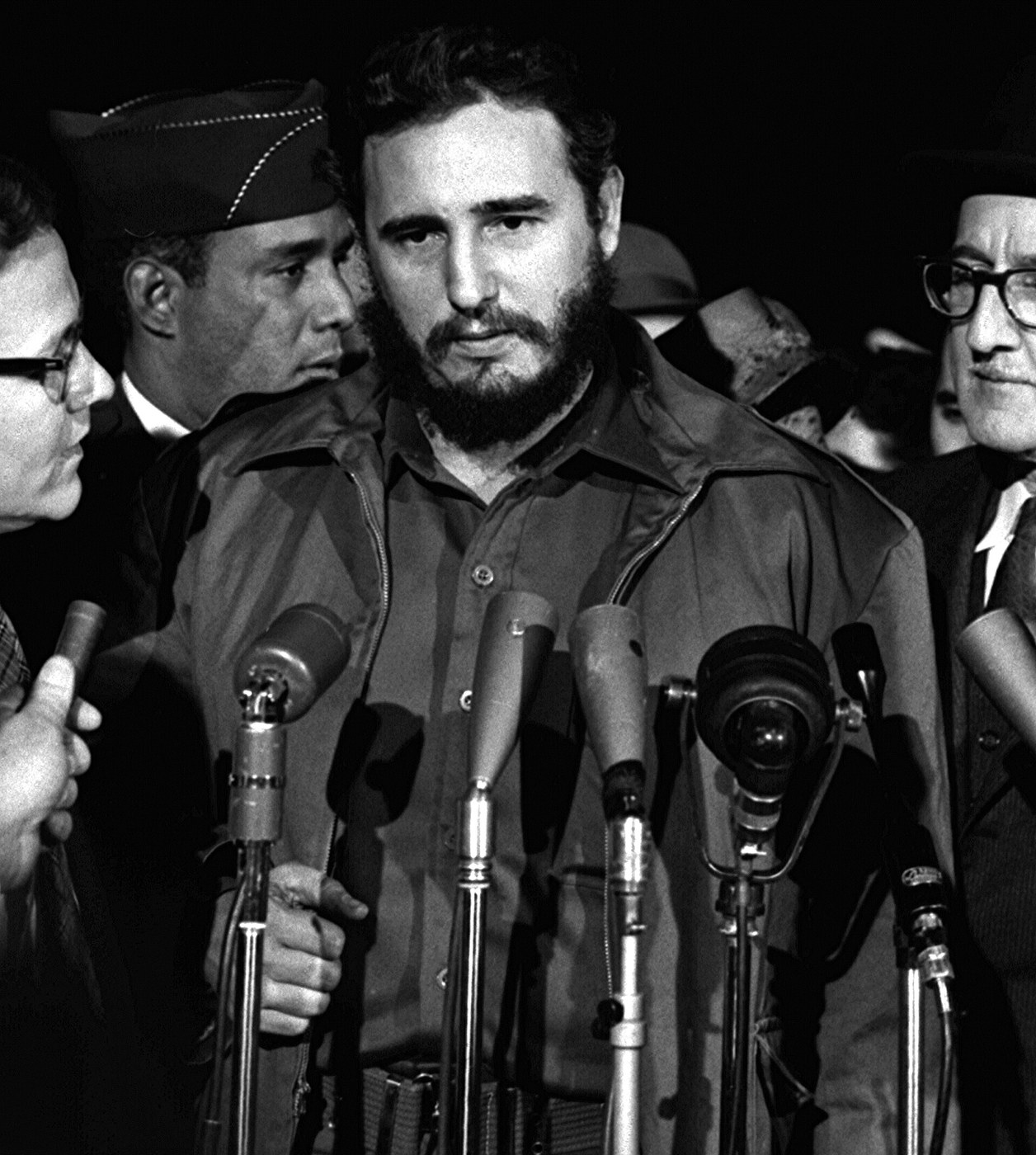
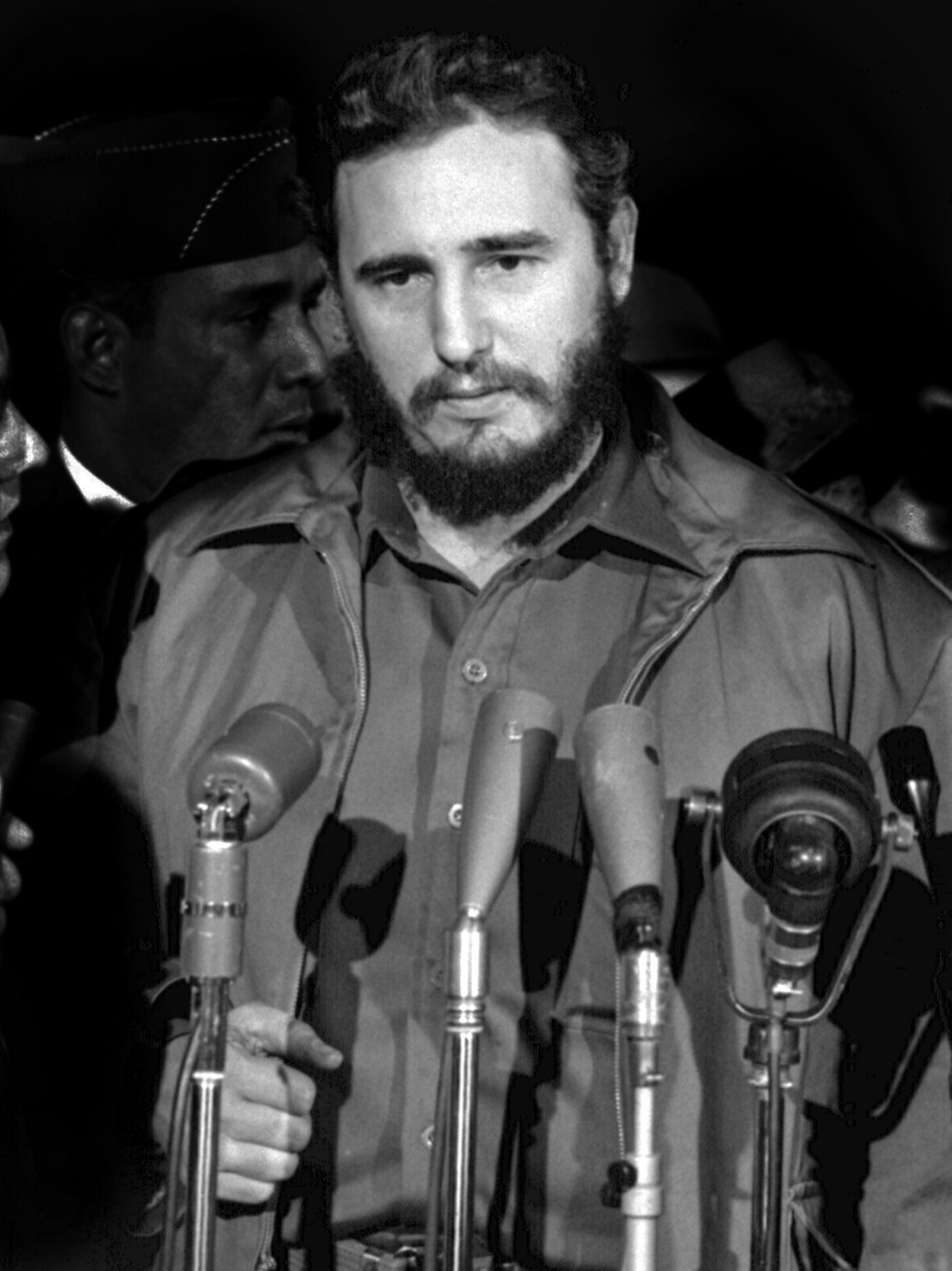
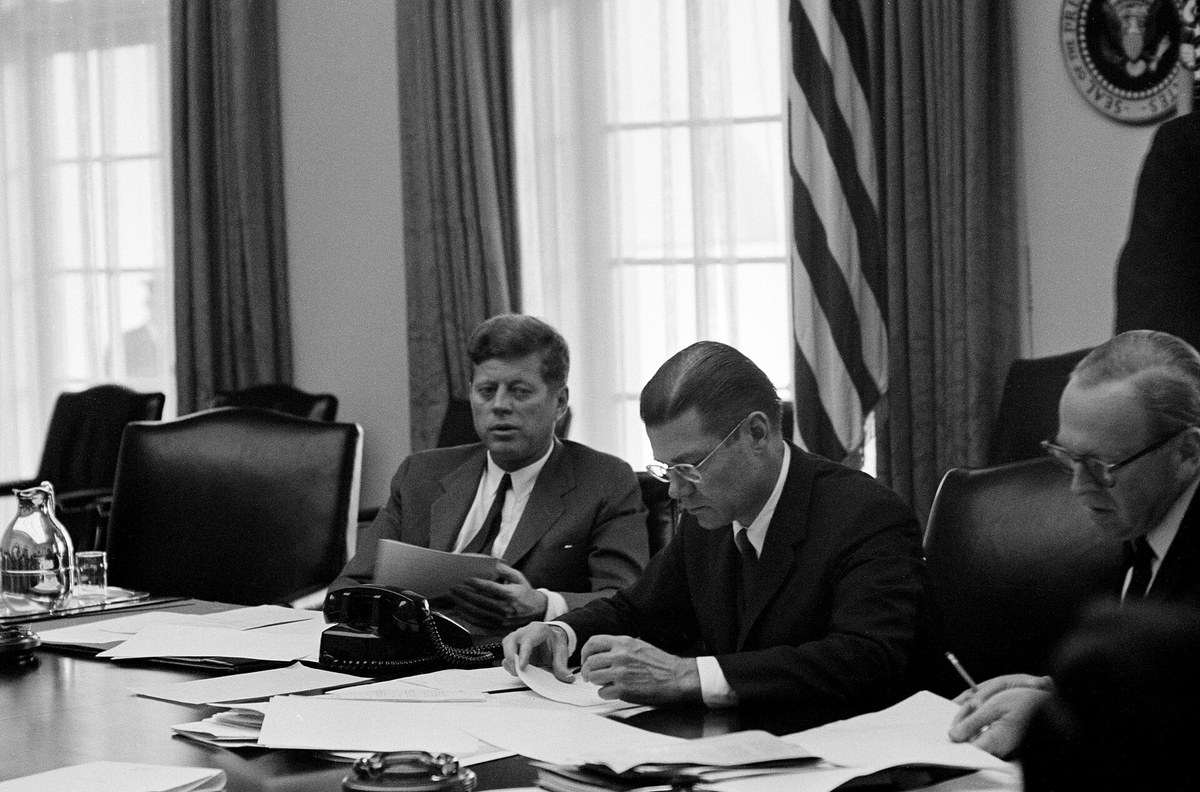
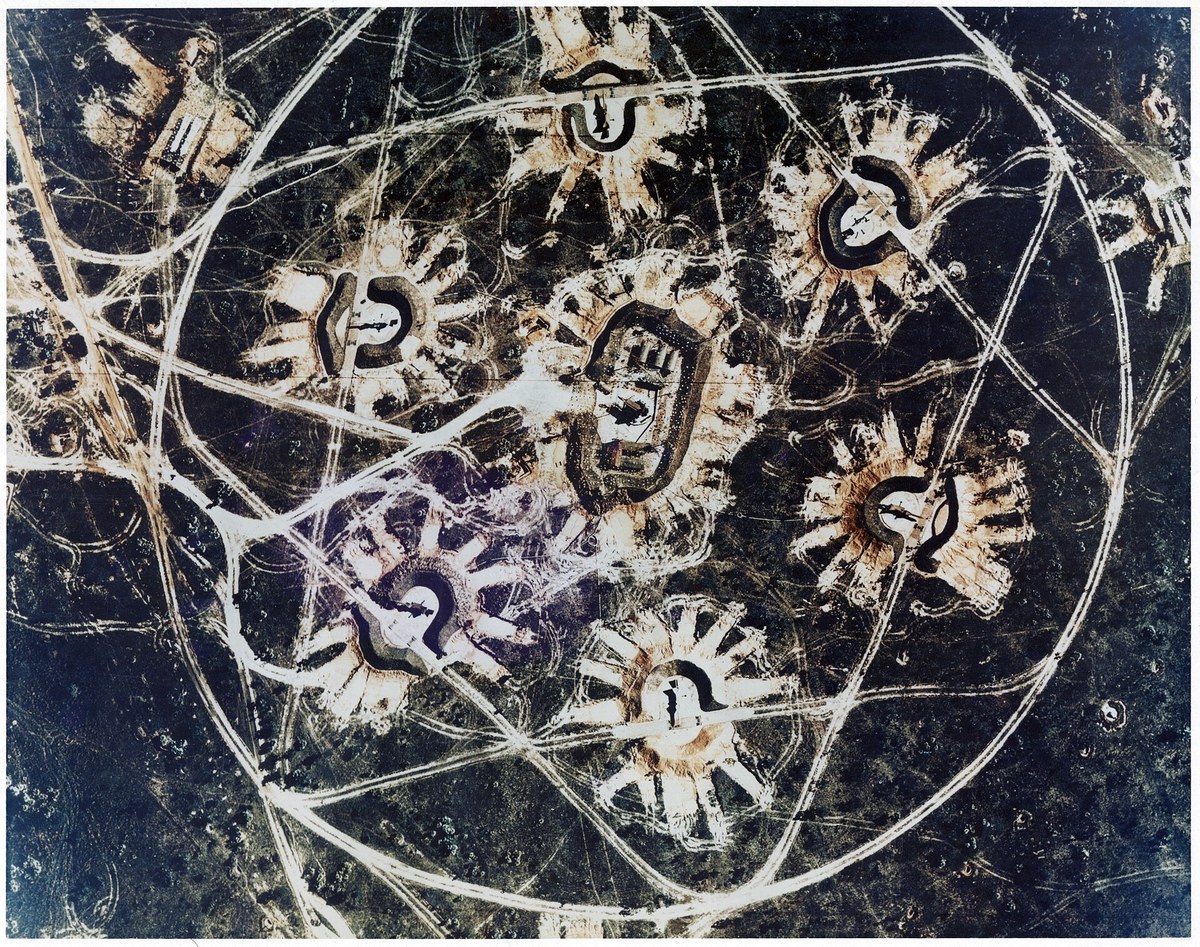
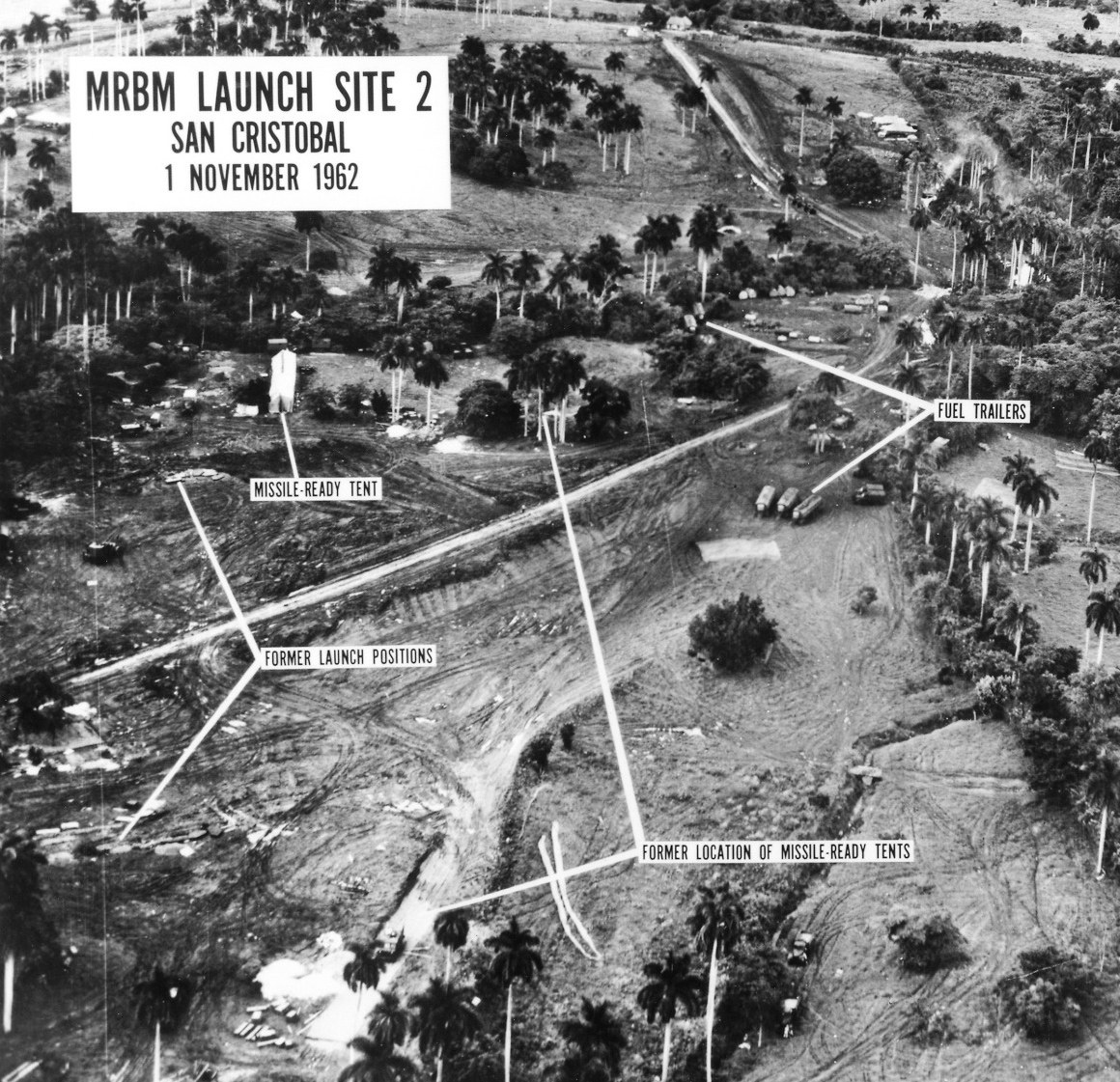
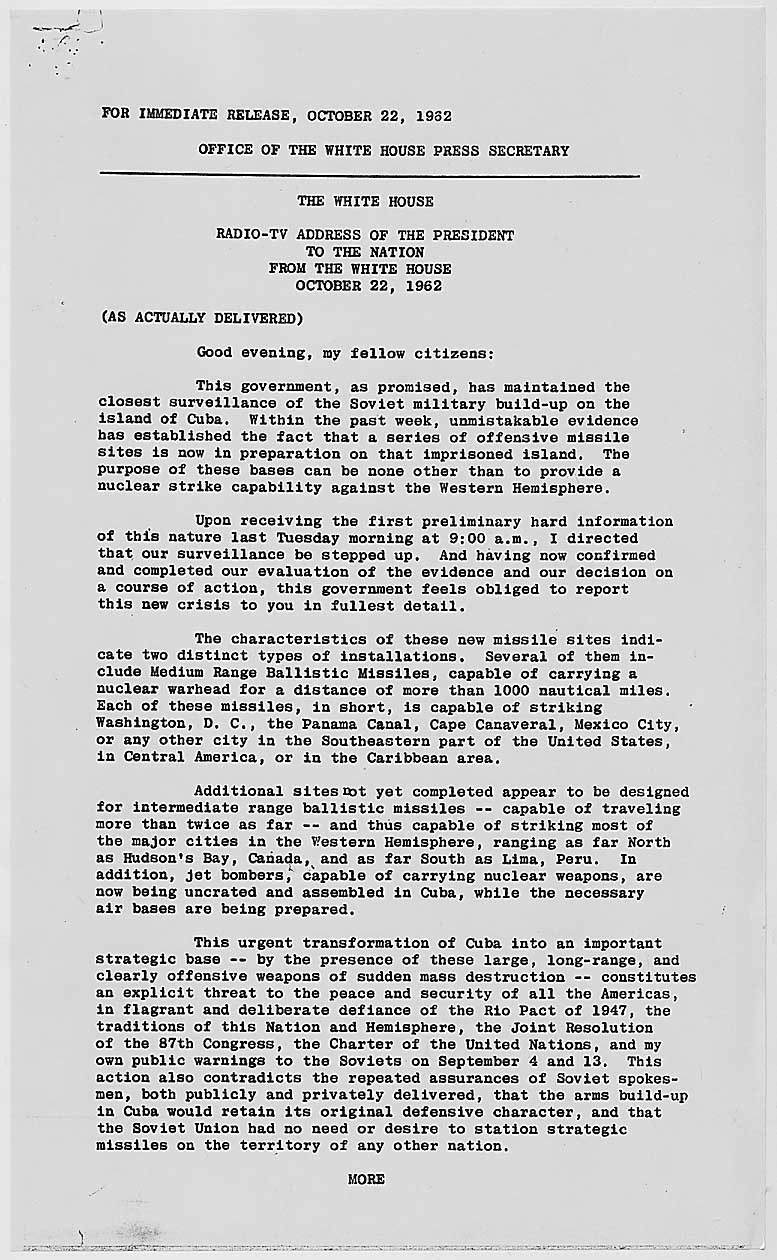
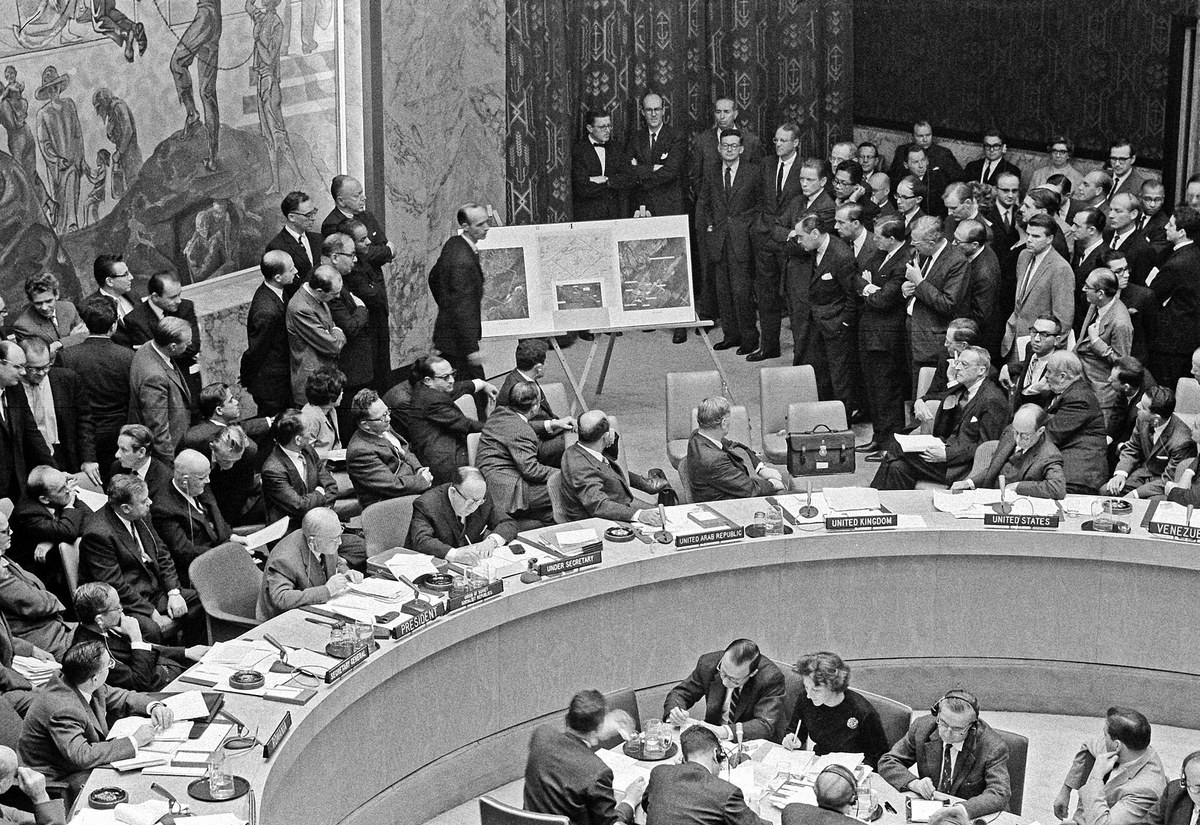
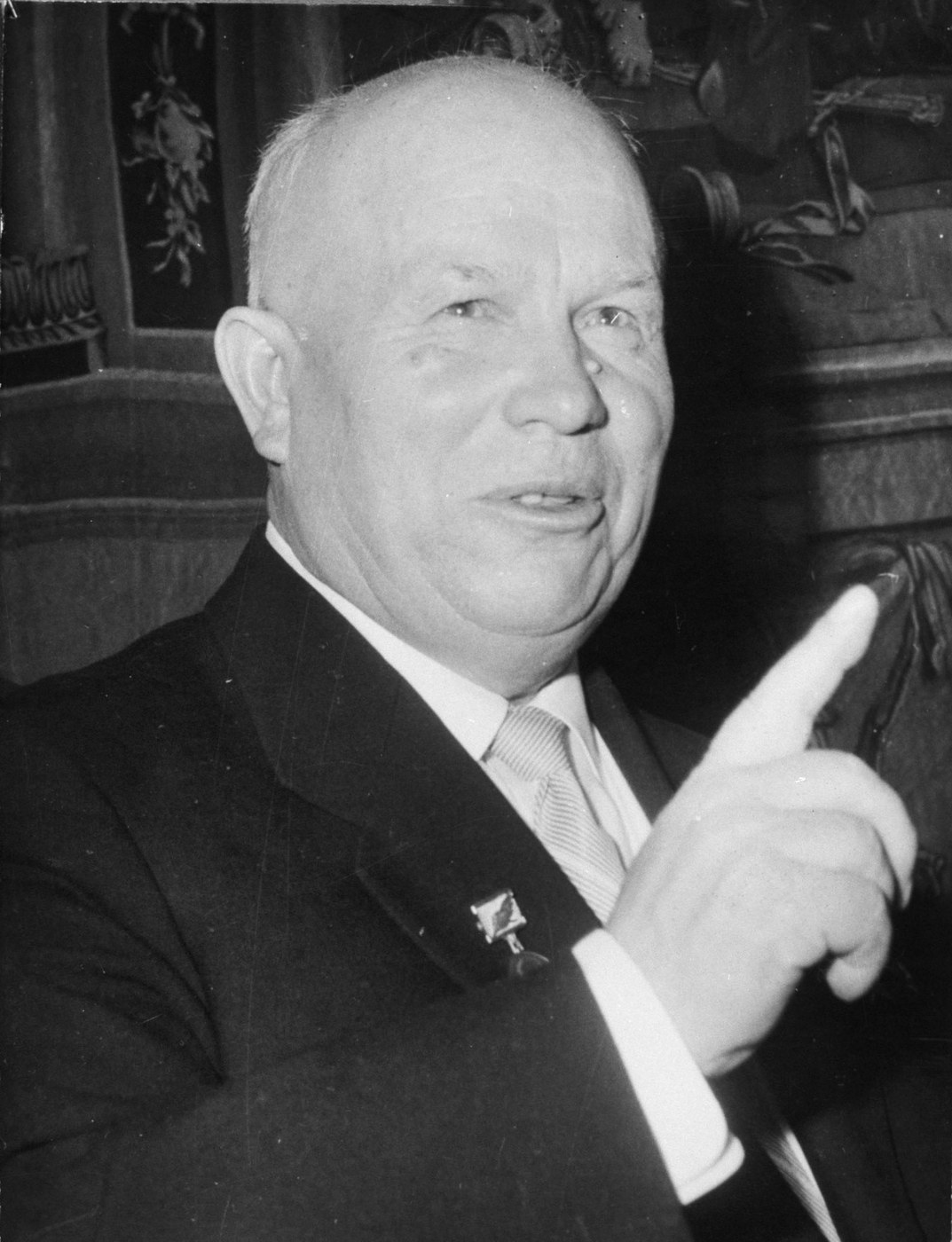
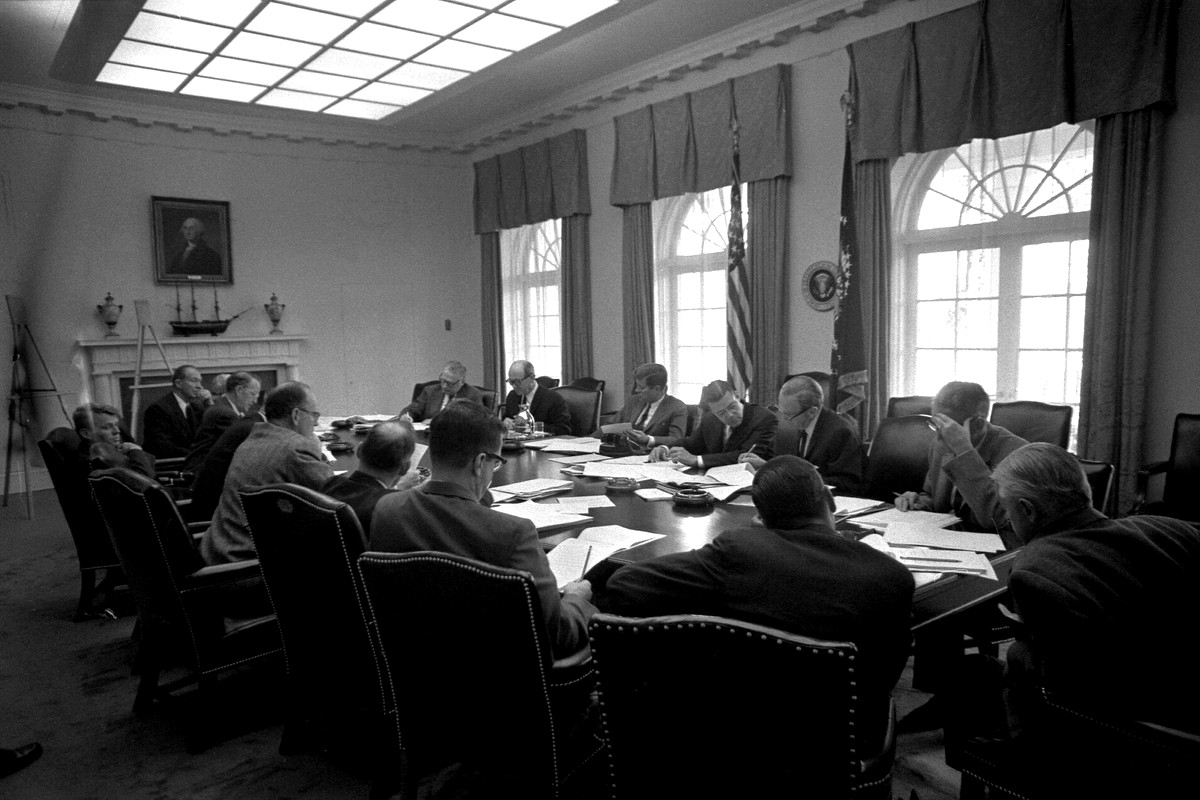
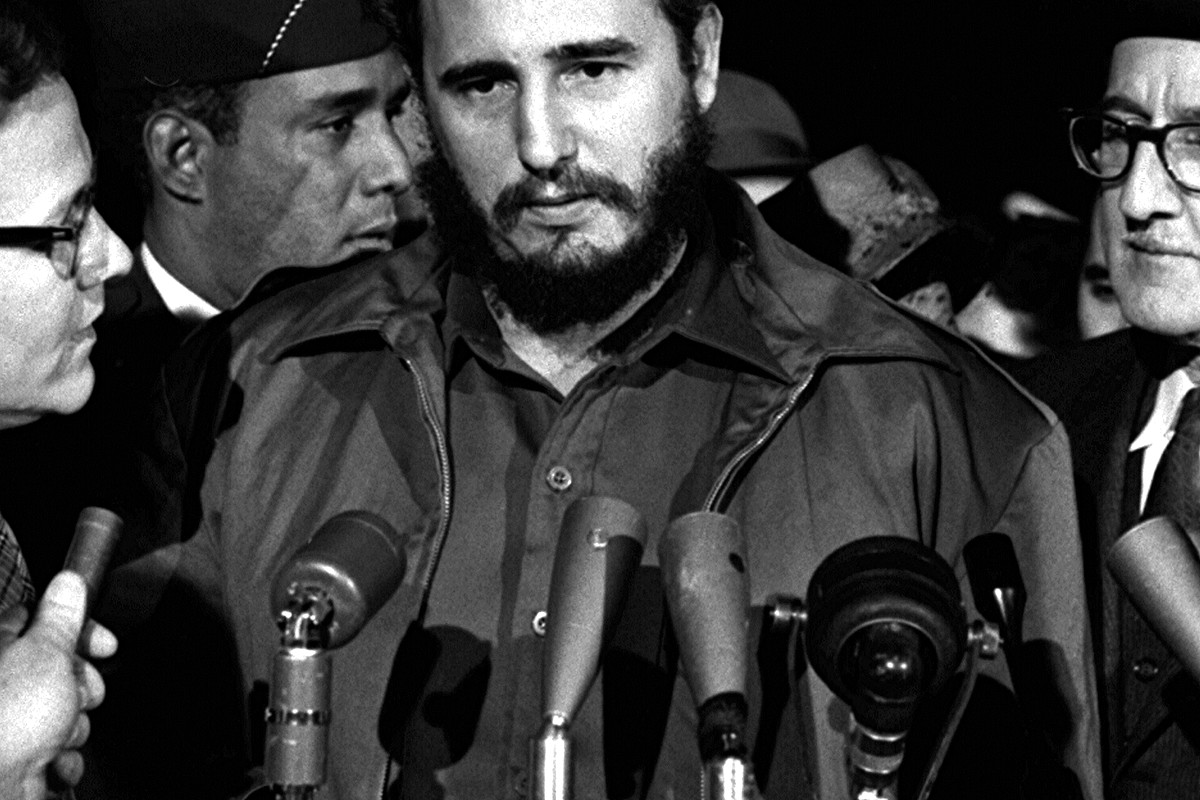
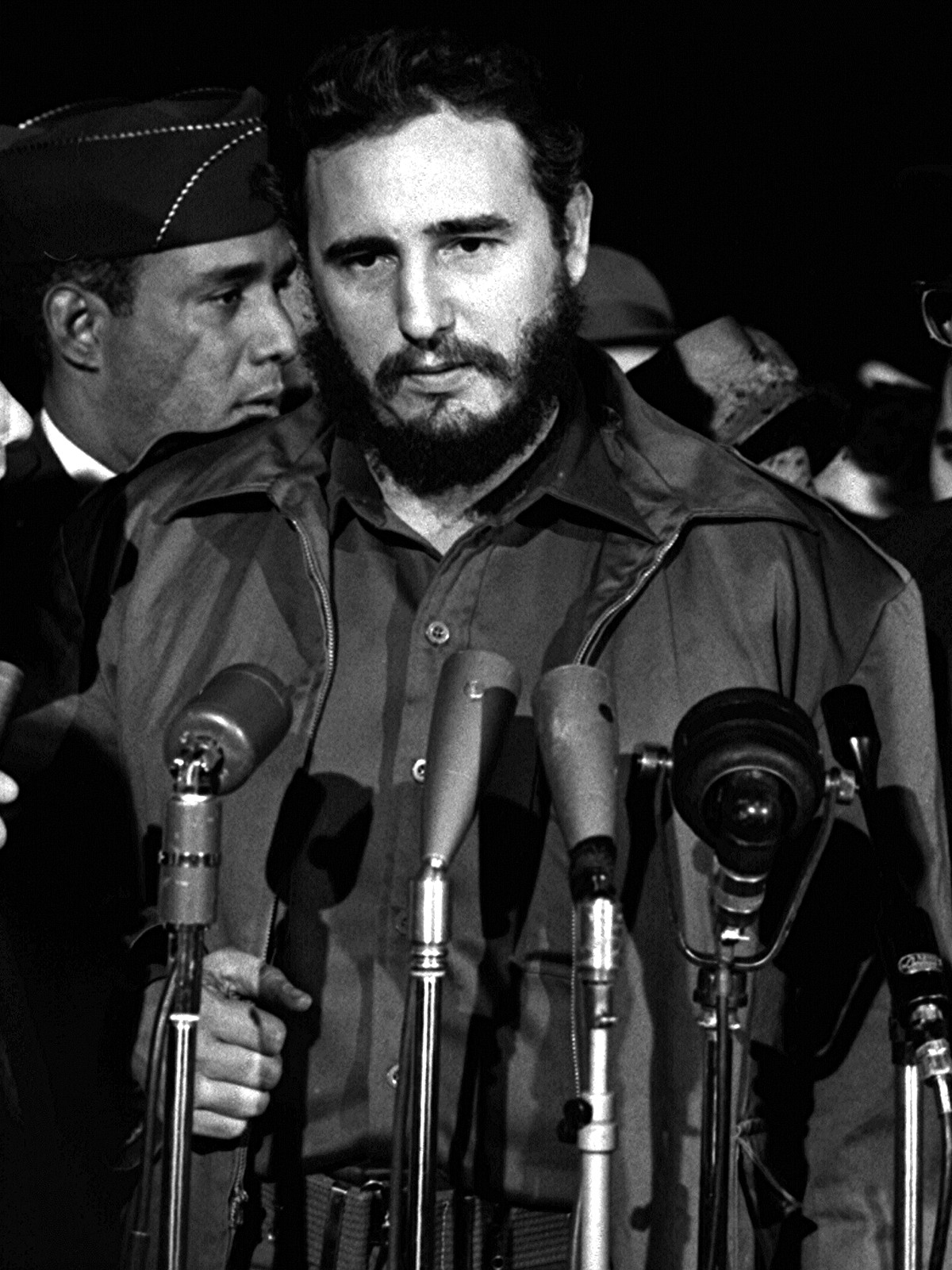
Primary hinges ahead: Matthews’s Sierra Maestra series and Batista’s denials; Castro’s 1959 U.S. visit optics; pre-invasion press knowledge and hold decisions; Kennedy’s responsibility statement after the beach; U-2 photography of Soviet sites; the 22 October address; Stevenson’s UN proof theater; Khrushchev’s withdrawal and the later Turkey bargain in historiography. Church Committee reframing and DePalma-era argument appear as memory nodes, not as substitutes for 1957–62 pages. Dated objects beat slogans; if a claim cannot point to a page, a photo, a speech text, or a released intelligence product, it stays marked soft.