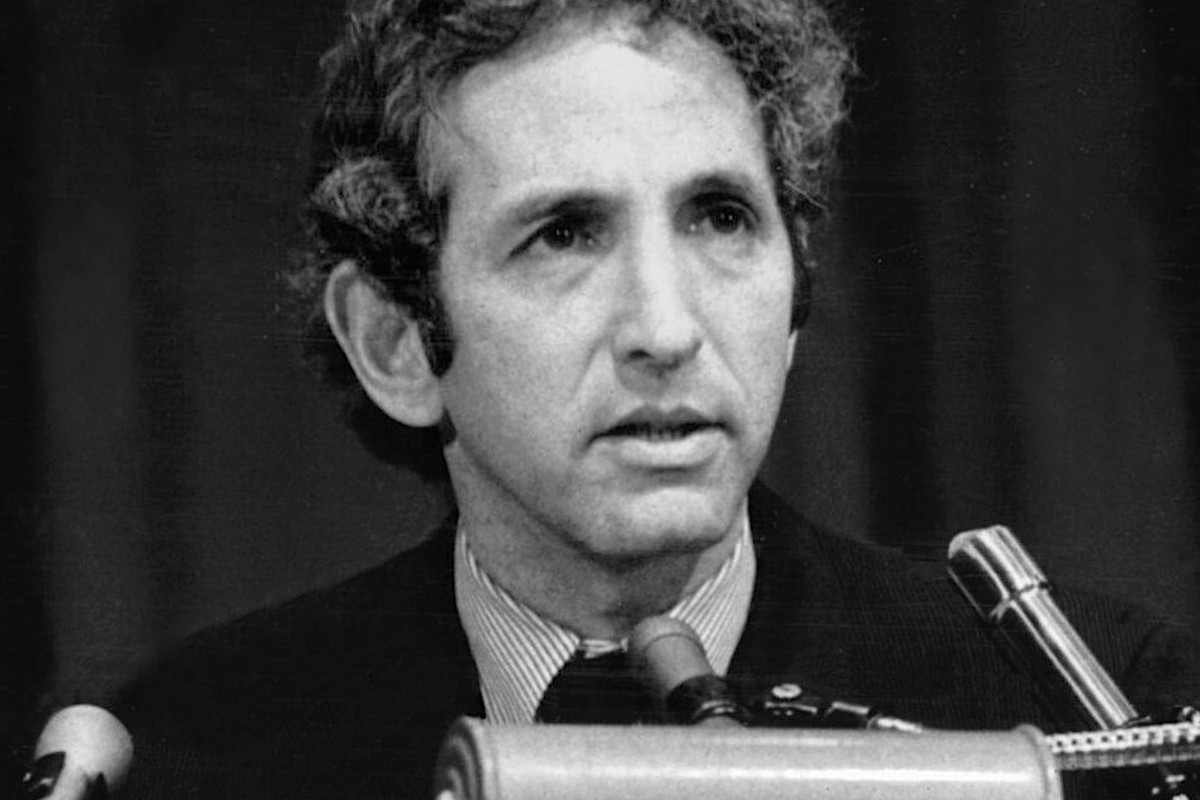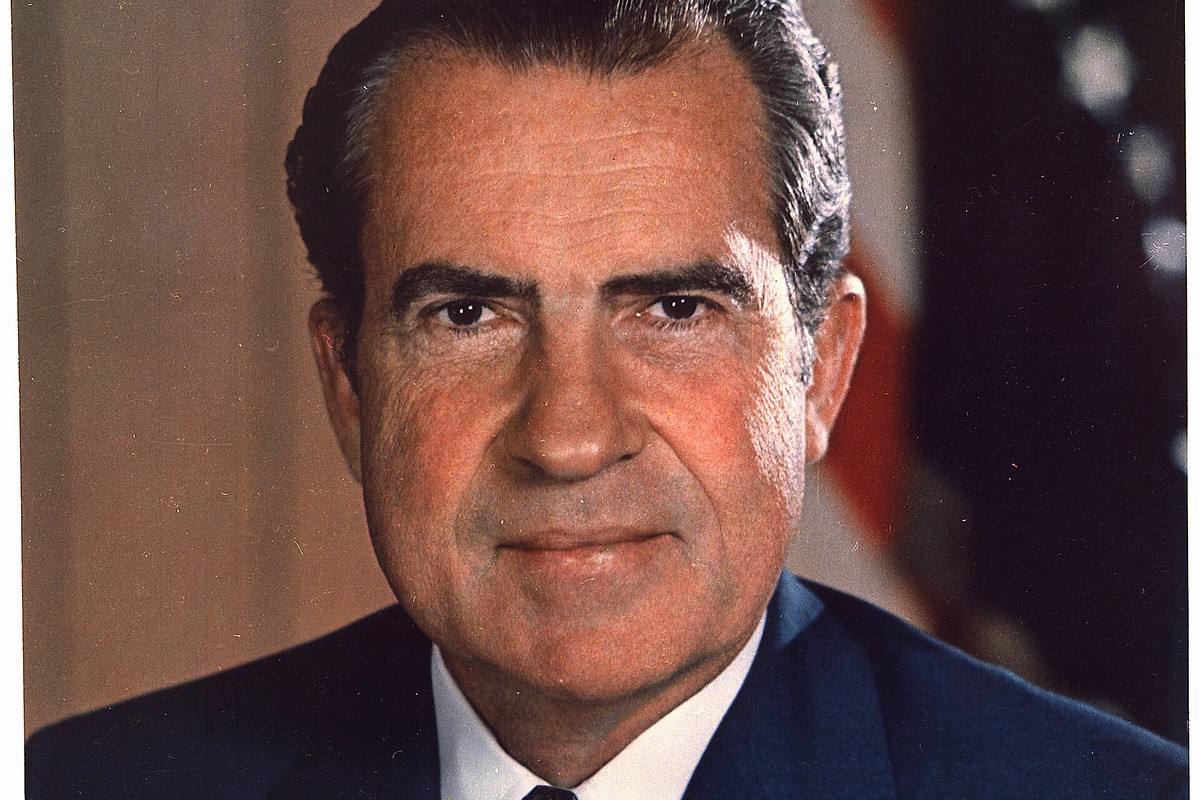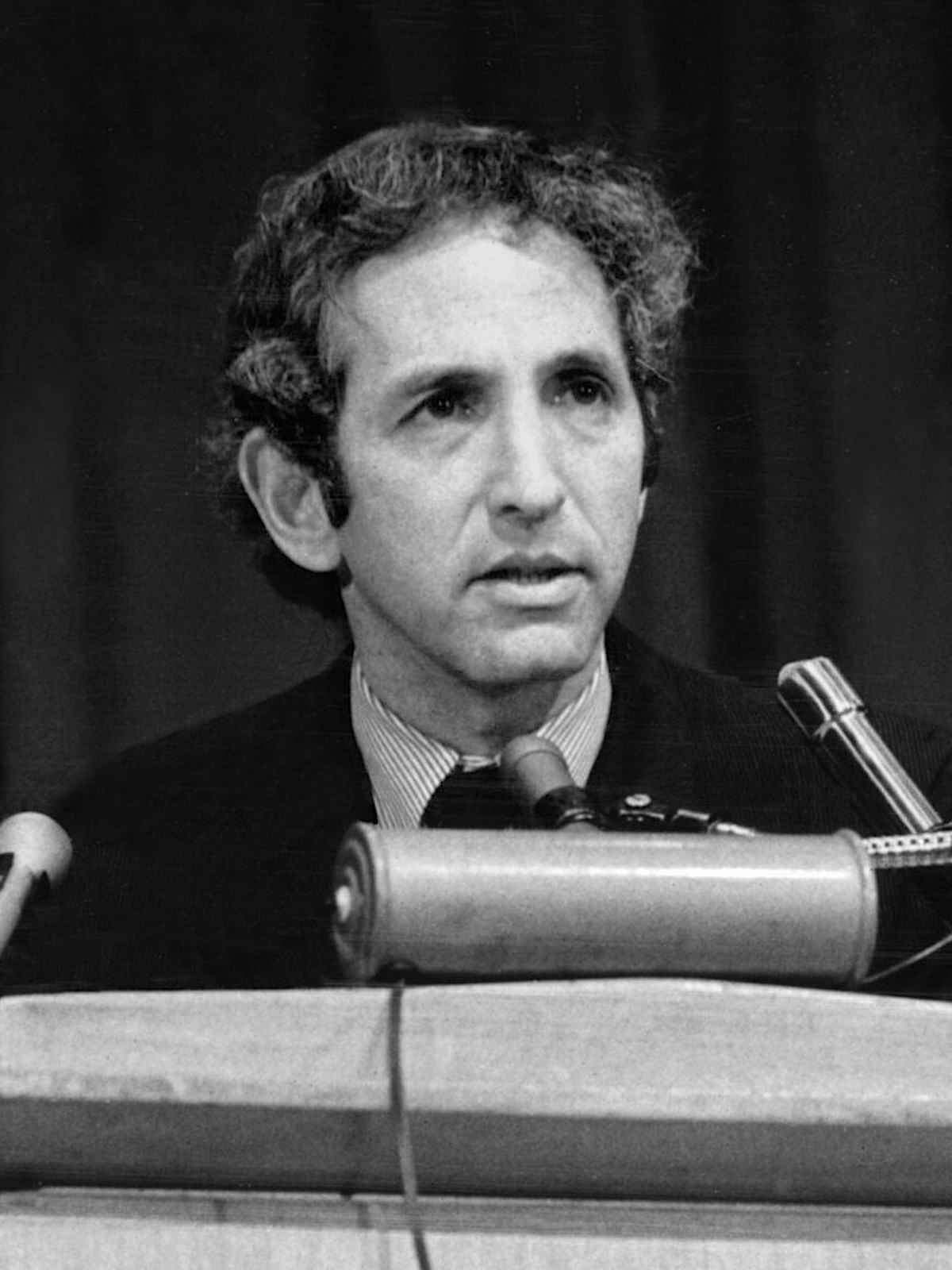
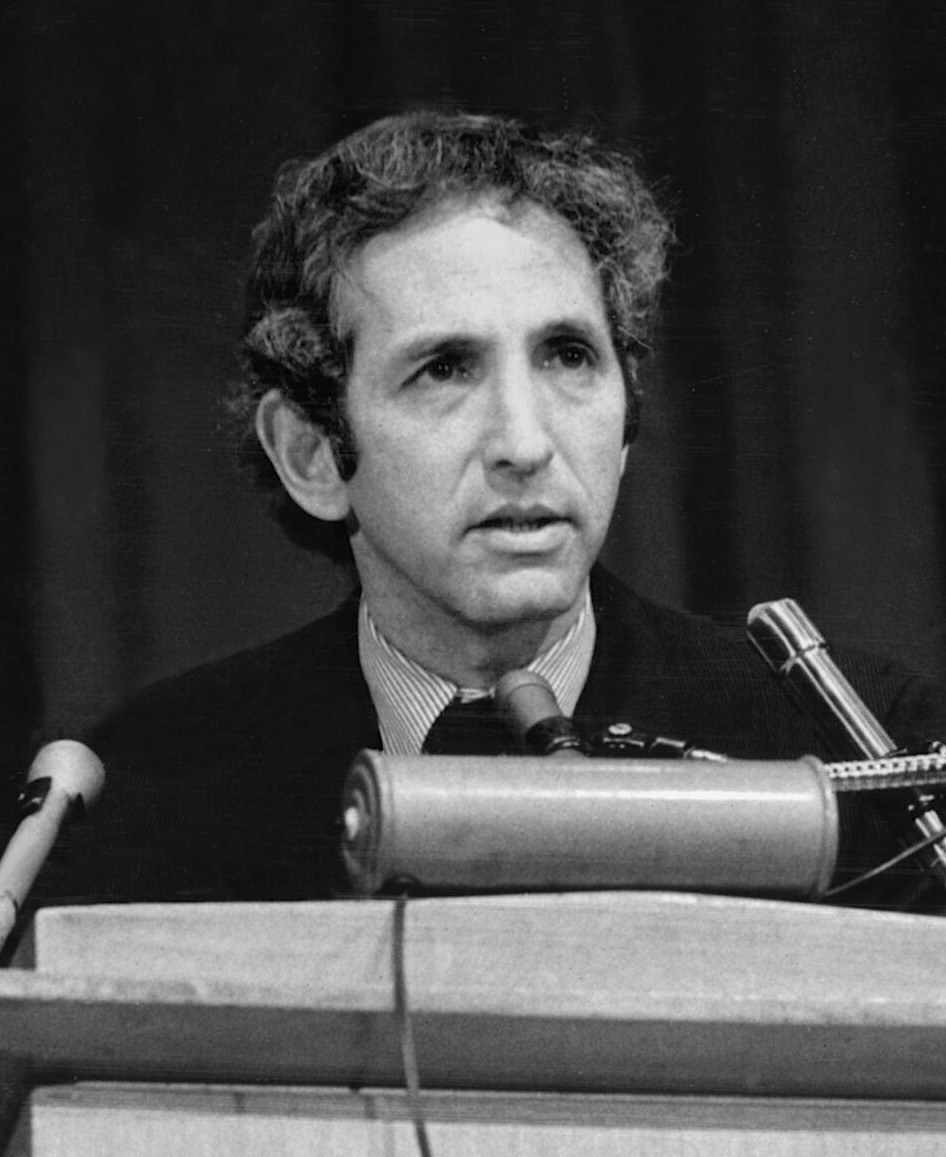
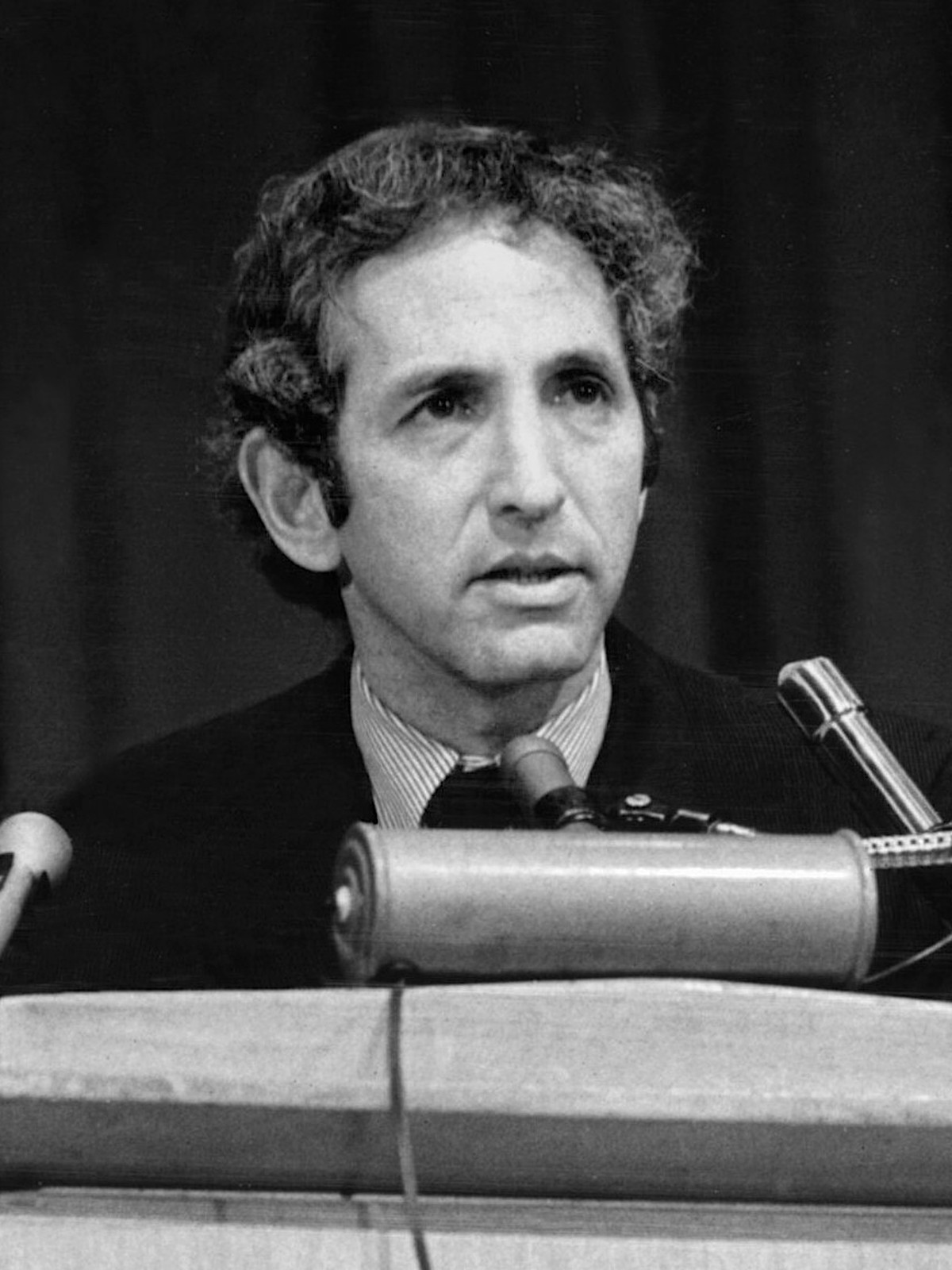
Daniel Ellsberg 1972

The AI Files · Pentagon Papers leak and publication, NYT v. United States; Watergate as neighboring context · 1967-1974

Era: Vietnam / Watergate — Pentagon Papers

The Times printed a secret war history — and the Court refused to stop the presses.

Prior restraint lost; absolute-immunity myths still need White/Stewart.

Daniel Ellsberg 1972 Image: Commons · as labeled

The story

The Times-era Vietnam / Watergate hinge, told in order

Twelve encyclopedia chapters on the New York Times–era Vietnam / Watergate hinge — Pentagon Papers study, Ellsberg’s copies, Times publication, prior-restraint fight, New York Times Co. v. United States, Vietnam as the Papers’ subject, street pressure, Watergate as neighboring context, Nixon’s press war, Senate-era public record, pardon memory, and rival paths into the next era. Not a rebuild of the separate Watergate deep guide.

Start with the Papers’ documentary path — Ellsberg, the Times, the Court — before neighbor scandals.
Start with the Papers’ documentary path — Ellsberg, the Times, the Court — before neighbor scandals. U.S. gov / Commons · PD or free license as credited

Chapter 1

How to read Vietnam / Watergate on this page

This guide is a New York Times–era lens on one spine: a classified Defense Department history of U.S. decision-making in Vietnam; Daniel Ellsberg’s decision to copy and deliver portions of it; the Times’s June 1971 publication; the Nixon administration’s attempt to stop the presses; and New York Times Co. v. United States, the Supreme Court prior-restraint fight that followed. Watergate appears here as neighboring context in the same presidency and the same press–power argument — not as a substitute for the separate Watergate deep guide elsewhere on the site.

Read claims in order of objects. The study exists in the National Archives release. The June 13, 1971 Times series exists as published text. The temporary restraining orders, the races through the Second Circuit and the D.C. Circuit, and the June 30, 1971 per curiam opinion exist as court records. Ellsberg’s later criminal jeopardy is a distinct docket from the press prior-restraint case. Keep those lanes labeled. Do not collapse “the government tried to censor the Times” into “Ellsberg was acquitted” or the reverse.

Anniversary sermons are not the method. When a paragraph urges you to feel a lesson before it shows a docket, a volume number, or a dated headline, treat that as atmosphere. The load-bearing chain on this page is documentary: who commissioned the history, who copied it, which newsroom obtained it, which publisher greenlit publication, which lawyers sought injunctions, what burden the Court said the government failed to meet, and how Vietnam’s secret optimism pattern reached ordinary readers.

Rival readings matter, and they must still account for the same hinges. One reading stresses national-security harm and unlawful possession of classified material. Another stresses a heavy constitutional presumption against prior restraint and a multi-administration pattern of public optimism that the study undercut. A third treats Watergate’s Plumbers as connective tissue born in the Papers response. None of those readings erase the June 1971 publication calendar or the Court’s published opinions. This page keeps the Times Vietnam–Watergate hinge readable without rebuilding every Watergate subcommittee hearing.
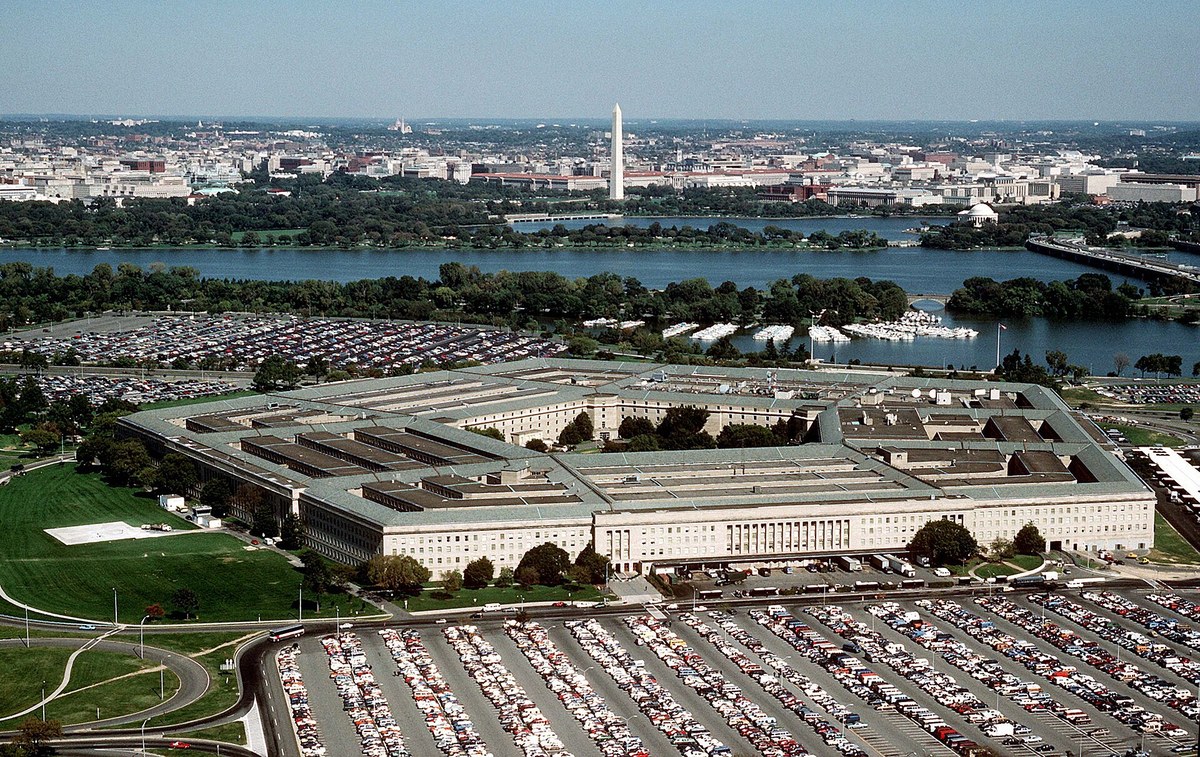
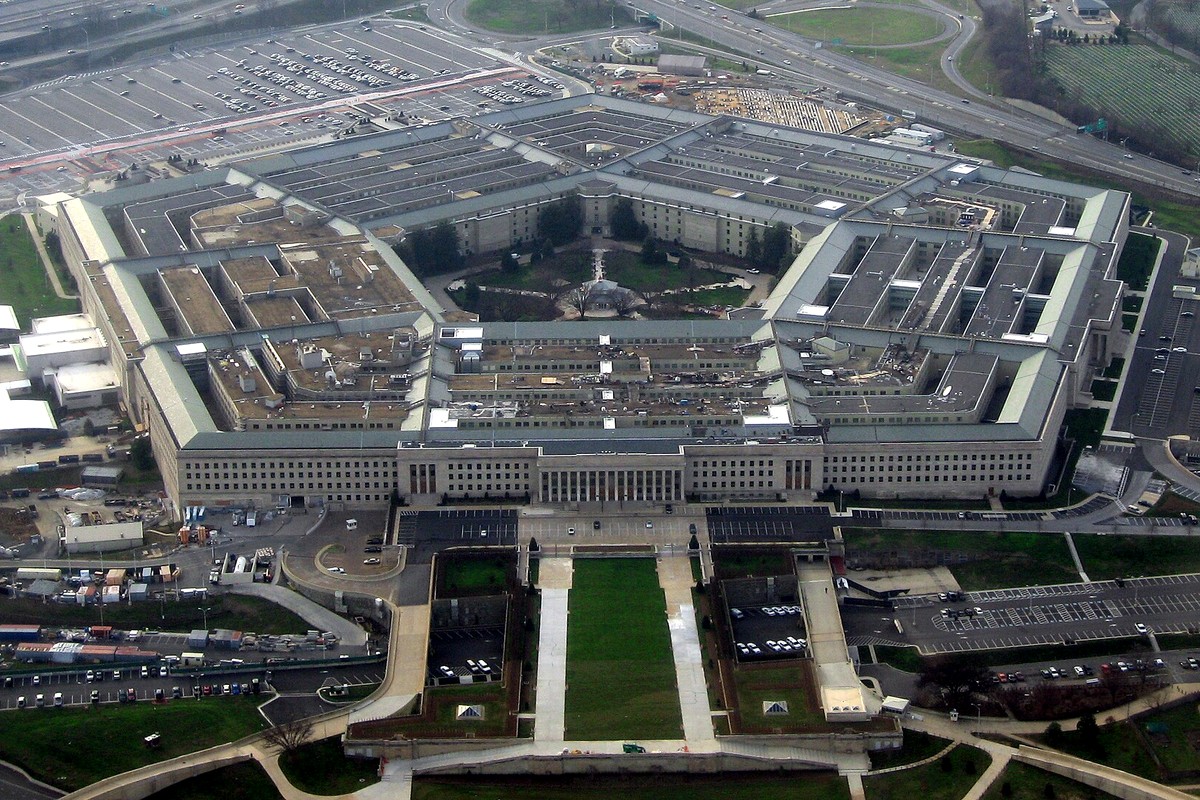
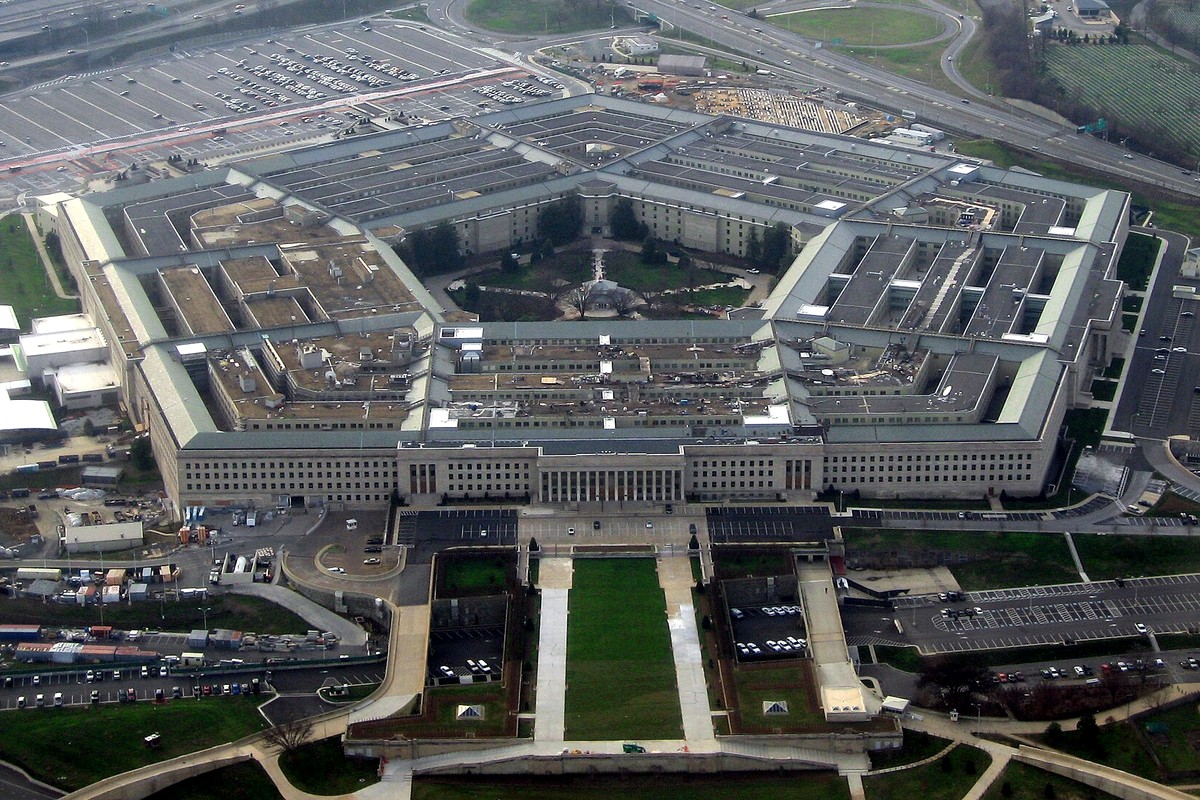
The Pentagon housed the classified Vietnam history later nicknamed the Pentagon Papers.
The Pentagon housed the classified Vietnam history later nicknamed the Pentagon Papers. U.S. Department of Defense · public domain

Chapter 2

What the Pentagon Papers were

The document set nicknamed the Pentagon Papers was an internal Department of Defense study of United States decision-making in Vietnam — thousands of pages across dozens of volumes, prepared in the late 1960s under Defense Department direction. It was not a single leaked memo. It was a curated historical compilation: narratives, documents, and analysis covering roughly a quarter-century of policy from the end of World War II through the Johnson years. Classification stamps and compartmentation kept it inside government until copies left that perimeter.

Leslie Gelb directed the study project; analysts and contributors worked from official files. The point of the compilation, in bureaucratic terms, was institutional memory for policymakers — how commitments accumulated, how public rationales diverged from private assessments, how each administration inherited and enlarged the war. That institutional purpose is why the study’s later public life cut so deep: readers were not meeting a partisan pamphlet. They were meeting the government’s own classified narrative of how optimism and escalation had been managed.

NARA’s later public release lets anyone check volume structure and document selection rather than rely on secondhand paraphrase. Classroom shortcuts that reduce the Papers to “the government lied about Vietnam” flatten the archive. The sharper claim supported by the study’s own pages is patterned divergence: public assurance versus private doubt, across administrations of both parties, long before Nixon’s 1969 inauguration. Nixon’s legal fight over publication still matters; it does not make him the author of the history being published.

For this guide’s epistemology, the study is a primary object. Press excerpts are primary as published journalism. Court opinions are primary as law. Memoirs and anniversary documentaries are secondary unless they introduce a verifiable document. When a later commentator says the Papers “ended the war,” check dates: publication was June 1971; U.S. combat withdrawal and Saigon’s fall sit on later calendars. Keep cause claims tight to what the record actually shows.

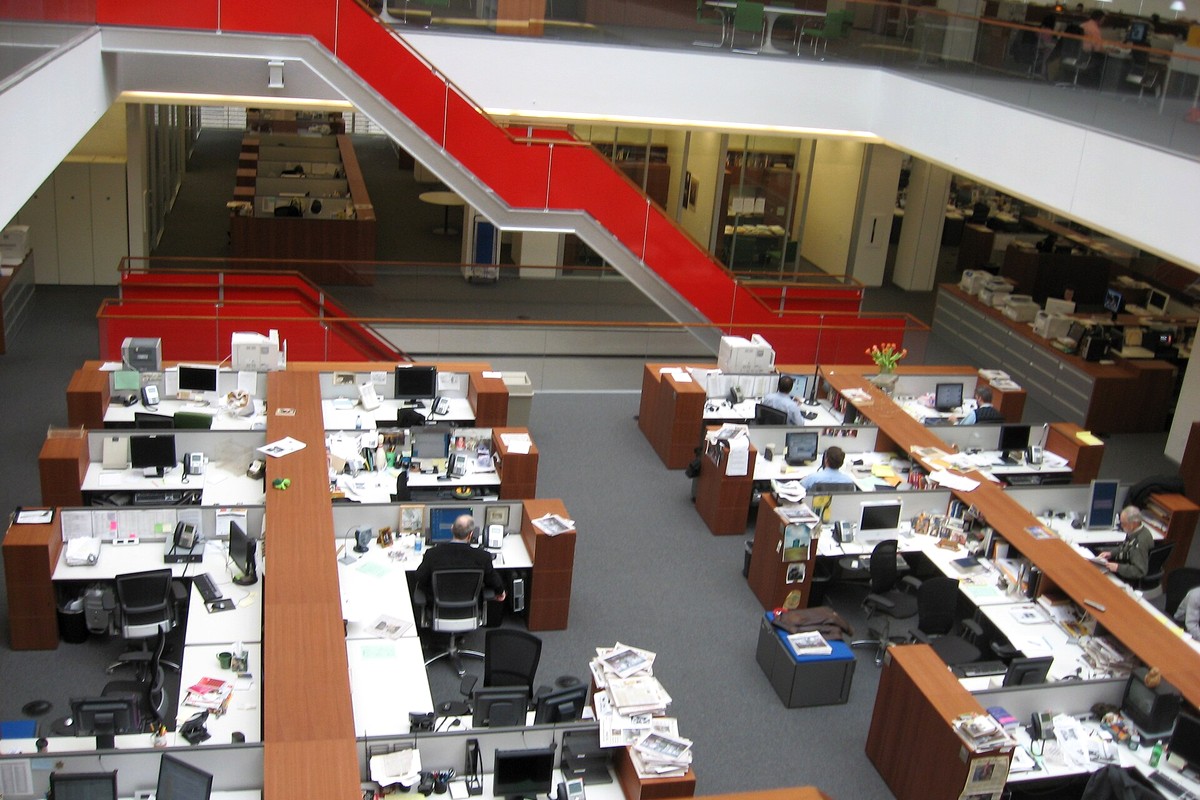
Newsroom production atmosphere for the June 1971 publication fight.
Newsroom production atmosphere for the June 1971 publication fight. U.S. gov / Commons · free license as credited

Chapter 3

Leak to the Times

Daniel Ellsberg, who had worked with the study and later opposed the war, copied substantial portions of the classified history and sought a public path for them. After congressional channels did not produce the airing he wanted, portions reached The New York Times. Neil Sheehan and Times colleagues spent months reading, organizing, and preparing a series. That newsroom labor is part of the spine: obtaining a classified archive is not the same act as deciding what to publish, in what order, under what legal advice.

Publisher Arthur Ochs Sulzberger and Times counsel faced a concrete decision: publish a secret government history of an ongoing war, or hold. Outside counsel caution and in-house arguments are part of the contemporaneous record of that choice. On June 13, 1971, the Times began publishing. The administration’s reaction was immediate — not only political anger, but a legal strategy aimed at stopping further installments before they reached readers.

Label the leak carefully. Ellsberg’s copying and delivery are person-acts with their own criminal exposure. The Times’s editorial decision to publish is a press act judged later under prior-restraint doctrine. Conflating them produces muddled verdicts: people treat a leaker’s indictment as if it answered the First Amendment question, or treat the Court’s press holding as if it erased Espionage Act risk for the source. This page keeps both tracks visible and separate.

Primary video and oral-history packages — including Ellsberg interviews and C-SPAN panels with Gelb and Times counsel — help visitors hear participants describe the handoff and the greenlight. Treat those as claim-from-interview unless they point to a dated document. The published Times series and the court docket remain the load-bearing public objects for what happened next.

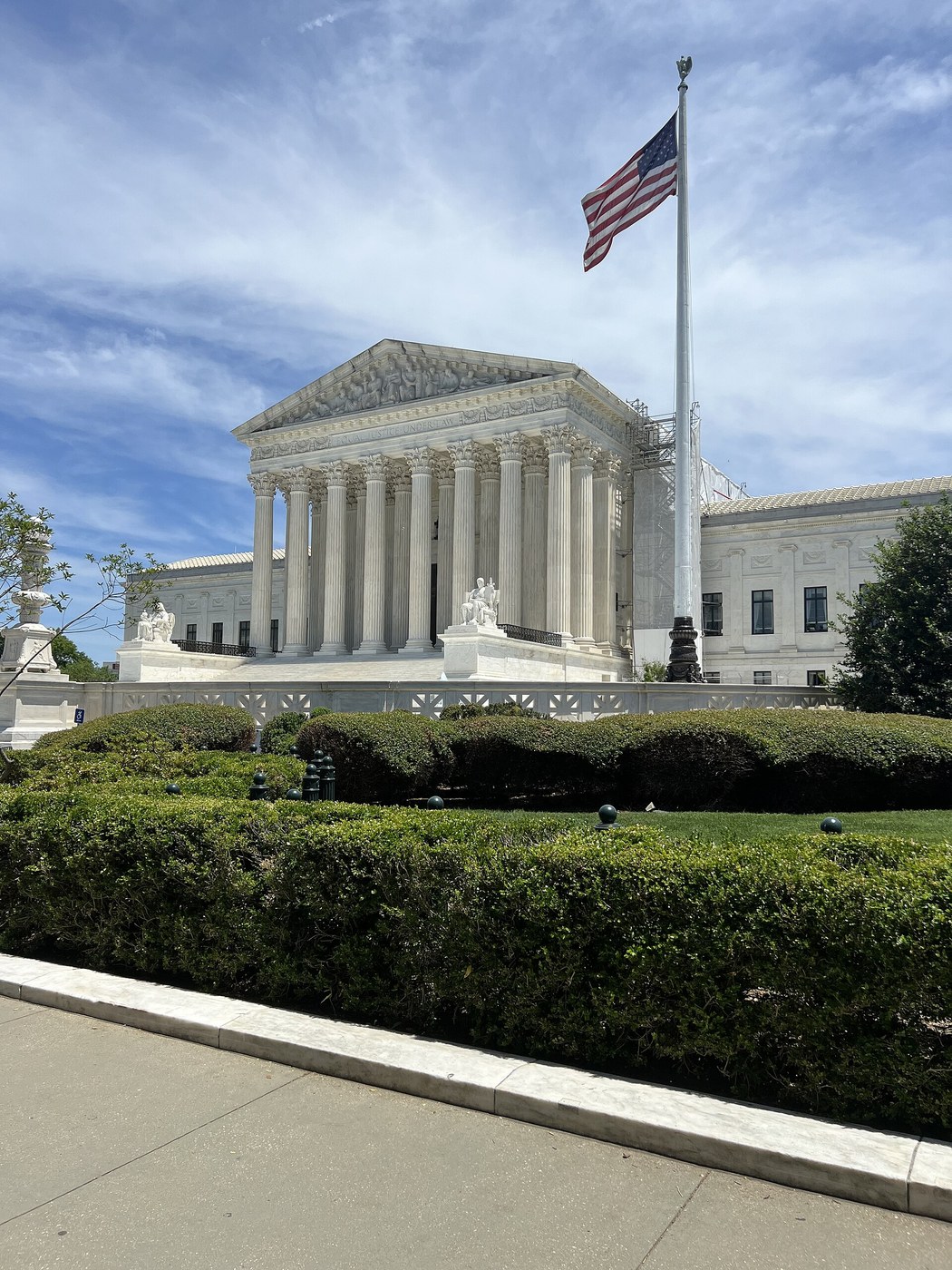
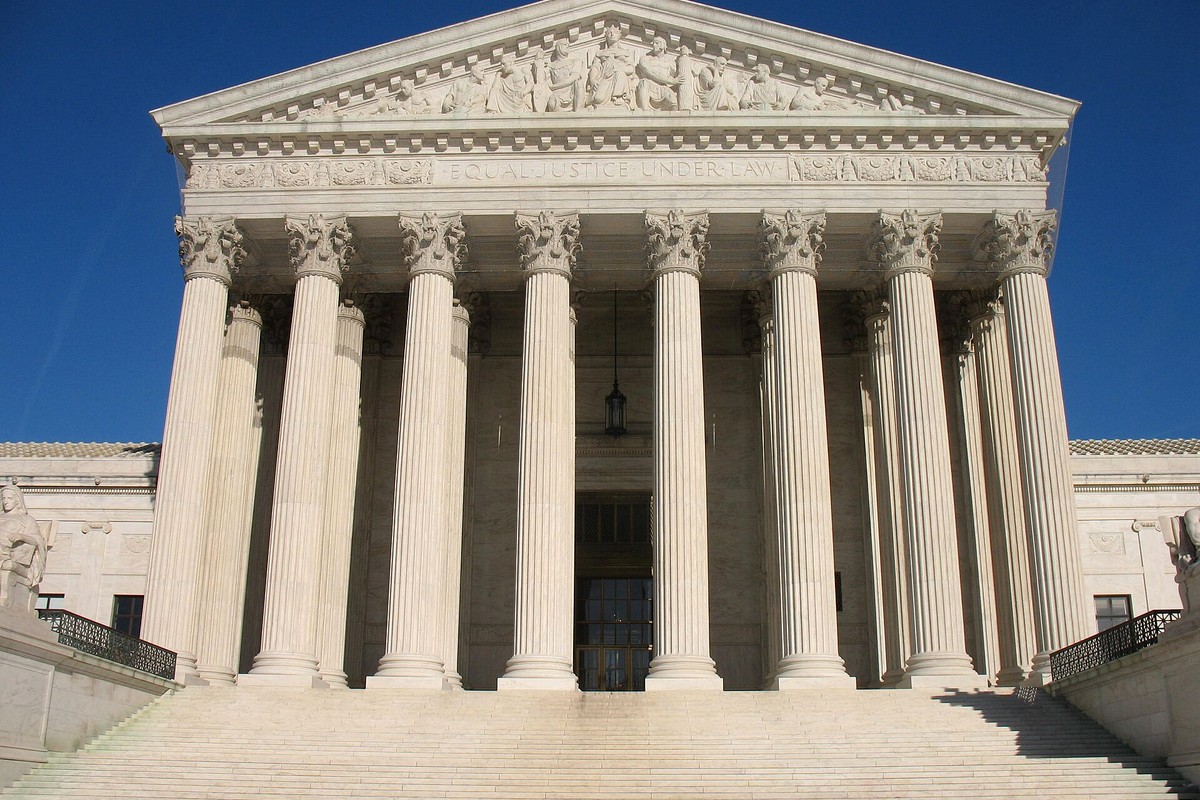
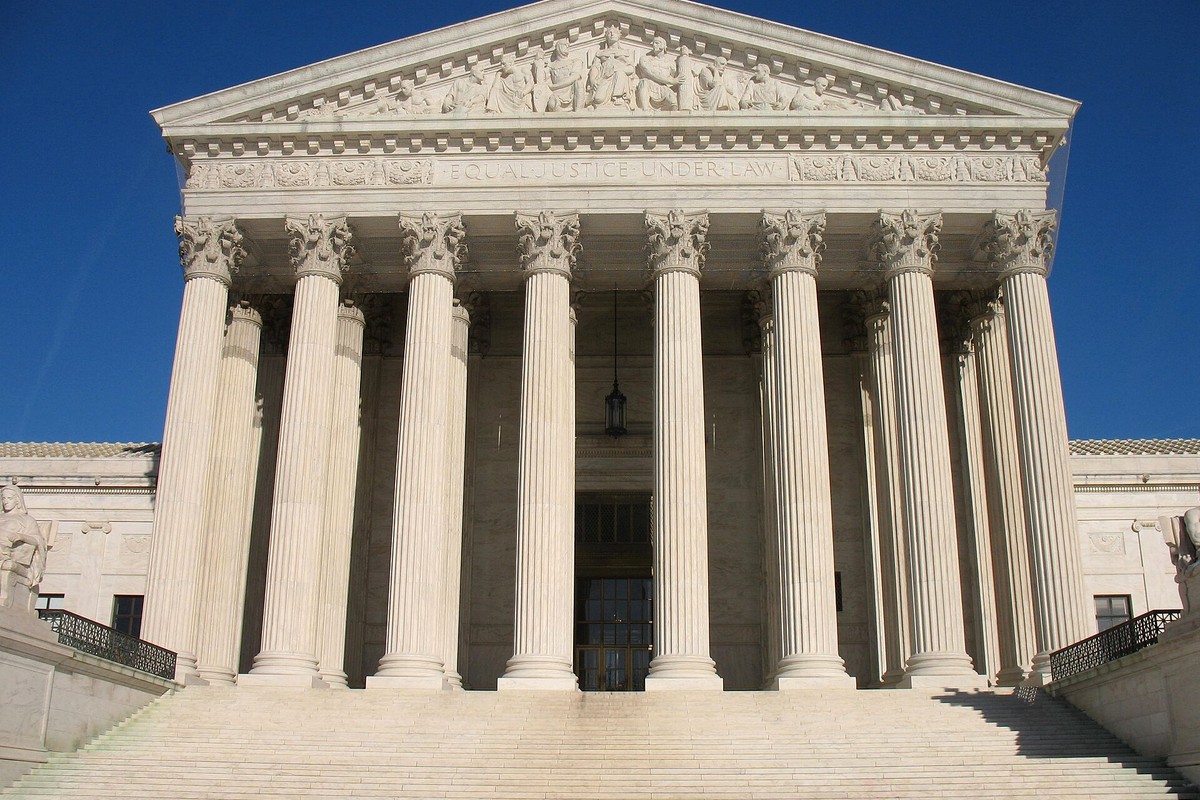
The Supreme Court building — destination of the prior-restraint race.
The Supreme Court building — destination of the prior-restraint race. U.S. government · public domain

Chapter 4

Prior restraint fight

Prior restraint means stopping publication before readers see it — a judicial order that freezes the presses. That is different from punishing unlawful disclosure after the fact. The Nixon Justice Department sought injunctions against the Times (and soon faced parallel litigation as the Washington Post and other papers published). District judges, emergency appeals, and a compressed Supreme Court calendar turned mid-June 1971 into a doctrinal stress test.

The government’s theory emphasized national security and classified status: continued publication, it argued, would harm the United States. The newspapers answered with the First Amendment’s hostility to advance censorship and with the practical fact that the secret was already moving through multiple newsrooms. When the Post published, “stop one paper” stopped looking like a workable remedy even on the government’s own terms.

Lower-court results split and shifted under speed. Temporary restraining orders issued; arguments about irreparable harm and the government’s evidentiary burden filled emergency briefs. The Second Circuit’s posture toward the Times and the D.C. Circuit’s posture toward the Post created the kind of conflict that pulls the Supreme Court in fast. Visitors should read the calendar: days, not months, separated first publication from the high court.

Do not soft-pedal the ask. The administration asked federal courts to do something the modern Court had almost never blessed against the press in peacetime: halt a newspaper series. Whether one agrees with Ellsberg’s leak is a separate moral and criminal question. The prior-restraint fight is about whether the executive can enlist judges to silence publication before a jury or a statute finishes its work.

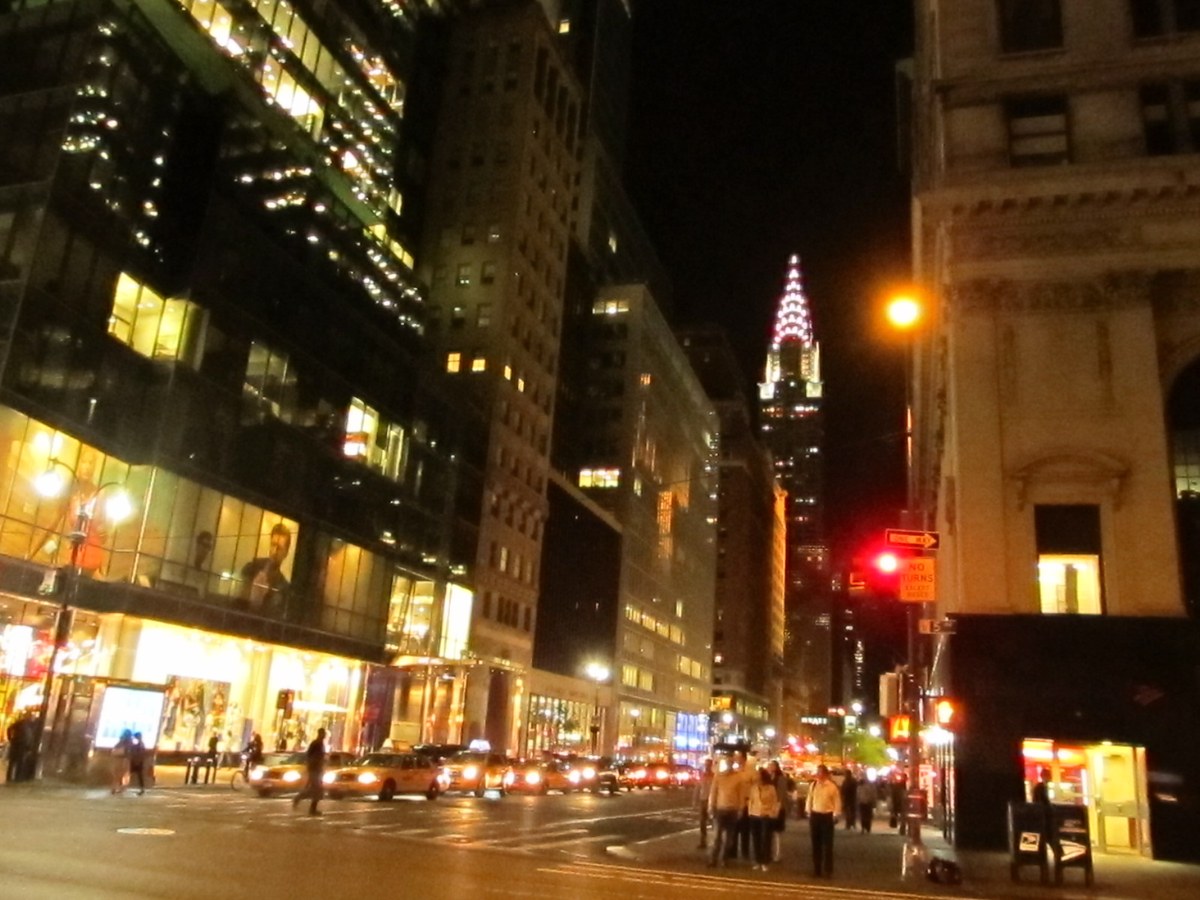
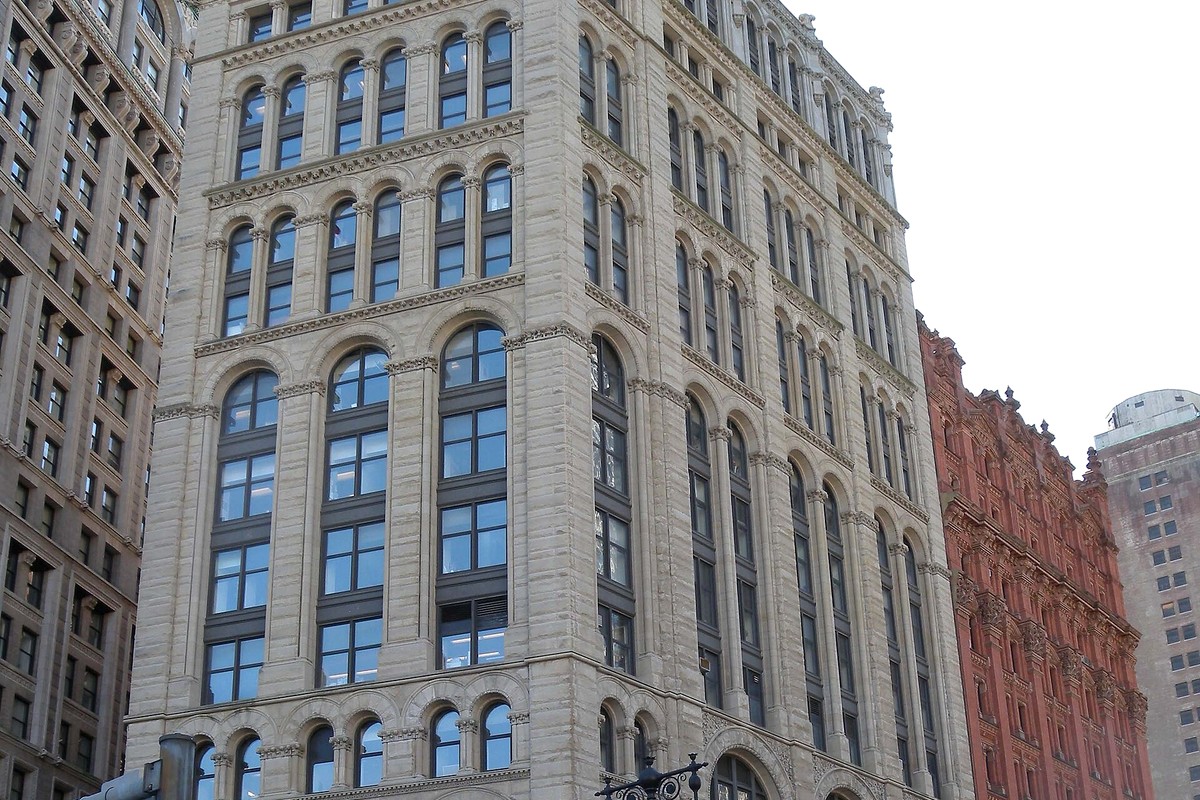
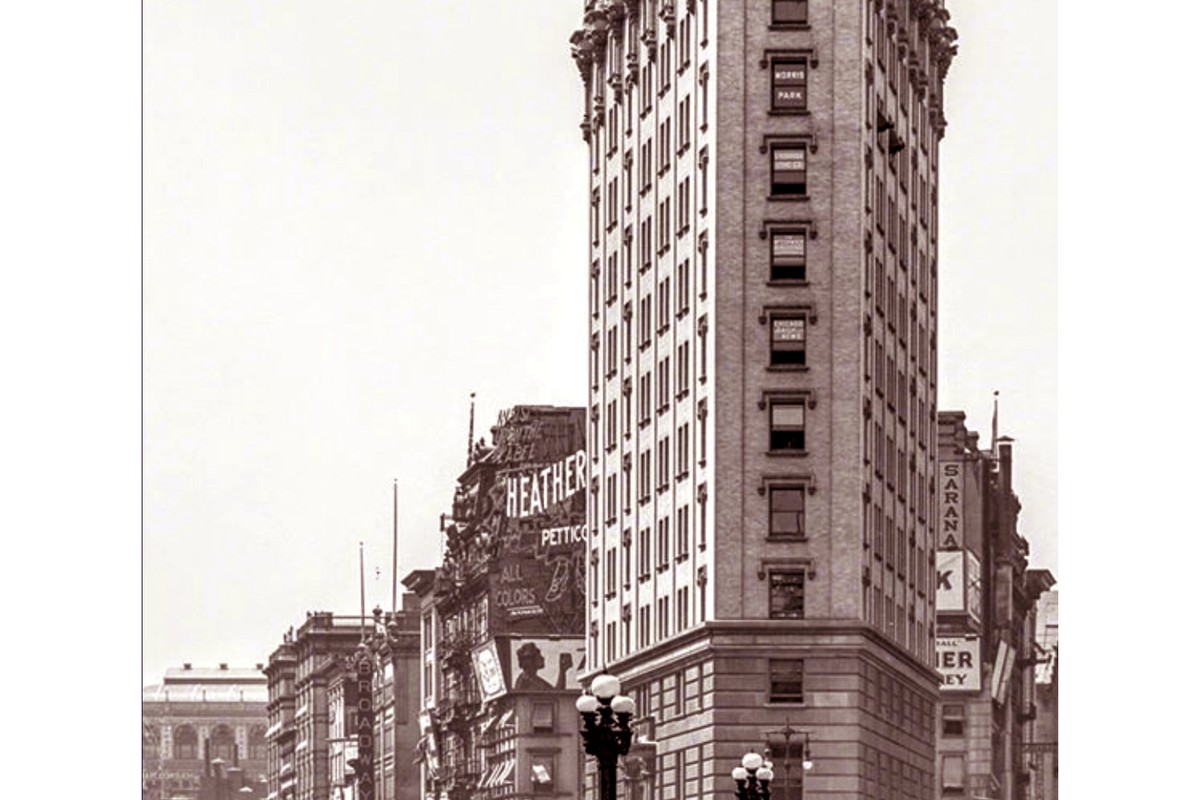
Manhattan press-city context for the Times litigation track that reached the Court.
Manhattan press-city context for the Times litigation track that reached the Court. Commons / free license as credited

Chapter 5

NYT v. United States

On June 30, 1971, the Supreme Court decided New York Times Co. v. United States. The short per curiam opinion held that the government had not met the heavy burden required to justify prior restraint. Six justices supported that result; three dissented. The separate concurrences and dissents matter for classroom doctrine: Hugo Black and William O. Douglas wrote in absolutist First Amendment terms; others, including Potter Stewart and Byron White, left more room for after-the-fact criminal process or narrower emergency showings.

What the Court did not do is as important as what it did. It did not hold that every classified leak may be published with impunity. It did not invent a general right to steal documents. It rejected, on the record before it, the specific request to enjoin these newspapers from continuing these publications. That holding is why civics courses treat the case as a prior-restraint landmark rather than as a wholesale declassification order.

Oyez, the U.S. Reports, and contemporaneous Times/Post coverage let readers check the vote and the opinions without relying on slogan cards. Educational explainers on YouTube can orient newcomers; they are commentary until pinned to the opinion text. When a rival path says “the Court endorsed the leak,” correct the claim: the Court refused the injunction. Ellsberg’s personal jeopardy continued on a different track until that prosecution collapsed for other reasons.

For this guide’s critical path, NYT v. United States is the legal hinge after publication begins. If the government had met a burden the Court would accept, the series could have been frozen midstream and the public’s first encounter with the secret history would look different. Because the government failed that burden, the Papers became a civic reading event under constitutional protection against that form of censorship.

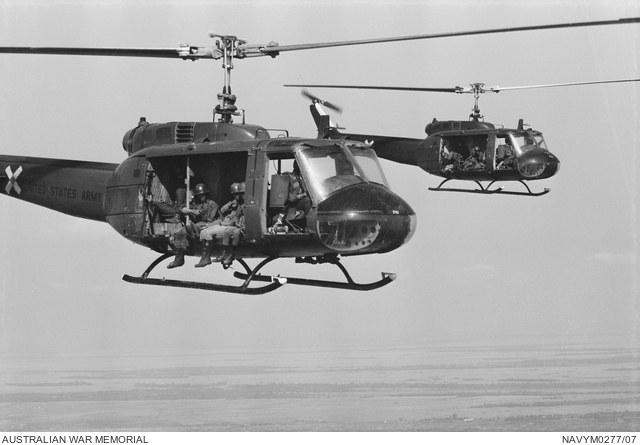
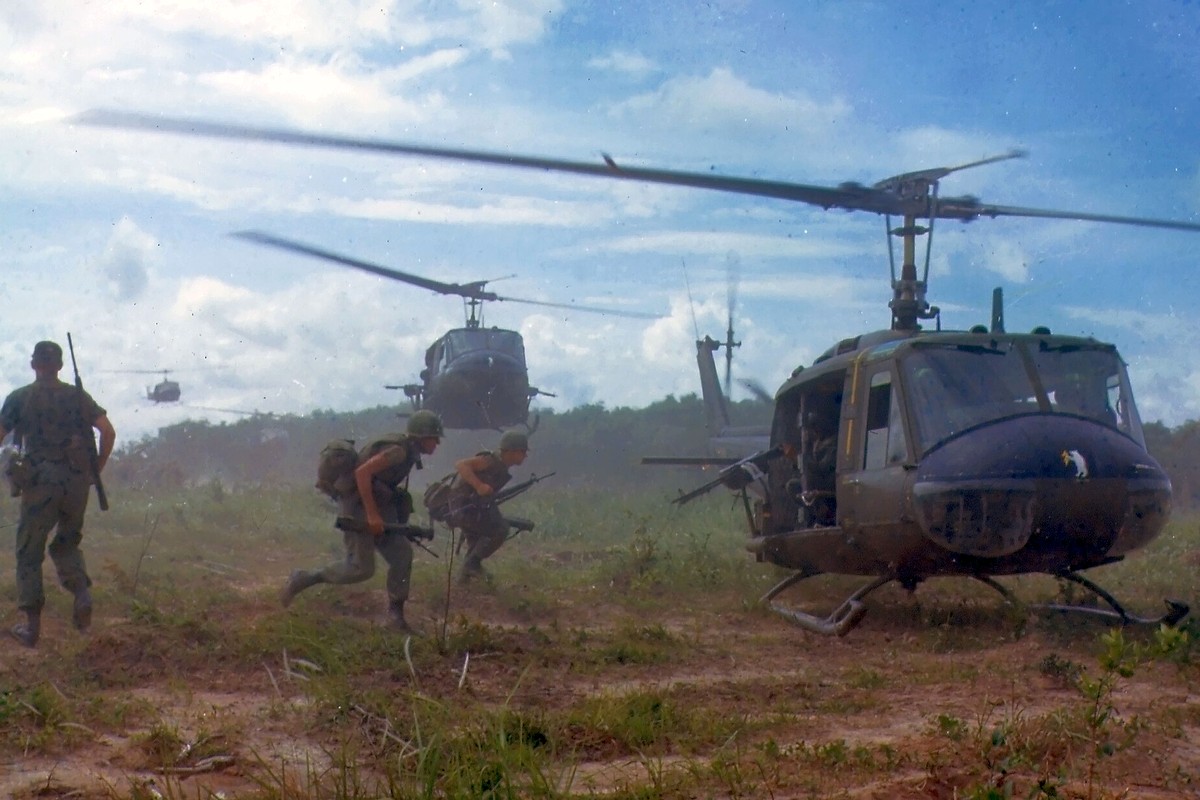
Vietnam documentary imagery — the war the study narrated.
Vietnam documentary imagery — the war the study narrated. U.S. military · public domain

Chapter 6

Vietnam war as the Papers’ subject

The Papers’ subject is Vietnam policy — French war aftermath, U.S. advisory expansion, Tonkin-era escalation, bombing, ground war, and the private assessments that accompanied public promises of progress. Readers who open NARA volumes meet a chronicle of choices: how missions were described to Congress and the public, how intelligence about enemy resilience was handled, how each White House inherited sunk costs and added more.

That subject matter is why publication stung across party lines. The study did not begin with Nixon. It documented patterns under Truman, Eisenhower, Kennedy, and Johnson. A politically convenient story that treats the Papers as only an anti-Nixon instrument fails the archive. Nixon’s decision to litigate publication is still on this spine; authorship of the underlying optimism gap is broader and older than his inauguration.

Keep military outcomes and press doctrine on adjacent but distinct rails. Body counts, pacification metrics, and Vietnamization debates are Vietnam-war history. Prior restraint and newsroom decision-making are First Amendment history. This page connects them because the secret history of the first became the subject of the second. It does not pretend a Supreme Court syllabus can settle every controversy about strategy in Indochina or every dispute about casualty reporting.

Primary photographs from U.S. military collections show the war’s public face; the Papers show the classified managerial face. Pairing them is the point of an illustrated guide. Field reporting by Halberstam and others had already contested official optimism in the 1960s; the study added an internal documentary bass line under those public arguments. When a caption or chapter drifts into Watergate burglary mechanics, pull back — that detail belongs in the Watergate deep file. Here, Vietnam remains the Papers’ subject and the reason the Times risked publishing.

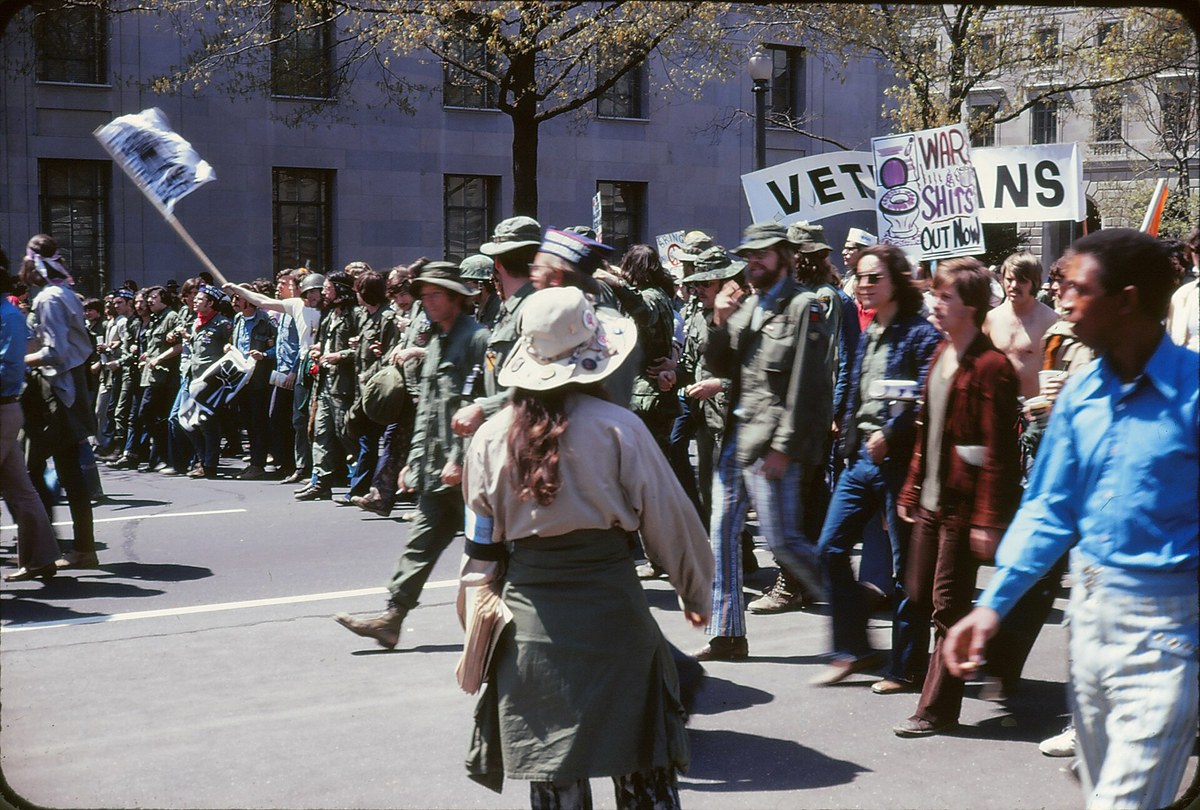
Antiwar street pressure that framed how the secret history landed.
Antiwar street pressure that framed how the secret history landed. U.S. gov / Commons · free license as credited

Chapter 7

Street pressure and public argument

By 1971 the war was already a mass public argument — teach-ins, marches, campus conflict, draft pressure, and televised combat imagery. The Papers did not create antiwar sentiment from zero. They arrived into a country that had been arguing about Vietnam for years. That context shaped reception: some readers treated the study as confirmation of a credibility gap they already named; others treated publication as a security breach that endangered negotiations or troops.

Street pressure and elite legal argument interacted. Demonstrations did not write Justice Black’s concurrence, and a Supreme Court syllabus did not choreograph every march. Still, the civic temperature matters for understanding why editors believed publication served self-government and why the White House believed the series was an attack. Epistemology on this page refuses a false choice: either “only the streets mattered” or “only the Court mattered.” Both are incomplete.

Media ecology amplified both tracks. Evening news, wire services, and rival newspapers meant the secret could not be stuffed back into one masthead. Once the Post and others printed, injunction strategy faced a hydra. That multi-paper reality is a critical-path fact, not a vibe. Any rival theory that imagines a neat, single-defendant censorship win must explain how other presses already held material.

Primary protest imagery should be credited as period documentation, not as proof of any one legal holding. Likewise, courtroom sketches and building photos illustrate venues; they do not replace opinions. This chapter’s job is to keep public argument visible so the Papers are not misread as a sealed elite duel between one publisher and one president.

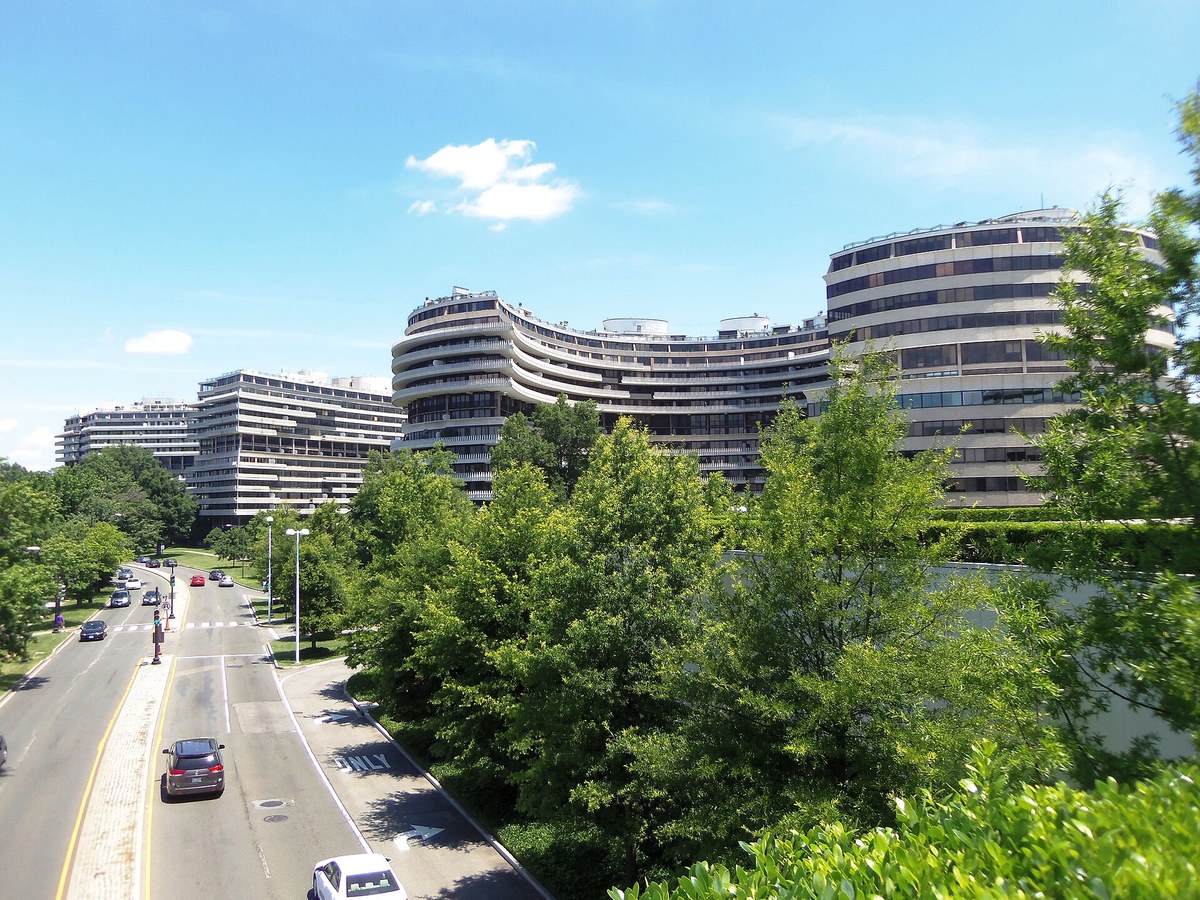
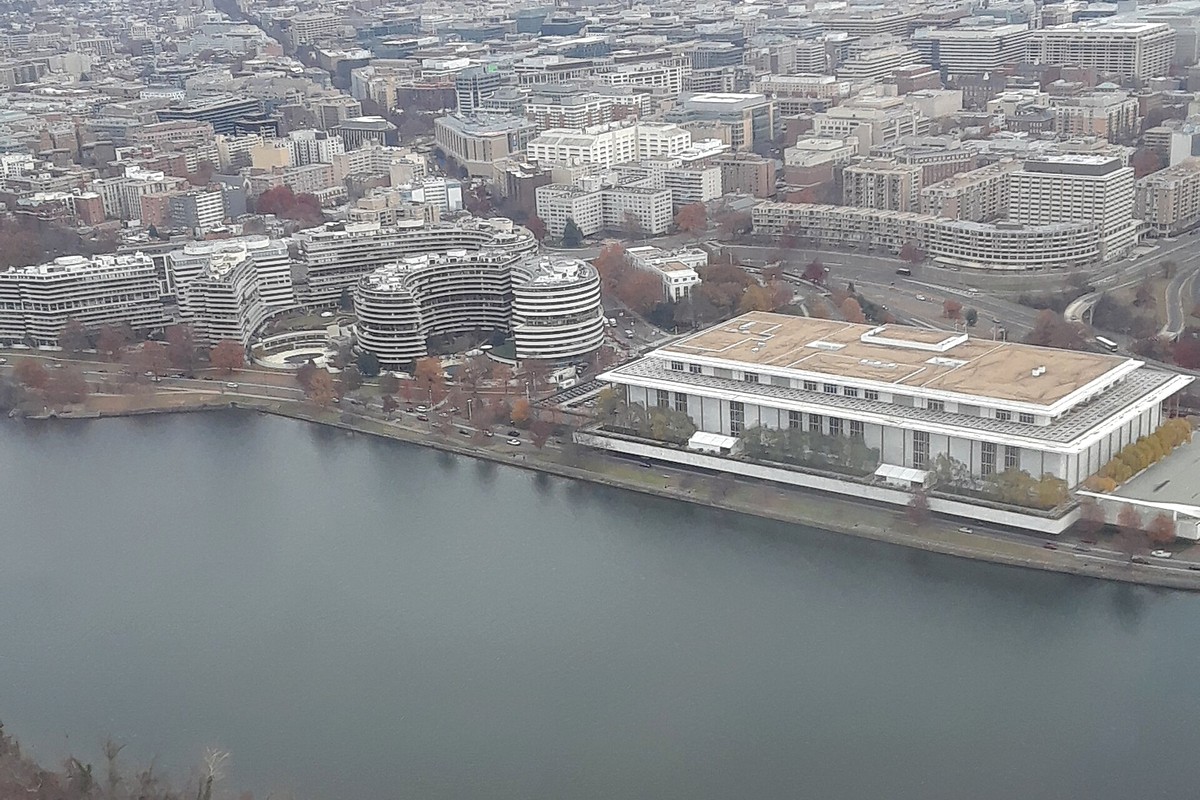
The Watergate complex — neighboring scandal in the same Nixon–press era.
The Watergate complex — neighboring scandal in the same Nixon–press era. U.S. gov / Commons · public domain or free license

Chapter 8

Watergate next door

Watergate sits next door on the presidential calendar and in the administration’s tools of political combat. After the Papers fight, a White House unit nicknamed the Plumbers — created to stop leaks — became part of the connective tissue historians trace into the broader scandal ecology that includes the June 1972 DNC break-in. This guide names that hinge; it does not rebuild the burglary logistics, the Senate Select Committee day-by-day, or the tapes endgame. Those belong to the dedicated Watergate deep guide.

Why mention Watergate here at all? Because visitors arrive with a fused memory — “Vietnam, Pentagon Papers, Watergate” as one civic myth-block. Fusing without labels produces errors: treating NYT v. United States as a Watergate holding, or treating the Plumbers as if they were the Supreme Court litigators of June 1971. The clean teaching move is adjacency with bright lines. Papers → prior restraint case. Leak-war unit → later scandal pathway. Resignation → 1974 climax on a different docket.

Primary objects for the neighbor hinge include contemporaneous reporting on the Plumbers’ creation and later investigative records. Do not cite a different site guide as if it were an archival primary. Point readers to NARA, congressional volumes, and court records when they leave this page for the full Watergate spine. Denials and rival political narratives from the era remain evidence to note; they do not auto-clear documentary trails.

If this chapter feels shorter on burglary detail than a Watergate encyclopedia, that is deliberate scope control. The Times-era question on this slug is how a Vietnam secret history and a press-freedom case sit beside the scandal that ended the presidency — not how every hearing witness performed.

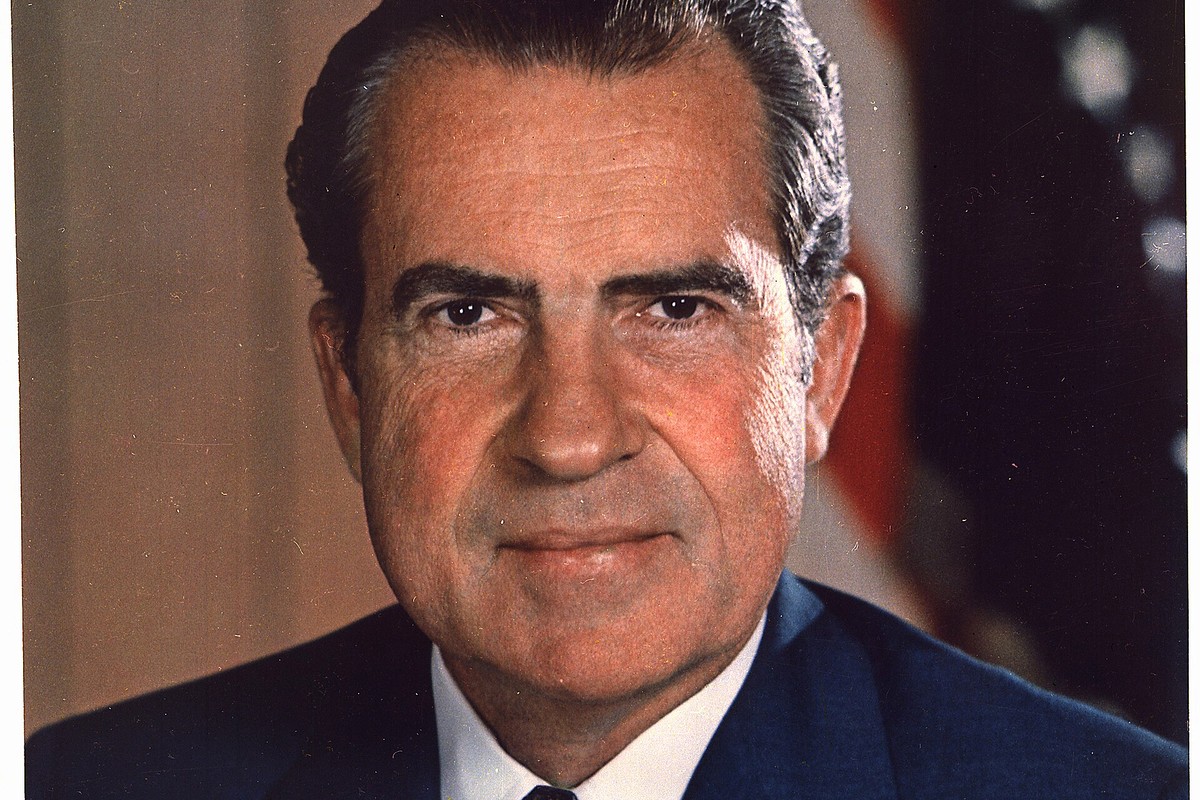
President Nixon — the administration that sought to stop publication and fought the press on multiple fronts.
President Nixon — the administration that sought to stop publication and fought the press on multiple fronts. White House / NARA · public domain

Chapter 9

Nixon’s war with the press

Nixon’s conflict with major news organizations did not begin or end with the Pentagon Papers. Agnew’s speeches, enemies lists, network pressure, and a White House that treated coverage as political combat form a wider pattern. The Papers litigation is one sharp legal peak inside that pattern: the rare moment when the fight moved from rhetoric and access to a formal request for judicial prior restraint against a newspaper series.

Oval Office tapes and contemporaneous notes capture the administration’s tone toward the Times and toward leakers. Those recordings are primary for presidential intent talk; they still require careful use. Tough language is not itself a court holding. Pair tape excerpts with the actual filings and orders if the claim is about what the government asked judges to do in June 1971, and keep later Watergate tape fights on their own calendar.

Rival paths diverge here. One path says a wartime executive must be able to stop catastrophic disclosures and that the Times risked lives and negotiations for prestige. Another says the heavy presumption against prior restraint exists precisely when executives are most tempted to censor embarrassment dressed as security. This page states both stakes without hedging the Court’s result: on the record presented, the government lost the injunction fight.

Keep personal insults out of the encyclopedia voice. The record is harsh enough without chat-register contempt. Visitors can read Black’s absolutism and the dissents’ security warnings in the U.S. Reports. The job here is to locate Nixon’s press war so the Papers case is not mistaken for an isolated technicality detached from a broader executive–media conflict.

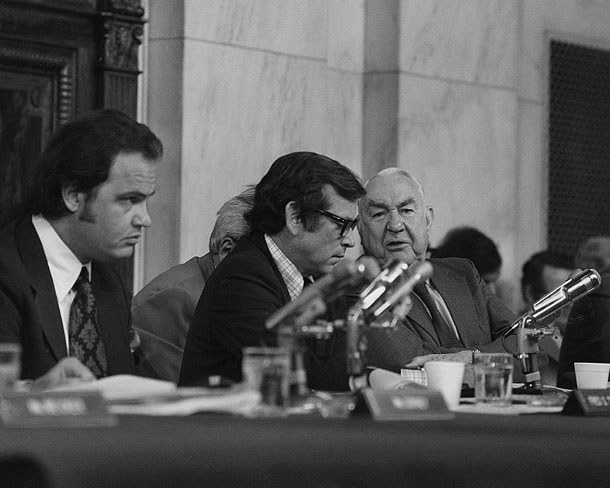
Senate hearing-room imagery — public investigative theater that followed.
Senate hearing-room imagery — public investigative theater that followed. U.S. Senate / NARA · public domain

Chapter 10

Hearings and the Senate record

Congressional investigation — especially the Senate Watergate hearings broadcast in 1973 — turned neighboring scandal into a national classroom. For this Times-era guide, those hearings matter as the public’s later instrument for watching executive-abuse arguments unfold on camera. They are not a redo of every witness confrontation. Use them as era atmosphere and as a pointer toward the Watergate deep file’s primary spine.

The Papers themselves also fed congressional and public education about Vietnam decision-making. Officials were pressed on what had been known and what had been said. That oversight story is easy to inflate into “Congress discovered the war was a lie solely because of one series.” Better: the study gave committees and citizens a dense documentary baseline that press excerpts had already begun to popularize in June 1971.

Video of hearings and of later Landmark Cases discussions helps newcomers hear lawyers and participants reconstruct the 1971 calendar. Label educational commentary as commentary. When a clip restates the holding — heavy burden for prior restraint; government failed it — pin viewers back to the opinion. When a clip dramatizes Ellsberg alone as the entire story, restore the newsroom, Sulzberger’s greenlight, and the multi-paper publication facts.

This chapter’s discipline is proportion. Senate theater is vivid; it must not swallow the June 1971 legal objects that define this slug. If a paragraph starts cataloging Butterfield, Dean, and tape gaps in investigative depth, stop and cross-link. Those load-bearing Watergate steps live on the Watergate guide’s critical path, not as filler here. The Senate record is a doorway on this Times-era page, not a second full Watergate encyclopedia.

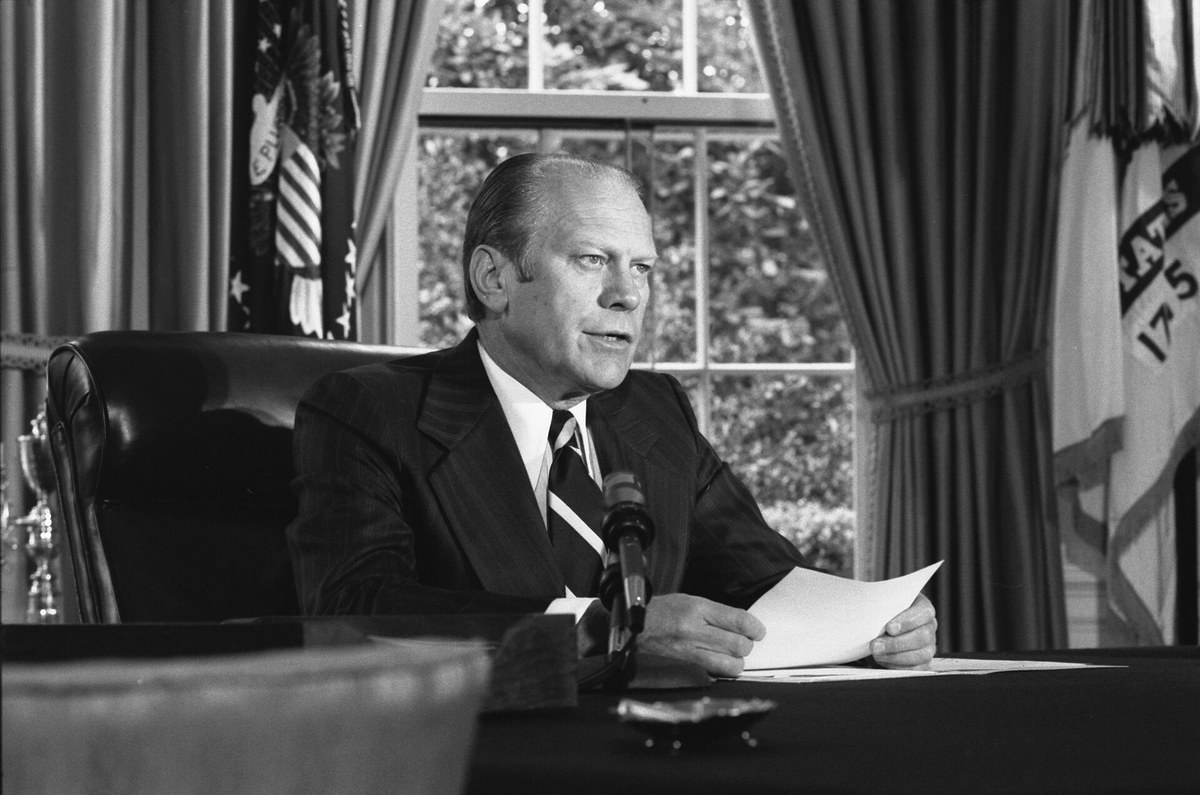
Ford-era pardon memory — how civic argument closed one presidency.
Ford-era pardon memory — how civic argument closed one presidency. White House / NARA · public domain

Chapter 11

Pardon and memory

Gerald Ford’s September 1974 pardon of Richard Nixon is a memory hinge for the Watergate endgame, not a holding in NYT v. United States. It appears on this page because popular memory packs Vietnam, the Papers, Watergate, resignation, and pardon into one scroll. Encyclopedia work unpacks the pack. The pardon is a presidential act with its own detractors and defenders; it does not rewrite the 1971 prior-restraint opinions or the contents of the Defense Department study.

Memory studies matter for Spec-grade guides: what classrooms teach, what films emphasize, what anniversary essays omit. Common compressions include dating the Papers as a Nixon-only indictment, treating the Court as having “legalized leaking,” or skipping the Washington Post and other papers entirely. This guide’s memory cards and timeline graph should correct those compressions with dates, docket names, and archival objects.

Ellsberg’s prosecution collapse — after revelations of government misconduct against him — is another memory knot. It is emotionally adjacent to press freedom but legally distinct from the newspapers’ injunction case. Say so plainly. Visitors who conflate the two will mis-score both civil-liberties claims and criminal-procedure claims, and will misread what NYT v. United States actually decided.

Primary documents for pardon debate include the pardon proclamation and contemporaneous Ford remarks. Opinion journalism about whether the pardon healed or short-circuited accountability is secondary. Keep morals arguments labeled as argument. The documentary spine stays: Papers published; injunction denied; war continued on its own calendar; scandal endgame and pardon followed later on separate rails. Memory hygiene is part of Spec fitness: dates and dockets before anniversary mood.

Nixon’s departure — exit into the next press–power era.
Nixon’s departure — exit into the next press–power era. NARA · public domain

Chapter 12

Exit, rivals, next era

Nixon’s August 1974 resignation closes the presidential story that frames this era hinge. What opens next is doctrine and habit: a heavier public presumption that prior restraint against the press faces an extraordinary burden; a template for leak wars; a generation of editors and lawyers trained on the Papers calendar; and a politics permanently fluent in “credibility gap” language. Those afterlives are real without turning this page into a media-law treatise.

Rival critical paths should be readable at a glance. Path A: national security and classification discipline — publication was reckless; courts underweighted harm. Path B: constitutional anti-censorship — the government failed a burden that must stay heavy. Path C: democratic knowledge — voters cannot consent to wars explained falsely, so secret history publication served self-government even when illegally obtained by a source. Each path must still explain the study’s existence, the June publication, the multi-paper spread, and the Court’s actual holding.

This Times drawer continues into other era files — digital disruption, Iraq WMD, and related press–power fights — without smuggling those later disputes backward into 1971. Do not use later media failures to downgrade what the 1971 record shows, and do not use 1971 heroism myths to auto-clear later errors. Rate each claim on its own spine.

What this page will not do: rebuild the full Watergate deep guide; cite Grokipedia; paste agent chat as visitor copy; or soft-pedal the Court’s prior-restraint result behind a fog of unrelated what-ifs. The exit image is an ending for a presidency and a doorway for readers into the primary objects — NARA volumes, the Times series, the U.S. Reports — that still repay direct reading.

Sources for the story
  1. New York Times Co. v. United States (403 U.S. 713)
  2. NARA — Pentagon Papers
  3. Ellsberg.net gateway
  4. NYT Company history
  5. Oyez — New York Times v. United States
  6. NARA — Watergate
  7. AI Files — Digital era nest (sibling)
  8. The AI Files — The New York Times Files
  9. The AI Files — Media

Explore

Go deeper, era by era

Pick an era, or search everything at once: entries, people, dated events, claims, theories and media.

Threads

Follow one thread through the whole story

Each thread pulls together the entries on one question, across all the eras.

Key people

Who was who

25 people.

Daniel EllsbergDaniel EllsbergRAND analyst; leaked Papers
Neil SheehanNeil SheehanTimes reporter
Arthur Ochs SulzbergerArthur Ochs SulzbergerPublisher

Greenlit publication despite injunction risk.

Sources
  1. NYT Company history
  2. David Rudenstine — The Day the Presses Stopped
A.M. RosenthalA.M. RosenthalEditor

Newsroom leadership in Papers fight.

Sources
  1. David Rudenstine — The Day the Presses Stopped
Richard NixonRichard NixonPresident
Justice Hugo BlackJustice Hugo BlackSupreme Court

Strong anti-prior-restraint concurrence.

Sources
  1. New York Times Co. v. United States (403 U.S. 713)
Justice William BrennanJustice William BrennanSupreme Court

Influential concurrence on heavy burden.

Sources
  1. New York Times Co. v. United States (403 U.S. 713)
Justice Byron WhiteJustice Byron WhiteSupreme Court

Narrower concurrence; criminal law may remain.

Sources
  1. New York Times Co. v. United States (403 U.S. 713)
Justice Potter StewartJustice Potter StewartSupreme Court
Chief Justice Warren BurgerChief Justice Warren BurgerDissent path
David HalberstamDavid HalberstamCorrespondent/author

Vietnam reporting culture; Best and the Brightest.

Sources
  1. David Halberstam — The Best and the Brightest
David RudenstineDavid RudenstineLegal historian
Washington Post Papers teamWashington Post Papers teamParallel publisher
Robert McNamaraRobert McNamaraDefense Secretary

Commissioned the study.

Sources
  1. NARA — Pentagon Papers
RAND analystsRAND analystsStudy shop

Workplace copying context.

Sources
  1. Ellsberg.net gateway
War dead (VN/US)War dead (VN/US)Human stakes

Costs the secret history documented.

Sources
  1. Commons — UH-1D Vietnam 1966
  2. NARA — Pentagon Papers
My Lai victims/investigatorsMy Lai victims/investigatorsAtrocity adjacency

Press courage debates include atrocities.

Sources
  1. NARA / Army My Lai records path
Watergate press corpsWatergate press corpsNeighbor scandal journalism

Post-centered myth; era context.

Sources
  1. NARA — Watergate
Times readers 1971Times readers 1971Audience

Democratic public for prior-restraint fight.

Sources
  1. New York Times Co. v. United States (403 U.S. 713)
Senator Mike GravelSenator Mike GravelSenate record path

Entered Papers into legislative record.

Sources
  1. Senator Gravel Papers record path
Times counselTimes counselLitigators

First Amendment strategy.

Sources
  1. David Rudenstine — The Day the Presses Stopped
Henry KissingerHenry KissingerNSA

Secrecy/war policy circle.

Sources
  1. David Halberstam — The Best and the Brightest
Lyndon B. JohnsonLyndon B. JohnsonPrior president in study
John F. KennedyJohn F. KennedyEarlier VN decisions in study

Multi-administration history.

Sources
  1. NARA — Pentagon Papers

Timeline

Day by day

52 dated events, 1967-1974, each with its source.

  1. 1964
    Tonkin / escalation context War expansion backdrop. War press · source source
  2. 1967
    Pentagon Papers study underway McNamara-ordered history. Papers · source
  3. 1968
    Tet / credibility gap peak Public trust stress. War press · source
  4. 1969
    My Lai public wave Atrocity reporting adjacency. War press · source
  5. 1970
    Ellsberg copying phase Whistleblower mechanics. Papers · source
  6. 1971-06-13
    Times publishes Pentagon Papers Public history in print. Papers · source source
  7. 1971-06
    DOJ seeks injunction Prior restraint attempt. Court · source
  8. 1971-06
    Washington Post publishes Multi-paper fight. Papers · source
  9. 1971-06-30
    Supreme Court decides NYT v US Prior restraint fails. Court · source source
  10. 1971
    Gravel Senate record path Legislative publication. Impact · source
  11. 1971-1973
    Ellsberg prosecution path Leaker jeopardy. Impact · source
  12. 1972-06-17
    Watergate burglary Neighbor scandal begins. Watergate · source
  13. 1973
    Plumbers / Ellsberg break-in wave Connective tissue. Watergate · source source
  14. 1973-05
    Ellsberg case dismissed Government misconduct end node. Watergate · source
  15. 1974-08-09
    Nixon resigns Watergate climax. Watergate · source
  16. 1975
    Saigon falls War end marker. Impact · source
  17. 1996
    Rudenstine book Legal history secondary. Memory · source
  18. 2011
    NARA full Papers release Public archival access. Memory · source
  19. 2021
    50th anniversary wave Pedagogy revisits. Memory · source
  20. 2026-10-24
    AI Files era nest Educational deep guide. Frame · source
  21. 1965
    Major ground escalation War scale. War press · source
  22. 1966
    UH-1D imagery year War machine visual. War press · source
  23. 1969
    Vietnamization rhetoric Policy framing. War press · source source
  24. 1970
    Cambodia protests marker Domestic conflict. War press · source
  25. 1971-06-15
    Injunction hearings intensify Lower courts race. Court · source
  26. 1971-06-18
    Post publication cluster Sibling paper. Papers · source
  27. 1971-06-26
    Court accepts cases Fast track. Court · source
  28. 1972
    Ellsberg trial markers Criminal process. Impact · source
  29. 1973
    Senate Watergate hearings Televised neighbor scandal. Watergate · source
  30. 2001
    Later leak debates cite 1971 Doctrine memory. Memory · source
  31. 2010s
    Digital dump comparisons (boundary) See digital era nest. Method · source
  32. 1971
    Kissinger secrecy culture marker NSC vs disclosure. Papers · source
  33. 1971-06-13
    Sunday splash logistics Production under secrecy. Papers · source
  34. 1971-06-30
    Multiple opinions same day One judgment, many theories. Court · source
  35. 1974
    Impeachment path Watergate legal endgame. Watergate · source
  36. 1980s
    Papers enter curricula Civic education. Memory · source
  37. 1967
    Sheehan Vietnam reputation Reporter credibility before Papers. War press · source
  38. 1971
    Corporate risk debates Inside Times. Papers · source
  39. 1971
    Prior restraint household phrase Public legal vocabulary. Court · source
  40. 1972
    Watergate coverage ecology grows Press competition. Watergate · source
  41. 2011-06
    Complete Papers online Archival milestone. Memory · source
  42. 1968
    LBJ declines renomination marker Political backdrop. War press · source
  43. 1970
    Photocopy-era leak mechanics Physical copies. Papers · source
  44. 1971-06
    Other papers eye copies Distribution. Papers · source
  45. 1990s
    Secrecy reassessments Historiography wave. Memory · source
  46. 2024
    Oyez/Justia still canonical Living legal gateways. Method · source source
  47. 1971
    Black concurrence in J-schools Doctrine memory. Court · source
  48. 1969
    Secret history vs public rhetoric Classroom contrast. War press · source
  49. 1973
    Televised hearings peak Audiovisual democracy adjacent. Watergate · source
  50. 2006
    Later documentaries revisit Papers Memory media. Memory · source
  51. 2015
    Digital comparison op-eds wave Boundary marker. Method · source source
  52. 1971-05-26
    Record checkpoint: Why secondary here Dated reading checkpoint in era e3 — educational density; not a new event claim. Watergate · source

What we know now

What we know now

The yardstick

The critical path

A critical path is the load-bearing chain of facts — objects, behaviors, documents, rulings, and person-acts — that any serious reading of Pentagon Papers leak and publication, NYT v. United States; Watergate as neighboring context must handle. Visitors often arrive with their own theory and do not already know these hinges. If a step is removed or shown false, later steps and conclusions that depend on it weaken or collapse. Rival theories must account for each hinge, not skip past it. Sources and timeline jumps sit on each card.

  1. 1
    1960sFactCredibility gap

    Public official optimism about Vietnam repeatedly diverged from private assessments and field reporting — the credibility-gap pattern the Papers later documented from inside government.

    In the narrativeOpens the story before any leak: readers need the gap the secret history will confirm, not a slogan.
    Why critical — if this fallsIf there was no patterned public/private divergence, the Papers become a dull archive dump rather than a civic shock. Later claims that publication exposed managed optimism collapse without this hinge.
    Any rival theory must account forContemporaneous press and official statements claiming progress; Internal assessments (later in the study) that undercut those claims; That the pattern spans multiple administrations, not Nixon alone

    Unlocks: Study commissioned

  2. 2
    1967–69DocumentStudy commissioned

    The Defense Department commissioned an internal encyclopedic history of U.S. Vietnam decision-making — the classified study later nicknamed the Pentagon Papers.

    In the narrativeCreates the primary object every later step moves, copies, publishes, or litigates.
    Why critical — if this fallsWithout a commissioned multi-volume study, there is no Papers leak, no Times series of that archive, and no prior-restraint case about publishing that archive.
    Any rival theory must account forDoD sponsorship and Gelb-directed project structure; Volume count / classified status as released by NARA; Coverage through Johnson-era decisions (not a Nixon-authored history)

    Unlocks: Ellsberg copies

  3. 3
    1969–71Person-actEllsberg copies

    Daniel Ellsberg copied substantial portions of the classified study and sought a public path after congressional channels did not produce the airing he wanted.

    In the narrativePerson-act that moves the archive from compartmented government custody toward the press — distinct from the Times’s later publish decision.
    Why critical — if this fallsIf Ellsberg never copies and delivers, the newsroom never obtains this archive in 1971. Rival paths must still explain the copying as a separate criminal-exposure track from press doctrine.
    Any rival theory must account forCopying/delivery as Ellsberg’s act; Distinction from NYT editorial greenlight; Later Espionage Act jeopardy as a different docket
    Memory — then / nowThen: Popular tellings treat Ellsberg and the Times as one fused hero act. Now: Spec labeling separates leaker jeopardy from press prior-restraint doctrine.

    Unlocks: Times obtains Papers

  4. 4
    1970–71Person-actTimes obtains Papers

    Neil Sheehan and Times colleagues obtained portions of the study and spent months reading and organizing a publication plan.

    In the narrativeNewsroom custody and labor between leak and first installment — where journalism craft meets legal risk.
    Why critical — if this fallsWithout newsroom obtainment and months of preparation, there is no June 13 series. “Someone leaked” is not the same hinge as “the Times held and prepared the archive.”
    Any rival theory must account forSheehan/newsroom obtainment; Months of preparation before June 13, 1971; That other papers later also held material

    Unlocks: Publisher greenlights

  5. 5
    Jun 1971Person-actPublisher greenlights

    Publisher Arthur Ochs Sulzberger, with counsel debate, greenlit publication of the secret history despite legal risk.

    In the narrativeInstitutional press decision — the act the prior-restraint case will judge — separate from Ellsberg’s copying.
    Why critical — if this fallsIf the publisher refuses, the archive may stay dark or migrate differently. The First Amendment fight presupposes a press choice to publish.
    Any rival theory must account forSulzberger/counsel greenlight as a dated institutional act; Outside-counsel caution vs in-house arguments in contemporaneous accounts; Publish decision ≠ Court endorsement of the leak

    Unlocks: Publication begins

  6. 6
    Jun 13, 1971DocumentPublication begins

    On June 13, 1971, The New York Times began publishing its Pentagon Papers series — the public’s first mass encounter with the secret history.

    In the narrativeIrreversible civic event: classified managerial history enters ordinary readership.
    Why critical — if this fallsRemove this date and the injunction fight has no series to stop. Later doctrine talks about a hypothetical; the record is about these installments.
    Any rival theory must account forJune 13, 1971 first installment; Published Times text as a primary object; Immediate administration legal/political response

    Unlocks: Injunction sought; Post publishes

  7. 7
    Jun 1971RulingInjunction sought

    The Justice Department sought prior-restraint injunctions to stop further publication — asking courts to freeze the presses mid-series.

    In the narrativeConverts a leak/publication story into a constitutional emergency docket.
    Why critical — if this fallsWithout the injunction ask, NYT v. United States does not exist. Rival security paths must own that the executive chose advance censorship, not only after-the-fact prosecution.
    Any rival theory must account forTROs / injunction petitions against the Times (and parallel tracks); Prior restraint vs after-the-fact punishment distinction; Compressed mid-June 1971 calendar

    Unlocks: Post publishes; Court rules

  8. 8
    Jun 1971DocumentPost publishes

    The Washington Post (and soon other papers) published Papers material — making single-paper censorship practically incoherent.

    In the narrativeMulti-paper reality that breaks “stop the Times” as a complete remedy.
    Why critical — if this fallsIf only one masthead held the secret, injunction theory looks different. Rivals must explain how a hydra of presses already had material.
    Any rival theory must account forPost publication shortly after the Times; Other papers joining; Parallel D.C. litigation track

    Unlocks: Court rules

  9. 9
    Jun 30, 1971RulingCourt rules

    The Supreme Court’s June 30, 1971 per curiam held the government had not met the heavy burden required to justify prior restraint — 6–3.

    In the narrativeLegal climax of the Times spine: presses are not frozen; doctrine crystallizes.
    Why critical — if this fallsIf the government had met a burden the Court accepted, mid-series censorship could have stood. Later classroom doctrine about a heavy presumption depends on this failure of proof.
    Any rival theory must account forJune 30, 1971 per curiam result; 6–3 alignment and separate opinions; Holding = refused injunction, not ‘legalized leaking’
    Memory — then / nowThen: Slogan version: ‘the Court said leaking is legal.’ Now: Accurate version: the Court refused prior restraint on this record; source criminal exposure is a distinct track.

    Unlocks: Split opinion theories; Public reads secret history; Classroom doctrine

  10. 10
    Jun 30, 1971RulingSplit opinion theories

    Concurrences and dissents split: Black/Douglas absolutism versus justices who left more room for after-the-fact process or narrower emergency showings.

    In the narrativeExplains why the case is a landmark without being a blank check — doctrine is a bundle of opinions, not one meme.
    Why critical — if this fallsIf visitors only learn ‘press wins,’ they cannot map rival security arguments that live inside the dissents and narrower concurrences.
    Any rival theory must account forBlack/Douglas absolutist line; Stewart/White-style narrower rationales; Dissents’ national-security warnings

    Unlocks: Classroom doctrine

  11. 11
    1971+FactPublic reads secret history

    Ordinary readers and classrooms encountered the study’s patterned optimism gap — the Papers as civic reading, not only as a lawsuit caption.

    In the narrativeReturns from doctrine to Vietnam subject matter: what the public actually learned.
    Why critical — if this fallsWithout public reading, the case is only a press-procedure story. The Times-era hinge includes democratic knowledge of the war’s managed history.
    Any rival theory must account forMass readership of excerpts/series; Multi-administration scope of the revealed pattern; War continued on its own later calendar (publication ≠ instant end of war)

    Unlocks: Ellsberg jeopardy

  12. 12
    1971–73Person-actEllsberg jeopardy

    Ellsberg faced criminal prosecution on a track distinct from the newspapers’ prior-restraint win; that case later collapsed amid revelations of government misconduct against him.

    In the narrativeKeeps source liability visible so the press holding is not misread as a personal immunity grant.
    Why critical — if this fallsConflating Ellsberg’s docket with NYT v. United States produces false civics. Rival paths must explain both outcomes separately.
    Any rival theory must account forSeparate criminal docket from the press injunction case; Prosecution collapse tied to misconduct revelations; No erasure of the June 30 press holding

    Unlocks: Plumbers connective tissue

  13. 13
    1971–72StructurePlumbers connective tissue

    A White House anti-leak unit nicknamed the Plumbers — born in the Papers response climate — becomes connective tissue into the broader Watergate scandal ecology (named here; detailed on the Watergate deep guide).

    In the narrativeNeighbor hinge: Times Vietnam spine meets Watergate pathway without rebuilding burglary logistics.
    Why critical — if this fallsIf visitors never see this connective tissue, the era fusion (‘Papers then Watergate’) looks like coincidence. If they only see this, they drown the 1971 Court holding. Both errors are defects.
    Any rival theory must account forPlumbers’ anti-leak origin story in Papers aftermath; Bright line: not the Supreme Court litigators of June 1971; Full Watergate mechanics live on the separate Watergate guide

    Unlocks: Watergate climax

  14. 14
    1974FactWatergate climax

    Resignation in August 1974 closes the presidency that framed both the Papers fight and Watergate — a climax on a different docket than NYT v. United States.

    In the narrativeEra exit marker; points to Watergate deep guide for load-bearing scandal steps.
    Why critical — if this fallsWithout dating resignation as a separate climax, visitors mis-attribute Watergate holdings to the 1971 press case (or the reverse).
    Any rival theory must account forAugust 1974 resignation date; Separation from June 30, 1971 prior-restraint holding; Detail depth belongs on /files/watergate/ — not duplicated lean here

    Unlocks: NARA release

  15. 15
    2011+DocumentNARA release

    National Archives public release lets anyone inspect volume structure and documents rather than relying on anniversary paraphrase.

    In the narrativeModern access hinge — Spec epistemology prefers primary objects over sermon.
    Why critical — if this fallsIf the archive stays closed, classroom myth replaces page-checkable history. Open volumes let rivals argue from the same corpus.
    Any rival theory must account forNARA Pentagon Papers collection as checkable primary; Volume/document structure vs media summary; No Grokipedia or chat notes as substitute primaries

    Unlocks: Classroom doctrine

  16. 16
    ongoingClaim hingeClassroom doctrine

    Civics teaching crystallizes a heavy presumption against prior restraint — with the accurate limit that the Court refused an injunction on this record rather than licensing every leak.

    In the narrativeCloses the value-add stack: what must be taught without slogan error.
    Why critical — if this fallsWrong doctrine (‘leaking legalized’) mis-trains readers for later leak wars. Right doctrine preserves both press freedom and separate source liability.
    Any rival theory must account forHeavy burden language from the case family; 6–3 result and opinion split; Source criminal track remains analytically separate
Sources for the 16 steps
  1. David Halberstam — The Best and the Brightest
  2. NARA — Pentagon Papers
  3. Ellsberg.net gateway
  4. Neil Sheehan Times reporting path
  5. NYT Company history
  6. New York Times Co. v. United States (403 U.S. 713)
  7. David Rudenstine — The Day the Presses Stopped
  8. Washington Post Papers path
  9. NARA — Watergate
  10. Oyez — New York Times v. United States

Theories

The other explanations, opened up

U.S. Supreme Court
U.S. Supreme Court Commons · as labeled
Documented

Heavy presumption against prior restraint

NYT v US icon for skepticism toward stopping presses.

  1. 1Credibility gap
  2. 2Study commissioned
  3. 3Ellsberg copies
  4. 4Times obtains Papers
  5. 5Publisher greenlights
  6. 6Publication begins
  7. 7Injunction sought
  8. 8Post publishes
  9. 9Court rules
  10. 10Split opinion theories
  11. 11Public reads secret history
  12. 12Ellsberg jeopardy
  13. 13Plumbers connective tissue
  14. 14Watergate climax
  15. 15NARA release
  16. 16Classroom doctrine
Open the file
Who believes it
Where it started

NYT v US icon for skepticism toward stopping presses.[1]

Why it lives

Constitutional law.

If it were true

Injunctions face near-fatal burden.

How it squares with the record

Judgment + concurrences.

What holds up Documented

Judgment + concurrences.

Against the critical path
  1. 1Credibility gap
  2. 2Study commissioned
  3. 3Ellsberg copies
  4. 4Times obtains Papers
  5. 5Publisher greenlights
  6. 6Publication begins
  7. 7Injunction sought
  8. 8Post publishes
  9. 9Court rules
  10. 10Split opinion theories
  11. 11Public reads secret history
  12. 12Ellsberg jeopardy
  13. 13Plumbers connective tissue
  14. 14Watergate climax
  15. 15NARA release
  16. 16Classroom doctrine
Removes from the critical path

Nothing. It leaves every established link standing.

Adds to the critical path

No new links.

What new information would make it true
    What would prove it false
      U.S. Supreme Court
      U.S. Supreme Court Commons · as labeled
      Documented

      White/Stewart narrower reading

      Anti-injunction ≠ absolute criminal immunity.

      1. 1Credibility gap
      2. 2Study commissioned
      3. 3Ellsberg copies
      4. 4Times obtains Papers
      5. 5Publisher greenlights
      6. 6Publication begins
      7. 7Injunction sought
      8. 8Post publishes
      9. 9Court rules
      10. 10Split opinion theories
      11. 11Public reads secret history
      12. 12Ellsberg jeopardy
      13. 13Plumbers connective tissue
      14. 14Watergate climax
      15. 15NARA release
      16. 16Classroom doctrine
      Open the file
      Who believes it
      Where it started

      Anti-injunction ≠ absolute criminal immunity.[1]

      Why it lives

      Doctrine debates.

      If it were true

      Later prosecutions still theoretically open.

      How it squares with the record

      Concurrences.

      What holds up Documented

      Concurrences.

      Against the critical path
      1. 1Credibility gap
      2. 2Study commissioned
      3. 3Ellsberg copies
      4. 4Times obtains Papers
      5. 5Publisher greenlights
      6. 6Publication begins
      7. 7Injunction sought
      8. 8Post publishes
      9. 9Court rules
      10. 10Split opinion theories
      11. 11Public reads secret history
      12. 12Ellsberg jeopardy
      13. 13Plumbers connective tissue
      14. 14Watergate climax
      15. 15NARA release
      16. 16Classroom doctrine
      Removes from the critical path

      Nothing. It leaves every established link standing.

      Adds to the critical path

      No new links.

      What new information would make it true
        What would prove it false
          The Pentagon
          The Pentagon Commons · as labeled
          Contested

          Executive secrecy steel-man

          Some disclosures risk lives/diplomacy.

          1. 1Credibility gap
          2. 2Study commissioned
          3. 3Ellsberg copies
          4. 4Times obtains Papers
          5. 5Publisher greenlights
          6. 6Publication begins
          7. 7Injunction sought
          8. 8Post publishes
          9. 9Court rules
          10. 10Split opinion theories
          11. 11Public reads secret history
          12. 12Ellsberg jeopardy
          13. 13Plumbers connective tissue
          14. 14Watergate climax
          15. 15NARA release
          16. 16Classroom doctrine
          Open the file
          Who believes it
          Where it started

          Some disclosures risk lives/diplomacy.[1][2]

          Why it lives

          Natsec law.

          If it were true

          Burden must still be proved.

          How it squares with the record

          Dissents/DOJ theory.

          What holds up Contested

          Dissents/DOJ theory.

          Against the critical path
          1. 1Credibility gap
          2. 2Study commissioned
          3. 3Ellsberg copies
          4. 4Times obtains Papers
          5. 5Publisher greenlights
          6. 6Publication begins
          7. 7Injunction sought
          8. 8Post publishes
          9. 9Court rules
          10. 10Split opinion theories
          11. 11Public reads secret history
          12. 12Ellsberg jeopardy
          13. 13Plumbers connective tissue
          14. 14Watergate climax
          15. 15NARA release
          16. 16Classroom doctrine
          Removes from the critical path

          Nothing. It leaves every established link standing.

          Adds to the critical path

          No new links.

          What new information would make it true
            What would prove it false
              UH-1D Vietnam 1966
              UH-1D Vietnam 1966 U.S. Army · Public domain
              Contested

              Papers shortened the war

              Disclosure accelerated withdrawal politics.

              1. 1Credibility gap
              2. 2Study commissioned
              3. 3Ellsberg copies
              4. 4Times obtains Papers
              5. 5Publisher greenlights
              6. 6Publication begins
              7. 7Injunction sought
              8. 8Post publishes
              9. 9Court rules
              10. 10Split opinion theories
              11. 11Public reads secret history
              12. 12Ellsberg jeopardy
              13. 13Plumbers connective tissue
              14. 14Watergate climax
              15. 15NARA release
              16. 16Classroom doctrine
              Open the file
              Who believes it
              Where it started

              Disclosure accelerated withdrawal politics.[1][2]

              Why it lives

              Popular history.

              If it were true

              Press disclosure causally central.

              How it squares with the record

              Political timelines.

              What holds up Contested

              Political timelines.

              Against the critical path
              1. 1Credibility gap
              2. 2Study commissioned
              3. 3Ellsberg copies
              4. 4Times obtains Papers
              5. 5Publisher greenlights
              6. 6Publication begins
              7. 7Injunction sought
              8. 8Post publishes
              9. 9Court rules
              10. 10Split opinion theories
              11. 11Public reads secret history
              12. 12Ellsberg jeopardy
              13. 13Plumbers connective tissue
              14. 14Watergate climax
              15. 15NARA release
              16. 16Classroom doctrine
              Removes from the critical path

              Nothing. It leaves every established link standing.

              Adds to the critical path

              No new links.

              What new information would make it true
                What would prove it false
                  Watergate complex
                  Watergate complex Commons · as labeled
                  Partly documented

                  Papers response bred Watergate tools

                  Ellsberg obsession helped create Plumbers.

                  1. 1Credibility gap
                  2. 2Study commissioned
                  3. 3Ellsberg copies
                  4. 4Times obtains Papers
                  5. 5Publisher greenlights
                  6. 6Publication begins
                  7. 7Injunction sought
                  8. 8Post publishes
                  9. 9Court rules
                  10. 10Split opinion theories
                  11. 11Public reads secret history
                  12. 12Ellsberg jeopardy
                  13. 13Plumbers connective tissue
                  14. 14Watergate climax
                  15. 15NARA release
                  16. 16Classroom doctrine
                  Open the file
                  Who believes it
                  Where it started

                  Ellsberg obsession helped create Plumbers.[1][2]

                  Why it lives

                  Watergate literature.

                  If it were true

                  Papers are prologue.

                  How it squares with the record

                  Investigative histories.

                  What holds up Partly documented

                  Investigative histories.

                  Against the critical path
                  1. 1Credibility gap
                  2. 2Study commissioned
                  3. 3Ellsberg copies
                  4. 4Times obtains Papers
                  5. 5Publisher greenlights
                  6. 6Publication begins
                  7. 7Injunction sought
                  8. 8Post publishes
                  9. 9Court rules
                  10. 10Split opinion theories
                  11. 11Public reads secret history
                  12. 12Ellsberg jeopardy
                  13. 13Plumbers connective tissue
                  14. 14Watergate climax
                  15. 15NARA release
                  16. 16Classroom doctrine
                  Removes from the critical path

                  Nothing. It leaves every established link standing.

                  Adds to the critical path

                  No new links.

                  What new information would make it true
                    What would prove it false
                      Park Row
                      Park Row Commons · PD as labeled
                      Partly documented

                      Publisher courage thesis

                      Sulzberger decision is institutional hinge.

                      1. 1Credibility gap
                      2. 2Study commissioned
                      3. 3Ellsberg copies
                      4. 4Times obtains Papers
                      5. 5Publisher greenlights
                      6. 6Publication begins
                      7. 7Injunction sought
                      8. 8Post publishes
                      9. 9Court rules
                      10. 10Split opinion theories
                      11. 11Public reads secret history
                      12. 12Ellsberg jeopardy
                      13. 13Plumbers connective tissue
                      14. 14Watergate climax
                      15. 15NARA release
                      16. 16Classroom doctrine
                      Open the file
                      Who believes it
                      Where it started

                      Sulzberger decision is institutional hinge.[1]

                      Why it lives

                      Times self-history.

                      If it were true

                      Ownership matters to freedom.

                      How it squares with the record

                      Rudenstine.

                      What holds up Partly documented

                      Rudenstine.

                      Against the critical path
                      1. 1Credibility gap
                      2. 2Study commissioned
                      3. 3Ellsberg copies
                      4. 4Times obtains Papers
                      5. 5Publisher greenlights
                      6. 6Publication begins
                      7. 7Injunction sought
                      8. 8Post publishes
                      9. 9Court rules
                      10. 10Split opinion theories
                      11. 11Public reads secret history
                      12. 12Ellsberg jeopardy
                      13. 13Plumbers connective tissue
                      14. 14Watergate climax
                      15. 15NARA release
                      16. 16Classroom doctrine
                      Removes from the critical path

                      Nothing. It leaves every established link standing.

                      Adds to the critical path

                      No new links.

                      What new information would make it true
                        What would prove it false
                          Daniel Ellsberg 1972
                          Daniel Ellsberg 1972 Commons · as labeled
                          Partly documented

                          Not blank check for all leaks

                          Digital dumps differ; teach distinctions.

                          1. 1Credibility gap
                          2. 2Study commissioned
                          3. 3Ellsberg copies
                          4. 4Times obtains Papers
                          5. 5Publisher greenlights
                          6. 6Publication begins
                          7. 7Injunction sought
                          8. 8Post publishes
                          9. 9Court rules
                          10. 10Split opinion theories
                          11. 11Public reads secret history
                          12. 12Ellsberg jeopardy
                          13. 13Plumbers connective tissue
                          14. 14Watergate climax
                          15. 15NARA release
                          16. 16Classroom doctrine
                          Open the file
                          Who believes it
                          Where it started

                          Digital dumps differ; teach distinctions.[1][2]

                          Why it lives

                          Modern ethics.

                          If it were true

                          Digital nest carries the comparison.

                          How it squares with the record

                          Doctrinal caution.

                          What holds up Partly documented

                          Doctrinal caution.

                          Against the critical path
                          1. 1Credibility gap
                          2. 2Study commissioned
                          3. 3Ellsberg copies
                          4. 4Times obtains Papers
                          5. 5Publisher greenlights
                          6. 6Publication begins
                          7. 7Injunction sought
                          8. 8Post publishes
                          9. 9Court rules
                          10. 10Split opinion theories
                          11. 11Public reads secret history
                          12. 12Ellsberg jeopardy
                          13. 13Plumbers connective tissue
                          14. 14Watergate climax
                          15. 15NARA release
                          16. 16Classroom doctrine
                          Removes from the critical path

                          Nothing. It leaves every established link standing.

                          Adds to the critical path

                          No new links.

                          What new information would make it true
                            What would prove it false

                              Genuinely unknown

                              Open questions

                              Partly knownDid Papers materially shorten U.S. involvement?
                              What is known
                              • L
                              • a
                              • r
                              • g
                              • e
                              • d
                              • i
                              • s
                              • c
                              • o
                              • u
                              • r
                              • s
                              • e
                              • i
                              • m
                              • p
                              • a
                              • c
                              • t
                              • .
                              What is not

                              Clean counterfactual.

                              Why it is still open

                              Many forces.

                              Does it change the story?

                              Credit to press.

                              What would settle it

                              Keep contested.

                              Sources
                              1. David Halberstam — The Best and the Brightest
                              2. David Rudenstine — The Day the Presses Stopped
                              Partly knownHow close was the other Court outcome?
                              What is known
                              • 6
                              • -
                              • 3
                              • m
                              • u
                              • l
                              • t
                              • i
                              • p
                              • l
                              • e
                              • w
                              • r
                              • i
                              • t
                              • i
                              • n
                              • g
                              • s
                              • .
                              What is not

                              Full conference interior.

                              Why it is still open

                              Secrecy.

                              Does it change the story?

                              Doctrine fragility.

                              What would settle it

                              Richer Justice papers.

                              Sources
                              1. Oyez — New York Times v. United States
                              2. David Rudenstine — The Day the Presses Stopped
                              Partly knownLine for modern bulk disclosures?
                              What is known
                              • 1
                              • 9
                              • 7
                              • 1
                              • ≠
                              • l
                              • a
                              • t
                              • e
                              • r
                              • d
                              • u
                              • m
                              • p
                              • s
                              • .
                              What is not

                              Stable bright line.

                              Why it is still open

                              Tech change.

                              Does it change the story?

                              Digital ethics.

                              What would settle it

                              Case law over time.

                              Sources
                              1. AI Files — Digital era nest (sibling)
                              Partly knownPapers→Plumbers causation tightness?
                              What is known
                              • E
                              • l
                              • l
                              • s
                              • b
                              • e
                              • r
                              • g
                              • b
                              • r
                              • e
                              • a
                              • k
                              • -
                              • i
                              • n
                              • d
                              • o
                              • c
                              • u
                              • m
                              • e
                              • n
                              • t
                              • e
                              • d
                              • .
                              What is not

                              Necessity vs contingency.

                              Why it is still open

                              Multiple motives.

                              Does it change the story?

                              Narrative neatness.

                              What would settle it

                              Interpretive even with tapes.

                              Sources
                              1. NARA — Watergate
                              2. Ellsberg.net gateway

                              What people say

                              40 claims, checked

                              What the ratings mean
                              • Documented Supported by primary state records, court orders, statutes, or contemporaneous official documents cited here.
                              • Partly documented Some primary support; key pieces informal, lost, or incomplete.
                              • Mixed Primaries and rival scholarship pull in different directions.
                              • Contested Serious dispute among named historians or camps; not settled here.
                              • Claim-layer Someone’s allegation, oral tradition, or later recollection — not a sealed primary.
                              • Unsupported Popular claim without a primary on this guide.
                              • False as stated The stated form of the claim fails against the cited record.

                              DocumentedHow to read this era filePapers

                              What the record shows. Center Pentagon Papers: Ellsberg, Times publication, NYT v. United States. Watergate is neighboring context. Not a hate page. Keep epistemology labels; mainstream labeled mainstream; not a hate page.

                              Who says it: Times / courts / congressional / historians / public editors

                              Points for
                              • Cited primaries on spine.
                              Points against
                              • Rival reweight or later reckoning.
                              Sources
                              1. New York Times Co. v. United States (403 U.S. 713)
                              2. NARA — Pentagon Papers
                              3. The AI Files — The New York Times Files
                              Read the full entry
                              DocumentedPrimary spineCourt

                              What the record shows. Court opinions; NARA Papers; Ellsberg materials; Army Vietnam photography. Keep epistemology labels; mainstream labeled mainstream; not a hate page.

                              Who says it: Times / courts / congressional / historians / public editors

                              Points for
                              • Cited primaries on spine.
                              Points against
                              • Rival reweight or later reckoning.
                              Sources
                              1. New York Times Co. v. United States (403 U.S. 713)
                              2. NARA — Pentagon Papers
                              3. Ellsberg.net gateway
                              4. Commons — UH-1D Vietnam 1966
                              Read the full entry
                              DocumentedWhat this file is notWatergate neighbor

                              What the record shows. Not a claim Times alone ended the war; not a Watergate rewrite erasing the Post; not Grokipedia. Keep epistemology labels; mainstream labeled mainstream; not a hate page.

                              Who says it: Times / courts / congressional / historians / public editors

                              Points for
                              • Cited primaries on spine.
                              Points against
                              • Rival reweight or later reckoning.
                              Sources
                              1. The AI Files — The New York Times Files
                              2. Washington Post Papers path
                              Read the full entry
                              Partly documentedCredibility gap before the PapersMethod

                              What the record shows. Official optimism vs field skepticism (Halberstam generation). Keep epistemology labels; mainstream labeled mainstream; not a hate page.

                              Who says it: Times / courts / congressional / historians / public editors

                              Points for
                              • Cited primaries on spine.
                              Points against
                              • Rival reweight or later reckoning.
                              Sources
                              1. David Halberstam — The Best and the Brightest
                              2. Commons — UH-1D Vietnam 1966
                              Read the full entry
                              Partly documentedBriefing culture and body countsPapers

                              What the record shows. Five o'clock follies reputation as foil to documentary history. Keep epistemology labels; mainstream labeled mainstream; not a hate page.

                              Who says it: Times / courts / congressional / historians / public editors

                              Points for
                              • Cited primaries on spine.
                              Points against
                              • Rival reweight or later reckoning.
                              Sources
                              1. David Halberstam — The Best and the Brightest
                              Read the full entry
                              Partly documentedMy Lai adjacencyCourt

                              What the record shows. Atrocity disclosure is part of era press ethics — dignity rules. Keep epistemology labels; mainstream labeled mainstream; not a hate page.

                              Who says it: Times / courts / congressional / historians / public editors

                              Points for
                              • Cited primaries on spine.
                              Points against
                              • Rival reweight or later reckoning.
                              Sources
                              1. NARA / Army My Lai records path
                              Read the full entry
                              DocumentedMcNamara commissions the studyWatergate neighbor

                              What the record shows. Internal DoD history of decision-making. Keep epistemology labels; mainstream labeled mainstream; not a hate page.

                              Who says it: Times / courts / congressional / historians / public editors

                              Points for
                              • Cited primaries on spine.
                              Points against
                              • Rival reweight or later reckoning.
                              Sources
                              1. NARA — Pentagon Papers
                              Read the full entry
                              DocumentedEllsberg copies the PapersMethod

                              What the record shows. Analyst becomes whistleblower. Keep epistemology labels; mainstream labeled mainstream; not a hate page.

                              Who says it: Times / courts / congressional / historians / public editors

                              Points for
                              • Cited primaries on spine.
                              Points against
                              • Rival reweight or later reckoning.
                              Sources
                              1. Ellsberg.net gateway
                              2. YouTube — Ellsberg Pentagon Papers
                              Read the full entry
                              DocumentedSheehan and Times obtain PapersPapers

                              What the record shows. Newsroom secrecy while preparing copy. Keep epistemology labels; mainstream labeled mainstream; not a hate page.

                              Who says it: Times / courts / congressional / historians / public editors

                              Points for
                              • Cited primaries on spine.
                              Points against
                              • Rival reweight or later reckoning.
                              Sources
                              1. Neil Sheehan Times reporting path
                              2. David Rudenstine — The Day the Presses Stopped
                              Read the full entry
                              DocumentedSulzberger decides to publishCourt

                              What the record shows. Publisher accepts injunction risk. Keep epistemology labels; mainstream labeled mainstream; not a hate page.

                              Who says it: Times / courts / congressional / historians / public editors

                              Points for
                              • Cited primaries on spine.
                              Points against
                              • Rival reweight or later reckoning.
                              Sources
                              1. NYT Company history
                              2. David Rudenstine — The Day the Presses Stopped
                              Read the full entry
                              DocumentedJune 1971 publication beginsWatergate neighbor

                              What the record shows. Times prints; DOJ races to court. Keep epistemology labels; mainstream labeled mainstream; not a hate page.

                              Who says it: Times / courts / congressional / historians / public editors

                              Points for
                              • Cited primaries on spine.
                              Points against
                              • Rival reweight or later reckoning.
                              Sources
                              1. Neil Sheehan Times reporting path
                              2. New York Times Co. v. United States (403 U.S. 713)
                              Read the full entry
                              DocumentedPrior restraint attemptMethod

                              What the record shows. Historic effort to stop the presses. Keep epistemology labels; mainstream labeled mainstream; not a hate page.

                              Who says it: Times / courts / congressional / historians / public editors

                              Points for
                              • Cited primaries on spine.
                              Points against
                              • Rival reweight or later reckoning.
                              Sources
                              1. David Rudenstine — The Day the Presses Stopped
                              2. New York Times Co. v. United States (403 U.S. 713)
                              Read the full entry
                              DocumentedWashington Post also publishesPapers

                              What the record shows. Multi-paper reality. Keep epistemology labels; mainstream labeled mainstream; not a hate page.

                              Who says it: Times / courts / congressional / historians / public editors

                              Points for
                              • Cited primaries on spine.
                              Points against
                              • Rival reweight or later reckoning.
                              Sources
                              1. Washington Post Papers path
                              2. New York Times Co. v. United States (403 U.S. 713)
                              Read the full entry
                              DocumentedNYT v United States arguedCourt

                              What the record shows. First Amendment vs executive secrecy. Keep epistemology labels; mainstream labeled mainstream; not a hate page.

                              Who says it: Times / courts / congressional / historians / public editors

                              Points for
                              • Cited primaries on spine.
                              Points against
                              • Rival reweight or later reckoning.
                              Sources
                              1. Oyez — New York Times v. United States
                              2. New York Times Co. v. United States (403 U.S. 713)
                              3. YouTube — NYT v US oral argument
                              Read the full entry
                              Documented6-3 against prior restraintWatergate neighbor

                              What the record shows. Government fails heavy burden. Keep epistemology labels; mainstream labeled mainstream; not a hate page.

                              Who says it: Times / courts / congressional / historians / public editors

                              Points for
                              • Cited primaries on spine.
                              Points against
                              • Rival reweight or later reckoning.
                              Sources
                              1. New York Times Co. v. United States (403 U.S. 713)
                              Read the full entry
                              DocumentedBlack and Brennan concurrencesMethod

                              What the record shows. Speech-protective reasoning. Keep epistemology labels; mainstream labeled mainstream; not a hate page.

                              Who says it: Times / courts / congressional / historians / public editors

                              Points for
                              • Cited primaries on spine.
                              Points against
                              • Rival reweight or later reckoning.
                              Sources
                              1. New York Times Co. v. United States (403 U.S. 713)
                              Read the full entry
                              DocumentedWhite/Stewart narrower pathPapers

                              What the record shows. Anti-injunction win ≠ total criminal immunity. Keep epistemology labels; mainstream labeled mainstream; not a hate page.

                              Who says it: Times / courts / congressional / historians / public editors

                              Points for
                              • Cited primaries on spine.
                              Points against
                              • Rival reweight or later reckoning.
                              Sources
                              1. New York Times Co. v. United States (403 U.S. 713)
                              Read the full entry
                              ContestedDissents on secrecyCourt

                              What the record shows. Burger path more deferential. Keep epistemology labels; mainstream labeled mainstream; not a hate page.

                              Who says it: Times / courts / congressional / historians / public editors

                              Points for
                              • Cited primaries on spine.
                              Points against
                              • Rival reweight or later reckoning.
                              Sources
                              1. New York Times Co. v. United States (403 U.S. 713)
                              2. Oyez — New York Times v. United States
                              Read the full entry
                              DocumentedHolding scopeWatergate neighbor

                              What the record shows. Defeat of prior restraint on these facts — not a blank check for all secrets. Keep epistemology labels; mainstream labeled mainstream; not a hate page.

                              Who says it: Times / courts / congressional / historians / public editors

                              Points for
                              • Cited primaries on spine.
                              Points against
                              • Rival reweight or later reckoning.
                              Sources
                              1. New York Times Co. v. United States (403 U.S. 713)
                              2. David Rudenstine — The Day the Presses Stopped
                              Read the full entry
                              DocumentedPapers show pattern of official optimismMethod

                              What the record shows. Mainstream reading of the study. Keep epistemology labels; mainstream labeled mainstream; not a hate page.

                              Who says it: Times / courts / congressional / historians / public editors

                              Points for
                              • Cited primaries on spine.
                              Points against
                              • Rival reweight or later reckoning.
                              Sources
                              1. NARA — Pentagon Papers
                              2. David Halberstam — The Best and the Brightest
                              Read the full entry
                              ContestedPublic trust shockPapers

                              What the record shows. Causation vs correlation on war politics contested. Keep epistemology labels; mainstream labeled mainstream; not a hate page.

                              Who says it: Times / courts / congressional / historians / public editors

                              Points for
                              • Cited primaries on spine.
                              Points against
                              • Rival reweight or later reckoning.
                              Sources
                              1. David Rudenstine — The Day the Presses Stopped
                              2. The AI Files — Media
                              Read the full entry
                              Partly documentedEllsberg prosecution pathCourt

                              What the record shows. Leaker jeopardy distinct from press victory. Keep epistemology labels; mainstream labeled mainstream; not a hate page.

                              Who says it: Times / courts / congressional / historians / public editors

                              Points for
                              • Cited primaries on spine.
                              Points against
                              • Rival reweight or later reckoning.
                              Sources
                              1. Ellsberg.net gateway
                              2. YouTube — Ellsberg Pentagon Papers
                              Read the full entry
                              DocumentedGravel Senate pathWatergate neighbor

                              What the record shows. Legislative publication parallel. Keep epistemology labels; mainstream labeled mainstream; not a hate page.

                              Who says it: Times / courts / congressional / historians / public editors

                              Points for
                              • Cited primaries on spine.
                              Points against
                              • Rival reweight or later reckoning.
                              Sources
                              1. Senator Gravel Papers record path
                              Read the full entry
                              Partly documentedWatergate as era neighborMethod

                              What the record shows. Post-centered myth; include without stealing credit. Keep epistemology labels; mainstream labeled mainstream; not a hate page.

                              Who says it: Times / courts / congressional / historians / public editors

                              Points for
                              • Cited primaries on spine.
                              Points against
                              • Rival reweight or later reckoning.
                              Sources
                              1. NARA — Watergate
                              Read the full entry
                              Partly documentedPapers to Plumbers connective tissuePapers

                              What the record shows. Nixon response to Ellsberg helps spawn dirty-tricks capacity. Keep epistemology labels; mainstream labeled mainstream; not a hate page.

                              Who says it: Times / courts / congressional / historians / public editors

                              Points for
                              • Cited primaries on spine.
                              Points against
                              • Rival reweight or later reckoning.
                              Sources
                              1. Ellsberg.net gateway
                              2. NARA — Watergate
                              Read the full entry
                              DocumentedPrior restraint classroomCourt

                              What the record shows. Heavy presumption against stopping presses; read opinions. Keep epistemology labels; mainstream labeled mainstream; not a hate page.

                              Who says it: Times / courts / congressional / historians / public editors

                              Points for
                              • Cited primaries on spine.
                              Points against
                              • Rival reweight or later reckoning.
                              Sources
                              1. New York Times Co. v. United States (403 U.S. 713)
                              2. Oyez — New York Times v. United States
                              Read the full entry
                              DocumentedSource protection vs criminal lawWatergate neighbor

                              What the record shows. Press win does not erase all chain liability questions. Keep epistemology labels; mainstream labeled mainstream; not a hate page.

                              Who says it: Times / courts / congressional / historians / public editors

                              Points for
                              • Cited primaries on spine.
                              Points against
                              • Rival reweight or later reckoning.
                              Sources
                              1. New York Times Co. v. United States (403 U.S. 713)
                              2. David Rudenstine — The Day the Presses Stopped
                              Read the full entry
                              DocumentedNot a hate pageMethod

                              What the record shows. Legal/institutional record; war images with dignity. Keep epistemology labels; mainstream labeled mainstream; not a hate page.

                              Who says it: Times / courts / congressional / historians / public editors

                              Points for
                              • Cited primaries on spine.
                              Points against
                              • Rival reweight or later reckoning.
                              Sources
                              1. The AI Files — The New York Times Files
                              Read the full entry
                              DocumentedCross-link digital era carefullyPapers

                              What the record shows. Bulk digital dumps differ; see sibling nest. Keep epistemology labels; mainstream labeled mainstream; not a hate page.

                              Who says it: Times / courts / congressional / historians / public editors

                              Points for
                              • Cited primaries on spine.
                              Points against
                              • Rival reweight or later reckoning.
                              Sources
                              1. AI Files — Digital era nest (sibling)
                              2. The AI Files — Media
                              Read the full entry
                              DocumentedRudenstine legal historyCourt

                              What the record shows. Litigation reconstruction. Keep epistemology labels; mainstream labeled mainstream; not a hate page.

                              Who says it: Times / courts / congressional / historians / public editors

                              Points for
                              • Cited primaries on spine.
                              Points against
                              • Rival reweight or later reckoning.
                              Sources
                              1. David Rudenstine — The Day the Presses Stopped
                              Read the full entry
                              Claim-layerEllsberg later interviewsWatergate neighbor

                              What the record shows. Decades-later memory; label. Keep epistemology labels; mainstream labeled mainstream; not a hate page.

                              Who says it: Times / courts / congressional / historians / public editors

                              Points for
                              • Cited primaries on spine.
                              Points against
                              • Rival reweight or later reckoning.
                              Sources
                              1. YouTube — Ellsberg Pentagon Papers
                              Read the full entry
                              ContestedOpen: did Papers shorten the war?Method

                              What the record shows. Contested. Keep epistemology labels; mainstream labeled mainstream; not a hate page.

                              Who says it: Times / courts / congressional / historians / public editors

                              Points for
                              • Cited primaries on spine.
                              Points against
                              • Rival reweight or later reckoning.
                              Sources
                              1. David Halberstam — The Best and the Brightest
                              2. David Rudenstine — The Day the Presses Stopped
                              Read the full entry
                              Partly documentedOpen: modern leak doctrine linePapers

                              What the record shows. Boundary to digital nest. Keep epistemology labels; mainstream labeled mainstream; not a hate page.

                              Who says it: Times / courts / congressional / historians / public editors

                              Points for
                              • Cited primaries on spine.
                              Points against
                              • Rival reweight or later reckoning.
                              Sources
                              1. AI Files — Digital era nest (sibling)
                              Read the full entry
                              DocumentedCollection placementCourt

                              What the record shows. /files/new-york-times-era-vietnam-watergate/ under NYT Files. Keep epistemology labels; mainstream labeled mainstream; not a hate page.

                              Who says it: Times / courts / congressional / historians / public editors

                              Points for
                              • Cited primaries on spine.
                              Points against
                              • Rival reweight or later reckoning.
                              Sources
                              1. The AI Files — The New York Times Files
                              Read the full entry
                              DocumentedVideo on the spineWatergate neighbor

                              What the record shows. Ellsberg interviews; oral argument; Vietnam NARA film — labeled. Keep epistemology labels; mainstream labeled mainstream; not a hate page.

                              Who says it: Times / courts / congressional / historians / public editors

                              Points for
                              • Cited primaries on spine.
                              Points against
                              • Rival reweight or later reckoning.
                              Sources
                              1. YouTube — Ellsberg Pentagon Papers
                              2. YouTube — NYT v US oral argument
                              3. YouTube — Vietnam NARA footage
                              Read the full entry
                              DocumentedClassification vs public historyMethod

                              What the record shows. Secret history of public policy — democratic tension. Keep epistemology labels; mainstream labeled mainstream; not a hate page.

                              Who says it: Times / courts / congressional / historians / public editors

                              Points for
                              • Cited primaries on spine.
                              Points against
                              • Rival reweight or later reckoning.
                              Sources
                              1. NARA — Pentagon Papers
                              Read the full entry
                              DocumentedCompressed litigation schedulePapers

                              What the record shows. Speed is part of the freedom story. Keep epistemology labels; mainstream labeled mainstream; not a hate page.

                              Who says it: Times / courts / congressional / historians / public editors

                              Points for
                              • Cited primaries on spine.
                              Points against
                              • Rival reweight or later reckoning.
                              Sources
                              1. David Rudenstine — The Day the Presses Stopped
                              2. Oyez — New York Times v. United States
                              Read the full entry
                              DocumentedClassroom: Black vs WhiteCourt

                              What the record shows. Two First Amendment theories in one case. Keep epistemology labels; mainstream labeled mainstream; not a hate page.

                              Who says it: Times / courts / congressional / historians / public editors

                              Points for
                              • Cited primaries on spine.
                              Points against
                              • Rival reweight or later reckoning.
                              Sources
                              1. New York Times Co. v. United States (403 U.S. 713)
                              Read the full entry
                              DocumentedNARA full releaseWatergate neighbor

                              What the record shows. Citizens can read volumes directly. Keep epistemology labels; mainstream labeled mainstream; not a hate page.

                              Who says it: Times / courts / congressional / historians / public editors

                              Points for
                              • Cited primaries on spine.
                              Points against
                              • Rival reweight or later reckoning.
                              Sources
                              1. NARA — Pentagon Papers
                              Read the full entry
                              ContestedSteel-man governmentMethod

                              What the record shows. Some secrets protect troops; burden of proof for injunction still required. Keep epistemology labels; mainstream labeled mainstream; not a hate page.

                              Who says it: Times / courts / congressional / historians / public editors

                              Points for
                              • Cited primaries on spine.
                              Points against
                              • Rival reweight or later reckoning.
                              Sources
                              1. New York Times Co. v. United States (403 U.S. 713)
                              Read the full entry

                              Public memory

                              How memory of it changed

                              1. UH-1D Vietnam 1966
                                U.S. Army · Public domain
                                1965-1970

                                Credibility gap years

                                Dominant views
                                • Mainstream Briefings lose trust.[1]
                                What drove it
                                • War + field press.[1]
                              2. U.S. Supreme Court
                                Commons · as labeled
                                1971-06

                                Presses vs injunction

                                Dominant views
                                • Mainstream Prior restraint showdown.[2]
                                What drove it
                              3. U.S. Supreme Court
                                Commons · as labeled
                                1971-06-30

                                Court victory memory

                                Dominant views
                                • Mainstream First Amendment icon.[3]
                                What drove it
                              4. Watergate complex
                                Commons · as labeled
                                1972-1974

                                Watergate neighbor

                                Dominant views
                                • Mainstream Scandal overlaps leak response.[4]
                                What drove it
                                • Burglary to resignation.[4]
                              5. The Pentagon
                                Commons · as labeled
                                1996-2011

                                History and archives

                                Dominant views
                                • Mainstream Rudenstine; NARA release.[5][6]
                                What drove it
                              6. Daniel Ellsberg 1972
                                Commons · as labeled
                                2021-2026

                                Anniversary pedagogy

                                Dominant views
                                • Mainstream Living Ellsberg memory.[7][8]
                                What drove it
                              Sources and polls
                              1. David Halberstam — The Best and the Brightest
                              2. New York Times Co. v. United States (403 U.S. 713)
                              3. Oyez — New York Times v. United States
                              4. NARA — Watergate
                              5. David Rudenstine — The Day the Presses Stopped
                              6. NARA — Pentagon Papers
                              7. YouTube — Ellsberg Pentagon Papers
                              8. The AI Files — The New York Times Files

                              Lasting impact

                              How it changed us

                              Method 1

                              Pentagon
                              Commons · as labeled
                              2026In forceDocumented

                              Primary-first method

                              Method.

                              The evidence it changed
                              • Collection method.[1]
                              How camps see it
                              • Mainstream Primaries on spine.[1]
                              Sources for this section
                              1. The AI Files — The New York Times Files

                              How this guide works

                              Sources and method

                              By the numbers
                              • 56 entries in 5 eras
                              • 21 distinct sources cited
                              • 52 dated events
                              • 40 claims checked
                              • 7 theories opened up
                              • 12 books, films and follow-ups
                              • 16 steps on the critical path
                              • 4 open questions
                              • 1 lasting changes
                              • 12 freely licensed pictures

                              Pictures & licenses

                              Picture credits

                              Every picture is public domain or freely licensed, from Wikimedia Commons. Files are stored on this site with their metadata removed; each credit links to the original.

                              Daniel Ellsberg 1972
                              Commons · as labeled · original
                              Daniel Ellsberg 1972
                              Commons · as labeled · original
                              U.S. Supreme Court
                              Commons · as labeled · original
                              The Pentagon
                              Commons · as labeled · original
                              UH-1D Vietnam 1966
                              U.S. Army · Public domain · original
                              Richard Nixon
                              NARA · Public domain · original
                              Watergate complex
                              Commons · as labeled · original
                              Park Row
                              Commons · PD as labeled · original
                              Times Square ~1908
                              Commons · CC0 · original
                              Times newsroom
                              Commons · as labeled · original
                              Pentagon
                              Commons · as labeled · original
                              Supreme Court
                              Commons · as labeled · original