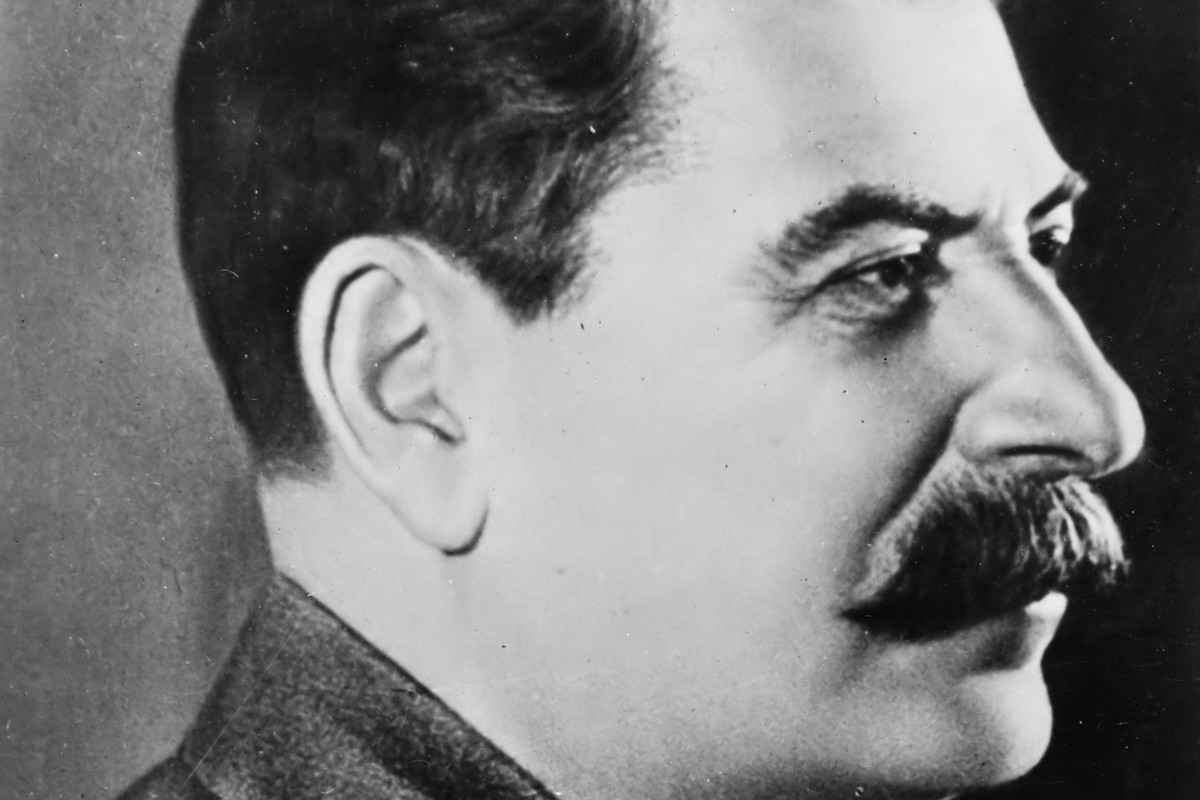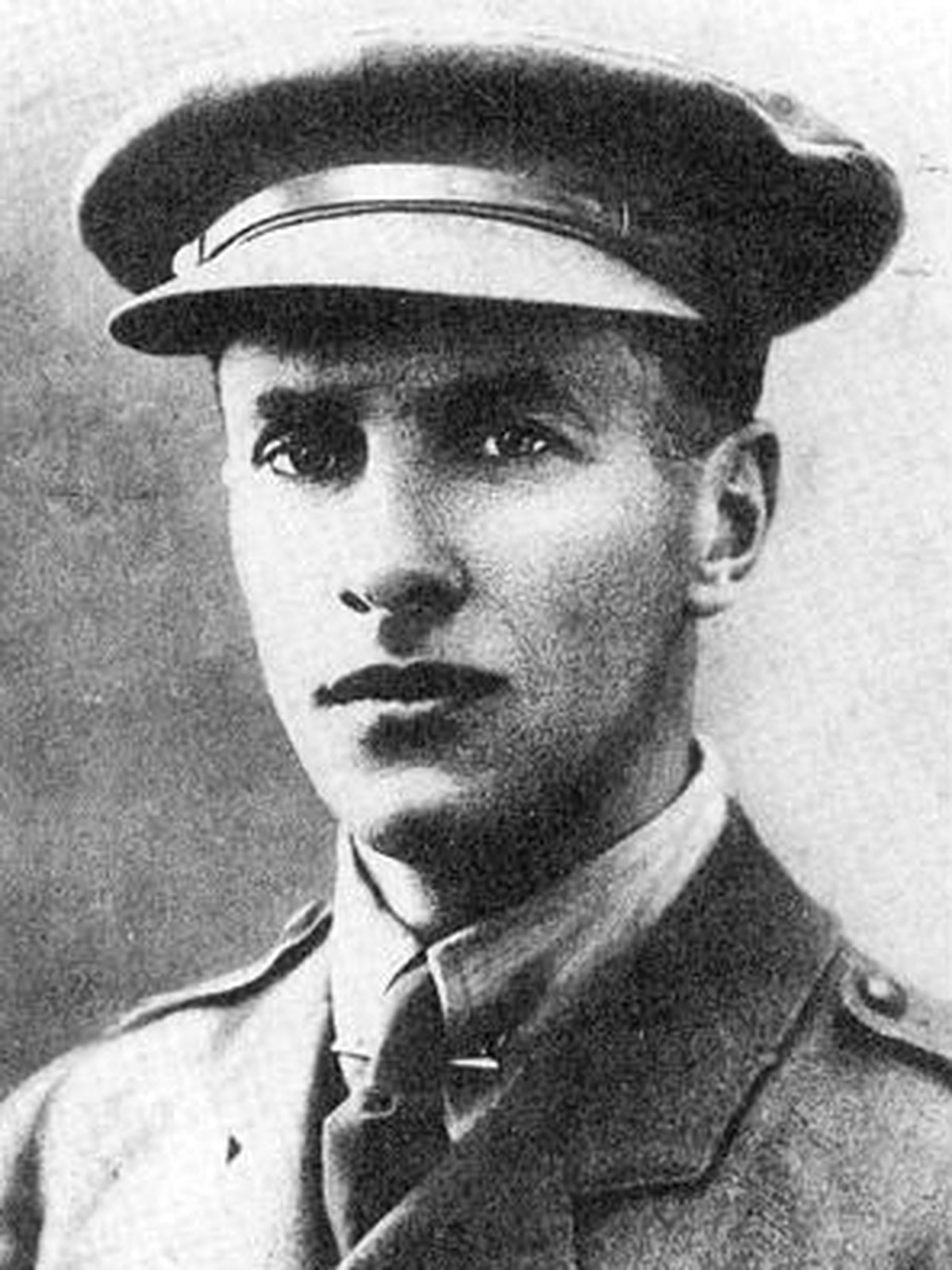
Walter Duranty, 1919 photograph

The AI Files · Walter Duranty New York Times Soviet coverage, the 1932 Pulitzer, and contested reporting of the 1932-33 Holodomor famine · 1931-2003

Duranty / Holodomor famine cover-up

A Pulitzer for 1931 Stalinism cables — and a 1933 no-famine line the Times later called a failure.

Prize package is not later body of work — both still matter.

Walter Duranty, 1919 photograph Image: Funk & Wagnalls / Literary Digest History of the War; no photographer credited · Public domain (published 1919)

The story

The story

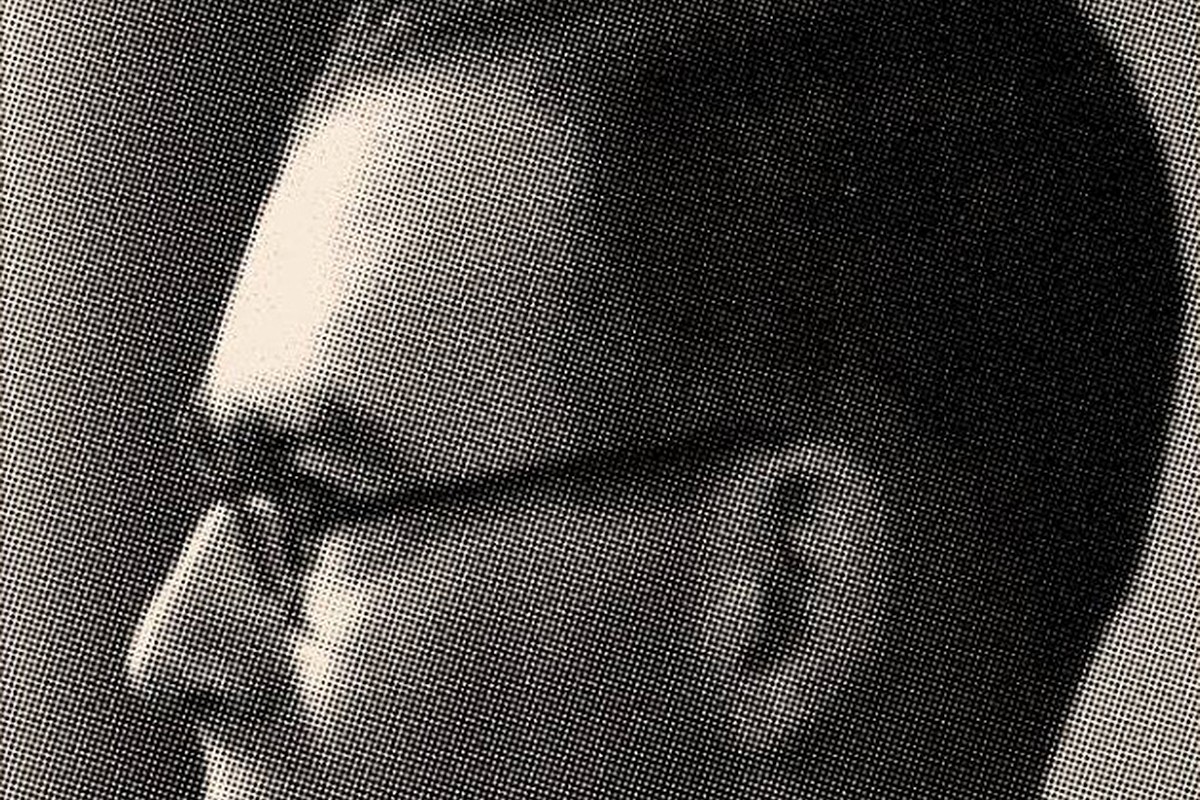
Walter Duranty, 1919 photograph
Walter Duranty, 1919 photograph Funk & Wagnalls / Literary Digest History of the War; no photographer credited · Public domain (published 1919)

Chapter 1

How to read this file

Walter Duranty Moscow years are a contested coverage history: a 1932 Pulitzer for 1931 Stalinism articles, then 1933 famine minimization on the Times masthead path, then decades of reckoning. Lead with the Pulitzer board 2003 statement, the Times Company statement, Jones and Muggeridge rival copy, Holodomor archival document sets, and Wienerberger photographs. [1] [2] [3] [4]

Historical Holodomor (1932-33) only — not a current-war topic. Not a hate page. Rival paths must state what would have to be wrong. [5]
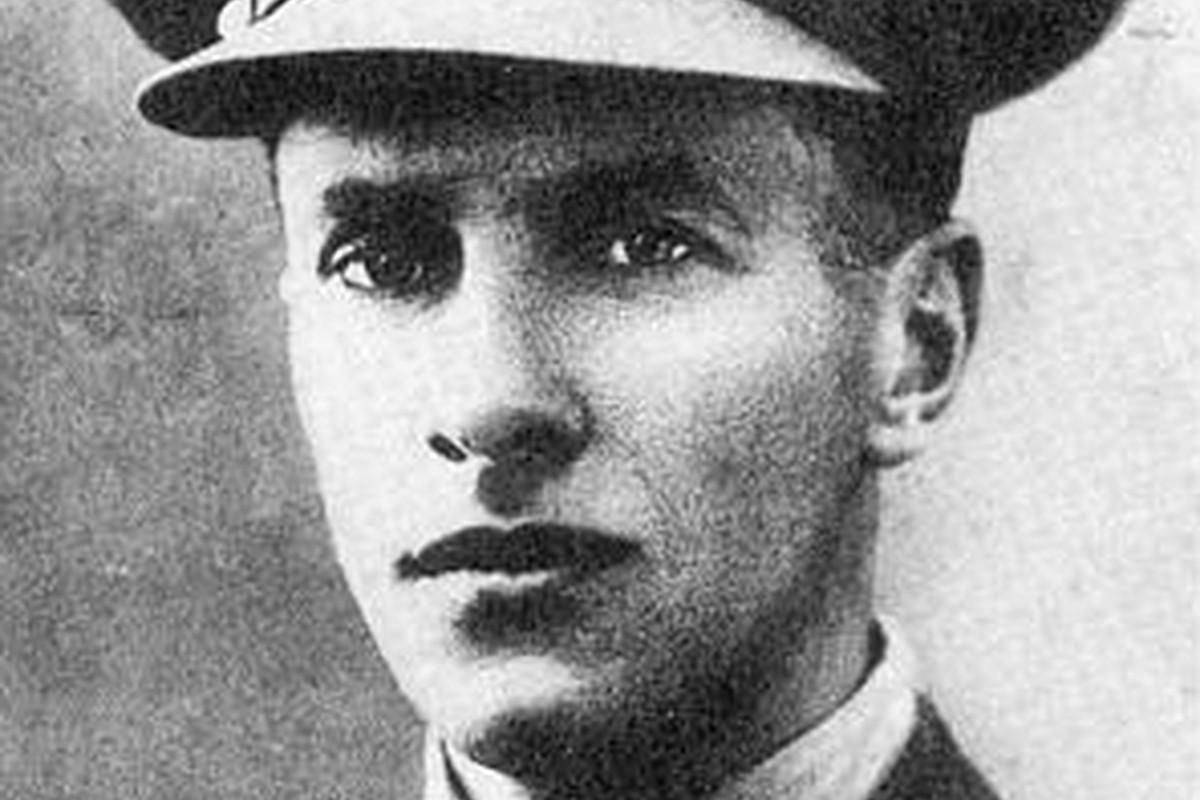
Walter Duranty, 1919 photograph
Walter Duranty, 1919 photograph Funk & Wagnalls / Literary Digest History of the War · Public domain

Chapter 2

Access under censorship

Soviet censorship and official-source dependence are real constraints the Times later named. They explain pressure; they do not automatically excuse no famine. [2]

The Kliefoth memorandum is a high-leverage, carefully labeled node: an embassy summary of Duranty June 1931 remarks. [6]

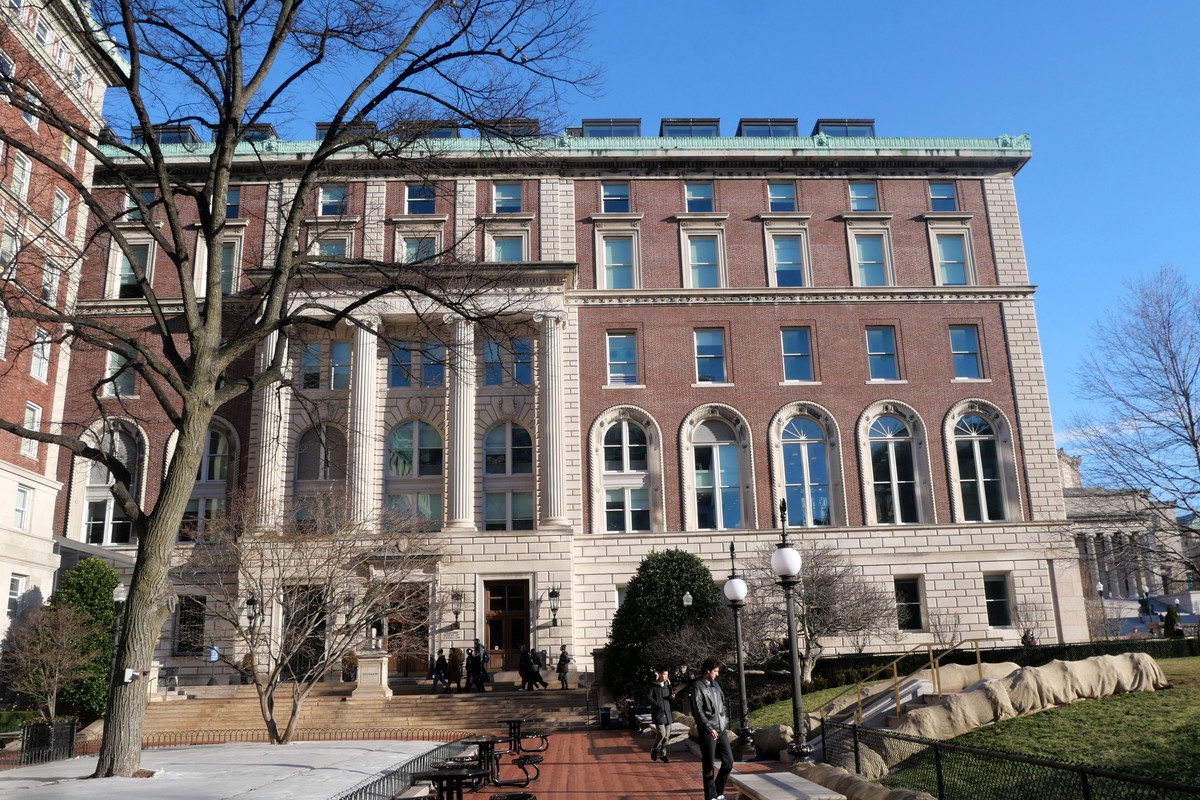
Pulitzer Hall, Columbia University
Pulitzer Hall, Columbia University Ajay Suresh / Wikimedia Commons · CC BY 4.0

Chapter 3

The 1931 prize package

The board list of thirteen 1931 articles is the prize object. Critics who jump straight to 1933 without reading that distinction are fighting a different battle than the board rule. [1]

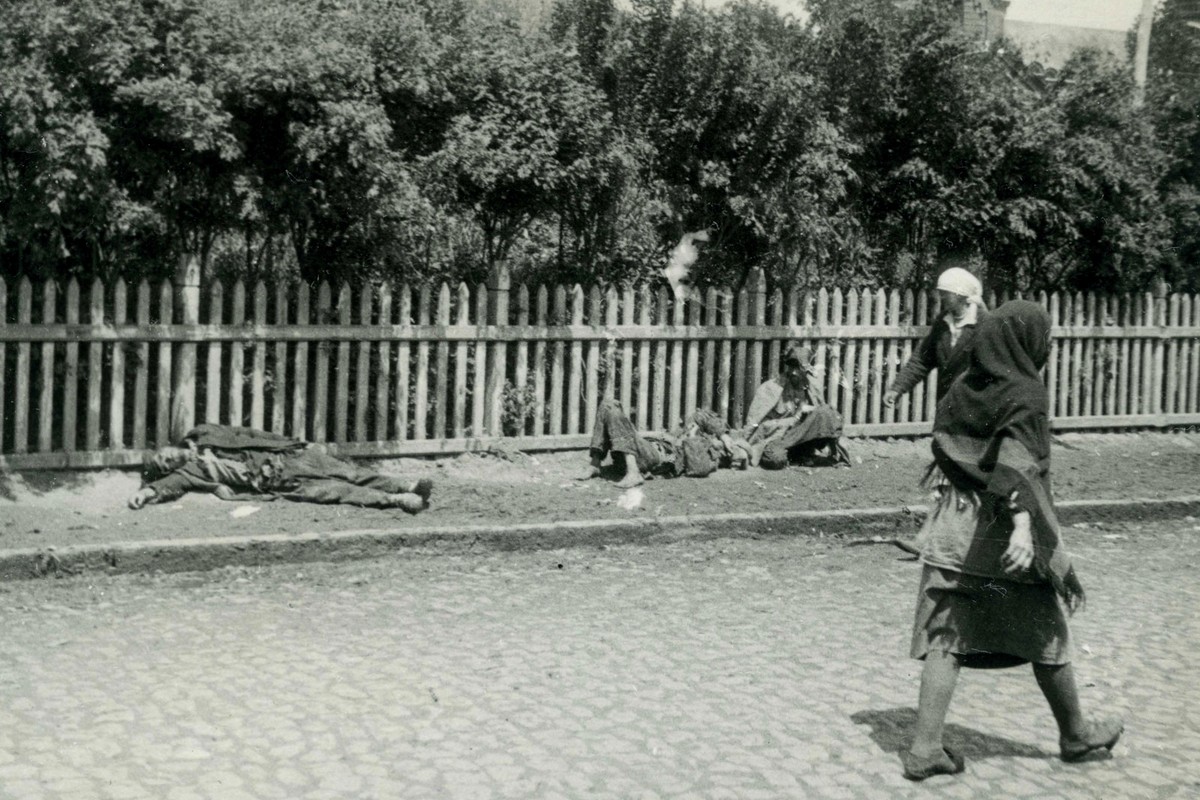
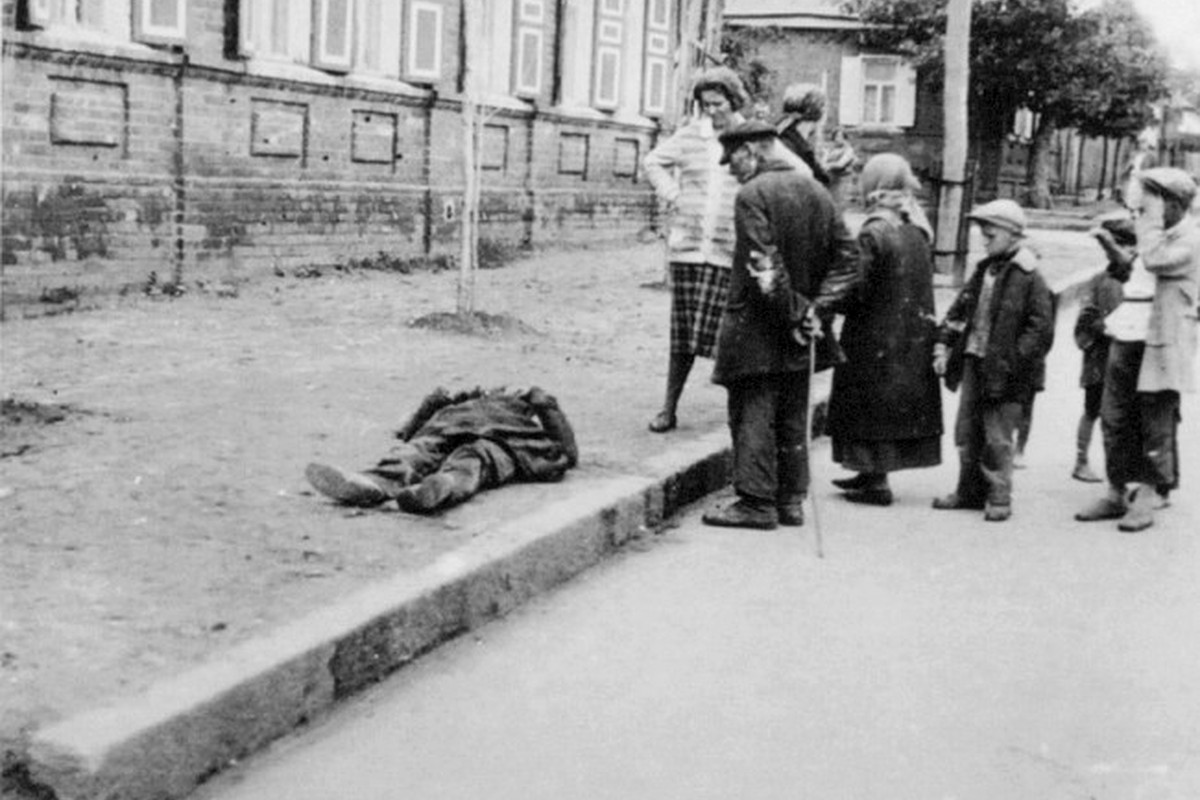
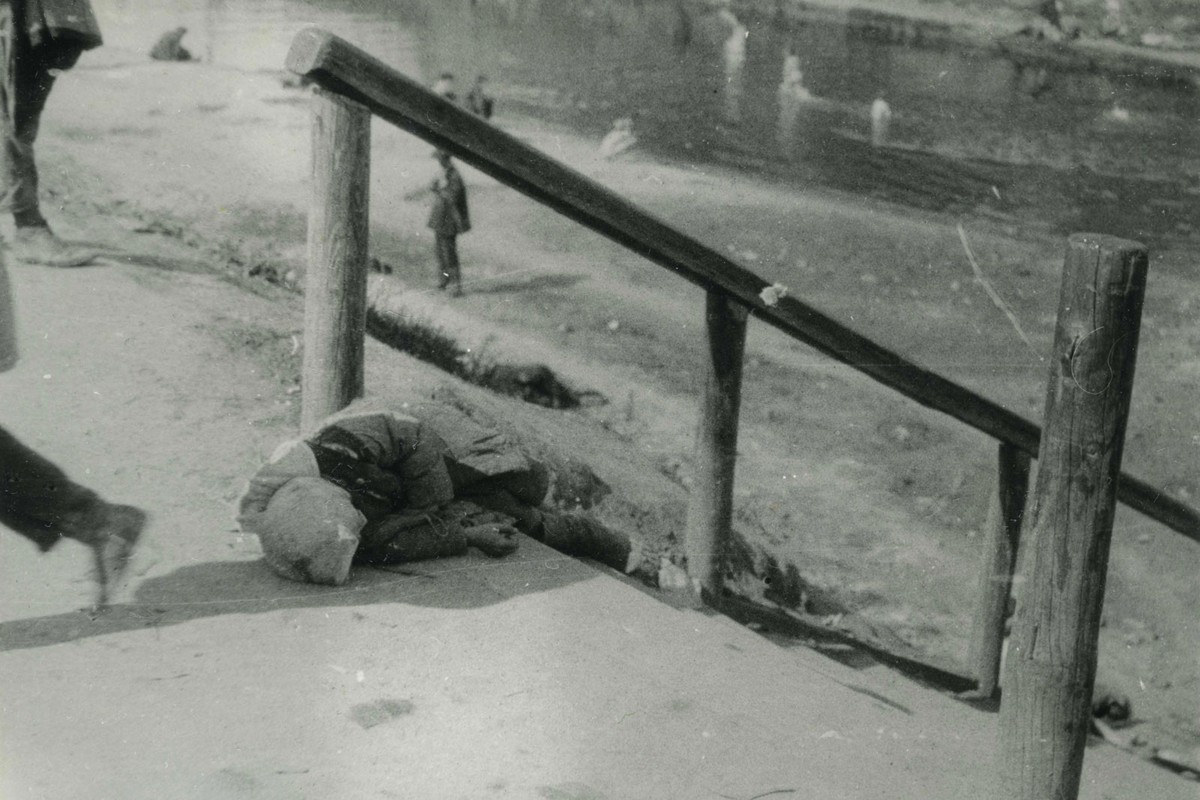
Starved peasants on a street in Kharkiv, 1933
Starved peasants on a street in Kharkiv, 1933 Alexander Wienerberger; Diocesan Archive of Vienna / Innitzer · Public domain (Austria simple photographic picture)

Chapter 4

Famine years

Mainstream scholarship treats the Holodomor as man-made mass death under Stalinist collectivization policy. Death totals are ranges. [7] [8]

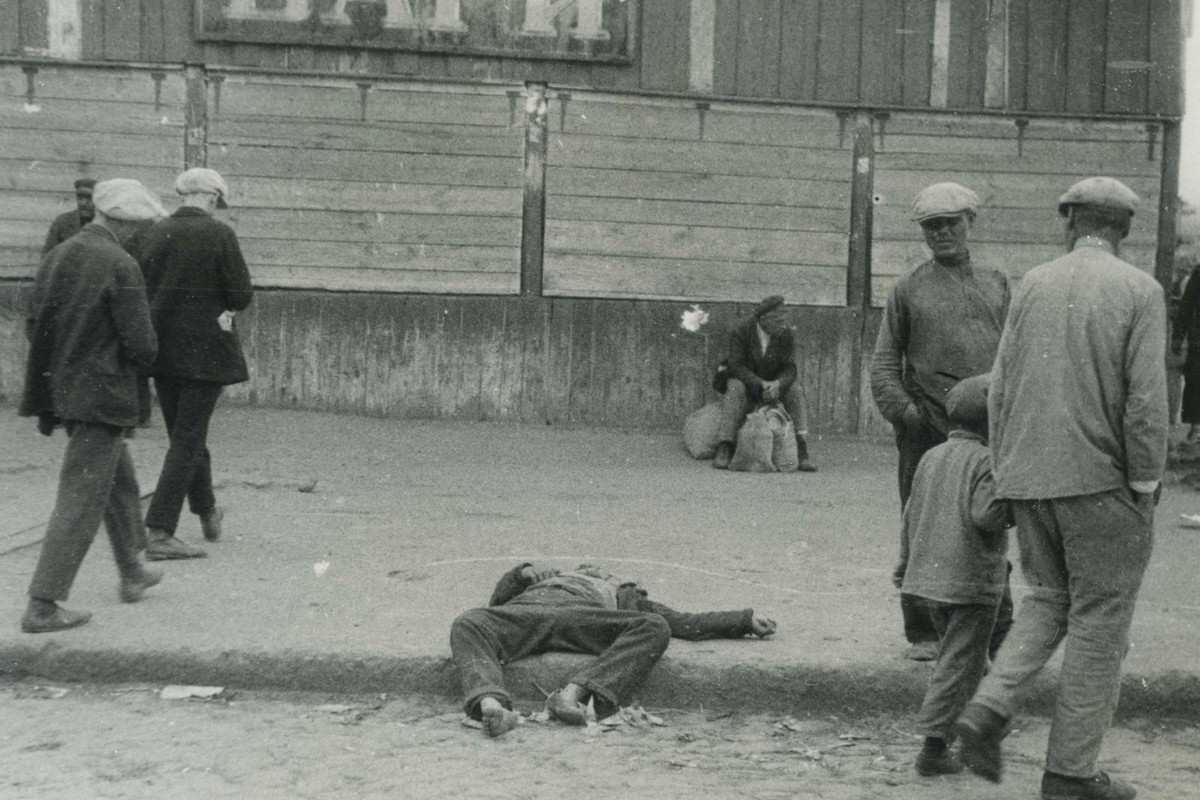
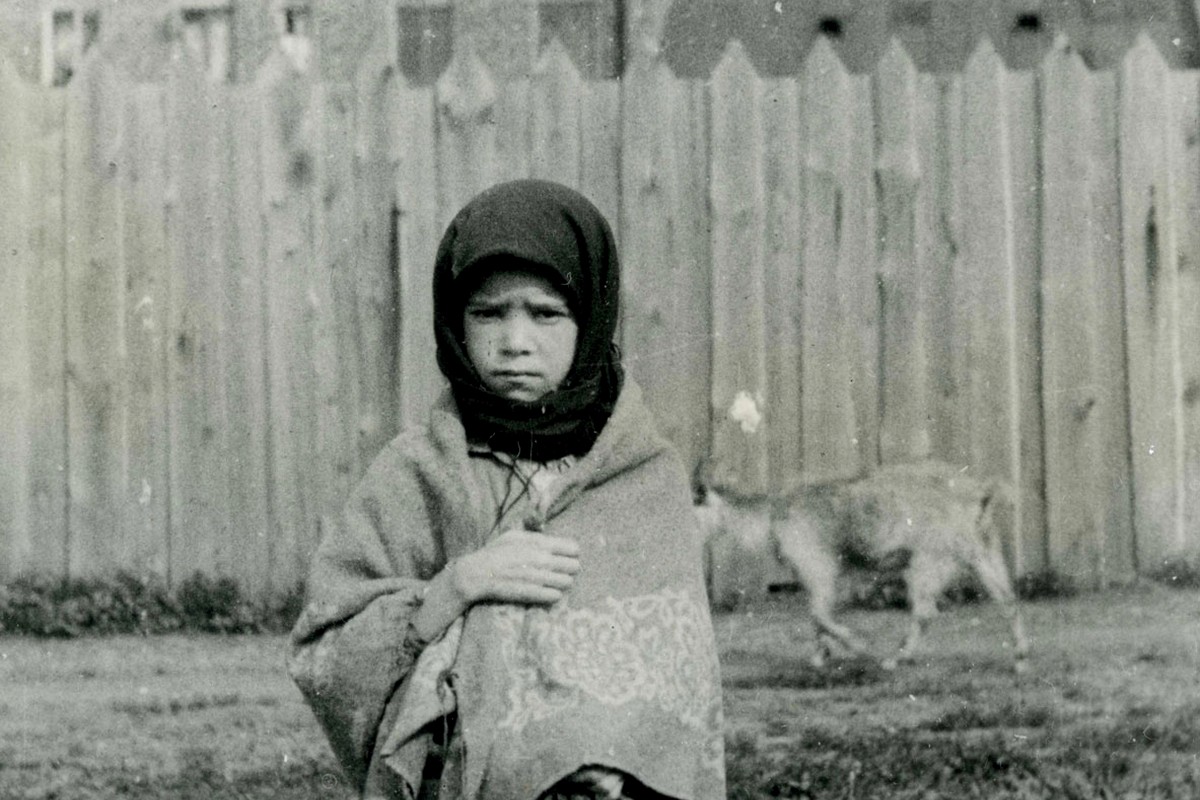
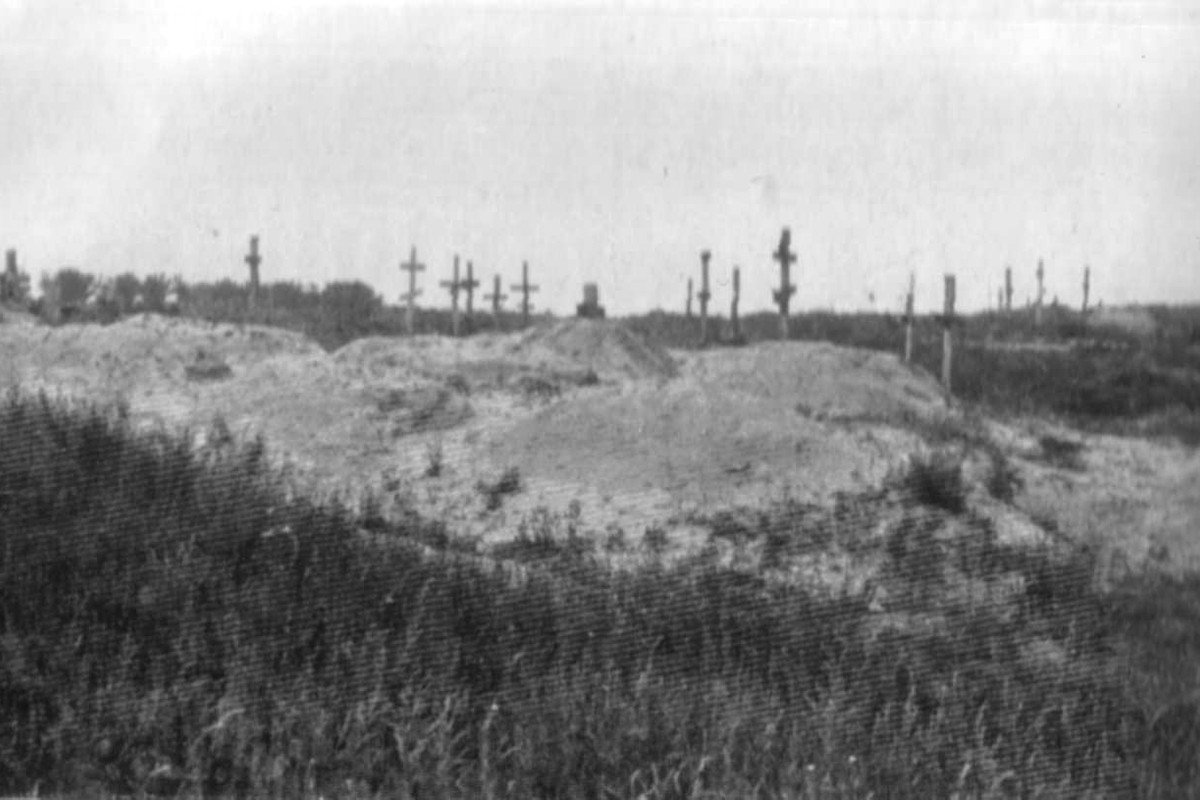
Wienerberger Kharkiv photographs are visual primaries of conditions. Handle with dignity. [4]

Walter Duranty, 1919 photograph
Walter Duranty, 1919 photograph Funk & Wagnalls / Literary Digest History of the War · Public domain

Chapter 5

No famine and the omelette line

The Times statement quotes Duranty March 1933 minimization and the omelette metaphor. Put those sentences next to Jones Berlin statement and Muggeridge Guardian path. [2] [9] [10]

Gareth Jones
Gareth Jones Commons upload · CC BY-SA 3.0

Chapter 6

Rival reporters

Jones named the famine. Muggeridge filed anonymously. Lyons and Chamberlin supply memoir and contrast. Censorship was shared; copy choices diverged. [3] [11]

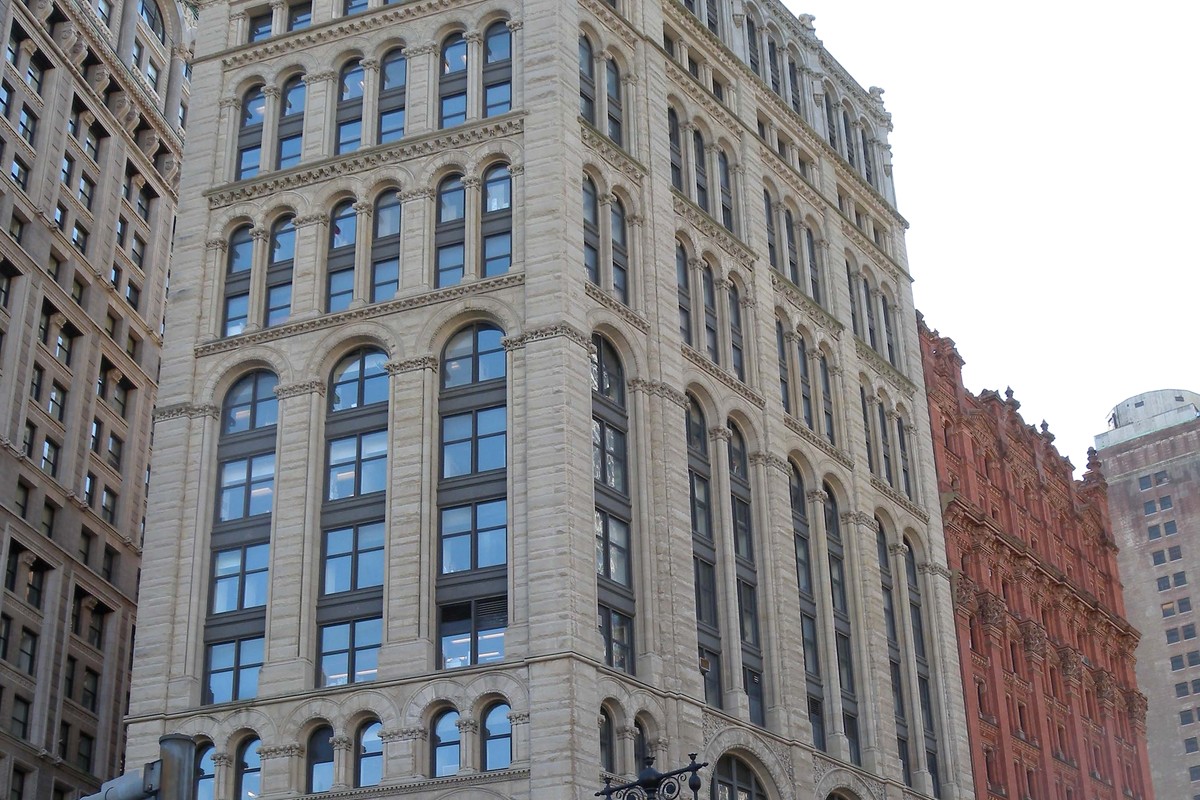
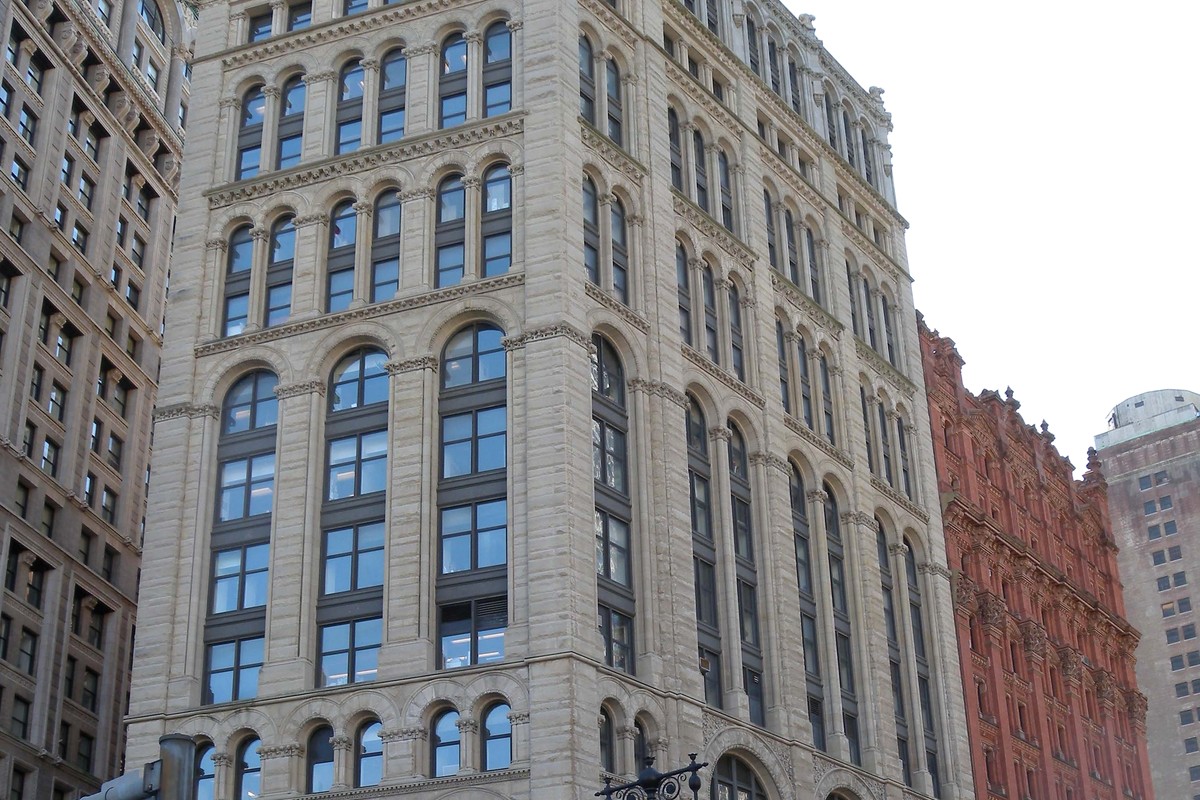
Former New York Times Building, 41 Park Row
Former New York Times Building, 41 Park Row Jim.henderson / Wikimedia Commons · Public domain as labeled

Chapter 7

Institutional retention

Some Times editors called the reporting tendentious; Duranty stayed until 1941. Prize and employment are separate nodes. [2]

Pulitzer Hall, Columbia University
Pulitzer Hall, Columbia University Ajay Suresh / Wikimedia Commons · CC BY 4.0

Chapter 8

2003 reckoning

Von Hagen reported recommendation to rescind collided with the board deliberate-deception standard. Record both. [12] [1]

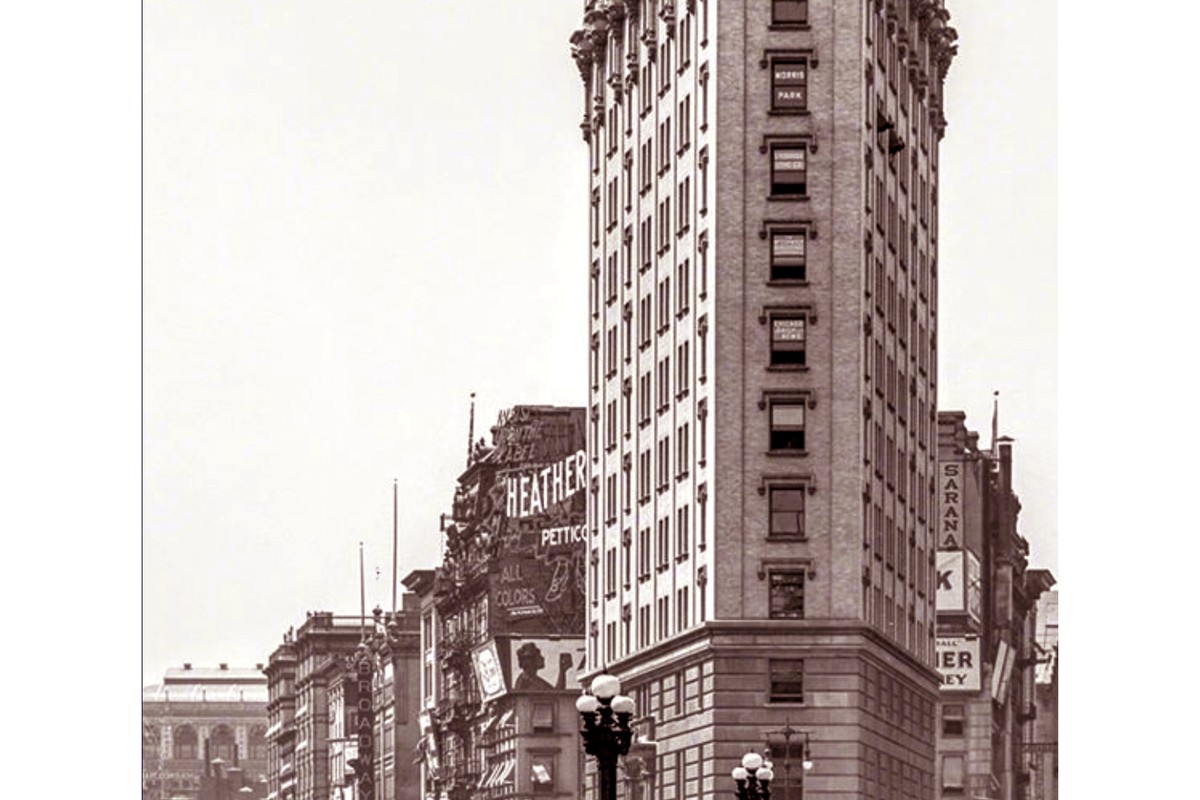
Times Square, about 1908
Times Square, about 1908 Commons · CC0

Chapter 9

Memory and film

Documentaries and the film Mr. Jones move public memory. Label dramatization and commentary. Keep primaries on the spine. [13] [14]

Former New York Times Building, 41 Park Row
Former New York Times Building, 41 Park Row Wikimedia Commons · Public domain as labeled

Chapter 10

Method lessons

Access journalism failure modes, prize stewardship, and classroom use of hard photographs — without converting history into a present-war brief. [15] [5]

Walter Duranty, 1919 photograph
Walter Duranty, 1919 photograph Funk & Wagnalls / Literary Digest History of the War; no photographer credited · Public domain (published 1919)

Chapter 11

Depth — primary spine

Keep Duranty published text, Pulitzer board materials, later NYT reckonings, and Holodomor scholarship on the claim spine. Mainstream labeled mainstream. Rival paths steel-manned. No Grokipedia. Historical Holodomor 1932-33 only — not a current-war topic. [5]

Absence of a sealed Soviet memo in a Western newsroom is not proof of innocence; presence of a contested cable is not a substitute for reading the article as published. [5]

Former New York Times Building, 41 Park Row
Former New York Times Building, 41 Park Row Wikimedia Commons · Public domain as labeled

Chapter 12

Depth — rival paths

Map: (1) Pulitzer board 2003 standard, (2) NYT institutional reckoning, (3) Holodomor scholarship on minimization, (4) access-journalism / Kliefoth reading. State mustBeWrong for each. [1] [2]

Former New York Times Building, 41 Park Row
Former New York Times Building, 41 Park Row Wikimedia Commons · Public domain as labeled

Chapter 13

Depth — classroom and memory

Twelve dated nodes, one primary URL each, two-sentence opposing steel-man. READING + tl-graph mandatory. Wait rather than ship lean. [5]

Times Square, about 1908
Times Square, about 1908 Commons · CC0

Chapter 14

Depth — video on the spine

Documentary and hearing clips belong in sources — labeled primary footage versus dramatization/commentary. [13] [14]

Walter Duranty, 1919 photograph
Walter Duranty, 1919 photograph Funk & Wagnalls / Literary Digest History of the War; no photographer credited · Public domain (published 1919)

Chapter 15

Quality coda

No lean ship. Dense entries, >=50 timeline dates, people, critical path, rival theories, memory, READING, real documentary covers. [5]

Former New York Times Building, 41 Park Row
Former New York Times Building, 41 Park Row Wikimedia Commons · Public domain as labeled

Chapter 16

Depth — comparative method

Pair with Media Files and Soviet history nests for method — not a hate page and not a claims board. [15] [16]

Former New York Times Building, 41 Park Row
Former New York Times Building, 41 Park Row Wikimedia Commons · Public domain as labeled

Chapter 17

Depth — open questions discipline

Unknowns stay labeled unknown: private belief vs published copy; death-total ranges; Kliefoth memo weight. [6] [5]

Walter Duranty, 1919 photograph
Walter Duranty, 1919 photograph Funk & Wagnalls / Literary Digest History of the War; no photographer credited · Public domain (published 1919)

Chapter 18

Depth — memory phases

Track framing: contemporaneous denial -> Cold War silence -> 1980s scholarship -> 2003 Pulitzer review -> film/memory culture. [2] [1]

Sources for the story
  1. Pulitzer Prize Board — Statement on Walter Duranty (Nov 21, 2003)
  2. New York Times Company — Statement about 1932 Pulitzer awarded to Duranty
  3. GarethJones.org archive
  4. Alexander Wienerberger Holodomor photographs (Commons)
  5. The AI Files — The New York Times Files
  6. Kliefoth memorandum pointer (U.S. Embassy Berlin, June 4, 1931)
  7. Anne Applebaum — Red Famine
  8. Pyrih ed. — Holodomor Documents and Materials
  9. Gareth Jones Soviet articles gateway
  10. Guardian retrospective on 1933 Ukrainian famine reporting
  11. Eugene Lyons — Assignment in Utopia
  12. NYT — Times Should Lose Pulitzer From 30s, Consultant Says (Oct 23, 2003)
  13. YouTube — Harvest of Despair documentary upload
  14. YouTube — Atlantic Council Mr. Jones discussion
  15. The AI Files — Media
  16. The AI Files — Soviet Union

Explore

Go deeper, era by era

Pick an era, or search everything at once: entries, people, dated events, claims, theories and media.

Threads

Follow one thread through the whole story

Each thread pulls together the entries on one question, across all the eras.

Key people

Who was who

25 people.

Walter DurantyWalter DurantyNYT Moscow correspondent; 1932 Pulitzer

English-born Times correspondent; 1931 Stalinism series won 1932 prize; 1933 famine reporting later judged gravely defective.

Sources
  1. Pulitzer Prize Board — Statement on Walter Duranty (Nov 21, 2003)
  2. New York Times Company — Statement about 1932 Pulitzer awarded to Duranty
Joseph StalinJoseph StalinSoviet leader during collectivization and famine

Central actor in forced collectivization; Holodomor scholarship places policy responsibility for mass starvation in Ukraine 1932-33.

Sources
  1. Pyrih ed. — Holodomor Documents and Materials
  2. Anne Applebaum — Red Famine
Gareth JonesGareth JonesWelsh journalist; named famine reporting March 1933

Berlin press statement described widespread famine; rival path to Duranty minimization.

Sources
  1. GarethJones.org archive
  2. Gareth Jones Soviet articles gateway
Malcolm MuggeridgeMalcolm MuggeridgeManchester Guardian correspondent

Anonymous Guardian famine reports March 1933; later memory figure.

Sources
  1. Guardian retrospective on 1933 Ukrainian famine reporting
Eugene LyonsEugene LyonsUP Moscow correspondent; Assignment in Utopia

Rival memoirist critical of access journalism and famine silence.

Sources
  1. Eugene Lyons — Assignment in Utopia
William Henry ChamberlinWilliam Henry ChamberlinChristian Science Monitor Moscow correspondent

Often cited as less access-captured contrast case under shared censorship.

Sources
  1. Timothy Snyder — Bloodlands
Arthur Hays SulzbergerArthur Hays SulzbergerTimes publisher era overlapping Duranty tenure

Institutional responsibility layer for retaining Duranty into early 1940s.

Sources
  1. New York Times Company — Statement about 1932 Pulitzer awarded to Duranty
Mark von HagenMark von HagenHistorian; 2003 Times consultant

Assessed Duranty coverage; news report of recommendation to rescind prize.

Sources
  1. NYT — Times Should Lose Pulitzer From 30s, Consultant Says (Oct 23, 2003)
Anne ApplebaumAnne ApplebaumHistorian; Red Famine

Mainstream scholarly synthesis of the Holodomor; secondary.

Sources
  1. Anne Applebaum — Red Famine
  2. YouTube — Atlantic Council Mr. Jones discussion
Robert ConquestRobert ConquestHistorian; The Harvest of Sorrow

Late-Cold-War scholarly account shaping English-language famine memory.

Sources
  1. Robert Conquest — The Harvest of Sorrow
Timothy SnyderTimothy SnyderHistorian; Bloodlands

Places Jones/Muggeridge against Western press silence.

Sources
  1. Timothy Snyder — Bloodlands
Alexander WienerbergerAlexander WienerbergerAustrian engineer-photographer; Kharkiv 1933
A. W. KliefothA. W. KliefothU.S. Embassy Berlin officer (1931 memo)

Authored embassy memorandum summarizing Duranty visit remarks.

Sources
  1. Kliefoth memorandum pointer (U.S. Embassy Berlin, June 4, 1931)
  2. Holodomor CT — Primary sources gateway
Pulitzer Prize Board (2003)Pulitzer Prize Board (2003)Institutional prize steward

Declined to revoke Duranty 1932 prize after reviewing 1931 package.

Sources
  1. Pulitzer Prize Board — Statement on Walter Duranty (Nov 21, 2003)
Ralph W. BarnesRalph W. BarnesHerald Tribune Moscow correspondent

Peer in Moscow press corps used in comparisons of filable copy.

Sources
  1. Eugene Lyons — Assignment in Utopia
Ewald AmmendeEwald AmmendePublished Muss Russland Hungern? (1935)

Vienna publication that circulated Wienerberger famine photographs.

Sources
  1. Alexander Wienerberger Holodomor photographs (Commons)
Theodor InnitzerTheodor InnitzerVienna archbishop; Wienerberger album path

Archival chain for Wienerberger photographs via Diocesan Archive.

Sources
  1. Alexander Wienerberger Holodomor photographs (Commons)
Times foreign desk (1930s)Times foreign desk (1930s)Editors who kept Duranty on the beat

Some criticized tendentiousness; correspondent retained until 1941 per Times statement.

Sources
  1. New York Times Company — Statement about 1932 Pulitzer awarded to Duranty
Kulak targets (collectivization category)Kulak targets (collectivization category)Policy category in Soviet rural repression
Ukrainian peasantry (1932-33)Ukrainian peasantry (1932-33)Primary victims of famine conditions
Andrea ChalupaAndrea ChalupaScreenwriter; Mr. Jones

Dramatized film path into public memory; label fiction vs primary.

Sources
  1. YouTube — Atlantic Council Mr. Jones discussion
Agnieszka HollandAgnieszka HollandDirector; Mr. Jones

Dramatized film; audiovisual memory not a primary archive.

Sources
  1. YouTube — Atlantic Council Mr. Jones discussion
James E. MaceJames E. MaceHolodomor scholar; exhibition collaborator

Helped bring famine documentation and Wienerberger imagery to wider audiences.

Sources
  1. Commons — HolodomorKharkiv 1933 Wienerberger
  2. Holodomor Research and Education Consortium
Viktor YushchenkoViktor YushchenkoUkrainian president; later honors context

Later memory politics including reported honors for Jones/Muggeridge.

Sources
  1. GarethJones.org archive
  2. U.S. Congress.gov gateway
Adolph OchsAdolph OchsTimes publisher (institutional lineage)

Institutional lineage of the modern Times; framing only.

Sources
  1. The New York Times Company

Timeline

Day by day

52 dated events, 1931-2003, each with its source.

  1. May 25, 1884
    Walter Duranty born (Liverpool) Biographical start. Access · source
  2. 1921
    Duranty on the Moscow path Moscow correspondence era begins. Access · source
  3. 1928
    First Five-Year Plan context Industrialization/collectivization backdrop. Access · source
  4. 1930
    Collectivization drive escalates Policy prelude to famine years. Famine · source source
  5. June 4, 1931
    Kliefoth memo (Berlin embassy) Embassy memorandum summarizes Duranty visit remarks. Access · source
  6. March 29, 1931
    Magazine — The Russian Looks at the World Board-listed Magazine article. Pulitzer · source
  7. June 14, 1931
    Prize series opens — Stalinism not Communism First of eleven-part series. Pulitzer · source
  8. June 16, 1931
    Socialism First Aim in Soviet Program Board-listed prize article. Pulitzer · source
  9. June 18, 1931
    Stalinism Shelves World Revolt Idea Board-listed prize article. Pulitzer · source
  10. June 19, 1931
    Industrial Success Emboldens Soviet Board-listed prize article. Pulitzer · source
  11. June 20, 1931
    Trade Equilibrium is New Soviet Goal Board-listed prize article. Pulitzer · source
  12. June 22, 1931
    Soviet Fixes Opinion by Widest Control Board-listed prize article. Pulitzer · source
  13. June 23, 1931
    Soviet Censorship Hurts Russia Most Board-listed prize article naming censorship. Pulitzer · source
  14. June 24, 1931
    Stalinism Smashes Foes in Marx Name Board-listed prize article. Pulitzer · source
  15. June 25, 1931
    Red Army Held No Menace to Peace Board-listed prize article. Pulitzer · source
  16. June 26, 1931
    Stalinism Solving Minorities Problem Board-listed prize article. Pulitzer · source
  17. June 27, 1931
    Stalinism Mark is Party Discipline Final of eleven-part series. Pulitzer · source
  18. December 20, 1931
    Magazine — Stalin Russia Echo of Iron Ivan Board-listed Magazine article. Pulitzer · source
  19. May 2, 1932
    1932 Pulitzer Prizes announced Correspondence prize for 1931 work. Pulitzer · source source
  20. 1932
    Famine conditions intensify in Soviet Ukraine Mass starvation unfolds across 1932-33. Famine · source source
  21. 1932
    Blacklists and grain seizures (archival themes) Pyrih-set themes: coercive procurement and movement controls. Famine · source
  22. 1933
    Peak famine mortality year (periodization) Teaching date for peak suffering; totals remain ranges. Famine · source source
  23. 1933
    Wienerberger photographs Kharkiv famine scenes Verified photographic record of street famine conditions. Famine · source
  24. March 25, 1933
    Muggeridge anonymous Guardian famine article Anonymous Guardian reporting specifies famine. Rivals · source
  25. March 29, 1933
    Gareth Jones Berlin press statement Named public description of widespread famine. Rivals · source source
  26. March 31, 1933
    Duranty minimization dispatch period Times statement locates no-famine/omelette language in March 1933. Famine · source
  27. March 1933
    Rival reporters vs minimization climax Jones/Muggeridge publish; Duranty minimizes. Famine · source source
  28. 1934
    Wienerberger returns; album path to Innitzer Photographic evidence enters Vienna archive path. Famine · source
  29. 1935
    Muss Russland Hungern publishes Wienerberger images Vienna book circulates famine photographs. Memory · source
  30. 1937
    Lyons Assignment in Utopia Rival memoir attacks Moscow press corps culture. Rivals · source
  31. 1941
    Duranty leaves Times correspondent role Retention ends per Times statement. Institution · source
  32. October 3, 1957
    Walter Duranty dies Prize and reputation fights continue. Aftermath · source
  33. 1970
    Long silence marker in Western public memory Between wartime and 1980s scholarship, famine memory uneven in U.S. mainstream. Memory · source
  34. 1980
    Times public acknowledgments era begins Institutional reckoning phase since the 1980s. Reckoning · source
  35. 1986
    Conquest The Harvest of Sorrow Major English-language scholarly account. Reckoning · source
  36. 1986
    Harvard famine exhibition context Wienerberger recirculation to U.S. academic audiences. Memory · source
  37. 1991
    Soviet collapse opens archives (marker) Archival turn strengthens document-based research. Reckoning · source source
  38. July 2003
    Pulitzer board seeks Times comment New round of revoke demands triggers board letter. Reckoning · source source
  39. October 23, 2003
    NYT reports von Hagen recommends rescinding News report of commissioned assessment. Reckoning · source
  40. November 21, 2003
    Pulitzer board declines to revoke No clear and convincing deliberate deception in 1931 package. Reckoning · source
  41. November 2003
    Board sympathy clause for Holodomor victims Sympathy while refusing revocation. Reckoning · source
  42. 2003
    Six-month Pulitzer board study period Board says it studied more than six months. Reckoning · source
  43. 2008
    Jones and Muggeridge posthumous honors (reported) Memory politics phase. Memory · source
  44. 2010
    Snyder Bloodlands Historiography places named famine reporting against silence. Reckoning · source
  45. 2015
    Wienerberger corpus expands online via Commons PD famine photographs recirculate. Memory · source
  46. 2017
    Applebaum Red Famine Major scholarly synthesis. Reckoning · source
  47. August 24, 2018
    NYT Company statement page on Duranty prize Corporate reckoning URL of record. Reckoning · source
  48. 2019
    Mr. Jones film enters public circuits Dramatized memory vehicle. Memory · source
  49. June 22, 2020
    Atlantic Council panel on Mr. Jones Commentary panel on YouTube. Memory · source
  50. 2022
    Boundary note — historical famine vs current war Keep this nest on 1932-33 history; do not convert into current-war content. Method · source
  51. October 24, 2026
    AI Files Duranty / Holodomor nest guide Educational deep guide under The New York Times Files. Frame · source
  52. 1931
    Duranty prize-year sourcing pattern Official Soviet sources dominate the prize package. Pulitzer · source source

What we know now

What we know now

The yardstick

The critical path

  1. 1
    May 25, 1884Moscow access under censorship

    Duranty reports through Soviet censorship with official-source dependence.[1]

    On the timeline
  2. 2
    1921Kliefoth memo (June 1931)

    Embassy record attributes to Duranty a claim his despatches reflect official Soviet opinion.[2]

    On the timeline
  3. 3
    19281931 Stalinism series filed

    Prize-package articles publish; official-source stenography later criticized.[3][1]

    On the timeline
  4. 4
    19301932 Pulitzer awarded

    Correspondence prize attaches to the 1931 package.[3]

    On the timeline
  5. 5
    June 4, 1931Collectivization famine unfolds

    Mass starvation in Soviet Ukraine 1932-33 (scholarly consensus).[4][5]

    On the timeline
  6. 6
    March 29, 1931Wienerberger photographs conditions

    Visual primary of Kharkiv famine scenes.[6]

    On the timeline
  7. 7
    June 14, 1931Muggeridge anonymous Guardian reports

    Rival contemporaneous famine copy.[7]

    On the timeline
  8. 8
    June 16, 1931Jones Berlin statement

    Named famine reporting under Jones byline.[8]

    On the timeline
  9. 9
    June 18, 1931Duranty no-famine / omelette copy

    Times minimization language as quoted in corporate reckoning.[1]

    On the timeline
  10. 10
    June 19, 1931Editors doubt; correspondent retained

    Tendentiousness criticized internally; employment continues to 1941.[1]

    On the timeline
  11. 11
    June 20, 19311980s Times acknowledgments

    Institutional public reckoning phase begins.[1]

    On the timeline
  12. 12
    June 22, 1931Von Hagen assessment reported

    Consultant recommends rescinding prize (news report).[9]

    On the timeline
  13. 13
    June 23, 1931Pulitzer board refuses revocation

    2003: no clear and convincing deliberate deception in 1931 articles.[3]

    On the timeline
  14. 14
    June 24, 1931Scholarship consolidates Holodomor consensus

    Archival and scholarly mainstream treat famine as man-made mass death.[5][4]

    On the timeline
  15. 15
    June 25, 1931Film/memory recirculation

    Documentaries and Mr. Jones dramatization re-enter public memory — labeled.[10][11]

    On the timeline
  16. 16
    June 26, 1931Guide method: prize vs later body of work

    Board rule vs critics who judge body of work including 1933.[3][9]

    On the timeline
Sources for the 16 steps
  1. New York Times Company — Statement about 1932 Pulitzer awarded to Duranty
  2. Kliefoth memorandum pointer (U.S. Embassy Berlin, June 4, 1931)
  3. Pulitzer Prize Board — Statement on Walter Duranty (Nov 21, 2003)
  4. Pyrih ed. — Holodomor Documents and Materials
  5. Anne Applebaum — Red Famine
  6. Alexander Wienerberger Holodomor photographs (Commons)
  7. Guardian retrospective on 1933 Ukrainian famine reporting
  8. GarethJones.org archive
  9. NYT — Times Should Lose Pulitzer From 30s, Consultant Says (Oct 23, 2003)
  10. YouTube — Harvest of Despair documentary upload
  11. YouTube — Atlantic Council Mr. Jones discussion

Theories

The other explanations, opened up

Pulitzer Hall, Columbia University
Pulitzer Hall, Columbia University Ajay Suresh / Wikimedia Commons · CC BY 4.0
Documented

Pulitzer board 2003 standard (prize package only)

Revocation requires clear and convincing deliberate deception in the 1931 entered articles; later famine reporting is outside the prize object.

  1. 1Moscow access under censorship
  2. 2Kliefoth memo (June 1931)
  3. 31931 Stalinism series filed
  4. 41932 Pulitzer awarded
  5. 5Collectivization famine unfolds
  6. 6Wienerberger photographs conditions
  7. 7Muggeridge anonymous Guardian reports
  8. 8Jones Berlin statement
  9. 9Duranty no-famine / omelette copy
  10. 10Editors doubt; correspondent retained
  11. 111980s Times acknowledgments
  12. 12Von Hagen assessment reported
  13. 13Pulitzer board refuses revocation
  14. 14Scholarship consolidates Holodomor consensus
  15. 15Film/memory recirculation
  16. 16Guide method: prize vs later body of work
Open the file
Who believes it
Where it started

Revocation requires clear and convincing deliberate deception in the 1931 entered articles; later famine reporting is outside the prize object.[1]

Why it lives

In pulitzer.org statement.

If it were true

Body-of-work revocation campaigns fail under current rule.

How it squares with the record

Board statement text.

What holds up Documented

Board statement text.

Against the critical path
  1. 1Moscow access under censorship
  2. 2Kliefoth memo (June 1931)
  3. 31931 Stalinism series filed
  4. 41932 Pulitzer awarded
  5. 5Collectivization famine unfolds
  6. 6Wienerberger photographs conditions
  7. 7Muggeridge anonymous Guardian reports
  8. 8Jones Berlin statement
  9. 9Duranty no-famine / omelette copy
  10. 10Editors doubt; correspondent retained
  11. 111980s Times acknowledgments
  12. 12Von Hagen assessment reported
  13. 13Pulitzer board refuses revocation
  14. 14Scholarship consolidates Holodomor consensus
  15. 15Film/memory recirculation
  16. 16Guide method: prize vs later body of work
Removes from the critical path

Nothing. It leaves every established link standing.

Adds to the critical path

No new links.

What would have to turn out fake or wrong
  • cp13 — Would need the board to have found deliberate deception in 1931 articles.
What new information would make it true
    What would prove it false
      Former New York Times Building, 41 Park Row
      Former New York Times Building, 41 Park Row Jim.henderson / Wikimedia Commons · Public domain as labeled
      Documented

      NYT institutional reckoning path

      Times acknowledges official-source dependence, underestimation of brutality, and famine minimization; prize stewardship remains awkward because the paper lacks the physical award.

      1. 1Moscow access under censorship
      2. 2Kliefoth memo (June 1931)
      3. 31931 Stalinism series filed
      4. 41932 Pulitzer awarded
      5. 5Collectivization famine unfolds
      6. 6Wienerberger photographs conditions
      7. 7Muggeridge anonymous Guardian reports
      8. 8Jones Berlin statement
      9. 9Duranty no-famine / omelette copy
      10. 10Editors doubt; correspondent retained
      11. 111980s Times acknowledgments
      12. 12Von Hagen assessment reported
      13. 13Pulitzer board refuses revocation
      14. 14Scholarship consolidates Holodomor consensus
      15. 15Film/memory recirculation
      16. 16Guide method: prize vs later body of work
      Open the file
      Who believes it
      Where it started

      Times acknowledges official-source dependence, underestimation of brutality, and famine minimization; prize stewardship remains awkward because the paper lacks the physical award.[1]

      Why it lives

      On nytco.com statement page.

      If it were true

      Institutional guilt is admitted even if prize stands.

      How it squares with the record

      Corporate statement.

      What holds up Documented

      Corporate statement.

      Against the critical path
      1. 1Moscow access under censorship
      2. 2Kliefoth memo (June 1931)
      3. 31931 Stalinism series filed
      4. 41932 Pulitzer awarded
      5. 5Collectivization famine unfolds
      6. 6Wienerberger photographs conditions
      7. 7Muggeridge anonymous Guardian reports
      8. 8Jones Berlin statement
      9. 9Duranty no-famine / omelette copy
      10. 10Editors doubt; correspondent retained
      11. 111980s Times acknowledgments
      12. 12Von Hagen assessment reported
      13. 13Pulitzer board refuses revocation
      14. 14Scholarship consolidates Holodomor consensus
      15. 15Film/memory recirculation
      16. 16Guide method: prize vs later body of work
      Removes from the critical path

      Nothing. It leaves every established link standing.

      Adds to the critical path

      No new links.

      What new information would make it true
        What would prove it false
          Starved peasants on a street in Kharkiv, 1933
          Starved peasants on a street in Kharkiv, 1933 Alexander Wienerberger; Diocesan Archive of Vienna / Innitzer · Public domain (Austria simple photographic picture)
          Documented

          Famine denial/minimization culpability

          Duranty 1933 public copy denied or minimized a famine that archival and photographic evidence show was catastrophic.

          1. 1Moscow access under censorship
          2. 2Kliefoth memo (June 1931)
          3. 31931 Stalinism series filed
          4. 41932 Pulitzer awarded
          5. 5Collectivization famine unfolds
          6. 6Wienerberger photographs conditions
          7. 7Muggeridge anonymous Guardian reports
          8. 8Jones Berlin statement
          9. 9Duranty no-famine / omelette copy
          10. 10Editors doubt; correspondent retained
          11. 111980s Times acknowledgments
          12. 12Von Hagen assessment reported
          13. 13Pulitzer board refuses revocation
          14. 14Scholarship consolidates Holodomor consensus
          15. 15Film/memory recirculation
          16. 16Guide method: prize vs later body of work
          Open the file
          Who believes it
          Where it started

          Duranty 1933 public copy denied or minimized a famine that archival and photographic evidence show was catastrophic.[1][2]

          Why it lives

          In scholarship and Times reckoning.

          If it were true

          No famine fails as description of 1933 Ukraine.

          How it squares with the record

          NYT-quoted minimization + Holodomor archives/photos.

          What holds up Documented

          NYT-quoted minimization + Holodomor archives/photos.

          Against the critical path
          1. 1Moscow access under censorship
          2. 2Kliefoth memo (June 1931)
          3. 31931 Stalinism series filed
          4. 41932 Pulitzer awarded
          5. 5Collectivization famine unfolds
          6. 6Wienerberger photographs conditions
          7. 7Muggeridge anonymous Guardian reports
          8. 8Jones Berlin statement
          9. 9Duranty no-famine / omelette copy
          10. 10Editors doubt; correspondent retained
          11. 111980s Times acknowledgments
          12. 12Von Hagen assessment reported
          13. 13Pulitzer board refuses revocation
          14. 14Scholarship consolidates Holodomor consensus
          15. 15Film/memory recirculation
          16. 16Guide method: prize vs later body of work
          Removes from the critical path

          Nothing. It leaves every established link standing.

          Adds to the critical path

          No new links.

          What new information would make it true
            What would prove it false
              Former New York Times Building, 41 Park Row
              Former New York Times Building, 41 Park Row Wikimedia Commons · Public domain as labeled
              Mixed

              Access-journalism capture (Kliefoth reading)

              If Kliefoth memo accurately records Duranty method, despatches were structurally aligned with Soviet official opinion.

              1. 1Moscow access under censorship
              2. 2Kliefoth memo (June 1931)
              3. 31931 Stalinism series filed
              4. 41932 Pulitzer awarded
              5. 5Collectivization famine unfolds
              6. 6Wienerberger photographs conditions
              7. 7Muggeridge anonymous Guardian reports
              8. 8Jones Berlin statement
              9. 9Duranty no-famine / omelette copy
              10. 10Editors doubt; correspondent retained
              11. 111980s Times acknowledgments
              12. 12Von Hagen assessment reported
              13. 13Pulitzer board refuses revocation
              14. 14Scholarship consolidates Holodomor consensus
              15. 15Film/memory recirculation
              16. 16Guide method: prize vs later body of work
              Open the file
              Who believes it
              Where it started

              If Kliefoth memo accurately records Duranty method, despatches were structurally aligned with Soviet official opinion.[1][2]

              Why it lives

              In Holodomor primary gateways and criticism.

              If it were true

              Independent foreign correspondent label fails for Moscow years.

              How it squares with the record

              Embassy memo pointer + sourcing pattern.

              What holds up Mixed

              Embassy memo pointer + sourcing pattern.

              Against the critical path
              1. 1Moscow access under censorship
              2. 2Kliefoth memo (June 1931)
              3. 31931 Stalinism series filed
              4. 41932 Pulitzer awarded
              5. 5Collectivization famine unfolds
              6. 6Wienerberger photographs conditions
              7. 7Muggeridge anonymous Guardian reports
              8. 8Jones Berlin statement
              9. 9Duranty no-famine / omelette copy
              10. 10Editors doubt; correspondent retained
              11. 111980s Times acknowledgments
              12. 12Von Hagen assessment reported
              13. 13Pulitzer board refuses revocation
              14. 14Scholarship consolidates Holodomor consensus
              15. 15Film/memory recirculation
              16. 16Guide method: prize vs later body of work
              Removes from the critical path

              Nothing. It leaves every established link standing.

              Adds to the critical path

              No new links.

              What new information would make it true
                What would prove it false
                  Gareth Jones
                  Gareth Jones Commons upload · CC BY-SA 3.0
                  Documented

                  Jones/Muggeridge counter-spine

                  Named and anonymous rival reporting proves famine was reportable in 1933; Duranty minimization was a choice among possible copies.

                  1. 1Moscow access under censorship
                  2. 2Kliefoth memo (June 1931)
                  3. 31931 Stalinism series filed
                  4. 41932 Pulitzer awarded
                  5. 5Collectivization famine unfolds
                  6. 6Wienerberger photographs conditions
                  7. 7Muggeridge anonymous Guardian reports
                  8. 8Jones Berlin statement
                  9. 9Duranty no-famine / omelette copy
                  10. 10Editors doubt; correspondent retained
                  11. 111980s Times acknowledgments
                  12. 12Von Hagen assessment reported
                  13. 13Pulitzer board refuses revocation
                  14. 14Scholarship consolidates Holodomor consensus
                  15. 15Film/memory recirculation
                  16. 16Guide method: prize vs later body of work
                  Open the file
                  Who believes it
                  Where it started

                  Named and anonymous rival reporting proves famine was reportable in 1933; Duranty minimization was a choice among possible copies.[1][2]

                  Why it lives

                  In archives and historiography.

                  If it were true

                  Censorship-only excuse weakens.

                  How it squares with the record

                  Jones statement + Muggeridge Guardian path.

                  What holds up Documented

                  Jones statement + Muggeridge Guardian path.

                  Against the critical path
                  1. 1Moscow access under censorship
                  2. 2Kliefoth memo (June 1931)
                  3. 31931 Stalinism series filed
                  4. 41932 Pulitzer awarded
                  5. 5Collectivization famine unfolds
                  6. 6Wienerberger photographs conditions
                  7. 7Muggeridge anonymous Guardian reports
                  8. 8Jones Berlin statement
                  9. 9Duranty no-famine / omelette copy
                  10. 10Editors doubt; correspondent retained
                  11. 111980s Times acknowledgments
                  12. 12Von Hagen assessment reported
                  13. 13Pulitzer board refuses revocation
                  14. 14Scholarship consolidates Holodomor consensus
                  15. 15Film/memory recirculation
                  16. 16Guide method: prize vs later body of work
                  Removes from the critical path

                  Nothing. It leaves every established link standing.

                  Adds to the critical path

                  No new links.

                  What new information would make it true
                    What would prove it false
                      Pulitzer Hall, Columbia University
                      Pulitzer Hall, Columbia University Ajay Suresh / Wikimedia Commons · CC BY 4.0
                      Contested

                      Presentism / process-protection critique of revocation

                      Revoking a 1932 prize in 2003 without living principals risks presentism; boards protect process with high deception bars.

                      1. 1Moscow access under censorship
                      2. 2Kliefoth memo (June 1931)
                      3. 31931 Stalinism series filed
                      4. 41932 Pulitzer awarded
                      5. 5Collectivization famine unfolds
                      6. 6Wienerberger photographs conditions
                      7. 7Muggeridge anonymous Guardian reports
                      8. 8Jones Berlin statement
                      9. 9Duranty no-famine / omelette copy
                      10. 10Editors doubt; correspondent retained
                      11. 111980s Times acknowledgments
                      12. 12Von Hagen assessment reported
                      13. 13Pulitzer board refuses revocation
                      14. 14Scholarship consolidates Holodomor consensus
                      15. 15Film/memory recirculation
                      16. 16Guide method: prize vs later body of work
                      Open the file
                      Who believes it
                      Where it started

                      Revoking a 1932 prize in 2003 without living principals risks presentism; boards protect process with high deception bars.[1]

                      Why it lives

                      In 2003 statement.

                      If it were true

                      Many historical prizes become unstable.

                      How it squares with the record

                      Board cautionary language.

                      What holds up Contested

                      Board cautionary language.

                      Against the critical path
                      1. 1Moscow access under censorship
                      2. 2Kliefoth memo (June 1931)
                      3. 31931 Stalinism series filed
                      4. 41932 Pulitzer awarded
                      5. 5Collectivization famine unfolds
                      6. 6Wienerberger photographs conditions
                      7. 7Muggeridge anonymous Guardian reports
                      8. 8Jones Berlin statement
                      9. 9Duranty no-famine / omelette copy
                      10. 10Editors doubt; correspondent retained
                      11. 111980s Times acknowledgments
                      12. 12Von Hagen assessment reported
                      13. 13Pulitzer board refuses revocation
                      14. 14Scholarship consolidates Holodomor consensus
                      15. 15Film/memory recirculation
                      16. 16Guide method: prize vs later body of work
                      Removes from the critical path

                      Nothing. It leaves every established link standing.

                      Adds to the critical path

                      No new links.

                      What new information would make it true
                        What would prove it false
                          Famine, Kharkiv, 1933
                          Famine, Kharkiv, 1933 Alexander Wienerberger · Public domain (Austria)
                          Contested

                          Genocide-label debates (memory politics)

                          Whether Holodomor meets legal genocide definitions is a scholarly/legal dispute layered on mass-death facts; this guide records the debate without settling courtroom law.

                          1. 1Moscow access under censorship
                          2. 2Kliefoth memo (June 1931)
                          3. 31931 Stalinism series filed
                          4. 41932 Pulitzer awarded
                          5. 5Collectivization famine unfolds
                          6. 6Wienerberger photographs conditions
                          7. 7Muggeridge anonymous Guardian reports
                          8. 8Jones Berlin statement
                          9. 9Duranty no-famine / omelette copy
                          10. 10Editors doubt; correspondent retained
                          11. 111980s Times acknowledgments
                          12. 12Von Hagen assessment reported
                          13. 13Pulitzer board refuses revocation
                          14. 14Scholarship consolidates Holodomor consensus
                          15. 15Film/memory recirculation
                          16. 16Guide method: prize vs later body of work
                          Open the file
                          Who believes it
                          Where it started

                          Whether Holodomor meets legal genocide definitions is a scholarly/legal dispute layered on mass-death facts; this guide records the debate without settling courtroom law.[1][2]

                          Why it lives

                          In scholarship and parliamentary resolutions.

                          If it were true

                          Label fights can distract from documented mass death.

                          How it squares with the record

                          Recognition politics vs strict legal definitions.

                          What holds up Contested

                          Recognition politics vs strict legal definitions.

                          Against the critical path
                          1. 1Moscow access under censorship
                          2. 2Kliefoth memo (June 1931)
                          3. 31931 Stalinism series filed
                          4. 41932 Pulitzer awarded
                          5. 5Collectivization famine unfolds
                          6. 6Wienerberger photographs conditions
                          7. 7Muggeridge anonymous Guardian reports
                          8. 8Jones Berlin statement
                          9. 9Duranty no-famine / omelette copy
                          10. 10Editors doubt; correspondent retained
                          11. 111980s Times acknowledgments
                          12. 12Von Hagen assessment reported
                          13. 13Pulitzer board refuses revocation
                          14. 14Scholarship consolidates Holodomor consensus
                          15. 15Film/memory recirculation
                          16. 16Guide method: prize vs later body of work
                          Removes from the critical path

                          Nothing. It leaves every established link standing.

                          Adds to the critical path

                          No new links.

                          What new information would make it true
                            What would prove it false

                              Genuinely unknown

                              Open questions

                              Genuinely unknownWhat did Duranty privately believe in March 1933?
                              What is known
                              • P
                              • u
                              • b
                              • l
                              • i
                              • s
                              • h
                              • e
                              • d
                              • m
                              • i
                              • n
                              • i
                              • m
                              • i
                              • z
                              • a
                              • t
                              • i
                              • o
                              • n
                              • l
                              • a
                              • n
                              • g
                              • u
                              • a
                              • g
                              • e
                              • ;
                              • r
                              • i
                              • v
                              • a
                              • l
                              • r
                              • e
                              • p
                              • o
                              • r
                              • t
                              • e
                              • r
                              • s
                              • c
                              • o
                              • p
                              • y
                              • ;
                              • e
                              • m
                              • b
                              • a
                              • s
                              • s
                              • y
                              • g
                              • o
                              • s
                              • s
                              • i
                              • p
                              • t
                              • r
                              • a
                              • i
                              • l
                              • s
                              • .
                              What is not

                              Interior belief vs strategic lying.

                              Why it is still open

                              Memoirs conflict; no diary settles it.

                              Does it change the story?

                              Intent vs negligence in professional ethics.

                              What would settle it

                              Contemporaneous private diary of clear knowledge plus intent.

                              Sources
                              1. Kliefoth memorandum pointer (U.S. Embassy Berlin, June 4, 1931)
                              2. Eugene Lyons — Assignment in Utopia
                              Partly knownHow should prize revocation standards treat later body of work?
                              What is known
                              • B
                              • o
                              • a
                              • r
                              • d
                              • e
                              • n
                              • t
                              • e
                              • r
                              • e
                              • d
                              • -
                              • p
                              • i
                              • e
                              • c
                              • e
                              • s
                              • r
                              • u
                              • l
                              • e
                              • a
                              • n
                              • d
                              • d
                              • e
                              • c
                              • e
                              • p
                              • t
                              • i
                              • o
                              • n
                              • b
                              • a
                              • r
                              • .
                              What is not

                              Whether future boards will change rules.

                              Why it is still open

                              Institutional stakes.

                              Does it change the story?

                              What prizes teach.

                              What would settle it

                              Published rule change by the Board.

                              Sources
                              1. Pulitzer Prize Board — Statement on Walter Duranty (Nov 21, 2003)
                              2. NYT — Times Should Lose Pulitzer From 30s, Consultant Says (Oct 23, 2003)
                              Partly knownExact Holodomor death totals
                              What is known
                              • O
                              • r
                              • d
                              • e
                              • r
                              • -
                              • o
                              • f
                              • -
                              • m
                              • a
                              • g
                              • n
                              • i
                              • t
                              • u
                              • d
                              • e
                              • m
                              • i
                              • l
                              • l
                              • i
                              • o
                              • n
                              • s
                              • ;
                              • a
                              • r
                              • c
                              • h
                              • i
                              • v
                              • a
                              • l
                              • d
                              • e
                              • m
                              • o
                              • g
                              • r
                              • a
                              • p
                              • h
                              • i
                              • c
                              • w
                              • o
                              • r
                              • k
                              • o
                              • n
                              • g
                              • o
                              • i
                              • n
                              • g
                              • .
                              What is not

                              Single precise figure.

                              Why it is still open

                              Records destroyed/suppressed; methods differ.

                              Does it change the story?

                              Classroom honesty.

                              What would settle it

                              Broader archival demography consensus with transparent methods.

                              Sources
                              1. Anne Applebaum — Red Famine
                              2. Holodomor Research and Education Consortium
                              Partly knownWeight of the Kliefoth memo
                              What is known
                              • M
                              • e
                              • m
                              • o
                              • e
                              • x
                              • i
                              • s
                              • t
                              • s
                              • i
                              • n
                              • c
                              • i
                              • t
                              • e
                              • d
                              • g
                              • a
                              • t
                              • e
                              • w
                              • a
                              • y
                              • s
                              • ;
                              • w
                              • i
                              • d
                              • e
                              • l
                              • y
                              • q
                              • u
                              • o
                              • t
                              • e
                              • d
                              • .
                              What is not

                              Full conversational context and Duranty assent wording.

                              Why it is still open

                              Secondary repetition outruns primary reading.

                              Does it change the story?

                              Capture thesis strength.

                              What would settle it

                              Full memo facsimile with provenance chain in open archive.

                              Sources
                              1. Kliefoth memorandum pointer (U.S. Embassy Berlin, June 4, 1931)
                              2. Holodomor CT — Primary sources gateway

                              What people say

                              40 claims, checked

                              What the ratings mean
                              • Documented Supported by primary state records, court orders, statutes, or contemporaneous official documents cited here.
                              • Partly documented Some primary support; key pieces informal, lost, or incomplete.
                              • Mixed Primaries and rival scholarship pull in different directions.
                              • Contested Serious dispute among named historians or camps; not settled here.
                              • Claim-layer Someone’s allegation, oral tradition, or later recollection — not a sealed primary.
                              • Unsupported Popular claim without a primary on this guide.
                              • False as stated The stated form of the claim fails against the cited record.

                              DocumentedHow to read this filePulitzer package

                              What the record shows. Lead with Duranty published Times text, Pulitzer board 2003 statement (1931 prize package), later NYT reckonings, and Holodomor archival sets. Label mainstream scholarship. Historical famine only — not a current-war topic. Keep epistemology labels; mainstream labeled mainstream.

                              Who says it: Historians / NYT / Pulitzer board / rival reporters

                              Points for
                              • Cited primaries on spine.
                              Points against
                              • Rival reweight or later reckoning.
                              Sources
                              1. Pulitzer Prize Board — Statement on Walter Duranty (Nov 21, 2003)
                              2. New York Times Company — Statement about 1932 Pulitzer awarded to Duranty
                              3. Holodomor CT — Primary sources gateway
                              4. The AI Files — The New York Times Files
                              Read the full entry
                              DocumentedPrimary sources on the claim spineFamine reporting

                              What the record shows. Pulitzer board list of 13 prize articles (1931); NYT corporate statement; Kliefoth memo pointer; Pyrih translations; Jones archive; Wienerberger photographs. Keep epistemology labels; mainstream labeled mainstream.

                              Who says it: Historians / NYT / Pulitzer board / rival reporters

                              Points for
                              • Cited primaries on spine.
                              Points against
                              • Rival reweight or later reckoning.
                              Sources
                              1. Pulitzer Prize Board — Statement on Walter Duranty (Nov 21, 2003)
                              2. New York Times Company — Statement about 1932 Pulitzer awarded to Duranty
                              3. Kliefoth memorandum pointer (U.S. Embassy Berlin, June 4, 1931)
                              4. Pyrih ed. — Holodomor Documents and Materials
                              5. GarethJones.org archive
                              6. Alexander Wienerberger Holodomor photographs (Commons)
                              Read the full entry
                              DocumentedWhat this file is notRival reporters

                              What the record shows. Not a referendum on today Times newsroom, not a Ukraine-war brief, not Grokipedia, not a single-villain cartoon. Contested coverage history with labeled camps. Keep epistemology labels; mainstream labeled mainstream.

                              Who says it: Historians / NYT / Pulitzer board / rival reporters

                              Points for
                              • Cited primaries on spine.
                              Points against
                              • Rival reweight or later reckoning.
                              Sources
                              1. The AI Files — The New York Times Files
                              2. The AI Files — Media
                              Read the full entry
                              DocumentedDuranty Moscow appointment and accessReckoning

                              What the record shows. Duranty became the Times key Moscow voice under Soviet censorship and official sources — structural setup for later criticism. Keep epistemology labels; mainstream labeled mainstream.

                              Who says it: Historians / NYT / Pulitzer board / rival reporters

                              Points for
                              • Cited primaries on spine.
                              Points against
                              • Rival reweight or later reckoning.
                              Sources
                              1. New York Times Company — Statement about 1932 Pulitzer awarded to Duranty
                              2. Eugene Lyons — Assignment in Utopia
                              Read the full entry
                              DocumentedCensorship and cable rulesPulitzer package

                              What the record shows. Times statement: cabled dispatches passed Soviet censorship; propaganda machine powerful. Constraint is real — and does not erase emphasis choices. Keep epistemology labels; mainstream labeled mainstream.

                              Who says it: Historians / NYT / Pulitzer board / rival reporters

                              Points for
                              • Cited primaries on spine.
                              Points against
                              • Rival reweight or later reckoning.
                              Sources
                              1. New York Times Company — Statement about 1932 Pulitzer awarded to Duranty
                              Read the full entry
                              MixedKliefoth memorandum (June 4, 1931)Famine reporting

                              What the record shows. U.S. Embassy Berlin memo summarizing Duranty remarks; widely quoted claim despatches reflected official Soviet opinion. Read as embassy record — weight contested. Keep epistemology labels; mainstream labeled mainstream.

                              Who says it: Historians / NYT / Pulitzer board / rival reporters

                              Points for
                              • Cited primaries on spine.
                              Points against
                              • Rival reweight or later reckoning.
                              Sources
                              1. Kliefoth memorandum pointer (U.S. Embassy Berlin, June 4, 1931)
                              2. Holodomor CT — Primary sources gateway
                              Read the full entry
                              DocumentedOfficial sources vs ordinary RussiansRival reporters

                              What the record shows. NYT reckoning: prize-winning analyses relied on official sources; quoted Stalin not ordinary Russians. Keep epistemology labels; mainstream labeled mainstream.

                              Who says it: Historians / NYT / Pulitzer board / rival reporters

                              Points for
                              • Cited primaries on spine.
                              Points against
                              • Rival reweight or later reckoning.
                              Sources
                              1. New York Times Company — Statement about 1932 Pulitzer awarded to Duranty
                              Read the full entry
                              DocumentedThe 1931 Stalinism series (prize package)Reckoning

                              What the record shows. Eleven-part June 1931 series plus two Magazine pieces — the specific package the Pulitzer board reviewed in 2003. Keep epistemology labels; mainstream labeled mainstream.

                              Who says it: Historians / NYT / Pulitzer board / rival reporters

                              Points for
                              • Cited primaries on spine.
                              Points against
                              • Rival reweight or later reckoning.
                              Sources
                              1. Pulitzer Prize Board — Statement on Walter Duranty (Nov 21, 2003)
                              Read the full entry
                              DocumentedHeadlines the board listedPulitzer package

                              What the record shows. Board published 13 headlines/dates. Treat that list as the prize object. Keep epistemology labels; mainstream labeled mainstream.

                              Who says it: Historians / NYT / Pulitzer board / rival reporters

                              Points for
                              • Cited primaries on spine.
                              Points against
                              • Rival reweight or later reckoning.
                              Sources
                              1. Pulitzer Prize Board — Statement on Walter Duranty (Nov 21, 2003)
                              Read the full entry
                              Documented1932 Pulitzer for correspondenceFamine reporting

                              What the record shows. Prize awarded in 1932 for 1931 work. Later famine reporting was not the prize package — board distinction in 2003. Keep epistemology labels; mainstream labeled mainstream.

                              Who says it: Historians / NYT / Pulitzer board / rival reporters

                              Points for
                              • Cited primaries on spine.
                              Points against
                              • Rival reweight or later reckoning.
                              Sources
                              1. Pulitzer Prize Board — Statement on Walter Duranty (Nov 21, 2003)
                              2. New York Times Company — Statement about 1932 Pulitzer awarded to Duranty
                              Read the full entry
                              DocumentedLiquidate the kulaks languageRival reporters

                              What the record shows. Times statement highlights 1931 language taking Soviet liquidation rhetoric at face value — later read as underestimating brutality. Keep epistemology labels; mainstream labeled mainstream.

                              Who says it: Historians / NYT / Pulitzer board / rival reporters

                              Points for
                              • Cited primaries on spine.
                              Points against
                              • Rival reweight or later reckoning.
                              Sources
                              1. New York Times Company — Statement about 1932 Pulitzer awarded to Duranty
                              2. Pulitzer Prize Board — Statement on Walter Duranty (Nov 21, 2003)
                              Read the full entry
                              DocumentedBoard view: short by today standardsReckoning

                              What the record shows. 2003 board: 1931 work falls seriously short by today foreign-reporting standards — yet no clear and convincing deliberate deception in prize articles. Keep epistemology labels; mainstream labeled mainstream.

                              Who says it: Historians / NYT / Pulitzer board / rival reporters

                              Points for
                              • Cited primaries on spine.
                              Points against
                              • Rival reweight or later reckoning.
                              Sources
                              1. Pulitzer Prize Board — Statement on Walter Duranty (Nov 21, 2003)
                              Read the full entry
                              DocumentedCollectivization as famine causePulitzer package

                              What the record shows. Mainstream Holodomor scholarship: forced collectivization and related policies main cause of mass starvation in Ukraine 1932-33. Totals are ranges. Keep epistemology labels; mainstream labeled mainstream.

                              Who says it: Historians / NYT / Pulitzer board / rival reporters

                              Points for
                              • Cited primaries on spine.
                              Points against
                              • Rival reweight or later reckoning.
                              Sources
                              1. Anne Applebaum — Red Famine
                              2. Pyrih ed. — Holodomor Documents and Materials
                              3. Holodomor Research and Education Consortium
                              Read the full entry
                              DocumentedWhat Western reporters could seeFamine reporting

                              What the record shows. Jones, Muggeridge, Lyons, Chamberlin filed or later described famine; Duranty public minimization is this nest scandal node. Keep epistemology labels; mainstream labeled mainstream.

                              Who says it: Historians / NYT / Pulitzer board / rival reporters

                              Points for
                              • Cited primaries on spine.
                              Points against
                              • Rival reweight or later reckoning.
                              Sources
                              1. Gareth Jones Soviet articles gateway
                              2. Guardian retrospective on 1933 Ukrainian famine reporting
                              3. Eugene Lyons — Assignment in Utopia
                              Read the full entry
                              DocumentedConditions are bad, but there is no famineRival reporters

                              What the record shows. Times statement quotes Duranty March 1933 Moscow dispatch minimizing famine and omelet without breaking eggs line. Keep epistemology labels; mainstream labeled mainstream.

                              Who says it: Historians / NYT / Pulitzer board / rival reporters

                              Points for
                              • Cited primaries on spine.
                              Points against
                              • Rival reweight or later reckoning.
                              Sources
                              1. New York Times Company — Statement about 1932 Pulitzer awarded to Duranty
                              Read the full entry
                              ContestedOmelette metaphor as moral rhetoricReckoning

                              What the record shows. Omelette line functions as justification frame; critics read apologetics. Steel-man: harsh metaphors existed elsewhere — pairing with no famine is the issue. Keep epistemology labels; mainstream labeled mainstream.

                              Who says it: Historians / NYT / Pulitzer board / rival reporters

                              Points for
                              • Cited primaries on spine.
                              Points against
                              • Rival reweight or later reckoning.
                              Sources
                              1. New York Times Company — Statement about 1932 Pulitzer awarded to Duranty
                              Read the full entry
                              DocumentedWienerberger Kharkiv photographsPulitzer package

                              What the record shows. Rare verified photographs of famine conditions in Kharkiv 1933; visual primary for conditions cables minimized. Keep epistemology labels; mainstream labeled mainstream.

                              Who says it: Historians / NYT / Pulitzer board / rival reporters

                              Points for
                              • Cited primaries on spine.
                              Points against
                              • Rival reweight or later reckoning.
                              Sources
                              1. Alexander Wienerberger Holodomor photographs (Commons)
                              2. Commons — HolodomorKharkiv 1933 Wienerberger
                              Read the full entry
                              DocumentedPyrih document setFamine reporting

                              What the record shows. English translations of key Party/security archival documents — primary spine for policy mechanisms beyond any single Western cable. Keep epistemology labels; mainstream labeled mainstream.

                              Who says it: Historians / NYT / Pulitzer board / rival reporters

                              Points for
                              • Cited primaries on spine.
                              Points against
                              • Rival reweight or later reckoning.
                              Sources
                              1. Pyrih ed. — Holodomor Documents and Materials
                              2. Holodomor CT — Primary sources gateway
                              Read the full entry
                              DocumentedMass graves and street dead as photographic recordRival reporters

                              What the record shows. Wienerberger corpus includes street victims and burial scenes; contradicts no famine as description of conditions. Handle with dignity. Keep epistemology labels; mainstream labeled mainstream.

                              Who says it: Historians / NYT / Pulitzer board / rival reporters

                              Points for
                              • Cited primaries on spine.
                              Points against
                              • Rival reweight or later reckoning.
                              Sources
                              1. Alexander Wienerberger Holodomor photographs (Commons)
                              Read the full entry
                              DocumentedGareth Jones Berlin statement (March 29, 1933)Reckoning

                              What the record shows. Jones publicly described widespread famine under his own name; rival primary path. Keep epistemology labels; mainstream labeled mainstream.

                              Who says it: Historians / NYT / Pulitzer board / rival reporters

                              Points for
                              • Cited primaries on spine.
                              Points against
                              • Rival reweight or later reckoning.
                              Sources
                              1. GarethJones.org archive
                              2. Gareth Jones Soviet articles gateway
                              Read the full entry
                              DocumentedJones earlier anonymous Times piecesPulitzer package

                              What the record shows. Jones reported anonymously in The Times (London) in 1931 on starvation; 1933 is named rupture. Keep London Times != New York Times labels clean. Keep epistemology labels; mainstream labeled mainstream.

                              Who says it: Historians / NYT / Pulitzer board / rival reporters

                              Points for
                              • Cited primaries on spine.
                              Points against
                              • Rival reweight or later reckoning.
                              Sources
                              1. GarethJones.org archive
                              2. Timothy Snyder — Bloodlands
                              Read the full entry
                              DocumentedMalcolm Muggeridge anonymous Guardian reportsFamine reporting

                              What the record shows. March 1933 anonymous Manchester Guardian articles specified famine. Keep epistemology labels; mainstream labeled mainstream.

                              Who says it: Historians / NYT / Pulitzer board / rival reporters

                              Points for
                              • Cited primaries on spine.
                              Points against
                              • Rival reweight or later reckoning.
                              Sources
                              1. Guardian retrospective on 1933 Ukrainian famine reporting
                              Read the full entry
                              Partly documentedEugene Lyons and the Moscow press corpsRival reporters

                              What the record shows. Assignment in Utopia attacks access journalism and famine silence; steel-man career incentives and censorship. Keep epistemology labels; mainstream labeled mainstream.

                              Who says it: Historians / NYT / Pulitzer board / rival reporters

                              Points for
                              • Cited primaries on spine.
                              Points against
                              • Rival reweight or later reckoning.
                              Sources
                              1. Eugene Lyons — Assignment in Utopia
                              Read the full entry
                              Partly documentedChamberlin contrastReckoning

                              What the record shows. Chamberlin reporting/memoir often cited as less access-captured contrast; still under censorship. Keep epistemology labels; mainstream labeled mainstream.

                              Who says it: Historians / NYT / Pulitzer board / rival reporters

                              Points for
                              • Cited primaries on spine.
                              Points against
                              • Rival reweight or later reckoning.
                              Sources
                              1. Timothy Snyder — Bloodlands
                              Read the full entry
                              ContestedDid the press knowPulitzer package

                              What the record shows. Snyder and others argue many diplomats and some journalists understood mass hunger even when copy stayed soft. Contested: knowledge vs publishable proof vs career risk. Keep epistemology labels; mainstream labeled mainstream.

                              Who says it: Historians / NYT / Pulitzer board / rival reporters

                              Points for
                              • Cited primaries on spine.
                              Points against
                              • Rival reweight or later reckoning.
                              Sources
                              1. Timothy Snyder — Bloodlands
                              2. Anne Applebaum — Red Famine
                              Read the full entry
                              DocumentedTimes editors private doubtsFamine reporting

                              What the record shows. Times statement: some editors criticized reporting as tendentious — yet correspondent remained until 1941. Keep epistemology labels; mainstream labeled mainstream.

                              Who says it: Historians / NYT / Pulitzer board / rival reporters

                              Points for
                              • Cited primaries on spine.
                              Points against
                              • Rival reweight or later reckoning.
                              Sources
                              1. New York Times Company — Statement about 1932 Pulitzer awarded to Duranty
                              Read the full entry
                              DocumentedRetention until 1941Rival reporters

                              What the record shows. Keeping Duranty on masthead after 1933 is a decision node separate from the 1932 prize. Keep epistemology labels; mainstream labeled mainstream.

                              Who says it: Historians / NYT / Pulitzer board / rival reporters

                              Points for
                              • Cited primaries on spine.
                              Points against
                              • Rival reweight or later reckoning.
                              Sources
                              1. New York Times Company — Statement about 1932 Pulitzer awarded to Duranty
                              Read the full entry
                              DocumentedNot a hate page — institutional critiqueReckoning

                              What the record shows. Critique of coverage failures and prize stewardship is not a license for ethnic hatred or collective blame. Stay on documents. Keep epistemology labels; mainstream labeled mainstream.

                              Who says it: Historians / NYT / Pulitzer board / rival reporters

                              Points for
                              • Cited primaries on spine.
                              Points against
                              • Rival reweight or later reckoning.
                              Sources
                              1. The AI Files — The New York Times Files
                              2. The AI Files — Media
                              Read the full entry
                              Documented1980s public acknowledgmentsPulitzer package

                              What the record shows. Times statement: since the 1980s the paper has publicly acknowledged Duranty failures. Keep epistemology labels; mainstream labeled mainstream.

                              Who says it: Historians / NYT / Pulitzer board / rival reporters

                              Points for
                              • Cited primaries on spine.
                              Points against
                              • Rival reweight or later reckoning.
                              Sources
                              1. New York Times Company — Statement about 1932 Pulitzer awarded to Duranty
                              Read the full entry
                              DocumentedUkrainian-American campaign to revoke the prizeFamine reporting

                              What the record shows. Organizations pressed board and Times to cancel/return prize mainly over later famine failure. Keep epistemology labels; mainstream labeled mainstream.

                              Who says it: Historians / NYT / Pulitzer board / rival reporters

                              Points for
                              • Cited primaries on spine.
                              Points against
                              • Rival reweight or later reckoning.
                              Sources
                              1. Pulitzer Prize Board — Statement on Walter Duranty (Nov 21, 2003)
                              2. New York Times Company — Statement about 1932 Pulitzer awarded to Duranty
                              Read the full entry
                              DocumentedMark von Hagen assessment (2003)Rival reporters

                              What the record shows. Times hired von Hagen; NYT news report: he said prize should be rescinded for lack of balance. Keep epistemology labels; mainstream labeled mainstream.

                              Who says it: Historians / NYT / Pulitzer board / rival reporters

                              Points for
                              • Cited primaries on spine.
                              Points against
                              • Rival reweight or later reckoning.
                              Sources
                              1. NYT — Times Should Lose Pulitzer From 30s, Consultant Says (Oct 23, 2003)
                              Read the full entry
                              DocumentedPulitzer board decision (November 21, 2003)Reckoning

                              What the record shows. Board declined revocation: focused on 1931 articles; no clear and convincing deliberate deception; sympathy for Holodomor victims. Keep epistemology labels; mainstream labeled mainstream.

                              Who says it: Historians / NYT / Pulitzer board / rival reporters

                              Points for
                              • Cited primaries on spine.
                              Points against
                              • Rival reweight or later reckoning.
                              Sources
                              1. Pulitzer Prize Board — Statement on Walter Duranty (Nov 21, 2003)
                              Read the full entry
                              DocumentedBoard dual messagePulitzer package

                              What the record shows. Board called 1931 work seriously short by modern standards and refused revocation under deception standard. Both clauses matter. Keep epistemology labels; mainstream labeled mainstream.

                              Who says it: Historians / NYT / Pulitzer board / rival reporters

                              Points for
                              • Cited primaries on spine.
                              Points against
                              • Rival reweight or later reckoning.
                              Sources
                              1. Pulitzer Prize Board — Statement on Walter Duranty (Nov 21, 2003)
                              Read the full entry
                              DocumentedTimes does not possess the awardFamine reporting

                              What the record shows. Corporate statement: Times does not have the award — practical limit on return the prize demands. Keep epistemology labels; mainstream labeled mainstream.

                              Who says it: Historians / NYT / Pulitzer board / rival reporters

                              Points for
                              • Cited primaries on spine.
                              Points against
                              • Rival reweight or later reckoning.
                              Sources
                              1. New York Times Company — Statement about 1932 Pulitzer awarded to Duranty
                              Read the full entry
                              DocumentedScholarship after archivesRival reporters

                              What the record shows. Conquest, Applebaum, Snyder and Pyrih shifted English-language consensus toward recognizing Holodomor as man-made mass death. Keep epistemology labels; mainstream labeled mainstream.

                              Who says it: Historians / NYT / Pulitzer board / rival reporters

                              Points for
                              • Cited primaries on spine.
                              Points against
                              • Rival reweight or later reckoning.
                              Sources
                              1. Robert Conquest — The Harvest of Sorrow
                              2. Anne Applebaum — Red Famine
                              3. Timothy Snyder — Bloodlands
                              4. Pyrih ed. — Holodomor Documents and Materials
                              Read the full entry
                              Partly documentedHarvest of Despair documentaryReckoning

                              What the record shows. Audiovisual secondary that carried famine memory; label documentary reconstruction vs contemporaneous newsreel. Keep epistemology labels; mainstream labeled mainstream.

                              Who says it: Historians / NYT / Pulitzer board / rival reporters

                              Points for
                              • Cited primaries on spine.
                              Points against
                              • Rival reweight or later reckoning.
                              Sources
                              1. YouTube — Harvest of Despair documentary upload
                              2. Holodomor Research and Education Consortium
                              Read the full entry
                              Claim-layerMr. Jones film and panel discussionPulitzer package

                              What the record shows. Dramatized film about Jones vs Moscow press; Atlantic Council panel is commentary. Keep epistemology labels; mainstream labeled mainstream.

                              Who says it: Historians / NYT / Pulitzer board / rival reporters

                              Points for
                              • Cited primaries on spine.
                              Points against
                              • Rival reweight or later reckoning.
                              Sources
                              1. YouTube — Atlantic Council Mr. Jones discussion
                              Read the full entry
                              DocumentedPosthumous honors for Jones and MuggeridgeFamine reporting

                              What the record shows. Later Ukrainian state honors are memory politics, not 1933 proof. Keep epistemology labels; mainstream labeled mainstream.

                              Who says it: Historians / NYT / Pulitzer board / rival reporters

                              Points for
                              • Cited primaries on spine.
                              Points against
                              • Rival reweight or later reckoning.
                              Sources
                              1. GarethJones.org archive
                              Read the full entry
                              DocumentedWienerberger images in exhibitionsRival reporters

                              What the record shows. Harvard and other exhibitions recirculated Wienerberger photos; visual memory infrastructure. Keep epistemology labels; mainstream labeled mainstream.

                              Who says it: Historians / NYT / Pulitzer board / rival reporters

                              Points for
                              • Cited primaries on spine.
                              Points against
                              • Rival reweight or later reckoning.
                              Sources
                              1. Commons — HolodomorKharkiv 1933 Wienerberger
                              2. Alexander Wienerberger Holodomor photographs (Commons)
                              Read the full entry
                              ContestedPrize package vs later body of workReckoning

                              What the record shows. Board: reporting prize is for entered pieces. Critics: character/body-of-work should matter when later work is famine denial. Keep epistemology labels; mainstream labeled mainstream.

                              Who says it: Historians / NYT / Pulitzer board / rival reporters

                              Points for
                              • Cited primaries on spine.
                              Points against
                              • Rival reweight or later reckoning.
                              Sources
                              1. Pulitzer Prize Board — Statement on Walter Duranty (Nov 21, 2003)
                              2. NYT — Times Should Lose Pulitzer From 30s, Consultant Says (Oct 23, 2003)
                              Read the full entry

                              Media

                              Books, films and where to look next

                              Public memory

                              How memory of it changed

                              1. Walter Duranty, 1919 photograph
                                Funk & Wagnalls / Literary Digest History of the War · Public domain
                                1933

                                Contemporaneous split copy

                                Dominant views
                                • Mainstream Times minimization vs Jones/Muggeridge famine reports.[1][2]
                                What drove it
                                • Censorship, access, and editorial choices.[1][2]
                              2. Holodomor victims, Kharkiv area, 1933
                                Alexander Wienerberger · Public domain (Austria)
                                1935-1957

                                Photos circulate; correspondent fades

                                Dominant views
                                • Mainstream Wienerberger images publish; Duranty exits stage.[3][1]
                                What drove it
                                • Vienna publications; career end.[3][1]
                              3. Former New York Times Building, 41 Park Row
                                Wikimedia Commons · Public domain as labeled
                                1980s

                                Scholarship and Times acknowledgment

                                Dominant views
                                • Mainstream Conquest-era books; Times begins public reckoning.[4][1]
                                What drove it
                                • Cold War historiography + diaspora memory.[4][1]
                              4. Pulitzer Hall, Columbia University
                                Ajay Suresh / Wikimedia Commons · CC BY 4.0
                                2003

                                Prize fight

                                Dominant views
                                • Mainstream Von Hagen vs board deception standard.[5][6]
                                What drove it
                                • Ukrainian-American campaign + board review.[5][6]
                              5. Times Square, about 1908
                                Commons · CC0
                                2017-2020

                                Red Famine and Mr. Jones memory wave

                                Dominant views
                                • Mainstream Scholarship + dramatization reintroduce Jones vs Duranty.[7][8]
                                What drove it
                              6. Walter Duranty, 1919 photograph
                                Funk & Wagnalls / Literary Digest History of the War; no photographer credited · Public domain (published 1919)
                                2026

                                Educational deep-guide framing

                                Dominant views
                                • Mainstream Primary-first nest under NYT Files; no current-war creep.[9]
                                What drove it
                                • AI Files collection method.[9]
                              Sources and polls
                              1. New York Times Company — Statement about 1932 Pulitzer awarded to Duranty
                              2. GarethJones.org archive
                              3. Alexander Wienerberger Holodomor photographs (Commons)
                              4. Robert Conquest — The Harvest of Sorrow
                              5. Pulitzer Prize Board — Statement on Walter Duranty (Nov 21, 2003)
                              6. NYT — Times Should Lose Pulitzer From 30s, Consultant Says (Oct 23, 2003)
                              7. Anne Applebaum — Red Famine
                              8. YouTube — Atlantic Council Mr. Jones discussion
                              9. The AI Files — The New York Times Files

                              Lasting impact

                              How it changed us

                              Prize rules 1

                              Pulitzer Hall, Columbia University
                              Ajay Suresh / Wikimedia Commons · CC BY 4.0
                              2003In forceDocumented

                              Pulitzer entered-pieces rule

                              Prize stewardship.

                              The evidence it changed
                              • 2003 board statement.[1]
                              How camps see it
                              • Board High bar protects process.[1]
                              • Revoke campaign Later denial should void honor.[2]

                              Memory and museums 1

                              Starved peasants on a street in Kharkiv, 1933
                              Alexander Wienerberger; Diocesan Archive of Vienna / Innitzer · Public domain (Austria simple photographic picture)
                              1933In forceDocumented

                              Holodomor photographic memory

                              Memory infrastructure.

                              The evidence it changed
                              • Commons Wienerberger corpus.[3]
                              How camps see it
                              • Mainstream Wienerberger images remain a classroom visual primary.[3]

                              Method lessons 1

                              Former New York Times Building, 41 Park Row
                              Wikimedia Commons · Public domain as labeled
                              2026In forceDocumented

                              Access journalism case study

                              Method.

                              The evidence it changed
                              • Collection method.[4]
                              How camps see it
                              • Mainstream Primary-first method: quote minimization next to rival reporters and archival photos.[4]
                              Sources for this section
                              1. Pulitzer Prize Board — Statement on Walter Duranty (Nov 21, 2003)
                              2. NYT — Times Should Lose Pulitzer From 30s, Consultant Says (Oct 23, 2003)
                              3. Alexander Wienerberger Holodomor photographs (Commons)
                              4. The AI Files — The New York Times Files

                              How this guide works

                              Sources and method

                              By the numbers
                              • 56 entries in 6 eras
                              • 23 distinct sources cited
                              • 52 dated events
                              • 40 claims checked
                              • 7 theories opened up
                              • 12 books, films and follow-ups
                              • 16 steps on the critical path
                              • 4 open questions
                              • 3 lasting changes
                              • 17 freely licensed pictures

                              Pictures & licenses

                              Picture credits

                              Every picture is public domain or freely licensed, from Wikimedia Commons. Files are stored on this site with their metadata removed; each credit links to the original.

                              Walter Duranty, 1919 photograph
                              Funk & Wagnalls / Literary Digest History of the War; no photographer credited · Public domain (published 1919) · original
                              Walter Duranty, 1919 photograph
                              Funk & Wagnalls / Literary Digest History of the War · Public domain · original
                              Starved peasants on a street in Kharkiv, 1933
                              Alexander Wienerberger; Diocesan Archive of Vienna / Innitzer · Public domain (Austria simple photographic picture) · original
                              Famine, Kharkiv, 1933 — girl with goat
                              Alexander Wienerberger · Public domain (Austria) · original
                              Famine, Kharkiv, 1933
                              Alexander Wienerberger · Public domain (Austria) · original
                              Bodies of famine victims buried in mass graves (published 1935)
                              Alexander Wienerberger · Public domain (Austria) · original
                              Dead child on a Kharkiv street, 1933
                              Alexander Wienerberger · Public domain (Austria) · original
                              Holodomor victims, Kharkiv area, 1933
                              Alexander Wienerberger · Public domain (Austria) · original
                              Joseph Stalin, 1942
                              U.S. government / Commons · Public domain · original
                              Gareth Jones
                              Commons upload · CC BY-SA 3.0 · original
                              Malcolm Muggeridge
                              Commons · Public domain or as labeled on file page · original
                              Former New York Times Building, 41 Park Row
                              Jim.henderson / Wikimedia Commons · Public domain as labeled · original
                              Pulitzer Hall, Columbia University
                              Ajay Suresh / Wikimedia Commons · CC BY 4.0 · original
                              Times Square, about 1908
                              Library of Congress / Flickr Commons path as labeled · CC0 · original
                              Former New York Times Building, 41 Park Row
                              Wikimedia Commons · Public domain as labeled · original
                              Times Square, about 1908
                              Commons · CC0 · original
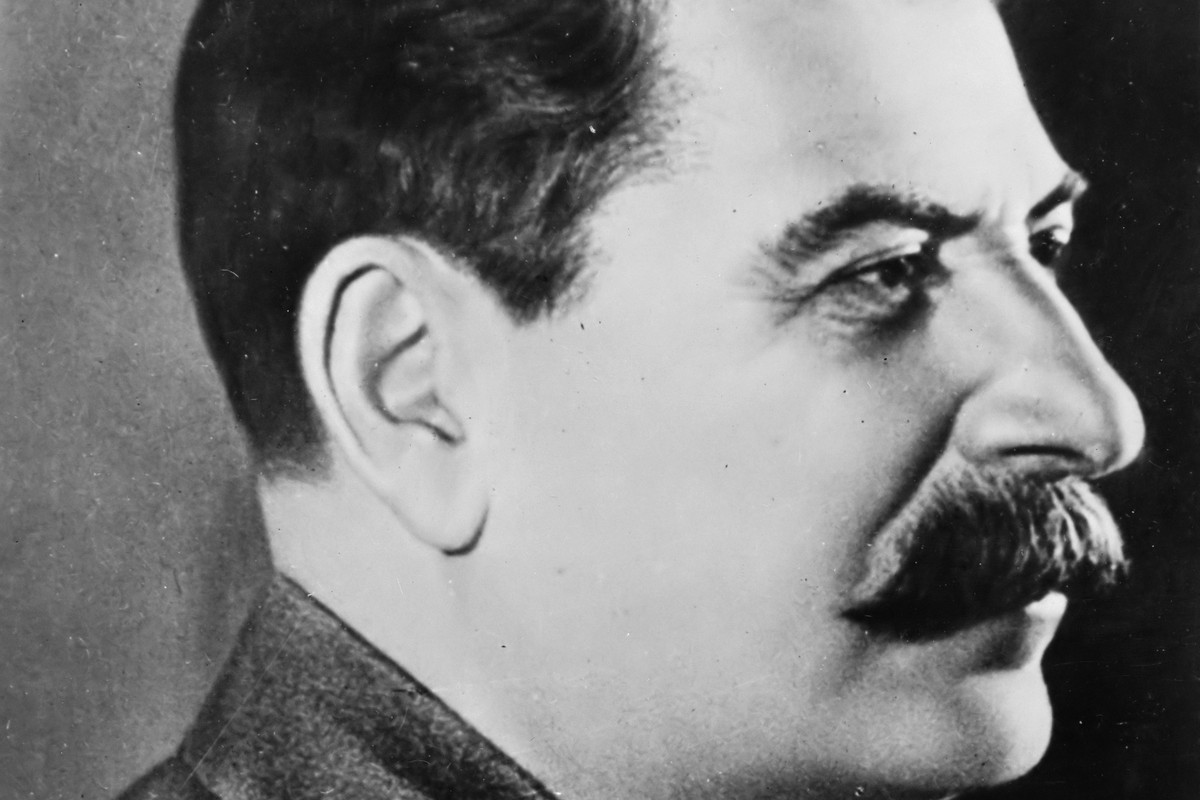
                              Joseph Stalin portrait (context image for Soviet power)
                              Commons · Public domain · original