THE EVIDENCE / SAMPLES

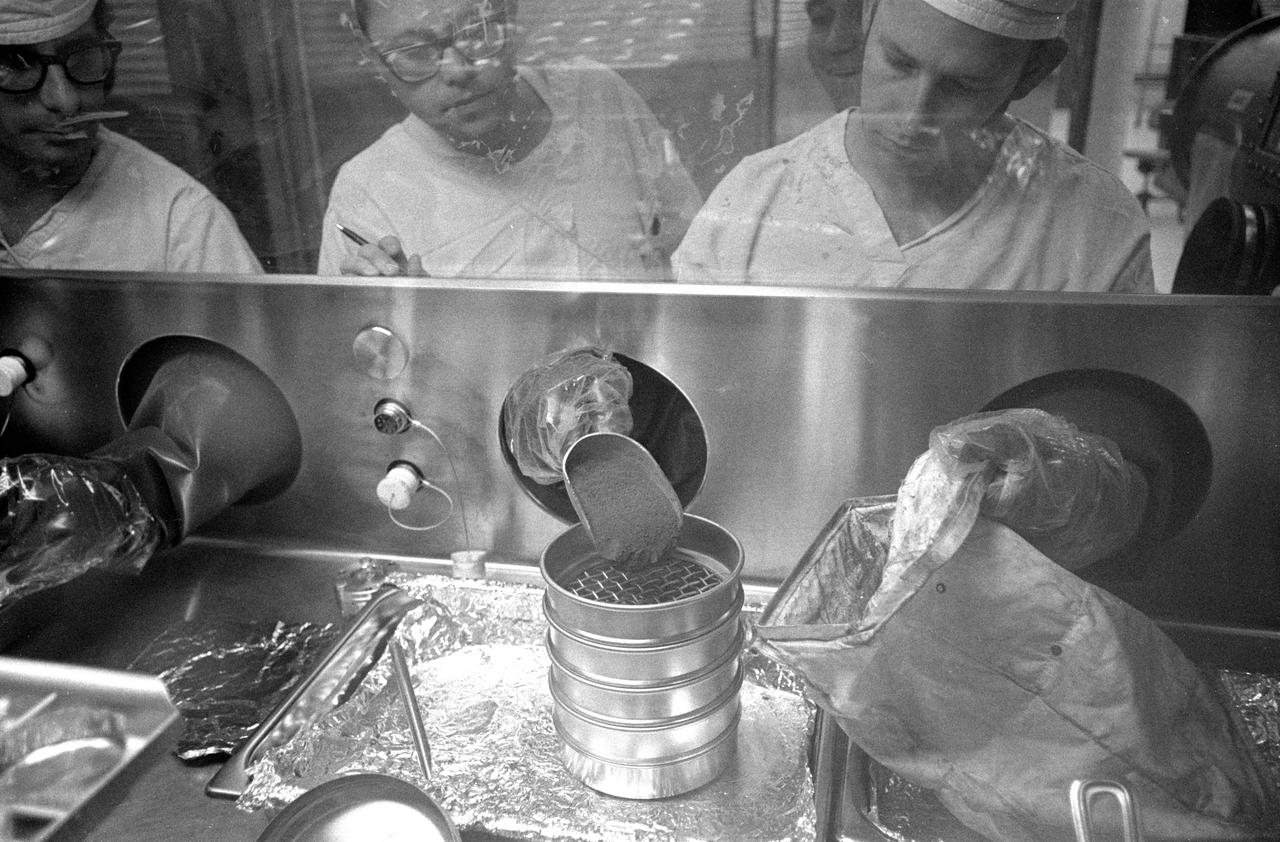
The Moon rocks

382 kilograms that scientists around the world still study.

Technicians handle freshly opened Apollo 14 samples in the Lunar Receiving Laboratory, Houston, 1971.
NASA · Source & image context ↗

RECORD / AT A GLANCE

DOCUMENTED

The Apollo collection is far larger and more varied than any robot or meteorite source available at the time. Scientists in many countries, including the Soviet Union, have studied it.

THE EVENTS / THE CLAIM / THE RECORD

The chronology.

READ THE FILE

Evidence & assessment.

Open an article for its evidence, labeled AI assessment and numbered sources. Read the complete static edition ↗

WHAT PEOPLE SAY ABOUT THIS FILE

The claims, rated.

4 claims people make about this file, each rated documented, partly true, disputed, unproven or false. Think a rating is wrong? Use Dispute or Support, or join the Discussion.

All 111 rated claims ↗

OPEN THE RECORD

Sources & limits.

Numbered citations in each article identify the relevant sources. These records have different purposes and evidentiary weight.

  1. New York Times: U.S. space experts to study Antarctica for lunar lessons (4 January 1967) ↗

    Contemporary report on the von Braun and Gilruth trip to Antarctica. Archive; may be paywalled.

  2. Murphy and colleagues: Laser ranging to the lost Lunokhod 1 reflector (2010) ↗

    Research / institutional history. Carried from the first edition and re-listed 23 October 2026; cited for the specific point in the text.

  3. NASA: Apollo samples yield new information about the Moon (2025) ↗

    Primary institutional record. Carried from the first edition and re-listed 23 October 2026; cited for the specific point in the text.

  4. Lunar and Planetary Institute: Lunar Sample Atlas ↗

    Research / institutional history. Carried from the first edition and re-listed 23 October 2026; cited for the specific point in the text.

  5. Ireland and colleagues: Isotopic enhancements from solar wind particles in lunar regolith (Nature, 2006) ↗

    Research / institutional history. Carried from the first edition and re-listed 23 October 2026; cited for the specific point in the text.

  6. LPI: Apollo 16 mission samples and the deep drill core ↗

    Research / institutional history. Carried from the first edition and re-listed 23 October 2026; cited for the specific point in the text.

  7. Meteoritical Bulletin: Allan Hills A81005, the first recognized lunar meteorite ↗

    The official meteorite database. Found in Antarctica in January 1982.

  8. NASA: 50 years ago, the U.S. and Soviet Union sign a space cooperation agreement ↗

    NASA History on the January 1971 Low–Keldysh agreement, including the exchange of lunar samples.

  9. Saal and colleagues: Volatile content of lunar volcanic glasses and water in the lunar interior (Nature, 2008) ↗

    Peer-reviewed Nature paper, 2008. Found water in lunar volcanic glass beads, overturning the “bone-dry Moon” view.

← The Moon File hub: the history, the full timeline and every file

Discussion

Comment, dispute or support a claim, submit a source or rate this page through a short Google Form. It asks you to sign in with Google so we know you are a real person; your email is never shown. Nothing appears here until it has been reviewed. Conversation on X tagged #AIFiles #AIFilesMoon shows up below after the daily refresh.

CommentSubmit a sourceRate this pageStart a discussion on XFull forum topicSee all disputesFollow updates (Google Group)

Reader comments

Approved reader comments and ratings appear here when JavaScript is on.

On X

Posts from the daily snapshot appear here when JavaScript is on. You can read this subject’s threads on the forum: Forum: #AIFilesMoon.

Reader comments are shown only after review, and rows removed from the form’s sheet disappear at the next refresh. X posts are a read-only daily snapshot; posts deleted or made private there are removed at the next refresh. Inclusion is not endorsement. A submitted source stays pending review until a page update says otherwise.