THE AI FILES / AI-GENERATED RESEARCHReading edition ↗

THE MOON FILE / 010

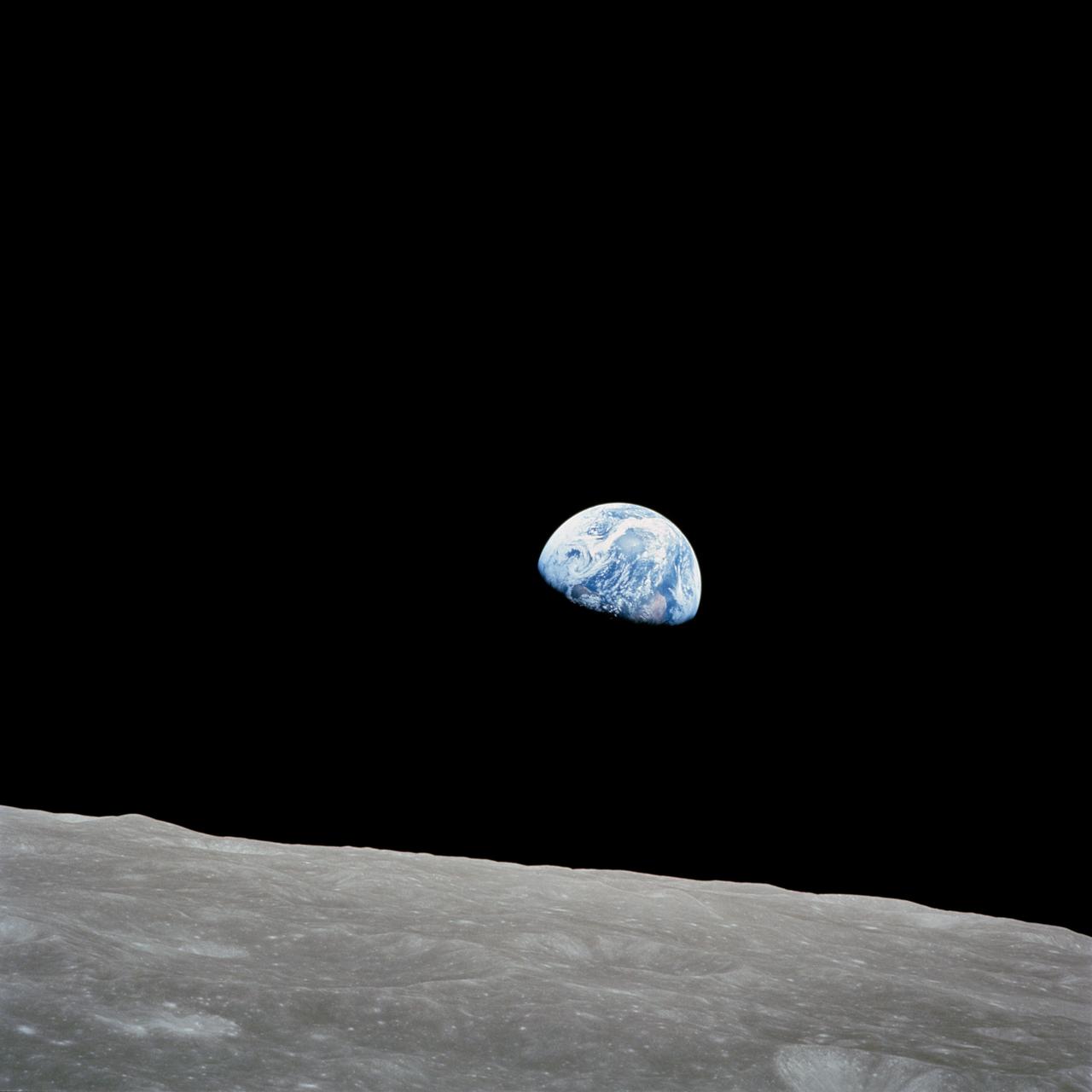
Earthrise photographed by the Apollo 8 crew above the lunar horizon in December 1968.
BEFORE THE LANDING / APOLLO 8 / DECEMBER 1968We saw our home from somewhere else.

AI-generated and AI fact-checked, with sources attached. It can overstate an allegation or dismiss it too quickly. Findings and interpretations are not the site owner’s personal findings or endorsements. This is a dated research edition, not a live news feed.

Begin here / Evidence that converges

The strongest case
is bigger than a photograph.

Later images, returned material, independent tracking and a long engineering record point to the same history. Each has limits; together they make a powerful case.

This guide separates documented events, attributed reporting, and editorial assessment. The landings are established history. Whether every dollar was wisely spent is a different, legitimate debate.

The physics desk / Look more closely

Strange on Earth.
Expected on the Moon.

Intuition comes from living in air, under gravity, with cameras that often choose settings for us. Change those conditions and familiar scenes behave differently.

01 / A flag needs a frame, not wind

How the Apollo flag stayed extendedA vertical pole and a horizontal top bar hold up the flag. Wrinkles remain in the fabric. Twisting the pole by hand introduces motion; the diagram is not a motion reconstruction.Vertical poleHorizontal barFabric retains foldsHand motion can twist the pole and move the cloth.

Motion has a cause.

The top support held the flag outward. Astronauts twisted and handled the pole, setting the cloth moving. With no air drag, motion damps differently; the fabric’s own internal friction still dissipates energy. A folded shape in a still photo is not a measurement of wind.

Editorial schematic, not to scale and not a simulation of a particular clip. Examine the uncut sequence and the moment the astronaut touches the assembly.

NASA: the flag’s engineering and history ↗

02 / A black sky is not a long exposure

Camera exposure and star visibilityA schematic shows faint stars, a brightly sunlit surface and a white astronaut shape. Buttons change between short exposure and a conceptual longer exposure. No Apollo photograph is altered.Short exposure: bright foreground, faint stars unrecorded

The camera cannot record everything equally.

Sunlit suits and soil need much less exposure than faint stars. A black sky can contain stars that fall below what the chosen exposure records. Increasing exposure to show faint objects can wash out the bright foreground.

Illustration only: no actual exposure settings, brightness ratio or camera response are simulated. The buttons do not modify a real Apollo photograph or claim that all stars become visible at one setting.

The scene is exposed for the bright foreground. The faint stars are below the model’s recording threshold.

SELECT A CLAIM

The screening room / Look for yourself

Watch the sequence.
Then inspect the explanation.

Original footage, institutional explainers and detailed hardware demonstrations. The notes distinguish a historical recording from a later reconstruction.

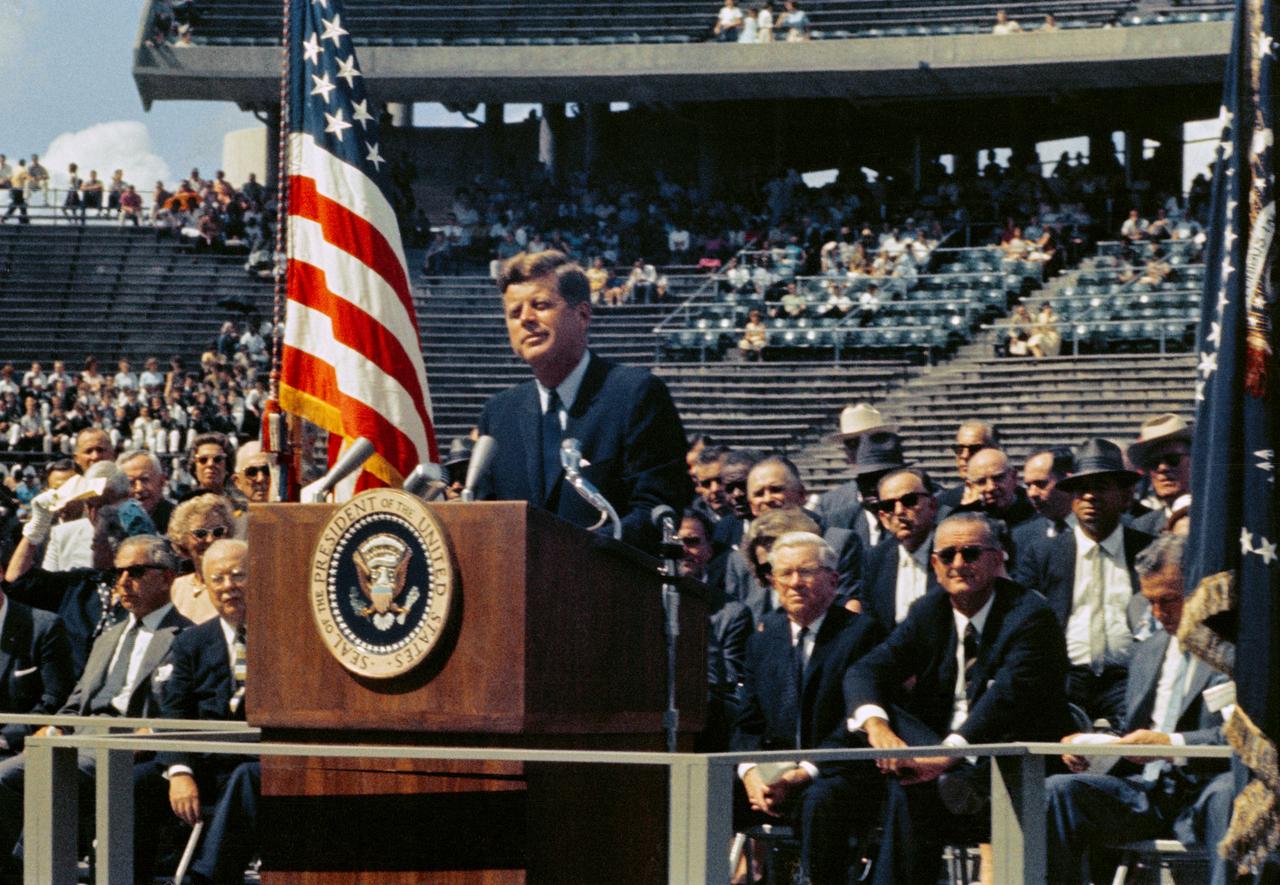
Topic photograph: Speech at Rice Stadium, President Kennedy standing at lectern.    HOUSTON, TX    CN
John F. Kennedy Library Foundation

Address at Rice University, September 12, 1962

Primary film: watch Kennedy make the national and geopolitical case himself.

WATCH ON YOUTUBE ↗
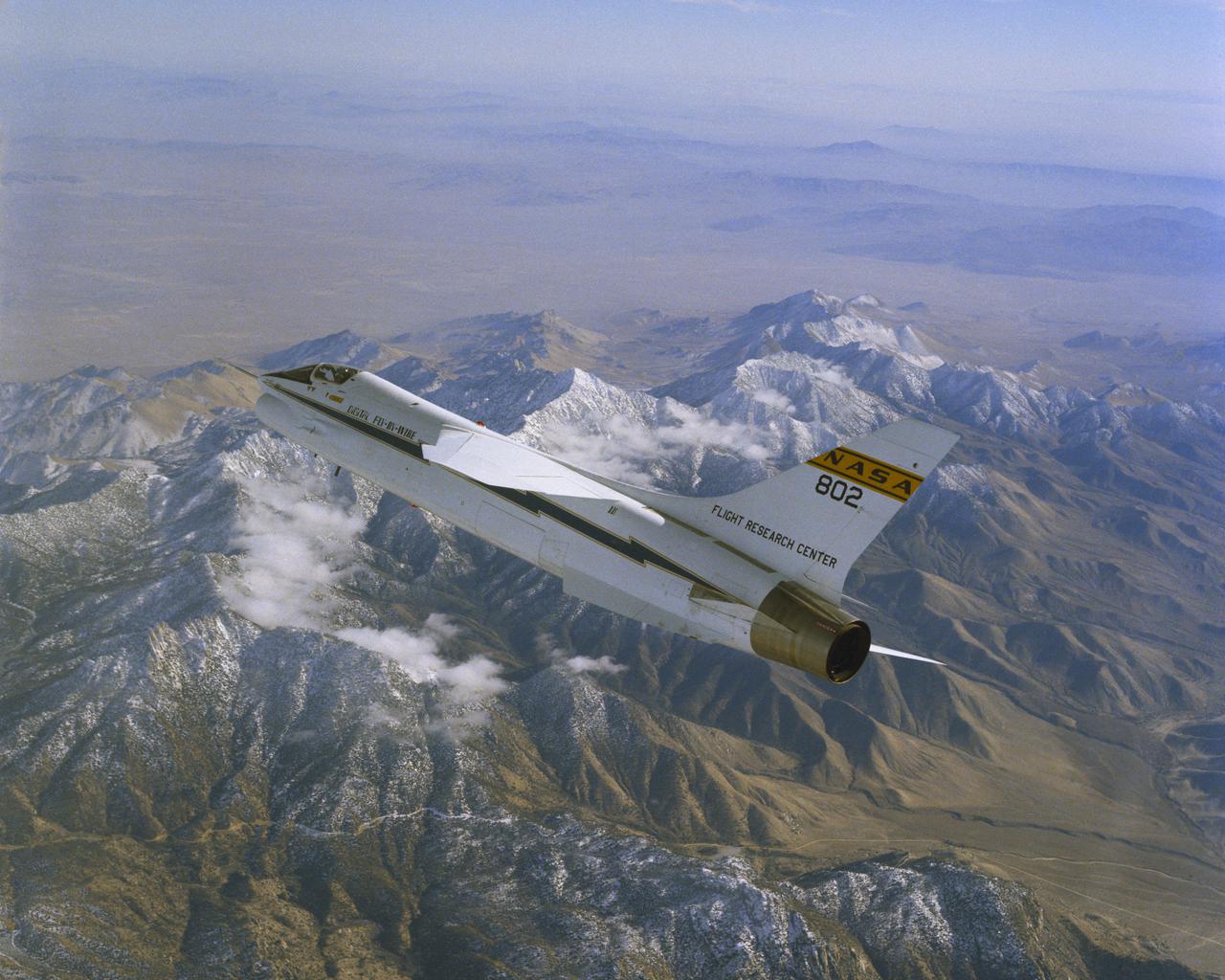
Topic photograph: The F-8 Digital Fly-By-Wire aircraft had its hydro-mechanical control systems replaced by an Apollo Guidance Computer for the first such control system to fly.
CuriousMarc

F8 Fly-By-Wire System (Apollo Guidance Computer Part 31)

Detailed inspection of surviving Apollo-derived F-8 control hardware and recovered software; a concrete spinoff chain.

WATCH ON YOUTUBE ↗
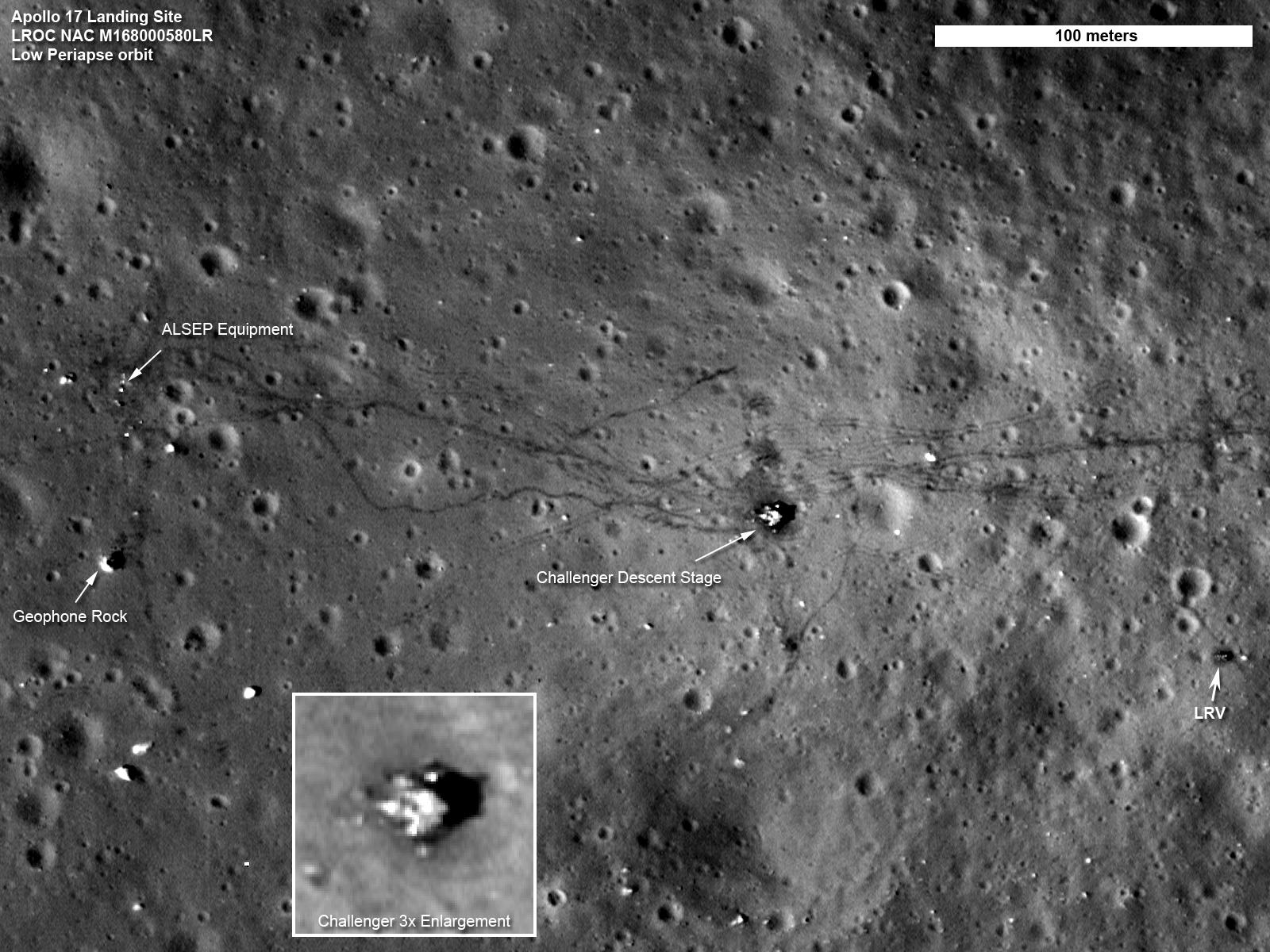
Topic photograph: Apollo 17 landing site in a close-orbit LROC image acquired in August 2011 and published September 8, 2011. Source annotations retained; not a continuous live feed.
NASA

LRO Revisits Apollo Landing Sites

Verified NASA channel result, September 6, 2011. Explains the low-orbit campaign and visible trails. Not a live feed.

WATCH ON YOUTUBE ↗
Topic photograph: The rising Earth is about five degrees above the lunar horizon in this telephoto view taken from the Apollo 8 spacecraft near 110 degrees east longitude. The horizon, about 570 kilometers (350 statute miles) from the spacecraft, is near the eastern limb of the moon as viewed from Earth. Width of the view at the horizon is about 150 kilometers (95 statute miles). On Earth 240,000 statute miles away the sunset terminator crosses Africa. The crew took the photo around 10:40 a.m. Houston time on the morning of Dec. 24, and that would make it 15:40 GMT on the same day. The South Pole is in the white area near the left end of the terminator. North and South America are under the clouds.
NASA Goddard

NASA | Earthrise: The 45th Anniversary

Verified official channel, December 20, 2013. Modern visualization uses original audio, Apollo photography and LRO terrain. Clearly label reconstruction.

WATCH ON YOUTUBE ↗
Topic photograph: JOHNSON SPACE CENTER, HOUSTON, TEXAS -- Armstrong and Aldrin landed on the Moon July 20, 1969, and, after take-off from the Moon July 21, joined Collins in the Command Module circling the Moon.  The astronauts splashed down in the Pacific Ocean and recovery was made by the U.S.S. Hornet at 12:50 p.m. EDT, July 24, 1969.
NASA Solar System

Apollo 15 Hammer-Feather Drop

Verified official channel, July 20, 2015 upload of 1971 footage. Demonstrates lack of appreciable air drag, not a unique stand-alone proof of location.

WATCH ON YOUTUBE ↗
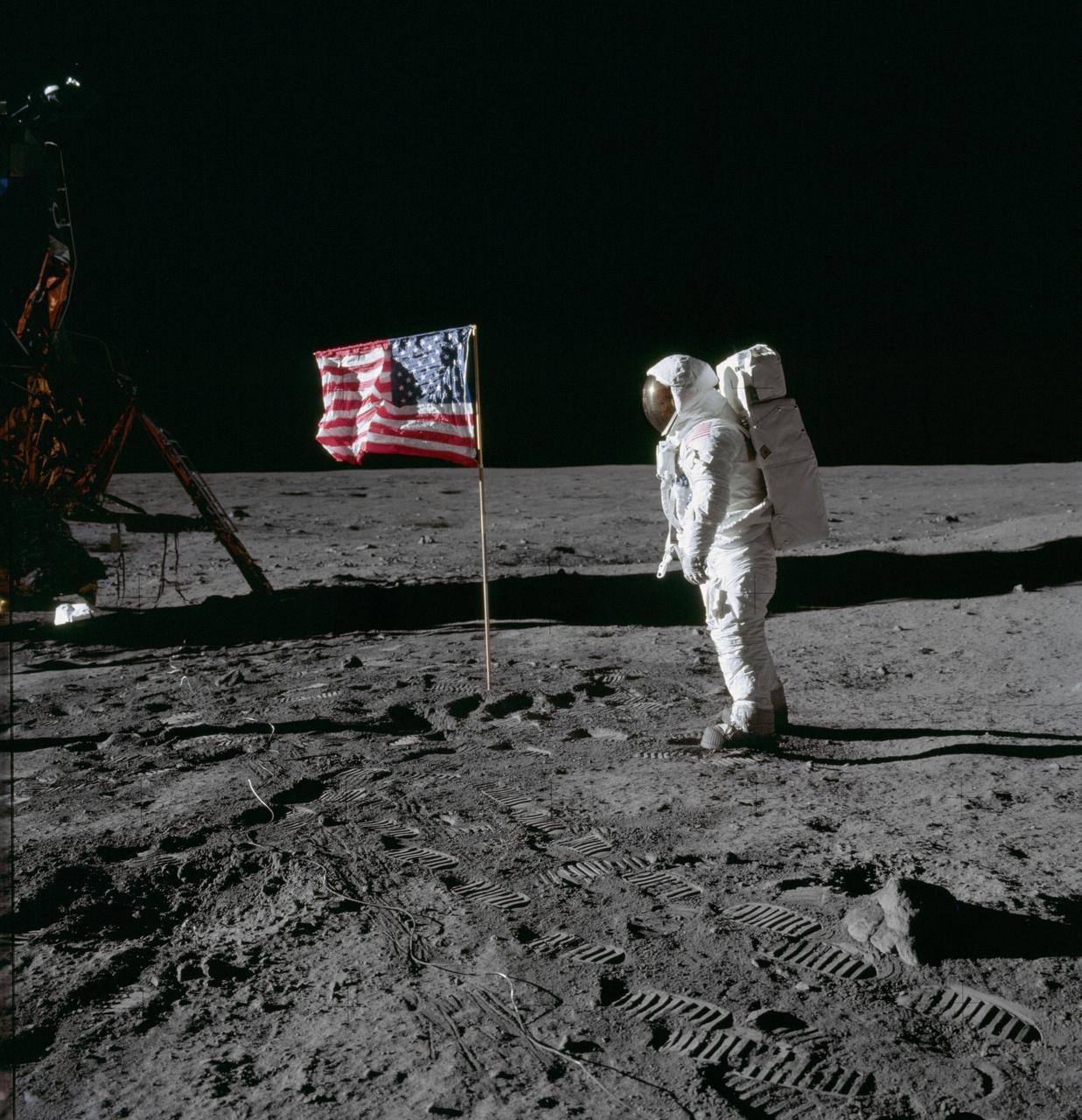
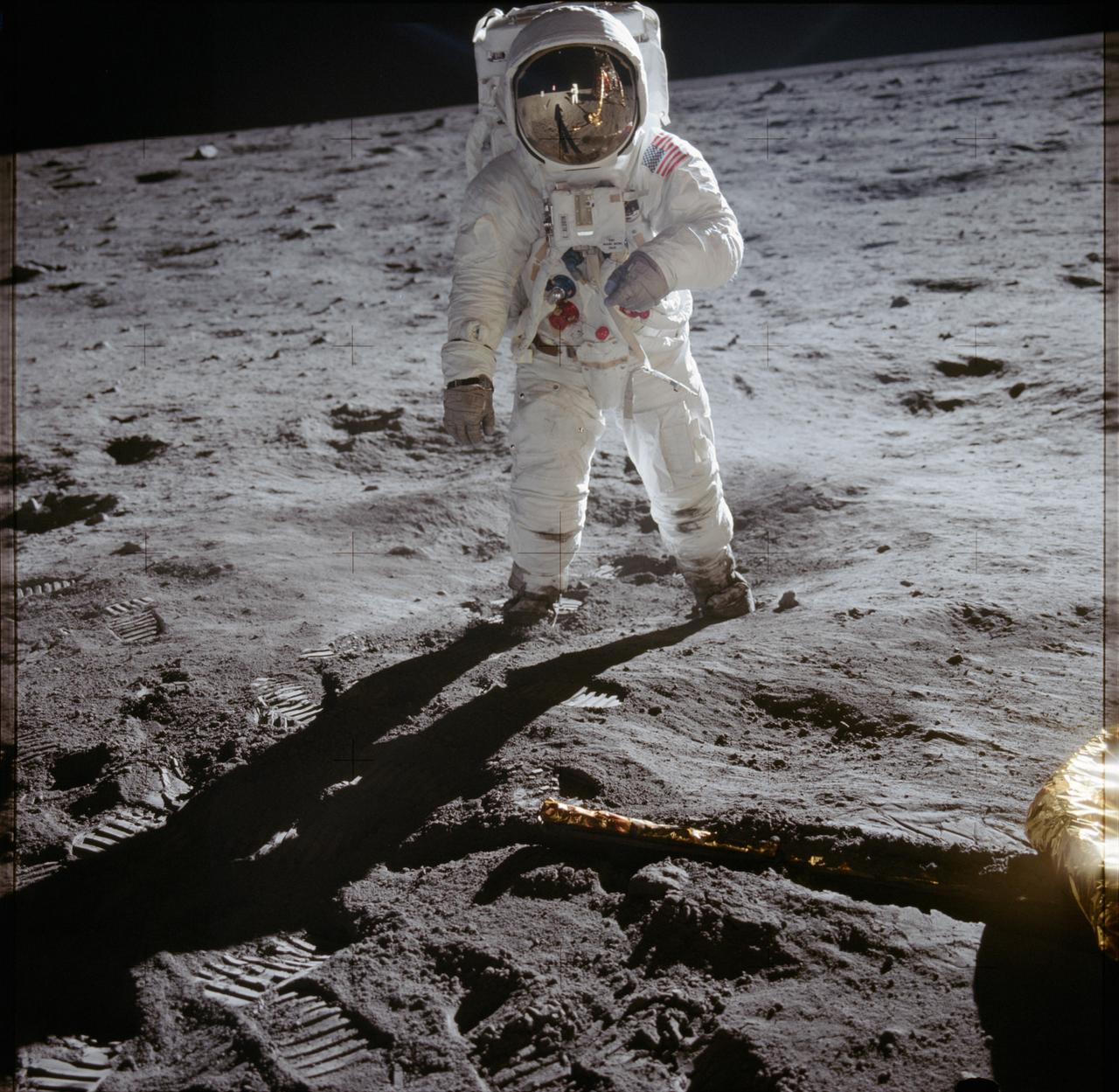
Topic photograph: Astronaut Edwin E. Aldrin Jr., lunar module pilot of the first lunar landing mission, poses for a photograph beside the deployed United States flag during an Apollo 11 extravehicular activity (EVA) on the lunar surface. The Lunar Module (LM) is on the left, and the footprints of the astronauts are clearly visible in the soil of the moon. Astronaut Neil A. Armstrong, commander, took this picture with a 70mm Hasselblad lunar surface camera. While astronauts Armstrong and Aldrin descended in the LM, the "Eagle", to explore the Sea of Tranquility region of the moon, astronaut Michael Collins, command module pilot, remained with the Command and Service Modules (CSM) "Columbia" in lunar orbit. Photo credit: NASA
NASA

Raising the American Flag

Actual sequence linked by NASA Apollo50th collection; compare hands, pole and fabric. Restored footage, not newly filmed evidence.

WATCH ON YOUTUBE ↗
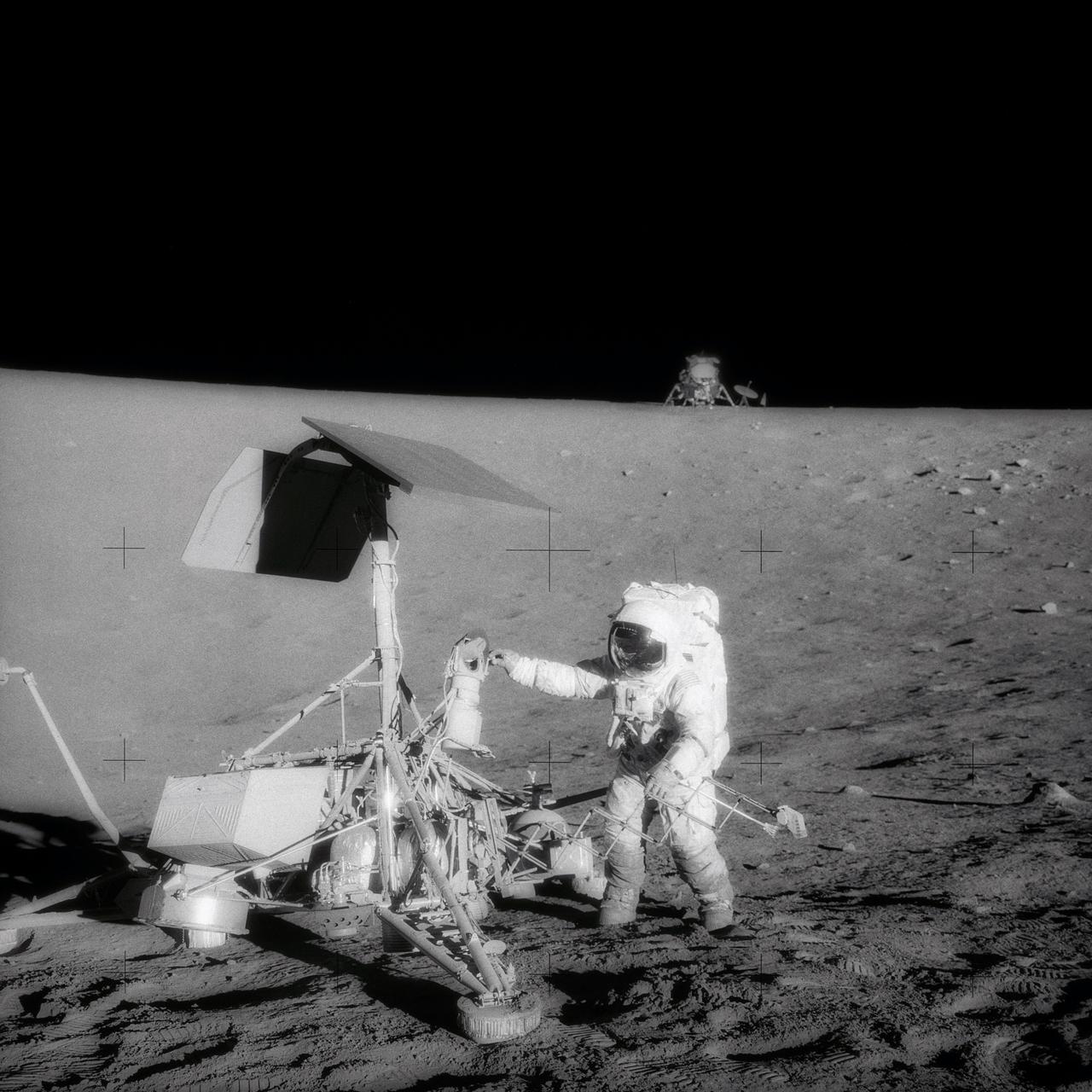
Topic photograph: This unusual photograph, taken during the second Apollo 12 extravehicular activity (EVA), shows two U.S. spacecraft on the surface of the moon. The Apollo 12 Lunar Module (LM) is in the background. The unmanned Surveyor 3 spacecraft is in the foreground. The Apollo 12 LM, with astronauts Charles Conrad Jr. and Alan L. Bean aboard, landed about 600 feet from Surveyor 3 in the Ocean of Storms. The television camera and several other pieces were taken from Surveyor 3 and brought back to Earth for scientific examination. Here, Conrad examines the Surveyor's TV camera prior to detaching it. Astronaut Richard F. Gordon Jr. remained with the Apollo 12 Command and Service Modules (CSM) in lunar orbit while Conrad and Bean descended in the LM to explore the moon. Surveyor 3 soft-landed on the moon on April 19, 1967.
Royal Museums Greenwich-linked explainer

Shadows On Other Worlds

Verified embed in Royal Museums Greenwich’s astronomy article; institutional explanation of lunar shadow geometry.

WATCH ON YOUTUBE ↗
Topic photograph: The rising Earth is about five degrees above the lunar horizon in this telephoto view taken from the Apollo 8 spacecraft near 110 degrees east longitude. The horizon, about 570 kilometers (350 statute miles) from the spacecraft, is near the eastern limb of the moon as viewed from Earth. Width of the view at the horizon is about 150 kilometers (95 statute miles). On Earth 240,000 statute miles away the sunset terminator crosses Africa. The crew took the photo around 10:40 a.m. Houston time on the morning of Dec. 24, and that would make it 15:40 GMT on the same day. The South Pole is in the white area near the left end of the terminator. North and South America are under the clouds.
NASA

NASA: Van Allen Probes Reveal Previously Undetected Radiation Belt Around Earth

NASA video embedded in the Greenwich article. Modern radiation-belt science context; not an Apollo dosimetry report.

WATCH ON YOUTUBE ↗
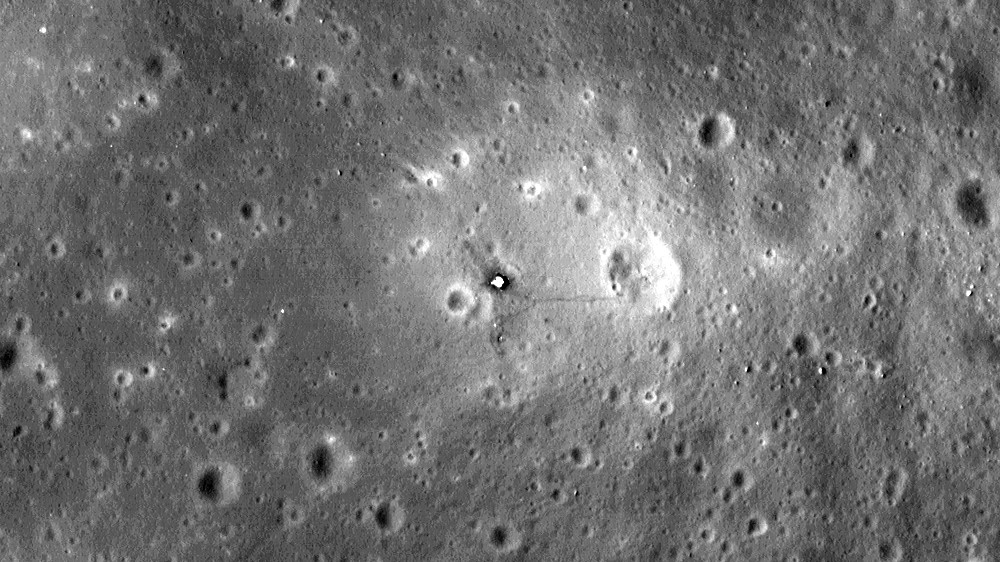
Topic photograph: Apollo 11 landing site seen by the Lunar Reconnaissance Orbiter Camera; NASA published this resource in June 2019. Source annotations retained; not a continuous live feed.
NASA

A New Look at the Apollo 11 Landing Site

Verified embeds in both NASA’s video collection and Greenwich’s astronomy article. Orbital imagery is distinct from surface television.

WATCH ON YOUTUBE ↗
Topic photograph: Astronaut Edwin E. Aldrin Jr., lunar module pilot, walks on the surface of the moon near the leg of the Lunar Module (LM) "Eagle" during the Apollo 11 extravehicular activity (EVA). Astronaut Neil A. Armstrong, commander, took this photograph with a 70mm lunar surface camera. While astronauts Armstrong and Aldrin descended in the Lunar Module (LM) "Eagle" to explore the Sea of Tranquility region of the moon, astronaut Michael Collins, command module pilot, remained with the Command and Service Modules (CSM) "Columbia" in lunar orbit.
NASA

Apollo 11 Descent: Film and LRO Imagery

Verified NASA collection embed. Compares historical descent film with later orbital terrain; not a continuous live orbiter feed.

WATCH ON YOUTUBE ↗
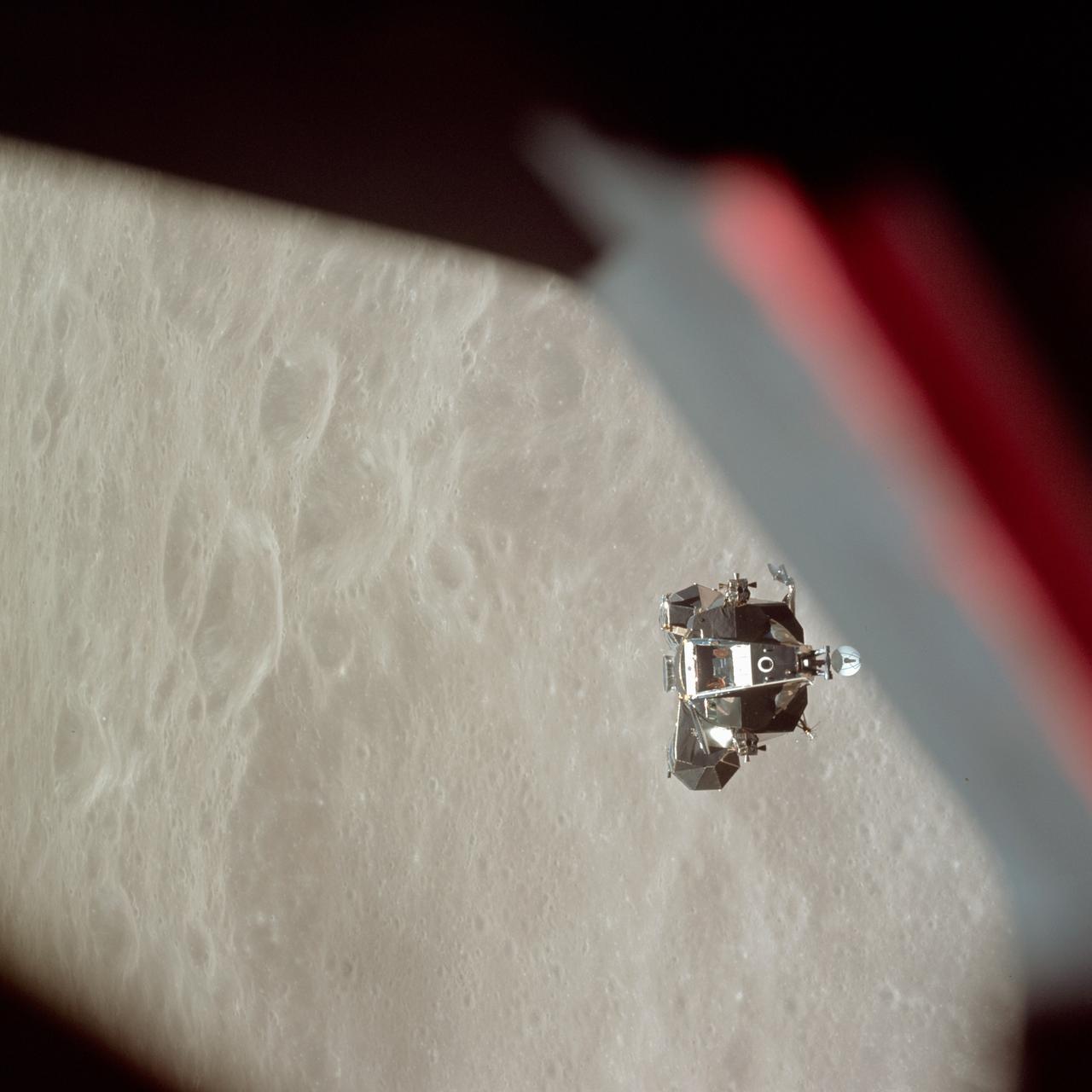
Topic photograph: The ascent stage of the Apollo 10 Lunar Module (LM) is photographed from the Command Module prior to docking in lunar orbit. The LM is approaching the Command and Service Modules from below. The LM descent stage had already been jettisoned. The lunar surface in the background is near, but beyond the eastern limb of the moon as viewed from Earth (about 120 degrees east longitude). The red/blue diagonal line is the spacecraft window.
NASA

LLRV Testing Contributed to Apollo 11’s Success

Verified NASA collection embed, explaining the landing research and training aircraft.

WATCH ON YOUTUBE ↗

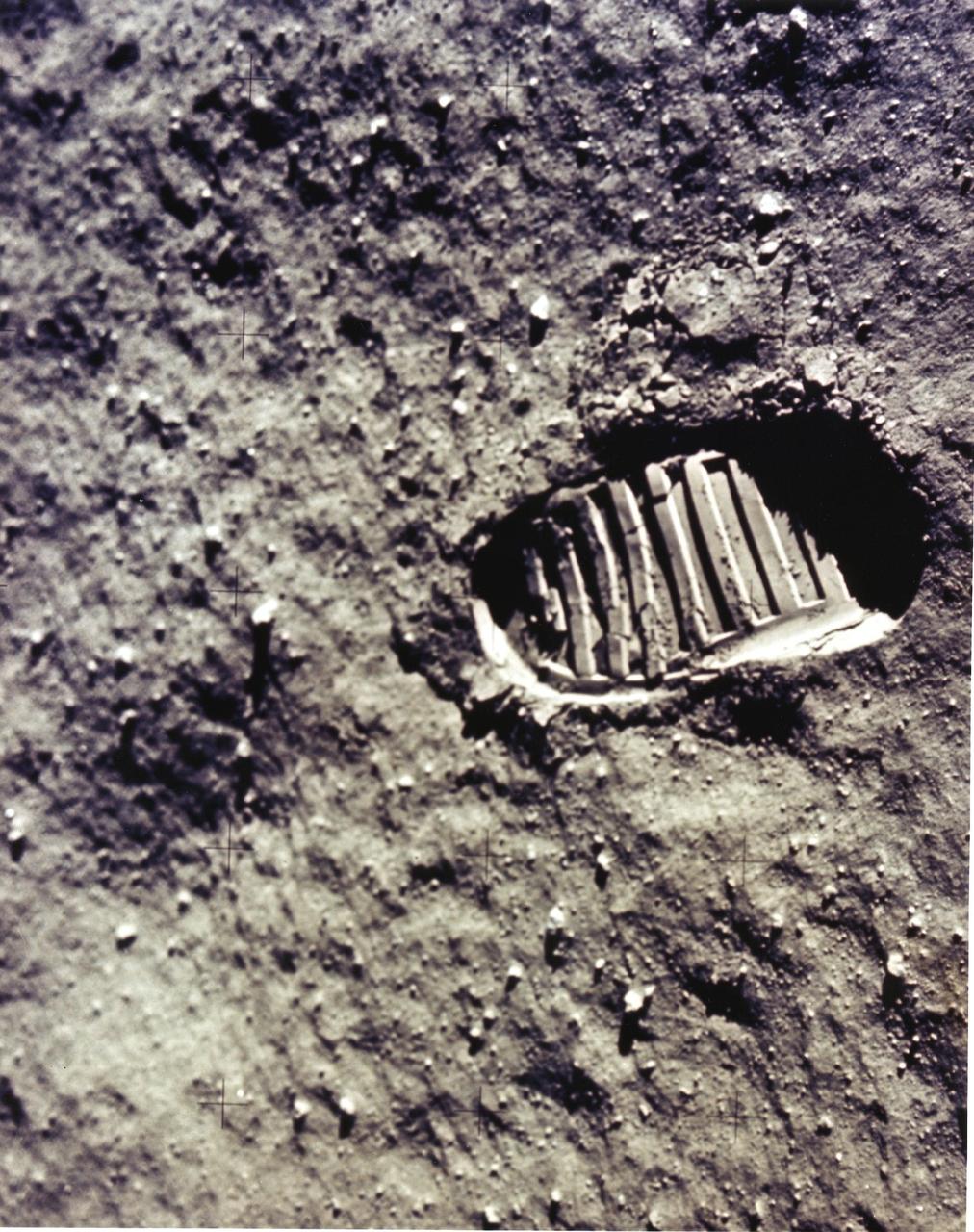
The pictures above are credited local topic photographs, not claimed stills from each video. Videos open on YouTube only when you choose a link; no YouTube player or tracking thumbnail loads during normal reading. External providers’ privacy practices apply. Video identifiers were verified against institutional pages or the named channel; availability can change.

DATE / SUBJECT / EVIDENCE

Prefer uninterrupted reading? Open the complete reading edition ↗

Photography & image credits

Documentary images are downloaded from the credited NASA or mission sources. The orbital pictures retain their original labels. Editorial diagrams are explicitly schematic and are not photographs or new observations.