The AI Files · Rosatom/ARMZ acquisition of Uranium One, CFIUS and NRC approvals, Frank Giustra and Ian Telfer Clinton Foundation donations, Bill Clinton’s 2010 Moscow speech, Clinton Cash/NYT 2015 coverage, and 2017–2026 oversight fights including the TENEX/Campbell informant track · plain reading edition

Uranium One: every entry

All 50 entries of the guide, grouped by period and case, each with its bottom line and its sources. This page needs no JavaScript. The interactive guide adds the story in 20 chapters, the people, the timeline, the theories, the 15 checked claims and the media.

Canadian circle 2005–08

UrAsia & the mines

Kazakhstan to Wyoming

UrAsia before the meme

Context · History

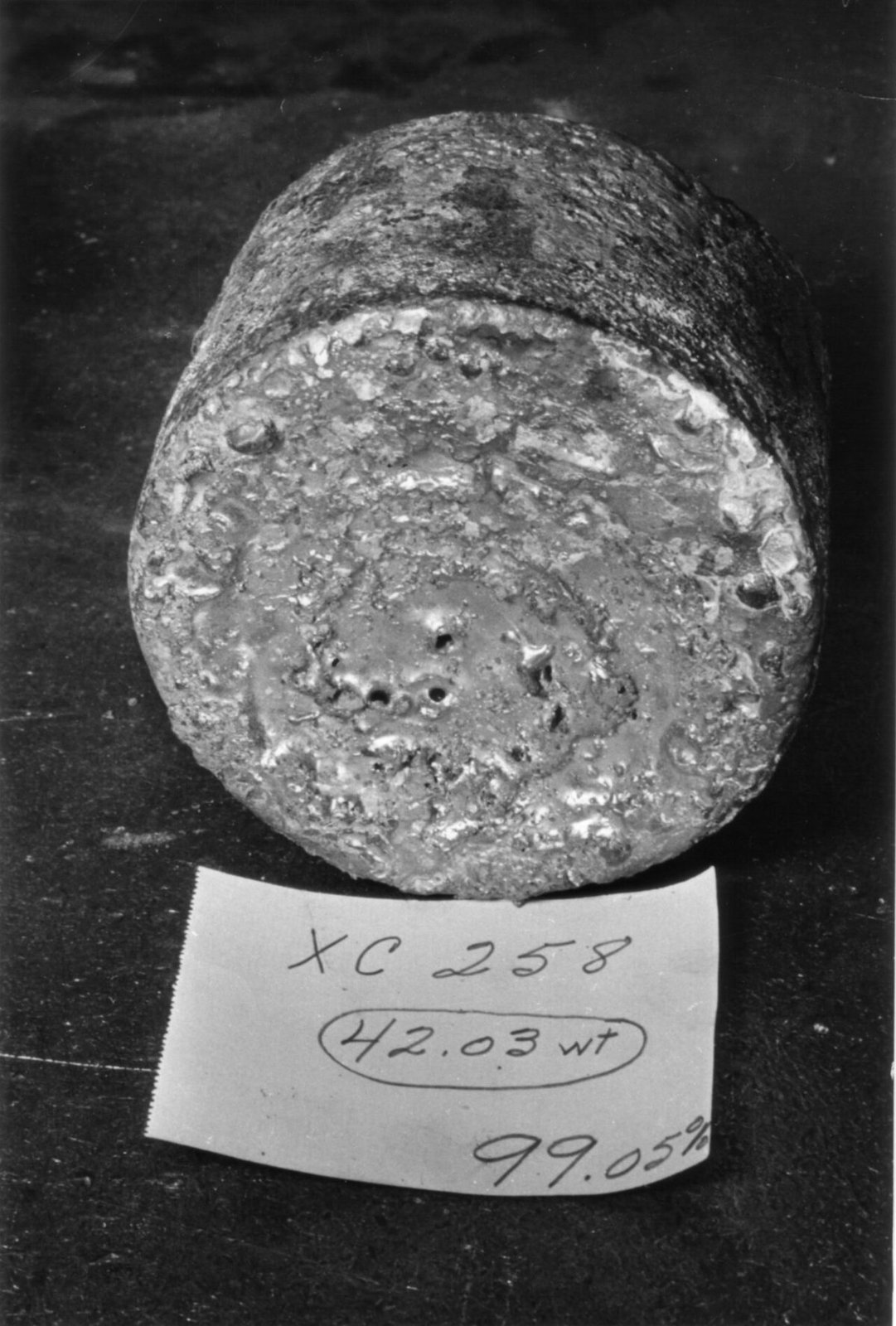
Illustration for mining in the Uranium One guide (re-encoded from site archive / freely licensed pool).
Illustration for mining in the Uranium One guide (re-encoded from site archive / freely licensed pool). Site archive reuse; see sibling clinton-emails-foundation / U.S. government / Wikimedia-sourced pool. EXIF stripped by re-encode. · Freely licensed or U.S. government work via AI Files image pool; re-encoded.

Canadian mines, Kazakh prizes.

The companies that became Uranium One were assembled by a Canadian mining circle with valuable Kazakhstan assets and a route into U.S. licenses. Russian interest, later reporting stresses, was weighted toward Central Asia even though Wyoming licenses pulled the deal into CFIUS. [1] [2] [3] [4]

Bottom line History

Prologue assets explain why Moscow cared — and why Washington reviewed.

What the record can’t settle

Corporate genealogy has facelifts; names shift 2007–13.

Sources

  1. 2007 UrAsia Energy – Uranium One merger context Corporate facelifts 2007–2013 matter for which donors still held paper in 2010.
  2. Kazakhstan mines as Russian strategic interest (NYT/NPR) Reporting emphasizes lucrative Central Asian assets as primary Russian interest alongside U.S. licenses that triggered CFIUS.
  3. New York Times — Cash Flowed to Clinton Foundation Amid Russian Uranium Deal (Jo Becker & Mike McIntire, 23 Apr 2015) Built on Clinton Cash reporting; documents Telfer/Fernwood donations, Moscow speech, CFIUS/State seat, Fernandez quote; does not establish quid pro quo.
  4. NPR — Clinton Foundation Linked To Russian Effort To Buy Uranium Company (23 Apr 2015) Interview summary of NYT reporting; Kazakhstan interest; disclosure MOU.

Back to contents · Open in the interactive guide

Kazakhstan was the prize

Record · History

Illustration for kazakhstan in the Uranium One guide (re-encoded from site archive / freely licensed pool).
Illustration for kazakhstan in the Uranium One guide (re-encoded from site archive / freely licensed pool). Site archive reuse; see sibling clinton-emails-foundation / U.S. government / Wikimedia-sourced pool. EXIF stripped by re-encode. · Freely licensed or U.S. government work via AI Files image pool; re-encoded.

Why Russia wanted the company.

NPR/NYT reconstructions emphasize lucrative Central Asian mines as the strategic magnet; Wyoming licenses are why the United States had a CFIUS vote at all. [1] [2] [3]

Bottom line History

Geopolitics ≠ Wyoming-only story.

What the record can’t settle

Does not minimize U.S. license sensitivity.

Sources

  1. Kazakhstan mines as Russian strategic interest (NYT/NPR) Reporting emphasizes lucrative Central Asian assets as primary Russian interest alongside U.S. licenses that triggered CFIUS.
  2. NPR — Clinton Foundation Linked To Russian Effort To Buy Uranium Company (23 Apr 2015) Interview summary of NYT reporting; Kazakhstan interest; disclosure MOU.
  3. New York Times — Cash Flowed to Clinton Foundation Amid Russian Uranium Deal (Jo Becker & Mike McIntire, 23 Apr 2015) Built on Clinton Cash reporting; documents Telfer/Fernwood donations, Moscow speech, CFIUS/State seat, Fernandez quote; does not establish quid pro quo.

Back to contents · Open in the interactive guide

Giustra & the Foundation

Pre-State gifts

Giustra’s Foundation millions

Record · Documented

Illustration for giustra in the Uranium One guide (re-encoded from site archive / freely licensed pool).
Illustration for giustra in the Uranium One guide (re-encoded from site archive / freely licensed pool). Site archive reuse; see sibling clinton-emails-foundation / U.S. government / Wikimedia-sourced pool. EXIF stripped by re-encode. · Freely licensed or U.S. government work via AI Files image pool; re-encoded.

Real money, early calendar.

Frank Giustra’s philanthropy toward Clinton causes is the largest single number inside the famous ‘$145 million’ talking point. PolitiFact’s investor table places the bulk in 2005–07 — before Hillary Clinton became Secretary of State. [1] [2] [3]

Bottom line Documented

Documented generosity ≠ documented 2010 CFIUS purchase.

What the record can’t settle

Does not by itself prove or disprove later Telfer issues.

Sources

  1. New York Times — Cash Flowed to Clinton Foundation Amid Russian Uranium Deal (Jo Becker & Mike McIntire, 23 Apr 2015) Built on Clinton Cash reporting; documents Telfer/Fernwood donations, Moscow speech, CFIUS/State seat, Fernandez quote; does not establish quid pro quo.
  2. PolitiFact — Trump inaccurately suggests Clinton got paid to approve Russia uranium deal (30 Jun 2016) Timeline of nine investors vs 2010 deal; Giustra sold stake 2007; bulk of $145M figure precedes Rosatom majority.
  3. Giustra stake sale timing (PolitiFact / Snopes / NYT context) Giustra says he sold Uranium One stakes in fall 2007 — years before 2010 majority deal and before HRC became Secretary.

Back to contents · Open in the interactive guide

Merger and exit

2007

He sold before the Russian majority

Record · Documented

Illustration for docs in the Uranium One guide (re-encoded from site archive / freely licensed pool).
Illustration for docs in the Uranium One guide (re-encoded from site archive / freely licensed pool). Site archive reuse; see sibling clinton-emails-foundation / U.S. government / Wikimedia-sourced pool. EXIF stripped by re-encode. · Freely licensed or U.S. government work via AI Files image pool; re-encoded.

2007 exit undercuts a simple bribe story.

Giustra has said he sold his Uranium One stakes in fall 2007 — years before ARMZ’s 2010 majority agreement and before Clinton arrived at State. If he was out of the equity, Foundation gifts cannot be a straightforward purchase of his 2010 upside. [1] [2] [3]

Bottom line Documented

Timing is a load-bearing fact against Giustra-as-buyer-of-the-2010-deal.

What the record can’t settle

Exit claims rely on his statements plus secondary reconstructions.

Sources

  1. Giustra stake sale timing (PolitiFact / Snopes / NYT context) Giustra says he sold Uranium One stakes in fall 2007 — years before 2010 majority deal and before HRC became Secretary.
  2. PolitiFact — Trump inaccurately suggests Clinton got paid to approve Russia uranium deal (30 Jun 2016) Timeline of nine investors vs 2010 deal; Giustra sold stake 2007; bulk of $145M figure precedes Rosatom majority.
  3. Snopes — Did Hillary Clinton Give 20% of United States’ Uranium to Russia…? Fact-check of sold-20%/donations exchange framing; capacity vs reserves; Telfer timing; CFIUS multi-agency.

Back to contents · Open in the interactive guide

2007 merger facelift

Record · History

Illustration for docs in the Uranium One guide (re-encoded from site archive / freely licensed pool).
Illustration for docs in the Uranium One guide (re-encoded from site archive / freely licensed pool). Site archive reuse; see sibling clinton-emails-foundation / U.S. government / Wikimedia-sourced pool. EXIF stripped by re-encode. · Freely licensed or U.S. government work via AI Files image pool; re-encoded.

Who still held paper in 2010?

PolitiFact walks the UrAsia–Uranium One combination and warns that not every early investor still held Uranium One shares when Russia sought control. That genealogy problem is why ‘nine investors funneled $145 million while the deal happened’ fails as a simultaneous claim. [1] [2]

Bottom line History

Share registers matter more than vibe.

What the record can’t settle

Public reconstructions are incomplete on every name.

Sources

  1. 2007 UrAsia Energy – Uranium One merger context Corporate facelifts 2007–2013 matter for which donors still held paper in 2010.
  2. PolitiFact — Trump inaccurately suggests Clinton got paid to approve Russia uranium deal (30 Jun 2016) Timeline of nine investors vs 2010 deal; Giustra sold stake 2007; bulk of $145M figure precedes Rosatom majority.

Back to contents · Open in the interactive guide

Rosatom climbs 2009–10

Secretary Clinton

Ethics MOU

Secretary under an ethics MOU

Record · Documented

Illustration for hillary in the Uranium One guide (re-encoded from site archive / freely licensed pool).
Illustration for hillary in the Uranium One guide (re-encoded from site archive / freely licensed pool). Site archive reuse; see sibling clinton-emails-foundation / U.S. government / Wikimedia-sourced pool. EXIF stripped by re-encode. · Freely licensed or U.S. government work via AI Files image pool; re-encoded.

Disclosure rules, not a uranium statute.

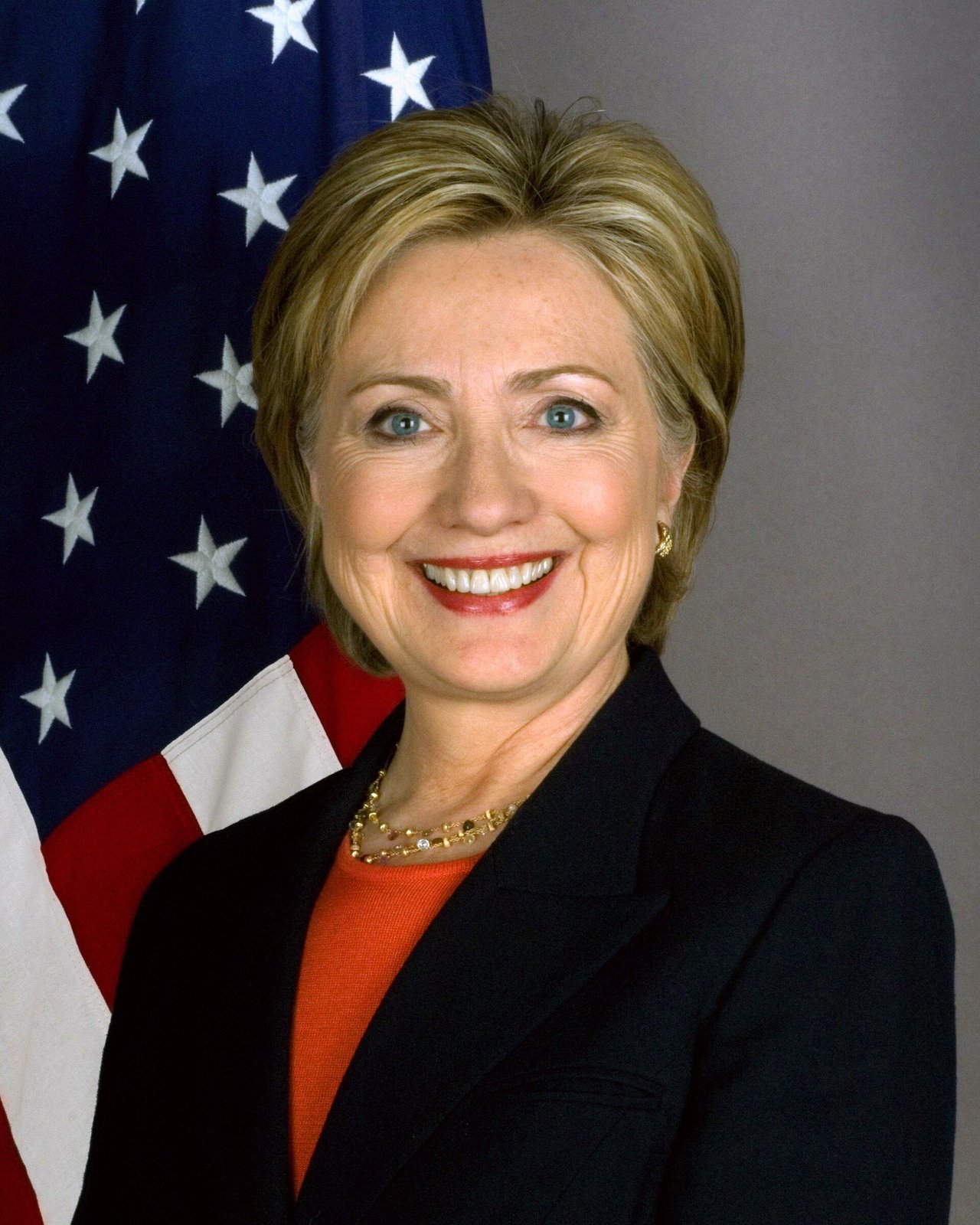
When Clinton became Secretary in 2009, the White House expected Foundation donor transparency to manage conflict optics. Uranium One later became partly a disclosure story when Telfer gifts were hard to see in public lists. [1] [2] [3]

Bottom line Documented

Ethics architecture is real context for 2015 anger.

What the record can’t settle

MOU disputes are broader — see emails/Foundation guide.

Sources

  1. Obama White House ethics agreement / Foundation donor disclosure expectations MOU context for disclosing contributors while HRC was Secretary; Uranium One chapter is partly a disclosure story.
  2. NPR — Clinton Foundation Linked To Russian Effort To Buy Uranium Company (23 Apr 2015) Interview summary of NYT reporting; Kazakhstan interest; disclosure MOU.
  3. Clinton Foundation acknowledgment of disclosure mistakes (2015, via FactCheck/NYT) After NYT story, Foundation said it made mistakes disclosing Canadian charity donors.
  4. The AI Files — The Clintons: emails and the Foundation (full guide) Sibling full guide that partly covers Uranium One inside Foundation/emails spine. Cross-link heavily; do not rebuild email/Midyear/hacks here.

Back to contents · Open in the interactive guide

ARMZ takes control

51%

ARMZ accumulates

Record · Documented

Illustration for uranium in the Uranium One guide (re-encoded from site archive / freely licensed pool).
Illustration for uranium in the Uranium One guide (re-encoded from site archive / freely licensed pool). Site archive reuse; see sibling clinton-emails-foundation / U.S. government / Wikimedia-sourced pool. EXIF stripped by re-encode. · Freely licensed or U.S. government work via AI Files image pool; re-encoded.

c. 17% then the jump.

Rosatom’s mining arm moved from an early minority stake in 2009 toward control. The jump that triggers the scandal’s core dates is the June 2010 agreement for not less than 51%. [1] [2] [3]

Bottom line Documented

Russian state nuclear ownership is the geopolitical fuel.

What the record can’t settle

Minority-stake minutiae vary by filing reconstructions.

Sources

  1. PolitiFact — Trump inaccurately suggests Clinton got paid to approve Russia uranium deal (30 Jun 2016) Timeline of nine investors vs 2010 deal; Giustra sold stake 2007; bulk of $145M figure precedes Rosatom majority.
  2. FactCheck.org — The Facts on Uranium One (26 Oct 2017, upd. 1 Nov 2017) Careful secondary reconstruction: deal dates, CFIUS nine members, presidential-only block, NRC capacity/export statements, Telfer donations and $500k speech, no evidence of influence on approvals.
  3. Uranium One announcement — ARMZ ≥51% (8 Jun 2010) FactCheck cites company announcement of agreement giving Rosatom mining arm not less than 51%.

Back to contents · Open in the interactive guide

8 June 2010: ≥51%

Record · Documented

Illustration for uranium in the Uranium One guide (re-encoded from site archive / freely licensed pool).
Illustration for uranium in the Uranium One guide (re-encoded from site archive / freely licensed pool). Site archive reuse; see sibling clinton-emails-foundation / U.S. government / Wikimedia-sourced pool. EXIF stripped by re-encode. · Freely licensed or U.S. government work via AI Files image pool; re-encoded.

The announcement everyone dates from.

Uranium One announced an agreement that would give ARMZ not less than 51% of the company. That is the corporate event CFIUS and NRC then had to process — not a deed Hillary Clinton signed. [1] [2] [3]

Bottom line Documented

Deal announcement ≠ personal sale by the Secretary.

What the record can’t settle

CFIUS file itself remains confidential.

Sources

  1. Uranium One announcement — ARMZ ≥51% (8 Jun 2010) FactCheck cites company announcement of agreement giving Rosatom mining arm not less than 51%.
  2. FactCheck.org — The Facts on Uranium One (26 Oct 2017, upd. 1 Nov 2017) Careful secondary reconstruction: deal dates, CFIUS nine members, presidential-only block, NRC capacity/export statements, Telfer donations and $500k speech, no evidence of influence on approvals.
  3. New York Times — Cash Flowed to Clinton Foundation Amid Russian Uranium Deal (Jo Becker & Mike McIntire, 23 Apr 2015) Built on Clinton Cash reporting; documents Telfer/Fernwood donations, Moscow speech, CFIUS/State seat, Fernandez quote; does not establish quid pro quo.

Back to contents · Open in the interactive guide

‘Reset’ atmosphere

Context · History

Illustration for obama in the Uranium One guide (re-encoded from site archive / freely licensed pool).
Illustration for obama in the Uranium One guide (re-encoded from site archive / freely licensed pool). Site archive reuse; see sibling clinton-emails-foundation / U.S. government / Wikimedia-sourced pool. EXIF stripped by re-encode. · Freely licensed or U.S. government work via AI Files image pool; re-encoded.

Policy mood, not a vote tally.

Nunes and others cast Uranium One as a fruit of Obama-era Russia reset. Atmosphere can explain risk tolerance; it does not replace CFIUS paperwork or prove Foundation causation. [1] [2]

Bottom line History

Geopolitical mood is context.

What the record can’t settle

Mood talk is not a finding FactCheck adopts.

Sources

  1. Rep. Devin Nunes comments on informant / reset-era decisions (Fox, Oct 2017 via FactCheck) Political framing that reset-era decisions benefited Clinton Foundation — allegation, not FactCheck finding.
  2. FactCheck.org — The Facts on Uranium One (26 Oct 2017, upd. 1 Nov 2017) Careful secondary reconstruction: deal dates, CFIUS nine members, presidential-only block, NRC capacity/export statements, Telfer donations and $500k speech, no evidence of influence on approvals.

Back to contents · Open in the interactive guide

Moscow speech

$500,000

$500,000 in Moscow

Record · Documented

Illustration for bill in the Uranium One guide (re-encoded from site archive / freely licensed pool).
Illustration for bill in the Uranium One guide (re-encoded from site archive / freely licensed pool). Site archive reuse; see sibling clinton-emails-foundation / U.S. government / Wikimedia-sourced pool. EXIF stripped by re-encode. · Freely licensed or U.S. government work via AI Files image pool; re-encoded.

Fee timing looks bad; fee ≠ vote.

On 29 June 2010 — after the majority announcement and before CFIUS approval — Renaissance Capital paid Bill Clinton $500,000 to speak. The Times reported Kremlin ties and bullish Uranium One research from the bank’s analysts. FactCheck still finds no evidence the fee moved CFIUS or NRC. [1] [2] [3] [4]

Bottom line Documented

Appearance problem is documented; causation is not.

What the record can’t settle

We lack Renaissance internal decision files.

Sources

  1. Bill Clinton $500,000 Moscow speech — Renaissance Capital (29 Jun 2010) After majority-deal announcement, before CFIUS approval; Renaissance analysts talked up Uranium One stock per NYT.
  2. New York Times — Cash Flowed to Clinton Foundation Amid Russian Uranium Deal (Jo Becker & Mike McIntire, 23 Apr 2015) Built on Clinton Cash reporting; documents Telfer/Fernwood donations, Moscow speech, CFIUS/State seat, Fernandez quote; does not establish quid pro quo.
  3. FactCheck.org — The Facts on Uranium One (26 Oct 2017, upd. 1 Nov 2017) Careful secondary reconstruction: deal dates, CFIUS nine members, presidential-only block, NRC capacity/export statements, Telfer donations and $500k speech, no evidence of influence on approvals.
  4. FactCheck: no evidence donations/speech influenced NRC or CFIUS approvals Bottom-line assessment as of 2017 update; still the mainstream fact-check holding entering later oversight fights.

Back to contents · Open in the interactive guide

CFIUS review

Nine agencies

Nine members, one President

Record · Official

Illustration for cfius in the Uranium One guide (re-encoded from site archive / freely licensed pool).
Illustration for cfius in the Uranium One guide (re-encoded from site archive / freely licensed pool). Site archive reuse; see sibling clinton-emails-foundation / U.S. government / Wikimedia-sourced pool. EXIF stripped by re-encode. · Freely licensed or U.S. government work via AI Files image pool; re-encoded.

Institutional facts vs ‘she sold it’.

CFIUS’s voting members include Treasury, State, Defense, Homeland Security, Commerce, Energy, the Attorney General, USTR, and OSTP. The committee can clear a deal; only the President can block after a referral. None of the nine objected to Uranium One. [1] [2] [3] [4]

Bottom line Official

Multi-agency clearance undercuts unilateral-sale rhetoric.

What the record can’t settle

Confidentiality hides deliberation detail.

Sources

  1. CFIUS nine voting members listed Treasury, State, Defense, Homeland Security, Commerce, Energy, Attorney General, USTR, OSTP.
  2. FactCheck.org — No ‘Veto Power’ for Clinton on Uranium Deal (28 Apr 2015) Debunks Schweizer ‘veto power’ claim; explains CFIUS can approve but only the President can suspend/prohibit after a member recommendation.
  3. FactCheck.org — The Facts on Uranium One (26 Oct 2017, upd. 1 Nov 2017) Careful secondary reconstruction: deal dates, CFIUS nine members, presidential-only block, NRC capacity/export statements, Telfer donations and $500k speech, no evidence of influence on approvals.
  4. U.S. Treasury — CFIUS process / presidential authority (guidelines & process explainers) Institutional mechanics: confidentiality; only President suspends/prohibits; not a released Uranium One vote file.

Back to contents · Open in the interactive guide

No unilateral veto

Record · False

Illustration for schweizer in the Uranium One guide (re-encoded from site archive / freely licensed pool).
Illustration for schweizer in the Uranium One guide (re-encoded from site archive / freely licensed pool). Site archive reuse; see sibling clinton-emails-foundation / U.S. government / Wikimedia-sourced pool. EXIF stripped by re-encode. · Freely licensed or U.S. government work via AI Files image pool; re-encoded.

Schweizer’s phrase fails.

FactCheck’s April 2015 piece is blunt: Clinton did not have veto power and could not alone stop the deal. At most a member can force a presidential decision by recommending suspension — and even then only the President blocks. [1] [2] [3]

Bottom line False

‘Veto’ as common English overclaims the regulation.

What the record can’t settle

Does not prove she was ignorant of the file.

Sources

  1. FactCheck.org — No ‘Veto Power’ for Clinton on Uranium Deal (28 Apr 2015) Debunks Schweizer ‘veto power’ claim; explains CFIUS can approve but only the President can suspend/prohibit after a member recommendation.
  2. U.S. Treasury — CFIUS process / presidential authority (guidelines & process explainers) Institutional mechanics: confidentiality; only President suspends/prohibits; not a released Uranium One vote file.
  3. FactCheck.org — The Facts on Uranium One (26 Oct 2017, upd. 1 Nov 2017) Careful secondary reconstruction: deal dates, CFIUS nine members, presidential-only block, NRC capacity/export statements, Telfer donations and $500k speech, no evidence of influence on approvals.

Back to contents · Open in the interactive guide

Fernandez: no intervention with me

Record · Documented

Illustration for fernandez in the Uranium One guide (re-encoded from site archive / freely licensed pool).
Illustration for fernandez in the Uranium One guide (re-encoded from site archive / freely licensed pool). Site archive reuse; see sibling clinton-emails-foundation / U.S. government / Wikimedia-sourced pool. EXIF stripped by re-encode. · Freely licensed or U.S. government work via AI Files image pool; re-encoded.

Best on-record denial.

Jose Fernandez told the New York Times he represented the State Department on CFIUS and that ‘Mrs. Clinton never intervened with me on any C.F.I.U.S. matter.’ Campaigns treat that as exoneration; critics note it is one official’s lane, not omniscience. [1] [2] [3]

Bottom line Documented

Strong evidence against personal arm-twisting of the State seat.

What the record can’t settle

Absence of intervention with Fernandez ≠ proof of zero knowledge.

Sources

  1. Jose Fernandez quote via New York Times (2015) Former assistant secretary: represented State on CFIUS; ‘Mrs. Clinton never intervened with me on any C.F.I.U.S. matter.’
  2. New York Times — Cash Flowed to Clinton Foundation Amid Russian Uranium Deal (Jo Becker & Mike McIntire, 23 Apr 2015) Built on Clinton Cash reporting; documents Telfer/Fernwood donations, Moscow speech, CFIUS/State seat, Fernandez quote; does not establish quid pro quo.
  3. FactCheck.org — The Facts on Uranium One (26 Oct 2017, upd. 1 Nov 2017) Careful secondary reconstruction: deal dates, CFIUS nine members, presidential-only block, NRC capacity/export statements, Telfer donations and $500k speech, no evidence of influence on approvals.

Back to contents · Open in the interactive guide

Steelman: institutional clearance

Steelman · Partly true

Illustration for cfius in the Uranium One guide (re-encoded from site archive / freely licensed pool).
Illustration for cfius in the Uranium One guide (re-encoded from site archive / freely licensed pool). Site archive reuse; see sibling clinton-emails-foundation / U.S. government / Wikimedia-sourced pool. EXIF stripped by re-encode. · Freely licensed or U.S. government work via AI Files image pool; re-encoded.

Strongest fair ‘nothing improper’ case.

Nine agencies, presidential-only block, Fernandez’s denial, NRC export limits, Giustra’s early exit, and repeated fact-checks finding no influence evidence — that is a coherent official-adjacent story. It still must admit real donations, a real speech fee, and real disclosure failures. [1] [2] [3] [4]

Bottom line Partly true

Clears the bribe charge more than the ethics stain.

What the record can’t settle

‘No evidence’ can be read as unfinished business.

Sources

  1. FactCheck.org — The Facts on Uranium One (26 Oct 2017, upd. 1 Nov 2017) Careful secondary reconstruction: deal dates, CFIUS nine members, presidential-only block, NRC capacity/export statements, Telfer donations and $500k speech, no evidence of influence on approvals.
  2. Jose Fernandez quote via New York Times (2015) Former assistant secretary: represented State on CFIUS; ‘Mrs. Clinton never intervened with me on any C.F.I.U.S. matter.’
  3. Giustra stake sale timing (PolitiFact / Snopes / NYT context) Giustra says he sold Uranium One stakes in fall 2007 — years before 2010 majority deal and before HRC became Secretary.
  4. Clinton Foundation acknowledgment of disclosure mistakes (2015, via FactCheck/NYT) After NYT story, Foundation said it made mistakes disclosing Canadian charity donors.
  5. CFIUS nine voting members listed Treasury, State, Defense, Homeland Security, Commerce, Energy, Attorney General, USTR, OSTP.

Back to contents · Open in the interactive guide

The missing mechanism

Open question · Unproven

Illustration for cfius in the Uranium One guide (re-encoded from site archive / freely licensed pool).
Illustration for cfius in the Uranium One guide (re-encoded from site archive / freely licensed pool). Site archive reuse; see sibling clinton-emails-foundation / U.S. government / Wikimedia-sourced pool. EXIF stripped by re-encode. · Freely licensed or U.S. government work via AI Files image pool; re-encoded.

How would dollars change nine agencies?

Even granting bad intent, a quid story needs a path from Foundation gifts to a multi-agency non-objection — against Fernandez’s denial and without a public dissenting memo. That mechanism remains the open speculative core. [1] [2] [3] [4]

Bottom line Unproven

Hardest step for pay-to-play theories.

What the record can’t settle

Confidentiality means absence of public mechanism ≠ proof none existed.

Sources

  1. Jose Fernandez quote via New York Times (2015) Former assistant secretary: represented State on CFIUS; ‘Mrs. Clinton never intervened with me on any C.F.I.U.S. matter.’
  2. CFIUS nine voting members listed Treasury, State, Defense, Homeland Security, Commerce, Energy, Attorney General, USTR, OSTP.
  3. FactCheck: no evidence donations/speech influenced NRC or CFIUS approvals Bottom-line assessment as of 2017 update; still the mainstream fact-check holding entering later oversight fights.
  4. FactCheck.org — The Facts on Uranium One (26 Oct 2017, upd. 1 Nov 2017) Careful secondary reconstruction: deal dates, CFIUS nine members, presidential-only block, NRC capacity/export statements, Telfer donations and $500k speech, no evidence of influence on approvals.

Back to contents · Open in the interactive guide

Approvals & control 2010–13

NRC licenses

No Russia export

NRC transfer — and the export brake

Record · Documented

Illustration for nrc in the Uranium One guide (re-encoded from site archive / freely licensed pool).
Illustration for nrc in the Uranium One guide (re-encoded from site archive / freely licensed pool). Site archive reuse; see sibling clinton-emails-foundation / U.S. government / Wikimedia-sourced pool. EXIF stripped by re-encode. · Freely licensed or U.S. government work via AI Files image pool; re-encoded.

Licenses moved; Russia export did not.

On 24 November 2010 the NRC announced approval of Wyoming uranium-recovery license transfers. FactCheck emphasizes contemporaneous and later NRC statements: no export of that uranium to Russia without separate authority, and no such re-transfer authorization. [1] [2] [3]

Bottom line Documented

Export scare needs facts the NRC says did not occur.

What the record can’t settle

Separate commercial sales to U.S. reactors are a different channel.

Sources

  1. NRC news release — Uranium One license transfers (24 Nov 2010) Primary contemporaneous NRC action on Wyoming recovery licenses; FactCheck quotes no-export language.
  2. FactCheck.org — The Facts on Uranium One (26 Oct 2017, upd. 1 Nov 2017) Careful secondary reconstruction: deal dates, CFIUS nine members, presidential-only block, NRC capacity/export statements, Telfer donations and $500k speech, no evidence of influence on approvals.
  3. FactCheck update — later ~10% ISR capacity; low production share More ISR licenses later; production share cited far below slogan levels; no authorized re-transfer to Russia per NRC 2015 statement still true in 2017 FactCheck update.

Back to contents · Open in the interactive guide

What ‘20 percent’ actually measured

Record · Documented

Illustration for uranium in the Uranium One guide (re-encoded from site archive / freely licensed pool).
Illustration for uranium in the Uranium One guide (re-encoded from site archive / freely licensed pool). Site archive reuse; see sibling clinton-emails-foundation / U.S. government / Wikimedia-sourced pool. EXIF stripped by re-encode. · Freely licensed or U.S. government work via AI Files image pool; re-encoded.

Licensed ISR capacity, not ‘our uranium’.

NRC language FactCheck quotes: Uranium One’s two Wyoming operations were about 20% of then-licensed U.S. in-situ recovery production capacity — when few ISR facilities existed. Later, with more licenses, the share was ~10%; production shares cited still lower. It was never ‘20% of U.S. uranium’ as a stockpile Clinton conveyed. [1] [2] [3] [4]

Bottom line Documented

Slogan fuel is a regulatory capacity fraction.

What the record can’t settle

Capacity figures shift as licenses change.

Sources

  1. NRC / FactCheck on ~20% licensed ISR capacity (2010) Figure is share of licensed in-situ recovery production capacity among then-few ISR facilities — not 20% of U.S. uranium reserves or of ‘America’s uranium.’
  2. FactCheck update — later ~10% ISR capacity; low production share More ISR licenses later; production share cited far below slogan levels; no authorized re-transfer to Russia per NRC 2015 statement still true in 2017 FactCheck update.
  3. FactCheck.org — The Facts on Uranium One (26 Oct 2017, upd. 1 Nov 2017) Careful secondary reconstruction: deal dates, CFIUS nine members, presidential-only block, NRC capacity/export statements, Telfer donations and $500k speech, no evidence of influence on approvals.
  4. Snopes — Did Hillary Clinton Give 20% of United States’ Uranium to Russia…? Fact-check of sold-20%/donations exchange framing; capacity vs reserves; Telfer timing; CFIUS multi-agency.

Back to contents · Open in the interactive guide

U.S. already imported most uranium

Context · History

Illustration for uranium in the Uranium One guide (re-encoded from site archive / freely licensed pool).
Illustration for uranium in the Uranium One guide (re-encoded from site archive / freely licensed pool). Site archive reuse; see sibling clinton-emails-foundation / U.S. government / Wikimedia-sourced pool. EXIF stripped by re-encode. · Freely licensed or U.S. government work via AI Files image pool; re-encoded.

Domestic share context.

FactCheck notes EIA figures showing U.S. reactor operators already bought the vast majority of uranium from foreign sources — context that shrinks ‘Russia took our uranium’ panic without blessing every ownership change. [1] [2]

Bottom line History

Import dependence predates the slogan.

What the record can’t settle

Trade statistics ≠ security sign-off.

Sources

  1. EIA context — U.S. reactors mostly buy foreign uranium (via FactCheck 2017) Domestic production was already a minority of U.S. utility purchases — context for ‘20%’ alarmism.
  2. FactCheck.org — The Facts on Uranium One (26 Oct 2017, upd. 1 Nov 2017) Careful secondary reconstruction: deal dates, CFIUS nine members, presidential-only block, NRC capacity/export statements, Telfer donations and $500k speech, no evidence of influence on approvals.

Back to contents · Open in the interactive guide

Wyoming on the map

Context · History

Illustration for wyoming in the Uranium One guide (re-encoded from site archive / freely licensed pool).
Illustration for wyoming in the Uranium One guide (re-encoded from site archive / freely licensed pool). Site archive reuse; see sibling clinton-emails-foundation / U.S. government / Wikimedia-sourced pool. EXIF stripped by re-encode. · Freely licensed or U.S. government work via AI Files image pool; re-encoded.

Why U.S. licenses mattered.

ISR operations and exploration footprints in the American West are why a Canadian-Russian transaction became a Washington story rather than only a Toronto–Astana story. [1] [2] [3]

Bottom line History

Geography triggers jurisdiction.

What the record can’t settle

Local production shares later fell.

Sources

  1. NRC / FactCheck on ~20% licensed ISR capacity (2010) Figure is share of licensed in-situ recovery production capacity among then-few ISR facilities — not 20% of U.S. uranium reserves or of ‘America’s uranium.’
  2. NRC news release — Uranium One license transfers (24 Nov 2010) Primary contemporaneous NRC action on Wyoming recovery licenses; FactCheck quotes no-export language.
  3. FactCheck.org — The Facts on Uranium One (26 Oct 2017, upd. 1 Nov 2017) Careful secondary reconstruction: deal dates, CFIUS nine members, presidential-only block, NRC capacity/export statements, Telfer donations and $500k speech, no evidence of influence on approvals.

Back to contents · Open in the interactive guide

Telfer donations

Fernwood

Telfer’s $2.35 million

Record · Documented

Illustration for foundation in the Uranium One guide (re-encoded from site archive / freely licensed pool).
Illustration for foundation in the Uranium One guide (re-encoded from site archive / freely licensed pool). Site archive reuse; see sibling clinton-emails-foundation / U.S. government / Wikimedia-sourced pool. EXIF stripped by re-encode. · Freely licensed or U.S. government work via AI Files image pool; re-encoded.

The contemporaneous donor.

Unlike Giustra’s early millions, Ian Telfer’s Fernwood Foundation gifts — about $2.35 million across 2009–12 in the Times reconstruction — sit on the calendar of Russian control. They were not cleanly disclosed as the ethics story contemplated. Telfer denied any deal discussion with the Clintons. [1] [2] [3] [4]

Bottom line Documented

Best donation-timing exhibit for critics.

What the record can’t settle

Still not a smoking-gun CFIUS order.

Sources

  1. Ian Telfer / Fernwood Foundation donations (~$2.35M) NYT: four donations via family foundation during/around Russian control push; not fully reflected in Foundation public disclosures then.
  2. New York Times — Cash Flowed to Clinton Foundation Amid Russian Uranium Deal (Jo Becker & Mike McIntire, 23 Apr 2015) Built on Clinton Cash reporting; documents Telfer/Fernwood donations, Moscow speech, CFIUS/State seat, Fernandez quote; does not establish quid pro quo.
  3. FactCheck.org — The Facts on Uranium One (26 Oct 2017, upd. 1 Nov 2017) Careful secondary reconstruction: deal dates, CFIUS nine members, presidential-only block, NRC capacity/export statements, Telfer donations and $500k speech, no evidence of influence on approvals.
  4. Clinton Foundation acknowledgment of disclosure mistakes (2015, via FactCheck/NYT) After NYT story, Foundation said it made mistakes disclosing Canadian charity donors.

Back to contents · Open in the interactive guide

Disclosure failures are real

Record · Partly true

Illustration for foundation in the Uranium One guide (re-encoded from site archive / freely licensed pool).
Illustration for foundation in the Uranium One guide (re-encoded from site archive / freely licensed pool). Site archive reuse; see sibling clinton-emails-foundation / U.S. government / Wikimedia-sourced pool. EXIF stripped by re-encode. · Freely licensed or U.S. government work via AI Files image pool; re-encoded.

Ethics story inside the uranium story.

After the Times piece, the Clinton Foundation said it made mistakes — for example disclosing a Canadian charity without the underlying uranium-linked donors. That is a genuine governance failure even if CFIUS causation stays unproven. [1] [2] [3] [4]

Bottom line Partly true

Partly-true lane: process failure without proven sale of a vote.

What the record can’t settle

Broader Foundation compliance wars → emails guide.

Sources

  1. Clinton Foundation acknowledgment of disclosure mistakes (2015, via FactCheck/NYT) After NYT story, Foundation said it made mistakes disclosing Canadian charity donors.
  2. FactCheck.org — The Facts on Uranium One (26 Oct 2017, upd. 1 Nov 2017) Careful secondary reconstruction: deal dates, CFIUS nine members, presidential-only block, NRC capacity/export statements, Telfer donations and $500k speech, no evidence of influence on approvals.
  3. Obama White House ethics agreement / Foundation donor disclosure expectations MOU context for disclosing contributors while HRC was Secretary; Uranium One chapter is partly a disclosure story.
  4. New York Times — Cash Flowed to Clinton Foundation Amid Russian Uranium Deal (Jo Becker & Mike McIntire, 23 Apr 2015) Built on Clinton Cash reporting; documents Telfer/Fernwood donations, Moscow speech, CFIUS/State seat, Fernandez quote; does not establish quid pro quo.
  5. The AI Files — The Clintons: emails and the Foundation (full guide) Sibling full guide that partly covers Uranium One inside Foundation/emails spine. Cross-link heavily; do not rebuild email/Midyear/hacks here.

Back to contents · Open in the interactive guide

Appearance of conflict

Verdict · Partly true

Illustration for foundation in the Uranium One guide (re-encoded from site archive / freely licensed pool).
Illustration for foundation in the Uranium One guide (re-encoded from site archive / freely licensed pool). Site archive reuse; see sibling clinton-emails-foundation / U.S. government / Wikimedia-sourced pool. EXIF stripped by re-encode. · Freely licensed or U.S. government work via AI Files image pool; re-encoded.

Ethics without a verdict of sale.

A Secretary’s family philanthropy taking millions from a deal’s chairman while her department sits on CFIUS is an appearance problem even if every vote was clean. That is why disclosure rules existed — and why their failure matters independently of bribery law. [1] [2] [3] [4]

Bottom line Partly true

Partly true: stain ≠ sentence.

What the record can’t settle

Appearance alone does not prove quid.

Sources

  1. Obama White House ethics agreement / Foundation donor disclosure expectations MOU context for disclosing contributors while HRC was Secretary; Uranium One chapter is partly a disclosure story.
  2. Ian Telfer / Fernwood Foundation donations (~$2.35M) NYT: four donations via family foundation during/around Russian control push; not fully reflected in Foundation public disclosures then.
  3. Clinton Foundation acknowledgment of disclosure mistakes (2015, via FactCheck/NYT) After NYT story, Foundation said it made mistakes disclosing Canadian charity donors.
  4. FactCheck.org — The Facts on Uranium One (26 Oct 2017, upd. 1 Nov 2017) Careful secondary reconstruction: deal dates, CFIUS nine members, presidential-only block, NRC capacity/export statements, Telfer donations and $500k speech, no evidence of influence on approvals.

Back to contents · Open in the interactive guide

The money is not a myth

Verdict · Documented

Illustration for foundation in the Uranium One guide (re-encoded from site archive / freely licensed pool).
Illustration for foundation in the Uranium One guide (re-encoded from site archive / freely licensed pool). Site archive reuse; see sibling clinton-emails-foundation / U.S. government / Wikimedia-sourced pool. EXIF stripped by re-encode. · Freely licensed or U.S. government work via AI Files image pool; re-encoded.

Separate that from the quid.

Telfer gifts, Giustra’s earlier millions, and the Moscow fee are documented in NYT/FactCheck reconstructions. Debunking ‘sold 20%’ does not require pretending the cash never moved. [1] [2] [3] [4]

Bottom line Documented

Record-keeping honesty cuts both ways.

What the record can’t settle

Documented money still needs a mechanism to matter.

Sources

  1. Ian Telfer / Fernwood Foundation donations (~$2.35M) NYT: four donations via family foundation during/around Russian control push; not fully reflected in Foundation public disclosures then.
  2. Bill Clinton $500,000 Moscow speech — Renaissance Capital (29 Jun 2010) After majority-deal announcement, before CFIUS approval; Renaissance analysts talked up Uranium One stock per NYT.
  3. New York Times — Cash Flowed to Clinton Foundation Amid Russian Uranium Deal (Jo Becker & Mike McIntire, 23 Apr 2015) Built on Clinton Cash reporting; documents Telfer/Fernwood donations, Moscow speech, CFIUS/State seat, Fernandez quote; does not establish quid pro quo.
  4. Giustra stake sale timing (PolitiFact / Snopes / NYT context) Giustra says he sold Uranium One stakes in fall 2007 — years before 2010 majority deal and before HRC became Secretary.

Back to contents · Open in the interactive guide

Full Russian ownership

2013

2013: full Russian ownership

Record · Documented

Illustration for rosatom in the Uranium One guide (re-encoded from site archive / freely licensed pool).
Illustration for rosatom in the Uranium One guide (re-encoded from site archive / freely licensed pool). Site archive reuse; see sibling clinton-emails-foundation / U.S. government / Wikimedia-sourced pool. EXIF stripped by re-encode. · Freely licensed or U.S. government work via AI Files image pool; re-encoded.

The end of the corporate climb.

Coverage of 2013 describes Rosatom completing ownership — the geopolitical postcard used in later politics. Ownership completion does not retroactively invent a 2010 unilateral Clinton sale. [1] [2] [3]

Bottom line Documented

Control outcome is real.

What the record can’t settle

Pravda rhetoric ≠ U.S. legal finding.

Sources

  1. Rosatom full ownership / Uranium One Holding (2013) NYT/Pravda-era coverage of completed Russian control of the Canadian miner.
  2. New York Times — Cash Flowed to Clinton Foundation Amid Russian Uranium Deal (Jo Becker & Mike McIntire, 23 Apr 2015) Built on Clinton Cash reporting; documents Telfer/Fernwood donations, Moscow speech, CFIUS/State seat, Fernandez quote; does not establish quid pro quo.
  3. FactCheck.org — The Facts on Uranium One (26 Oct 2017, upd. 1 Nov 2017) Careful secondary reconstruction: deal dates, CFIUS nine members, presidential-only block, NRC capacity/export statements, Telfer donations and $500k speech, no evidence of influence on approvals.

Back to contents · Open in the interactive guide

Clinton Cash wars 2015–16

Clinton Cash & NYT

2015

Becker & McIntire, 23 April 2015

Record · Documented

Illustration for press in the Uranium One guide (re-encoded from site archive / freely licensed pool).
Illustration for press in the Uranium One guide (re-encoded from site archive / freely licensed pool). Site archive reuse; see sibling clinton-emails-foundation / U.S. government / Wikimedia-sourced pool. EXIF stripped by re-encode. · Freely licensed or U.S. government work via AI Files image pool; re-encoded.

Money and timing on page A1.

The New York Times, building on Schweizer, documented Telfer gifts, the Moscow speech, CFIUS/State structure, and Fernandez’s quote. It explicitly did not establish that donations bought approval. [1] [2] [3] [4]

Bottom line Documented

Best single longform on the money trail.

What the record can’t settle

Investigative story ≠ indictment.

Sources

  1. New York Times — Cash Flowed to Clinton Foundation Amid Russian Uranium Deal (Jo Becker & Mike McIntire, 23 Apr 2015) Built on Clinton Cash reporting; documents Telfer/Fernwood donations, Moscow speech, CFIUS/State seat, Fernandez quote; does not establish quid pro quo.
  2. Peter Schweizer — Clinton Cash (2015) Argumentative book that seeded 2015 coverage; raises donation/timing questions; FactCheck/PolitiFact contest veto and paid-approval framings.
  3. NPR — Clinton Foundation Linked To Russian Effort To Buy Uranium Company (23 Apr 2015) Interview summary of NYT reporting; Kazakhstan interest; disclosure MOU.
  4. FactCheck: no evidence donations/speech influenced NRC or CFIUS approvals Bottom-line assessment as of 2017 update; still the mainstream fact-check holding entering later oversight fights.

Back to contents · Open in the interactive guide

Clinton Cash’s charge

Record · Mixed

Illustration for schweizer in the Uranium One guide (re-encoded from site archive / freely licensed pool).
Illustration for schweizer in the Uranium One guide (re-encoded from site archive / freely licensed pool). Site archive reuse; see sibling clinton-emails-foundation / U.S. government / Wikimedia-sourced pool. EXIF stripped by re-encode. · Freely licensed or U.S. government work via AI Files image pool; re-encoded.

Questions raised; veto overclaim.

Schweizer’s book forced the donations onto the table and supplied the 2015 media wave. FactCheck separately knocks down his Fox News Sunday claim that Clinton had veto power and could have stopped the deal. [1] [2] [3]

Bottom line Mixed

Agenda-setting success ≠ regulatory accuracy.

What the record can’t settle

Book is argumentative, not a court record.

Sources

  1. Peter Schweizer — Clinton Cash (2015) Argumentative book that seeded 2015 coverage; raises donation/timing questions; FactCheck/PolitiFact contest veto and paid-approval framings.
  2. FactCheck.org — No ‘Veto Power’ for Clinton on Uranium Deal (28 Apr 2015) Debunks Schweizer ‘veto power’ claim; explains CFIUS can approve but only the President can suspend/prohibit after a member recommendation.
  3. New York Times — Cash Flowed to Clinton Foundation Amid Russian Uranium Deal (Jo Becker & Mike McIntire, 23 Apr 2015) Built on Clinton Cash reporting; documents Telfer/Fernwood donations, Moscow speech, CFIUS/State seat, Fernandez quote; does not establish quid pro quo.

Back to contents · Open in the interactive guide

Steelman: pay-to-play

Steelman · Unproven

Illustration for foundation in the Uranium One guide (re-encoded from site archive / freely licensed pool).
Illustration for foundation in the Uranium One guide (re-encoded from site archive / freely licensed pool). Site archive reuse; see sibling clinton-emails-foundation / U.S. government / Wikimedia-sourced pool. EXIF stripped by re-encode. · Freely licensed or U.S. government work via AI Files image pool; re-encoded.

Strongest fair quid case.

Combine Telfer’s contemporaneous millions, incomplete disclosure, the $500k Moscow fee while CFIUS sat open, State’s seat on the committee, and Russian state ownership of a strategic mineral company — and suspicion is not insanity. What the steelman still lacks is proof those dollars moved a vote. [1] [2] [3] [4]

Bottom line Unproven

Appearance case is thick; causation case is thin.

What the record can’t settle

Confidential CFIUS file is the forever gap.

Sources

  1. Ian Telfer / Fernwood Foundation donations (~$2.35M) NYT: four donations via family foundation during/around Russian control push; not fully reflected in Foundation public disclosures then.
  2. Bill Clinton $500,000 Moscow speech — Renaissance Capital (29 Jun 2010) After majority-deal announcement, before CFIUS approval; Renaissance analysts talked up Uranium One stock per NYT.
  3. New York Times — Cash Flowed to Clinton Foundation Amid Russian Uranium Deal (Jo Becker & Mike McIntire, 23 Apr 2015) Built on Clinton Cash reporting; documents Telfer/Fernwood donations, Moscow speech, CFIUS/State seat, Fernandez quote; does not establish quid pro quo.
  4. FactCheck: no evidence donations/speech influenced NRC or CFIUS approvals Bottom-line assessment as of 2017 update; still the mainstream fact-check holding entering later oversight fights.
  5. Clinton Foundation acknowledgment of disclosure mistakes (2015, via FactCheck/NYT) After NYT story, Foundation said it made mistakes disclosing Canadian charity donors.

Back to contents · Open in the interactive guide

‘Looks like bribery’

Record · History

Illustration for press in the Uranium One guide (re-encoded from site archive / freely licensed pool).
Illustration for press in the Uranium One guide (re-encoded from site archive / freely licensed pool). Site archive reuse; see sibling clinton-emails-foundation / U.S. government / Wikimedia-sourced pool. EXIF stripped by re-encode. · Freely licensed or U.S. government work via AI Files image pool; re-encoded.

Romney/Paul week.

FactCheck records Mitt Romney’s ‘looks like bribery’ line and Rand Paul’s call for an investigation after Clinton Cash/NYT — political thermometers, not evidentiary closings. [1] [2]

Bottom line History

Shows how fast money+Russia became a 2016 primary weapon.

What the record can’t settle

Rhetoric ≠ proof.

Sources

  1. 2015 GOP reactions (Romney ‘looks like bribery’; Paul investigation call) via FactCheck Political reception of Clinton Cash/NYT week — not evidentiary findings.
  2. FactCheck.org — No ‘Veto Power’ for Clinton on Uranium Deal (28 Apr 2015) Debunks Schweizer ‘veto power’ claim; explains CFIUS can approve but only the President can suspend/prohibit after a member recommendation.

Back to contents · Open in the interactive guide

Campaign’s ‘no shred’ line

Record · History

Illustration for hillary in the Uranium One guide (re-encoded from site archive / freely licensed pool).
Illustration for hillary in the Uranium One guide (re-encoded from site archive / freely licensed pool). Site archive reuse; see sibling clinton-emails-foundation / U.S. government / Wikimedia-sourced pool. EXIF stripped by re-encode. · Freely licensed or U.S. government work via AI Files image pool; re-encoded.

Defense message discipline.

Brian Fallon denied any evidence Clinton took State action to benefit Foundation donors on the uranium deal — the campaign frame that Fernandez’s quote and FactCheck’s influence gap support without erasing disclosure failures. [1] [2] [3] [4]

Bottom line History

Denial of quid ≠ denial of ugly optics.

What the record can’t settle

Spokesman statements are advocacy.

Sources

  1. Brian Fallon / Clinton campaign denial of evidence (via NYT/NPR 2015) Campaign: no shred of evidence HRC took State action to benefit Foundation donors on this deal.
  2. NPR — Clinton Foundation Linked To Russian Effort To Buy Uranium Company (23 Apr 2015) Interview summary of NYT reporting; Kazakhstan interest; disclosure MOU.
  3. Jose Fernandez quote via New York Times (2015) Former assistant secretary: represented State on CFIUS; ‘Mrs. Clinton never intervened with me on any C.F.I.U.S. matter.’
  4. Clinton Foundation acknowledgment of disclosure mistakes (2015, via FactCheck/NYT) After NYT story, Foundation said it made mistakes disclosing Canadian charity donors.

Back to contents · Open in the interactive guide

The 20% slogan

2016

‘She sold 20% of our uranium’

Record · False

Illustration for trump in the Uranium One guide (re-encoded from site archive / freely licensed pool).
Illustration for trump in the Uranium One guide (re-encoded from site archive / freely licensed pool). Site archive reuse; see sibling clinton-emails-foundation / U.S. government / Wikimedia-sourced pool. EXIF stripped by re-encode. · Freely licensed or U.S. government work via AI Files image pool; re-encoded.

False as commonly stated.

The compressed claim treats a capacity fraction as a personal conveyance of national uranium, ignores nine agencies and presidential-only block authority, and staples on Foundation cash as proof of purchase. FactCheck, PolitiFact, and Snopes reject that package. [1] [2] [3] [4] [5]

Bottom line False

Memorable; not accurate.

What the record can’t settle

Rejection of the slogan is not a claim that donations are imaginary.

Sources

  1. 2016 campaign slogan use — ‘sold 20%… funneled $145 million’ Documents popularization of compressed false/misleading claim; PolitiFact rating against paid-to-approve framing.
  2. NRC / FactCheck on ~20% licensed ISR capacity (2010) Figure is share of licensed in-situ recovery production capacity among then-few ISR facilities — not 20% of U.S. uranium reserves or of ‘America’s uranium.’
  3. PolitiFact — Trump inaccurately suggests Clinton got paid to approve Russia uranium deal (30 Jun 2016) Timeline of nine investors vs 2010 deal; Giustra sold stake 2007; bulk of $145M figure precedes Rosatom majority.
  4. Snopes — Did Hillary Clinton Give 20% of United States’ Uranium to Russia…? Fact-check of sold-20%/donations exchange framing; capacity vs reserves; Telfer timing; CFIUS multi-agency.
  5. FactCheck.org — The Facts on Uranium One (26 Oct 2017, upd. 1 Nov 2017) Careful secondary reconstruction: deal dates, CFIUS nine members, presidential-only block, NRC capacity/export statements, Telfer donations and $500k speech, no evidence of influence on approvals.

Back to contents · Open in the interactive guide

‘Paid to approve’

Record · Unproven

Illustration for trump in the Uranium One guide (re-encoded from site archive / freely licensed pool).
Illustration for trump in the Uranium One guide (re-encoded from site archive / freely licensed pool). Site archive reuse; see sibling clinton-emails-foundation / U.S. government / Wikimedia-sourced pool. EXIF stripped by re-encode. · Freely licensed or U.S. government work via AI Files image pool; re-encoded.

Fee and gifts real; purchase unproven.

Trump-era lines that Clinton ‘got paid’ to approve the deal collapse distinct facts (speech fee, donor gifts, State’s CFIUS seat) into a bribery completion. PolitiFact and FactCheck find the influence claim unsupported. [1] [2] [3] [4]

Bottom line Unproven

Unproven causation with documented money nearby.

What the record can’t settle

Secret influence would be hard to see — hence Theories.

Sources

  1. PolitiFact — Trump inaccurately suggests Clinton got paid to approve Russia uranium deal (30 Jun 2016) Timeline of nine investors vs 2010 deal; Giustra sold stake 2007; bulk of $145M figure precedes Rosatom majority.
  2. FactCheck: no evidence donations/speech influenced NRC or CFIUS approvals Bottom-line assessment as of 2017 update; still the mainstream fact-check holding entering later oversight fights.
  3. FactCheck.org — The Facts on Uranium One (26 Oct 2017, upd. 1 Nov 2017) Careful secondary reconstruction: deal dates, CFIUS nine members, presidential-only block, NRC capacity/export statements, Telfer donations and $500k speech, no evidence of influence on approvals.
  4. Bill Clinton $500,000 Moscow speech — Renaissance Capital (29 Jun 2010) After majority-deal announcement, before CFIUS approval; Renaissance analysts talked up Uranium One stock per NYT.

Back to contents · Open in the interactive guide

Informant revival 2017–18

TENEX / Mikerin

Separate case

Mikerin’s separate crime

Record · Documented

Illustration for doj in the Uranium One guide (re-encoded from site archive / freely licensed pool).
Illustration for doj in the Uranium One guide (re-encoded from site archive / freely licensed pool). Site archive reuse; see sibling clinton-emails-foundation / U.S. government / Wikimedia-sourced pool. EXIF stripped by re-encode. · Freely licensed or U.S. government work via AI Files image pool; re-encoded.

Rosatom-subsidiary corruption in the U.S.

Vadim Mikerin’s TENEX-related case produced a real U.S. sentence for money-laundering/corruption conduct. It shows Russian nuclear commercial networks could be criminal on U.S. soil. It does not, without more, prove CFIUS was bribed via the Clinton Foundation. [1] [2] [3]

Bottom line Documented

Adjacent scandal ≠ Uranium One quid.

What the record can’t settle

Details of every kickback count exceed this guide’s spine.

Sources

  1. DOJ — Vadim Mikerin sentencing / TENEX corruption case (2015) Rosatom-subsidiary U.S. nuclear sales corruption (money laundering/FCPA path). Separate from CFIUS approval proof against Clintons.
  2. FactCheck.org — The Facts on Uranium One (26 Oct 2017, upd. 1 Nov 2017) Careful secondary reconstruction: deal dates, CFIUS nine members, presidential-only block, NRC capacity/export statements, Telfer donations and $500k speech, no evidence of influence on approvals.
  3. House Oversight/Intelligence Democrats — memo on Campbell informant briefing (2018) Summarizes DOJ staff briefing: credibility concerns; no Campbell allegations vs Clinton/Foundation/CFIUS in interactions; Mikerin charged on other evidence.

Back to contents · Open in the interactive guide

Campbell informant

2017–18

2017 Hill revival

Record · History

Illustration for press in the Uranium One guide (re-encoded from site archive / freely licensed pool).
Illustration for press in the Uranium One guide (re-encoded from site archive / freely licensed pool). Site archive reuse; see sibling clinton-emails-foundation / U.S. government / Wikimedia-sourced pool. EXIF stripped by re-encode. · Freely licensed or U.S. government work via AI Files image pool; re-encoded.

Informant politics returns.

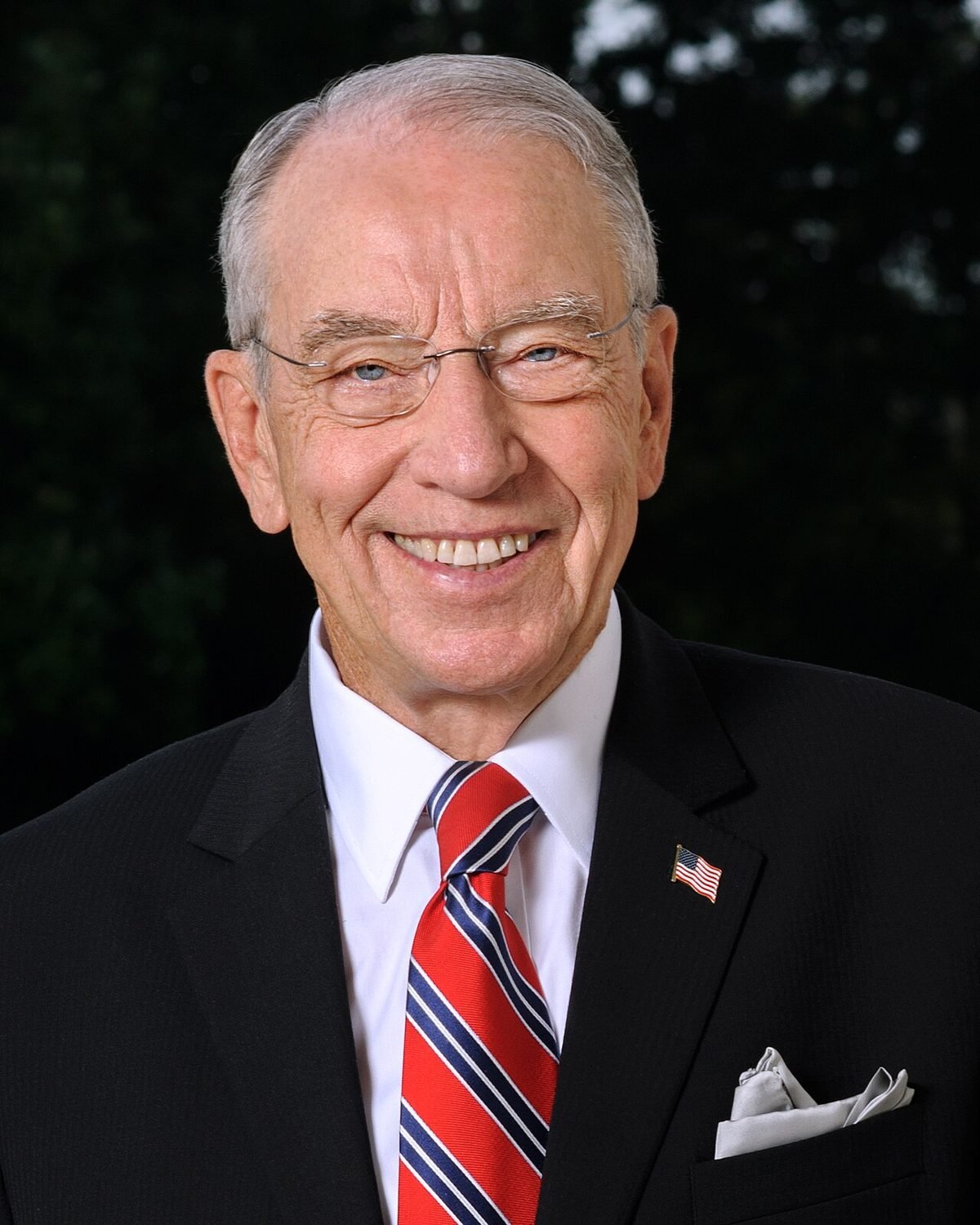
John Solomon’s Hill coverage and Grassley’s letters reframed Uranium One around an FBI informant supposedly blocked from telling Congress the whole story. FactCheck noted the spy/TENEX mashups and reiterated the evidence gap on Clinton influence. [1] [2] [3]

Bottom line History

Political second life of a 2010 deal.

What the record can’t settle

Hill reporting is not a DOJ finding.

Sources

  1. The Hill — FBI informant / Russia nuclear corruption coverage (Oct 2017, John Solomon et al.) 2017 revival tying informant claims to Uranium One politics; treat as reporting on allegations, not adjudicated Clinton findings.
  2. Sen. Chuck Grassley — letters on Uranium One / informant (Oct 2017) Oversight requests about CFIUS awareness of Rosatom-related criminal probe and informant access.
  3. FactCheck.org — The Facts on Uranium One (26 Oct 2017, upd. 1 Nov 2017) Careful secondary reconstruction: deal dates, CFIUS nine members, presidential-only block, NRC capacity/export statements, Telfer donations and $500k speech, no evidence of influence on approvals.

Back to contents · Open in the interactive guide

Campbell’s alleged bombshell

Record · Disputed

Illustration for campbell in the Uranium One guide (re-encoded from site archive / freely licensed pool).
Illustration for campbell in the Uranium One guide (re-encoded from site archive / freely licensed pool). Site archive reuse; see sibling clinton-emails-foundation / U.S. government / Wikimedia-sourced pool. EXIF stripped by re-encode. · Freely licensed or U.S. government work via AI Files image pool; re-encoded.

Promise vs DOJ/Dem summary.

William Campbell, via counsel, was cast as holding evidence of Russian efforts to ingratiate with the Clintons on uranium decisions. Democratic releases summarizing a DOJ briefing and his February 2018 interview say he provided no Clinton/Foundation quid evidence and that prosecutors doubted his credibility. [1] [2] [3] [4]

Bottom line Disputed

Publicly, the bombshell did not land as advertised.

What the record can’t settle

Republican overseers dispute Dem characterizations; full transcript fight was political.

Sources

  1. William D. Campbell identified as TENEX/Mikerin FBI confidential source Informant in Rosatom-subsidiary kickback case; not a CFIUS adjudicator.
  2. House Oversight/Intelligence Democrats — memo on Campbell informant briefing (2018) Summarizes DOJ staff briefing: credibility concerns; no Campbell allegations vs Clinton/Foundation/CFIUS in interactions; Mikerin charged on other evidence.
  3. Reuters — Informant had no evidence Clinton benefited from uranium sale (Democrats) Reports Democratic summary of Feb 2018 Campbell interview: no quid pro quo evidence.
  4. CNN — Democrats say Uranium One whistleblower provided no evidence against Clintons (8 Mar 2018) Contemporaneous account of Dem memo and DOJ credibility assessment.

Back to contents · Open in the interactive guide

DOJ briefing: credibility + no Clinton alley

Record · Official

Illustration for doj in the Uranium One guide (re-encoded from site archive / freely licensed pool).
Illustration for doj in the Uranium One guide (re-encoded from site archive / freely licensed pool). Site archive reuse; see sibling clinton-emails-foundation / U.S. government / Wikimedia-sourced pool. EXIF stripped by re-encode. · Freely licensed or U.S. government work via AI Files image pool; re-encoded.

December 2017 staff briefing as published by Democrats.

According to the Democratic memo, senior DOJ officials described serious credibility concerns with Campbell, a decision not to rely on him at trial, alternate charges against Mikerin, and — critically — that he never alleged Clinton/Foundation/CFIUS impropriety in their interactions. [1] [2]

Bottom line Official

If accurate, it gut-punches the informant-as-Clinton-case theory.

What the record can’t settle

Memo is a partisan publication of a briefing — still the best public DOJ summary cited here.

Sources

  1. House Oversight/Intelligence Democrats — memo on Campbell informant briefing (2018) Summarizes DOJ staff briefing: credibility concerns; no Campbell allegations vs Clinton/Foundation/CFIUS in interactions; Mikerin charged on other evidence.
  2. CNN — Democrats say Uranium One whistleblower provided no evidence against Clintons (8 Mar 2018) Contemporaneous account of Dem memo and DOJ credibility assessment.

Back to contents · Open in the interactive guide

March 2018: demos publish the gap

Verdict · Mixed

Illustration for capitol in the Uranium One guide (re-encoded from site archive / freely licensed pool).
Illustration for capitol in the Uranium One guide (re-encoded from site archive / freely licensed pool). Site archive reuse; see sibling clinton-emails-foundation / U.S. government / Wikimedia-sourced pool. EXIF stripped by re-encode. · Freely licensed or U.S. government work via AI Files image pool; re-encoded.

Interview summary without GOP transcript.

Democrats said Republicans would not approve a full transcript, so they released a five-page summary: Campbell identified no evidence of quid pro quo or improper Clinton influence on the sale. That is devastating to maximalist claims — and still not a bipartisan stipulated record. [1] [2] [3]

Bottom line Mixed

Public evidence for a Clinton bribe via Campbell remains absent.

What the record can’t settle

Process fight over transcripts is real politics.

Sources

  1. Reuters — Informant had no evidence Clinton benefited from uranium sale (Democrats) Reports Democratic summary of Feb 2018 Campbell interview: no quid pro quo evidence.
  2. House Oversight/Intelligence Democrats — memo on Campbell informant briefing (2018) Summarizes DOJ staff briefing: credibility concerns; no Campbell allegations vs Clinton/Foundation/CFIUS in interactions; Mikerin charged on other evidence.
  3. CNN — Democrats say Uranium One whistleblower provided no evidence against Clintons (8 Mar 2018) Contemporaneous account of Dem memo and DOJ credibility assessment.

Back to contents · Open in the interactive guide

FactCheck’s 2017 bottom line

Verdict · Cleared

Illustration for press in the Uranium One guide (re-encoded from site archive / freely licensed pool).
Illustration for press in the Uranium One guide (re-encoded from site archive / freely licensed pool). Site archive reuse; see sibling clinton-emails-foundation / U.S. government / Wikimedia-sourced pool. EXIF stripped by re-encode. · Freely licensed or U.S. government work via AI Files image pool; re-encoded.

Still no evidence of influence on approvals.

Updating for the House committee revival, FactCheck again finds donations and the speech real — and still no evidence they influenced NRC or CFIUS approvals. [1] [2] [3]

Bottom line Cleared

Mainstream fact-check holding entering the informant war.

What the record can’t settle

‘No evidence found’ ≠ metaphysical impossibility.

Sources

  1. FactCheck.org — The Facts on Uranium One (26 Oct 2017, upd. 1 Nov 2017) Careful secondary reconstruction: deal dates, CFIUS nine members, presidential-only block, NRC capacity/export statements, Telfer donations and $500k speech, no evidence of influence on approvals.
  2. FactCheck: no evidence donations/speech influenced NRC or CFIUS approvals Bottom-line assessment as of 2017 update; still the mainstream fact-check holding entering later oversight fights.
  3. FactCheck update — later ~10% ISR capacity; low production share More ISR licenses later; production share cited far below slogan levels; no authorized re-transfer to Russia per NRC 2015 statement still true in 2017 FactCheck update.

Back to contents · Open in the interactive guide

Probes without a public bribe finding

Record · History

Illustration for capitol in the Uranium One guide (re-encoded from site archive / freely licensed pool).
Illustration for capitol in the Uranium One guide (re-encoded from site archive / freely licensed pool). Site archive reuse; see sibling clinton-emails-foundation / U.S. government / Wikimedia-sourced pool. EXIF stripped by re-encode. · Freely licensed or U.S. government work via AI Files image pool; re-encoded.

Oversight ≠ conviction.

Reuters noted Republicans pressing a uranium-deal probe despite no established wrongdoing findings tying Clinton approval to Foundation cash. Grassley’s 2026 letter still asks what inquiries concluded — framing allegations as open oversight questions. [1] [2] [3]

Bottom line History

Heat continued; the quid did not graduate to a public finding.

What the record can’t settle

Future releases could add documents; none cited here close the quid.

Sources

  1. Reuters — Republicans press U.S.-Russia uranium deal probe despite no wrongdoing findings 2017–18 context: political pressure for probe amid lack of established Clinton wrongdoing findings.
  2. Grassley letter and released FBI records — Uranium One and foundation inquiries (27 Apr 2026) Oversight letter plus preliminary-investigation records/summaries. Opening allegations ≠ final findings; asks what investigations concluded.
  3. FactCheck: no evidence donations/speech influenced NRC or CFIUS approvals Bottom-line assessment as of 2017 update; still the mainstream fact-check holding entering later oversight fights.

Back to contents · Open in the interactive guide

Spy annals ≠ Uranium One proof

Record · Disputed

Illustration for fbi in the Uranium One guide (re-encoded from site archive / freely licensed pool).
Illustration for fbi in the Uranium One guide (re-encoded from site archive / freely licensed pool). Site archive reuse; see sibling clinton-emails-foundation / U.S. government / Wikimedia-sourced pool. EXIF stripped by re-encode. · Freely licensed or U.S. government work via AI Files image pool; re-encoded.

Guryev/Murphy digression.

FactCheck notes 2017 attempts to mash a Russian illegals case into the Uranium One timeline because of a veiled Clinton reference. The criminal papers FactCheck reviews do not make the merger. [1]

Bottom line Disputed

Another adjacency treated as identity.

What the record can’t settle

Espionage cases are real; linkage is the dispute.

Sources

  1. FactCheck.org — The Facts on Uranium One (26 Oct 2017, upd. 1 Nov 2017) Careful secondary reconstruction: deal dates, CFIUS nine members, presidential-only block, NRC capacity/export statements, Telfer donations and $500k speech, no evidence of influence on approvals.

Back to contents · Open in the interactive guide

Oversight memory 2019–26

Sibling doors

Cross-links

Emails & Foundation door

Context · History

Illustration for foundation in the Uranium One guide (re-encoded from site archive / freely licensed pool).
Illustration for foundation in the Uranium One guide (re-encoded from site archive / freely licensed pool). Site archive reuse; see sibling clinton-emails-foundation / U.S. government / Wikimedia-sourced pool. EXIF stripped by re-encode. · Freely licensed or U.S. government work via AI Files image pool; re-encoded.

Heavy cross-link, light rebuild.

Private email, Midyear Exam, hacks, and the wider Foundation wars are maintained in the sibling full guide — which already nests a shorter Uranium One arc. This page owns deal mechanics and claim fights; that page owns the broader machine. [1] [2]

Bottom line History

Do not duplicate Midyear here.

What the record can’t settle

Readers should open both for the full Clinton-2010s picture.

Sources

  1. The AI Files — The Clintons: emails and the Foundation (full guide) Sibling full guide that partly covers Uranium One inside Foundation/emails spine. Cross-link heavily; do not rebuild email/Midyear/hacks here.
  2. The Clinton Files hub Parent people collection.

Back to contents · Open in the interactive guide

Ukraine war hard stop

Context · History

Illustration for web in the Uranium One guide (re-encoded from site archive / freely licensed pool).
Illustration for web in the Uranium One guide (re-encoded from site archive / freely licensed pool). Site archive reuse; see sibling clinton-emails-foundation / U.S. government / Wikimedia-sourced pool. EXIF stripped by re-encode. · Freely licensed or U.S. government work via AI Files image pool; re-encoded.

Out of scope.

This guide excludes Ukraine-war topics entirely — including attempts to retrofit 2010 CFIUS history as a 2022 war brief. [1] [2]

Bottom line History

Boundary.

What the record can’t settle

N/A

Sources

  1. Hard stop — Ukraine war out of scope This guide excludes Ukraine-war topics.
  2. Scope note — Ukraine war excluded Hard stop for this guide.

Back to contents · Open in the interactive guide

Benghazi door

Context · History

Illustration for state in the Uranium One guide (re-encoded from site archive / freely licensed pool).
Illustration for state in the Uranium One guide (re-encoded from site archive / freely licensed pool). Site archive reuse; see sibling clinton-emails-foundation / U.S. government / Wikimedia-sourced pool. EXIF stripped by re-encode. · Freely licensed or U.S. government work via AI Files image pool; re-encoded.

Different State-era fight.

Benghazi’s deaths, talking points, and committees are a separate full guide. [1]

Bottom line History

Light cross-link.

What the record can’t settle

Do not merge 2012 Libya into 2010 CFIUS.

Sources

  1. The AI Files — Benghazi full guide Sibling State-era guide; different facts.

Back to contents · Open in the interactive guide

Travelgate door

Context · History

Illustration for docs in the Uranium One guide (re-encoded from site archive / freely licensed pool).
Illustration for docs in the Uranium One guide (re-encoded from site archive / freely licensed pool). Site archive reuse; see sibling clinton-emails-foundation / U.S. government / Wikimedia-sourced pool. EXIF stripped by re-encode. · Freely licensed or U.S. government work via AI Files image pool; re-encoded.

1993 personnel scandal, different facts.

Travelgate is a separate hub full guide. [1]

Bottom line History

Light cross-link.

What the record can’t settle

N/A

Sources

  1. The AI Files — Travelgate full guide Sibling Clinton hub guide; light cross-link only.

Back to contents · Open in the interactive guide

After the probes

Memory

April 2026 FBI records letter

Record · Alleged

Illustration for grassley in the Uranium One guide (re-encoded from site archive / freely licensed pool).
Illustration for grassley in the Uranium One guide (re-encoded from site archive / freely licensed pool). Site archive reuse; see sibling clinton-emails-foundation / U.S. government / Wikimedia-sourced pool. EXIF stripped by re-encode. · Freely licensed or U.S. government work via AI Files image pool; re-encoded.

Opening papers ≠ closing findings.

Grassley’s April 27, 2026 letter and released FBI materials revive Foundation/Uranium One inquiry paperwork, including preliminary allegations about undisclosed Telfer gifts. The thin nest correctly warns: opening records are not final findings. [1] [2] [3]

Bottom line Alleged

Keeps disclosure questions alive into 2026.

What the record can’t settle

Do not treat an opening memo as a conviction.

Sources

  1. Grassley letter and released FBI records — Uranium One and foundation inquiries (27 Apr 2026) Oversight letter plus preliminary-investigation records/summaries. Opening allegations ≠ final findings; asks what investigations concluded.
  2. Ian Telfer / Fernwood Foundation donations (~$2.35M) NYT: four donations via family foundation during/around Russian control push; not fully reflected in Foundation public disclosures then.
  3. The Clinton Files — Uranium One short case (gateway) Older short case kept as MAINTAINED RECORD gateway after full guide ships.

Back to contents · Open in the interactive guide

Never Grokipedia

Context · History

Illustration for web in the Uranium One guide (re-encoded from site archive / freely licensed pool).
Illustration for web in the Uranium One guide (re-encoded from site archive / freely licensed pool). Site archive reuse; see sibling clinton-emails-foundation / U.S. government / Wikimedia-sourced pool. EXIF stripped by re-encode. · Freely licensed or U.S. government work via AI Files image pool; re-encoded.

Method rule.

Grokipedia is never cited. [1]

Bottom line History

Editorial hygiene.

What the record can’t settle

N/A

Sources

  1. Method — never cite Grokipedia Editorial rule: Grokipedia is never a source.

Back to contents · Open in the interactive guide

Nested under The Clinton Files

Context · History

Illustration for couple in the Uranium One guide (re-encoded from site archive / freely licensed pool).
Illustration for couple in the Uranium One guide (re-encoded from site archive / freely licensed pool). Site archive reuse; see sibling clinton-emails-foundation / U.S. government / Wikimedia-sourced pool. EXIF stripped by re-encode. · Freely licensed or U.S. government work via AI Files image pool; re-encoded.

No homepage peer card.

Full guide lists on the Clinton hub; thin `/files/clintons/uranium-one/` becomes a MAINTAINED RECORD gateway. [1] [2]

Bottom line History

Information architecture.

What the record can’t settle

N/A

Sources

  1. The Clinton Files hub Parent people collection.
  2. The Clinton Files — Uranium One short case (gateway) Older short case kept as MAINTAINED RECORD gateway after full guide ships.

Back to contents · Open in the interactive guide

Sixteen-link yardstick

Context · History

Illustration for path in the Uranium One guide (re-encoded from site archive / freely licensed pool).
Illustration for path in the Uranium One guide (re-encoded from site archive / freely licensed pool). Site archive reuse; see sibling clinton-emails-foundation / U.S. government / Wikimedia-sourced pool. EXIF stripped by re-encode. · Freely licensed or U.S. government work via AI Files image pool; re-encoded.

Why #path exists.

Pay-to-play theories must thicken cp07+cp11 into causation and weaken cp08–cp09–cp15. Slogan theories must break cp14’s capacity definition. Giustra-bought-it theories must survive cp03. Informant-bombshell theories must survive cp15. [1] [2] [3] [4]

Bottom line History

Yardstick before Theories.

What the record can’t settle

Editorial structure grounded in cited events.

Sources

  1. FactCheck.org — The Facts on Uranium One (26 Oct 2017, upd. 1 Nov 2017) Careful secondary reconstruction: deal dates, CFIUS nine members, presidential-only block, NRC capacity/export statements, Telfer donations and $500k speech, no evidence of influence on approvals.
  2. FactCheck: no evidence donations/speech influenced NRC or CFIUS approvals Bottom-line assessment as of 2017 update; still the mainstream fact-check holding entering later oversight fights.
  3. Giustra stake sale timing (PolitiFact / Snopes / NYT context) Giustra says he sold Uranium One stakes in fall 2007 — years before 2010 majority deal and before HRC became Secretary.
  4. House Oversight/Intelligence Democrats — memo on Campbell informant briefing (2018) Summarizes DOJ staff briefing: credibility concerns; no Campbell allegations vs Clinton/Foundation/CFIUS in interactions; Mikerin charged on other evidence.

Back to contents · Open in the interactive guide

What settled, what didn’t

Verdict · Mixed

Illustration for web in the Uranium One guide (re-encoded from site archive / freely licensed pool).
Illustration for web in the Uranium One guide (re-encoded from site archive / freely licensed pool). Site archive reuse; see sibling clinton-emails-foundation / U.S. government / Wikimedia-sourced pool. EXIF stripped by re-encode. · Freely licensed or U.S. government work via AI Files image pool; re-encoded.

Twin poles.

Settled enough: deal dates, nine-member CFIUS, presidential-only block, NRC export limits, Giustra early exit, Telfer gifts + disclosure mistakes, Moscow fee, no public influence finding as of FactCheck 2017 and Dem 2018 summaries. Still fought: whether appearance equals corruption and whether secret influence hid in confidential files. [1] [2] [3] [4]

Bottom line Mixed

Process facts closed more than moral arguments.

What the record can’t settle

Confidentiality keeps suspicion legally alive.

Sources

  1. FactCheck.org — The Facts on Uranium One (26 Oct 2017, upd. 1 Nov 2017) Careful secondary reconstruction: deal dates, CFIUS nine members, presidential-only block, NRC capacity/export statements, Telfer donations and $500k speech, no evidence of influence on approvals.
  2. House Oversight/Intelligence Democrats — memo on Campbell informant briefing (2018) Summarizes DOJ staff briefing: credibility concerns; no Campbell allegations vs Clinton/Foundation/CFIUS in interactions; Mikerin charged on other evidence.
  3. Clinton Foundation acknowledgment of disclosure mistakes (2015, via FactCheck/NYT) After NYT story, Foundation said it made mistakes disclosing Canadian charity donors.
  4. Jose Fernandez quote via New York Times (2015) Former assistant secretary: represented State on CFIUS; ‘Mrs. Clinton never intervened with me on any C.F.I.U.S. matter.’

Back to contents · Open in the interactive guide

Limits of this guide

Context · History

Illustration for web in the Uranium One guide (re-encoded from site archive / freely licensed pool).
Illustration for web in the Uranium One guide (re-encoded from site archive / freely licensed pool). Site archive reuse; see sibling clinton-emails-foundation / U.S. government / Wikimedia-sourced pool. EXIF stripped by re-encode. · Freely licensed or U.S. government work via AI Files image pool; re-encoded.

What we do not rebuild.

Private email, Midyear, Comey letters, Podesta hacks, Durham, Lewinsky, Benghazi’s full spine, Travelgate, pardons, Haiti, body-count lists, and Ukraine war topics are out. [1] [2] [3] [4] [5] [6]

Bottom line History

One case only.

What the record can’t settle

N/A

Sources

  1. The AI Files — The Clintons: emails and the Foundation (full guide) Sibling full guide that partly covers Uranium One inside Foundation/emails spine. Cross-link heavily; do not rebuild email/Midyear/hacks here.
  2. Hard stop — Ukraine war out of scope This guide excludes Ukraine-war topics.
  3. Method — never cite Grokipedia Editorial rule: Grokipedia is never a source.
  4. The AI Files — Lewinsky impeachment full guide Sibling; not this spine.
  5. The AI Files — Benghazi full guide Sibling State-era guide; different facts.
  6. The AI Files — Travelgate full guide Sibling Clinton hub guide; light cross-link only.

Back to contents · Open in the interactive guide

End of the public road — so far

Verdict · Mixed

Illustration for capitol in the Uranium One guide (re-encoded from site archive / freely licensed pool).
Illustration for capitol in the Uranium One guide (re-encoded from site archive / freely licensed pool). Site archive reuse; see sibling clinton-emails-foundation / U.S. government / Wikimedia-sourced pool. EXIF stripped by re-encode. · Freely licensed or U.S. government work via AI Files image pool; re-encoded.

Oversight continues; quid unproven.

From FactCheck 2017 through Dem 2018 summaries to Grassley 2026, the public ledger still shows money and structure without a completed bribe finding. That is a stable imbalance — and the reason this guide’s Theories section stays busy. [1] [2] [3] [4]

Bottom line Mixed

Living political argument; unfinished secrecy argument.
What the record can’t settle

New primary releases could move edges.

Sources

  1. FactCheck.org — The Facts on Uranium One (26 Oct 2017, upd. 1 Nov 2017) Careful secondary reconstruction: deal dates, CFIUS nine members, presidential-only block, NRC capacity/export statements, Telfer donations and $500k speech, no evidence of influence on approvals.
  2. House Oversight/Intelligence Democrats — memo on Campbell informant briefing (2018) Summarizes DOJ staff briefing: credibility concerns; no Campbell allegations vs Clinton/Foundation/CFIUS in interactions; Mikerin charged on other evidence.
  3. Grassley letter and released FBI records — Uranium One and foundation inquiries (27 Apr 2026) Oversight letter plus preliminary-investigation records/summaries. Opening allegations ≠ final findings; asks what investigations concluded.
  4. FactCheck: no evidence donations/speech influenced NRC or CFIUS approvals Bottom-line assessment as of 2017 update; still the mainstream fact-check holding entering later oversight fights.

Back to contents · Open in the interactive guide