The AI Files · Clinton-era Loral/Hughes satellite export controversy and the Sudan/bin Laden ‘offer’ claim · plain reading edition

China, satellites and bin Laden: every entry

All 53 entries of the guide, grouped by period and case, each with its bottom line and its sources. This page needs no JavaScript. The interactive guide adds the story in 20 chapters, the people, the timeline, the theories, the 15 checked claims and the media.

Rockets and failures 1988–1996

Why China launched U.S. birds

Reagan → Bush → Clinton

Reagan opens the pad

Record · History

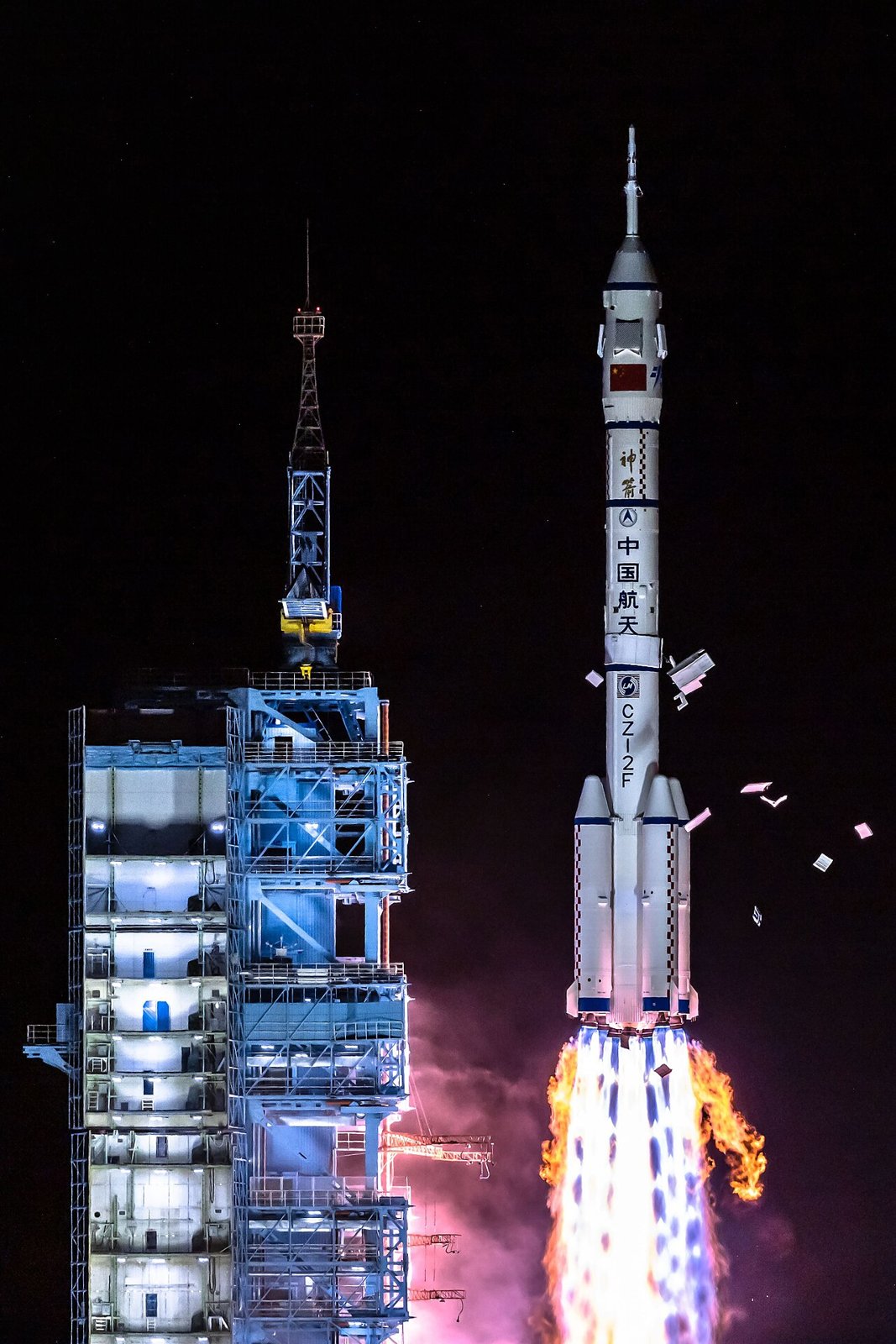
Long March or analogous orbital rocket launch.
Long March or analogous orbital rocket launch. Free license / public domain · see credit

U.S.-origin satellites on Chinese rockets begin as Reagan-era policy.

In 1988 the Reagan Administration decided China could launch U.S.-built commercial satellites under technology-safeguards agreements. [1][2]

That commercial relationship — not a 1998 invention — is the floor under later waiver fights.

Bottom line History

Clinton inherited a launch relationship that already existed.

What the record can’t settle

Safeguards texts themselves are summarized via CRS, not reproduced in full here.

Sources

  1. Reagan Administration decision allowing PRC launches of U.S.-origin satellites (1988) — CRS Policy origin of U.S.-China commercial launch relationship; technology-safeguards agreements 1988/1993.
  2. CRS Report 98-485: China — Possible Missile Technology Transfers Under U.S. Satellite Export Policy Nonpartisan chronology of waivers, Loral/Hughes, Cox, NDAA transfer, and civil settlements through 2003.

Back to contents · Open in the interactive guide

Tiananmen suspensions

Record · Official

Document stack — waivers, memos, reports.
Document stack — waivers, memos, reports. AI Files record card (institutional / place / document context — not a person face) · Public domain / site graphic

§902 suspends satellite exports unless the president waives.

After June 1989, P.L. 101-246 §902 suspended Munitions List items and U.S. satellites for Chinese launch, with a national-interest waiver path. [1][2]

Every later ‘Clinton waived sanctions for Loral’ headline sits on that statute.

Bottom line Official

Waivers are the legal on-ramp, not secret loopholes invented in 1998.

What the record can’t settle

Does not cover the full Tiananmen sanctions package beyond satellites.

Sources

  1. Foreign Relations Authorization Act FY1990–91, P.L. 101-246 §902 (Tiananmen suspensions) Statutory suspension of satellite exports for PRC launch; presidential national-interest waiver authority.
  2. CRS Report 98-485: China — Possible Missile Technology Transfers Under U.S. Satellite Export Policy Nonpartisan chronology of waivers, Loral/Hughes, Cox, NDAA transfer, and civil settlements through 2003.

Back to contents · Open in the interactive guide

Bush waived too

Record · History

Presidential signing / executive action motif.
Presidential signing / executive action motif. White House pool · Public domain

Case-by-case waivers predate the Chinasat-8 fight.

CRS Table 2 lists George H.W. Bush waivers beginning December 1989 (Asiasat-1) and continuing through Aussat/Freja and 1992 multi-project packages. [1][2]

Clinton’s later waivers continue a practice — they do not create it.

Bottom line History

‘Clinton uniquely sold launches to China’ is false as history.

What the record can’t settle

Does not claim every Bush and Clinton waiver was substantively identical.

Sources

  1. George H.W. Bush post-Tiananmen satellite waivers — CRS Table 2 Shows waiver practice predated Clinton; undermines ‘Clinton invented China launches’ claim.
  2. CRS Report 98-485: China — Possible Missile Technology Transfers Under U.S. Satellite Export Policy Nonpartisan chronology of waivers, Loral/Hughes, Cox, NDAA transfer, and civil settlements through 2003.

Back to contents · Open in the interactive guide

Was engagement the real culprit?

Question · Debated

Flag of the People's Republic of China — state party to launches.
Flag of the People's Republic of China — state party to launches. Public domain flag · Public domain

Policy critique beyond one waiver.

Administration defenders said commercial launches plus controls served broader China engagement and U.S. industry. [1][2]

Critics said the same policy subsidized PLA rocketry and that Commerce capture was structural. [2][3]

Bottom line Debated

A live grand-strategy argument — not settled by Loral’s fine alone.

What the record can’t settle

Ukraine-war analogies are out of scope by hard stop.

Sources

  1. White House response to Senate Intelligence satellite report (May 7, 1999) — CRS Admin shared concern unauthorized transfers may have occurred; defended longstanding commercial-launch policy with controls.
  2. CRS Report 98-485: China — Possible Missile Technology Transfers Under U.S. Satellite Export Policy Nonpartisan chronology of waivers, Loral/Hughes, Cox, NDAA transfer, and civil settlements through 2003.
  3. House Report 105-851 (Cox Committee) — declassified May 25, 1999 Bipartisan select committee on PRC tech acquisition; satellite/Loral-Hughes chapters conclude unlicensed assistance harmed reliability of PRC rockets usable for missiles.

Back to contents · Open in the interactive guide

Aerospace lobby against sanctions

Record · Documented

Hughes Electronics / satellite context.
Hughes Electronics / satellite context. Free license · see credit

Armstrong and industry push in 1993–94.

CRS notes U.S. aerospace executives including Hughes CEO Armstrong lobbied against missile sanctions and for expanded satellite exports in 1993–94. [1][2]

Bottom line Documented

Commercial pressure on China launch policy is older than Schwartz’s 1996 checks.

What the record can’t settle

Lobbying ≠ illegality.

Sources

  1. CRS Report 98-485: China — Possible Missile Technology Transfers Under U.S. Satellite Export Policy Nonpartisan chronology of waivers, Loral/Hughes, Cox, NDAA transfer, and civil settlements through 2003.
  2. CRS/CRS-adjacent MTCR China sanctions chronology (in 98-485) Bush 1991 and Clinton 1993 category-II missile sanctions affecting China Great Wall; later waivers.

Back to contents · Open in the interactive guide

Three embarrassing explosions

Optus, Apstar, Intelsat

Intelsat-708 explodes

Record · History

Long March or analogous orbital rocket launch.
Long March or analogous orbital rocket launch. Free license / public domain · see credit

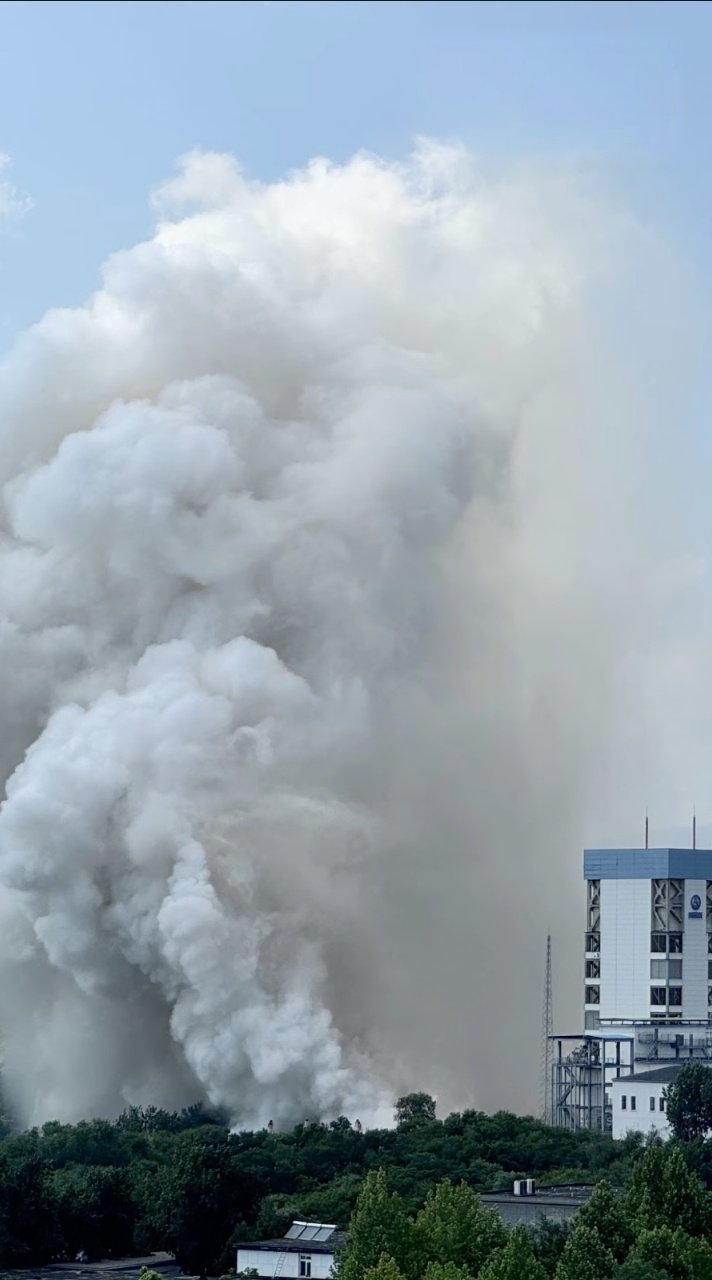
15 February 1996 — the accident that creates the Loral IRC.

China’s Long March 3B failed at liftoff from Xichang carrying the Loral-built Intelsat-708. [1][2]

Insurers wanted non-PRC confirmation that the guidance problem was understood — the commercial pressure behind the Independent Review Committee. [3]

Bottom line History

The explosion is undisputed; the legality of the review’s communications is the fight.

What the record can’t settle

Does not recreate flight telemetry.

Sources

  1. Intelsat-708 / Long March 3B failure (Feb 15, 1996) — CRS & Cox Launch explosion that triggered Loral-chaired Independent Review Committee.
  2. CRS Report 98-485: China — Possible Missile Technology Transfers Under U.S. Satellite Export Policy Nonpartisan chronology of waivers, Loral/Hughes, Cox, NDAA transfer, and civil settlements through 2003.
  3. Loral corporate statement (May 18, 1998) denying missile-guidance transfer — CRS paraphrase Company position: IRC reviewed PRC investigation; faxed report before State consult was a mistake; Schwartz not personally involved in violation.

Back to contents · Open in the interactive guide

Lost FAC-3R boards

Record · Cleared

Space Systems/Loral / satellite manufacturing context.
Space Systems/Loral / satellite manufacturing context. AI Files record card (no free-licensed portrait; not a face stand-in) · see credit

Cox: likely destroyed; NSA not worried.

After Intelsat-708, two encryption boards were not recovered. Cox reported they most likely were destroyed in the explosion and that NSA saw no lasting cryptographic risk even if PRC recovered damaged boards. [1]

Bottom line Cleared

A vivid side scare that the committee itself deflated.

What the record can’t settle

Not central to guidance-transfer charges.

Sources

  1. House Report 105-851 (Cox Committee) — declassified May 25, 1999 Bipartisan select committee on PRC tech acquisition; satellite/Loral-Hughes chapters conclude unlicensed assistance harmed reliability of PRC rockets usable for missiles.

Back to contents · Open in the interactive guide

Insurers as shadow regulators

Record · History

Document stack — waivers, memos, reports.
Document stack — waivers, memos, reports. AI Files record card (institutional / place / document context — not a person face) · Public domain / site graphic

Why Western review existed at all.

Commercial launch insurance demanded independent comfort after repeated Long March failures — the market force Loral cited for standing up the IRC. [1][2]

Bottom line History

Profit and risk allocation shaped the compliance breach.

What the record can’t settle

Insurance contracts not public in full.

Sources

  1. Loral corporate statement (May 18, 1998) denying missile-guidance transfer — CRS paraphrase Company position: IRC reviewed PRC investigation; faxed report before State consult was a mistake; Schwartz not personally involved in violation.
  2. CRS Report 98-485: China — Possible Missile Technology Transfers Under U.S. Satellite Export Policy Nonpartisan chronology of waivers, Loral/Hughes, Cox, NDAA transfer, and civil settlements through 2003.

Back to contents · Open in the interactive guide

Xichang is a PLA base

Record · History

Xichang or CGWIC launch site context.
Xichang or CGWIC launch site context. Free license · see credit

Civil brand, military infrastructure.

CRS notes PRC launch centers such as Xichang are at PLA bases; China Great Wall markets CALT rockets under CASC. [1]

Bottom line History

‘Commercial launch’ still touches military institutions.

What the record can’t settle

Not a claim every engineer is PLA cadre.

Sources

  1. CRS Report 98-485: China — Possible Missile Technology Transfers Under U.S. Satellite Export Policy Nonpartisan chronology of waivers, Loral/Hughes, Cox, NDAA transfer, and civil settlements through 2003.

Back to contents · Open in the interactive guide

The Independent Review Committee

Loral chairs, Hughes sits

The Independent Review Committee

Record · Documented

Space Systems/Loral / satellite manufacturing context.
Space Systems/Loral / satellite manufacturing context. AI Files record card (no free-licensed portrait; not a face stand-in) · see credit

Loral chairs; report reaches China before State licensing authorities are consulted.

Wah L. Lim chaired an IRC including Hughes personnel. Meetings occurred in Palo Alto and Beijing with PRC aerospace engineers present. [1][3]

Loral’s May 1998 statement admitted the committee provided a report to the Chinese before consulting State export-licensing authorities — contrary to company policy — then notified State and Defense. [1]

Cox concluded Loral and Hughes acted without required licenses and that Western diagnostic processes were of greatest concern for future PRC rocket/missile reliability. [2]

Bottom line Documented

Unauthorized transfer of review product is admitted by Loral’s own statement and charged in Cox.

What the record can’t settle

Criminal mens rea of individuals was never fixed by a company trial verdict.

Sources

  1. Loral corporate statement (May 18, 1998) denying missile-guidance transfer — CRS paraphrase Company position: IRC reviewed PRC investigation; faxed report before State consult was a mistake; Schwartz not personally involved in violation.
  2. House Report 105-851 (Cox Committee) — declassified May 25, 1999 Bipartisan select committee on PRC tech acquisition; satellite/Loral-Hughes chapters conclude unlicensed assistance harmed reliability of PRC rockets usable for missiles.
  3. CRS Report 98-485: China — Possible Missile Technology Transfers Under U.S. Satellite Export Policy Nonpartisan chronology of waivers, Loral/Hughes, Cox, NDAA transfer, and civil settlements through 2003.

Back to contents · Open in the interactive guide

Steel-man: insurers forced a paper review

Steel-man · Disputed

Space Systems/Loral / satellite manufacturing context.
Space Systems/Loral / satellite manufacturing context. AI Files record card (no free-licensed portrait; not a face stand-in) · see credit

Defense of the IRC as insurance hygiene, not a missile tutorial.

Loral argued the PRC had already identified a solder/IMU wiring fault; the IRC reviewed that conclusion for insurers and did not ‘fix’ Chinese rockets. [1]

Company line: no sensitive technology of significance was conveyed; Schwartz was not personally involved in the committee work. [1]

Bottom line Disputed

Even on Loral’s steel-man, the premature fax to China was a real compliance failure.

What the record can’t settle

Steel-man does not erase DTSA/Cox harm judgments.

Sources

  1. Loral corporate statement (May 18, 1998) denying missile-guidance transfer — CRS paraphrase Company position: IRC reviewed PRC investigation; faxed report before State consult was a mistake; Schwartz not personally involved in violation.
  2. CRS Report 98-485: China — Possible Missile Technology Transfers Under U.S. Satellite Export Policy Nonpartisan chronology of waivers, Loral/Hughes, Cox, NDAA transfer, and civil settlements through 2003.

Back to contents · Open in the interactive guide

Who faxed what, when?

Question · Partly true

Document stack — waivers, memos, reports.
Document stack — waivers, memos, reports. AI Files record card (institutional / place / document context — not a person face) · Public domain / site graphic

Loral’s secretary story vs Cox’s harm theory.

Loral said a secretary faxed a version of the report to China after attempting to strip sensitive material — still before proper State consult. [1][3]

Cox cared less about the solder-joint headline and more about diagnostic process exposure. [2]

Bottom line Partly true

Process exposure can matter even if the ‘root cause’ sentence was already Chinese.

What the record can’t settle

Exact page-level redlines are not all public.

Sources

  1. Loral corporate statement (May 18, 1998) denying missile-guidance transfer — CRS paraphrase Company position: IRC reviewed PRC investigation; faxed report before State consult was a mistake; Schwartz not personally involved in violation.
  2. House Report 105-851 (Cox Committee) — declassified May 25, 1999 Bipartisan select committee on PRC tech acquisition; satellite/Loral-Hughes chapters conclude unlicensed assistance harmed reliability of PRC rockets usable for missiles.
  3. CNN AllPolitics Cox Report satellite chapter excerpt Secondary excerpt of Cox satellite narrative (CGWIC revised failure finding).

Back to contents · Open in the interactive guide

What the short already got right

Record · Partly true

Document stack — waivers, memos, reports.
Document stack — waivers, memos, reports. AI Files record card (institutional / place / document context — not a person face) · Public domain / site graphic

Export violations yes; donor link no.

The short’s Loral article: real technical help + $20M penalty + top donor + waiver — and Justice task-force memo with no corrupt-influence proof. [1]

This guide keeps that balance while adding Cox, Berger memo text, Hughes/Lockheed settlements, and jurisdiction history.

Bottom line Partly true

Expansion, not reversal, of the short’s Loral assessment.

What the record can’t settle

Short cited CRS only; we add primaries.

Sources

  1. AI Files short case: China, satellites and bin Laden Hub short nest this guide expands; status line Donor link unproven / Sudan offer unproven.
  2. CRS Report 98-485: China — Possible Missile Technology Transfers Under U.S. Satellite Export Policy Nonpartisan chronology of waivers, Loral/Hughes, Cox, NDAA transfer, and civil settlements through 2003.
  3. House Report 105-851 (Cox Committee) — declassified May 25, 1999 Bipartisan select committee on PRC tech acquisition; satellite/Loral-Hughes chapters conclude unlicensed assistance harmed reliability of PRC rockets usable for missiles.
  4. Berger et al. memo to President Clinton on Chinasat-8 waiver (Feb 12, 1998) — NYT archive text Primary White House memo: Justice Criminal Division cautioned waiver could adversely affect any SS/L prosecution; NSC still recommended national-interest waiver.

Back to contents · Open in the interactive guide

Hughes and the fairing

1995 Apstar-2 track

Apstar-2 and the Hughes review

Record · Documented

Hughes Electronics / satellite context.
Hughes Electronics / satellite context. Free license · see credit

January 1995 failure becomes a charged technology-transfer case.

A Long March destroyed Hughes’s Apstar-2 on 26 January 1995. Hughes then worked failure analysis with CALT/China Great Wall. [1][4]

State’s Office of Defense Trade Controls later concluded the exchanges significantly improved PRC spacelift and were inherently applicable to missiles. [2][3]

Commerce official William Reinsch told Congress Commerce alone had cleared release of an insurance-oriented analysis — without State/DoD consult at the time. [4]

Bottom line Documented

Hughes’s 1995 track is a documented export-control violation path ending in civil penalty.

What the record can’t settle

Classified damage details remain partly redacted in Cox.

Sources

  1. Apstar-2 / Long March failure (Jan 26, 1995) — Hughes review — CRS & Cox Hughes failure analysis later charged as unlicensed defense service.
  2. State ODTC assessment of Hughes 1995 assistance (Dec 18, 1998) — printed in Cox ODTC: lessons inherently applicable to missile as well as SLV programs.
  3. House Report 105-851 (Cox Committee) — declassified May 25, 1999 Bipartisan select committee on PRC tech acquisition; satellite/Loral-Hughes chapters conclude unlicensed assistance harmed reliability of PRC rockets usable for missiles.
  4. CRS Report 98-485: China — Possible Missile Technology Transfers Under U.S. Satellite Export Policy Nonpartisan chronology of waivers, Loral/Hughes, Cox, NDAA transfer, and civil settlements through 2003.

Back to contents · Open in the interactive guide

Commerce, waivers, donors 1996–1998

State vs Commerce

Who licenses satellites

Satellites move to Commerce

Record · History

U.S. Department of Commerce — satellite licensing jurisdiction fight.
U.S. Department of Commerce — satellite licensing jurisdiction fight. U.S. government work · Public domain

1996 jurisdiction change becomes a political exhibit.

In 1996 the Clinton Administration shifted licensing of commercial communications satellites from State’s Munitions List toward Commerce dual-use controls. [1][2]

Critics said monitoring and munitions discipline weakened; defenders said U.S. industry needed speed against European rivals. [2]

Bottom line History

The shift is real policy; whether it ‘caused’ the Loral/Hughes violations is debated.

What the record can’t settle

Does not audit every license issued under Commerce.

Sources

  1. 1996 transfer of commercial satellite licensing from State to Commerce — CRS Jurisdiction shift critics tied to weaker monitoring; reversed by P.L. 105-261.
  2. CRS Report 98-485: China — Possible Missile Technology Transfers Under U.S. Satellite Export Policy Nonpartisan chronology of waivers, Loral/Hughes, Cox, NDAA transfer, and civil settlements through 2003.

Back to contents · Open in the interactive guide

Three unmonitored Hughes launches

Record · Documented

Hughes Electronics / satellite context.
Hughes Electronics / satellite context. Free license · see credit

DoD later required monitoring even for Commerce-licensed birds.

Pentagon witnesses told Congress three launches (Jan 1995 Apstar-2, Jul 1996 Apstar-1A, Aug 1996 Chinasat-7) lacked Defense monitors because monitoring had been tied to State licenses. [1]

Tarbell said DoD then concluded full monitoring should apply after late 1996 — while also saying he knew of no transfer from those unmonitored launches that aided missiles. [1]

Bottom line Documented

Monitoring gaps are documented; ‘unmonitored = proven missile gift’ is a further inference.

What the record can’t settle

Monitor anecdotes (e.g. Lt Col Coates) are press/testimony secondary.

Sources

  1. CRS Report 98-485: China — Possible Missile Technology Transfers Under U.S. Satellite Export Policy Nonpartisan chronology of waivers, Loral/Hughes, Cox, NDAA transfer, and civil settlements through 2003.

Back to contents · Open in the interactive guide

Congress drags satellites back to State

Record · Official

U.S. Department of State building.
U.S. Department of State building. U.S. government · Public domain

P.L. 105-261 §§1511–1515.

The FY1999 NDAA returned commercial satellites to the Munitions List effective March 15 1999, mandated tighter monitoring, and required richer justifications for Tiananmen waivers. [1][2]

Clinton signed the Act while objecting to the jurisdiction shift — then implemented it. [2]

Bottom line Official

Export-control clawback is the clearest legislative legacy of the scandal.

What the record can’t settle

Later debates about returning satellites to Commerce are out of scope detail.

Sources

  1. Strom Thurmond NDAA FY1999, P.L. 105-261 §§1511–1521 (satellite export controls) Statute returning commercial satellites to State Munitions List (eff. Mar 15, 1999) and tightening launch monitoring.
  2. CRS Report 98-485: China — Possible Missile Technology Transfers Under U.S. Satellite Export Policy Nonpartisan chronology of waivers, Loral/Hughes, Cox, NDAA transfer, and civil settlements through 2003.

Back to contents · Open in the interactive guide

The Chinasat-8 waiver

Berger memo

The Chinasat-8 waiver

Record · Documented

Presidential signing / executive action motif.
Presidential signing / executive action motif. White House pool · Public domain

18 February 1998 — national interest finding during a live probe.

National Security Advisor Berger’s February 12 memo told Clinton that Justice’s Criminal Division cautioned a waiver ‘could have a significant adverse impact on any prosecution’ of Space Systems/Loral — and still recommended the waiver. [1]

Clinton issued the waiver on February 18 for Chinasat-8. [2][3]

The memo’s published text is the primary for the ‘Justice objected / White House proceeded’ claim.

Bottom line Documented

Waiver + Justice caution is documented in the Berger memo text.

What the record can’t settle

Memo does not itself prove corrupt motive.

Sources

  1. Berger et al. memo to President Clinton on Chinasat-8 waiver (Feb 12, 1998) — NYT archive text Primary White House memo: Justice Criminal Division cautioned waiver could adversely affect any SS/L prosecution; NSC still recommended national-interest waiver.
  2. Chinasat-8 project / Feb 18, 1998 presidential waiver — CRS & Berger memo Waiver during pending export-violation investigation is the political flashpoint.
  3. CRS Report 98-485: China — Possible Missile Technology Transfers Under U.S. Satellite Export Policy Nonpartisan chronology of waivers, Loral/Hughes, Cox, NDAA transfer, and civil settlements through 2003.

Back to contents · Open in the interactive guide

What did Clinton know about the IRC?

Question · Unproven

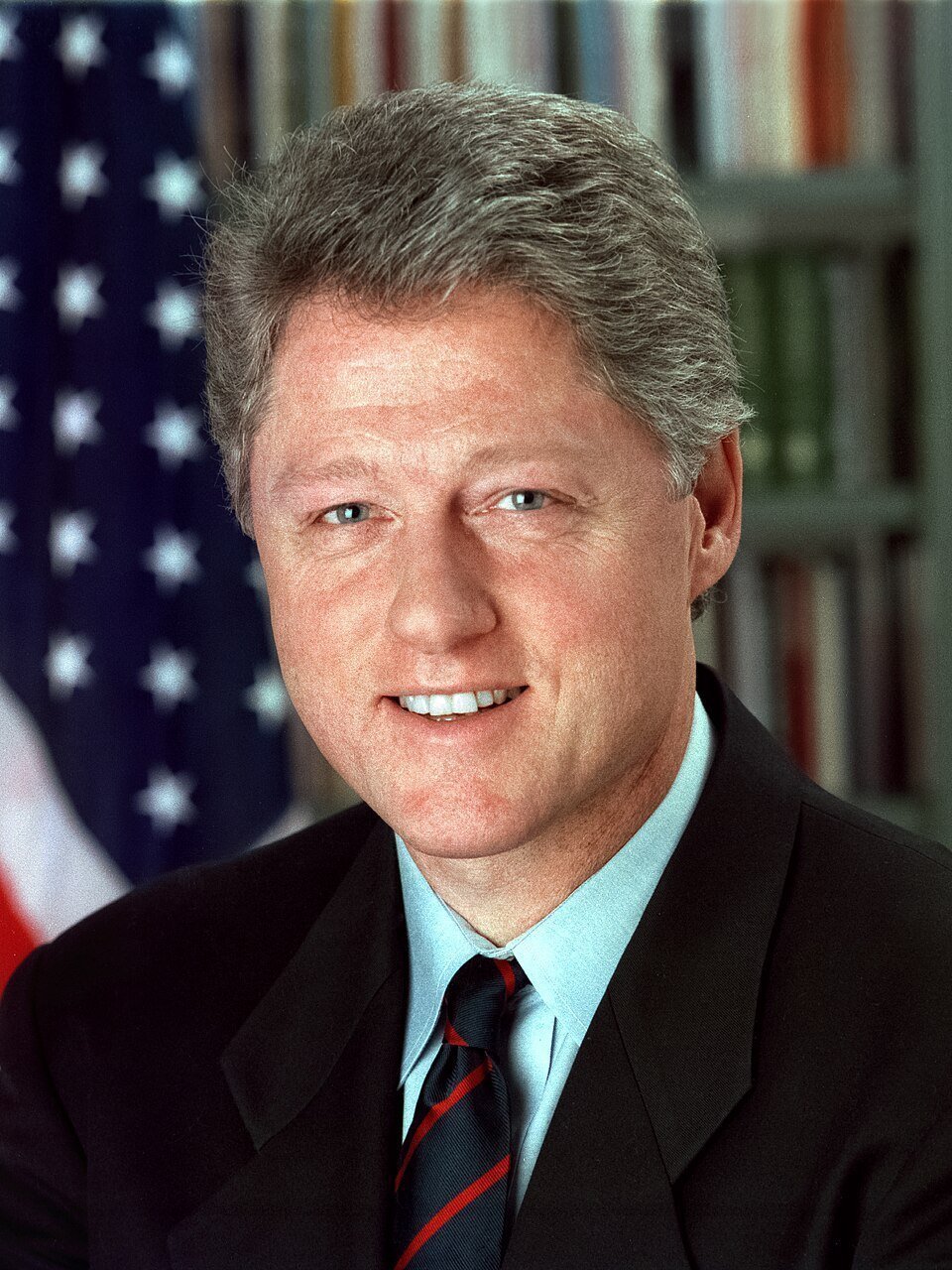
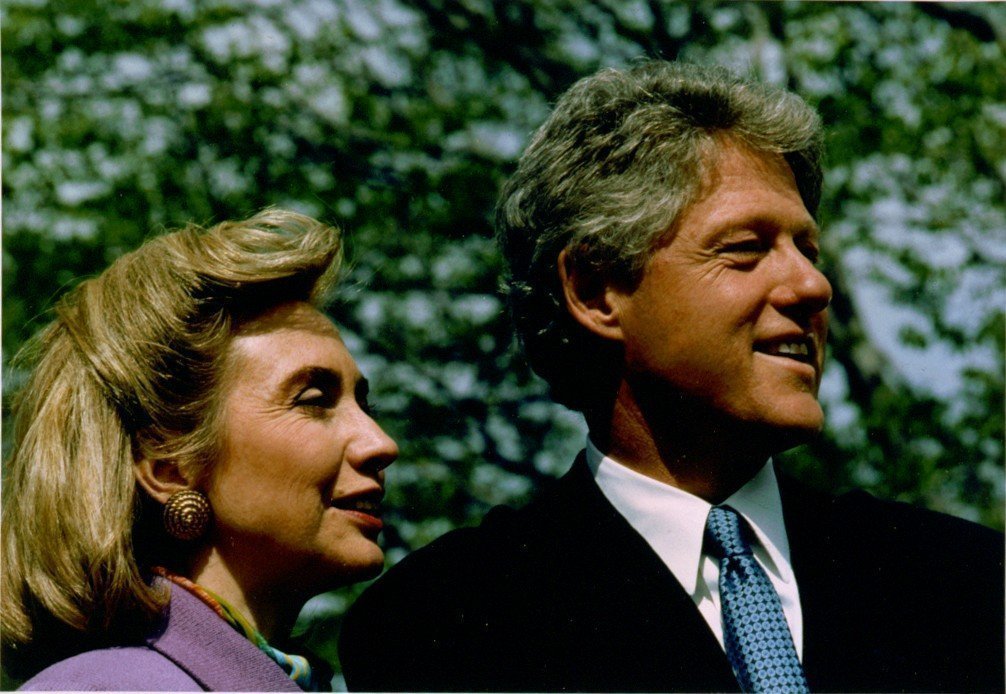
President Bill Clinton, official portrait era.
President Bill Clinton, official portrait era. Bob McNeely / The White House (public domain) · Public domain — U.S. government work

Waiver optics vs personal briefings.

Berger’s memo briefs the pending investigation and Justice caution — so the White House paper trail on risk is real. [1]

Whether Clinton personally tracked IRC technical details is not established in the open sources used here.

Bottom line Unproven

Documented: he signed knowing Justice feared prosecutorial harm. Undocumented: a tech deep-dive.

What the record can’t settle

No claim he read the IRC engineering binders.

Sources

  1. Berger et al. memo to President Clinton on Chinasat-8 waiver (Feb 12, 1998) — NYT archive text Primary White House memo: Justice Criminal Division cautioned waiver could adversely affect any SS/L prosecution; NSC still recommended national-interest waiver.
  2. CRS Report 98-485: China — Possible Missile Technology Transfers Under U.S. Satellite Export Policy Nonpartisan chronology of waivers, Loral/Hughes, Cox, NDAA transfer, and civil settlements through 2003.

Back to contents · Open in the interactive guide

No blanket waiver

Record · History

U.S. Capitol — congressional investigations venue.
U.S. Capitol — congressional investigations venue. AI Files record card (institutional / place / document context — not a person face) · Public domain

Congress tells the president not to.

NDAA §1511 sense of Congress: no blanket Tiananmen waiver for China satellite exports — keep case-by-case. [1][2]

Bottom line History

Legislative distrust of engagement automaticity.

What the record can’t settle

Sense of Congress vs binding rule nuances.

Sources

  1. Strom Thurmond NDAA FY1999, P.L. 105-261 §§1511–1521 (satellite export controls) Statute returning commercial satellites to State Munitions List (eff. Mar 15, 1999) and tightening launch monitoring.
  2. CRS Report 98-485: China — Possible Missile Technology Transfers Under U.S. Satellite Export Policy Nonpartisan chronology of waivers, Loral/Hughes, Cox, NDAA transfer, and civil settlements through 2003.

Back to contents · Open in the interactive guide

Schwartz and the money

Largest 1996 individual donor

Schwartz’s 1996 money

Record · Documented

Bernard L. Schwartz — Loral chairman (if free portrait unavailable, use Loral/satellite proxy labeled).
Bernard L. Schwartz — Loral chairman (if free portrait unavailable, use Loral/satellite proxy labeled). Free license or proxy · see credit

Roughly $1.5 million to Democrats — real adjacency, not a verdict.

Bernard Schwartz was widely reported as the largest individual Democratic donor in the 1996 cycle, on the order of $1.5 million. [1][2][3]

Timing beside Loral’s China business created the donor-for-waiver narrative that still headlines the short case. [4]

Bottom line Documented

Donations are documented; purchase of the waiver is not.

What the record can’t settle

Exact FEC line-item ledger not reproduced here; press totals used as commonly cited.

Sources

  1. Schwartz ~$1.5M Democratic contributions 1996 cycle — press/Justice document reporting Donation total widely reported; FEC raw filings are the formal ledger (press cites ~$1.5M).
  2. NYT: Justice Dept. Memo Says Donor Was Cleared (June 9, 2000) Press on LaBella task-force papers: Schwartz matter ‘likely did not merit any investigation’; inquiry into Schwartz closed 1999.
  3. Washington Post campaign-finance archive: Loral waiver reporting (May 23, 1998) Contemporaneous press on Schwartz donations and waiver timing.
  4. AI Files short case: China, satellites and bin Laden Hub short nest this guide expands; status line Donor link unproven / Sudan offer unproven.

Back to contents · Open in the interactive guide

LaBella: no corrupt-influence case

Record · Cleared

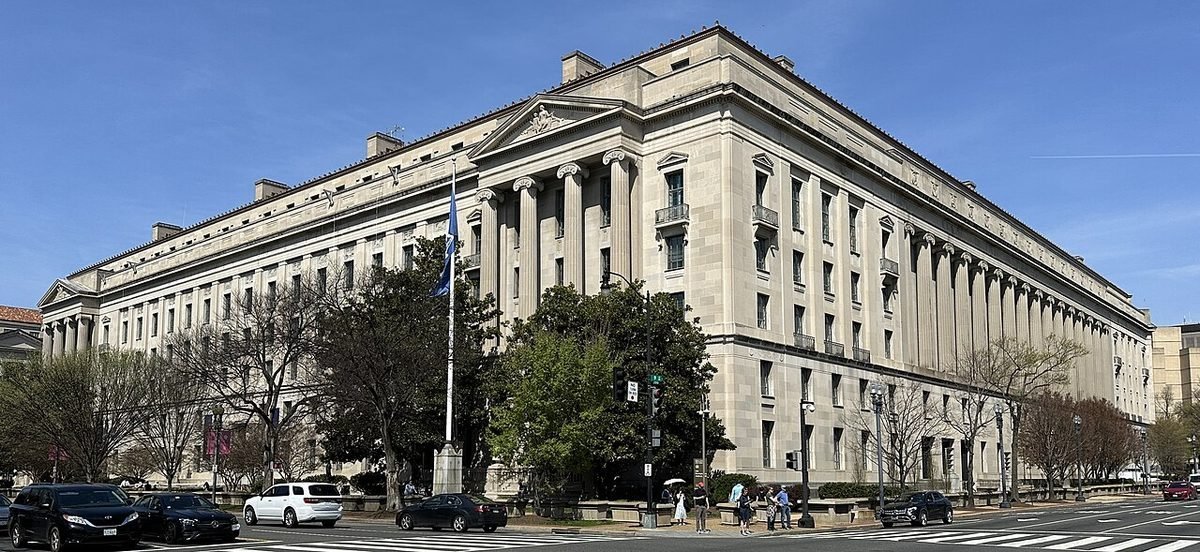
Robert F. Kennedy Department of Justice building.
Robert F. Kennedy Department of Justice building. U.S. government work · Public domain

Task force papers undercut the quid-pro-quo prosecution theory.

When House committees released Justice documents in 2000, papers showed campaign-finance task force chief Charles LaBella writing that the Schwartz matter ‘likely did not merit any investigation.’ [1][2]

Senator Specter aired the memo at a May 2000 hearing; the Schwartz inquiry had closed in 1999 without a bribery case. [3][1]

CRS similarly notes Justice task-force documents found no evidence Schwartz corruptly influenced the waiver. [4]

Bottom line Cleared

Donor-bought-waiver remains unproven — matching the short case status line.

What the record can’t settle

LaBella also discussed special-counsel optics; that is process history, not a finding of guilt.

Sources

  1. NYT: Justice Dept. Memo Says Donor Was Cleared (June 9, 2000) Press on LaBella task-force papers: Schwartz matter ‘likely did not merit any investigation’; inquiry into Schwartz closed 1999.
  2. LA Times: Internal Justice Memo Excuses Loral From Funds Probe (May 23, 2000) Press on LaBella summer 1998 memo/addendum excusing Schwartz/Loral from campaign-finance track.
  3. Sen. Specter Judiciary subcommittee hearing citing LaBella memo (May 2, 2000) — CRS/NYT Specter publicized LaBella language on Schwartz; Reno had denied special-counsel request.
  4. CRS Report 98-485: China — Possible Missile Technology Transfers Under U.S. Satellite Export Policy Nonpartisan chronology of waivers, Loral/Hughes, Cox, NDAA transfer, and civil settlements through 2003.

Back to contents · Open in the interactive guide

Steel-man: money bought the bird

Steel-man · Unproven

Democratic National Committee / campaign finance adjacency.
Democratic National Committee / campaign finance adjacency. Free license · see credit

The strongest donor-quid story — and what it still needs.

Combine largest-donor status, Loral’s China business, Berger’s note that Justice feared jury optics, and the waiver itself. [1][2]

To graduate from adjacency to bribery you still need a corrupt agreement or explicit exchange — which LaBella’s papers say was not there. [3]

Bottom line Unproven

Steel-man explains the suspicion; it does not supply the missing agreement.

What the record can’t settle

Political judgments about ‘appearance’ differ from criminal proof.

Sources

  1. Schwartz ~$1.5M Democratic contributions 1996 cycle — press/Justice document reporting Donation total widely reported; FEC raw filings are the formal ledger (press cites ~$1.5M).
  2. Berger et al. memo to President Clinton on Chinasat-8 waiver (Feb 12, 1998) — NYT archive text Primary White House memo: Justice Criminal Division cautioned waiver could adversely affect any SS/L prosecution; NSC still recommended national-interest waiver.
  3. NYT: Justice Dept. Memo Says Donor Was Cleared (June 9, 2000) Press on LaBella task-force papers: Schwartz matter ‘likely did not merit any investigation’; inquiry into Schwartz closed 1999.

Back to contents · Open in the interactive guide

Next door to Chinagate

Record · Mixed

Democratic National Committee / campaign finance adjacency.
Democratic National Committee / campaign finance adjacency. Free license · see credit

Fundraising-1996 is a sibling, not this file.

Illegal foreign and straw-donor schemes in the 1996 cycle are the fundraising full guide. [1]

Schwartz’s legal soft-money torrents sit beside that scandal in memory — they are not the same guilty-plea spine. [2][3]

Bottom line Mixed

Cross-link the money scandal; do not merge dockets.

What the record can’t settle

Does not re-try Huang/Chung/Trie here.

Sources

  1. AI Files: The 1996 fundraising scandal (full guide) Sibling Chinagate / DNC foreign-money spine — cross-link only.
  2. AI Files short case: China, satellites and bin Laden Hub short nest this guide expands; status line Donor link unproven / Sudan offer unproven.
  3. Schwartz ~$1.5M Democratic contributions 1996 cycle — press/Justice document reporting Donation total widely reported; FEC raw filings are the formal ledger (press cites ~$1.5M).

Back to contents · Open in the interactive guide

Congress investigates 1998–1999

Did it help the missiles?

DTSA, NAIC, Cox

DTSA and NAIC say harm

Record · Official

Ballistic missile / ICBM schematic-style documentary image (not classified).
Ballistic missile / ICBM schematic-style documentary image (not classified). U.S. government educational · Public domain

Classified 1997 assessments drive the criminal case.

CRS recounts a May 16 1997 DTSA assessment that Loral/Hughes expertise significantly enhanced PRC guidance/control and that U.S. national security was harmed — echoing a March 1997 NAIC study and State INR support. [1][2][3]

Those judgments are still partly behind classification; the public sees them through CRS, Cox, and contemporaneous leaks.

Bottom line Official

Open record: multiple U.S. security shops believed rocket help had missile value.

What the record can’t settle

Readers cannot inspect the full classified text here.

Sources

  1. DTSA classified assessment (May 16, 1997) that national security was harmed — as reported in CRS/NYT Classified DTSA finding summarized in open CRS: Loral/Hughes expertise significantly enhanced PRC guidance/control; harm to U.S. national security. Full text still classified.
  2. Air Force NAIC March 1997 assessment — as reported in CRS CRS: NAIC raised concerns prompting Justice criminal investigation (Sep 1997).
  3. CRS Report 98-485: China — Possible Missile Technology Transfers Under U.S. Satellite Export Policy Nonpartisan chronology of waivers, Loral/Hughes, Cox, NDAA transfer, and civil settlements through 2003.
  4. House Report 105-851 (Cox Committee) — declassified May 25, 1999 Bipartisan select committee on PRC tech acquisition; satellite/Loral-Hughes chapters conclude unlicensed assistance harmed reliability of PRC rockets usable for missiles.

Back to contents · Open in the interactive guide

Justice opens a criminal export case

Record · Documented

Robert F. Kennedy Department of Justice building.
Robert F. Kennedy Department of Justice building. U.S. government work · Public domain

September 1997 investigation of Loral and Hughes.

Following the 1997 assessments, Justice began a criminal investigation into whether the companies violated export-control laws by sharing failure-analysis findings. [1][2]

Acting Undersecretary Holum said in April 1998 that State became aware of a possible violation after the 1996 accident and referred it. [2]

Bottom line Documented

A real criminal probe existed; it later ended in civil settlements without company trial convictions.

What the record can’t settle

Individual employee criminal outcomes are not fully mapped in CRS.

Sources

  1. CRS Report 98-485: China — Possible Missile Technology Transfers Under U.S. Satellite Export Policy Nonpartisan chronology of waivers, Loral/Hughes, Cox, NDAA transfer, and civil settlements through 2003.
  2. Acting Undersecretary of State John Holum confirmation of possible Loral violation (Apr 9, 1998) — CRS CRS quotes Holum: State became aware of possible violation after Feb 1996 accident; referred to Justice.

Back to contents · Open in the interactive guide

SLV help ≠ deployed ICBM upgrade?

Question · Debated

Ballistic missile / ICBM schematic-style documentary image (not classified).
Ballistic missile / ICBM schematic-style documentary image (not classified). U.S. government educational · Public domain

Engineers and committees still split on the leap.

John Pike and others stressed structural differences between Long March SLVs and CSS-4 ICBMs; multi-satellite dispensers are not automatic MIRVs. [1][3]

Henry Sokolski and CIA comparison charts in Senate materials stressed shared stages, guidance families, and intangible quality-control know-how. [1]

SSCI: benefits may not show in currently deployed force for years. [2]

Bottom line Debated

Harm-to-future-reliability is the mainstream security finding; ‘already MIRVed the force’ is overclaim.

What the record can’t settle

Public cannot re-run classified simulations.

Sources

  1. CRS Report 98-485: China — Possible Missile Technology Transfers Under U.S. Satellite Export Policy Nonpartisan chronology of waivers, Loral/Hughes, Cox, NDAA transfer, and civil settlements through 2003.
  2. Senate Select Committee on Intelligence report on satellite launches / PRC influence (May 7, 1999) — via CRS summary Unclassified SSCI findings as summarized in CRS: tech transfers could aid future ICBMs; no proven link between satellite cases and PRC political donations.
  3. Cox finding on Motorola Iridium Smart Dispenser Cox: PRC built dispenser indigeneously to Motorola specs; not a U.S. MIRV-tech gift.

Back to contents · Open in the interactive guide

Motorola Smart Dispenser myth-check

Record · Cleared

Communications satellite in space (generic).
Communications satellite in space (generic). NASA / public domain · Public domain — U.S. government work

Cox: PRC built it to Motorola specs.

Allegations that Motorola taught China MIRV-like dispensing via Iridium dual launches were checked by Cox: ‘Motorola did not provide the PRC with information on how to design the Smart Dispenser; the PRC built [it] indigenously to Motorola’s specifications.’ [1][2]

Bottom line Cleared

A popular missile-scare annex does not survive the committee’s own finding.

What the record can’t settle

Does not bless every Iridium-related export.

Sources

  1. Cox finding on Motorola Iridium Smart Dispenser Cox: PRC built dispenser indigeneously to Motorola specs; not a U.S. MIRV-tech gift.
  2. House Report 105-851 (Cox Committee) — declassified May 25, 1999 Bipartisan select committee on PRC tech acquisition; satellite/Loral-Hughes chapters conclude unlicensed assistance harmed reliability of PRC rockets usable for missiles.

Back to contents · Open in the interactive guide

28 successes after the failures

Question · Disputed

Long March or analogous orbital rocket launch.
Long March or analogous orbital rocket launch. Free license / public domain · see credit

Did U.S. help explain the streak?

CRS notes China reported a long streak of successful launches after 1996 failures — raising questions whether U.S. assistance contributed. [1]

Correlation invites the Cox/DTSA reading; it does not by itself prove causation in public.

Bottom line Disputed

Suspicious timing; still an inference from outcomes.

What the record can’t settle

Needs classified engineering for certainty.

Sources

  1. CRS Report 98-485: China — Possible Missile Technology Transfers Under U.S. Satellite Export Policy Nonpartisan chronology of waivers, Loral/Hughes, Cox, NDAA transfer, and civil settlements through 2003.
  2. House Report 105-851 (Cox Committee) — declassified May 25, 1999 Bipartisan select committee on PRC tech acquisition; satellite/Loral-Hughes chapters conclude unlicensed assistance harmed reliability of PRC rockets usable for missiles.

Back to contents · Open in the interactive guide

The Cox Committee

Bipartisan, then radioactive

April 1998 becomes a scandal summer

Record · History

Press conference setting — 1998 media storm.
Press conference setting — 1998 media storm. Public domain pool · Public domain

NYT, hearings, task forces.

April 1998 New York Times reporting that Justice was investigating Loral/Hughes — and that Clinton had waived anyway — detonated months of House and Senate hearings. [1][2]

Speaker Gingrich backed a select committee; Senate leaders formed task forces. [1]

Bottom line History

The political scandal and the export case overlap but are not the same file.

What the record can’t settle

Media tone is not itself a primary finding.

Sources

  1. CRS Report 98-485: China — Possible Missile Technology Transfers Under U.S. Satellite Export Policy Nonpartisan chronology of waivers, Loral/Hughes, Cox, NDAA transfer, and civil settlements through 2003.
  2. Washington Post campaign-finance archive: Loral waiver reporting (May 23, 1998) Contemporaneous press on Schwartz donations and waiver timing.

Back to contents · Open in the interactive guide

The Cox Report on satellites

Record · Official

Christopher Cox / House select committee context.
Christopher Cox / House select committee context. U.S. House / public domain · Public domain — U.S. government work

Bipartisan committee: unlicensed help, rocket reliability, missile applicability.

The Select Committee’s declassified May 25 1999 report found Hughes (1993/1995) and Loral/Hughes (1996) transferred know-how without required licenses and that improvements could aid future PRC ballistic missiles. [1][3]

It printed State ODTC’s December 1998 Hughes assessment and stressed Western diagnostic processes as the sensitive core. [1][2]

Nuclear-lab theft chapters made the report radioactive beyond satellites — this guide stays on the launch spine.

Bottom line Official

Cox is a congressional finding, not a criminal verdict — and still the central public synthesis.

What the record can’t settle

Heavy redactions remain; classified final report is definitive per the committee’s own note.

Sources

  1. House Report 105-851 (Cox Committee) — declassified May 25, 1999 Bipartisan select committee on PRC tech acquisition; satellite/Loral-Hughes chapters conclude unlicensed assistance harmed reliability of PRC rockets usable for missiles.
  2. State ODTC assessment of Hughes 1995 assistance (Dec 18, 1998) — printed in Cox ODTC: lessons inherently applicable to missile as well as SLV programs.
  3. CRS Report 98-485: China — Possible Missile Technology Transfers Under U.S. Satellite Export Policy Nonpartisan chronology of waivers, Loral/Hughes, Cox, NDAA transfer, and civil settlements through 2003.

Back to contents · Open in the interactive guide

Senate Intelligence: future force, not today’s silos

Record · Official

Intelligence community context.
Intelligence community context. U.S. government · Public domain

May 1999 unclassified SSCI report.

CRS summarizes the Senate Intelligence Committee’s May 7 1999 report: no evidence U.S. technology was already in the currently deployed PRC ICBM force, but transferred information could improve present and future forces and regional missiles. [1][2]

SSCI also separated satellite-transfer issues from PRC political-donation questions — no proven link. [1]

Bottom line Official

SSCI tempers ‘missiles already upgraded’ hype while affirming forward risk.

What the record can’t settle

Full 45-page text accessed here via CRS synthesis where paywalled.

Sources

  1. Senate Select Committee on Intelligence report on satellite launches / PRC influence (May 7, 1999) — via CRS summary Unclassified SSCI findings as summarized in CRS: tech transfers could aid future ICBMs; no proven link between satellite cases and PRC political donations.
  2. CRS Report 98-485: China — Possible Missile Technology Transfers Under U.S. Satellite Export Policy Nonpartisan chronology of waivers, Loral/Hughes, Cox, NDAA transfer, and civil settlements through 2003.

Back to contents · Open in the interactive guide

White House answers Cox

Record · History

Eisenhower Executive Office Building / NSC context.
Eisenhower Executive Office Building / NSC context. AI Files record card (no free-licensed portrait; not a face stand-in) · Public domain

February 1999 NSC response.

Before declassification finished, the White House issued a 32-page unclassified response agreeing with some Cox recommendations and rejecting others (e.g., some export-control process changes). [1][2]

Bottom line History

Administration accepted parts of the security critique without accepting every legislative club.

What the record can’t settle

Point-by-point scorecard is in CRS/NSC paper.

Sources

  1. White House/NSC response to Cox recommendations (Feb 1, 1999) — CRS Administration agreed with some Cox recommendations, opposed others; acknowledged unauthorized-assistance risk.
  2. CRS Report 98-485: China — Possible Missile Technology Transfers Under U.S. Satellite Export Policy Nonpartisan chronology of waivers, Loral/Hughes, Cox, NDAA transfer, and civil settlements through 2003.

Back to contents · Open in the interactive guide

Settlements 2000–2003

Fines without trials

$13M / $20M / $32M

Lockheed’s $13 million

Record · Documented

Lockheed Martin space context.
Lockheed Martin space context. Free license / U.S. gov · see credit

Kick-motor assessment case, June 2000.

State charged Lockheed Martin over an unedited kick-motor assessment that reached Asiasat/China Great Wall; a June 2000 consensual settlement totaled $13 million. [1][2]

State’s spokesman line, per CRS: assistance enhancing space-launch capability can be applied to missile development.

Bottom line Documented

Third major satellite-adjacent civil settlement — pattern, not a Loral-only story.

What the record can’t settle

Not a criminal conviction.

Sources

  1. Lockheed Martin $13 million State settlement (June 2000) — CRS recount CRS: kick-motor assessment case; $8M + $5M compliance system.
  2. CRS Report 98-485: China — Possible Missile Technology Transfers Under U.S. Satellite Export Policy Nonpartisan chronology of waivers, Loral/Hughes, Cox, NDAA transfer, and civil settlements through 2003.

Back to contents · Open in the interactive guide

Loral’s $20 million

Record · Documented

Space Systems/Loral / satellite manufacturing context.
Space Systems/Loral / satellite manufacturing context. AI Files record card (no free-licensed portrait; not a face stand-in) · see credit

January 2002 civil deal; Justice drops company criminal case.

Loral announced a $20 million settlement ($14M fine + compliance spending) without admitting or denying the charges; Justice ended its criminal investigation of the company. [1][2]

Bottom line Documented

Penalty documents the government’s export case; it is not a trial finding that Schwartz bribed anyone.

What the record can’t settle

‘Without admitting or denying’ is standard civil language.

Sources

  1. Loral $20 million State Department civil settlement (announced Jan 9, 2002) — CRS recount CRS: Loral agreed to $14M fine + $6M compliance; Justice declined criminal prosecution of company.
  2. CRS Report 98-485: China — Possible Missile Technology Transfers Under U.S. Satellite Export Policy Nonpartisan chronology of waivers, Loral/Hughes, Cox, NDAA transfer, and civil settlements through 2003.

Back to contents · Open in the interactive guide

Hughes/Boeing’s $32 million

Record · Documented

Hughes Electronics / satellite context.
Hughes Electronics / satellite context. Free license · see credit

March 2003 — after 123 charged violations.

State charged Hughes and Boeing Satellite Systems with 123 AECA/ITAR violations tied to Apstar-2, Intelsat-708 and other programs; the companies settled for $32 million and acknowledged the seriousness of the offenses. [1][2]

Charges also flagged the Shen Jun interpreter license episode. [2]

Bottom line Documented

Largest civil price tag on this spine; still not a jury verdict on missile harm quantum.

What the record can’t settle

Boeing had acquired Hughes space unit in 2000.

Sources

  1. Hughes/Boeing $32 million civil penalty (Mar 2003) — CRS recount CRS: companies acknowledged seriousness of charged ITAR offenses without full criminal trial.
  2. CRS Report 98-485: China — Possible Missile Technology Transfers Under U.S. Satellite Export Policy Nonpartisan chronology of waivers, Loral/Hughes, Cox, NDAA transfer, and civil settlements through 2003.

Back to contents · Open in the interactive guide

Awkward Beijing dinner, 2000

Record · History

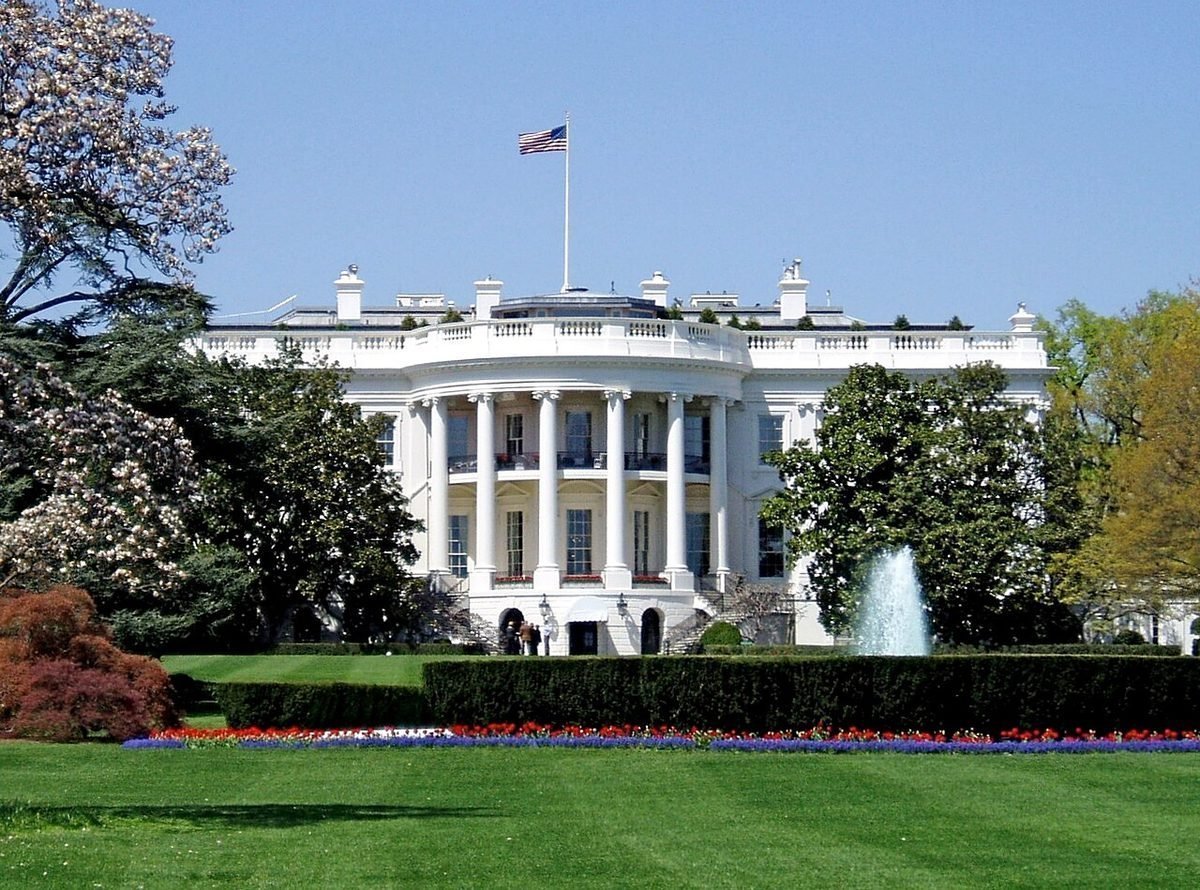
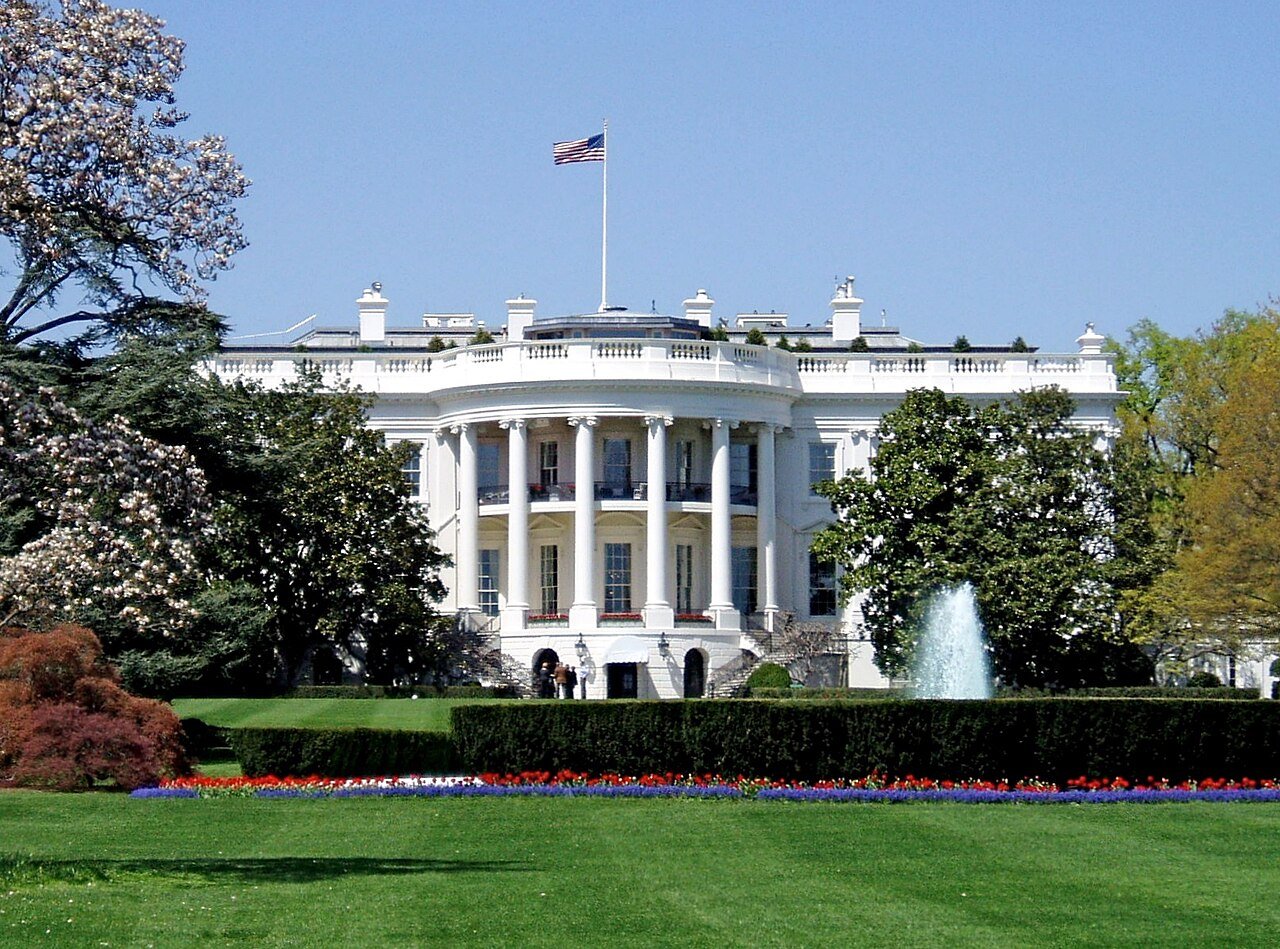
White House north façade.
White House north façade. Public domain · Public domain

Ambassador hosts Loral/Hughes/Lockheed with CASC while probes live.

CRS notes a March 16 2000 embassy dinner including Loral, Lockheed, Hughes, CASC and ChinaSat; embassy denied discussing ChinaSat-8 licensing. [1]

Bottom line History

Optics footnote — not a new waiver.

What the record can’t settle

Secondary vignette.

Sources

  1. CRS Report 98-485: China — Possible Missile Technology Transfers Under U.S. Satellite Export Policy Nonpartisan chronology of waivers, Loral/Hughes, Cox, NDAA transfer, and civil settlements through 2003.

Back to contents · Open in the interactive guide

Security award, then rescinded

Record · History

Space Systems/Loral / satellite manufacturing context.
Space Systems/Loral / satellite manufacturing context. AI Files record card (no free-licensed portrait; not a face stand-in) · see credit

July 2000 embarrassment.

Defense Security Service gave Loral an ‘outstanding security’ award among 50 firms, then rescinded it upon realizing Loral remained under investigation. [1]

Bottom line History

Bureaucratic faceplant, not an exoneration.

What the record can’t settle

Minor.

Sources

  1. CRS Report 98-485: China — Possible Missile Technology Transfers Under U.S. Satellite Export Policy Nonpartisan chronology of waivers, Loral/Hughes, Cox, NDAA transfer, and civil settlements through 2003.

Back to contents · Open in the interactive guide

Do civil fines prove the missile charge?

Question · Debated

Civil settlement / fine motif.
Civil settlement / fine motif. AI Files / gavel pool · Public domain

Penalty ≠ physics.

Companies paid tens of millions and, in Hughes/Boeing’s case, acknowledged the seriousness of charged offenses. [1][2]

Civil ITAR settlements still leave room to argue about how much PLA missile accuracy actually moved — SSCI itself urged caution on currently deployed forces. [3]

Bottom line Debated

Fines prove the government had a case worth settling; they do not freeze a classified delta-V number in public.

What the record can’t settle

Juries never wrote the harm finding.

Sources

  1. Hughes/Boeing $32 million civil penalty (Mar 2003) — CRS recount CRS: companies acknowledged seriousness of charged ITAR offenses without full criminal trial.
  2. Loral $20 million State Department civil settlement (announced Jan 9, 2002) — CRS recount CRS: Loral agreed to $14M fine + $6M compliance; Justice declined criminal prosecution of company.
  3. Senate Select Committee on Intelligence report on satellite launches / PRC influence (May 7, 1999) — via CRS summary Unclassified SSCI findings as summarized in CRS: tech transfers could aid future ICBMs; no proven link between satellite cases and PRC political donations.

Back to contents · Open in the interactive guide

China’s commercial launch drought

Record · History

Xichang or CGWIC launch site context.
Xichang or CGWIC launch site context. Free license · see credit

Sanctions and politics after 2000.

CRS (2003 update): China had no commercial satellite launches since 2000 amid proliferation sanctions and licensing chill. [1]

Bottom line History

The scandal’s afterlife includes a collapsed market, not only fines.

What the record can’t settle

Post-2003 space history not fully traced.

Sources

  1. CRS Report 98-485: China — Possible Missile Technology Transfers Under U.S. Satellite Export Policy Nonpartisan chronology of waivers, Loral/Hughes, Cox, NDAA transfer, and civil settlements through 2003.

Back to contents · Open in the interactive guide

Sudan and bin Laden 1995–1996

Khartoum’s approaches

Sanctions diplomacy

Sudan under the vise

Record · History

Khartoum / Sudan context image.
Khartoum / Sudan context image. Free license · see credit

1993 state-sponsor tag, UN pressure, 1996 approaches.

Sudan was designated a state sponsor of terrorism in 1993; U.S. diplomats left Khartoum in February 1996; UN sanctions followed the failed Mubarak assassination plot handovers. [1]

From February 1996 Sudanese officials asked Washington what would ease pressure; the U.S. tested cooperation with demands including intelligence on Bin Ladin’s contacts. [1]

Bottom line History

Pressure campaign is documented; what exactly was ‘offered’ about Bin Ladin is the disputed sentence.

What the record can’t settle

Full cable traffic remains only partly public.

Sources

  1. 9/11 Commission Staff Statement No. 5: Diplomacy Primary: ‘We have not found any reliable evidence to support the Sudanese claim’ of offering Bin Ladin to the U.S.; Sudan did offer expulsion to Saudi Arabia.
  2. The 9/11 Commission Report (final) Final report narrative on Sudan, Bin Ladin’s May 1996 departure to Afghanistan, and diplomacy.

Back to contents · Open in the interactive guide

May 1996: Afghanistan, not America

Record · History

Afghanistan mountains / Taliban-era context.
Afghanistan mountains / Taliban-era context. U.S. government or free · see credit

Bin Ladin’s departure path.

Staff Statement 5: Sudan offered to expel Bin Ladin to Saudi Arabia; Riyadh would not take him back. [1]

In May 1996 Bin Ladin leased an Ariana jet to Afghanistan (UAE refuel). Sudan informed the U.S. about two days later. [1][2]

U.S. officials wanted him out of Sudan but did not ask Sudan to render him into U.S. custody that spring. [1]

Bottom line History

Expulsion happened; destination was Afghanistan, not a U.S. jail.

What the record can’t settle

Whether interception was considered is flagged as unclear by staff.

Sources

  1. 9/11 Commission Staff Statement No. 5: Diplomacy Primary: ‘We have not found any reliable evidence to support the Sudanese claim’ of offering Bin Ladin to the U.S.; Sudan did offer expulsion to Saudi Arabia.
  2. The 9/11 Commission Report (final) Final report narrative on Sudan, Bin Ladin’s May 1996 departure to Afghanistan, and diplomacy.

Back to contents · Open in the interactive guide

PDD-39 frames 1990s CT

Record · History

Eisenhower Executive Office Building / NSC context.
Eisenhower Executive Office Building / NSC context. AI Files record card (no free-licensed portrait; not a face stand-in) · Public domain

Rendition as priority tool — on paper.

Staff Statement 5 cites Clinton’s June 1995 PDD-39 declaring terrorism a national-security threat and prioritizing return of terrorists for prosecution. [1][2]

That framework is why later critics ask why Bin Ladin was not grabbed in 1996 — and why staff painstakingly reconstruct what was actually on the table.

Bottom line History

Policy aspiration ≠ operational offer from Sudan.

What the record can’t settle

PDD text summarized via staff statement.

Sources

  1. Presidential Decision Directive 39 (June 1995) counterterrorism policy — described in Staff Statement 5 Sets rendition/extradition priority framing for 1990s CT diplomacy.
  2. 9/11 Commission Staff Statement No. 5: Diplomacy Primary: ‘We have not found any reliable evidence to support the Sudanese claim’ of offering Bin Ladin to the U.S.; Sudan did offer expulsion to Saudi Arabia.

Back to contents · Open in the interactive guide

The offer that was real: Saudi Arabia

Record · Documented

Saudi Arabia context (expulsion offer destination).
Saudi Arabia context (expulsion offer destination). Free license · see credit

Staff Statement 5’s affirmative finding.

‘Sudan did offer to expel Bin Ladin to Saudi Arabia and asked the Saudis to pardon him.’ U.S. officials knew by March 1996. Saudis wanted him out of Sudan but not back home. [1]

Bottom line Documented

Conflating Saudi expulsion talks with a U.S. custody offer is the usual memory error.

What the record can’t settle

Saudi internal deliberations not fully public.

Sources

  1. 9/11 Commission Staff Statement No. 5: Diplomacy Primary: ‘We have not found any reliable evidence to support the Sudanese claim’ of offering Bin Ladin to the U.S.; Sudan did offer expulsion to Saudi Arabia.
Back to contents · Open in the interactive guide

The ‘offer bin Laden’ claim

Unproven

‘Sudan offered him to us’

Record · Unproven

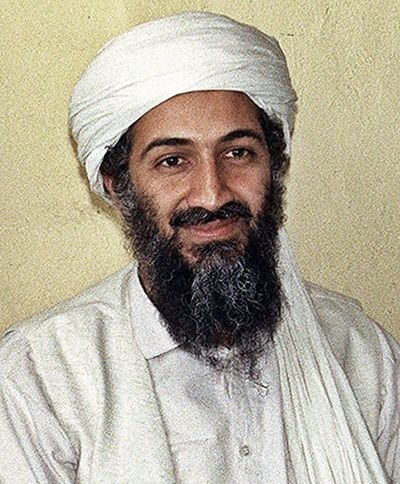
Usama bin Laden — historical photo used for Sudan spine identification only.
Usama bin Laden — historical photo used for Sudan spine identification only. Free license / public domain archival · verify license on file

Former Sudanese officials vs Clinton officials.

Former Sudanese officials have claimed Sudan offered to hand Bin Ladin to the United States. Clinton administration officials denied receiving such an offer. [1][2]

Staff Statement 5’s controlling line: ‘We have not found any reliable evidence to support the Sudanese claim.’ [1]

Bottom line Unproven

Unproven — same word the hub short uses.

What the record can’t settle

Later memoirs do not outrank the Commission staff finding unless new primaries appear.

Sources

  1. 9/11 Commission Staff Statement No. 5: Diplomacy Primary: ‘We have not found any reliable evidence to support the Sudanese claim’ of offering Bin Ladin to the U.S.; Sudan did offer expulsion to Saudi Arabia.

  2. AI Files short case: China, satellites and bin Laden Hub short nest this guide expands; status line Donor link unproven / Sudan offer unproven.
  3. Later press interviews with former Sudanese officials claiming a U.S. offer existed — Commission weighed and rejected as unreliable Staff Statement 5 is the controlling primary for the Commission’s reliability judgment; individual later memoirs are secondary.

Back to contents · Open in the interactive guide

The CSG ‘what if we took him?’ talk

Record · History

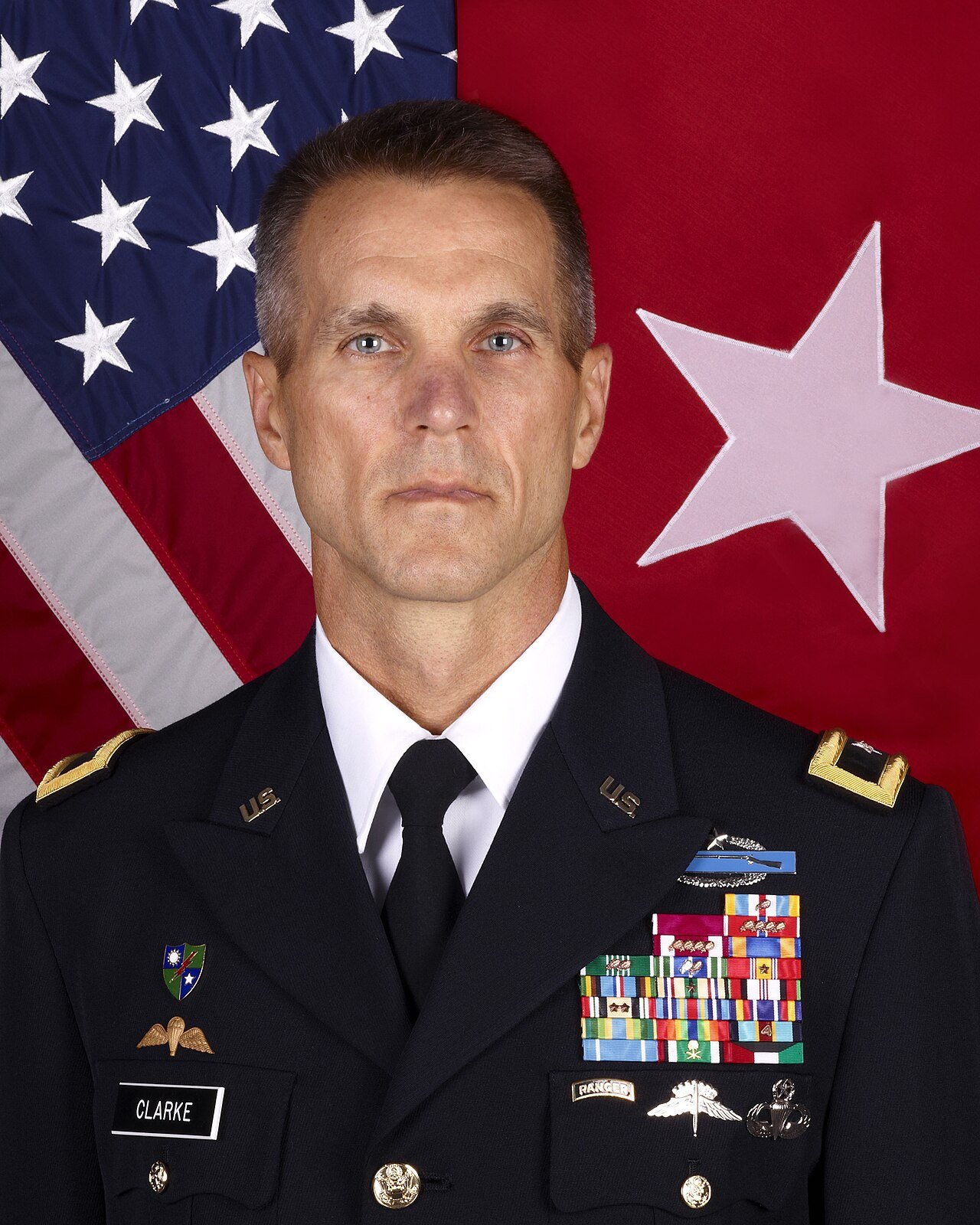
Richard Clarke (counterterrorism) — institutional portrait if available, else NSC context.
Richard Clarke (counterterrorism) — institutional portrait if available, else NSC context. U.S. government / pool · Public domain or free

Berger and Clarke on the 1996 hypothetical.

Berger told the Commission the CSG chaired by Clarke had a hypothetical discussion about bringing Bin Ladin to the U.S.; a Justice representative said there was no indictment basis to hold him. [1][2]

Both Berger and Clarke also said the lack of indictment was not the real barrier — Sudan was unlikely to deliver him to a hostile country. [2]

Bottom line History

A hypothetical is not proof an operational offer from Sudan arrived.

What the record can’t settle

Does not settle later debates about 1998–2001 CT opportunities.

Sources

  1. Berger & Clarke interviews summarized in Staff Statement 5 CSG hypothetical about bringing Bin Ladin to U.S.; DOJ said no indictment basis in 1996; both said lack of indictment not the real barrier — Sudan unlikely to deliver to a hostile country.
  2. 9/11 Commission Staff Statement No. 5: Diplomacy Primary: ‘We have not found any reliable evidence to support the Sudanese claim’ of offering Bin Ladin to the U.S.; Sudan did offer expulsion to Saudi Arabia.
Back to contents · Open in the interactive guide

Staff Statement 5 closes the U.S.-offer door

Record · Official

Document stack — waivers, memos, reports.
Document stack — waivers, memos, reports. AI Files record card (institutional / place / document context — not a person face) · Public domain / site graphic

March 2004 staff finding.

Diplomacy Staff Statement No. 5 is the primary public Commission product on the Sudan claim. [1]

It affirms Saudi expulsion talks, denies reliable evidence of a U.S. handover offer, and situates Bin Ladin still as terrorist financier in U.S. eyes in 1996. [1]

Bottom line Official

Best available official judgment: Sudan→U.S. offer unproven.

What the record can’t settle

Staff statements can be revised; none publicly reversed this line.

Sources

  1. 9/11 Commission Staff Statement No. 5: Diplomacy Primary: ‘We have not found any reliable evidence to support the Sudanese claim’ of offering Bin Ladin to the U.S.; Sudan did offer expulsion to Saudi Arabia.
  2. The 9/11 Commission Report (final) Final report narrative on Sudan, Bin Ladin’s May 1996 departure to Afghanistan, and diplomacy.

Back to contents · Open in the interactive guide

What the short already got right on Sudan

Record · Unproven

Khartoum / Sudan context image.
Khartoum / Sudan context image. Free license · see credit

Commission line preserved.

The short quotes Staff Statement 5’s ‘no reliable evidence’ sentence and notes the Saudi expulsion offer. [1][2]

We add CSG hypothetical context and the May 1996 flight path without upgrading ‘unproven’ to ‘false’ or ‘true.’

Bottom line Unproven

Unproven stays unproven.

What the record can’t settle

No new secret cable produced here.

Sources

  1. AI Files short case: China, satellites and bin Laden Hub short nest this guide expands; status line Donor link unproven / Sudan offer unproven.
  2. 9/11 Commission Staff Statement No. 5: Diplomacy Primary: ‘We have not found any reliable evidence to support the Sudanese claim’ of offering Bin Ladin to the U.S.; Sudan did offer expulsion to Saudi Arabia.
Back to contents · Open in the interactive guide

Are there still unreleased cables?

Question · Unproven

Document stack — waivers, memos, reports.
Document stack — waivers, memos, reports. AI Files record card (institutional / place / document context — not a person face) · Public domain / site graphic

Why ‘unproven’ is not ‘impossible.’

Staff Statement 5 reflects extensive State/CIA/WH document access as of 2004. [1]

A future dump could in theory change weights — none has publicly overturned the staff line as of this edition.

Bottom line Unproven

Epistemic door cracked; present tense still unproven.

What the record can’t settle

Not an invitation to treat rumor as evidence.

Sources

  1. 9/11 Commission Staff Statement No. 5: Diplomacy Primary: ‘We have not found any reliable evidence to support the Sudanese claim’ of offering Bin Ladin to the U.S.; Sudan did offer expulsion to Saudi Arabia.
Back to contents · Open in the interactive guide

Commission and memory 2004–2026

How the story fused

Talk radio to hub short

This is not the pardons guide

Record · History

Document stack — waivers, memos, reports.
Document stack — waivers, memos, reports. AI Files record card (institutional / place / document context — not a person face) · Public domain / site graphic

The nest folder says clemency-china; the content is satellites and Sudan.

The Clinton hub short case lives at `/files/clintons/clemency-china/`, but its own banner points readers who want Marc Rich / Rodham fees / FALN to the separate pardons full guide. [1][2]

This expansion keeps that wall: presidential clemency is out of scope except as a labeling trap.

Bottom line History

Folder name ≠ topic. Satellites + Sudan offer only.

What the record can’t settle

Does not re-litigate every China-policy fight of the 1990s.

Sources

  1. AI Files short case: China, satellites and bin Laden Hub short nest this guide expands; status line Donor link unproven / Sudan offer unproven.
  2. AI Files: The last-day pardons (full guide) Sibling presidential-clemency spine — NOT this topic; short nest even banners the distinction.

Back to contents · Open in the interactive guide

Status line that still holds

Record · Official

Archive / memory phase visual.
Archive / memory phase visual. AI Files pool · Public domain pool

Donor link unproven / Sudan offer unproven.

The hub short’s record box states both halves plainly after summarizing Loral’s penalty and Schwartz’s donor rank. [1]

This full guide’s critical path reaches the same two labels without laundering them into ‘debunked’ or ‘proven.’

Bottom line Official

Keep the short’s epistemic humility — expand the evidence, don’t flip the verbs.

What the record can’t settle

AI assessment, not a court.

Sources

  1. AI Files short case: China, satellites and bin Laden Hub short nest this guide expands; status line Donor link unproven / Sudan offer unproven.
  2. NYT: Justice Dept. Memo Says Donor Was Cleared (June 9, 2000) Press on LaBella task-force papers: Schwartz matter ‘likely did not merit any investigation’; inquiry into Schwartz closed 1999.
  3. 9/11 Commission Staff Statement No. 5: Diplomacy Primary: ‘We have not found any reliable evidence to support the Sudanese claim’ of offering Bin Ladin to the U.S.; Sudan did offer expulsion to Saudi Arabia.
Back to contents · Open in the interactive guide

How talk radio fused the spines

Record · Mixed

Archive / memory phase visual.
Archive / memory phase visual. AI Files pool · Public domain pool

Satellites + Chinagate + ‘they passed on bin Laden.’

Public memory often merges Schwartz/Loral, the wider 1996 foreign-money scandal, Cox’s nuclear chapters, and the Sudan offer claim into one betrayal story. [1][2]

The primary record keeps them separable — and keeps two big verbs at unproven. [3][4]

Bottom line Mixed

Fusion is a memory fact; fused guilt is not a documented finding.

What the record can’t settle

Does not catalog every talk-radio episode.

Sources

  1. AI Files short case: China, satellites and bin Laden Hub short nest this guide expands; status line Donor link unproven / Sudan offer unproven.
  2. AI Files: The 1996 fundraising scandal (full guide) Sibling Chinagate / DNC foreign-money spine — cross-link only.
  3. NYT: Justice Dept. Memo Says Donor Was Cleared (June 9, 2000) Press on LaBella task-force papers: Schwartz matter ‘likely did not merit any investigation’; inquiry into Schwartz closed 1999.
  4. 9/11 Commission Staff Statement No. 5: Diplomacy Primary: ‘We have not found any reliable evidence to support the Sudanese claim’ of offering Bin Ladin to the U.S.; Sudan did offer expulsion to Saudi Arabia.
Back to contents · Open in the interactive guide