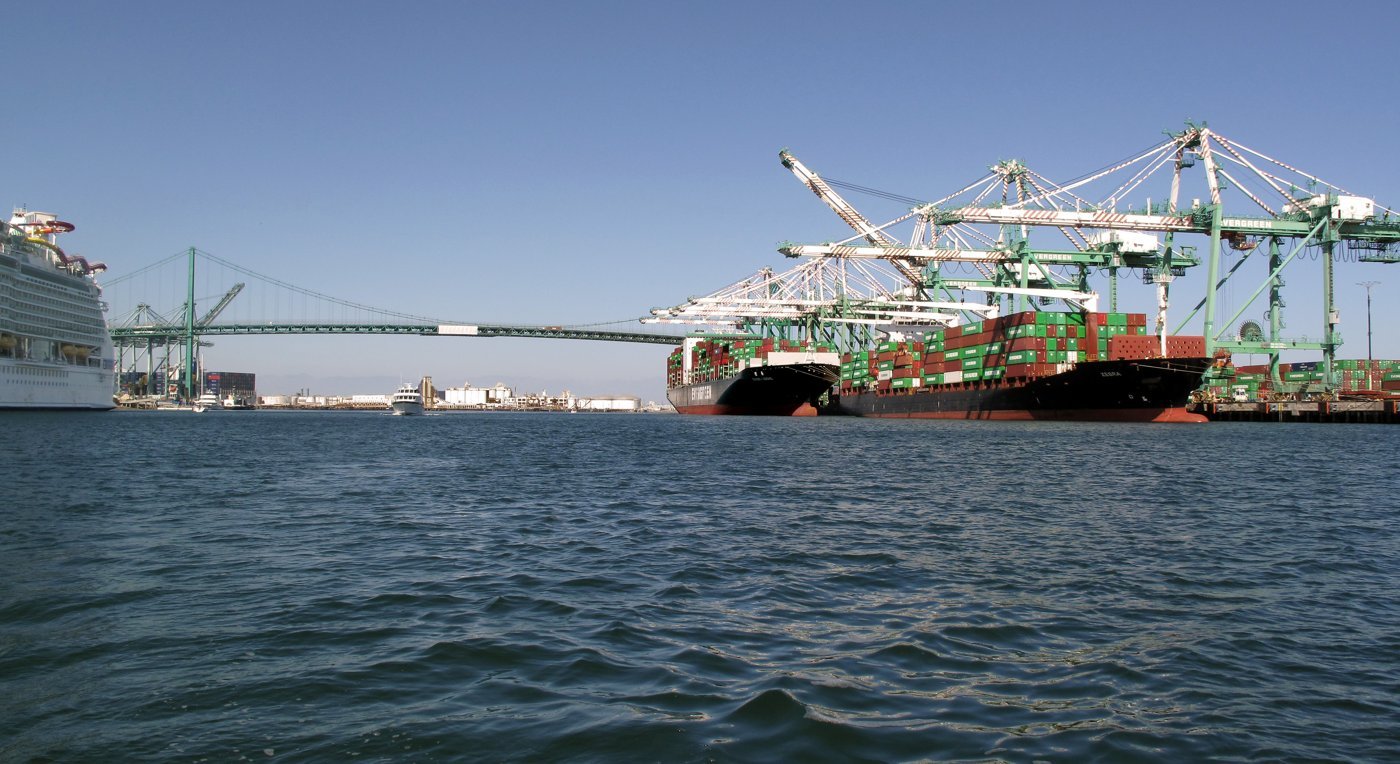
Port of Los Angeles containers.

The AI Files · Donald Trump · 2016–2026

Tariffs and the trade war

On 20 February 2026 the Supreme Court held 6–3 that a 1977 emergency-powers law does not let a president impose tariffs. Steel, aluminum, and China Section 301 duties sit on different statutes. Who pays is a separate fight — and New York Fed economists estimated nearly 90 percent of the 2025 burden fell on U.S. firms and consumers.

This guide keeps proclamations, USTR notices, and the slip opinion on the spine. Rival camps get their own paths: leverage that worked, foreigners who supposedly pay, national-security pretext, and the dissent that would have upheld IEEPA.

Port of Los Angeles containers. Image: Wikimedia Commons · see credit; re-encoded, EXIF stripped

The story

The story

Proclamations and lists first; slogans after.

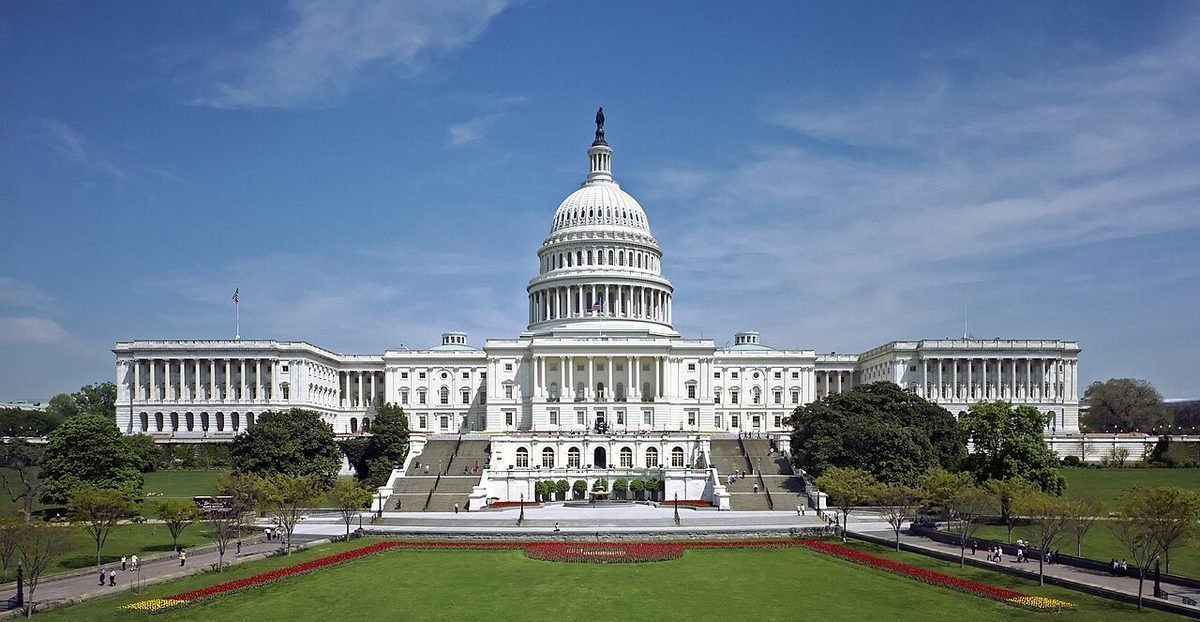
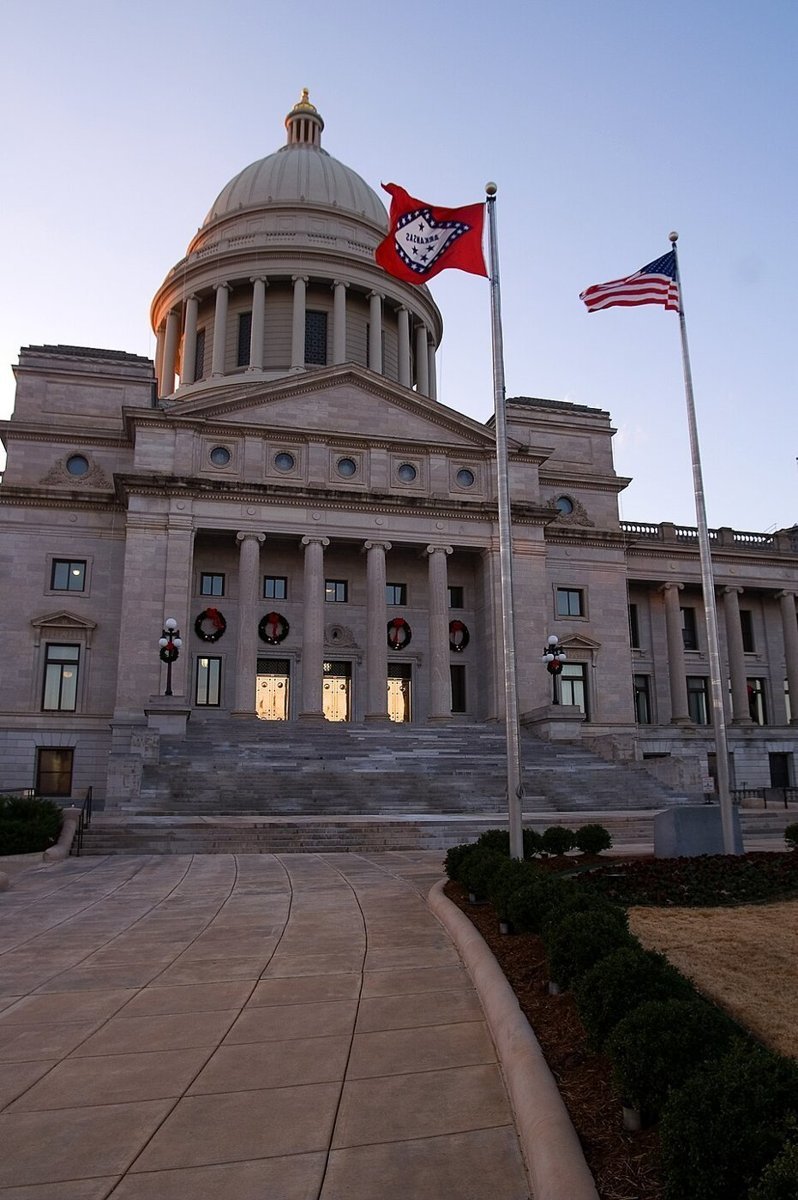
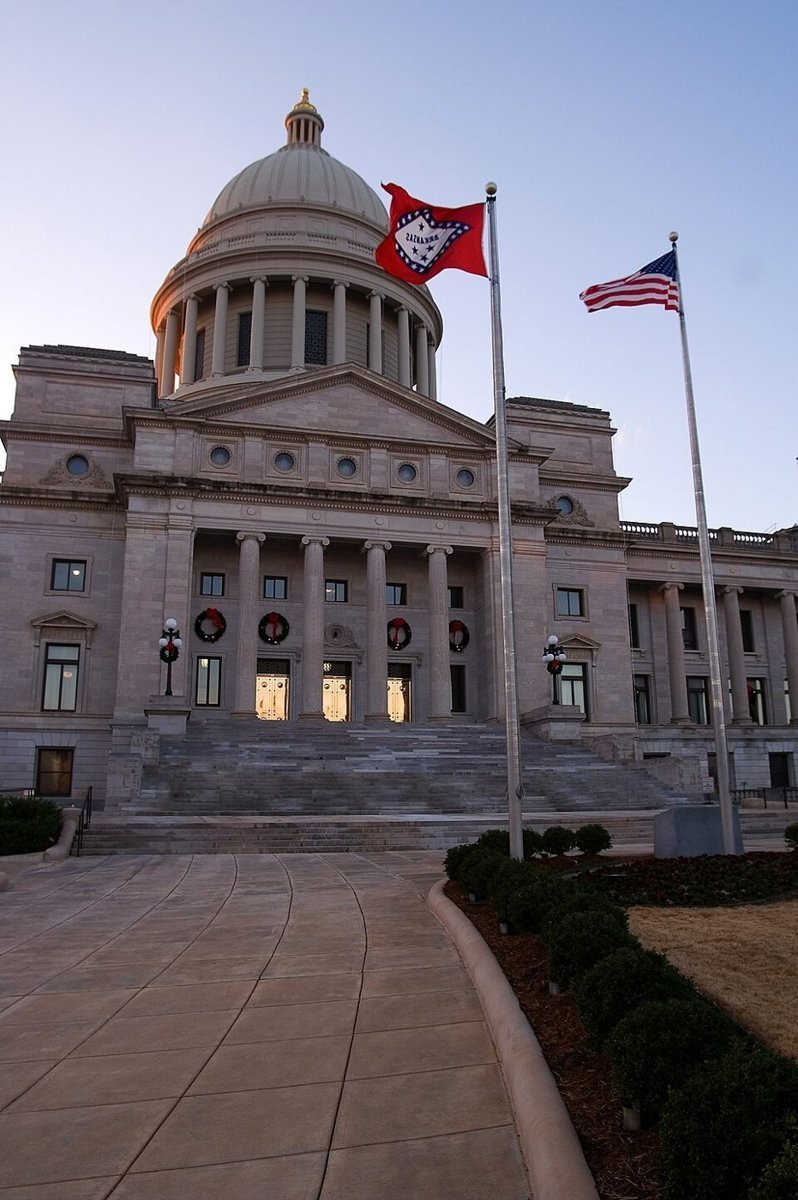
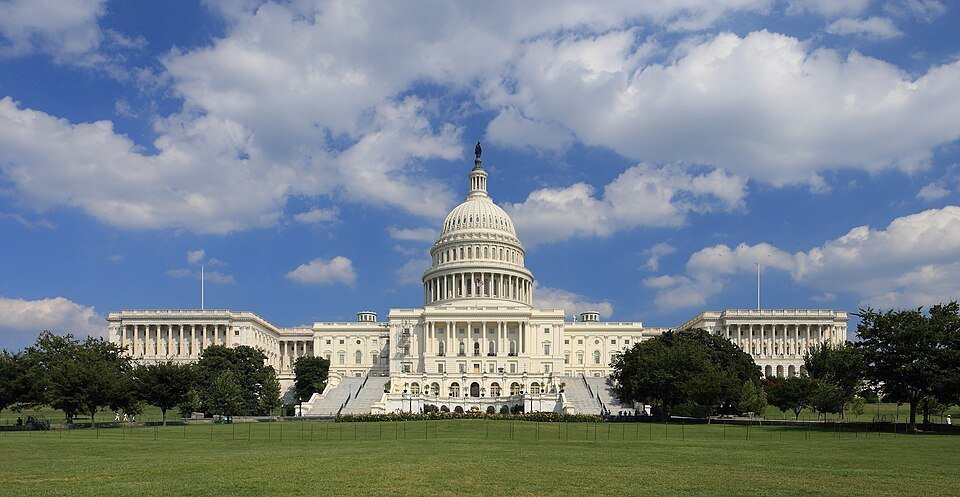
U.S. Capitol exterior.
U.S. Capitol exterior. Guide pool / Wikimedia · see credit; re-encoded, EXIF stripped

Chapter 1

Start with the Constitution, not the slogan

Before any proclamation, Congress owns peacetime duties. Article I puts taxes and foreign commerce in the legislature’s hands. That is why every later fight in this file is really a fight about *which statute*, if any, handed a piece of that power to the president. [1] [2]

Document stand-in.
Document stand-in. Guide pool · see credit; re-encoded, EXIF stripped

Chapter 2

The tools already on the shelf

Section 232 and Section 301 are not improvisations. One ties import adjustments to a Commerce national-security investigation. The other lets USTR answer foreign practices that burden U.S. commerce — and it knows the word “duties.” IEEPA, written for emergencies, lists many verbs and never says tariff. [3] [4] [5]

campaign chapter image (from press).
campaign chapter image (from press). Guide pool · see credit; re-encoded, EXIF stripped

Chapter 3

Campaign heat, statutory lanes

Donald Trump did not invent anger at China’s industrial policy. He did put that anger in the center of a presidential campaign and then picked the lanes Congress had already cut. The motive is politics; the authority has to be law. [6] [7]

Steel visual (guide pool).
Steel visual (guide pool). Guide pool · see credit; re-encoded, EXIF stripped

Chapter 4

Steel at 25, aluminum at 10

On 8 March 2018 the proclamations landed: Proclamation 9705 for steel, 9704 for aluminum, after Commerce reports that imports threatened to impair national security. Exclusion petitions and ally carve-outs immediately became their own industry. [8] [9]

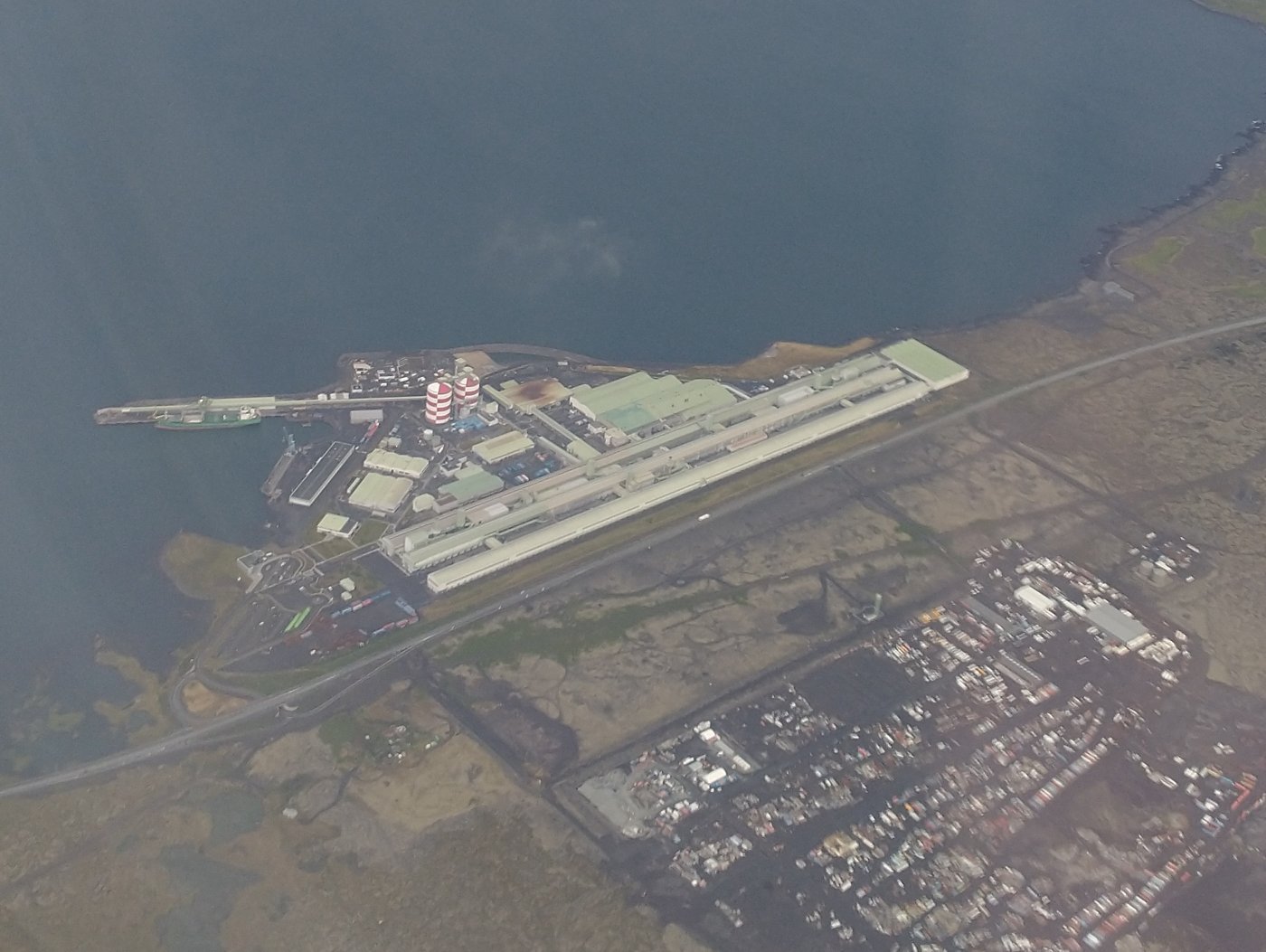
Aluminum smelter.
Aluminum smelter. Wikimedia Commons · see credit; re-encoded, EXIF stripped

Chapter 5

Allies in the blast radius

When Canadian and European metal drew the same national-security pen, critics heard pretext and friends heard betrayal. Labor supporters heard capacity and survival. The proclamation’s text still speaks the security language either way. [8] [10] [11]

USTR Winder Building.
USTR Winder Building. Wikimedia Commons · see credit; re-encoded, EXIF stripped

Chapter 6

USTR builds the China case

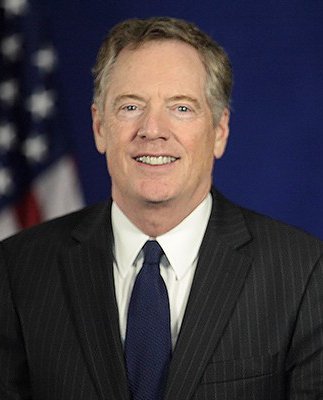
Robert Lighthizer’s office opened a Section 301 investigation in August 2017 and, in April 2018, determined that China’s tech-transfer and IP practices were actionable. That determination — not a tweet — is the legal hinge for the lists that followed. [12] [13]

Federal Register / paperwork stand-in.
Federal Register / paperwork stand-in. Guide pool · see credit; re-encoded, EXIF stripped

Chapter 7

Lists, ladders, exclusions

List 1 hit in July 2018; List 2 in August; later lists widened the war. Product exclusions meant the rate on paper and the duty actually paid were not always twins. [14] [15] [16]

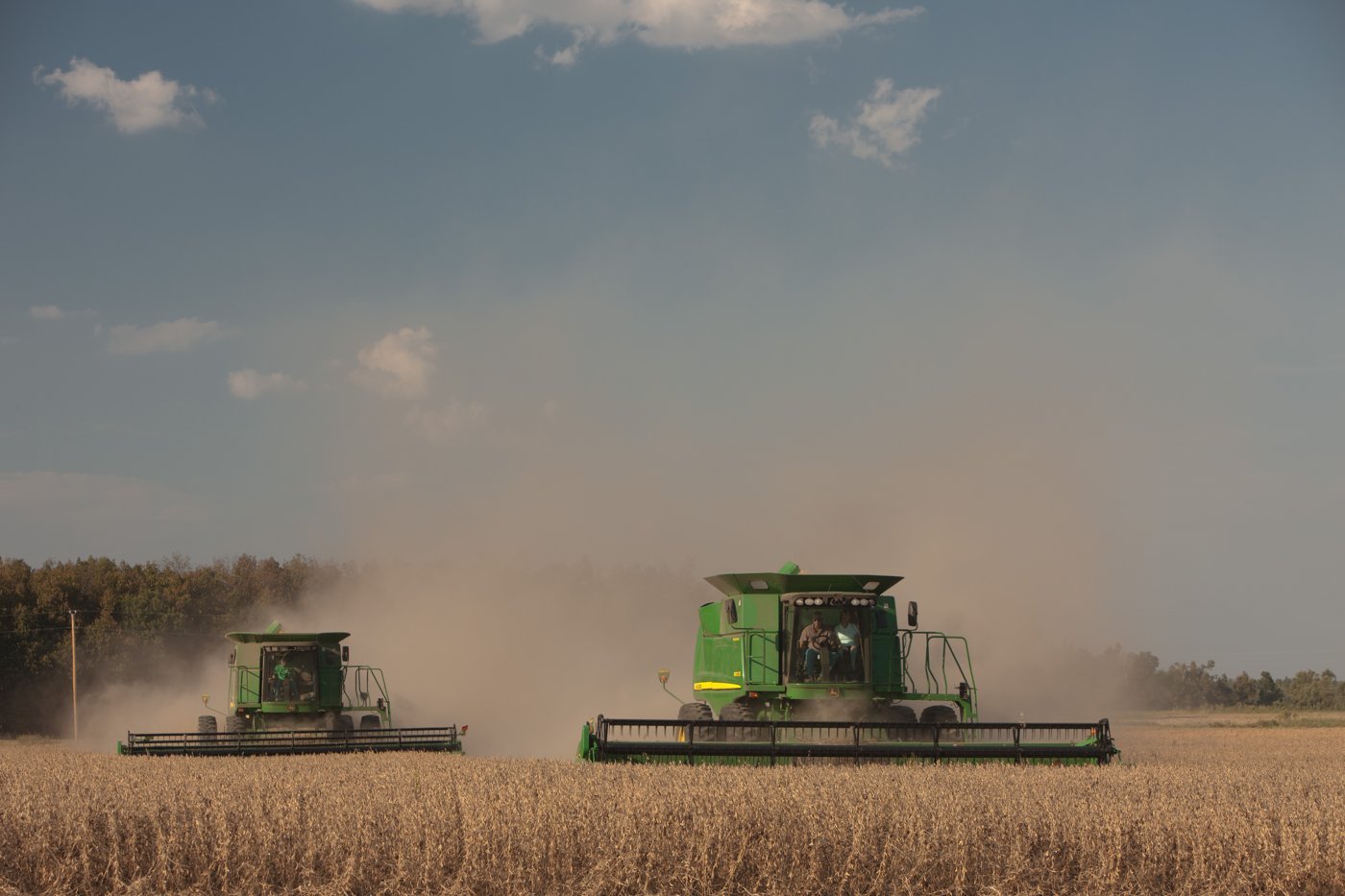
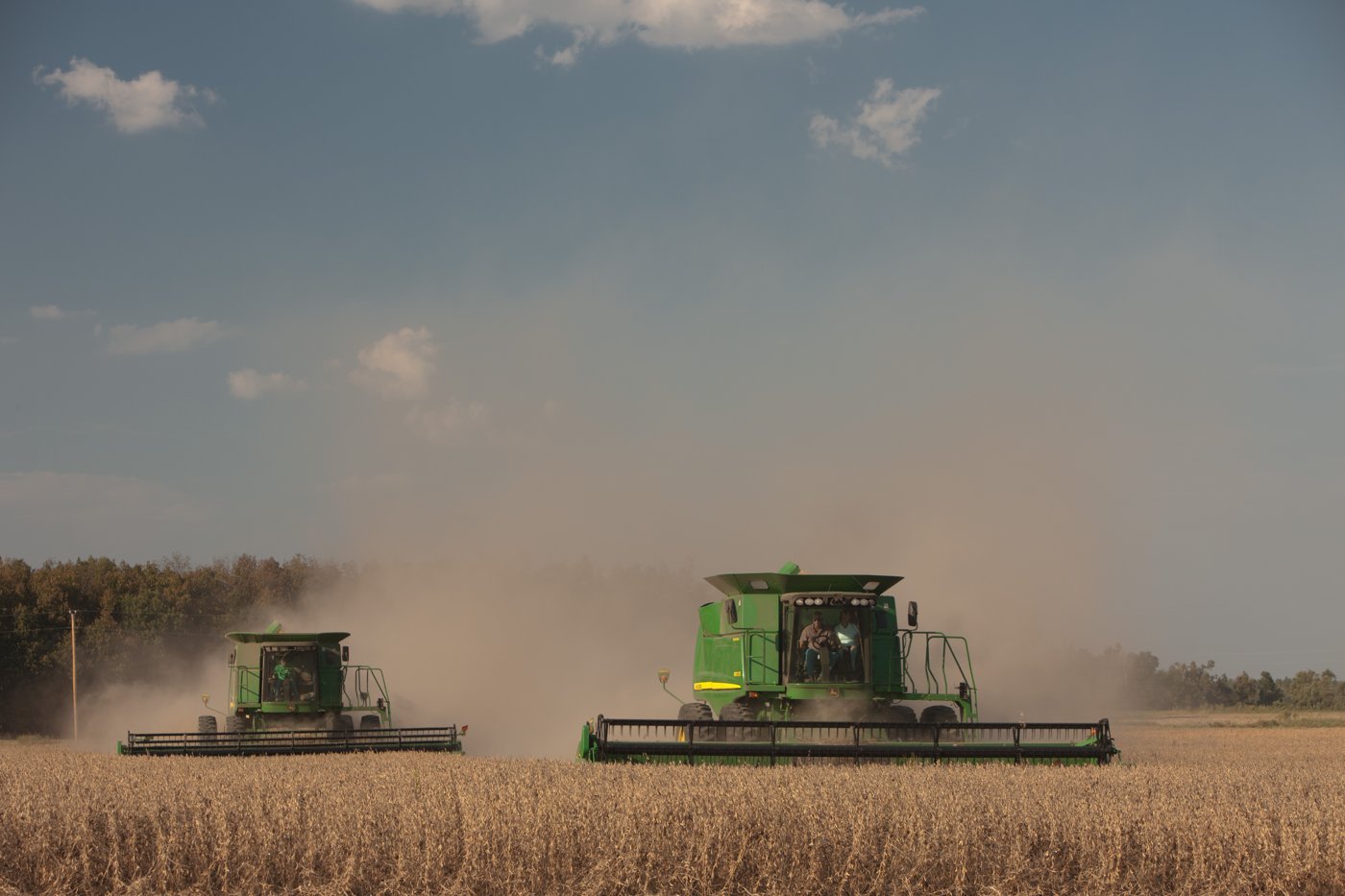
Soybean harvest.
Soybean harvest. Wikimedia Commons · see credit; re-encoded, EXIF stripped

Chapter 8

Soybean country pays first

China’s retaliation found American farms. Soy and other exports became the visible wound, and USDA’s Market Facilitation Program became the bandage Congress and the administration could mail. Pain was not theoretical. [17] [18] [19]

Port of Los Angeles containers.
Port of Los Angeles containers. Wikimedia Commons · see credit; re-encoded, EXIF stripped

Chapter 9

Economists graph who pays

By 2019, Amiti, Redding, and Weinstein’s *Journal of Economic Perspectives* paper reported near-complete pass-through of the new tariffs into U.S. duty-inclusive prices. Foreign exporters, on average, did not eat the tax. [20]

phaseone chapter image (from signing).
phaseone chapter image (from signing). Guide pool · see credit; re-encoded, EXIF stripped

Chapter 10

Phase One on paper

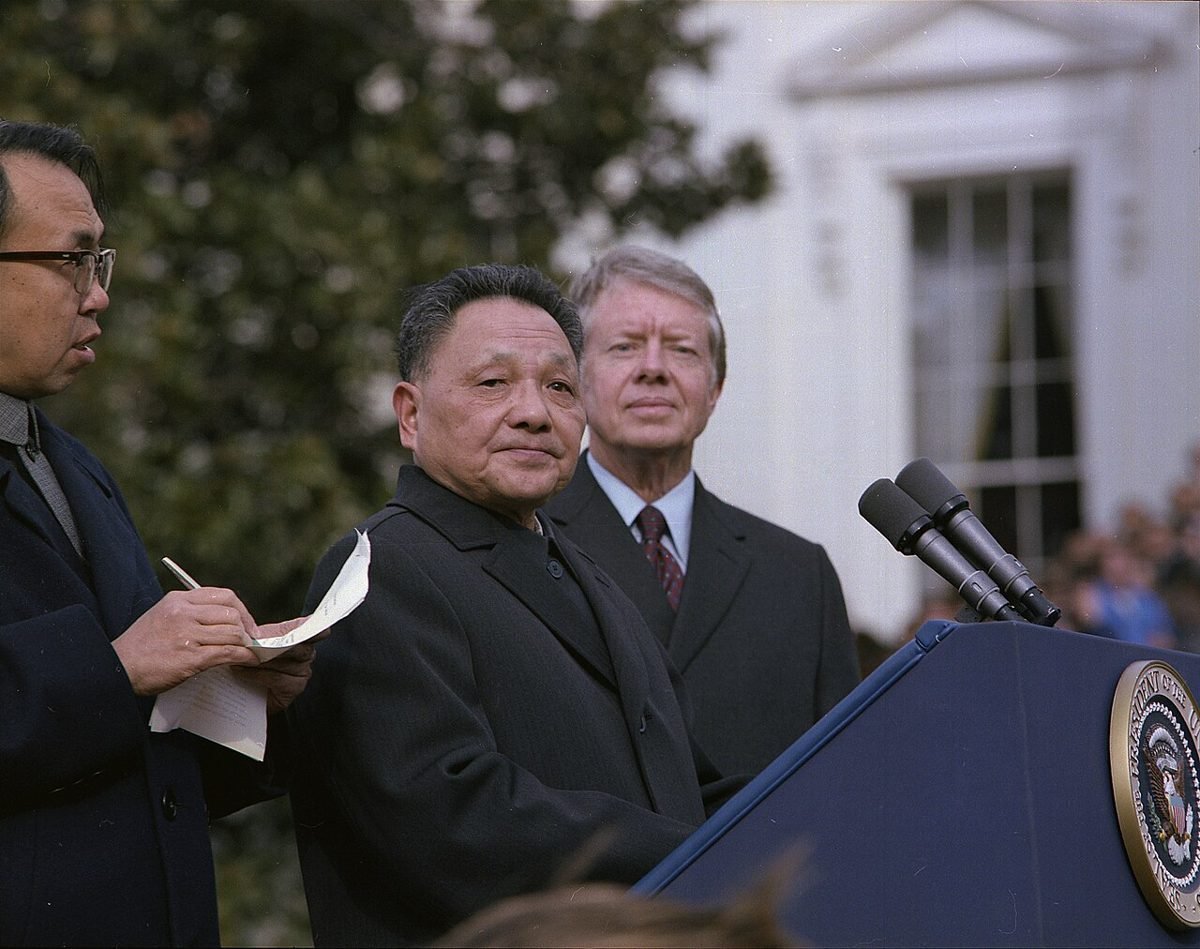
15 January 2020: a signed Economic and Trade Agreement — IP, tech transfer, agriculture, finance, currency, purchases, dispute resolution. Hawks called it proof of leverage. Skeptics started stopwatches on the shopping cart. [21] [22] [23]

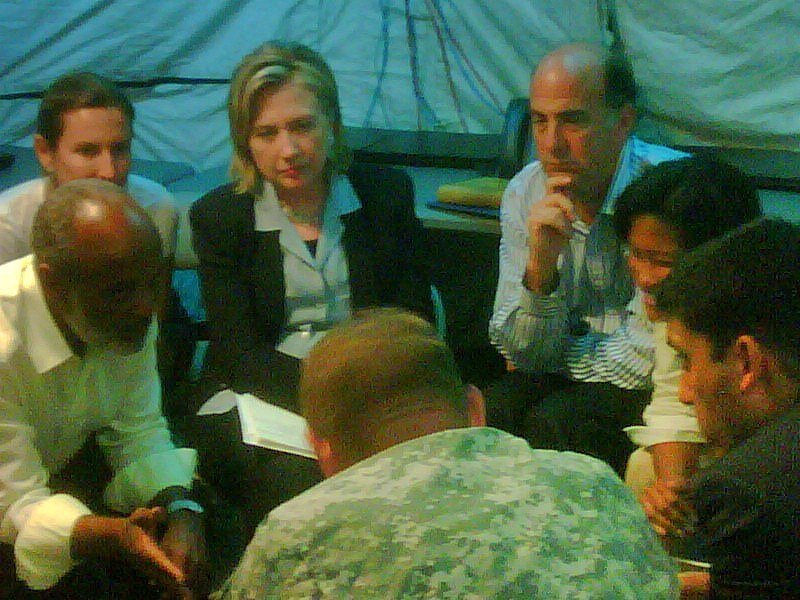
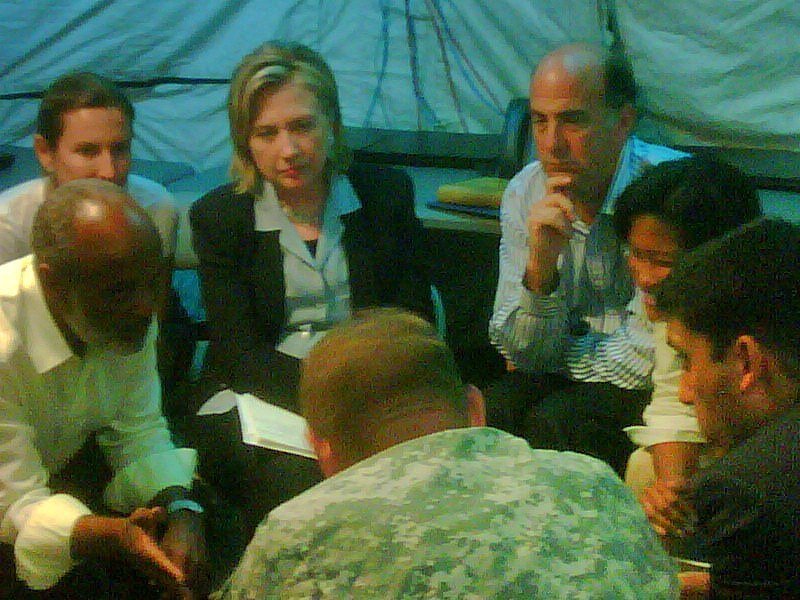
U.S.–China diplomatic meeting visual.
U.S.–China diplomatic meeting visual. Guide pool · see credit; re-encoded, EXIF stripped

Chapter 11

The purchase argument never ends

The fact sheet promised large additional Chinese purchases. Delivery, COVID, and later tallies kept the argument alive. Structural chapters can be real while the cart is light. Both facts belong on the same table. [22] [24]

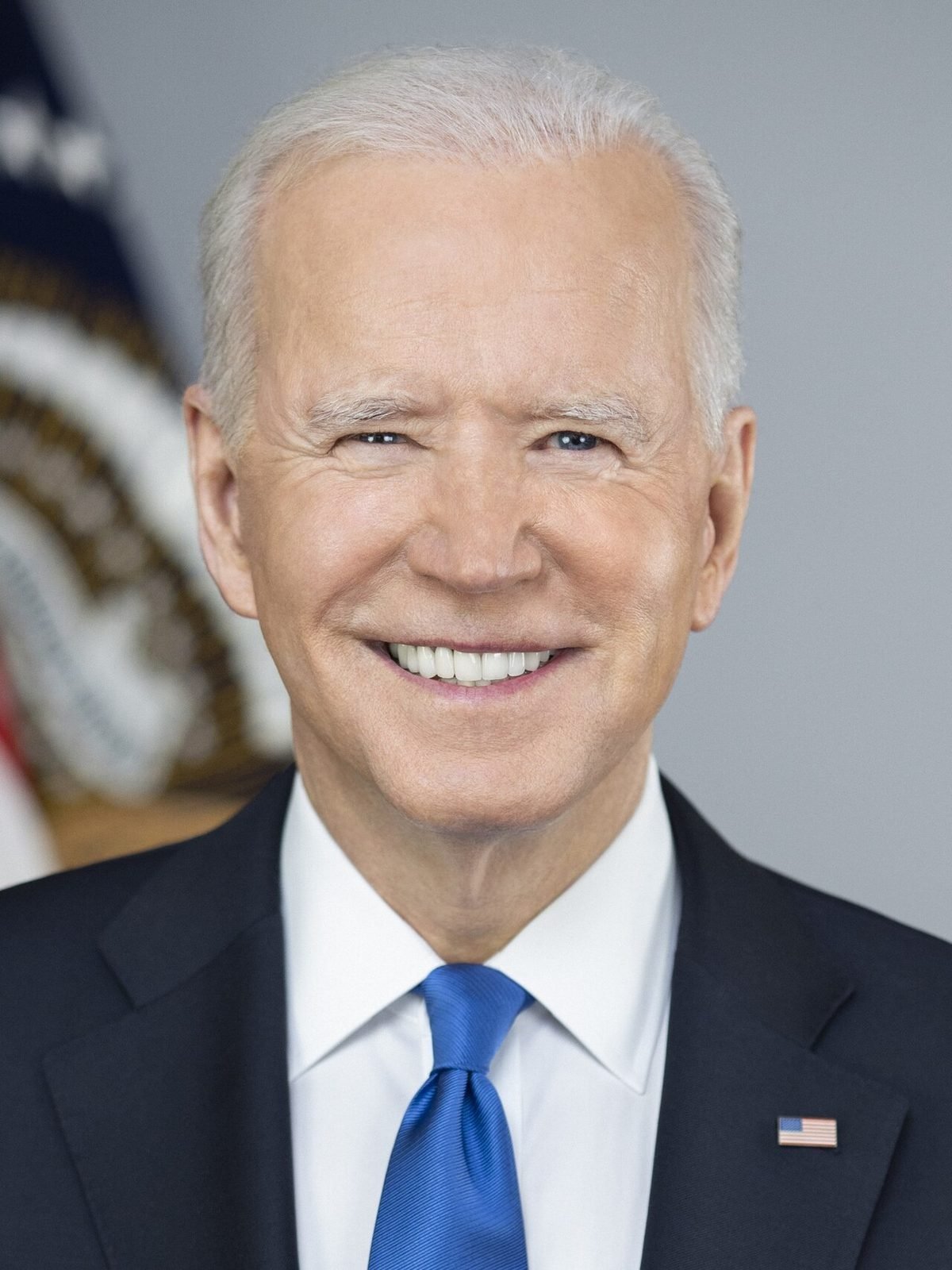
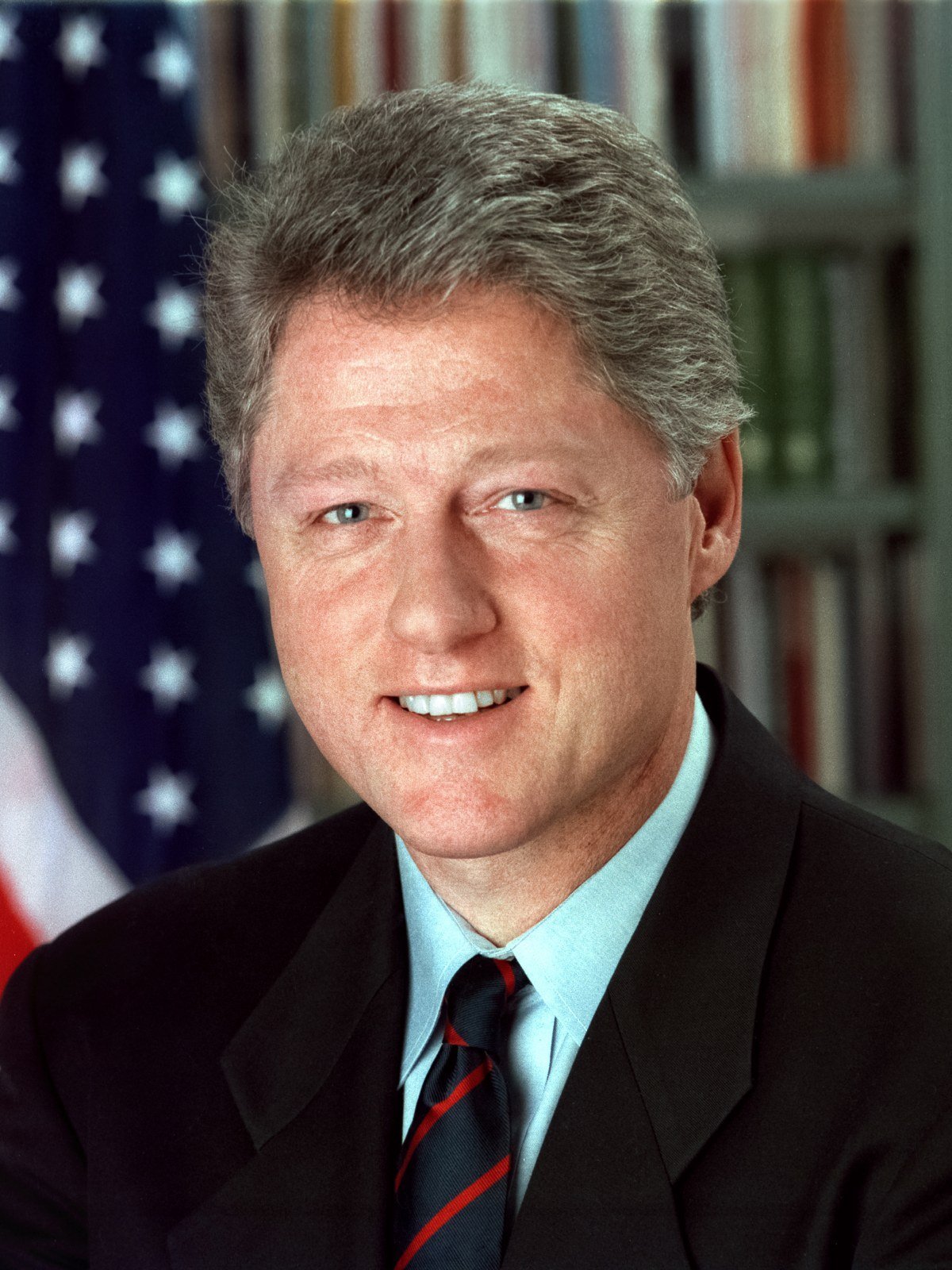
Joe Biden (guide pool).
Joe Biden (guide pool). Guide pool · see credit; re-encoded, EXIF stripped

Chapter 12

Biden keeps the architecture

The next administration did not scrap the China tariffs. A statutory four-year review kept them alive, then raised rates on strategic goods — EVs, chips, and more — inside Section 301, not IEEPA. [25] [26] [27]

Factory floor.
Factory floor. Guide pool · see credit; re-encoded, EXIF stripped

Chapter 13

Continuity without a hug

“Biden kept Trump’s tariffs” is partly true and easy to abuse. Continuity on China tech/IP duties is documented. It is not a court blessing of every 232 ally hit, and it is not a preview of 2025 emergency tariffs. [28] [2]

reciprocal chapter image (from port).
reciprocal chapter image (from port). Wikimedia Commons · see credit; re-encoded, EXIF stripped

Chapter 14

Emergencies as a tariff engine

Back in office, Trump declared drug-trafficking and trade-deficit emergencies and used IEEPA to impose duties on Canada, Mexico, China, and — via “reciprocal” tariffs — trading partners at large. Rates jumped, paused, and stacked; the syllabus notes a brief path toward a 145% combined China hit. [29] [30] [31] [32] [2]

fed chapter image (from docs).
fed chapter image (from docs). Guide pool · see credit; re-encoded, EXIF stripped

Chapter 15

The Fed’s 2025 answer

In February 2026, New York Fed economists estimated that nearly 90 percent of the 2025 tariffs’ economic burden fell on U.S. firms and consumers. Methods and late-year shifts are in the post; the headline still lands on Americans. [33]

Court gavel stand-in.
Court gavel stand-in. Guide pool · see credit; re-encoded, EXIF stripped

Chapter 16

Importers take it upstairs

Learning Resources and V.O.S. Selections — small businesses, not abstractions — sued. The Court of International Trade and the Federal Circuit (en banc, in relevant part) rejected IEEPA as authority for unbounded tariffs. [2] [34]

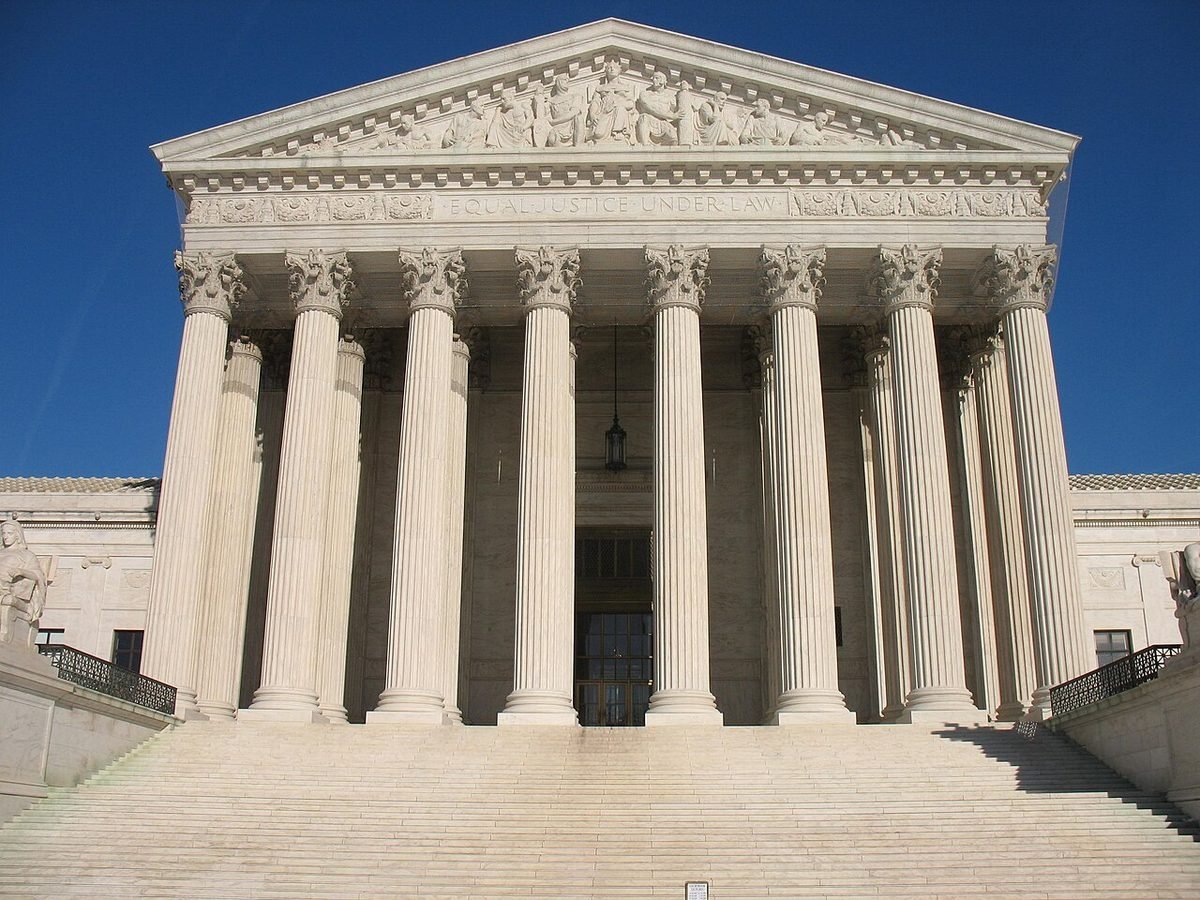
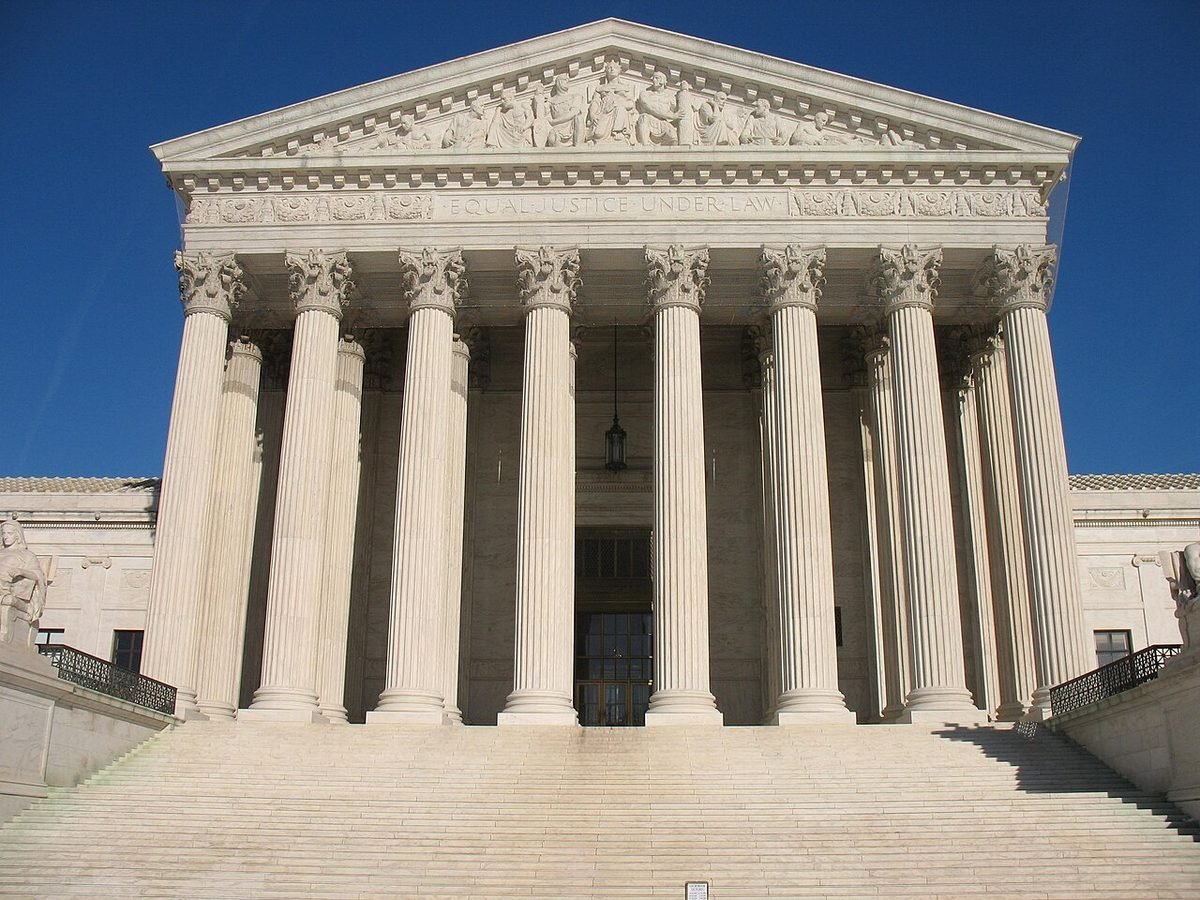
Supreme Court building.
Supreme Court building. Guide pool / Wikimedia · see credit; re-encoded, EXIF stripped

Chapter 17

Six to three

20 February 2026: the Supreme Court holds that IEEPA does not authorize the president to impose tariffs. Roberts writes the judgment; Kagan stresses ordinary statutory tools; Kavanaugh, with Thomas and Alito, dissents. Section 232 and Section 301 are not on the chopping block in that case. [2]

Steel visual (guide pool).
Steel visual (guide pool). Guide pool · see credit; re-encoded, EXIF stripped

Chapter 18

What still stands

Steel, aluminum, and China 301 duties live on other statutes that actually say “duty.” The emergency experiment lost; the older tools remain until Congress or another case says otherwise. [2] [8] [16]

Press pool stand-in.
Press pool stand-in. Guide pool · see credit; re-encoded, EXIF stripped

Chapter 19

Rhetoric against the yardstick

“Foreign countries pay” fails as incidence. Leverage may still be argued. Pretext on 232 may still be argued. The dissent’s IEEPA reading may still be taught. None of those rival paths gets to launder a false who-pays claim into the mainstream spine. [33] [20] [7]

Critical-path visual.
Critical-path visual. Guide pool · see credit; re-encoded, EXIF stripped

Chapter 20

How to read the rest of this guide

Explorer cards hold the FR notices and the slip opinion. Theories show what each major network must remove from the critical path. Memory tracks how the public story moved from trade-war panic to “Biden kept them” to “emergency tariffs struck down.” Start with the path; then argue. [2] [25]

Sources for the story
  1. U.S. Constitution, Article I, Section 8 (Taxing and Commerce Clauses)
  2. Supreme Court: Learning Resources, Inc. v. Trump (slip op., Feb 20, 2026)
  3. 19 U.S.C. § 1862 — Safeguarding national security (Section 232)
  4. 19 U.S.C. § 2411 — Section 301 of the Trade Act of 1974
  5. 50 U.S.C. §§ 1701–1702 — International Emergency Economic Powers Act
  6. 2016 campaign trade messaging (archived WH / campaign statements as cited in contemporaneous records)
  7. Trump hub short case: Tariffs (pre-rebuild extract)
  8. Proclamation 9705 — Adjusting Imports of Steel into the United States (Mar 8, 2018)
  9. Proclamation 9704 — Adjusting Imports of Aluminum into the United States (Mar 8, 2018)
  10. U.S. Chamber of Commerce trade/tariff positions (stakeholder)
  11. United Steelworkers / industry comments in 232 dockets (illustrative stakeholder)
  12. USTR: Initiation of Section 301 investigation — China technology transfer (82 FR 40213)
  13. USTR: Notice of Determination — China Section 301 (83 FR 14906, Apr 6, 2018)
  14. USTR Notice of Action — Section 301 List 1 (83 FR 28710, Jun 20, 2018)
  15. USTR Notice of Action — Section 301 List 2 (83 FR 40823, Aug 16, 2018)
  16. USTR: China Section 301 tariff actions and exclusion process (hub)
  17. PRC Ministry of Commerce / customs retaliation notices 2018–19 (English portals)
  18. USDA: Market Facilitation Program (trade-aid overview)
  19. American Farm Bureau Federation trade retaliation coverage (stakeholder)
  20. Amiti, Redding & Weinstein, ‘The Impact of the 2018 Tariffs…’ Journal of Economic Perspectives 33(4) 2019
  21. Economic and Trade Agreement between the United States and China (Phase One text)
  22. USTR Phase One fact sheet (Jan 15, 2020)
  23. USTR Phase One agreement landing page
  24. U.S. Census Bureau — Foreign Trade statistics
  25. USTR Four-Year Review of China Section 301 actions (May 14, 2024)
  26. Presidential Memorandum — Actions related to statutory 4-year review of Section 301 (May 14, 2024)
  27. Federal Register: Notice of Modification — China Section 301 (Sep 18, 2024)
  28. USTR finalizes action on China tariffs after four-year review (Sep 13, 2024)
  29. Executive Order 14193 — Imposing Duties to Address the Flow of Illicit Drugs Across Our Northern Border (2025)
  30. Executive Order 14194 — Imposing Duties to Address the Situation at Our Southern Border (2025)
  31. Executive Order 14195 — Imposing Duties to Address the Synthetic Opioid Supply Chain in the People’s Republic of China (2025)
  32. Executive Order 14257 — Regulating Imports with a Reciprocal Tariff to Rectify Trade Practices (2025)
  33. NY Fed Liberty Street Economics: Who Is Paying for the 2025 U.S. Tariffs? (Feb 12, 2026)
  34. Court of International Trade / Federal Circuit V.O.S. Selections litigation path (as summarized in SCOTUS slip)

Explore

Go deeper, era by era

Pick an era, or search everything at once: entries, people, dated events, claims, theories and media.

Threads

Follow one thread through the whole story

Each thread pulls together the entries on one question, across all the eras.

Key people

Who was who

Presidents, USTRs, justices, economists, and sector voices.

Katherine TaiKatherine TaiUSTR (2021–2025)
John G. Roberts, Jr.John G. Roberts, Jr.Chief Justice

Wrote Learning Resources opinion holding IEEPA does not authorize tariffs.

Sources
  1. Supreme Court: Learning Resources, Inc. v. Trump (slip op., Feb 20, 2026)
Brett M. KavanaughBrett M. KavanaughAssociate Justice

Principal dissent: would have read IEEPA to authorize the tariffs (joined by Thomas, Alito).

Sources
  1. Supreme Court: Learning Resources, Inc. v. Trump (slip op., Feb 20, 2026)
Elena KaganElena KaganAssociate Justice

Concurred that IEEPA does not authorize tariffs, emphasizing ordinary statutory tools.

Sources
  1. Supreme Court: Learning Resources, Inc. v. Trump (slip op., Feb 20, 2026)
Neil M. GorsuchNeil M. GorsuchAssociate Justice

Joined majority; concurrence on major-questions / separation of powers.

Sources
  1. Supreme Court: Learning Resources, Inc. v. Trump (slip op., Feb 20, 2026)
Amy Coney BarrettAmy Coney BarrettAssociate Justice

Joined majority parts; concurrence on interpretive method.

Sources
  1. Supreme Court: Learning Resources, Inc. v. Trump (slip op., Feb 20, 2026)
Clarence ThomasClarence ThomasAssociate Justice

Dissented; joined Kavanaugh’s principal dissent.

Sources
  1. Supreme Court: Learning Resources, Inc. v. Trump (slip op., Feb 20, 2026)
Samuel A. Alito, Jr.Samuel A. Alito, Jr.Associate Justice
Steven MnuchinSteven MnuchinTreasury Secretary (2017–2021)

Treasury role in trade negotiations and Phase One period.

Sources
  1. USTR Phase One fact sheet (Jan 15, 2020)
Chuck GrassleyChuck GrassleySenate Agriculture / Iowa
United Steelworkers (institutional)United Steelworkers (institutional)Labor stakeholder
U.S. Chamber of Commerce (institutional)U.S. Chamber of Commerce (institutional)Business stakeholder

Often opposed broad tariffs as tax on importers/consumers.

Sources
  1. U.S. Chamber of Commerce trade/tariff positions (stakeholder)
American Farm Bureau (institutional)American Farm Bureau (institutional)Farm stakeholder
Learning Resources, Inc.Learning Resources, Inc.Plaintiff (small business)

Toy/educational importer that challenged IEEPA tariffs.

Sources
  1. Supreme Court: Learning Resources, Inc. v. Trump (slip op., Feb 20, 2026)
Jamieson GreerJamieson GreerUSTR (second Trump term, as of 2025 coverage)
Richard NealRichard NealHouse Ways & Means (Dem)
Kevin BradyKevin BradyHouse Ways & Means (GOP, period)

Republican tax/trade committee voice during first-term tariffs.

Sources
  1. CRS: U.S. Tariff Policy Overview (cited in Learning Resources)
Liu HeLiu HePRC Vice Premier / Phase One negotiator
Sebastian HeiseSebastian HeiseNY Fed economist
Chris FlanaganChris FlanaganNY Fed research analyst
Sonia SotomayorSonia SotomayorAssociate Justice

Joined Kagan concurrence path on IEEPA text.

Sources
  1. Supreme Court: Learning Resources, Inc. v. Trump (slip op., Feb 20, 2026)
Ketanji Brown JacksonKetanji Brown JacksonAssociate Justice

Joined majority judgment; separate concurrence noting legislative history.

Sources
  1. Supreme Court: Learning Resources, Inc. v. Trump (slip op., Feb 20, 2026)
Court of International Trade (bench)Court of International Trade (bench)Trial court for customs
Congressional Budget OfficeCongressional Budget OfficeNonpartisan scorekeeper

Produces fiscal/economic estimates of tariff packages.

Sources
  1. Congressional Budget Office — trade/tariff analyses (hub)

Timeline

Day by day

31 dated events, 2016–2026, each with its source.

  1. 1787–89
    Congress gets the duties power Article I assigns taxes, duties, imposts, and foreign commerce regulation to Congress. Who can tax imports · source source
  2. 1962 / as amended
    Section 232 on the books Trade Expansion Act national-security import lane after Commerce investigation. Who can tax imports · source source
  3. 1974
    Section 301 enacted Trade Act tool against foreign unfair acts burdening U.S. commerce. Who can tax imports · source
  4. 1977
    IEEPA enacted Emergency economic powers: investigate, block, regulate importation — no word ‘tariff.’ Who can tax imports · source source
  5. 2016
    Campaign China confrontation Trump campaigns on confronting China’s trade practices and bringing factories back. Who can tax imports · source source
  6. 18 Aug 2017
    USTR opens China 301 Investigation into China’s tech-transfer, IP, and innovation practices. Section 301 investigation · source
  7. 11 Jan 2018
    Commerce steel report to President Secretary finds steel imports threaten to impair national security (as recited in Proc. 9705). Section 232 steel & aluminum · source
  8. 8 Mar 2018
    Steel 25% / aluminum 10% Proclamations 9705 and 9704 impose Section 232 duties. Section 232 steel & aluminum · source source
  9. 6 Apr 2018
    301 determination USTR finds China’s practices unreasonable/discriminatory and actionable. Section 301 investigation · source
  10. 6 Jul 2018
    List 1 duties begin Additional 25% on ~$34B China goods (FR Jun 20 action). Lists 1–4 · source
  11. 23 Aug 2018
    List 2 duties begin Additional 25% on ~$16B China goods. Lists 1–4 · source
  12. 2018–2019
    China retaliates on farms Counter-duties hit U.S. soy and other exports; political farm crisis. Retaliation & farms · source source
  13. 2018–2019
    Market Facilitation Program USDA pays trade-aid to cushion farm losses from retaliation. Retaliation & farms · source
  14. 2019
    JEP pass-through paper Amiti, Redding, Weinstein: near-complete pass-through of 2018 tariffs to U.S. prices. Who paid in 2018–19 · source
  15. 15 Jan 2020
    Phase One signed U.S.–China Economic and Trade Agreement: IP, tech transfer, ag, finance, currency, purchases. Phase One · source source
  16. 2021–2023
    Biden keeps China tariffs Core Section 301 duties remain while review process runs. Biden continuity · source source
  17. 14 May / 13 Sep 2024
    Four-year review & hikes Review finds practices continue; strategic rate increases finalized. Biden continuity · source source
  18. Feb–Apr 2025
    IEEPA drug & reciprocal tariffs Emergencies declared; duties on Canada/Mexico/China drugs path and broad reciprocal tariffs. IEEPA emergencies · source source
  19. Apr–May 2025
    China rate spike then cut SCOTUS syllabus: combined China rates briefly hit ~145% before modifications. IEEPA emergencies · source source
  20. 2025
    CIT & Federal Circuit V.O.S. path: IEEPA does not authorize unbounded tariffs (en banc, relevant part). Learning Resources · source source
  21. 12 Feb 2026
    NY Fed: who pays Nearly 90% of 2025 tariff economic burden on U.S. firms and consumers (estimate). Who paid in 2025 · source
  22. 20 Feb 2026
    Supreme Court 6–3 Learning Resources: IEEPA does not authorize tariffs. Learning Resources · source
  23. After Feb 2026
    232 & 301 still stand Opinion does not erase statutes that expressly mention duties. What still stands · source source
  24. 2018–2026
    ‘China pays’ vs the graphs Political claim of foreign payment conflicts with cited incidence evidence. ‘Foreigners pay’ · source source
  25. 2020 / ongoing
    USMCA exemptions matter NY Fed notes large Canada exemption shares under USMCA. Allies under 232 · source source
  26. 2017–2025
    China import share falls Census/Fed: China share of U.S. imports drops; Mexico/Vietnam gain. Supply-chain shifts · source source
  27. 2018–2024
    Product exclusions Commerce/USTR exclusion processes carve products out — duty averages diverge from statutory rates. Lists 1–4 · source source
  28. 1976
    Algonquin on 232 fees Supreme Court upholds license fees under Section 232 — later distinguished from IEEPA. Who can tax imports · source source
  29. 2018–
    WTO docket fights Disputes filed over U.S. and China measures; political weight exceeds any single panel. Lists 1–4 · source
  30. 2026–
    Refund litigation opens After IEEPA loss, who gets money back and how remains litigated (short-case limit retained). Learning Resources · source source
  31. Mar–May 2018
    Temporary ally exemptions Early 232 proclamations temporarily exempt some partners, then adjust. Allies under 232 · source source

What we know now

What we know now

After Learning Resources: which duties fell, which remain, what refund fights continue.

The yardstick

The critical path

The mainstream yardstick: Article I, 232, 301, Phase One, Biden continuity, IEEPA surge, incidence, SCOTUS limit.

  1. 1
    1787–891 · Article I

    Congress holds the peacetime power to lay duties; the president has no freestanding tariff power.[1][2]

    On the timeline
  2. 2
    1962 / as amended2 · Section 232 lane

    Congress authorized national-security import adjustments after a Commerce investigation and report.[3][4]

    On the timeline
  3. 3
    8 Mar 20183 · Steel & aluminum proclamations

    March 2018: Proc. 9705 (25% steel) and 9704 (10% aluminum) under Section 232.[5][6]

    On the timeline
  4. 4
    18 Aug 20174 · 301 investigation

    USTR opened and then determined China’s tech-transfer/IP practices actionable under Section 301.[7][8][9]

    On the timeline
  5. 5
    6 Jul 20185 · Lists escalate

    2018–19 FR actions imposed additional duties on successive China lists.[10][11][12]

    On the timeline
  6. 6
    2018–20196 · Retaliation hits farms

    China’s counter-duties hammered U.S. soy and other farm exports; USDA ran Market Facilitation aid.[13][14][15]

    On the timeline
  7. 7
    20197 · 2018–19 incidence

    Peer-reviewed work finds near-complete pass-through of those tariffs into U.S. duty-inclusive import prices.[16]

    On the timeline
  8. 8
    15 Jan 20208 · Phase One signed

    15 January 2020 agreement: structural chapters plus large purchase commitments; some tariff modifications.[17][18][19]

    On the timeline
  9. 9
    2021–20239 · Biden keeps core 301

    Successor administration retained the main China tariff architecture rather than repealing it.[20][21]

    On the timeline
  10. 10
    14 May / 13 Sep 202410 · 2024 four-year review

    USTR found practices continued and finalized higher rates on strategic Chinese goods.[20][22][23]

    On the timeline
  11. 11
    Feb–Apr 202511 · 2025 IEEPA tariffs

    Drug-trafficking and ‘reciprocal’ trade-deficit emergencies used IEEPA to impose broad duties.[24][25][26][27][28]

    On the timeline
  12. 12
    12 Feb 202612 · 2025 incidence estimate

    NY Fed economists estimate nearly 90% of the 2025 tariff burden fell on U.S. firms and consumers.[29]

    On the timeline
  13. 13
    202513 · Lower courts reject IEEPA tariffs

    CIT and Federal Circuit (en banc, relevant part) held IEEPA does not authorize the challenged tariffs.[2][30]

    On the timeline
  14. 14
    20 Feb 202614 · Supreme Court 6–3

    20 February 2026: IEEPA’s ‘regulate…importation’ is not clear authority to tariff; Section 232/301 not decided.[2]

    On the timeline
  15. 15
    After Feb 202615 · Other tariffs remain

    232 steel/aluminum and China 301 duties sit on different statutes untouched by that holding.[2][5][12]

    On the timeline
  16. 16
    2018–202616 · Rhetoric ≠ incidence

    ‘Foreign countries pay’ does not match the cited incidence evidence; leverage worth is a policy argument.[29][16][31]

    On the timeline
Sources for the 16 steps
  1. U.S. Constitution, Article I, Section 8 (Taxing and Commerce Clauses)
  2. Supreme Court: Learning Resources, Inc. v. Trump (slip op., Feb 20, 2026)
  3. 19 U.S.C. § 1862 — Safeguarding national security (Section 232)
  4. Federal Energy Administration v. Algonquin SNG, Inc., 426 U.S. 548 (1976)
  5. Proclamation 9705 — Adjusting Imports of Steel into the United States (Mar 8, 2018)
  6. Proclamation 9704 — Adjusting Imports of Aluminum into the United States (Mar 8, 2018)
  7. USTR: Initiation of Section 301 investigation — China technology transfer (82 FR 40213)
  8. USTR: Notice of Determination — China Section 301 (83 FR 14906, Apr 6, 2018)
  9. 19 U.S.C. § 2411 — Section 301 of the Trade Act of 1974
  10. USTR Notice of Action — Section 301 List 1 (83 FR 28710, Jun 20, 2018)
  11. USTR Notice of Action — Section 301 List 2 (83 FR 40823, Aug 16, 2018)
  12. USTR: China Section 301 tariff actions and exclusion process (hub)
  13. PRC Ministry of Commerce / customs retaliation notices 2018–19 (English portals)
  14. USDA: Market Facilitation Program (trade-aid overview)
  15. U.S. Census Bureau — Foreign Trade statistics
  16. Amiti, Redding & Weinstein, ‘The Impact of the 2018 Tariffs…’ Journal of Economic Perspectives 33(4) 2019
  17. Economic and Trade Agreement between the United States and China (Phase One text)
  18. USTR Phase One fact sheet (Jan 15, 2020)
  19. USTR Phase One agreement landing page
  20. USTR Four-Year Review of China Section 301 actions (May 14, 2024)
  21. Presidential Memorandum — Actions related to statutory 4-year review of Section 301 (May 14, 2024)
  22. USTR finalizes action on China tariffs after four-year review (Sep 13, 2024)
  23. Federal Register: Notice of Modification — China Section 301 (Sep 18, 2024)
  24. Executive Order 14193 — Imposing Duties to Address the Flow of Illicit Drugs Across Our Northern Border (2025)
  25. Executive Order 14194 — Imposing Duties to Address the Situation at Our Southern Border (2025)
  26. Executive Order 14195 — Imposing Duties to Address the Synthetic Opioid Supply Chain in the People’s Republic of China (2025)
  27. Executive Order 14257 — Regulating Imports with a Reciprocal Tariff to Rectify Trade Practices (2025)
  28. 50 U.S.C. §§ 1701–1702 — International Emergency Economic Powers Act
  29. NY Fed Liberty Street Economics: Who Is Paying for the 2025 U.S. Tariffs? (Feb 12, 2026)
  30. Court of International Trade / Federal Circuit V.O.S. Selections litigation path (as summarized in SCOTUS slip)
  31. Trump hub short case: Tariffs (pre-rebuild extract)

OTHER READINGS

Rival paths through the same tariffs

Each view says which critical-path steps it removes or recasts, what it adds, and what would have to be fake.

Press pool stand-in.
Press pool stand-in. Guide pool · see credit; re-encoded, EXIF stripped
False

Foreigners (especially China) pay the tariffs

Political claim that tariff revenue is extracted from abroad, so Americans get a free lunch.

  1. 11 · Article I
  2. 22 · Section 232 lane
  3. 33 · Steel & aluminum proclamations
  4. 44 · 301 investigation
  5. 55 · Lists escalate
  6. 66 · Retaliation hits farms
  7. 77 · 2018–19 incidencebreaks
  8. 88 · Phase One signed
  9. 99 · Biden keeps core 301
  10. 1010 · 2024 four-year review
  11. 1111 · 2025 IEEPA tariffs
  12. 1212 · 2025 incidence estimatebreaks
  13. 1313 · Lower courts reject IEEPA tariffs
  14. 1414 · Supreme Court 6–3
  15. 1515 · Other tariffs remain
  16. 1616 · Rhetoric ≠ incidencebreaks
  17. +Systematic foreign price cuts absorbing dutiesThin evidence
Open the file
Who believes it
Who has voiced it
Where it started

Repeated campaign and presidential messaging during both terms.[3][4]

Why it lives

Simple, emotionally satisfying, and confuses legal remittance with economic incidence.

If it were true

Foreign export prices would fall enough to absorb most duties; U.S. duty-inclusive prices would barely rise.

How it squares with the record

Importers remit duties to CBP — true but incomplete. [1]

Pass-through studies find U.S. prices rose nearly one-for-one in 2018–19 and still ~86–94% U.S. burden in 2025. [2] [1]

What holds up False

Fails as an incidence description on the cited evidence.

Against the critical path
  1. 11 · Article I
  2. 22 · Section 232 lane
  3. 33 · Steel & aluminum proclamations
  4. 44 · 301 investigation
  5. 55 · Lists escalate
  6. 66 · Retaliation hits farms
  7. 77 · 2018–19 incidencebreaks
  8. 88 · Phase One signed
  9. 99 · Biden keeps core 301
  10. 1010 · 2024 four-year review
  11. 1111 · 2025 IEEPA tariffs
  12. 1212 · 2025 incidence estimatebreaks
  13. 1313 · Lower courts reject IEEPA tariffs
  14. 1414 · Supreme Court 6–3
  15. 1515 · Other tariffs remain
  16. 1616 · Rhetoric ≠ incidencebreaks
  17. +Systematic foreign price cuts absorbing dutiesThin evidence

Leverage arguments can survive without this false claim.

Removes from the critical path
  • 7. 7 · 2018–19 incidence must deny Must reject 2018–19 pass-through evidence. What has to be fake or wrong: Amiti et al. near-complete pass-through.[2]
  • 12. 12 · 2025 incidence estimate must deny Must reject NY Fed ~90% U.S. burden. What has to be fake or wrong: NY Fed incidence table.[1]
  • 16. 16 · Rhetoric ≠ incidence must deny Collapses the rhetoric≠incidence step. What has to be fake or wrong: That the slogan fails as description.[3]
Adds to the critical path
  • Systematic foreign price cuts absorbing duties Thin evidence Late-2025 NY Fed shows only modest exporter share.[1]
What would have to turn out fake or wrong
  • The empirical pass-through literature as applied to these tariff waves
What new information would make it true
  • Replicated official finding that foreign exporters absorbed ≥50% of 2018 and 2025 duties on average.
What would prove it false
  • Sustained high pass-through estimates (already present).
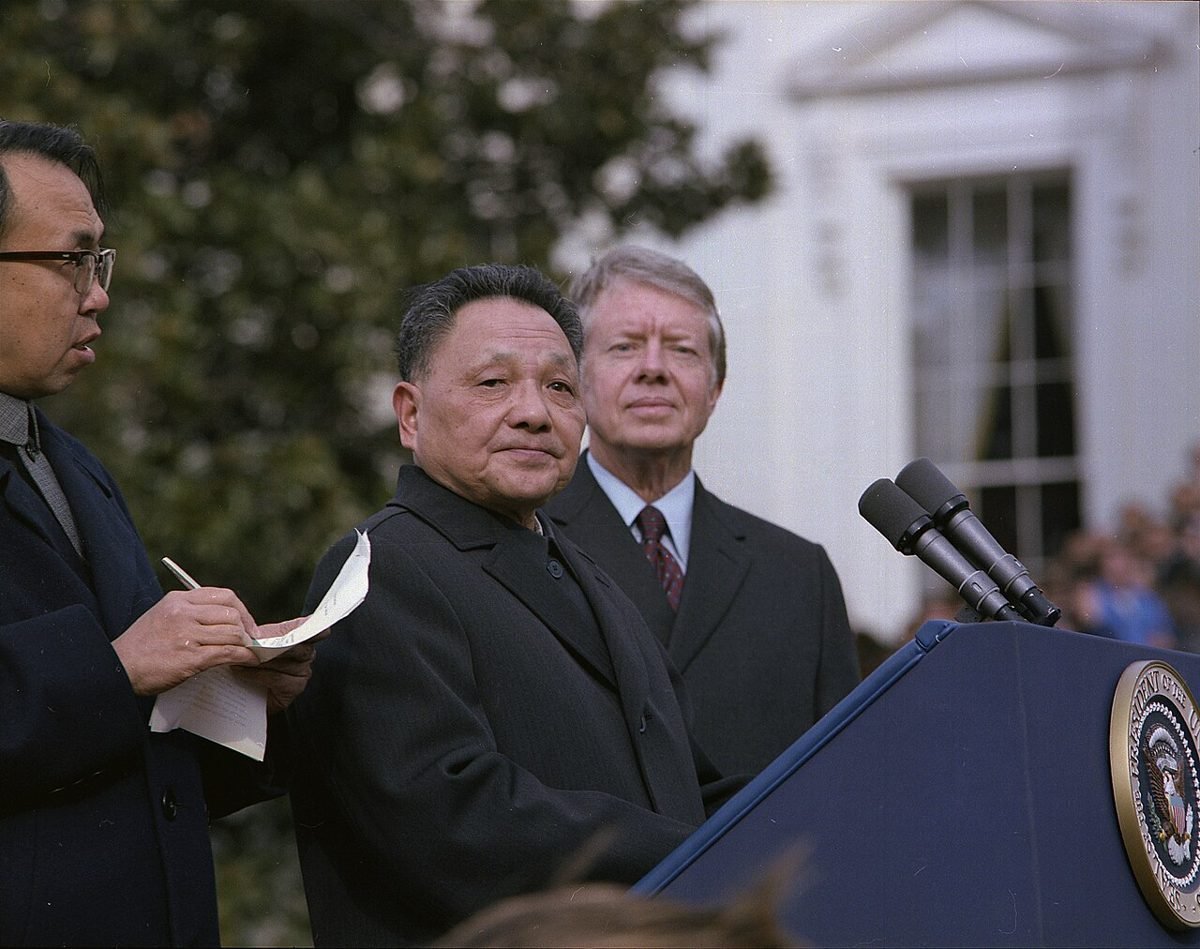
U.S.–China diplomatic meeting visual.
U.S.–China diplomatic meeting visual. Guide pool · see credit; re-encoded, EXIF stripped
Disputed

Tariffs worked as leverage (Phase One vindication)

Without tariff pain, China would not have signed enforceable IP/tech-transfer chapters.

  1. 11 · Article I
  2. 22 · Section 232 lane
  3. 33 · Steel & aluminum proclamations
  4. 44 · 301 investigation
  5. 55 · Lists escalate
  6. 66 · Retaliation hits farms
  7. 77 · 2018–19 incidence
  8. 88 · Phase One signedrecast
  9. 99 · Biden keeps core 301
  10. 1010 · 2024 four-year reviewrecast
  11. 1111 · 2025 IEEPA tariffs
  12. 1212 · 2025 incidence estimate
  13. 1313 · Lower courts reject IEEPA tariffs
  14. 1414 · Supreme Court 6–3
  15. 1515 · Other tariffs remain
  16. 1616 · Rhetoric ≠ incidence
  17. +No-deal counterfactual without tariffsNo evidence
Open the file
Who believes it
Who has voiced it
Where it started

Administration messaging around the January 2020 signing; revived whenever 301 is defended.[2][5]

Why it lives

Maps neatly onto real agreement chapters and later Biden continuity.

If it were true

Structural chapters would not exist absent tariff pressure; purchase performance would be secondary.

How it squares with the record

Phase One text exists with IP and tech-transfer chapters. [1]

2024 review still finds serious continuing practices — incomplete victory. [3]

Purchase attainment remains contested. [2] [6]

What holds up Disputed

Partly: chapters real; full ‘mission accomplished’ overstated.

Against the critical path
  1. 11 · Article I
  2. 22 · Section 232 lane
  3. 33 · Steel & aluminum proclamations
  4. 44 · 301 investigation
  5. 55 · Lists escalate
  6. 66 · Retaliation hits farms
  7. 77 · 2018–19 incidence
  8. 88 · Phase One signedrecast
  9. 99 · Biden keeps core 301
  10. 1010 · 2024 four-year reviewrecast
  11. 1111 · 2025 IEEPA tariffs
  12. 1212 · 2025 incidence estimate
  13. 1313 · Lower courts reject IEEPA tariffs
  14. 1414 · Supreme Court 6–3
  15. 1515 · Other tariffs remain
  16. 1616 · Rhetoric ≠ incidence
  17. +No-deal counterfactual without tariffsNo evidence

Can accept U.S. incidence and still argue geopolitics.

Removes from the critical path
  • 8. 8 · Phase One signed must recast Reads Phase One as proof of concept rather than incomplete armistice. What has to be fake or wrong: That purchase/performance doubts matter to the vindication claim.[2]
  • 10. 10 · 2024 four-year review must recast Treats 2024 hikes as more leverage, not evidence of failure. What has to be fake or wrong: That continuing practices mean the first round ‘solved’ China.[3]
Adds to the critical path
  • No-deal counterfactual without tariffs No evidence Unobservable.[1]
What would have to turn out fake or wrong
  • The idea that Phase One’s value is seriously qualified by performance gaps
What new information would make it true
  • Credible counterfactual work showing no deal without tariffs; verified full purchase delivery.
What would prove it false
  • Evidence China offered equal chapters without tariff pressure; or chapters proven empty on day one.
Aluminum smelter.
Aluminum smelter. Wikimedia Commons · see credit; re-encoded, EXIF stripped
Disputed

Section 232 national security was a pretext

Metal tariffs on allies show the statute was used for ordinary protectionism.

  1. 11 · Article I
  2. 22 · Section 232 lane
  3. 33 · Steel & aluminum proclamationsrecast
  4. 44 · 301 investigation
  5. 55 · Lists escalate
  6. 66 · Retaliation hits farms
  7. 77 · 2018–19 incidence
  8. 88 · Phase One signed
  9. 99 · Biden keeps core 301
  10. 1010 · 2024 four-year review
  11. 1111 · 2025 IEEPA tariffs
  12. 1212 · 2025 incidence estimate
  13. 1313 · Lower courts reject IEEPA tariffs
  14. 1414 · Supreme Court 6–3
  15. 1515 · Other tariffs remain
  16. 1616 · Rhetoric ≠ incidence
  17. +Proof of bad faith in the 232 reportThin evidence
Open the file
Who believes it
Who has voiced it
Where it started

Business and foreign-government critiques in 2018; law-review and op-ed literature.[2][1]

Why it lives

Allied targets make the security story awkward.

If it were true

Commerce findings would be window dressing for industry rents.

How it squares with the record

Proc. 9705 expressly uses national-security findings and excess-capacity story. [1]

Ally exemptions shifted — politics visible. [1]

Learning Resources did not invalidate 232. [4]

What holds up Disputed

Motive disputed; process formally followed.

Against the critical path
  1. 11 · Article I
  2. 22 · Section 232 lane
  3. 33 · Steel & aluminum proclamationsrecast
  4. 44 · 301 investigation
  5. 55 · Lists escalate
  6. 66 · Retaliation hits farms
  7. 77 · 2018–19 incidence
  8. 88 · Phase One signed
  9. 99 · Biden keeps core 301
  10. 1010 · 2024 four-year review
  11. 1111 · 2025 IEEPA tariffs
  12. 1212 · 2025 incidence estimate
  13. 1313 · Lower courts reject IEEPA tariffs
  14. 1414 · Supreme Court 6–3
  15. 1515 · Other tariffs remain
  16. 1616 · Rhetoric ≠ incidence
  17. +Proof of bad faith in the 232 reportThin evidence

Even if pretext, statute may still authorize the act.

Removes from the critical path
  • 3. 3 · Steel & aluminum proclamations must recast Keeps the proclamations but strips their security legitimacy. What has to be fake or wrong: That the Commerce national-security finding was bona fide.[1]
Adds to the critical path
  • Proof of bad faith in the 232 report Thin evidence Inference from ally targets, not a smoking-gun primary here.[2]
What would have to turn out fake or wrong
  • The sincerity of the January 2018 Commerce national-security conclusion
What new information would make it true
  • Internal record showing security finding was knowingly false.
What would prove it false
  • Record that ally imports were material to a good-faith security theory accepted in court.
Books and films that argue it
Supreme Court building.
Supreme Court building. Guide pool / Wikimedia · see credit; re-encoded, EXIF stripped
Disputed

IEEPA authorized the 2025 tariffs (dissent path)

Kavanaugh/Thomas/Alito: ‘regulate importation’ reaches tariffs, especially in foreign affairs emergencies.

  1. 11 · Article I
  2. 22 · Section 232 lane
  3. 33 · Steel & aluminum proclamations
  4. 44 · 301 investigation
  5. 55 · Lists escalate
  6. 66 · Retaliation hits farms
  7. 77 · 2018–19 incidence
  8. 88 · Phase One signed
  9. 99 · Biden keeps core 301
  10. 1010 · 2024 four-year review
  11. 1111 · 2025 IEEPA tariffs
  12. 1212 · 2025 incidence estimate
  13. 1313 · Lower courts reject IEEPA tariffsbreaks
  14. 1414 · Supreme Court 6–3breaks
  15. 1515 · Other tariffs remain
  16. 1616 · Rhetoric ≠ incidence
  17. +Clear historical incorporation of Yoshida/TWEA tariff power into IEEPADisputed evidence
Open the file
Who believes it
Who has voiced it
Where it started

Government briefing and the principal dissent in Learning Resources.[1]

Why it lives

Three justices; future Congress or Court could revive the theory by statute or overruling.

If it were true

2025 IEEPA duties would stand; major-questions limit would not block them.

How it squares with the record

Dissent is reasoned and joined. [1]

Majority and concurrences reject the reading; no prior president used IEEPA for tariffs. [1]

What holds up Disputed

Lost; remains the strongest legal rival path.

Against the critical path
  1. 11 · Article I
  2. 22 · Section 232 lane
  3. 33 · Steel & aluminum proclamations
  4. 44 · 301 investigation
  5. 55 · Lists escalate
  6. 66 · Retaliation hits farms
  7. 77 · 2018–19 incidence
  8. 88 · Phase One signed
  9. 99 · Biden keeps core 301
  10. 1010 · 2024 four-year review
  11. 1111 · 2025 IEEPA tariffs
  12. 1212 · 2025 incidence estimate
  13. 1313 · Lower courts reject IEEPA tariffsbreaks
  14. 1414 · Supreme Court 6–3breaks
  15. 1515 · Other tariffs remain
  16. 1616 · Rhetoric ≠ incidence
  17. +Clear historical incorporation of Yoshida/TWEA tariff power into IEEPADisputed evidence

Does not revive ‘China pays.’

Removes from the critical path
  • 14. 14 · Supreme Court 6–3 must deny Rejects the holding that IEEPA lacks tariff authority. What has to be fake or wrong: The majority’s textual and major-questions analysis.[1]
  • 13. 13 · Lower courts reject IEEPA tariffs must deny Would reverse lower courts too. What has to be fake or wrong: CIT/Federal Circuit merits outcomes.[3]
Adds to the critical path
  • Clear historical incorporation of Yoshida/TWEA tariff power into IEEPA Disputed evidence Majority calls that chain too thin.[1]
What would have to turn out fake or wrong
  • The premise that ‘regulate’ in IEEPA excludes taxation
What new information would make it true
  • Overruling or new statute expressly adding duties to IEEPA.
What would prove it false
  • The 6–3 judgment as stare decisis (already present).
Books and films that argue it
Joe Biden (guide pool).
Joe Biden (guide pool). Guide pool · see credit; re-encoded, EXIF stripped
Partly true

Biden kept the tariffs, so Trump was right

Continuity under a Democratic administration proves the China tariffs were necessary statecraft.

  1. 11 · Article I
  2. 22 · Section 232 lane
  3. 33 · Steel & aluminum proclamations
  4. 44 · 301 investigation
  5. 55 · Lists escalate
  6. 66 · Retaliation hits farms
  7. 77 · 2018–19 incidence
  8. 88 · Phase One signed
  9. 99 · Biden keeps core 301recast
  10. 1010 · 2024 four-year review
  11. 1111 · 2025 IEEPA tariffs
  12. 1212 · 2025 incidence estimate
  13. 1313 · Lower courts reject IEEPA tariffs
  14. 1414 · Supreme Court 6–3
  15. 1515 · Other tariffs remain
  16. 1616 · Rhetoric ≠ incidence
  17. +Identity between 2018 lists and 2024 industrial strategyDisputed evidence
Open the file
Who believes it
Who has voiced it
Where it started

Partisan talking point after 2021–24 non-repeal and 2024 hikes.[2][5]

Why it lives

True continuity is awkward for ‘tariffs = pure Trump folly’ messaging.

If it were true

Biden team’s review would read as confession.

How it squares with the record

Core 301 kept; strategic hikes added. [1] [3]

Continuity ≠ endorsement of every first-term tactic or of IEEPA 2025. [4]

What holds up Partly true

Partly true on China 301; false if stretched to IEEPA or all 232 ally hits.

Against the critical path
  1. 11 · Article I
  2. 22 · Section 232 lane
  3. 33 · Steel & aluminum proclamations
  4. 44 · 301 investigation
  5. 55 · Lists escalate
  6. 66 · Retaliation hits farms
  7. 77 · 2018–19 incidence
  8. 88 · Phase One signed
  9. 99 · Biden keeps core 301recast
  10. 1010 · 2024 four-year review
  11. 1111 · 2025 IEEPA tariffs
  12. 1212 · 2025 incidence estimate
  13. 1313 · Lower courts reject IEEPA tariffs
  14. 1414 · Supreme Court 6–3
  15. 1515 · Other tariffs remain
  16. 1616 · Rhetoric ≠ incidence
  17. +Identity between 2018 lists and 2024 industrial strategyDisputed evidence

Best when limited to China tech/IP tariffs.

Removes from the critical path
  • 9. 9 · Biden keeps core 301 must recast Treats keep-and-raise as vindication of the whole Trump tariff program. What has to be fake or wrong: That Biden strategy is distinct in tools and targets.[6]
Adds to the critical path
  • Identity between 2018 lists and 2024 industrial strategy Disputed evidence Overlap real; identity overstated.[3]
What would have to turn out fake or wrong
  • The distinction between China 301 continuity and IEEPA emergency tariffs
What new information would make it true
  • Biden officials stating the 2018 lists were optimally designed end-to-end.
What would prove it false
  • Showing repeal was blocked only by logistics, not agreement on China risk (counterfactual).
Farm / agriculture visual.
Farm / agriculture visual. Guide pool · see credit; re-encoded, EXIF stripped
Partly true

Tariffs uniquely wrecked U.S. farms and manufacturing

Trade war costs were so large they dominate the era’s economic story.

  1. 11 · Article I
  2. 22 · Section 232 lane
  3. 33 · Steel & aluminum proclamations
  4. 44 · 301 investigation
  5. 55 · Lists escalate
  6. 66 · Retaliation hits farms
  7. 77 · 2018–19 incidence
  8. 88 · Phase One signedrecast
  9. 99 · Biden keeps core 301
  10. 1010 · 2024 four-year review
  11. 1111 · 2025 IEEPA tariffs
  12. 1212 · 2025 incidence estimate
  13. 1313 · Lower courts reject IEEPA tariffs
  14. 1414 · Supreme Court 6–3
  15. 1515 · Other tariffs remain
  16. 1616 · Rhetoric ≠ incidence
  17. +Tariff-dominant macro collapse narrativeThin evidence
Open the file
Who believes it
Who has voiced it
Where it started

Opposition messaging 2018–20; some academic damage estimates.[1][3]

Why it lives

Soy shock and MFP were real and photogenic.

If it were true

Net manufacturing and farm outcomes would show tariff-dominant collapse beyond retaliation/aid offsets.

How it squares with the record

Retaliation and incidence costs are documented. [4] [3] [2]

Macro era had many shocks (including pandemic) — single-cause claims overreach. [5]

What holds up Partly true

Real concentrated harms; ‘uniquely wrecked’ is overclaim.

Against the critical path
  1. 11 · Article I
  2. 22 · Section 232 lane
  3. 33 · Steel & aluminum proclamations
  4. 44 · 301 investigation
  5. 55 · Lists escalate
  6. 66 · Retaliation hits farms
  7. 77 · 2018–19 incidence
  8. 88 · Phase One signedrecast
  9. 99 · Biden keeps core 301
  10. 1010 · 2024 four-year review
  11. 1111 · 2025 IEEPA tariffs
  12. 1212 · 2025 incidence estimate
  13. 1313 · Lower courts reject IEEPA tariffs
  14. 1414 · Supreme Court 6–3
  15. 1515 · Other tariffs remain
  16. 1616 · Rhetoric ≠ incidence
  17. +Tariff-dominant macro collapse narrativeThin evidence

Strongest when kept to soy counties, not GDP.

Removes from the critical path
  • 8. 8 · Phase One signed must recast Treats Phase One as inadequate bandage on self-inflicted wound. What has to be fake or wrong: That structural chapters have independent value.[6]
Adds to the critical path
  • Tariff-dominant macro collapse narrative Thin evidence Competes with other shocks.[5]
What would have to turn out fake or wrong
  • Any claim that farm aid and diversion materially muted the story
What new information would make it true
  • Causal estimates isolating tariffs as primary driver of lasting manufacturing job collapse.
What would prove it false
  • Evidence harms were fully offset and temporary with no lasting damage (also too strong).
WTO-related official photo.
WTO-related official photo. Wikimedia Commons · see credit; re-encoded, EXIF stripped
Disputed

The U.S. destroyed the rules-based trading system

Unilateral 301/232 and IEEPA moves wrecked WTO legitimacy; China was reacting.

  1. 11 · Article I
  2. 22 · Section 232 lane
  3. 33 · Steel & aluminum proclamations
  4. 44 · 301 investigationrecast
  5. 55 · Lists escalatebreaks
  6. 66 · Retaliation hits farms
  7. 77 · 2018–19 incidence
  8. 88 · Phase One signed
  9. 99 · Biden keeps core 301
  10. 1010 · 2024 four-year review
  11. 1111 · 2025 IEEPA tariffs
  12. 1212 · 2025 incidence estimate
  13. 1313 · Lower courts reject IEEPA tariffs
  14. 1414 · Supreme Court 6–3
  15. 1515 · Other tariffs remain
  16. 1616 · Rhetoric ≠ incidence
  17. +WTO-capable remedy that would have ended forced tech transferNo evidence
Open the file
Who believes it
Where it started

Internationalist legal and allied diplomatic critiques.[1][4]

Why it lives

Appeals to lawyers who prioritize dispute-settlement purity.

If it were true

U.S. first breach would be the system’s proximate cause of death.

How it squares with the record

U.S. used unilateral statutes; WTO cases were filed. [1] [5]

China’s own non-compliance and 301 record are the U.S. statutory predicate. [2] [3]

What holds up Disputed

System stress real; one-sided blame incomplete.

Against the critical path
  1. 11 · Article I
  2. 22 · Section 232 lane
  3. 33 · Steel & aluminum proclamations
  4. 44 · 301 investigationrecast
  5. 55 · Lists escalatebreaks
  6. 66 · Retaliation hits farms
  7. 77 · 2018–19 incidence
  8. 88 · Phase One signed
  9. 99 · Biden keeps core 301
  10. 1010 · 2024 four-year review
  11. 1111 · 2025 IEEPA tariffs
  12. 1212 · 2025 incidence estimate
  13. 1313 · Lower courts reject IEEPA tariffs
  14. 1414 · Supreme Court 6–3
  15. 1515 · Other tariffs remain
  16. 1616 · Rhetoric ≠ incidence
  17. +WTO-capable remedy that would have ended forced tech transferNo evidence

Can pair with anti-IEEPA majority easily.

Removes from the critical path
  • 4. 4 · 301 investigation must recast Treats 301 determination as illegitimate unilateralism rather than statutory fact. What has to be fake or wrong: That USTR’s actionable finding tracks real practices.[2]
  • 5. 5 · Lists escalate must deny Sees lists as original sin. What has to be fake or wrong: Any necessity claim for 301 duties.[5]
Adds to the critical path
  • WTO-capable remedy that would have ended forced tech transfer No evidence Counterfactual.[1]
What would have to turn out fake or wrong
  • The 301 record of continuing Chinese tech-transfer/IP practices
What new information would make it true
  • Showing WTO would have remedied China practices at scale without unilateral U.S. action.
What would prove it false
  • Showing China practices were already cured inside WTO before 2018.

Genuinely unknown

Still open

Refunds, purchase shortfalls, and how much leverage bought.

Genuinely unknownHow will IEEPA tariff refunds work?
What is known
  • Court held no IEEPA tariff authority. [1]
What is not

Eligibility, interest, timelines, and administrative vehicle.

Why it is still open

Slip opinion decides power, not a claims facility.

Does it change the story?

Billions in collected duties.

What would settle it

Final judicial or statutory refund scheme.

Sources
  1. Supreme Court: Learning Resources, Inc. v. Trump (slip op., Feb 20, 2026)
  2. Trump hub short case: Tariffs (pre-rebuild extract)
Partly knownHow short was Phase One purchasing?
What is known
  • Large commitments in the fact sheet/text. [1]
What is not

A single authoritative miss score everyone accepts.

Why it is still open

COVID, categorization fights, and tracker wars.

Does it change the story?

Central to leverage-vindication claims.

What would settle it

Joint official accounting both governments accept.

Sources
  1. USTR Phase One fact sheet (Jan 15, 2020)
  2. Economic and Trade Agreement between the United States and China (Phase One text)
  3. U.S. Census Bureau — Foreign Trade statistics
Genuinely unknownWould China have signed without tariffs?
What is known
  • Deal followed escalation. [1]
What is not

The no-tariff universe.

Why it is still open

Counterfactuals are not in FR notices.

Does it change the story?

Separates coincidence from causation in leverage stories.

What would settle it

Nothing short of new archival proof of Chinese reservation prices.

Sources
  1. Economic and Trade Agreement between the United States and China (Phase One text)
  2. USTR: Notice of Determination — China Section 301 (83 FR 14906, Apr 6, 2018)
Partly knownHow much of 232 was genuine security vs industry policy?
What is known
  • Commerce finding and proclamations on record. [1]
What is not

Inner subjective motive.

Why it is still open

Ally targeting fuels inference, not a confession.

Does it change the story?

Legitimacy of future 232 uses.

What would settle it

Internal documents showing knowing falsity — or court findings to that effect.

Sources
  1. Proclamation 9705 — Adjusting Imports of Steel into the United States (Mar 8, 2018)
  2. U.S. Chamber of Commerce trade/tariff positions (stakeholder)
Partly knownHow much hit retail CPI vs margins?
What is known
  • High import-price pass-through in Fed work. [1]
What is not

Full consumer incidence by category and month.

Why it is still open

Margins, inventories, and threat effects intervene.

Does it change the story?

Politics of the ‘tax on consumers’ line.

What would settle it

Richer matched retail studies across 2025–26.

Sources
  1. NY Fed Liberty Street Economics: Who Is Paying for the 2025 U.S. Tariffs? (Feb 12, 2026)
Genuinely unknownWhich statute carries the next broad tariff wave?
What is known
  • IEEPA path closed for tariffs. [1]
What is not

Political choice among 232, 301, 201, legislation.

Why it is still open

Future EOs not yet written.

Does it change the story?

Markets and allies.

What would settle it

The next signed proclamation or statute.

Sources
  1. Supreme Court: Learning Resources, Inc. v. Trump (slip op., Feb 20, 2026)
  2. 19 U.S.C. § 1862 — Safeguarding national security (Section 232)
  3. 19 U.S.C. § 2411 — Section 301 of the Trade Act of 1974
Partly knownHow much ‘China’ trade is rerouted via third countries?
What is known
  • Direct China share fell; others rose. [1]
What is not

True content origin after processing.

Why it is still open

Customs origin rules vs supply-chain reality.

Does it change the story?

Whether diversion defeats the policy.

What would settle it

Better origin enforcement data.

Sources
  1. NY Fed Liberty Street Economics: Who Is Paying for the 2025 U.S. Tariffs? (Feb 12, 2026)
  2. U.S. Census Bureau — Foreign Trade statistics

WHAT PEOPLE SAY

Tariff claims against the record

Popular lines — China pays, tariffs always work, IEEPA covers everything — checked against primaries and labeled estimates.

What the ratings mean
  • History Established narrative background.
  • Documented Supported by contemporaneous records or careful secondary reconstruction.
  • Official Government finding, regulation, or on-record official statement.
  • Mixed Partly supported; important caveats.
  • Partly true Real pieces, overreached whole.
  • Unproven Alleged; not established by cited record.
  • Disputed Serious conflict among sourced accounts.
  • False Contradicted by the cited record.
  • Discredited Collapsed under scrutiny in cited sources.
  • Cleared Investigators or fact-checkers reject the charge as stated.
  • Alleged Claim on record without adjudication here.
  • Context Framing or boundary note.
  • Verdict lane Synthesis against the path.

FalseChina / foreign countries pay the tariffs, not Americans.Who pays

What the record shows. False as economic incidence on the cited Fed and JEP evidence; importers remit, U.S. buyers mostly bear.

Who says it: Trump rhetoric / supportive media

Points for
  • Customs revenue is collected at the border on foreign goods.
Points against
  • Amiti et al. 2019 near-complete pass-through. [@amiti-2019]
  • NY Fed 2026 ~90% U.S. burden estimate. [@nyfed-2026]
Sources
  1. Amiti, Redding & Weinstein, ‘The Impact of the 2018 Tariffs…’ Journal of Economic Perspectives 33(4) 2019
  2. NY Fed Liberty Street Economics: Who Is Paying for the 2025 U.S. Tariffs? (Feb 12, 2026)
  3. Trump hub short case: Tariffs (pre-rebuild extract)
Read the full entry
FalseIEEPA lets the president impose these tariffs.IEEPA / courts

What the record shows. Rejected 6–3; dissent would have allowed.

Who says it: Administration litigating position

Points for
  • ‘Regulate importation’ is broad; dissent agrees. [@scotus-learning]
Points against
  • Majority: no ‘tariff/duty’ text; major questions; no historical IEEPA tariff use. [@scotus-learning]
Sources
  1. Supreme Court: Learning Resources, Inc. v. Trump (slip op., Feb 20, 2026)
  2. 50 U.S.C. §§ 1701–1702 — International Emergency Economic Powers Act
Read the full entry
FalseThe Supreme Court wiped out Trump’s tariffs.IEEPA / courts

What the record shows. False: IEEPA tariffs lose; 232 and 301 remain separate.

Who says it: Headline shorthand

Points for
  • IEEPA package was huge in 2025. [@scotus-learning]
Points against
  • Opinion contrasts statutes that expressly authorize duties. [@scotus-learning] [@proc-9705]
Sources
  1. Supreme Court: Learning Resources, Inc. v. Trump (slip op., Feb 20, 2026)
  2. Proclamation 9705 — Adjusting Imports of Steel into the United States (Mar 8, 2018)
  3. USTR: China Section 301 tariff actions and exclusion process (hub)
Read the full entry
DisputedSteel/aluminum 232 was fake national security.Section 232

What the record shows. Disputed motive; formal Commerce finding and proclamations exist; not decided in Learning Resources.

Who says it: Free-trade critics

Points for
  • Allies were hit. [@proc-9705] [@chamber]
Points against
  • Statutory process and security finding on the face of Proc. 9705. [@proc-9705]
Sources
  1. Proclamation 9705 — Adjusting Imports of Steel into the United States (Mar 8, 2018)
  2. U.S. Chamber of Commerce trade/tariff positions (stakeholder)
  3. Supreme Court: Learning Resources, Inc. v. Trump (slip op., Feb 20, 2026)
Read the full entry
UnprovenSection 301 China tariffs were unlawful.China 301

What the record shows. Not established here; different statute from IEEPA; WTO politics ≠ U.S. invalidity.

Who says it: Some importers / internationalists

Points for
  • WTO complaints filed. [@wto-china]
Points against
  • 301 statute expressly contemplates duties; FR actions published. [@section-301-statute] [@ustr-list1]
Sources
  1. 19 U.S.C. § 2411 — Section 301 of the Trade Act of 1974
  2. USTR Notice of Action — Section 301 List 1 (83 FR 28710, Jun 20, 2018)
  3. WTO dispute DS543 / related China tariff disputes (WTO docs)
Read the full entry
MixedPhase One solved the China trade problem.Phase One

What the record shows. Mixed: chapters signed; 2024 review finds continuing harmful practices; purchases contested.

Who says it: Victory-lap messaging

Points for
  • Signed enforceable text. [@phase-one-text]
Points against
  • Four-year review: practices continue. [@ustr-4yr-review]
Sources
  1. Economic and Trade Agreement between the United States and China (Phase One text)
  2. USTR Four-Year Review of China Section 301 actions (May 14, 2024)
  3. USTR Phase One fact sheet (Jan 15, 2020)
Read the full entry
DisputedOnly tariffs forced China to the table.Leverage & outcomes

What the record shows. Disputed counterfactual; chapters align with 301 issues but proof of necessity is unobservable.

Who says it: Trade hawks

Points for
  • Deal followed escalation. [@phase-one-fact] [@ustr-list1]
Points against
  • Cannot run the no-tariff universe. [@phase-one-text]
Sources
  1. USTR Phase One fact sheet (Jan 15, 2020)
  2. USTR Notice of Action — Section 301 List 1 (83 FR 28710, Jun 20, 2018)
  3. Economic and Trade Agreement between the United States and China (Phase One text)
Read the full entry
Partly trueBiden proved Trump’s China tariffs were right by keeping them.Biden era

What the record shows. Partly: continuity on 301 is real; does not validate IEEPA 2025 or every 232 choice.

Who says it: Pro-Trump continuity arg

Points for
  • Keep-and-raise record. [@ustr-4yr-finalize] [@fr-4yr-mod]
Points against
  • Different framing and sector targeting; Court later killed IEEPA path. [@biden-memo-301] [@scotus-learning]
Sources
  1. USTR finalizes action on China tariffs after four-year review (Sep 13, 2024)
  2. Federal Register: Notice of Modification — China Section 301 (Sep 18, 2024)
  3. Supreme Court: Learning Resources, Inc. v. Trump (slip op., Feb 20, 2026)
Read the full entry
Partly trueTariffs ruined American farmers.Leverage & outcomes

What the record shows. Partly: retaliation harm and MFP are real; ‘ruined’ as blanket overclaim.

Who says it: Farm critics / opposition

Points for
  • Soy retaliation and trade aid. [@china-retaliation] [@usda-mfp]
Points against
  • Aid, diversion, and later Phase One ag chapters complicate total ruin. [@phase-one-fact]
Sources
  1. PRC Ministry of Commerce / customs retaliation notices 2018–19 (English portals)
  2. USDA: Market Facilitation Program (trade-aid overview)
  3. American Farm Bureau Federation trade retaliation coverage (stakeholder)
  4. USTR Phase One fact sheet (Jan 15, 2020)
Read the full entry
DocumentedTariffs are a tax on American consumers and firms.Who pays

What the record shows. Documented as the majority incidence result in cited studies — with estimate caveats.

Who says it: Economists / business critics

Points for
  • JEP 2019; NY Fed 2026. [@amiti-2019] [@nyfed-2026]
Points against
  • Some margin absorption and late-2025 exporter share upticks. [@nyfed-2026]
Sources
  1. Amiti, Redding & Weinstein, ‘The Impact of the 2018 Tariffs…’ Journal of Economic Perspectives 33(4) 2019
  2. NY Fed Liberty Street Economics: Who Is Paying for the 2025 U.S. Tariffs? (Feb 12, 2026)
Read the full entry
MixedTariffs brought manufacturing roaring back.Leverage & outcomes

What the record shows. Mixed/overclaim: import shares shifted; ‘roaring back’ not established by cited Fed charts alone.

Who says it: Industrial-strategy fans

Points for
  • China share down; Mexico/Vietnam up. [@nyfed-2026]
Points against
  • Share shift ≠ broad domestic renaissance. [@census-trade]
Sources
  1. NY Fed Liberty Street Economics: Who Is Paying for the 2025 U.S. Tariffs? (Feb 12, 2026)
  2. U.S. Census Bureau — Foreign Trade statistics
Read the full entry
DisputedU.S. tariffs alone killed the WTO system.China 301

What the record shows. Disputed one-sided narrative; system stress real; China practices also central to U.S. case.

Who says it: Internationalist critics

Points for
  • Unilateral 301/232 strained norms. [@wto-china]
Points against
  • 301 determination and 2024 review document continuing China practices. [@ustr-301-det] [@ustr-4yr-review]
Sources
  1. WTO dispute DS543 / related China tariff disputes (WTO docs)
  2. USTR: Notice of Determination — China Section 301 (83 FR 14906, Apr 6, 2018)
  3. USTR Four-Year Review of China Section 301 actions (May 14, 2024)
Read the full entry
DisputedTrade deficits are the kind of emergency IEEPA was written for.IEEPA / courts

What the record shows. Court did not need to bless the emergency finding; tool was unlawful for tariffs regardless.

Who says it: EO 14257 theory

Points for
  • EO’s hollowing-out narrative. [@eo-14257]
Points against
  • No historical IEEPA tariff practice; majority rejects clear authorization. [@scotus-learning]
Sources
  1. Executive Order 14257 — Regulating Imports with a Reciprocal Tariff to Rectify Trade Practices (2025)
  2. Supreme Court: Learning Resources, Inc. v. Trump (slip op., Feb 20, 2026)
Read the full entry
UnprovenEveryone automatically gets their IEEPA tariff money back.IEEPA / courts

What the record shows. Unproven; refund mechanisms litigated; not ordered as a simple rebate in the slip opinion.

Who says it: Importer optimism / headlines

Points for
  • Duties collected under void authority invite claims. [@scotus-learning]
Points against
  • Short case and opinion leave mechanics open. [@short-extract]
Sources
  1. Supreme Court: Learning Resources, Inc. v. Trump (slip op., Feb 20, 2026)
  2. Trump hub short case: Tariffs (pre-rebuild extract)
Read the full entry
FalseTrump tariffs were only about China.Section 232

What the record shows. False: 232 hit global steel/aluminum; 2025 IEEPA hit nearly all partners.

Who says it: Simplifying media

Points for
  • China was the political center of 301. [@ustr-301-det]
Points against
  • Proc. 9705 global structure; EO 14257 global reciprocal tariffs. [@proc-9705] [@eo-14257]
Sources
  1. Proclamation 9705 — Adjusting Imports of Steel into the United States (Mar 8, 2018)
  2. Executive Order 14257 — Regulating Imports with a Reciprocal Tariff to Rectify Trade Practices (2025)
  3. USTR: Notice of Determination — China Section 301 (83 FR 14906, Apr 6, 2018)
Read the full entry

Media

Books, film, and official follow-up

Argument-making works measured against the path.

Books 1

2019journal articlejournal article · 2019The Impact of the 2018 Tariffs on Prices and WelfareAmiti, Redding, WeinsteinJEP pass-through classic.
How it changes the story

Academic spine for ‘Americans paid.’

  1. 11 · Article I
  2. 22 · Section 232 lane
  3. 33 · Steel & aluminum proclamations
  4. 44 · 301 investigation
  5. 55 · Lists escalate
  6. 66 · Retaliation hits farms
  7. 77 · 2018–19 incidencerecast
  8. 88 · Phase One signed
  9. 99 · Biden keeps core 301
  10. 1010 · 2024 four-year review
  11. 1111 · 2025 IEEPA tariffs
  12. 1212 · 2025 incidence estimate
  13. 1313 · Lower courts reject IEEPA tariffs
  14. 1414 · Supreme Court 6–3
  15. 1515 · Other tariffs remain
  16. 1616 · Rhetoric ≠ incidencerecast
Supports
7. 7 · 2018–19 incidence, 16. 16 · Rhetoric ≠ incidence
Challenges
none
Whose account it centres
Price data
For its thesis to hold
Near-complete pass-through holds.

Matching theories: Foreigners (especially China) pay the tariffs Tariffs uniquely wrecked U.S. farms and manufacturing

Open

Follow up: official & authoritative 7

2020primary documentprimary document · 2020U.S.–China Phase One Agreement (full text)USTRStructural chapters and purchase commitments.
How it changes the story

Centers the deal as the payoff document of the first trade war.

  1. 11 · Article I
  2. 22 · Section 232 lane
  3. 33 · Steel & aluminum proclamations
  4. 44 · 301 investigation
  5. 55 · Lists escalate
  6. 66 · Retaliation hits farms
  7. 77 · 2018–19 incidence
  8. 88 · Phase One signedrecast
  9. 99 · Biden keeps core 301
  10. 1010 · 2024 four-year review
  11. 1111 · 2025 IEEPA tariffs
  12. 1212 · 2025 incidence estimate
  13. 1313 · Lower courts reject IEEPA tariffs
  14. 1414 · Supreme Court 6–3
  15. 1515 · Other tariffs remain
  16. 1616 · Rhetoric ≠ incidence
Supports
8. 8 · Phase One signed
Challenges
none
Whose account it centres
Negotiators’ joint text
For its thesis to hold
Performance still has to be checked outside the PDF.

Matching theories: Tariffs worked as leverage (Phase One vindication)

Open
2026court opinioncourt opinion · 2026Learning Resources v. Trump slip opinionU.S. Supreme CourtGoverning IEEPA holding.
How it changes the story

Removes IEEPA from the tariff toolkit.

  1. 11 · Article Irecast
  2. 22 · Section 232 lane
  3. 33 · Steel & aluminum proclamations
  4. 44 · 301 investigation
  5. 55 · Lists escalate
  6. 66 · Retaliation hits farms
  7. 77 · 2018–19 incidence
  8. 88 · Phase One signed
  9. 99 · Biden keeps core 301
  10. 1010 · 2024 four-year review
  11. 1111 · 2025 IEEPA tariffsbreaks
  12. 1212 · 2025 incidence estimate
  13. 1313 · Lower courts reject IEEPA tariffs
  14. 1414 · Supreme Court 6–3recast
  15. 1515 · Other tariffs remainrecast
  16. 1616 · Rhetoric ≠ incidence
Supports
14. 14 · Supreme Court 6–3, 1. 1 · Article I, 15. 15 · Other tariffs remain
Challenges
11. 11 · 2025 IEEPA tariffs
Whose account it centres
Article I and statutory text
For its thesis to hold
IEEPA truly silent on duties.

Matching theories: IEEPA authorized the 2025 tariffs (dissent path)

Open
2026research blogresearch blog · 2026Who Is Paying for the 2025 U.S. Tariffs?NY Fed Liberty Street EconomicsIncidence estimate with methods.
How it changes the story

Puts numbers on the who-pays fight.

  1. 11 · Article I
  2. 22 · Section 232 lane
  3. 33 · Steel & aluminum proclamations
  4. 44 · 301 investigation
  5. 55 · Lists escalate
  6. 66 · Retaliation hits farms
  7. 77 · 2018–19 incidence
  8. 88 · Phase One signed
  9. 99 · Biden keeps core 301
  10. 1010 · 2024 four-year review
  11. 1111 · 2025 IEEPA tariffs
  12. 1212 · 2025 incidence estimaterecast
  13. 1313 · Lower courts reject IEEPA tariffs
  14. 1414 · Supreme Court 6–3
  15. 1515 · Other tariffs remain
  16. 1616 · Rhetoric ≠ incidencerecast
Supports
12. 12 · 2025 incidence estimate, 16. 16 · Rhetoric ≠ incidence
Challenges
none
Whose account it centres
Empirical importers
For its thesis to hold
High pass-through continues.

Matching theories: Foreigners (especially China) pay the tariffs

Open
2024agency reportagency report · 2024Four-Year Review of China Section 301 ActionsUSTRStatutory review underlying Biden hikes.
How it changes the story

Official finding that practices continued.

  1. 11 · Article I
  2. 22 · Section 232 lane
  3. 33 · Steel & aluminum proclamations
  4. 44 · 301 investigation
  5. 55 · Lists escalate
  6. 66 · Retaliation hits farms
  7. 77 · 2018–19 incidence
  8. 88 · Phase One signed
  9. 99 · Biden keeps core 301recast
  10. 1010 · 2024 four-year reviewrecast
  11. 1111 · 2025 IEEPA tariffs
  12. 1212 · 2025 incidence estimate
  13. 1313 · Lower courts reject IEEPA tariffs
  14. 1414 · Supreme Court 6–3
  15. 1515 · Other tariffs remain
  16. 1616 · Rhetoric ≠ incidence
Supports
9. 9 · Biden keeps core 301, 10. 10 · 2024 four-year review
Challenges
none
Whose account it centres
USTR/interagency
For its thesis to hold
China practices still burden commerce.

Matching theories: Biden kept the tariffs, so Trump was right Tariffs worked as leverage (Phase One vindication)

Open
2018proclamationproclamation · 2018Proclamation 9705 (steel)President Trump / Federal RegisterPrimary 232 steel text.
How it changes the story

Opens the metal-tariff era.

  1. 11 · Article I
  2. 22 · Section 232 lanerecast
  3. 33 · Steel & aluminum proclamationsrecast
  4. 44 · 301 investigation
  5. 55 · Lists escalate
  6. 66 · Retaliation hits farms
  7. 77 · 2018–19 incidence
  8. 88 · Phase One signed
  9. 99 · Biden keeps core 301
  10. 1010 · 2024 four-year review
  11. 1111 · 2025 IEEPA tariffs
  12. 1212 · 2025 incidence estimate
  13. 1313 · Lower courts reject IEEPA tariffs
  14. 1414 · Supreme Court 6–3
  15. 1515 · Other tariffs remain
  16. 1616 · Rhetoric ≠ incidence
Supports
3. 3 · Steel & aluminum proclamations, 2. 2 · Section 232 lane
Challenges
none
Whose account it centres
Commerce finding + presidential concurrence
For its thesis to hold
National-security finding credited.

Matching theories: Section 232 national security was a pretext

Open
2026prior editionprior edition · 2026AI Files short case: Tariffs (gateway)The AI FilesThin nest kept for links.Open 2018–agency portalagency portal · 2018–USTR China Section 301 hubUSTRLists and exclusions index.Open

Public memory

How memory of the tariffs moved

From ‘trade war panic’ to ‘Biden kept them’ to ‘emergency tariffs struck down.’

  1. Soybean harvest.
    Wikimedia Commons · see credit; re-encoded, EXIF stripped
    2018–2019 Split into camps

    Trade-war panic

    Dominant views
    • Markets & exporters Self-inflicted recession risk and farm crisis.[1][2]
    • Trump coalition Long-overdue China confrontation.[3][4]
    What drove it
    • List escalations and soy retaliation in the news.[5][6]
  2. U.S.–China diplomatic meeting visual.
    Guide pool · see credit; re-encoded, EXIF stripped
    2020 Split into camps

    Deal as proof

    Dominant views
    • Administration Phase One vindicates tariffs.[7]
    • Skeptics Paper promises; structural issues remain.[8]
    What drove it
    • Signing ceremony and fact sheets.[9]
  3. Joe Biden (guide pool).
    Guide pool · see credit; re-encoded, EXIF stripped
    2021–2024 Converging

    ‘Even Biden kept them’

    Dominant views
    • Trump allies Continuity equals vindication.[10]
    • Biden officials China risk real; strategy retargeted.[11][12]
    What drove it
    • Non-repeal plus 2024 strategic hikes.[13]
  4. reciprocal chapter image (from port).
    Wikimedia Commons · see credit; re-encoded, EXIF stripped
    2025 Split into camps

    Emergency everything

    Dominant views
    • Administration Deficits and drugs justify IEEPA duties.[14][15]
    • Importers & federalists Taxing power cannot hide in ‘regulate.’[16]
    What drove it
    • Global reciprocal tariffs and China rate spikes.[16][17]
  5. Supreme Court building.
    Guide pool / Wikimedia · see credit; re-encoded, EXIF stripped
    Feb 2026– Converging

    Court draws the line

    Dominant views
    • Mainstream legal IEEPA ≠ tariff statute; other tools remain.[16]
    • Dissent network Court handcuffed emergency statecraft.[16]
    What drove it
    • 6–3 slip opinion plus NY Fed who-pays post the same month.[16][17]
Sources and polls
  1. American Farm Bureau Federation trade retaliation coverage (stakeholder)
  2. Amiti, Redding & Weinstein, ‘The Impact of the 2018 Tariffs…’ Journal of Economic Perspectives 33(4) 2019
  3. 2016 campaign trade messaging (archived WH / campaign statements as cited in contemporaneous records)
  4. USTR: Notice of Determination — China Section 301 (83 FR 14906, Apr 6, 2018)
  5. USTR Notice of Action — Section 301 List 1 (83 FR 28710, Jun 20, 2018)
  6. PRC Ministry of Commerce / customs retaliation notices 2018–19 (English portals)
  7. USTR Phase One fact sheet (Jan 15, 2020)
  8. Economic and Trade Agreement between the United States and China (Phase One text)
  9. USTR Phase One agreement landing page
  10. USTR finalizes action on China tariffs after four-year review (Sep 13, 2024)
  11. USTR Four-Year Review of China Section 301 actions (May 14, 2024)
  12. Presidential Memorandum — Actions related to statutory 4-year review of Section 301 (May 14, 2024)
  13. Federal Register: Notice of Modification — China Section 301 (Sep 18, 2024)
  14. Executive Order 14257 — Regulating Imports with a Reciprocal Tariff to Rectify Trade Practices (2025)
  15. Executive Order 14195 — Imposing Duties to Address the Synthetic Opioid Supply Chain in the People’s Republic of China (2025)
  16. Supreme Court: Learning Resources, Inc. v. Trump (slip op., Feb 20, 2026)
  17. NY Fed Liberty Street Economics: Who Is Paying for the 2025 U.S. Tariffs? (Feb 12, 2026)

Lasting impact

How the tariffs changed the tools

Statutes still on the shelf, supply chains that moved, and habits of arguing about who pays.

Laws & institutions 3

Which tools grew, which the Court clipped.

Steel visual (guide pool).
Guide pool · see credit; re-encoded, EXIF stripped
2018–In force

232 as a live industrial tool

Metal tariffs and exclusion practice remain a template for future security-framed duties.

The evidence it changed
  • Proc. 9704/9705 still the reference acts.[4][5]

The debate. Pretext critique persists.

People & factions it energized 2

Hawks, importers, farm counties, justices.

Robert Lighthizer official portrait.
Wikimedia Commons / USTR · see credit; re-encoded, EXIF stripped
2017–2021Documented

Lighthizer-style USTR activism

A Trade Representative as central economic warrior, not quiet technician.

The evidence it changed
  • 301 record and Phase One text.[6][7]
Court gavel stand-in.
Guide pool · see credit; re-encoded, EXIF stripped
2025–2026Documented

Importer plaintiffs as constitutional actors

Small importers carried the IEEPA case to the Supreme Court.

The evidence it changed
  • Named plaintiffs in the slip opinion.[1]

Things we now take for granted 2

Before/after habits in trade politics.

Port of Los Angeles containers.
Wikimedia Commons · see credit; re-encoded, EXIF stripped
2018–2025

Diversion as the default expectation

Before

Tariffs imagined as simple bilateral pain.

After

Policy shops assume third-country rerouting.

The evidence it changed
  • China share decline in Fed/Census picture.[9][10]
Sources for this section
  1. Supreme Court: Learning Resources, Inc. v. Trump (slip op., Feb 20, 2026)
  2. USTR Four-Year Review of China Section 301 actions (May 14, 2024)
  3. Federal Register: Notice of Modification — China Section 301 (Sep 18, 2024)
  4. Proclamation 9705 — Adjusting Imports of Steel into the United States (Mar 8, 2018)
  5. Proclamation 9704 — Adjusting Imports of Aluminum into the United States (Mar 8, 2018)
  6. USTR: Notice of Determination — China Section 301 (83 FR 14906, Apr 6, 2018)
  7. Economic and Trade Agreement between the United States and China (Phase One text)
  8. Amiti, Redding & Weinstein, ‘The Impact of the 2018 Tariffs…’ Journal of Economic Perspectives 33(4) 2019
  9. NY Fed Liberty Street Economics: Who Is Paying for the 2025 U.S. Tariffs? (Feb 12, 2026)
  10. U.S. Census Bureau — Foreign Trade statistics

How this guide works

Sources and method

This page extracts the mainstream statutory and court record first: presidential proclamations under Section 232, USTR Federal Register actions under Section 301, the Phase One agreement text, the 2024 four-year review, 2025 IEEPA executive orders, the Supreme Court slip opinion in Learning Resources v. Trump, and Federal Reserve Bank of New York incidence estimates.

Press and stakeholder voices are labeled as such. Economic incidence figures are estimates with methods, not confessions. We never cite Grokipedia. Ukraine framing is out of scope.

Rival major-network views appear as theories with `path.removes` / `path.adds` / `mustBeFake` against the critical path — including the ‘China pays’ rhetoric path and the Kavanaugh dissent path on IEEPA.

The older short case at `/files/trump/tariffs/` is kept as a gateway. Cross-links: Trump hub; immigration and foreign-gifts where borders and gifts touch trade; not a rebuild of those guides.
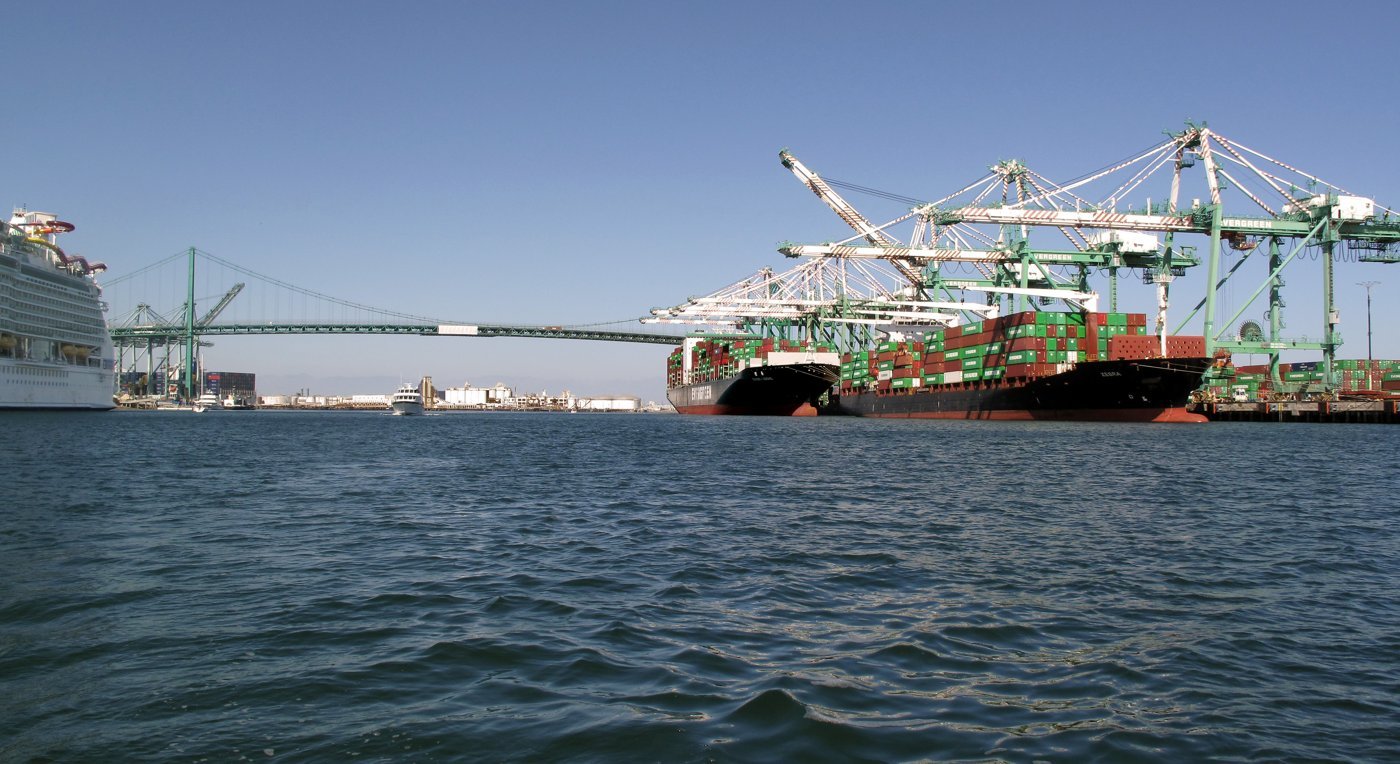
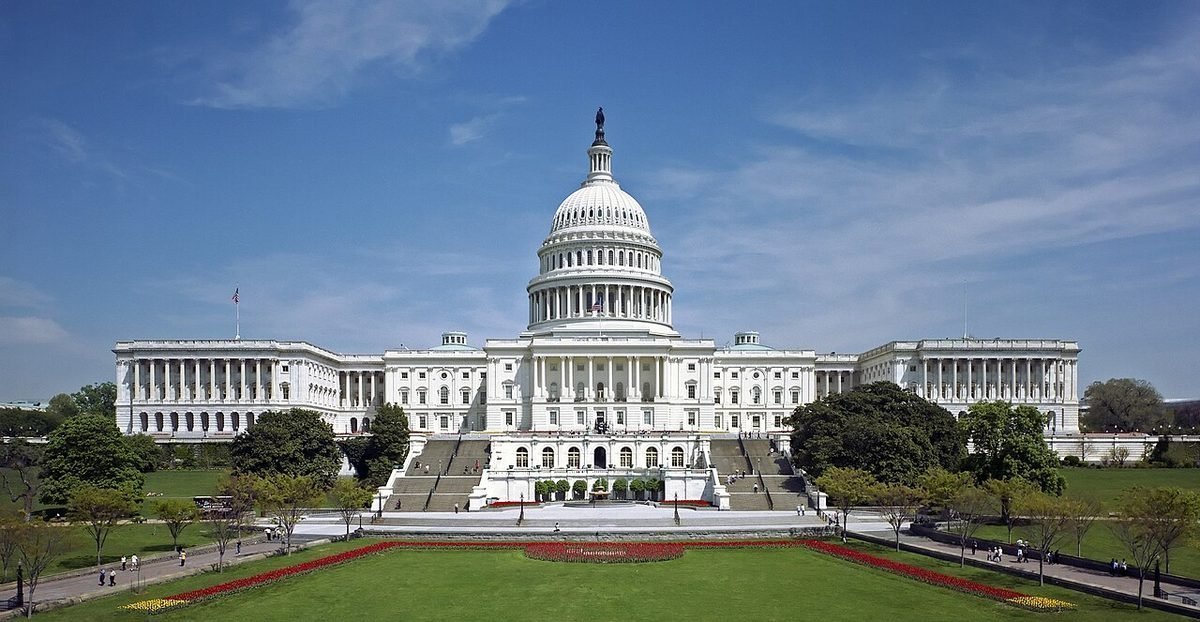
By the numbers
  • 50 entries in 6 eras
  • 39 distinct sources cited
  • 31 dated events
  • 15 claims checked
  • 7 theories opened up
  • 8 books, films and follow-ups
  • 16 steps on the critical path
  • 7 open questions
  • 7 lasting changes
  • 46 freely licensed pictures

Pictures & licenses

Picture credits

Every picture is public domain or freely licensed, from Wikimedia Commons. Files are stored on this site with their metadata removed; each credit links to the original.
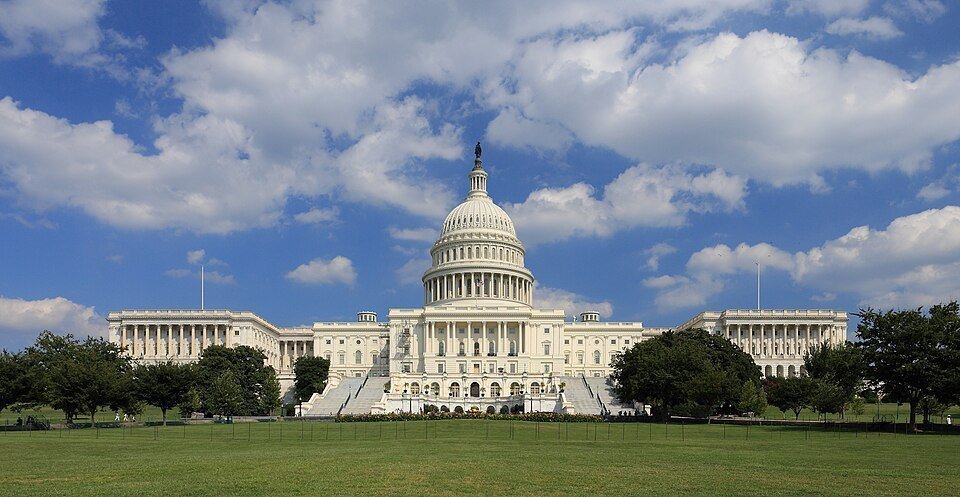

Aluminum smelter.
Wikimedia Commons · see credit; re-encoded, EXIF stripped · original
Joe Biden (guide pool).
Guide pool · see credit; re-encoded, EXIF stripped · original
Border visual (Canada/Mexico trade context).
Guide pool · see credit; re-encoded, EXIF stripped · original
U.S. Capitol exterior.
Guide pool / Wikimedia · see credit; re-encoded, EXIF stripped · original
China-related visual (guide pool).
Guide pool · see credit; re-encoded, EXIF stripped · original
China visual alternate.
Guide pool · see credit; re-encoded, EXIF stripped · original
China press visual.
Guide pool · see credit; re-encoded, EXIF stripped · original
Document stand-in.
Guide pool · see credit; re-encoded, EXIF stripped · original
Government building stand-in.
Guide pool · see credit; re-encoded, EXIF stripped · original
Factory floor.
Guide pool · see credit; re-encoded, EXIF stripped · original
Farm / agriculture visual.
Guide pool · see credit; re-encoded, EXIF stripped · original
Court gavel stand-in.
Guide pool · see credit; re-encoded, EXIF stripped · original
Hearing room stand-in.
Guide pool · see credit; re-encoded, EXIF stripped · original
Port and trade stand-in used as guide hero.
Guide pool / Wikimedia · see credit; re-encoded, EXIF stripped · original
Legacy visual.
Guide pool · see credit; re-encoded, EXIF stripped · original
Robert Lighthizer official portrait.
Wikimedia Commons / USTR · see credit; re-encoded, EXIF stripped · original
Trade lobby visual.
Guide pool · see credit; re-encoded, EXIF stripped · original
Media shelf visual.
Guide pool · see credit; re-encoded, EXIF stripped · original
Memo / briefing visual.
Guide pool · see credit; re-encoded, EXIF stripped · original
Public-memory visual.
Guide pool · see credit; re-encoded, EXIF stripped · original
What-we-know-now visual.
Guide pool · see credit; re-encoded, EXIF stripped · original
Critical-path visual.
Guide pool · see credit; re-encoded, EXIF stripped · original
Port of Los Angeles containers.
Wikimedia Commons · see credit; re-encoded, EXIF stripped · original
Press pool stand-in.
Guide pool · see credit; re-encoded, EXIF stripped · original
Process / bureaucracy visual.
Guide pool · see credit; re-encoded, EXIF stripped · original
Federal Register / paperwork stand-in.
Guide pool · see credit; re-encoded, EXIF stripped · original
Scales of justice.
Guide pool · see credit; re-encoded, EXIF stripped · original
Supreme Court building.
Guide pool / Wikimedia · see credit; re-encoded, EXIF stripped · original
U.S.–China diplomatic meeting visual.
Guide pool · see credit; re-encoded, EXIF stripped · original
Soybean harvest.
Wikimedia Commons · see credit; re-encoded, EXIF stripped · original
Steel visual (guide pool).
Guide pool · see credit; re-encoded, EXIF stripped · original
Theories visual.
Guide pool · see credit; re-encoded, EXIF stripped · original
Donald Trump portrait (guide pool).
Guide pool · see credit; re-encoded, EXIF stripped · original
USTR Winder Building.
Wikimedia Commons · see credit; re-encoded, EXIF stripped · original
White House exterior.
Guide pool / Wikimedia · see credit; re-encoded, EXIF stripped · original
WTO-related official photo.
Wikimedia Commons · see credit; re-encoded, EXIF stripped · original
Xi Jinping (Commons).
Wikimedia Commons · see credit; re-encoded, EXIF stripped · original
reciprocal chapter image (from port).
Wikimedia Commons · see credit; re-encoded, EXIF stripped · original
farm chapter image (from farmer).
Guide pool · see credit; re-encoded, EXIF stripped · original
phaseone chapter image (from signing).
Guide pool · see credit; re-encoded, EXIF stripped · original
court chapter image (from scotus).
Guide pool / Wikimedia · see credit; re-encoded, EXIF stripped · original
fed chapter image (from docs).
Guide pool · see credit; re-encoded, EXIF stripped · original
retaliation chapter image (from soy).
Wikimedia Commons · see credit; re-encoded, EXIF stripped · original
exclude chapter image (from register).
Guide pool · see credit; re-encoded, EXIF stripped · original
campaign chapter image (from press).
Guide pool · see credit; re-encoded, EXIF stripped · original
commerce chapter image (from factory).
Guide pool · see credit; re-encoded, EXIF stripped · original

Discussion

Comment, dispute or support a claim, submit a source or rate this page through a short Google Form. It asks you to sign in with Google so we know you are a real person; your email is never shown. Nothing appears here until it has been reviewed. Conversation on X tagged #AIFiles #AIFilesTrump shows up below after the daily refresh.

CommentSubmit a sourceRate this pageStart a discussion on XFull forum topicSee all disputesFollow updates (Google Group)

Reader comments

Approved reader comments and ratings appear here when JavaScript is on.

On X

Posts from the daily snapshot appear here when JavaScript is on. You can read this subject’s threads on the forum: Forum: #AIFilesTrump.

Reader comments are shown only after review, and rows removed from the form’s sheet disappear at the next refresh. X posts are a read-only daily snapshot; posts deleted or made private there are removed at the next refresh. Inclusion is not endorsement. A submitted source stays pending review until a page update says otherwise.