Article I owns peacetime tariffs Context · History
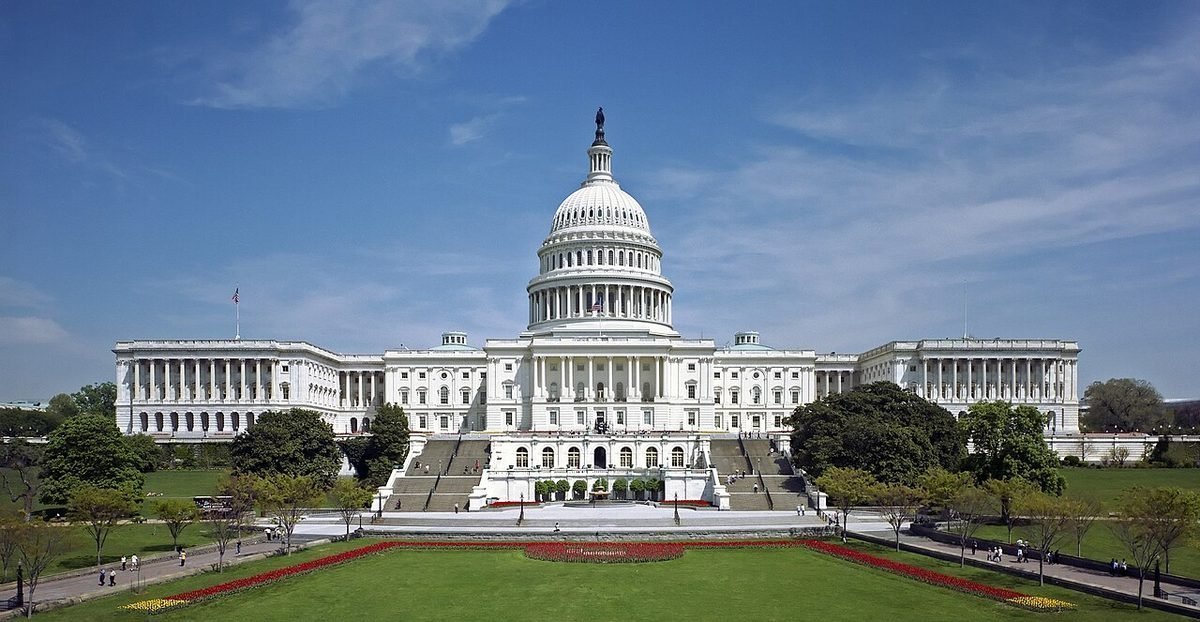
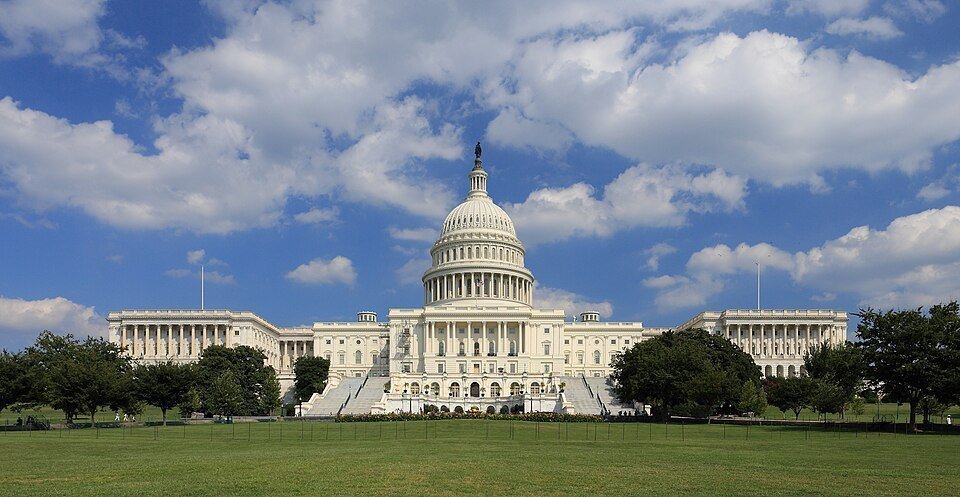
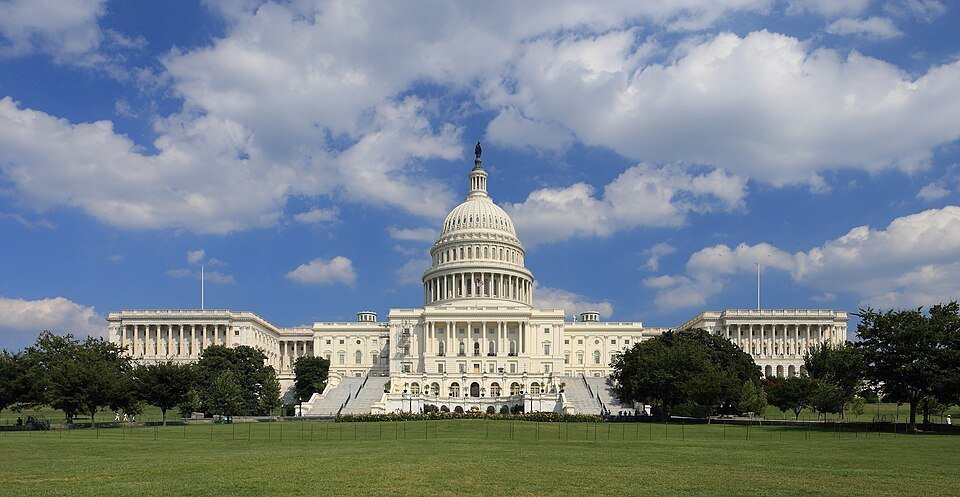
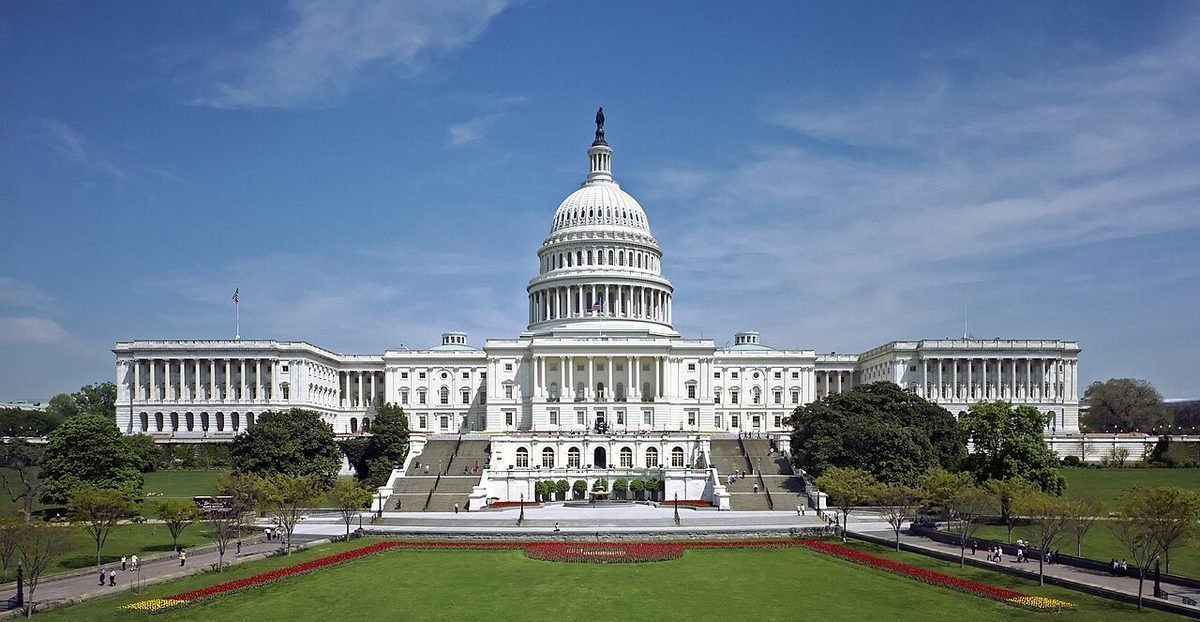
U.S. Capitol exterior. Guide pool / Wikimedia · see credit; re-encoded, EXIF stripped Duties are a congressional power before any president’s trade tweet.
The Constitution gives Congress power to lay duties and regulate commerce with foreign nations. [1]
In Learning Resources the Court treated peacetime tariffs as a branch of the taxing power Congress alone holds. [2]
Bottom line History
Start here before arguing any emergency shortcut.
What the record can’t settle
Does not decide how far Congress may delegate.
Sources U.S. Constitution, Article I, Section 8 (Taxing and Commerce Clauses) Congress’s power to lay duties and regulate commerce with foreign nations. Primary text. Supreme Court: Learning Resources, Inc. v. Trump (slip op., Feb 20, 2026) 6–3: IEEPA does not authorize tariffs. Roberts for Court on key parts; Kavanaugh dissent (Thomas, Alito). Does not decide Section 232/301. Back to contents · Open in the interactive guide
What Section 232 actually authorizes Record · Official
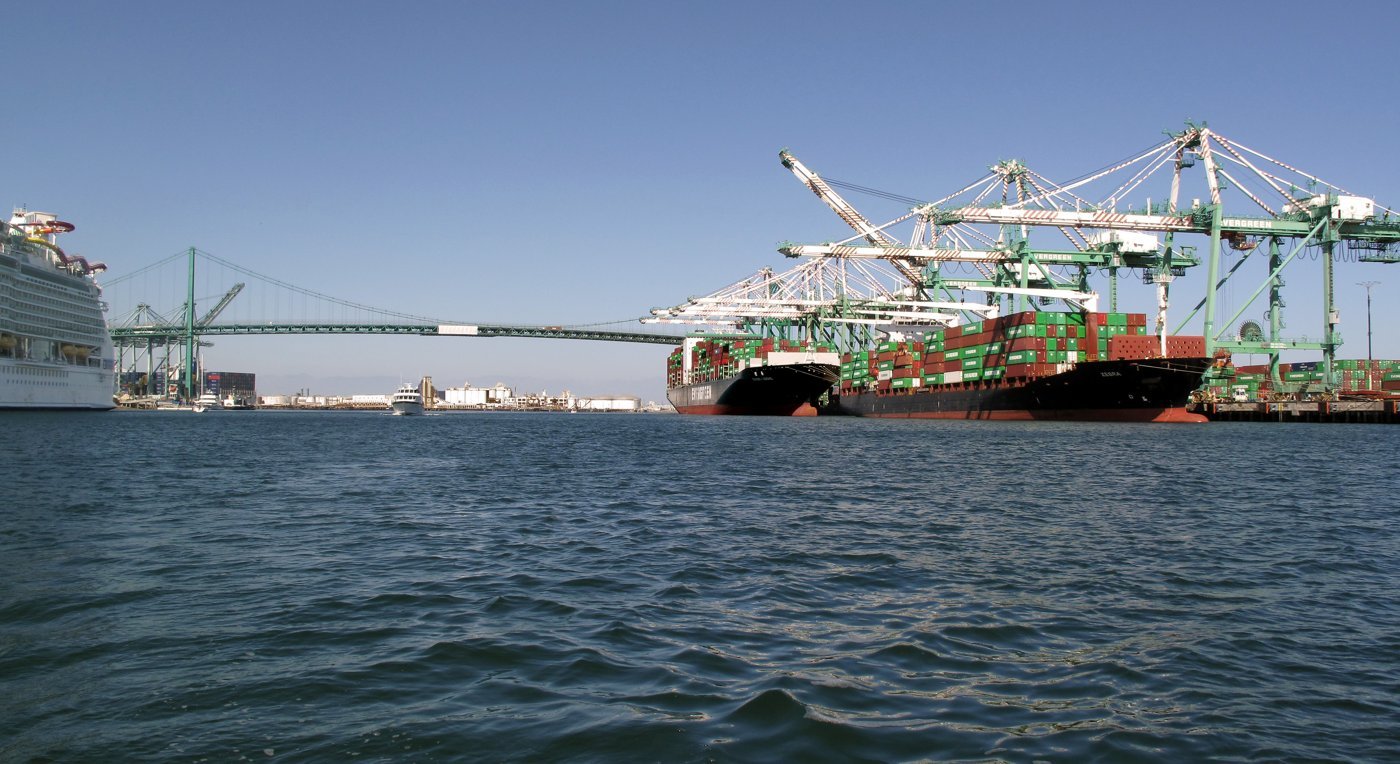
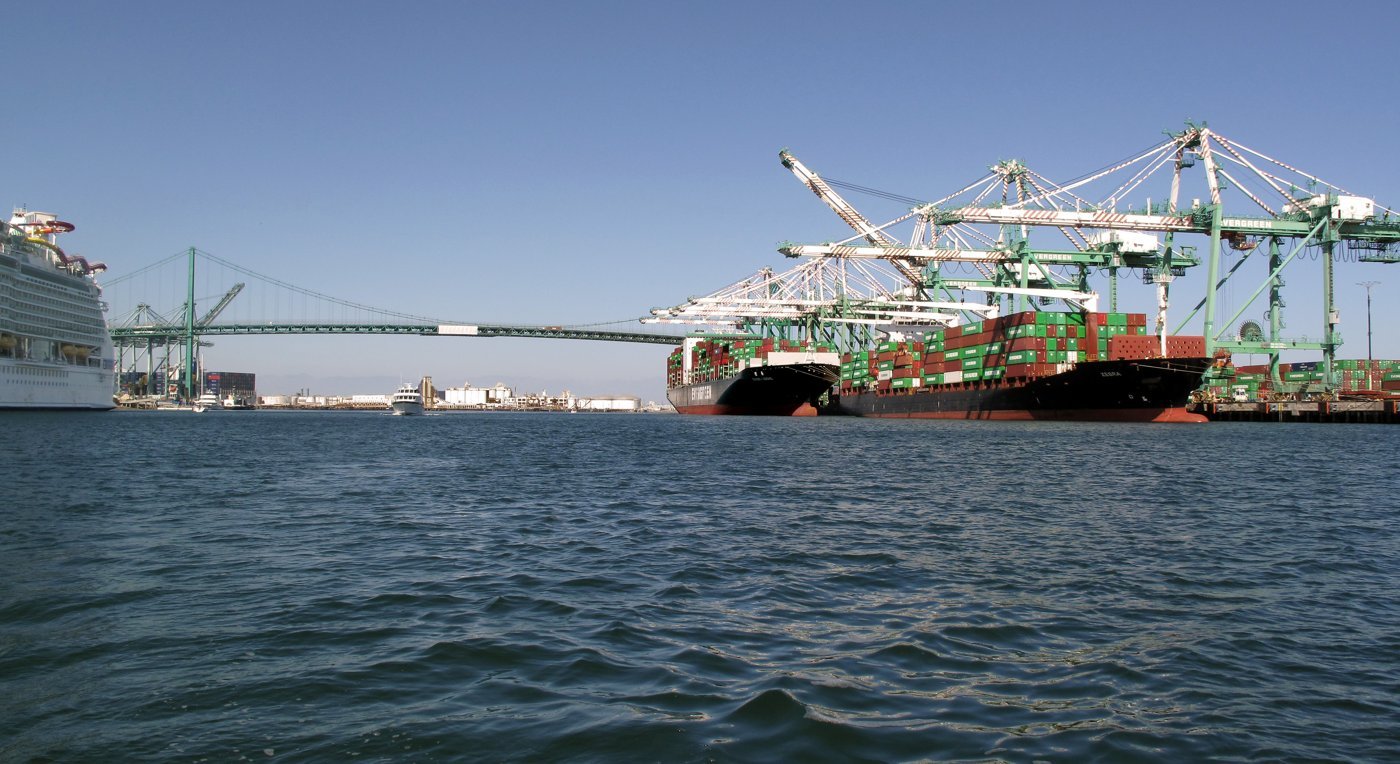
Steel visual (guide pool). Guide pool · see credit; re-encoded, EXIF stripped National-security import adjustments after a Commerce investigation — with “duties” in the statute’s orbit.
Section 232 lets the president adjust imports of an article after Commerce finds a national-security threat. [1]
Algonquin upheld license fees under that framework; Learning Resources later said that case does not stretch IEEPA. [2] [3]
Bottom line Official
232 is an express lane — not a blank check from silence.
What the record can’t settle
Does not validate every 2018 country coverage choice.
Sources 19 U.S.C. § 1862 — Safeguarding national security (Section 232) Statutory lane for national-security import adjustments after Commerce investigation/report. Federal Energy Administration v. Algonquin SNG, Inc., 426 U.S. 548 (1976) Section 232 license-fee precedent discussed and distinguished in Learning Resources. Supreme Court: Learning Resources, Inc. v. Trump (slip op., Feb 20, 2026) 6–3: IEEPA does not authorize tariffs. Roberts for Court on key parts; Kavanaugh dissent (Thomas, Alito). Does not decide Section 232/301. Back to contents · Open in the interactive guide
What Section 301 actually authorizes Record · Official
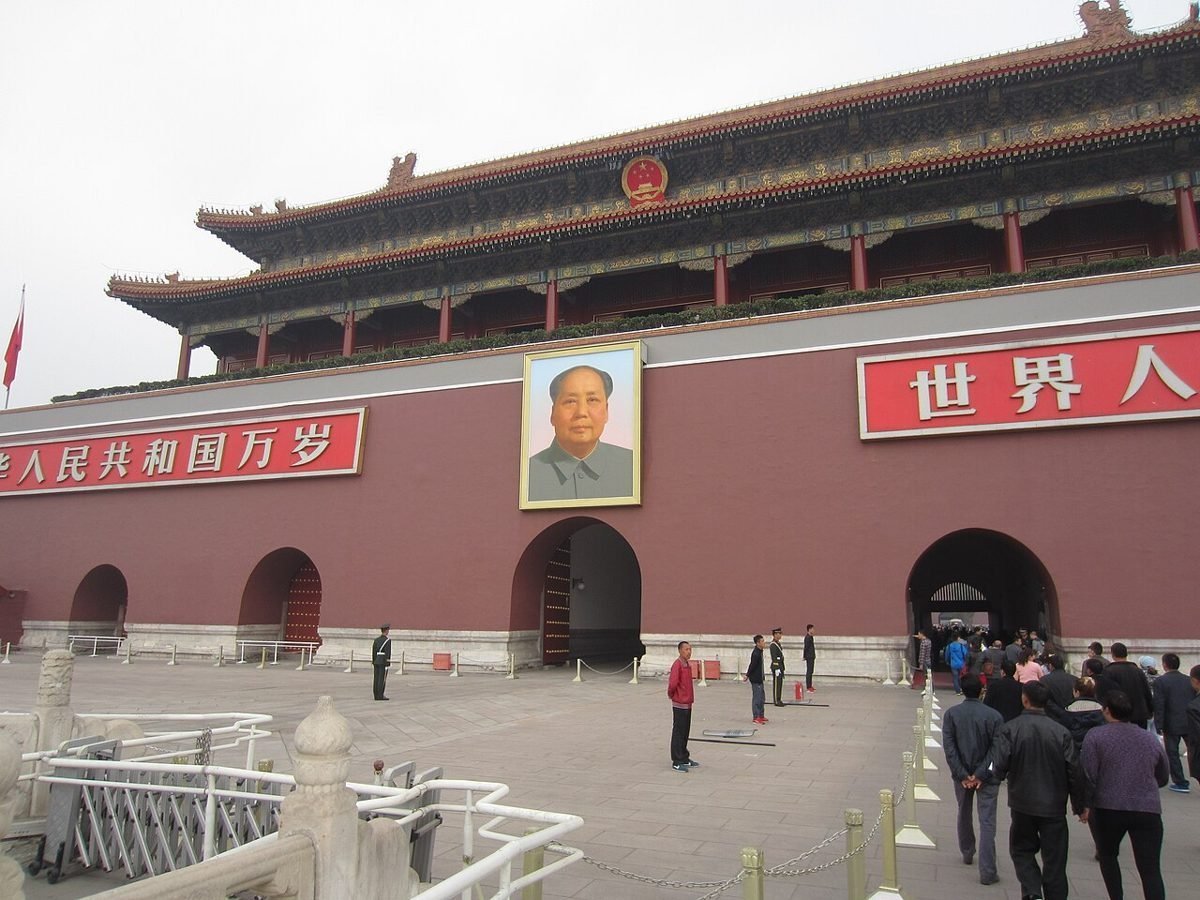
USTR Winder Building. Wikimedia Commons · see credit; re-encoded, EXIF stripped USTR may act against foreign unreasonable practices that burden U.S. commerce — including duties.
The Trade Act’s Section 301 text contemplates duties and other import restrictions. [1]
That is why China lists cite 301, not IEEPA. [2] [3]
Bottom line Official
Different statute, different vocabulary, different lawsuit.
What the record can’t settle
Does not prove every list was optimally designed.
Sources 19 U.S.C. § 2411 — Section 301 of the Trade Act of 1974 Authorizes USTR action against unreasonable/discriminatory foreign practices burdening U.S. commerce. USTR: Notice of Determination — China Section 301 (83 FR 14906, Apr 6, 2018) Determination that China’s tech-transfer/IP practices are actionable; proposed duty list. USTR Notice of Action — Section 301 List 1 (83 FR 28710, Jun 20, 2018) ~$34B China goods @25%, effective July 6, 2018. Primary FR. Back to contents · Open in the interactive guide
IEEPA’s verbs — and the missing word Record · Official
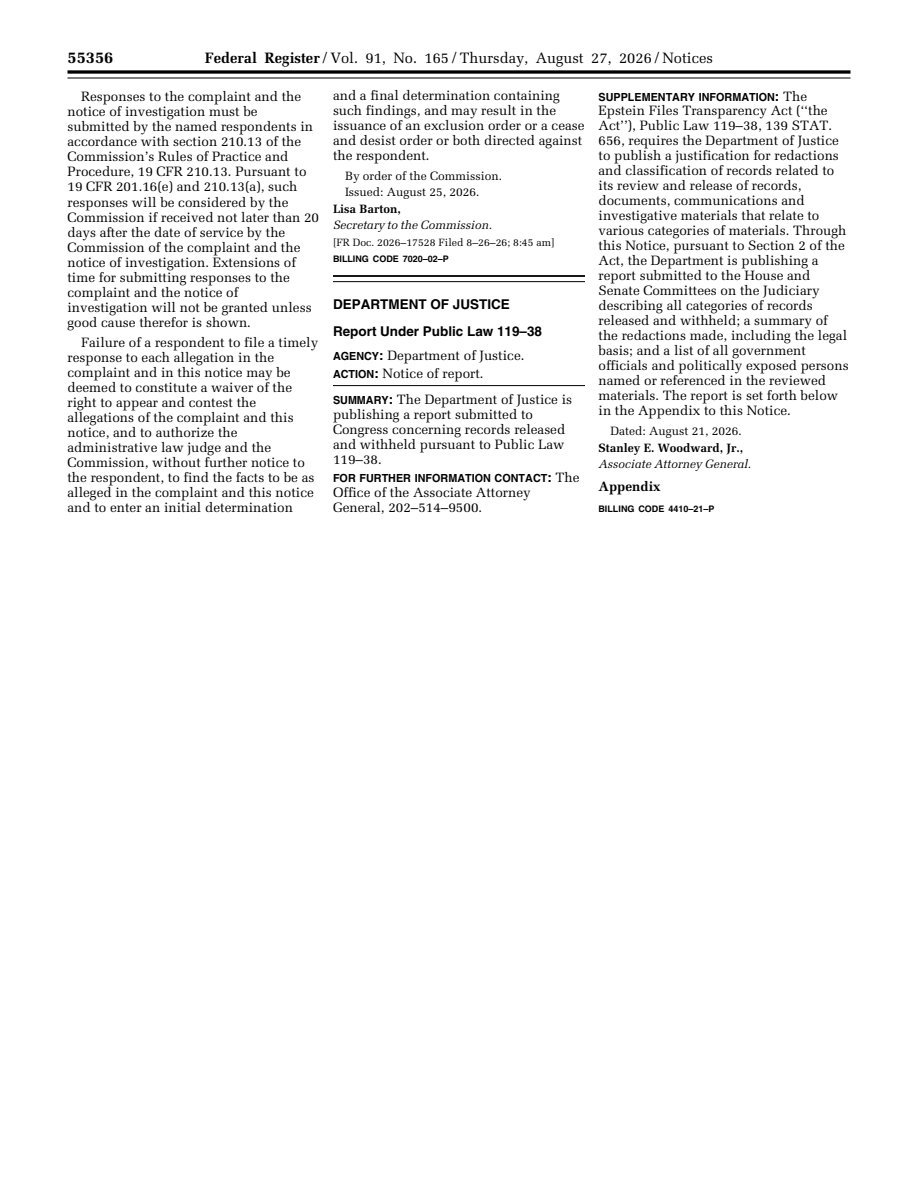
Document stand-in. Guide pool · see credit; re-encoded, EXIF stripped “Regulate…importation” appears; “tariff” and “duty” do not.
IEEPA lists investigate, block, regulate, compel, nullify, prevent, prohibit — aimed at emergencies. [1]
The 2026 Court held that list does not clearly delegate unbounded tariff power. [2]
Bottom line Official
Silence on duties mattered.
What the record can’t settle
Does not erase other emergency tools.
Sources 50 U.S.C. §§ 1701–1702 — International Emergency Economic Powers Act ‘Regulate…importation’ text at issue in Learning Resources. Supreme Court: Learning Resources, Inc. v. Trump (slip op., Feb 20, 2026) 6–3: IEEPA does not authorize tariffs. Roberts for Court on key parts; Kavanaugh dissent (Thomas, Alito). Does not decide Section 232/301. Back to contents · Open in the interactive guide
The campaign promise Context · History
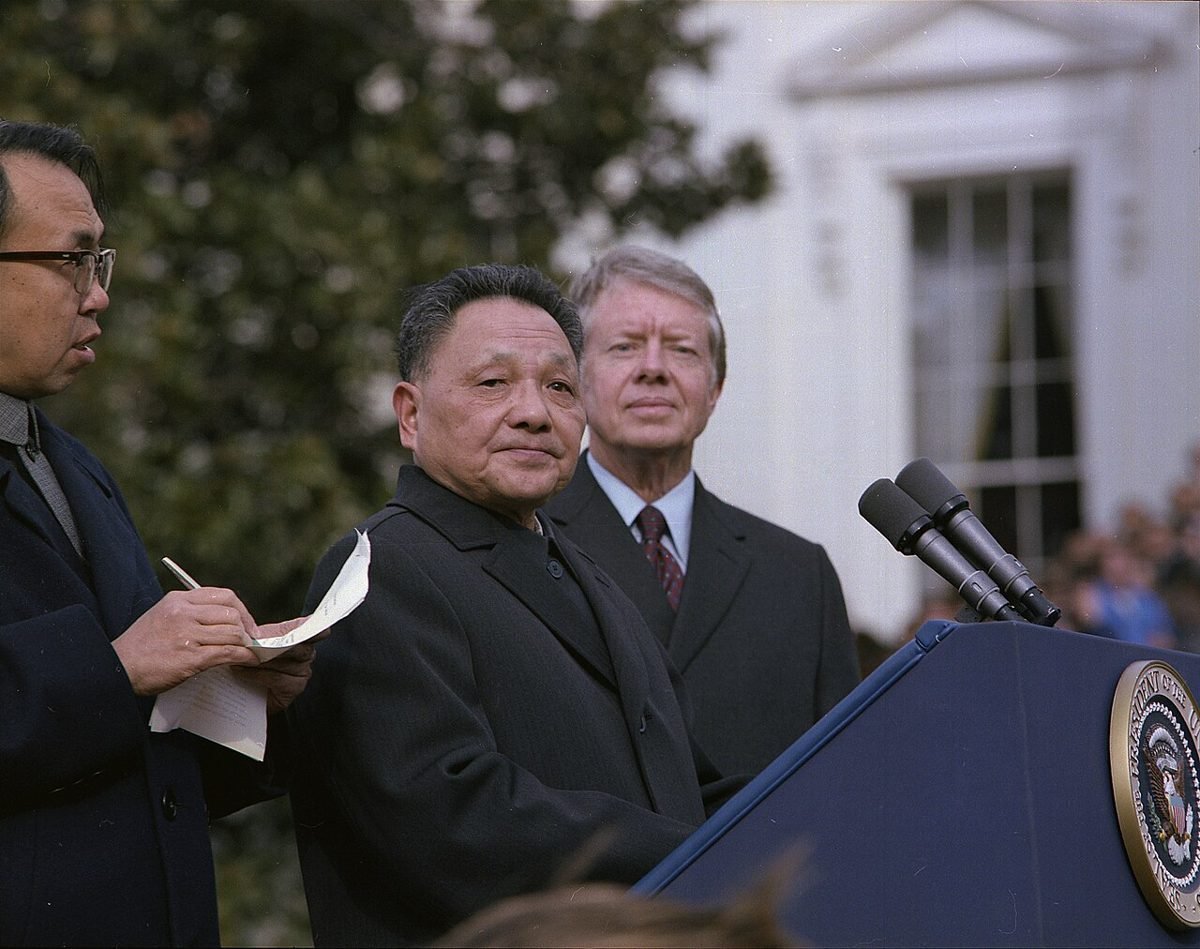
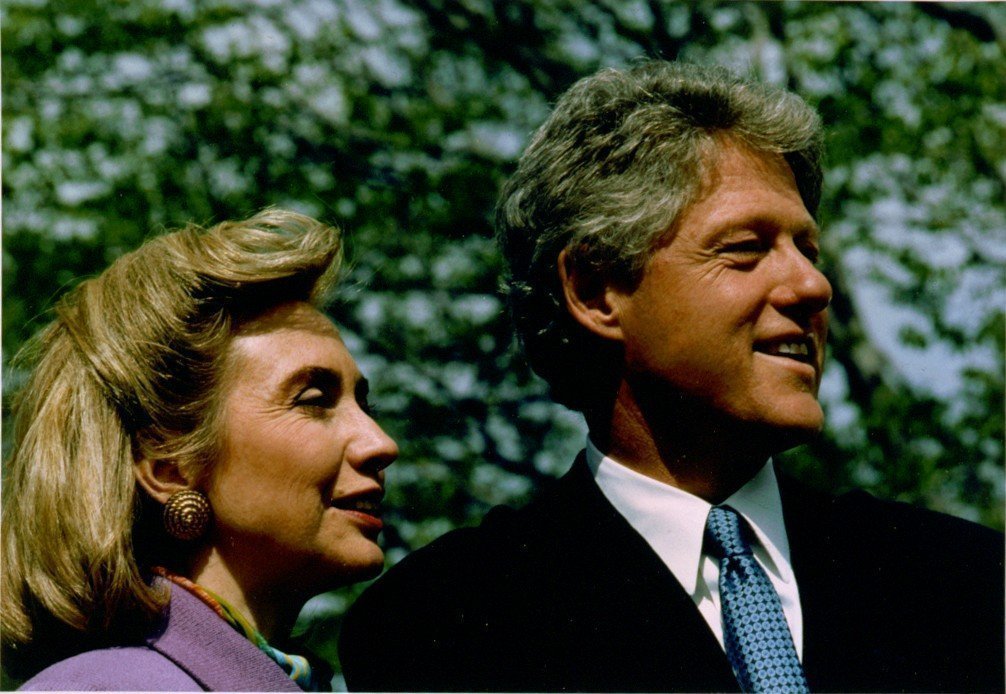
campaign chapter image (from press). Guide pool · see credit; re-encoded, EXIF stripped China confrontation was not invented in a FR notice.
2016 messaging promised to confront China’s trade practices and rewrite bad deals. [1]
The later fight is which statute can carry that promise. [2]
Bottom line History
Politics supplied the motive; Congress supplied the tools.
What the record can’t settle
Campaign rhetoric is not a legal authority.
Sources 2016 campaign trade messaging (archived WH / campaign statements as cited in contemporaneous records) Context for promised China confrontation; use specific archived pages when quoting. Trump hub short case: Tariffs (pre-rebuild extract) Prior thin case on 2025 IEEPA + SCOTUS + NY Fed; expanded here. Not a primary. Back to contents · Open in the interactive guide
Algonquin’s limited holding Context · History
Document stand-in. Guide pool · see credit; re-encoded, EXIF stripped 232 license fees ≠ IEEPA tariffs.
1976 Court allowed certain Section 232 fees; Learning Resources calls the holding limited and textually distinct. [1] [2]
Government reliance on Algonquin failed to save IEEPA. [2]
Bottom line History
Precedent does not travel by vibes.
What the record can’t settle
Does not freeze 232 doctrine forever.
Sources Federal Energy Administration v. Algonquin SNG, Inc., 426 U.S. 548 (1976) Section 232 license-fee precedent discussed and distinguished in Learning Resources. Supreme Court: Learning Resources, Inc. v. Trump (slip op., Feb 20, 2026) 6–3: IEEPA does not authorize tariffs. Roberts for Court on key parts; Kavanaugh dissent (Thomas, Alito). Does not decide Section 232/301. Back to contents · Open in the interactive guide