The critical path (expanded)
A critical path is the load-bearing chain any serious reading must handle. Each step states what it is, where it fits, why it is critical, and what rivals must account for.
Threat ecology
Kind: fact.
After 11 September 2001, U.S. threat framing linked terrorism, rogue states, and WMD in public speech. That ecology is the weather system inside which the Iraq brief and Times coverage moved — not proof of stockpiles.
In the narrative: Opens the story: without the post-9/11 frame, the intensity of the 2002–03 public case and elite-press risk tolerance are unintelligible.
Why critical — if this falls: If the post-9/11 threat ecology is erased or treated as irrelevant mood, later steps (cluster amplification, Powell packaging, Congressional authorization climate) lose their information-environment cause. Rival paths that claim pure opportunism or pure necessity both still need this hinge as the shared weather.
Any rival theory must account for: Dated administration speeches and ‘axis of evil’–era framing in 2002; The difference between threat ecology (climate) and stockpile proof (claim); How elite press risk calculus shifted toward over-warning after 9/11
WMD cluster
Kind: object.
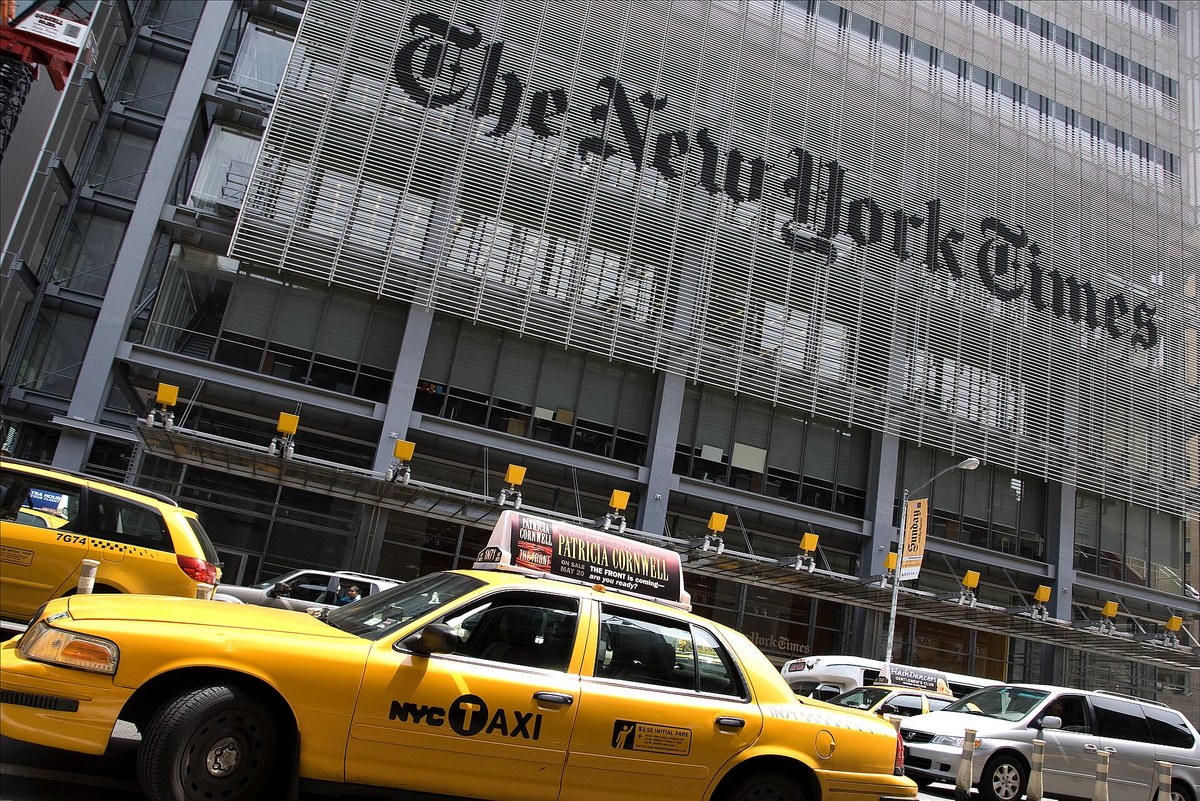
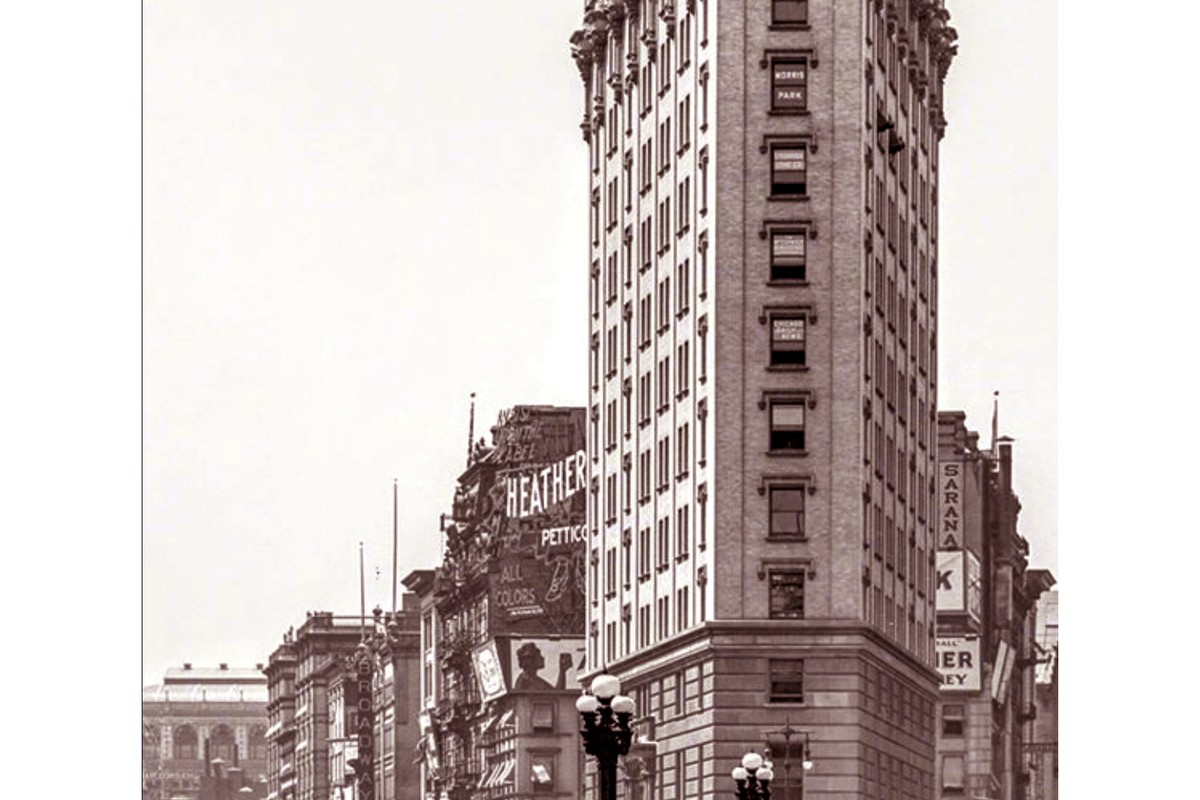
High-impact New York Times prewar stories amplified contested WMD claims via anonymous officials and defector/exile channels — the institutional cluster critics still cite.
In the narrative: Chapter 5 center: the paper-of-record object this nest stress-tests against Vietnam–Watergate capital.
Why critical — if this falls: If the Times cluster is removed from the account, you cannot explain the asked claim about Times coverage failure or adequacy. ‘Other papers were worse’ and ‘intelligence fooled everyone’ cannot be tested without the actual pages, dates, heds, and sourcing patterns.
Any rival theory must account for: Dated cluster stories’ claims, placement, and anonymity patterns; Judith Miller’s centrality in public memory without collapsing the whole desk into one byline; Internal or public caveats that did or did not reshape copy before invasion
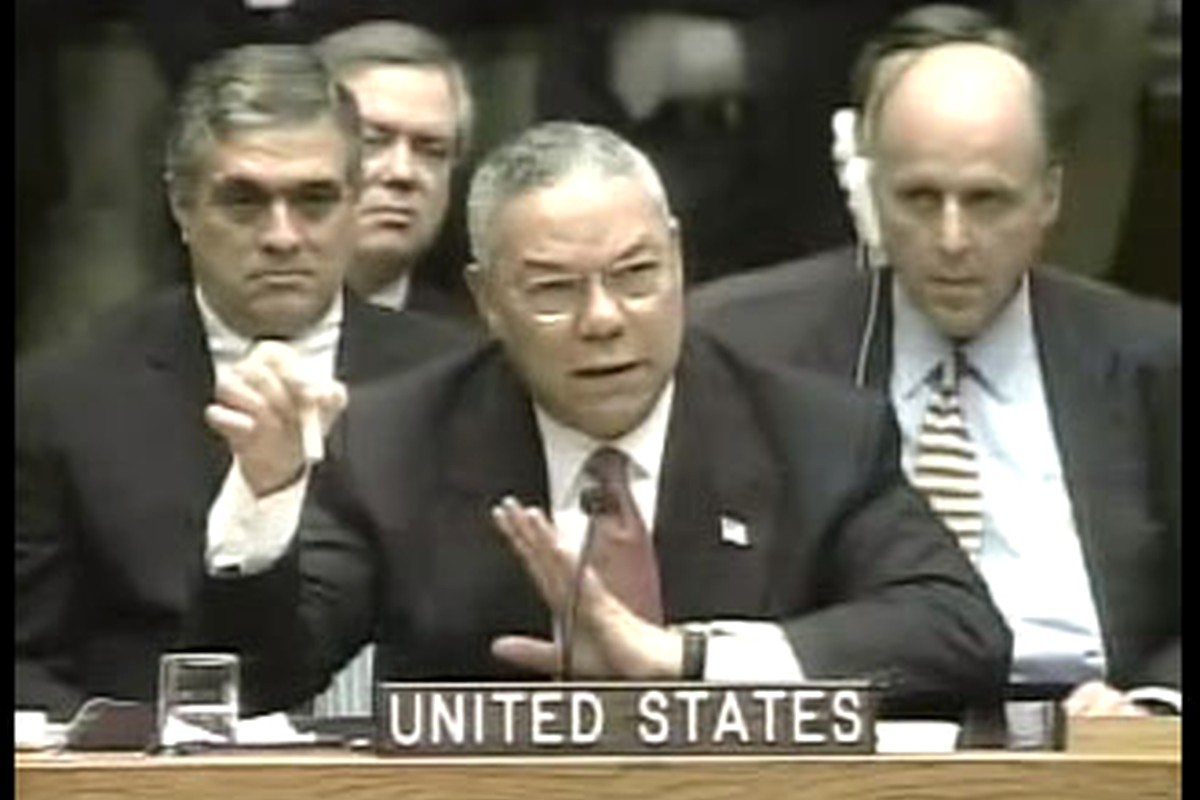
Powell UN
Kind: fact.
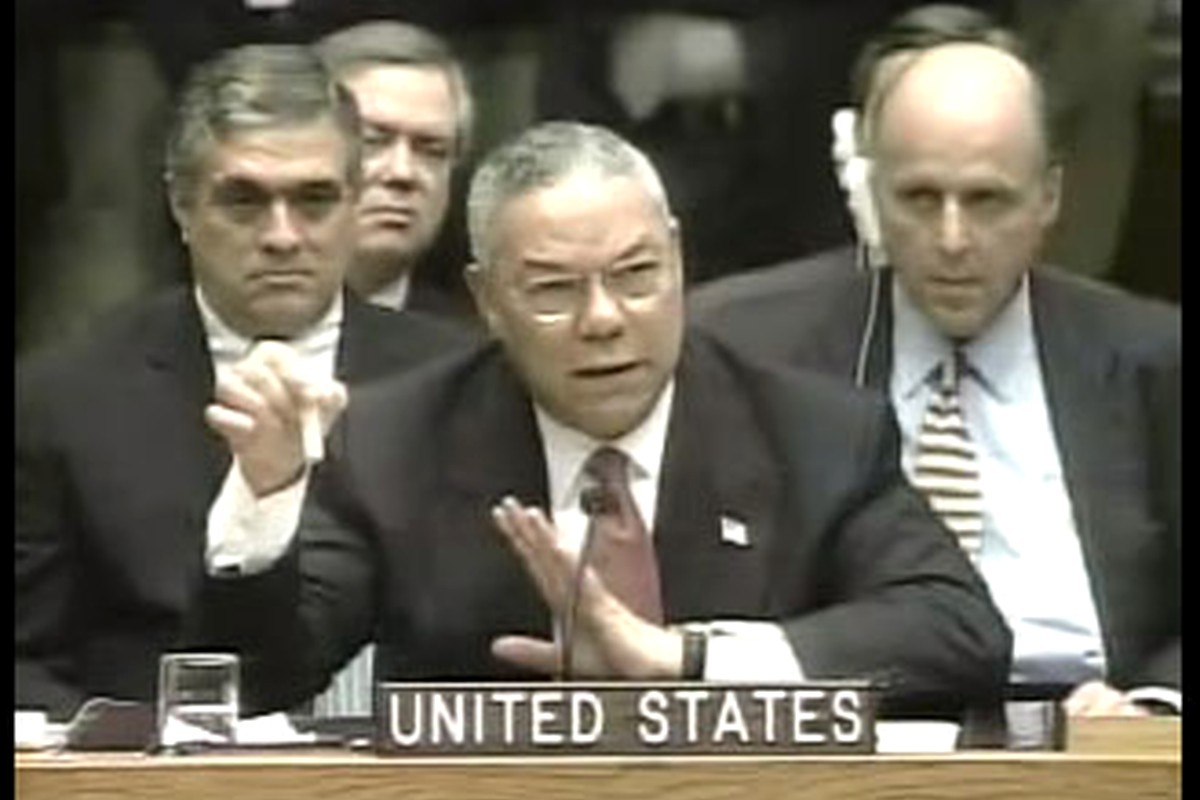
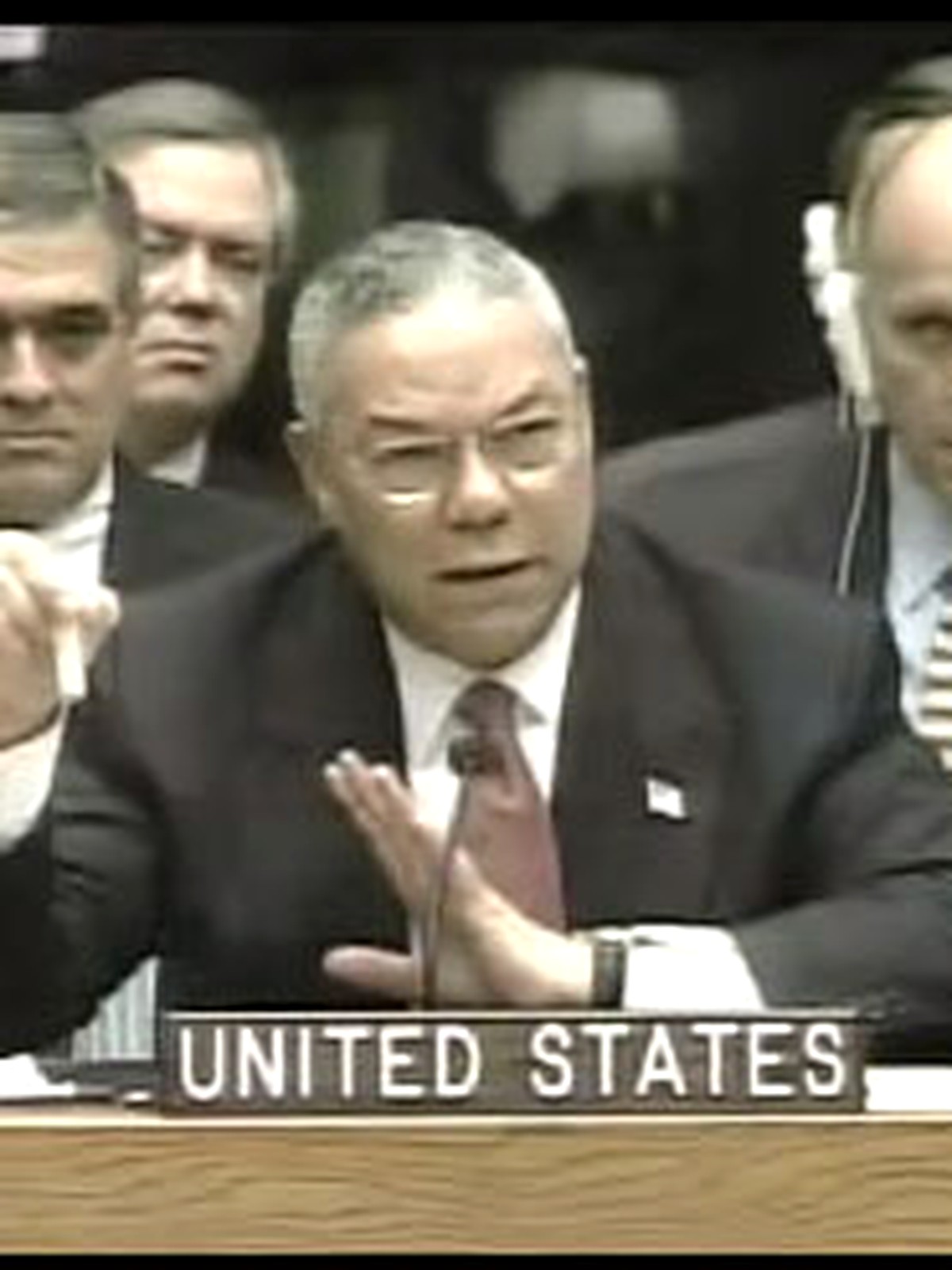
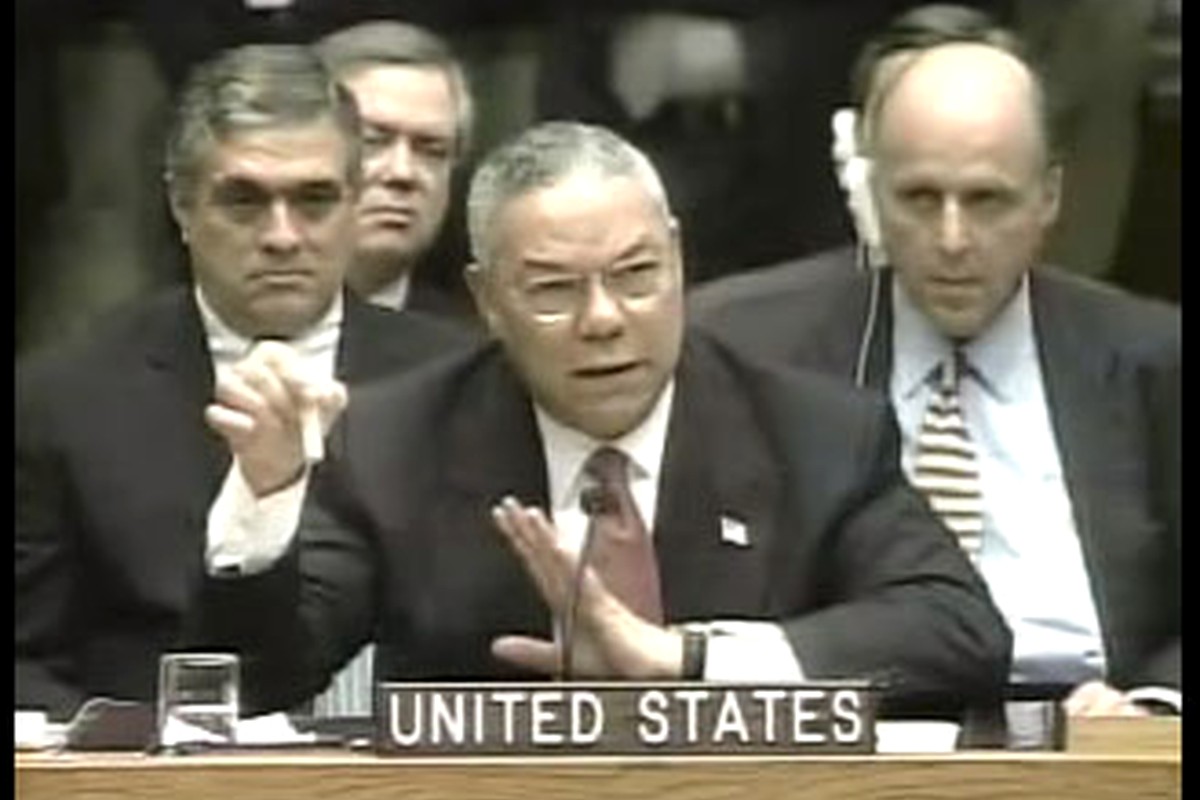
Colin Powell’s 5 February 2003 UN Security Council presentation packaged the U.S. WMD case for a global audience; his credibility was part of the instrument.
In the narrative: Chapter 3 hinge: peak public packaging between case-building and invasion.
Why critical — if this falls: If Powell day is erased, the global permission-structure moment disappears. Later trust scars in diplomacy and press framing of ‘clinched’ certainty lose their peak exhibit. Sincere-reliance and reckless-packaging rivals both must explain the same slides and later-admitted flaws (including Curveball-linked threads).
Any rival theory must account for: Speech text and exhibit record of 5 February 2003; Contemporaneous Times tone/placement on Powell day; Later admissions about flawed elements without rewriting 2003 mens rea by meme
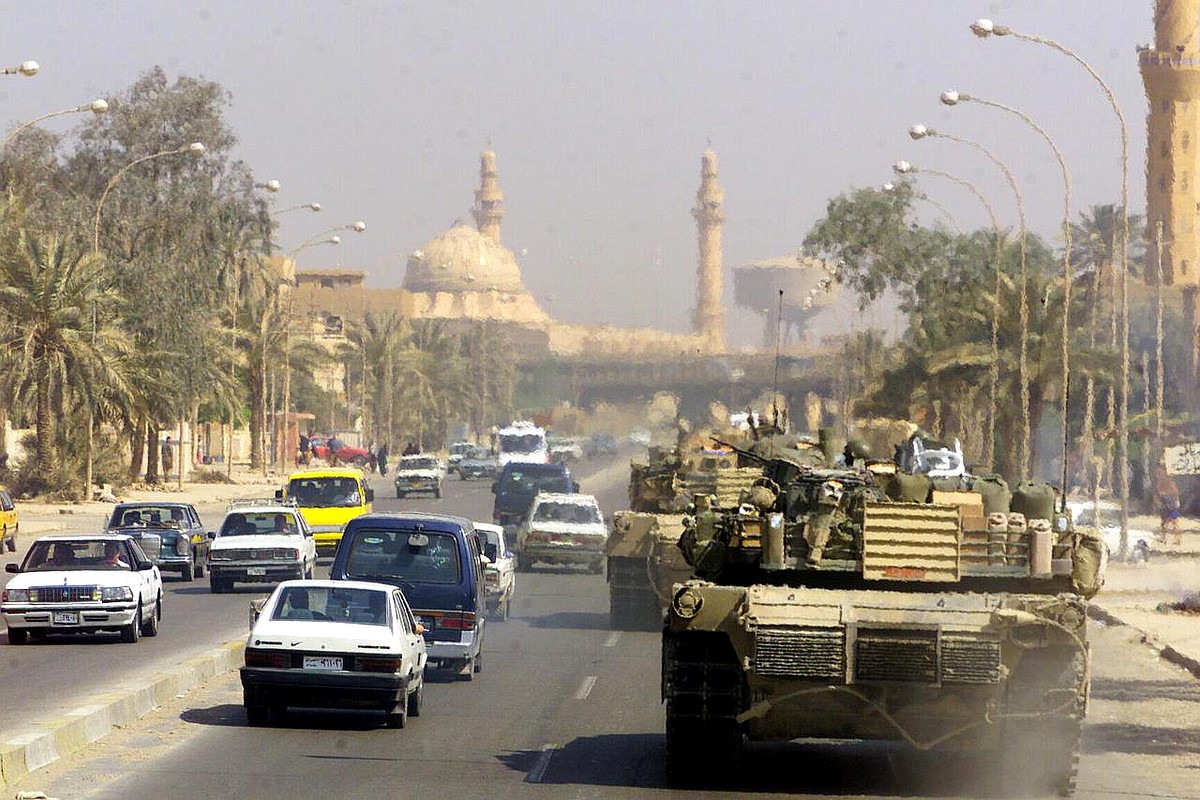
Invasion
Kind: fact.
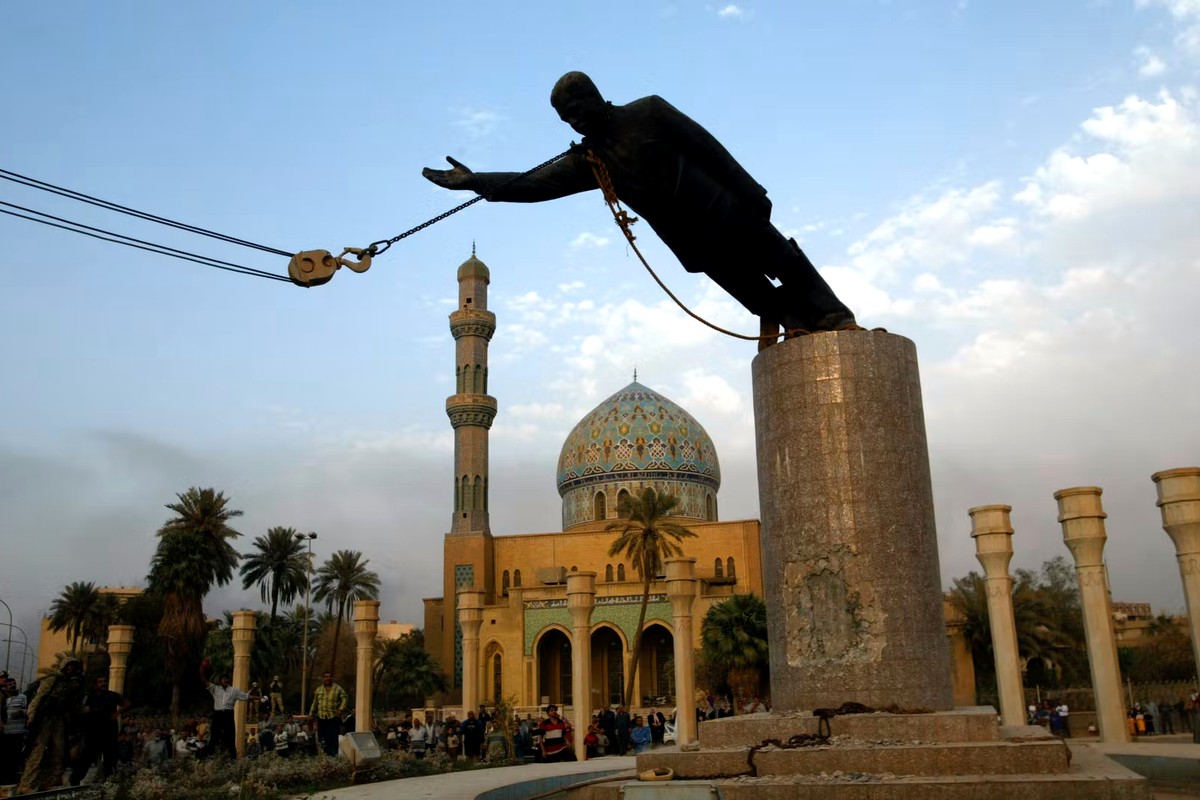
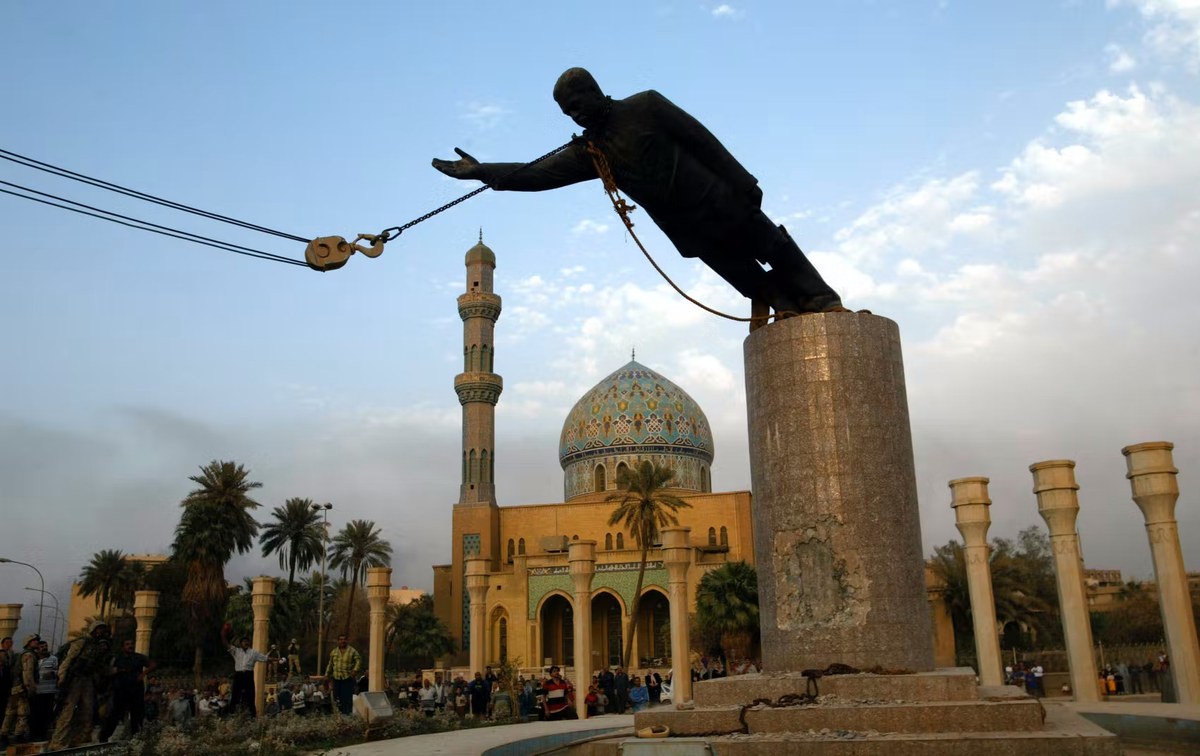
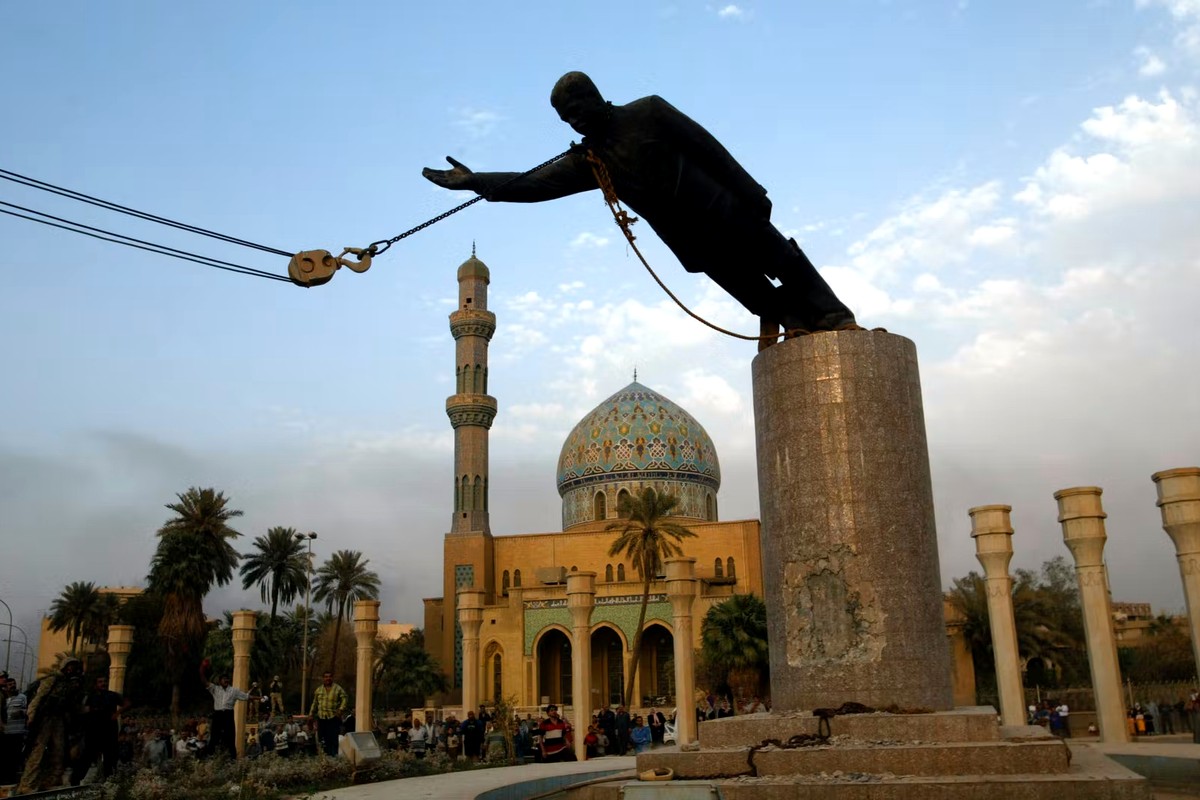
The March 2003 invasion began the war the WMD brief helped authorize; early combat and Baghdad-fall coverage shifted the empirical setting from prediction to search.
In the narrative: Chapter 6: from brief to kinetic fact — victory optics compete with verification.
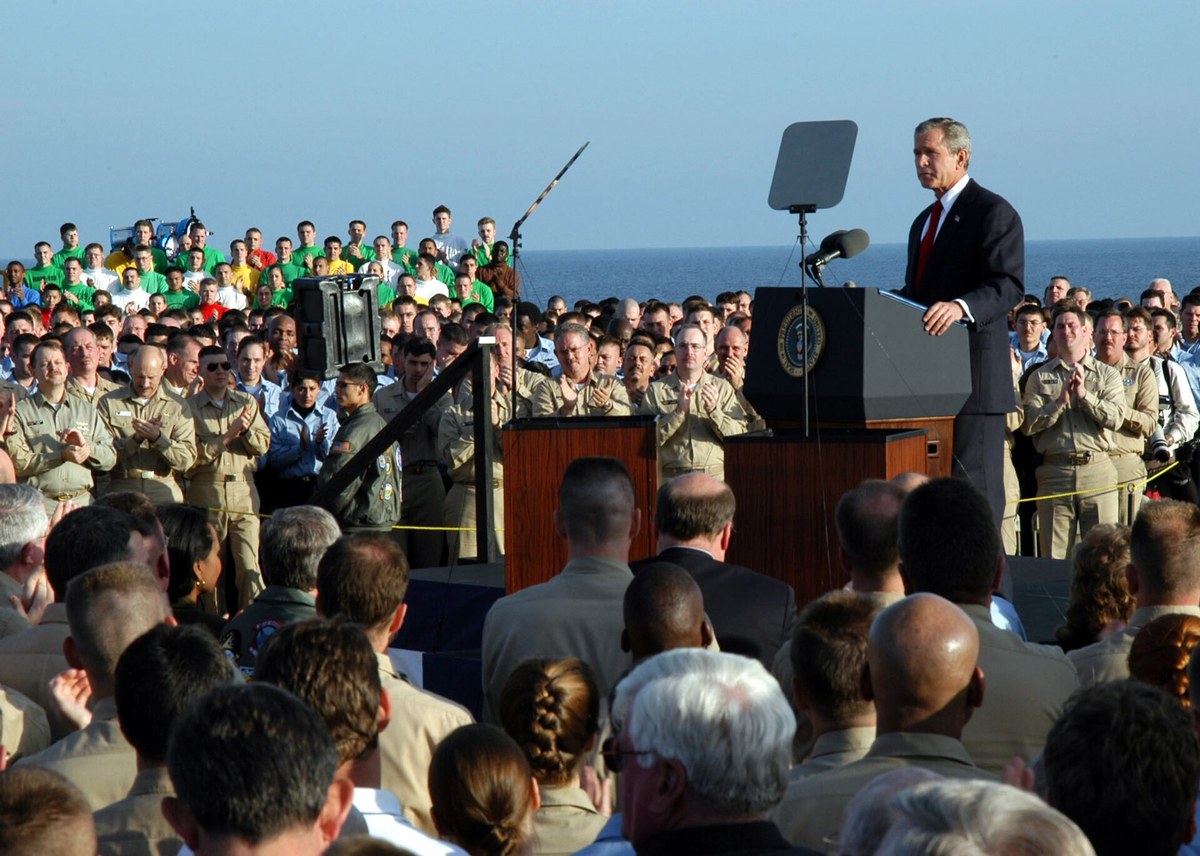
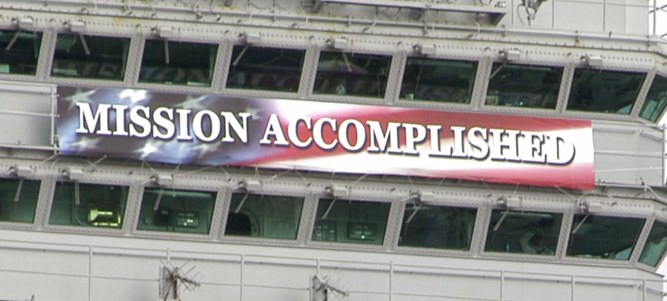
Why critical — if this falls: Without invasion as a hinge, stockpile-search findings and Mission Accomplished ecology have no war to attach to. Coverage claims about cheerleading versus necessary war reporting require the invasion weeks’ page hierarchies.
Any rival theory must account for: Invasion timeline and early Baghdad-fall journalism; Whether WMD search updates kept rigor as victory frames arrived; Separation of combat reporting from inference that regime collapse validates the brief
Stockpiles missing
Kind: fact.
Expected stockpiles were not found as billed; Kay’s interim wave made the failure public before the full Duelfer/ISG report.
In the narrative: Chapters 8 and 11: empirical collapse of the stockpile noun.
Why critical — if this falls: If ‘stockpiles missing as billed’ is denied or fuzzed into ‘programs existed somehow,’ the central factual hinge of postwar reckoning collapses. Press-failure and intelligence-failure debates both need this finding as a shared object — even while programs/intent questions remain nuanced.
Any rival theory must account for: Kay interim public comments in context (not meme-only); Distinction among stockpiles, programs, and intent; Times play of search updates versus earlier certainty volume
Editors note
Kind: fact.
On 26 May 2004 the Times published an editors’ note admitting flaws in some Iraq WMD coverage — a rare institutional reckoning speech act.
In the narrative: Chapter 10: brand capital spent and partially addressed.
Why critical — if this falls: Without the note, accounts of Times self-correction have no primary institutional object. Adequacy debates (admirable vs late/incomplete) must cite its text, timing relative to invasion, and whether structural desk failures were named or mainly story-level flaws.
Any rival theory must account for: Full primary text of the 26 May 2004 editors’ note; Comparison of note placement/volume to original A1 certainty; Whether reckoning named structures beyond a single reporter
SSCI reports
Kind: fact.
Senate Select Committee on Intelligence Phase I examined intelligence-community performance on Iraq WMD with important scope limits; it is Congressional primary, not a reporter indictment.
In the narrative: Chapter 11: government-side tradecraft reckoning beside the Times note.
Why critical — if this falls: If SSCI is ignored, intelligence-failure alibis and indictments both float free of the committee’s actual findings and limits. Press-failure claims that simply paste SSCI onto journalists misuse the document; intelligence alibis that stop at SSCI without reading Times pages also fail.
Any rival theory must account for: Phase I scope and published findings; What SSCI does not decide about newspaper placement and caveats; Later Phase II politics labeled as politics, not silently merged into Phase I
Duelfer Report
Kind: document.
Charles Duelfer’s Iraq Survey Group Comprehensive Report is the major postwar survey finding: no active WMD stockpiles as alleged in the public case, with nuanced discussion of intent and dual-use questions.
In the narrative: Chapter 11 close of the official stockpile/program map.
Why critical — if this falls: If Duelfer/ISG is erased, ‘stockpiles not found as billed’ loses its fullest official instrument. Memes that claim Duelfer ‘proved programs that justify everything’ or ‘proved the war had zero WMD basis in any sense’ both need the report’s actual distinctions.
Any rival theory must account for: ISG Comprehensive Report’s stockpile finding; Nuanced passages on intent, sanctions, and dual-use — not cherry-picked; Separation of ISG findings from Times caveat adequacy (different asked claims)
Miller exit
Kind: fact.
Judith Miller’s exit and the institutional break around her Iraq reporting are a related reckoning object — not a full substitute for desk and standards reform.
In the narrative: Follows editors’ note: person-level institutional break inside a many-hands failure.
Why critical — if this falls: If Miller exit is treated as the entire story, structural anonymity habits and editorial incentives disappear. If Miller is erased to spare the brand, public memory’s central byline is dishonestly deleted. Both distortions fail the institutional test.
Any rival theory must account for: Miller’s centrality to remembered cluster stories without sole-villain collapse; Editors’ note treatment of her work versus desk structures; Timeline of exit relative to note and ISG/Kay waves
Press autopsies
Kind: fact.
Secondary press autopsies (e.g., Massing, Ricks, later essays) organized public memory of failure; they are secondaries, not substitutes for 2002–04 pages.
In the narrative: Memory layer after primaries: how the profession narrated its own miss.
Why critical — if this falls: If secondaries are mistaken for primaries, visitors inherit someone else’s frame without checking heds and dates. If secondaries are banned from the map, classroom and professional memory of the case vanishes. Label and use them as organizers.
Any rival theory must account for: Which autopsy claims cite dated pages versus memoir combat; Disagreements among secondary accounts; That classroom canon can ossify a simplified ‘Miller did it’ story
Curveball collapse
Kind: fact.
Curveball’s collapse made a flagship source failure public and illuminated how defector channels fed both intelligence and press certainty (including mobile-labs threads tied to Powell packaging).
In the narrative: Source-failure hinge linking intelligence and press correlation without full press alibi.
Why critical — if this falls: Without Curveball’s public failure, ‘bad source’ rivals lack their clearest named exhibit. ‘Systemic eagerness’ rivals still need to show the run of play beyond one source — but cannot ignore this collapse.
Any rival theory must account for: Public record of Curveball’s fabrications and how they entered briefings; Connection to Powell presentation elements later walked back; Limits: one source failure does not exhaust the whole cluster
Blair adjacency
Kind: fact.
Jayson Blair’s March 2003 fabrication scandal was a same-season Times credibility crisis — neighboring capacity drain, not the WMD sourcing spine.
In the narrative: Hygiene hinge: coinciding crises must stay analytically separate.
Why critical — if this falls: If Blair is fused into WMD failure, causal honesty dies. If Blair is erased from 2003 institutional weather, readers miss a real capacity and credibility tax. The hinge teaches separation of spines.
Any rival theory must account for: Blair scandal dates and nature (fabrication/plagiarism crisis); Explicit non-causation toward Miller-cluster WMD claims; Newsroom oxygen cost in the same spring as invasion
Classroom canon
Kind: fact.
Iraq WMD coverage became a journalism-school case study — canon that shapes how new reporters learn source skepticism and war-brief risk.
In the narrative: Legacy chapter: memory institutions after the note and ISG.
Why critical — if this falls: If classroom canon is ignored, you miss how the failure reproduces as professional norm (or as oversimplified morality play). If canon replaces the file, students inherit myths. Hold both: teach with pages, not only with parable.
Any rival theory must account for: How j-school case studies frame Miller, anonymity, and editors’ note; Risk of sole-villain simplification in teaching materials; Comparative mentions of other outlets’ failures
Access critique
Kind: fact.
Anonymous official sourcing is both how national-security journalism often works and how accountability dies when scorching war claims are un-bylined.
In the narrative: Method hinge across chapters 2, 5, and 9 — access critique.
Why critical — if this falls: If anonymity habits are ignored, ‘we were misled by sources’ becomes an unfalsifiable shield. If anonymity is banned as always illegitimate, necessary confidential reporting becomes impossible to discuss honestly. The hinge is disclosure of incentives and caveat depth.
Any rival theory must account for: Patterns of anonymous ‘senior officials’ in cluster copy; Whether source incentives (exile agendas, bureaucratic rivals) were disclosed; Standards the Times claimed versus standards practiced on war briefs
Human cost
Kind: fact.
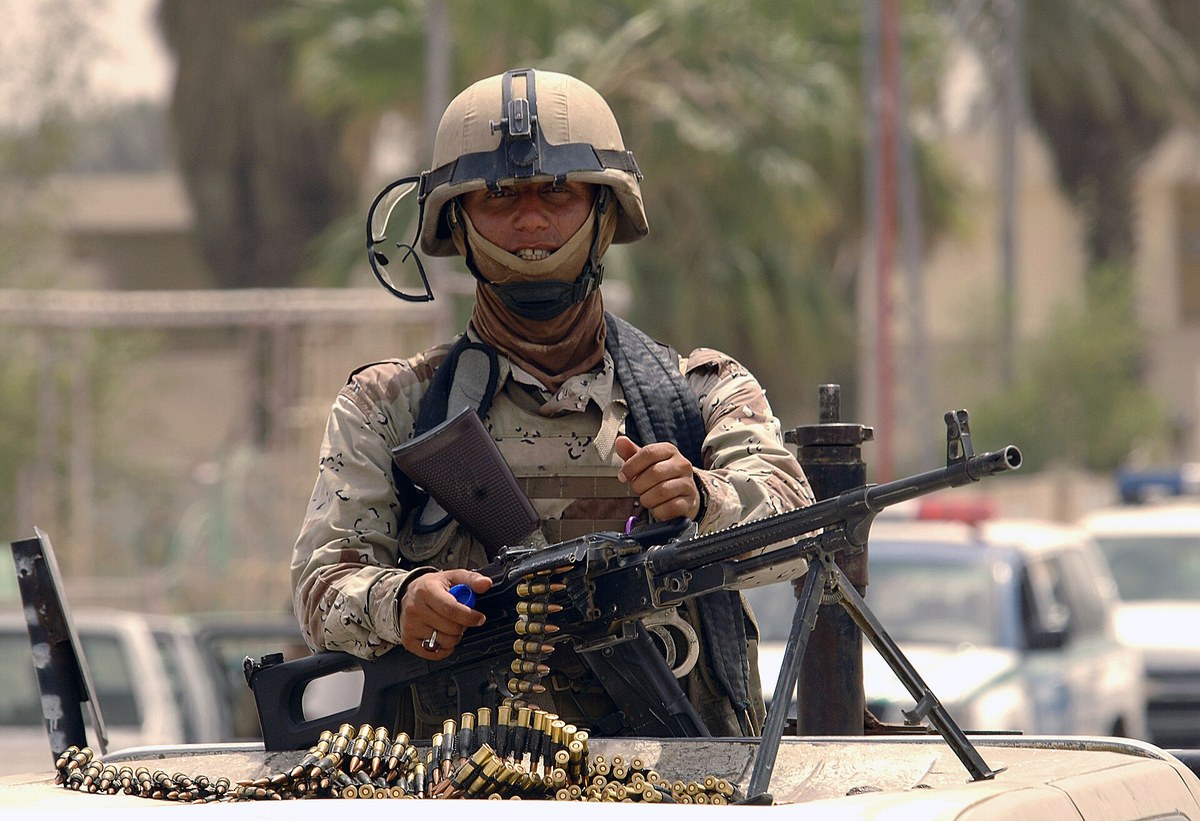
Iraqi civilians and coalition troops lived the human cost of a war justified partly on WMD certainty — stakes on the path, not a substitute stockpile finding.
In the narrative: Chapters 6–8 and close: aftermath visibility without laundering media arguments.
Why critical — if this falls: If human cost is erased, coverage critique becomes bloodless media sport. If human cost is used to skip the stockpile and caveat questions, CNN-hedge returns. Keep stakes visible and claims scoped.
Any rival theory must account for: That wars kill and displace regardless of later stockpile findings; Refusal to use soldier imagery to smear or launder reporters; Separation of human-cost moral arguments from the asked press-caveat claim
Comparative method
Kind: fact.
Comparative method: other Western outlets and governments failed too; ‘everyone failed’ is not a Times free pass; ‘only the Times failed’ is usually false.
In the narrative: Chapter 12 method close — anti-scapegoat and anti-alibi.
Why critical — if this falls: Without comparison, the nest becomes either Times-demonology or Times-exoneration. The asked claim about Times pages still stands on those pages even when peers erred; peer error still blocks unique-evil myths.
Any rival theory must account for: Documented peer-outlet failures and successes in the same weeks; Times brand power as permission structure for other outlets; Refusal of D-path revision that erases Saddam’s crimes to win a media fight