Chapter 1
How to read Iraq / WMD
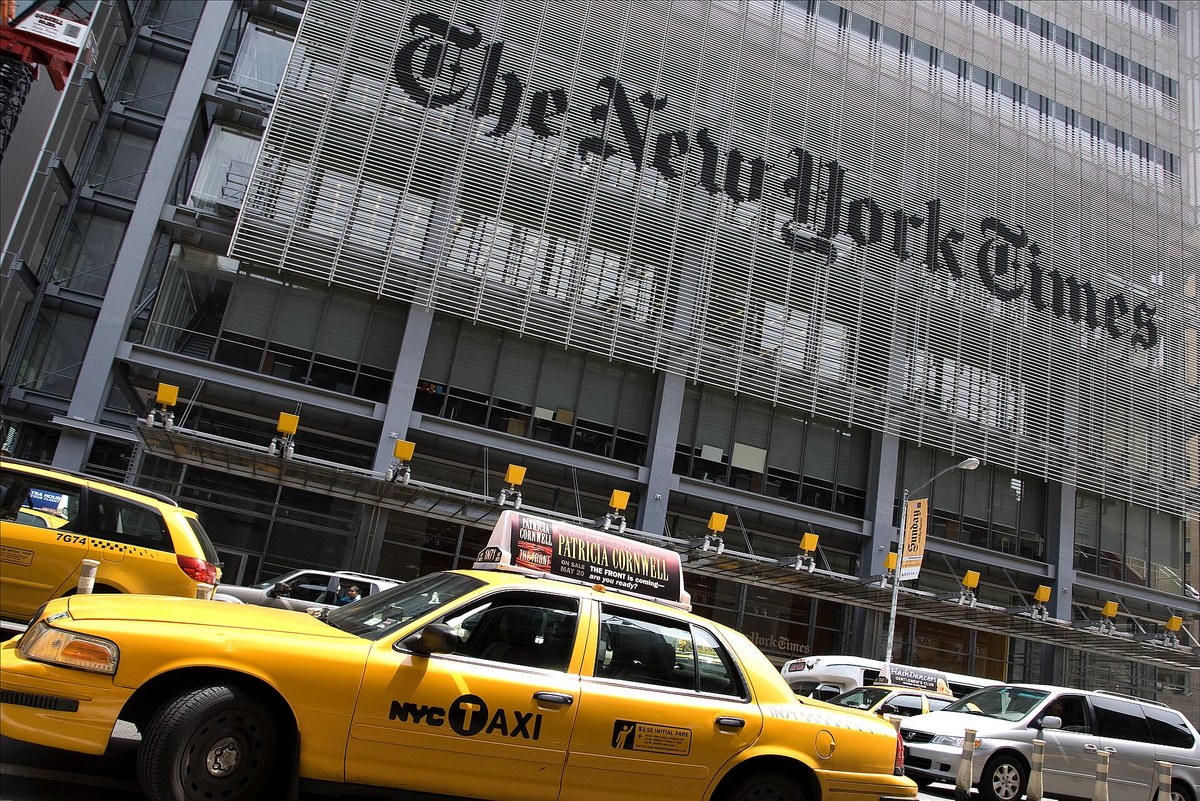
This nest sits inside the New York Times drawer after Vietnam–Watergate. It is a contested-coverage deep on Times Iraq WMD reporting, the Powell UN presentation ecology, the May 2004 editors’ note, and later SSCI and Iraq Survey Group findings — not a full Iraq War military history, not a biography of Saddam Hussein, and not a present-politics mashup that only uses 2003 as a club.
‘Contested’ means rival readings of source capture, administration alignment, Judith Miller–era cluster failures, and whether institutional apology matched the harm. It does not mean inventing that Saddam was a liberal democrat, erasing his actual crimes, or pretending Western intelligence services never believed parts of the brief. The asked claims stay scoped: Were expected stockpiles found? Was Times prewar coverage adequately caveated and placed? Did later reckoning repair the brand capital the paper spent?
Read Vietnam–Watergate first when you can. The 1971 prior-restraint fight and Pentagon Papers glory are the moral capital this nest stress-tests. Cold War secrecy habits and earlier brand ‘fitness’ eras are DNA, not alibis. A paper that once forced a government to publish secrets can still amplify a government’s war brief when desks, sources, and placement incentives tilt the same way.
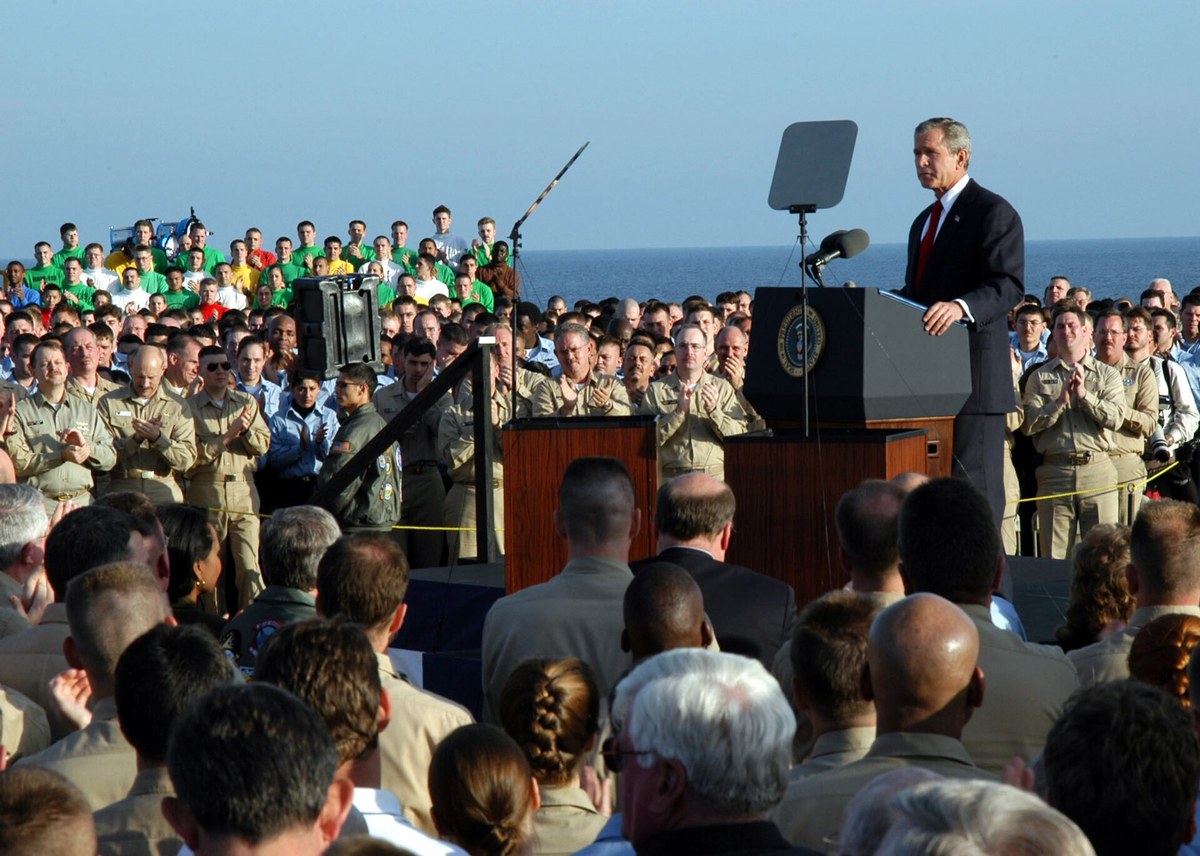
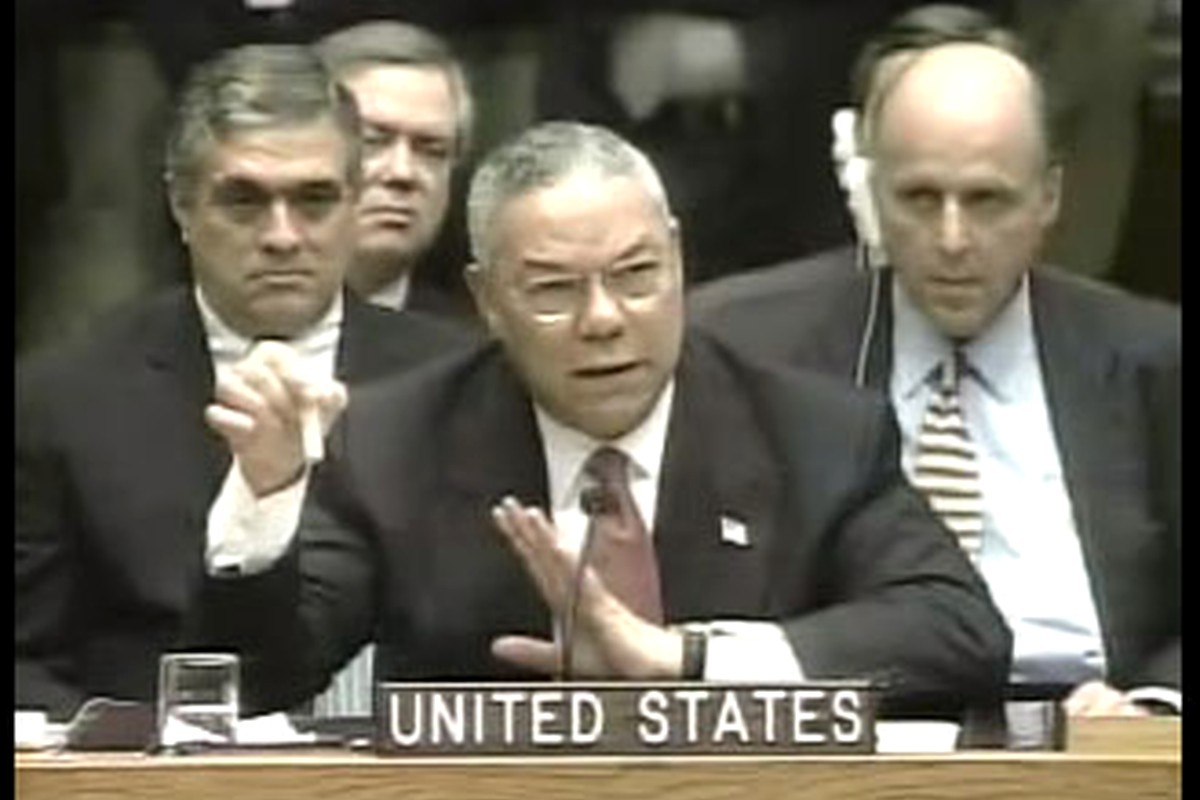
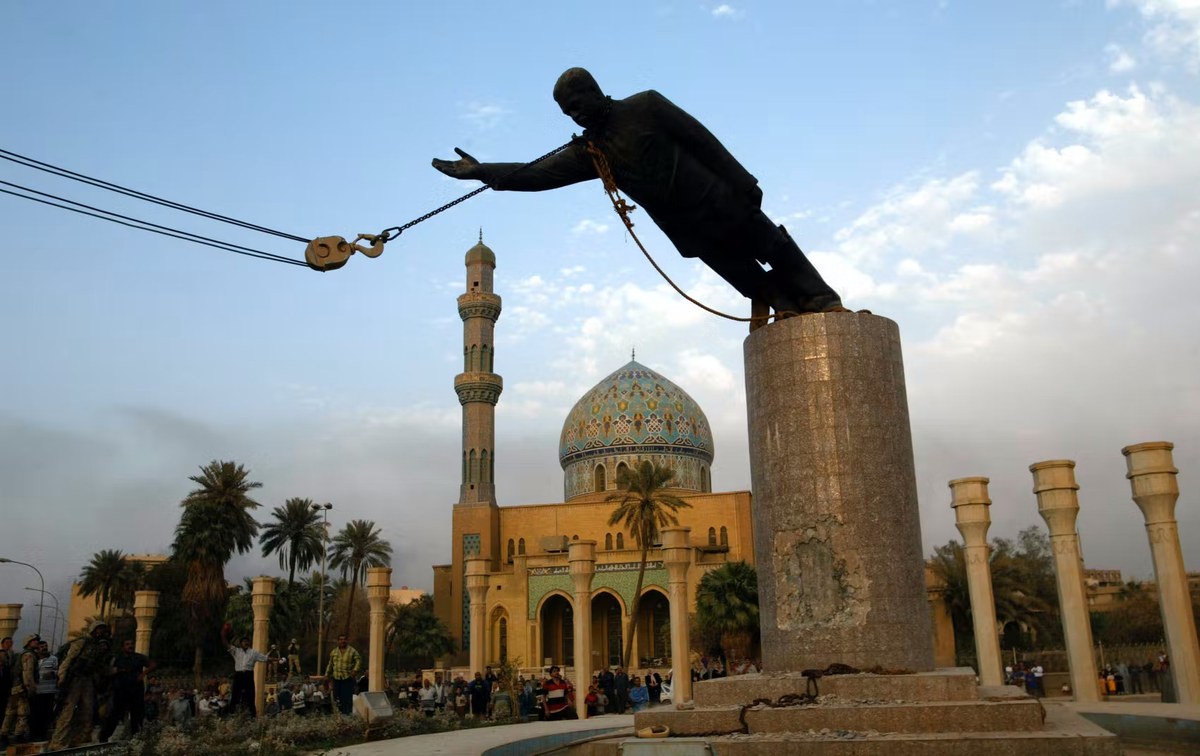
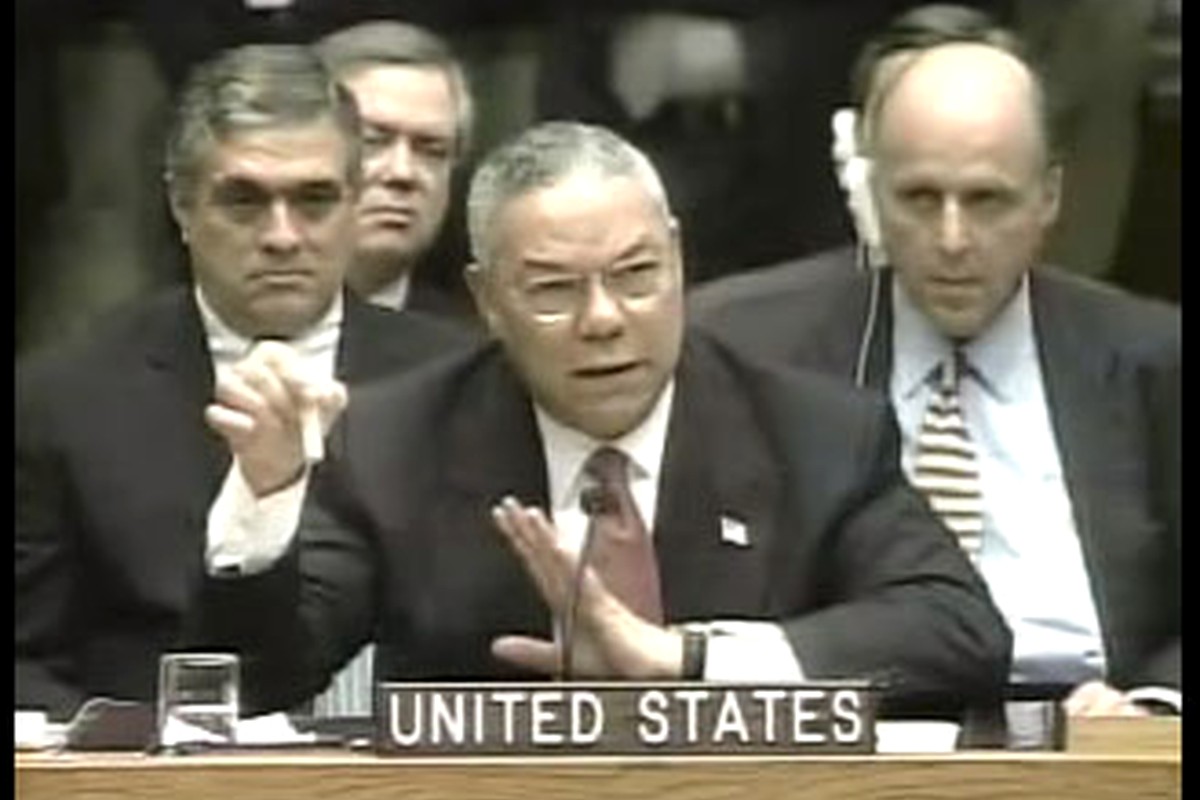
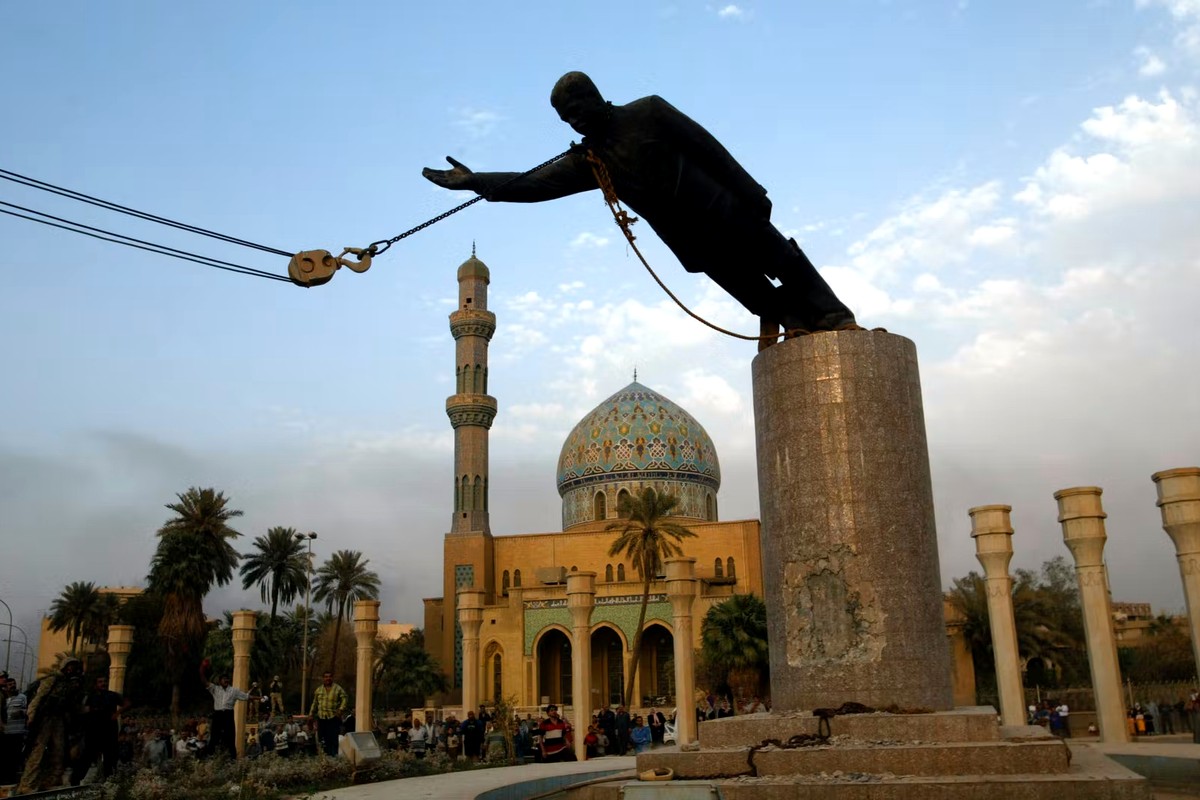
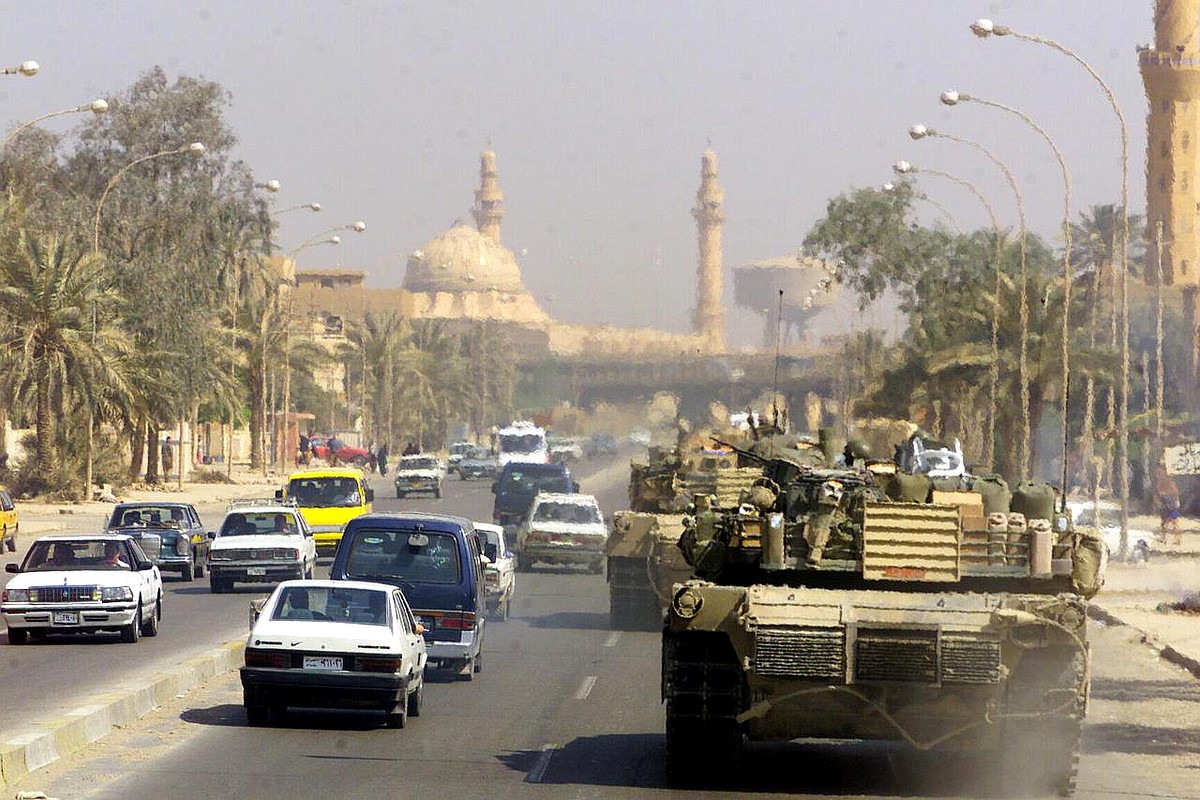
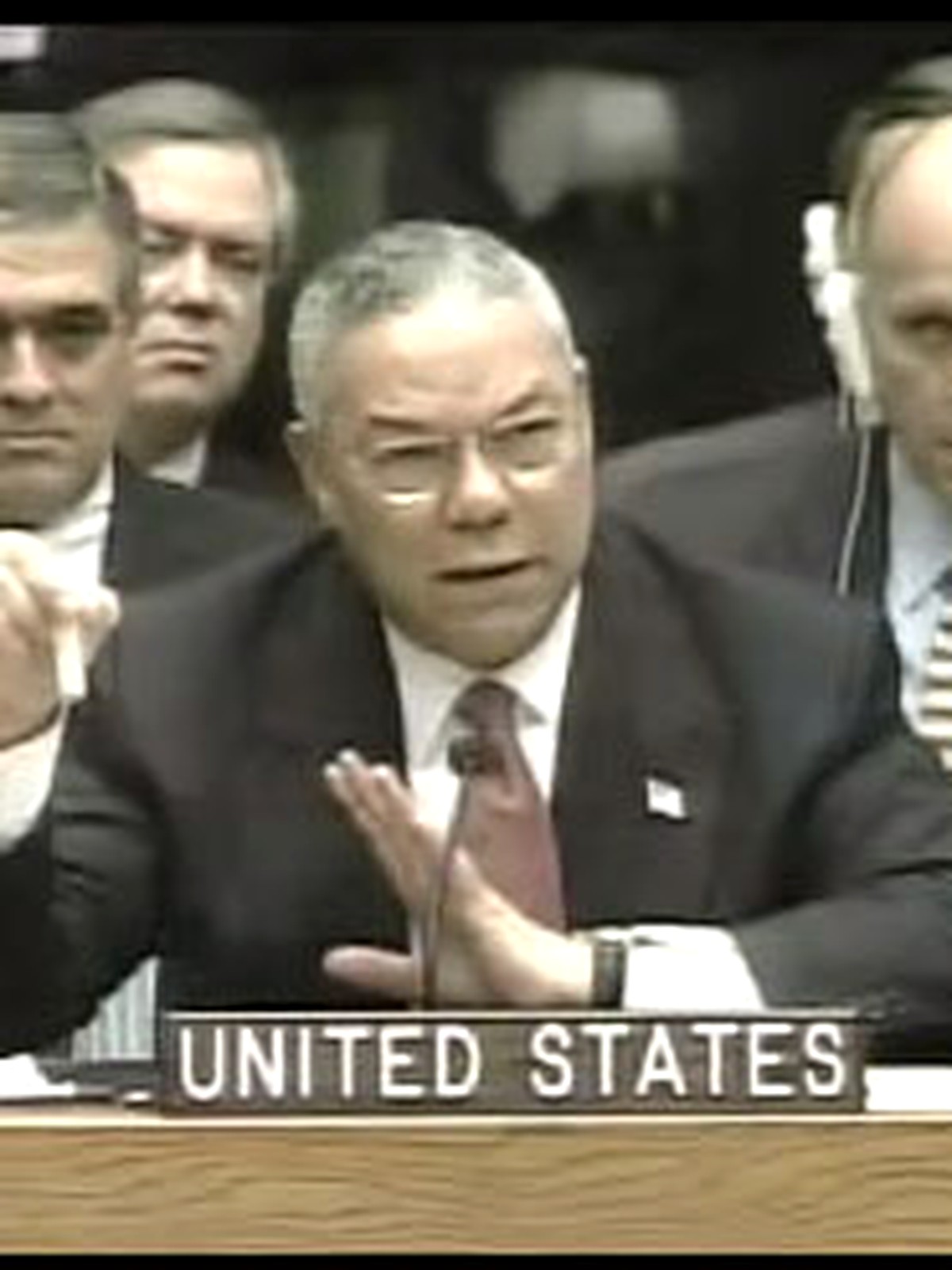
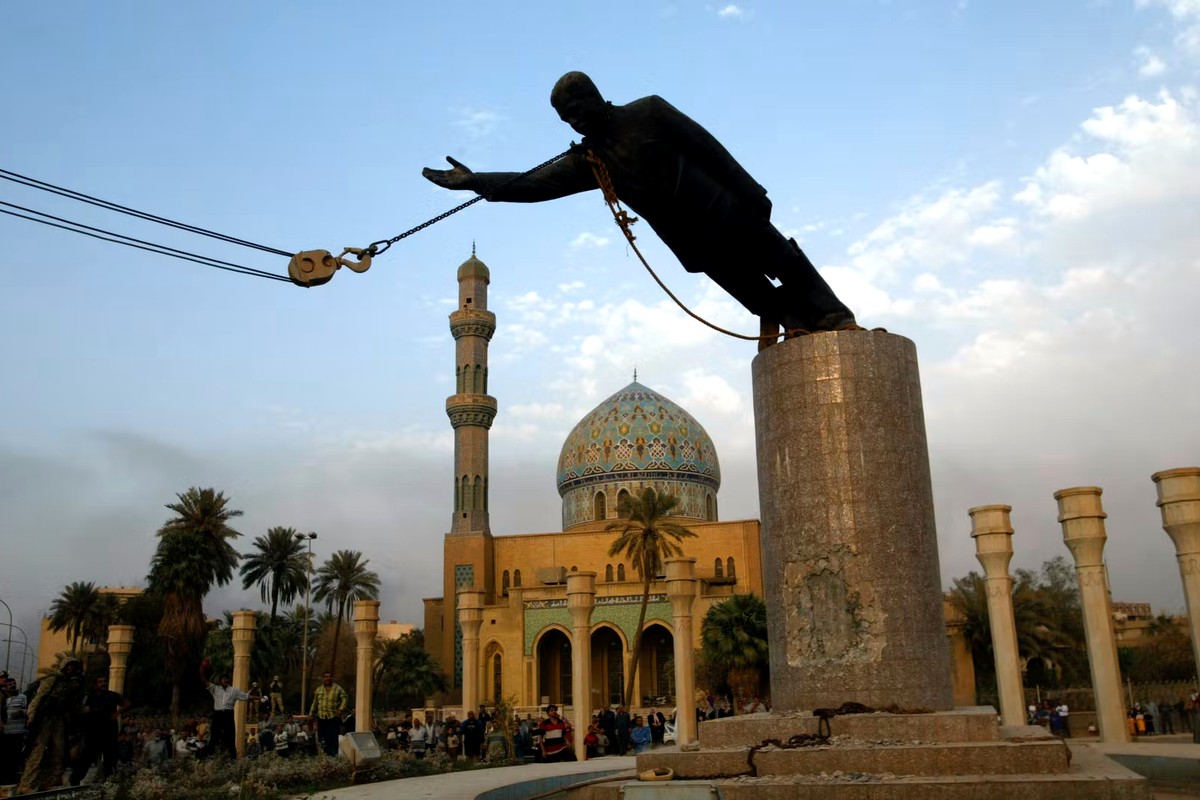
Primary hinges ahead: the 2002–03 public WMD case; high-impact Times cluster stories; the Congressional authorization path; Colin Powell’s 5 February 2003 UN Security Council presentation; the March 2003 invasion; David Kay’s interim wave and Charles Duelfer’s Iraq Survey Group report; Senate Select Committee on Intelligence Phase I; and the Times’s 26 May 2004 editors’ note. Secondary press autopsies (Massing, Ricks, and later classroom canon) stay labeled secondary.
Keep three nouns distinct — stockpiles, programs, and intent. Mush them and later score-settling cheats. Stockpiles means usable weapons caches as billed in the public case. Programs means research, dual-use infrastructure, or reconstitution capacity. Intent means what Saddam wanted under sanctions and inspections. Official findings can answer one noun without answering the others; journalism that blurred them before the war still owes readers an honest map after.
Epistemology bar: dated Times pages, UN presentation artifacts, inspection updates, and official investigation reports beat cable-news vibes and anniversary sermons. Label mainstream institutional self-critique as mainstream — and still audit whether volume, placement, and structural admissions matched the original play of flawed stories. Accused administrations’ talking points are evidence to note, never the deciding proof that clears smoke on the press claim.
Hard stop from site rules: no Ukraine-war digression. Iraq 2003 is the war on this table. Jayson Blair’s March 2003 fabrication scandal is neighboring institutional crisis at the Times — capacity drain and credibility wound in the same season — not the cause of WMD sourcing failures he did not author. Grokipedia is never a source and never visitor copy.