The AI Files · Clinton-era clemency controversies: FALN (1999), Marc Rich and Pincus Green, Denise Rich library gifts, Hugh Rodham fees, Roger Clinton, Susan McDougal and other last-day grants, House Justice Undone, and the closed SDNY bribery inquiry · plain reading edition
The last-day pardons: every entry
All 50 entries of the guide, grouped by period and case, each with its bottom line and its sources. This page needs no JavaScript. The interactive guide adds the story in 21 chapters, the people, the timeline, the theories, the 15 checked claims and the media.
Fugitive years 1983–98
The pardon power
Art. II alone
What Article II actually says
Context · History
Documentary illustration asset for the Clinton pardons guide (docs). U.S. government / Wikimedia Commons pool (re-encoded from site archive) · Public domain or freely licensed; EXIF stripped via re-encode
The president’s mercy, not DOJ’s.
The Pardon Clause gives the president power to grant reprieves and pardons for offenses against the United States. It is broad, political, and almost entirely insulated from ordinary judicial second-guessing. [1][2]
DOJ’s clemency regulations organize a staff process. They do not, Roger Adams later told the Senate, bind the president’s choice. That distinction is the starting point for every later fight about Rich. [3][4]
Bottom line History
Power is real; process is optional in law even when it is wise in practice.
What the record can’t settle
State offenses and impeachment consequences sit outside this clause’s core federal scope.
Documentary illustration asset for the Clinton pardons guide (docs). U.S. government / Wikimedia Commons pool (re-encoded from site archive) · Public domain or freely licensed; EXIF stripped via re-encode
The ordinary paper path.
Ordinary clemency practice asks for petitions, prosecutor notice, and a Pardon Attorney recommendation. The Rich case became famous partly because that pattern broke. [1][2]
Bottom line Official
The regs describe a path — not a handcuff.
What the record can’t settle
Regs evolve; Adams testimony is the 2001 snapshot that matters here.
Documentary illustration asset for the Clinton pardons guide (docs). U.S. government / Wikimedia Commons pool (re-encoded from site archive) · Public domain or freely licensed; EXIF stripped via re-encode
Primary receipt of who got what.
The Justice Department’s published pardon and commutation lists are the authoritative roster of Clinton clemencies. Arguments about motives start after the roster, not instead of it. [1][2]
Bottom line Official
Lists establish grants; they do not explain them.
What the record can’t settle
Formatting and alias spellings can confuse casual counts.
Documentary illustration asset for the Clinton pardons guide (path). U.S. government / Wikimedia Commons pool (re-encoded from site archive) · Public domain or freely licensed; EXIF stripped via re-encode
Sixteen steps, then theories.
The numbered critical path is the spine theories must confront — from Article II through the closed inquiry. Jump to #path after the story. [1][2]
Bottom line Context
Path first; slogans second.
What the record can’t settle
Path labels are editorial scaffolding over sourced events.
Documentary illustration asset for the Clinton pardons guide (rich). U.S. government / Wikimedia Commons pool (re-encoded from site archive) · Public domain or freely licensed; EXIF stripped via re-encode
Why fugitive status mattered.
Prosecutors charged Marc Rich and Pincus Green with a massive tax and fraud case that included trading with Iran during the hostage crisis era. They did not return for trial. [1][2]
Pardon critics treated the fugitive status as disqualifying. Advocates treated the case as overcharging that would never get a fair hearing. Neither view erases the indictment’s existence. [3]
Bottom line Documented
Indictment + exile is the factual core; guilt was never tried.
Documentary illustration asset for the Clinton pardons guide (rich). U.S. government / Wikimedia Commons pool (re-encoded from site archive) · Public domain or freely licensed; EXIF stripped via re-encode
No courtroom reckoning.
For nearly two decades Rich lived as an international businessman under indictment. That fact made any pardon look like an end-run around the jury system — which is exactly why the White House needed a stronger public rationale than it ever produced. [1][2]
Bottom line History
Optics of flight shaped the scandal more than any single donation ledger line.
What the record can’t settle
Foreign residence details vary by year; the legal status as fugitive is the constant.
Documentary illustration asset for the Clinton pardons guide (library). U.S. government / Wikimedia Commons pool (re-encoded from site archive) · Public domain or freely licensed; EXIF stripped via re-encode
Library gifts while the lobby ran.
ABC and later oversight narratives describe roughly $450,000 to the Clinton library in three installments from 1998 into May 2000. She was also a major Democratic giver. [1][2]
Timing is real. Causation — that the gifts bought the pardon — is the leap a prosecutor would have to prove and did not charge. [3][4]
Bottom line Documented
Money documented; quid unproven.
What the record can’t settle
Exact gift instruments and soft-money overlays can be parsed differently by different tallies.
Documentary illustration asset for the Clinton pardons guide (library). U.S. government / Wikimedia Commons pool (re-encoded from site archive) · Public domain or freely licensed; EXIF stripped via re-encode
Legal gifts, radioactive timing.
Every modern president raises library money. The Rich episode did not invent the practice; it made one donor’s calendar radioactive. [1][2]
Bottom line Context
Legality of gifts ≠ wisdom of accepting them during a live clemency ask.
What the record can’t settle
Foundation/library accounting categories are not always identical across reports.
Documentary illustration asset for the Clinton pardons guide (denise). U.S. government / Wikimedia Commons pool (re-encoded from site archive) · Public domain or freely licensed; EXIF stripped via re-encode
Silence as symbol.
Denise Rich’s Fifth Amendment invocation before the House became a permanent exhibit for people who believe the pardon was bought. Legally, a Fifth invocation is not proof of bribery. [1][2]
Documentary illustration asset for the Clinton pardons guide (dozoretz). U.S. government / Wikimedia Commons pool (re-encoded from site archive) · Public domain or freely licensed; EXIF stripped via re-encode
Fundraising orbit.
Beth Dozoretz appears in Justice Undone–era accounts as part of the fundraising and access world around Rich advocacy. [1][2]
Bottom line Mixed
Orbit documented in oversight narrative; personal criminal liability not established here.
What the record can’t settle
Some details rest on committee interviews and press.
Documentary illustration asset for the Clinton pardons guide (faln). U.S. government / Wikimedia Commons pool (re-encoded from site archive) · Public domain or freely licensed; EXIF stripped via re-encode
Sixteen names, long sentences.
In 1999 Clinton offered clemency to 16 members of the FALN, a Puerto Rican independence group tied to a bombing campaign. None of the 16 had been convicted of a bombing that killed; they were serving decades for bomb-making, conspiracy, robbery and related crimes. Fourteen accepted. [1][2]
Bottom line Documented
Offer and acceptances are documented.
What the record can’t settle
Individual case files differ; this guide does not retry each conviction.
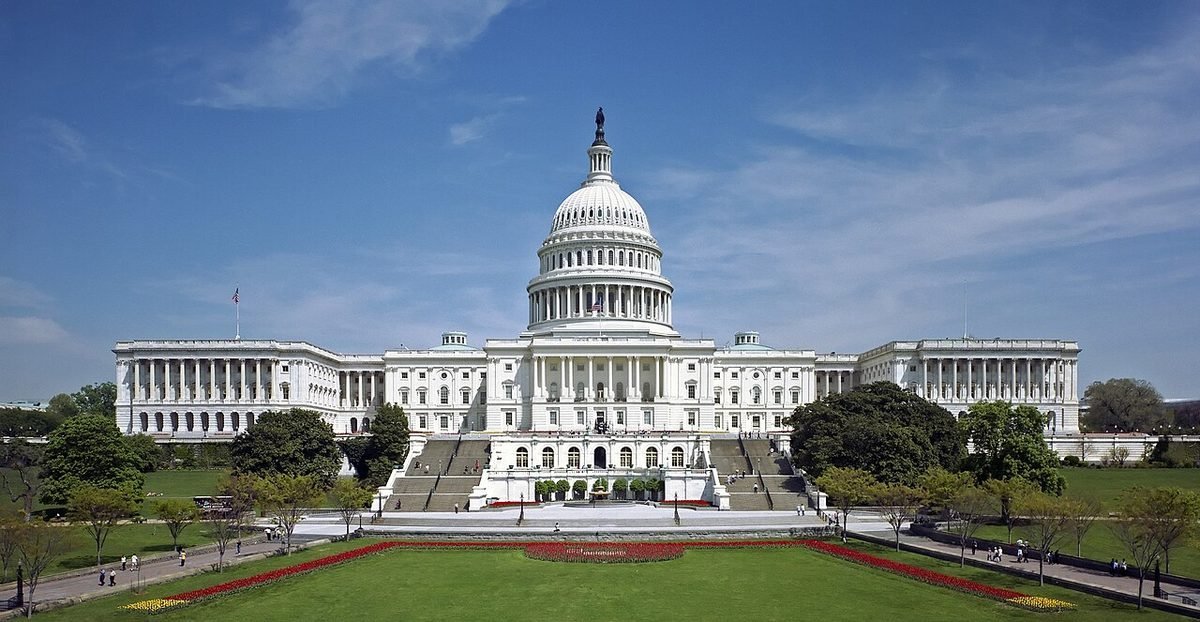
Documentary illustration asset for the Clinton pardons guide (capitol). U.S. government / Wikimedia Commons pool (re-encoded from site archive) · Public domain or freely licensed; EXIF stripped via re-encode
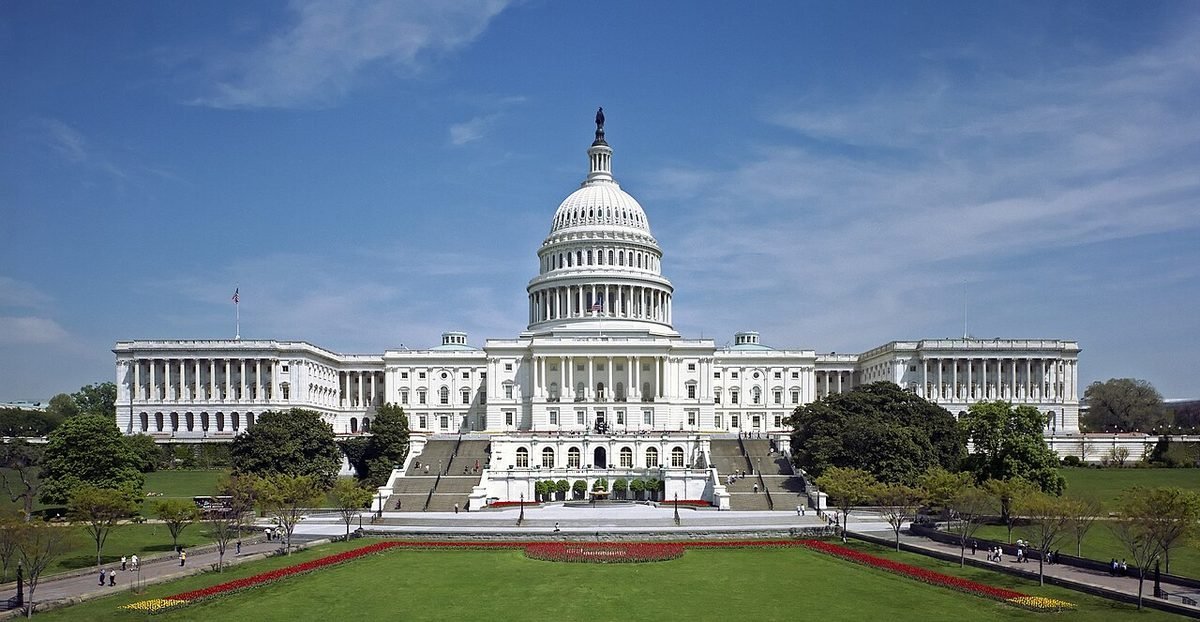
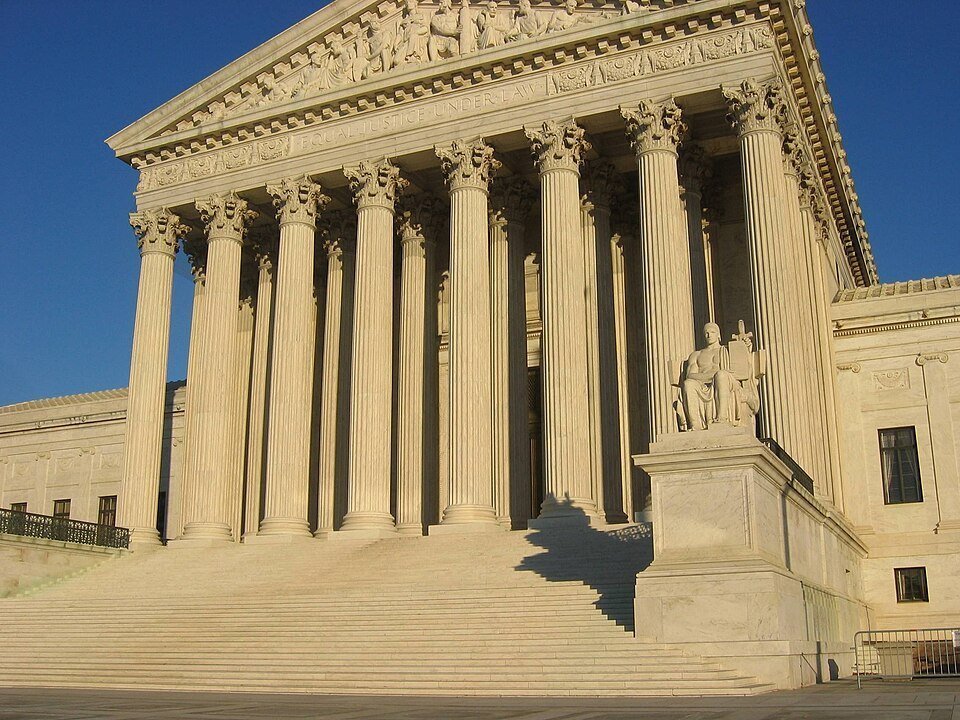
A bipartisan rebuke.
The Senate condemned the offer 95–2. Hillary Clinton, then building a New York Senate race, publicly opposed the clemency — a fact that complicates simple ‘vote-buying’ stories that ignore her stance. [1][2][3]
Bottom line Documented
Political condemnation is clear; illegal motive is not proved.
What the record can’t settle
Resolutions are political judgments, not court findings.
Documentary illustration asset for the Clinton pardons guide (faln). U.S. government / Wikimedia Commons pool (re-encoded from site archive) · Public domain or freely licensed; EXIF stripped via re-encode
Motive on trial in the press.
Critics said the 1999 offer aimed at Puerto Rican voters in New York. Hillary Clinton’s public opposition and the 95–2 Senate rebuke complicate a simple machine-politics story. [1][2]
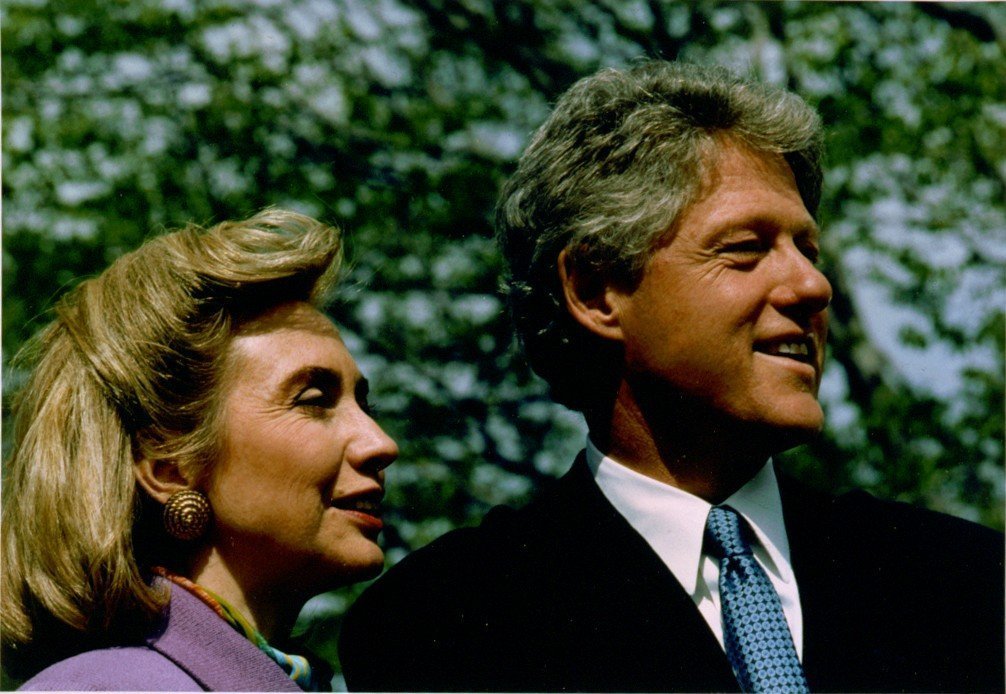
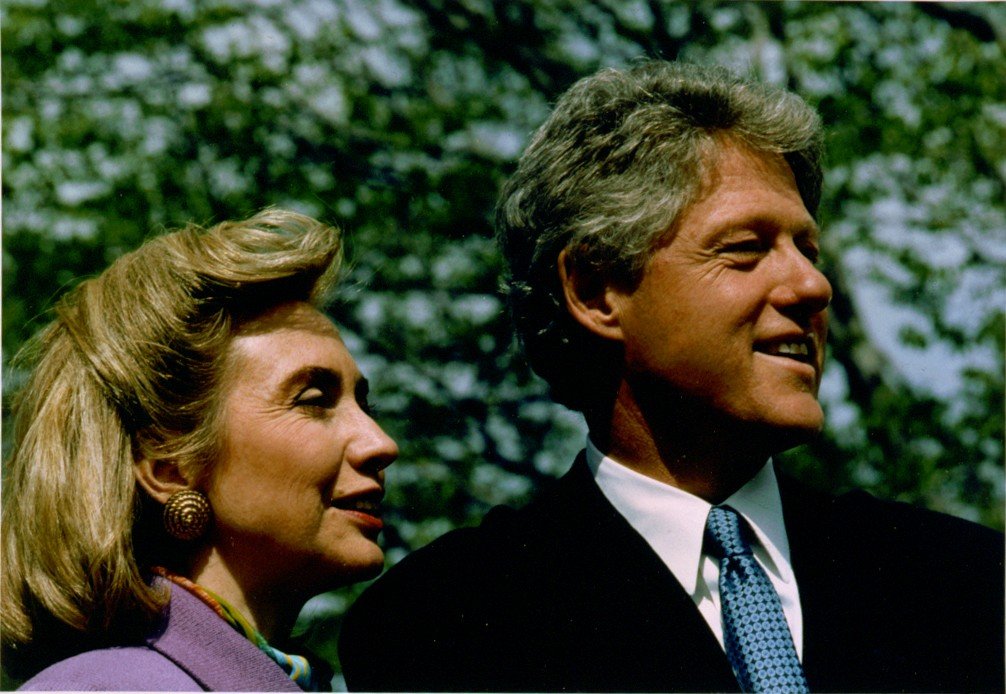
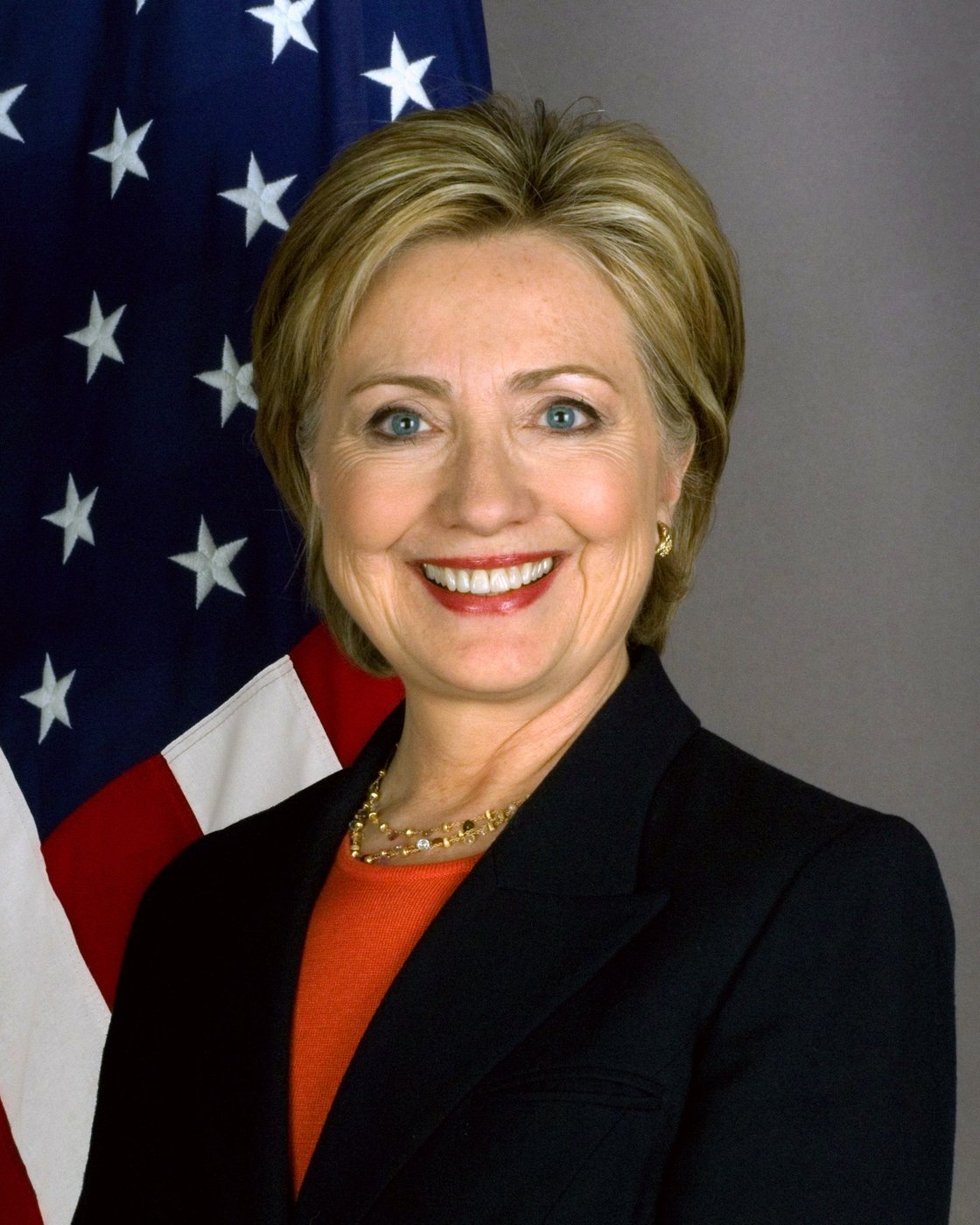
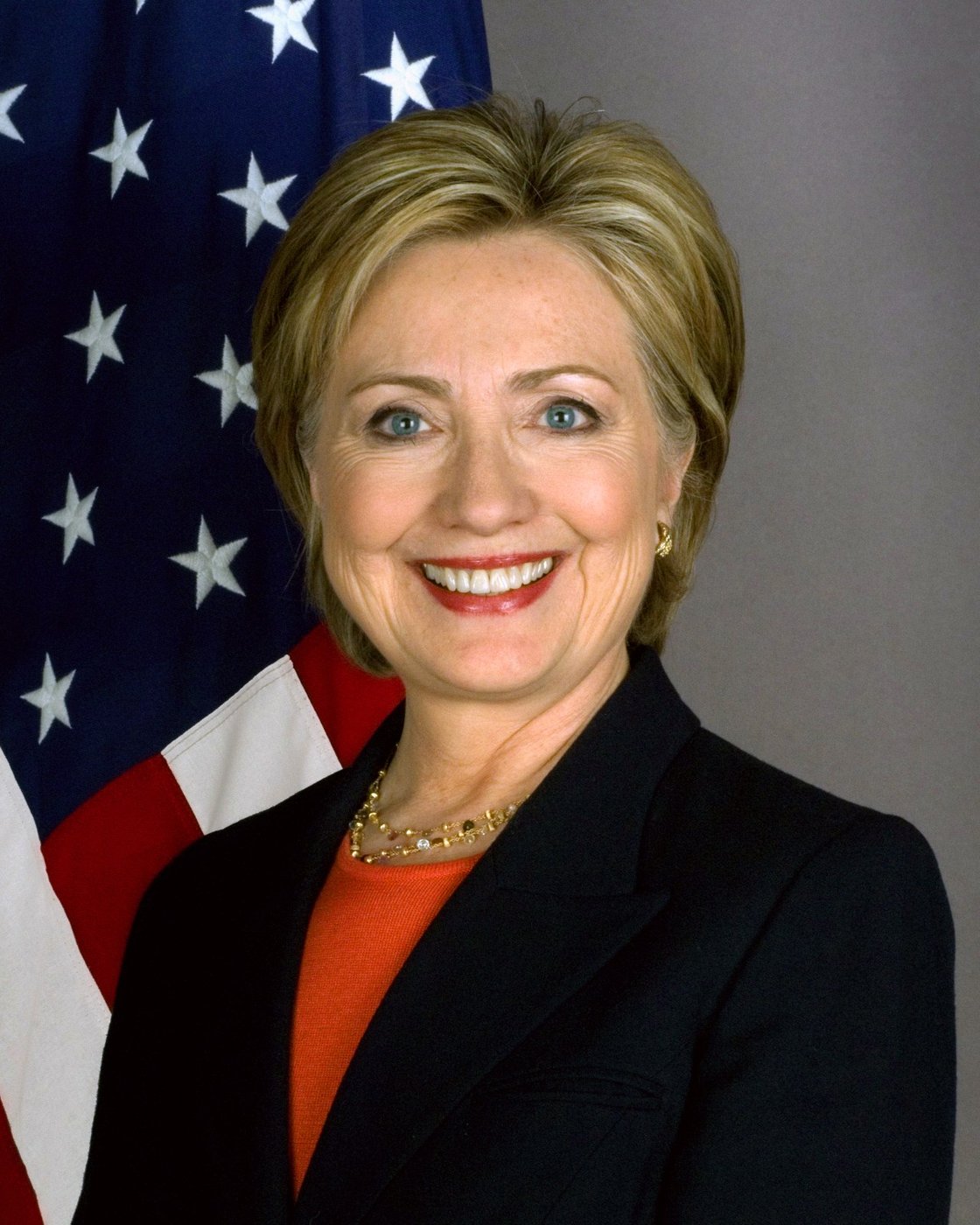
Official portrait of Hillary Clinton as Secretary of State. U.S. Department of State · Public domain
Oppose FALN; blast Rodham fees.
On FALN she opposed her husband’s offer. On Rodham fees she joined the ‘deeply disturbed’ line. Neither posture proves she ran the Rich grant — and the Rich advocacy record centers elsewhere. [1][2][3]
Bottom line Mixed
Documented positions; not proof she orchestrated Rich.
Documentary illustration asset for the Clinton pardons guide (quinn). U.S. government / Wikimedia Commons pool (re-encoded from site archive) · Public domain or freely licensed; EXIF stripped via re-encode
Former counsel, now advocate.
Jack Quinn, once White House counsel, became Rich’s lawyer and pressed the case into counsel channels rather than the ordinary DOJ queue. Oversight reports treat that access as central to the process failure. [1][2][3]
Bottom line Documented
Access and advocacy documented; criminal agreement not charged.
Documentary illustration asset for the Clinton pardons guide (adams). U.S. government / Wikimedia Commons pool (re-encoded from site archive) · Public domain or freely licensed; EXIF stripped via re-encode
Adams’s complaint.
Roger Adams told the Senate that last-day grants — especially Rich — did not follow the consultation pattern his office expects. He also stressed the president still had the power to do it. [1]
Bottom line Official
Irregular process is the official takeaway.
What the record can’t settle
Some other last-day grants had more paper than Rich; Rich is the extreme case.
Documentary illustration asset for the Clinton pardons guide (holder). U.S. government / Wikimedia Commons pool (re-encoded from site archive) · Public domain or freely licensed; EXIF stripped via re-encode
A phone call in a crunch.
Contemporaneous reporting says Deputy AG Eric Holder was contacted about Rich and did not object in the compressed timeline. Critics treat that as enabling; defenders treat it as a hurried non-veto without a full file. [1][2]
No public bribery charge tied Holder to a corrupt agreement on Rich. [3]
Bottom line Mixed
Consultation reported; corruption unproven.
What the record can’t settle
Memories of exact words in hurried calls are contested.
Documentary illustration asset for the Clinton pardons guide (podesta). U.S. government / Wikimedia Commons pool (re-encoded from site archive) · Public domain or freely licensed; EXIF stripped via re-encode
COS and counsel orbit.
End-of-term White House staffing — chief of staff and counsel orbits including figures like John Podesta and Bruce Lindsey in process narratives — is how paper moved when DOJ was short-circuited. [1][2][3]
Bottom line Context
Staffing context, not a charging document.
What the record can’t settle
Exact desk-by-desk workflows remain partly reconstructed from oversight.
Documentary illustration asset for the Clinton pardons guide (batch). U.S. government / Wikimedia Commons pool (re-encoded from site archive) · Public domain or freely licensed; EXIF stripped via re-encode
The batch that defined an exit.
On his final day Clinton granted a large set of pardons and commutations. Marc Rich and Pincus Green head the scandal list; they were not alone. [1][2][3]
Bottom line Official
The grants happened; motives remain the fight.
What the record can’t settle
Journalist tallies sometimes disagree on exact counts — use DOJ lists.
Documentary illustration asset for the Clinton pardons guide (rich). U.S. government / Wikimedia Commons pool (re-encoded from site archive) · Public domain or freely licensed; EXIF stripped via re-encode
The partner pardon.
Green’s pardon is easy to miss in headlines that say only ‘Marc Rich,’ but the two cases traveled together from indictment to clemency. [1][2]
Bottom line Documented
Paired fugitives, paired pardons.
What the record can’t settle
Green’s personal lobbying footprint is thinner in popular memory than Denise Rich’s.
Documentary illustration asset for the Clinton pardons guide (israel). U.S. government / Wikimedia Commons pool (re-encoded from site archive) · Public domain or freely licensed; EXIF stripped via re-encode
The best defense of the Rich grant.
A steelman says Rich faced selective overcharging, contributed to Israeli and humanitarian causes, and drew foreign leaders’ support — and that Article II exists precisely for politically unpopular mercy. [1][2][3]
Even that steelman must still explain the process bypass and the library gifts’ timing. [4][5]
Documentary illustration asset for the Clinton pardons guide (denise). U.S. government / Wikimedia Commons pool (re-encoded from site archive) · Public domain or freely licensed; EXIF stripped via re-encode
The best case for bribery.
A steelman for corruption stacks fugitive status, library installments, Fifth Amendment silence, Quinn’s access, and Rodham’s separate fee scandal into one pattern. [1][2][3][4]
The same steelman must admit the SDNY inquiry closed without charges and that appearance is not a signed quid pro quo. [5]
Bottom line Unproven
Pattern argument; charging instrument missing.
What the record can’t settle
Sealed evidence could in theory change this — the public cannot see it.
Documentary illustration asset for the Clinton pardons guide (press). U.S. government / Wikimedia Commons pool (re-encoded from site archive) · Public domain or freely licensed; EXIF stripped via re-encode
The common ground.
Across partisan lines, serious observers agreed the Rich process looked terrible: fugitive defendant, library donor ex-wife, counsel-track access, Pardon Attorney sidelined. [1][2][3]
Documentary illustration asset for the Clinton pardons guide (rodham). U.S. government / Wikimedia Commons pool (re-encoded from site archive) · Public domain or freely licensed; EXIF stripped via re-encode
Two clemencies, one fee scandal.
The Los Angeles Times reported that Hillary Clinton’s brother accepted about $400,000 tied to clemency for Carlos Vignali and Almon Glenn Braswell. [1][2]
Bottom line Documented
Fees documented.
What the record can’t settle
Whether Bill Clinton knew of the fees when he signed remains the open factual question.
Documentary illustration asset for the Clinton pardons guide (rodham). U.S. government / Wikimedia Commons pool (re-encoded from site archive) · Public domain or freely licensed; EXIF stripped via re-encode
Family blowback.
After the story broke, the Clintons said they were deeply disturbed and Hugh Rodham moved to return the money. That sequence is documented; it is not a finding that the president sold the grants. [1][2]
Bottom line Documented
Return of fees is real; prior knowledge is unproven.
What the record can’t settle
Private family conversations are not in the public record.
Documentary illustration asset for the Clinton pardons guide (vignali). U.S. government / Wikimedia Commons pool (re-encoded from site archive) · Public domain or freely licensed; EXIF stripped via re-encode
The drug case in the fee story.
Vignali’s sentence commutation is the drug-trafficking half of the Rodham fee pair that detonated in February 2001. [1][2][3]
Bottom line Documented
Commutation + fee link documented.
What the record can’t settle
Underlying trial facts are summarized, not retried.
Documentary illustration asset for the Clinton pardons guide (braswell). U.S. government / Wikimedia Commons pool (re-encoded from site archive) · Public domain or freely licensed; EXIF stripped via re-encode
The fraud case in the fee story.
Braswell’s pardon is the second Rodham-linked grant in the LA Times fee narrative. [1][2][3]
Bottom line Documented
Pardon + fee link documented.
What the record can’t settle
Marketing-fraud case details exceed this guide’s spine.
Documentary illustration asset for the Clinton pardons guide (roger). U.S. government / Wikimedia Commons pool (re-encoded from site archive) · Public domain or freely licensed; EXIF stripped via re-encode
Half-brother mercy.
Roger Clinton was pardoned for a cocaine-related conviction. Oversight and press accounts also describe him as a lobbyist for others’ relief — a second controversy layered on the first. [1][2][3]
Bottom line Documented
His own pardon is on the DOJ list; lobbying details rest on press/oversight.
What the record can’t settle
Lobbying ≠ a charged bribery count against the president.
Documentary illustration asset for the Clinton pardons guide (mcdougal). U.S. government / Wikimedia Commons pool (re-encoded from site archive) · Public domain or freely licensed; EXIF stripped via re-encode
Whitewater name, last-day ink.
Susan McDougal’s pardon sits in the same batch and fuels theories that clemency bought silence. The grant is documented; the silence-buying story has never been charged as a crime. [1][2]
Documentary illustration asset for the Clinton pardons guide (mcdougal). U.S. government / Wikimedia Commons pool (re-encoded from site archive) · Public domain or freely licensed; EXIF stripped via re-encode
A theory without an indictment.
Some narratives treat McDougal’s pardon as payment for protecting the Clintons. That claim has never been reduced to charges; the Whitewater sister guide covers the underlying investigations. [1][2]
Bottom line Unproven
Unproven conspiratorial leap beyond the pardon grant.
What the record can’t settle
Absence of charges is not affirmative proof of pure motives.
Documentary illustration asset for the Clinton pardons guide (adams). U.S. government / Wikimedia Commons pool (re-encoded from site archive) · Public domain or freely licensed; EXIF stripped via re-encode
Process on the record.
On 14 February 2001 the Pardon Attorney walked senators through how clemency is supposed to work and how Rich did not. His bottom line: the president remains free to ignore the regs. [1]
Bottom line Official
Best single official primer on the process break.
What the record can’t settle
Testimony is one official’s account under political heat.
Documentary illustration asset for the Clinton pardons guide (hearing). U.S. government / Wikimedia Commons pool (re-encoded from site archive) · Public domain or freely licensed; EXIF stripped via re-encode
The House majority’s brief.
House Report 107-454, Justice Undone, assails last-minute clemency decisions — especially Rich — as a collapse of standards. It is a partisan oversight product that still documents timelines, players, and process gaps. [1]
Bottom line Official
Use it for documented facts; treat conclusions as majority advocacy.
What the record can’t settle
Minority views and White House rebuttals are thinner in popular memory.
Documentary illustration asset for the Clinton pardons guide (capitol). U.S. government / Wikimedia Commons pool (re-encoded from site archive) · Public domain or freely licensed; EXIF stripped via re-encode
Outrage without a veto.
Congress can investigate, condemn, and legislate future norms. It cannot unilaterally cancel a completed presidential pardon. That asymmetry fuels the intensity of Justice Undone. [1][2][3]
Bottom line History
Political remedies dominate after the ink dries.
What the record can’t settle
Impeachment of a former president for a pardon is not the historical path taken here.
Documentary illustration asset for the Clinton pardons guide (barak). U.S. government / Wikimedia Commons pool (re-encoded from site archive) · Public domain or freely licensed; EXIF stripped via re-encode
A rationale, or a cover?
Contemporaneous press described Israeli officials, including Ehud Barak, urging Clinton to pardon Rich. Advocates call that foreign-policy context; critics call it a respectable mask for a donor-driven decision. [1][2]
Bottom line Mixed
Foreign urging reported; it neither proves nor disproves a quid.
What the record can’t settle
Diplomatic soft pressure is hard to document exhaustively.
Documentary illustration asset for the Clinton pardons guide (israel). U.S. government / Wikimedia Commons pool (re-encoded from site archive) · Public domain or freely licensed; EXIF stripped via re-encode
Philanthropy and politics.
Rich’s philanthropic and business ties to Israel, plus reported advocacy by Israeli officials, supplied the foreign-policy story White House allies preferred. [1][2]
Bottom line Mixed
Angle is real in the discourse; it is not a signed treaty obligation to pardon.
What the record can’t settle
Israeli internal debates are outside U.S. primary sources here.
Documentary illustration asset for the Clinton pardons guide (inquiry). U.S. government / Wikimedia Commons pool (re-encoded from site archive) · Public domain or freely licensed; EXIF stripped via re-encode
A real criminal inquiry.
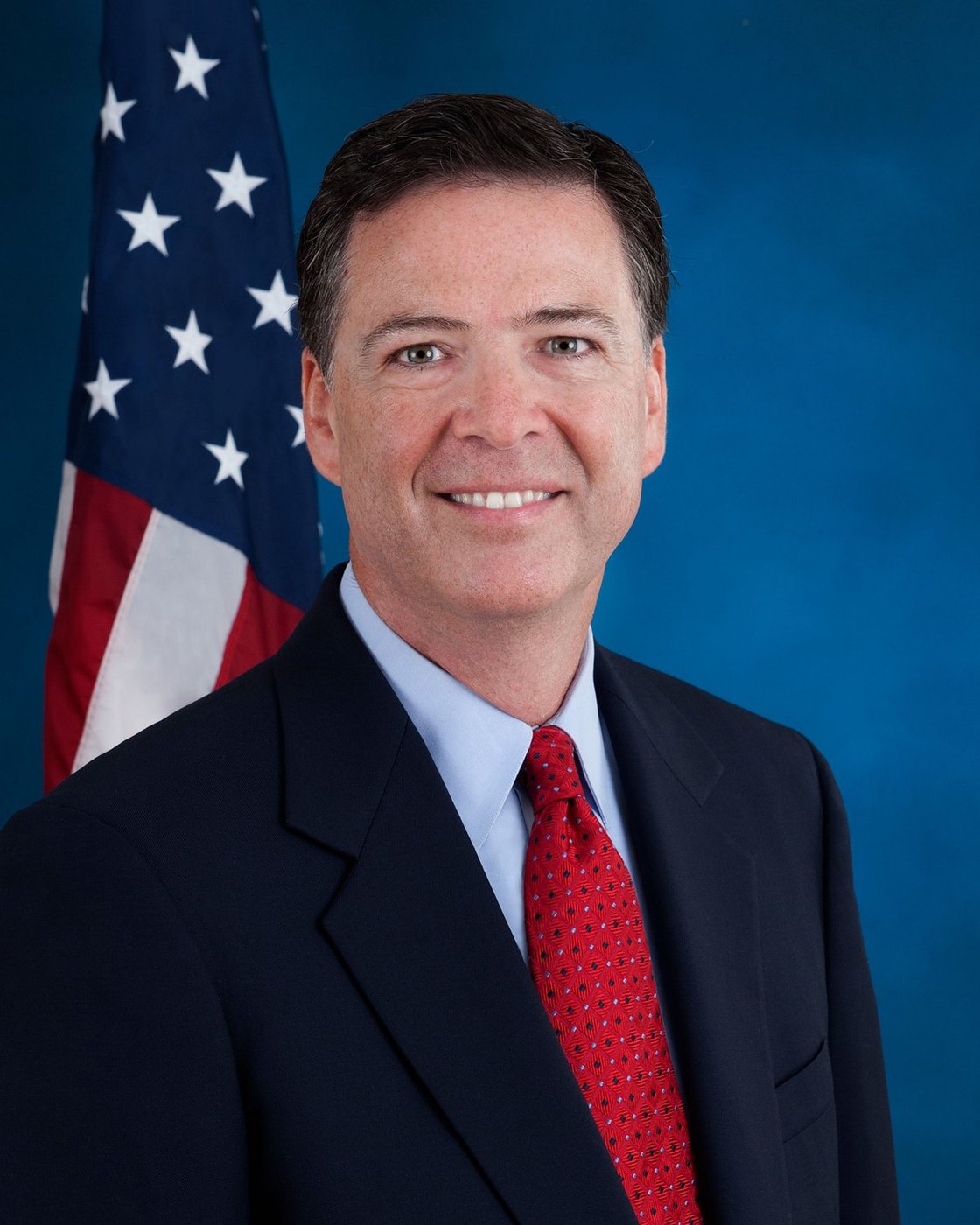
The U.S. Attorney’s Office for the Southern District of New York examined whether the Rich pardon was corruptly procured — first under Mary Jo White, then James Comey. [1][2][3]
Documentary illustration asset for the Clinton pardons guide (docs). U.S. government / Wikimedia Commons pool (re-encoded from site archive) · Public domain or freely licensed; EXIF stripped via re-encode
The 2001 subpoena opinion.
In re Grand Jury Subpoenas (S.D.N.Y. 2001) shows courts wrestling with Rich-related process — evidence that investigators were not merely performing. [1]
Bottom line Official
Confirms investigative seriousness.
What the record can’t settle
Opinion is about subpoenas, not a verdict on Clinton.
Documentary illustration asset for the Clinton pardons guide (gavel). U.S. government / Wikimedia Commons pool (re-encoded from site archive) · Public domain or freely licensed; EXIF stripped via re-encode
The 2005 endpoint.
Later congressional hearing summaries and reporting state that the Rich-pardon bribery inquiry closed without charges around 2005. [1][2][3]
No charge is not a medal of innocence. It is also not a hidden conviction. [2]
Bottom line Documented
Charging outcome is the hard public fact.
What the record can’t settle
Sealed grand-jury material means the public file is incomplete.
Documentary illustration asset for the Clinton pardons guide (memo). U.S. government / Wikimedia Commons pool (re-encoded from site archive) · Public domain or freely licensed; EXIF stripped via re-encode
The largest gap.
Grand-jury secrecy means the public still lacks the investigative file that closed without charges. That gap is why dueling certainties thrive. [1][2][3]
Documentary illustration asset for the Clinton pardons guide (cisneros). U.S. government / Wikimedia Commons pool (re-encoded from site archive) · Public domain or freely licensed; EXIF stripped via re-encode
Cabinet alumni mercy.
The former HUD secretary’s pardon is one of the high-profile non-Rich names that made the last day look like a friends-and-allies clearance sale to critics. [1][2]
Bottom line Documented
On the list; not the Rich money story.
What the record can’t settle
Separate underlying case facts are out of scope here.
Documentary illustration asset for the Clinton pardons guide (batch). U.S. government / Wikimedia Commons pool (re-encoded from site archive) · Public domain or freely licensed; EXIF stripped via re-encode
Other names in the argument.
Patty Hearst’s pardon (after an earlier Carter commutation), John Deutch’s classified-materials pardon, and Mel Reynolds’s sentence relief all widened the political fight beyond Marc Rich. [1][2][3]
Bottom line History
Broader batch ≠ one conspiracy.
What the record can’t settle
Each case has its own record; this guide does not retry them.
Documentary illustration asset for the Clinton pardons guide (docs). U.S. government / Wikimedia Commons pool (re-encoded from site archive) · Public domain or freely licensed; EXIF stripped via re-encode
Keep the spines separate.
The Clinton hub short case labeled clemency-china is about Loral/Hughes satellite-export waivers and a claimed Sudanese offer of bin Laden — not presidential pardons. This guide does not absorb it. [1][2]
Bottom line Context
Different facts, different file.
What the record can’t settle
Readers arriving via the word ‘clemency’ still need the split explained.
Documentary illustration asset for the Clinton pardons guide (press). U.S. government / Wikimedia Commons pool (re-encoded from site archive) · Public domain or freely licensed; EXIF stripped via re-encode
Sibling context only.
Illegal foreign and straw-donor scandals from 1996 are a separate short case. They supply atmosphere about donor access; they are not proof that the Rich pardon was bought. [1]
Bottom line Context
Context, not absorption.
What the record can’t settle
Do not merge fundraising crimes into a pardons conviction narrative.
Documentary illustration asset for the Clinton pardons guide (path). U.S. government / Wikimedia Commons pool (re-encoded from site archive) · Public domain or freely licensed; EXIF stripped via re-encode
Synthesis.
Against the critical path: the pardons happened; the gifts and Rodham fees happened; the process broke; Congress condemned FALN; SDNY looked hard; nobody was charged with buying the Rich pardon. [1][2][3][4][5]
Readers can still judge the ethics as disqualifying without inventing a missing indictment. [6]
Bottom line Verdict lane
Documented process failure; unproven quid pro quo.
Documentary illustration asset for the Clinton pardons guide (memory). U.S. government / Wikimedia Commons pool (re-encoded from site archive) · Public domain or freely licensed; EXIF stripped via re-encode
Why it survives.
The alternative frame survives because the public can see money, family fees, and a Fifth Amendment — and cannot see sealed grand-jury transcripts. [1][2][3][4]
Bottom line Unproven
Alive in memory; not established as charged bribery.
What the record can’t settle
New unsealed evidence could move this — none has as of this edition.
Documentary illustration asset for the Clinton pardons guide (memory). U.S. government / Wikimedia Commons pool (re-encoded from site archive) · Public domain or freely licensed; EXIF stripped via re-encode
From 2001 to now.
Every later controversial presidential clemency invites a Clinton last-day comparison. The 2019 hearing record’s reminder that Rich closed without charges rarely travels as far as the library-gift headline. [1][2]
Bottom line History
Memory selects the ugliest frames.
What the record can’t settle
Poll snapshots from 2001 are sparse in this package.
Documentary illustration asset for the Clinton pardons guide (docs). U.S. government / Wikimedia Commons pool (re-encoded from site archive) · Public domain or freely licensed; EXIF stripped via re-encode
24 October 2026.
This full guide replaces the thin Clinton-hub pardons short case as the maintained record for the topic. Ukraine-war material is out of scope; Grokipedia is never authority. [1][2][3][4]
Documentary illustration asset for the Clinton pardons guide (press). U.S. government / Wikimedia Commons pool (re-encoded from site archive) · Public domain or freely licensed; EXIF stripped via re-encode
Fees and gifts as lead stories.
Without the LA Times fee story and ABC’s library-gift reporting, the last-day fight might have stayed inside oversight binders. [1][2][3][4]
Documentary illustration asset for the Clinton pardons guide (memory). U.S. government / Wikimedia Commons pool (re-encoded from site archive) · Public domain or freely licensed; EXIF stripped via re-encode
Clinton last-day as yardstick.
Later controversial pardons and commutations are routinely measured against Rich — sometimes fairly on process, sometimes as pure whataboutism. [1][2]
Bottom line History
Historical analogy is a tool, not a proof.
What the record can’t settle
This guide does not retry later presidents’ grants.
Documentary illustration asset for the Clinton pardons guide (path). U.S. government / Wikimedia Commons pool (re-encoded from site archive) · Public domain or freely licensed; EXIF stripped via re-encode
Out of scope.
Foreign-war topics after 2014/2022 are not part of this pardons spine. [1]