01 / THE EVIDENCE
The camera was not the whole case.
The recordings captured actual meetings. What was said beforehand, how the offer was understood and what each defendant agreed to still mattered.
Read the evidence and its limits ↗THE STING. THE TAPES. THE ARGUMENT.
A fake investor. Real officials. Hidden cameras. The sting exposed corruption—and raised lasting questions about how far investigators should go to find it.
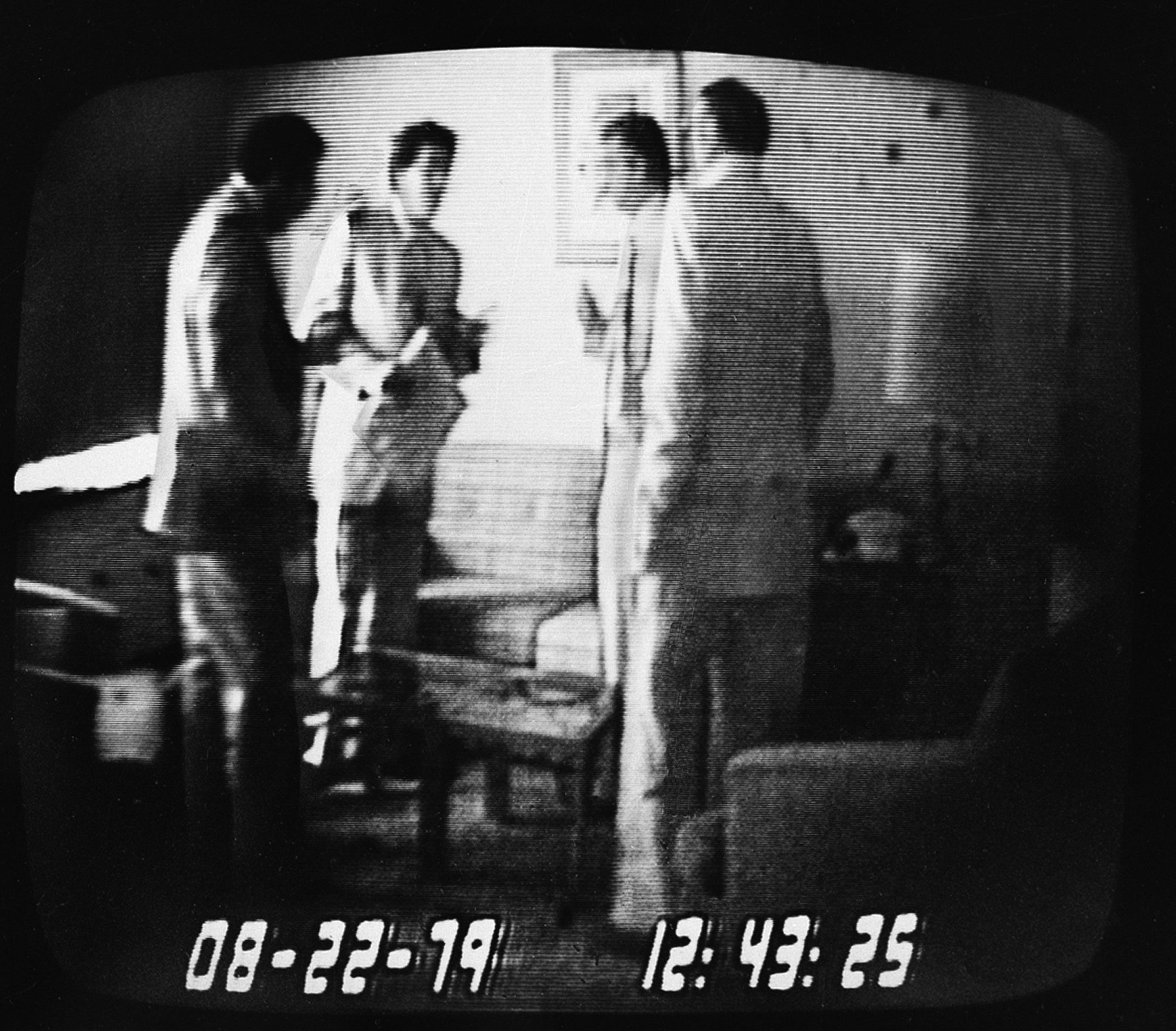
THREE DISTINCTIONS / BEFORE THE TAPE ROLLS
01 / THE EVIDENCE
The recordings captured actual meetings. What was said beforehand, how the offer was understood and what each defendant agreed to still mattered.
Read the evidence and its limits ↗02 / THE VERDICTS
One senator and six representatives were convicted of ABSCAM-related offenses. Murphy was acquitted of bribery, and one of his other convictions was reversed for a new trial.
Follow the individual outcomes ↗03 / THE METHOD
Courts sustained the core cases. Senate investigators nevertheless found serious weaknesses in informant control, authorization and recording practices.
Examine the oversight record ↗THE FILE CABINET
Follow the story in order, or open the question you came for. Each chapter has its own chronology, evidence and source notes.
11 FILES / EACH WITH ITS OWN PAGE
CHAPTER 011977–1980
How an undercover business became a public-corruption investigation.
1977–1983
Why the FBI used a convicted swindler and why his supervision became central to the controversy.
 CHAPTER 03
1979–1983
Why the tapes mattered and why they still needed to be read with other evidence.
 CHAPTER 04
1980–1984
Five Democratic representatives and one Republican were convicted of ABSCAM-related offenses; John Murphy was acquitted of the bribery count.
 CHAPTER 05
1979–1983
Harrison Williams’s case differed materially from the familiar cash-in-an-envelope transactions.
1979–1984
The government supplied the temptation. Courts still had to determine whether defendants were predisposed, and whether juries could reasonably reject entrapment.
 CHAPTER 07
1980–1986
Due-process litigation tested the sting itself. Kelly’s later defense-infiltration allegations raised a separate problem.
 CHAPTER 08
1980–1982
The criminal courts could impose sentences; each chamber had to decide what to do about its own members.
 CHAPTER 09
1979–1983
The same recordings that incriminated some officials also documented refusals. Selection and reputational harm deserve their own scrutiny.
 CHAPTER 10
1981–2026
ABSCAM intensified scrutiny of undercover powers, informants and reputational damage. That is more complicated than either a total vindication or a ban.
1980 / 2013–2014
Where the dramatization begins, and where to read or watch the public record instead.
No matching case.
A COMPANY THAT DID NOT EXIST / AN INVESTIGATION THAT DID
THE FRONT
A supposed vehicle for a wealthy foreign investor gave the FBI an entry into stolen art, securities and eventually political access. The investor was fictitious; the people responding to the offers were real.
How the operation expanded ↗THE CONNECTOR
A convicted swindler helped build the scenario and open doors. His usefulness, compensation, independent conduct and supervision became central subjects of criticism.
The informant and the controls ↗THE AGENTS & INTERMEDIARIES
Undercover agents, Camden mayor Angelo Errichetti and other intermediaries connected the fictitious business to public officials. An intermediary’s promises still had to be distinguished from an official’s own knowledge and agreement.
What the recorded encounters show ↗THE PUBLIC RECKONING
Jurors and judges assessed criminal cases. The House and Senate addressed membership and discipline. A separate Senate inquiry examined the investigative method. Those were different proceedings.
The consequences in Congress ↗THE CONGRESSIONAL CASES / ONE SENATOR & SIX REPRESENTATIVES
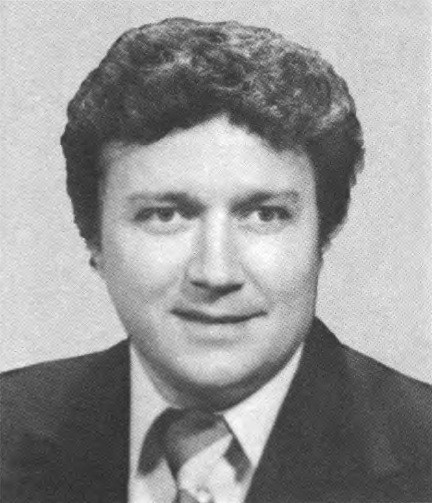
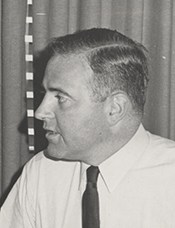
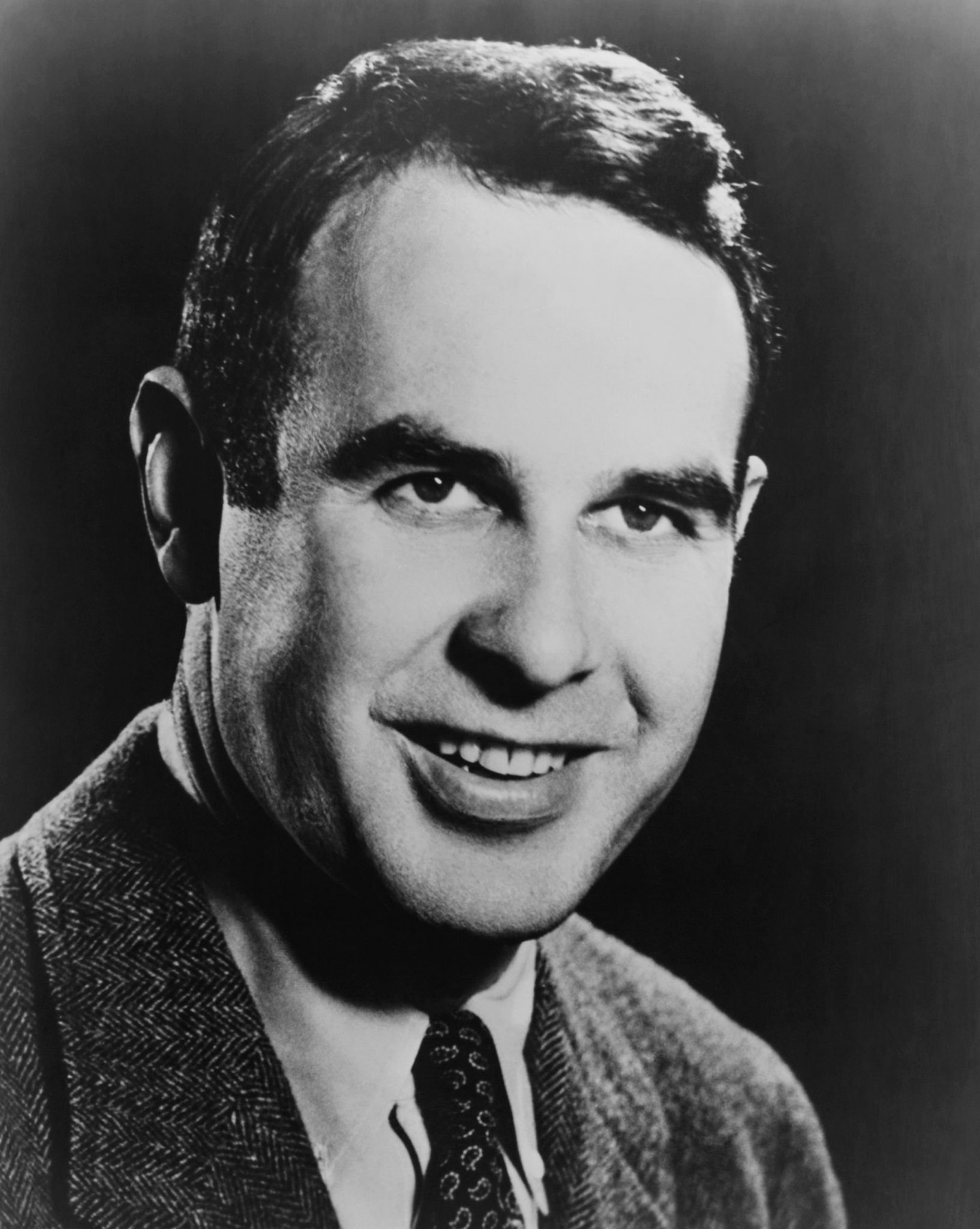
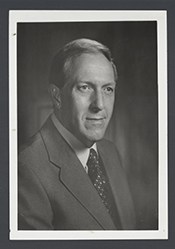
Official portraits identify people; several predate the investigation by many years. These are not photographs of alleged conduct. The summaries below distinguish the principal ABSCAM case outcomes and later proceedings.
House / Pennsylvania / Democratic
Conspiracy, bribery and Travel Act convictions affirmed; expelled October 2, 1980.
Evidence & outcome ↗House / Pennsylvania / Democratic
Conspiracy, bribery, unlawful gratuity and Travel Act convictions affirmed.
Evidence & outcome ↗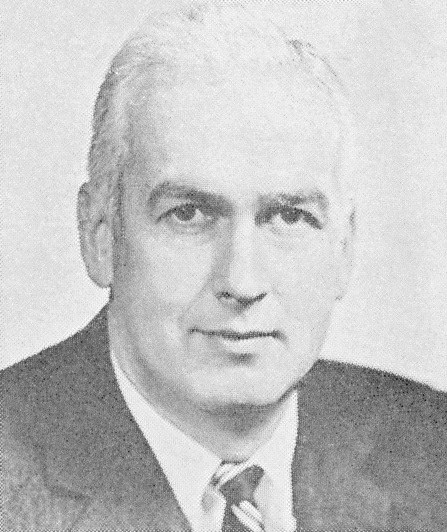
House / New Jersey / Democratic
Conspiracy, bribery and unlawful gratuity convictions affirmed; acquitted conflict-of-interest count.
Evidence & outcome ↗House / New York / Democratic
Acquitted bribery; conspiracy and unlawful gratuity convictions affirmed; conflict-of-interest conviction reversed and remanded for new trial.
Evidence & outcome ↗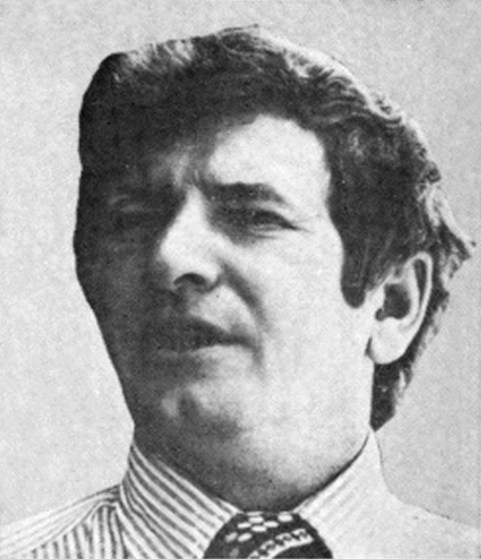
House / South Carolina / Democratic
Bribery/conspiracy convictions affirmed in 1984.
Evidence & outcome ↗House / Florida / Republican
Conspiracy, bribery, Travel Act; district dismissal reversed 1983, conviction affirmed 1984, separate evidentiary remand1986.
Evidence & outcome ↗Senate / New Jersey / Democratic
Nine counts convicted May 1 1981; judgment affirmed 1983; resigned March 11 1982 before expulsion vote.
Evidence & outcome ↗Criminal records: House case sources · Williams case sources. Party labels describe these historical defendants, not a representative corruption rate.
THE RECORD / A BETTER START THAN A VIRAL CAPTION
CONTEMPORARY BROADCAST / 1980
MacNeil/Lehrer presents extended House arguments, including Myers’s defense. Video and corrected transcript; archive terms apply. This is an edited program.
SENATE REPORT / 1982–1983
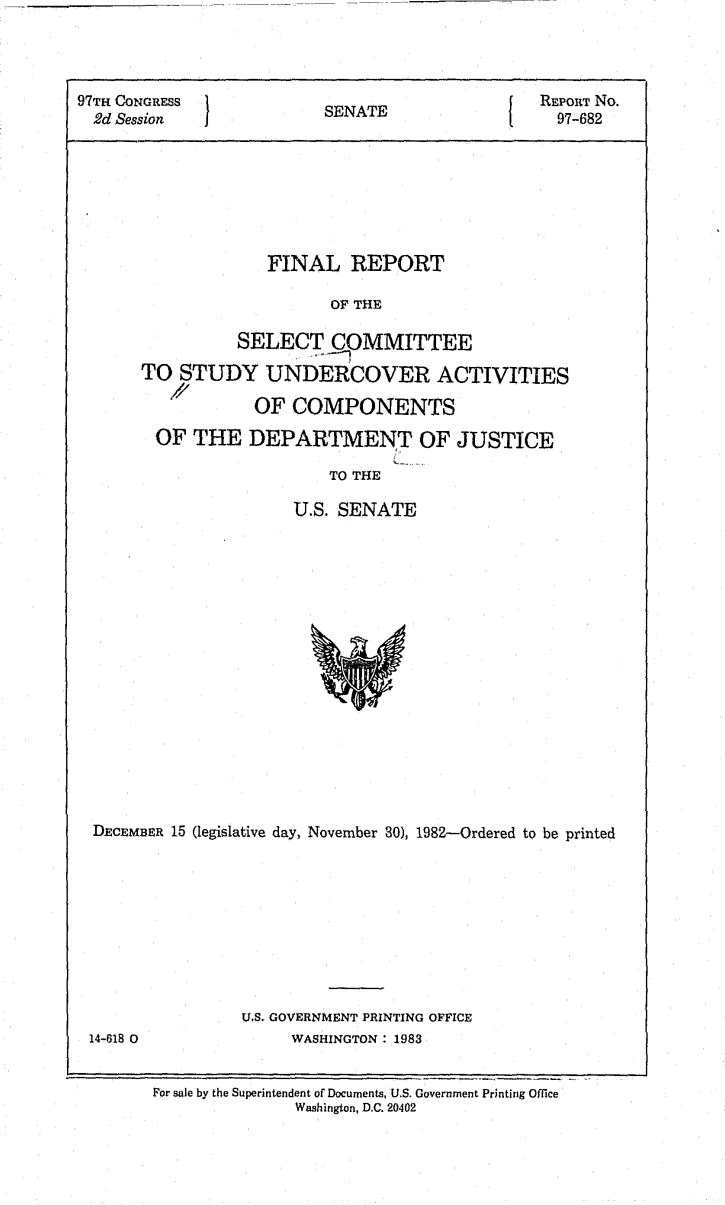
Findings on the benefits and risks of undercover operations, including authorization, informant supervision and recording deficiencies. Large original PDF.
THE INVESTIGATING AGENCY
A short institutional history and original surveillance still. Compare its compressed outcome summary with the count-by-count court record.
THE FILM IS A DIFFERENT RECORD
A fictitious investor, undercover agents and a cooperating con man inspired the film. The renamed characters, composite roles and private dramas do not establish the history of the real participants.
THE OUTCOME LEDGER
These summaries do not replace the evidence. Open a case for the sources, responses and limits.
The company, foreign principals and proposed transactions were a government-created scenario. That did not make the officials’ recorded actions fictional.
Weinberg’s role and the committee’s criticisms are established. Neither his criminal history nor a camera alone settles every disputed event.
The recordings captured real participants in a staged setting. They were powerful evidence, not a complete record of every conversation.
Convictions included bribery, conspiracy, gratuity and related counts; not every count survived.
Nine-count conviction affirmed; resignation preceded an expulsion vote.
Entrapment defenses rejected; serious judicial disagreement remained.
Dismissals reversed; a later Kelly motion required factual development.
Conviction, expulsion and resignation are different outcomes.
A meeting, referral or mention in an FBI file is not a conviction.
New oversight did not prohibit all future stings against lawmakers.
The real sting inspired the film. Fictional characters and invented personal dynamics are not evidence about the actual participants.
HOW TO READ THIS COLLECTION
A person can be acquitted of one charge and convicted of another. Reversal of a dismissal can restore a verdict; a remand can order further proceedings without deciding guilt. We identify those outcomes rather than treating every headline as a final acquittal or total affirmance.
Recorded words matter. So do unrecorded contacts, informant incentives, defense explanations, controlling opinions and dissents. Congressional oversight criticism is not automatically a judicial finding of entrapment.
The FBI’s retrospective, a participant’s memoir, a defense claim, a committee report and a court judgment have different evidentiary weight. An official archive may contain newspaper clippings whose claims the agency did not adopt.
Checked October 21, 2026. AI generated and fact-checked this guide and can be wrong in either direction. Findings are not the owner’s personal findings, beliefs or endorsements. This is a dated static exploration and website demonstration, not an automatic news feed.
Selected opinions, records and oversight findings were reviewed; no complete trial, tape, informant-file or sealed-record audit is claimed. Historical legal tests are explained in their case context, not offered as current legal advice. Linked video and archives have their own access terms and are not all stored in the local package.
Federal Bureau of Investigation · Public domain — US federal work · Original & rights ↗
Resized and JPEG-compressed for local delivery; source cropping retained. No AI enhancement. · Public domain — US federal work
US Government · Public domain — US federal work · Original & rights ↗
Resized and JPEG-compressed for local delivery; source cropping retained. No AI enhancement. · Public domain — US federal work
US Government Printing Office · Public domain — US federal work · Original & rights ↗
Resized and JPEG-compressed for local delivery; source cropping retained. No AI enhancement. · Public domain — US federal work
US Government · Public domain — US federal work · Original & rights ↗
Resized and JPEG-compressed for local delivery; source cropping retained. No AI enhancement. · Public domain — US federal work
US Congress · Public domain — US federal work · Original & rights ↗
Resized and JPEG-compressed for local delivery; source cropping retained. No AI enhancement. · Public domain — US federal work
Federal Bureau of Investigation · Public domain — US federal work · Original & rights ↗
Resized and JPEG-compressed for local delivery; source cropping retained. No AI enhancement. · Public domain — US federal work
Rob Croes / Anefo, Nationaal Archief · CC BY-SA 3.0 · Original & rights ↗
Resized and JPEG-compressed for local delivery; source cropping retained. No AI enhancement. · CC BY-SA 3.0
US Congress / Biographical Directory · Public domain — US federal work · Original & rights ↗
Resized and JPEG-compressed for local delivery; source cropping retained. No AI enhancement. · Public domain — US federal work
US Congress / Biographical Directory · Public domain — US federal work · Original & rights ↗
Resized and JPEG-compressed for local delivery; source cropping retained. No AI enhancement. · Public domain — US federal work
US Congress / Biographical Directory · Public domain — US federal work · Original & rights ↗
Resized and JPEG-compressed for local delivery; source cropping retained. No AI enhancement. · Public domain — US federal work
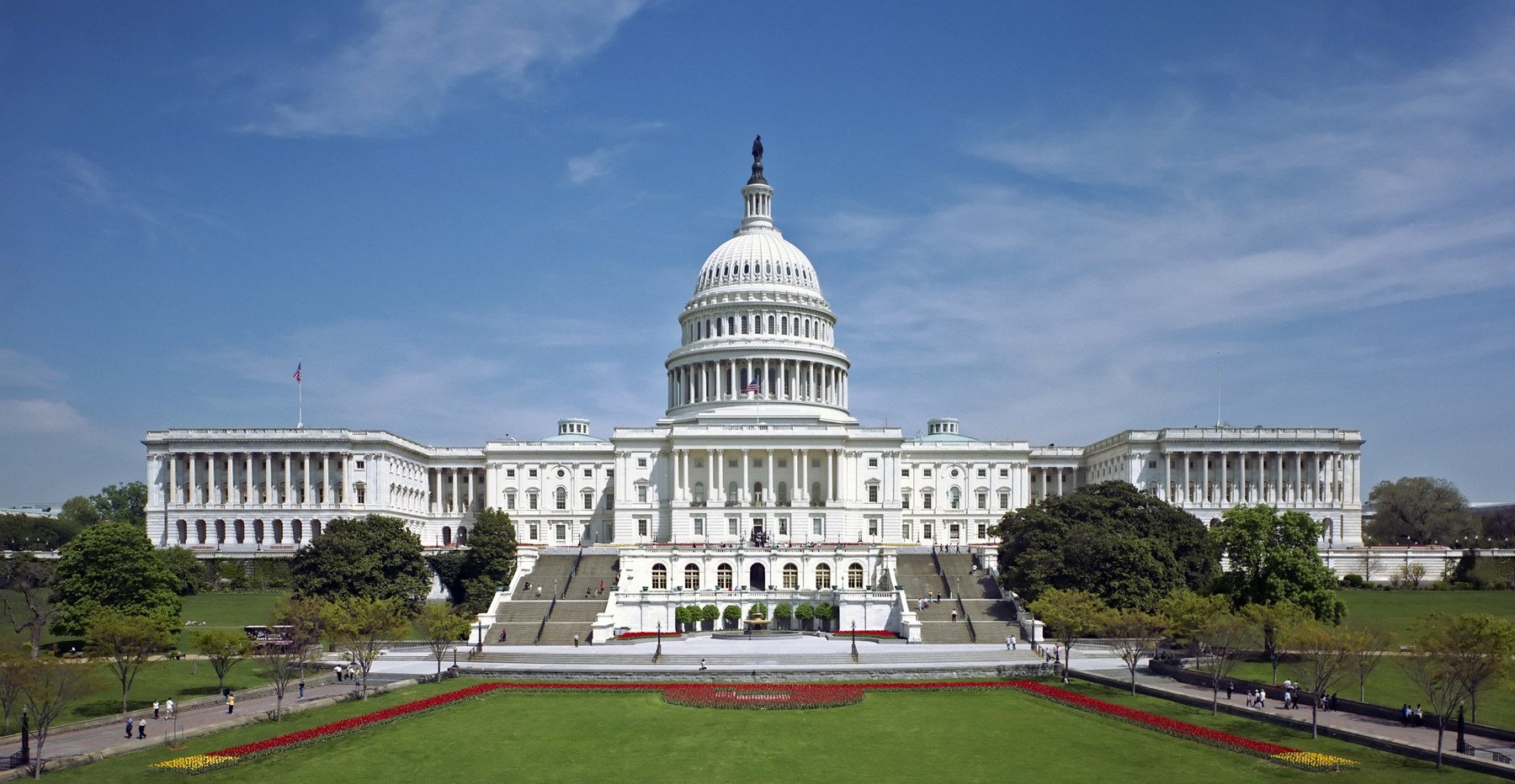
Architect of the Capitol; derivative edit by O.J. · Public domain — US federal work · Original & rights ↗
Resized and converted for local delivery; source edits retained. Display crops may vary. · Public domain — US federal work
US Senate / Government Printing Office · Public domain — US federal work · Original & rights ↗
PDF page 2 rendered as JPEG; complete page retained. · Public domain — US federal work
Photographs are documentary; later views are labeled. Document images reproduce complete source pages. Typographic case graphics are navigation aids, not photographs or evidence.