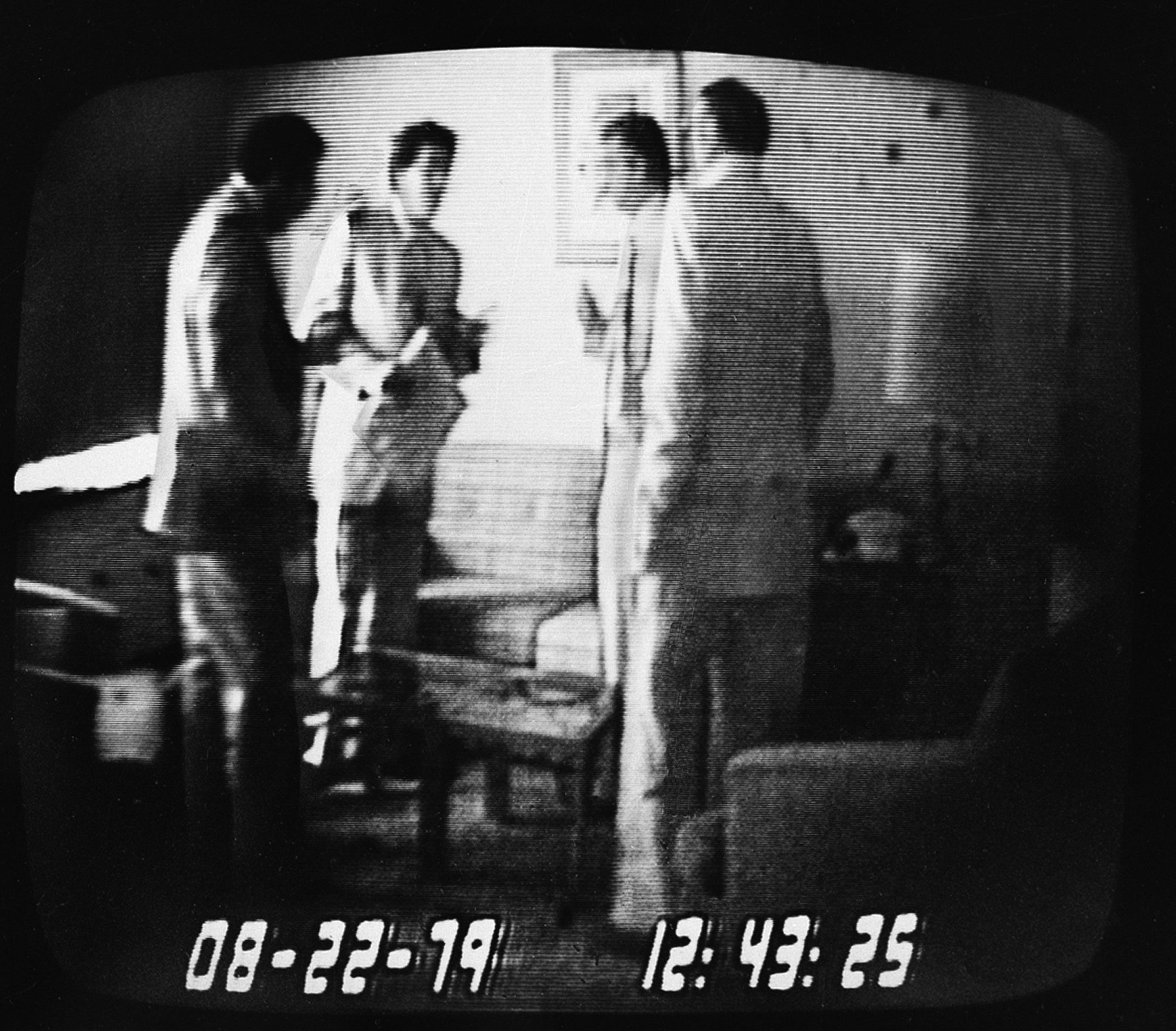
The FBI’s short history starts ABSCAM in July 1978 as an effort to recover stolen art in the New York area. Agents used Abdul Enterprises, a supposed vehicle for a wealthy foreign investor. The company and the principal were fiction; the agents wanted real sellers of stolen property to reveal their conduct. The Bureau says the investigation then encountered fraudulent securities. [1]
The route into politics developed through intermediaries and the promise of investment in Atlantic City gambling ventures. Camden mayor Angelo Errichetti became a crucial connection. The scenario expanded to a wealthy principal seeking help remaining in the United States, allowing investigators to test offers involving private immigration legislation. This was not simply a row of identical envelopes mailed randomly to every member of Congress. [1]
The timeline also has a prehistory. The Senate report describes months of activity before headquarters approval and criticizes how broadly the project was authorized. Thus an account beginning with formal approval in July 1978 can omit earlier operational decisions without necessarily naming a different investigation. [2]
The expansion matters to the ethical debate. Following a contact who offers access can uncover genuine corruption; it can also allow an operation’s purpose and targets to drift without a fresh, disciplined assessment. Both possibilities belong in the history.