COMPLETE STATIC READING EDITION

EIP, the Virality Project, CISA and Stanford

The “censorship-industrial complex”: what the network was, what it flagged, and how it ended.

← Interactive guide and chronology · All Twitter Files chapters

The Election Integrity Partnership, by its own account

A ticketing system for election claims, built with government partners.

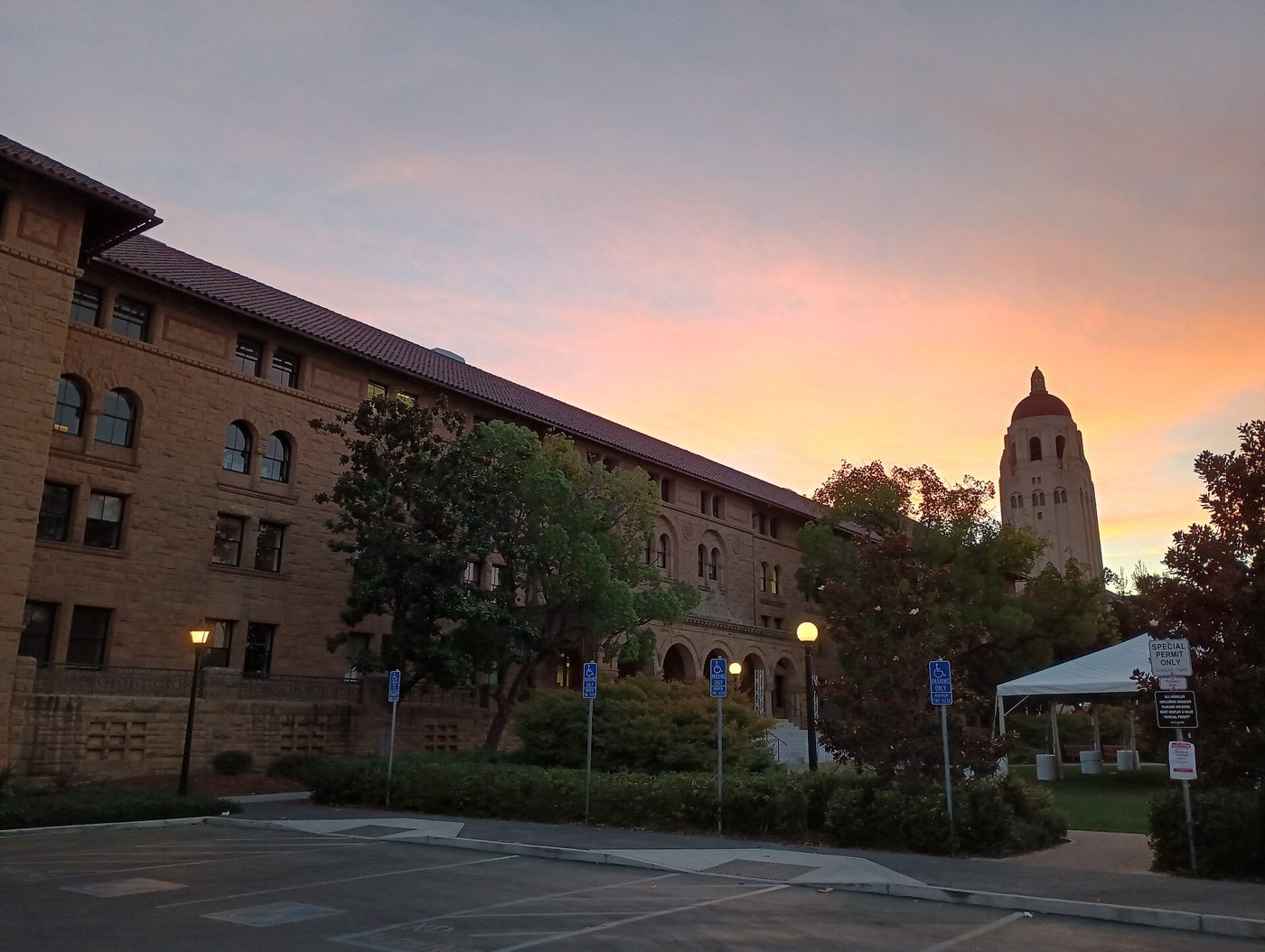
Encina Hall at Stanford University, home of the Freeman Spogli Institute, October 2023.
Encina Hall at Stanford University, home of the Freeman Spogli Institute, October 2023. Effeietsanders · CC BY-SA 4.0

The Election Integrity Partnership launched publicly in August 2020. [1] Its own final report, The Long Fuse, describes a ticket system through which partners, including CISA, election officials and civil-society groups, sent in reports. Analysts then escalated some to platforms. [2] This is not a secret uncovered by the Files; the partnership published it. What the Files and later subpoenas added was the internal texture: which posts, how often and with what wording.

House Republicans’ November 2023 report argued that the EIP was a way for the government to get around the First Amendment. It also featured a figure of some 22 million tweets. [3] The project’s response, entered into the congressional record, said the figure counted tweets in its research dataset, not posts flagged for removal, and that platforms made their own decisions. [4] Former SIO director Alex Stamos told the committee in a transcribed interview that the platforms made their own decisions. [5]

Both points can be true. A government agency connecting election officials to a university that then forwards reports to platforms is a real channel of influence, whatever the paperwork calls it. A dataset figure presented as a censorship count is still a misstatement.
Source limits. The ticket records are known mostly through congressional excerpts and the project’s own summaries.

The sources

  1. Stanford: Election Integrity Partnership public launch (August 12, 2020) ↗

    Contemporaneous public description by a participant. Shows the institutional makeup and publicly described government contacts; does not settle whether particular referrals were justified.

  2. Election Integrity Partnership: The Long Fuse, final report, March 2021 ↗

    Read the dated record and its stated scope.

  3. House Judiciary Republican staff: EIP investigation and underlying ticket report (November 6, 2023) ↗

    Republican majority staff investigation, with links to underlying documents. Its censorship characterization is attributed, not treated as a neutral court judgment.

  4. Stanford Internet Observatory: project response entered into Congressional record, March 2023 ↗

    Stanford’s own response, preserved on Congress.gov. Congressional hosting does not make it a congressional finding; numbers are attributed to the project.

  5. Alex Stamos: transcribed congressional interview, June 23, 2023 ↗

    Primary congressional interview by the Stanford project director; a knowledgeable participant defending his own work, not an independent audit.

CISA’s “switchboarding” and its 2025 freeze

The federal cyber agency at the center of the government-pressure claim.

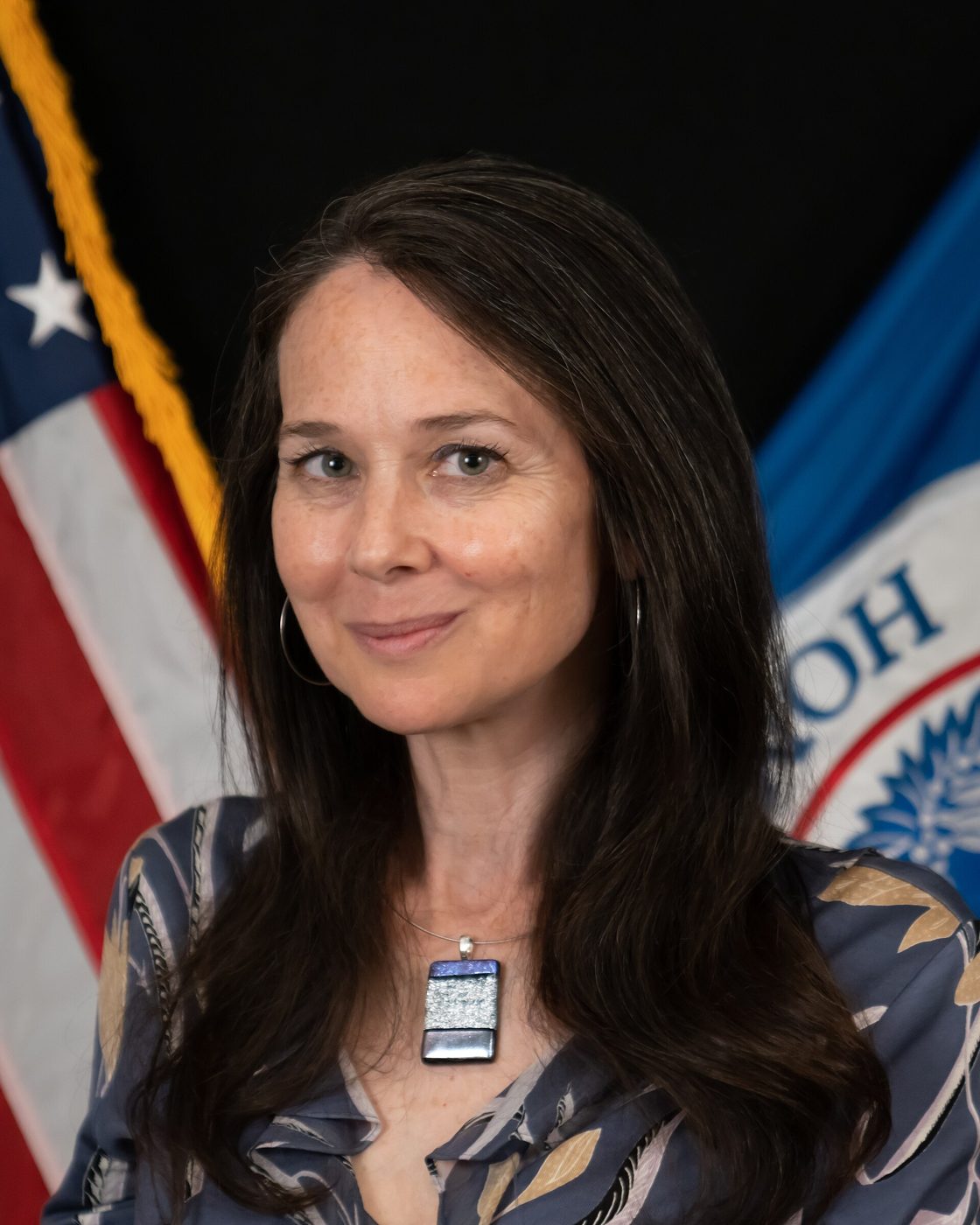
Jen Easterly, director of the Cybersecurity and Infrastructure Security Agency, official portrait, 2021.
Jen Easterly, director of the Cybersecurity and Infrastructure Security Agency, official portrait, 2021. Cybersecurity and Infrastructure Security Agency · Public domain · U.S. federal government work

In 2020 CISA forwarded election officials’ reports about false election claims to the platforms, a practice it called switchboarding. House Republicans’ June 2023 staff report argued this, together with CISA’s ties to the EIP and its advisory work on mis- and disinformation, made it the hub of a censorship system. [1]

The Fifth Circuit agreed CISA likely crossed the line, adding it to the injunction in October 2023. Its reasoning was that CISA’s role went beyond persuasion to significant encouragement. [2] The Supreme Court vacated that in June 2024 because the plaintiffs lacked standing, without deciding whether CISA had acted unconstitutionally. [3]

In February 2025 CISA placed election-security and disinformation staff on leave and paused that work pending review. [4][5] CISA was one of the three agencies bound by the 2026 Missouri consent decree, which bars threats and coercion for ten years. [6] The practice ended by political decision and settlement, not by a court ruling on its legality.

Source limits. The CISA report is a partisan staff document. AP and Wired describe the 2025 freeze from DHS confirmations and memos.

The sources

  1. House Judiciary (Republican staff): The weaponization of CISA, June 26, 2023 ↗

    Read the dated record and its stated scope.

  2. Fifth Circuit: Missouri v. Biden, opinion on rehearing (adds CISA), October 3, 2023 ↗

    Read the dated record and its stated scope.

  3. Supreme Court: Murthy v. Missouri, majority and dissent, June 26, 2024 ↗

    Controlling Supreme Court opinion on standing for a preliminary injunction; dissent is identified separately. Does not adjudicate every government–platform exchange.

  4. AP: US cyber agency puts election security staffers on leave, February 2025 ↗

    Read the dated record and its stated scope.

  5. Wired: top US election security watchdog forced to stop election security work, 2025 ↗

    Read the dated record and its stated scope.

  6. First Amendment Encyclopedia (MTSU): Missouri v. Biden consent decree (2026) ↗

    Read the dated record and its stated scope.

How the Stanford Internet Observatory ended

Lawsuits, subpoenas and a researcher falsely cast as a CIA plant.

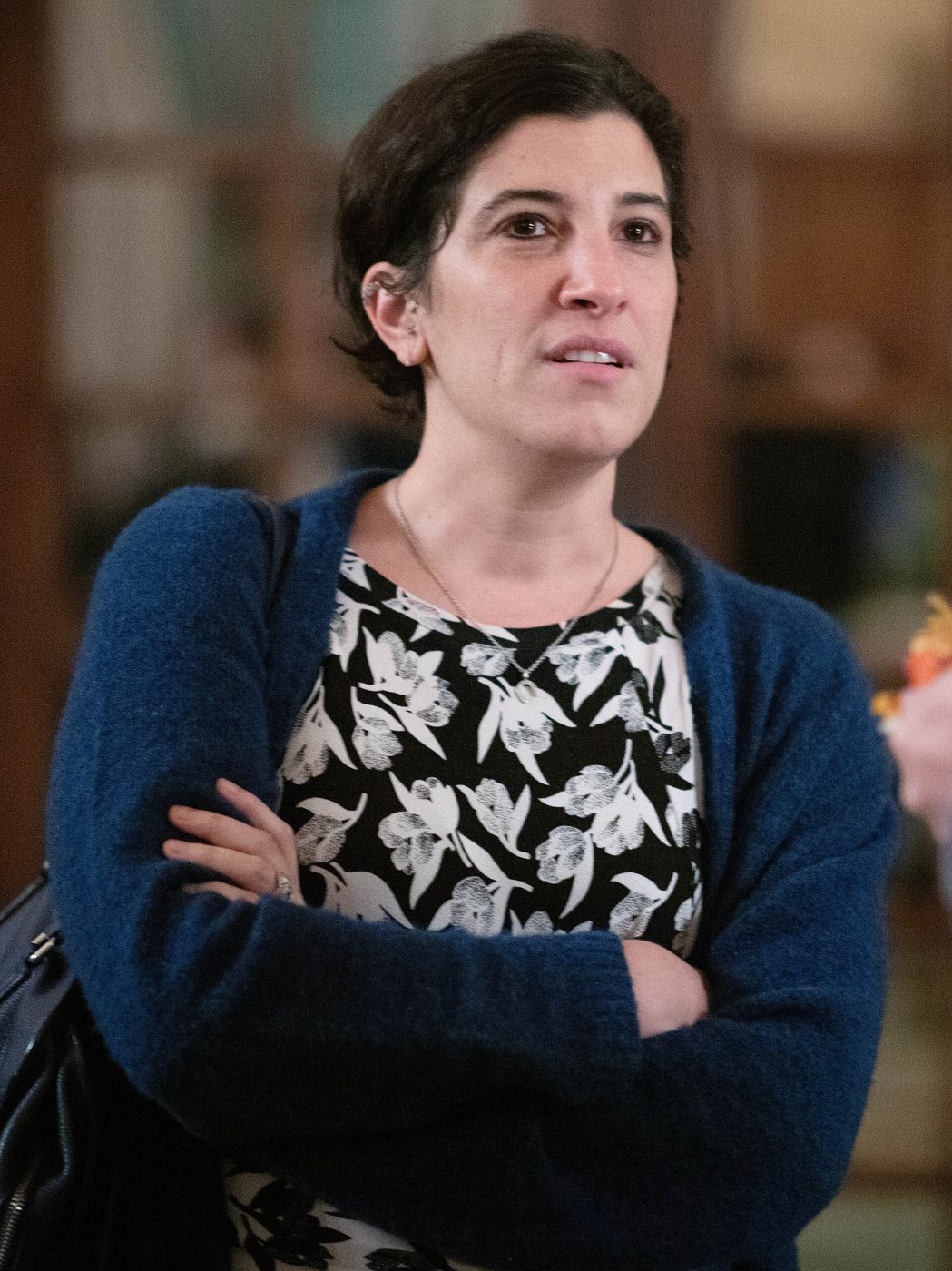
Renée DiResta of the Stanford Internet Observatory at a Knight Foundation event, Coral Gables, Florida, November 28, 2022.
Renée DiResta of the Stanford Internet Observatory at a Knight Foundation event, Coral Gables, Florida, November 28, 2022. Knight Foundation · CC BY-SA 2.0

By June 2024 the Stanford Internet Observatory was winding down. Founding director Alex Stamos had left, Renée DiResta’s contract was not renewed, and the election work stopped before the 2024 vote. [1][2] The pressure included congressional subpoenas and private lawsuits such as Hines v. Stamos, which survived a motion to dismiss in December 2024. [3]

DiResta became the target of a false claim that she was a CIA operative running censorship. She had taken part in a CIA-linked student program that ended in 2004 and denied any later role. She said the unredacted names of her students in released material led to threats against them. [4]

The Files writers say SIO’s own records show it pushed platforms and later played that down. [5] DiResta published the full March 2021 Virality Project–Twitter exchange to argue the opposite. [6] Readers can compare both. The closure itself is documented. Calling it the collapse of a censorship operation, or the silencing of academic research, depends on which reading you accept.

Source limits. The Hines case was unresolved on the sources reviewed. Platformer and NPR rely partly on interviews with former staff.

The sources

  1. Platformer: The Stanford Internet Observatory is being dismantled, June 13, 2024 ↗

    Read the dated record and its stated scope.

  2. NPR: a major disinformation research team’s future is uncertain after political attacks, June 14, 2024 ↗

    Read the dated record and its stated scope.

  3. America First Legal: court denies SIO, Atlantic Council and Aspen motion to dismiss in Hines v. Stamos (plaintiffs’ counsel release), December 2024 ↗

    Read the dated record and its stated scope.

  4. Wikipedia: Twitter Files (installment list, reactions and references; a secondary index, not evidence) ↗

    Read the dated record and its stated scope.

  5. Public (Shellenberger and colleagues): Stanford group helped US government censor COVID dissidents, new documents show, 2023 ↗

    Read the dated record and its stated scope.

  6. Renée DiResta: full March 17–18, 2021 Virality Project/Twitter email exchange and rebuttal (published June 1, 2026) ↗

    A participant’s 2026 rebuttal publishes transcriptions and redacted screenshots of both sides of a 2021 exchange. Its accusations of deliberate deception remain the author’s interpretation; the emails can be assessed separately.

The State Department’s Global Engagement Center

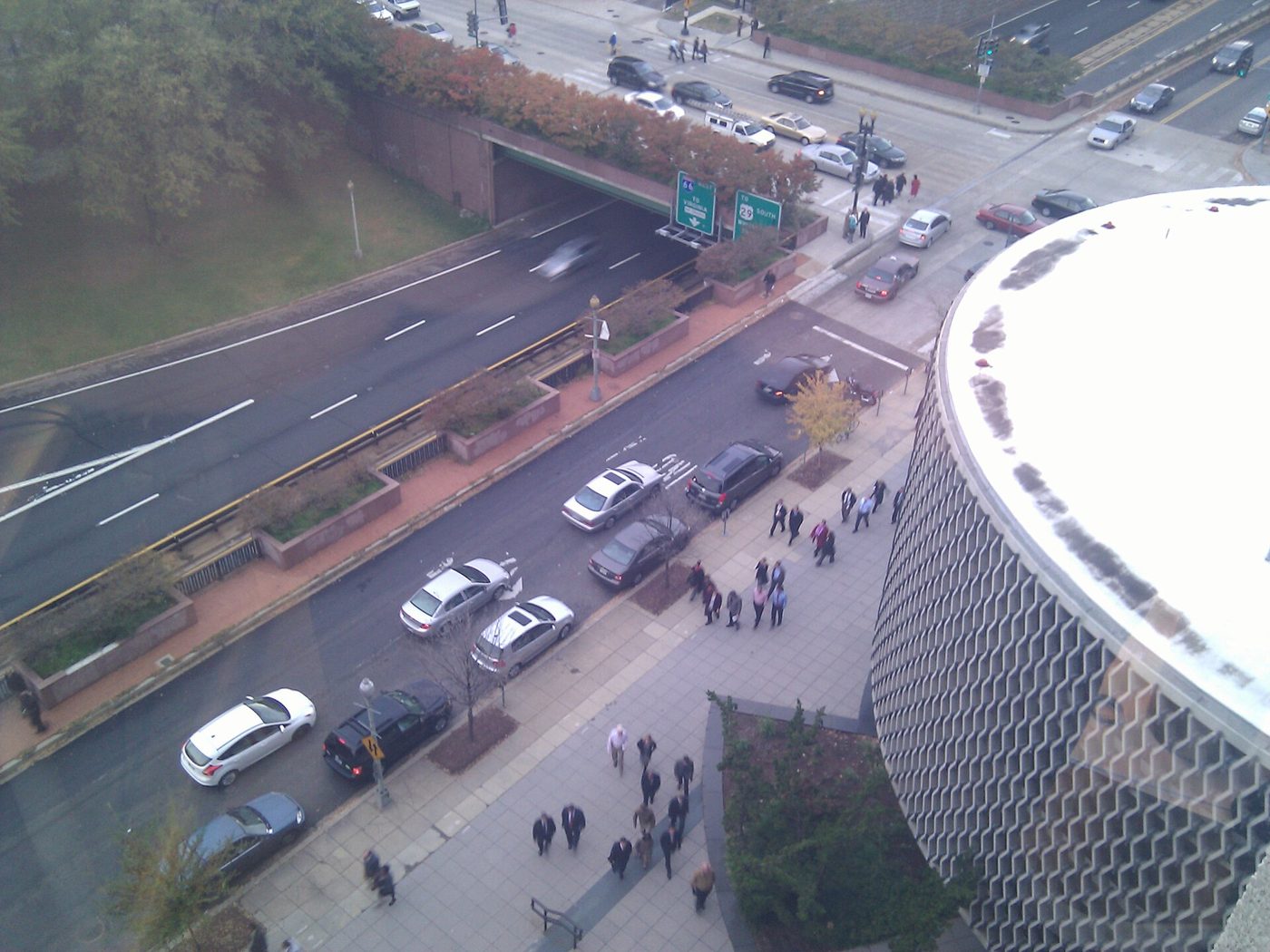
Foreign-propaganda money, domestic blacklists and a 2026 decree.

The Harry S. Truman Building, State Department headquarters in Washington, November 2011.
The Harry S. Truman Building, State Department headquarters in Washington, November 2011. Antonio Zugaldia · CC BY 2.0

The GEC was created to counter foreign propaganda. Taibbi’s Part 17 argued that the GEC and groups it funded sent Twitter lists of supposedly state-linked or inauthentic accounts, and that the lists swept in ordinary Americans. Twitter staff were sometimes skeptical of those lists. [1]

Congress let the GEC’s authority expire on December 23, 2024. [2] Secretary Rubio closed its successor office in April 2025, calling it a censorship operation. [3] The Daily Wire, The Federalist and Texas had sued over GEC-funded tools that rated news outlets for advertisers. That case ended in an April 8, 2026 consent decree barring the department from funding or promoting technology to suppress or downgrade Americans’ protected speech. [4][5]

The administration then went further. On December 23, 2025 it imposed visa restrictions on five Europeans it accused of pressuring American platforms, including former EU commissioner Thierry Breton and the heads of CCDH, HateAid and the Global Disinformation Index. [6][7] Critics called that retaliation against foreign speech. Supporters called it overdue.

Source limits. The decree’s factual recitals are negotiated language. The visa bans were announced without public evidence files.

The sources

  1. Matt Taibbi, Twitter Files Part 17: New Knowledge, the Global Engagement Center and state-sponsored blacklists, March 2, 2023 (original thread) ↗

    Read the dated record and its stated scope.

  2. State Department nomination responses: GEC authority expired December 23, 2024, Senate hearing April 9, 2025 ↗

    Official Senate-hosted nomination-hearing record containing State Department answers. Establishes statutory expiry and institutional sequence.

  3. Secretary Rubio: April 16, 2025 closure statement, preserved by GlobalSecurity ↗

    Text of the Secretary of State’s own statement preserved by a third-party archive. Closure is documented; his censorship allegations remain attributed.

  4. The Daily Wire, The Federalist and Texas v. State Department: consent decree, April 8, 2026 ↗

    Read the dated record and its stated scope.

  5. DOJ: settlement of lawsuit challenging the Biden State Department’s alleged social media censorship, April 2026 ↗

    Read the dated record and its stated scope.

  6. U.S. State Department: announcement of actions to combat the global censorship-industrial complex, December 23, 2025 ↗

    Read the dated record and its stated scope.

  7. Reuters: US targets former EU commissioner, activists with visa bans over alleged censorship, December 23, 2025 ↗

    Read the dated record and its stated scope.

Discussion

Comment, dispute or support a claim, submit a source or rate this page through a short Google Form. It asks you to sign in with Google so we know you are a real person; your email is never shown. Nothing appears here until it has been reviewed. Conversation on X tagged #AIFiles #TwitterFiles shows up below after the daily refresh.

CommentSubmit a sourceRate this pageStart a discussion on XFull forum topicSee all disputesFollow updates (Google Group)

Reader comments

Approved reader comments and ratings are shown on the interactive edition. This plain reading edition does not load them.

On X

This plain reading edition does not load posts. You can read this subject’s threads on the forum: Forum: #TwitterFiles.

Reader comments are shown only after review, and rows removed from the form’s sheet disappear at the next refresh. X posts are a read-only daily snapshot; posts deleted or made private there are removed at the next refresh. Inclusion is not endorsement. A submitted source stays pending review until a page update says otherwise.