The AI Files · Donald Trump · plain reading edition

Tariffs and the trade war: every entry

All 50 entries of the guide, grouped by period and case, each with its bottom line and its sources. This page needs no JavaScript. The interactive guide adds the story in 20 chapters, the people, the timeline, the theories, the 15 checked claims and the media.

The promise 2016–2017

Who can tax imports

Article I and the statutes

Article I owns peacetime tariffs

Context · History

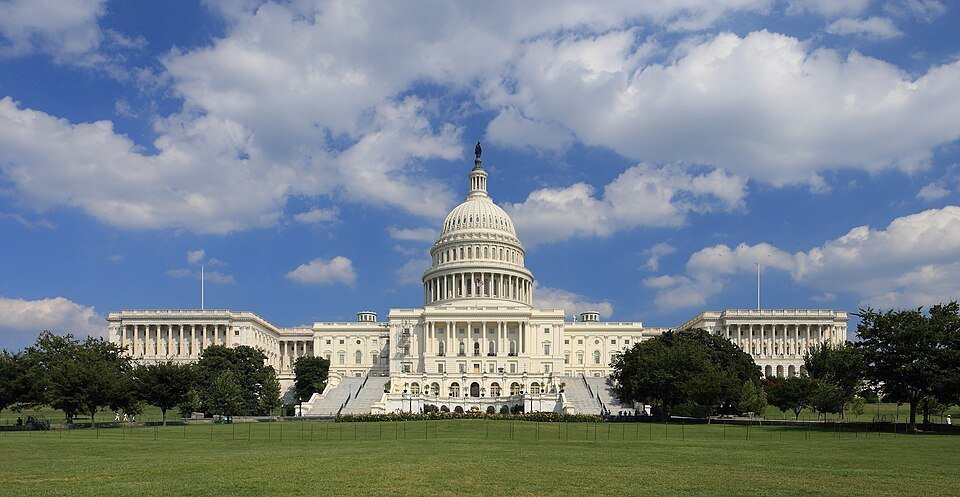
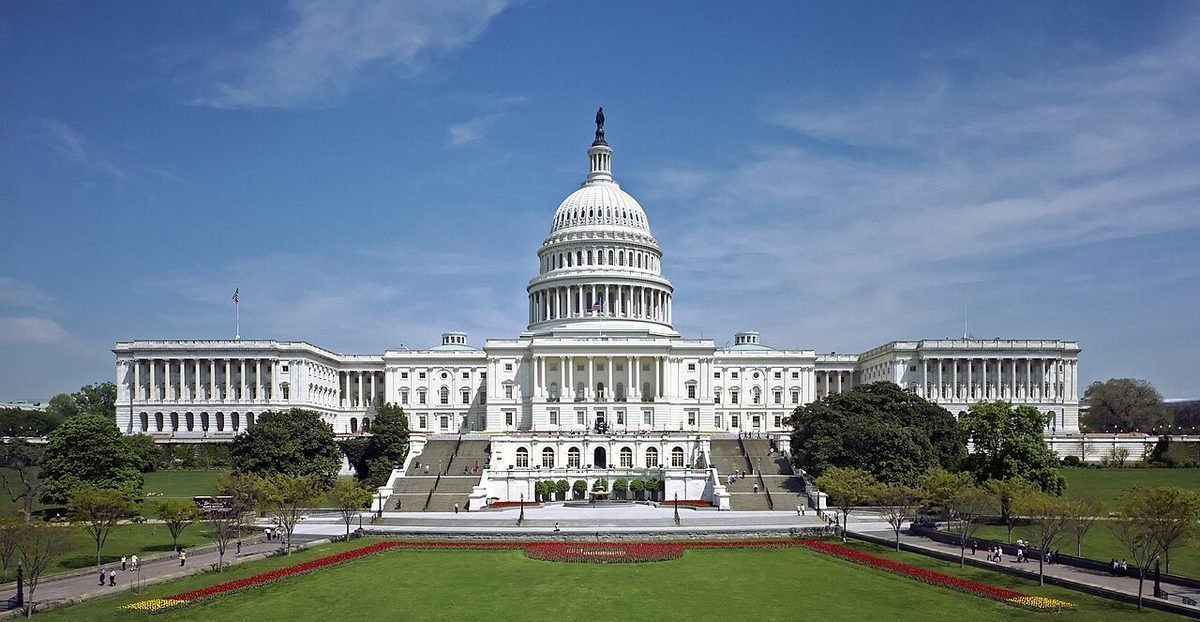
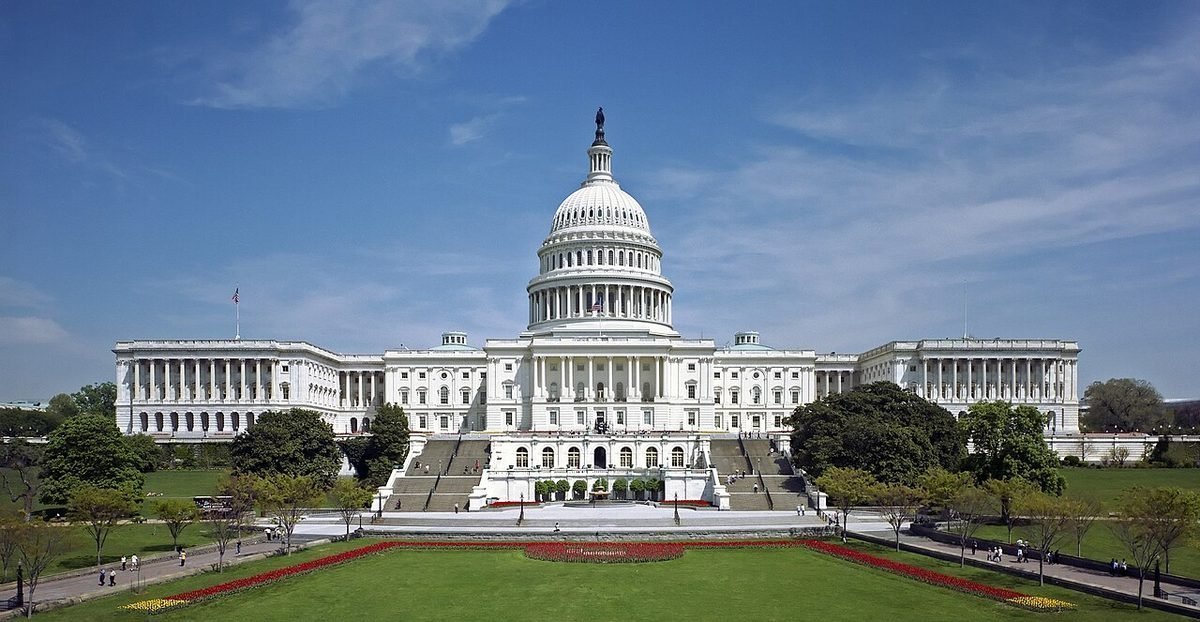
U.S. Capitol exterior.
U.S. Capitol exterior. Guide pool / Wikimedia · see credit; re-encoded, EXIF stripped

Duties are a congressional power before any president’s trade tweet.

The Constitution gives Congress power to lay duties and regulate commerce with foreign nations. [1]

In Learning Resources the Court treated peacetime tariffs as a branch of the taxing power Congress alone holds. [2]

Bottom line History

Start here before arguing any emergency shortcut.

What the record can’t settle

Does not decide how far Congress may delegate.

Sources

  1. U.S. Constitution, Article I, Section 8 (Taxing and Commerce Clauses) Congress’s power to lay duties and regulate commerce with foreign nations. Primary text.
  2. Supreme Court: Learning Resources, Inc. v. Trump (slip op., Feb 20, 2026) 6–3: IEEPA does not authorize tariffs. Roberts for Court on key parts; Kavanaugh dissent (Thomas, Alito). Does not decide Section 232/301.

Back to contents · Open in the interactive guide
What Section 232 actually authorizes

Record · Official

Steel visual (guide pool).
Steel visual (guide pool). Guide pool · see credit; re-encoded, EXIF stripped

National-security import adjustments after a Commerce investigation — with “duties” in the statute’s orbit.

Section 232 lets the president adjust imports of an article after Commerce finds a national-security threat. [1]

Algonquin upheld license fees under that framework; Learning Resources later said that case does not stretch IEEPA. [2] [3]

Bottom line Official

232 is an express lane — not a blank check from silence.

What the record can’t settle

Does not validate every 2018 country coverage choice.

Sources

  1. 19 U.S.C. § 1862 — Safeguarding national security (Section 232) Statutory lane for national-security import adjustments after Commerce investigation/report.
  2. Federal Energy Administration v. Algonquin SNG, Inc., 426 U.S. 548 (1976) Section 232 license-fee precedent discussed and distinguished in Learning Resources.
  3. Supreme Court: Learning Resources, Inc. v. Trump (slip op., Feb 20, 2026) 6–3: IEEPA does not authorize tariffs. Roberts for Court on key parts; Kavanaugh dissent (Thomas, Alito). Does not decide Section 232/301.

Back to contents · Open in the interactive guide
What Section 301 actually authorizes

Record · Official

USTR Winder Building.
USTR Winder Building. Wikimedia Commons · see credit; re-encoded, EXIF stripped

USTR may act against foreign unreasonable practices that burden U.S. commerce — including duties.

The Trade Act’s Section 301 text contemplates duties and other import restrictions. [1]

That is why China lists cite 301, not IEEPA. [2] [3]

Bottom line Official

Different statute, different vocabulary, different lawsuit.

What the record can’t settle

Does not prove every list was optimally designed.

Sources

  1. 19 U.S.C. § 2411 — Section 301 of the Trade Act of 1974 Authorizes USTR action against unreasonable/discriminatory foreign practices burdening U.S. commerce.
  2. USTR: Notice of Determination — China Section 301 (83 FR 14906, Apr 6, 2018) Determination that China’s tech-transfer/IP practices are actionable; proposed duty list.
  3. USTR Notice of Action — Section 301 List 1 (83 FR 28710, Jun 20, 2018) ~$34B China goods @25%, effective July 6, 2018. Primary FR.

Back to contents · Open in the interactive guide

IEEPA’s verbs — and the missing word

Record · Official

Document stand-in.
Document stand-in. Guide pool · see credit; re-encoded, EXIF stripped

“Regulate…importation” appears; “tariff” and “duty” do not.

IEEPA lists investigate, block, regulate, compel, nullify, prevent, prohibit — aimed at emergencies. [1]

The 2026 Court held that list does not clearly delegate unbounded tariff power. [2]

Bottom line Official

Silence on duties mattered.

What the record can’t settle

Does not erase other emergency tools.

Sources

  1. 50 U.S.C. §§ 1701–1702 — International Emergency Economic Powers Act ‘Regulate…importation’ text at issue in Learning Resources.
  2. Supreme Court: Learning Resources, Inc. v. Trump (slip op., Feb 20, 2026) 6–3: IEEPA does not authorize tariffs. Roberts for Court on key parts; Kavanaugh dissent (Thomas, Alito). Does not decide Section 232/301.

Back to contents · Open in the interactive guide

The campaign promise

Context · History

campaign chapter image (from press).
campaign chapter image (from press). Guide pool · see credit; re-encoded, EXIF stripped

China confrontation was not invented in a FR notice.

2016 messaging promised to confront China’s trade practices and rewrite bad deals. [1]

The later fight is which statute can carry that promise. [2]

Bottom line History

Politics supplied the motive; Congress supplied the tools.

What the record can’t settle

Campaign rhetoric is not a legal authority.

Sources

  1. 2016 campaign trade messaging (archived WH / campaign statements as cited in contemporaneous records) Context for promised China confrontation; use specific archived pages when quoting.
  2. Trump hub short case: Tariffs (pre-rebuild extract) Prior thin case on 2025 IEEPA + SCOTUS + NY Fed; expanded here. Not a primary.

Back to contents · Open in the interactive guide

Algonquin’s limited holding

Context · History

Document stand-in.
Document stand-in. Guide pool · see credit; re-encoded, EXIF stripped

232 license fees ≠ IEEPA tariffs.

1976 Court allowed certain Section 232 fees; Learning Resources calls the holding limited and textually distinct. [1] [2]

Government reliance on Algonquin failed to save IEEPA. [2]

Bottom line History

Precedent does not travel by vibes.

What the record can’t settle

Does not freeze 232 doctrine forever.

Sources

  1. Federal Energy Administration v. Algonquin SNG, Inc., 426 U.S. 548 (1976) Section 232 license-fee precedent discussed and distinguished in Learning Resources.
  2. Supreme Court: Learning Resources, Inc. v. Trump (slip op., Feb 20, 2026) 6–3: IEEPA does not authorize tariffs. Roberts for Court on key parts; Kavanaugh dissent (Thomas, Alito). Does not decide Section 232/301.

Back to contents · Open in the interactive guide
Steel & aluminum 2018

Section 232 steel & aluminum

National-security import adjustments

Commerce’s steel finding

Record · Official

Steel visual (guide pool).
Steel visual (guide pool). Guide pool · see credit; re-encoded, EXIF stripped

Proc. 9705 recites the Secretary’s January 2018 report: imports threaten to impair national security.

The proclamation recounts excess capacity and domestic industry weakening as national-security grounds. [1]

Aluminum followed the same statutory path days apart. [2]

Bottom line Official

The finding is the legal on-ramp for 232 duties.

What the record can’t settle

Critics call it pretext — see theories.

Sources

  1. Proclamation 9705 — Adjusting Imports of Steel into the United States (Mar 8, 2018) Section 232 steel: 25% ad valorem after Commerce national-security finding. Primary FR text.
  2. Proclamation 9704 — Adjusting Imports of Aluminum into the United States (Mar 8, 2018) Section 232 aluminum: 10% ad valorem. Primary FR text.

Back to contents · Open in the interactive guide

25% steel, 10% aluminum

Record · Official

Steel visual (guide pool).
Steel visual (guide pool). Guide pool · see credit; re-encoded, EXIF stripped

March 8, 2018 proclamations set the headline rates.

Steel articles faced an additional 25% ad valorem; aluminum 10%, with early Canada/Mexico carve-outs then revised. [1] [2]

Exclusion processes let Commerce carve specific products. [1]

Bottom line Official

This is the first-term metal tariff spine.

What the record can’t settle

Country exemptions shifted — read the amending proclamations for any one month.

Sources

  1. Proclamation 9705 — Adjusting Imports of Steel into the United States (Mar 8, 2018) Section 232 steel: 25% ad valorem after Commerce national-security finding. Primary FR text.
  2. Proclamation 9704 — Adjusting Imports of Aluminum into the United States (Mar 8, 2018) Section 232 aluminum: 10% ad valorem. Primary FR text.

Back to contents · Open in the interactive guide

Commerce exclusion machine

Record · Documented

Process / bureaucracy visual.
Process / bureaucracy visual. Guide pool · see credit; re-encoded, EXIF stripped

232 built a petition process for products unavailable domestically.

Proc. 9705/9704 authorize Secretary exclusions for quantity/quality and some security grounds. [1] [2]

The process became its own lobby battlefield. [3] [4]

Bottom line Documented

Implementation is half the policy.

What the record can’t settle

Individual grant letters not catalogued here.

Sources

  1. Proclamation 9705 — Adjusting Imports of Steel into the United States (Mar 8, 2018) Section 232 steel: 25% ad valorem after Commerce national-security finding. Primary FR text.
  2. Proclamation 9704 — Adjusting Imports of Aluminum into the United States (Mar 8, 2018) Section 232 aluminum: 10% ad valorem. Primary FR text.
  3. U.S. Chamber of Commerce trade/tariff positions (stakeholder) Business camp often opposing broad tariffs — stakeholder.
  4. United Steelworkers / industry comments in 232 dockets (illustrative stakeholder) Labor camp voice — stakeholder, not government finding.

Back to contents · Open in the interactive guide

Allies under 232

Canada, EU, exemptions

Tariffs on allies

Record · Disputed

Border visual (Canada/Mexico trade context).
Border visual (Canada/Mexico trade context). Guide pool · see credit; re-encoded, EXIF stripped

National-security duties hit Canada, EU, and others — the political sore tooth of 232.

Early proclamations temporarily exempted some partners, then brought many back in. [1]

Supporters say global excess capacity is the threat; critics say allies are not the threat. [2] [3]

Bottom line Disputed

Same statute; contested target set.

What the record can’t settle

Not a holding that 232 is facially unlawful.

Sources

  1. Proclamation 9705 — Adjusting Imports of Steel into the United States (Mar 8, 2018) Section 232 steel: 25% ad valorem after Commerce national-security finding. Primary FR text.
  2. United Steelworkers / industry comments in 232 dockets (illustrative stakeholder) Labor camp voice — stakeholder, not government finding.
  3. U.S. Chamber of Commerce trade/tariff positions (stakeholder) Business camp often opposing broad tariffs — stakeholder.

Back to contents · Open in the interactive guide

USMCA carve-outs blunt some North American hits

Record · Official

Border visual (Canada/Mexico trade context).
Border visual (Canada/Mexico trade context). Guide pool · see credit; re-encoded, EXIF stripped

Treaty preferences explain why average Canadian duties can look lower than headlines.

NY Fed notes ~83% of Canadian imports exempt under USMCA in their illustration. [1]

USMCA is the successor framework to NAFTA. [2]

Bottom line Official

Headline rates ≠ paid rates.

What the record can’t settle

Exemption shares change with composition.

Sources

  1. NY Fed Liberty Street Economics: Who Is Paying for the 2025 U.S. Tariffs? (Feb 12, 2026) Estimate: nearly 90% of 2025 tariff economic burden on U.S. firms and consumers; methods and ranges stated. Not a court finding.
  2. USMCA text and USTR page Successor to NAFTA; relevant to Canada/Mexico tariff exemptions noted by NY Fed.

Back to contents · Open in the interactive guide

Was “national security” a pretext?

Question · Disputed

Aluminum smelter.
Aluminum smelter. Wikimedia Commons · see credit; re-encoded, EXIF stripped

Allied metal imports under a security statute fuel the charge.

Proc. 9705 wraps excess capacity and industry weakness in national-security language. [1]

Business opponents called the ally hits protectionism; steel labor often disagreed. [2] [3]

Bottom line Disputed

Disputed motive; lawful process still ran.

What the record can’t settle

Courts did not void 232 metals in Learning Resources.

Sources

  1. Proclamation 9705 — Adjusting Imports of Steel into the United States (Mar 8, 2018) Section 232 steel: 25% ad valorem after Commerce national-security finding. Primary FR text.
  2. U.S. Chamber of Commerce trade/tariff positions (stakeholder) Business camp often opposing broad tariffs — stakeholder.
  3. United Steelworkers / industry comments in 232 dockets (illustrative stakeholder) Labor camp voice — stakeholder, not government finding.

Back to contents · Open in the interactive guide

China lists 2018–2019

Section 301 investigation

Tech transfer and IP

USTR opens the China case

Record · Official

USTR Winder Building.
USTR Winder Building. Wikimedia Commons · see credit; re-encoded, EXIF stripped

August 2017: investigation into forced tech transfer, IP, and innovation practices.

The initiation notice frames decades of complaints in statutory 301 language. [1]

Lighthizer’s office ran hearings and a massive comment record. [2]

Bottom line Official

Investigation first; duties later.

What the record can’t settle

Initiation ≠ determination.

Sources

  1. USTR: Initiation of Section 301 investigation — China technology transfer (82 FR 40213) August 2017 initiation. Primary FR notice.
  2. USTR: Notice of Determination — China Section 301 (83 FR 14906, Apr 6, 2018) Determination that China’s tech-transfer/IP practices are actionable; proposed duty list.

Back to contents · Open in the interactive guide

April 2018 determination

Record · Official

Federal Register / paperwork stand-in.
Federal Register / paperwork stand-in. Guide pool · see credit; re-encoded, EXIF stripped

USTR finds the practices unreasonable or discriminatory and actionable.

83 FR 14906 states the determination and proposes duty action. [1]

Presidential statements directed a $50B technology-weighted list. [2]

Bottom line Official

The legal finding that unlocks List 1.

What the record can’t settle

Does not settle the optimal tariff size.

Sources

  1. USTR: Notice of Determination — China Section 301 (83 FR 14906, Apr 6, 2018) Determination that China’s tech-transfer/IP practices are actionable; proposed duty list.
  2. USTR Notice of Action — Section 301 List 1 (83 FR 28710, Jun 20, 2018) ~$34B China goods @25%, effective July 6, 2018. Primary FR.

Back to contents · Open in the interactive guide

Lists 1–4

The tariff ladder

List 1 — July 2018

Record · Official

Federal Register / paperwork stand-in.
Federal Register / paperwork stand-in. Guide pool · see credit; re-encoded, EXIF stripped

~$34 billion of China goods at an additional 25%.

FR notice of action (Jun 20) sets coverage effective July 6, 2018. [1]

USTR’s hub tracks later lists and exclusions. [2]

Bottom line Official

First rung of the China ladder.

What the record can’t settle

Trade values are estimates stated in the notices.

Sources

  1. USTR Notice of Action — Section 301 List 1 (83 FR 28710, Jun 20, 2018) ~$34B China goods @25%, effective July 6, 2018. Primary FR.
  2. USTR: China Section 301 tariff actions and exclusion process (hub) Official index of Lists 1–4 and exclusions. Navigational primary hub.

Back to contents · Open in the interactive guide

List 2 — August 2018

Record · Official

China visual alternate.
China visual alternate. Guide pool · see credit; re-encoded, EXIF stripped

~$16 billion more at 25%.

FR Aug 16 action effective August 23, 2018. [1]

Lists 3 and 4 widened consumer and tech coverage through 2019 (see USTR hub). [2]

Bottom line Official

Escalation was deliberate and public.

What the record can’t settle

This entry does not reprint every annex line.

Sources

  1. USTR Notice of Action — Section 301 List 2 (83 FR 40823, Aug 16, 2018) ~$16B @25%, effective August 23, 2018.
  2. USTR: China Section 301 tariff actions and exclusion process (hub) Official index of Lists 1–4 and exclusions. Navigational primary hub.

Back to contents · Open in the interactive guide

Exclusions and the gap in averages

Record · Documented

exclude chapter image (from register).
exclude chapter image (from register). Guide pool · see credit; re-encoded, EXIF stripped

Statutory rates and duties collected diverge when exclusions bite.

232 and 301 both ran product-exclusion processes. [1] [2]

NY Fed later notes exemptions as a reason average duties trail statutory averages. [3]

Bottom line Documented

The fine print moves real money.

What the record can’t settle

Exclusion grants are product-specific.

Sources

  1. Proclamation 9705 — Adjusting Imports of Steel into the United States (Mar 8, 2018) Section 232 steel: 25% ad valorem after Commerce national-security finding. Primary FR text.
  2. USTR: China Section 301 tariff actions and exclusion process (hub) Official index of Lists 1–4 and exclusions. Navigational primary hub.
  3. NY Fed Liberty Street Economics: Who Is Paying for the 2025 U.S. Tariffs? (Feb 12, 2026) Estimate: nearly 90% of 2025 tariff economic burden on U.S. firms and consumers; methods and ranges stated. Not a court finding.

Back to contents · Open in the interactive guide

WTO as parallel theater

Record · Mixed

WTO-related official photo.
WTO-related official photo. Wikimedia Commons · see credit; re-encoded, EXIF stripped

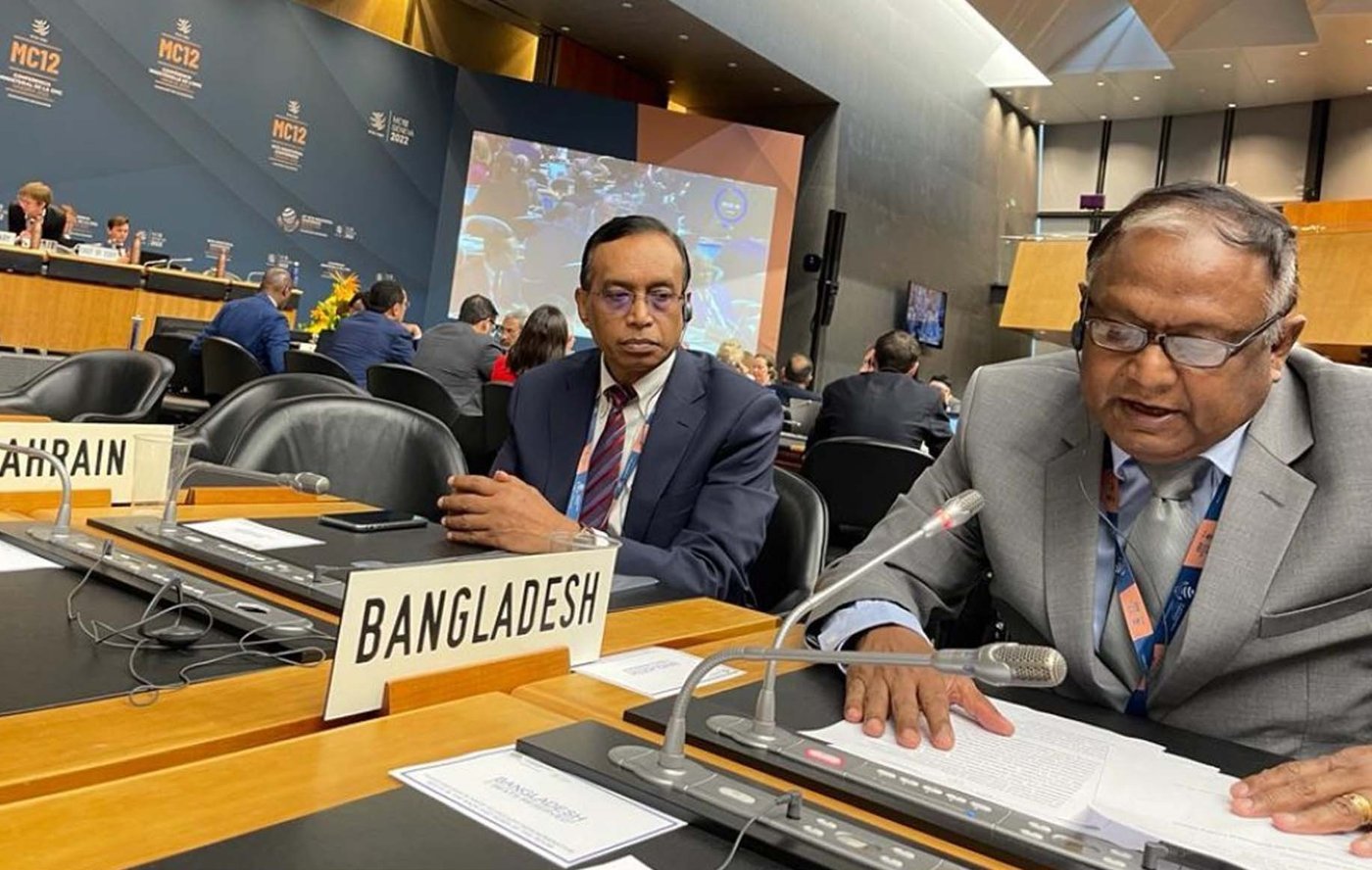
Dispute dockets ran while both sides kept tariffs.

WTO status pages list China/U.S. tariff-related disputes. [1]

Compliance politics often outran panel timelines. [1]

Bottom line Mixed

Rules-based forum ≠ self-executing relief.

What the record can’t settle

This guide does not audit every DS number.

Sources

  1. WTO dispute DS543 / related China tariff disputes (WTO docs) Rules-based dispute docket; outcomes contested politically. Secondary to U.S. statutory spine.

Back to contents · Open in the interactive guide

Retaliation & farms

Soy and counter-duties

Soybean shock

Record · Documented

Soybean harvest.
Soybean harvest. Wikimedia Commons · see credit; re-encoded, EXIF stripped

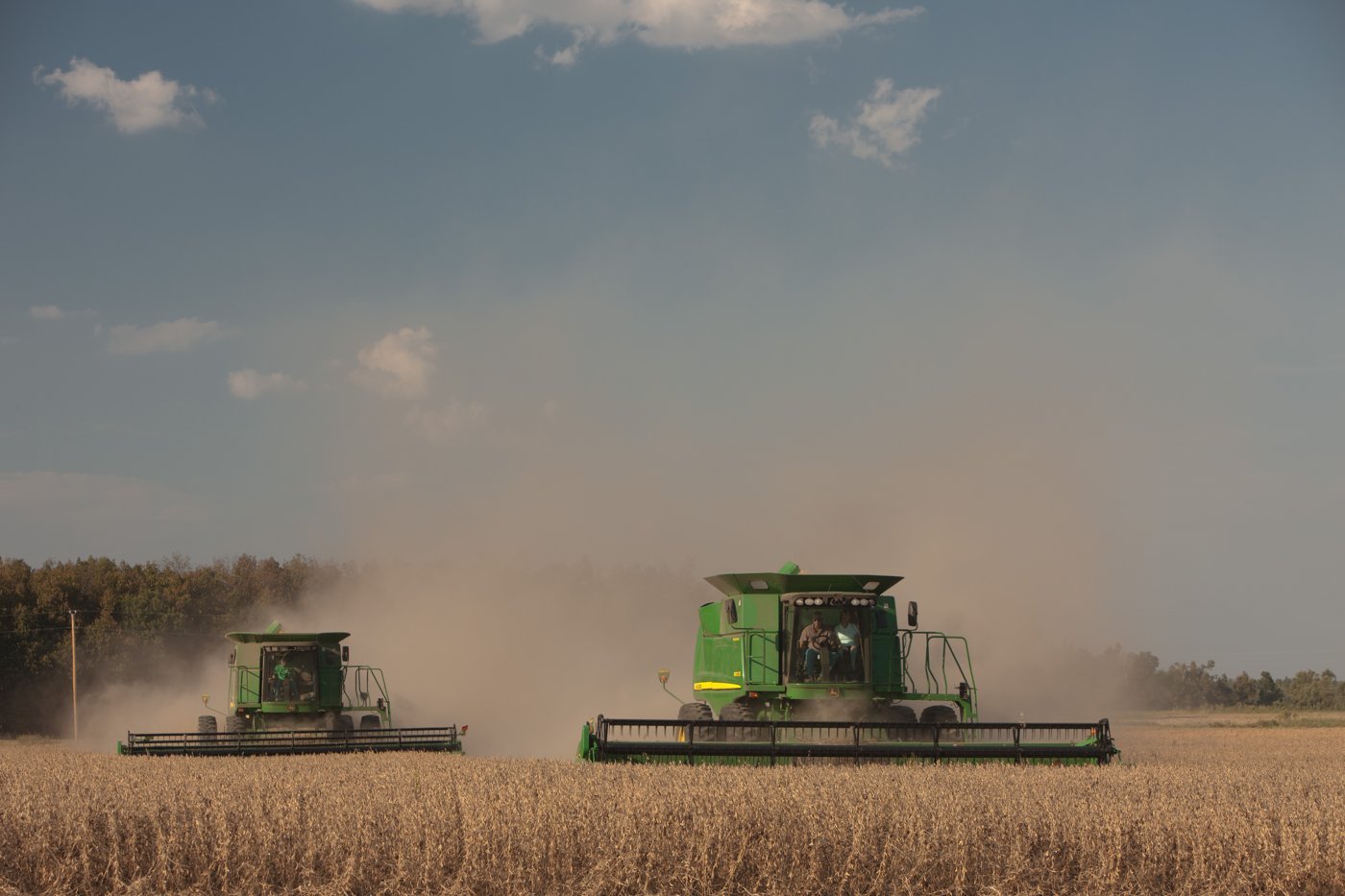
China’s counter-duties slammed a core U.S. farm export.

Chinese retaliation targeted politically salient ag goods including soy. [1] [2]

Farm Bureau and farm-state politics registered the pain in real time. [3]

Bottom line Documented

Retaliation was not a metaphor.

What the record can’t settle

County-level loss figures vary by study year.

Sources

  1. PRC Ministry of Commerce / customs retaliation notices 2018–19 (English portals) Chinese counter-duties on U.S. soy and other goods — foreign primary; English portals vary.
  2. U.S. Census Bureau — Foreign Trade statistics Official import/export value series used by Fed and USTR analyses.
  3. American Farm Bureau Federation trade retaliation coverage (stakeholder) Farm-sector voice on China retaliation — stakeholder.

Back to contents · Open in the interactive guide

Market Facilitation Program

Record · Official

Farm / agriculture visual.
Farm / agriculture visual. Guide pool · see credit; re-encoded, EXIF stripped

USDA trade aid to cushion farm losses.

Farmers.gov documents MFP as protection/recovery tied to trade disruption. [1]

Aid is evidence of recognized harm — not proof tariffs were net wise. [2]

Bottom line Official

Washington paid to blunt the blow it helped trigger.

What the record can’t settle

Program rules and rounds changed.

Sources

  1. USDA: Market Facilitation Program (trade-aid overview) Official farm-aid lane responding to trade retaliation impacts.
  2. American Farm Bureau Federation trade retaliation coverage (stakeholder) Farm-sector voice on China retaliation — stakeholder.

Back to contents · Open in the interactive guide

Rural politics of the trade war

Context · Documented

Farm / agriculture visual.
Farm / agriculture visual. Guide pool · see credit; re-encoded, EXIF stripped

Soy counties became the human face of retaliation.

Farm Bureau messaging and MFP checks made the cost visible. [1] [2]

That visibility shaped 2018–20 politics even among tariff supporters. [3]

Bottom line Documented

Costs concentrated; benefits argued as diffuse.

What the record can’t settle

Not a full election analysis.

Sources

  1. American Farm Bureau Federation trade retaliation coverage (stakeholder) Farm-sector voice on China retaliation — stakeholder.
  2. USDA: Market Facilitation Program (trade-aid overview) Official farm-aid lane responding to trade retaliation impacts.
  3. Trump hub short case: Tariffs (pre-rebuild extract) Prior thin case on 2025 IEEPA + SCOTUS + NY Fed; expanded here. Not a primary.

Back to contents · Open in the interactive guide

Who paid in 2018–19

Pass-through evidence

2018–19: Americans paid at the border

Record · Documented

Port of Los Angeles containers.
Port of Los Angeles containers. Wikimedia Commons · see credit; re-encoded, EXIF stripped

Near-complete pass-through into U.S. duty-inclusive prices.

Amiti, Redding, and Weinstein’s Journal of Economic Perspectives paper finds foreign exporters did not cut prices enough to absorb the 2018 tariffs. [1]

That is the academic spine behind the later “who pays” fight. [2]

Bottom line Documented

Incidence ≠ legal authority — but it kills a slogan.

What the record can’t settle

One major paper among a literature; methods matter.

Sources

  1. Amiti, Redding & Weinstein, ‘The Impact of the 2018 Tariffs…’ Journal of Economic Perspectives 33(4) 2019 Peer-reviewed: near-complete pass-through of 2018 tariffs into U.S. duty-inclusive prices.
  2. NY Fed Liberty Street Economics: Who Is Paying for the 2025 U.S. Tariffs? (Feb 12, 2026) Estimate: nearly 90% of 2025 tariff economic burden on U.S. firms and consumers; methods and ranges stated. Not a court finding.

Back to contents · Open in the interactive guide

Phase One 2020

Phase One

January 2020 agreement

Phase One text

Record · Official

phaseone chapter image (from signing).
phaseone chapter image (from signing). Guide pool · see credit; re-encoded, EXIF stripped

January 15, 2020: enforceable chapters plus purchase commitments.

The agreement covers IP, tech transfer, agriculture, financial services, currency, expanding trade, and dispute resolution. [1] [2]

USTR hosts the text and fact sheets. [3]

Bottom line Official

A deal exists on paper; performance is a separate ledger.

What the record can’t settle

Purchase shortfalls and COVID disruption complicate scorekeeping.

Sources

  1. Economic and Trade Agreement between the United States and China (Phase One text) Signed January 15, 2020. IP, tech transfer, agriculture, financial services, currency, purchases, dispute resolution.
  2. USTR Phase One fact sheet (Jan 15, 2020) Official summary of chapters and purchase commitments.
  3. USTR Phase One agreement landing page Official portal for text and fact sheets.

Back to contents · Open in the interactive guide

IP & tech-transfer chapters

Record · Official

U.S.–China diplomatic meeting visual.
U.S.–China diplomatic meeting visual. Guide pool · see credit; re-encoded, EXIF stripped

Phase One writes specific obligations on secrets, pharma IP, and forced transfer.

Fact sheet and text claim first-time enforceable commitments against forced tech transfer. [1] [2]

2024 review later says cyber theft and related practices continued. [3]

Bottom line Official

Paper wins vs practice — both belong on the path.

What the record can’t settle

Enforcement under the deal’s dispute chapter is its own story.

Sources

  1. USTR Phase One fact sheet (Jan 15, 2020) Official summary of chapters and purchase commitments.
  2. Economic and Trade Agreement between the United States and China (Phase One text) Signed January 15, 2020. IP, tech transfer, agriculture, financial services, currency, purchases, dispute resolution.
  3. USTR Four-Year Review of China Section 301 actions (May 14, 2024) Statutory review: practices continued; tariffs reduced some exposure; recommends strengthening.

Back to contents · Open in the interactive guide

Leverage argument

Did tariffs buy reform?

Did China buy what it promised?

Question · Mixed

U.S.–China diplomatic meeting visual.
U.S.–China diplomatic meeting visual. Guide pool · see credit; re-encoded, EXIF stripped

Commitments were large; delivery is contested and incomplete in public tallies.

Phase One fact sheet touts substantial additional purchases over two years. [1]

Independent trackers (outside this spine) disputed full attainment — treat as open, not settled here. [2] [3]

Bottom line Mixed

Leverage fans cite the chapters; skeptics cite the carts.

What the record can’t settle

No single official “missed by $X” table is treated as gospel on this page.

Sources

  1. USTR Phase One fact sheet (Jan 15, 2020) Official summary of chapters and purchase commitments.
  2. Economic and Trade Agreement between the United States and China (Phase One text) Signed January 15, 2020. IP, tech transfer, agriculture, financial services, currency, purchases, dispute resolution.
  3. U.S. Census Bureau — Foreign Trade statistics Official import/export value series used by Fed and USTR analyses.

Back to contents · Open in the interactive guide

Steelman: tariffs as bargaining chips

Steelman · Disputed

Scales of justice.
Scales of justice. Guide pool · see credit; re-encoded, EXIF stripped

Without pain, no Phase One chapters on tech transfer and IP.

Phase One’s tech-transfer and IP chapters answer issues named in the 301 determination. [1] [2]

Supporters treat that mapping as proof of leverage; purchase gaps and continued 2024 findings complicate a victory lap. [3] [4]

Bottom line Disputed

Strongest pro-tariff geopolitical case — still not an incidence claim.

What the record can’t settle

Cannot prove the counterfactual of no tariffs.

Sources

  1. Economic and Trade Agreement between the United States and China (Phase One text) Signed January 15, 2020. IP, tech transfer, agriculture, financial services, currency, purchases, dispute resolution.
  2. USTR: Notice of Determination — China Section 301 (83 FR 14906, Apr 6, 2018) Determination that China’s tech-transfer/IP practices are actionable; proposed duty list.
  3. USTR Four-Year Review of China Section 301 actions (May 14, 2024) Statutory review: practices continued; tariffs reduced some exposure; recommends strengthening.
  4. USTR Phase One fact sheet (Jan 15, 2020) Official summary of chapters and purchase commitments.

Back to contents · Open in the interactive guide

Keep & raise 2021–2024

Biden continuity

Four-year review

Biden did not scrap the China tariffs

Record · Official

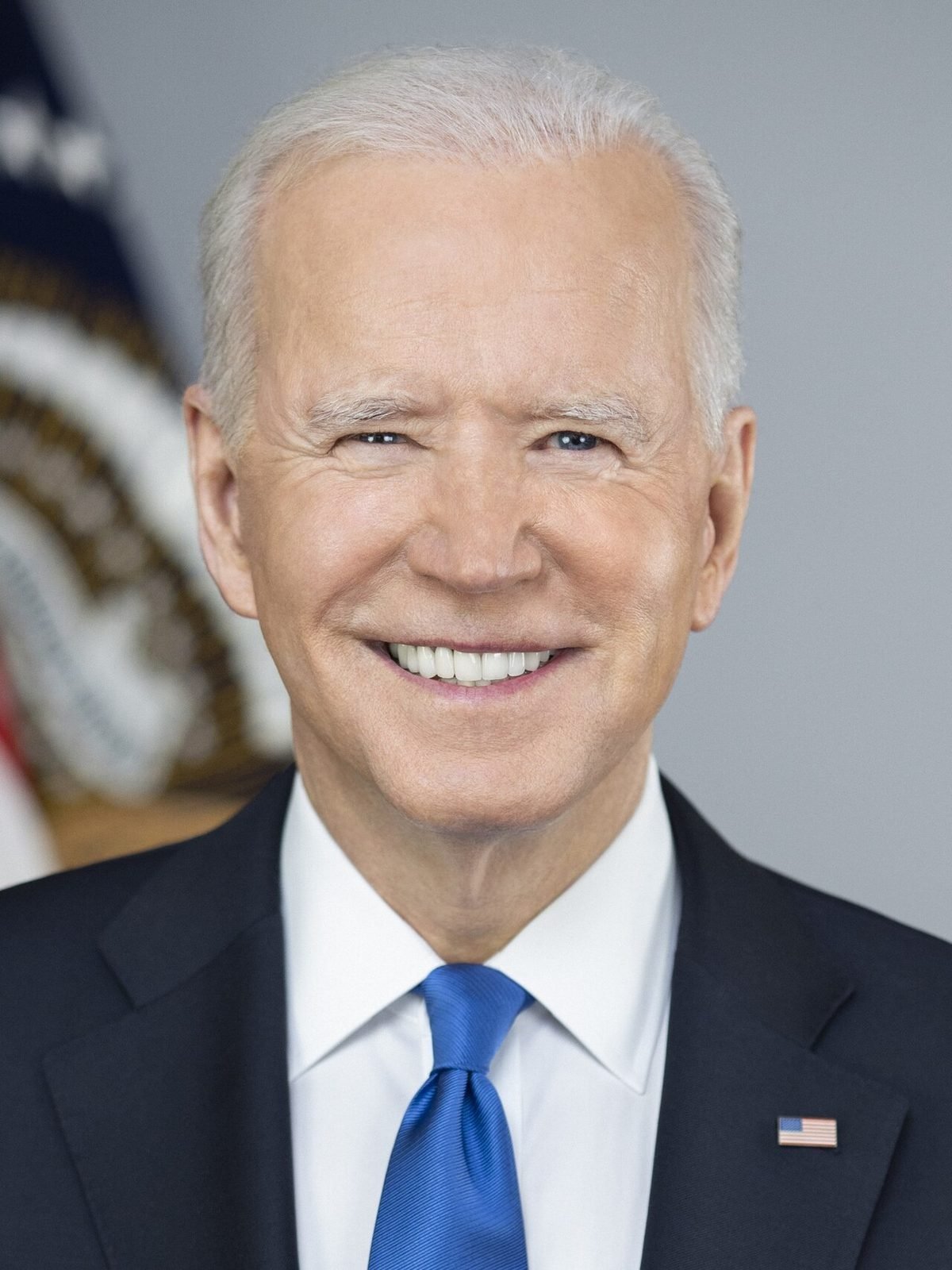
Joe Biden (guide pool).
Joe Biden (guide pool). Guide pool · see credit; re-encoded, EXIF stripped

Core 301 architecture survived the transition.

The four-year review process itself assumes continuation requests kept the actions alive. [1]

That continuity is why rival camps claim “bipartisan China policy.” [2]

Bottom line Official

Partisan ownership of the tariffs got blurry.

What the record can’t settle

Keeping ≠ identical strategy.

Sources

  1. USTR Four-Year Review of China Section 301 actions (May 14, 2024) Statutory review: practices continued; tariffs reduced some exposure; recommends strengthening.
  2. USTR: China Section 301 tariff actions and exclusion process (hub) Official index of Lists 1–4 and exclusions. Navigational primary hub.

Back to contents · Open in the interactive guide

2024 review: keep and raise

Record · Official

USTR Winder Building.
USTR Winder Building. Wikimedia Commons · see credit; re-encoded, EXIF stripped

USTR finds practices continue; strategic rates go up.

May 2024 review PDF and presidential memorandum frame continued cyber theft and incomplete reform. [1] [2]

September FR modification sets timed increases (EVs, semiconductors, etc.). [3] [4]

Bottom line Official

Mainstream path: China problem not solved; tariffs stay as tools.

What the record can’t settle

Sector picks are policy choices inside the statute.

Sources

  1. USTR Four-Year Review of China Section 301 actions (May 14, 2024) Statutory review: practices continued; tariffs reduced some exposure; recommends strengthening.
  2. Presidential Memorandum — Actions related to statutory 4-year review of Section 301 (May 14, 2024) White House direction retaining and raising specified 301 lines.
  3. Federal Register: Notice of Modification — China Section 301 (Sep 18, 2024) Primary FR for 2024/2025/2026 rate modifications.
  4. USTR finalizes action on China tariffs after four-year review (Sep 13, 2024) Biden-era rate increases on strategic sectors after review.

Back to contents · Open in the interactive guide

Strategic sector hikes under Biden

Record · Official

Factory floor.
Factory floor. Guide pool · see credit; re-encoded, EXIF stripped

EVs, semiconductors, and other lines saw scheduled increases.

USTR’s September 2024 announcement and FR notice time the increases. [1] [2]

Framed as industrial-strategy tariffs inside 301, not IEEPA. [3]

Bottom line Official

Continuity with sharper sector aim.

What the record can’t settle

Rates phase by year — check the annex dates.

Sources

  1. USTR finalizes action on China tariffs after four-year review (Sep 13, 2024) Biden-era rate increases on strategic sectors after review.
  2. Federal Register: Notice of Modification — China Section 301 (Sep 18, 2024) Primary FR for 2024/2025/2026 rate modifications.
  3. Presidential Memorandum — Actions related to statutory 4-year review of Section 301 (May 14, 2024) White House direction retaining and raising specified 301 lines.

Back to contents · Open in the interactive guide

Emergency surge 2025–2026

IEEPA emergencies

Drug and reciprocal tariffs

2025: emergencies as tariff engines

Record · Official

reciprocal chapter image (from port).
reciprocal chapter image (from port). Wikimedia Commons · see credit; re-encoded, EXIF stripped

Drug and trade-deficit emergencies used IEEPA to tax imports.

EOs 14193–14195 and 14257 declare emergencies and impose duties on Canada, Mexico, China, and broadly. [1] [2] [3] [4]

Learning Resources recites the rates and later spikes. [5]

Bottom line Official

This is the second-term legal experiment.

What the record can’t settle

EO links may redirect as FR pagination updates.

Sources

  1. Executive Order 14193 — Imposing Duties to Address the Flow of Illicit Drugs Across Our Northern Border (2025) IEEPA-based Canada drug-trafficking tariffs cited in Learning Resources syllabus.
  2. Executive Order 14194 — Imposing Duties to Address the Situation at Our Southern Border (2025) IEEPA-based Mexico tariffs cited in Learning Resources.
  3. Executive Order 14195 — Imposing Duties to Address the Synthetic Opioid Supply Chain in the People’s Republic of China (2025) IEEPA China drug-supply-chain tariffs.
  4. Executive Order 14257 — Regulating Imports with a Reciprocal Tariff to Rectify Trade Practices (2025) IEEPA ‘reciprocal’ baseline tariffs on trading partners; cited in Learning Resources.
  5. Supreme Court: Learning Resources, Inc. v. Trump (slip op., Feb 20, 2026) 6–3: IEEPA does not authorize tariffs. Roberts for Court on key parts; Kavanaugh dissent (Thomas, Alito). Does not decide Section 232/301.

Back to contents · Open in the interactive guide
The 145% China moment

Record · Documented

China-related visual (guide pool).
China-related visual (guide pool). Guide pool · see credit; re-encoded, EXIF stripped

Stacked increases briefly produced extreme combined rates on many Chinese goods.

The Supreme Court syllabus notes a path to a 145% combined effective rate before later modifications. [1]

NY Fed charts show April–May 2025 spikes then partial reversal. [2]

Bottom line Documented

Volatility was a feature, not a rounding error.

What the record can’t settle

Exact HTS line stacks vary.

Sources

  1. Supreme Court: Learning Resources, Inc. v. Trump (slip op., Feb 20, 2026) 6–3: IEEPA does not authorize tariffs. Roberts for Court on key parts; Kavanaugh dissent (Thomas, Alito). Does not decide Section 232/301.
  2. NY Fed Liberty Street Economics: Who Is Paying for the 2025 U.S. Tariffs? (Feb 12, 2026) Estimate: nearly 90% of 2025 tariff economic burden on U.S. firms and consumers; methods and ranges stated. Not a court finding.

Back to contents · Open in the interactive guide

Tariff revenue is real — and still a tax

Record · Mixed

Document stand-in.
Document stand-in. Guide pool · see credit; re-encoded, EXIF stripped

Duties fill Treasury; someone paid them.

Learning Resources notes government claims about deficit effects of the IEEPA package. [1]

Revenue does not prove foreigners paid. [2]

Bottom line Mixed

Cash to Treasury can coexist with U.S. burden.

What the record can’t settle

CBO-style scores need specific reports for hard dollars.

Sources

  1. Supreme Court: Learning Resources, Inc. v. Trump (slip op., Feb 20, 2026) 6–3: IEEPA does not authorize tariffs. Roberts for Court on key parts; Kavanaugh dissent (Thomas, Alito). Does not decide Section 232/301.
  2. NY Fed Liberty Street Economics: Who Is Paying for the 2025 U.S. Tariffs? (Feb 12, 2026) Estimate: nearly 90% of 2025 tariff economic burden on U.S. firms and consumers; methods and ranges stated. Not a court finding.
  3. Congressional Budget Office — trade/tariff analyses (hub) Nonpartisan fiscal/economic estimates; use specific reports when citing numbers.

Back to contents · Open in the interactive guide

Trade deficits as “emergency”

Question · Mixed

reciprocal chapter image (from port).
reciprocal chapter image (from port). Wikimedia Commons · see credit; re-encoded, EXIF stripped

EO 14257 casts persistent deficits as unusual and extraordinary.

The reciprocal-tariff EO uses deficit and hollowing-out language. [1]

The Court did not bless that emergency finding; it held the tool was wrong even assuming emergency. [2]

Bottom line Mixed

Emergency label unmet by tariff authority.

What the record can’t settle

Macro debate on deficits continues.

Sources

  1. Executive Order 14257 — Regulating Imports with a Reciprocal Tariff to Rectify Trade Practices (2025) IEEPA ‘reciprocal’ baseline tariffs on trading partners; cited in Learning Resources.
  2. Supreme Court: Learning Resources, Inc. v. Trump (slip op., Feb 20, 2026) 6–3: IEEPA does not authorize tariffs. Roberts for Court on key parts; Kavanaugh dissent (Thomas, Alito). Does not decide Section 232/301.

Back to contents · Open in the interactive guide
Fentanyl framing on the tariff pen

Record · Official

Border visual (Canada/Mexico trade context).
Border visual (Canada/Mexico trade context). Guide pool · see credit; re-encoded, EXIF stripped

Northern, southern, and China drug EOs tied duties to trafficking emergencies.

EOs 14193–14195 are the drug-path tariffs recited by the Court. [1] [2] [3]

Whether tariffs are a good counter-narcotics tool is policy; whether IEEPA allows them is law — answered no. [4]

Bottom line Official

Do not conflate drug policy goals with tariff power.

What the record can’t settle

Immigration guide covers border ops separately.

Sources

  1. Executive Order 14193 — Imposing Duties to Address the Flow of Illicit Drugs Across Our Northern Border (2025) IEEPA-based Canada drug-trafficking tariffs cited in Learning Resources syllabus.
  2. Executive Order 14194 — Imposing Duties to Address the Situation at Our Southern Border (2025) IEEPA-based Mexico tariffs cited in Learning Resources.
  3. Executive Order 14195 — Imposing Duties to Address the Synthetic Opioid Supply Chain in the People’s Republic of China (2025) IEEPA China drug-supply-chain tariffs.
  4. Supreme Court: Learning Resources, Inc. v. Trump (slip op., Feb 20, 2026) 6–3: IEEPA does not authorize tariffs. Roberts for Court on key parts; Kavanaugh dissent (Thomas, Alito). Does not decide Section 232/301.

Back to contents · Open in the interactive guide
Who paid in 2025

NY Fed estimate

2025: ~90% U.S. burden (estimate)

Record · Documented

fed chapter image (from docs).
fed chapter image (from docs). Guide pool · see credit; re-encoded, EXIF stripped

NY Fed: nearly 90% of the economic burden on U.S. firms and consumers.

Amiti, Flanagan, Heise, and Weinstein use import data through November 2025; pass-through remains high though slightly lower late-year. [1]

Authors stress methods, fixed effects, and that views are theirs — not the Fed Board’s formal finding. [1]

Bottom line Documented

Best available public estimate on this page for 2025 incidence.

What the record can’t settle

Estimate with ranges — not a confession from Beijing.

Sources

  1. NY Fed Liberty Street Economics: Who Is Paying for the 2025 U.S. Tariffs? (Feb 12, 2026) Estimate: nearly 90% of 2025 tariff economic burden on U.S. firms and consumers; methods and ranges stated. Not a court finding.

Back to contents · Open in the interactive guide

Firms then consumers

Record · Documented

Port of Los Angeles containers.
Port of Los Angeles containers. Wikimedia Commons · see credit; re-encoded, EXIF stripped

Importer incidence often becomes shelf prices — with lags and margin fights.

NY Fed focuses on importer vs exporter incidence; a companion post discusses pass-through to customers. [1]

CPI is a noisy aggregator — not a veto of micro pass-through. [1]

Bottom line Documented

“Not in CPI this month” ≠ “tariffs free.”

What the record can’t settle

Macro inflation has many drivers.

Sources

  1. NY Fed Liberty Street Economics: Who Is Paying for the 2025 U.S. Tariffs? (Feb 12, 2026) Estimate: nearly 90% of 2025 tariff economic burden on U.S. firms and consumers; methods and ranges stated. Not a court finding.

Back to contents · Open in the interactive guide

Scorekeepers and models

Context · Documented

Document stand-in.
Document stand-in. Guide pool · see credit; re-encoded, EXIF stripped

CBO and CRS explain tools; they do not replace FR notices.

CBO trade topic hub collects nonpartisan analyses. [1]

CRS overviews are cited even inside the Supreme Court syllabus. [2] [3]

Bottom line Documented

Use them for magnitudes; use FR for law.

What the record can’t settle

Always open the specific report before quoting a number.

Sources

  1. Congressional Budget Office — trade/tariff analyses (hub) Nonpartisan fiscal/economic estimates; use specific reports when citing numbers.
  2. CRS: U.S. Tariff Policy Overview (cited in Learning Resources) Congressional Research Service explainer; secondary but official legislative-branch.
  3. Supreme Court: Learning Resources, Inc. v. Trump (slip op., Feb 20, 2026) 6–3: IEEPA does not authorize tariffs. Roberts for Court on key parts; Kavanaugh dissent (Thomas, Alito). Does not decide Section 232/301.

Back to contents · Open in the interactive guide

Learning Resources

IEEPA is not a tariff law

CIT and Federal Circuit

Record · Official

Court gavel stand-in.
Court gavel stand-in. Guide pool · see credit; re-encoded, EXIF stripped

Lower courts rejected IEEPA as a tariff statute for these unbounded duties.

SCOTUS syllabus: CIT summary judgment for plaintiffs; Federal Circuit en banc affirmed in relevant part. [1]

Learning Resources D.C. path raised jurisdiction issues the Court later resolved. [1]

Bottom line Official

The appellate stack was already hostile to the theory.

What the record can’t settle

Read the slip for procedural details.

Sources

  1. Supreme Court: Learning Resources, Inc. v. Trump (slip op., Feb 20, 2026) 6–3: IEEPA does not authorize tariffs. Roberts for Court on key parts; Kavanaugh dissent (Thomas, Alito). Does not decide Section 232/301.
  2. Court of International Trade / Federal Circuit V.O.S. Selections litigation path (as summarized in SCOTUS slip) Lower-court holdings restated in Learning Resources syllabus; cite slip for this guide.

Back to contents · Open in the interactive guide

Learning Resources, 6–3

Record · Official

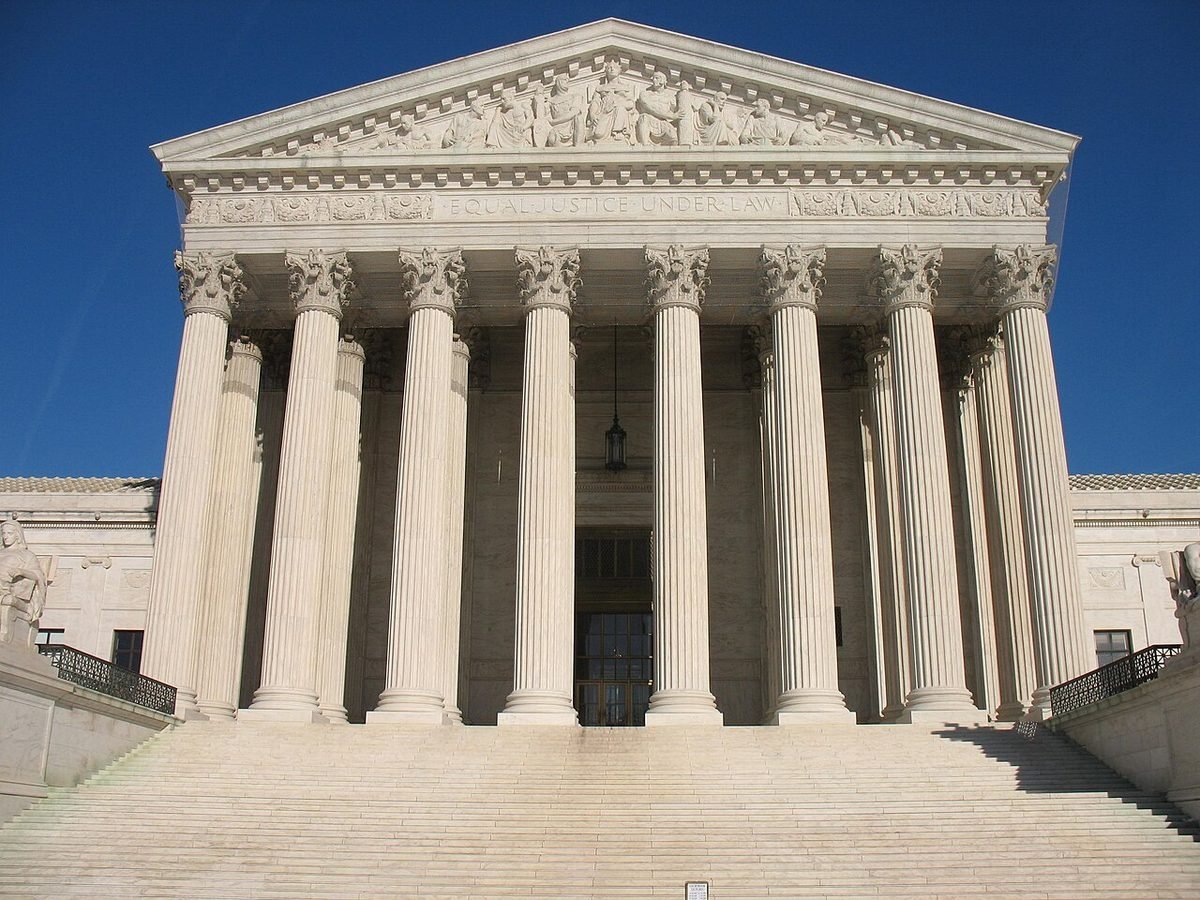
Supreme Court building.
Supreme Court building. Guide pool / Wikimedia · see credit; re-encoded, EXIF stripped

IEEPA does not authorize the president to impose tariffs.

Decided February 20, Roberts for the Court on key holdings; Kagan concurrence on ordinary tools; Kavanaugh dissent with Thomas and Alito. [1]

Major-questions skepticism appears in parts Roberts wrote with Gorsuch and Barrett. [1]

Bottom line Official

The emergency-tariff theory loses at the top.

What the record can’t settle

Does not decide 232 or 301.

Sources

  1. Supreme Court: Learning Resources, Inc. v. Trump (slip op., Feb 20, 2026) 6–3: IEEPA does not authorize tariffs. Roberts for Court on key parts; Kavanaugh dissent (Thomas, Alito). Does not decide Section 232/301.

Back to contents · Open in the interactive guide
The Kavanaugh path

Steelman · Disputed

Theories visual.
Theories visual. Guide pool · see credit; re-encoded, EXIF stripped

Three justices would have upheld IEEPA tariffs.

Kavanaugh’s dissent (Thomas, Alito) reads regulate-importation more broadly and stresses foreign-affairs context. [1]

That path remains a live rival theory even though it lost. [1]

Bottom line Disputed

Steelman the dissent before dismissing it.

What the record can’t settle

A dissent is not governing law.

Sources

  1. Supreme Court: Learning Resources, Inc. v. Trump (slip op., Feb 20, 2026) 6–3: IEEPA does not authorize tariffs. Roberts for Court on key parts; Kavanaugh dissent (Thomas, Alito). Does not decide Section 232/301.

Back to contents · Open in the interactive guide
Who gets refunds?

Question · Unproven

Court gavel stand-in.
Court gavel stand-in. Guide pool · see credit; re-encoded, EXIF stripped

After IEEPA tariffs fall, restitution mechanics remain litigated.

The short case flagged refund litigation as unsettled; the slip opinion decides authority, not a claims facility. [1] [2]

Treat payout timing and eligibility as open. [2]

Bottom line Unproven

Authority lost ≠ automatic check mailed.

What the record can’t settle

Do not invent dollar totals.

Sources

  1. Trump hub short case: Tariffs (pre-rebuild extract) Prior thin case on 2025 IEEPA + SCOTUS + NY Fed; expanded here. Not a primary.
  2. Supreme Court: Learning Resources, Inc. v. Trump (slip op., Feb 20, 2026) 6–3: IEEPA does not authorize tariffs. Roberts for Court on key parts; Kavanaugh dissent (Thomas, Alito). Does not decide Section 232/301.

Back to contents · Open in the interactive guide
Importers who sued

Record · Documented

Court gavel stand-in.
Court gavel stand-in. Guide pool · see credit; re-encoded, EXIF stripped

Learning Resources and V.O.S. were not abstract think tanks.

Slip opinion identifies small-business plaintiffs and state co-plaintiffs in V.O.S. [1]

Standing came from paying duties under the challenged EOs. [1]

Bottom line Documented

The case has names and invoices.

What the record can’t settle

Not a class-action history.

Sources

  1. Supreme Court: Learning Resources, Inc. v. Trump (slip op., Feb 20, 2026) 6–3: IEEPA does not authorize tariffs. Roberts for Court on key parts; Kavanaugh dissent (Thomas, Alito). Does not decide Section 232/301.

Back to contents · Open in the interactive guide
Major questions meets the tariff power

Context · Documented

Supreme Court building.
Supreme Court building. Guide pool / Wikimedia · see credit; re-encoded, EXIF stripped

Roberts’s separate parts treat unbounded IEEPA tariffs as a major question needing clear authorization.

West Virginia / Nebraska lineage is explicit in the slip. [1]

Kagan’s concurrence says ordinary tools suffice without that doctrine. [1]

Bottom line Documented

Method fight inside a 6–3 judgment.

What the record can’t settle

Doctrinal labels shift by justice.

Sources

  1. Supreme Court: Learning Resources, Inc. v. Trump (slip op., Feb 20, 2026) 6–3: IEEPA does not authorize tariffs. Roberts for Court on key parts; Kavanaugh dissent (Thomas, Alito). Does not decide Section 232/301.

Back to contents · Open in the interactive guide
Mainstream path in one page

Record · Verdict lane

Critical-path visual.
Critical-path visual. Guide pool · see credit; re-encoded, EXIF stripped

232/301 real; IEEPA tariffs unlawful; Americans mostly paid; leverage debated.

Primaries establish the first-term and Biden China architecture. [1] [2] [3]

Learning Resources closes the IEEPA door; incidence evidence closes the “China pays” slogan; Phase One/2024 review keep leverage contested. [4] [5] [6]

Bottom line Verdict lane

That is the labeled mainstream yardstick rivals must break.

What the record can’t settle

Not a moral grade on protectionism.

Sources

  1. Proclamation 9705 — Adjusting Imports of Steel into the United States (Mar 8, 2018) Section 232 steel: 25% ad valorem after Commerce national-security finding. Primary FR text.
  2. USTR Notice of Action — Section 301 List 1 (83 FR 28710, Jun 20, 2018) ~$34B China goods @25%, effective July 6, 2018. Primary FR.
  3. USTR Four-Year Review of China Section 301 actions (May 14, 2024) Statutory review: practices continued; tariffs reduced some exposure; recommends strengthening.
  4. Supreme Court: Learning Resources, Inc. v. Trump (slip op., Feb 20, 2026) 6–3: IEEPA does not authorize tariffs. Roberts for Court on key parts; Kavanaugh dissent (Thomas, Alito). Does not decide Section 232/301.
  5. NY Fed Liberty Street Economics: Who Is Paying for the 2025 U.S. Tariffs? (Feb 12, 2026) Estimate: nearly 90% of 2025 tariff economic burden on U.S. firms and consumers; methods and ranges stated. Not a court finding.
  6. Economic and Trade Agreement between the United States and China (Phase One text) Signed January 15, 2020. IP, tech transfer, agriculture, financial services, currency, purchases, dispute resolution.

Back to contents · Open in the interactive guide

What still stands

Other statutes

What the Court did not kill

Record · Official

Steel visual (guide pool).
Steel visual (guide pool). Guide pool · see credit; re-encoded, EXIF stripped

Section 232 and Section 301 still exist; so do their duties unless separately changed.

The opinion repeatedly contrasts IEEPA’s silence with statutes that say “duty.” [1]

Proc. 9705 and the 301 hub remain the first-term/Biden architecture. [2] [3]

Bottom line Official

One door closed; other doors still open.

What the record can’t settle

Future challenges to 232/301 are separate cases.

Sources

  1. Supreme Court: Learning Resources, Inc. v. Trump (slip op., Feb 20, 2026) 6–3: IEEPA does not authorize tariffs. Roberts for Court on key parts; Kavanaugh dissent (Thomas, Alito). Does not decide Section 232/301.
  2. Proclamation 9705 — Adjusting Imports of Steel into the United States (Mar 8, 2018) Section 232 steel: 25% ad valorem after Commerce national-security finding. Primary FR text.
  3. USTR: China Section 301 tariff actions and exclusion process (hub) Official index of Lists 1–4 and exclusions. Navigational primary hub.
  4. 19 U.S.C. § 2411 — Section 301 of the Trade Act of 1974 Authorizes USTR action against unreasonable/discriminatory foreign practices burdening U.S. commerce.

Back to contents · Open in the interactive guide

‘Foreigners pay’

Rhetoric vs incidence

“Foreign countries pay the tariffs”

Record · False

Press pool stand-in.
Press pool stand-in. Guide pool · see credit; re-encoded, EXIF stripped

As a description of economic incidence, the slogan fails the cited evidence.

Importers legally remit duties; 2018–19 and 2025 studies find most burden on U.S. firms/consumers. [1] [2]

Whether tariffs bought useful leverage is a different argument — not rescued by false incidence. [3]

Bottom line False

False as incidence; open as geopolitics.

What the record can’t settle

Some late-2025 pass-through to exporters rose slightly in NY Fed table — still U.S.-majority.

Sources

  1. Amiti, Redding & Weinstein, ‘The Impact of the 2018 Tariffs…’ Journal of Economic Perspectives 33(4) 2019 Peer-reviewed: near-complete pass-through of 2018 tariffs into U.S. duty-inclusive prices.
  2. NY Fed Liberty Street Economics: Who Is Paying for the 2025 U.S. Tariffs? (Feb 12, 2026) Estimate: nearly 90% of 2025 tariff economic burden on U.S. firms and consumers; methods and ranges stated. Not a court finding.
  3. Trump hub short case: Tariffs (pre-rebuild extract) Prior thin case on 2025 IEEPA + SCOTUS + NY Fed; expanded here. Not a primary.

Back to contents · Open in the interactive guide

What the old short page got right

Context · Context

Document stand-in.
Document stand-in. Guide pool · see credit; re-encoded, EXIF stripped

SCOTUS holding, NY Fed estimate, and “other laws remain.”

The nest short case already separated emergency tariffs from 232/301 and labeled the who-pays claim. [1]

This full guide adds 2018–24 spine and rival paths. [2] [3]

Bottom line Context

Upgrade, don’t orphan the gateway.

What the record can’t settle

Short page lacked Phase One/Biden depth.

Sources

  1. Trump hub short case: Tariffs (pre-rebuild extract) Prior thin case on 2025 IEEPA + SCOTUS + NY Fed; expanded here. Not a primary.
  2. Supreme Court: Learning Resources, Inc. v. Trump (slip op., Feb 20, 2026) 6–3: IEEPA does not authorize tariffs. Roberts for Court on key parts; Kavanaugh dissent (Thomas, Alito). Does not decide Section 232/301.
  3. Proclamation 9705 — Adjusting Imports of Steel into the United States (Mar 8, 2018) Section 232 steel: 25% ad valorem after Commerce national-security finding. Primary FR text.

Back to contents · Open in the interactive guide

Trade-hawk theory of the case

Context · History

Memo / briefing visual.
Memo / briefing visual. Guide pool · see credit; re-encoded, EXIF stripped

White House advisers sold tariffs as industrial strategy, not mere revenue.

Campaign and first-term messaging framed China as structural threat. [1] [2]

That theory survives Learning Resources as policy advocacy under remaining statutes. [3]

Bottom line History

Motive story ≠ IEEPA legality.

What the record can’t settle

Advisor memoirs are not used as primaries here.

Sources

  1. 2016 campaign trade messaging (archived WH / campaign statements as cited in contemporaneous records) Context for promised China confrontation; use specific archived pages when quoting.
  2. Trump hub short case: Tariffs (pre-rebuild extract) Prior thin case on 2025 IEEPA + SCOTUS + NY Fed; expanded here. Not a primary.
  3. Supreme Court: Learning Resources, Inc. v. Trump (slip op., Feb 20, 2026) 6–3: IEEPA does not authorize tariffs. Roberts for Court on key parts; Kavanaugh dissent (Thomas, Alito). Does not decide Section 232/301.

Back to contents · Open in the interactive guide
Supply-chain shifts

China share falls

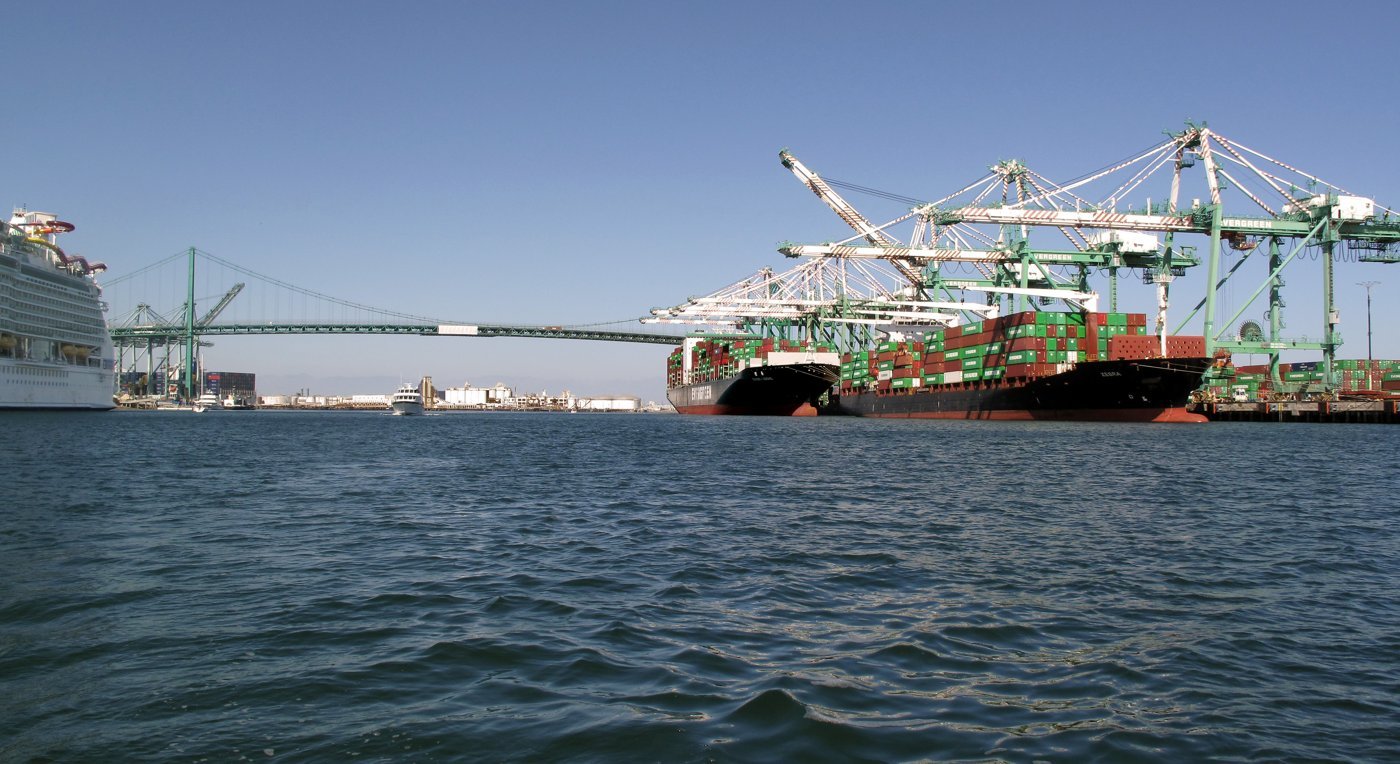
Supply chains moved

Record · Documented

Port of Los Angeles containers.
Port of Los Angeles containers. Wikimedia Commons · see credit; re-encoded, EXIF stripped

China’s share of U.S. imports fell; others gained.

NY Fed: China share slipped below 10% of non-oil imports in early–mid 2025 after earlier declines. [1]

Census foreign-trade series underpin those shares. [2]

Bottom line Documented

Diversion is real; “reshoring complete” is not proven by share charts alone.

What the record can’t settle

Transshipment debates continue.

Sources

  1. NY Fed Liberty Street Economics: Who Is Paying for the 2025 U.S. Tariffs? (Feb 12, 2026) Estimate: nearly 90% of 2025 tariff economic burden on U.S. firms and consumers; methods and ranges stated. Not a court finding.
  2. U.S. Census Bureau — Foreign Trade statistics Official import/export value series used by Fed and USTR analyses.

Back to contents · Open in the interactive guide
Did manufacturing come home?

Question · Mixed

Factory floor.
Factory floor. Guide pool · see credit; re-encoded, EXIF stripped

Share shifts and anecdotes ≠ a full industrial rebirth.

NY Fed documents import-share changes and supply-chain reorganization. [1]

Comment threads and partisan claims leap further than the charts. [1] [2]

Bottom line Mixed

Diversion yes; miracle no — on present cited evidence.

What the record can’t settle

Sector studies differ.

Sources

  1. NY Fed Liberty Street Economics: Who Is Paying for the 2025 U.S. Tariffs? (Feb 12, 2026) Estimate: nearly 90% of 2025 tariff economic burden on U.S. firms and consumers; methods and ranges stated. Not a court finding.
  2. U.S. Census Bureau — Foreign Trade statistics Official import/export value series used by Fed and USTR analyses.

Back to contents · Open in the interactive guide