The AI Files · Donald J. Trump — tax returns, IRS contractor leak, civil suit and settlement · plain reading edition
Trump, the IRS leak, and the $10 billion suit: every entry
All 52 entries of the guide, grouped by period and case, each with its bottom line and its sources. This page needs no JavaScript. The interactive guide adds the story in 20 chapters, the people, the timeline, the theories, the 15 checked claims and the media.
Trump refuses to release returns as candidate and president.
For decades before 2016, major-party nominees and sitting presidents routinely released personal tax returns. Trump refused, publicly citing ongoing audits. [1][2]
The refusal made the returns among the most sought-after political documents of the era — and set up the later fight over how the public finally saw numbers. [1]
Bottom line Documented
The norm break is documented practice; the ‘audit forever’ justification is a political claim, not a legal bar to voluntary release.
What the record can’t settle
IRS audit status of any given year is generally private; this entry tracks public practice, not a secret audit docket.
Trump repeatedly said he could not or would not release returns while under audit. Nothing in federal law forbids voluntary release during an audit. [1][3]
Later Times reporting described a long-running examination of a large refund — which camps read either as vindication of the excuse or as ordinary large-case lag. [2]
Bottom line Disputed
The excuse was real as rhetoric; it was not a legal prohibition.
What the record can’t settle
We do not reprint a full multi-year IRS examination file here.
How Littlejohn lawfully saw returns before abusing that access.
Section 6103 makes returns confidential. Subsection (n) allows disclosure to contractors for tax administration. [1][2]
The information charging Littlejohn states he received returns under that contractor channel — then willfully disclosed them without authorization. [2][3]
Bottom line Documented
Access for work ≠ license to leak.
What the record can’t settle
Company A / contractor corporate identity details follow the information’s naming conventions.
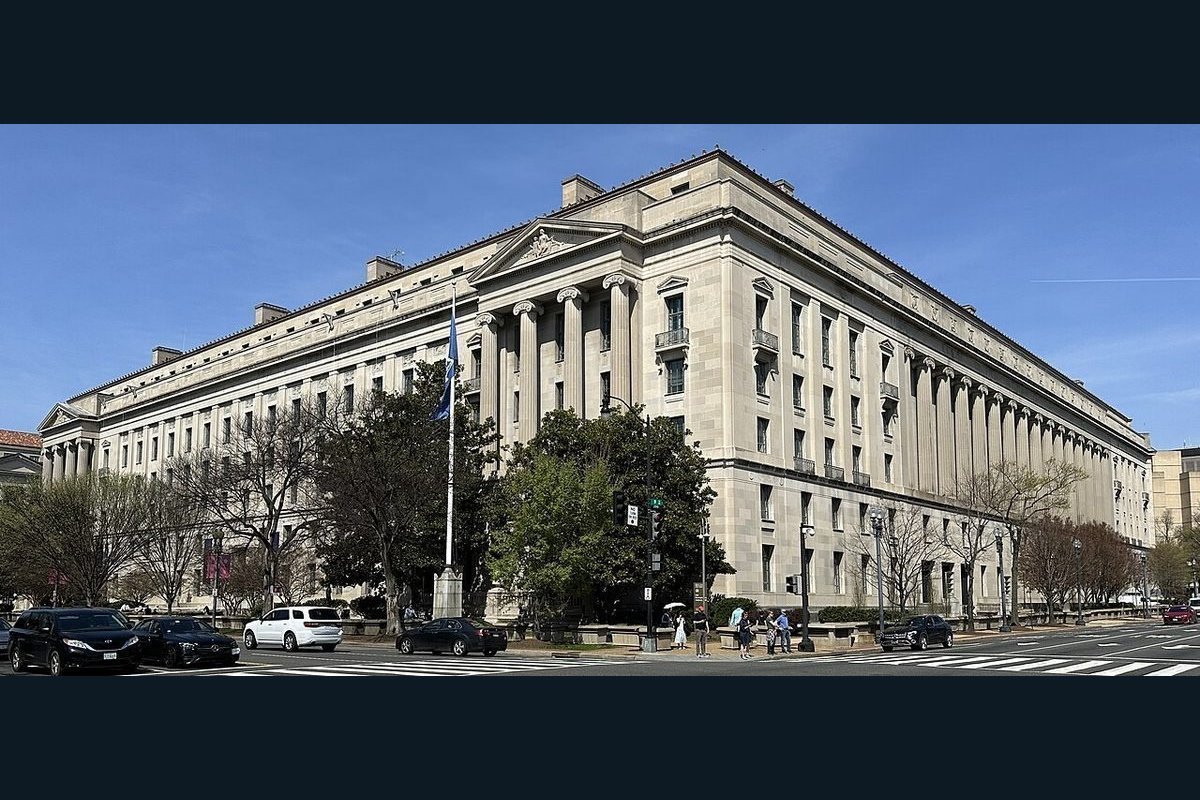
DOJ Criminal Division — United States v. Charles E. Littlejohn (case page) Primary case page: 1:23-cr-343 (D.D.C.); charged Sep 29, 2023; sentenced Jan 29, 2024 to five years for unauthorized disclosure of return information; factual narrative of Public Official A → News Org 1 and thousands of wealthy → News Org 2.
The department’s case narrative: broad search parameters to conceal purpose, evasion of download/upload detection, saves to personal devices including an iPod, then contact with news organizations. [1]
Those are prosecutorial factual allegations later tied to a guilty plea — read the plea/judgment materials for the adjudicated core. [1][3]
Bottom line Documented
The exfiltration story is the government’s case; the plea establishes unauthorized disclosure.
What the record can’t settle
Device-level forensics are not reproduced here.
Sources
DOJ Criminal Division — United States v. Charles E. Littlejohn (case page) Primary case page: 1:23-cr-343 (D.D.C.); charged Sep 29, 2023; sentenced Jan 29, 2024 to five years for unauthorized disclosure of return information; factual narrative of Public Official A → News Org 1 and thousands of wealthy → News Org 2.
Nyt chapter stand-in foundation guide pool (press.jpg) · Re-encoded JPEG; EXIF stripped
DOJ’s Public Official A disclosure maps to the Times package.
DOJ describes disclosure of Public Official A’s returns to News Organization 1 in 2019, with publication in September 2020. [1]
ProPublica’s charging story explicitly maps that description to the New York Times Trump-tax reporting. [2]
Bottom line Documented
Mainstream mapping: Littlejohn → NYT Trump taxes. The Times did not publish raw PDFs. [@nyt-editors-note]
What the record can’t settle
The Times has not, in these sources, adopted DOJ’s ‘News Organization 1’ label as its own byline credit.
Sources
DOJ Criminal Division — United States v. Charles E. Littlejohn (case page) Primary case page: 1:23-cr-343 (D.D.C.); charged Sep 29, 2023; sentenced Jan 29, 2024 to five years for unauthorized disclosure of return information; factual narrative of Public Official A → News Org 1 and thousands of wealthy → News Org 2.
DOJ Criminal Division — United States v. Charles E. Littlejohn (case page) Primary case page: 1:23-cr-343 (D.D.C.); charged Sep 29, 2023; sentenced Jan 29, 2024 to five years for unauthorized disclosure of return information; factual narrative of Public Official A → News Org 1 and thousands of wealthy → News Org 2.
Nyt chapter stand-in foundation guide pool (press.jpg) · Re-encoded JPEG; EXIF stripped
What the journalism claimed the records showed.
Buettner, Craig, and McIntire reported more than two decades of tax information: chronic losses, years with no federal income tax, and $750 bills for 2016 and 2017. [1][2]
An editors’ note said the Times would not publish the underlying returns, to protect sources who had taken personal risk. [3]
Label: this is investigative journalism from unlawfully disclosed data — not an IRS transcript stamped ‘court finding.’
Bottom line Official
The package set the public baseline numbers later politics argued over.
What the record can’t settle
Raw return images are not in this file; cite the Times for their reporting.
Nyt chapter stand-in foundation guide pool (press.jpg) · Re-encoded JPEG; EXIF stripped
2016 and 2017 federal income tax reported as $750 each.
The Times reported Trump paid $750 in federal income tax the year he won the presidency and again in 2017. [1][2]
Rival readings treat that figure as proof of brilliant avoidance, proof of weak income, or proof of missing context about other taxes — those debates are theories, not extra digits. [2]
Bottom line Official
Mainstream journalism figure: $750 / $750 for those two years in the Times package.
What the record can’t settle
State, local, payroll, and entity-level taxes are different questions (see wealth short).
The Times reported a $72.9 million refund after roughly $1.4 billion in 2008–09 losses, still under IRS audit years later, with more than $100 million at risk if disallowed. [1][2]
Camps read the duration as either persecution or ordinary mega-case process. [3]
Bottom line Mixed
The audit’s existence and stakes are Times reporting; final IRS/Tax Court outcome is not summarized as closed here.
What the record can’t settle
Full revenue-agent files are not public in this guide.
Nyt chapter stand-in foundation guide pool (press.jpg) · Re-encoded JPEG; EXIF stripped
Strongest ‘poisonous tree’ argument — and its limit.
Steelman: the Times package exists only because of a felony; a republic that rewards stolen returns invites more theft. [1][2]
Limit: criminal taint of a source does not, by itself, falsify arithmetic printed from the records; Congress later released returns on another path. [3]
Bottom line Disputed
Crime of disclosure ≠ automatic falsity of published figures.
What the record can’t settle
Evidentiary rulings in hypothetical Tax Court cases are not made here.
Sources
DOJ Criminal Division — United States v. Charles E. Littlejohn (case page) Primary case page: 1:23-cr-343 (D.D.C.); charged Sep 29, 2023; sentenced Jan 29, 2024 to five years for unauthorized disclosure of return information; factual narrative of Public Official A → News Org 1 and thousands of wealthy → News Org 2.
Congress chapter stand-in civil guide pool (coa.jpg) · Re-encoded JPEG; EXIF stripped
Scope hard stops.
This guide does not rebuild net-worth estimates, depreciation schedules, or the NY company-tax trial. Those sit on wealth-and-taxes and company-tax shorts. [1][2]
A second disclosure, thousands of wealthy taxpayers.
DOJ: in July–August 2020 Littlejohn stole wealthy taxpayers’ data and in November 2020 disclosed it to News Organization 2, which published over 50 articles. [1]
ProPublica’s charging story maps that description to its Secret IRS Files series and says it did not know the source’s identity. [2][3]
Bottom line Documented
Bifurcate: Trump/NYT path ≠ wealthy-wide ProPublica path — same defendant, different datasets.
What the record can’t settle
This guide does not re-litigate every Secret IRS Files feature.
Sources
DOJ Criminal Division — United States v. Charles E. Littlejohn (case page) Primary case page: 1:23-cr-343 (D.D.C.); charged Sep 29, 2023; sentenced Jan 29, 2024 to five years for unauthorized disclosure of return information; factual narrative of Public Official A → News Org 1 and thousands of wealthy → News Org 2.
DOJ case page: deletion/destruction after the leaks.
The department states Littlejohn obstructed the forthcoming investigation by deleting and destroying evidence of his disclosures. [1]
He pleaded to the disclosure felony; treat obstruction language as part of the government’s narrative unless a separate count disposition is shown.
Bottom line Alleged
Plea establishes unauthorized disclosure; obstruction details follow DOJ’s public narrative.
What the record can’t settle
Forensic exhibits not hosted here.
Sources
DOJ Criminal Division — United States v. Charles E. Littlejohn (case page) Primary case page: 1:23-cr-343 (D.D.C.); charged Sep 29, 2023; sentenced Jan 29, 2024 to five years for unauthorized disclosure of return information; factual narrative of Public Official A → News Org 1 and thousands of wealthy → News Org 2.
DOJ Criminal Division — United States v. Charles E. Littlejohn (case page) Primary case page: 1:23-cr-343 (D.D.C.); charged Sep 29, 2023; sentenced Jan 29, 2024 to five years for unauthorized disclosure of return information; factual narrative of Public Official A → News Org 1 and thousands of wealthy → News Org 2.
DOJ Criminal Division — United States v. Charles E. Littlejohn (case page) Primary case page: 1:23-cr-343 (D.D.C.); charged Sep 29, 2023; sentenced Jan 29, 2024 to five years for unauthorized disclosure of return information; factual narrative of Public Official A → News Org 1 and thousands of wealthy → News Org 2.
Littlejohn received five years after the guilty plea — the statutory maximum cited in coverage. [1][2]
DOJ’s page notes a February 2024 notice of appeal of the criminal judgment. [1]
Bottom line Documented
Victimhood of the leak is real on the criminal docket; it does not automatically validate every civil demand that followed.
What the record can’t settle
BOP designation details omitted.
Sources
DOJ Criminal Division — United States v. Charles E. Littlejohn (case page) Primary case page: 1:23-cr-343 (D.D.C.); charged Sep 29, 2023; sentenced Jan 29, 2024 to five years for unauthorized disclosure of return information; factual narrative of Public Official A → News Org 1 and thousands of wealthy → News Org 2.
Settlement recitals: complaint filed January 29, 2026, alleging Littlejohn illegally obtained and disclosed plaintiffs’ returns to media in violation of the IRC and Privacy Act. [1]
Named plaintiffs in the DOJ Fund PR: President Trump, Donald Jr., Eric Trump, and Trump Organization, LLC. [2]
Public coverage framed the ad damnum around $10 billion. [3]
Bottom line Documented
Filing is real; adversity and purpose are what Williams later attacks.
What the record can’t settle
Full complaint PDF pagination not mirrored here — settlement recitals + press.
Sources
DOJ — Settlement Agreement, Trump v. IRS (S.D. Fla.), effective May 18, 2026 Primary: complaint Jan 29, 2026 over Littlejohn disclosures; sole relief = formal apology, no monetary payment to named plaintiffs; Anti-Weaponization Fund; release of Case + Pending Agency Claims (Mar-a-Lago FTCA + Russia-collusion-hoax administrative claims).
Mar-a-Lago FTCA and ‘Russia-collusion hoax’ administrative claims.
The settlement states Trump had also submitted two FTCA-style claims — Mar-a-Lago August 2022 search and the ‘Russia-collusion hoax’ — pending administratively. [1]
The deal withdraws those Pending Agency Claims together with the Case. [1][2]
Bottom line Official
The settlement text itself ties leak litigation to broader ‘weaponization’ grievances.
What the record can’t settle
This file does not adjudicate Mar-a-Lago or Russiagate — it records what the settlement recited.
Sources
DOJ — Settlement Agreement, Trump v. IRS (S.D. Fla.), effective May 18, 2026 Primary: complaint Jan 29, 2026 over Littlejohn disclosures; sole relief = formal apology, no monetary payment to named plaintiffs; Anti-Weaponization Fund; release of Case + Pending Agency Claims (Mar-a-Lago FTCA + Russia-collusion-hoax administrative claims).
Settlement recital: counsel would amend toward a class claim but for the deal.
Paragraph I.A of the settlement says counsel indicated that, but for settlement, they would likely amend to add a putative class claim. [1]
Williams later treats the damages figure as unsupported by the governing statute’s recovery limits. [2]
Bottom line Official
Class-threat language is a bargaining recital, not a certified class.
What the record can’t settle
No class was certified.
Sources
DOJ — Settlement Agreement, Trump v. IRS (S.D. Fla.), effective May 18, 2026 Primary: complaint Jan 29, 2026 over Littlejohn disclosures; sole relief = formal apology, no monetary payment to named plaintiffs; Anti-Weaponization Fund; release of Case + Pending Agency Claims (Mar-a-Lago FTCA + Russia-collusion-hoax administrative claims).
Littlejohn’s crime is real; returns are confidential under §6103; other victims (e.g., Griffin apology pattern) received non-monetary remedies. [1][2][3][4]
Steelman limit: that injury does not erase Williams’s adversity and purpose findings about *this* suit’s structure. [5]
Bottom line Partly true
Victim status can be true while suit design is still improper.
What the record can’t settle
Damages quantum remains contested.
Sources
DOJ Criminal Division — United States v. Charles E. Littlejohn (case page) Primary case page: 1:23-cr-343 (D.D.C.); charged Sep 29, 2023; sentenced Jan 29, 2024 to five years for unauthorized disclosure of return information; factual narrative of Public Official A → News Org 1 and thousands of wealthy → News Org 2.
DOJ — Settlement Agreement, Trump v. IRS (S.D. Fla.), effective May 18, 2026 Primary: complaint Jan 29, 2026 over Littlejohn disclosures; sole relief = formal apology, no monetary payment to named plaintiffs; Anti-Weaponization Fund; release of Case + Pending Agency Claims (Mar-a-Lago FTCA + Russia-collusion-hoax administrative claims).
Fund chapter stand-in civil guide pool (bank.jpg) · Re-encoded JPEG; EXIF stripped
Operative relief in the signed agreement.
Sole complete relief for the Case and Pending Agency Claims: a formal apology from the United States; plaintiffs ‘will not receive any monetary payment or damages of any kind.’ [1][2]
Plaintiffs release claims and agree to dismiss; the Attorney General agrees to create the Anti-Weaponization Fund. [1]
Bottom line Documented
Primary PDF controls: Trump was not paid $1.776 billion.
What the record can’t settle
Whether an apology issued in the theatrical sense is separate from the contractual promise.
Sources
DOJ — Settlement Agreement, Trump v. IRS (S.D. Fla.), effective May 18, 2026 Primary: complaint Jan 29, 2026 over Littlejohn disclosures; sole relief = formal apology, no monetary payment to named plaintiffs; Anti-Weaponization Fund; release of Case + Pending Agency Claims (Mar-a-Lago FTCA + Russia-collusion-hoax administrative claims).
The Fund — even had it operated — was described as a vehicle for others’ claims, not a check to Trump. [2]
Bottom line Documented
‘Trump paid himself $1.8 billion through the IRS settlement’ is false on the primary text.
What the record can’t settle
None.
Sources
DOJ — Settlement Agreement, Trump v. IRS (S.D. Fla.), effective May 18, 2026 Primary: complaint Jan 29, 2026 over Littlejohn disclosures; sole relief = formal apology, no monetary payment to named plaintiffs; Anti-Weaponization Fund; release of Case + Pending Agency Claims (Mar-a-Lago FTCA + Russia-collusion-hoax administrative claims).
Fund chapter stand-in civil guide pool (bank.jpg) · Re-encoded JPEG; EXIF stripped
Judgment Fund financing, commissioners, 2028 sunset.
OPA: Fund receives $1.776 billion from the Judgment Fund; can issue apologies and money; quarterly reports; cease processing claims by December 1, 2028; leftover reverts. [1]
Settlement incorporates an AG order for funding rules. [2]
Williams later calls the 1776-flavored dollar amount branding rather than damages math. [3]
Bottom line Official
Announced architecture ≠ money moved. Rescission says nothing transferred. [@doj-fund-rescind]
What the record can’t settle
Commissioner names were never populated per rescission.
DOJ — Settlement Agreement, Trump v. IRS (S.D. Fla.), effective May 18, 2026 Primary: complaint Jan 29, 2026 over Littlejohn disclosures; sole relief = formal apology, no monetary payment to named plaintiffs; Anti-Weaponization Fund; release of Case + Pending Agency Claims (Mar-a-Lago FTCA + Russia-collusion-hoax administrative claims).
Fund chapter stand-in civil guide pool (bank.jpg) · Re-encoded JPEG; EXIF stripped
Settlement points to Ken Griffin’s IRS apology case.
§III.A cites Griffin v. IRS and a Wall Street Journal opinion piece on an IRS apology to Ken Griffin after Littlejohn-related disclosures. [1][2]
That citation supports apology-without-payment as a known remedy pattern — it does not decide adversity in Trump’s suit.
Bottom line Mixed
Precedent-for-apology ≠ proof the Trump case was ordinary.
What the record can’t settle
Griffin docket details beyond the citation are out of scope.
Sources
DOJ — Settlement Agreement, Trump v. IRS (S.D. Fla.), effective May 18, 2026 Primary: complaint Jan 29, 2026 over Littlejohn disclosures; sole relief = formal apology, no monetary payment to named plaintiffs; Anti-Weaponization Fund; release of Case + Pending Agency Claims (Mar-a-Lago FTCA + Russia-collusion-hoax administrative claims).
DOJ published a May 19, 2026 AG order alongside the settlement’s release structure. [1]
Press and the Williams order describe audit/immunity-style protections for Trump-world taxes that critics said conflicted with statutes limiting executive influence over audits. [2][3]
Bottom line Official
Mainstream controversy node: the memo’s audit terms, not the apology sentence.
What the record can’t settle
Read the PDF for operative definitions of ‘Lawfare/Weaponization.’
Fund chapter stand-in civil guide pool (bank.jpg) · Re-encoded JPEG; EXIF stripped
Settlement’s own vocabulary.
The agreement defines Lawfare/Weaponization as using government power to target people for improper political, personal, or ideological reasons — and lists examples including FACE Act abuse claims, parents-as-terrorists claims, and IRS ideological targeting. [1]
That framing turns a Privacy Act leak case into a vehicle for a broader political redress fund.
Bottom line Official
Definition is in the primary PDF; whether examples are accurate is a separate fight.
What the record can’t settle
This guide does not retry each listed example.
Sources
DOJ — Settlement Agreement, Trump v. IRS (S.D. Fla.), effective May 18, 2026 Primary: complaint Jan 29, 2026 over Littlejohn disclosures; sole relief = formal apology, no monetary payment to named plaintiffs; Anti-Weaponization Fund; release of Case + Pending Agency Claims (Mar-a-Lago FTCA + Russia-collusion-hoax administrative claims).
Blanche: former defense lawyer as settlement principal
Record · Mixed
Lawyer chapter stand-in foundation guide pool (lawyer.jpg) · Re-encoded JPEG; EXIF stripped
Conflict narrative vs formal authority.
Todd Blanche, previously Trump criminal-defense counsel, led Justice as Acting AG through the settlement, Fund announcement, congressional Fund-is-dead testimony, and August rescission. [1][2][3]
Williams’s order narrates the Fund testimony and subsequent AG nomination. [3]
Camps disagree whether this is ordinary unitary-executive control or disqualifying self-dealing — see theories.
Bottom line Mixed
Role sequence is documented; the ethical conclusion is contested.
Fund chapter stand-in civil guide pool (bank.jpg) · Re-encoded JPEG; EXIF stripped
Social posts vs settlement text.
The false popular claim collapses the Fund’s headline number into a personal payment. [1][2]
Primaries: $0 to plaintiffs; Fund abandoned/rescinded with nothing paid. [3]
Bottom line False
False.
What the record can’t settle
None.
Sources
DOJ — Settlement Agreement, Trump v. IRS (S.D. Fla.), effective May 18, 2026 Primary: complaint Jan 29, 2026 over Littlejohn disclosures; sole relief = formal apology, no monetary payment to named plaintiffs; Anti-Weaponization Fund; release of Case + Pending Agency Claims (Mar-a-Lago FTCA + Russia-collusion-hoax administrative claims).
CNN and the order describe a tax-amnesty-style memo barring pursuit of past taxes for Trump-world persons/entities; Williams ties that to improper purpose. [1][2]
DOJ’s later August materials argue interpretations of the May 19 order’s retroactive scope. [4]
Bottom line Disputed
Mainstream judicial reading: immunity-style terms were a point of the deal. DOJ disputes characterizations.
What the record can’t settle
Operational IRS guidance memos beyond the cited orders are not all mirrored.
August 2 Acting AG order rescinds the May 18 Fund order and states no members were appointed, no funds transferred, no claims process, no claims paid. [1]
Bottom line Documented
There was never a paid Fund claims program.
What the record can’t settle
Collateral lawsuits about the Fund are listed in the rescission but not tried here.
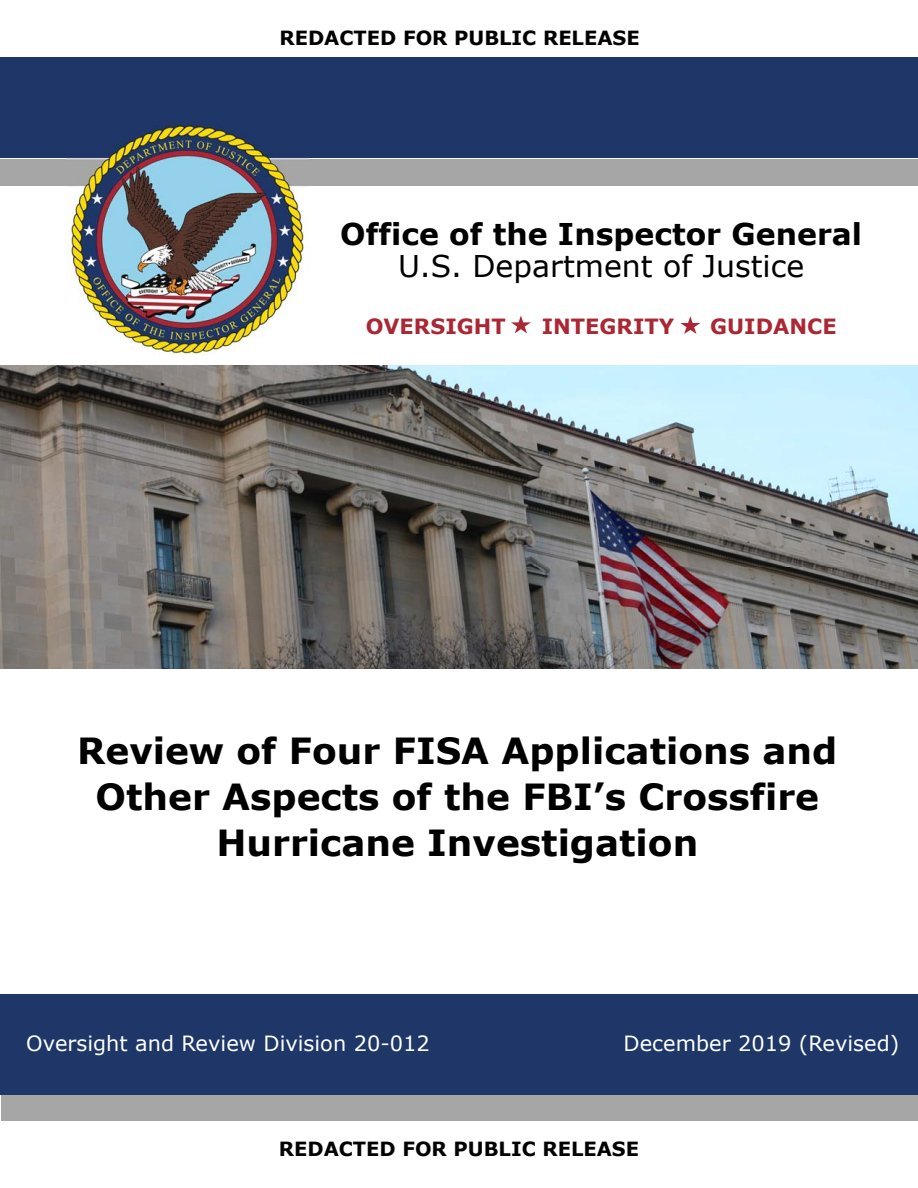
First page stand-in from Trump hub IRS order asset (re-encoded) U.S. District Court order via hub asset / Clearinghouse lineage · Re-encoded from site hub asset; EXIF stripped
How Williams reached the deal after Rule 41 dismissal.
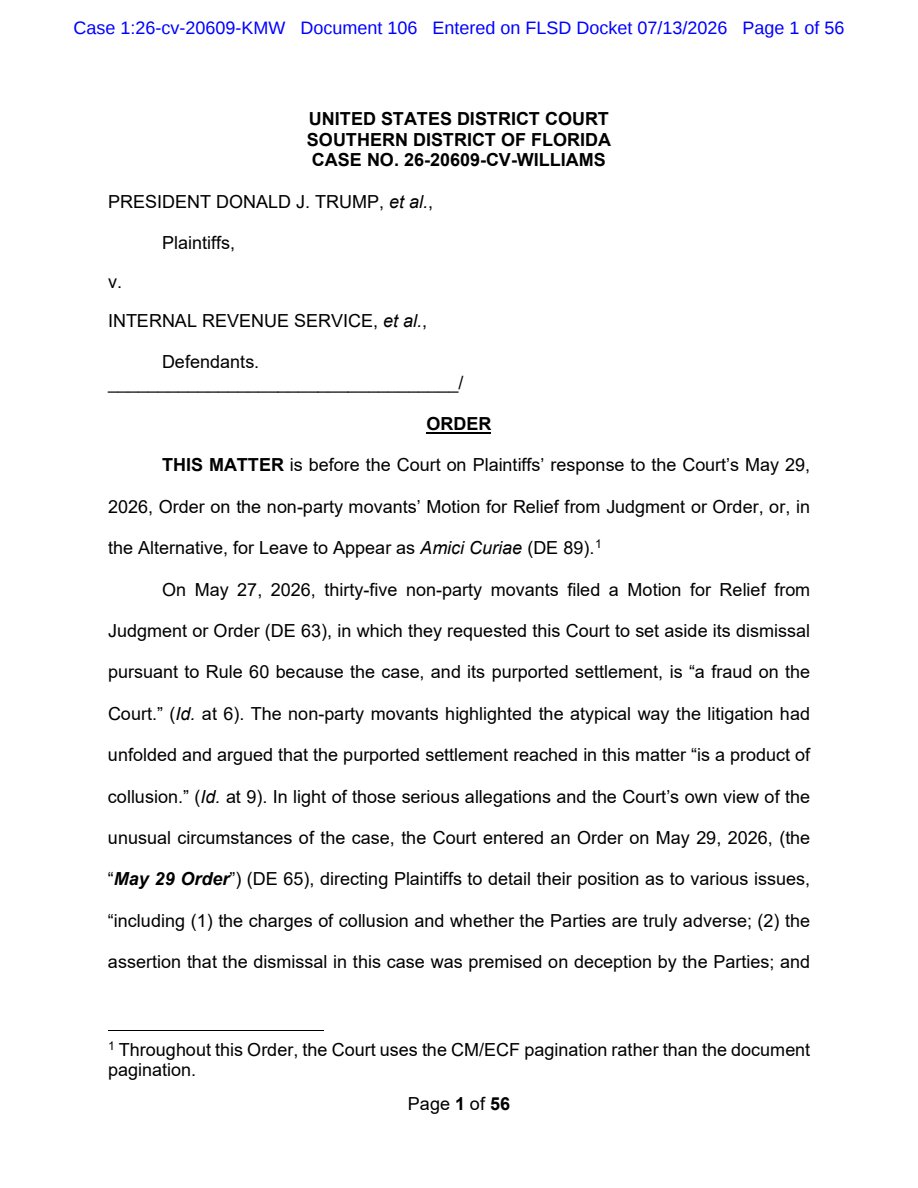
Coverage: retired judges asked Williams to scrutinize the settlement after dismissal; she wrote a long order on jurisdiction and purpose. [2][3]
The order itself walks threshold jurisdiction after voluntary dismissal. [1]
Bottom line Mixed
Unusual procedural posture — the order explains why the court still spoke.
What the record can’t settle
Names of every movant not exhaustively listed in our secondary sources.
First page stand-in from Trump hub IRS order asset (re-encoded) U.S. District Court order via hub asset / Clearinghouse lineage · Re-encoded from site hub asset; EXIF stripped
July 13, 2026 order.
Williams found the suit was filed for an improper purpose: an attempt to use the court to legitimize an agreement conferring immunity-style benefits and earmarking billions. [1][2][3]
She wrote the action was never about judicial resolution of a genuine legal or factual dispute between adverse parties. [5][4]
She barred parties from citing the purported settlement as a settlement in other proceedings and referred lawyers for discipline. [4]
Bottom line Documented
Mainstream path node: district-court finding under appeal.
First page stand-in from Trump hub IRS order asset (re-encoded) U.S. District Court order via hub asset / Clearinghouse lineage · Re-encoded from site hub asset; EXIF stripped
Adversity defect at the heart of the order.
Wire coverage and the order emphasize that Trump sued a federal agency under his control, bypassing the requirement that parties have adverse interests. [1][2][3]
That structural point is why ‘ordinary Privacy Act settlement’ theories must confront more than the Griffin apology cite.
Bottom line Documented
Adversity problem is central to the mainstream judicial reading.
What the record can’t settle
Unitary-executive theorists dispute whether adversity is required in this posture — see theories.
Damages claims the court called time-barred / unsupported
Record · Documented
First page stand-in from Trump hub IRS order asset (re-encoded) U.S. District Court order via hub asset / Clearinghouse lineage · Re-encoded from site hub asset; EXIF stripped
Williams on the $10B ask.
CNBC quoting the order: plaintiffs asserted claims they knew or should have known were time-barred, for damages unsupported by facts or law, with no connection between billions sought and recovery authorized under the governing statute. [1][2]
Bottom line Documented
Court’s damages critique is part of the improper-purpose finding.
What the record can’t settle
Statute-of-limitations analysis is the court’s; appeal may contest it.
Lawyer chapter stand-in foundation guide pool (lawyer.jpg) · Re-encoded JPEG; EXIF stripped
Bar and court-access consequences.
AP/Reuters: Williams referred Trump lawyer Alejandro Brito toward Florida Bar discipline and imposed other counsel restrictions; she also pointed her opinion toward authorities reviewing complaints involving Blanche and another senior official. [1][2][3]
Referrals are not final bar judgments.
Bottom line Official
Discipline process ≠ completed disbarment in this edition.
First page stand-in from Trump hub IRS order asset (re-encoded) U.S. District Court order via hub asset / Clearinghouse lineage · Re-encoded from site hub asset; EXIF stripped
Editorial yardstick for this scandal type.
Criminal docket: Trump was a victim of unlawful disclosure. [1][3]
Civil docket: a federal judge found the chosen judicial vehicle improper. [2]
Memory fights often force a choice of only one half — the filings support holding both.
Bottom line Mixed
Victim of a leak ≠ blank check for any remedy.
What the record can’t settle
Appeal may revise the civil half’s durability.
Sources
DOJ Criminal Division — United States v. Charles E. Littlejohn (case page) Primary case page: 1:23-cr-343 (D.D.C.); charged Sep 29, 2023; sentenced Jan 29, 2024 to five years for unauthorized disclosure of return information; factual narrative of Public Official A → News Org 1 and thousands of wealthy → News Org 2.
First page stand-in from Trump hub IRS order asset (re-encoded) U.S. District Court order via hub asset / Clearinghouse lineage · Re-encoded from site hub asset; EXIF stripped
Why the court still issued a merits-tinged sanctions order.
Williams order begins with jurisdiction, noting voluntary dismissal usually divests merits jurisdiction, then explains retained authority to address abuse and collateral effects of the purported settlement. [1]
Bottom line Mixed
Procedural sophistication is part of the primary — not a footnote.
Memory chapter stand-in foundation guide pool (memory.jpg) · Re-encoded JPEG; EXIF stripped
How camps flatten the file.
One slogan: ‘IRS illegally leaked his taxes’ — true as to Littlejohn, incomplete as to remedy. [1]
Opposite slogan: ‘Trump stole $1.8B from taxpayers’ — false on the settlement. [2]
Third slogan: ‘Totally exonerated ordinary settlement’ — conflicts with Williams. [3]
Bottom line Mixed
Slogans erase nodes; this page keeps them.
What the record can’t settle
Polling of slogan prevalence not cited.
Sources
DOJ Criminal Division — United States v. Charles E. Littlejohn (case page) Primary case page: 1:23-cr-343 (D.D.C.); charged Sep 29, 2023; sentenced Jan 29, 2024 to five years for unauthorized disclosure of return information; factual narrative of Public Official A → News Org 1 and thousands of wealthy → News Org 2.
DOJ — Settlement Agreement, Trump v. IRS (S.D. Fla.), effective May 18, 2026 Primary: complaint Jan 29, 2026 over Littlejohn disclosures; sole relief = formal apology, no monetary payment to named plaintiffs; Anti-Weaponization Fund; release of Case + Pending Agency Claims (Mar-a-Lago FTCA + Russia-collusion-hoax administrative claims).
Comment, dispute or support a claim, submit a source or rate this page through a short Google Form. It asks you to sign in with Google so we know you are a real person; your email is never shown. Nothing appears here until it has been reviewed. Conversation on X tagged #AIFiles #AIFilesTrump shows up below after the daily refresh.
Approved reader comments and ratings appear here when JavaScript is on.
On X
Posts from the daily snapshot appear here when JavaScript is on. You can read this subject’s threads on the forum: Forum: #AIFilesTrump.
Reader comments are shown only after review, and rows removed from the form’s sheet disappear at the next refresh. X posts are a read-only daily snapshot; posts deleted or made private there are removed at the next refresh. Inclusion is not endorsement. A submitted source stays pending review until a page update says otherwise.






Approved reader comments and ratings appear here when JavaScript is on.