The AI Files · Stormy Daniels, AMI catch-and-kill, Michael Cohen, and the Manhattan conviction · plain reading edition
Hush money: every entry
All 52 entries of the guide, grouped by period and case, each with its bottom line and its sources. This page needs no JavaScript. The interactive guide adds the story in 20 chapters, the people, the timeline, the theories, the 15 checked claims and the media.
Catch-and-kill 2015–2016
Catch-and-kill
AMI and the campaign season.
The Trump Tower “eyes and ears” meeting
Record · Official
Trump Tower, New York City. Kidfly182 · CC BY 4.0
In August 2015 David Pecker offers AMI’s help killing damaging stories for the campaign.
Pecker testified that at a Trump Tower meeting with Trump and Cohen he offered to be the campaign’s eyes and ears and to purchase and bury negative stories—the catch-and-kill model. [1][3]
AMI’s later non-prosecution agreement admitted coordination with Cohen on the McDougal deal, corroborating the publisher-as-shield pattern. [2]
Bottom line Official
The meeting is established in sworn testimony and AMI’s corporate admissions.
What the record can’t settle
A publisher’s offer is not itself the 34 false-records counts; those concern 2017 reimbursements.
National Enquirer / AMI context Blastoids · CC BY-SA 3.0
AMI buys rights to McDougal’s alleged-affair story and never publishes it.
In mid-2016 AMI paid about $150,000 for the rights to Karen McDougal’s account of an alleged relationship with Trump and did not run the story. [1][2]
The AMI NPA describes Cohen’s role in the arrangement. McDougal was not a count in the Manhattan indictment the way the Daniels reimbursements were. [1][3]
Bottom line Official
Catch-and-kill on McDougal is admitted corporate conduct.
What the record can’t settle
Trump was not federally charged over McDougal; the Manhattan case’s 34 counts track the Daniels reimbursement records.
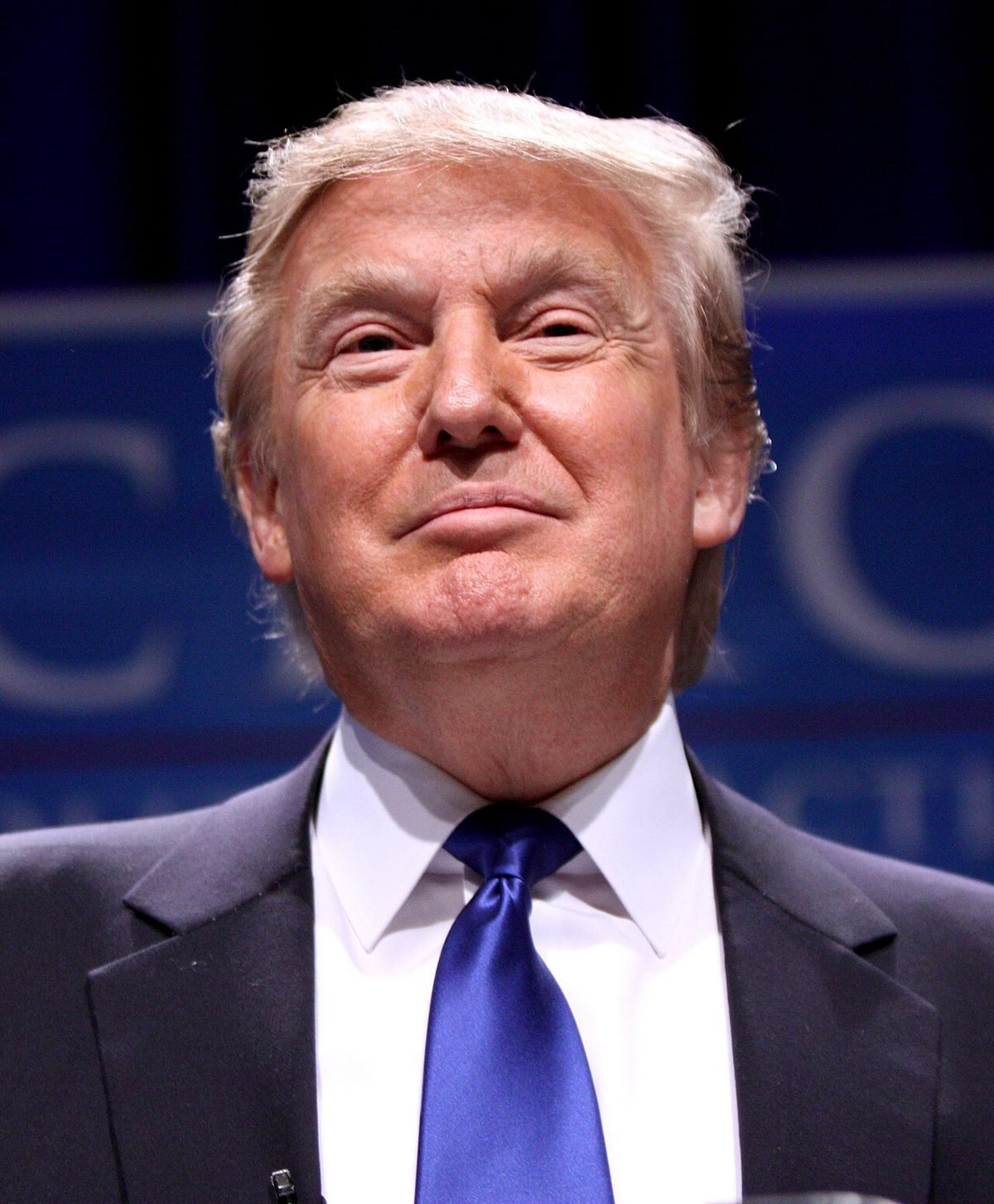
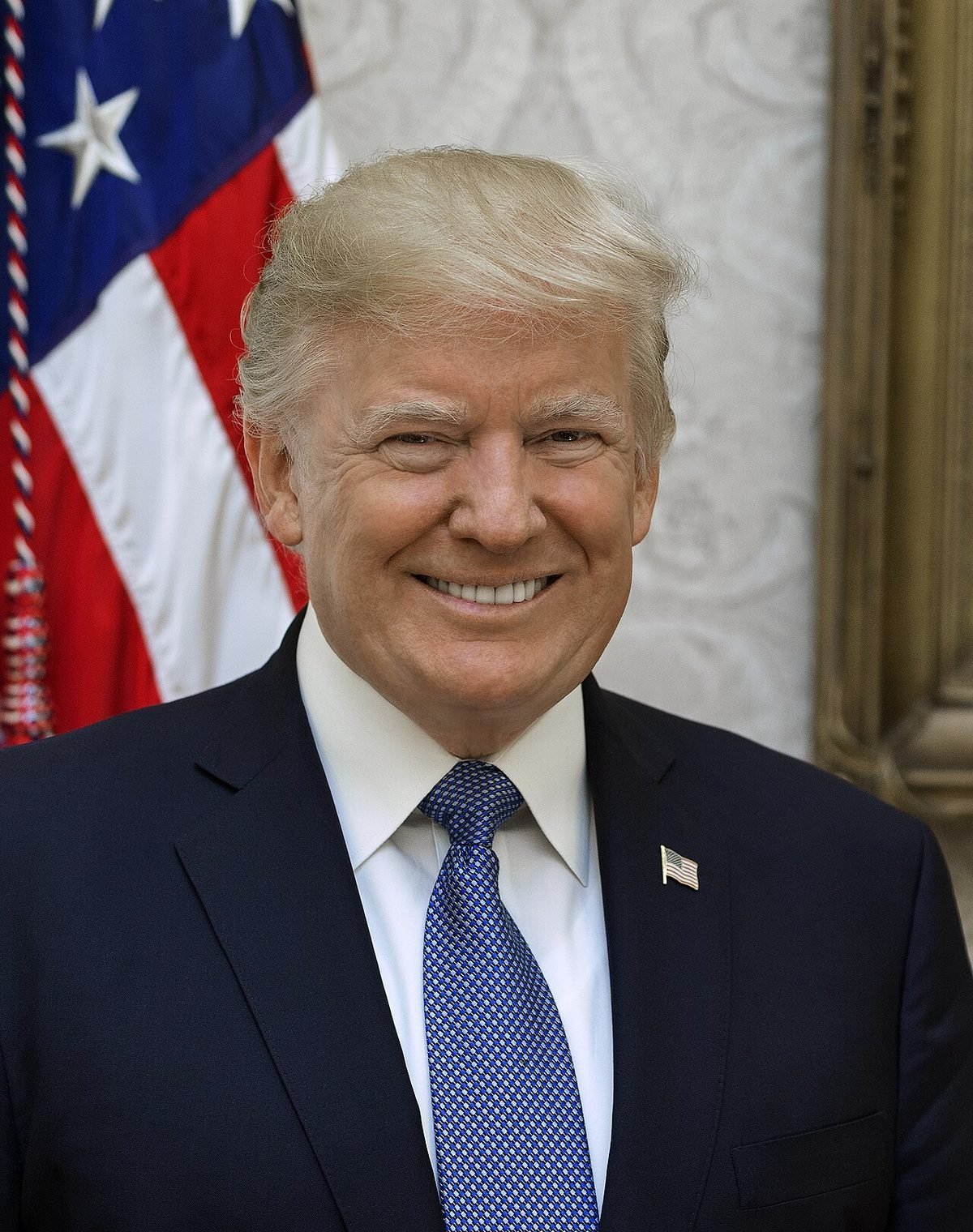
Donald Trump during the 2016 campaign period (file photo used in related AI Files guides). Gage Skidmore · CC BY-SA 3.0 (https://creativecommons.org/licenses/by-sa/3.0)
The 2005 tape hits the campaign days before the Daniels payment.
The Washington Post published the Access Hollywood recording on 7 October 2016. [1]
Prosecutors later argued the timing explains why silencing Daniels mattered in the final stretch; the defense argued motive theories do not rewrite the elements. [3][2]
Bottom line History
The tape’s publication date is undisputed.
What the record can’t settle
Publication does not prove the content of any later NDA negotiation by itself.
National Enquirer / AMI context Blastoids · CC BY-SA 3.0
Buy the story, bury the story—sometimes as political favor.
Catch-and-kill is the practice of purchasing a story’s rights to prevent publication. AMI’s NPA and Pecker’s testimony describe using that tool in ways that helped Trump’s campaign. [1][2]
Buying silence is not automatically a federal or state crime; the legal fights attach to campaign-finance rules and, in New York, to how reimbursements were recorded. [3][4]
Bottom line Official
The practice is documented; criminality depends on the legal theory attached.
What the record can’t settle
Not every buried celebrity story is a campaign crime.
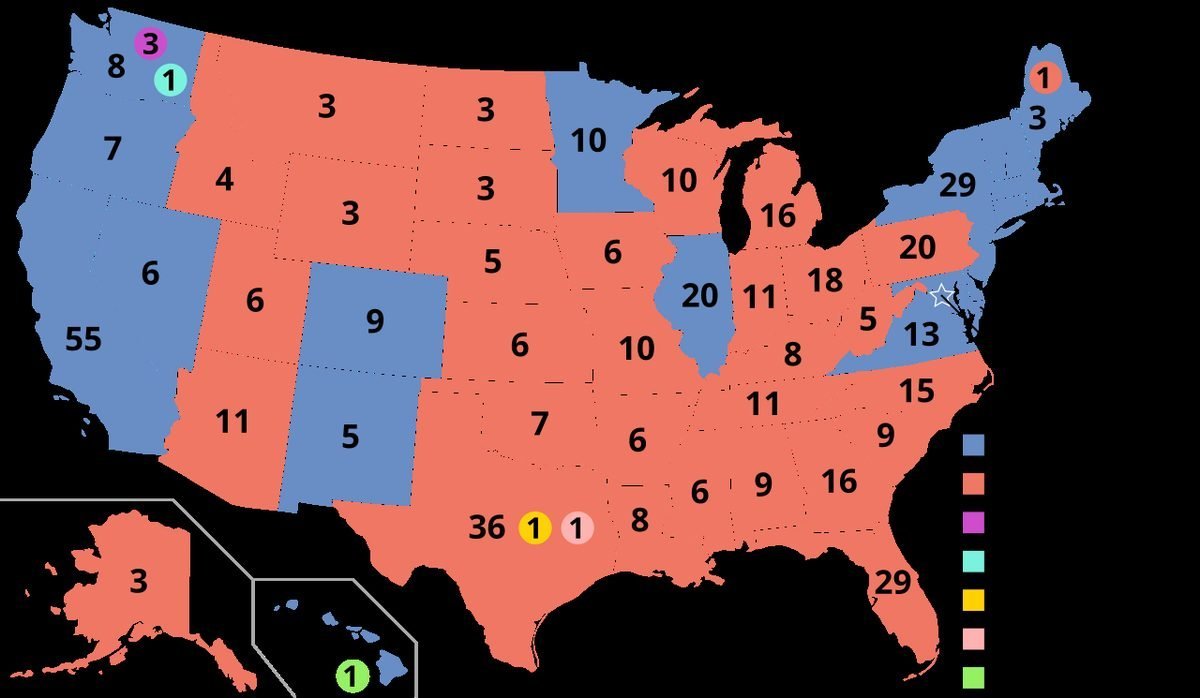
2016 U.S. presidential election context. Gage · CC BY-SA 4.0 (https://creativecommons.org/licenses/by-sa/4.0)
Effect on turnout or persuasion is not established by the verdict.
The verdict concerns false business records and an election-conspiracy predicate, not a finding that any particular voter switched. [1][2]
Campaign operatives clearly believed negative personal stories were dangerous after Access Hollywood; belief is not the same as measured electoral effect. [3][4]
Bottom line Mixed
Motive evidence is not a vote-effect study.
What the record can’t settle
No authoritative ballot-level causal finding is part of this case’s judgment.
Cohen’s LLC pays Daniels’s counsel on 27 October 2016.
Michael Cohen used Essential Consultants LLC to wire $130,000 to Stormy Daniels’s attorney Keith Davidson for a nondisclosure agreement. [1][2]
Cohen later admitted in his federal plea that the payment was made to influence the election and was not properly treated under campaign-finance law. [2]
Bottom line Official
The wire and NDA are documented; Cohen’s plea binds Cohen.
What the record can’t settle
Cohen’s plea admissions are not automatically attributed to Trump as a federal convict—Trump was not the federal defendant.
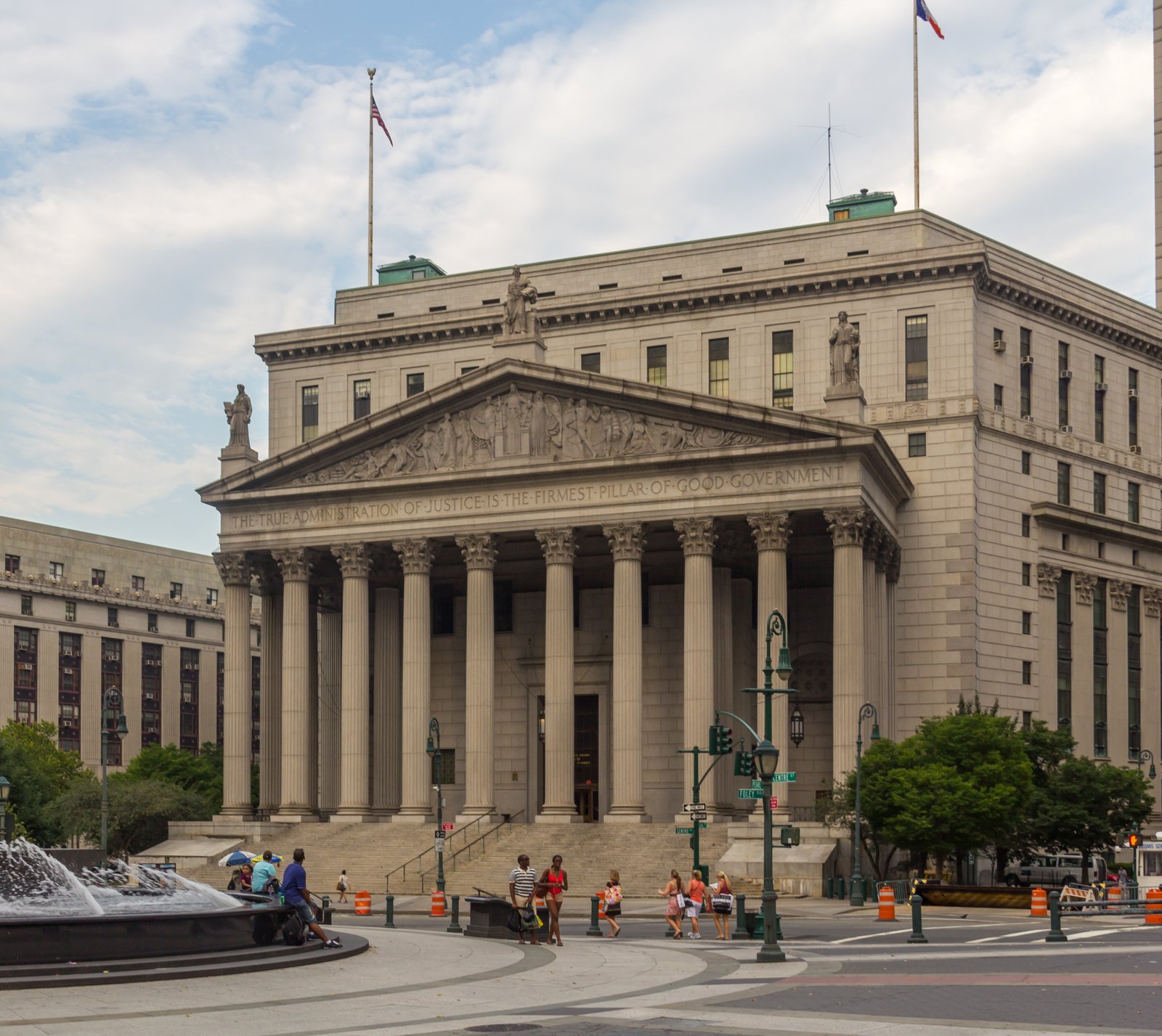
New York County Courthouse Photograph by Mike Peel (www.mikepeel.net). · CC BY-SA 4.0
The Manhattan counts are about falsified records, not an affair charge.
New York did not charge Trump with having an affair or with paying hush money as such. The 34 counts are falsifying business records. [1][2]
That distinction matters for slogans: “convicted of hush money” is popular shorthand; the judgment of conviction is for false records elevated to felonies. [3][4]
Bottom line Official
Name the statute: Penal Law § 175.10, 34 counts.
What the record can’t settle
Political speech often collapses payment, affair and records into one phrase.
2016 U.S. presidential election context. Gage · CC BY-SA 4.0 (https://creativecommons.org/licenses/by-sa/4.0)
The strongest prosecution timing story ties Access Hollywood to the wire.
Within weeks of Access Hollywood, Cohen paid Daniels. Prosecutors present that as consciousness that a second personal scandal would compound damage. [1][2][3]
A fair steel-man for the defense: even if timing looks bad, the elements still require false records plus the specific elevating intent—and federal law may preempt the state election theory. [4][5]
Bottom line Debated
Timing is powerful rhetoric; elements still control.
Eleven invoices, twelve ledger entries, eleven checks—each a count.
Prosecutors charged 34 false records reflecting the reimbursement of Cohen: invoices he submitted, ledger entries booking ‘legal expenses,’ and checks (several signed by Trump). [1][2]
The theory is that calling the repayments retainer/legal fees was false because there was no such retainer for that work. [3]
Bottom line Official
The count structure is arithmetic and document-based.
What the record can’t settle
Falsity and intent were for the jury; appeal challenges legal framing.
Monthly ‘legal expense’ labels versus what Cohen was being repaid for.
Cohen invoiced under a purported retainer arrangement; the prosecution argued the invoices disguised repayment of the Daniels money (and related sums) as legal fees. [1][2]
Weisselberg’s role in structuring grossed-up repayments featured in testimony and exhibits. [2][3]
Bottom line Official
The paperwork story is the heart of the records counts.
What the record can’t settle
Accounting characterizations can be contested even when a jury rejects the defense.
New York County Courthouse Photograph by Mike Peel (www.mikepeel.net). · CC BY-SA 4.0
Penal Law § 175.10 elevates when intent is to commit or conceal another crime.
Ordinary falsifying of business records can be a misdemeanor. First-degree elevation requires intent to commit another crime or to aid/conceal one. [1]
Prosecutors used a New York election-law conspiracy (promoting an election by unlawful means) as that other crime, with unlawful means that could include FECA violations, tax crimes, or additional false records. [2][3]
Bottom line Official
The elevation theory is the legal hinge of the whole case.
What the record can’t settle
Whether that hinge is valid is the core appellate fight.
Cohen admits federal campaign-finance crimes tied to the hush payments.
On 21 August 2018 Cohen pleaded guilty in SDNY to eight counts, including campaign-finance offenses connected to the Daniels and McDougal payments. [1]
He was later sentenced to prison. His plea allocution is a primary federal record—about Cohen. [2]
Bottom line Official
Cohen is a federal convict on related conduct.
What the record can’t settle
A cooperator’s plea is not a substitute for a verdict against a different defendant.
Was the state case a second bite after federal closure?
Question · Debated
New York County Courthouse Photograph by Mike Peel (www.mikepeel.net). · CC BY-SA 4.0
Defense allies call it successive; prosecutors call it a different sovereign and different statute.
Trump’s camp argues Manhattan piled on after SDNY’s Cohen/AMI resolution. [1][2]
Prosecutors answer that New York falsifying-records counts are not the same offense as federal FECA counts and that dual sovereignty permits successive prosecutions. [3][4]
Bottom line Debated
Dual-sovereignty doctrine is real; fairness critiques are political and appellate.
What the record can’t settle
Double-jeopardy doctrine between separate sovereigns is narrow.
The Manhattan investigation predates Bragg; he brought the charges.
The Trump Organization and related matters were under investigation in the Manhattan DA’s office under Cyrus Vance Jr.; Bragg’s office filed the 2023 hush-money indictment. [1][2]
Personnel and priority shifts are part of the political argument about the case; they do not erase the documentary exhibits. [1]
Bottom line History
Institutional continuity with a new elected DA at the charging moment.
What the record can’t settle
Motives of prosecutors are easy to allege and hard to prove in court.
Strongest version of the ‘they timed it for 2024’ argument.
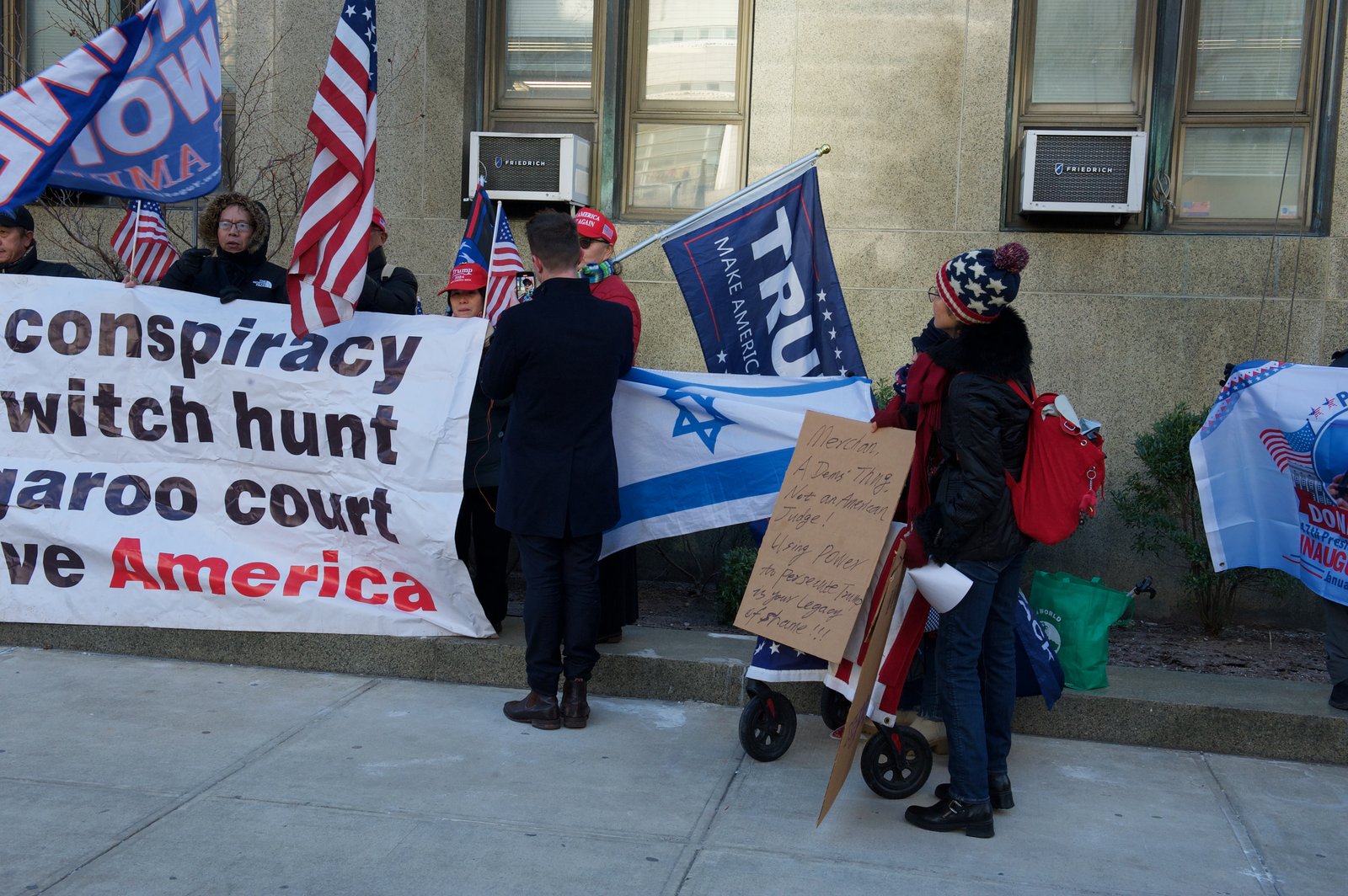
Critics note the federal FECA case never charged Trump, the elevation theory is unusual, the venue is deep-blue Manhattan, and the trial landed in a presidential year. [1][2][3]
Prosecutors reply that evidence of false records was overwhelming and that elected DAs routinely prosecute local crimes regardless of the defendant’s fame. [4][5]
Bottom line Debated
Political context is undeniable; it does not by itself void a verdict.
What the record can’t settle
Selective-prosecution claims face high legal bars.
Limits on extrajudicial speech about witnesses and jurors.
Justice Merchan issued orders restricting certain public statements during trial, citing witness intimidation risks. [1][2]
Trump was fined for violations; defense later cites the order and contempt findings as bias evidence. [3]
Bottom line History
Trial-management orders existed and were enforced.
What the record can’t settle
Whether they required recusal is contested.
Sources
Coverage of Justice Merchan gag order during 2024 trial Trial-management order limiting extrajudicial statements about witnesses/jurors; later a defense-appeal theme. URL placeholder avoided — use AP trial coverage generally via abc-timeline/ap-timeline.
Unanimity on conspiracy to promote by unlawful means—not on which means.
The written instructions are primary. Jurors had to be unanimous that Trump caused false records and that he did so with intent to commit/conceal a conspiracy to promote his election by unlawful means. [1]
They did not have to unanimously pick the same unlawful means among FECA, tax, or other false records. [1] That structure is a central appeal target. [2]
Bottom line Official
Read pages 27–32 before arguing ‘non-unanimous verdict.’
What the record can’t settle
Describing the verdict as non-unanimous on guilt is inaccurate.
Donald Trump during the 2016 campaign period (file photo used in related AI Files guides). Gage Skidmore · CC BY-SA 3.0 (https://creativecommons.org/licenses/by-sa/3.0)
Aides described the panic after Access Hollywood.
Trial reporting describes Hope Hicks and other aides contextualizing campaign concern about personal allegations after the tape. [1][2]
Such testimony goes to motive for concealment under the prosecution theory. [3]
Bottom line Mixed
Insider atmosphere evidence supported the timing story.
During trial the court imposed fines for statements found to violate the gag order. [1][2]
Defense cites those clashes on appeal as evidence of a hostile forum; prosecutors call them ordinary enforcement. [3][4]
Bottom line History
Contempt enforcement happened and is documented in trial coverage.
What the record can’t settle
Fines are not the 34 counts.
Sources
Coverage of Justice Merchan gag order during 2024 trial Trial-management order limiting extrajudicial statements about witnesses/jurors; later a defense-appeal theme. URL placeholder avoided — use AP trial coverage generally via abc-timeline/ap-timeline.
New York County Courthouse Photograph by Mike Peel (www.mikepeel.net). · CC BY-SA 4.0
Preemption, immunity, instructions, recusal.
Trump’s App. Div. brief argues federal law preempts the state election theory, that official-acts evidence should have been excluded after Trump v. United States, that instructions were flawed, and that Merchan should have recused. [1][2]
Amicus filings including a United States brief supporting the appellant followed. [3][4]
Bottom line Official
Serious legal issues were teed up—not a one-page protest.
Steel-man: federal preemption of the election theory
Steel-man · Debated
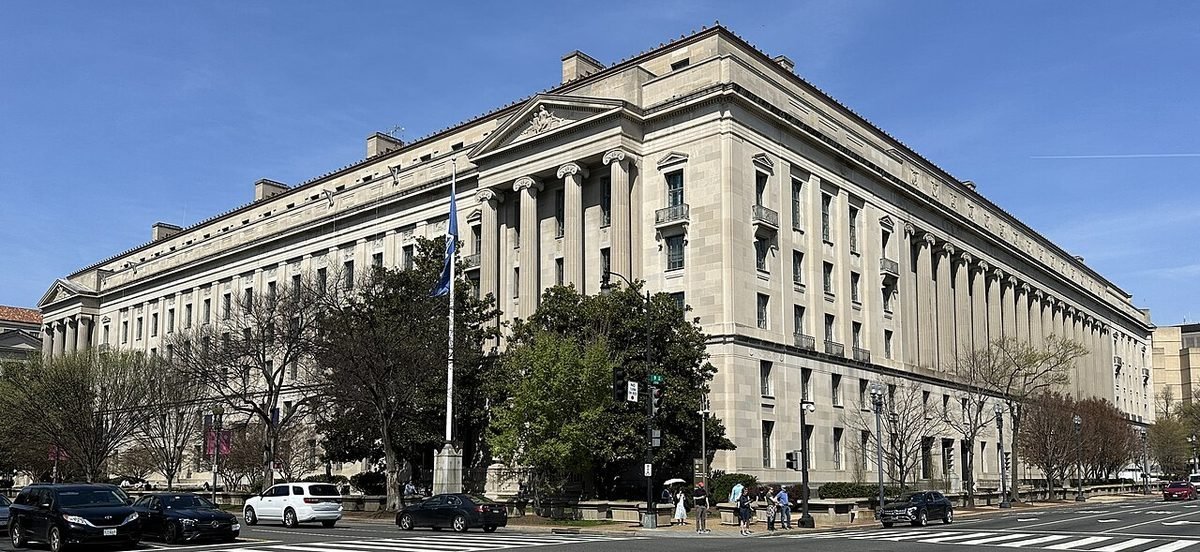
U.S. Department of Justice building. APK · CC BY 4.0 (https://creativecommons.org/licenses/by/4.0)
FECA occupies the field; states should not reinvent campaign crimes.
Appellants and several amici argue New York’s use of FECA-like ‘unlawful means’ inside a state conspiracy predicate intrudes on federal campaign-finance regulation. [1][2][3][4]
The DA answers that falsifying local business records remains a state interest even when the motive touches an election. [5]
Bottom line Debated
This is the cleanest legal attack path—and still undecided.
New York County Courthouse Photograph by Mike Peel (www.mikepeel.net). · CC BY-SA 4.0
Paying hush money is private conduct; removal denied.
Judge Alvin Hellerstein again refused to move the case to federal court, finding Trump’s renewed immunity/removal arguments insufficient and characterizing the hush-money conduct as private. [1][2][3]
Defense signals further appellate steps on the federal side; they do not erase the state conviction. [2]
Bottom line Official
Federal escape hatch stayed shut as of August 2026.
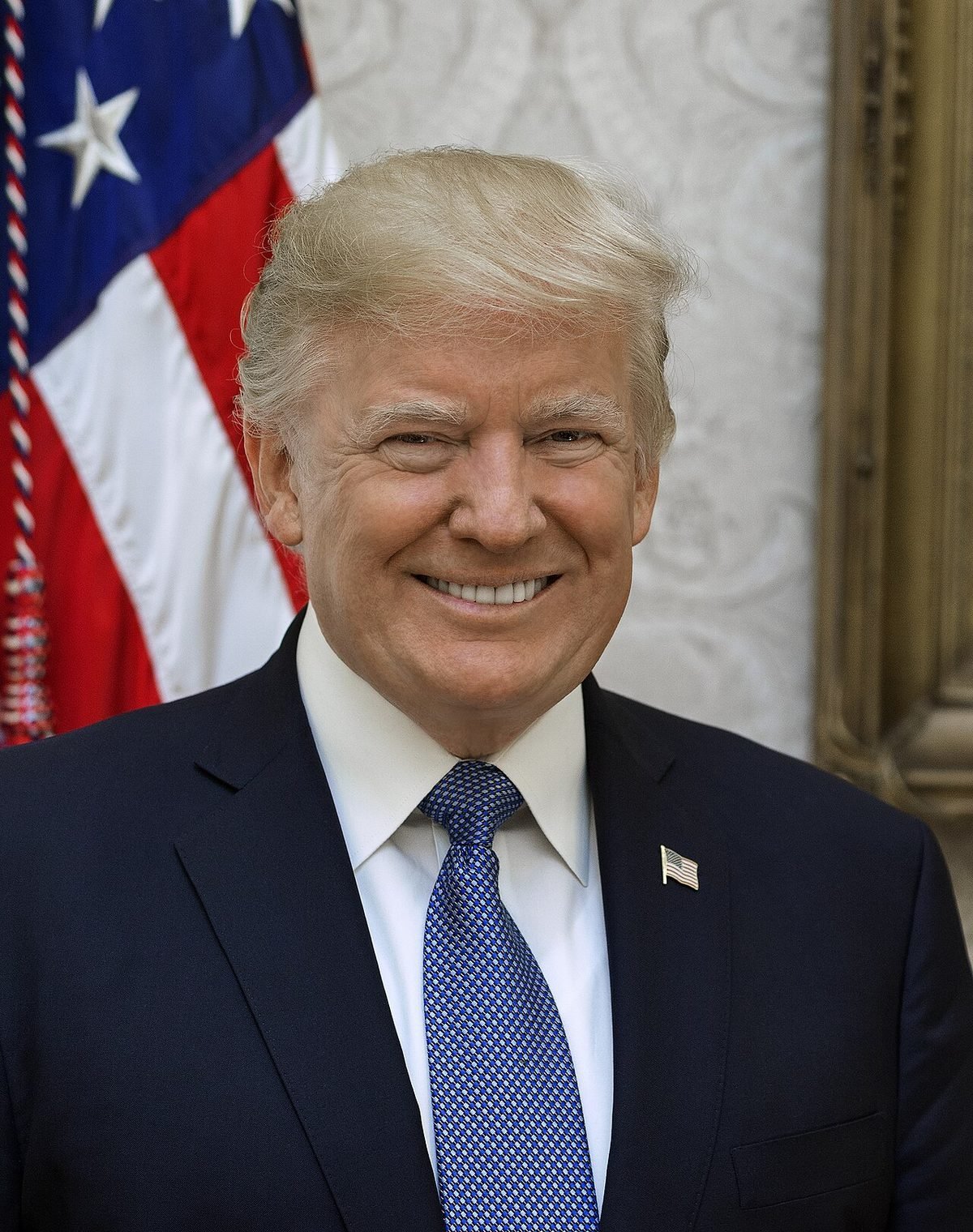
Donald Trump at the White House. The White House · Public domain
Immunity decision post-dates much of the trial design.
Trump v. United States arrived in July 2024, after the verdict. [1] Appeal briefs argue some trial evidence involved official acts (for example certain Twitter statements or aide testimony). [2]
Prosecutors call any such slice incidental to a private scheme. [3][4]
Bottom line Debated
The legal standard moved after the jury spoke; remedy is contested.
What the record can’t settle
We do not yet have an App. Div. holding on this point.
U.S. Department of Justice building. APK · CC BY 4.0 (https://creativecommons.org/licenses/by/4.0)
A new administration’s narrative layer—not a court finding.
Reporting notes Attorney General Pam Bondi’s February 2025 directive creating a Weaponization Working Group to review politicized investigations. [1][2]
That framing is executive-branch politics; the App. Div. still decides the appeal on legal briefs. [3][4]
Bottom line Mixed
Political review ≠ appellate ruling.
What the record can’t settle
Working-group outputs may later generate documents; none reverse Merchan by themselves.
Donald Trump at the White House. The White House · Public domain
Sullivan & Cromwell appears on the appeal team in timeline reporting.
ABC’s timeline notes a January 2025 retention of Sullivan & Cromwell for the appeal after Trump named several prior defense lawyers into DOJ roles. [1][2]
Counsel shifts do not change the verdict; they can change brief quality and strategy. [3]
Bottom line History
The appeal is being litigated by elite appellate counsel.