CONTEXT BEFORE CONTROVERSY
Biography.
Brooklyn to Dalton, finance and Wexner’s money, Maxwell and the properties, Palm Beach justice, the 2019 end, and the posthumous file. The background supplies context for the files; it does not decide contested theories. Links open the full guide or nest on each question.
Brooklyn, Dalton, Bear Stearns
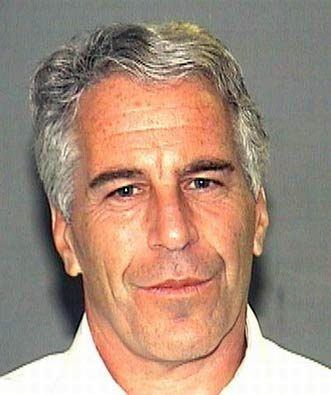
Jeffrey Edward Epstein was born January 20, 1953, in Brooklyn. In September 1974 he began teaching math and physics at the Dalton School in Manhattan without a college degree, during Donald Barr’s headmastership (Barr resigned earlier that year). He left Dalton by mid-1976 and entered Bear Stearns, beginning the finance chapter that later made his wealth and access the subject of intense scrutiny.[1][2]
Those early years are biography, not a finding about later crimes. The full guide maps how the no-degree hire and the Bear Stearns exit sit on the public spine before Towers Financial and the Wexner era.
Wexner’s money and the properties
By the early 1990s Epstein was tightly linked to Leslie H. “Les” Wexner, founder of L Brands (Victoria’s Secret). Reporting and later litigation records describe a broad power of attorney (commonly dated to 1991 in the public file) and Epstein’s role managing aspects of Wexner’s fortune. Epstein acquired properties that define the geography of the case: the East 71st Street mansion in Manhattan, the El Brillo Way house in Palm Beach, Little St. James in the U.S. Virgin Islands (purchased 1998), and Zorro Ranch in New Mexico.[3][4]
Where the money came from remains partly opaque in public sources; the guide treats Wexner adjacency, private-banking relationships, and later civil resolutions with banks as documented edges without inventing a single clean origin story.
Maxwell and the recruiting circle
Ghislaine Maxwell, daughter of publisher Robert Maxwell, became Epstein’s companion and, in the federal case that ended in her 2021 conviction, a central recruiter and facilitator. Survivor accounts and trial evidence describe a pipeline of young women and girls brought into Epstein’s houses, planes, and island. Virginia Giuffre (1983–2025) became the most publicly visible campaigner; Maria Farmer’s mid-1990s complaint is among the earliest known reports in the file; Annie Farmer testified at Maxwell’s trial.[5][6]
Flight logs, the “black book,” and later unsealed civil discovery name many associates. Presence in a book or on a plane is not itself a crime finding — the guide keeps that distinction on the critical path.
Palm Beach and the 2008 deal
A March 2005 Palm Beach Police complaint opened the investigation led by Detective Joseph Recarey under Chief Michael Reiter. State and federal tracks produced a controversial outcome: the September 2007 non-prosecution agreement under U.S. Attorney Alexander Acosta and Epstein’s June 30, 2008 state plea, with limited jail time and registration as a sex offender. Judge Kenneth Marra later held that the NPA violated victims’ rights under the Crime Victims’ Rights Act — the “Perversion of Justice” label the Miami Herald made national.[7][8]
The deal is load-bearing for every later reckoning narrative. The full guide treats Acosta’s defense, the FBI’s earlier work, and the victims’ rights litigation as separate documented strands.
Herald, Teterboro, MCC
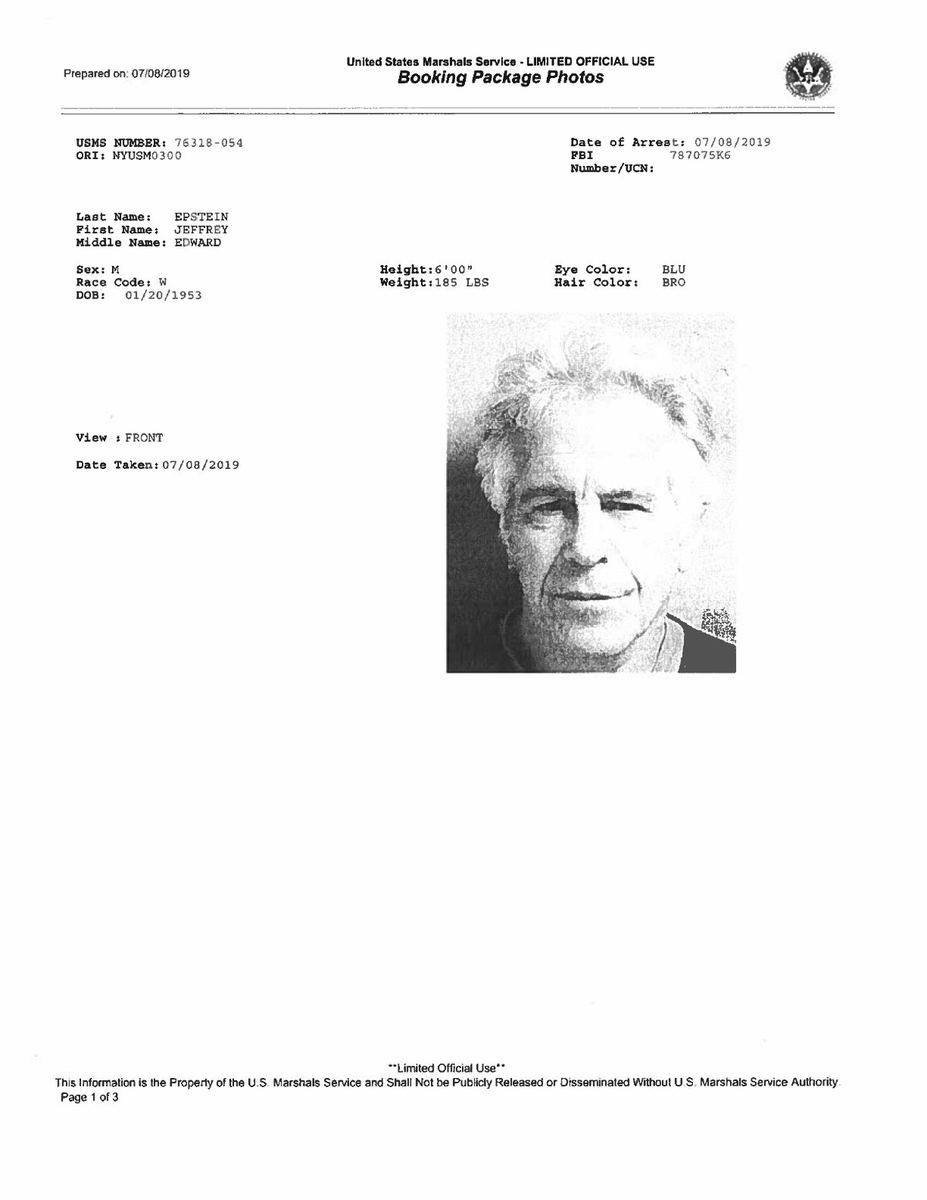
Julie K. Brown’s Miami Herald “Perversion of Justice” series (November 2018) reopened public pressure. On July 6, 2019, Epstein was arrested at Teterboro Airport and charged in the Southern District of New York; Acosta resigned as Labor Secretary days later. On August 10, 2019, Epstein was found dead in his cell at MCC Manhattan. New York City’s chief medical examiner ruled the death a suicide by hanging; Epstein’s brother hired pathologist Michael Baden, who disputed aspects of that ruling. The Bureau of Prisons and DOJ Inspector General records document guard failures and a broken camera environment that night.[9][10]
Suicide is the official manner; murder theories remain contested and are mapped in the guide without being promoted to the load-bearing path.
Maxwell trial and the reckoning
Ghislaine Maxwell was convicted in December 2021 on federal sex-trafficking charges and sentenced in June 2022. Civil suits and settlements continued against banks (including JPMorgan and Deutsche Bank resolutions in the public record), the estate, and named individuals — among them Prince Andrew’s February 2022 settlement with Giuffre. In 2025–2026, congressional and DOJ fights over Epstein files, a contested “client list,” and transparency legislation kept the case in active politics.[11][12]
See the Perversion of Justice full guide for chapters, critical path and rival theories. Related association guides for Trump and Clinton stay under their hubs: Trump–Epstein connections and Clinton–Epstein connections.
BIOGRAPHY SOURCES
- Birth date and Brooklyn origin as reported in contemporaneous obituaries and court biographies (1953).
- Dalton employment and Bear Stearns era in mainstream biographical and investigative records (1974–1976+).
- Wexner power-of-attorney / L Brands adjacency as reported in investigative press and later litigation summaries (1991 era).
- Property acquisitions: Manhattan mansion, El Brillo Way, Little St. James (1998), Zorro Ranch — land records and contemporaneous reporting.
- Maxwell trial record (S.D.N.Y.) — conviction December 2021; sentence June 2022.
- Survivor public records and trial testimony (Giuffre civil filings; Maria Farmer complaint era; Annie Farmer trial testimony).
- Palm Beach Police investigation materials and reporting (Recarey / Reiter), 2005–2006.
- NPA (Sept 2007), state plea (June 30, 2008), and Judge Marra CVRA ruling — federal docket / Herald series.
- Miami Herald “Perversion of Justice” (Julie K. Brown, Nov 2018); SDNY indictment and Teterboro arrest (July 6, 2019).
- NYC OCME suicide ruling; DOJ/BOP/IG records on MCC night of Aug 9–10, 2019; Baden dissenting opinions labeled as such.
- Maxwell verdict and sentence; Andrew–Giuffre settlement (Feb 15, 2022); major bank civil resolutions in public dockets.
- 2025–2026 congressional/DOJ transparency and “client list” memo disputes — primary releases and hearing records as cited in the full guide.

 FULL GUIDE