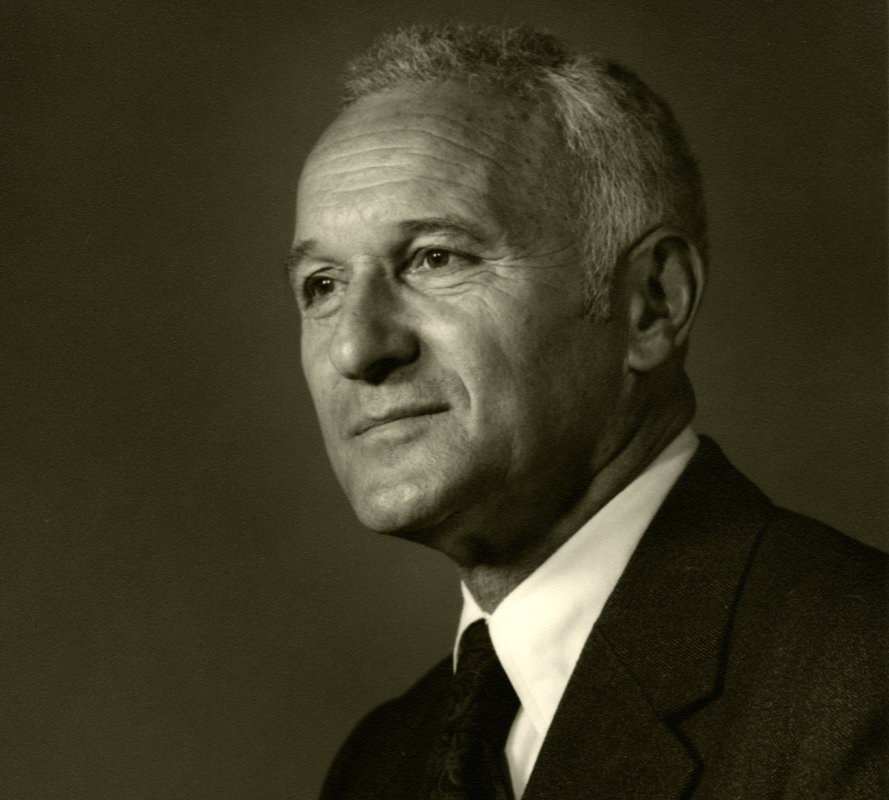
Sidney Gottlieb directed the CIA’s chemical and behavioral research activities that became central to MKULTRA. His role was hands-on as well as administrative: a 1956 memorandum signed by him authorized unusual accounting arrangements for a safehouse conducting covert tests on unwitting people. That record ties a named official to an actual operating mechanism, rather than merely to a later reputation or nickname. [1]
The 1963 Inspector General report places the program within the Technical Services organization and traces its authorization to CIA director Allen Dulles. It describes exceptional funding and records procedures, tight compartmentation and only two people with full substantive knowledge of much of the work. Inspectors simultaneously praised technical competence and identified serious weaknesses. Their language exposes how an institution could recognize ethical and legal hazards yet continue to frame the problem around operational control and danger of exposure. [2]
Focusing entirely on one sinister personality can obscure the larger arrangement: authorization, budgets, outside grants, access to subjects and decisions about oversight. The 1975 records-destruction inquiry also identified directions involving Gottlieb and then-director Richard Helms. Responsibility therefore has to be tracked by action and authority, not assigned indiscriminately to everyone employed by the CIA. The strongest institutional criticism follows the paper trail connecting exceptional powers to people who could grant, supervise or withdraw them. [3]