The 1963 CIA Inspector General inspection recognized that some activities endangered citizens’ rights and interests and raised questions of legality. It also described the program’s controversial ethical character, weak documentation and risk of severe public reaction if exposed. These passages matter because they show the hazards were legible inside the institution years before the public hearings. The abuse cannot be explained entirely as a problem nobody understood until later standards were invented. [1]
At the same time, the report’s perspective is revealing. It repeatedly evaluates the danger to the agency, operational security and management. Its recommendation to terminate unwitting domestic tests did not amount to a universal account of every ethical responsibility toward every possible subject. The document can be evidence of internal scrutiny and evidence of that scrutiny’s limitations at once. Readers should examine the actual recommendations rather than assume that a warning guaranteed comprehensive reform. [1]
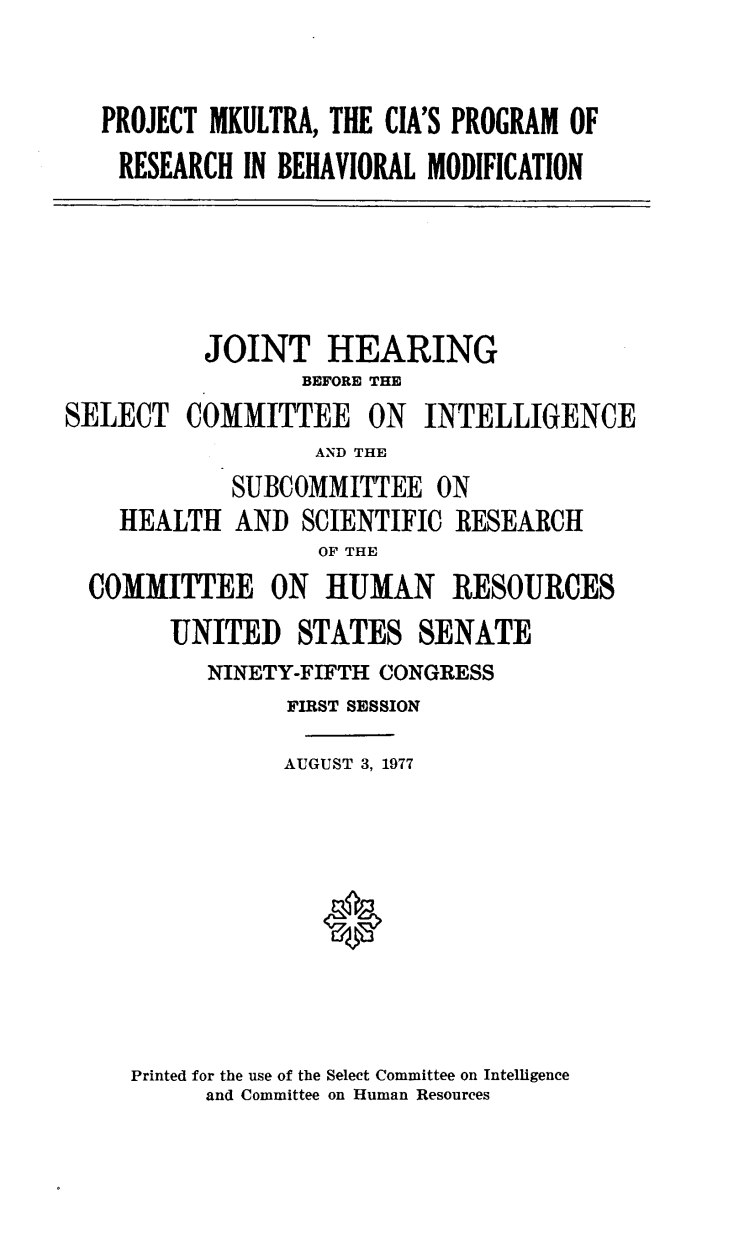
The 1970s investigations brought parts of the drug-testing history into public view. The August 1977 hearing returned to the subject after additional documents were located. Senators pressed about research institutions, missing records, subject identification and responsibility. That sequence illustrates why disclosure is a process rather than a single moment when the government tells the complete story. An official hearing is a major evidentiary event, but its witnesses, questions and unanswered issues still have to be read separately. [2]