The AI Files · The 2019 Chicago attack claim, the hoax finding, two prosecutions, and the media fight · plain reading edition
Jussie Smollett: every entry
All 51 entries of the guide, grouped by period and case, each with its bottom line and its sources. This page needs no JavaScript. The interactive guide adds the story in 19 chapters, the people, the timeline, the theories, the 14 checked claims and the media.
Visual timeline
15 dated events
The claim Jan 2019
The attack claim
What Smollett reported
January 29, 2019: the attack claim
Record · Documented
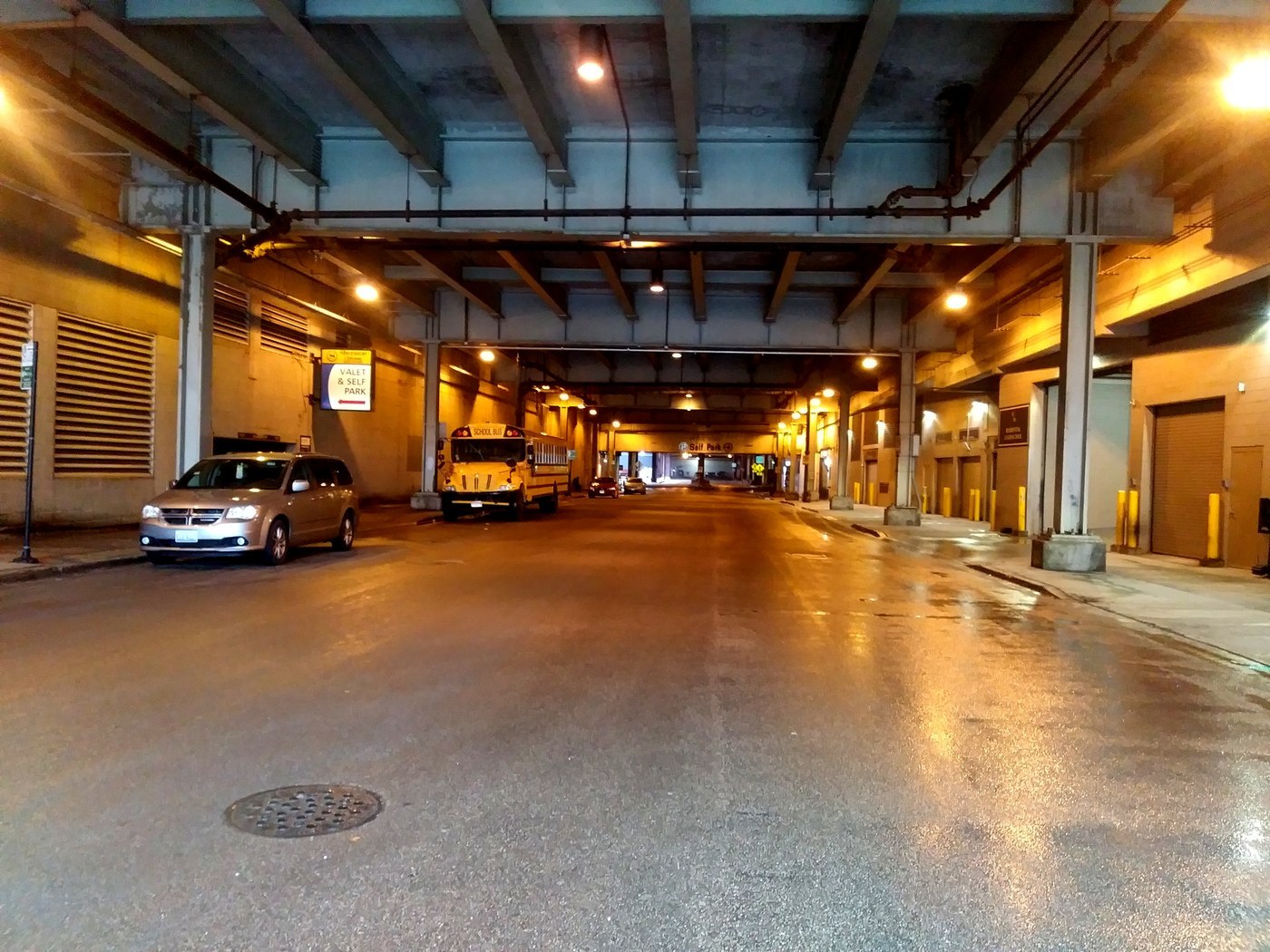
Lower North Water Street area associated with the reported attack (2019 photo). Stephen Hogan · CC BY 2.0
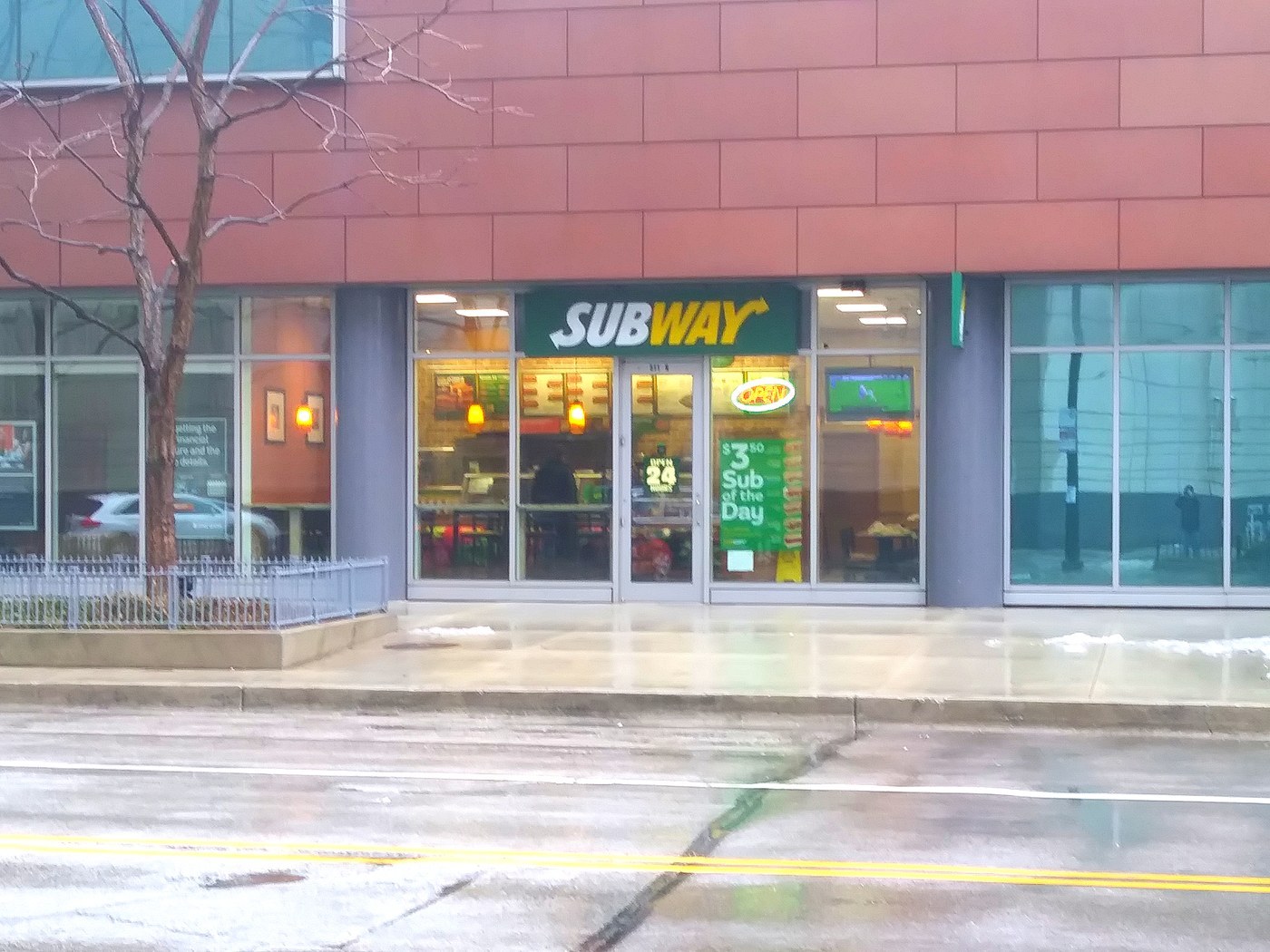
Smollett told Chicago police he was assaulted near Streeterville by two masked men who used racist and homophobic slurs, poured a chemical on him, and put a rope around his neck.
He also said the attackers referenced “This is MAGA country.” [1][2]
He was still holding a Subway sandwich purchased nearby — a detail later used in reconstruction. [3]
Bottom line Documented
The case begins as a hate-crime report to CPD.
What the record can’t settle
Motive and whether the attack was real are later disputes.
Cook County State’s Attorney Kim Foxx, 2018. Chi Hack Night · CC BY 3.0
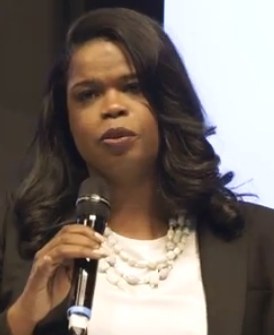
Cook County State’s Attorney Kim Foxx said she recused after contact connected to Tina Tchen; she put First Assistant Joseph Magats in charge rather than an outside special prosecutor.
Judge Toomin later treated that internal handoff as improper given the recusal. [1][2]
Foxx’s office defended progressive charging judgment and denied a celebrity fix.
Leighton Criminal Court Building, Chicago. Stephen Hogan · CC BY 2.0
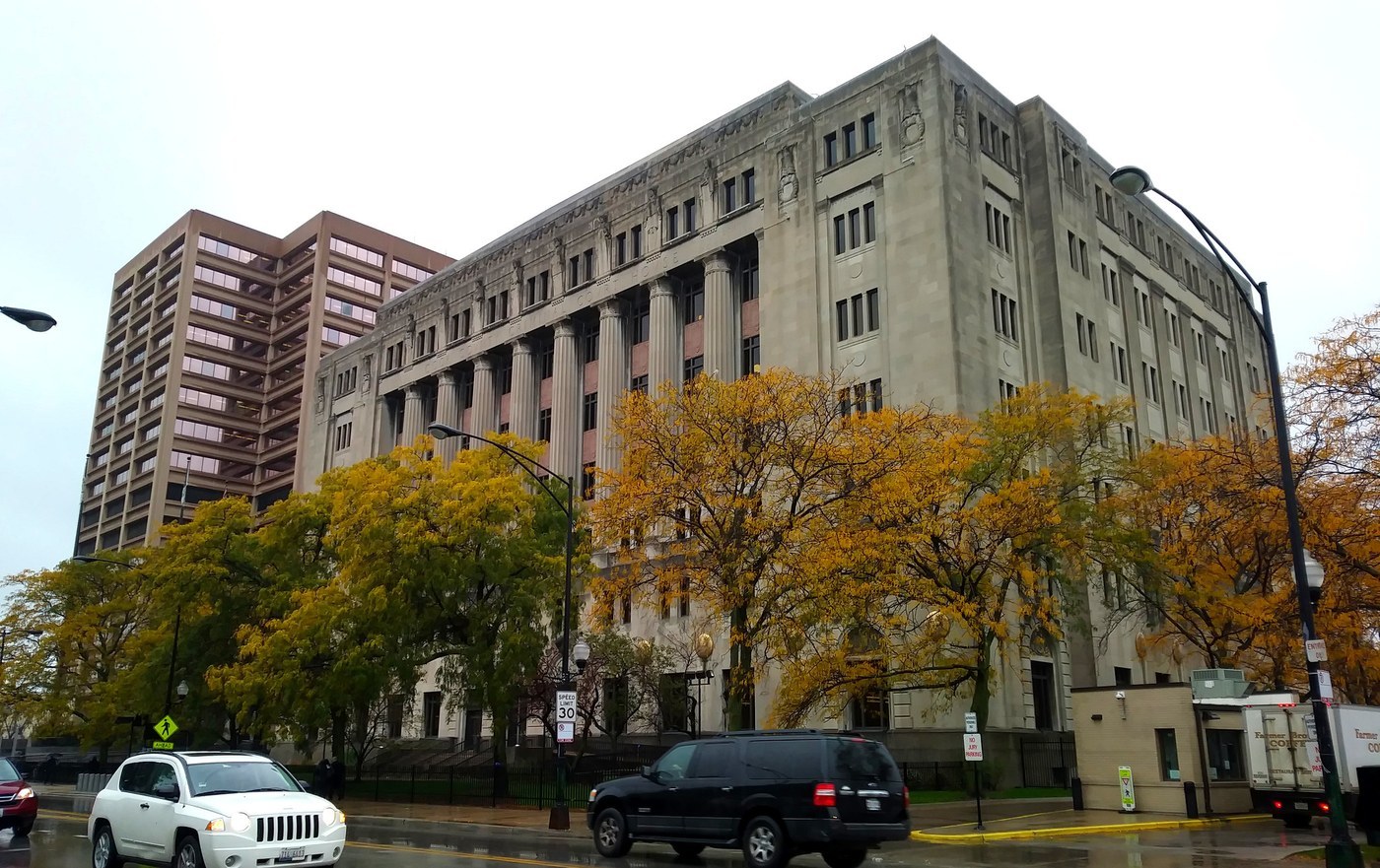
In late February 2019 Smollett was charged with felony disorderly conduct for filing a false police report; he turned himself in and posted $10,000 bond.
A grand jury then returned a 16-count indictment (March 8). [1][2]
Bottom line Documented
First prosecution begins on false-report counts.
What the record can’t settle
Indictment alleges false statements to officers, not a separate ‘hate crime’ count against Smollett.
Gavel — court process motif for charging and appeals chapters. Wikimedia Commons · Public domain
In open court, an ASA moved to nol-pros all counts after Smollett’s community service and agreement to forfeit his $10,000 bond to the City of Chicago.
Leighton Criminal Court Building, Chicago. Stephen Hogan · CC BY 2.0
Retired Justice Sheila O’Brien petitioned; Judge Michael Toomin appointed a special prosecutor (Dan Webb named August 2019) to investigate the case handling and, if warranted, prosecute.
Toomin found unprecedented irregularities and a failed proper recusal path. [1][2]
Bottom line Documented
Outside prosecutor becomes the second-act engine.
What the record can’t settle
Appointment order authorized investigation; re-prosecution if reasonable grounds.
Cook County State’s Attorney Kim Foxx, 2018. Chi Hack Night · CC BY 3.0
Webb’s materials stressed Smollett did not go through the ordinary deferred-prosecution program with year-long oversight; he got dismissal + service + bond forfeiture without admission.
That structural oddity fueled the ‘special deal’ charge. [1]
Bottom line Documented
Disposition was atypical relative to available diversion machinery.
What the record can’t settle
Atypical ≠ automatically illegal — until SC said refiling after the bargain was.
Leighton Criminal Court Building, Chicago. Stephen Hogan · CC BY 2.0
At trial the State presented the Osundairos, payment evidence, communications, and investigative reconstructions; Smollett testified he was attacked for real.
The Appellate Court later summarized the State’s theory that Smollett orchestrated a staged hate crime and lied to officers. [1]
Cook County Criminal Court Building. Teemu008 · CC BY-SA 2.0
Judge James Linn sentenced Smollett to 150 days in jail (as part of probation), a $25,000 fine, and about $120,106 restitution to Chicago for investigation costs.
Smollett was later released pending appeal after arguments about safety in custody. [1][2]
Bottom line Documented
Sentence reflects court acceptance of the false-report verdict.
What the record can’t settle
Restitution figure tracks city overtime claims in the litigation narrative.
Gavel — court process motif for charging and appeals chapters. Wikimedia Commons · Public domain
Strongest defense-system reading: after politicians screamed, a special prosecutor refiled what the county had settled — punishment for winning a deal.
ILSC ultimately held refiling after a performed agreement violated due process. [1]
That holding can be true even if one still believes the underlying staging evidence.
Bottom line Disputed
Process critique won in the state’s highest court.
Gavel — court process motif for charging and appeals chapters. Wikimedia Commons · Public domain
Disorderly-conduct false-report counts turn on knowingly false statements to officers — not on proving a federal hate-crime statute violation by imaginary assailants.
Appellate background tracks that charging choice. [1][2]
Bottom line Documented
Elements discipline the story.
What the record can’t settle
Vernacular ‘hate crime hoax’ still describes the alleged scheme.
November 21, 2024: Illinois Supreme Court reverses
Record · Documented
Gavel — court process motif for charging and appeals chapters. Wikimedia Commons · Public domain
In People v. Smollett, 2024 IL 130431, the Illinois Supreme Court held the second prosecution violated due process because the State breached a negotiated dismissal agreement Smollett had performed.
Conviction reversed; remand for dismissal. Justices Theis and Cunningham took no part. [1][2][3]
The Court did not re-find the street facts; it enforced the deal.
Bottom line Documented
Legal end state: convictions vacated for process, not a factual innocence holding.
What the record can’t settle
Readers routinely confuse ‘overturned’ with ‘hoax disproven.’
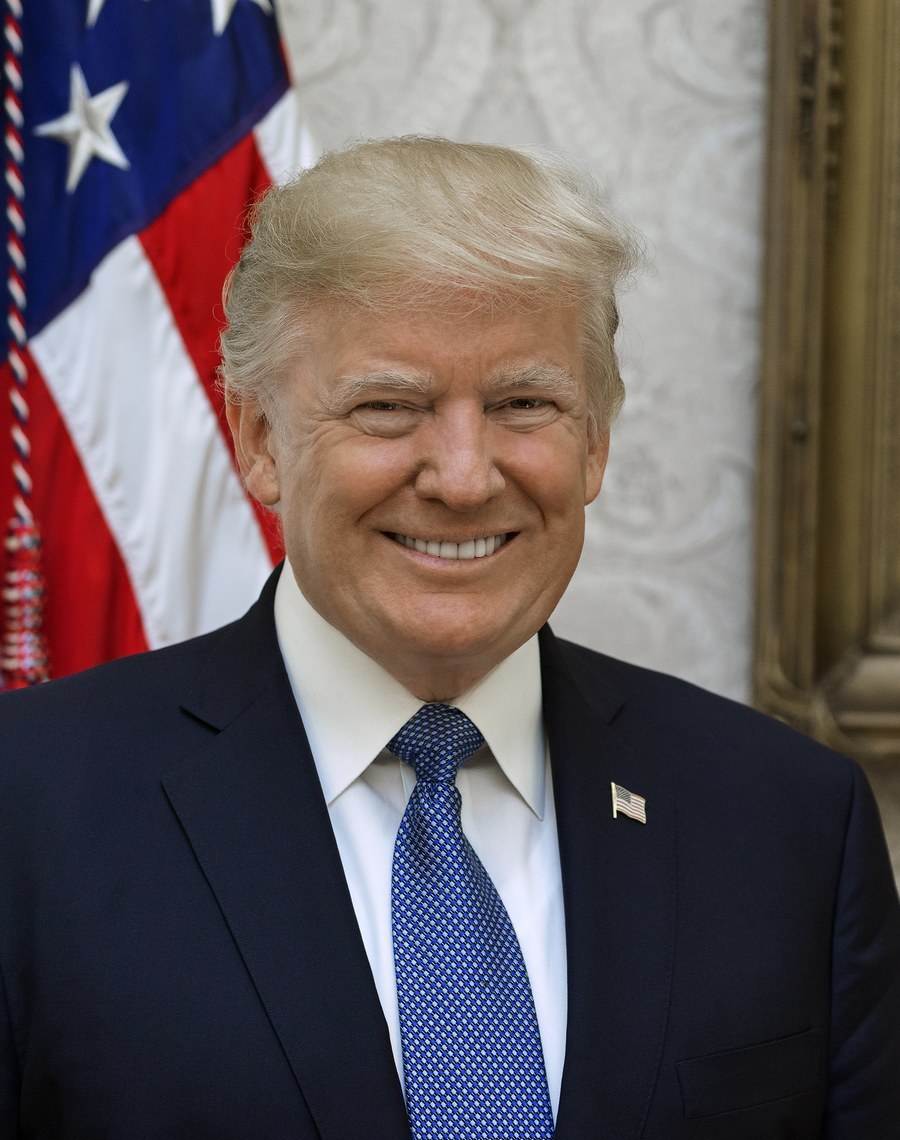
President Donald Trump, official portrait. Shealah Craighead / White House · Public domain
Conservative outlets treated Smollett as proof of hate-crime hoax culture and media double standards — sometimes carefully, sometimes as a synecdoche for all such claims.
Careful path: this case’s evidence. Overreach: ‘therefore hate crimes are generally fake.’ [1]
Bottom line Mixed
Right amplification is real; generalization is a separate claim.
What the record can’t settle
Synecdoche is an argument move, not a court finding.