The AI Files · The Ezra Klein Google Group, the Daily Caller leaks, and the fight over media coordination · plain reading edition
All 52 entries of the guide, grouped by period and case, each with its bottom line and its sources. This page needs no JavaScript. The interactive guide adds the story in 20 chapters, the people, the timeline, the theories, the 15 checked claims and the media.
Building the list 2007 rules and membership
February 2007: a list is born Record · Documented
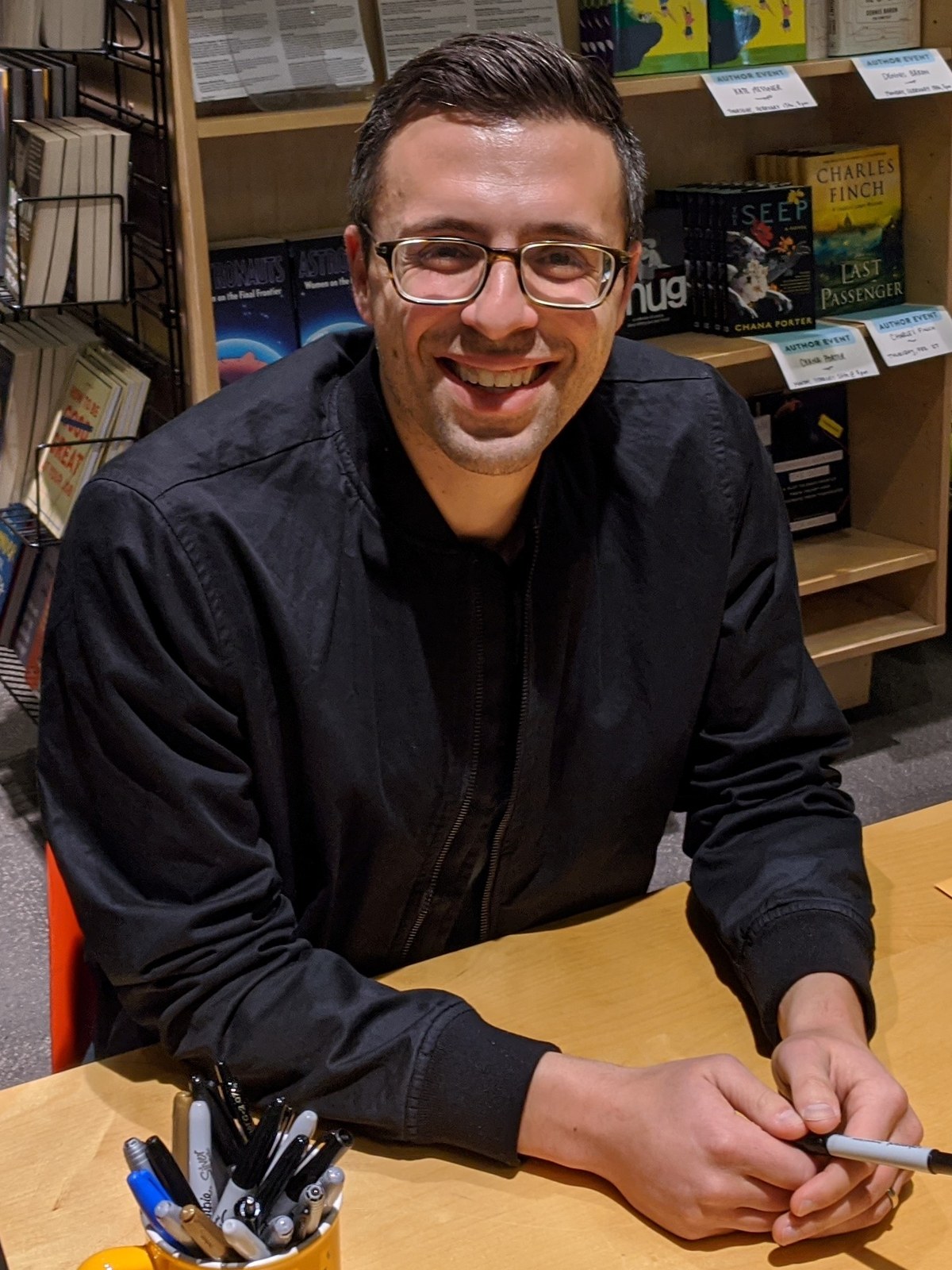
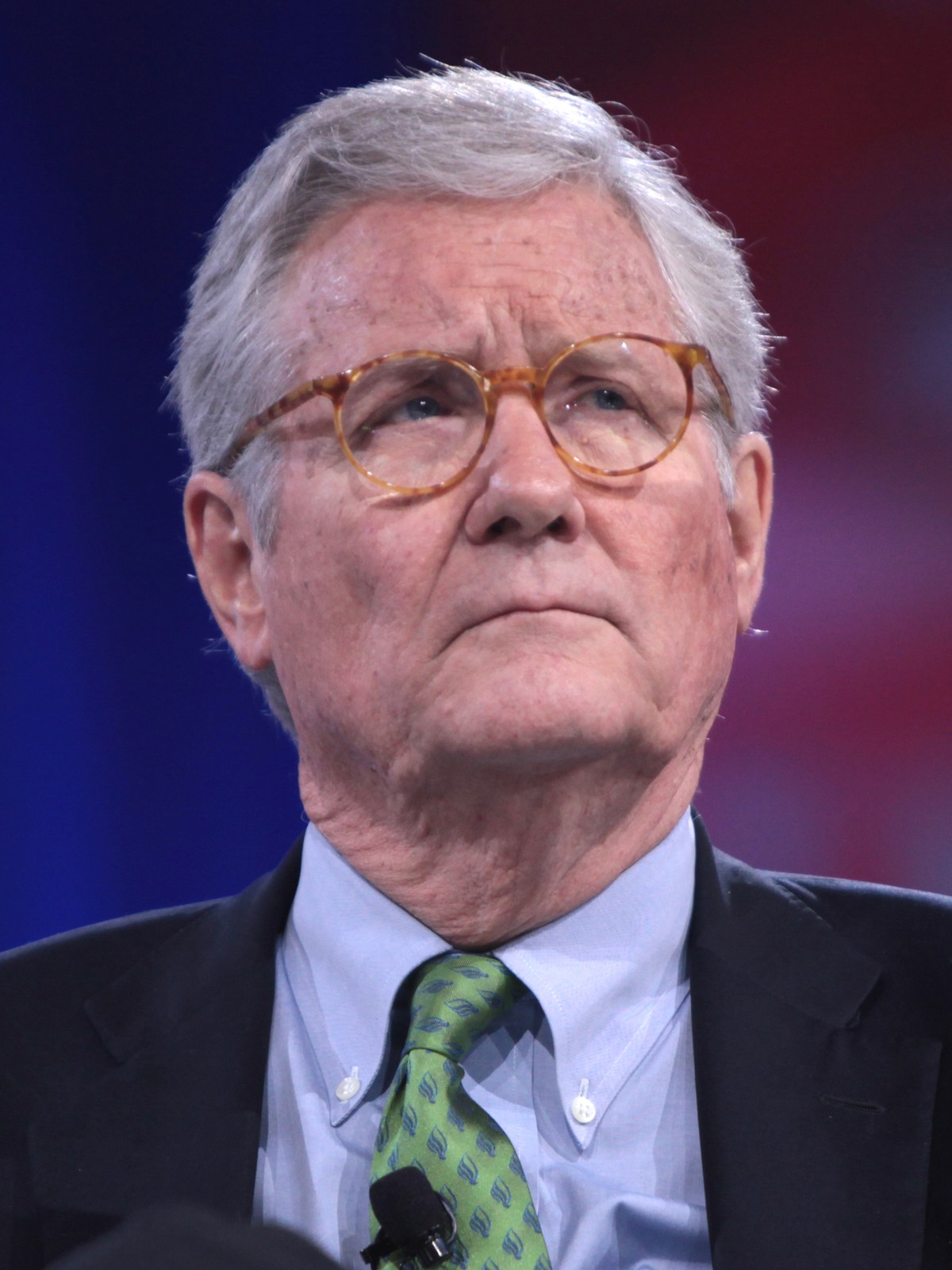
Ezra Klein in 2020. Irn · CC BY-SA 4.0 Ezra Klein creates JournoList as a private Google Group while at The American Prospect.
Klein later wrote that the idea grew from a private exchange with Time’s Joe Klein after a public Iraq fight. [1]
The vehicle was a controlled Google Group, not a newsroom or PAC. [2]
Bottom line Documented
JournoList begins as Klein’s curated private forum in early 2007.
What the record can’t settle
Complete original invite list unpublished.
Sources Ezra Klein, shutdown / Weigel post, June 25, 2010 (Washington Post / contemporaneous reprints) Founder’s statement deleting the group: archives became a weapon; careers at stake; ‘it has to die’; no claim members did anything wrong. Michael Calderone, “JournoList: Inside the echo chamber,” Politico, March 17, 2009 First major mainstream description of membership, off-the-record culture, and ethics debate. Back to contents · Open in the interactive guide
Left-leaning by design Record · Documented
Ezra Klein in 2020. Irn · CC BY-SA 4.0 Klein limited membership to progressive journalists, academics and wonks.
Politico reported his justification: prevent flame war; emphasize empiricism. [1] [2]
Critics call that a cocoon; defenders call it a normal affinity listserv.
Bottom line Documented
Membership was intentionally not bipartisan.
What the record can’t settle
Invite/reject logs unpublished.
Sources Michael Calderone, “JournoList: Inside the echo chamber,” Politico, March 17, 2009 First major mainstream description of membership, off-the-record culture, and ethics debate. Ezra Klein, “Obligatory JournoList post,” American Prospect, March 17, 2009 Klein’s defense of membership rules / empiricism / flame-war rationale after Politico. Back to contents · Open in the interactive guide
Private candor as the product Record · Documented
Ezra Klein in 2020. Irn · CC BY-SA 4.0 Members expected posts to stay inside the group.
Joe Klein told Politico candor required privacy; Ezra defended off-the-cuff reactions. [1]
Leaks felt like betrayal to members and accountability to critics.
Bottom line Documented
The list’s value proposition was privacy.
What the record can’t settle
A social OTR rule among hundreds is fragile.
Sources Michael Calderone, “JournoList: Inside the echo chamber,” Politico, March 17, 2009 First major mainstream description of membership, off-the-record culture, and ethics debate. Joe Klein, “On Journolist,” Time, July 22, 2010 List member: denies collusion to produce talking points; says only joint action was meeting at a bar. Back to contents · Open in the interactive guide
‘Empiricism, not ideology’ Record · Disputed
Ezra Klein in 2020. Irn · CC BY-SA 4.0 Klein’s public brand stressed empiricism; leaked tone often looked like team ideology.
Prospect/Politico defense language is clear. [1] [2]
Ackerman/Spitz/Weigel exhibits strain a purely empiricist self-image.
Bottom line Disputed
Self-description and published emotional content pull apart.
What the record can’t settle
Mixture ratios unknown without full archives.
Sources Ezra Klein, “Obligatory JournoList post,” American Prospect, March 17, 2009 Klein’s defense of membership rules / empiricism / flame-war rationale after Politico. Michael Calderone, “JournoList: Inside the echo chamber,” Politico, March 17, 2009 First major mainstream description of membership, off-the-record culture, and ethics debate. Jonathan Strong / Daily Caller, JournoList Wright / ABC debate emails series, July 20, 2010 Primary published leak excerpts: Ackerman ‘call them racists,’ Tomasky ‘kill ABC,’ Schaller open-letter proposal, Stein drafting. Editorial outlet with anti-JournoList framing — treat quotes as published text, framing as contested. Back to contents · Open in the interactive guide
Klein’s petition chill Record · Documented
Ezra Klein in 2020. Irn · CC BY-SA 4.0 After the open letter, Klein told members not to organize petitions on the list (per Chait).
The instruction admits the letter pushed past preferred use. [1]
Bottom line Documented
List governance reacted to politicized organizing.
What the record can’t settle
We have Chait’s account of the instruction.
Sources Jonathan Chait, “Debunking the Journolist ‘Conspiracy,’” The New Republic / CBS reprint, July 21, 2010 List member’s steel-man defense: 41/400 open letter; Wright thread was an argument; republishes Yeselson/Kilgore dissent with permission; critiques selective quotation. Back to contents · Open in the interactive guide
About four hundred names Record · Documented
Ezra Klein in 2020. Irn · CC BY-SA 4.0 Contemporaneous accounts put peak membership near several hundred, often ~400.
Chait uses ~400 as denominator for the 41-signer letter. [1] [2]
Bottom line Documented
Scale matters: large enough to network, too large to be a single chat.
What the record can’t settle
Exact census never published by Klein.
Sources Jonathan Chait, “Debunking the Journolist ‘Conspiracy,’” The New Republic / CBS reprint, July 21, 2010 List member’s steel-man defense: 41/400 open letter; Wright thread was an argument; republishes Yeselson/Kilgore dissent with permission; critiques selective quotation. Michael Calderone, “JournoList: Inside the echo chamber,” Politico, March 17, 2009 First major mainstream description of membership, off-the-record culture, and ethics debate. Back to contents · Open in the interactive guide
2008 campaign threads Wright, ABC, Palin
Why Wright mattered Record · History
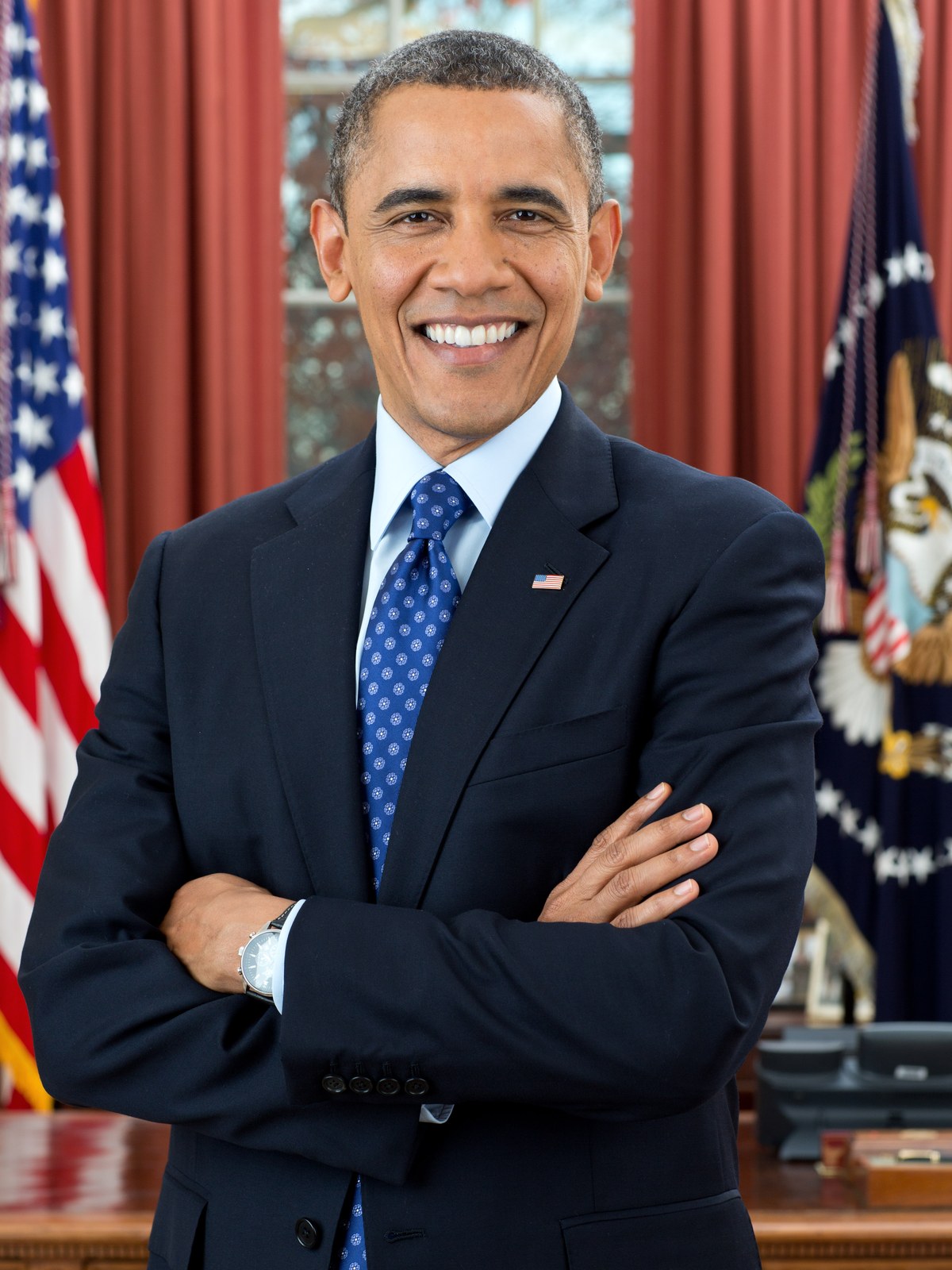
President Barack Obama, official portrait. Pete Souza / White House · Public domain Obama’s association with Rev. Jeremiah Wright was a live 2008 vulnerability.
Wright’s sermons were political TNT. [1]
List threads about Wright need that stakes context.
Bottom line History
Wright was a real campaign crisis.
What the record can’t settle
Does not relitigate Wright’s theology.
Sources Barack Obama, “A More Perfect Union” (Philadelphia), March 18, 2008 Primary public response to Wright controversy — context for why Wright threads mattered politically. Jonathan Strong / Daily Caller, JournoList Wright / ABC debate emails series, July 20, 2010 Primary published leak excerpts: Ackerman ‘call them racists,’ Tomasky ‘kill ABC,’ Schaller open-letter proposal, Stein drafting. Editorial outlet with anti-JournoList framing — treat quotes as published text, framing as contested. Back to contents · Open in the interactive guide
The ABC debate open letter Record · Documented
A stack of newspapers. Flickr / Wikimedia Commons · CC BY-SA 2.0 After the April 16, 2008 ABC debate, some members organized a public disgust letter; ~41 signed.
Schaller proposed using ‘the power of this list’; Stein drafted; Bernstein helped. [1] [2]
Chait: open minority petition; Klein later barred petition organizing. [3]
Bottom line Documented
A real coordinated public letter happened — by a subset, in daylight.
What the record can’t settle
‘JournoList wrote a letter’ overstates whole-list agency.
Sources Jonathan Strong / Daily Caller, JournoList Wright / ABC debate emails series, July 20, 2010 Primary published leak excerpts: Ackerman ‘call them racists,’ Tomasky ‘kill ABC,’ Schaller open-letter proposal, Stein drafting. Editorial outlet with anti-JournoList framing — treat quotes as published text, framing as contested. Matt Welch, “Leaks Show JournoList Members Plotting…,” Reason, July 20, 2010 Contemporaneous reprint/summary of Daily Caller Wright excerpts with Ackerman/Tomasky/Schaller/Stein/Bernstein. Jonathan Chait, “Debunking the Journolist ‘Conspiracy,’” The New Republic / CBS reprint, July 21, 2010 List member’s steel-man defense: 41/400 open letter; Wright thread was an argument; republishes Yeselson/Kilgore dissent with permission; critiques selective quotation. ABC News Pennsylvania Democratic debate (Gibson/Stephanopoulos), April 16, 2008 The debate that triggered the open-letter thread on JournoList. Back to contents · Open in the interactive guide
‘Call them racists’ Record · Archives
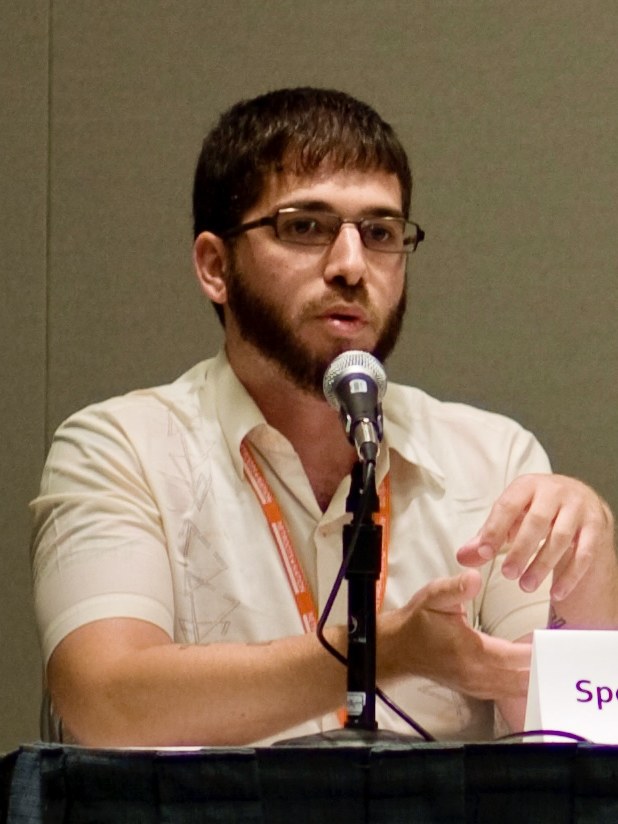
Spencer Ackerman in 2008. Flickr / Wikimedia Commons · CC BY-SA 4.0 Ackerman’s published post urged picking Barnes or Rove and calling them racist to change the subject from Wright.
Most portable scandal quote. [1] [3]
Rebukes reported; Chait says Ackerman often ignored. [2] [4]
Bottom line Archives
Post is published record; strategic success is separate.
What the record can’t settle
Full unedited Ackerman archive not held here.
Sources Jonathan Strong / Daily Caller, JournoList Wright / ABC debate emails series, July 20, 2010 Primary published leak excerpts: Ackerman ‘call them racists,’ Tomasky ‘kill ABC,’ Schaller open-letter proposal, Stein drafting. Editorial outlet with anti-JournoList framing — treat quotes as published text, framing as contested. Matt Welch, “Leaks Show JournoList Members Plotting…,” Reason, July 20, 2010 Contemporaneous reprint/summary of Daily Caller Wright excerpts with Ackerman/Tomasky/Schaller/Stein/Bernstein. James Taranto, “Call Them Racists,” Wall Street Journal online, July 20, 2010 Contemporaneous reaction highlighting Ackerman quote. Jonathan Chait, “Debunking the Journolist ‘Conspiracy,’” The New Republic / CBS reprint, July 21, 2010 List member’s steel-man defense: 41/400 open letter; Wright thread was an argument; republishes Yeselson/Kilgore dissent with permission; critiques selective quotation. Back to contents · Open in the interactive guide
Hayes vs Wright — and dissent Record · Mixed
Chris Hayes at a book signing. thecommongoodusa · CC BY 2.0 Hayes argued not to dredge Wright outrage; Yeselson and Kilgore disagreed on substance.
NY Post quotes Hayes on not dredging pastor outrage. [2]
Chait republishes dissent. [1]
Bottom line Mixed
Wright thread was contested inside the list.
What the record can’t settle
Outlet-level impact unproven.
Sources Jonathan Chait, “Debunking the Journolist ‘Conspiracy,’” The New Republic / CBS reprint, July 21, 2010 List member’s steel-man defense: 41/400 open letter; Wright thread was an argument; republishes Yeselson/Kilgore dissent with permission; critiques selective quotation. New York Post, “The fix was in,” July 24–25, 2010 Summarizes Daily Caller leaks (Wright, Palin, Spitz, Rosenberg); lists outlets said to have straight-news members on the list. Opinionated presentation. Jonathan Strong / Daily Caller, JournoList Wright / ABC debate emails series, July 20, 2010 Primary published leak excerpts: Ackerman ‘call them racists,’ Tomasky ‘kill ABC,’ Schaller open-letter proposal, Stein drafting. Editorial outlet with anti-JournoList framing — treat quotes as published text, framing as contested. Back to contents · Open in the interactive guide
Invective after the debate Record · Archives
A stack of newspapers. Flickr / Wikimedia Commons · CC BY-SA 2.0 Richard Kim’s ‘rat snake’ insult toward Stephanopoulos shows emotional temperature.
WaPo Style reprinted it beside organizing language. [1]
Bottom line Archives
Published tone was often partisan and raw.
What the record can’t settle
Not a content analysis of all threads.
Sources Washington Post Style, “Getting the message on Journolist postings,” July 23, 2010 Additional quoted list posts (Kim, Tomasky, Schaller) around ABC debate. Back to contents · Open in the interactive guide
Media Matters in the draft chat Record · Mixed
A stack of newspapers. Flickr / Wikimedia Commons · CC BY-SA 2.0 Stein suggested Media Matters might have experience with such statements.
Quoted via Reason from Daily Caller package. [1]
Bottom line Mixed
Progressive watchdogs were named in the organizing thread.
What the record can’t settle
Suggestion ≠ Media Matters ran the letter.
Sources Matt Welch, “Leaks Show JournoList Members Plotting…,” Reason, July 20, 2010 Contemporaneous reprint/summary of Daily Caller Wright excerpts with Ackerman/Tomasky/Schaller/Stein/Bernstein. Back to contents · Open in the interactive guide
Palin: choose the line Record · Archives
Sarah Palin by Gage Skidmore. Gage Skidmore · CC BY-SA 3.0 After Palin’s selection, published posts show attack-line workshopping.
Kilgore: go ideological; don’t concede ‘maverick.’ [1]
Avent’s ‘if we were the GOP’ riff flagged team-game language. [1]
Bottom line Archives
Strategy talk about a GOP nominee happened on-list.
What the record can’t settle
Excerpts ≠ complete Palin transcript.
Sources New York Post, “The fix was in,” July 24–25, 2010 Summarizes Daily Caller leaks (Wright, Palin, Spitz, Rosenberg); lists outlets said to have straight-news members on the list. Opinionated presentation. Jonah Goldberg, “Journolist and the Liberal Mother Ship,” RealClearPolitics, July 23, 2010 Conservative columnist framing; cites Hayes Palin idea-request. McCain announces Sarah Palin as running mate, August 29, 2008 (contemporaneous) Dating anchor for Palin attack-line threads. Back to contents · Open in the interactive guide
The problem of ‘we’ Record · Mixed
A stack of newspapers. Flickr / Wikimedia Commons · CC BY-SA 2.0 Critics highlighted team pronouns as collapsed independence.
Rosenberg’s post-election ‘we need to keep making the case’ featured in NY Post. [1]
Tomasky had warned interns against ‘we’ for Democrats. [1]
Bottom line Mixed
Team language appears in excerpts.
What the record can’t settle
Frequency unknown without full archives.
Sources New York Post, “The fix was in,” July 24–25, 2010 Summarizes Daily Caller leaks (Wright, Palin, Spitz, Rosenberg); lists outlets said to have straight-news members on the list. Opinionated presentation. Back to contents · Open in the interactive guide
Spitz on Limbaugh Record · Archives
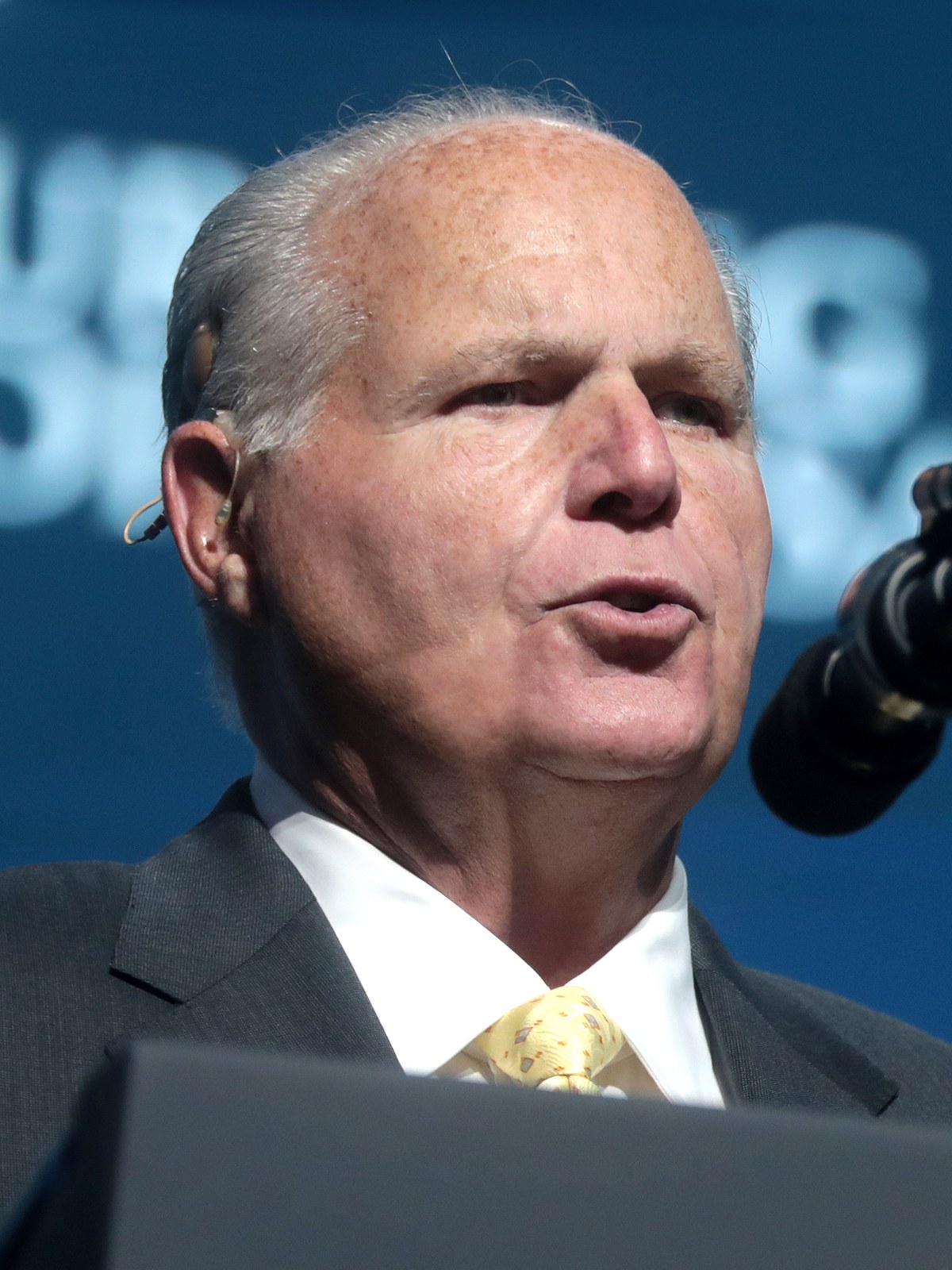
Rush Limbaugh by Gage Skidmore. Gage Skidmore · CC BY-SA 3.0 Spitz said she would laugh if Rush Limbaugh had a heart attack in front of her.
Widely circulated; enters Kuypers’s bias survey. [1] [2]
Bottom line Archives
Remark documented as published.
What the record can’t settle
Private cruelty ≠ story suppression.
Sources New York Post, “The fix was in,” July 24–25, 2010 Summarizes Daily Caller leaks (Wright, Palin, Spitz, Rosenberg); lists outlets said to have straight-news members on the list. Opinionated presentation. Jim A. Kuypers, Partisan Journalism (Rowman & Littlefield, 2013), pp. 256–257 Secondary scholarly citation of Ackerman/Spitz material in media-bias literature. Back to contents · Open in the interactive guide
Rhetorical ‘plate-glass’ violence Record · Archives
Spencer Ackerman in 2008. Flickr / Wikimedia Commons · CC BY-SA 4.0 Ackerman’s rhetorical smash-through-plate-glass line circulated as evidence of hatred.
Kuypers quotes it as rhetorical. [1]
Bottom line Archives
Published rhetorical violence is part of the record.
What the record can’t settle
Rhetorical ≠ literal plot.
Sources Jim A. Kuypers, Partisan Journalism (Rowman & Littlefield, 2013), pp. 256–257 Secondary scholarly citation of Ackerman/Spitz material in media-bias literature. Back to contents · Open in the interactive guide
Barnes as named hypothetical target Record · Archives
Fred Barnes by Gage Skidmore. Gage Skidmore · CC BY-SA 3.0 Ackerman’s post literally named Fred Barnes as a disposable racism target.
Barnes later wrote the WSJ ‘vast left-wing’ piece. [1] [2]
Bottom line Archives
Named subject of the strategy post became a chief prosecutor in print.
What the record can’t settle
Does not prove Barnes’s wider thesis alone.
Sources Jonathan Strong / Daily Caller, JournoList Wright / ABC debate emails series, July 20, 2010 Primary published leak excerpts: Ackerman ‘call them racists,’ Tomasky ‘kill ABC,’ Schaller open-letter proposal, Stein drafting. Editorial outlet with anti-JournoList framing — treat quotes as published text, framing as contested. Fred Barnes, “The Vast Left-Wing Media Conspiracy,” Wall Street Journal, July 22, 2010 Conservative magazine editor’s claim journalists used JournoList to promote liberalism/Obama. Back to contents · Open in the interactive guide
Daylight organizing vs secret desk Record · Documented
A stack of newspapers. Flickr / Wikimedia Commons · CC BY-SA 2.0 The open letter’s publicity is a double-edged exhibit.
Defenders: transparent opinion petition. [1]
Critics: proves willingness to use the list for collective pressure. [2]
Bottom line Documented
Same fact feeds opposite theories.
What the record can’t settle
Both readings start from a real letter.
Sources Jonathan Chait, “Debunking the Journolist ‘Conspiracy,’” The New Republic / CBS reprint, July 21, 2010 List member’s steel-man defense: 41/400 open letter; Wright thread was an argument; republishes Yeselson/Kilgore dissent with permission; critiques selective quotation. Jonathan Strong / Daily Caller, JournoList Wright / ABC debate emails series, July 20, 2010 Primary published leak excerpts: Ackerman ‘call them racists,’ Tomasky ‘kill ABC,’ Schaller open-letter proposal, Stein drafting. Editorial outlet with anti-JournoList framing — treat quotes as published text, framing as contested. Back to contents · Open in the interactive guide
Race speech and the threads Record · History
President Barack Obama, official portrait. Pete Souza / White House · Public domain Obama’s March 18 race speech and April Wright/ABC list threads bookend the spring crisis.
Public strategy and private list strategy are different objects. [1] [2]
Bottom line History
Campaign managed Wright in public while list debated it in private.
What the record can’t settle
No claim Obama directed JournoList.
Sources Barack Obama, “A More Perfect Union” (Philadelphia), March 18, 2008 Primary public response to Wright controversy — context for why Wright threads mattered politically. Jonathan Strong / Daily Caller, JournoList Wright / ABC debate emails series, July 20, 2010 Primary published leak excerpts: Ackerman ‘call them racists,’ Tomasky ‘kill ABC,’ Schaller open-letter proposal, Stein drafting. Editorial outlet with anti-JournoList framing — treat quotes as published text, framing as contested. Back to contents · Open in the interactive guide
Nonpartisan brand, partisan chat Record · Mixed
A stack of newspapers. Flickr / Wikimedia Commons · CC BY-SA 2.0 Avent posted Palin attack-line talk while at the Economist’s blog.
NY Post used this to puncture ‘only partisan magazines’ defenses. [1]
Bottom line Mixed
Outlet brand ≠ every staffer’s private list behavior.
What the record can’t settle
One blogger ≠ The Economist’s newsroom policy.
Sources New York Post, “The fix was in,” July 24–25, 2010 Summarizes Daily Caller leaks (Wright, Palin, Spitz, Rosenberg); lists outlets said to have straight-news members on the list. Opinionated presentation. Back to contents · Open in the interactive guide
‘Kill ABC and this idiocy’ Record · Archives
A stack of newspapers. Flickr / Wikimedia Commons · CC BY-SA 2.0 Michael Tomasky’s published post urged using available venues against ABC’s debate performance.
Central exhibit for coordination charge. [1] [2]
Same Tomasky who policed intern ‘we’ language — tension defenders must explain. [3]
Bottom line Archives
Published rallying language toward a broadcast outlet.
What the record can’t settle
Rallying ≠ proof ABC changed coverage because of the list.
Sources Jonathan Strong / Daily Caller, JournoList Wright / ABC debate emails series, July 20, 2010 Primary published leak excerpts: Ackerman ‘call them racists,’ Tomasky ‘kill ABC,’ Schaller open-letter proposal, Stein drafting. Editorial outlet with anti-JournoList framing — treat quotes as published text, framing as contested. Washington Post Style, “Getting the message on Journolist postings,” July 23, 2010 Additional quoted list posts (Kim, Tomasky, Schaller) around ABC debate. New York Post, “The fix was in,” July 24–25, 2010 Summarizes Daily Caller leaks (Wright, Palin, Spitz, Rosenberg); lists outlets said to have straight-news members on the list. Opinionated presentation. Back to contents · Open in the interactive guide
Kilgore on both faces of the list Record · Mixed
A stack of newspapers. Flickr / Wikimedia Commons · CC BY-SA 2.0 Ed Kilgore appears in Palin attack-line talk and in Wright-thread dissent against Hayes.
Shows the same person could urge message discipline and reject gag-order logic. [1] [2]
Bottom line Mixed
Members were not a monolith even individually.
What the record can’t settle
Still strategy-capable.
Sources New York Post, “The fix was in,” July 24–25, 2010 Summarizes Daily Caller leaks (Wright, Palin, Spitz, Rosenberg); lists outlets said to have straight-news members on the list. Opinionated presentation. Jonathan Chait, “Debunking the Journolist ‘Conspiracy,’” The New Republic / CBS reprint, July 21, 2010 List member’s steel-man defense: 41/400 open letter; Wright thread was an argument; republishes Yeselson/Kilgore dissent with permission; critiques selective quotation. Back to contents · Open in the interactive guide
Weigel & the end Resignation and deletion
Weigel’s resignation Record · Documented
Dave Weigel. Flickr / Wikimedia Commons · CC BY-SA 2.0 June 2010 leaks of Weigel’s insults forced his Washington Post resignation.
Private contempt collided with his conservative-movement beat. [1] [2]
Proved archives could end careers. [4]
Bottom line Documented
Resignation is a hard personnel fact.
What the record can’t settle
Whether Post was right remains judgment.
Sources Washington Post, Weigel resignation after JournoList messages leak, June 26, 2010 Contemporaneous account of Weigel resignation and quoted messages (Drudge, Limbaugh, Tea Party). New York Times / Media Decoder, Weigel resignation coverage, June 26–28, 2010 Context on Weigel’s beat, private opinions vs reporting debate. NPR Two-Way, Weigel resigns from Washington Post, June 25, 2010 Public-radio contemporaneous resignation report. Ezra Klein, shutdown / Weigel post, June 25, 2010 (Washington Post / contemporaneous reprints) Founder’s statement deleting the group: archives became a weapon; careers at stake; ‘it has to die’; no claim members did anything wrong. Back to contents · Open in the interactive guide
Beat mismatch Record · Documented
Dave Weigel. Flickr / Wikimedia Commons · CC BY-SA 2.0 Weigel’s job was explaining conservatives; his private posts expressed contempt for them.
NYT framed the private-opinions-vs-reporting debate. [1]
Bottom line Documented
Beat credibility collision, not merely ‘mean emails.’
What the record can’t settle
Does not settle wider cabal claims.
Sources New York Times / Media Decoder, Weigel resignation coverage, June 26–28, 2010 Context on Weigel’s beat, private opinions vs reporting debate. Washington Post, Weigel resignation after JournoList messages leak, June 26, 2010 Contemporaneous account of Weigel resignation and quoted messages (Drudge, Limbaugh, Tea Party). Back to contents · Open in the interactive guide
‘It has to die’ Record · Documented
Ezra Klein in 2020. Irn · CC BY-SA 4.0 June 25, 2010: Ezra Klein announced JournoList was done and would be deleted.
Said nobody did anything wrong, but archives became a weapon. [1] [2]
Predicted a reform under another name. [4]
Bottom line Documented
Founder ended JournoList under leak pressure.
What the record can’t settle
Deletion leaves a leak-selected public record.
Sources Ezra Klein, shutdown / Weigel post, June 25, 2010 (Washington Post / contemporaneous reprints) Founder’s statement deleting the group: archives became a weapon; careers at stake; ‘it has to die’; no claim members did anything wrong. Steve Krakauer, Mediaite: Ezra Klein shuts down JournoList, June 25, 2010 Contemporaneous reprint of Klein’s shutdown language. Jim Romenesko / Poynter, Klein kills JournoList, June 25, 2010 Trade-press confirmation of shutdown and Weigel context. Jeffrey Goldberg, “Meet the New Journolist…,” The Atlantic, July 21, 2010 Reveals Cabalist successor (~173 members); debate about ignoring Daily Caller. Back to contents · Open in the interactive guide
Archives as weapons Record · Documented
Dave Weigel. Flickr / Wikimedia Commons · CC BY-SA 2.0 Klein’s weapon metaphor described 2010 reality.
Weigel was proof of concept; Strong aimed wider. [1] [3]
Bottom line Documented
Leak risk changed how political journalists chat.
What the record can’t settle
Later tools outside spine.
Sources Ezra Klein, shutdown / Weigel post, June 25, 2010 (Washington Post / contemporaneous reprints) Founder’s statement deleting the group: archives became a weapon; careers at stake; ‘it has to die’; no claim members did anything wrong. Washington Post, Weigel resignation after JournoList messages leak, June 26, 2010 Contemporaneous account of Weigel resignation and quoted messages (Drudge, Limbaugh, Tea Party). Tucker Carlson, Daily Caller commentary on JournoList, July 22, 2010 Publisher’s framing: coordination of talking points for Democrats/Obama; ‘that is not journalism.’ Back to contents · Open in the interactive guide
Daily Caller series Strong / Carlson
Opinion vs straight-news names Record · Mixed
A stack of newspapers. Flickr / Wikimedia Commons · CC BY-SA 2.0 Coverage said major-outlet straight-news reporters were on the roster.
NY Post listed Time, Newsweek, AP, Reuters, WaPo, NYT, Politico, Bloomberg, HuffPost, PBS, NPR affiliate. [1]
Bottom line Mixed
Straight-news membership allegation is central and partly documentable.
What the record can’t settle
No notarized full roster published.
Sources New York Post, “The fix was in,” July 24–25, 2010 Summarizes Daily Caller leaks (Wright, Palin, Spitz, Rosenberg); lists outlets said to have straight-news members on the list. Opinionated presentation. Michael Calderone, “JournoList: Inside the echo chamber,” Politico, March 17, 2009 First major mainstream description of membership, off-the-record culture, and ethics debate. Fred Barnes, “The Vast Left-Wing Media Conspiracy,” Wall Street Journal, July 22, 2010 Conservative magazine editor’s claim journalists used JournoList to promote liberalism/Obama. Back to contents · Open in the interactive guide
What did lurkers do? Open question · Unproven
A stack of newspapers. Flickr / Wikimedia Commons · CC BY-SA 2.0 Even if few posted strategy, lurkers could absorb frames — or ignore them.
No dataset shows who lurked or how copy changed.
Bottom line Unproven
Lurker influence is logically important and evidentially thin.
What the record can’t settle
Needs newsroom process tracing.
Sources Michael Calderone, “JournoList: Inside the echo chamber,” Politico, March 17, 2009 First major mainstream description of membership, off-the-record culture, and ethics debate. Jonathan Chait, “Debunking the Journolist ‘Conspiracy,’” The New Republic / CBS reprint, July 21, 2010 List member’s steel-man defense: 41/400 open letter; Wright thread was an argument; republishes Yeselson/Kilgore dissent with permission; critiques selective quotation. New York Post, “The fix was in,” July 24–25, 2010 Summarizes Daily Caller leaks (Wright, Palin, Spitz, Rosenberg); lists outlets said to have straight-news members on the list. Opinionated presentation. Back to contents · Open in the interactive guide
The Daily Caller dump Record · Documented
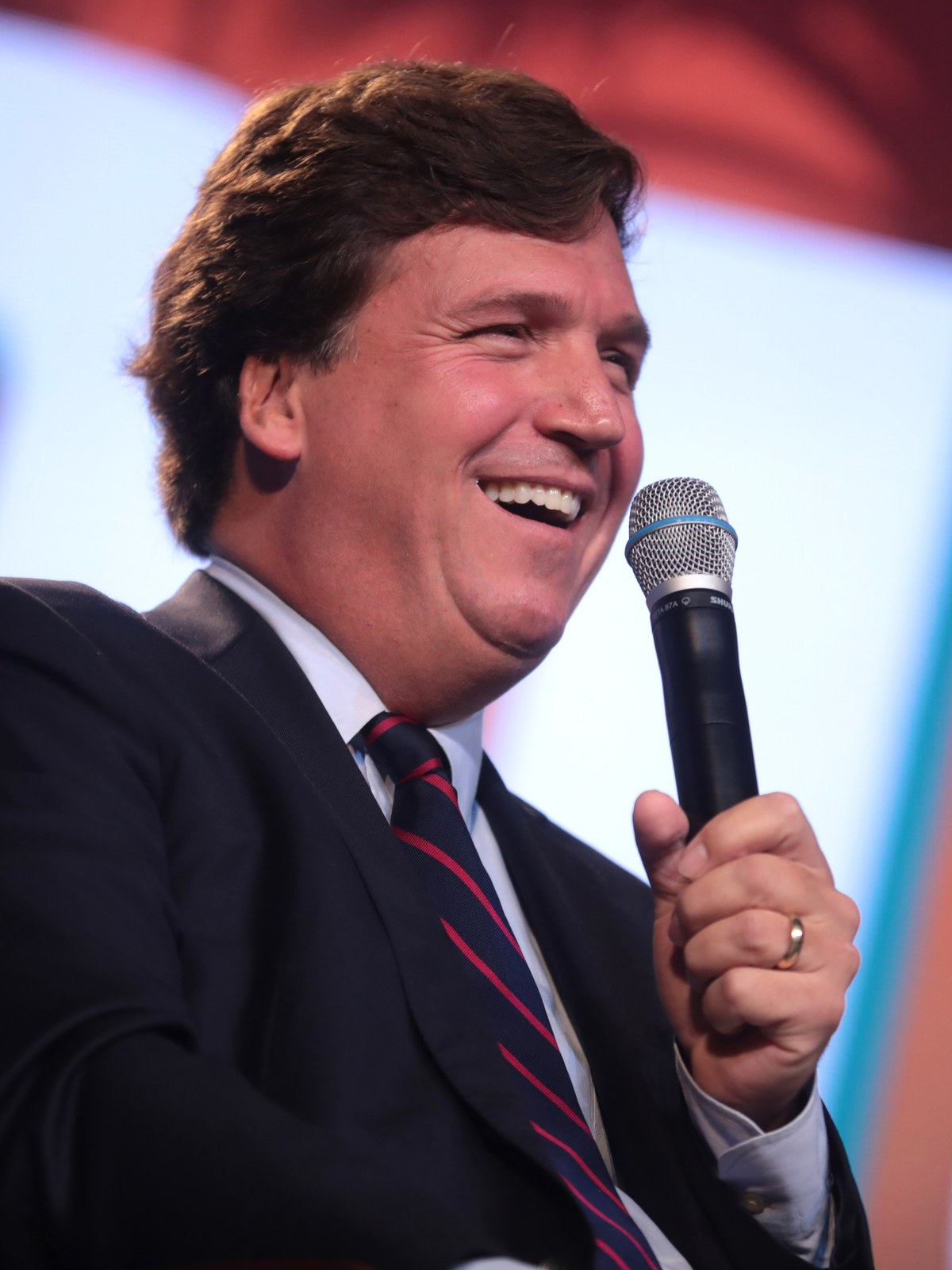
Tucker Carlson by Gage Skidmore. Gage Skidmore · CC BY-SA 3.0 Jonathan Strong’s July 2010 series published Wright/Palin excerpts under Carlson.
Reason amplified Wright package same day. [2]
Carlson: coordinated Democratic talking points. [3]
Bottom line Documented
Strong series is the main public archive of incriminating threads.
What the record can’t settle
Curated adversarial selection, not neutral dump.
Sources Jonathan Strong / Daily Caller, JournoList Wright / ABC debate emails series, July 20, 2010 Primary published leak excerpts: Ackerman ‘call them racists,’ Tomasky ‘kill ABC,’ Schaller open-letter proposal, Stein drafting. Editorial outlet with anti-JournoList framing — treat quotes as published text, framing as contested. Matt Welch, “Leaks Show JournoList Members Plotting…,” Reason, July 20, 2010 Contemporaneous reprint/summary of Daily Caller Wright excerpts with Ackerman/Tomasky/Schaller/Stein/Bernstein. Tucker Carlson, Daily Caller commentary on JournoList, July 22, 2010 Publisher’s framing: coordination of talking points for Democrats/Obama; ‘that is not journalism.’ Back to contents · Open in the interactive guide
Strong’s method and Carlson’s edit Record · Mixed
Tucker Carlson by Gage Skidmore. Gage Skidmore · CC BY-SA 3.0 Carlson said he edited the first four stories and vouched for Strong.
Invitation to members: publish the context yourselves. [1]
Bottom line Mixed
Editorial chain of custody is acknowledged and adversarial.
What the record can’t settle
Adversarial ≠ fabricated.
Sources Mediaite on Carlson defending Daily Caller quotation context, 2010 Carlson: edited first four stories; invites members to publish fuller context themselves. Tucker Carlson, Daily Caller commentary on JournoList, July 22, 2010 Publisher’s framing: coordination of talking points for Democrats/Obama; ‘that is not journalism.’ Back to contents · Open in the interactive guide
‘The fix was in’ Record · Mixed
A stack of newspapers. Flickr / Wikimedia Commons · CC BY-SA 2.0 NY Post packaged Strong’s reporting for a mass audience.
Upgraded bias thesis from unintentional skew to intentional fix. [1]
Bottom line Mixed
Cemented popular ‘fix was in’ memory.
What the record can’t settle
Tabloid framing ≠ independent verification of every claim.
Sources New York Post, “The fix was in,” July 24–25, 2010 Summarizes Daily Caller leaks (Wright, Palin, Spitz, Rosenberg); lists outlets said to have straight-news members on the list. Opinionated presentation. Back to contents · Open in the interactive guide
Steel-man: it was coordination Strongest case · Disputed
Tucker Carlson by Gage Skidmore. Gage Skidmore · CC BY-SA 3.0 Strongest critic case: progressive journalists workshopped message strategy with straight-news people in the room.
Exhibits: Ackerman; Tomasky; Schaller; Palin lines; team ‘we’; Spitz/Weigel. [1] [2]
Barnes/Carlson generalize to intentional apparatus. [4] [3]
Bottom line Disputed
Steel-man = real quotes + system-level inference.
What the record can’t settle
Inference beyond threads is the dispute.
Sources Jonathan Strong / Daily Caller, JournoList Wright / ABC debate emails series, July 20, 2010 Primary published leak excerpts: Ackerman ‘call them racists,’ Tomasky ‘kill ABC,’ Schaller open-letter proposal, Stein drafting. Editorial outlet with anti-JournoList framing — treat quotes as published text, framing as contested. New York Post, “The fix was in,” July 24–25, 2010 Summarizes Daily Caller leaks (Wright, Palin, Spitz, Rosenberg); lists outlets said to have straight-news members on the list. Opinionated presentation. Tucker Carlson, Daily Caller commentary on JournoList, July 22, 2010 Publisher’s framing: coordination of talking points for Democrats/Obama; ‘that is not journalism.’ Fred Barnes, “The Vast Left-Wing Media Conspiracy,” Wall Street Journal, July 22, 2010 Conservative magazine editor’s claim journalists used JournoList to promote liberalism/Obama. Back to contents · Open in the interactive guide
The defense Argument, not cabal
Steel-man: listserv argument Strongest case · Disputed
Jonathan Chait. Wikimedia Commons contributor · CC BY-SA 3.0 Strongest defense: a bar for progressive writers; subset threads; Wright dissent; transparent letter.
41/400 letter; Yeselson/Kilgore vs Hayes; Ackerman ignored. [1]
Joe Klein: no talking-point collusion. [2]
Bottom line Disputed
Concedes ugly posts; denies hive-mind desk.
What the record can’t settle
Does not erase straight-news ethics concerns.
Sources Jonathan Chait, “Debunking the Journolist ‘Conspiracy,’” The New Republic / CBS reprint, July 21, 2010 List member’s steel-man defense: 41/400 open letter; Wright thread was an argument; republishes Yeselson/Kilgore dissent with permission; critiques selective quotation. Joe Klein, “On Journolist,” Time, July 22, 2010 List member: denies collusion to produce talking points; says only joint action was meeting at a bar. Back to contents · Open in the interactive guide
Steel-man: nothingburger Strongest case · Disputed
Jonathan Chait. Wikimedia Commons contributor · CC BY-SA 3.0 Minimal reading: friends vented; critics inflated delicious quotes into conspiracy.
Supports: subsets; open letter; Wright dissent; bar line; alleged banal majority. [1] [4]
Bottom line Disputed
Coherent rival path with defeat conditions.
What the record can’t settle
Banal majority ≠ erase strategy posts.
Sources Jonathan Chait, “Debunking the Journolist ‘Conspiracy,’” The New Republic / CBS reprint, July 21, 2010 List member’s steel-man defense: 41/400 open letter; Wright thread was an argument; republishes Yeselson/Kilgore dissent with permission; critiques selective quotation. Joe Klein, “On Journolist,” Time, July 22, 2010 List member: denies collusion to produce talking points; says only joint action was meeting at a bar. Kathleen Parker, “Journolist flap shows a destructive ‘gotcha’ mentality,” Washington Post, July 25, 2010 Perspective defense: private comments, context, limited power of most members. Mediaite on Carlson defending Daily Caller quotation context, 2010 Carlson: edited first four stories; invites members to publish fuller context themselves. Back to contents · Open in the interactive guide
Context fight, not a hoax finding Record · Documented
A stack of newspapers. Flickr / Wikimedia Commons · CC BY-SA 2.0 Participants alleged selective quotation; did not show famous lines were fabricated.
Carlson invited fuller context. [2]
Chait’s dissent republication shows omission mattered and posts existed. [1]
Bottom line Documented
Quotes real as text; meaning contested.
What the record can’t settle
Incomplete archive limits both sides.
Sources Jonathan Chait, “Debunking the Journolist ‘Conspiracy,’” The New Republic / CBS reprint, July 21, 2010 List member’s steel-man defense: 41/400 open letter; Wright thread was an argument; republishes Yeselson/Kilgore dissent with permission; critiques selective quotation. Mediaite on Carlson defending Daily Caller quotation context, 2010 Carlson: edited first four stories; invites members to publish fuller context themselves. Greg Sargent, “We Will Not,” Washington Post, July 2010 List member criticizes selective publication; argues full threads undercut cabal narrative. Back to contents · Open in the interactive guide
Joe Klein: candor without a plot Record · Mixed
Joe Klein, 2011. David Shankbone · CC BY 3.0 Time’s Joe Klein denied collusive talking points; said only joint action was a bar meetup.
Described himself as more moderate than many on-list. [1]
Bottom line Mixed
Prominent member denied operational collusion.
What the record can’t settle
One member ≠ whole archive.
Sources Joe Klein, “On Journolist,” Time, July 22, 2010 List member: denies collusion to produce talking points; says only joint action was meeting at a bar. Back to contents · Open in the interactive guide
Parker’s ‘gotcha’ warning Record · Mixed
Kathleen Parker, 2016. Flickr / Wikimedia Commons · CC BY 2.0 Kathleen Parker called the flap destructive gotcha against private talk.
Urged perspective on limited power of most members. [1]
Bottom line Mixed
Live ethics argument about leaking private speech.
What the record can’t settle
‘Powerless’ contested for national bylines.
Sources Kathleen Parker, “Journolist flap shows a destructive ‘gotcha’ mentality,” Washington Post, July 25, 2010 Perspective defense: private comments, context, limited power of most members. Back to contents · Open in the interactive guide
Subsets, not a parliament Record · Documented
Jonathan Chait. Wikimedia Commons contributor · CC BY-SA 3.0 Most threads involved a small share of ~400 members.
Chait’s bar metaphor: one speaker ≠ whole room. [1]
Bottom line Documented
No proof of whole-list votes on storylines.
What the record can’t settle
Influential subsets can still matter.
Sources Jonathan Chait, “Debunking the Journolist ‘Conspiracy,’” The New Republic / CBS reprint, July 21, 2010 List member’s steel-man defense: 41/400 open letter; Wright thread was an argument; republishes Yeselson/Kilgore dissent with permission; critiques selective quotation. Jonathan Chait, “The Journolist Conspiracy Continues,” The New Republic, July 20, 2010 Earlier Chait note that most topics engaged only a small share of members. Joe Klein, “On Journolist,” Time, July 22, 2010 List member: denies collusion to produce talking points; says only joint action was meeting at a bar. Back to contents · Open in the interactive guide
The bar metaphor Record · Mixed
Jonathan Chait. Wikimedia Commons contributor · CC BY-SA 3.0 Chait’s recurring metaphor: JournoList was a bar, not a politburo.
Explains subset participation and disagreement. [1] [2]
Bottom line Mixed
Best one-line defense of structure.
What the record can’t settle
Metaphor can understate professional norms.
Sources Jonathan Chait, “Debunking the Journolist ‘Conspiracy,’” The New Republic / CBS reprint, July 21, 2010 List member’s steel-man defense: 41/400 open letter; Wright thread was an argument; republishes Yeselson/Kilgore dissent with permission; critiques selective quotation. Jonathan Chait, “The Journolist Conspiracy Continues,” The New Republic, July 20, 2010 Earlier Chait note that most topics engaged only a small share of members. Back to contents · Open in the interactive guide
When Tucker asked to join Record · Documented
Tucker Carlson by Gage Skidmore. Gage Skidmore · CC BY-SA 3.0 Klein wrote he supported adding Carlson; membership voted no.
Klein: fear of malicious career hits. [1]
Bottom line Documented
Carlson sought entry; membership refused.
What the record can’t settle
Ballot file unpublished.
Sources Ezra Klein on Tucker Carlson’s request to join JournoList, July 22, 2010 (Washington Post) Klein’s account that he supported adding Carlson (archive access) and membership voted it down. Adweek, “Journolist to Shut Down,” June 25, 2010 Notes Klein on Carlson join request denied; Weigel leak cascade. Back to contents · Open in the interactive guide
Off-the-record as free speech Record · Mixed
A stack of newspapers. Flickr / Wikimedia Commons · CC BY-SA 2.0 Foster Kamer treated assaults on private journalist speech as threats to press freedom.
Village Voice framing makes the leak the scandal. [1]
Bottom line Mixed
Coherent privacy/free-speech defense exists.
What the record can’t settle
Does not settle coordination facts.
Sources Foster Kamer, Village Voice on JournoList / off-the-record, July 26, 2010 Non-member free-speech / off-the-record defense. Back to contents · Open in the interactive guide
Yeselson’s published dissent Record · Documented
Jonathan Chait. Wikimedia Commons contributor · CC BY-SA 3.0 Rich Yeselson’s pushback against Hayes — republished by Chait with permission — is primary evidence of internal disagreement.
‘We make distinctions — they smear.’ [1]
Bottom line Documented
Dissent on-list is documented, not merely asserted.
What the record can’t settle
Dissent frequency beyond this thread unknown.
Sources Jonathan Chait, “Debunking the Journolist ‘Conspiracy,’” The New Republic / CBS reprint, July 21, 2010 List member’s steel-man defense: 41/400 open letter; Wright thread was an argument; republishes Yeselson/Kilgore dissent with permission; critiques selective quotation. Back to contents · Open in the interactive guide
Afterlives How the story is used
Into the bias canon Record · Mixed
A stack of newspapers. Flickr / Wikimedia Commons · CC BY-SA 2.0 2010s books and columns cite JournoList as intentional progressive bias exhibit.
Kuypers footnotes Ackerman/Spitz. [1]
Bottom line Mixed
Durable citation in bias literature.
What the record can’t settle
Citation frequency ≠ system-wide desk control.
Sources Jim A. Kuypers, Partisan Journalism (Rowman & Littlefield, 2013), pp. 256–257 Secondary scholarly citation of Ackerman/Spitz material in media-bias literature. Fred Barnes, “The Vast Left-Wing Media Conspiracy,” Wall Street Journal, July 22, 2010 Conservative magazine editor’s claim journalists used JournoList to promote liberalism/Obama. Back to contents · Open in the interactive guide
How the story shrank Record · Mixed
Spencer Ackerman in 2008. Flickr / Wikimedia Commons · CC BY-SA 4.0 Online memory often reduces JournoList to Ackerman’s line plus ‘secret liberal email list.’
Drops Chait’s dissent exhibits and 41/400 ratio. [1] [2]
Bottom line Mixed
Memory polarized into slogans.
What the record can’t settle
Slogans are bad archives.
Sources James Taranto, “Call Them Racists,” Wall Street Journal online, July 20, 2010 Contemporaneous reaction highlighting Ackerman quote. Jonathan Chait, “Debunking the Journolist ‘Conspiracy,’” The New Republic / CBS reprint, July 21, 2010 List member’s steel-man defense: 41/400 open letter; Wright thread was an argument; republishes Yeselson/Kilgore dissent with permission; critiques selective quotation. New York Post, “The fix was in,” July 24–25, 2010 Summarizes Daily Caller leaks (Wright, Palin, Spitz, Rosenberg); lists outlets said to have straight-news members on the list. Opinionated presentation. Back to contents · Open in the interactive guide
Palin’s ‘everything you suspected’ Record · Mixed
Sarah Palin by Gage Skidmore. Gage Skidmore · CC BY-SA 3.0 Palin’s contemporaneous reaction treated leaks as confirmation of press hostility.
Chait notes her excitement as overreading. [1]
Bottom line Mixed
Subject of Palin threads endorsed maximal reading.
What the record can’t settle
Interested-party interpretation.
Sources Jonathan Chait, “Debunking the Journolist ‘Conspiracy,’” The New Republic / CBS reprint, July 21, 2010 List member’s steel-man defense: 41/400 open letter; Wright thread was an argument; republishes Yeselson/Kilgore dissent with permission; critiques selective quotation. New York Post, “The fix was in,” July 24–25, 2010 Summarizes Daily Caller leaks (Wright, Palin, Spitz, Rosenberg); lists outlets said to have straight-news members on the list. Opinionated presentation. Back to contents · Open in the interactive guide
Cross-ideological disgust Record · Mixed
A stack of newspapers. Flickr / Wikimedia Commons · CC BY-SA 2.0 Andrew Sullivan called the behavior corrupt (as Chait notes while disputing him).
Shows not only movement conservatives flinched. [1]
Bottom line Mixed
Some liberal/centrist commentators condemned optics.
What the record can’t settle
One verdict ≠ membership census.
Sources Jonathan Chait, “Debunking the Journolist ‘Conspiracy,’” The New Republic / CBS reprint, July 21, 2010 List member’s steel-man defense: 41/400 open letter; Wright thread was an argument; republishes Yeselson/Kilgore dissent with permission; critiques selective quotation. Back to contents · Open in the interactive guide
What the deleted archive still hides Open question · Unproven
A stack of newspapers. Flickr / Wikimedia Commons · CC BY-SA 2.0 Public record is leaks ∩ what members republish.
Unknown: strategy-talk frequency; lurking ratios. [1]
Bottom line Unproven
Missing archive limits maximal cabal and maximal nothingburger.
What the record can’t settle
Unknown volume ≠ hidden crimes or innocence.
Sources Mediaite on Carlson defending Daily Caller quotation context, 2010 Carlson: edited first four stories; invites members to publish fuller context themselves. Ezra Klein, shutdown / Weigel post, June 25, 2010 (Washington Post / contemporaneous reprints) Founder’s statement deleting the group: archives became a weapon; careers at stake; ‘it has to die’; no claim members did anything wrong. Jonathan Chait, “Debunking the Journolist ‘Conspiracy,’” The New Republic / CBS reprint, July 21, 2010 List member’s steel-man defense: 41/400 open letter; Wright thread was an argument; republishes Yeselson/Kilgore dissent with permission; critiques selective quotation. Back to contents · Open in the interactive guide