
Chapter 1
A Google Group with a door policy
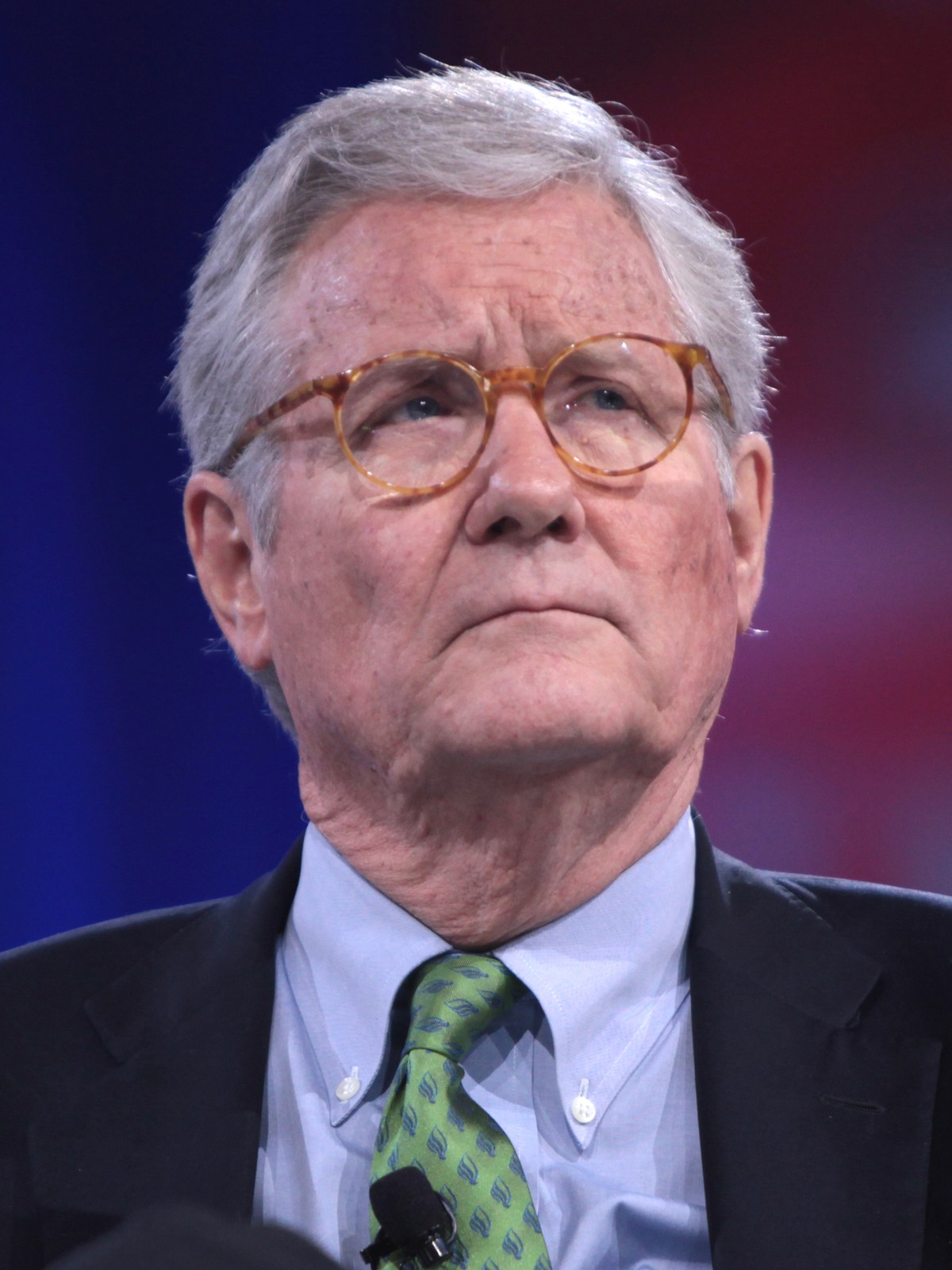
In February 2007, Ezra Klein — then a young writer at The American Prospect — opened a private Google Group. He called it JournoList. The idea, he later said, grew out of a private exchange with Time’s Joe Klein after a public fight: take the argument offstage and people get less performative. [1]
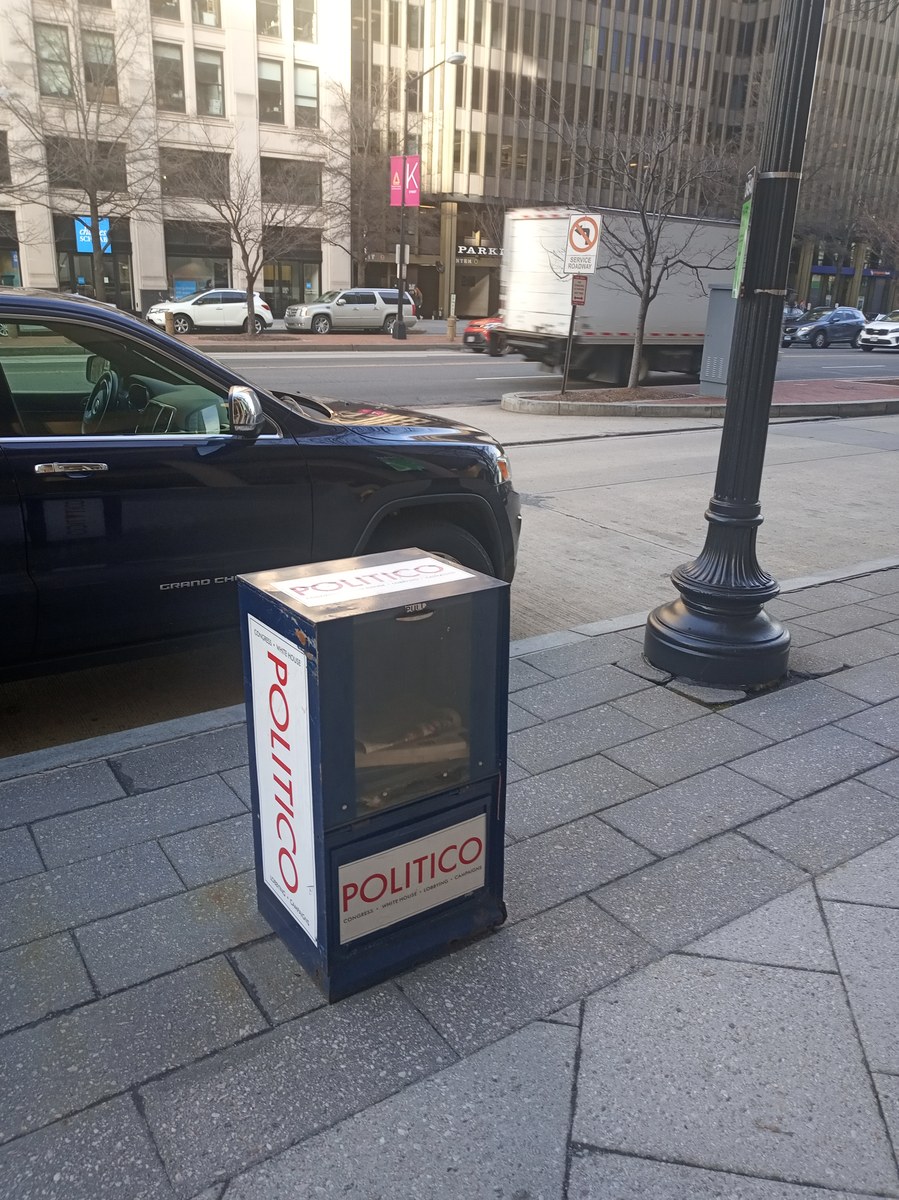
The door policy mattered. Conservatives were not invited. Klein told Politico the point was less “fostering ideology” than preventing a flame war, with the emphasis on empiricism. [2] [3] Critics would later read that rule as the scandal’s premise. Defenders would read it as how affinity listservs work.