The AI Files · The Ezra Klein Google Group, the Daily Caller leaks, and the fight over media coordination · plain reading edition
JournoList: every entry
All 58 entries of the guide, grouped by period and case, each with its bottom line and its sources. This page needs no JavaScript. The interactive guide adds the story in 23 chapters, the people, the timeline, the theories, the 24 checked claims and the media.
The yardstick
Critical path
A critical path is the load-bearing chain any serious reading must handle — here: how a private left-by-design Google Group produced Documented April 2008 election messaging, a 2010 leak crisis, and a pack-vs-independence fight — while a popular pre–March 18 race-speech coordination story fails the calendar. Each card says what the hinge is, where it sits in the narrative, why later steps depend on it, and what rival theories must still explain. Sources and timeline jumps are on the cards.
1
February 2007Person-actKlein founds JournoList
February 2007: Ezra Klein creates a private Google Group for left-leaning journalists and wonks.[1][2][3]
In the narrativeChapter 1 — A Google Group with a door policy: the list begins as a private room, not a newsroom.
Why critical — if this fallsWithout founding, there is no membership, no OTR culture, and no archive later weaponized. Every later pack claim needs this room to have existed.
Any rival theory must account forA private Google Group for left-leaning journalists/wonks created by Ezra Klein in Feb 2007.
Klein controls membership and keeps conservatives out, citing flame wars and empiricism — not a mixed ideological salon.[2][3]
In the narrativeChapters 2–5 — The independence myth and left-by-design door policy.
Why critical — if this fallsIf conservatives were routinely inside as peers, the 'pack / affinity cohort' reading collapses into a mixed salon. Exclusion is the design hinge for the pack thesis.
Any rival theory must account forKlein's stated membership control that kept conservatives out (Politico 2009; Klein's own posts).
Members treat posts as private/off-the-record so people can speak candidly (Joe Klein; Ezra).[2][4]
In the narrativeChapter 4 — Candor, off the record: why members wrote as if the room were private.
Why critical — if this fallsOTR expectation explains why candid attack/strategy talk appears in the archive — and why leaks felt like betrayal. Remove it and the 'gotcha vs coordination' fight loses its cultural premise.
Any rival theory must account forContemporaneous statements that members treated posts as private/off-the-record.
Mickey Kaus publicly mentions the list in 2007; it is not a wholly secret society unknown to media Twitter.[5][6]
In the narrativeEarly public awareness beat — the list was not a wholly unknown secret society.
Why critical — if this fallsIf the list's existence were only known after 2010, the scandal story changes. Kaus 2007 shows media Twitter already knew a room existed.
Any rival theory must account forMickey Kaus's 2007 public mention of the list.
Popular retellings treat JournoList as a totally secret society unknown until Carlson’s leaks.Existence was publicly mentioned years earlier; what was new in 2010 was the content of private strategy threads.
17 March 2009DocumentPolitico maps the echo chamber
March 2009 Politico piece details scale (~hundreds), culture, and sparks ethics debate before the 2010 dump.[2][3]
In the narrativeChapter 5 / Politico map — scale, culture, ethics debate before the dump.
Why critical — if this fallsPolitico's 2009 map supplies pre-leak mainstream description of size and culture. Without it, post-leak framing can be dismissed as partisan invention of the room itself.
Any rival theory must account forMarch 2009 Politico reporting on JournoList's scale (~hundreds) and culture.
16 April 2008BehaviorABC debate triggers list action
After the April 2008 ABC PA debate, members propose and draft a public open letter of disgust; ~41 people sign — not the whole list.[7][8][9][10]
In the narrativeChapter 8 — The ABC debate and the open letter (April 2008, after March 18 speech).
Why critical — if this fallsThis is the Documented election-season coordination act: a drafted public letter with ~41 signers. It anchors the April pack spine — and its date undercuts pre–March 18 speech theories.
Any rival theory must account forPost–Apr 16 2008 ABC debate open-letter organizing and minority petition of signers as published in Daily Caller excerpts.; That this is April 2008 — after Obama's March 18 race speech — not before.
Some internet tellings slide this coordination back onto the March 18 race speech as if the list scripted the speech in advance.Published Caller Wright/ABC threads are April 2008; the speech is March 18. Separate spines.
Spring 2008DocumentAckerman ‘call them racists’ post
In a Wright strategy thread, Spencer Ackerman proposes picking a conservative critic and calling them racist as deflection; the line is later published.[7][8][11]
In the narrativeChapter 9 — “Call them racists”: Ackerman's published strategy line.
Why critical — if this fallsIf this post is fabricated, the most famous 'deflection strategy' quote evaporates. Defenders rarely claim invention; they fight context. The quote is a load-bearing published text for the pack-behavior case.
Any rival theory must account forSpencer Ackerman's Wright-thread proposal to pick a critic and call them racist, as published by the Daily Caller with date context (late April 2008 era).
Chris Hayes urges not feeding the Wright story; dissenters (Yeselson, Kilgore, etc.) argue back — Chait later publishes their posts.[9][7][12]
In the narrativeChapter 10 — Hayes argues Wright is a trap; dissenters push back.
Why critical — if this fallsShows pack talk was not unanimous hive mind: bury-the-story framing competed with pushback. Remove dissent and you get a false monolith; remove Hayes's frame and you lose a key published strategy post.
Any rival theory must account forChris Hayes's late-April 'don't feed Wright' framing and published dissent (Yeselson, Kilgore, et al.; Chait later).
2009–2010 reportingStructureStraight-news names on the roster
Reporting on membership said dozens of straight-news reporters from major outlets were on the list alongside opinion writers — a key ethics stake.[12][2][15]
In the narrativeChapter 19 — Straight news in the room: ethics stake of roster composition.
Why critical — if this fallsIf only pure opinion writers were members, the conflict-of-interest claim shrinks. Straight-news names on the roster are why newsroom ethics boards cared.
Any rival theory must account forReporting that dozens of straight-news reporters from major outlets were on the list alongside opinion writers.
June 2010: leaked Weigel posts insulting conservatives; Washington Post accepts his resignation.[16][17][18]
In the narrativeChapter 13 — Weigel walks: the leak that ends careers and the list.
Why critical — if this fallsWithout Weigel's resignation cascade, Klein's shutdown rationale and the 2010 scandal beat lose their trigger. This is the career-stakes hinge.
Any rival theory must account forJune 2010 leak of Weigel posts and Washington Post accepting his resignation.
June 25, 2010: Ezra Klein announces JournoList is done because archives became a weapon and careers were at stake.[1][19][20]
In the narrativeChapter 14 — “It has to die”: Klein deletes the list.
Why critical — if this fallsShutdown freezes the archive as a contested weapon and ends the living room. Later dumps cannot be 'the ongoing list' after this date.
Any rival theory must account forJune 25, 2010 Ezra Klein announcement that JournoList was done.
20 July 2010DocumentDaily Caller publishes leak series
July 2010: Jonathan Strong’s series (edited by Tucker Carlson) releases Wright/Palin and related excerpts with a coordination thesis.[7][21][8][12]
In the narrativeChapter 15 — Leak inventory: Daily Caller selective series (Strong / Carlson).
Why critical — if this fallsAlmost all Documented 2008 election-thread quotes in this guide ride on Caller's July 2010 publications. If those excerpts are forgeries, the April pack spine collapses. Context fights ≠ fabrication findings.
Any rival theory must account forDaily Caller July 2010 series publishing Wright/Palin/related JournoList excerpts with a coordination thesis.; That the published corpus is selective (~25k claimed archive, not full dump).
July 2010Claim hingePublished quotes not shown fabricated
Defenders dispute framing and omitted dissent; they generally do not show the famous quotes were invented. Context fight ≠ fabrication finding.[9][22][23]
In the narrativeChapter 17 — Context is not a hoax verdict.
Why critical — if this fallsSeparates 'quotes are real' from 'framing is fair.' If quotes were shown invented, pack Documented ratings fall; if only framing is disputed, the texts still stand as evidence of talk.
Any rival theory must account forAbsence of a successful fabrication case against the famous published quotes; presence of context/dissent arguments.
July 2010Claim hingeNo proof of whole-list hive mind
No published evidence that ~400 members acted as a single assignment desk; threads engaged subsets; open letter was a minority petition.[9][4][24]
In the narrativeChapter 16 — The defense: a bar, not a politburo.
Why critical — if this fallsBlocks the overclaim that ~400 members were a single assignment desk. Pack behavior can be Documented in threads/subsets without hive-mind control of all journalism.
Any rival theory must account forNo published evidence of whole-list assignment control; open letter as minority petition; thread-level subsets.
Cable/viral shorthand: JournoList was a hive mind that assigned every story.Published record shows real messaging threads among subsets — not proof of whole-list command-and-control.
A smaller sequel list forms; Jeffrey Goldberg reveals it and notes members debating how to treat Daily Caller coverage.[25]
In the narrativeChapter 18 — Cabalist successor list.
Why critical — if this fallsShows the social form tried to continue after deletion — relevant to 'was this a one-off chat' vs recurring private affinity rooms.
Any rival theory must account forCabalist sequel list and Jeffrey Goldberg's reveal, including debate over Daily Caller coverage.
June 21, 2013DocumentGawker/Guccifer dump is partial (summer 2010)
Later dump does not supply the missing full archive; Gawker update + Mediaite/WM.[26][27]
In the narrativeChapter 15 — Gawker/Guccifer 2013 dump scope (partial; mostly summer 2010).
Why critical — if this fallsIf readers treat Gawker 2013 as the 2008 campaign archive, they invent pre-speech emails that are not there. Scope is a load-bearing negative: what the dump is not.
Any rival theory must account forGawker update + Mediaite/WM describing the dump as partial and largely late June 2010 water-cooler — not a full multi-year 2008 archive.
Viral posts implied the Gawker dump finally 'released JournoList' including campaign-era coordination files.The dump is the wrong season and mostly the wrong year for March 2008 speech claims.
June 12, 2013StructureStanding kinship/revolving-door web documented
Farhi/Politico document marriages, siblings, and journalist→admin pipeline beyond JournoList.[28][29][30]
In the narrativePack-behind-the-face / kinship beat — revolving door beyond the Google Group.
Why critical — if this fallsJournoList is one affinity mechanism; kinship and journalist→admin pipelines are adjacent edges. Remove this and pack sociology collapses into 'just a listserv.'
Any rival theory must account forFarhi/Politico documentation of marriages, siblings (e.g. Rhodes brothers), and revolving-door pipelines.
In the narrativeChapters 2–3 — Pack vs independence myth (t312u Documented on this spine).
Why critical — if this fallsThis is the guide's thesis hinge: for this cohort, the 'independent competing arbiters' story fails. If pack behavior is denied despite left-by-design + election threads, the yardstick is unused.
Any rival theory must account forLeft-by-design private membership + published election-season messaging threads as Documented pack/affinity behavior — without requiring hive-mind control of all media.
March 18, 2008EventMarch 18 race speech precedes published list Wright threads
Critical against pre-speech coordination theory: speech is March 18; Daily Caller Documented JournoList Wright/ABC texts are April 2008 (~month later).[31][7][8]
In the narrativeChapter 7 — The speech-before-the-speech story: calendar critical against owner/internet pre-speech theory.
Why critical — if this fallsObama's March 18, 2008 'A More Perfect Union' speech is the date that falsifies advance JournoList coordination of that speech. If the speech were in May, the April threads could look preparatory; they are not.
Any rival theory must account forHard date: March 18, 2008 race speech (NPR/NYT contemporaneous).; That published JournoList Wright/ABC texts in Caller are April 2008 — ~a month later.
Owner/internet theory: JournoList members coordinated around the race speech before delivery.Contested/Unsupported as stated — timeline undercuts pre-speech coordination; April pack behavior remains Documented on its own spine.
20 July 2010DocumentCaller 2010 excerpts = April pack messaging (own spine)
Open letter after Apr 16 debate; late-April Hayes/Ackerman Wright-return posts. Documented. Does not move backward onto March 18.[7][9][12]
In the narrativeChapters 8–10 + claim cards — April 2008 Wright/ABC messaging Documented (own spine).
Why critical — if this fallsKeeps the real pack evidence from being thrown out with the false pre-speech claim (no CNN-hedge either way).
Any rival theory must account forOpen letter after Apr 16 debate; late-April Hayes/Ackerman Wright-return posts in Daily Caller 2010 excerpts — Documented, not moved onto March 18.
‘It’s on the internet in the Gawker dumps’ as a cite for pre-speech JournoList talk.That dump does not supply 2008 campaign-season speech-prep emails; absence there is not proof of suppression of a full archive.
Graph built from published leak excerpts, confirmed named members, and separately sourced kinship/revolving-door reporting. Incomplete-by-construction: the full multi-year archive was never released. Kinship and revolving-door edges are NOT JournoList membership proof.
Membership / ideology: ~400 left-leaning by Klein’s door policy (Politico 2009; contemporaneous ~400 / CSM). Conservatives excluded (Carlson refused). Confirmed-name compilations (KeyWiki/FR-style lists) are partial — not a notarized roster.
Co-participation in a published JournoList thread
Named person → outlet affiliation (then)
Family / marriage (separate spine; not a list edge)
Politics ↔ journalism career move
55 nodes · 59 edges · incomplete-by-construction
Solid red = published JournoList thread co-participation. Blue = membership→outlet. Dashed purple = kinship. Dashed gold = revolving door. Kinship/revolving-door edges are not proof of list membership.
Founding & campaign 2007–2008
Building the list
2007 rules and membership
February 2007: a list is born
Record · Documented
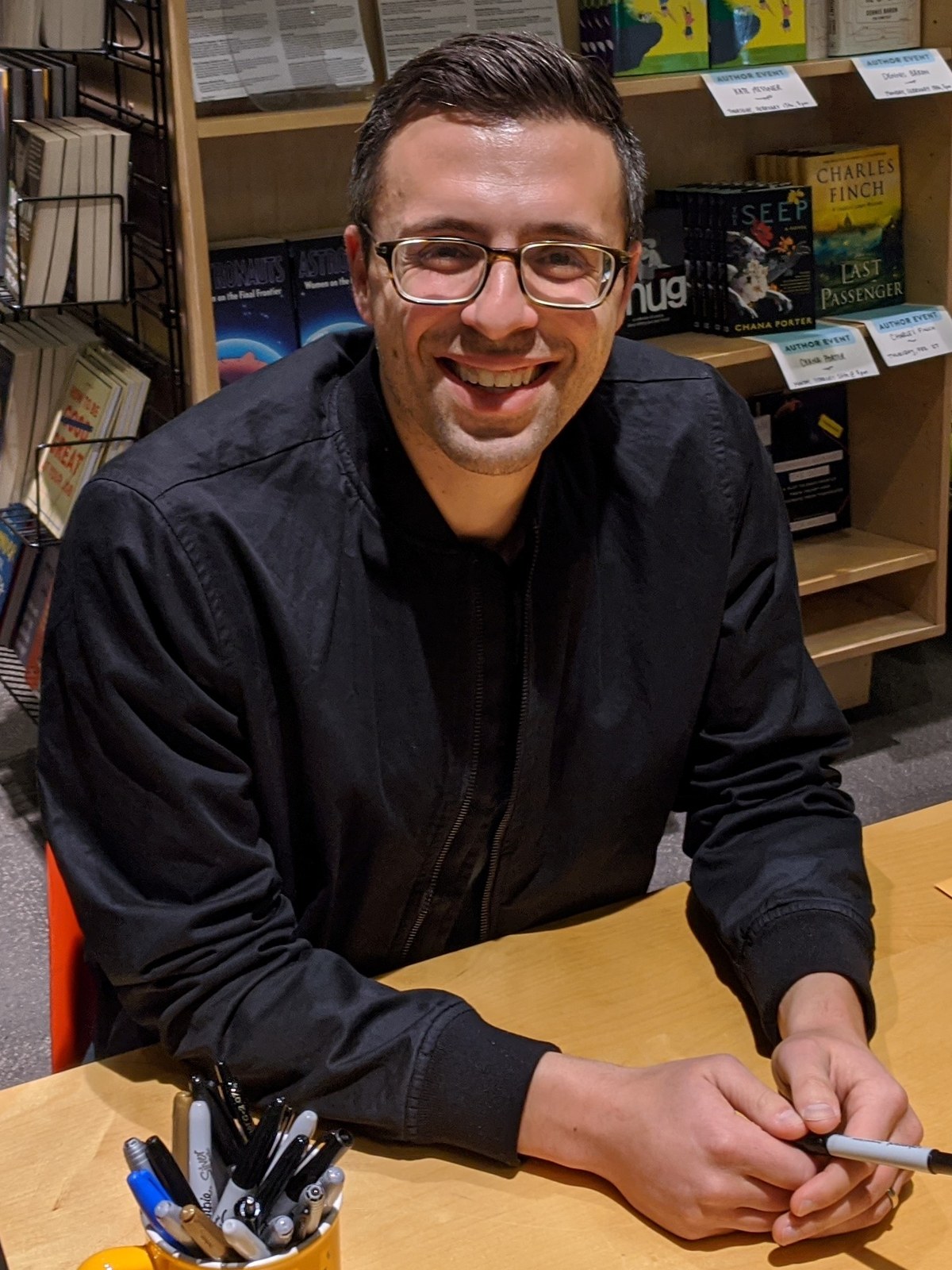
Ezra Klein in 2020. Irn · CC BY-SA 4.0
Ezra Klein creates JournoList as a private Google Group while at The American Prospect.
Klein later wrote that the idea grew from a private exchange with Time’s Joe Klein after a public Iraq fight. [1]
The vehicle was a controlled Google Group, not a newsroom or PAC. [2]
Bottom line Documented
JournoList begins as Klein’s curated private forum in early 2007.
New York Post, “The fix was in,” July 24–25, 2010 Summarizes Daily Caller leaks (Wright, Palin, Spitz, Rosenberg); lists outlets said to have straight-news members on the list. Opinionated presentation.
Sarah Palin by Gage Skidmore. Gage Skidmore · CC BY-SA 3.0
After Palin’s selection, published posts show attack-line workshopping.
Kilgore: go ideological; don’t concede ‘maverick.’ [1]
Avent’s ‘if we were the GOP’ riff flagged team-game language. [1]
Bottom line Archives
Strategy talk about a GOP nominee happened on-list.
What the record can’t settle
Excerpts ≠ complete Palin transcript.
Sources
New York Post, “The fix was in,” July 24–25, 2010 Summarizes Daily Caller leaks (Wright, Palin, Spitz, Rosenberg); lists outlets said to have straight-news members on the list. Opinionated presentation.
A stack of newspapers. Flickr / Wikimedia Commons · CC BY-SA 2.0
Critics highlighted team pronouns as collapsed independence.
Rosenberg’s post-election ‘we need to keep making the case’ featured in NY Post. [1]
Tomasky had warned interns against ‘we’ for Democrats. [1]
Bottom line Mixed
Team language appears in excerpts.
What the record can’t settle
Frequency unknown without full archives.
Sources
New York Post, “The fix was in,” July 24–25, 2010 Summarizes Daily Caller leaks (Wright, Palin, Spitz, Rosenberg); lists outlets said to have straight-news members on the list. Opinionated presentation.
New York Post, “The fix was in,” July 24–25, 2010 Summarizes Daily Caller leaks (Wright, Palin, Spitz, Rosenberg); lists outlets said to have straight-news members on the list. Opinionated presentation.
A stack of newspapers. Flickr / Wikimedia Commons · CC BY-SA 2.0
Avent posted Palin attack-line talk while at the Economist’s blog.
NY Post used this to puncture ‘only partisan magazines’ defenses. [1]
Bottom line Mixed
Outlet brand ≠ every staffer’s private list behavior.
What the record can’t settle
One blogger ≠ The Economist’s newsroom policy.
Sources
New York Post, “The fix was in,” July 24–25, 2010 Summarizes Daily Caller leaks (Wright, Palin, Spitz, Rosenberg); lists outlets said to have straight-news members on the list. Opinionated presentation.
New York Post, “The fix was in,” July 24–25, 2010 Summarizes Daily Caller leaks (Wright, Palin, Spitz, Rosenberg); lists outlets said to have straight-news members on the list. Opinionated presentation.
A stack of newspapers. Flickr / Wikimedia Commons · CC BY-SA 2.0
Ed Kilgore appears in Palin attack-line talk and in Wright-thread dissent against Hayes.
Shows the same person could urge message discipline and reject gag-order logic. [1][2]
Bottom line Mixed
Members were not a monolith even individually.
What the record can’t settle
Still strategy-capable.
Sources
New York Post, “The fix was in,” July 24–25, 2010 Summarizes Daily Caller leaks (Wright, Palin, Spitz, Rosenberg); lists outlets said to have straight-news members on the list. Opinionated presentation.
Conflation trap: March 18 race speech vs April Wright-return threads
Record · Unproven
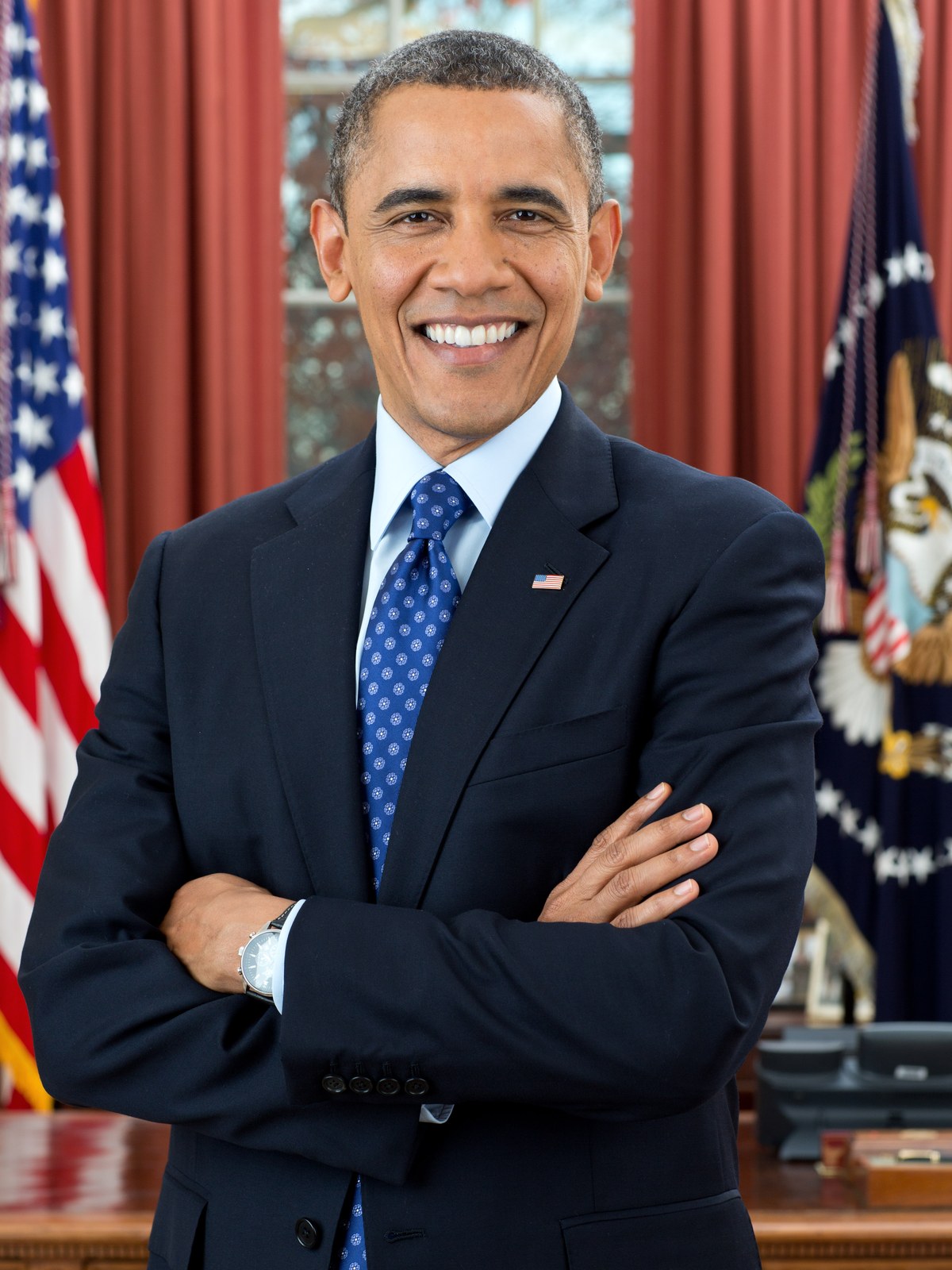
President Barack Obama, official portrait. Pete Souza / White House · Public domain
Viral claims that JournoList previewed Obama’s March 18 “A More Perfect Union” speech before delivery are Unsupported by published dumps. Documented leak texts concern April 2008 post–ABC debate organizing and late-April Wright messaging (Hayes/Ackerman), published by the Daily Caller in 2010 — not Gawker 2013.
Obama delivered “A More Perfect Union” in Philadelphia on March 18, 2008. [1] The Daily Caller’s famous JournoList excerpts center later April events: the April 16 ABC debate, the open letter that followed (about April 18), and late-April Wright-return messaging including Hayes’s bury-Wright frame and Ackerman’s “call them racists” line. [2][3][4]
Those April threads are Documented as published 2010 Caller text. They are not proof of a March pre-speech script session on the list. Treating them as pre-speech coordination collapses two calendars.
Gawker/Guccifer’s June 2013 dump cannot rescue the pre-speech claim: contemporaneous reporting (Mediaite; Washington Monthly quoting Gawker’s update) establishes it as mostly late June 2010 water-cooler material — years after, and the wrong season for, 2008 speech workshopping. [5][6]
President Barack Obama, official portrait. Pete Souza / White House · Public domain
THEORY (owner / internet): JournoList members coordinated advance messaging around Obama’s March 18 race speech before delivery. Stated on this page so the critical can refute THAT claim in place — without erasing Documented April Wright/ABC pack behavior.
Owner theory, in plain words: the list handled or previewed messaging around “A More Perfect Union” before Obama gave the speech on March 18, 2008. That claim circulates online and was brought here to be tested. [1]
Critical that undercuts this specific coordination claim: the Daily Caller’s dated JournoList Wright exhibits are April 2008 — after the April 16 ABC Gibson/Stephanopoulos debate, the open letter around April 18, and Wright’s late-April press return (Hayes’s April 29-era bury-coverage frame; Ackerman’s call-them-racists). That is about a month after the speech, not before. [2][3][4]
Gawker/Guccifer 2013 cannot save the theory: Mediaite and Gawker’s own update (via Washington Monthly) establish a mostly late-June 2010 water-cooler dump — not a 2008 campaign archive. [5][6]
What remains Documented on a separate spine: April pack messaging (open letter, Ackerman deflection, Hayes frame). Strength on April does not transfer to March pre-speech scripting. [2][7]
Bottom line Unproven
Pre-speech race-speech coordination = Unsupported/Contested owner theory, undercut by timeline. April Wright/ABC messaging = Documented separately.
What the record can’t settle
A hypothetical full archive could change this; none is public. Absence of public pre-speech emails is why the rating is Unproven/Unsupported, not a pretend Proof of Absence court finding.
New York Post, “The fix was in,” July 24–25, 2010 Summarizes Daily Caller leaks (Wright, Palin, Spitz, Rosenberg); lists outlets said to have straight-news members on the list. Opinionated presentation.
A stack of newspapers. Flickr / Wikimedia Commons · CC BY-SA 2.0
The public myth treats prestige journalists as rival neutral arbiters competing for truth. JournoList’s published record shows a left-by-design private pack workshopping campaign narrative under election pressure.
Civics textbook journalism imagines competing newsrooms checking each other as independent arbiters. JournoList’s door policy and published threads show something else for this cohort: an affinity group, off the record, already sorted left, talking strategy about Wright, ABC, and Palin. [1][2][3]
That is pack behavior. It is not proof the Obama campaign ran the list, and it is not proof every story was dictated. It is Documented evidence against the myth that these writers were primarily competing with each other as neutral referees on the 2008 narrative. [4][5]
Hold the limits on their own spines: Hayes’s thread had dissent; the ABC letter had ~41 signers; Chait’s bar metaphor is partly true. None of those limits erase the structure. [5]
Bottom line Documented
Pack/affinity coordination for this cohort is Documented; “list ran all coverage” is a separate Unproven claim.
What the record can’t settle
Does not license inventing edges between unnamed people or treating KeyWiki rosters as primary quotes.
New York Post, “The fix was in,” July 24–25, 2010 Summarizes Daily Caller leaks (Wright, Palin, Spitz, Rosenberg); lists outlets said to have straight-news members on the list. Opinionated presentation.
A stack of newspapers. Flickr / Wikimedia Commons · CC BY-SA 2.0
Coverage said major-outlet straight-news reporters were on the roster.
NY Post listed Time, Newsweek, AP, Reuters, WaPo, NYT, Politico, Bloomberg, HuffPost, PBS, NPR affiliate. [1]
Bottom line Mixed
Straight-news membership allegation is central and partly documentable.
What the record can’t settle
No notarized full roster published.
Sources
New York Post, “The fix was in,” July 24–25, 2010 Summarizes Daily Caller leaks (Wright, Palin, Spitz, Rosenberg); lists outlets said to have straight-news members on the list. Opinionated presentation.
New York Post, “The fix was in,” July 24–25, 2010 Summarizes Daily Caller leaks (Wright, Palin, Spitz, Rosenberg); lists outlets said to have straight-news members on the list. Opinionated presentation.
A stack of newspapers. Flickr / Wikimedia Commons · CC BY-SA 2.0
NY Post packaged Strong’s reporting for a mass audience.
Upgraded bias thesis from unintentional skew to intentional fix. [1]
Bottom line Mixed
Cemented popular ‘fix was in’ memory.
What the record can’t settle
Tabloid framing ≠ independent verification of every claim.
Sources
New York Post, “The fix was in,” July 24–25, 2010 Summarizes Daily Caller leaks (Wright, Palin, Spitz, Rosenberg); lists outlets said to have straight-news members on the list. Opinionated presentation.
New York Post, “The fix was in,” July 24–25, 2010 Summarizes Daily Caller leaks (Wright, Palin, Spitz, Rosenberg); lists outlets said to have straight-news members on the list. Opinionated presentation.
Leak inventory — Daily Caller selective 2010 series
Record · Documented
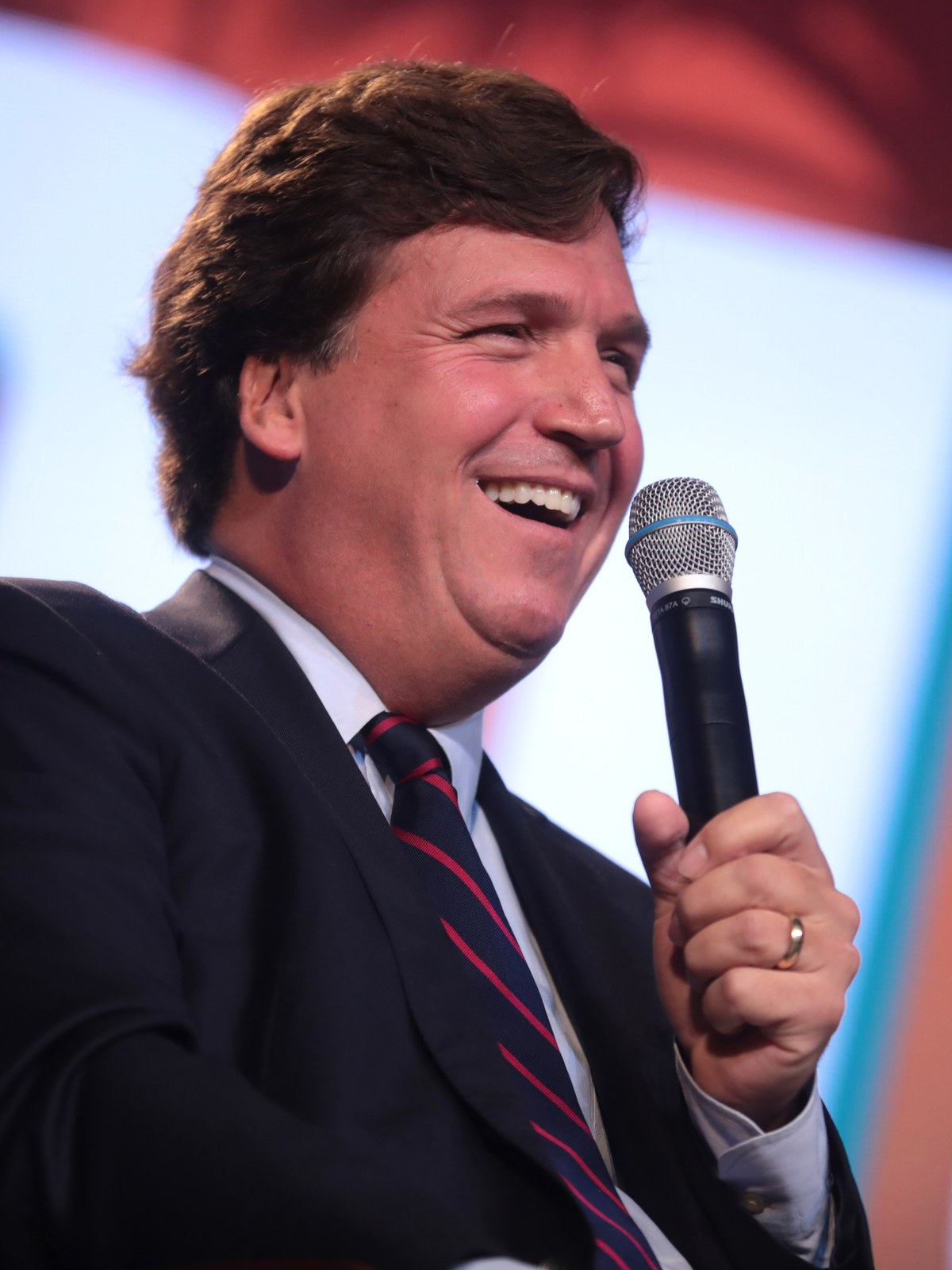
Tucker Carlson by Gage Skidmore. Gage Skidmore · CC BY-SA 3.0
Jonathan Strong’s Daily Caller series published curated JournoList excerpts (Wright/ABC, Palin, Weigel context). Klein described a 25,000+ email trove and refused a full release; Breitbart floated a bounty for the complete archive.
The Daily Caller did not dump a searchable multi-year archive. It published selective threads — Wright/ABC organizing and Ackerman’s deflection; Palin attack-line brainstorming; Weigel’s insults — that still define the public case. [1][5][8]
Ezra Klein, criticizing cherry-picking, referred to a trove of 25,000+ e-mails and still refused to release everything, citing participants’ privacy expectations. [2] Christian Science Monitor contemporaneously described publishing from about 25,000 entries among roughly 400 left-leaning members. [3]
Andrew Breitbart’s reported $100,000 bounty for the full archives underscored that the complete file was never a public primary. [4] Video contemporaneous with the Caller fight includes Carlson on Hannity and Weigel resignation clips. [6][7][9]
Bottom line Documented
Caller = high-signal selective excerpts from a claimed ~25k trove, not a full archive release.
What the record can’t settle
Independent verification of the full 25k count remains second-hand (Klein/press), because the archive was deleted.
New York Post, “The fix was in,” July 24–25, 2010 Summarizes Daily Caller leaks (Wright, Palin, Spitz, Rosenberg); lists outlets said to have straight-news members on the list. Opinionated presentation.
New York Post, “The fix was in,” July 24–25, 2010 Summarizes Daily Caller leaks (Wright, Palin, Spitz, Rosenberg); lists outlets said to have straight-news members on the list. Opinionated presentation.
New York Post, “The fix was in,” July 24–25, 2010 Summarizes Daily Caller leaks (Wright, Palin, Spitz, Rosenberg); lists outlets said to have straight-news members on the list. Opinionated presentation.
A stack of newspapers. Flickr / Wikimedia Commons · CC BY-SA 2.0
After Twitter Files, some cast JournoList as early progressive information control.
Rhetorical continuity exists; institutional disanalogy is sharp. [1]
Bottom line Disputed
Useful as memory history; dangerous as evidence laundering.
What the record can’t settle
Guide does not merge scandals into one plot.
Sources
Twitter Files threads (2022–23) — comparative later record Later platform/moderation documents often compared rhetorically to JournoList; different institutions (private listserv vs platform/government pressure). Use only for memory/continuity claims, not as JournoList evidence.
Leak inventory — Gawker/Guccifer June 2013 (not the full archive)
Record · Documented
A stack of newspapers. Flickr / Wikimedia Commons · CC BY-SA 2.0
Guccifer supplied Gawker a JournoList dump in June 2013. Gawker’s own update and Mediaite/Washington Monthly reporting establish it was mostly summer 2010 material — not the missing multi-year archive Breitbart had bounty-hunted.
On June 21, 2013, Gawker published what Guccifer provided as JournoList archives. Initial framing flirted with “full archive”; the update walked that back: most content appeared to be from summer 2010 around the public controversy. [1][2]
Mediaite called it roughly a week’s worth of late-June 2010 chat — basketball, real estate, vocational systems — not the Wright/Palin smoking-gun years. Softpedia noted on the order of ~265 pages. [2][3]
Epistemic rule for this guide: Daily Caller excerpts remain the primary published text for the scandal’s famous lines; Gawker/Guccifer is a later partial dump that does not close the missing-archive gap. Surviving secondary links (Mediaite, Washington Monthly) outrank dead gawker.com URLs.
Bottom line Documented
Gawker/Guccifer 2013 ≠ full 2007–2010 archive; mostly summer 2010.
What the record can’t settle
Raw Gawker host pages are often dead; rely on contemporaneous quotes of Gawker’s update.
JournoList is the private coordination reveal. The deeper structure is a social web — revolving door, marriages, siblings across press and Democratic administrations — documented in Farhi 2013 and Politico revolving-door tallies.
Paul Farhi’s June 2013 Washington Post piece catalogued family ties between prestige media and the Obama administration — and noted that newsrooms insisted conflicts were “worked out.” [1] That literature is the standing graph; JournoList is the moment the affinity pack spoke in one room.
Documented exhibits: Ben Rhodes (WH strategic communications) brother of David Rhodes (CBS News president) — Benghazi email coverage fight, 2014. [3][4] Claire Shipman (ABC) married Jay Carney (Time → WH press secretary → later CNN). [5][7] Ben Sherwood (ABC News president) brother of Elizabeth Sherwood-Randall (Obama NSC). [1] Ari Shapiro (NPR) married to WH counsel staffer Michael Gottlieb. [1]
Revolving door: Politico counted Richard Stengel as the 21st journalist into the Obama administration by September 2013; Ari Fleischer called the deck stacked. [2] Classic path: George Stephanopoulos from Clinton WH to ABC — and into the moderator chair of the April 2008 debate that triggered JournoList’s open letter. [6]
Bottom line Documented
Kinship and revolving-door ties are Documented structure; they undercut the pure independence myth without proving every story is fixed.
What the record can’t settle
Recusal claims exist; kinship ≠ automatic coverage kill. Graph edges here are labeled separately from JournoList threads.
President Barack Obama, official portrait. Pete Souza / White House · Public domain
Ben Rhodes authored Benghazi-related talking-points goals; brother David Rhodes was CBS News president. Conflict reporting is Documented; CBS denied David ordered Evening News silence.
In May 2014, Judicial Watch-released email from Ben Rhodes listed goals for Susan Rice’s Sunday-show appearances after Benghazi. David Rhodes, his brother, was president of CBS News — home of the Evening News and 60 Minutes. [1][2]
Heritage and Free Beacon flagged that CBS Evening News skipped the email while ABC/NBC covered it; CBS said Bill Plante reported on This Morning with a disclaimer and that David was not in the Evening News editorial discussion. [2]
Rate carefully (t306u): family link + conflict reporting = Documented. “David killed the story on brother’s orders” = separate, not proven by the public record CBS put out.
Bottom line Documented
Brothers across WH strategic comms and CBS News presidency — Documented; coverage-kill intent unproven.
What the record can’t settle
Not “60 Minutes executive producer” — CBS News president.