Interpretation 01
A useful counterintelligence tool exceeded acceptable boundaries
Real rationale; net value and necessity contested
The strongest version
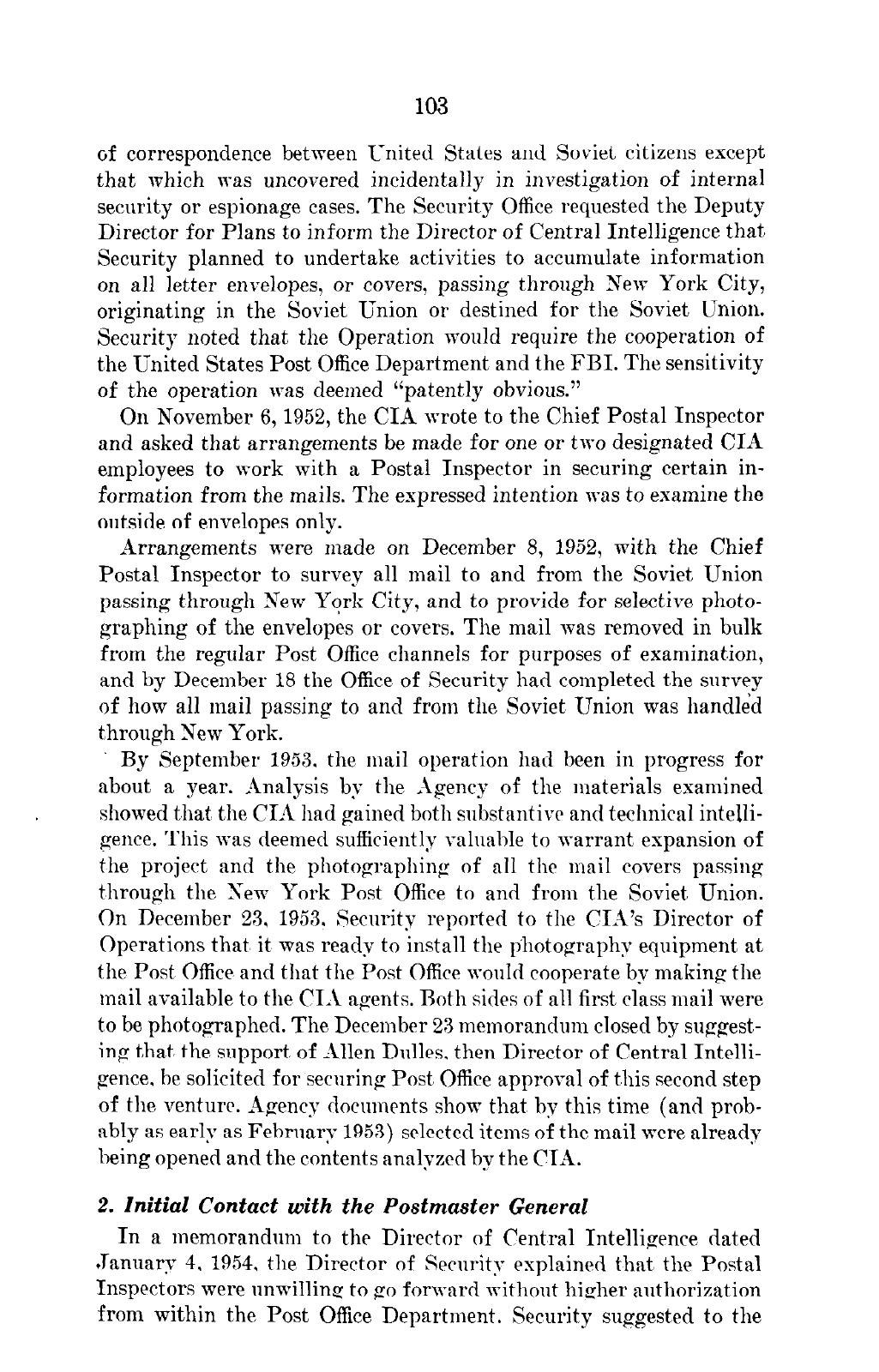
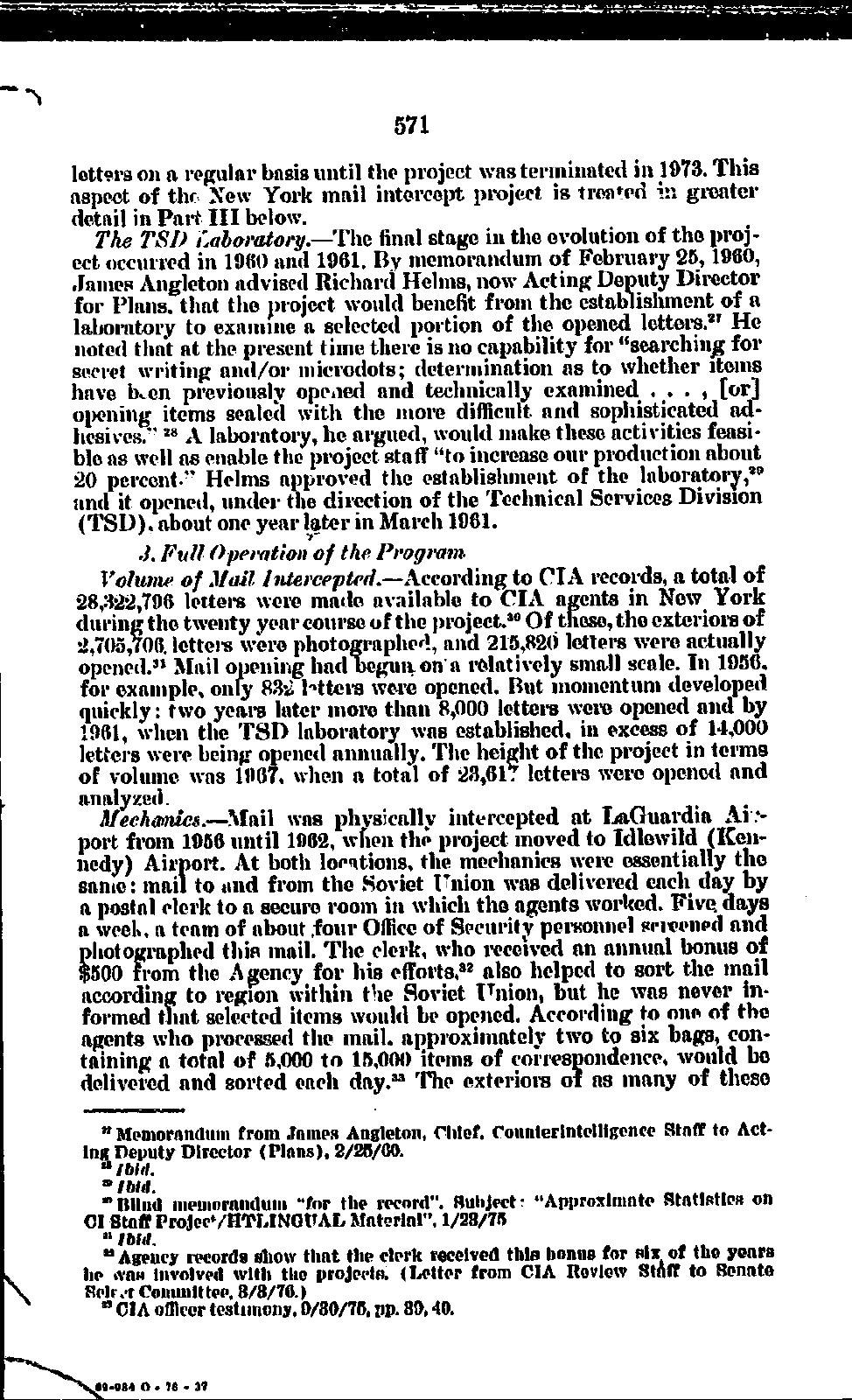
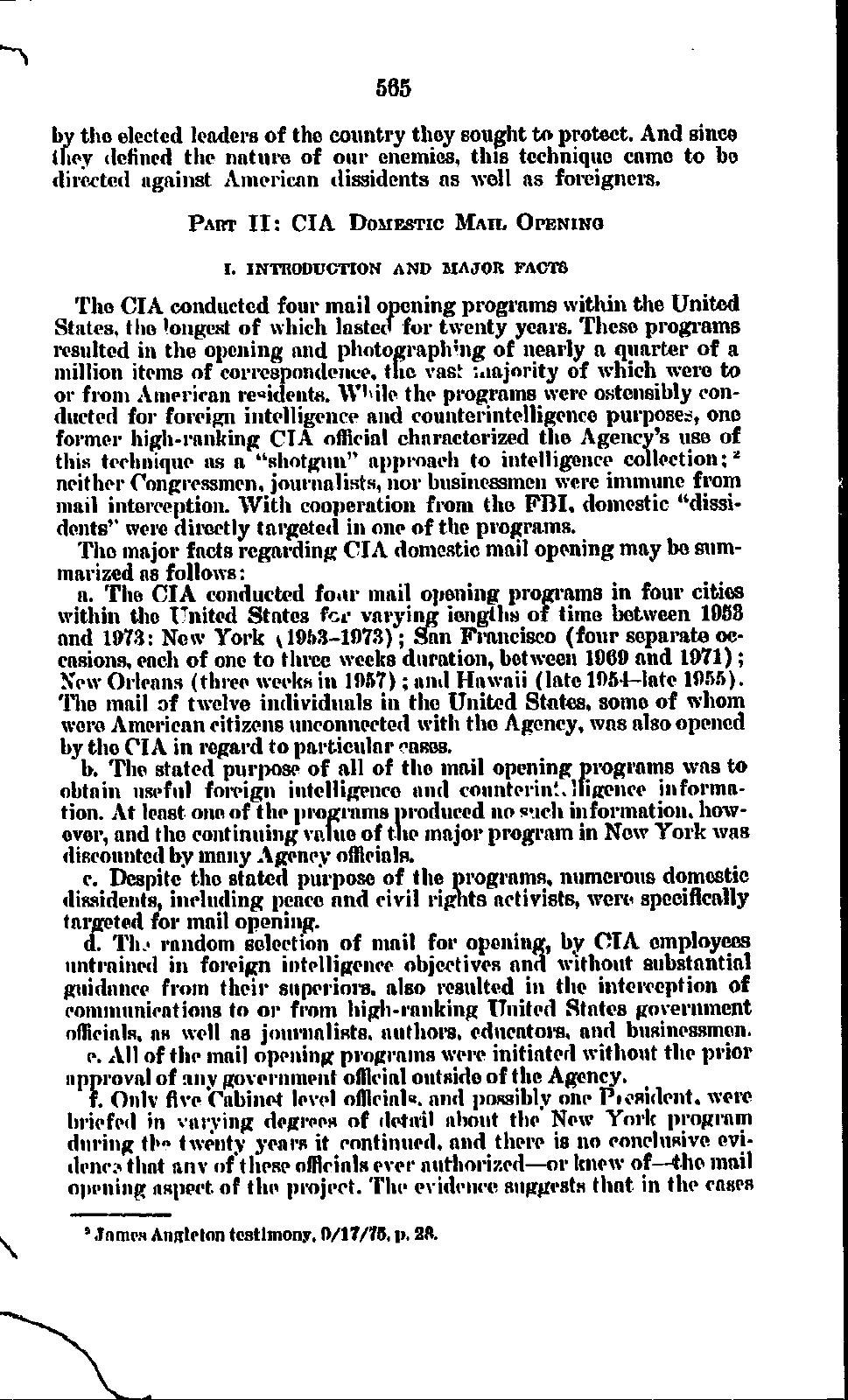
Secret writing, censorship patterns, Soviet contacts and counterintelligence leads made mail a potentially valuable source. Angleton defended the project and some technical benefits were acknowledged. This account accepts CP1–CP4 but sees the operation as a response to genuine intelligence needs.
Accepts
Letters were opened, domestic information was collected and secrecy obstructed review. Some benefits need not make every method lawful.
Must still explain
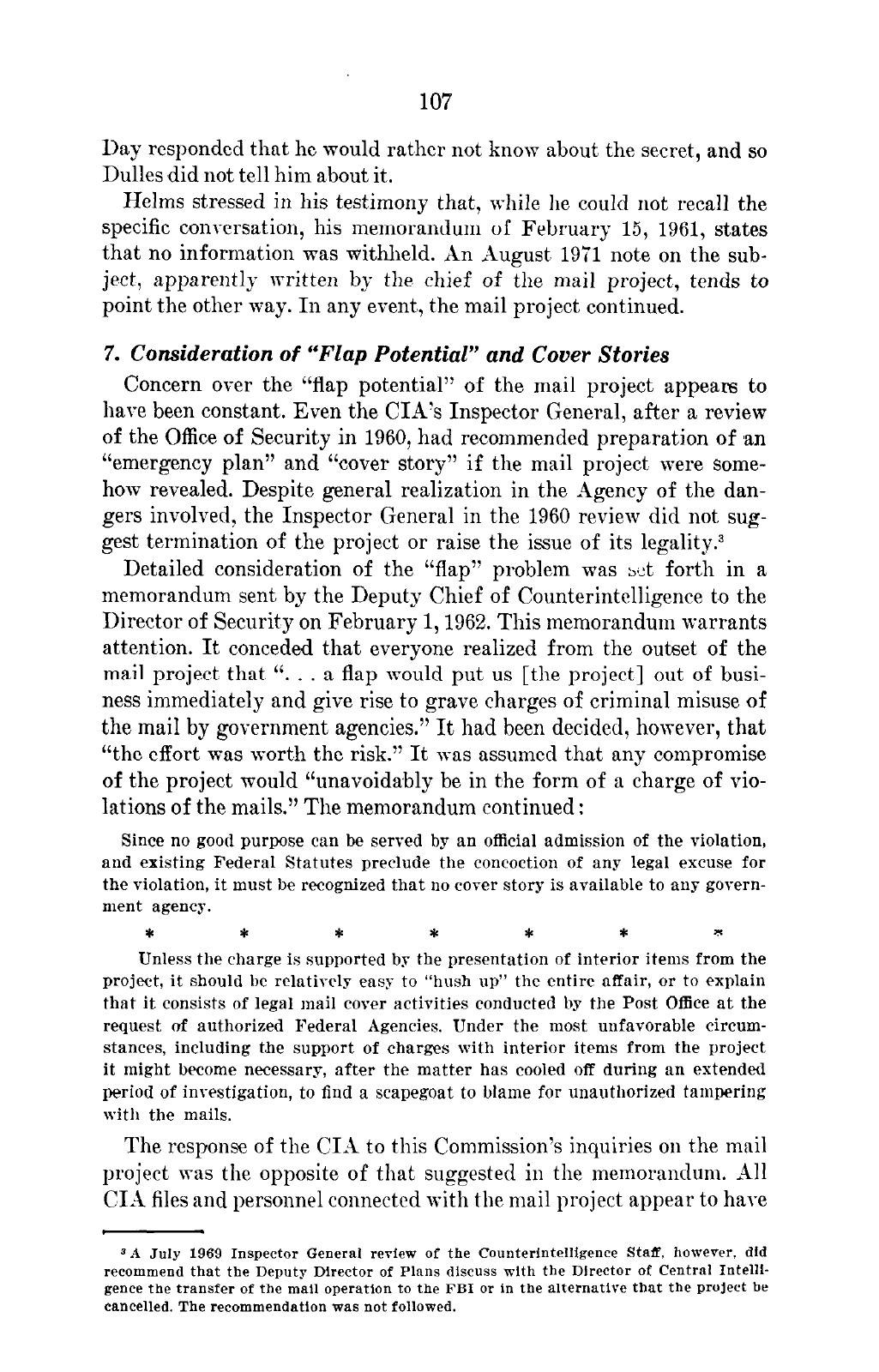
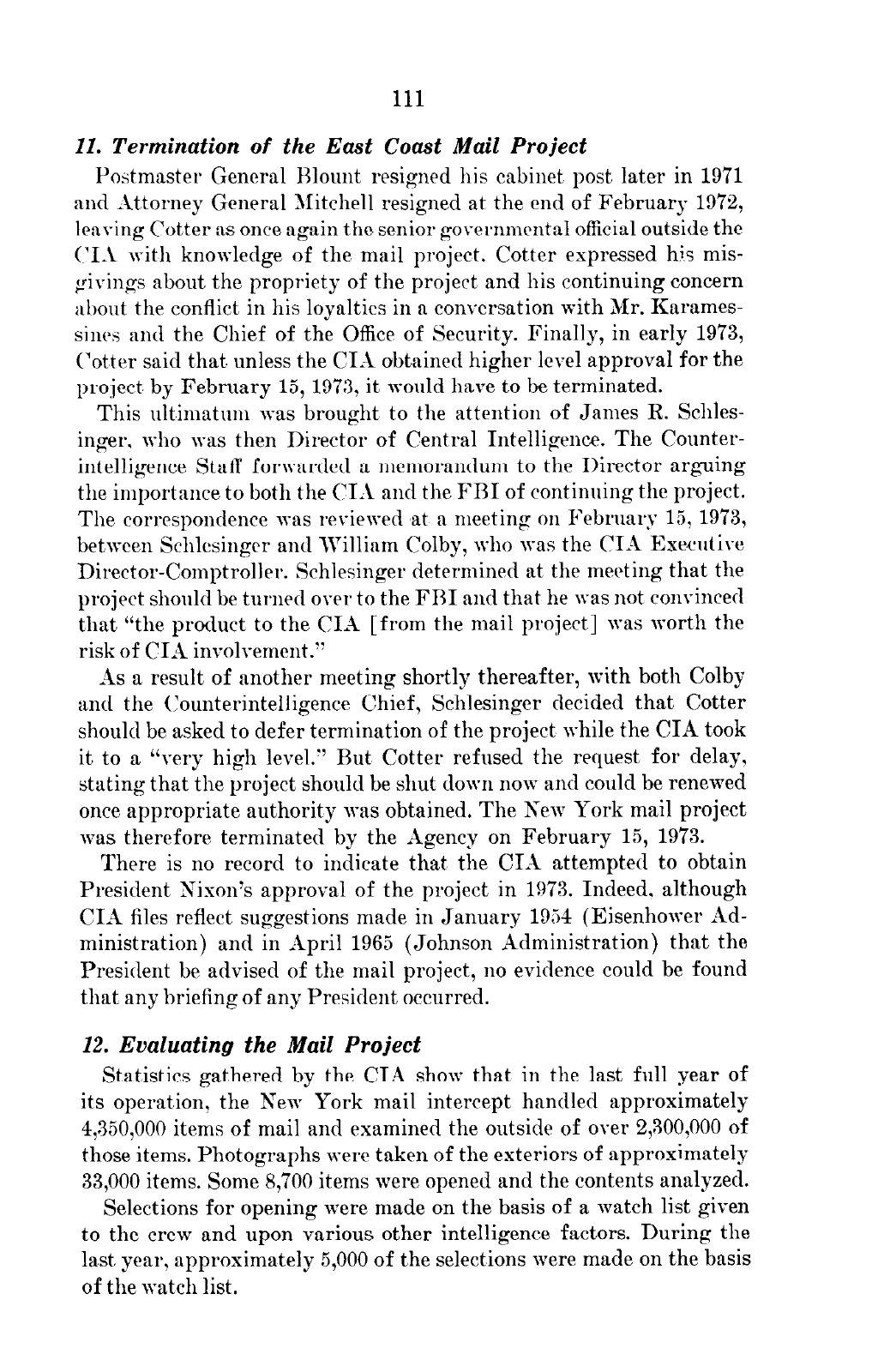
CP2’s broad selection and domestic use, CP3’s adverse reviews and continued legal concerns must be explained. The volume of material does not measure prevented harm or unique operational success.
Assessment
The record supports some useful information and a serious dispute about whether it justified the program’s scale and risks. Neither total worthlessness nor indispensability is established.
What would change this assessment
Authenticated case records linking particular intercepts to otherwise unavailable outcomes, and an accounting of unsuccessful collection and privacy costs, would change confidence about net value.
Sources: S01 · S03 · S04 · S05
Interpretation 02
Foreign-intelligence authority supplied a lawful exception
A substantive legal argument with disputed factual predicates
The strongest version
Pines argues that foreign-intelligence authority could permit warrantless physical searches and that Mitchell’s 1971 approval supplied a key condition. Exterior covers and contents searches require separate analysis. This account accepts the acts in CP1–CP2 but challenges an unqualified retrospective legal condemnation.
Accepts
No judicial warrant was obtained, early approval was uncertain, and litigation may fail for reasons unrelated to lawful conduct.
Must still explain
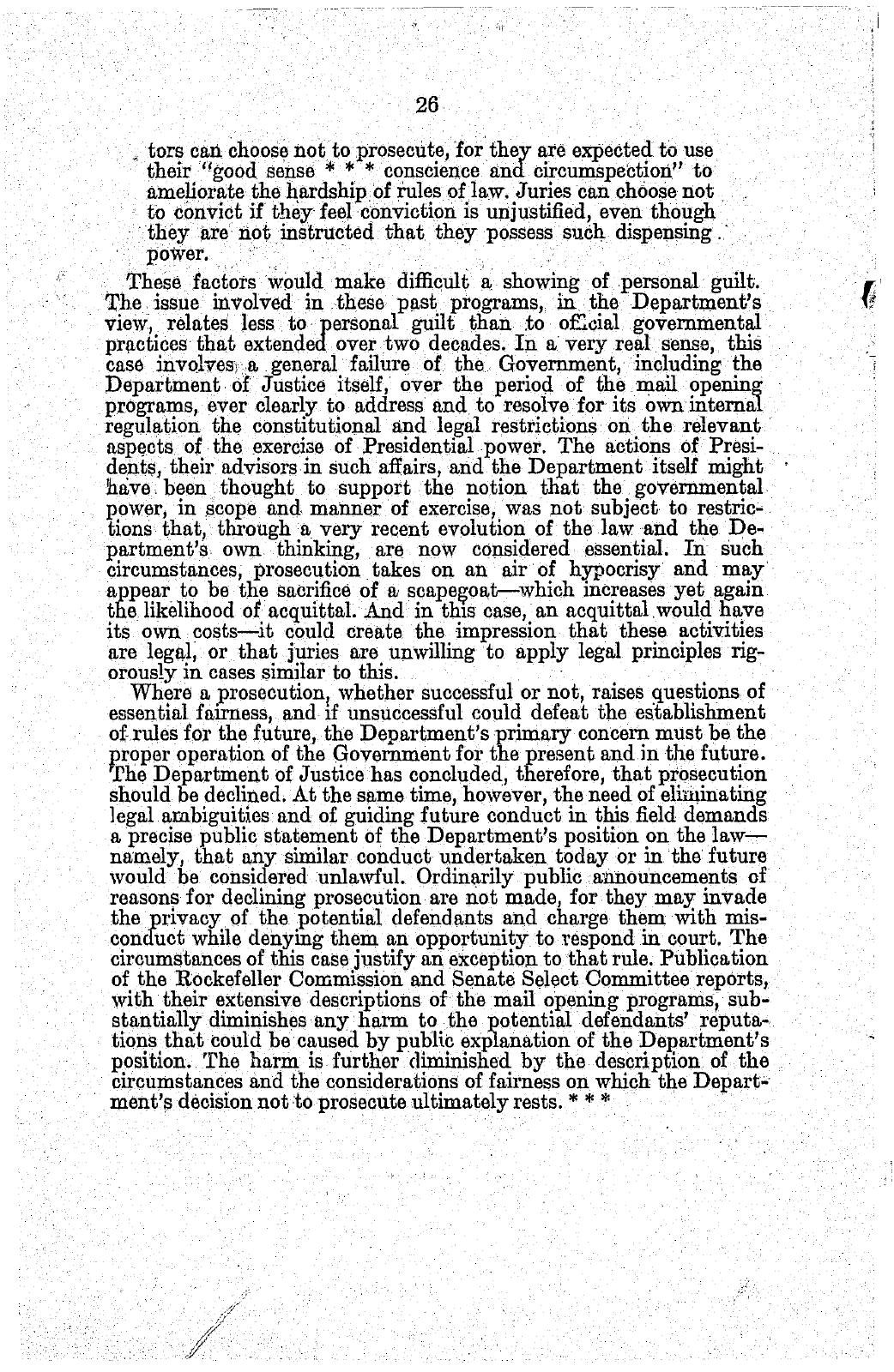
The argument requires a primary foreign-intelligence purpose, appropriate foreign-power targets and valid executive approval. CP2’s domestic tasking, non-list selection and CP3’s disputed briefings test those conditions. Birnbaum’s charter holding cannot be replaced with a later dismissal on state-law grounds.
Assessment
This is a published scholarly interpretation, expressly personal rather than an official CIA position. DOJ’s declination provides a different, narrower argument about prosecution fairness and proof.
What would change this assessment
Authenticated legal advice, complete briefing records, targeting rules and case-specific facts meeting the proposed exception would strengthen the defense; records showing knowingly domestic targeting without relevant authority would weaken it. A directly applicable adjudication would carry a different weight from scholarship.
Sources: S01 · S04 · S06 · S07 · S10 · S11 · S12 · S13
Interpretation 03
An institutional system of domestic surveillance
Strongly supported for important uses; every purpose is not reducible to it
The strongest version
The FBI’s requirements, CHAOS watch list, dissident selection and stored copies made HTLINGUAL a working domestic-surveillance resource. CP2–CP3 describe a mechanism, not merely a hypothetical risk. Senior involvement and concealment make isolated rogue conduct an inadequate account.
Accepts
Foreign intelligence and technical aims also existed; knowledge varied and does not prove a single informed presidential command.
Must still explain
The account must distinguish collection, dissemination and subsequent action. Records of an opened letter do not show that its writer was prosecuted, intimidated or otherwise acted against. CP5’s legal complexity remains even where conduct is established.
Assessment
Domestic use and secrecy are documented. A claim that the entire project was devised solely to suppress dissent goes beyond the 1952 origins and mixed product assessments.
What would change this assessment
Recipient case files and orders showing how copied correspondence drove specific domestic actions would establish a fuller causal chain. Evidence that a particular name entered only through non-list selection would narrow an individual-targeting claim.
Sources: S01 · S02 · S03 · S04 · S05 · S07
Interpretation 04
The surviving files conceal a wider operational story
Legitimate inquiry; larger links require independent proof
The strongest version
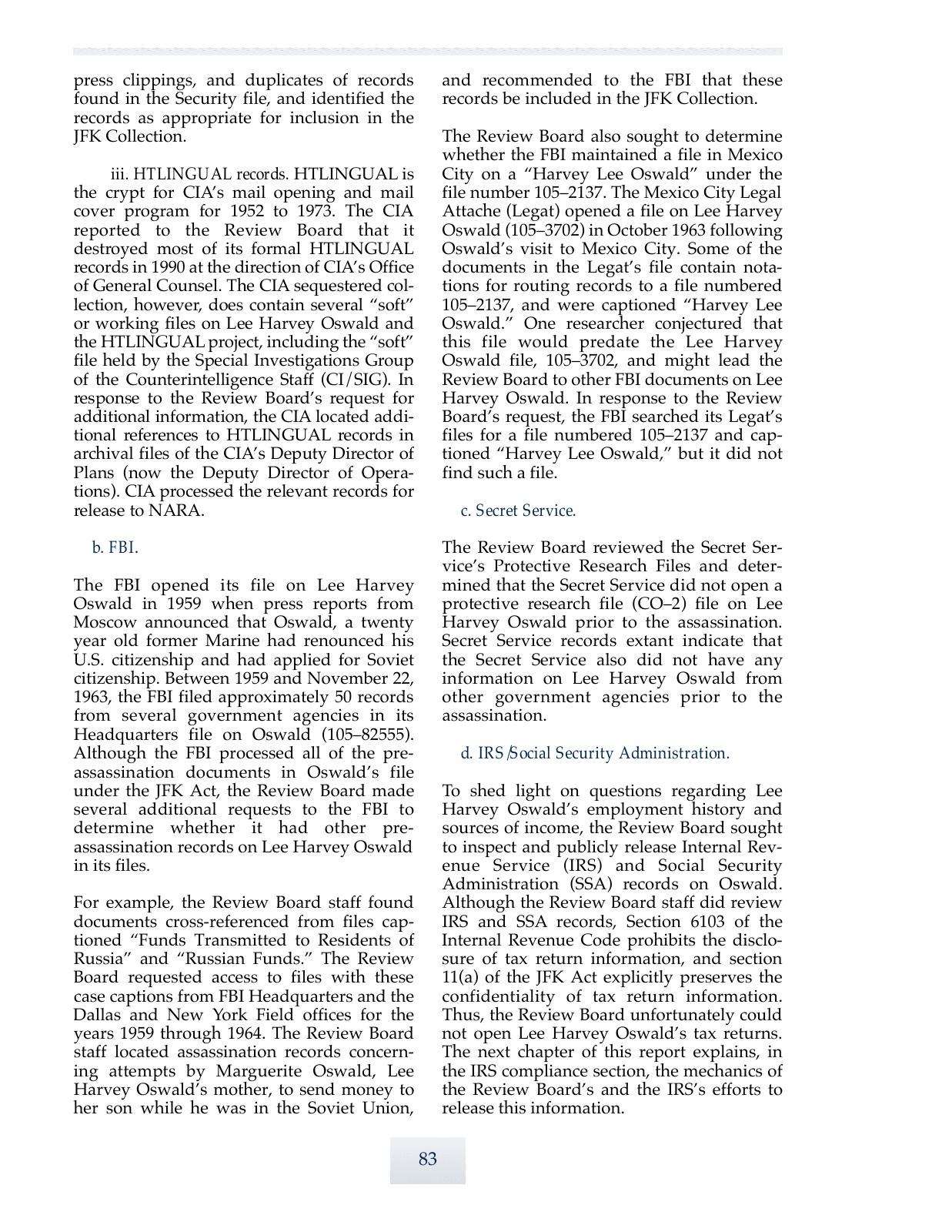
Destroyed formal records and surviving Oswald-related files make completeness doubtful. Long-lived secret channels might have served additional purposes not visible in the public selections. CP6 justifies scrutiny of gaps rather than assuming a complete archive.
Accepts
The program and record destruction are established; working files survived. A gap is not itself evidence of the content missing from it.
Must still explain
A claim of assassination complicity, recruitment or post 1973 continuation needs a bridge from intercepted correspondence to identified decisions, orders and acts. Neither an Oswald file nor general concealment supplies that chain.
Assessment
The 1998 report establishes a reported destruction history and continuing discoveries. It does not authenticate an all-purpose cover-up motive or an operational relationship with every correspondent.
What would change this assessment
Matching contemporaneous orders, financial or personnel records, full destruction instructions and independently corroborated testimony linking a specific file to a specific additional operation would change the assessment.
Sources: S03 · S14 · S18