The AI Files · Jeffrey Epstein · plain reading edition
Perversion of Justice: every entry
All 139 entries of the guide, grouped by period and case, each with its bottom line and its sources. This page needs no JavaScript. The interactive guide adds the story in 15 chapters, the people, the timeline, the theories, the 211 checked claims and the media.
The man, the money, the houses 1953 – 2004
Where did Epstein’s money come from?
A college dropout, a private school, Bear Stearns, a Ponzi scheme and one very rich client
383 Madison Avenue, Bear Stearns’ headquarters from 2001. Epstein worked at the firm from 1976 to 1981. Unknown · CC BY-SA 2.0
The résumé that did not need a degree.
Epstein was born in Brooklyn in January 1953, the son of a parks-department worker. He studied at Cooper Union and at New York University’s Courant Institute and left both without a degree. In September 1974 he began teaching math and physics at the Dalton School, one of Manhattan’s most expensive private schools. Its headmaster until that summer was Donald Barr, father of the future attorney general William Barr, and the internet loves the link. Who actually hired Epstein is not settled: Barr had announced his departure, and accounts point to him, the math department or his successor. Barr also wrote a 1973 science-fiction novel featuring sex slavery, which gets passed around as a clue. It is a real book; it is not evidence of anything about Epstein. [1][2][3][4]
At Dalton he tutored the son of Alan “Ace” Greenberg, chief of Bear Stearns. Greenberg hired him in 1976. Epstein rose to limited partner by 1980 and left in 1981; accounts of why differ, and the firm never gave a full public explanation. He set up his own firm, J. Epstein & Co., later called Financial Trust, and told people he took only clients worth more than a billion dollars. [1][2]
Bottom line Documented
Documented in outline. The early career is well sourced; the reasons he left Bear Stearns are not.
What the record can’t settle
Most early accounts come from former colleagues and business reporting written after his 2019 arrest, decades later.
9 East 71st Street, Manhattan: Epstein’s townhouse, which passed to him from a Wexner-linked company. Jim.henderson · CC BY-SA 4.0
The Ponzi scheme he worked beside but was never charged in.
In 1987 Steven Hoffenberg, head of Towers Financial, hired Epstein as a consultant; Hoffenberg later said he paid him about $25,000 a month. Towers collapsed in 1993 as one of the largest Ponzi schemes of its era, roughly $460 million. Hoffenberg pleaded guilty and was sentenced to 20 years. [1]
Hoffenberg said for years that Epstein was his partner in the fraud, his “wingman.” Prosecutors never charged Epstein, and Hoffenberg was a convicted fraudster with reasons to share blame. Both things are true: Epstein worked inside a giant fraud, and no court ever found he took part in it. [1]
Bottom line Mixed
Documented that he worked there; unproven that he took part in the fraud.
What the record can’t settle
Hoffenberg, the main witness against Epstein on this, died in 2022 and was himself a convicted fraudster.
A Victoria’s Secret store in New York, 2012. Les Wexner’s company owned the brand. WestportWiki · CC BY-SA 3.0
The one client everyone can name.
Les Wexner, the Ohio billionaire behind The Limited and Victoria’s Secret, gave Epstein power of attorney in 1991. That let Epstein sign documents, buy property and borrow money in Wexner’s name. Epstein’s Manhattan townhouse on East 71st Street, one of the largest private homes in the city, passed from a Wexner-linked entity to an Epstein-linked one. Epstein also had a hand in Wexner’s foundation and real estate in Ohio. [1]
In an August 2019 letter, Wexner said that when he cut ties about 12 years earlier he had discovered Epstein “misappropriated vast sums of money” from him and his family, and that Epstein returned a portion. He did not go to the police then. [2][3]
In February 2026 Wexner gave a deposition to the House Oversight Committee. He said he was “duped” by a “master manipulator,” never saw or knew of abuse, and had visited the island only once, for about an hour with his wife and children. He also admitted writing the lewd birthday-book page signed “your friend Leslie.” [6] Committee Democrats and survivors’ lawyers have pressed on why he gave a man so much power for so long; Maxwell’s lawyers have argued prosecutors should have interviewed him. [4][5]
Bottom line Documented
Documented. Wexner was the patron; how much of Epstein’s wealth came from him, and how, is still not fully public.
What the record can’t settle
Wexner’s account is his own. The estate’s full financial records have not been made public.
Epstein told journalists and friends that he managed money for a small number of billionaires and was paid for tax and estate advice. Few clients were ever identified. Apart from Wexner, the best-documented payments came later: the billionaire Leon Black paid him about $158 million between 2012 and 2017 for what Black called tax and estate advice, a figure from a review his firm, Apollo, commissioned, which found no evidence Black took part in Epstein’s crimes. Those details belong to the files on banks and associates. [3]
Because he had so few visible clients, many people have concluded the money must have come from somewhere else: blackmail, intelligence work or crime. That is a reasonable question, not a crazy one. It is also not proof. The Justice Department’s 2025 memo said it found no credible evidence that Epstein blackmailed prominent people. See the blackmail question and the intelligence question. [1][2]
Bottom line Partly true
Partly true. He did make money from a few very rich men; the idea that he was a successful money manager to many is not supported.
What the record can’t settle
His tax returns and the estate’s accounts are not public.
Questioned for about five hours by committee staff and five Democratic members, Wexner described Epstein as his family-office manager, a fiduciary who handled the family’s finances, and repeatedly called him a con man: “I was conned by the world Olympic all-time con artist.” Asked whether anything should have tipped him off, he said: “Absolutely not … Not even a clue of a clue.” He denied survivors’ allegations that he took part in abuse and said Epstein never used his planes or yachts to move women or girls. [1][2][3]
He insisted they were “friendly, but not friends.” Shown the birthday-book page signed “your friend Leslie,” he said “Sadly, I did,” calling the drawing a joke for a bachelor. He said he, his wife and children visited the island once, for about an hour, at Epstein’s invitation and saw no prominent guests: “It was a pretty crummy island.” Of his 2008 email he said he had been “giving him the middle finger.” [1][4]
Bottom line Documented
Documented as testimony. These are his answers; they are not findings.
What the record can’t settle
He often said he could not recall. The committee has not published a conclusion about his account.
The townhouse on 13 July 2019, a week after the FBI searched it. Jim.henderson · CC BY-SA 4.0
Theft, silence and a mansion.
Wexner said in 2019 that he had discovered more than a decade earlier that Epstein “misappropriated vast sums of money” from him and his family, and that Epstein returned about $46 million. He never went to police. House Democrats have argued the losses may have run far higher, up to $1 billion by one estimate; no audit has been published to settle it. [1][2][4]
The townhouse on East 71st Street passed from Wexner-linked to Epstein-linked ownership, and Epstein’s power of attorney let him sign, buy and borrow in Wexner’s name. That is the strongest documented answer to the old question of where Epstein’s money came from. See the man and the money. [3]
Bottom line Mixed
Documented that Epstein controlled and took Wexner money; the full sum is unproven.
What the record can’t settle
Why a man who says he was robbed never pressed charges is unanswered by the record. He says he wanted to move on.
A Victoria’s Secret store in New York, 2012. Les Wexner’s company owned the brand. WestportWiki · CC BY-SA 3.0
Dupe or enabler?
The case against him: survivors and critics on the left and right say no one gives a stranger his signature, his homes and his name by accident. Maria Farmer swore in 2019 that she was assaulted by Epstein and Maxwell at a Wexner property in Ohio in 1996 and that Wexner security kept her from leaving until her father came; a 2019 FBI document labelled Wexner a possible co-conspirator; and he stayed silent after learning, by his own account, that Epstein was a thief. [1][2]
The case for him: he has testified under oath that he saw nothing, no prosecutor has charged him in three investigations, his lawyers say prosecutors called him a source rather than a target, and con men do pick wealthy, trusting marks. The record supports a narrow conclusion and a broad one: the crimes are not tied to him by any court, and the access, money and cover he gave Epstein are documented and enormous. [3][4]
Bottom line Mixed
Patronage documented; participation unproven.
What the record can’t settle
Farmer’s account is sworn but has never been tested at trial; Wexner denies knowing of it. New records could change this page.
9 East 71st Street, Manhattan: Epstein’s townhouse, which passed to him from a Wexner-linked company. Jim.henderson · CC BY-SA 4.0
Photographs, threats and a warning nobody acted on.
The complaint, stamped 3 September 1996 and confirmed by her lawyer Jennifer Freeman, says Epstein stole photographs and negatives of Farmer’s younger sisters, who were minors, that he might have sold them, that he asked her for pictures of girls at swimming pools, and that he threatened to burn her house down if she told anyone. [1]
Maria Farmer has said publicly for years that she reported Epstein to both the New York police and the FBI in 1996 and that nothing happened. Her 2019 affidavit also describes an assault that summer by Epstein and Maxwell at a property owned by Les Wexner in Ohio. Maria and Annie Farmer chose to go public. [2][3]
Bottom line Documented
Documented.
What the record can’t settle
The FBI file does not show what agents did next. Her other allegations are sworn but have not been tested in court.
Zorro Ranch near Stanley, New Mexico, from the air, in an image released by the Justice Department in 2026. U.S. Department of Justice · Public domain
A decade of “what if.”
For years, officials and Epstein’s defenders could say the first complaint came from Palm Beach in 2005. The 1996 document undercuts that. Whatever its handling, a federal agency had a written warning about a wealthy man and girls nine years before the police investigation that led to the 2007 deal. [1][2]
Readers who suspect protection see a pattern that begins here. Readers who suspect ordinary failure note that a single complaint about photographs, without a victim willing to testify, often went nowhere in 1996. Both readings fit the document; only the FBI’s own records can choose between them, and those have not been released. [1]
Bottom line Mixed
Documented that the complaint existed; why it went nowhere is unproven.
What the record can’t settle
More records could emerge; this page will change if they do.
Little St. James seen from the water, June 2013. Navin75 · CC BY-SA 2.0
The territory’s case.
The U.S. Virgin Islands alleged that Epstein used the island for years to traffic and abuse girls and young women, with staff, boats and aircraft to bring them in and keep them from leaving. Survivors have described abuse there in court. In November 2022 the estate settled, paying more than $105 million plus half the proceeds of the island sale, without admitting the allegations. [1][2][3]
Bottom line Documented
Documented.
What the record can’t settle
A settlement is not a verdict, though the underlying abuse is supported by many witnesses.
Buildings on Little St. James, from photographs the U.S. Virgin Islands government gave House investigators. Government of the U.S. Virgin Islands · Public domain
What the photos show.
The blue-and-white striped building with a gold dome is real and the most photographed structure on the island. Records show it was permitted as a music pavilion. Photos from 2019 show a mostly bare interior, and a painted fake door; images released in 2025 showed other rooms including a dental-style chair, wall masks and a chalkboard with obscured words, which prompted wide speculation. [1][2][3]
Claims of underground tunnels, ritual rooms and sacrifices spread widely online. No inspection, court record or released photograph has verified tunnels, and the territory’s detailed complaint does not allege them. Since the sale, trespassers and influencers have filmed the grounds; they show buildings, not secret chambers. [3][4]
Bottom line Mixed
The temple is documented; tunnels and rituals are unproven.
What the record can’t settle
New photographs keep emerging; this would change if credible evidence did.
Zorro Ranch near Stanley, New Mexico, from the air, in an image released by the Justice Department in 2026. U.S. Department of Justice · Public domain
What the commission found.
The New Mexico Survivors’ Truth Commission found that federal and state authorities in New Mexico deferred to prosecutors in Florida and New York for decades. The FBI interviewed the ranch manager on site in 2007 but did not search. A state inquiry was closed in 2019 at federal prosecutors’ request. The commission said several federal prosecutors’ offices refused or ignored its subpoenas. It also documented that Epstein bought the land from a former governor and that a lawyer who handled the purchase later became the state’s U.S. attorney; it did not find that either fact affected investigations. [1][2]
Bottom line Documented
Documented.
What the record can’t settle
The commission’s report is interim, and it notes what it could not verify.
Aerial view of the main house at Zorro Ranch: government exhibit GX-706 in United States v. Maxwell. U.S. Department of Justice · Public domain
Where it came from and what the search found.
The claim that bodies are buried at the ranch traces to an anonymous 2019 email from someone claiming to be former staff, who said two foreign girls were buried on the orders of Epstein and Maxwell and demanded one bitcoin for a video. A radio host forwarded it to the FBI; it appears in the 2026 release. The sender was never identified. [1][2]
After the reopening, state police searched the property with cadaver dogs and ground-penetrating radar in March 2026 and found no human remains. The new owners cooperated. An unverified FBI intelligence report says a contractor “likely observed” a victim at the ranch. [1][3]
Bottom line Unproven
Unproven.
What the record can’t settle
One search of thousands of acres cannot rule everything out; the investigation is open.
The Zorro Ranch gate: government exhibit GX-328 in United States v. Maxwell. U.S. Department of Justice · Public domain
His DNA plan, and the case against his executors.
In 2019 the New York Times reported, from people he spoke with, that Epstein hoped to seed the human race with his DNA by impregnating women at the ranch. The commission said it found no evidence the scheme was carried out. [1]
On 21 October 2026 Attorney General Torrez filed a federal civil suit against Darren Indyke and Richard Kahn, Epstein’s longtime lawyer and accountant and the estate’s executors, alleging they helped facilitate and conceal trafficking at the ranch and seeking to block estate payments. They have denied wrongdoing in earlier cases and have not been charged with any crime. [2][3][4]
Bottom line Mixed
The DNA plan is reported but unproven in practice; the lawsuit is documented and its claims are allegations.
Teterboro Airport, New Jersey, where Epstein was arrested on 6 July 2019. Designism · CC0
About a thousand contacts and a butler’s circles.
The “little black book” is a contact directory kept by Epstein’s household, with names, homes and phone numbers of politicians, royals, models, scientists and socialites. His former butler Alfredo Rodriguez kept a copy, circled names he thought were important and called it the “holy grail.” In 2009 he tried to sell it for $50,000 to someone who turned out to be an FBI agent and went to prison. [1][3]
Gawker published it in 2015. Many people listed say they barely knew Epstein or that the entry came from Maxwell’s social life. Rodriguez’s circles show what he thought; nobody knows his criteria. [1][2]
Bottom line Documented
Documented.
What the record can’t settle
Being in an address book means someone had your number.
A mosaic of pages from the released Epstein files. FBI Records: The Vault · Public domain
A pilot’s record, with gaps.
The best-known logs were kept by pilot David Rodgers and cover flights from the 1990s into the 2000s. They list passenger names or initials and airports. Bill Clinton appears on 26 legs in 2002 and 2003 on foundation trips; Donald Trump on several flights in the 1990s, by a prosecutor’s count at least eight. Prince Andrew, Alan Dershowitz and many others appear too. [1][3]
Pilot Larry Visoski testified at Maxwell’s trial that he flew Clinton and Trump and never saw sexual activity on board. The logs are incomplete: other pilots and aircraft existed, many passengers are listed only by initials or as “female,” and helicopter trips to the island are poorly recorded. The plane was nicknamed the “Lolita Express” by tabloids; the logs alone cannot show what happened on board. [2][1]
Bottom line Documented
Documented, and incomplete.
What the record can’t settle
No log puts Clinton or Trump on a flight to the island. That is a fact about the surviving logs, not proof about every trip.
The page bearing Donald Trump’s name in Epstein’s 2003 birthday album, as released by House Oversight (text censored). Trump denies writing it. Work attributed to Donald J. Trump, though he has declined authorship. · Public domain
What is in it.
The book is 238 pages of photos, school records, poems and letters, compiled by Maxwell. Its contents list more than 20 “friends,” including Bill Clinton, Alan Dershowitz and Donald Trump; the names under “girl-friends” are redacted. There are crude pages such as “Girls on my boat,” and a photo with a mock check from Trump to Epstein for $22,500 captioned as the price of a “fully depreciated” woman. The estate redacted women’s and minors’ faces and names. [1][2]
The page bearing Trump’s name has typed text framed by a hand-drawn outline of a woman’s body and ends “may every day be another wonderful secret,” above a “Donald” signature. The White House says Trump did not write, draw or sign it; his suit against the Journal was dismissed in April 2026 and refiled. The estate also told the committee it was “not aware of the existence” of any client list. [1][3]
Bottom line Documented
Documented as an estate record. Authorship of individual pages is disputed.
What the record can’t settle
Being in a birthday book shows friendship in 2003, five years before his first conviction.
An email from Ghislaine Maxwell published by the House Oversight Committee in 2025. Ghislaine Maxwell (main email message), Jeffrey Epstein (enclosed message quoted by Maxwell) · Public domain
What the emails say, and what each side did with them.
On 12 November 2025 Oversight Democrats released three emails. In one, from 2019, Epstein told the writer Michael Wolff that Trump “knew about the girls” and had asked Maxwell to stop. In another, from 2011, Epstein told Maxwell that a victim had “spent hours at my house” with Trump. The White House said the emails proved nothing and identified the victim as Virginia Giuffre, who had said Trump did nothing wrong. [1][3]
Republicans released about 20,000 pages the same day, and the full set shows Epstein offering commentary to everyone: journalists, academics, a former Norwegian prime minister, and, in 2018, a suggestion that Russia’s foreign minister talk to him to “get insight” into Trump. Epstein boasted about his access; his emails are the words of a convicted manipulator about other people, not evidence of what they did. [2][4]
Bottom line Documented
Documented that the emails exist. What Trump “knew” is unproven.
What the record can’t settle
Epstein wrote these himself. He had reasons to exaggerate his importance, and to lie.
358 El Brillo Way, Palm Beach: Palm Beach Police photograph from the 2005 search, used as a trial exhibit. Palm Beach Police Department · Public domain
A local department that took it seriously.
The case began with a single complaint in March 2005: a parent said a 14-year-old girl had been brought to Epstein’s house on El Brillo Way, paid hundreds of dollars and abused during a “massage.” Detective Joseph Recarey and his colleagues then found a pattern. Girls, mostly from local high schools and poor families, were recruited to come to the house, were paid, and were paid more to bring friends. Some were 14. [1]
Detectives watched the house, pulled trash, interviewed staff and executed a search warrant in October 2005. They recovered photographs and found massage tables; the computers had been removed before the search. Chief Michael Reiter believed the evidence supported serious felony charges. [1][2]
Bottom line Documented
Documented. The police file is detailed and has been public for years.
What the record can’t settle
Police reports are one side’s record, written to support charges. Some names in them belong to minors and remain redacted.
Epstein’s Palm Beach house, police photograph from the October 2005 search. Palm Beach Police Department · Public domain
What the 2024 release showed.
Instead of filing charges, State Attorney Barry Krischer’s office took the case to a grand jury in 2006. The transcripts, released on 1 July 2024 after Florida passed a law allowing it and the Palm Beach Post sued, show how it went. Only one girl who had been abused at 14 testified, and a prosecutor questioned her about her MySpace pages and her drinking in ways that cast her as a willing party. The grand jury returned one count of solicitation of prostitution, a charge that treats the person paid as a prostitute rather than a victim. [1][3]
Releasing the papers, Judge Luis Delgado said the details would be “outrageous to decent people.” He also said they contained nothing law enforcement had not known. That is the point critics make: the state knew what the police had found and chose the weakest charge anyway. Reiter, angry at the outcome, wrote to Krischer urging him to step aside and referred the case to the FBI. [1][2][4]
Bottom line Documented
Documented by the released transcripts.
What the record can’t settle
Why Krischer’s office handled the case as it did has never been fully explained; Krischer has defended it and blamed the later federal deal.
The pool and house at El Brillo Way, police photograph, 2005. Palm Beach Police Department · Public domain
Eighteen months, on paper.
On 30 June 2008 Epstein pleaded guilty in state court to soliciting prostitution and procuring a person under 18 for prostitution. He was sentenced to 18 months in the county jail, followed by a year of community control, and had to register as a sex offender. [1]
He served less than 13 months, and not in the main jail. The Palm Beach County Sheriff’s Office placed him in a private wing of the stockade and approved work release that let him leave for up to 12 hours a day, six days a week, to an office of a foundation he had set up. That arrangement was a local decision, not part of the federal agreement, and it is a big part of why the case still enrages people. [1][2]
Bottom line Documented
Documented.
What the record can’t settle
The sheriff’s office later reviewed its handling; the most detailed account of the work release comes from the Herald and later litigation.
Page 7 of the 2007 non-prosecution agreement, signed by U.S. Attorney Alexander Acosta and Epstein. R. Alexander Acosta, United States Attorney for the Southern District of Florida · Public domain
Two pages that changed everything after.
Under the non-prosecution agreement, signed on 24 September 2007, Epstein would plead guilty to two state charges, serve 18 months, register as a sex offender and not contest civil claims by victims who sued under a federal statute. In exchange the U.S. Attorney’s Office for the Southern District of Florida would not bring federal charges. Prosecutors had drafted a 53-page indictment, according to the Herald. [1][2]
The agreement went further. It promised not to prosecute four named women who worked for Epstein, and “any potential co-conspirators.” That clause is the source of the endless question: who else was covered? Federal prosecutors in New York later argued, and courts agreed, that the Florida agreement did not bind other districts, which is how Epstein could be charged in 2019 and Maxwell in 2020. [1][3]
Bottom line Documented
Documented. The text is public.
What the record can’t settle
What the “co-conspirators” clause was meant to cover has never been explained by the people who wrote it.
Alexander Acosta US Department of Labor · CC BY 2.0
A judge called it a violation of federal law.
Federal law gives crime victims a right to confer with prosecutors and to be told of developments. In this case, prosecutors negotiated in secret with Epstein’s lawyers, and some victims were told the investigation was still open after the agreement had been signed. Two women, later joined by others, sued in 2008. [1][2]
In February 2019, after more than ten years of litigation, Judge Kenneth Marra ruled that the government violated the Crime Victims’ Rights Act by concealing the agreement. He did not throw out the deal. After Epstein died the case was dismissed as moot, and the full appeals court later held that the law’s rights do not attach before charges are filed. The Justice Department’s own review found victims were not treated with the “forthrightness and sensitivity” they deserved. [1][2][3]
Bottom line Documented
Documented.
What the record can’t settle
The later appeals ruling narrowed the law; Congress has considered bills to change that.
Epstein’s 2008 booking photograph. Palm Beach County Sheriff's Office · Public domain
The official explanation and the suspicious one.
Acosta’s explanation, given at a press conference in July 2019 and again to Congress, is that state prosecutors were ready to let Epstein walk with no jail time, that a federal trial was risky because victims were reluctant to testify, and that the agreement at least forced jail and registration. He said his office “proceeded appropriately.” [3][5]
The Herald found a different picture: an aggressive defense team that included Alan Dershowitz, Kenneth Starr and Jay Lefkowitz, a former colleague of Acosta’s at the law firm Kirkland & Ellis; repeated concessions; and prosecutors who kept the deal quiet. The Justice Department’s Office of Professional Responsibility, after two years, found Acosta had “exercised poor judgment” but had not committed professional misconduct and was not influenced by Epstein’s wealth or connections. It was the department reviewing itself. [1][2][4]
Then there is the famous line. In July 2019 Vicky Ward reported that a former White House official said Acosta had told Trump transition interviewers he had been told Epstein “belonged to intelligence” and to leave it alone. The source was anonymous and second-hand. Asked directly by House investigators in 2025, Acosta said he had not said that and had never been contacted by an intelligence agency about Epstein. See the intelligence question. [5][6]
Bottom line Documented
Documented that the deal was lenient and that the department found poor judgment. Unproven that it was the product of intelligence pressure or corruption.
What the record can’t settle
Acosta’s motives can only be inferred. The OPR review did not have subpoena power over outsiders and did not interview Epstein’s lawyers under oath.
Two sisters went on the record. Their accounts did not run.
In 2002 and 2003 Vicky Ward reported a Vanity Fair profile of Epstein. Maria and Annie Farmer told NPR in 2019 that they had both spoken to her on the record, by name, about abuse by Epstein and Maxwell. The piece that ran in March 2003 was a tough look at his money and lifestyle, but without their accounts. [1][2]
Editor Graydon Carter has said Ward did not have enough sources that met the magazine’s legal threshold. Ward says Epstein pressured Carter and that the material was cut. A contributing editor, John Connolly, told NPR that Epstein harangued Carter, that Carter later found a bullet outside his door and the severed head of a cat in his yard, and that Connolly then stopped pursuing the story himself. Those last details rest on Connolly’s account and office lore; no one has tied them to Epstein directly. [1][2][3]
Bottom line Documented
The omission of the sisters’ accounts is documented by the sisters and the writer. The motive is disputed.
What the record can’t settle
The intimidation stories rest on one editor’s account and have never been tied to Epstein by evidence.
ABC flew Giuffre to New York, recorded an interview, and shelved it.
In 2015 ABC’s Amy Robach and producer Jim Hill interviewed Giuffre, the network flying her family in and putting them up in a hotel. The interview did not air. One ABC staffer told NPR the network received a call from Alan Dershowitz, who confirmed to NPR that he had called producers and a lawyer: “I did not want to see her credibility enhanced by ABC.” [1]
In November 2019 a leaked hot-mic video showed Robach saying she had the story three years earlier and that the Palace had “threatened us a million different ways.” ABC said the reporting had not met its standards for airing. Robach said afterwards that she had been upset and was speaking in a private moment. [2][3]
Bottom line Documented
The unaired interview and Dershowitz’s call are documented. Royal pressure rests on an anchor’s unguarded remark.
Some journalists treated Epstein as a source, a friend or a client.
Landon Thomas Jr. of the New York Times had known Epstein since 2002. In 2018 he told his editors he had solicited a $30,000 contribution from Epstein for a Harlem cultural cause; NPR found the 2017 gift to a Montessori preschool. The paper said the request violated its ethics rules, and by early January 2019 Thomas was gone. His 2008 profile had largely presented Epstein as a man who solicited prostitutes. A 2017 email in the estate files has Thomas asking Epstein whether his “Saudi friends” had survived the purge. [1][3]
The author Michael Wolff appears in estate emails from December 2015 advising Epstein on how to handle questions about Trump, including the line that he should “let him hang himself.” In 2010 Epstein’s townhouse hosted a dinner for Prince Andrew attended by George Stephanopoulos, Katie Couric and Charlie Rose. [1][2]
The case for a cover-up says these are not lapses but how power protects itself. The case against says it was the press, from Palm Beach to Miami to New York, that eventually forced the story into the open; see “Perversion of Justice”. The record supports both. [1]
Bottom line Documented
The relationships are documented. They show access and conflicts of interest, not proof of a coordinated media cover-up.
What the record can’t settle
Most journalists named have given their own explanations; private conversations are not in the record.
Epstein’s 2008 booking photograph. Palm Beach County Sheriff's Office · Public domain
About 80 women, and a deal that was never explained.
Julie K. Brown spent more than a year reconstructing the Florida case. The Herald identified about 80 women who said Epstein abused them between 2001 and 2006, located about 60, and interviewed eight; four agreed to speak on video. Most were in their early or mid teens at the time. They described the same pyramid: girls recruited from schools and malls, paid, then paid to recruit others. [1][2]
The series focused on the deal. It traced how Acosta’s office, under pressure from a celebrity defense team, kept negotiating with Epstein’s lawyers, kept the victims uninformed, and drafted an agreement that shielded possible accomplices. At the time Acosta was Trump’s Labor Secretary. [1]
Bottom line Documented
Documented journalism, built on records the reporters cite.
What the record can’t settle
A newspaper investigation is not a court finding; the women’s accounts were never tested at a criminal trial because Epstein died first.
Alexander Acosta US Department of Labor · CC BY 2.0
What it changed, and what it didn’t.
When SDNY announced Epstein’s indictment in July 2019, U.S. Attorney Geoffrey Berman thanked the press for “excellent investigative journalism.” The series also fed the victims’ rights ruling, the congressional pressure on Acosta and his resignation. [1][2][3][4]
People on the right and the left claim the series for their side. It was a story about a Republican Cabinet member’s deal with a man whose friends included Bill Clinton and Donald Trump. It found no evidence that either took part in the abuse. It did show that a rich, well-connected man got a deal no ordinary defendant would. [1][2]
Bottom line Documented
Documented.
What the record can’t settle
Brown has said some sources would not go on the record. Her 2021 book adds detail beyond the series.
270 Park Avenue, JPMorgan Chase’s headquarters in New York. Jfendi · CC BY-SA 4.0
Warnings, overruled.
Deposition and discovery records unsealed in 2023 show that JPMorgan staff raised Epstein repeatedly after his 2008 conviction. In 2011 the bank’s general counsel, Stephen Cutler, wrote that Epstein “should not be a client.” A 2013 compliance document says the private bank did not want to keep him but was overruled because of his relationship with Staley. Chief executive Jamie Dimon testified that he did not discuss Epstein with Staley and that the bank would have dropped Epstein had it known he was trafficking. [1][2][3]
The suits alleged that the bank processed cash withdrawals and payments to young women that should have triggered reports to regulators. JPMorgan said it regretted the association and that it had not helped Epstein commit crimes. [2][3]
Bottom line Mixed
Documented warnings; knowledge of ongoing abuse unproven.
What the record can’t settle
Most of the record comes from litigation filings by the bank’s opponents and from the bank’s own deposition testimony.
In 2023 JPMorgan paid $290 million to settle a class action by survivors, approved by Judge Jed Rakoff in November, and $75 million to the U.S. Virgin Islands. It admitted no liability. The bank then settled its own suit against Staley on confidential terms. [1][2][3][4]
Bottom line Documented
Documented.
What the record can’t settle
A settlement is not an admission. It is also not nothing: $365 million is what the bank chose to pay rather than go to trial.
Jamie Dimon Lauren Hurley / No 10 Downing Street · OGL 3
The friend at the bank.
Staley was Epstein’s main contact at JPMorgan and later chief executive of Barclays. Britain’s Financial Conduct Authority banned him from senior roles, finding that a letter Barclays sent it in 2019 with his input misled it about the relationship. Upholding the ban in June 2025, a tribunal noted that Staley had described Epstein as one of his “deepest” and “most cherished” friends and was in contact with him in the days before his Barclays appointment was announced in October 2015. The fine was cut from £1.8 million to £1.1 million. Staley has said he did not know of Epstein’s crimes and regrets the friendship. [1][2]
Deutsche Bank’s headquarters in Frankfurt. Kiefer. from Darmstadt , Germany · CC BY-SA 2.0
The DFS consent order.
The New York Department of Financial Services found that Deutsche Bank knew of Epstein’s criminal history when it took him on, then failed to scrutinize activity it should have caught: settlement payments of more than $7 million, more than $6 million to law firms, payments to Russian models and to women with Eastern European surnames, and more than $800,000 in cash withdrawals over about four years. It fined the bank $150 million over Epstein and two other matters. [1]
Bottom line Documented
Documented.
What the record can’t settle
A finding of compliance failure, not of knowing participation in crimes.
Deutsche Bank’s headquarters in Frankfurt. Kiefer. from Darmstadt , Germany · CC BY-SA 2.0
$75 million.
Survivors sued in 2022, alleging the bank profited from a relationship it knew to be dangerous. Deutsche Bank agreed to pay $75 million, approved in October 2023, without admitting liability. [1]
MIT’s review found 10 Epstein gifts totaling $850,000 from 2002 to 2017, nine of them after his conviction: $525,000 to the Media Lab and $225,000 to Seth Lloyd. Three senior administrators knew of his record and allowed the gifts provided they stayed small and anonymous. Epstein visited campus nine times between 2013 and 2017 without senior leadership knowing. Lloyd failed to tell MIT the source of two gifts and took a $60,000 personal gift. [1][2]
Bottom line Documented
Documented.
What the record can’t settle
The review found no MIT policy was broken because there was none.
Marvin Minsky The original uploader was Sethwoodworth at English Wikipedia. · CC BY 3.0
Two accounts.
The New Yorker reported that Epstein helped secure at least $7.5 million for the lab, including $2 million from Bill Gates and $5.5 million from Leon Black, and that staff hid his involvement. Ito had disclosed $525,000 to the lab and $1.2 million to investment funds he personally controlled. [1][3]
MIT’s review found that Epstein claimed credit for a $2 million Gates gift and a $5 million Black gift, but “no evidence that the money donated by Gates or Black actually was Epstein’s money.” [2]
Bottom line Disputed
Disputed.
What the record can’t settle
Both can be partly true: Epstein may have encouraged gifts that were not his money.
In March 2006 some of the world’s leading physicists came to St. Thomas on Epstein’s money.
Lawrence Krauss organized “Confronting Gravity,” funded by Epstein’s foundation, with about twenty physicists including Stephen Hawking, David Gross, Frank Wilczek, Gerard ’t Hooft, Kip Thorne, Alan Guth and Jim Peebles. Hawking took a submarine ride and the group picnicked on Little St. James. Epstein would later list it among his top achievements. [1]
Guth and Peebles told NPR they barely saw Epstein. Other attendees and later reporting recalled young women around him; Krauss has said the women around Hawking were his nurses. That spring Palm Beach police were building their criminal case against him. Nothing in the record says any physicist at the conference knew. [1]
Bottom line Documented
Documented by attendees and the files.
What the record can’t settle
Who knew what in 2006 rests on recollection twenty years later.
Epstein’s team used his science giving to rebuild his image after the conviction.
In 2012 a person whose name is redacted told Epstein they were “rehashing” an article on the gravity conference; a press release followed without mentioning it was six years old. Emails reviewed by CNN show the same effort with press releases about Martin Nowak’s Harvard work, meant to push other results about Epstein down search engines. The physicist Peter Woit told NPR that after 2006 a large part of Epstein’s activity was “reputation laundering.” [1][2]
Harvard’s own 2020 review found he gave $9.1 million before his conviction, nothing after, but kept an office and keycard at Nowak’s program and visited more than 40 times between 2010 and 2018. Nowak was sanctioned in 2021, reinstated in 2023, and put on leave in 2026 after the new files. Epstein also funded Edge.org, the salon run by literary agent John Brockman, which put him in rooms with leading scientists. The MIT side of the story is in the MIT Media Lab; Harvard’s top tier in Larry Summers and Harvard. [1][2][3]
Bottom line Documented
The publicity work and the access are documented.
What the record can’t settle
Whether individual scientists understood they were being used is mostly unknown.
A company named for a Harvard geneticist, and the professors who lost posts in 2026.
In July 2014 Epstein emailed George Church, the Harvard genetics pioneer, with “a great idea”; Church replied with a ten-stage, $10 million investment plan. Epstein picked the name Georgarage, and his lawyer Darren Indyke registered the company in Delaware. Emails discuss using it to invest in companies including eGenesis, which Church co-founded; eGenesis says it never received money from Georgarage or Epstein. Church did not respond to CNN. [1]
Krauss, who had been Epstein’s friend for nearly fifteen years, sought his advice in 2018 on how to respond to sexual-misconduct allegations at Arizona State; he retired in 2019 and denies wrongdoing. In February 2026 Yale barred the computer scientist David Gelernter from teaching while it reviewed a 2011 email recommending a student to Epstein as a “v small good-looking blonde,” and the Nobel laureate Richard Axel stepped down as co-director of Columbia’s brain institute. [2][3][4]
Giuffre testified that she was directed to have sex with the AI pioneer Marvin Minsky, who died in 2016 and was never charged; see the men Giuffre named. [1]
Bottom line Documented
The company, the emails and the resignations are documented. Investment outcomes and any wrongdoing by Church are not established.
What the record can’t settle
Several scientists named did not respond to reporters; reviews at Yale and Harvard were ongoing as of late 2026.
Larry Summers Ralph Alswang Photography · CC BY-SA 4.0
What the university found.
Harvard’s 2020 review found that Epstein donated about $9.1 million between 1998 and 2007 and that the university accepted nothing after his 2008 conviction. But it also found that he visited Martin Nowak’s program more than 40 times between 2010 and 2018, had an office there and was given a keycard, and that faculty helped him burnish his reputation. Nowak was sanctioned in 2021 and placed on leave again in 2026 after further documents emerged. [1][2][3]
Bottom line Documented
Documented.
What the record can’t settle
Harvard’s report is the institution grading itself.
Martin Nowak Filip Antoni Malinowski · CC BY-SA 4.0
Summers and Epstein.
Emails released by the House Oversight Committee in November 2025 show Summers in friendly contact with Epstein for years after his conviction, including in late 2018, when Summers sought his advice on a woman he described as a mentee and Epstein called himself Summers’s “wing man.” Summers said he was “deeply ashamed” and took responsibility for continuing to communicate with Epstein. [1][2]
He resigned from OpenAI’s board within days, and in February 2026 said he would retire from teaching at the end of the academic year and leave his center directorship while Harvard reviewed his ties. [3][4]
Bottom line Documented
Documented.
What the record can’t settle
The emails show poor judgment and continued friendship, not participation in abuse.
Epstein’s U.S. Marshals booking photograph, 8 July 2019. U.S. Marshalls Service · Public domain
What New York said he did.
The indictment accused Epstein of recruiting dozens of girls, some as young as 14, to his Manhattan townhouse and his Palm Beach mansion between 2002 and 2005, paying them hundreds of dollars in cash for “massages” that became sexual abuse, and paying some to bring in other girls. Prosecutors called it a vast network. [1]
The Florida non-prosecution agreement did not stop the case: SDNY took the position that it bound only the Southern District of Florida. U.S. Attorney Geoffrey Berman asked more victims to come forward and thanked journalists for their work. [1][2]
Bottom line Documented
Documented as charges. Never tried.
What the record can’t settle
An indictment is an accusation. Epstein pleaded not guilty and died before trial.
Teterboro Airport, New Jersey, where Epstein was arrested on 6 July 2019. Designism · CC0
What agents found, by the prosecutors’ account.
Agents searched the Upper East Side townhouse the night of the arrest. In a bail memo, prosecutors said they found “hundreds – and perhaps thousands” of sexually suggestive photographs of nude or partly nude young women, and a locked safe holding compact discs with handwritten labels such as “Young [Name] + [Name],” “Misc nudes 1” and “Girl pics nude.” [1]
In a later letter, prosecutors said the safe also held more than $70,000 in cash, 48 loose diamonds and an expired 1980s Austrian passport bearing Epstein’s photograph but another name, listing Saudi Arabia as his residence. His lawyers said the passport was for protection when traveling as a wealthy Jewish man in the Middle East. Judge Richard Berman denied bail on 18 July. [2][3]
Bottom line Documented
Documented in court filings.
What the record can’t settle
These are prosecutors’ descriptions; the full contents of the discs have not been made public, and protecting victims is one reason.
The townhouse door on the night of the 6 July 2019 search, FBI photograph. Federal Bureau of Investigation · Public domain
Who else was in those files?
From the moment of the arrest, the question was who else would be exposed. The photos, the discs and the cash fed a belief, on the left and the right, that the case would bring down powerful men. That belief survived his death and drives most of what follows in these files. [1]
In July 2025 the Justice Department said its review of the evidence found no basis to charge uncharged third parties. Many people do not accept that. The client list, blackmail and files release cases look at what is known. [2]
Bottom line Documented
Context.
What the record can’t settle
Much of the 2019 evidence remains withheld to protect victims or under court seal.
The Metropolitan Correctional Center in Lower Manhattan, where Epstein died in August 2019. Jim.henderson · CC0
Three weeks before.
In the early hours of 23 July 2019 Epstein was found on the floor of his cell with an orange cloth around his neck. His cellmate told officers Epstein had tried to hang himself. Epstein first told staff his cellmate had tried to kill him, then said he did not know or would not discuss it, and asked to stay with the same cellmate. He was on suicide watch for about a day and then psychological observation until 30 July. [1]
When he left observation, the psychology department emailed more than 70 staff that he must be housed with a cellmate. That instruction is central to what came next. [1]
Bottom line Documented
Documented.
What the record can’t settle
What happened on 23 July was never resolved; the OIG did not reach a conclusion on whether it was an attempt, an assault or something else.
The shuttered Metropolitan Correctional Center, September 2024. Kidfly182 · CC BY 4.0
What the inspector general reconstructed.
On 9 August a federal appeals court released about 2,000 pages from Virginia Giuffre’s old lawsuit against Maxwell. Epstein spent the day with his lawyers. That day his cellmate was transferred out, and no one was assigned to replace him, despite the instruction. At about 7 pm, against policy, a unit manager let him make an unmonitored call he said was to his mother; she had died years earlier, and the call was to someone with whom he had a personal relationship. [1]
He was locked in his cell around 8 pm. The officers on duty, Tova Noel and Michael Thomas, did not do the 10 pm, midnight, 3 am or 5 am counts or the 30-minute rounds, and signed forms saying they had. The OIG found his cell held an excessive amount of linens, some torn into nooses. At about 6:30 am, delivering breakfast, they found him hanged from the top bunk with a strip of orange cloth, almost seated, his buttocks an inch or so above the floor. [1][2]
The cameras had problems since 29 July; the fault was found on 8 August and not fixed. The camera at the end of his tier showed a live feed but was not recording. One camera that was recording showed the common area and part of the stairway to his tier. It showed no one going up to any tier between about 10:40 pm and 6:30 am. [1]
Bottom line Documented
Documented.
What the record can’t settle
The recording camera was low quality and showed only part of the stairway, as the OIG itself said. That gap is where the doubt lives.
William Barr The United States Department of Justice · Public domain
Four bodies, one answer, and a long list of failures.
The New York City medical examiner ruled the death a suicide by hanging on 16 August 2019. The FBI and SDNY found no evidence of a crime. Attorney General William Barr, who said he had seen the footage, called it “a perfect storm of screw-ups.” In June 2023 the inspector general reported that “the combination of negligence, misconduct, and outright job performance failures” gave “arguably one of the most notorious inmates in BOP’s custody” the opportunity to take his own life. [1][3][4]
The OIG added: “we did not uncover evidence contradicting the FBI’s determination regarding the absence of criminality.” It interviewed three inmates in cells with a line of sight to his; they said no one went in or out after he was returned to his cell. The autopsy found no defensive wounds and no injuries to his hands. The July 2025 Justice Department memo repeated the conclusion and released video. [1][2][5]
Noel and Thomas were charged with falsifying records; the charges were dropped after they completed deferred-prosecution agreements. No one was charged in the death itself. [1]
Bottom line Documented
Documented that every official review found suicide.
What the record can’t settle
The reviews were done by the same government whose jail failed. See {{murder-theory|the case for murder}} and {{jail-video|the video}}.
The shuttered Metropolitan Correctional Center, September 2024. Kidfly182 · CC BY 4.0
Put as its believers would put it.
Start with motive. Epstein knew more about the private lives of rich and powerful men than almost anyone alive, he was facing life in prison, and he had every reason to trade information for leniency. Many people with power, money and access to the prison system had reason to want him silent. [1]
Then opportunity. Three weeks earlier he was found with cloth around his neck and told staff his cellmate had tried to kill him. On the night he died, his required cellmate was removed and not replaced. The two guards did not check on him for about eight hours and falsified records. The camera on his tier was live but not recording; the DVR had been broken for days. The camera that recorded showed only part of the stairway, at low quality. [1]
Then the body. Dr. Michael Baden, a former New York City chief medical examiner, observed the autopsy for the family and said Epstein had three fractures in the neck, on both sides of the thyroid cartilage and the left hyoid, which he said are “extremely unusual” in suicidal hangings and more common in strangulation. [2]
Then the aftermath. The video the Justice Department released in 2025 skipped a minute near midnight, and metadata showed it had been processed and stitched in editing software. Released files include an anonymous tip alleging the guards were paid to let a killer in. To people who already distrusted the government, every official explanation sounded like a cover story. [3][4][5]
Bottom line Unproven
This is the steelman. The facts in it are real; the conclusion is what is disputed.
What the record can’t settle
Motive and opportunity are not evidence that a crime happened. The tip in the files is anonymous and uncorroborated.
“Epstein didn’t kill himself” graffiti on an I-71 overpass in Cincinnati, November 2019. GLowery77 · CC BY-SA 4.0
What the investigators and pathologists point to.
The only recording camera covering the area showed no one going up to any tier after about 10:40 pm. Three inmates with a view of his cell said no one went in or out. The cell was locked from outside; the guards would have had to let anyone in. Both admitted skipping the counts and falsifying forms; neither has ever said they saw anyone else. [1][4]
Chief Medical Examiner Barbara Sampson said hyoid and thyroid fractures “can be seen in suicides and homicides,” and other pathologists told 60 Minutes such fractures are found in hangings, especially in older men; Epstein was 66. The autopsy found no defensive wounds and no marks on his hands or knuckles. He had been found with a cloth around his neck three weeks earlier, faced life in prison, and signed a new will two days before he died. [1][2][3]
In 2026 Tova Noel, the guard on duty, told House investigators she believed it was suicide, denied the paid-killer tip, and blamed understaffing and 16-hour shifts for what she did and did not do. [5]
Bottom line Unproven
The record points to suicide.
What the record can’t settle
All of these reviews came from inside government. The full autopsy report has not been publicly released for independent review.
On the day he died, Trump retweeted a post suggesting the Clintons were behind it, and “#ClintonBodyCount” and “#TrumpBodyCount” trended against each other. Other theories blame intelligence services, Israeli or American, or wealthy associates acting through prison staff. Each version tends to blame the other side’s powerful friends. [1]
No theory names an identifiable person with evidence placing them in the jail that night. The FBI’s released tips include claims about Mossad and others, from unnamed sources, that agents logged but did not substantiate. A believable murder case would need a person, a method and a way in. None has surfaced. [2][3]
Bottom line Unproven
Unproven for every named culprit.
What the record can’t settle
Absence of a named suspect is not proof of suicide; it is a measure of what the evidence does not show.
The shuttered Metropolitan Correctional Center, September 2024. Kidfly182 · CC BY 4.0
A starting point for research.
This file rates the murder claim unproven, not false. The answer could change. Things that would move it: an uncut, original recording of the common-area camera; the live-feed logs from that night; the full autopsy and photographs released for independent review; or a credible witness with direct knowledge. A government source told CBS an uncut copy of the video exists; it has not been released. [1][2]
Pressure from the left and the right in Congress has already forced out the guard’s testimony and millions of pages. More may come. Treat this page as a snapshot as of 22 October 2026, not a closed book. [2][3]
Bottom line Unproven
A research guide, not a ruling.
What the record can’t settle
This entry describes what is missing, which is a judgment about the record, not a finding.
The Metropolitan Correctional Center in Lower Manhattan, where Epstein died in August 2019. Jim.henderson · CC0
What is missing and what the government says.
The released file runs from the evening of 9 August into the morning of 10 August. At 11:58:59 pm the clock jumps to 12:00:00. Attorney General Pam Bondi said the system reset every night at midnight, so every night’s recording was missing a minute, and that nothing had been withheld. [1][2]
The explanation was plausible for an old DVR. It was also delivered by officials who had promised a “client list” and then said none existed, so many people did not accept it. [1][3]
Bottom line Documented
Documented that the minute is missing from the file.
What the record can’t settle
Nightly-reset logs for other dates have not been published to confirm the explanation.
First page of the July 2025 Justice Department and FBI memo saying there was “no incriminating client list.” United States Department of Justice · Public domain
Edited is not the same as doctored, but it isn’t raw either.
WIRED examined the file’s metadata and found it had been processed with Adobe Premiere Pro, saved several times on 23 May 2025, and assembled from at least two source clips, with a few minutes apparently trimmed from one. That contradicts calling it “raw.” [1]
CBS had a forensic video analyst review it. He found signs it was a screen recording, stitched together and slightly sped up, so the 11 hours actually run a bit under that. A government source told CBS an uncut version with no missing minute exists and is held by the FBI, the Bureau of Prisons and the inspector general. That copy has not been released. [2]
Bottom line Documented
Documented that the released file was processed and assembled. Unproven that anything was hidden.
What the record can’t settle
Metadata shows how a file was made, not what was in the original. The government source to CBS is anonymous.
The Metropolitan Correctional Center in Lower Manhattan, where Epstein died in August 2019. Jim.henderson · CC0
What was seen at 10:39 pm.
The OIG reported that at about 10:39 pm an unidentified officer appeared to walk up the stairway to Epstein’s tier and came back down at 10:41 pm. That is the last time the OIG saw anyone enter the tier before 6:30 am. Viewers of the 2025 video saw an orange blur on the stairs at about that time and asked whether it was an inmate, not an officer. [1]
Tova Noel told House investigators in 2026 that she was not the figure. The OIG took it to be an officer; others think it could be an inmate in orange. No one has publicly identified it. [2][3]
Bottom line Unproven
Unproven either way.
What the record can’t settle
The camera was low quality and far from the stairs, as the OIG noted.
Ghislaine Maxwell Federal Bureau of Prisons · Public domain
What the jury heard.
Over four and a half weeks in late 2021, prosecutors presented evidence that Maxwell recruited and groomed girls for Epstein between 1994 and 2004 and sometimes took part in the abuse. Four women testified, three under first names or pseudonyms, and one, Annie Farmer, under her own name. The jury convicted her on five of six counts, including sex trafficking of a minor. [1][2]
The judge sentenced her to 20 years. The appeals court rejected her main arguments: that the 2007 Florida non-prosecution agreement protected her as a “potential co-conspirator,” and that a juror had failed to disclose his own history of abuse. [3][2]
Bottom line Documented
Documented.
What the record can’t settle
Her conviction covers the years and victims in the indictment, not everything alleged.
Maxwell and Epstein at the White House, 29 September 1993. White House photographer, probably Ralph Alswang · Public domain
The strongest case that something was traded.
Here is the case critics on the left and the right make. In July 2025, as the president faced a revolt over the files, his former personal lawyer, now the deputy attorney general, flew to Florida to question a convicted sex trafficker himself. She told him she never saw Trump act inappropriately, that Clinton never visited the island and that there was no client list. Within a week she was moved from a low-security prison to a minimum-security camp, an unusual placement for someone convicted of sex crimes against children. Then she refused to testify to Congress unless the president granted her clemency. Trump said he was allowed to pardon her but had not been asked. [1][2][3][4]
The other side: Blanche said he was following a presidential directive to hear anyone with information, and the department released the transcripts and audio for anyone to judge. As of 22 October 2026 she has not been pardoned or had her sentence commuted. No document shows a promise. The facts above are documented; whether they amount to a trade is not, and could change quickly. [1][5]
Bottom line Mixed
Documented facts; the trade itself is unproven.
What the record can’t settle
Clemency decisions can be made at any time and need no explanation.
The Thurgood Marshall U.S. Courthouse on Foley Square, Manhattan. Ajay Suresh · CC BY 4.0
Her statements cut both ways.
A jury found that Maxwell lied to and manipulated teenage girls for years, and she was indicted for perjury over her 2016 civil deposition, a charge dropped after her conviction. She is now seeking release. Her July 2025 account clearing Trump and Clinton is therefore weak evidence for anyone. It is equally weak evidence if she ever names names in exchange for clemency. [1][2]
Her bid to vacate the conviction, which argued the newly released files helped her, was rejected in August 2026: the judge found most claims barred and the rest without merit. [2][3]
Bottom line Documented
Documented.
What the record can’t settle
Nothing she says can be tested without documents or other witnesses.
The Daniel Patrick Moynihan U.S. Courthouse in Manhattan. 83136374@N05 · CC BY 4.0
What she said, and where it was tested.
Giuffre said Maxwell recruited her in 2000 while she worked as a locker-room attendant at Mar-a-Lago and that Epstein and Maxwell abused her and lent her to other men. Her account was the basis of the 2015 suit against Maxwell, whose files later named men who denied her claims. She said she never saw Donald Trump take part in abuse. [1][2]
Some of her accusations were never tested in court, and some details of her accounts shifted over the years, including her age when she was recruited. In 2022 she said she “may have made a mistake” in identifying Dershowitz, with no money paid. Andrew settled. Maxwell, whom she accused first, was convicted on other victims’ testimony. [3][4]
Bottom line Documented
Documented.
What the record can’t settle
Her disputed claims about other men remain unproven, not disproven.
Royal Lodge, Windsor, the home Andrew lost with his titles in 2025. N Chadwick · CC BY-SA 2.0
What the record shows about the murder claims.
Giuffre died on 25 April 2025 at her home in Neergabby, north of Perth. Her family said she died by suicide after years of abuse took their toll. Western Australia police said the death was not suspicious. [1][2]
Many online asked whether she had been silenced, pointing to earlier social-media posts in which she said she was not suicidal. Those posts are real and her family’s grief and anger are documented, but no authority, relative or reporter has produced evidence of foul play. Her memoir, completed before her death, was published as she wished. [2][3]
Bottom line Documented
Documented suicide by official and family accounts; the murder theory is unsupported.
What the record can’t settle
If new evidence emerged, this would be reassessed.
The Daniel Patrick Moynihan U.S. Courthouse in Manhattan. 83136374@N05 · CC BY 4.0
What she said last.
The memoir, written with the journalist Amy Wallace, describes three sexual encounters with Andrew, which he denies, and her life after Epstein. It repeats that she never saw Trump take part in abuse. It describes abuse by other powerful men, some of whom she does not name. [1][2]
Bottom line Documented
Documented as her account.
What the record can’t settle
A memoir is a personal account; parts of it were never tested in court.
In her 2016 deposition, unsealed in August 2019, Giuffre testified that Maxwell directed her to have sex with George Mitchell, Bill Richardson, Glenn Dubin, Marvin Minsky, Prince Andrew, the modeling agent Jean-Luc Brunel and others, some of whom she described but did not name. [1][2]
Mitchell said he had never met, spoken with or had any contact with her. Richardson’s office called the claims completely false and said he had never seen Epstein with underage girls. Dubin’s representatives called them demonstrably false and defamatory, citing flight and other records. Minsky had died in 2016. Brunel was later charged in France and died in custody; see Jean-Luc Brunel. [1][2][3]
Bottom line Documented
The allegations and denials are documented.
What the record can’t settle
The testimony was never cross-examined at a trial of any of the men.
Bill Richardson Roger H. Goun from Brentwood, NH, USA · CC BY 2.0
Giuffre withdrew one accusation. She did not withdraw the others.
In November 2022 Giuffre, her former lawyer David Boies and Dershowitz dropped all their lawsuits with no payment. Giuffre said she may have made a mistake in identifying Dershowitz, given her youth and the trauma; Dershowitz said he never had sex with her and withdrew his claim that Boies ran an extortion plot. [1][2]
Some readers take this as proof that her whole account was unreliable; others note she stood by every other allegation, and that Andrew paid to settle. Both readings go beyond the record. The statement applies to Dershowitz alone. [1][2]
The memoir describes the most violent assault in her account but does not name the man.
In “Nobody’s Girl,” Giuffre writes that on Epstein’s island when she was 18 she was raped and repeatedly choked until she lost consciousness by a man she had described in legal filings only as a “well-known Prime Minister,” and that Epstein refused to promise not to send her back. The UK edition calls him a “former minister”; the publisher has not explained the difference. [1][2]
The internet has assigned the passage to several men, most often Ehud Barak, who has denied any wrongdoing. No court record, released file or reporting cited here identifies the man. Naming him on this page would be a guess, and this site does not publish guesses as facts. [1]
Bottom line Documented
The passage is documented. The man’s identity is unknown.
What the record can’t settle
A memoir is not testimony, and Giuffre cannot now be questioned about it.
Andrew Mountbatten Windsor Titanic Belfast · CC BY 2.0
Pizza Express, sweating and a 2011 email.
In November 2019 Andrew told BBC Newsnight he had “no recollection” of Giuffre, said that on the night she described he had taken his daughter to a Pizza Express in Woking, and disputed her memory of him sweating because, he said, he could not sweat at the time. He said he had broken off contact after a December 2010 visit. The interview was widely seen as a disaster; four days later he stepped back from royal duties. [1][2]
In October 2025 British papers published his email to Epstein of 28 February 2011, sent the day after the photograph appeared: “It would seem we are in this together and will have to rise above it. Otherwise keep in close touch and we’ll play some more soon!!!!” [3]
Bottom line Documented
Documented.
What the record can’t settle
The email contradicts his claim to have cut contact; it does not by itself prove Giuffre’s account.
Royal Lodge, Windsor, the home Andrew lost with his titles in 2025. N Chadwick · CC BY-SA 2.0
He paid; he did not admit.
Giuffre sued him in New York in 2021 alleging sexual abuse when she was 17. Weeks before he would have been questioned under oath, he settled. The court filing said he never meant to malign her character, made a donation to her charity and admitted no liability. The amount was not disclosed. [1][2]
After the 2011 email and her memoir, King Charles began removing his titles and honours and his lease on Royal Lodge in October 2025. [3][4]
Bottom line Documented
Documented.
What the record can’t settle
A civil settlement is not an admission or a verdict.
Andrew Mountbatten Windsor Titanic Belfast · CC BY 2.0
A different allegation: leaking to Epstein.
The 2026 U.S. files included emails suggesting that while he was Britain’s special representative for trade, Andrew forwarded official reports to Epstein. Thames Valley Police arrested him on 19 February 2026 on suspicion of misconduct in public office, searched properties and released him under investigation. The UK government later released files on his envoy role. [1][2][3][4]
In October 2026 the High Court quashed the search warrants after police accepted they used the wrong legal procedure; the seized material was retained pending a hearing in 2027. Reports say the case has been slowed by lack of unredacted U.S. records. He denies wrongdoing and has not been charged. This is a live case and could change. [5][6]
Bottom line Mixed
Documented arrest; the offence is unproven and under investigation.
What the record can’t settle
Misconduct in public office is a hard charge to prove; no charging decision had been announced.
The Daniel Patrick Moynihan U.S. Courthouse in Manhattan. 83136374@N05 · CC BY 4.0
What he faced.
Brunel was a well-known Paris model agent whose U.S. agency was backed by Epstein. Giuffre said in a 2016 deposition that she was directed to have sex with him; others accused him of abusing young models over decades. French investigators charged him in December 2020 with raping minors over 15 and sexual harassment, and heard Giuffre in 2021. Brunel denied all of it. [1][2][3]
His death ended the case against him; prosecutors closed the file in 2023 because nobody else had been charged, then in February 2026 began a full re-examination and opened new inquiries to look for accomplices. [1][4]
Courtney Wild, who has spoken publicly about her abuse and led the victims’ rights case, with Rep. Jackie Speier. Jackie Speier · Public domain
A ten-year lawsuit established that the government broke the law, and then that the law gave her nothing.
Courtney Wild, abused by Epstein from the age of 14 and now public by choice, was the lead plaintiff in the case over the 2008 non-prosecution agreement. In 2019 Judge Kenneth Marra ruled that prosecutors had violated the Crime Victims’ Rights Act by keeping the deal secret from victims. [1]
In April 2021 the full Eleventh Circuit ruled, 7–4, that the act gave victims no right to sue before any charge had been filed, ending the case. Dissenting judges warned the ruling left victims of secret deals without recourse. A reform bill named after Wild was introduced in 2022 and did not pass. [2][3]
Bottom line Documented
Documented in the court record.
What the record can’t settle
The 2008 deal itself, and who approved it, is in {{npa-acosta|the deal}}.
“Release the Epstein Files” at a Good Trouble protest, July 2025. Geoff Livingston · CC BY-SA 4.0
In September 2025 survivors went to Congress in person.
On 3 Sep 2025, survivors including Anouska de Georgiou, Annie Farmer, Marina Lacerda, Courtney Wild, Jena-Lisa Jones, Haley Robson, Lisa Phillips and Chauntae Davies spoke outside the Capitol with Representatives Thomas Massie, a Republican, and Ro Khanna, a Democrat, calling for the full release of the government’s files. [1]
The bipartisan pairing mattered: it made disclosure a cause that the left and the right could both claim. The law that followed is in the Files Act. [1]
Bottom line Documented
Documented.
What the record can’t settle
Individual survivors’ accounts are their own; this page does not add details they did not make public.
The House votes 427–1 to pass the Epstein Files Transparency Act, 18 November 2025. U.S. Congress · Public domain
Giuffre’s memoir, finished before her death in April 2025, became a bestseller.
Written with Amy Wallace and published on 21 Oct 2025, the memoir describes Giuffre’s recruitment, her abuse, her lawsuits and her account of Prince Andrew, which he denies. It sold a million copies in two months. Its most discussed passage, about an unnamed prime minister, is covered in the men Giuffre named. [1][2][3]
Bottom line Documented
Publication and sales are documented. The memoir’s allegations are Giuffre’s account.
What the record can’t settle
A memoir is not testimony; it was not cross-examined.
Courtney Wild, who has spoken publicly about her abuse and led the victims’ rights case, with Rep. Jackie Speier. Jackie Speier · Public domain
The release that survivors fought for named some of them.
After the 2025–26 releases, survivors and their lawyers said that the names of around a hundred victims had appeared unredacted. The Justice Department pulled and re-posted files and said the errors affected about 0.1% of pages and that some 500 reviewers had worked on redactions. [1][2][3]
In March 2026 survivors filed a class action against the department and Google over the exposure. The same release that redacted many powerful men’s names in places left some victims’ names in. That contrast is documented, and it angered people across the spectrum. [2][3]
Bottom line Documented
The exposure is documented; the lawsuit is pending.
What the record can’t settle
Damages and liability will be decided in court; outcomes may change.
The Daniel Patrick Moynihan U.S. Courthouse in Manhattan. 83136374@N05 · CC BY 4.0
Money for a release.
The program was paid for by the estate but run by an independent administrator who had worked on the 9/11 victims’ fund. Claimants did not have to prove their case in court; those who accepted an award released their claims against the estate. About 225 people applied, about 150 were found eligible and 92 percent accepted. Total awards were about $125 million. [1][2]
Bottom line Documented
Documented.
What the record can’t settle
Those who declined could still sue; the fund does not count every victim.
Buildings on Little St. James, from photographs the U.S. Virgin Islands government gave House investigators. Government of the U.S. Virgin Islands · Public domain
Money and tax breaks.
The territory alleged that Epstein used his companies, including Southern Trust, to obtain more than $80 million in tax benefits fraudulently while running a trafficking operation from Little St. James. The estate paid more than $105 million, half the proceeds of any island sale, and $450,000 to remediate Great St. James, without admitting liability. [1][2]
The territory’s critics point out that the same government granted his companies those tax breaks for years. Both are true. [1]
Stacey Plaskett Clerk of the United States House of Representives · Public domain
What the delegate did.
Released records show Stacey Plaskett, the territory’s non-voting delegate to Congress, exchanged texts with Epstein during a February 2019 House hearing at which Michael Cohen testified. Republicans moved to censure her; the resolution failed 209–214 on 18 November 2025. Plaskett defended the exchange, saying Epstein was a constituent and that she was taking in information from many sources. [1][2]
Bottom line Documented
Documented.
What the record can’t settle
Texting during a hearing is not a crime; the question is judgment.
Darren Indyke (left) and Richard Kahn, Epstein’s lawyer and accountant and the executors of his estate, at their House depositions in 2026. United States House Committee on Oversight and Government Reform · Public domain
Where the money went.
The will Epstein signed on 8 August 2019 poured his assets into a private trust, which keeps its beneficiaries out of the public record. Probate filings valued the estate at about $577 million. Since then it has paid about $121 million through the victims’ fund, more than $105 million to the Virgin Islands, and other settlements and legal costs. [1][2][3][4]
Bottom line Documented
Documented.
What the record can’t settle
Beneficiaries of the 1953 Trust have not been made public by the court.
Zorro Ranch near Stanley, New Mexico, from the air, in an image released by the Justice Department in 2026. U.S. Department of Justice · Public domain
The executors under scrutiny.
Darren Indyke was Epstein’s lawyer and Richard Kahn his accountant for years before his death. A class action filed in 2024 alleged they helped structure payments and accounts that kept the abuse going; they agreed in February 2026 to pay $35 million if at least 40 class members qualify, without admitting misconduct, with a final hearing set for December. Both gave depositions to House investigators in March 2026. [1][2]
In September 2026 NBC reported a federal investigation; their lawyer said they had not been subpoenaed. On 21 October New Mexico’s attorney general sued them, alleging they helped conceal trafficking at Zorro Ranch and seeking to block payouts to trust beneficiaries. They deny wrongdoing. [3][4][5]
Ron Wyden U.S. Senate Photographic Studio · Public domain
$72.5 million, no admission.
Survivors alleged that Bank of America processed payments that kept Epstein’s operation running, including large wires from Leon Black. The bank agreed to pay $72.5 million to a class covering abuse from June 2008 to July 2019; Judge Jed Rakoff approved it in August 2026. The bank denied facilitating trafficking. Wyden said Black paid Epstein more than $170 million, often in wires of $10 million to $20 million. [1][2]
Bottom line Documented
Documented.
What the record can’t settle
Wyden’s figures come from his committee’s minority staff.
Ron Wyden U.S. Senate Photographic Studio · Public domain
An investigation with no ending.
A 2015 memo from a DEA-led task force, released in the 2026 files, lists Epstein among 15 subjects of an inquiry into suspicious wires in the Virgin Islands and New York linked to possible drug trafficking and prostitution. No charges followed and the government has not said what was found. Wyden says the Justice Department blocked the DEA from answering his questions; the department has not publicly explained. [1][2][3]
For people who believe Epstein’s fortune hid something larger, this is a real document, not a rumor. It shows an agency was looking. It does not show what it found. [1]
The files show Epstein invested $3 million in Coinbase in 2014 alongside the crypto promoter Brock Pierce, at a point when the company’s co-founder Fred Ehrsam sought a meeting; half the stake later sold for about $15 million. A fund Epstein co-owned with Joi Ito put roughly $500,000 into Blockstream. [1][2][3]
Ito’s emails credit gift money with underwriting MIT’s Digital Currency Initiative, which in 2015 became a principal funding source for bitcoin’s core developers after their foundation faltered. That is a real, uncomfortable fact for a movement built on distrust of insiders. See MIT and the Media Lab. [1]
Bottom line Documented
Documented.
What the record can’t settle
The firms say Epstein had no role in their operations; none is accused of wrongdoing.
Posts in 2026 claimed the files show Epstein invented bitcoin or was behind “Satoshi Nakamoto.” The bitcoin white paper was published in 2008 and the network launched in January 2009, while Epstein was in a Palm Beach jail program; his documented crypto activity begins around 2014. Nothing in the files suggests a link to its creation. [1][2]
The steelman is that an early insider with money in exchanges and developers had influence worth investigating. That is fair to ask. It is a different and far smaller claim than creation or control.
Bottom line False
False as claimed.
What the record can’t settle
Who Satoshi was remains unknown, which keeps such theories alive.
The House votes 427–1 to pass the Epstein Files Transparency Act, 18 November 2025. U.S. Congress · Public domain
A left-right coalition against both parties’ leaders.
The pressure came from an unusual alliance: Republican Thomas Massie and Democrat Ro Khanna, backed by Republicans such as Marjorie Taylor Greene, Lauren Boebert and Nancy Mace and nearly every Democrat. Their discharge petition bypassed House leaders who had tried to delay a vote. [1][4]
Two days before the vote, Trump, who had called the issue a “hoax,” told Republicans to vote yes. The bill passed 427–1 on 18 November 2025, cleared the Senate by unanimous consent and was signed on 19 November. It required the department to release all unclassified Epstein records within 30 days, with redactions only for victims’ privacy, child abuse material, active investigations and a few other grounds, and barred withholding for “embarrassment, reputational harm, or political sensitivity.” [1][2][3]
Bottom line Documented
Documented.
What the record can’t settle
The law did not create an independent enforcer; that is why enforcement fell to a lawsuit and to Congress.
Rep. Thomas Massie speaks about the act’s release deadline, 18 December 2025. Thomas Massie · Public domain
Millions of pages, of very uneven value.
By 30 January 2026 the department said it had published about 3.5 million pages, plus videos and images, from FBI, prosecutors’ and prison files. It said material containing claims against President Trump, including tips sent to the FBI, was “unfounded and false,” and that it had published them because the law required it. On 14 February it told Congress it had released everything it was required to. [1][2][5]
The release was riddled with problems. Survivors said the department exposed their names, faces and in some cases nude images while blacking out the names of men. The department pulled thousands of files and blamed technical and human error. Other material turned out to have been withheld or miscoded. [3][4]
Bottom line Documented
Documented.
What the record can’t settle
Much of the release is duplicative or unsearchable; no one outside government has verified it is complete.
A protester holds a “Release the Epstein Files” sign in Washington, D.C., 18 October 2025. Geoff Livingston from DC, USA · CC BY 4.0
Is the department obeying the law?
In Phang v. Blanche, a records lawsuit in Washington, Judge Emmet Sullivan ordered the department in June 2026 to unredact files or justify the redactions. In August the department conceded it had violated the law’s requirements, and Sullivan warned of contempt, saying the public “has a right to know what the hell is going on.” In September he ruled handwritten FBI notes are not duplicates and must be produced to the court. The department appealed. [1][2][3][4]
Meanwhile the inspector general opened an audit of compliance, a second transparency bill gained a discharge petition, and on 16 October 2026 seventeen state attorneys general urged Congress to strengthen the law. This fight is not over; ratings in this collection may change as more comes out. [5][6][7]
Bottom line Documented
Documented that the department conceded violations. What remains withheld is not known.
What the record can’t settle
The appeal and the audit were pending as of 22 October 2026.
First page of the July 2025 Justice Department and FBI memo saying there was “no incriminating client list.” United States Department of Justice · Public domain
A reasonable expectation, a confusing record.
The idea makes sense. Epstein ran a scheme that prosecutors say harmed more than a thousand victims, he moved among the very rich, and he kept phone books, flight logs and photographs. Giuffre testified in 2016, in papers unsealed in 2019, that Maxwell directed her to have sex with men including Prince Andrew, former Senate leader George Mitchell, former New Mexico governor Bill Richardson, the hedge-fund manager Glenn Dubin and the scientist Marvin Minsky. The living men denied it; none was charged. [1][4]
In January 2024 a judge unsealed names from Giuffre’s suit against Maxwell, and social media called it “the client list.” It was not: the names included accusers, employees, police, people who appeared in depositions and people mentioned in passing, such as Michael Jackson. [2]
In February 2025 Attorney General Pam Bondi told Fox News the list was “sitting on my desk.” In July her department and the FBI said they found “no incriminating client list.” Bondi said she had meant the whole case file. Many of Trump’s own supporters felt deceived, and the backlash led to the transparency law. [3][4]
Bottom line Documented
Documented that no such list has surfaced; documented that officials raised and then dashed the expectation.
What the record can’t settle
Absence from the public record is not proof no list exists, but no witness or official has described one.
A protester in Washington, D.C., 18 October 2025. Geoff Livingston from DC, USA · CC BY 4.0
A required report that became a new myth.
The transparency law required the Justice Department to report all government officials and “politically exposed persons” named or referenced in the files. Its 14 February 2026 report, signed by Bondi and Deputy Attorney General Todd Blanche and republished in the Federal Register on 27 August, lists about 300 names; by our count of the published text, 305. [1][2]
They range from Epstein’s documented associates to Elvis Presley, Marilyn Monroe, Janis Joplin, Kurt Cobain, Princess Diana, Queen Elizabeth II, Pope John Paul II and Margaret Thatcher, people who appear in news clippings, books or emails, some dead before Epstein was famous. Donald Trump, Bill and Hillary Clinton, Joe Biden, Elon Musk, Peter Thiel and Bill Gates are on it. The department wrote that names appear “in a wide variety of contexts.” A name on this list is not an accusation. [1][3][4]
Bottom line Documented
Documented. It is a list of mentions, not a client list.
What the record can’t settle
The report does not say where or how often each name appears, so it cannot be used to judge anyone.
Pam Bondi U.S. Department of Justice · Public domain
The strongest case that someone else should have been charged.
The strongest version of the client-list belief is not about a single document. It is that Epstein could not have done this alone, that other men abused victims he trafficked, and that the government has never charged them. The record supports part of that. The 2007 Florida deal protected unnamed “potential co-conspirators.” Maxwell was convicted of trafficking girls for Epstein. Victims have named other men in sworn testimony. A 2019 FBI document released in 2026 refers to Les Wexner as a “co-conspirator”; Wexner’s lawyer says prosecutors told him in 2019 he was a source of information, not a target, and he has never been charged. [2][3][4]
The Justice Department’s 2025 memo said it found no evidence that could “predicate an investigation against uncharged third parties.” That is a statement about what prosecutors think they can prove, not a finding that no one else did wrong. When Reps. Khanna and Massie found six redacted names in two hours, the department said four were random people from an FBI photo lineup; the other two, Wexner and the Dubai ports executive Sultan Ahmed bin Sulayem, appear in the files hundreds or thousands of times, mostly in correspondence. [1][2]
Bottom line Partly true
Partly true. Other men have been accused, and the government chose not to charge them; there is no public evidence that it is hiding a list of proven abusers.
What the record can’t settle
Prosecutors’ charging decisions are rarely explained. Survivors’ lawyers say some accusations were never fully investigated; the department disputes that.
Kathy Ruemmler, Barack Obama’s former White House counsel, wrote warmly to Epstein for years, called him like an “older brother,” took gifts, gave him media advice and in 2015 offered to show Woody Allen and Soon-Yi Previn around the White House. She said she regretted ever knowing him and resigned. [1][2][3]
Brad Karp’s emails showed a 2015 dinner, a 2016 request for help getting his son a role in a Woody Allen film, and praise in 2019 for a draft motion to protect Epstein’s plea deal. Sultan Ahmed bin Sulayem’s correspondence covered business, travel and the island. Lajčák and McSweeney left over messages and judgment, not alleged crimes. [4][5][6][7]
Bottom line Documented
Documented.
What the record can’t settle
None of these people is charged with a crime in connection with Epstein.
Sultan Ahmed bin Sulayem World Economic Forum · CC BY 3.0
Consequences, unevenly.
In Britain, Andrew Mountbatten-Windsor and Peter Mandelson were arrested in 2026 on suspicion of misconduct in public office; see Prince Andrew and Peter Mandelson. In Norway, a former prime minister and two diplomats are under criminal investigation; see Norway. In the United States, Commerce Secretary Howard Lutnick kept his job despite calls to resign. [1]
Readers who see a two-tier system point out that the Americans named most often have kept their posts and fortunes, while Europeans faced police. Others note that U.S. prosecutors need evidence of a federal crime, not proof of bad company. Both observations are accurate as of today; open investigations could change them. [1][2][3]
Trump and Epstein moved in the same Palm Beach and Manhattan circles from the late 1980s. In 2002 Trump called him a “terrific guy” who liked beautiful women “on the younger side.” A prosecutor’s 2020 email says flight records list Trump on at least eight Epstein flights in the 1990s, and the pilot testified Trump flew with them. Trump is in the address book and the 2003 birthday album, where a letter bearing his name appears; he denies writing it. [1][2][3]
Trump says he ended the friendship in the mid-2000s, and in 2025 said it was because Epstein “stole” young women who worked at Mar-a-Lago, including Virginia Giuffre, who was recruited there in 2000. Accounts of when and why differ. No known record places Trump on the island. [4]
Bottom line Documented
Documented.
What the record can’t settle
Friendship is not evidence of crimes; nor does a falling-out prove he knew nothing.
Mar-a-Lago, Trump’s Palm Beach club, where Virginia Giuffre worked in 2000. Jud McCranie · CC BY-SA 4.0
What exists, and what happened to it.
In 2016 a woman using the name Katie Johnson filed suits alleging that Trump and Epstein raped her in 1994 when she was 13. A California case was dismissed on legal grounds and a New York case was withdrawn days before the election, after a planned press conference was cancelled. Trump denied the claims, and they were never tested. In March 2026 the Justice Department released FBI summaries of a different woman’s allegation that Trump and Epstein abused her as a minor in the 1980s; the department called the claims false and they have not been corroborated. [1][2]
Giuffre, the best-known accuser, said repeatedly that she never saw Trump take part in abuse. Epstein’s own claim that Trump “knew about the girls” is the word of a convicted manipulator writing to a journalist. [3][4]
Bottom line Unproven
Unproven.
What the record can’t settle
Uncorroborated is not the same as disproven. These claims remain allegations.
The page bearing Donald Trump’s name in Epstein’s 2003 birthday album, as released by House Oversight (text censored). Trump denies writing it. Work attributed to Donald J. Trump, though he has declined authorship. · Public domain
Where the documented criticism lands.
The strongest documented criticism of Trump in this story concerns not 1990s Palm Beach but his administration. His attorney general promised a client list, then said there was none; he called the issue a “hoax” before reversing and signing the transparency law; his former defense lawyer interviewed Maxwell, who then cleared him and was moved to a camp; and his Justice Department conceded in court that it violated the law’s requirements. Supporters say he released more than any president before him. Both are true. Full detail is in The Trump Files. [1][2][3][4][5]
Bottom line Documented
Documented.
What the record can’t settle
Whether the handling was meant to protect Trump personally is unproven.
Ghislaine Maxwell, Jeffrey Epstein and President Bill Clinton at a White House donor reception, 29 September 1993. White House photographer, probably Ralph Alswang · Public domain
The access question.
The documented relationship: a $1,000 donation to Clinton’s 1992 campaign, 17 White House sign-ins in 1993–95, $20,000 to a 1999 fundraising committee for Hillary Clinton’s Senate race and the Democratic Party, four trips on Epstein’s jet in 2002–03 for Clinton Foundation work, a $25,000 gift to the foundation from an Epstein-related foundation in 2006, and a warm note in the 2003 birthday album. Maxwell, who said she was the Clintons’ friend, said Epstein “may have helped me help them” with the Clinton Global Initiative. [1][2][3]
Read plainly, that is an exchange of access: Clinton’s causes got money and free transport, and Epstein got a former president on his plane, which he used to build his reputation. That is documented, and it reflects badly on the judgment of everyone involved. It is not evidence that Clinton knew of the abuse, which became public in 2005–06, after his last logged flight. [1]
Bottom line Mixed
Documented access; wrongdoing unproven.
What the record can’t settle
Clinton says he first met Epstein on the plane in 2002, despite the earlier White House visits; he says he does not remember those.
Bill Clinton Bob McNeely, The White House[1] · Public domain
Unsettled, leaning no.
No flight log puts Clinton on the island. His office said in 2019 he never went; he said so under oath in 2026; Maxwell told the deputy attorney general he “never” went. Giuffre told a British paper in 2011 she dined with Clinton on the island, but said she saw nothing sexual involving him, and in a 2016 deposition doubted parts of that story. Former aide Doug Band told Vanity Fair in 2020 that Clinton visited, then told House investigators in 2026 he had no evidence of it. President Trump’s claim of “28 times” has no known source. [1][2][3][4]
Ghislaine Maxwell, Jeffrey Epstein and President Bill Clinton at a White House donor reception, 29 September 1993. White House photographer, probably Ralph Alswang · Public domain
What 2025–26 added.
The December 2025 release included undated photos of Clinton, one in a hot tub, which his spokesman called “grainy 20-plus-year-old photos.” Clinton testified that he saw nothing and did nothing wrong. Hillary Clinton testified she did not recall meeting Epstein and had never been to the island. The Justice Department inquiry Trump ordered in November 2025 had produced no public findings as of 22 October 2026. An inquiry opened at a political rival’s request is not evidence of a crime, and its silence is not an exoneration. [1][2][3][4]
Bottom line Documented
Documented.
What the record can’t settle
Photos without dates or context show presence, not conduct.
Bill Gates Bogdan Hoyaux / European Union · CC BY 4.0
Why Gates kept going.
The New York Times reported in 2019 that Gates met Epstein many times beginning in 2011, including at least three times at the townhouse, while Epstein pitched a giant charitable fund involving JPMorgan and the Gates Foundation that never happened. Gates flew on Epstein’s plane once, in March 2013. Gates has said he regrets the meetings. [1][2]
Melinda French Gates said she met Epstein once and regretted it from the moment she walked in, calling him “abhorrent” and “evil personified,” and said his place in her husband’s life was among the reasons for their divorce. [3]
Bottom line Documented
Documented.
What the record can’t settle
Meetings with a convicted man are a judgment question; they are not evidence of a crime.
From left: Bill Gates, Terje Rød-Larsen, Jeffrey Epstein, Boris Nikolić and Thorbjørn Jagland, in a photograph from the Epstein files. Epstein files · Public domain
What Epstein had, or claimed to have.
In 2017 Epstein emailed Gates about his affair with a Russian bridge player, in terms that Gates’s representatives treated as an implied threat. Gates told House investigators in June 2026 that he believed Epstein “contemplated blackmailing” him but never did, that he knew of the sex-crime conviction, and that Epstein never introduced him to young women. [1][2][3]
Files released in 2026 include drafts from July 2013, written as if by Gates’s science adviser Boris Nikolić, claiming Gates sought help with a sexually transmitted infection and “Russian girls.” There is no evidence they were sent or that their claims are true; Gates called them “absolutely absurd and completely false.” They show what Epstein was willing to write, which is itself telling. [4][5]
Bottom line Mixed
Documented attempt at leverage; sexual claims unproven.
What the record can’t settle
Gates has acknowledged extramarital affairs; that is a different matter from Epstein’s crimes.
Ron Wyden U.S. Senate Photographic Studio · Public domain
Advice, or something else?
Black says he paid Epstein for tax and estate planning that saved him far more than it cost, and a review by the law firm Dechert, commissioned by Apollo, agreed the services were real and found no evidence he knew of or took part in crimes. Critics note the review was paid for by his own firm and that $158 million, to a man with no tax credentials, is an extraordinary fee. Senator Wyden puts the total at more than $170 million. [1][2][4]
In settling with the Virgin Islands for $62.5 million, Black did not admit wrongdoing, but the territory said the money helped finance Epstein’s operation there. [3]
Bottom line Mixed
Documented payments; knowing support for crimes unproven.
What the record can’t settle
Black says he did not know of Epstein’s abuse until 2019, though he knew of the 2008 plea.
Ron Wyden U.S. Senate Photographic Studio · Public domain
The contempt and the lawsuit.
House investigators held Black in contempt in September 2026 after he left a voluntary interview, declined questions about non-disclosure agreements and skipped a subpoenaed deposition. He is suing the committee. [1]
A woman suing anonymously alleged Black raped her at Epstein’s townhouse in 2002, when she was a teenager. Black called it fiction. In October 2026 the case was dismissed with prejudice after she, now without a lawyer, said she was medically unable to continue; she said this was “not a concession” or a retraction. Her former lawyer had been sanctioned in a related dispute. [2]
Bottom line Mixed
Documented contempt; abuse allegation unproven.
What the record can’t settle
A dismissal for inability to proceed is not a finding either way.
Dershowitz joined Epstein’s defense in 2006 and was part of the team that negotiated with federal prosecutors in Miami, which produced the 2007 agreement criticized as a sweetheart deal. He has defended the agreement as the result of hard bargaining. He was also Epstein’s friend, stayed at his homes and has acknowledged getting a massage at the Palm Beach house from an older woman, saying he kept his underwear on. [1][2]
Bottom line Documented
Documented.
What the record can’t settle
Defending a client is not wrongdoing; the deal is covered in its own file.
In December 2014 Giuffre alleged in a court filing that she had been trafficked to Dershowitz. In April 2015 Judge Marra struck the allegations from that case because they were not relevant to it, without deciding whether they were true. Years of defamation litigation followed. [1][2]
In November 2022 the parties filed an agreed statement: Giuffre said she “may have made a mistake” in identifying him, both sides dropped their claims, and no money was paid. Dershowitz, who always denied the accusation, has long said travel records show he could not have been where she said. [3][4][5]
Bottom line Documented
Accusation withdrawn.
What the record can’t settle
An agreed statement ending litigation is not a court finding; it is the accuser’s own retreat.
Noam Chomsky Σ, retouched by Wugapodes and Jonnmann · CC BY-SA 4.0
Money, meetings and advice.
In 2023 the Wall Street Journal reported that Epstein transferred about $270,000 for Chomsky in 2018, which Chomsky said was a rearrangement of his own funds with no Epstein money involved, and that they met to discuss politics and academic topics. Asked about it, he said, “First response is that it is none of your business.” [1][2]
Documents released in 2026 show more: Epstein invited the couple to his homes, Valéria Chomsky asked him for advice on family finances, and in February 2019 Chomsky wrote that the best course was to ignore the “vultures” and the “hysteria that has developed about abuse of women.” Valéria Chomsky said Epstein had sold her husband “a manipulative narrative” that he believed in good faith, and apologized. Chomsky, 97, has been unable to speak publicly since a 2023 stroke. [3][4]
Bottom line Documented
Documented.
What the record can’t settle
An email defending a friend is a judgment question, not evidence of knowledge of crimes.
Lutnick told the House Oversight Committee he met Epstein in person three times: a 10- to 15-minute coffee in 2005 that ended when Epstein made a “crude” remark about massages; a hallway talk about scaffolding in 2011; and the 2012 island lunch. He said Epstein’s staff “inexplicably” learned of his family’s Caribbean holiday and arranged it. He testified that he never went inside a building there and saw no young women. [1][2]
The files also show phone-call calendar entries, a 2018 email exchange in which Lutnick discussed the prospects of a company both men had invested in, and a photograph of him with Epstein on a cliff on the island. Lutnick says he did not know they were co-investors. [1][3][4]
Bottom line Documented
Documented.
What the record can’t settle
His account of each meeting is his own. Committee Democrats said questions remained; the White House said there were “no planned changes” to his job.
The townhouse on 13 July 2019, a week after the FBI searched it. Jim.henderson · CC BY-SA 4.0
From “never again” to “three meetings.”
In October 2025 Lutnick said he had cut Epstein off after 2005 and speculated that Epstein filmed his massage room and was the “greatest blackmailer ever.” Before Congress he called that “speculating for a podcast,” saying he now credited administration officials’ public statements that no blackmail evidence exists. He argued his earlier statement still held because he never formed a relationship. [1][2]
Critics on the left see a cabinet member caught minimising; some on the right ask why the administration’s own man once believed in the blackmail tapes. What the record supports is plain: his first public account was inaccurate, and his second account is consistent with the documents released so far. [1][3]
Bottom line False
His 2005 cut-off claim is false as stated. Wrongdoing is not alleged.
What the record can’t settle
Lying to Congress is a crime; no one has accused him of it.
Steve Bannon Gage Skidmore from Surprise, AZ, United States of America · CC BY-SA 4.0
Politics, Europe and a comeback plan.
The messages show two men trading political intelligence about Trump, European elections and Brazil, at all hours. Bannon wrote of advising right-wing parties in six European countries and of “taking on soros”; Epstein replied that some matters were “not for text.” In June 2019 Epstein wrote, “Now you can understand why Trump wakes up in the middle of the night sweating when he hears you and I are friends.” Bannon answered: “Dangerous.” [1]
In April 2019 Bannon arranged confidential “media training” at the townhouse and supplied a “script” Epstein’s people used with The New Yorker. Bannon’s crew filmed him interviewing Epstein; two hours are in the release, and Epstein’s brother Mark says there are about 15 hours. Epstein bought Apple Watches for Bannon and his nephew. [1][2][3]
Bottom line Documented
Documented.
What the record can’t settle
Texts show intent and access, not what either man did off the record.
Steve Bannon Gage Skidmore from Surprise, AZ, United States of America · CC BY-SA 4.0
Hypocrisy, or a journalist at work?
Critics including Laura Loomer and Erick Erickson, and Elon Musk on X, said Bannon owed his audience an explanation; for many MAGA voters the files fed a suspicion that their own movement’s gatekeepers were part of what they were fighting. Democrats saw proof that the Epstein network crossed party lines. [1][2]
Bannon’s defenders say a documentary-maker interviewing a notorious figure is doing his job and that the footage could itself be evidence. The texts undercut that in part: they show him planning to “crush the pedo/trafficking narrative,” not to expose it. The record shows the relationship plainly; it does not show any role in Epstein’s crimes. [1]
Reid Hoffman U.S. Secretary of Defense · CC BY 2.0
Fundraising, by his account. More than he first said, by the record.
Hoffman apologised in 2019 for helping Epstein’s MIT donations and said their last meeting was in 2015. He has acknowledged one night on the island in 2014 for MIT fundraising at Joi Ito’s request (“Note to self: Google before going”). In February 2026 he listed six more meetings and calls in 2016 and 2018 found in calendars, saying all were MIT-related. [1][2][3]
The emails also show friendly personal exchanges, gifts and tax advice, Epstein calling him a “very close friend,” and plans for visits to Zorro Ranch and the townhouse that may or may not have happened. In November 2025 President Trump ordered a Justice Department inquiry into Hoffman, a major Democratic donor, along with Bill Clinton and Larry Summers. No result has been announced. [4]
Bottom line Mixed
Contact documented and understated; wrongdoing unproven.
What the record can’t settle
An inquiry ordered by a political opponent is not evidence; neither is his own account of his motives.
Musk’s 2012 email asked which night on the island would be “the wildest party”; a 2013 plan to visit fell through when Epstein cancelled. Musk says the emails are misinterpreted and that he repeatedly declined invitations. No record shows he went. Thiel met Epstein from 2014, discussed tax and money, and took $40 million into Valar funds; his representative says he never visited the island. See the Musk Files and the Thiel Files. [1][2][3][4]
Brin dined with Epstein and Maxwell in 2003, was, according to the Virgin Islands’ suit, referred by Epstein to JPMorgan in 2004, and was subpoenaed in the Virgin Islands suit; an unsealed exhibit records Sarah Ransome’s allegation that she met him on the island, which he has not addressed and no court has examined. Former Microsoft executive Steven Sinofsky sought Epstein’s advice on his exit package (“Got paid. You will be too :)”). Meta says Zuckerberg had no contact after the 2015 dinner. [3]
Bottom line Documented
Contacts documented; no wrongdoing shown for any of them.
What the record can’t settle
Being named is not evidence of a crime, as even the Justice Department notes.
Woody Allen appears thousands of times, including messages into June 2019; Epstein asked Kathy Ruemmler in 2015 to arrange a White House tour for Allen and Soon-Yi Previn, which took place that December while President Obama was away. Photographs show Michael Jackson and Mick Jagger with Epstein; many of Jackson’s “hits” are newsletters or a different man of the same name. Katie Couric and others attended the 2010 dinner for Prince Andrew. [1][2][3]
The longevity researcher Peter Attia appears about 1,700 times and said he was “ashamed” of the friendship while denying going to the island or flying on the plane. Brett Ratner, photographed with Epstein and women, said the woman beside him was his former fiancée. David Copperfield and David Blaine appear in invitations and notes; both have denied wrongdoing. [1][4]
Bottom line Documented
Documented contacts.
What the record can’t settle
Mentions range from emails to newsletters to other people sharing a name. Check the document, not the search count.
The releases include anonymous calls and emails to the FBI naming famous rappers, actors and a film producer in lurid terms. The released records show no follow-up corroborating any of them, and the people named deny them. We do not repeat those names here, because doing so would turn an unchecked tip into an accusation. [1]
Hawking is the clearest example of how this works. In 2015 Epstein, fighting Virginia Giuffre’s claims, emailed Maxwell offering rewards to anyone who could disprove a claim that Hawking took part in an “underage orgy” on the islands. That email is the evidence of the rumour, not of the act; Hawking attended Epstein’s 2006 physics conference on St. Thomas, and nothing in the record shows abuse. [2][3]
Bottom line Unproven
Unverified tips; no corroboration in the public record.
What the record can’t settle
Further unredacted FBI records could change this assessment.
Barak said he was introduced to Epstein by Shimon Peres. Emails from 2005 to 2017 show social and business contact, including Epstein’s 2015 investment in Reporty, later Carbyne, through a Barak partnership; Barak’s stays at an apartment Epstein controlled on East 66th Street; and Epstein relaying messages among Barak, Summers and Dershowitz. Files released in 2026 show Israeli security services installed equipment at the apartment to protect him. [1][2][3][4]
Barak told the New York Times in 2025 that he deeply regretted the association and “never witnessed any improper behavior.” His representative says he was not in Epstein’s inner circle. [1]
Bottom line Documented
Documented.
What the record can’t settle
State protection for a former prime minister is routine; where it was installed is the unusual part.
Epstein with Saudi crown prince Mohammed bin Salman in Riyadh, between 2016 and 2017, from the Justice Department’s 2026 release. United States Government – Department of justice · Public domain
Epstein courted Saudi Arabia’s rulers and boasted about it.
CBS News, reviewing the releases, found that Epstein flew alone to Riyadh in late 2016 and wrote to a friend that “MBS sent me a TENT carpets and all.” An assistant’s note asked whether “the king” was taking care of it. A photo with the crown prince hung in his townhouse, and in April 2018 he texted Steve Bannon that MBS “has the Louvre and 400 guards.” An expired 1980s Austrian passport found in his safe, in a false name, listed a Saudi residence. [1]
Epstein discussed Saudi business, including the Aramco listing, with contacts across the region. CBS found no evidence of Saudi involvement in his sex trafficking. Senator Ron Wyden has pointed to Treasury records showing hundreds of millions of dollars moving through his accounts; where all of it came from is not in the public record. [1][2]
Bottom line Documented
The contacts and boasts are documented in his own messages.
What the record can’t settle
Whether any Saudi money reached him, and why, is not established.
Mohammed bin Salman وكالة الأنباء السعودية · CC BY-SA 4.0
Sultan Ahmed bin Sulayem, who ran one of the world’s biggest port operators, resigned.
Hundreds of emails from 2007 to 2017 show Epstein and bin Sulayem in close contact; Epstein described him as one of his most trusted friends and told Peter Mandelson to “be nice to Sultan.” Their exchanges included discussion of women, and in 2009 Epstein wrote to him about a “torture video,” never explained. [1]
In February 2026 bin Sulayem left DP World after British and Canadian investors suspended new investment. He has not been charged with any crime, and no record shows he took part in abuse. This is a case of a career ended by documented closeness, not by a proven offence: a distinction this site keeps throughout. [1][2]
Bottom line Documented
The relationship and the resignation are documented. Wrongdoing is not.
What the record can’t settle
Bin Sulayem’s side of the correspondence is only partly public.
Sultan Ahmed bin Sulayem World Economic Forum · CC BY 3.0
In 2017 and 2018 Epstein inserted himself into Gulf diplomacy.
During the Saudi-led blockade of Qatar, Epstein wrote on 9 Jul 2017 to Sheikh Jabor Al Thani that Qatar should recognize Israel or put a billion dollars into a fund for terror victims. He tried to set up a meeting between Qatar’s former prime minister and the Saudi crown prince, and in December 2018 he brought Ehud Barak and the former Qatari leader together in London. In other emails he claimed credit for advice to leaders, including India’s prime minister. [1][2]
Read from one side, this is evidence that Epstein was an agent of Israeli interests; read from another, it is a convicted man selling himself as indispensable. The emails show he tried. They do not show any government acted on his advice. For the intelligence theories, see was he an intelligence asset? and Ehud Barak. [1][2]
Bottom line Documented
His attempts are documented. Their effect, and whom he was working for if anyone, are unproven.
What the record can’t settle
Middle East Eye has a regional editorial stance; its quotations are from the released documents.
Peter Mandelson UKinUSA from Washington, D.C., USA · CC BY-SA 2.0
Before and after the conviction.
Mandelson called Epstein “my best pal” in the 2003 birthday book. Emails published in September 2025 show that after Epstein’s 2008 charges he told him “your friends love you” and encouraged him to challenge the conviction. Keir Starmer fired him as ambassador days later, citing new information about the depth of the relationship. Documents released in 2026 appear to show $75,000 sent to Mandelson-linked accounts in 2003–04. [1][2][3]
Keir Starmer, the British prime minister who fired Mandelson as ambassador in 2025. Prime Minister's Office · OGL 3
An open criminal investigation.
Emails in the January 2026 U.S. release appear to show that in 2009–10, as business secretary, Mandelson forwarded Epstein an internal adviser’s memo on selling government assets and gave advance notice of the €500 billion European bailout. The Metropolitan Police opened an investigation and arrested him on 23 February 2026 on suspicion of misconduct in public office. He was released, his passport returned and his bail conditions lifted; the investigation continues. Starmer’s chief of staff resigned over the appointment. [1][2][3]
British police say they still lack unredacted U.S. records, and European investigators complain the Justice Department has not answered requests. Mandelson says he did nothing criminal and was not motivated by money. [3][4][5]
Crown Princess Mette-Marit Frankie Fouganthin · CC BY-SA 3.0
“Agree didn’t look too good.”
The files contain hundreds of emails between Mette-Marit and Epstein from 2011 to 2014, years after his conviction. In one from October 2011 she wrote that she had “Googled u after last email… Agree didn’t look too good.” She spent four days at his Palm Beach house while he was away. She apologised in February 2026 and later said on television that he had “manipulated and deceived” her. [1][2][3]
There is no allegation that she took part in any crime. The question Norwegians argued over was judgment, and whether a future queen kept up a friendship she knew was compromising.
Økokrim is investigating whether Jagland received gifts, travel or loans in connection with his roles as chair of the Nobel Committee (2009–15) and secretary general of the Council of Europe (2009–19). The files show Epstein repeatedly offering him and his family his Paris apartment, and Epstein boasting to contacts about his ties to the Nobel chairman. [1][2][3]
There is no evidence in the released files that Epstein tried to influence a prize. Jagland is formally a suspect (siktet), denies guilt, and as of September 2026 Økokrim had not yet sent its legal request for U.S. records. [4][5]
Bottom line Mixed
Investigation documented; corruption unproven.
What the record can’t settle
A Norwegian “siktelse” marks a formal suspect; it is not an indictment for trial.
Mona Juul and Terje Rød-Larsen, famous for the 1990s Oslo peace process, were close to Epstein for years. Rød-Larsen took a $130,000 loan in 2013 and resigned from the International Peace Institute in 2020; a KPMG review there found $650,000 in previously disclosed Epstein-linked donations. Epstein’s will left $10 million to their two children. Juul resigned as ambassador to Jordan in 2026. [1][2][4][5]
Økokrim has named Juul a formal suspect (siktet) for aggravated corruption and Rød-Larsen for complicity; an Oslo property was searched and both deny wrongdoing. The BBC reported he dined with Epstein in Paris in June 2019, weeks before the arrest. Børge Brende, a former foreign minister, also left the WEF after a review of his contacts. [2][3][6]
Bottom line Mixed
Bequest and loan documented; corruption unproven.
What the record can’t settle
Why Epstein left money to their children is not explained in the public record.
The question rests on real oddities. Epstein had no degree yet taught at an elite school and joined Bear Stearns; his fortune has never been fully explained; he received a deal in 2007 that a Justice Department review found reflected “poor judgment” [4]; and he kept company with heads of state, spy chiefs and arms dealers. In 2019 a Daily Beast column quoted an unnamed former Trump transition official saying Alex Acosta had explained the deal by saying he was told Epstein “belonged to intelligence” and to leave it alone. [1]
Acosta denied saying it in 2019 and again in 2025, telling House investigators he had no contact with intelligence agencies about Epstein. When Senator Chuck Grassley asked the FBI director in 2025 whether Epstein was an asset for the U.S. or a foreign government, Kash Patel said Epstein was not an FBI source and that he could only speak for the FBI. Grassley said the broader intelligence community “ought to answer these questions as well.” It has not done so publicly. [2][3]
Bottom line Documented
Documented that the question has been asked at the highest levels and not answered by the intelligence agencies.
What the record can’t settle
Acosta’s quote is secondhand and anonymous. An unanswered question is not evidence for any answer.
Proponents, from Tucker Carlson on the right to critics of Israel on the left, point to documented facts. Ghislaine Maxwell’s father, Robert Maxwell, was buried on the Mount of Olives in 1991 with Israel’s president delivering the eulogy, and has long been alleged to have worked with Israeli intelligence. Epstein was close to former Israeli prime minister and military intelligence chief Ehud Barak, who stayed at his Manhattan apartments; released emails show Israeli government security personnel installed equipment at one in 2016. Epstein invested about $1 million in the surveillance-tech start-up Reporty, later Carbyne, with Barak. And a 2020 FBI source report records a source’s claim that Epstein was “a co-opted Mossad agent” who “trained as a spy under” Barak. [1][2][3][4][7]
The counter-evidence: the FBI report records one unnamed source’s beliefs, alongside other unverified claims, and is not an FBI finding. Barak’s security arrangements are what Israel provides former prime ministers. Bennett and Netanyahu deny it, and Netanyahu argued the files show Epstein helping Barak against him. The files show contacts, not tasking. Asking whether a foreign government exploited Epstein is legitimate; there is no evidence that it did, and claims that blame Jews in general rather than a state are bigotry, not research. [1][5][6]
Bottom line Unproven
Unproven.
What the record can’t settle
Intelligence agencies do not confirm assets. A denial by a government figure is weak evidence either way.
Kash Patel Federal Bureau of Investigation · Public domain
Leniency, a CIA director’s calendar and a missing answer.
This version holds that Epstein was protected because he was useful to Americans: an informant, a financial fixer or a collector of secrets. Its proponents cite the extraordinary Florida deal, the “belonged to intelligence” quote and Epstein’s calendar, which the Wall Street Journal reported showed meetings scheduled in 2014 with William Burns, later CIA director, then deputy secretary of state. The CIA said Burns recalled one brief meeting, arranged through a third party, and had no relationship with Epstein. [1][2][3]
Against it: the Justice Department’s own review of the deal found no evidence of improper influence, only bad judgment. The FBI says he was not its source. No document released under the 2025 law shows a U.S. intelligence relationship. But the CIA and other agencies have never publicly answered Grassley’s question, so this remains open. [4][5]
Bottom line Unproven
Unproven.
What the record can’t settle
Most intelligence records would be classified and fall outside the 2025 law’s release requirements.
Chuck Grassley United States Congress · Public domain
Putin, an FSB-trained official and “friends in the FSB.”
The 2026 files show Epstein repeatedly trying to reach Vladimir Putin, including through former Norwegian prime minister Thorbjørn Jagland, and cultivating Sergei Belyakov, a graduate of the FSB academy and former deputy economy minister. In 2015 he asked Belyakov to dig into a Russian woman he said was blackmailing a U.S. businessman, and drafted a message warning her that “friends in the FSB” said she would be dealt with harshly. In 2018 he suggested Russia’s foreign minister could get “insight” into Trump from him. Poland’s prime minister opened a review of possible Russian intelligence links. [1][2][3][4]
Against it: the files show no meeting with Putin and no Russian tasking or payments. Euronews’ fact-check found no direct evidence he worked for Russia, and the Kremlin dismissed the idea. Even the author Craig Unger, who believes Epstein had ties to several services, said “in the end, I think he was serving himself.” [2]
Bottom line Unproven
Unproven.
What the record can’t settle
Poland’s review had not reported publicly as of 22 October 2026.
The documents do show something less cinematic but still disturbing: a man who made himself useful to powerful people in several countries at once, traded introductions, offered intelligence-style “insight” on leaders, and profited from deals with those contacts. Whether any service also used him is the open question. What would change this rating: a declassified record, sworn testimony from an intelligence officer, or financial records tying his money to a government. Until then it stays unproven, and readers should treat confident claims in any direction with care. [1][2][3][4]
Bottom line Mixed
Documented as a pattern of access-trading; the asset claim is unproven.
What the record can’t settle
This page reflects the record as of 22 October 2026.
The townhouse door on the night of the 6 July 2019 search, FBI photograph. Federal Bureau of Investigation · Public domain
Why it seems obvious to so many.
Epstein surrounded himself with powerful men and young women, in homes he controlled. When agents searched his New York townhouse in 2019, they reported finding a safe holding CDs with handwritten labels such as “Young [Name] + [Name],” along with cash and diamonds. He had sought leverage over Bill Gates, he discussed blackmail in emails with a Russian official, and he seemed protected for decades. To people across the spectrum, a kompromat operation explains the deal, the friends and the money better than anything else. [1][2][3][4]
Bottom line Documented
Documented facts behind the theory.
What the record can’t settle
Each fact has other explanations; together they are suggestive, not proof.
Bill Gates Bogdan Hoyaux / European Union · CC BY 4.0
The one documented attempt.
In 2017 Epstein emailed Gates seeking reimbursement for the coding-school tuition he had paid for Mila Antonova, a Russian bridge player with whom Gates had an affair years earlier. A Gates spokesperson said in 2023 that Epstein “unsuccessfully tried to leverage a past relationship to threaten Gates.” In 2026 Gates told House investigators he believed Epstein had contemplated blackmail. Gates denies any wrongdoing beyond meeting Epstein, which he calls a mistake. [1][2][3][4]
Bottom line Documented
Documented.
What the record can’t settle
This shows leverage against one man; it does not show a recording operation.
The townhouse door on the night of the 6 July 2019 search, FBI photograph. Federal Bureau of Investigation · Public domain
The government says no; why that is not the end.
The July 2025 memo said investigators found “no credible evidence” that Epstein blackmailed prominent people, and the FBI director later said there was no credible information he trafficked girls to others. No library of tapes of famous men has been produced in any trial, lawsuit or the 2026 release. [1][2]
That conclusion has limits. The Justice Department withheld images it classified as child abuse material, much of the evidence from 2005 to 2008 was never gathered, and investigators’ notes are still being fought over in court. The labeled CDs were in government hands; what was on them has not been made public. [1][3]
Bottom line Mixed
Documented that no systematic blackmail evidence has surfaced; whether it ever existed is unproven.
What the record can’t settle
Ratings here could change if withheld material is reviewed by a court or Congress.
William Barr The United States Department of Justice · Public domain
Donald Barr left Dalton three months before Epstein arrived. Who hired Epstein has never been settled.
The timing is close enough to fuel decades of theories. Donald Barr, the father of the future attorney general, announced his resignation as Dalton’s headmaster in February 1974 and left in June. Epstein began teaching there that September. Whether Barr hired him before leaving, or the math department or his successor did, has never been established; Snopes concluded the claim could not be pinned on him. [1][2]
Donald Barr also wrote a 1973 science-fiction novel, Space Relations, in which sexual slavery features. The book gets passed around online as a clue. A novel is not evidence of anything its author did, and no record links the book to Epstein. Former students remember Epstein as a charismatic young teacher who socialized with students, which troubles many readers today; the full story of his Dalton years is in the man and the money. [1][2]
In 2025 William Barr told the House committee he did not consider the Dalton connection pertinent. [3]
Bottom line Mixed
A real coincidence of timing and family. Whether Donald Barr hired Epstein is unproven either way.
What the record can’t settle
No hiring record has been published; accounts from the period conflict.
William Barr The United States Department of Justice · Public domain
Barr oversaw the Justice Department, and the Bureau of Prisons, when Epstein was charged and when he died.
When Epstein was arrested in July 2019, critics asked whether Barr should step aside, because Kirkland & Ellis, the firm he had worked for, had represented Epstein in the 2000s. Barr consulted department ethics officials and stayed on the new New York case, but recused himself from any review of the 2008 non-prosecution agreement. [1]
A month later Epstein was dead in a federal jail run by an agency Barr supervised. Barr ordered investigations, said he had seen the footage and called the night “a perfect storm of screw-ups.” Guards were later charged with falsifying records; the inspector general found negligence and misconduct but no evidence of homicide. The disputes over the video are in the jail video and was it murder?. [2]
Bottom line Documented
The recusal decisions and his oversight of the jail system are documented.
What the record can’t settle
Internal deliberations about the case are not public.
William Barr The United States Department of Justice · Public domain
In 2025 Barr testified he knew of no client list, saw nothing implicating Trump, and believed Epstein killed himself.
On 18 Aug 2025 Barr sat for a deposition with the House Oversight Committee. According to Chairman James Comer, Barr said he was not aware of any client list and had seen no evidence implicating Trump. [1]
The transcript, released in September, adds detail. Barr said he was convinced the death was suicide and that he had not been aware of the so-called missing minute in the released video. Asked about intelligence links, he offered what he called a supposition: that Epstein may have talked to a CIA unit that debriefs businessmen who travel abroad, as many executives do, but that he did not believe Epstein was an intelligence operation. [2][3]
The case for suspicion is simple: the man whose father’s school gave Epstein his start ran the department when its most important prisoner died, and his account matches the official one. The case against is also simple: Barr kept the 2019 prosecution going, the inspector general and the FBI reached the same conclusions independently, and no document ties him to any decision about Epstein’s cell. His testimony is his account, not proof. [2][3]
Bottom line Documented
Barr’s statements are documented. They are his account; none of them is independent proof.
What the record can’t settle
A deposition is not cross-examination, and Barr was not asked under penalty about every theory.
An “Epstein didn’t kill himself” sticker, 2019. Coastal Elite · CC BY-SA 2.0
From a joke format to the mainstream.
The phrase began as a punchline on meme apps, where posts would start on any topic and swerve into the same line. It jumped to television in November 2019 when a former Navy SEAL, Mike Ritland, closed a Fox News segment with it, and to Hollywood when Ricky Gervais told it at the Golden Globes. It was printed on merchandise and held up on signs at protests. [1][2][3][4]
It spread because it was a joke and a suspicion at once. You could say it without claiming to know anything, and nearly everyone in the room would nod.
“Epstein didn’t kill himself” graffiti on an I-71 overpass in Cincinnati, November 2019. GLowery77 · CC BY-SA 4.0
The steelman is in the record.
Polls since 2019 show doubt in every party: in August 2025, 39% of Democrats, 44% of Republicans and 40% of independents said murder. The left tends to suspect powerful men he could have named; the right tends to suspect intelligence services or the Clintons; many religious readers see a spiritual darkness in the whole story. They share one reasonable starting point: the government lost him. [1][2]
The jail’s failures are documented: guards who falsified records, a cellmate removed and not replaced, cameras that did not record, a missing minute on the released video. Those facts justify suspicion. Whether they amount to murder is a different question, weighed in the murder theory, the death at MCC and the jail video.
Bottom line Documented
Documented belief; the underlying question is rated elsewhere.
Epstein’s U.S. Marshals booking photograph, 8 July 2019. U.S. Marshalls Service · Public domain
Why the body was his.
FactCheck.org found the 2019 “not him” posts rested on low-resolution photos and guesses about ears and noses. The body was identified, autopsied by the New York City medical examiner and observed by Dr Michael Baden on behalf of Epstein’s brother. Baden argued that the injuries pointed to homicide, which is a reason the family believed he was killed, not that he escaped. The Inspector General’s report traced his last hours in the jail. [1][2][3]
The steelman for doubt is the jail itself: if guards could falsify logs and cameras could fail, people ask what else could. That is a fair question about the jail. It does not supply a living Epstein.
Bottom line False
False.
What the record can’t settle
Theories about his death are weighed in {{murder-theory|the murder theory}}.
The Metropolitan Correctional Center in Lower Manhattan, where Epstein died in August 2019. Jim.henderson · CC0
A fake built for virality.
The 2026 image of Epstein on a Tel Aviv street was traced by PolitiFact, Reuters and AFP to AI generation: it carries an AI tool’s mark, the street signs are malformed, and the earliest copies appear on a forum for AI images. It spread partly because it fit a theory about Israeli intelligence. [1][2][3]
It was one of many: DW catalogued AI images passed off as file photographs of politicians and celebrities with Epstein. See fakes and forgeries. [4]
Bottom line False
False.
What the record can’t settle
Fact-checks can only say what a picture is not; here they show it was generated.
A mosaic of pages from the released Epstein files. FBI Records: The Vault · Public domain
One by one.
Snopes reviewed the most-shared items. “U9 Red” was the name of a children’s soccer team in a family’s scheduling emails. “Pizza and grape soda” came from a doctor’s chat about food. A pizzeria website tied to St. Thomas was re-registered on 1 February 2026 by someone making a joke. Most of the 800-plus hits are ordinary meals and receipts. [1][2]
Searchers also found many words that sound sinister in isolation. Context resolves nearly all of them. The cases that remain unclear are unclear because of redactions, not because a code has been shown. [1][3]
Bottom line False
False.
What the record can’t settle
Some documents are heavily redacted; that leaves gaps, not proof.
A mosaic of pages from the released Epstein files. FBI Records: The Vault · Public domain
The strongest case, and where it stops.
People who believed Pizzagate were told in 2016 that powerful people abusing children was a fantasy. Then a well-connected financier was shown to have abused dozens of girls, given a lenient deal and protected for years, with presidents, princes and billionaires in his address book. Believers say they were right about the shape of the thing. That feeling is understandable and partly fair: elite abuse with elite protection is documented in the 2007 deal and the Maxwell trial. [1]
Where it stops: the specific claims, a food code, the Washington pizzeria and a ring of named Democrats, are not in the files. Mixing the two hurts survivors, whose real evidence gets buried under invented details. [2]
Bottom line Documented
The core abuse is documented; the Pizzagate theory is not.
What the record can’t settle
Unreleased material could show more about who knew; it has not shown a code.
The striped building on Little St. James, photographed by the FBI on 12 August 2019. Epstein’s own correspondence called it a “mosque”; plans called it a music room or pavilion. Federal Bureau of Investigation · Public domain
Temple, mosque, music room.
Reporters in 2019 described a striped structure with a gold dome, painted doors and no obvious purpose. The 2026 files show Epstein called it a “mosque” in correspondence, while plans labelled it a music room, chapel or pavilion. He sourced tiles from Uzbekistan in 2011 and, in 2017, received three pieces of the Kiswa, the embroidered cloth that covers the Kaaba, through contacts in the Emirates. [1][2][3][4][5]
For Muslims, the Kiswa is sacred, and its presence in a sex offender’s home was offensive news in 2026. For Christians and others who saw a temple of something darker, the documents point to an eccentric collector of religious objects and status symbols, not a site of worship of any kind. [6]
Bottom line Mixed
Documented building and objects; ritual use unproven.
What the record can’t settle
The CNN visual investigation of the island’s buildings shows layouts, not uses.
The same building from another angle, FBI photograph, August 2019. Federal Bureau of Investigation · Public domain
What the files actually contain.
The files include a 2019 FBI interview with an anonymous man who claimed he saw “ritualistic sacrifice” and babies killed on a yacht in 2000, with former presidents present. He gave no evidence, the source came via a fringe website, and agents recommended spending no further resources on it. The Justice Department later withdrew the document from the online library. [1]
Viral “cannibal” screenshots are words like “cannibal” in jokes, restaurant names and book titles; “occult” appears in medical test names. The steelman is that a man who abused children without consequence for years could have done anything; that is a feeling, not evidence. The documented horror is the abuse itself. [1]
Bottom line Unproven
Unproven: one uncorroborated tip. The cannibal emails are false as claimed.
What the record can’t settle
Removing a document fuels suspicion; it is not proof the document was true.
A mosaic of pages from the released Epstein files. FBI Records: The Vault · Public domain
How each was caught.
The World War III email used the document numbers of a real 2014 email about an investment; Snopes found the original and showed the key words had been edited in. No such message exists in the library. [1][2]
The Hawking photo is in the files but was taken by a hotel pool, according to fact-checkers, and his family says the two women were carers who travelled with him. The 2024 “lists” copied the look of court filings without coming from any court. DW documented dozens of AI images of public figures with Epstein. [3][4][5][6]
Bottom line False
False.
What the record can’t settle
A real document can still be misread; checking the EFTA number is the first step, not the last.
“Release the Epstein files!” chalked in the old town of Hof, Germany, February 2026. PantheraLeo1359531 · CC BY-SA 4.0
They help the powerful.
Every debunked fake gives people who appear in real documents a way to say it is all lies. Survivors’ lawyers and researchers on all sides have asked readers to share only items with a verifiable source. That is why every claim on this site links its evidence. [1][2]
Bottom line Documented
Documented.
What the record can’t settle
Fact-checkers make mistakes too; their findings are linked so you can check them.
Comment, dispute or support a claim, submit a source or rate this page through a short Google Form. It asks you to sign in with Google so we know you are a real person; your email is never shown. Nothing appears here until it has been reviewed. Conversation on X tagged #AIFiles #AIFilesEpstein shows up below after the daily refresh.
Approved reader comments and ratings are shown on the interactive edition. This plain reading edition does not load them.
On X
This plain reading edition does not load posts. You can read this subject’s threads on the forum: Forum: #AIFilesEpstein.
Reader comments are shown only after review, and rows removed from the form’s sheet disappear at the next refresh. X posts are a read-only daily snapshot; posts deleted or made private there are removed at the next refresh. Inclusion is not endorsement. A submitted source stays pending review until a page update says otherwise.
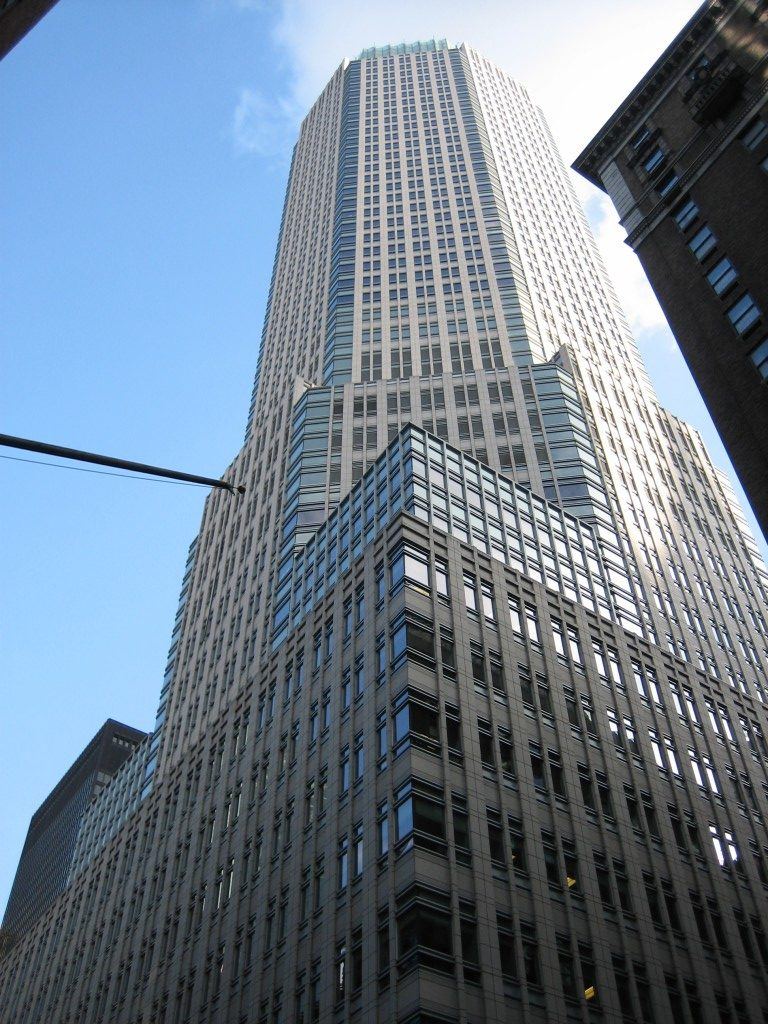
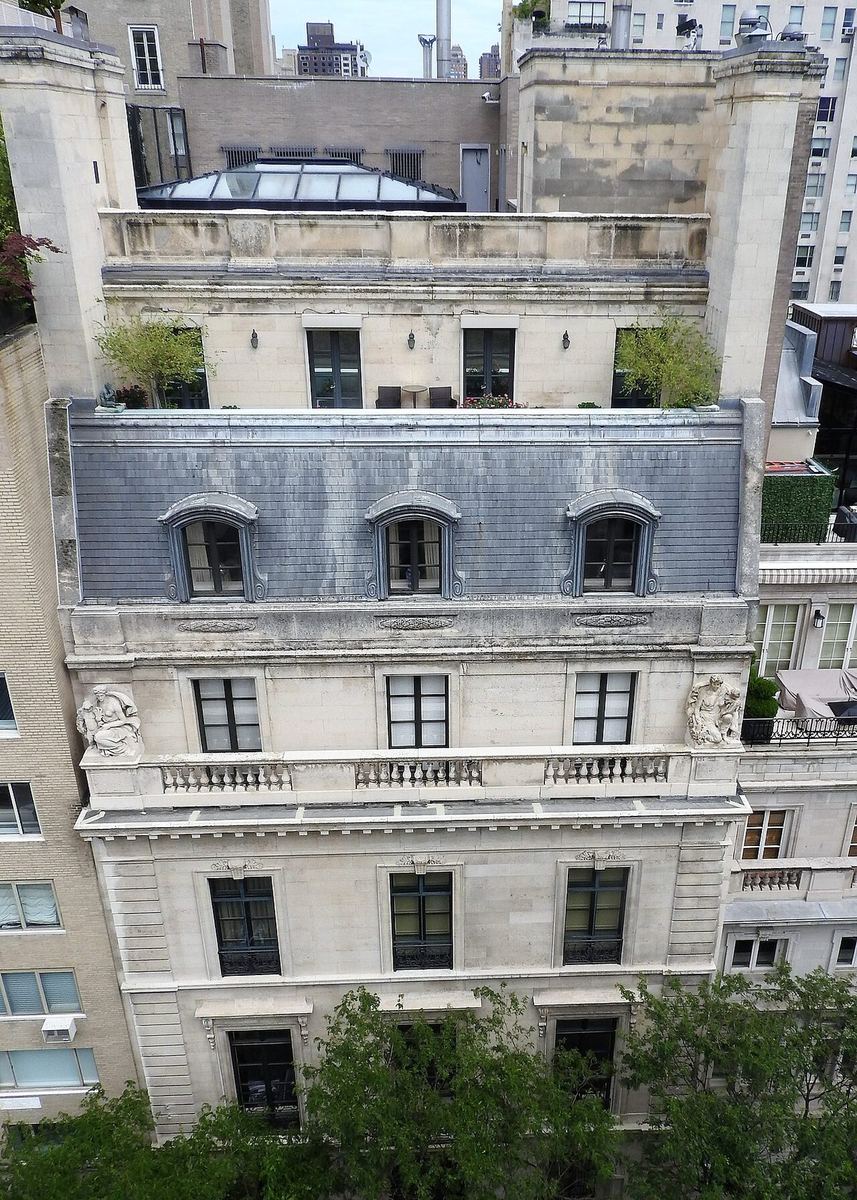
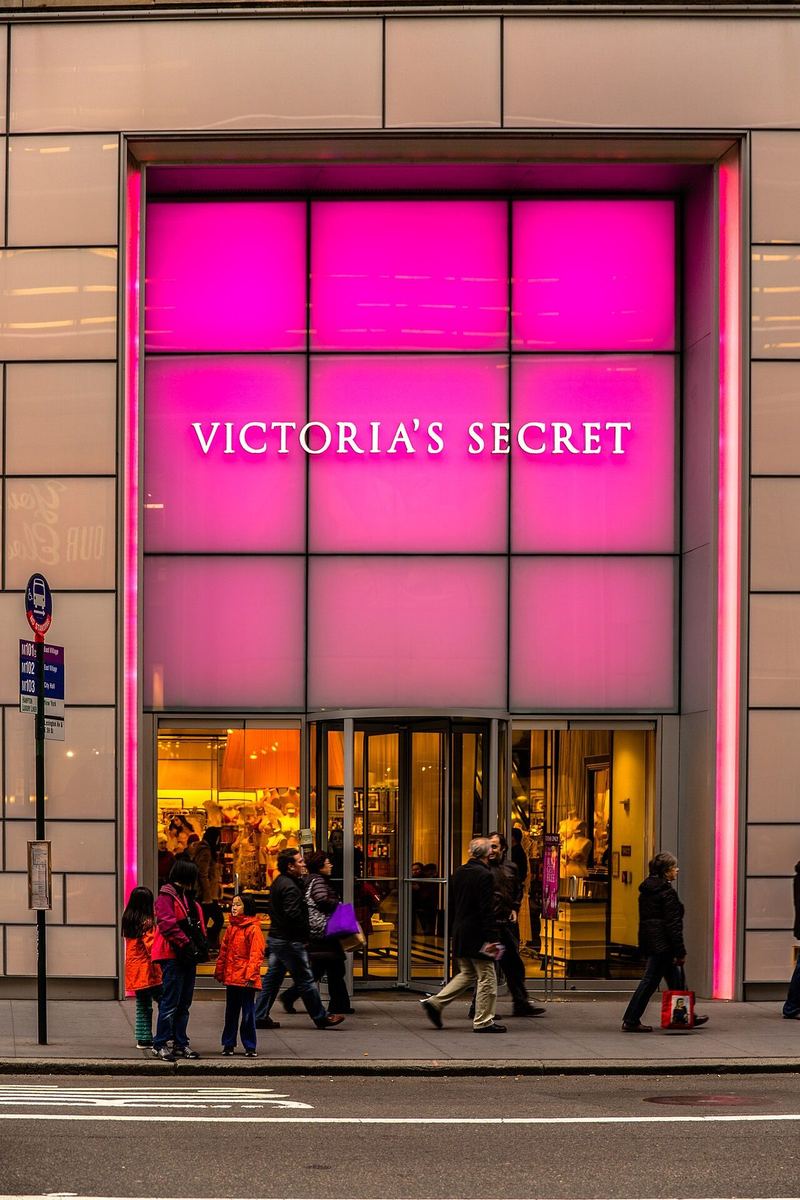
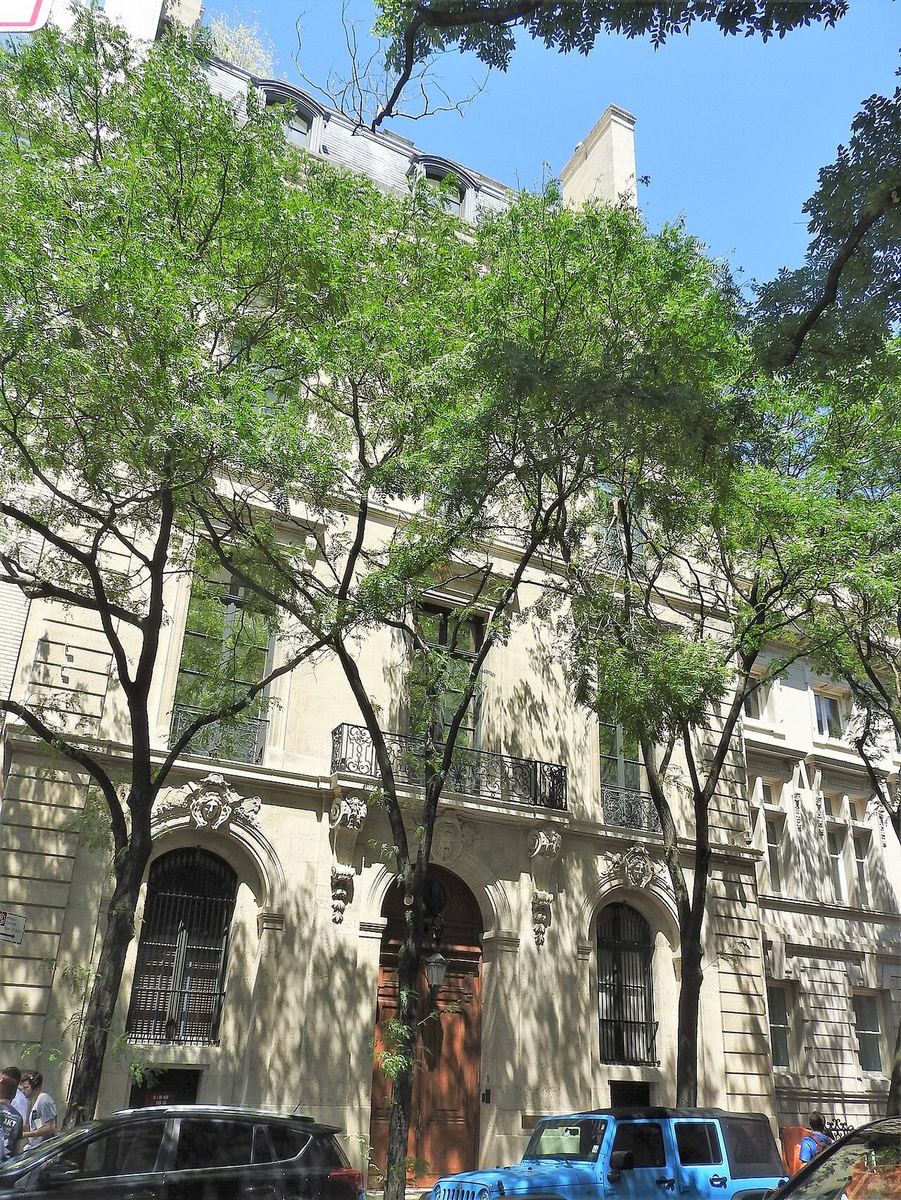
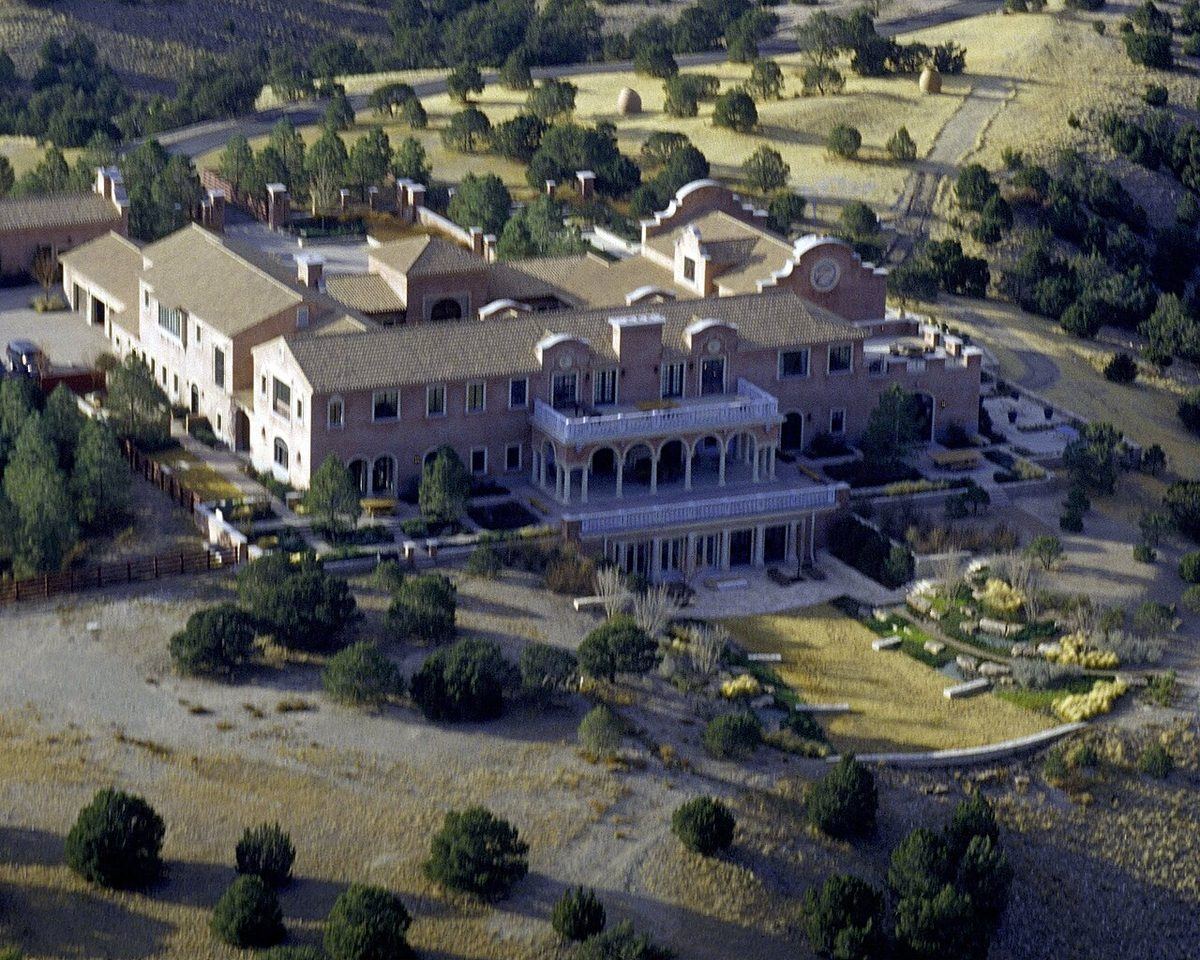
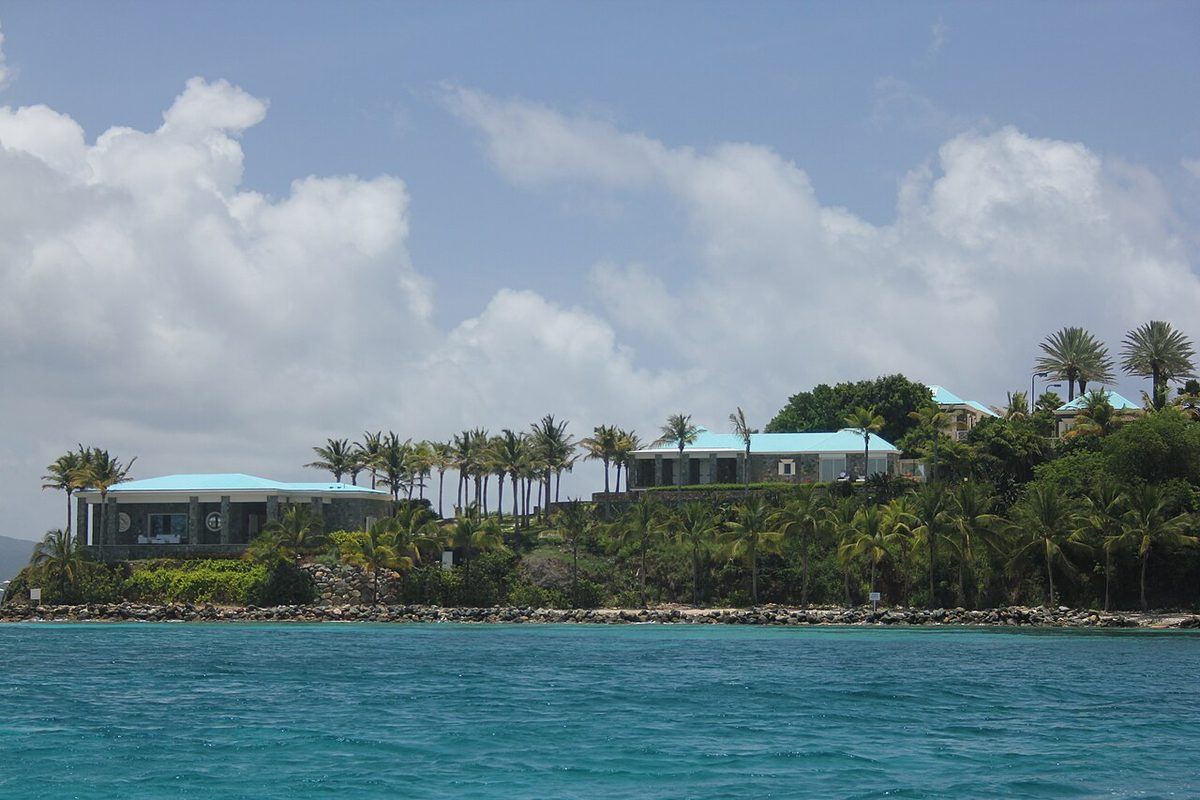
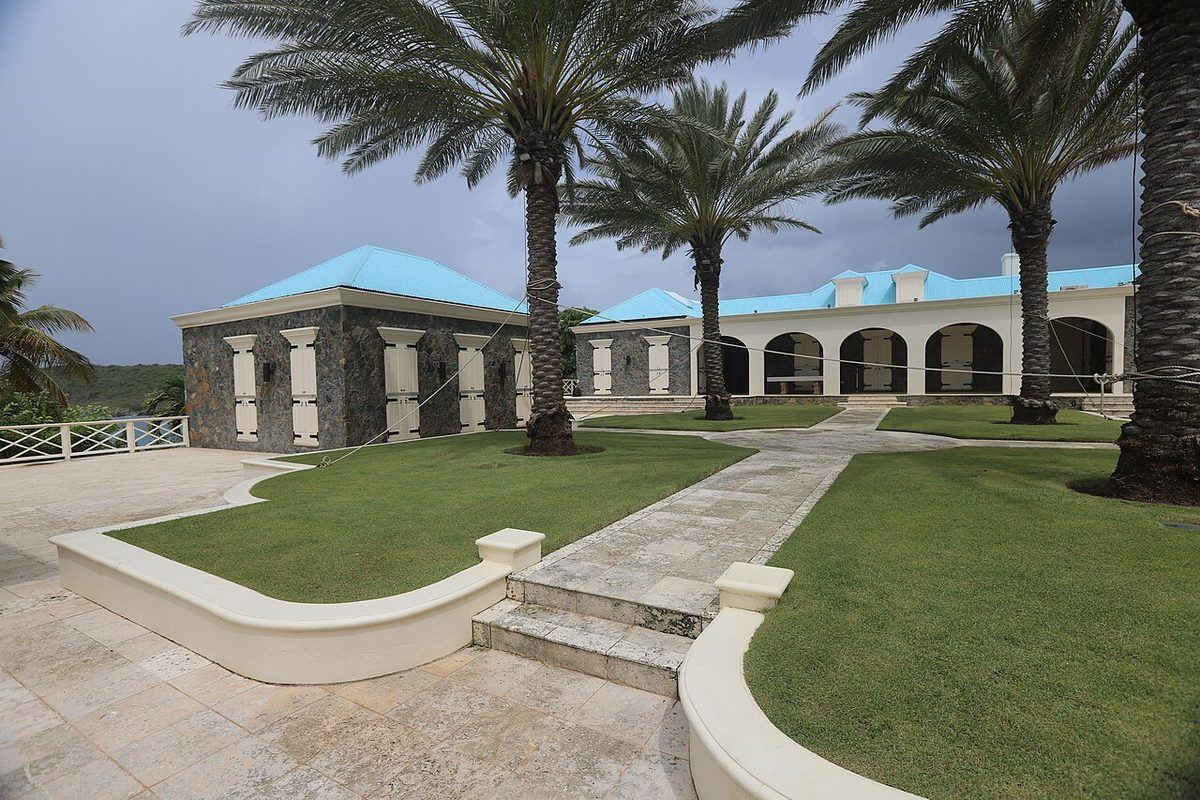
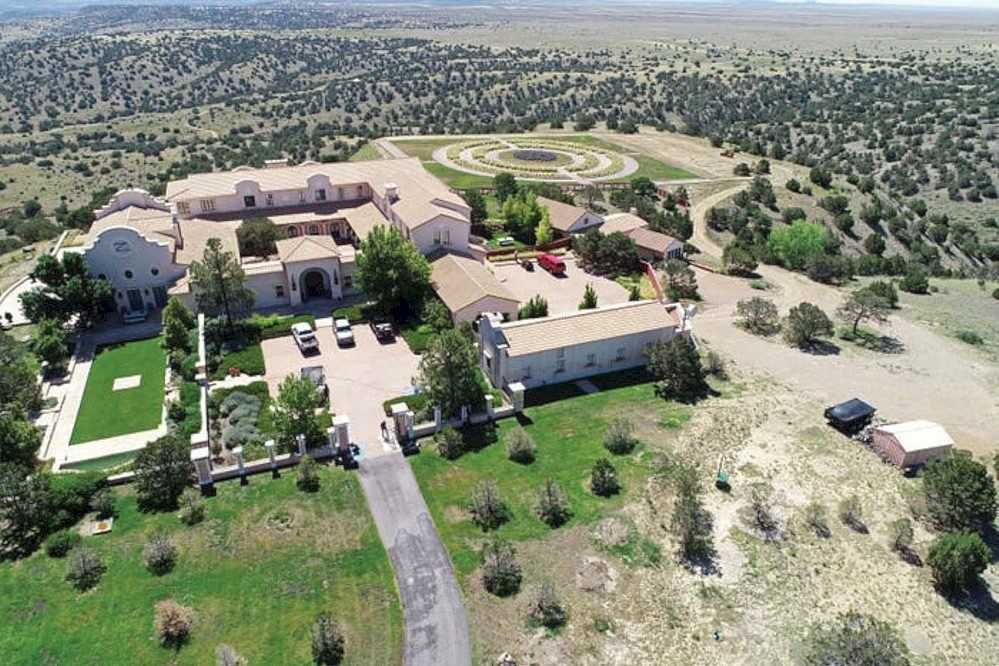
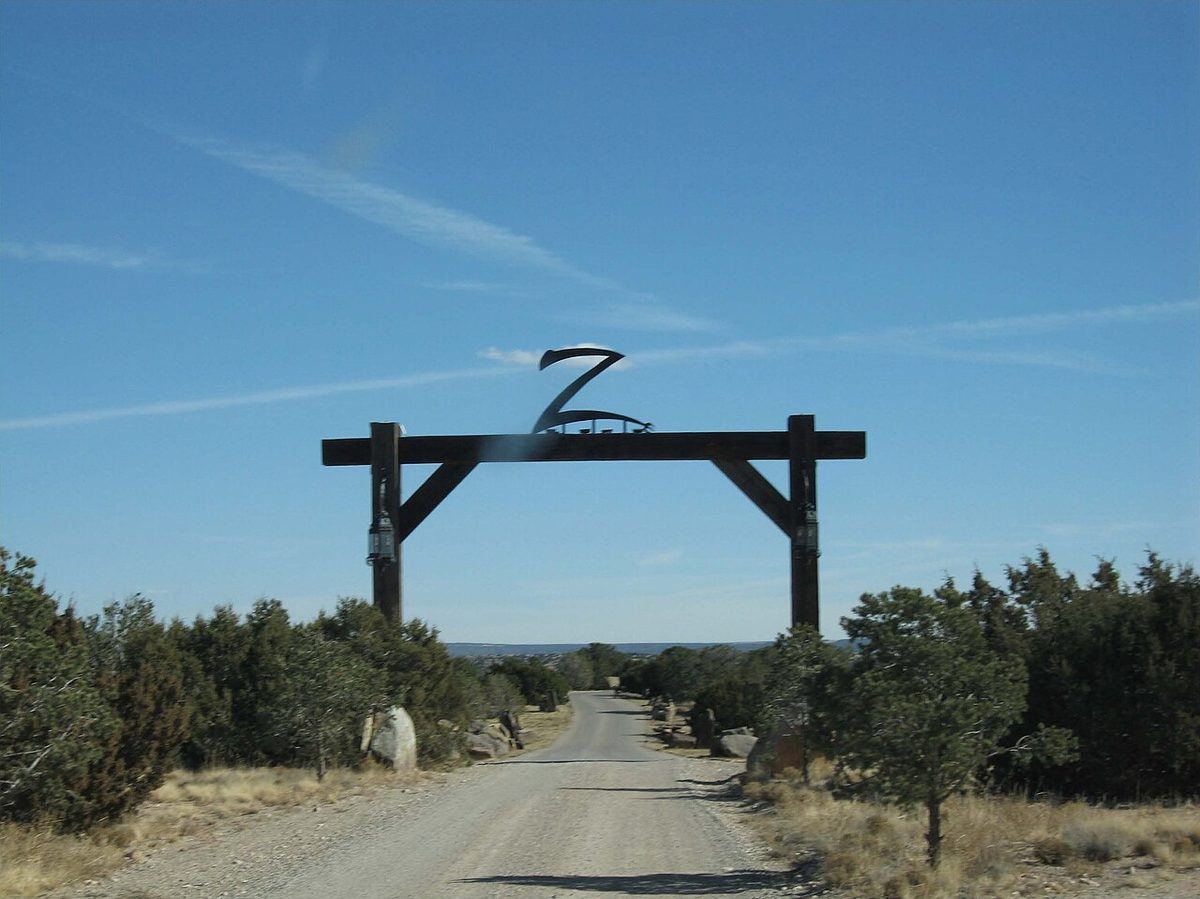
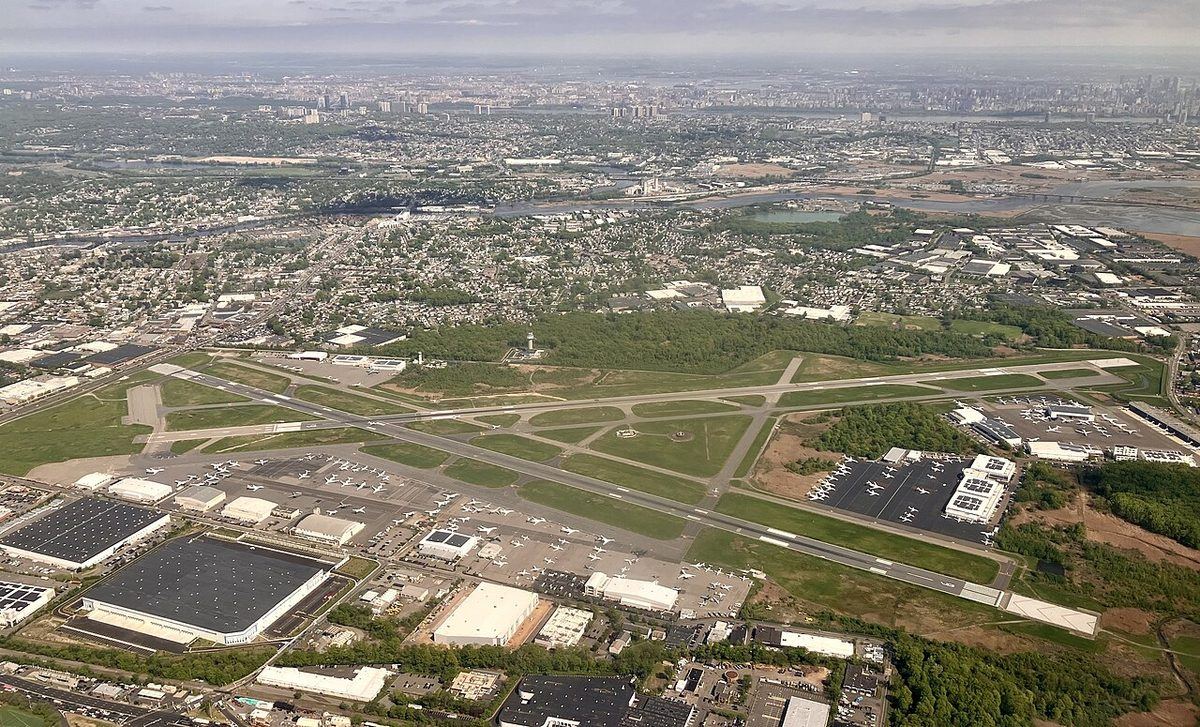
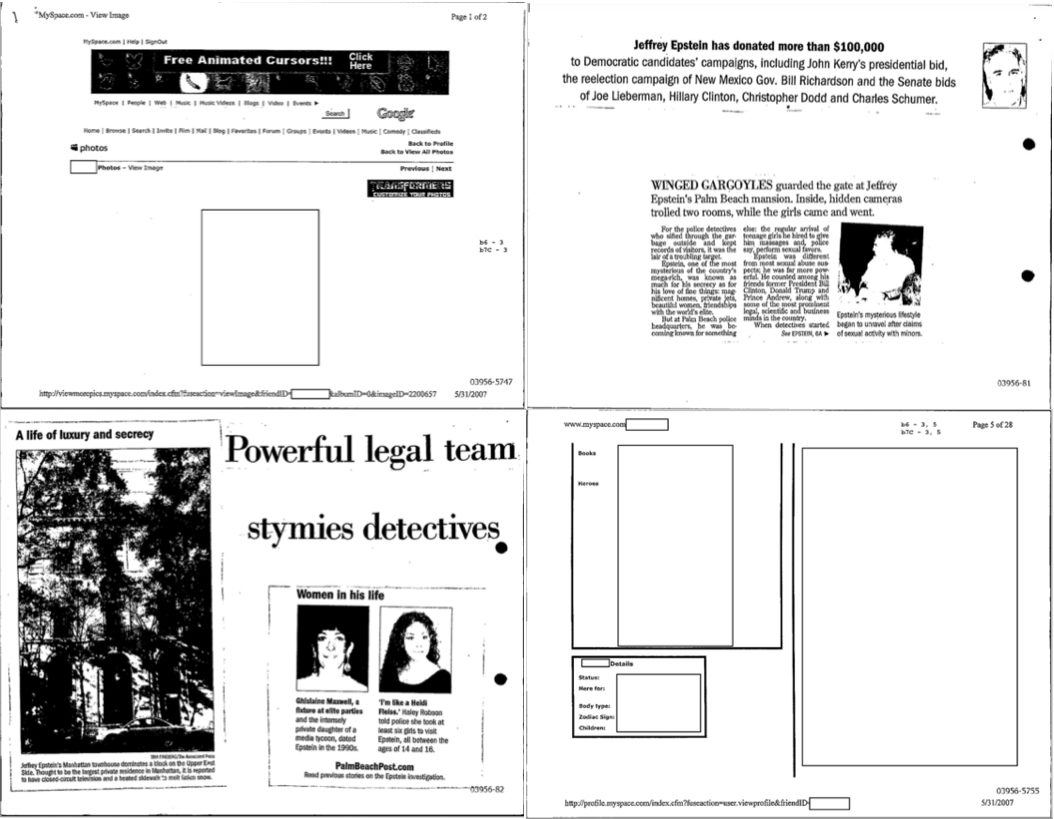
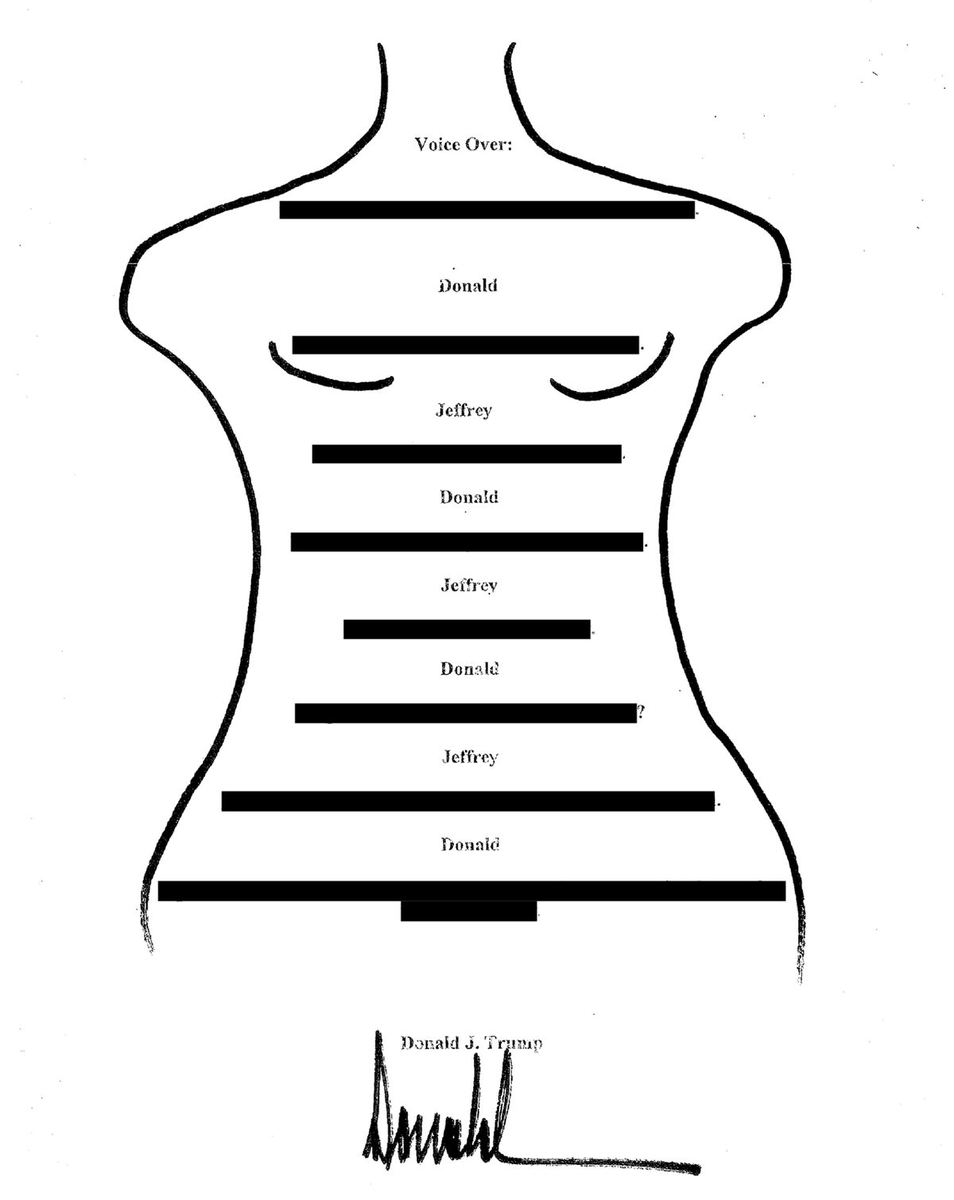
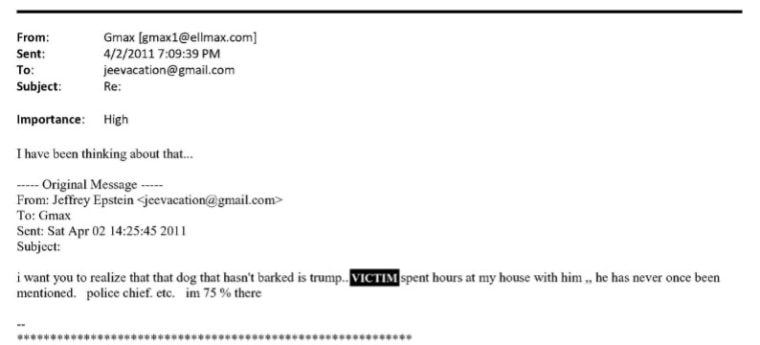
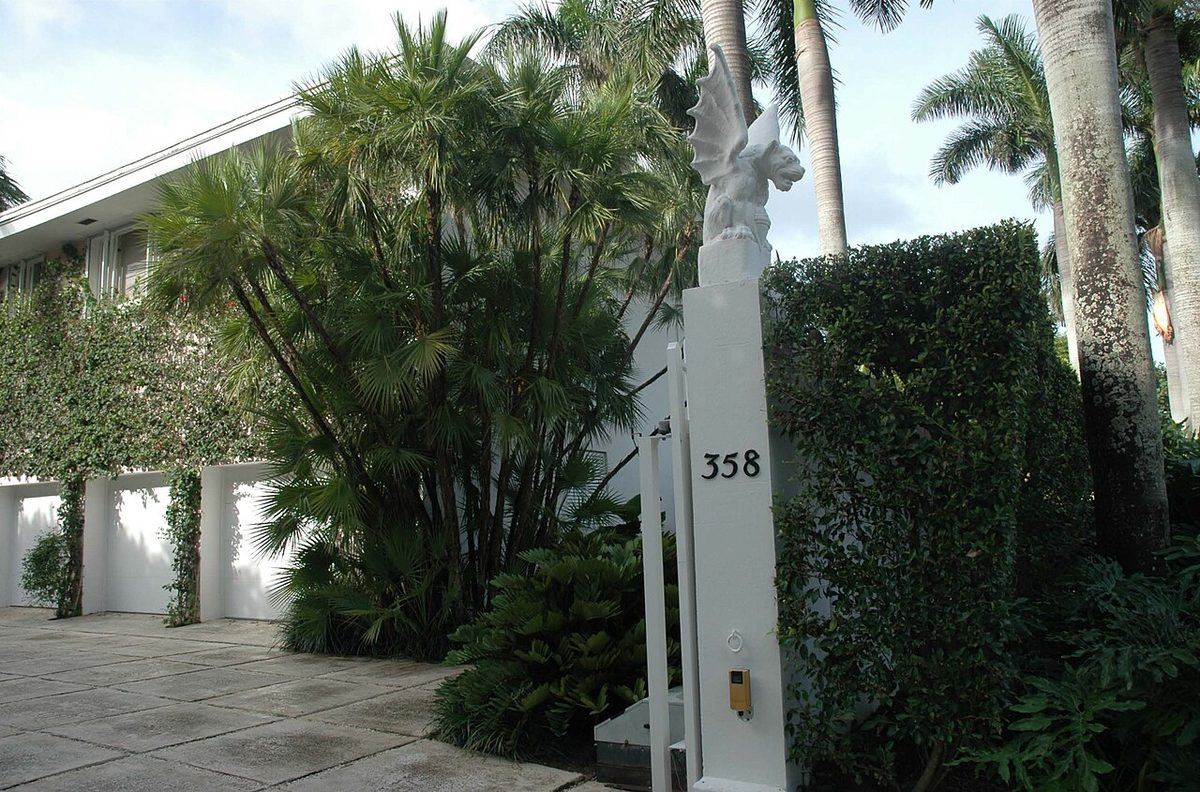
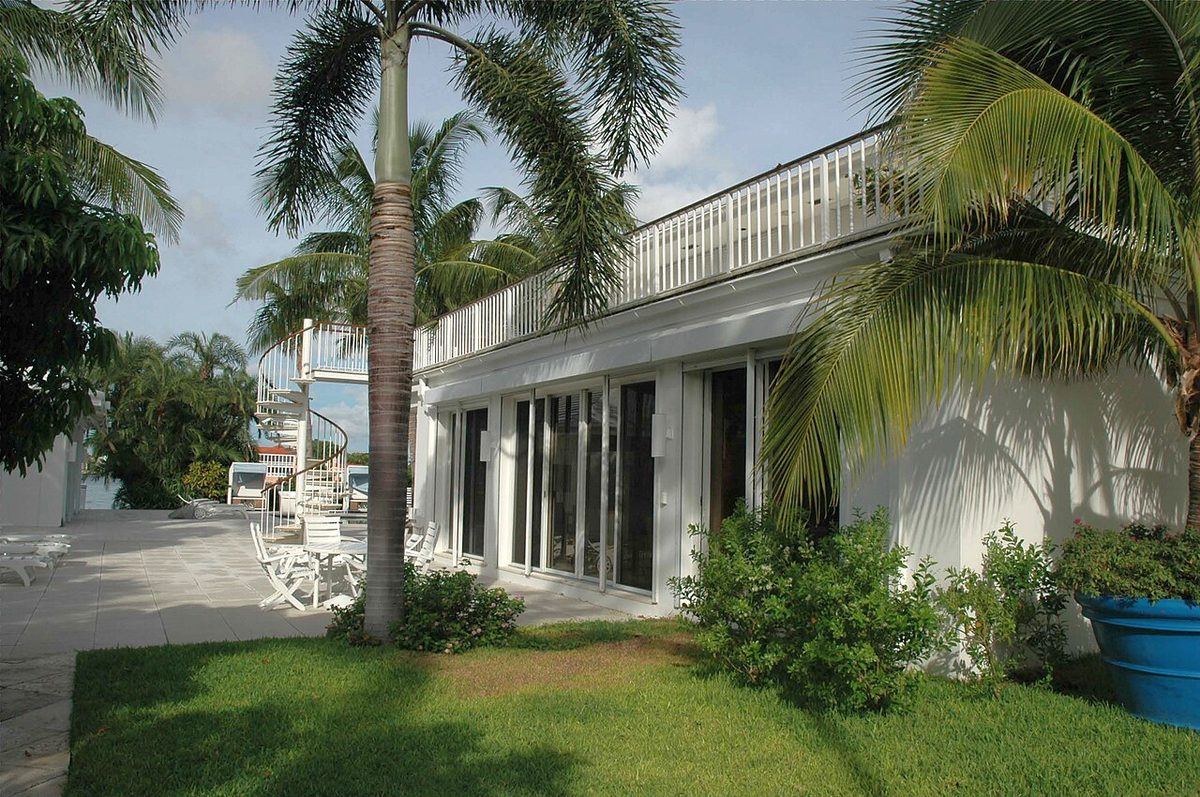

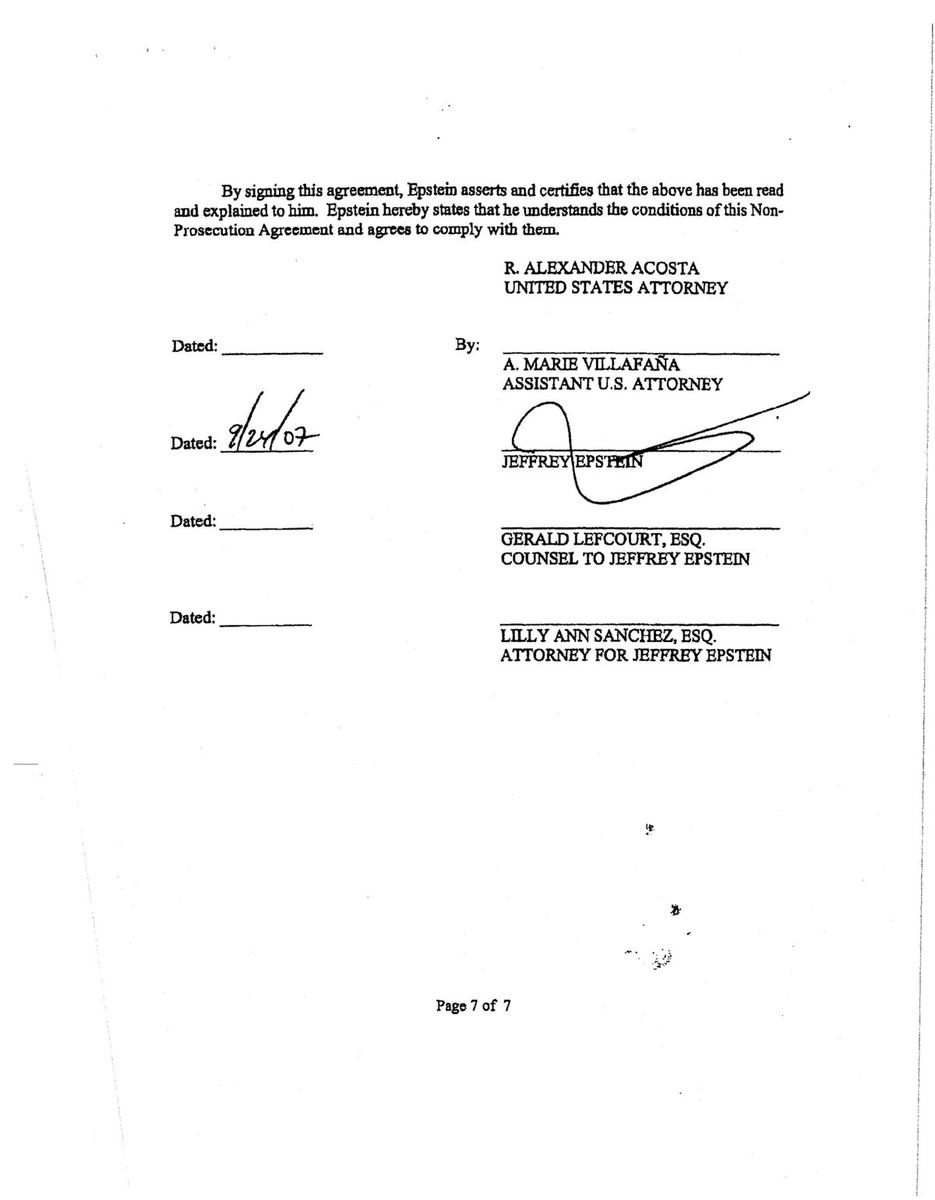
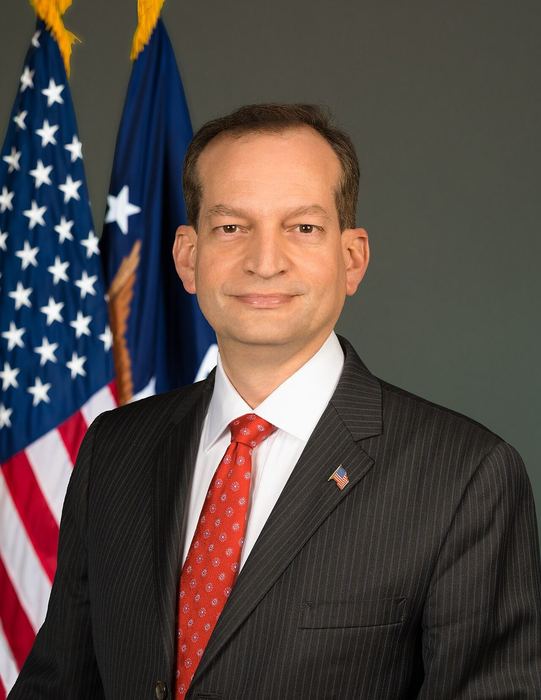
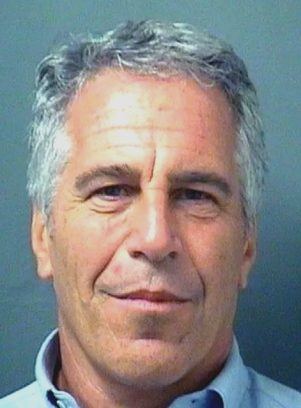
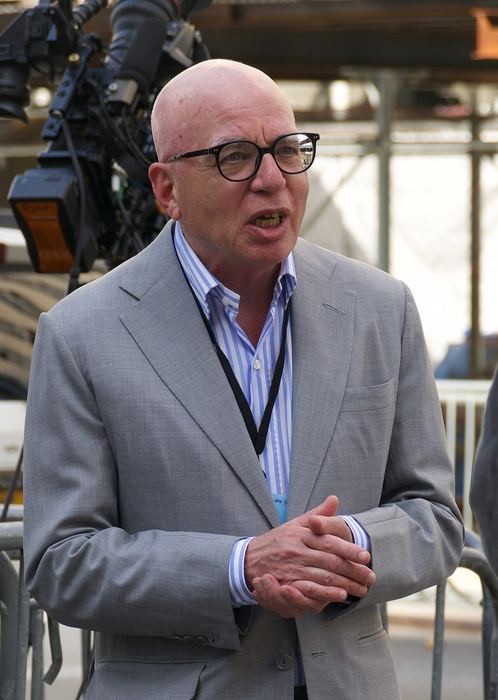
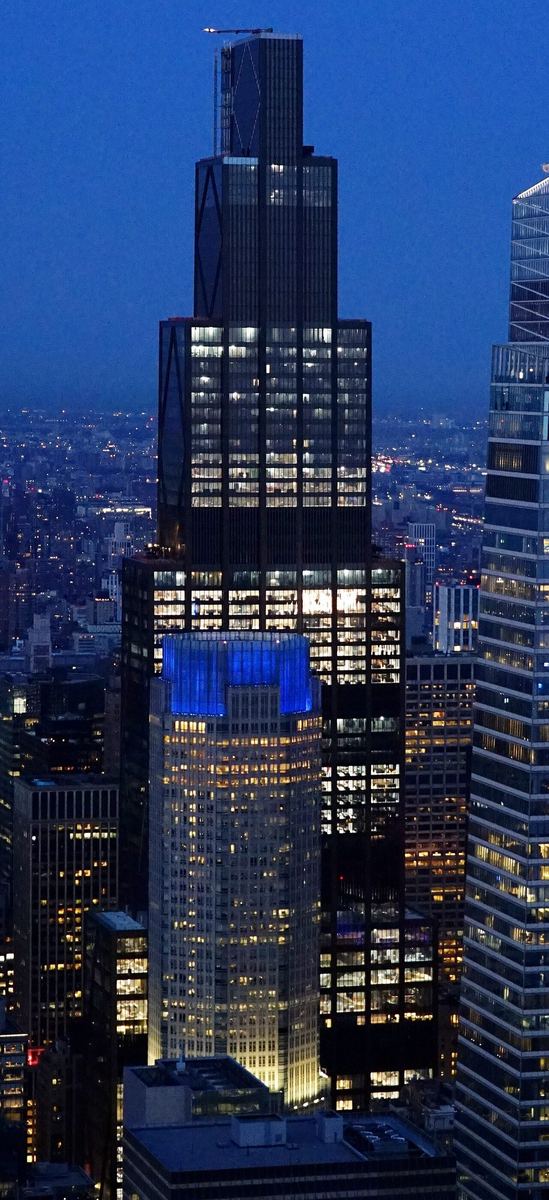
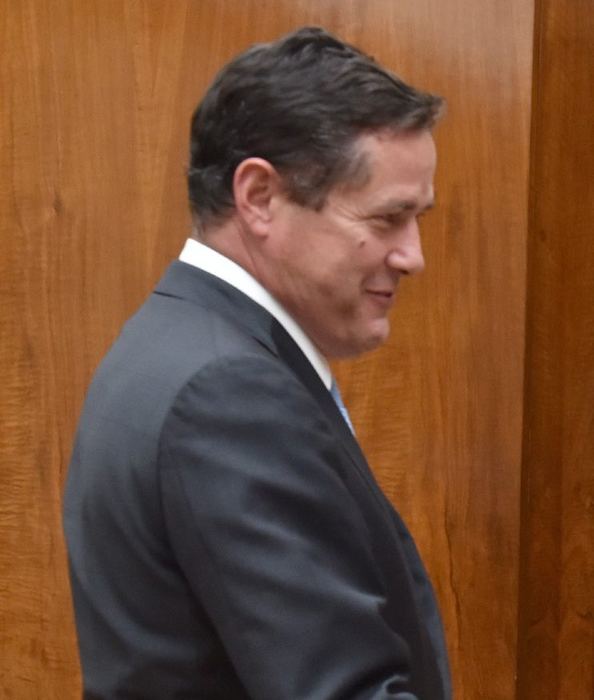
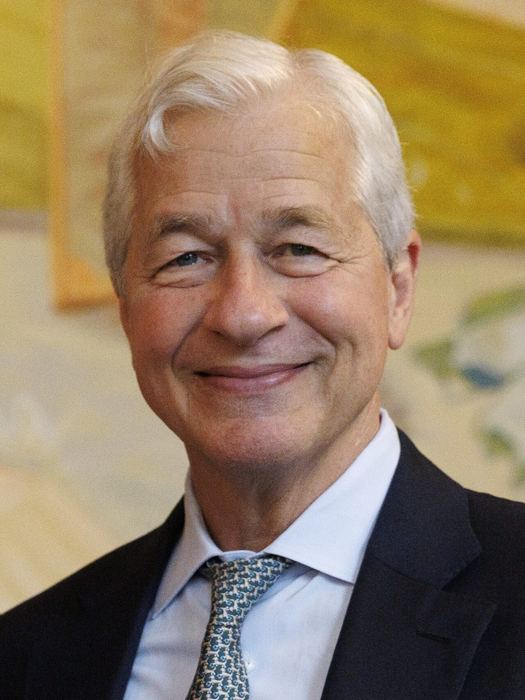
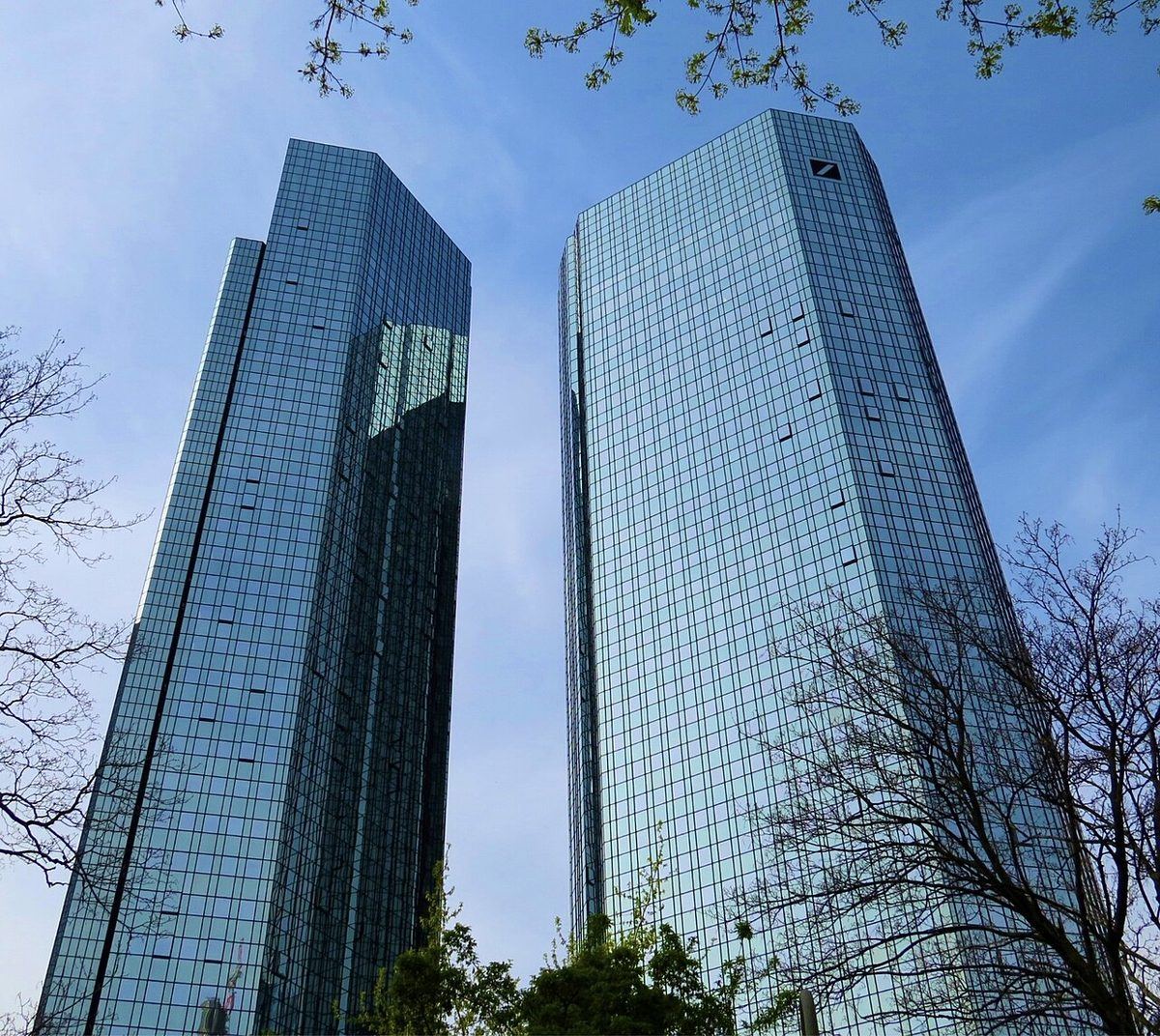

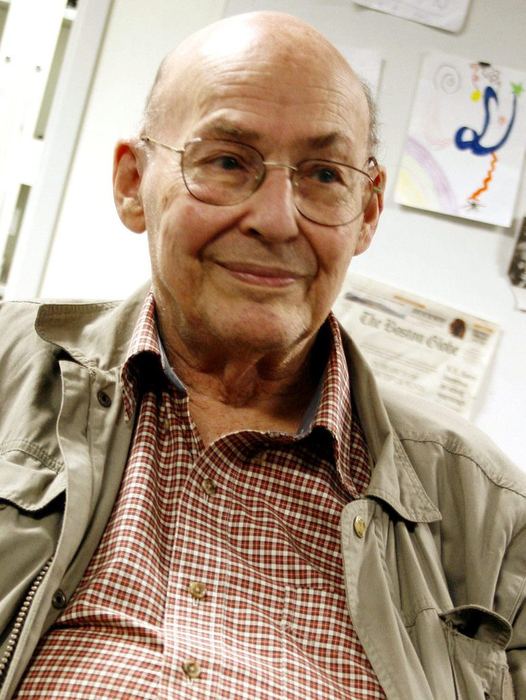
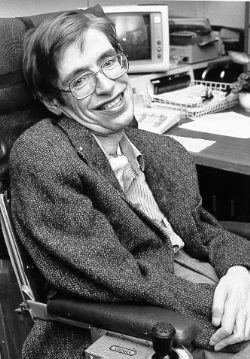
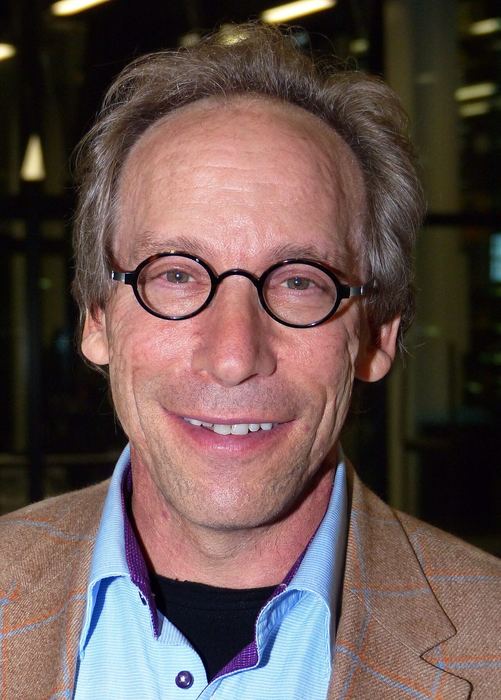
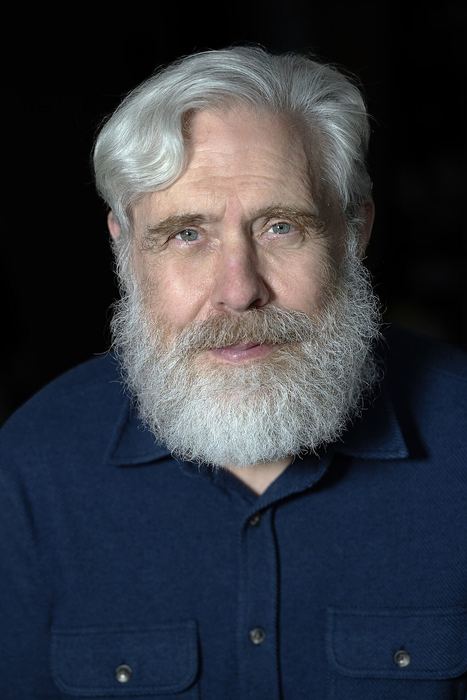
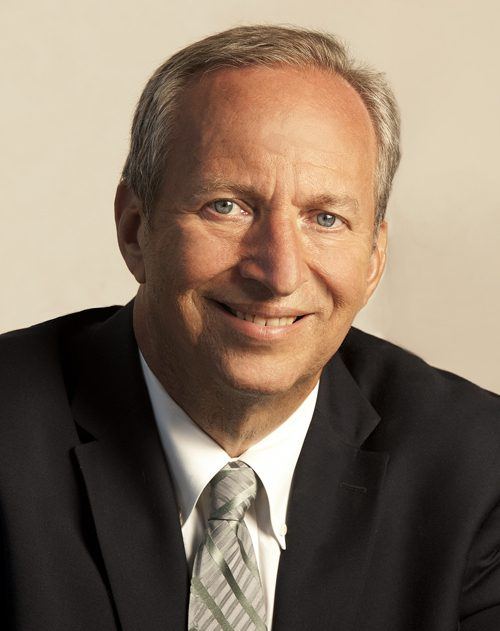
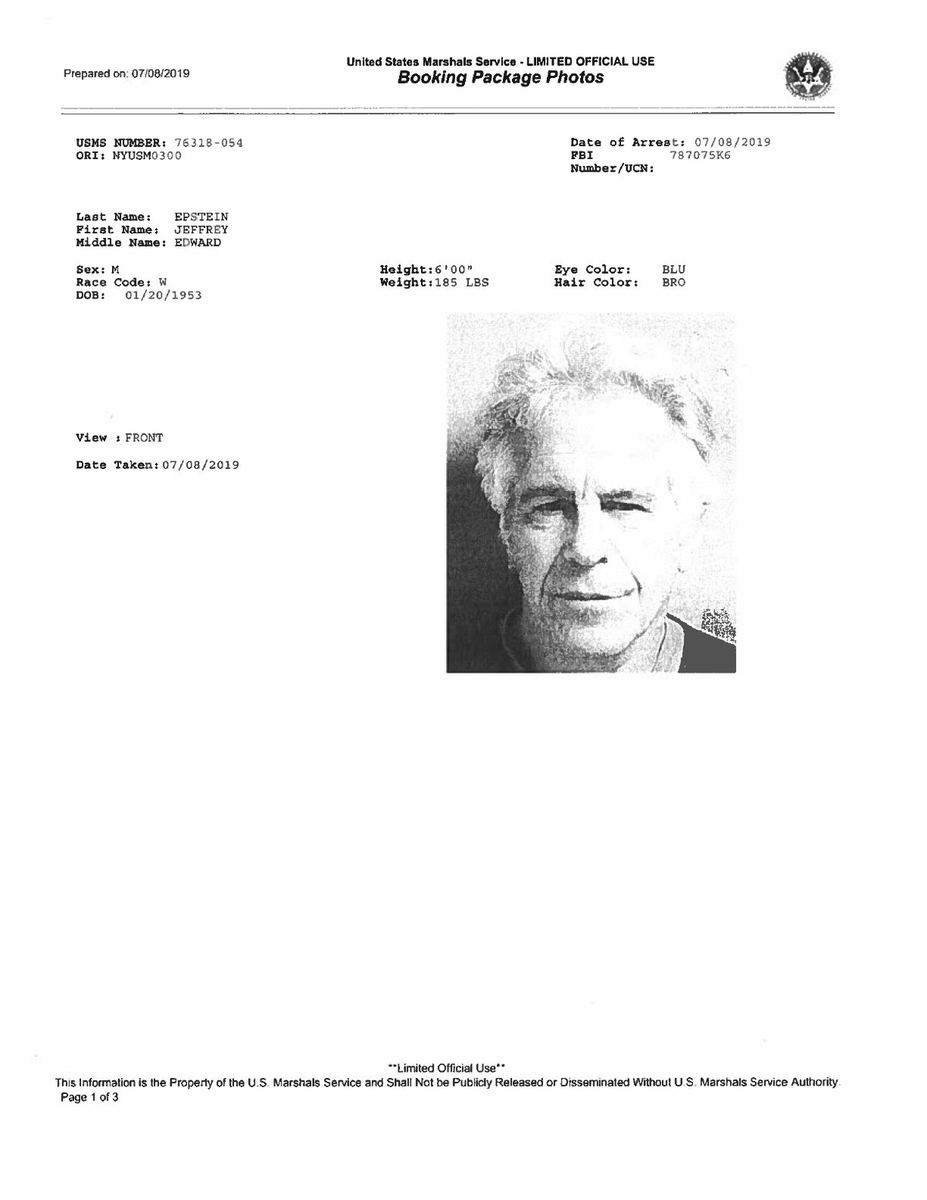
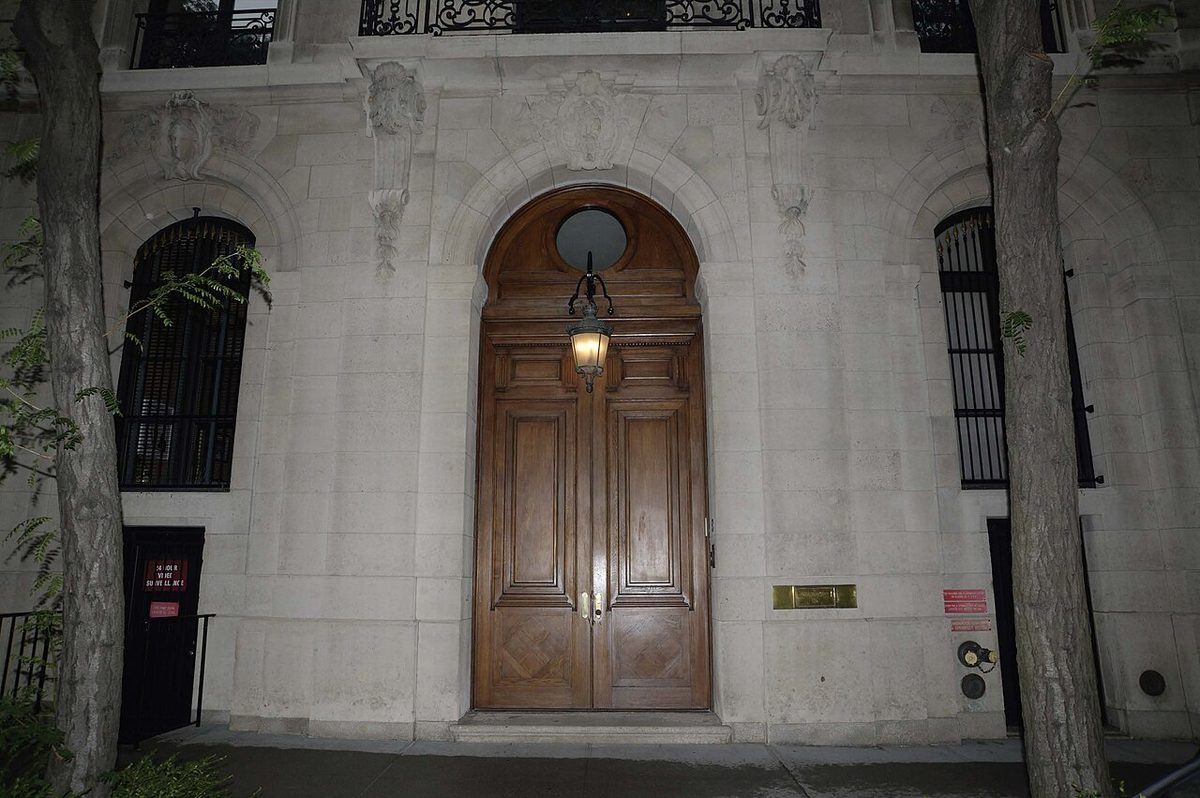
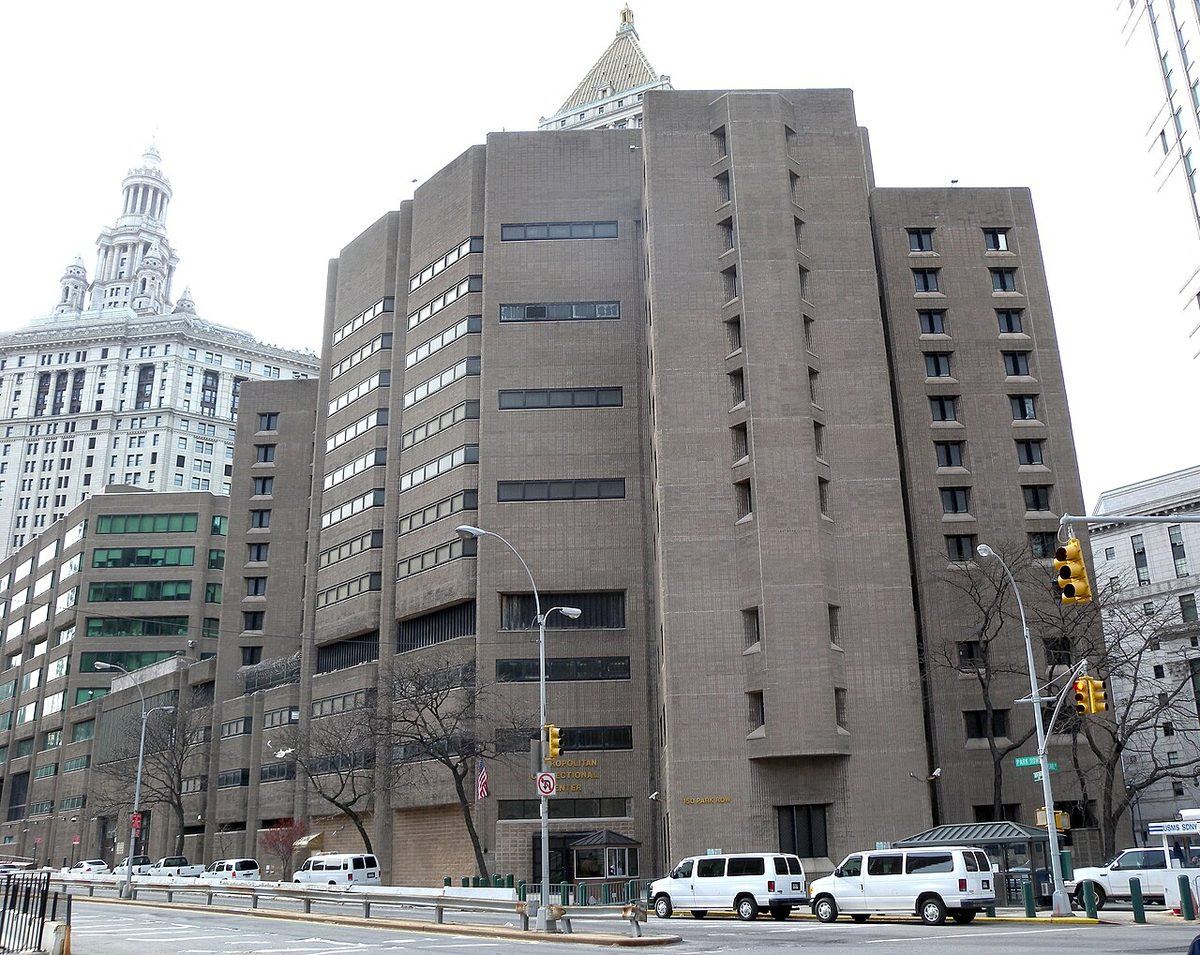
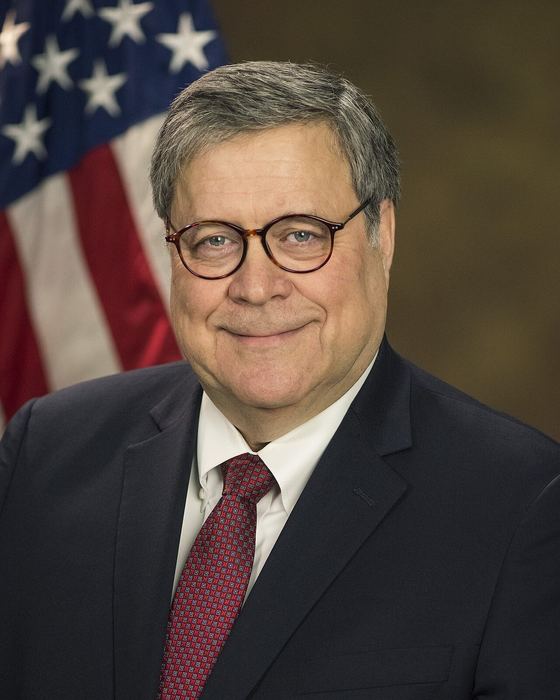
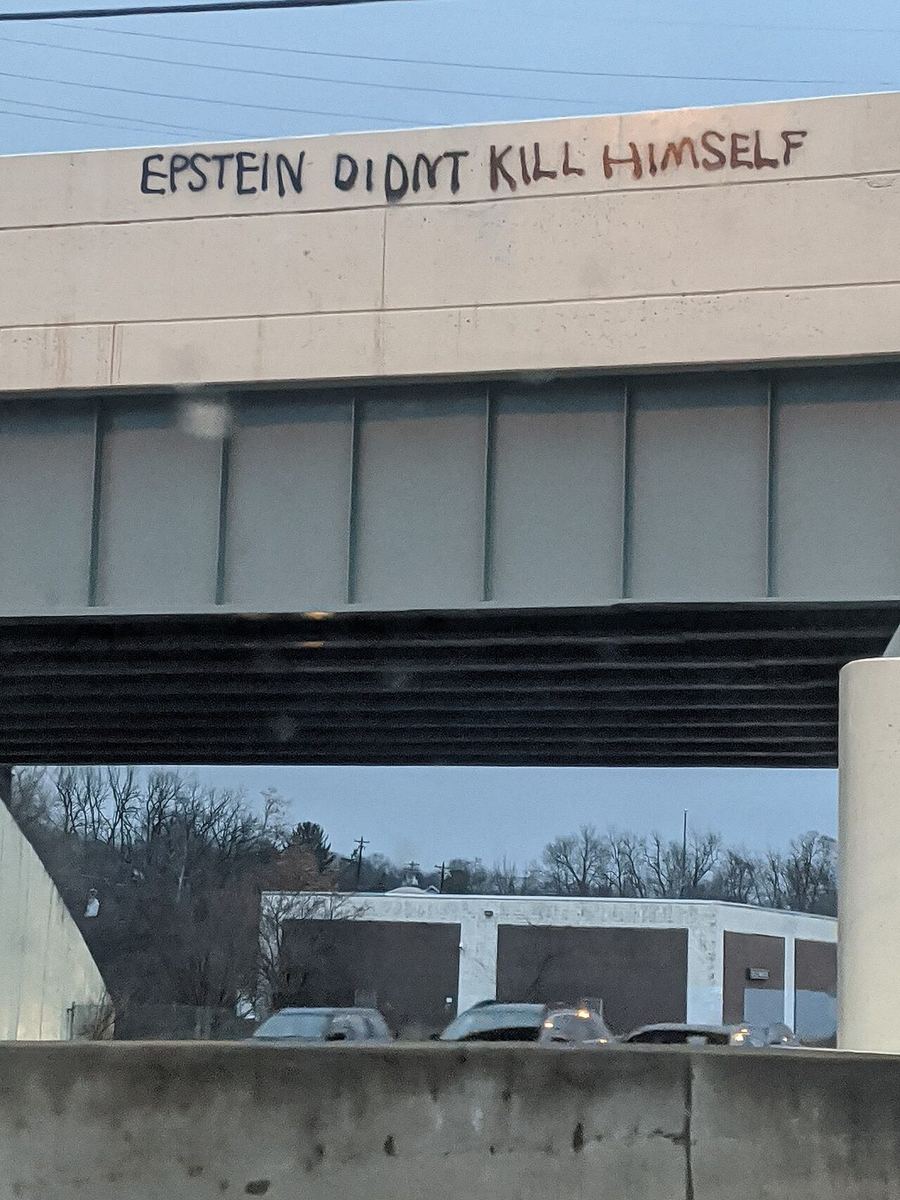
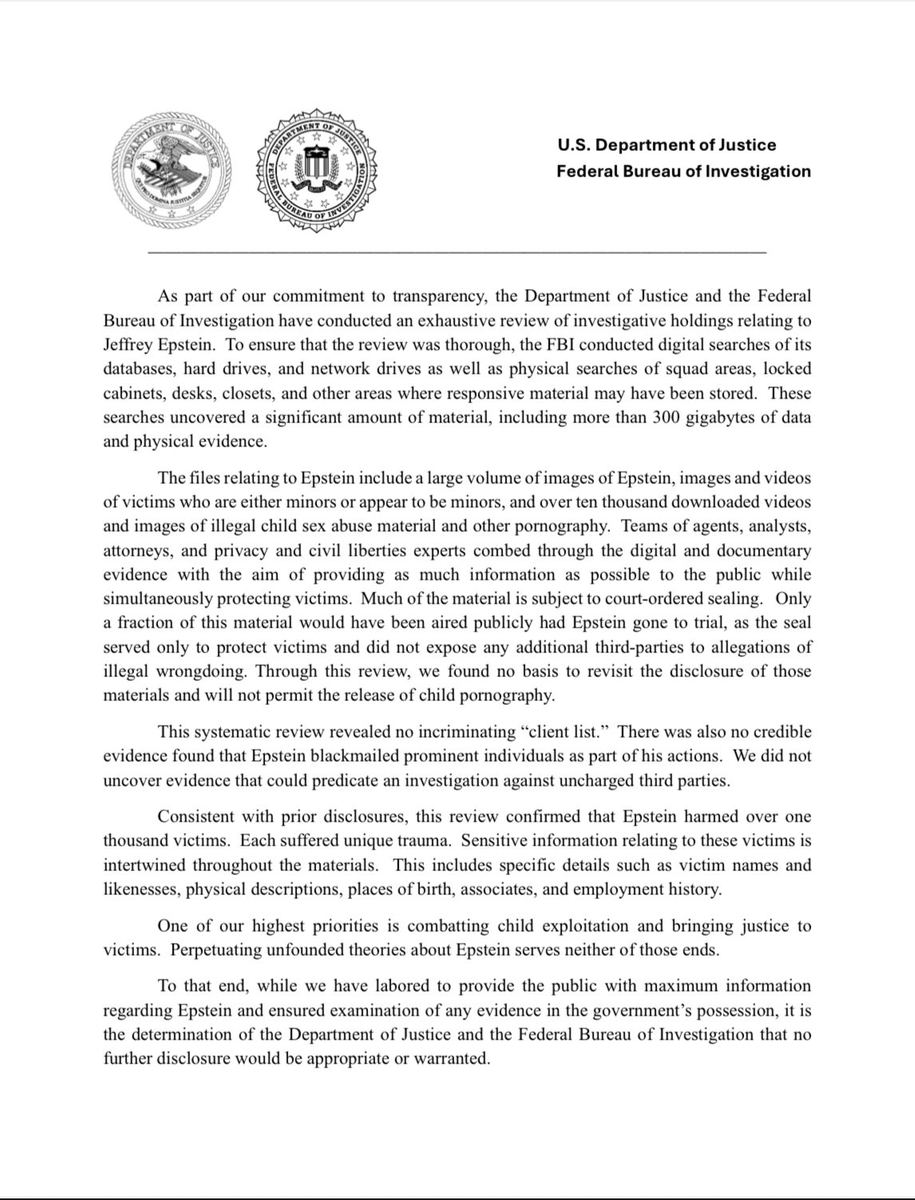
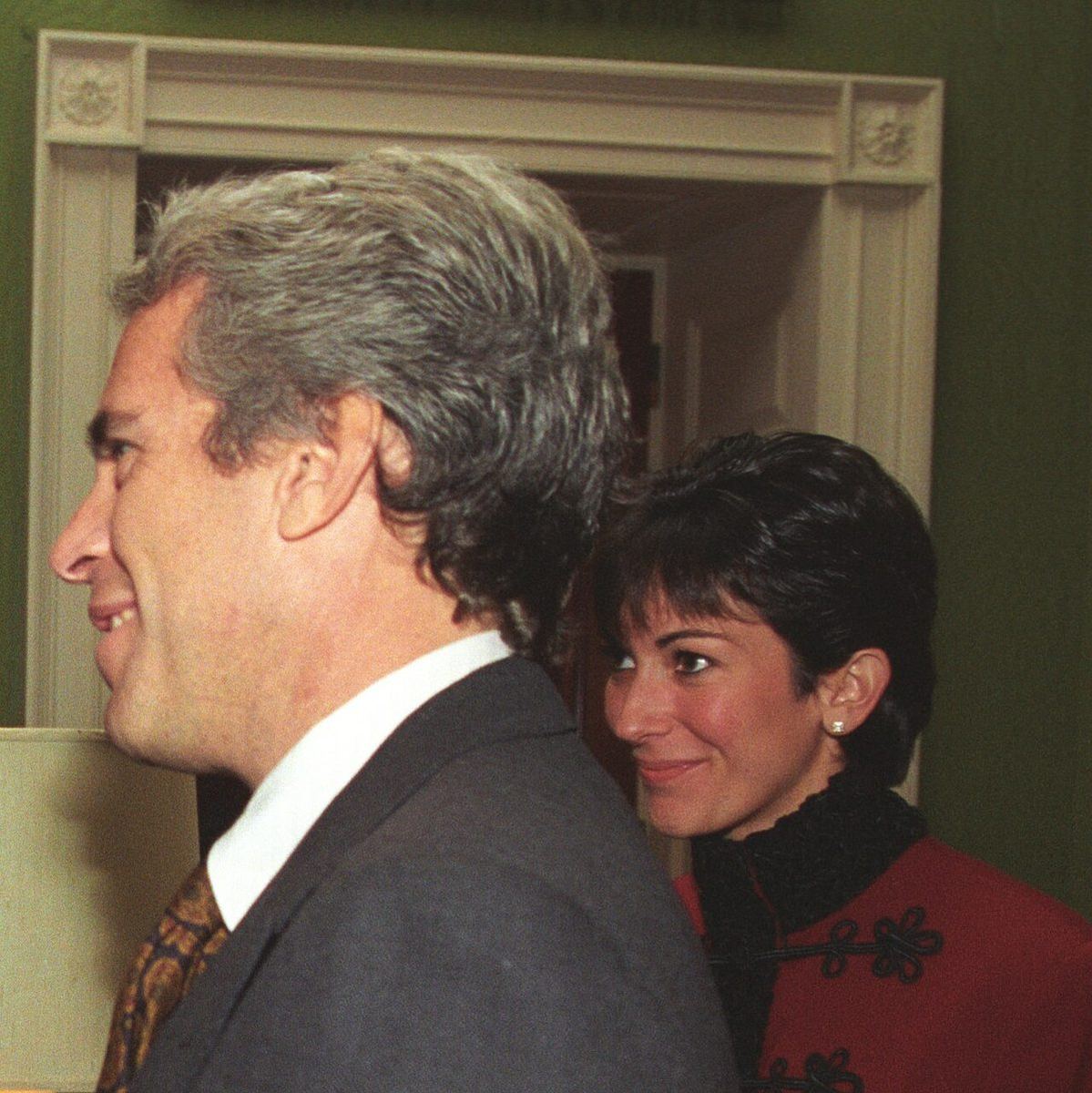
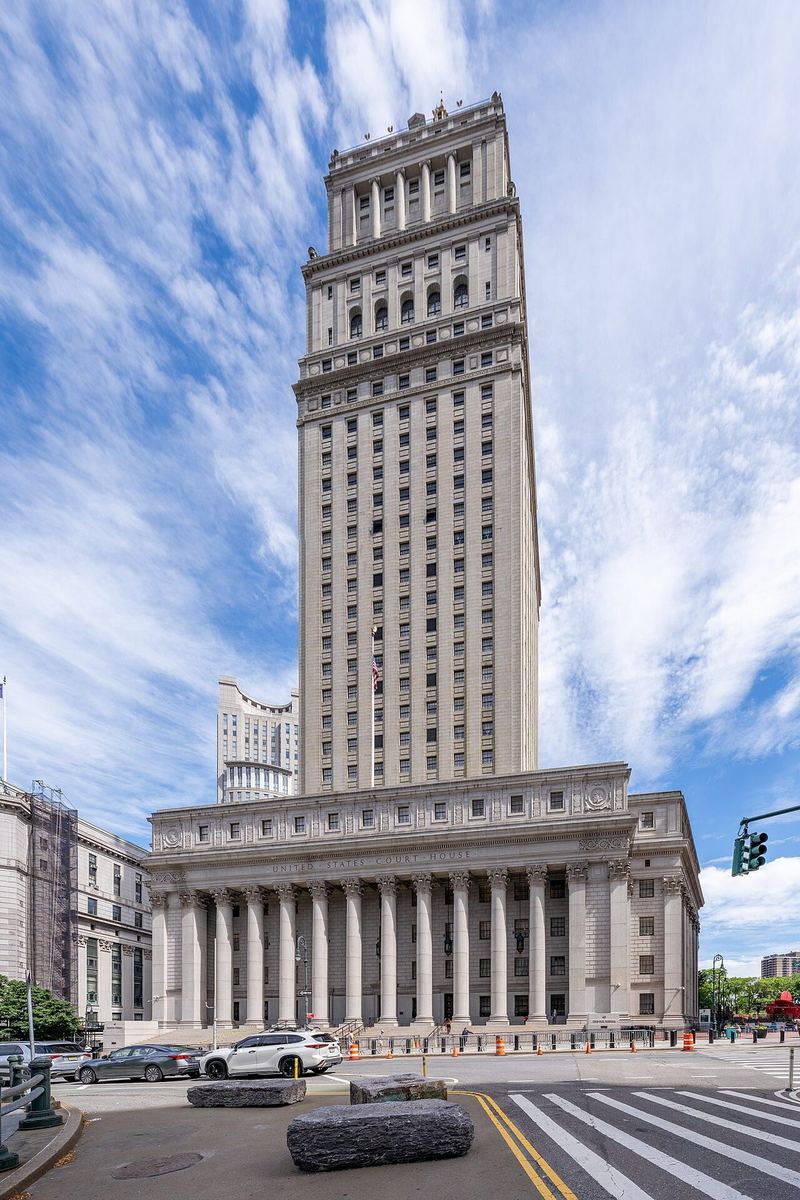
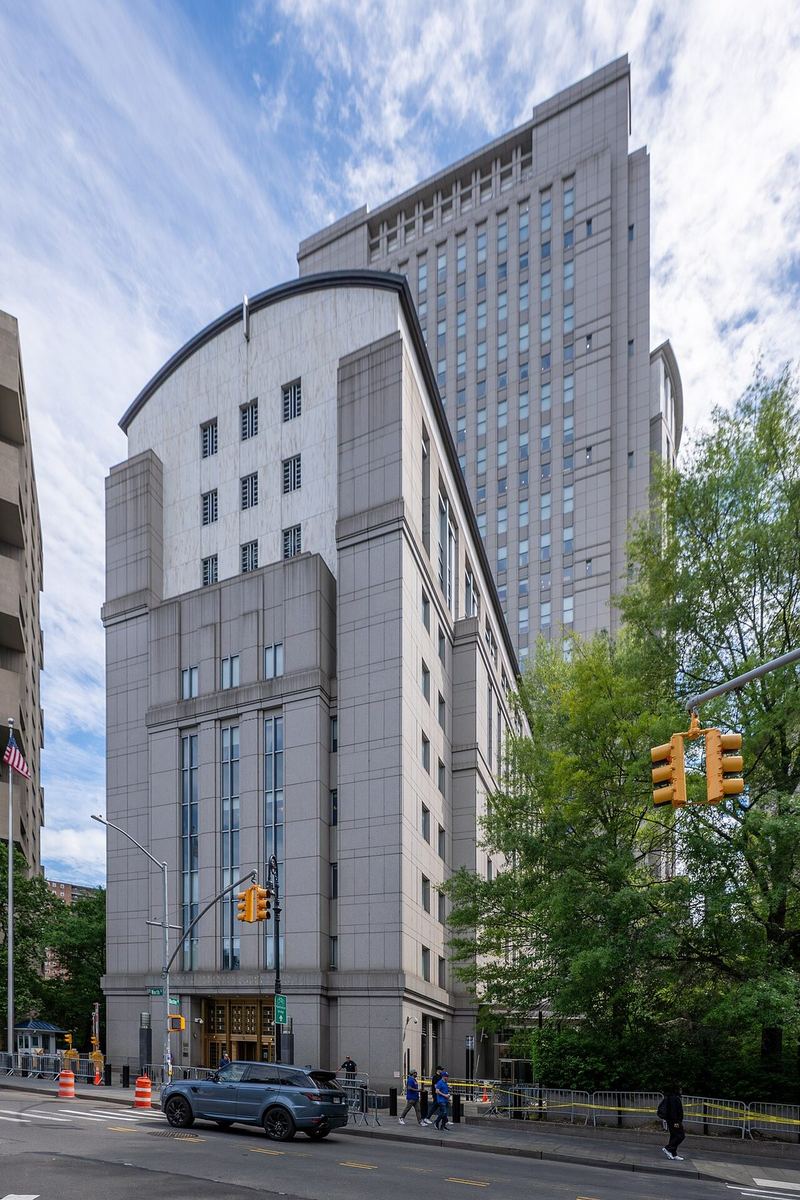
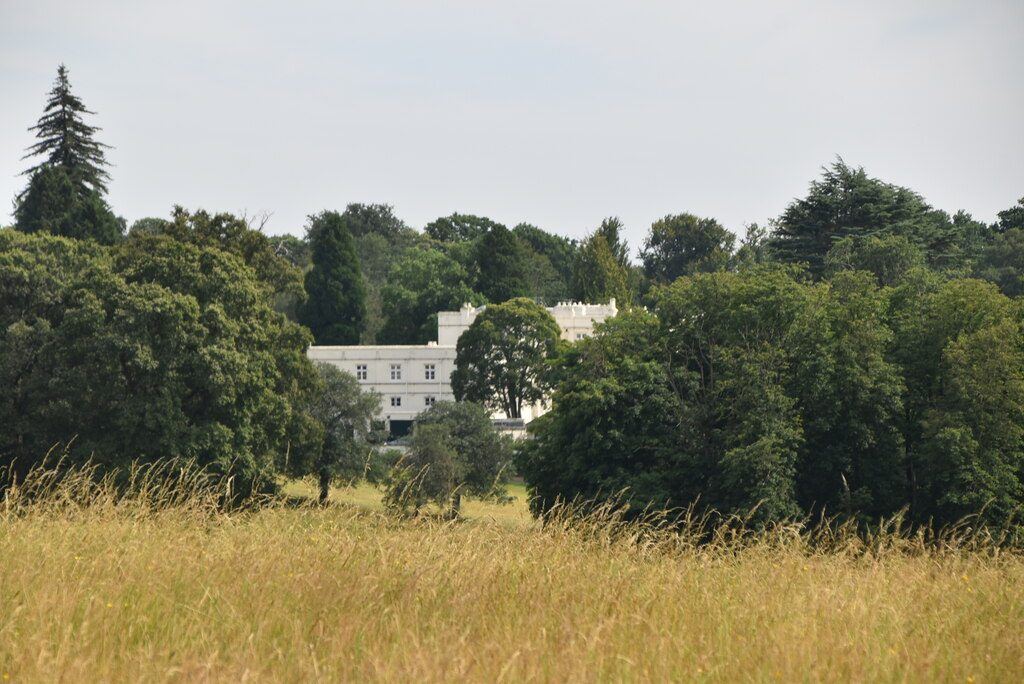
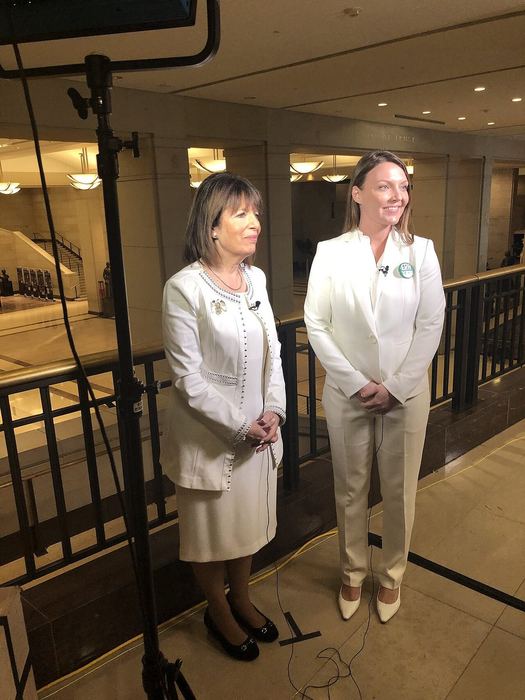
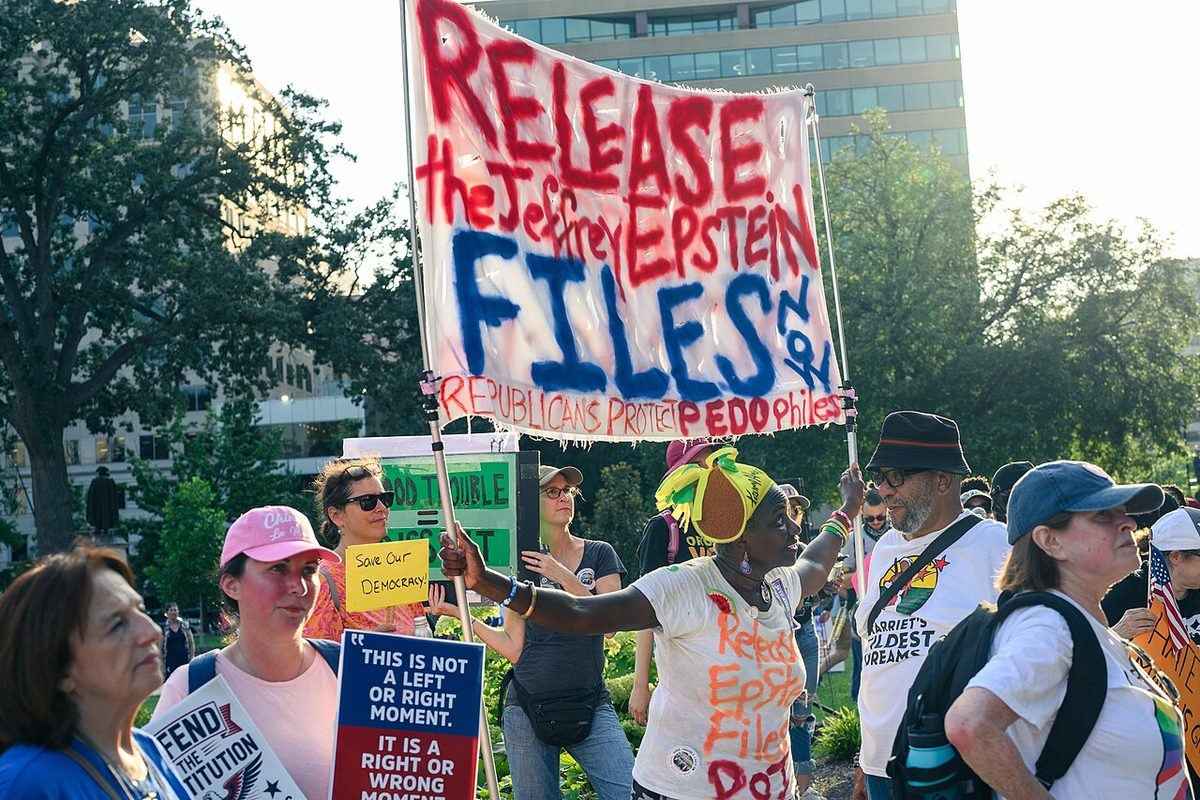
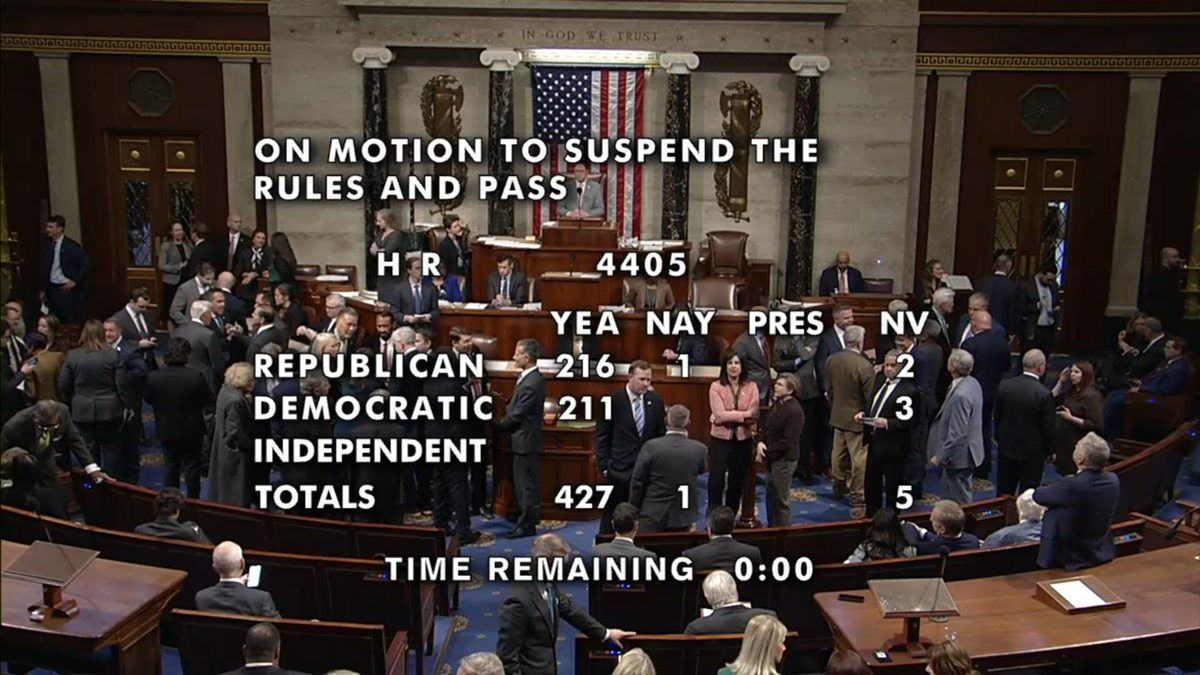
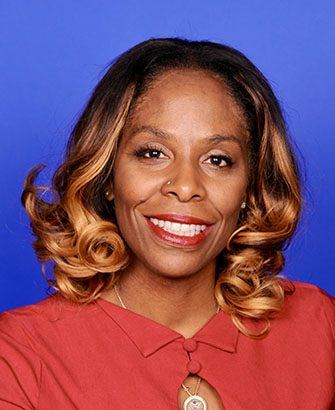
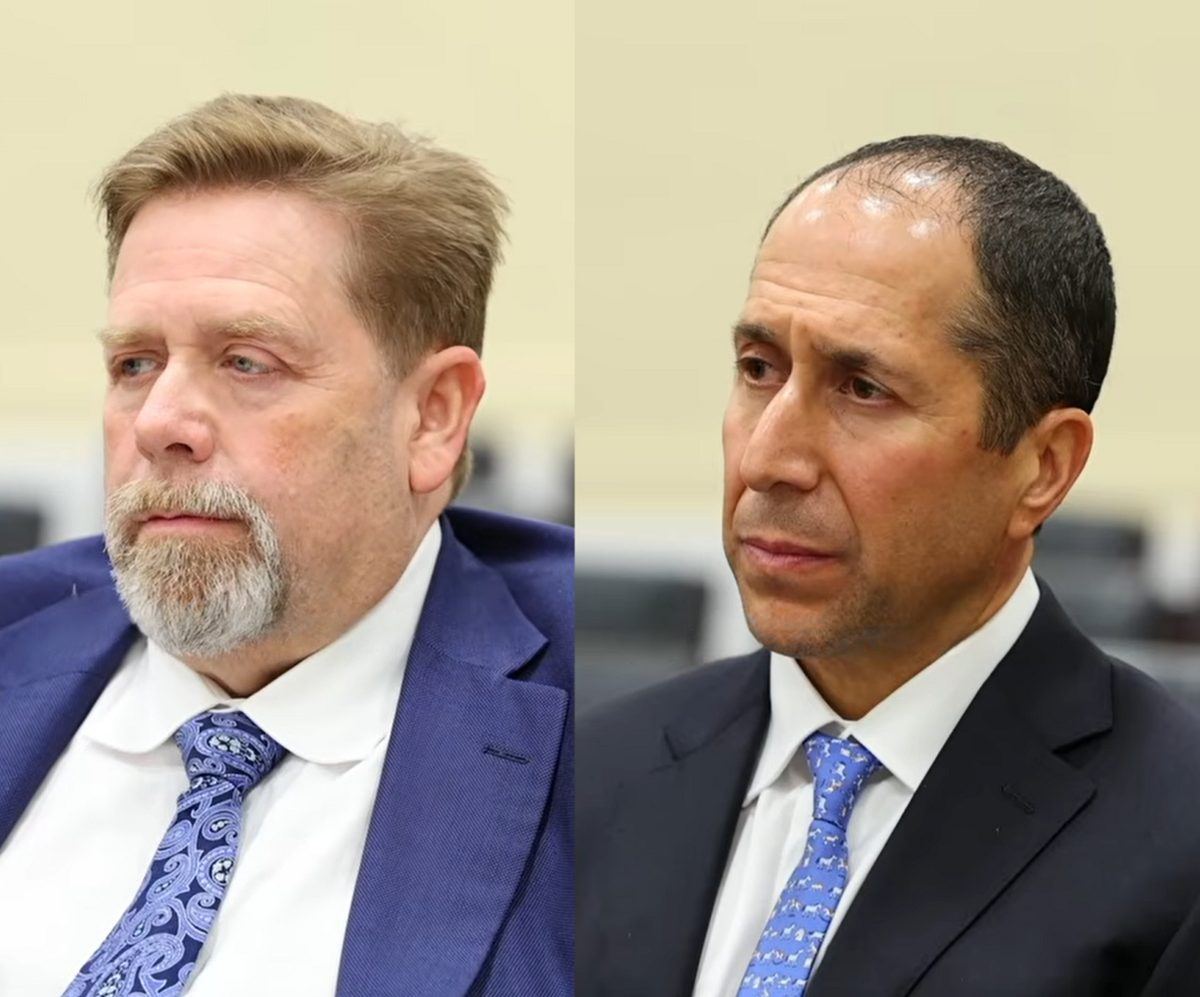
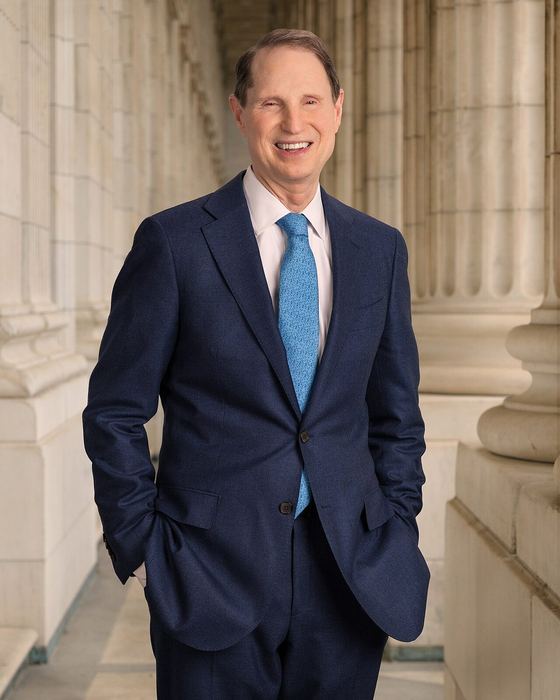
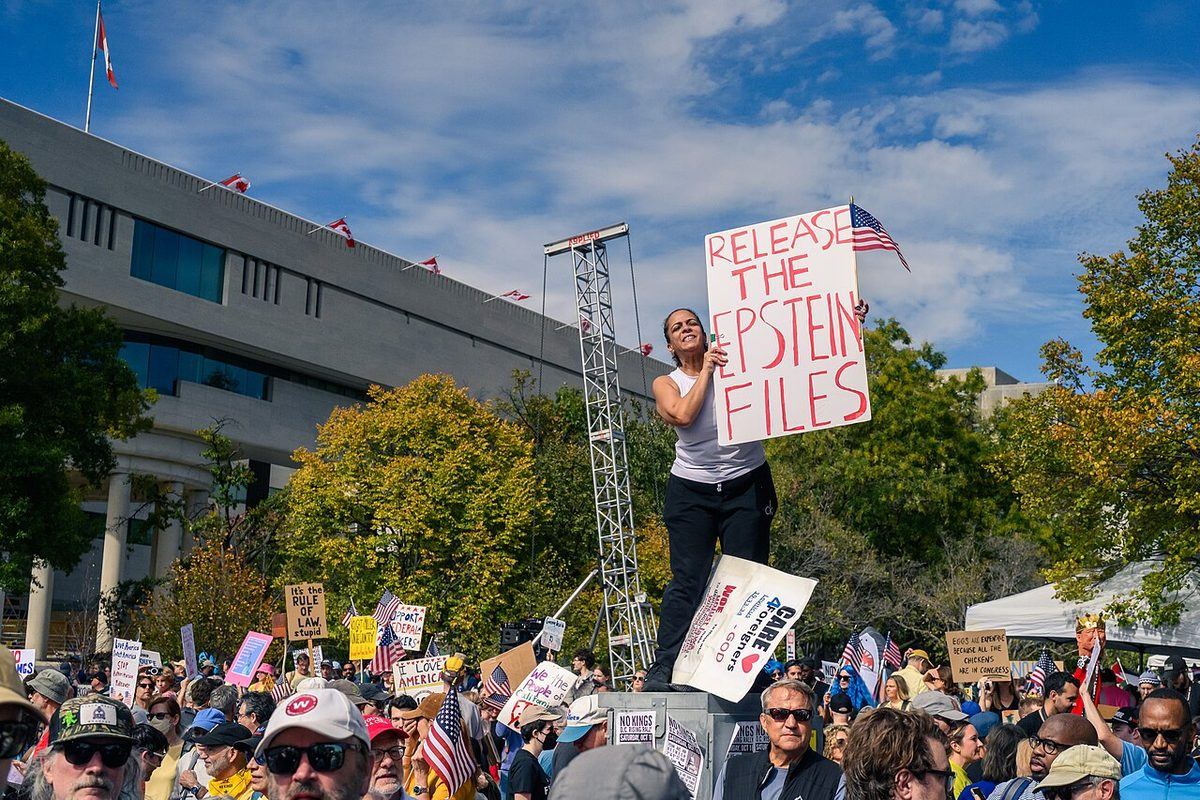
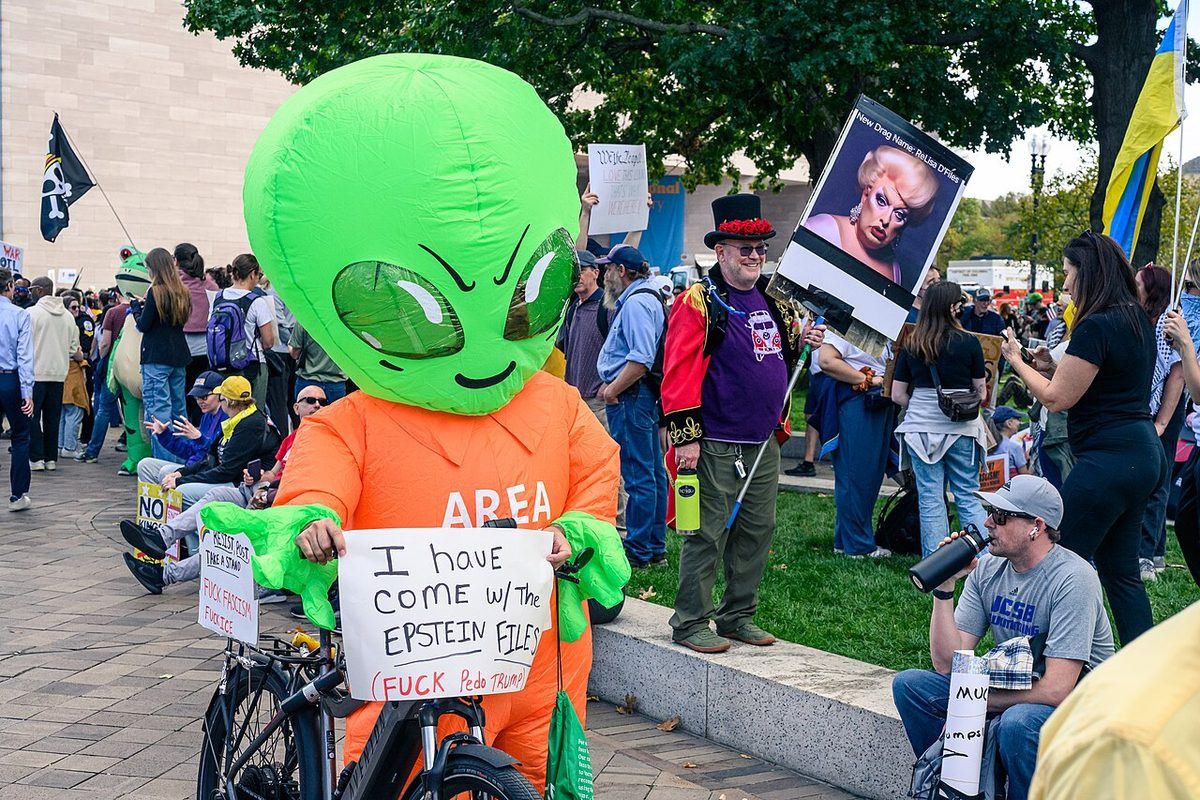
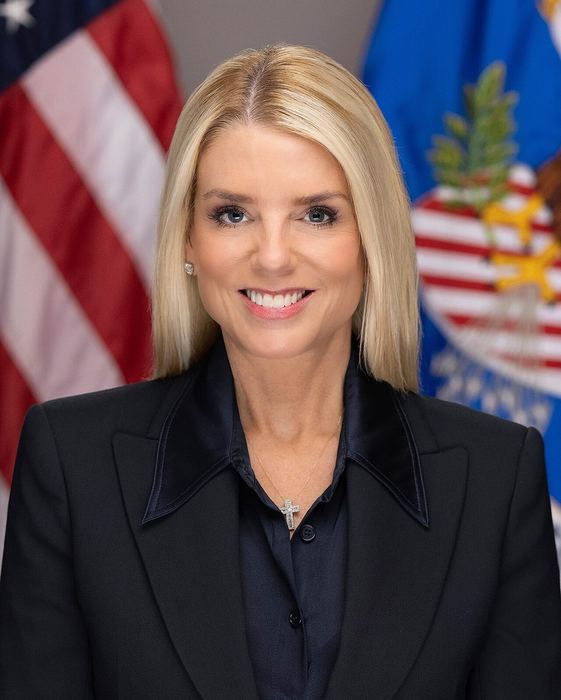
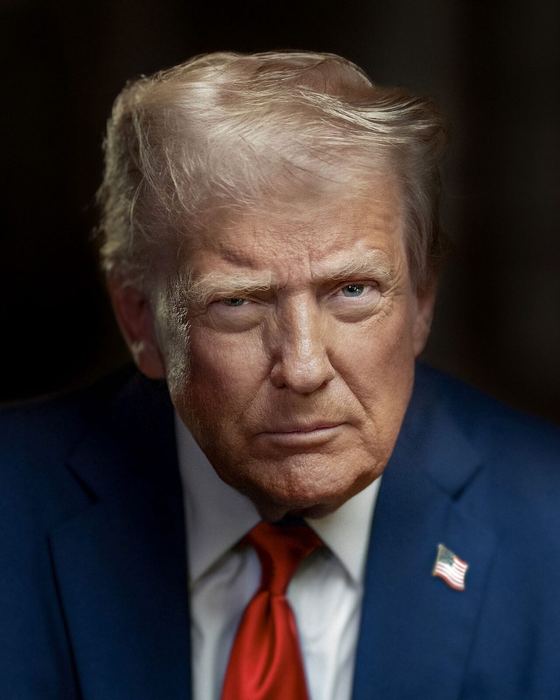
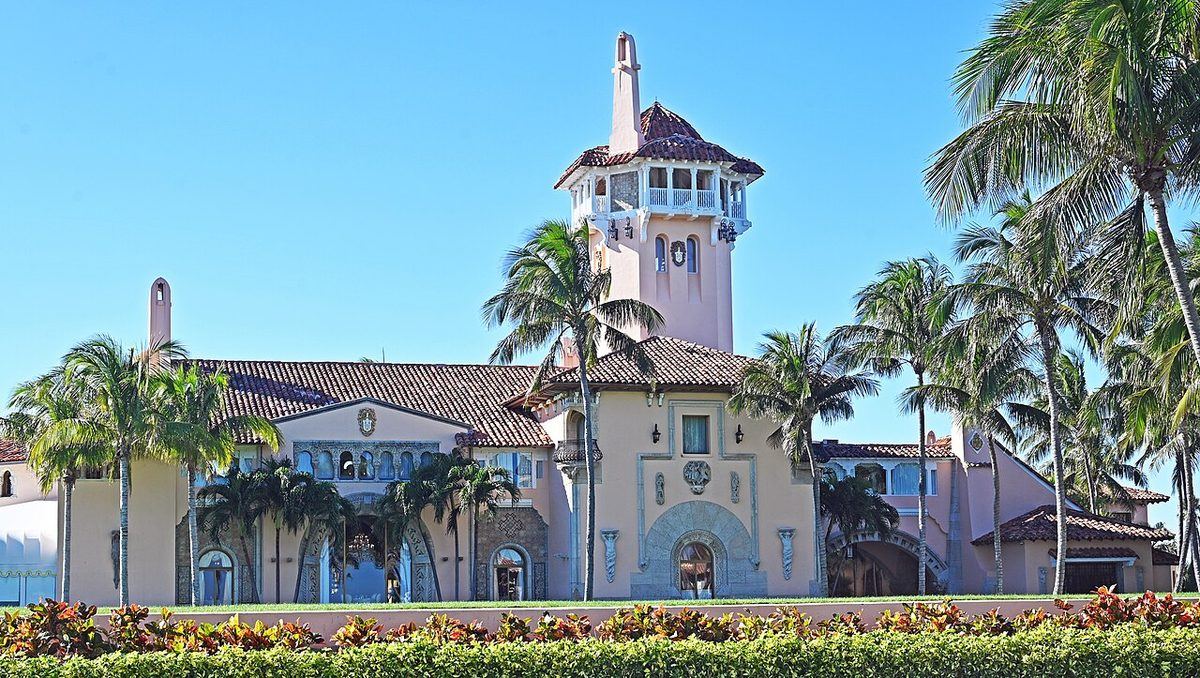
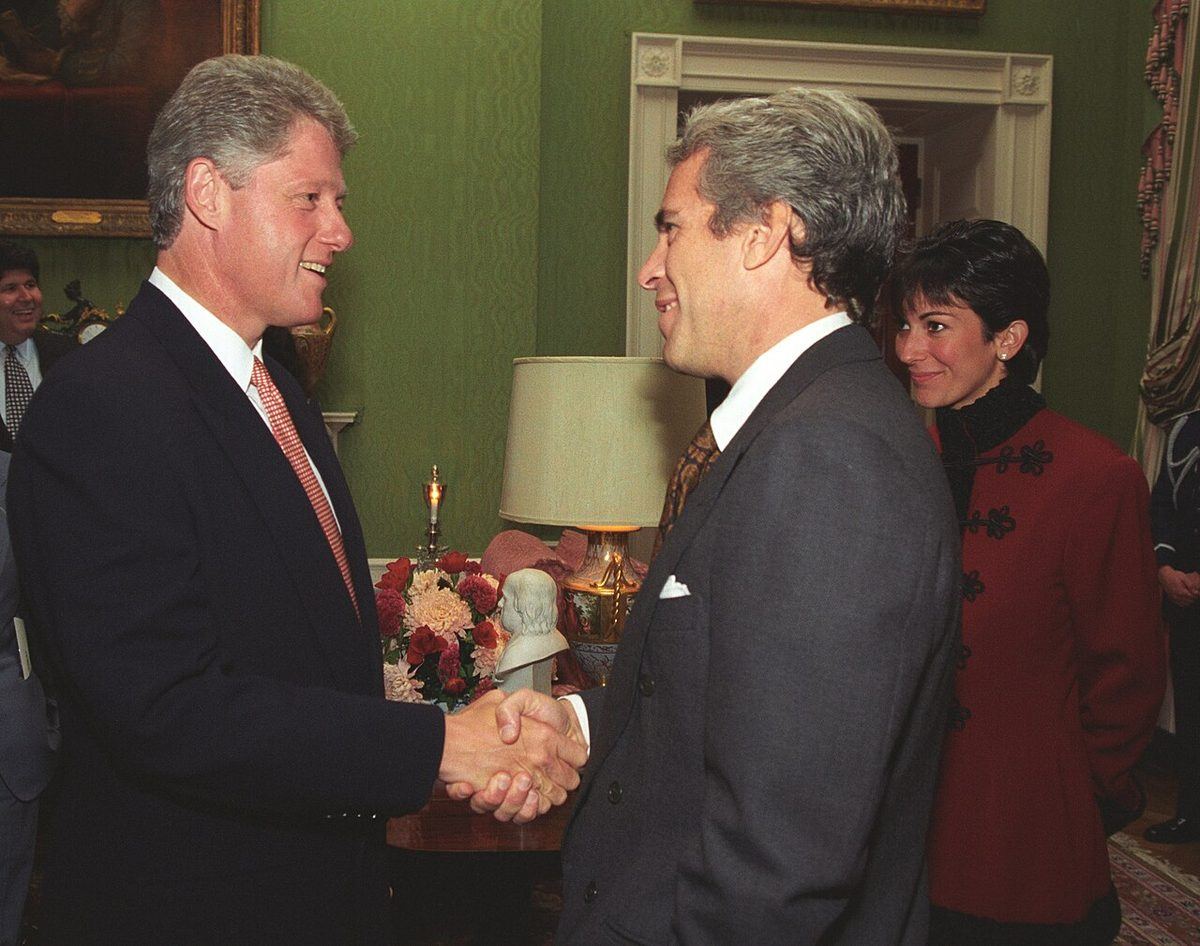
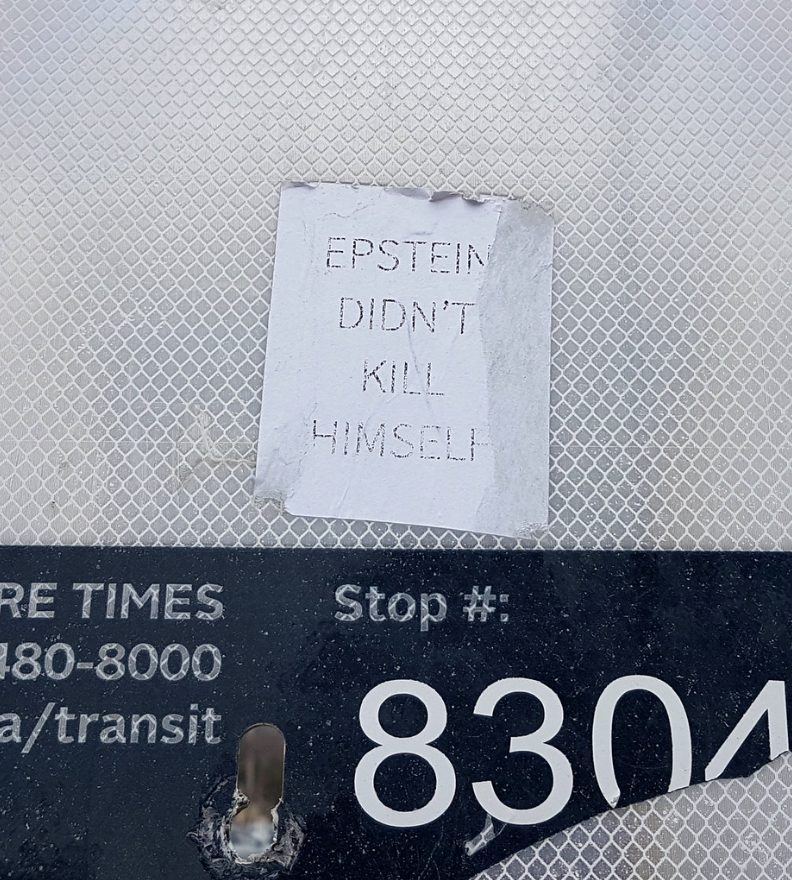
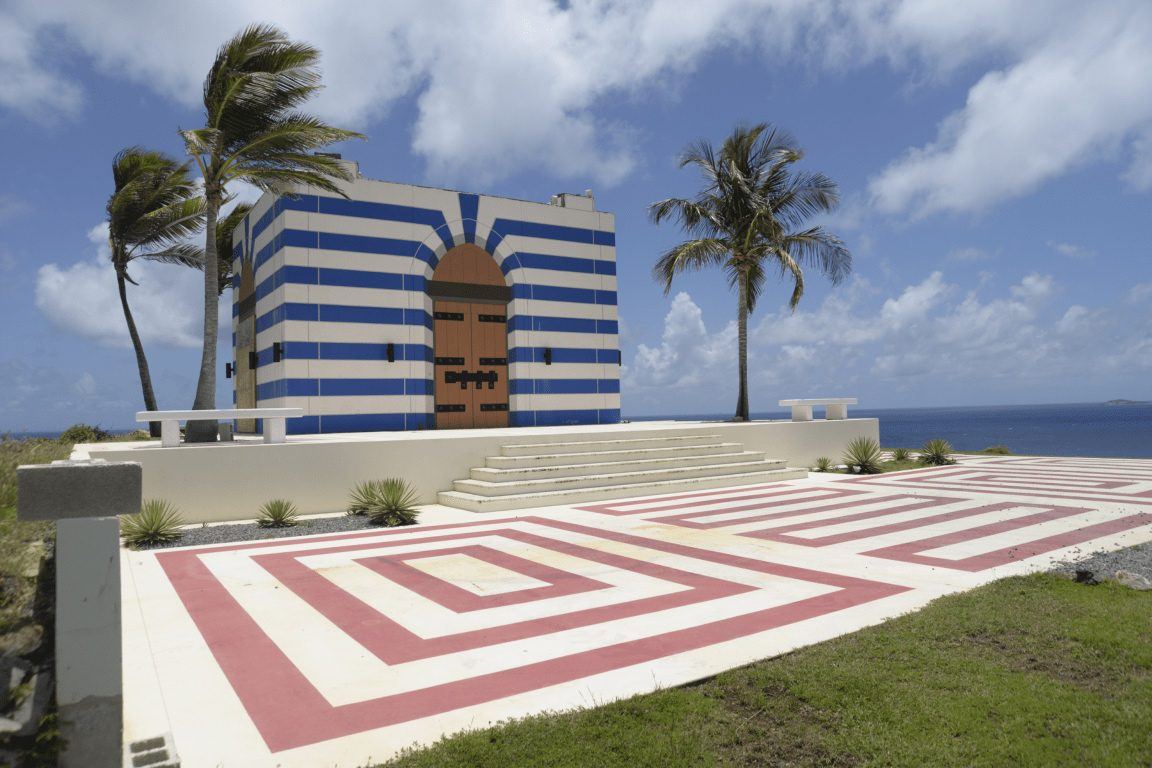
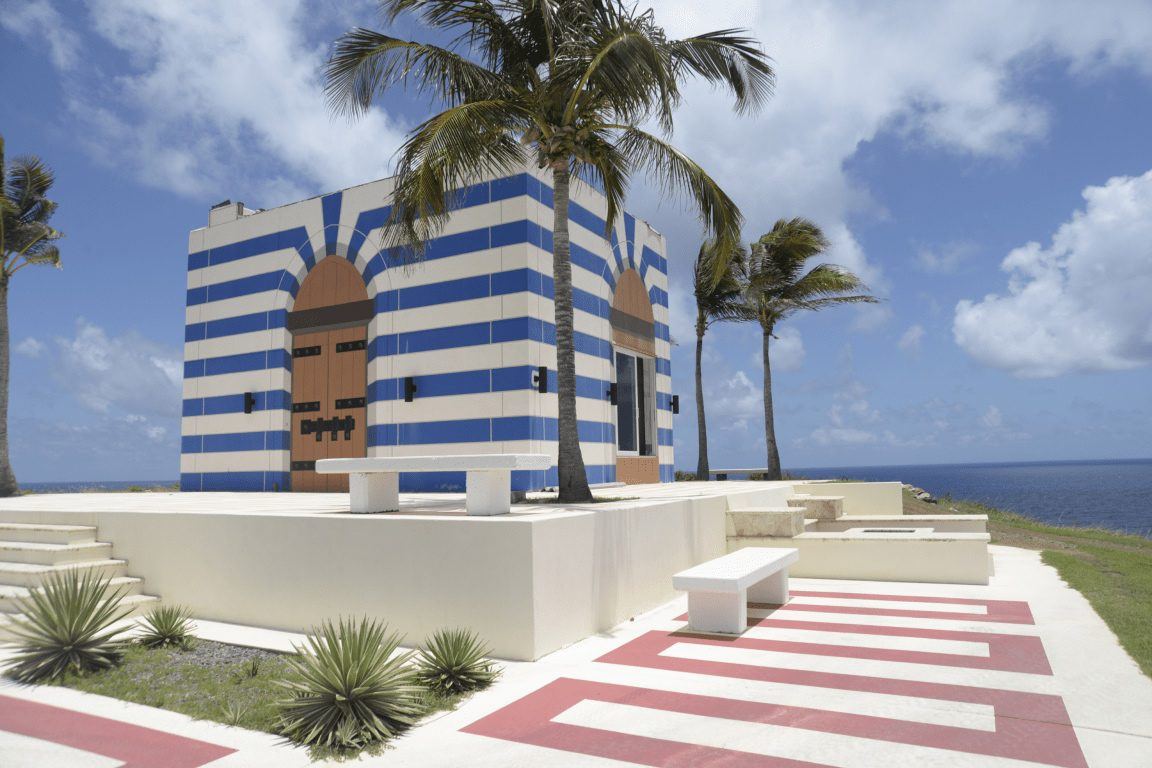
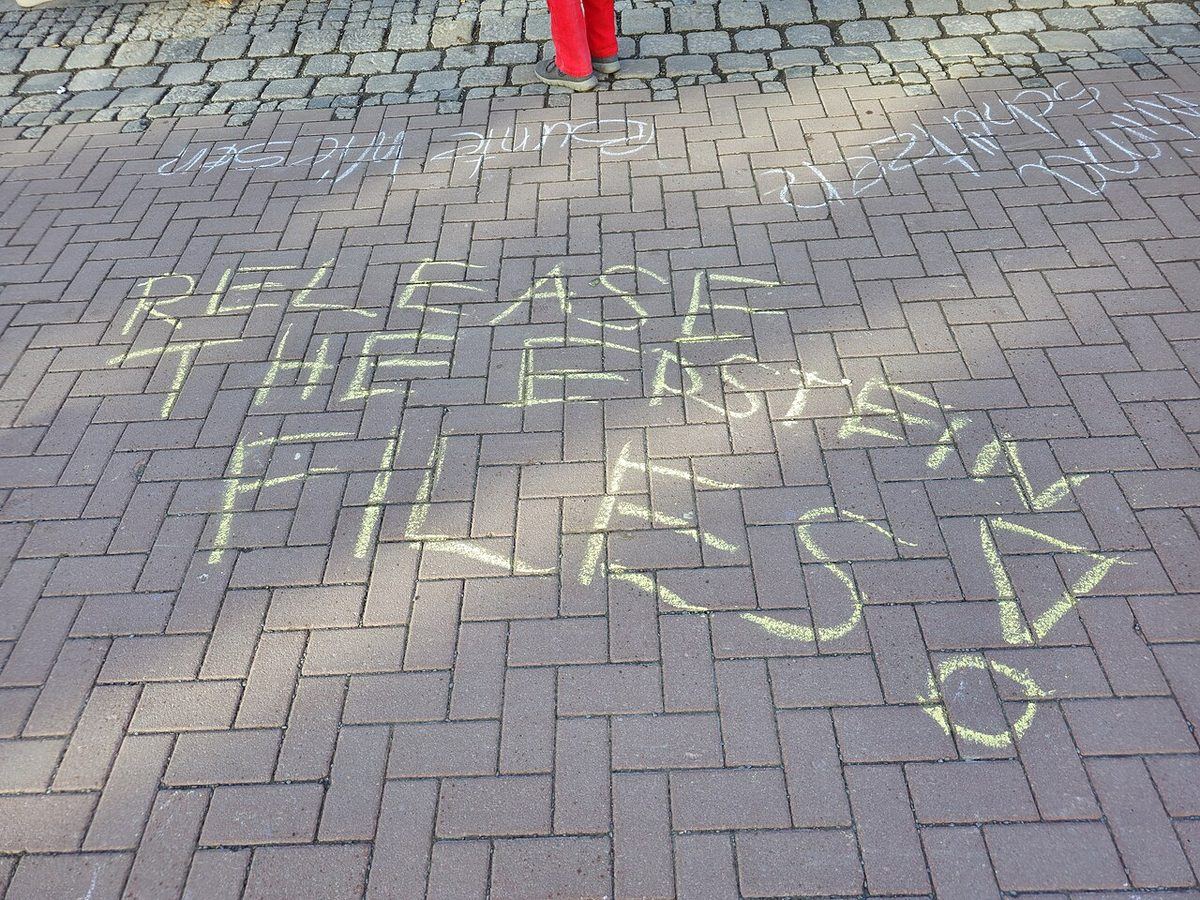
Approved reader comments and ratings are shown on the interactive edition. This plain reading edition does not load them.