The AI Files · Famous Clinton quotes, misquotes, walk-backs, and lines that outlived their transcripts · plain reading edition
Things they said: every entry
All 50 entries of the guide, grouped by period and case, each with its bottom line and its sources. This page needs no JavaScript. The interactive guide adds the story in 9 chapters, the people, the timeline, the theories, the 15 checked claims and the media.
Crime bill language 1994–1996
Superpredators
Keene State 1996
DiIulio coins ‘super-predators’
Record · Documented
Docs — campaign-2016 guide asset (re-encoded; EXIF stripped). AI Files image pool / Wikimedia-derived stand-ins as in sibling guides · Various freely licensed sources; re-encoded for this guide
The 1995 buzzword Hillary later echoed.
In November 1995 John J. DiIulio Jr. published ‘The Coming of the Super-Predators,’ popularizing a criminology claim about remorseless juvenile offenders. [1]
The term entered political speech before Hillary Clinton’s Keene State remarks. Later coverage treated the underlying prediction as junk-science framing; that critique is aftermath, not a denial that she used the word. [1][2]
Bottom line Documented
Documented origin of the word she repeated.
What the record can’t settle
DiIulio’s later partial regrets are a separate record from what she said in 1996.
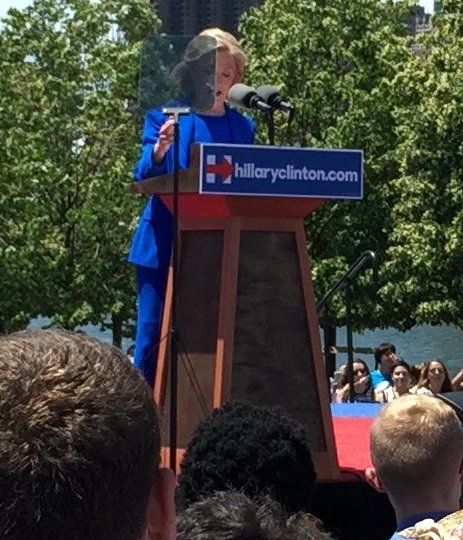
Hillary Clinton campaign kickoff speech, 2016 — stand-in chapter image for public speech rhetoric (Keene 1996 tape is audio-primary). User:Vasanth Vana / Wikimedia Commons · CC BY-SA 4.0
25 January 1996 — gangs, cartels, ‘bring them to heel.’
At Keene State College on 25 January 1996, while backing the administration’s crime agenda, Hillary Clinton said gangs were ‘often connected to big drug cartels,’ ‘not just gangs of kids anymore,’ and ‘often the kinds of kids that are called superpredators — no conscience, no empathy.’ She added: ‘We can talk about why they ended up that way, but first, we have to bring them to heel.’ [1][2]
She did not name a race in the sentence. The American Archive / C-SPAN record is the spine; fact-check writeups are gloss on context. [1][3]
Bottom line Documented
Documented on primary speech recording.
What the record can’t settle
Whether audiences heard a racial code is an inference fight, not a dispute about the words spoken.
Hillary Clinton campaign kickoff speech, 2016 — stand-in chapter image for public speech rhetoric (Keene 1996 tape is audio-primary). User:Vasanth Vana / Wikimedia Commons · CC BY-SA 4.0
Inference most 2016 fact-checkers accepted; not in the sentence.
The spoken sentence does not say ‘Black’ or ‘African American.’ PolitiFact rated mostly true the claim that she labeled African-American youth that way, citing crime-bill and ‘superpredator’ discourse context. [1]
That is mainstream gloss on meaning, not a second transcript. Rival readings treat the line as generic tough-on-gangs rhetoric. [1][2]
Bottom line Disputed
Words documented; racial targeting is contextual inference.
What the record can’t settle
No polling of 1996 Keene audience racial hearing is cited here.
Press — campaign-2016 guide asset (re-encoded; EXIF stripped). AI Files image pool / Wikimedia-derived stand-ins as in sibling guides · Various freely licensed sources; re-encoded for this guide
2016 fundraiser confrontation that forced the apology cycle.
In February 2016 activist Ashley Williams interrupted a South Carolina Clinton fundraiser with a banner reading ‘we have to bring them to heel,’ saying she was not a superpredator and demanding an apology on mass incarceration. [1][2]
Bottom line Documented
Documented protest; catalyst for the written regret.
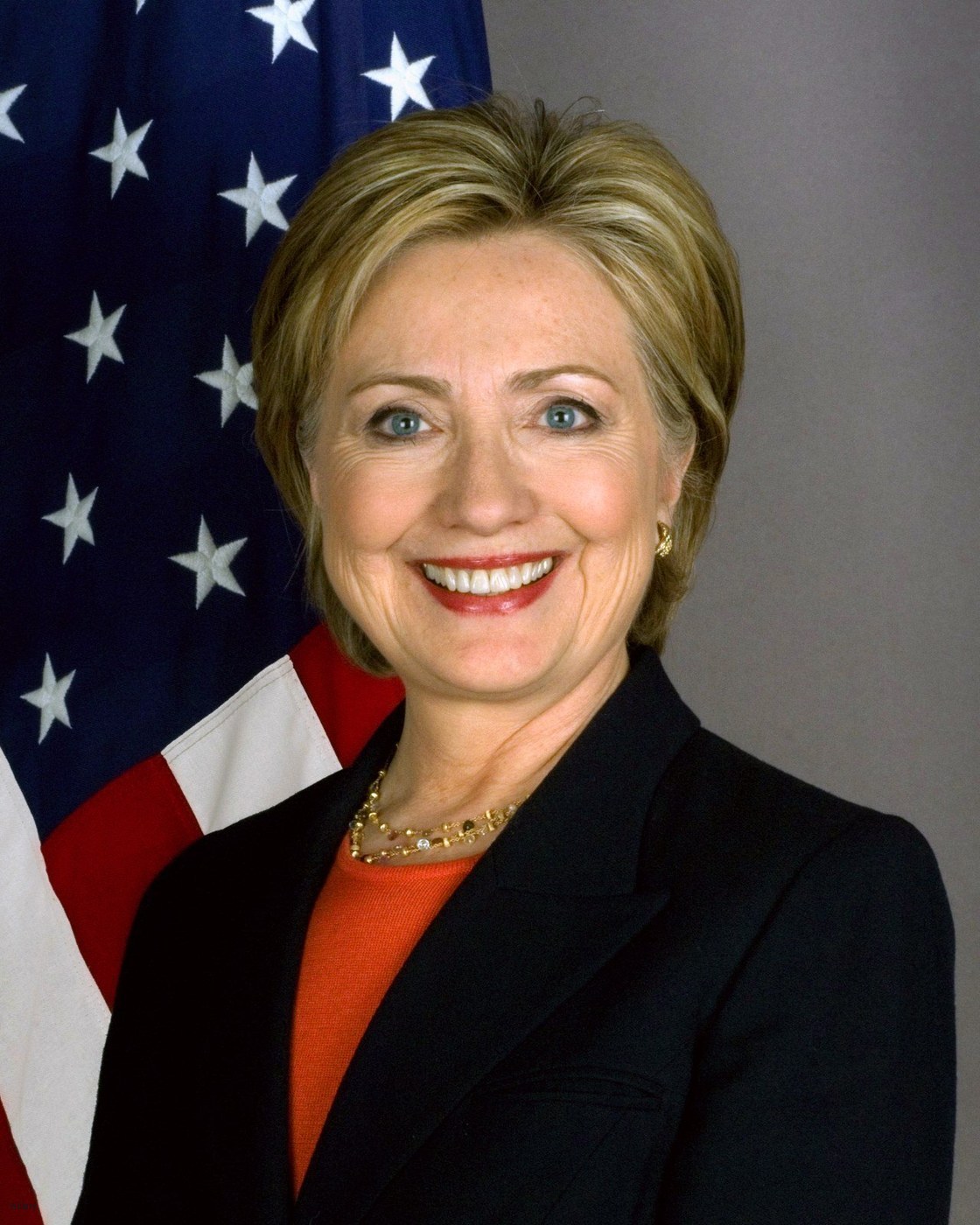
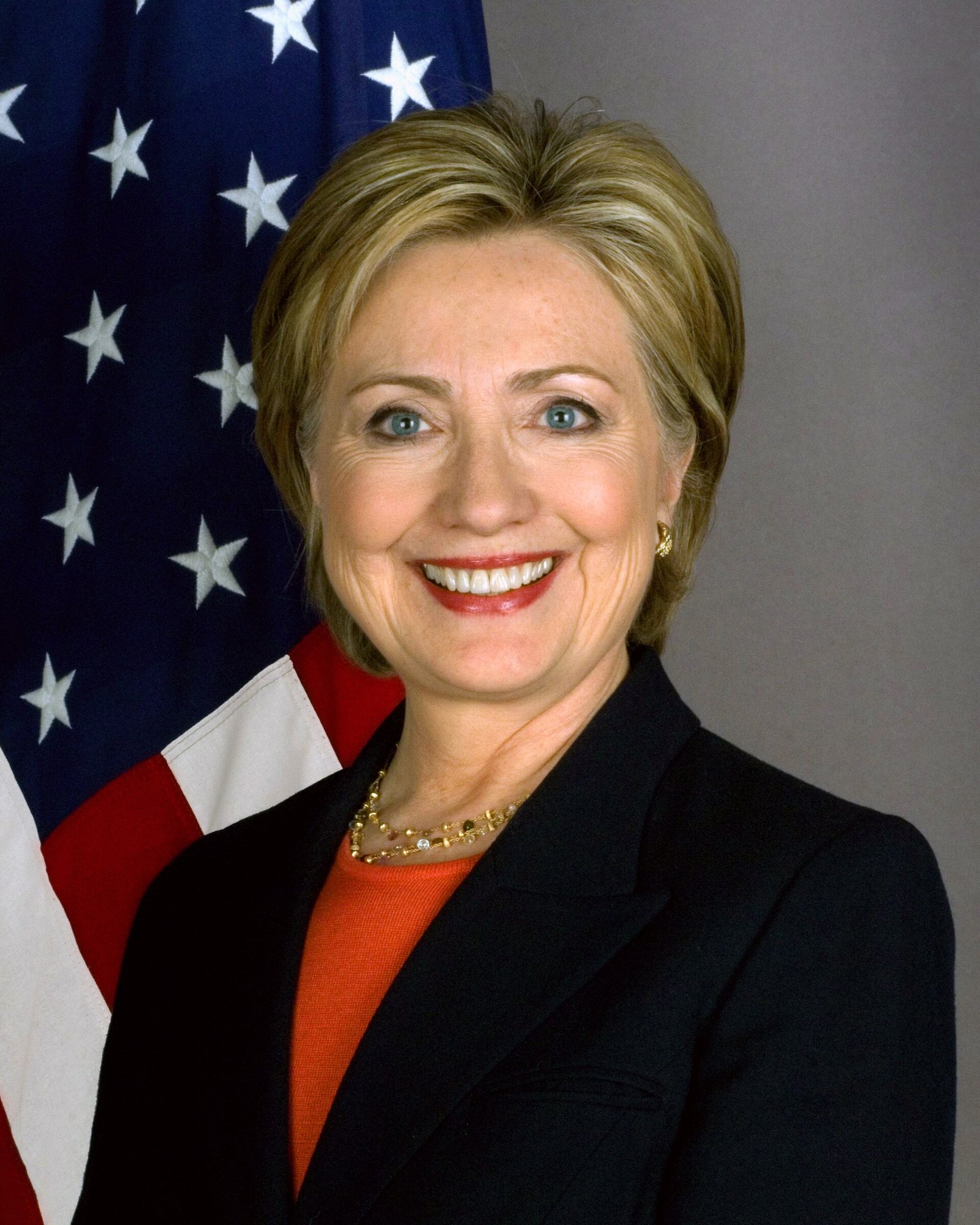
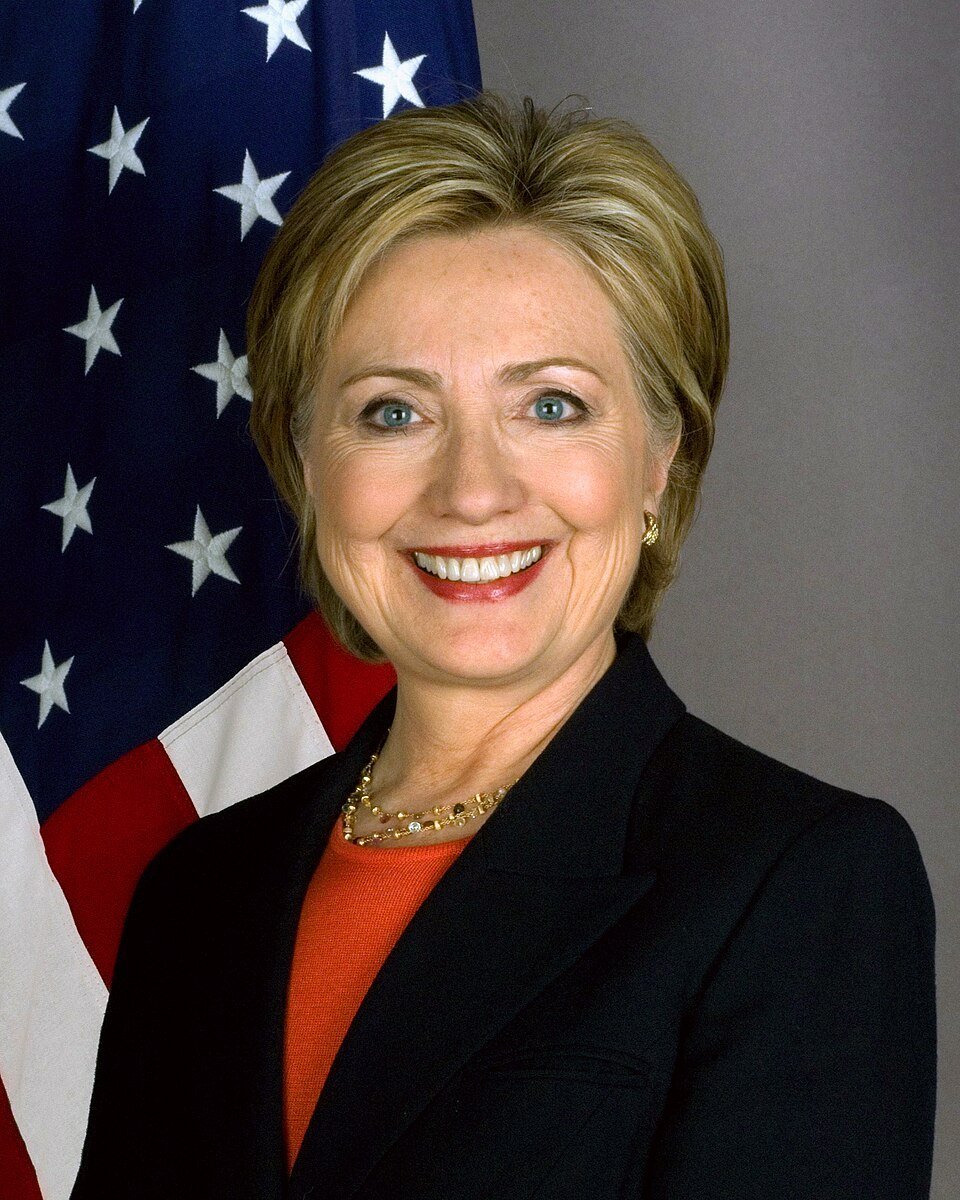
Official portrait of Secretary of State Hillary Clinton, January 2009. U.S. Department of State (public domain) · Public domain — U.S. government work
‘I shouldn’t have used those words.’
After the confrontation, Clinton’s campaign issued a statement: she had been talking about violent crime and cartels’ impact on communities; ‘Looking back, I shouldn’t have used those words, and I wouldn’t use them today.’ [1]
Bottom line Documented
Documented walk-back of wording, not a denial she said it.
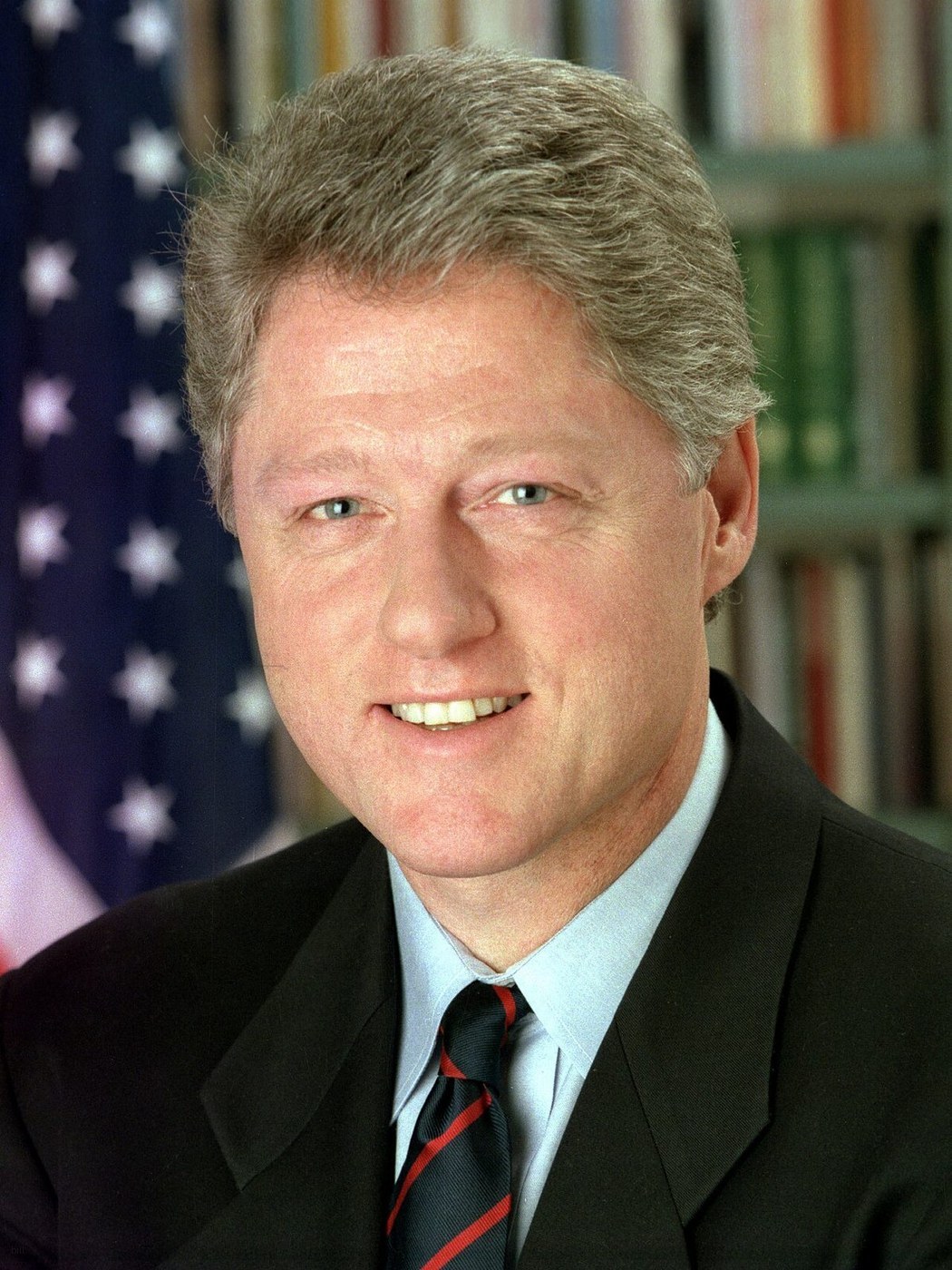
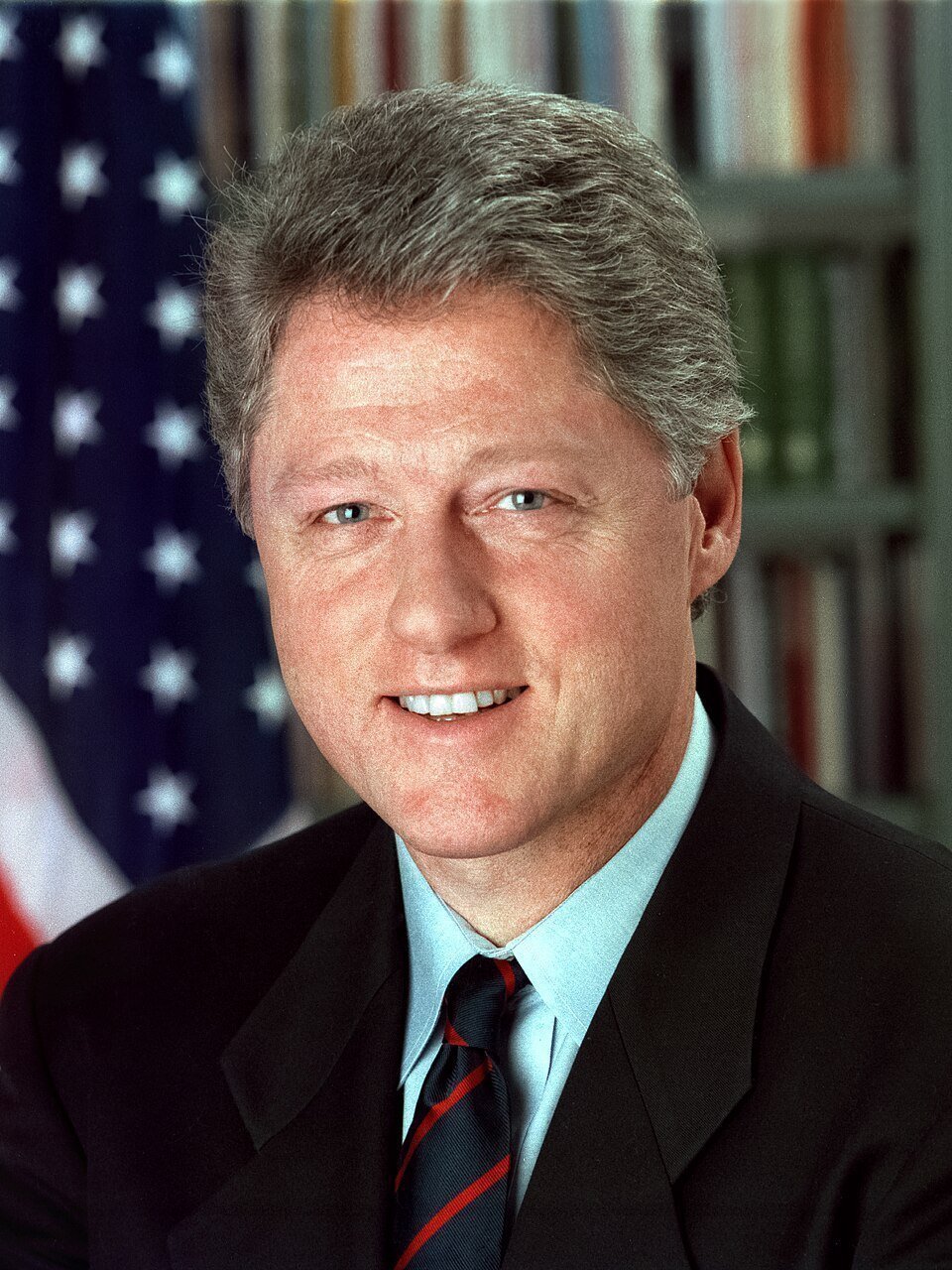
Official presidential portrait of Bill Clinton. Bob McNeely / The White House (public domain) · Public domain — U.S. government work
NAACP 2015: made incarceration worse.
In July 2015 Bill Clinton told the NAACP that the 1994 crime bill ‘made the problem worse’ regarding mass incarceration — a related admission often paired with Hillary’s superpredator regret. [1]
Hillary Clinton campaign kickoff speech, 2016 — stand-in chapter image for public speech rhetoric (Keene 1996 tape is audio-primary). User:Vasanth Vana / Wikimedia Commons · CC BY-SA 4.0
Strongest case that context made the race.
Given DiIulio discourse, 1990s crime politics, and disparate incarceration impact, the strongest critical reading is that ‘superpredators’ + ‘heel’ operated as racialized tough-on-crime speech even without a racial adjective — which is why the 2016 apology was demanded. [1][2][3]
Bottom line Debated
Contextual reading; sentence itself has no racial noun.
Hillary Clinton official Secretary of State portrait — chapter image for the 1998 Today interview era. U.S. Department of State · Public domain
NBC Today, 27 January 1998.
To Matt Lauer, Hillary Clinton said the ‘great story’ for anyone willing to write it was ‘this vast right-wing conspiracy that has been conspiring against my husband since the day he announced for president,’ adding that a few journalists had caught on but it had not been fully revealed. [1][3]
The New York Times published a contemporary transcript excerpt the next day; Washington Post reported the political reaction. [1][2]
Bottom line Documented
Documented on contemporaneous transcript.
What the record can’t settle
Video clips exist; NYT text is the clean printable spine used here.
Hillary Clinton official Secretary of State portrait — chapter image for the 1998 Today interview era. U.S. Department of State · Public domain
Lewinsky denial, Starr as ‘operation,’ Vernon Jordan.
The interview ranged beyond the catchphrase: she said the president had denied the allegations unequivocally; she framed Starr as part of a wider ‘operation’; she defended Vernon Jordan’s job help as habitual generosity; she tied the probe’s expansion to a three-judge panel she associated with Jesse Helms and Lauch Faircloth. [1]
She also said Bill had woken her with the newspaper story and that she did not know Monica Lewinsky. [1]
Official presidential portrait of Bill Clinton. Bob McNeely / The White House (public domain) · Public domain — U.S. government work
The defense frame met a different factual world.
On 17 August 1998 Bill Clinton admitted an inappropriate relationship, collapsing the January public denial she had backed on Today. [1][2]
That does not erase that she said ‘vast right-wing conspiracy’; it changes how later audiences hear the defense. Some still treat the phrase as early naming of a real opposition research machine; others as a false blanket over adultery. Both are readings of documented words. [3][1]
Hillary Clinton official Secretary of State portrait — chapter image for the 1998 Today interview era. U.S. Department of State · Public domain
Continuity of standing-by-her-man scrutiny.
On Today, Lauer recalled the 1992 interview line about not being ‘some Tammy Wynette standing by my man’ and Bill’s admission of causing pain in the marriage — then asked if Bill would again admit causing pain. She said absolutely not. [1]
Hillary Clinton official Secretary of State portrait — chapter image for the 1998 Today interview era. U.S. Department of State · Public domain
Opposition research existed; adultery also existed.
Defenders note well-funded Clinton investigations and partisan media ecosystems were real in the 1990s; the phrase named a pattern even if it also functioned as a blanket over the Lewinsky facts she did not then accept. [1][2]
Bottom line Debated
Both the opposition ecosystem and the affair can be true; the quote is still hers.
Capitol — campaign-2016 guide asset (re-encoded; EXIF stripped). AI Files image pool / Wikimedia-derived stand-ins as in sibling guides · Various freely licensed sources; re-encoded for this guide
Inside the Today critique of Starr’s appointment.
She tied Starr’s authorizing panel to Jesse Helms and Lauch Faircloth appointments — part of the ‘operation’ argument surrounding VRWC. [1]
Docs — campaign-2016 guide asset (re-encoded; EXIF stripped). AI Files image pool / Wikimedia-derived stand-ins as in sibling guides · Various freely licensed sources; re-encoded for this guide
Lauer’s pushback on Today.
Lauer noted Janet Reno approved expanding Starr’s investigation; Clinton said Reno would not want to look as if she were interfering. [1]
Official presidential portrait of Bill Clinton. Bob McNeely / The White House (public domain) · Public domain — U.S. government work
26 January 1998 White House statement.
Bill Clinton told the cameras he did not have sexual relations with Monica Lewinsky and that he never told anyone to lie. The White House archived the text. [1]
Bottom line Documented
Documented denial; later contradicted by his admission.
‘It depends on what the meaning of the word “is” is’
Record · Documented
Docs — campaign-2016 guide asset (re-encoded; EXIF stripped). AI Files image pool / Wikimedia-derived stand-ins as in sibling guides · Various freely licensed sources; re-encoded for this guide
Grand-jury colloquy in the Starr Report.
In testimony preserved in the Starr Report, Clinton parsed a present-tense question about whether there ‘is’ a sexual relationship — the line that became a national joke about lawyerly evasion. [1][2]
Bottom line Documented
Documented in official referral transcript excerpts.
What the record can’t settle
Popular retellings sometimes mis-locate the date or setting; spine is the Report.
Official presidential portrait of Bill Clinton. Bob McNeely / The White House (public domain) · Public domain — U.S. government work
The denial’s collapse on television.
Clinton admitted to the country an inappropriate relationship with Lewinsky — the hinge that turns January’s quotes from contested to historically false as denials. [1]
Official presidential portrait of Bill Clinton. Bob McNeely / The White House (public domain) · Public domain — U.S. government work
1992 empathy line that stuck.
Bill Clinton’s 1992 campaign produced the empathy soundbite ‘I feel your pain,’ still used as shorthand for his political style. Video clips circulate via C-SPAN user collections; exact event labels vary. [1]
Bottom line Documented
Documented as a real campaign-era line; clip labels can drift.
What the record can’t settle
Verify against full event video if quoting a specific town hall.
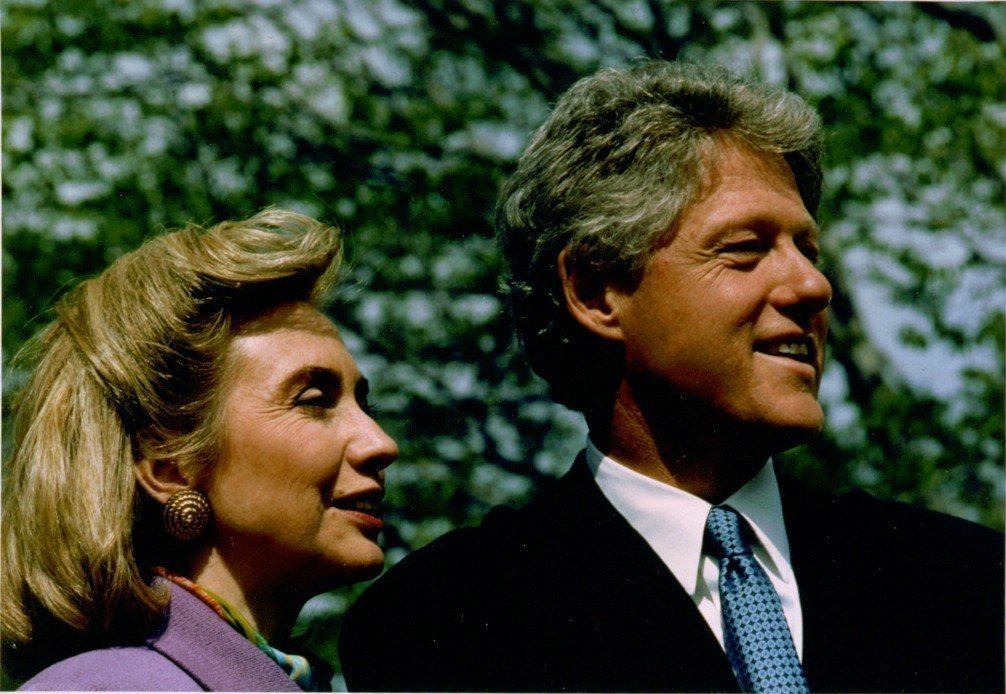
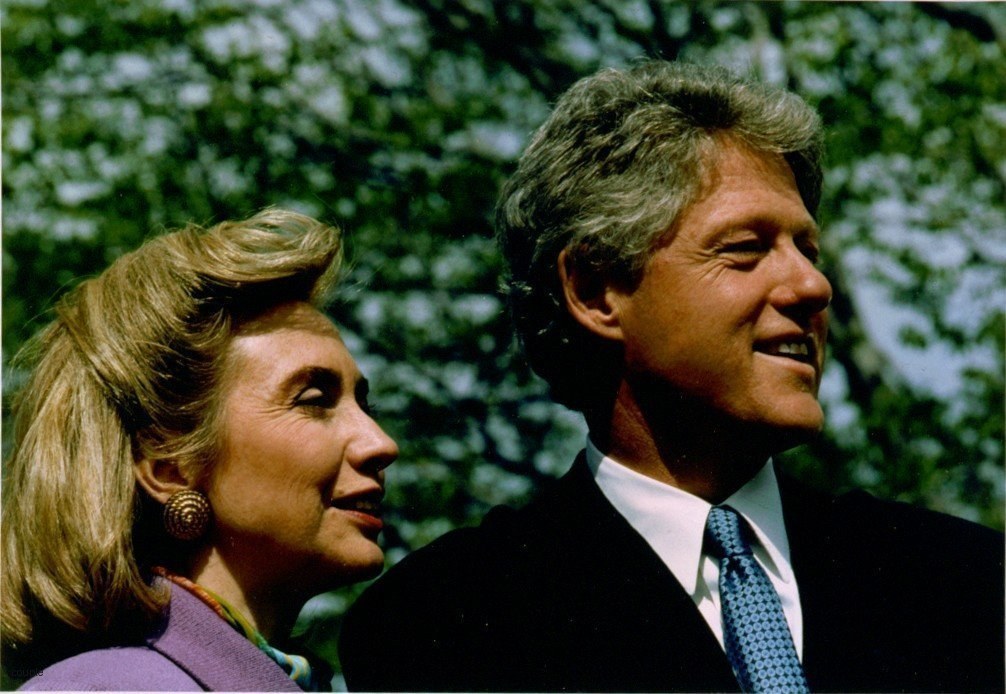
Bill and Hillary Clinton outdoors, April 23, 1993. White House / prior guide pool (Bill & Hillary together — use only as couple) · Public domain — U.S. government work
Why one guide holds both.
The hub short page was Hillary-weighted (‘Things she said’). The full guide keeps her spine but includes Bill’s denial canon because January 1998 only makes sense as a couple’s public story — her conspiracy frame answered his denial week. [1][2]
Docs — campaign-2016 guide asset (re-encoded; EXIF stripped). AI Files image pool / Wikimedia-derived stand-ins as in sibling guides · Various freely licensed sources; re-encoded for this guide
Civil deposition feeds impeachment.
The January public denial sat beside sworn denials in the Paula Jones case that became perjury battlegrounds in the Starr referral — legal stakes behind the quote war. [1][2]
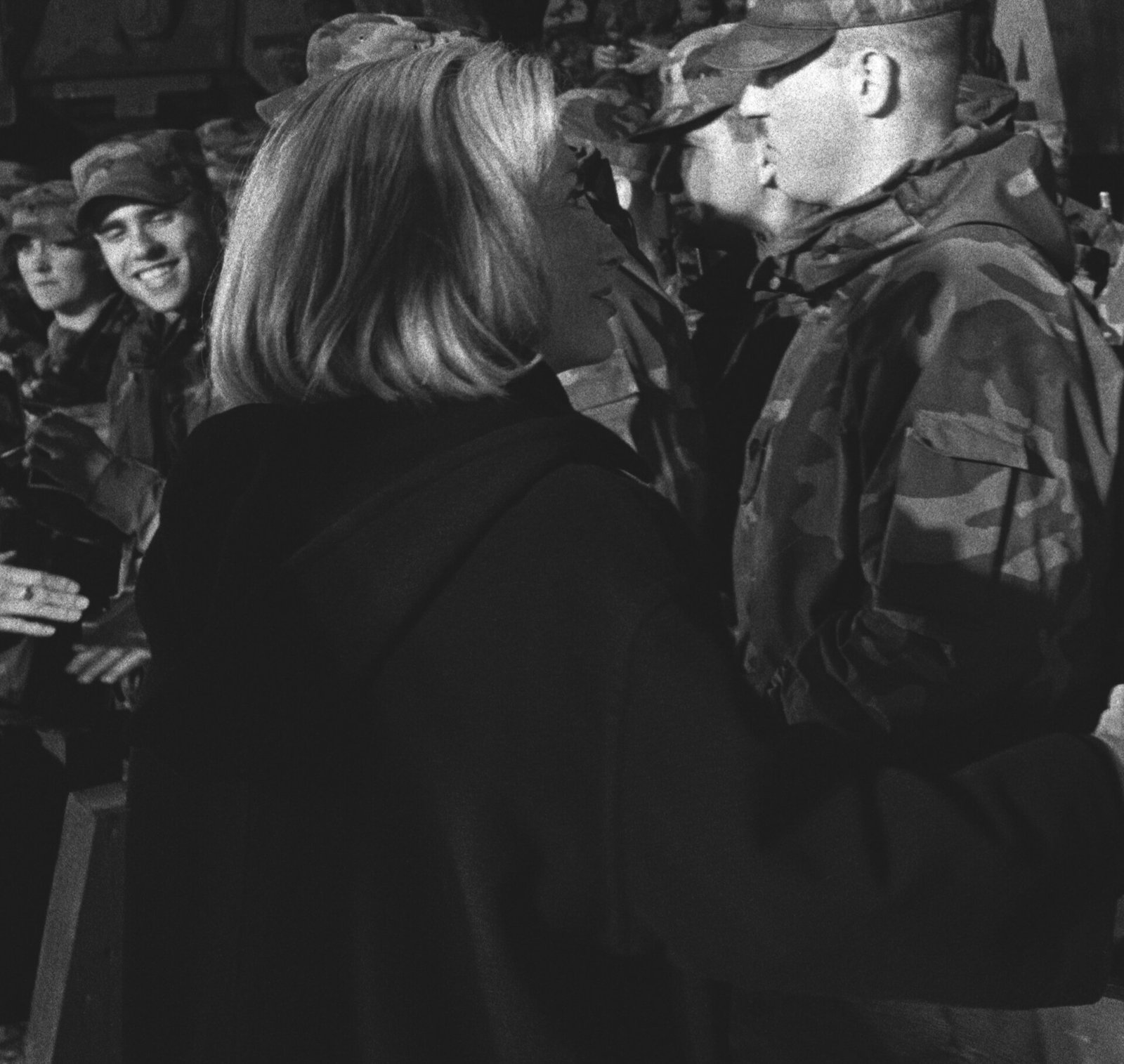
Hillary Rodham Clinton greets troops at Tuzla Air Base, Bosnia — CIA Flickr release. CIA / public domain · Public domain
Greeting, poem, no sniper lead.
Contemporaneous reporters including John Pomfret described a tarmac greeting with dignitaries and a child, Emina Bičakčić, reading a poem. Reviews of roughly a hundred accounts found no sniper-fire incident in the lead. [1][2]
Hillary Rodham Clinton greets troops at Tuzla Air Base, Bosnia — CIA Flickr release. CIA / public domain · Public domain
The campaign-trail recount.
On 17 March 2008 at George Washington University she said she remembered ‘landing under sniper fire,’ that a greeting ceremony was supposed to happen, ‘but instead we just ran with our heads down.’ [1][2]
Bottom line False
She said it; the 1996 tape and press record contradict the run-under-fire claim.
Hillary Rodham Clinton greets troops at Tuzla Air Base, Bosnia — CIA Flickr release. CIA / public domain · Public domain
Calm walk; greeting ceremony.
Video shows her walking from the C-17 and taking part in a greeting; AP photos show her bending to receive flowers/kiss from a child. Michael Dobbs’s Fact Checker gave Four Pinocchios. [1][2]
Bottom line Documented
Documented visual contradiction of the 2008 recount.
Official portrait of Secretary of State Hillary Clinton, January 2009. U.S. Department of State (public domain) · Public domain — U.S. government work
‘So I made a mistake. That happens.’
After the tape recirculated she said she misspoke regarding actual fire — that she had been told of threat and landing procedures, and greeted the child rather than rushing past. [1][2]
Bottom line Documented
Documented retraction of the under-fire claim.
What the record can’t settle
Threat briefings (Muscatine, Hill, Nash clarifications) explain possible memory shaping; they do not make the 2008 under-fire claim true. [@hill-outpost][@wapo-bosnia-2016]
Docs — campaign-2016 guide asset (re-encoded; EXIF stripped). AI Files image pool / Wikimedia-derived stand-ins as in sibling guides · Various freely licensed sources; re-encoded for this guide
2003 memoir ≠ 2008 trail story.
WaPo notes that Living History (2003) mentioned reports of snipers in the hills but not running under fire from the plane — a quieter account than the 2008 trail version. [1][2]
Bottom line Documented
Documented difference between memoir and later recount.
Docs — campaign-2016 guide asset (re-encoded; EXIF stripped). AI Files image pool / Wikimedia-derived stand-ins as in sibling guides · Various freely licensed sources; re-encoded for this guide
Outpost (2014) on memory formation.
Diplomat Christopher R. Hill described an unusually intense sniper briefing before landing and a calm greeting with children in costume — an example of how briefings can forge memory without matching the ground truth. [1][2]
Bottom line Documented
Sourced memoir context; not an excuse that makes under-fire true.
Hillary Rodham Clinton greets troops at Tuzla Air Base, Bosnia — CIA Flickr release. CIA / public domain · Public domain
Briefings ≠ under fire.
Muscatine’s flak-jacket recollection, Nash’s later non-sniper security concerns, and Hill’s briefing story are the strongest materials for a ‘she remembered danger’ defense. They still fail to make ‘landing under sniper fire’ and running with heads down true against the tarmac record. [1][2]
Hillary Rodham Clinton greets troops at Tuzla Air Base, Bosnia — CIA Flickr release. CIA / public domain · Public domain
‘Do we eat here or at the next place.’
Entertainer Sinbad, on the 1996 trip, publicly doubted the sniper tale and joked the scariest moment was choosing where to eat — a contemporaneous color witness against the 2008 recount. [1]
Bottom line Documented
Documented pushback from a trip participant.
What the record can’t settle
Comedian witness; still consistent with press record.
Hillary Rodham Clinton greets troops at Tuzla Air Base, Bosnia — CIA Flickr release. CIA / public domain · Public domain
‘Perceptions are different.’
Former Army secretary Togo West, on the trip and a Clinton supporter, told Dobbs he could not remember sniper fire but saw no reason to doubt her — an early loyal defense before the misspoke. [1]
Bottom line Partly true
Documented early defense; later overtaken by her walk-back.
Hillary Rodham Clinton greets troops at Tuzla Air Base, Bosnia — CIA Flickr release. CIA / public domain · Public domain
Muscatine’s descent detail.
Lissa Muscatine recalled flak jackets and Hillary and Chelsea moved to the armored cockpit for descent because of possible sniper fire near Tuzla — threat precaution, not evidence of rounds cracking on landing. [1]
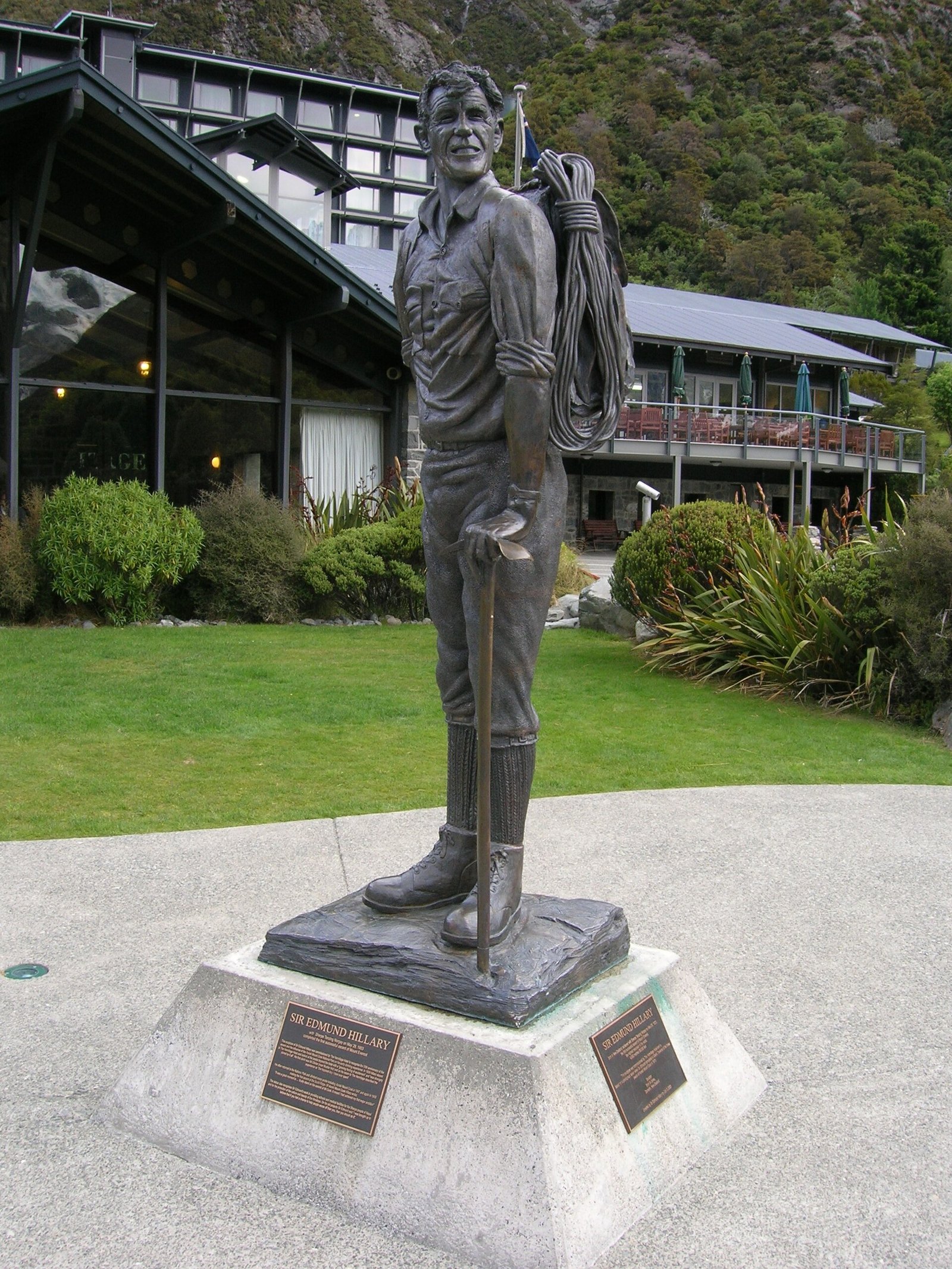
Sir Edmund Hillary — the Everest summiteer named in the retracted family story. Photographer per Commons file / CC BY-SA 2.0 · CC BY-SA 2.0
Calendar forbids the literal story.
Clinton had said her mother named her after Sir Edmund Hillary. He became world-famous with the 29 May 1953 Everest summit; she was born 26 October 1947. [1][3][4]
In October 2006 her campaign called it ‘a sweet family story’ her mother told her. [2]
Bottom line False
False as literal naming history; campaign conceded myth.
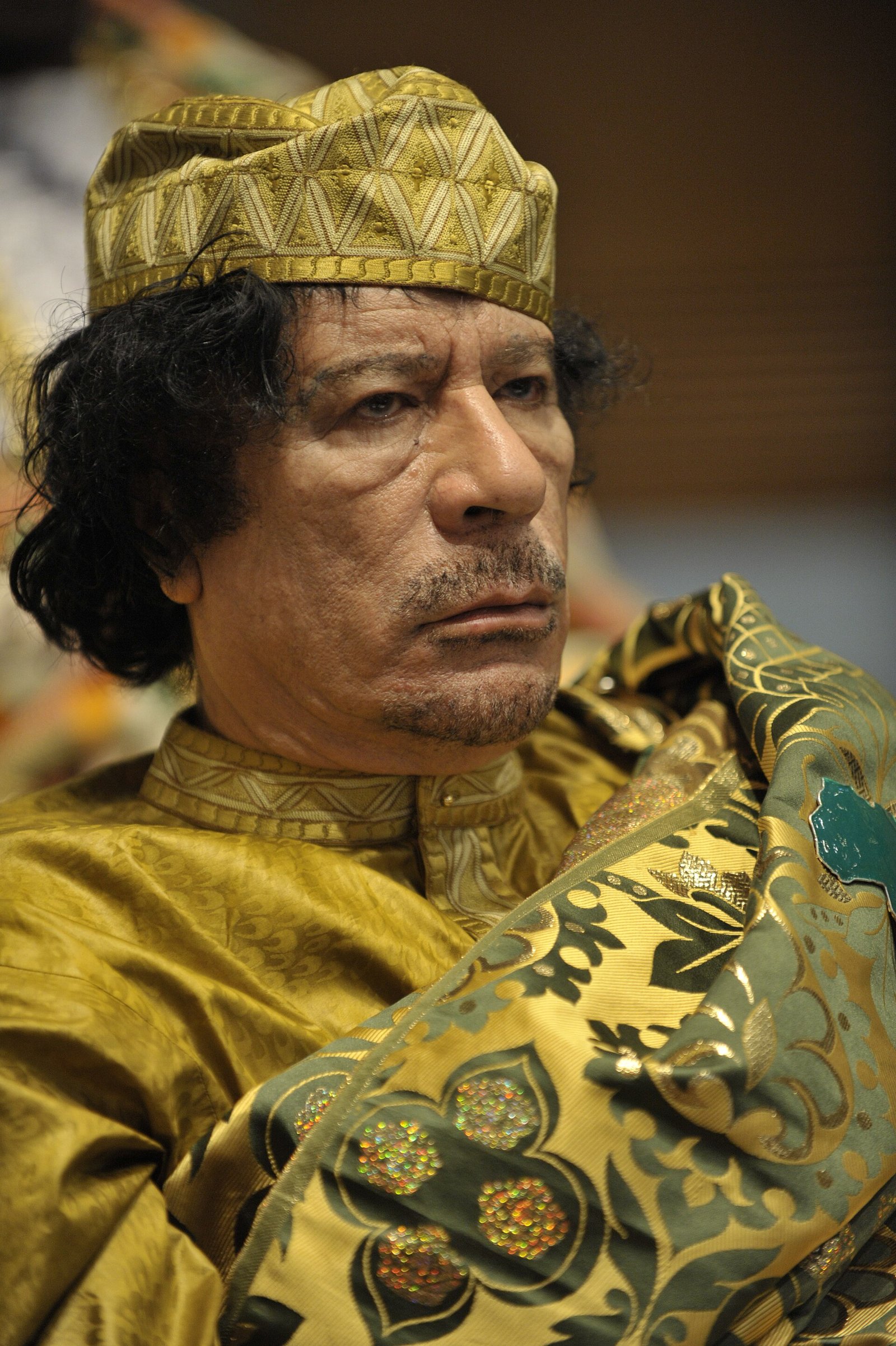
Muammar al-Gaddafi at the AU summit — public domain portrait used for the 2011 joke chapter. U.S. Navy / public domain via Wikimedia Commons · Public domain
Kabul, 20 October 2011.
Between television interviews in Kabul, an aide told Secretary Clinton of reports that Muammar Gaddafi had been killed. She laughed with a CBS reporter and joked, ‘We came, we saw, he died’ — a riff on Caesar’s veni, vidi, vici. [1]
Asked if her Tripoli visit had anything to do with it, she first said no, then joked ‘I’m sure it did.’ [1]
Bottom line Documented
Documented on-camera joke.
What the record can’t settle
Critics hear callousness; defenders hear gallows humor after a long NATO war — tone fight, not quote fight.
Muammar al-Gaddafi at the AU summit — public domain portrait used for the 2011 joke chapter. U.S. Navy / public domain via Wikimedia Commons · Public domain
Strongest case that tone was the policy.
Critics argue a secretary of state laughing ‘we came, we saw, he died’ revealed a casual attitude toward violent regime change outcomes in Libya — using the documented joke as character evidence for a broader Libya critique. [1][2]
The steel man does not invent a second quote; it loads foreign-policy meaning onto a real laugh. [1]
Bottom line Debated
Tone argument from a real clip — not a misquote claim.
What the record can’t settle
Libya policy outcomes belong mainly in foreign-policy files; here the issue is the line.
Muammar al-Gaddafi at the AU summit — public domain portrait used for the 2011 joke chapter. U.S. Navy / public domain via Wikimedia Commons · Public domain
Why the joke’s timing stung.
CBS noted she had been in Tripoli earlier that week with Libya’s NTC leaders — so the Caesar joke landed days after a solidarity visit and hours after the killing. [1]
Hillary Clinton in Benghazi-era public testimony context (sibling guide pool). Pooled from clinton-benghazi guide / upstream free license · Public domain / free license per upstream
Senate hearing, 23 January 2013.
At a Senate Foreign Relations Committee hearing, in an exchange with Sen. Ron Johnson about how the Benghazi attack was characterized, Clinton said — in the line that became a Republican ad staple — ‘what difference, at this point, does it make?’ The C-SPAN hearing video is the primary. [1][2]
Clips often omit that she was distinguishing the urgent need to care for the dead and prevent recurrence from a fight over the early public narrative. Full hearing context is in the sibling Benghazi guide. [1]
Bottom line Documented
Documented hearing line; meaning contested by cut.
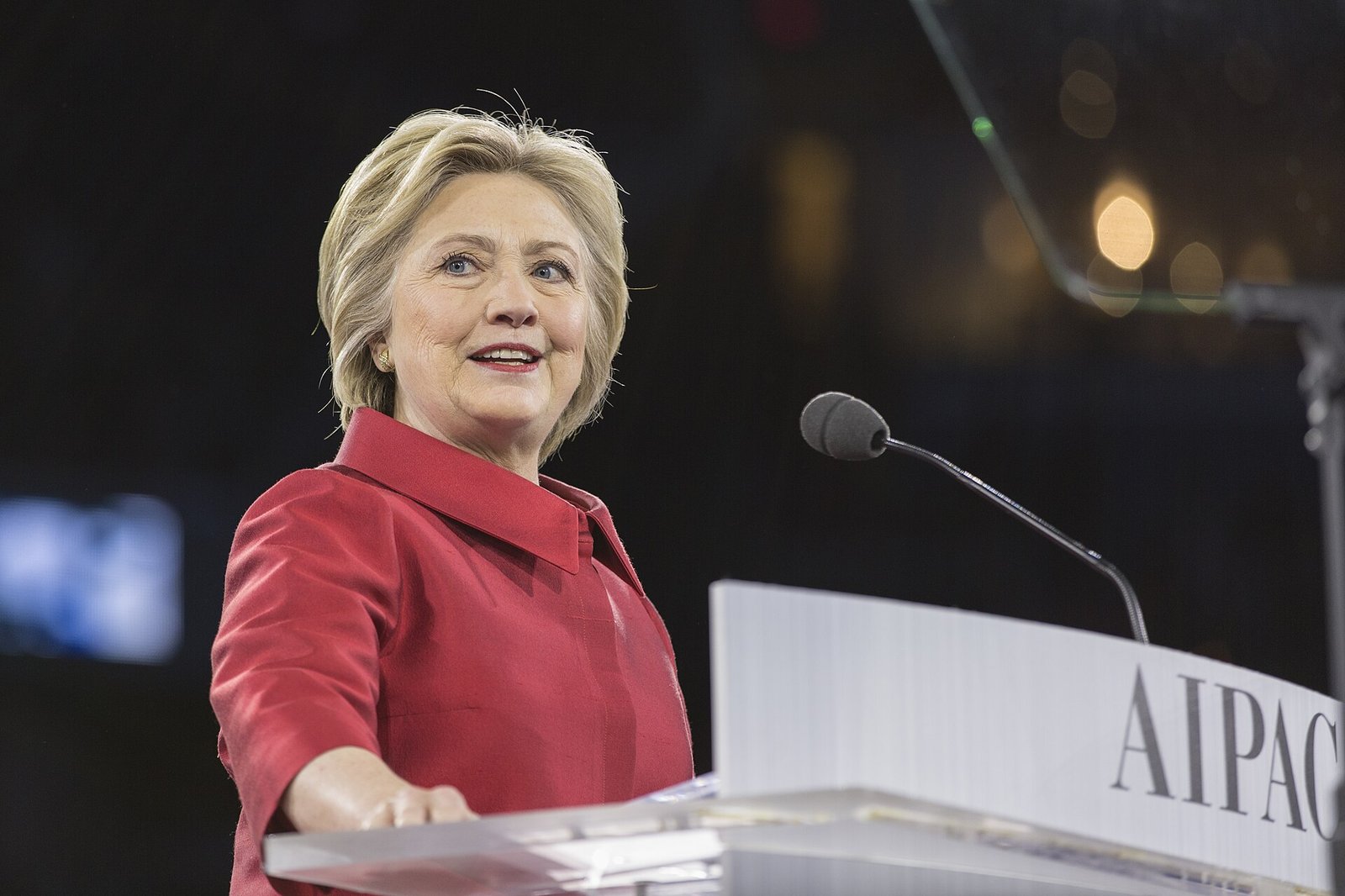
Hillary Clinton speaks at AIPAC, 2016 — chapter image for the deplorables campaign year. Voice of America / public domain · Public domain
9 September 2016 LGBT for Hillary gala.
Pool transcript via TIME: ‘To just be grossly generalistic, you could put half of Trump’s supporters into what I call the basket of deplorables… The racist, sexist, homophobic, xenophobic, Islamophobic, you name it… he has lifted them up.’ [1]
She continued that the other half ‘feel that the government has let them down,’ are ‘desperate for change,’ and ‘Those are people we have to understand and empathize with as well.’ [1]
Bottom line Documented
Documented; she said half, not all — second basket usually cut.
Hillary Clinton speaks at AIPAC, 2016 — chapter image for the deplorables campaign year. Voice of America / public domain · Public domain
Empathy half vs contempt half.
Trump campaign spokesman Jason Miller answered that she had revealed ‘contempt for everyday Americans.’ Viral clips often end at ‘deplorables,’ which is a real cut of a real longer remark. [1]
She later expressed regret for saying ‘half’; the transcript still shows the two-basket structure. [2][1]
Hillary Clinton speaks at AIPAC, 2016 — chapter image for the deplorables campaign year. Voice of America / public domain · Public domain
Some Trump supporters wore the word.
Within days, ‘deplorable’ was reclaimed on merchandise and stage signs — a meaning shift from insult to identity badge that the gala transcript did not intend. [1]
Bottom line History
Cultural afterlife documented in contemporaneous coverage.
What the record can’t settle
No single poll cited here for share who self-labeled.
Hillary Clinton speaks at AIPAC, 2016 — chapter image for the deplorables campaign year. Voice of America / public domain · Public domain
Why opponents say the second basket doesn’t save it.
Even with the empathy half restored, calling half of an opponent’s voters ‘deplorable’ bigots is, on this reading, disqualifying contempt — and the applause on the tape matters. [1]
This reading accepts the full transcript and still condemns it. [1]
Press — campaign-2016 guide asset (re-encoded; EXIF stripped). AI Files image pool / Wikimedia-derived stand-ins as in sibling guides · Various freely licensed sources; re-encoded for this guide
TIME’s role on deplorables.
The deplorables fuller text survives because a pool report was published quickly. Without pool discipline, the cut would be the only public version. [1]
Assange — campaign-2016 guide asset (re-encoded; EXIF stripped). AI Files image pool / Wikimedia-derived stand-ins as in sibling guides · Various freely licensed sources; re-encoded for this guide
Anonymous True Pundit post, 2 Oct 2016.
True Pundit claimed unnamed State Department sources heard Clinton ask about drone-striking Julian Assange. No document or named witness has backed it. [1][2]
Asked days later, she said she did not recall it and that any such remark ‘would have been a joke.’ Snopes rated the claim unproven. [3][1]
Bottom line Unproven
Unproven. Provenance only.
What the record can’t settle
Absence of confirmation is not proof she never joked privately; it is proof the public record does not establish the quote.
Docs — campaign-2016 guide asset (re-encoded; EXIF stripped). AI Files image pool / Wikimedia-derived stand-ins as in sibling guides · Various freely licensed sources; re-encoded for this guide
Supporters ≠ campaign launch.
PolitiFact found some Clinton supporters spread Obama birthplace/Muslim rumors late in the 2008 primary, but ‘the record does not show Clinton or her campaign ever promoting the birther theory, let alone starting it.’ Two volunteers who forwarded Muslim emails resigned. [1][3]
A former McClatchy editor said Sidney Blumenthal urged checking Kenya birth; Blumenthal denied; McClatchy confirmed a meeting but not the birthplace tip. [2]
Bottom line False
False that she started it; some supporters spread related rumors.
What the record can’t settle
Blumenthal–Asher is one man’s word against another’s.
Assange — campaign-2016 guide asset (re-encoded; EXIF stripped). AI Files image pool / Wikimedia-derived stand-ins as in sibling guides · Various freely licensed sources; re-encoded for this guide
Why believers think the drone line ‘sounds like her.’
Believers cite her Gaddafi laugh and hard-edged private reputation to say the Assange drone quip is in character. That is propensity argument, not evidence the sentence was spoken. [1][2]
Docs — campaign-2016 guide asset (re-encoded; EXIF stripped). AI Files image pool / Wikimedia-derived stand-ins as in sibling guides · Various freely licensed sources; re-encoded for this guide
The structural limit of a quotes guide.
A quotes file can prove what was recorded. It cannot inventory every private aside. That limit is why anonymous-source quips stay in the unproven bin unless a witness or document appears. [1]
Press — campaign-2016 guide asset (re-encoded; EXIF stripped). AI Files image pool / Wikimedia-derived stand-ins as in sibling guides · Various freely licensed sources; re-encoded for this guide
Carville slogan, often misremembered as Bill speaking.
James Carville’s 1992 war-room slogan ‘It’s the economy, stupid’ was internal campaign messaging widely reported at the time. It is frequently misremembered as a phrase Bill Clinton himself delivered as a catchphrase. [1]
Bottom line Partly true
Slogan documented; speaker attribution often wrong in memory.
Docs — campaign-2016 guide asset (re-encoded; EXIF stripped). AI Files image pool / Wikimedia-derived stand-ins as in sibling guides · Various freely licensed sources; re-encoded for this guide
How this guide ranks evidence.
For each famous line the spine is pool transcript, hearing video, White House archive, or contemporaneous recording. Fact-check articles appear as labeled gloss for aftermath and packaging. [1][2][3]
Press — campaign-2016 guide asset (re-encoded; EXIF stripped). AI Files image pool / Wikimedia-derived stand-ins as in sibling guides · Various freely licensed sources; re-encoded for this guide
Why cuts become the public quote.
Deplorables’ second basket, Benghazi’s fuller hearing answer, and VRWC’s surrounding Starr critique all shrink in clip culture. The political effect of the cut is real even when the fuller text exists. [1][2][3]
Memory — campaign-2016 guide asset (re-encoded; EXIF stripped). AI Files image pool / Wikimedia-derived stand-ins as in sibling guides · Various freely licensed sources; re-encoded for this guide
Words as identity and attack templates.
After 2016, ‘deplorable’ remained a self-label in parts of the right; ‘vast right-wing conspiracy’ was reused ironically and sincerely by different camps; the Gaddafi laugh circulated as a foreign-policy attack GIF. [1][2][3]
Bottom line History
Afterlife is cultural history of documented lines.
Docs — campaign-2016 guide asset (re-encoded; EXIF stripped). AI Files image pool / Wikimedia-derived stand-ins as in sibling guides · Various freely licensed sources; re-encoded for this guide
PolitiFact / Snopes / WaPo FC in this file.
This guide uses fact-check pieces for ratings history, packaging, and aftermath (Bosnia Pinocchios, birther claims, Assange provenance). It does not treat their labels as the proof a sentence was uttered — the tape does. [1][2][3]
Bottom line History
Epistemology note for readers arriving from fact-check culture.
Path — campaign-2016 guide asset (re-encoded; EXIF stripped). AI Files image pool / Wikimedia-derived stand-ins as in sibling guides · Various freely licensed sources; re-encoded for this guide
Where policy and law continue.
Lewinsky/impeachment carries legal aftermath of denial lines; Benghazi carries the hearing in investigative context; 2016 campaign carries electoral strategy around deplorables. This file stays with words. [1][2][3]