The AI Files · 2001 Clinton–Bush transition: vandalism/prank allegations, gifts and disputed furniture · plain reading edition

Leaving the White House: every entry

All 49 entries of the guide, grouped by period and case, each with its bottom line and its sources. This page needs no JavaScript. The interactive guide adds the story in 6 chapters, the people, the timeline, the theories, the 12 checked claims and the media.

Handoff week Jan 2001

The handoff

20–26 January 2001

Inauguration Day handoff

Record · History

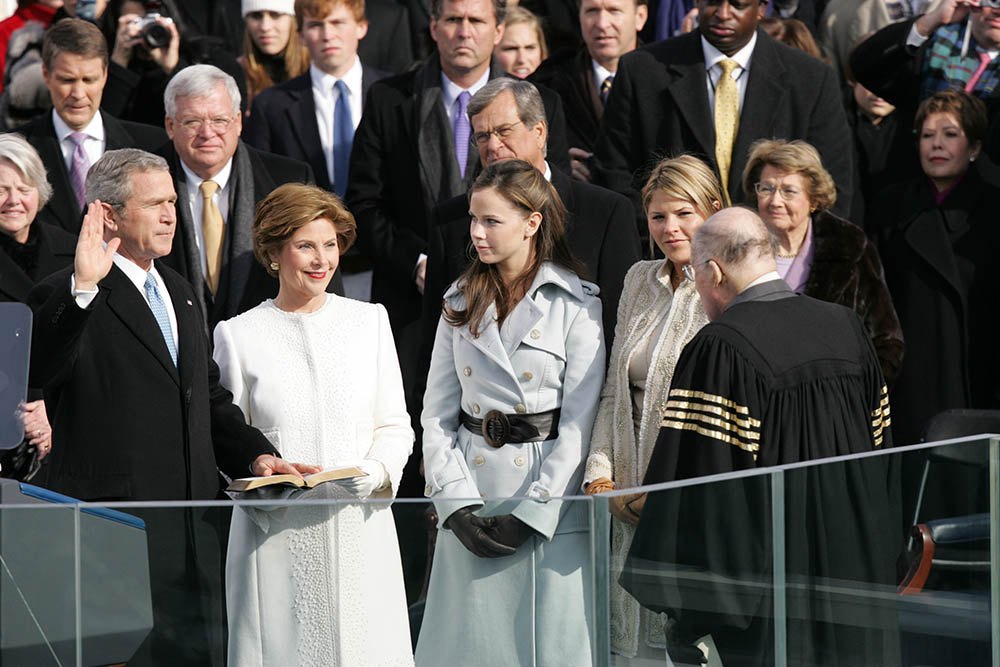
George W. Bush takes the oath of office, 20 January 2001.
George W. Bush takes the oath of office, 20 January 2001. White House photo / Commons · Public domain — U.S. government work

20 January 2001 ends one administration and starts another.

George W. Bush took the oath on 20 January 2001. Clinton staff vacated the White House complex and the Eisenhower Executive Office Building under the usual compressed transition timetable. [1][2]

The same day closed a separate storm — 176 pardons and commutations — tracked in the pardons guide, not here. [3][4]

Bottom line History

Documented calendar fact.

What the record can’t settle

Handoff logistics alone do not prove vandalism.

Sources

  1. Bush presidential inauguration 20 Jan 2001 (documentary) Date marker for transition; not evidence of vandalism.
  2. GAO-02-360: The White House — Allegations of Damage During the 2001 Presidential Transition (7 June 2002) Primary auditor report: damage, theft, vandalism and pranks occurred; intentional acts identified; responsibility for most incidents and full dollar cost not established; recommendations on checkout.
  3. DOJ: Pardons granted by President William J. Clinton Primary pardon list for same-day exit adjacency; full Rich/Rodham spine lives in sibling guide.
  4. AI Files: The last-day pardons (full guide) Sibling clemency spine — Denise Rich / Marc Rich adjacency only; not rebuilt here.

Back to contents · Open in the interactive guide

Cataloguing without prosecution

Record · Documented

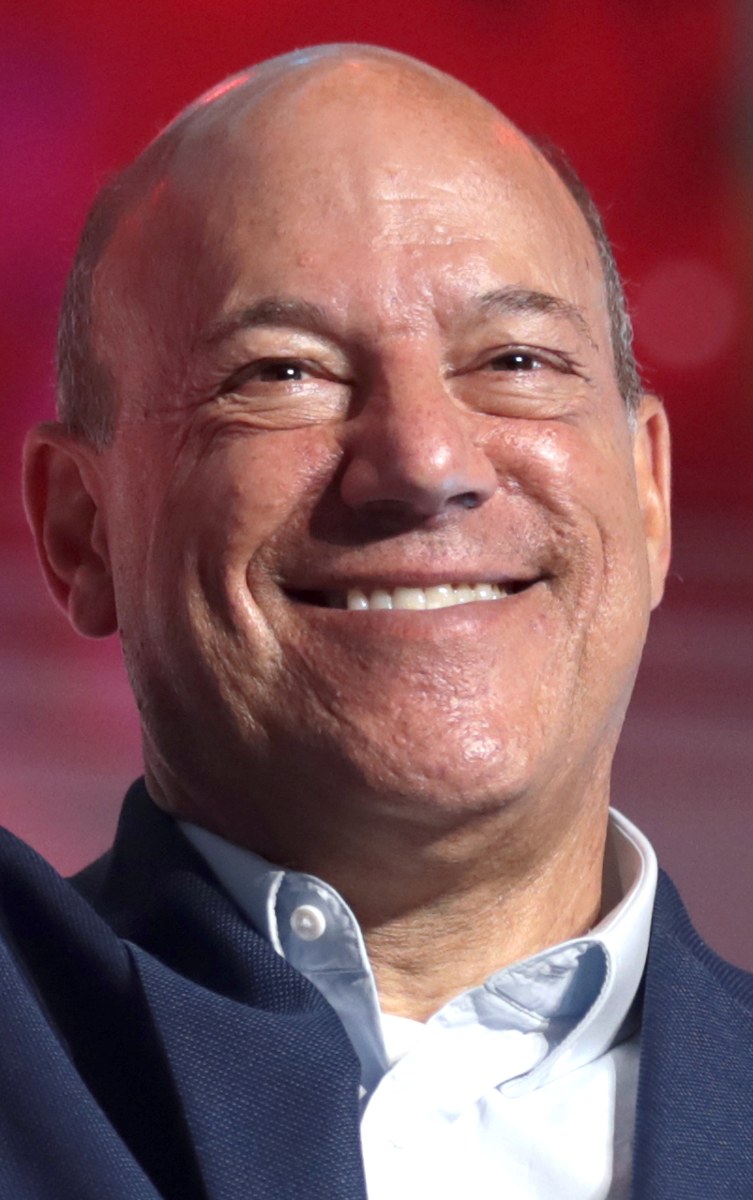
Ari Fleischer, White House press secretary.
Ari Fleischer, White House press secretary. Gage Skidmore (cropped) via Wikimedia Commons · CC BY-SA 2.0 (attribution retained)

Bush White House chose tone over charges.

On 26 January 2001 Ari Fleischer told reporters the administration was cataloguing what staff found, that there was no investigation, and that the president’s focus was governing — not dwelling on arrival-day damage. [1][2]

He declined to describe specific acts on camera and refused to validate wild dollar figures floating in the press. [1][3]

That choice shaped the politics: critics heard a cover-up of Democratic vandalism; allies heard an adult refusal to feed a pile-on. [4]

Bottom line Documented

Documented: catalogue + no criminal track.

What the record can’t settle

‘Cataloguing in someone’s head’ left a thin contemporaneous inventory.

Sources

  1. White House press briefing by Ari Fleischer (26 Jan 2001) Primary: cataloging pranks/damage; no investigation/criminal focus; President not treating as personal affront; wild dollar figures floated by others.
  2. American Presidency Project: Fleischer briefing on vandalism cataloging Primary transcript variant: no estimate given; changing the tone; no criminal charges.
  3. Bush White House: no criminal charges on transition pranks — Fleischer briefings Primary: administration chose not to pursue criminal track.
  4. Washington Post: New Administration Cataloguing 'Pranks' (26 Jan 2001) Contemporaneous: W keys; Fleischer on cut wires vs renovation crews; no criminal charges planned.

Back to contents · Open in the interactive guide

EEOB was part of the story

Record · History

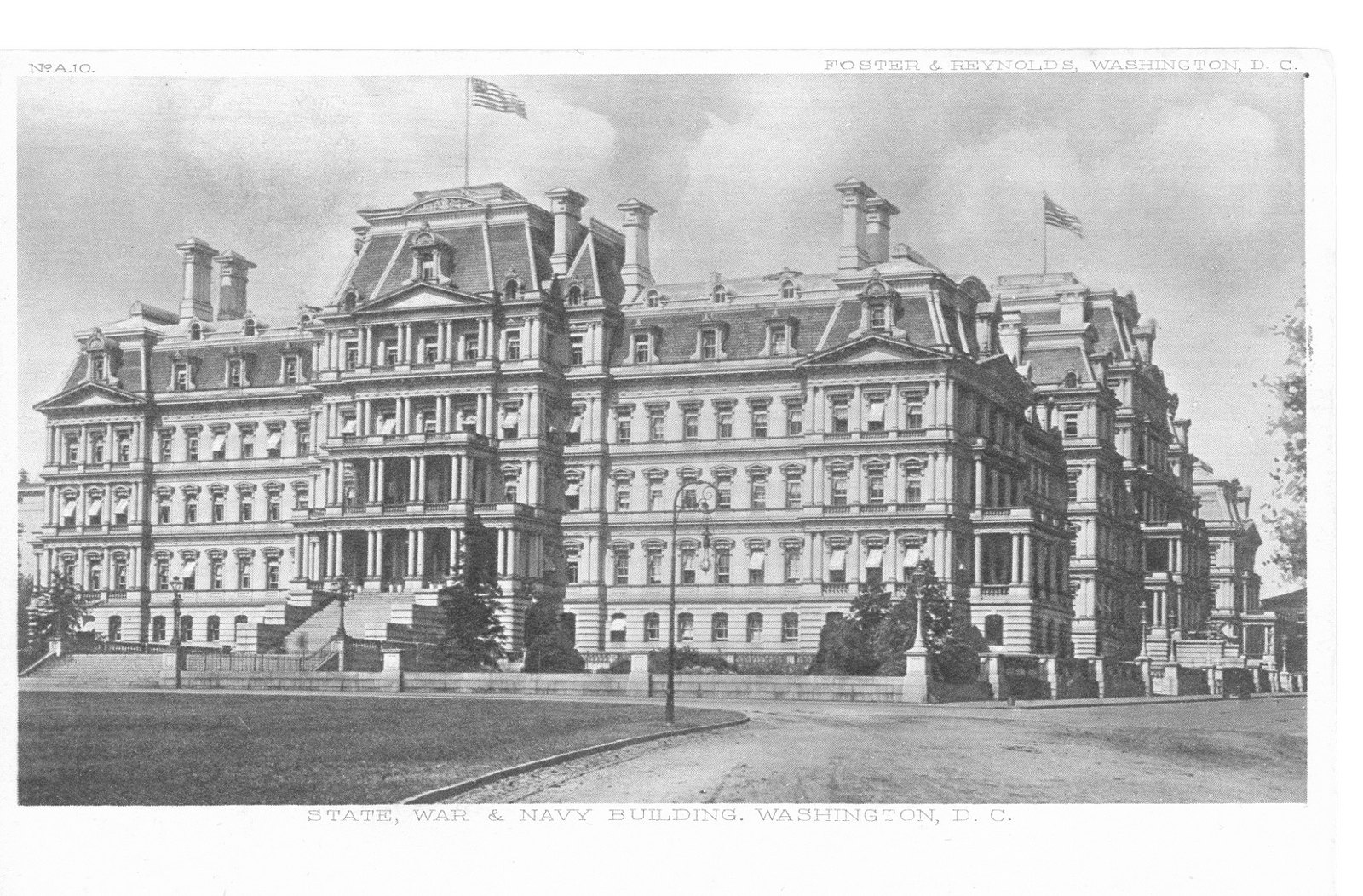
Eisenhower Executive Office Building — part of GAO’s canvas.
Eisenhower Executive Office Building — part of GAO’s canvas. Commons · Public domain or freely licensed; EXIF stripped

Not only the West Wing.

GAO’s canvas included the Eisenhower Executive Office Building next door — where much EOP staff works and where the seal theft was documented. [1][2]

Talk of ‘the White House’ in headlines often meant the whole complex. [1]

Bottom line History

Documented geographic scope.

What the record can’t settle

Building photos are place context, not proof of a specific act.

Sources

  1. GAO-02-360: The White House — Allegations of Damage During the 2001 Presidential Transition (7 June 2002) Primary auditor report: damage, theft, vandalism and pranks occurred; intentional acts identified; responsibility for most incidents and full dollar cost not established; recommendations on checkout.
  2. Secret Service documentation of stolen presidential seal — as reported in GAO-02-360 / NYT GAO cites Secret Service report of 12-inch seal taken from EEOB on 19 Jan 2001; who took it not established in open GAO text.

Back to contents · Open in the interactive guide

No criminal case on the pranks

Record · Documented

Ari Fleischer, White House press secretary.
Ari Fleischer, White House press secretary. Gage Skidmore (cropped) via Wikimedia Commons · CC BY-SA 2.0 (attribution retained)

A choice, not a GAO acquittal.

The Bush White House publicly declined to pursue criminal charges over transition vandalism/pranks. [1][2]

GAO later said willful damage or theft of government property would be criminal in principle — while still unable to assign most acts to named offenders. [3]

Bottom line Documented

Documented non-prosecution decision.

What the record can’t settle

No charges ≠ proof that zero crimes occurred.

Sources

  1. Bush White House: no criminal charges on transition pranks — Fleischer briefings Primary: administration chose not to pursue criminal track.
  2. White House press briefing by Ari Fleischer (26 Jan 2001) Primary: cataloging pranks/damage; no investigation/criminal focus; President not treating as personal affront; wild dollar figures floated by others.
  3. GAO-02-360: The White House — Allegations of Damage During the 2001 Presidential Transition (7 June 2002) Primary auditor report: damage, theft, vandalism and pranks occurred; intentional acts identified; responsibility for most incidents and full dollar cost not established; recommendations on checkout.

Back to contents · Open in the interactive guide

‘Changing the tone’ as strategy

Record · Debated

Ari Fleischer, White House press secretary.
Ari Fleischer, White House press secretary. Gage Skidmore (cropped) via Wikimedia Commons · CC BY-SA 2.0 (attribution retained)

Was restraint noble or tactical?

Fleischer wrapped non-prosecution in Bush’s ‘change the tone’ brand. [1][2]

Critics heard a desire to look magnanimous while still letting the story wound Clinton. Supporters heard a refusal to govern by score-settling. [3][4]

Bottom line Debated

Debated political reading of a documented choice.

What the record can’t settle

Motives are not in the GAO tables.

Sources

  1. White House press briefing by Ari Fleischer (26 Jan 2001) Primary: cataloging pranks/damage; no investigation/criminal focus; President not treating as personal affront; wild dollar figures floated by others.
  2. American Presidency Project: Fleischer briefing on vandalism cataloging Primary transcript variant: no estimate given; changing the tone; no criminal charges.
  3. Washington Post: New Administration Cataloguing 'Pranks' (26 Jan 2001) Contemporaneous: W keys; Fleischer on cut wires vs renovation crews; no criminal charges planned.
  4. BBC: White House 'pranks' taken seriously (Jan 2001) Secondary contemporaneous on cataloguing and no legal action.

Back to contents · Open in the interactive guide

The “W” keys

Prank or vandalism?

The missing “W” keys

Record · Partly true

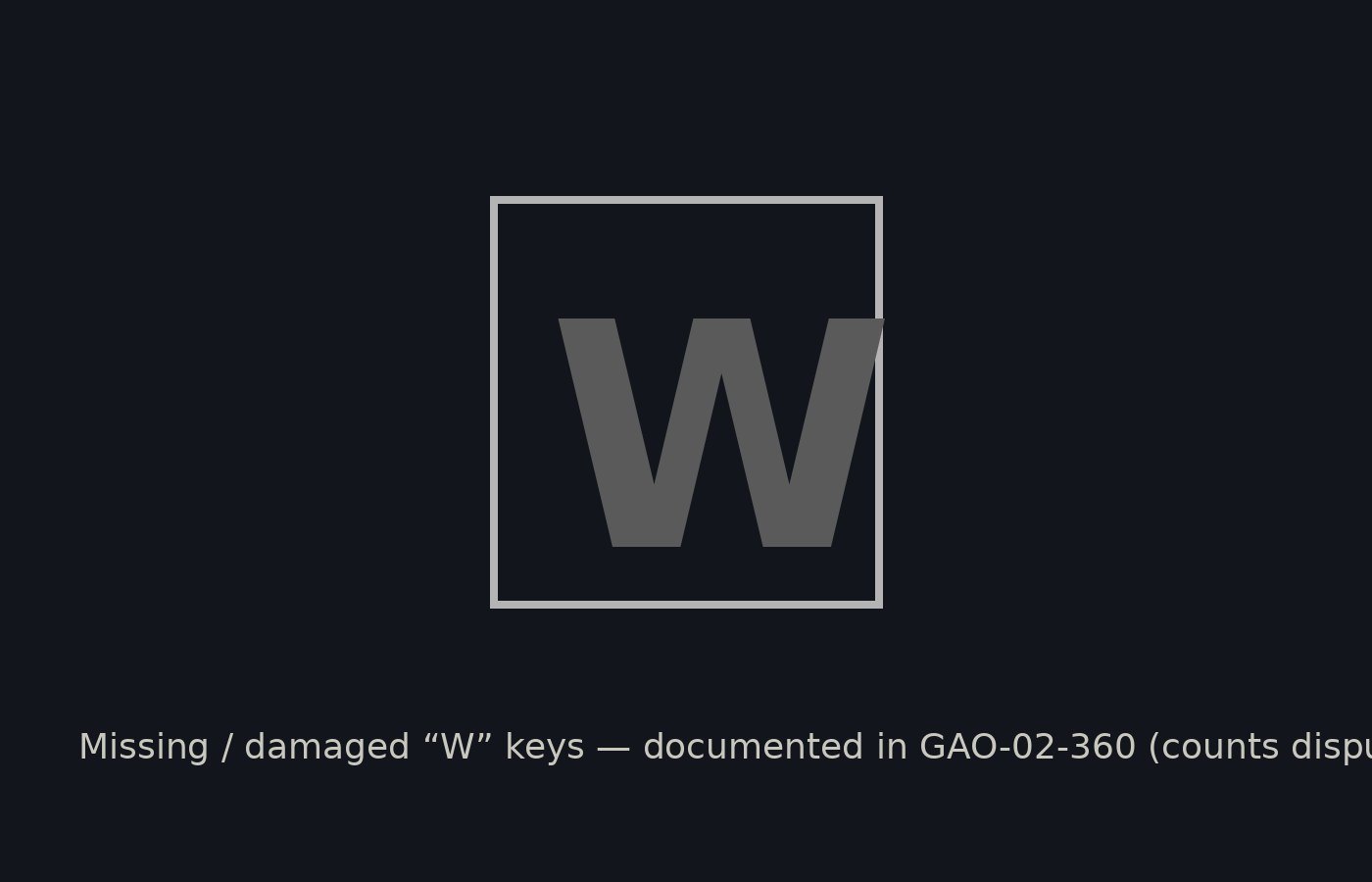
Typographic documentary graphic for missing/damaged “W” keys — not a staged crime-scene photo.
Typographic documentary graphic for missing/damaged “W” keys — not a staged crime-scene photo. AI Files graphic · Site graphic (no AI faces)

Real prank category; counts never matched.

Twenty-six incoming EOP staff told GAO they saw a total of 30 to 64 keyboards with missing or damaged “W” keys. Two former Clinton staff said they saw three or four. [1][2]

Purchase records show the EOP bought 62 keyboards on 23–24 January 2001 for $4,850, with paperwork citing the ‘letter W problem.’ GAO still could not determine how many keyboards were deliberately damaged. [3][1]

Removing keys is an intentional act. Inflating ‘dozens upon dozens’ into a unique national disgrace is where memory outran the audit. [1][4]

Bottom line Partly true

Partly true: intentional key damage happened; scale disputed.

What the record can’t settle

GAO could not name who pulled keys or reconcile observer counts.

Sources

  1. GAO-02-360: The White House — Allegations of Damage During the 2001 Presidential Transition (7 June 2002) Primary auditor report: damage, theft, vandalism and pranks occurred; intentional acts identified; responsibility for most incidents and full dollar cost not established; recommendations on checkout.
  2. GAO-02-360 HTML (GovInfo) Alternate primary text packaging.
  3. EOP purchase records for 62 keyboards (23–24 Jan 2001) — GAO-02-360 Primary documentation cited by GAO: POs note 'letter W problem'; cost $4,850.
  4. NYT: White House Vandalized In Transition, G.A.O. Finds (12 June 2002) Press on GAO: ~$13–14k including $4,850 keyboards; intentional glue/messages; Secret Service note on stolen presidential seal.

Back to contents · Open in the interactive guide

Prank signs, stickers and voicemail

Record · Documented

Eisenhower Executive Office Building — part of GAO’s canvas.
Eisenhower Executive Office Building — part of GAO’s canvas. Commons · Public domain or freely licensed; EXIF stripped

GAO found intentional messaging — some crude.

Twenty-nine EOP staff reported about two dozen prank signs, stickers or written messages; some were derogatory about the new president. Thirteen former Clinton staff recalled 10–27 signs, with at least one calling them harmless jokes. [2]

GAO also noted voice-mail messages and glue on desk drawers as clearly intentional. [1][3]

Bottom line Documented

Documented intentional pranks; tone and count disputed.

What the record can’t settle

Copies preserved for GAO were a sample, not a full inventory.

Sources

  1. GAO-02-360: The White House — Allegations of Damage During the 2001 Presidential Transition (7 June 2002) Primary auditor report: damage, theft, vandalism and pranks occurred; intentional acts identified; responsibility for most incidents and full dollar cost not established; recommendations on checkout.
  2. GAO-02-360 full PDF Full primary text including witness-count tables on W keys, signs, missing items, and former Clinton staff responses.
  3. NYT: White House Vandalized In Transition, G.A.O. Finds (12 June 2002) Press on GAO: ~$13–14k including $4,850 keyboards; intentional glue/messages; Secret Service note on stolen presidential seal.

Back to contents · Open in the interactive guide

The missing presidential seal

Record · Documented

Eisenhower Executive Office Building — part of GAO’s canvas.
Eisenhower Executive Office Building — part of GAO’s canvas. Commons · Public domain or freely licensed; EXIF stripped

Theft category with a Secret Service note — no public culprit.

GAO cited a Secret Service report documenting theft of a 12-inch presidential seal from the EEOB on 19 January 2001. [1][3]

As with other missing items (doorknobs, phones, remotes), GAO could not say who took them or whether every ‘missing’ item was a theft. [2]

Bottom line Documented

Documented report of a stolen seal; perpetrator unknown in open record.

What the record can’t settle

Grand-jury or investigative detail beyond GAO’s summary is not public here.

Sources

  1. Secret Service documentation of stolen presidential seal — as reported in GAO-02-360 / NYT GAO cites Secret Service report of 12-inch seal taken from EEOB on 19 Jan 2001; who took it not established in open GAO text.
  2. GAO-02-360: The White House — Allegations of Damage During the 2001 Presidential Transition (7 June 2002) Primary auditor report: damage, theft, vandalism and pranks occurred; intentional acts identified; responsibility for most incidents and full dollar cost not established; recommendations on checkout.
  3. NYT: White House Vandalized In Transition, G.A.O. Finds (12 June 2002) Press on GAO: ~$13–14k including $4,850 keyboards; intentional glue/messages; Secret Service note on stolen presidential seal.

Back to contents · Open in the interactive guide

Glue on the drawers

Record · Documented

Eisenhower Executive Office Building — part of GAO’s canvas.
Eisenhower Executive Office Building — part of GAO’s canvas. Commons · Public domain or freely licensed; EXIF stripped

A small act GAO called clearly intentional.

Among the acts GAO sorted as clearly intentional: placing glue on desk drawers — alongside key removals, certain messages, and thefts. [1][2]

Tiny dollar impact; large symbolic value in the ‘prank vs crime’ fight. [1]

Bottom line Documented

Documented intentional category.

What the record can’t settle

Who glued which drawer remains largely unnamed.

Sources

  1. GAO-02-360: The White House — Allegations of Damage During the 2001 Presidential Transition (7 June 2002) Primary auditor report: damage, theft, vandalism and pranks occurred; intentional acts identified; responsibility for most incidents and full dollar cost not established; recommendations on checkout.
  2. NYT: White House Vandalized In Transition, G.A.O. Finds (12 June 2002) Press on GAO: ~$13–14k including $4,850 keyboards; intentional glue/messages; Secret Service note on stolen presidential seal.

Back to contents · Open in the interactive guide

Doorknobs, phones, remotes

Record · Partly true

Eisenhower Executive Office Building — part of GAO’s canvas.
Eisenhower Executive Office Building — part of GAO’s canvas. Commons · Public domain or freely licensed; EXIF stripped

Missing ≠ always stolen.

GAO listed missing office signs, cellular phones, doorknobs, telephone-number labels and more. [1]

Auditors explicitly said it was unknown whether all were thefts, who took them, or when. [1][2]

Bottom line Partly true

Partly: items missing; theft not proven for each.

What the record can’t settle

Property systems were not transition-ready for forensics.

Sources

  1. GAO-02-360: The White House — Allegations of Damage During the 2001 Presidential Transition (7 June 2002) Primary auditor report: damage, theft, vandalism and pranks occurred; intentional acts identified; responsibility for most incidents and full dollar cost not established; recommendations on checkout.
  2. Former Clinton staff comments summarized in GAO-02-360 Primary: acknowledge some W keys/signs; trash normal for move; deny theft; dispute vandalism label; two reps call most observations untrue.

Back to contents · Open in the interactive guide

The rumor mill

$90,000 talk

The $90,000 rumor and the cut-wire list

Record · Partly true

Press pool documentary image.
Press pool documentary image. Site pool / free license · Public domain or freely licensed; EXIF stripped

Early storyboard outran the audit.

Within days, reporting expanded from W keys to cut phone lines, glued cabinets, pornographic printouts and five-figure repair talk. [1][7]

Fleischer was asked about figures like $90,000 and would not play. A year later GAO’s priced repairs sat in the low teens of thousands. [2][3][4]

Some rumor categories map onto GAO’s intentional-acts list (glue, messages). Others remain unpriced allegations. [5][6]

Bottom line Partly true

Partly true rumor ecology: real acts + inflated packaging.

What the record can’t settle

Not every January 2001 anecdote was tested item-by-item in GAO’s public text.

Sources

  1. Guardian: Clinton staff accused of vandalising White House (25 Jan 2001) Press: early allegations beyond W keys (cut phone lines, glued cabinets, porn in printers) — later partly confirmed, partly not priced/attributed by GAO.
  2. White House press briefing by Ari Fleischer (26 Jan 2001) Primary: cataloging pranks/damage; no investigation/criminal focus; President not treating as personal affront; wild dollar figures floated by others.
  3. NYT: White House Vandalized In Transition, G.A.O. Finds (12 June 2002) Press on GAO: ~$13–14k including $4,850 keyboards; intentional glue/messages; Secret Service note on stolen presidential seal.
  4. LA Times: Clinton Transition Left $15,000 Damage, GAO Says (12 June 2002) Press: Barr reaction ('dorm rooms'); GAO confirms damage/theft/vandalism/pranks.
  5. GAO-02-360: The White House — Allegations of Damage During the 2001 Presidential Transition (7 June 2002) Primary auditor report: damage, theft, vandalism and pranks occurred; intentional acts identified; responsibility for most incidents and full dollar cost not established; recommendations on checkout.
  6. Early cut-phone-line / porn-printer claims — Guardian/WaPo Jan 2001 Early media list; GAO later confirmed some categories (glue, messages, missing items) but did not validate every rumor as priced vandalism.
  7. Washington Post: New Administration Cataloguing 'Pranks' (26 Jan 2001) Contemporaneous: W keys; Fleischer on cut wires vs renovation crews; no criminal charges planned.

Back to contents · Open in the interactive guide

Clinton staff: messy move, not vandalism

Record · Disputed

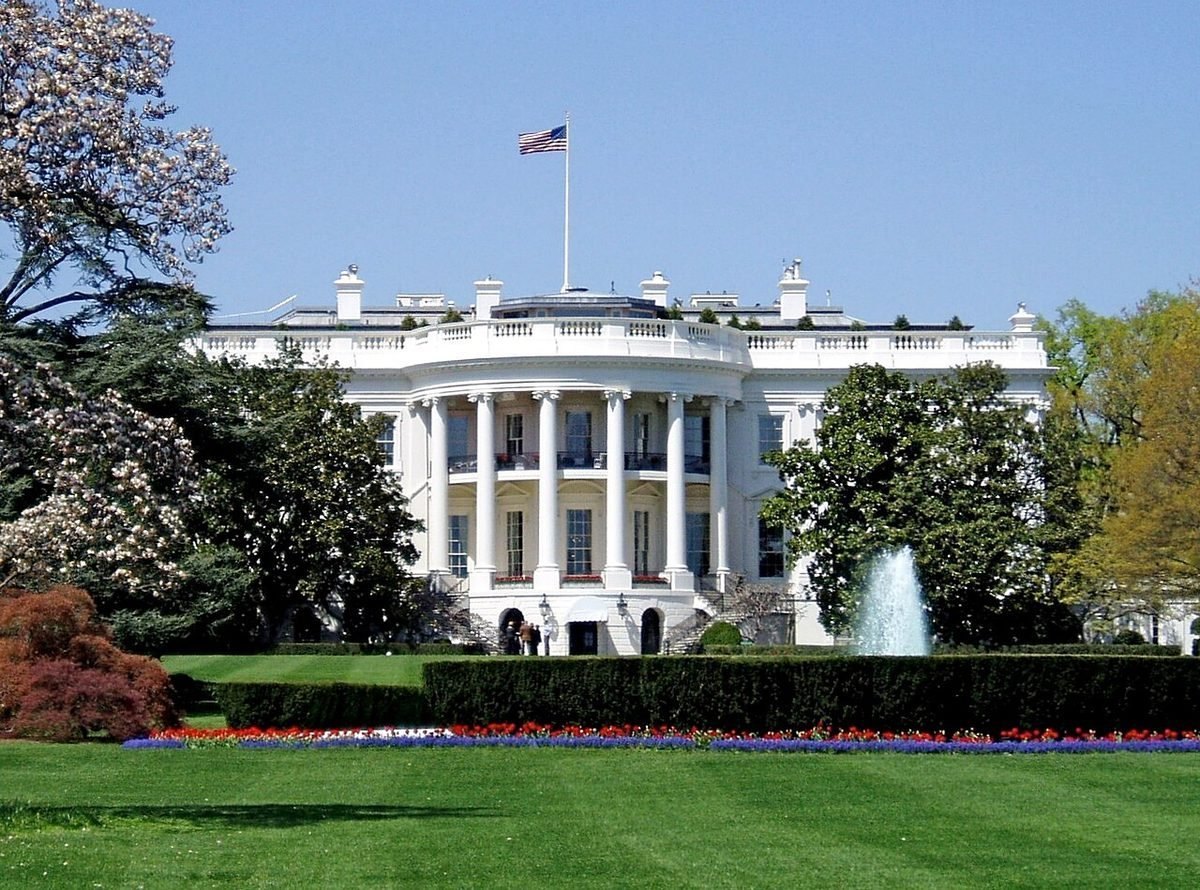
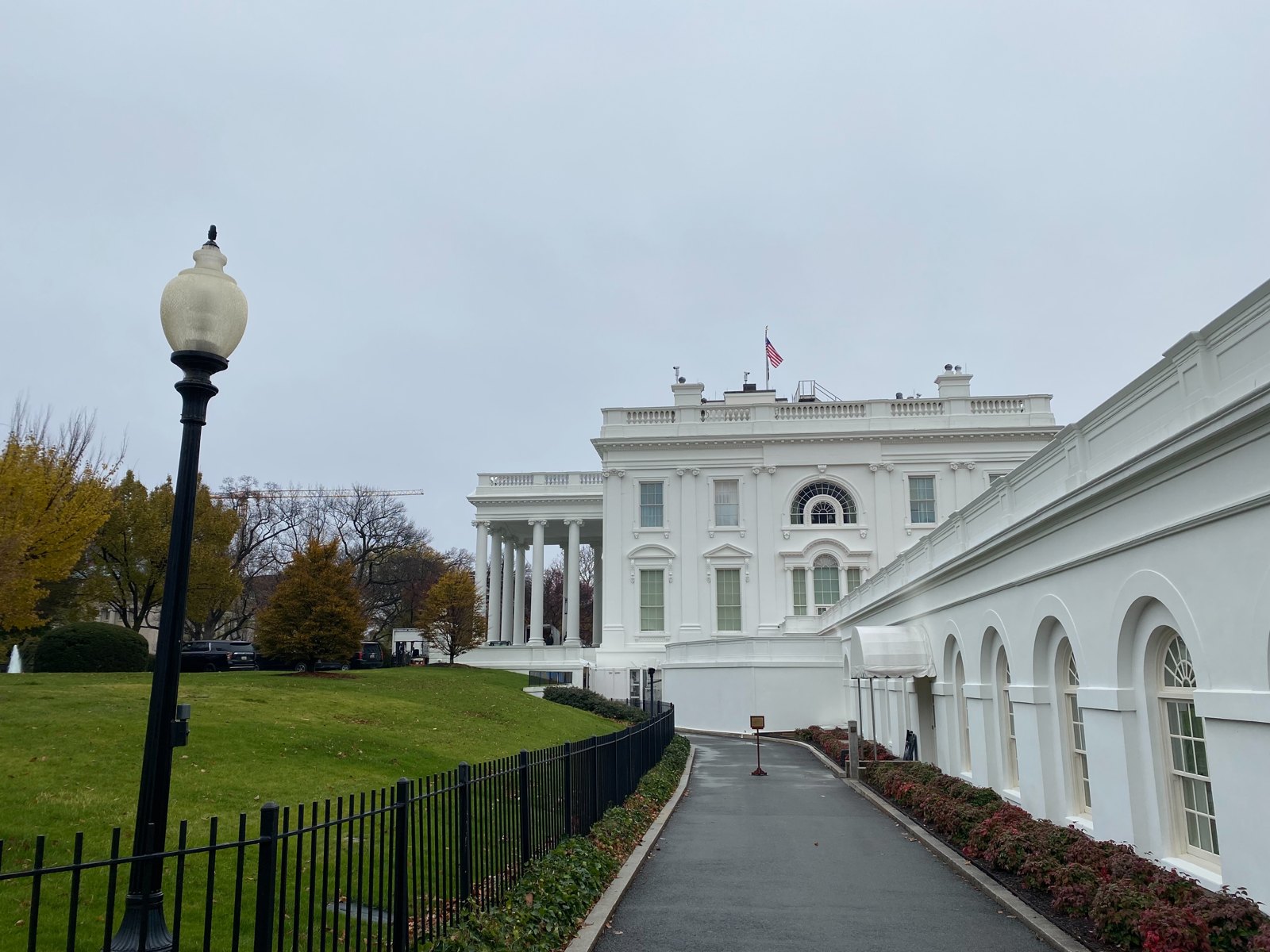
Exterior of the White House West Wing.
Exterior of the White House West Wing. Commons · Public domain or freely licensed; EXIF stripped

Outgoing side disputed the frame.

Former Clinton staff told GAO the trash looked like an eight-year move-out, that they did not take missing items, that some furniture was already broken, and that many reported observations were not vandalism. Two representatives called most observations untrue. [1][2]

GAO still concluded that damage, theft, vandalism and pranks **did** occur, and that some acts were clearly intentional. [2]

Bottom line Disputed

Disputed framing: mess vs malice — auditors found both categories.

What the record can’t settle

Staff interviews are self-interested; so are incoming-staff observations.

Sources

  1. Former Clinton staff comments summarized in GAO-02-360 Primary: acknowledge some W keys/signs; trash normal for move; deny theft; dispute vandalism label; two reps call most observations untrue.
  2. GAO-02-360: The White House — Allegations of Damage During the 2001 Presidential Transition (7 June 2002) Primary auditor report: damage, theft, vandalism and pranks occurred; intentional acts identified; responsibility for most incidents and full dollar cost not established; recommendations on checkout.

Back to contents · Open in the interactive guide

Trash vs sabotage

Record · Disputed

Exterior of the White House West Wing.
Exterior of the White House West Wing. Commons · Public domain or freely licensed; EXIF stripped

The most subjective GAO category.

Incoming staff described messy, disheveled offices with excessive trash or personal items left behind; several believed the mess was intentional. [1]

Former Clinton staff said eight years of move-out looks like that. GAO could not always separate sloppiness from spite. [2][1]

Bottom line Disputed

Disputed: real mess, contested intent.

What the record can’t settle

Photographs in the public fight were sparse relative to the rhetoric.

Sources

  1. GAO-02-360: The White House — Allegations of Damage During the 2001 Presidential Transition (7 June 2002) Primary auditor report: damage, theft, vandalism and pranks occurred; intentional acts identified; responsibility for most incidents and full dollar cost not established; recommendations on checkout.
  2. Former Clinton staff comments summarized in GAO-02-360 Primary: acknowledge some W keys/signs; trash normal for move; deny theft; dispute vandalism label; two reps call most observations untrue.

Back to contents · Open in the interactive guide

Steel-man: it was deliberate trash-the-place politics

Steel-man · Alleged

Rep. Bob Barr, 107th Congress.
Rep. Bob Barr, 107th Congress. U.S. Congress (public domain) · Public domain — U.S. government work

Strongest version of the Barr dorm-room charge.

Steel-man: outgoing staff, bitter after a contested election, intentionally damaged government property, stole souvenirs, and left obscenities — a political insult to the incoming president and to taxpayers. [1][2]

What survives contact with GAO: some intentional acts yes; systematic unique devastation and huge dollar losses no. [3][4]

Bottom line Alleged

Steel-man partially intersects the audit; overclaim does not.

What the record can’t settle

Steel-man is not the guide’s verdict.

Sources

  1. LA Times: Clinton Transition Left $15,000 Damage, GAO Says (12 June 2002) Press: Barr reaction ('dorm rooms'); GAO confirms damage/theft/vandalism/pranks.
  2. Guardian: Clinton staff accused of vandalising White House (25 Jan 2001) Press: early allegations beyond W keys (cut phone lines, glued cabinets, porn in printers) — later partly confirmed, partly not priced/attributed by GAO.
  3. GAO-02-360: The White House — Allegations of Damage During the 2001 Presidential Transition (7 June 2002) Primary auditor report: damage, theft, vandalism and pranks occurred; intentional acts identified; responsibility for most incidents and full dollar cost not established; recommendations on checkout.
  4. NYT: White House Vandalized In Transition, G.A.O. Finds (12 June 2002) Press on GAO: ~$13–14k including $4,850 keyboards; intentional glue/messages; Secret Service note on stolen presidential seal.

Back to contents · Open in the interactive guide

Steel-man: a partisan smear about trash

Steel-man · Alleged

Press pool documentary image.
Press pool documentary image. Site pool / free license · Public domain or freely licensed; EXIF stripped

Strongest version of the ‘nothingburger’ defense.

Steel-man: Republicans inflated ordinary move-out mess and a few dumb pranks into a morality play to dirty the Clintons beside the pardon fight. [1][2]

What survives: Fleischer’s own caution about tone and dollars; what fails: GAO’s finding that intentional damage/theft/pranks occurred. [3][4]

Bottom line Alleged

Steel-man explains the hype; it does not erase the audit’s core.

What the record can’t settle

Steel-man is not the guide’s verdict.

Sources

  1. Former Clinton staff comments summarized in GAO-02-360 Primary: acknowledge some W keys/signs; trash normal for move; deny theft; dispute vandalism label; two reps call most observations untrue.
  2. White House press briefing by Ari Fleischer (26 Jan 2001) Primary: cataloging pranks/damage; no investigation/criminal focus; President not treating as personal affront; wild dollar figures floated by others.
  3. GAO-02-360: The White House — Allegations of Damage During the 2001 Presidential Transition (7 June 2002) Primary auditor report: damage, theft, vandalism and pranks occurred; intentional acts identified; responsibility for most incidents and full dollar cost not established; recommendations on checkout.
  4. Bush White House: no criminal charges on transition pranks — Fleischer briefings Primary: administration chose not to pursue criminal track.

Back to contents · Open in the interactive guide

Gifts and furniture Feb 2001

The $190,000 gifts

Personal gifts on the way out

About $190,000 in exit gifts

Record · Documented

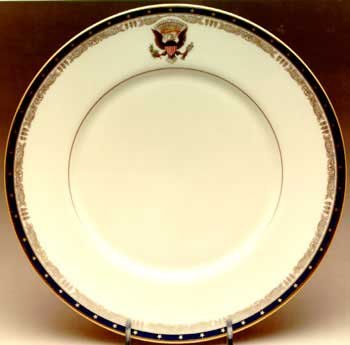
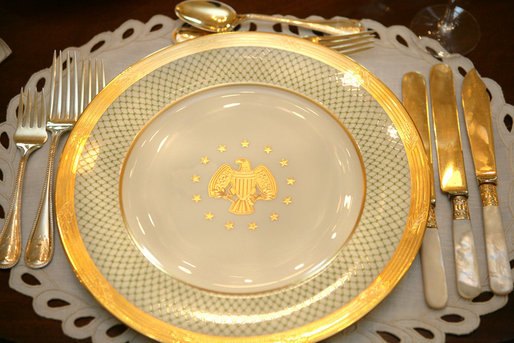
Historic White House china pattern (FDR service) — symbolic context for the gift fight.
Historic White House china pattern (FDR service) — symbolic context for the gift fight. White House / Commons · Public domain

The number that started the furniture fight.

After leaving office the Clintons faced criticism for taking roughly $190,000 in gifts — china, flatware, rugs, televisions, sofas and more — including a large share received in the final year. [1][2][3]

Celebrity names on contemporaneous lists (Spielberg, Danson/Steenburgen, Nicholson, Stallone) made the story vivid; they are not, by themselves, proof of illegality. [4][5]

Bottom line Documented

Documented gift total in contemporaneous reporting.

What the record can’t settle

Exact inventory line-items vary slightly by outlet; ~$190k is the working figure.

Sources

  1. NYT: Clintons Agree To Reimburse 27 Gift Givers (3 Feb 2001) Press: $86k repayment; Denise Rich among gift-givers ($7,375 tables/chairs); $190k gifts figure; office-space cost share.
  2. Washington Post: Clintons Will Pay For Half Of Gifts (3 Feb 2001) Press: nearly half of ~$190k gifts to be paid for amid exit controversies.
  3. ABC News: Clintons Return White House Furniture (8 Feb 2001) Contemporaneous: $28k household goods returned to NPS custody; prior $86k payment pledge; $114k combined pay-or-return figure.
  4. BBC: Clintons return disputed gifts (Feb 2001) Secondary: gift list highlights (Spielberg, Danson, Nicholson, Stallone, Denise Rich); NPS custody; Clinton office says Usher/Curator approved removal.
  5. Celebrity gift examples (Spielberg china etc.) — BBC gift table Secondary list of high-profile gifts; not evidence of illegality by itself.

Back to contents · Open in the interactive guide

Paying for $86,000

Record · Documented

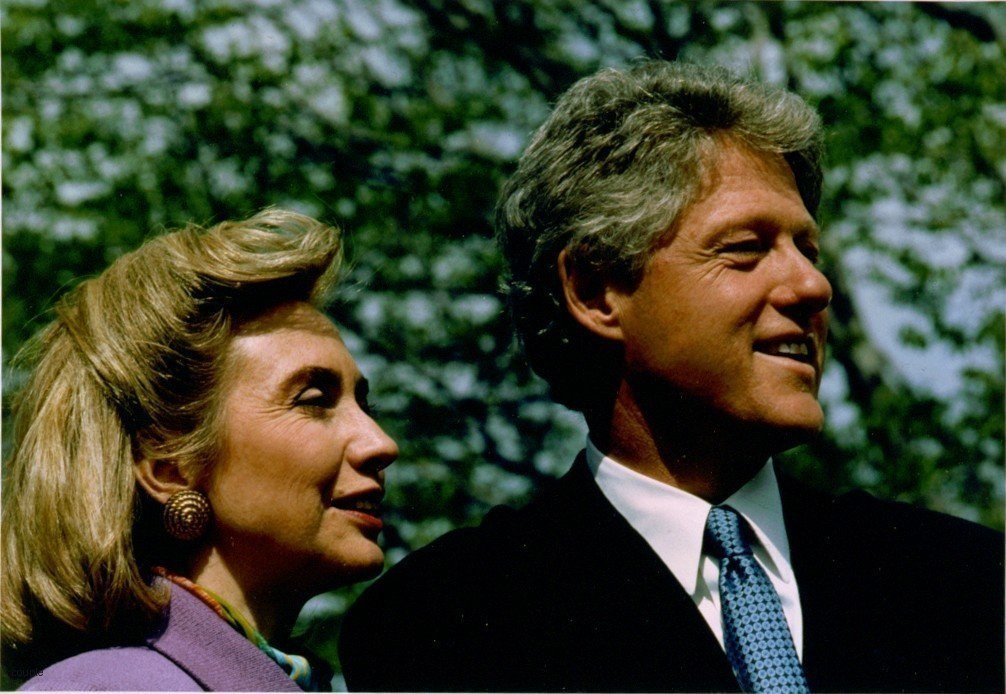
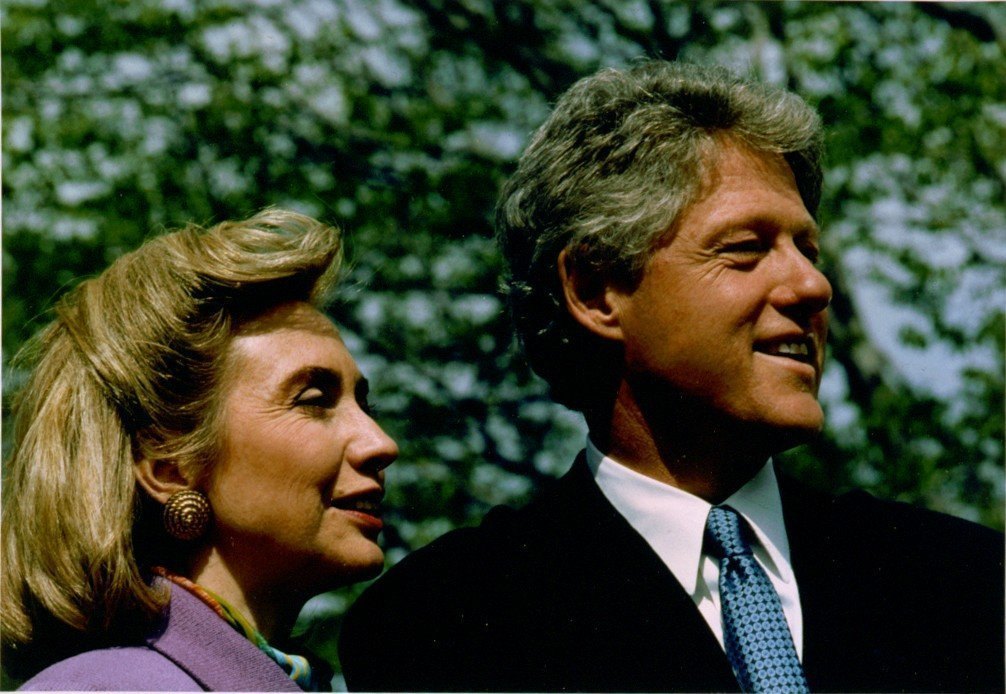
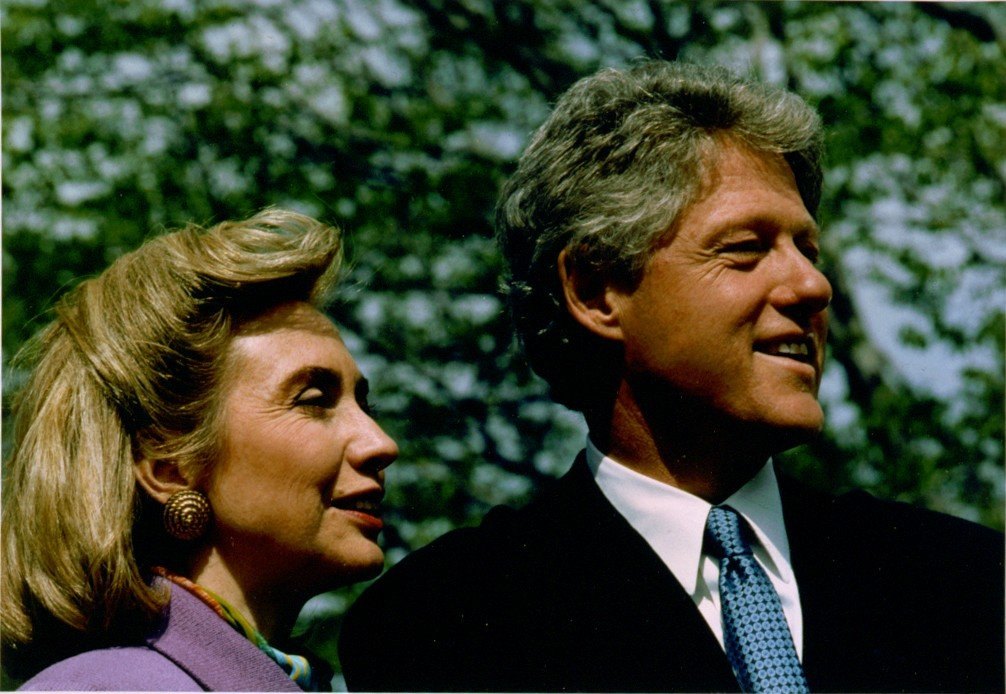
Bill and Hillary Clinton, 1993 White House photograph.
Bill and Hillary Clinton, 1993 White House photograph. White House / prior guide pool (Bill & Hillary together — use only as couple) · Public domain

Nearly half reimbursed under fire.

On 3 February 2001 the Clintons announced they would pay about $86,000 to reimburse 27 gift-givers — nearly half the criticized total. [1][2]

Among those to be repaid: Denise Rich, for two coffee tables and two chairs valued at $7,375. [1]

Bottom line Documented

Documented reimbursement pledge.

What the record can’t settle

Paying under criticism is not a legal admission of theft.

Sources

  1. NYT: Clintons Agree To Reimburse 27 Gift Givers (3 Feb 2001) Press: $86k repayment; Denise Rich among gift-givers ($7,375 tables/chairs); $190k gifts figure; office-space cost share.
  2. Washington Post: Clintons Will Pay For Half Of Gifts (3 Feb 2001) Press: nearly half of ~$190k gifts to be paid for amid exit controversies.

Back to contents · Open in the interactive guide

Personal gifts vs government gifts

Record · Documented

Document stack — audits, briefings, gift lists.
Document stack — audits, briefings, gift lists. Site documentary graphic pool · Public domain / site graphic

Two tracks, one messy doorway.

Under the Ethics in Government Act framework OGE described for Congress, the president must publicly report personal gifts above a threshold ($260 from a source in 2000, with small gifts excluded from aggregation). [1][2]

Gifts accepted by the government rather than kept personally are not the same disclosure duty. The furniture fight lived in the contested zone between those tracks. [1][3]

Bottom line Documented

Documented legal frame; application to specific sofas was fought.

What the record can’t settle

OGE letters explain rules; they do not inventory the Clinton crates.

Sources

  1. OGE letter to Rep. Stephen Horn on presidential gift reporting (2002) Primary ethics guidance: personal gifts above threshold must be disclosed; gifts accepted by Government, not personally, are different track.
  2. Ethics in Government Act gift disclosure framework (via OGE) Legal frame for personal vs official gifts; thresholds cited in 2002 gift inquiries.
  3. Donor furniture-makers' intent (Mittman, Ficks Reed) — via ABC/WaPo reporting Secondary: donors said gifts were for the White House, not the Clintons personally — ownership dispute fuel.

Back to contents · Open in the interactive guide

Steel-man: they looted the people’s house

Steel-man · Alleged

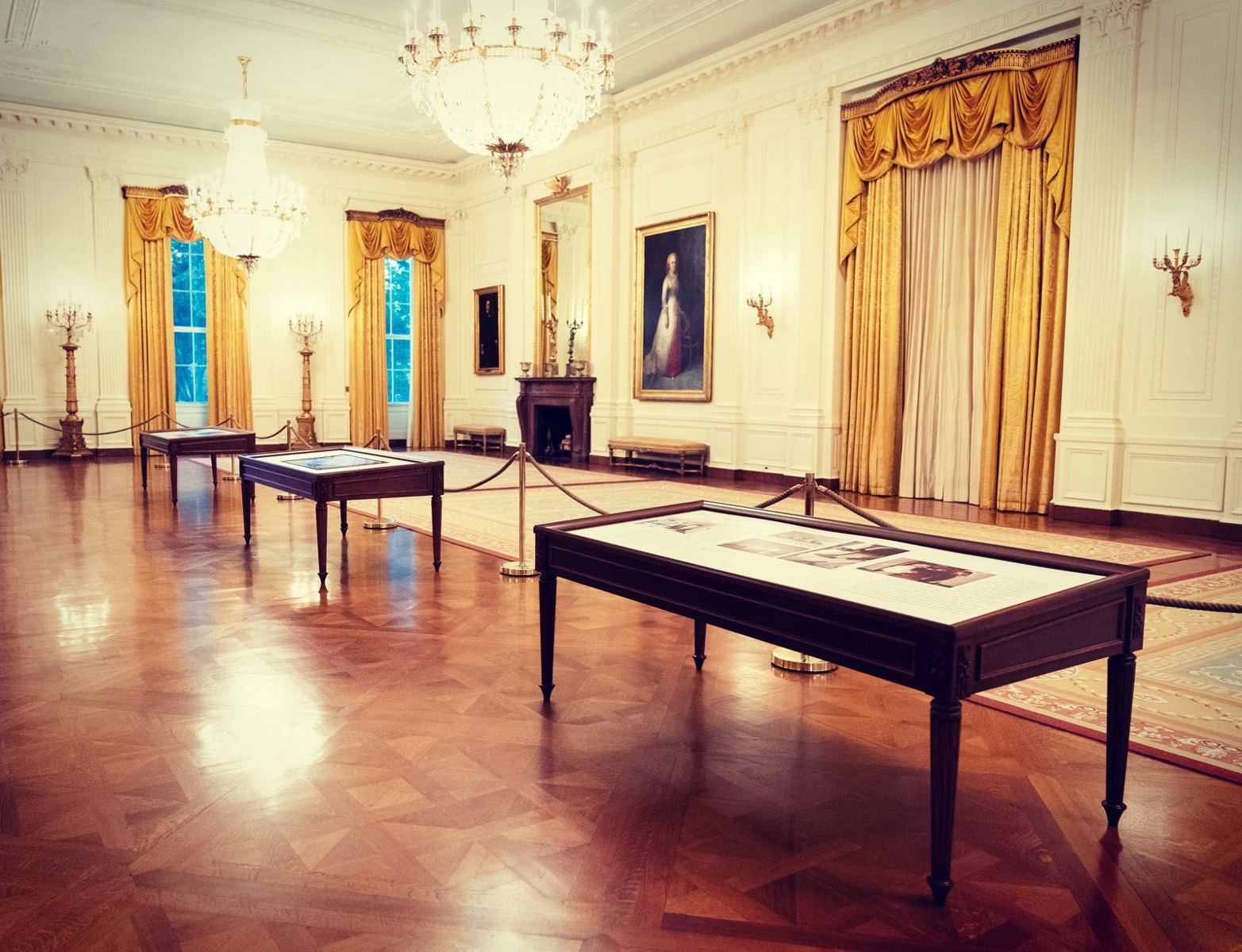
East Room after renovation — house-furnishings context, not a crate photo.
East Room after renovation — house-furnishings context, not a crate photo. White House Historical / Commons · Public domain — U.S. government work

Strongest anti-gift reading.

Steel-man: the Clintons treated White House furnishings and donor china as personal loot, then paid/returned only when caught. [1][2]

Record check: some donor-intent conflicts are real; a blanket ‘looting’ charge overshoots Gift Office process, reimbursements, and NPS returns. [3][4][5]

Bottom line Alleged

Steel-man captures the donor-intent wound; ‘looting’ is overclaim.

What the record can’t settle

No criminal conversion case is established in this file.

Sources

  1. Donor furniture-makers' intent (Mittman, Ficks Reed) — via ABC/WaPo reporting Secondary: donors said gifts were for the White House, not the Clintons personally — ownership dispute fuel.
  2. Washington Post: Panel: Clintons Took $362,000 in Gifts (13 Feb 2002) Press: ≥$362k gifts ≥$260 taken on exit; undervaluation allegations.
  3. Office of Former President Clinton statement on furniture (Feb 2001) — via ABC Clinton side: Gift Office identified items as personal gifts; Usher/Curator approval claimed; return if cataloging error.
  4. ABC News: Clintons Return White House Furniture (8 Feb 2001) Contemporaneous: $28k household goods returned to NPS custody; prior $86k payment pledge; $114k combined pay-or-return figure.
  5. OGE letter to Rep. Stephen Horn on presidential gift reporting (2002) Primary ethics guidance: personal gifts above threshold must be disclosed; gifts accepted by Government, not personally, are different track.

Back to contents · Open in the interactive guide

Celebrity china on the list

Record · History

Historic White House china pattern (FDR service) — symbolic context for the gift fight.
Historic White House china pattern (FDR service) — symbolic context for the gift fight. White House / Commons · Public domain

Color in the gift story.

BBC’s contemporaneous gift table listed Steven Spielberg china (~$4,920) and Ted Danson & Mary Steenburgen china (~$4,800), among others. [1][2]

These lines explain why the story traveled; they do not prove a crime. [3]

Bottom line History

Documented list items in press tables.

What the record can’t settle

Press tables can round or select.

Sources

  1. BBC: Clintons return disputed gifts (Feb 2001) Secondary: gift list highlights (Spielberg, Danson, Nicholson, Stallone, Denise Rich); NPS custody; Clinton office says Usher/Curator approved removal.
  2. Celebrity gift examples (Spielberg china etc.) — BBC gift table Secondary list of high-profile gifts; not evidence of illegality by itself.
  3. NYT: Clintons Agree To Reimburse 27 Gift Givers (3 Feb 2001) Press: $86k repayment; Denise Rich among gift-givers ($7,375 tables/chairs); $190k gifts figure; office-space cost share.

Back to contents · Open in the interactive guide

Manhattan office costs beside the gifts

Record · History

Clinton library / foundation context for off-form gifts.
Clinton library / foundation context for off-form gifts. Site pool · Public domain or freely licensed; EXIF stripped

NYT tied a second money fight to the same week.

The 3 February 2001 NYT story paired the $86k gift reimbursement with news that Clinton’s presidential foundation would share costs of his Midtown Manhattan office space. [1]

That office-cost fight is adjacent politics, not the furniture title dispute. [1]

Bottom line History

Documented contemporaneous pairing.

What the record can’t settle

Office lease details are out of this guide’s deep spine.

Sources

  1. NYT: Clintons Agree To Reimburse 27 Gift Givers (3 Feb 2001) Press: $86k repayment; Denise Rich among gift-givers ($7,375 tables/chairs); $190k gifts figure; office-space cost share.

Back to contents · Open in the interactive guide

White House china as symbol

Record · History

George W. Bush White House state china — later service pattern for context.
George W. Bush White House state china — later service pattern for context. White House / Commons · Public domain

State china photos are documentary context — not the Clintons’ crate.

Official state china patterns (including later Bush service china) illustrate why ‘taking the china’ hit a nerve: the people’s house has a ceramics mythology. [1]

The contested 2001 objects were a mix of personal gifts and alleged house donations — not a claim that the Clintons removed the formal state service wholesale. [2][3]

Bottom line History

Symbolic context; keep inventories separate.

What the record can’t settle

Service-china photos are not evidence labels for specific 2001 gifts.

Sources

  1. BBC: Clintons return disputed gifts (Feb 2001) Secondary: gift list highlights (Spielberg, Danson, Nicholson, Stallone, Denise Rich); NPS custody; Clinton office says Usher/Curator approved removal.
  2. ABC News: Clintons Return White House Furniture (8 Feb 2001) Contemporaneous: $28k household goods returned to NPS custody; prior $86k payment pledge; $114k combined pay-or-return figure.
  3. NYT: Clintons Agree To Reimburse 27 Gift Givers (3 Feb 2001) Press: $86k repayment; Denise Rich among gift-givers ($7,375 tables/chairs); $190k gifts figure; office-space cost share.

Back to contents · Open in the interactive guide

Furniture for the house?

Park Service custody

House gift or personal gift?

Record · Disputed

East Room after renovation — house-furnishings context, not a crate photo.
East Room after renovation — house-furnishings context, not a crate photo. White House Historical / Commons · Public domain — U.S. government work

The ownership fight behind the sofas.

Furniture makers including Steve Mittman and Joy Ficks said pieces they donated were meant for the White House, not the first family. Some items appeared on National Park Service lists tied to 1990s redecoration. [1][2][4]

The Office of Former President Clinton said the White House Gift Office had identified the items as personal gifts and that Usher/Curator offices approved removal — and promised to return anything later judged a cataloging error. [3][2]

Bottom line Disputed

Disputed item-by-item; both donor intent and Gift Office labels are on the record.

What the record can’t settle

No single public ledger settles every object’s legal title.

Sources

  1. Donor furniture-makers' intent (Mittman, Ficks Reed) — via ABC/WaPo reporting Secondary: donors said gifts were for the White House, not the Clintons personally — ownership dispute fuel.
  2. ABC News: Clinton to Return Furniture — clerical-error framing (5 Feb 2001) Clinton office statement: Gift Office labeled items personal; will return any item in question if cataloging error.
  3. Office of Former President Clinton statement on furniture (Feb 2001) — via ABC Clinton side: Gift Office identified items as personal gifts; Usher/Curator approval claimed; return if cataloging error.
  4. 1993 White House redecoration donations (~$396k) — ABC/WaPo furniture dispute context Context: items later claimed for house vs family sat on redecoration gift lists.

Back to contents · Open in the interactive guide

Returning $28,000 to the Park Service

Record · Documented

East Room after renovation — house-furnishings context, not a crate photo.
East Room after renovation — house-furnishings context, not a crate photo. White House Historical / Commons · Public domain — U.S. government work

Custody first, ownership later.

By 8 February 2001 about $28,000 in household goods were being shipped back; NPS liaison Jim McDaniel said the Park Service would take custody until issues were resolved. [1][3]

Combined with the $86,000 payment pledge, contemporaneous reporting put pay-or-return value at about $114,000. [1][2]

Bottom line Documented

Documented return into NPS custody.

What the record can’t settle

Custody is not a final quiet-title judgment on every piece.

Sources

  1. ABC News: Clintons Return White House Furniture (8 Feb 2001) Contemporaneous: $28k household goods returned to NPS custody; prior $86k payment pledge; $114k combined pay-or-return figure.
  2. BBC: Clintons return disputed gifts (Feb 2001) Secondary: gift list highlights (Spielberg, Danson, Nicholson, Stallone, Denise Rich); NPS custody; Clinton office says Usher/Curator approved removal.
  3. National Park Service — White House as park unit / liaison role (context) Institutional: NPS stewards White House grounds/collections; cited in Feb 2001 furniture custody statements.

Back to contents · Open in the interactive guide

Redecoration donations in the background

Record · History

East Room after renovation — house-furnishings context, not a crate photo.
East Room after renovation — house-furnishings context, not a crate photo. White House Historical / Commons · Public domain — U.S. government work

1990s gifts that haunted 2001.

Reporting on the furniture fight repeatedly pointed back to donations solicited for White House redecoration in the 1990s (~$396k context). [1][2]

If a piece was logged as a gift to the house, taking it as personal property on exit was the core dispute — regardless of later payment or return. [3][4]

Bottom line History

Historical context for the ownership fight.

What the record can’t settle

Not every 1990s donation is publicly mapped to a 2001 crate.

Sources

  1. 1993 White House redecoration donations (~$396k) — ABC/WaPo furniture dispute context Context: items later claimed for house vs family sat on redecoration gift lists.
  2. ABC News: Clinton to Return Furniture — clerical-error framing (5 Feb 2001) Clinton office statement: Gift Office labeled items personal; will return any item in question if cataloging error.
  3. Donor furniture-makers' intent (Mittman, Ficks Reed) — via ABC/WaPo reporting Secondary: donors said gifts were for the White House, not the Clintons personally — ownership dispute fuel.
  4. National Park Service — White House as park unit / liaison role (context) Institutional: NPS stewards White House grounds/collections; cited in Feb 2001 furniture custody statements.

Back to contents · Open in the interactive guide

What ‘Park Service custody’ meant

Record · Documented

National Park Service arrowhead (1952) — NPS custody of disputed furnishings.
National Park Service arrowhead (1952) — NPS custody of disputed furnishings. National Park Service · Public domain — U.S. government work

Escrow for contested sofas.

NPS stated it would accept return of questioned property and act as custodian until issues were resolved — and that property might yet prove to be the Clintons’ personal belongings. [1][2]

That formula preserved options without a public trial of every cushion. [1]

Bottom line Documented

Documented custody arrangement.

What the record can’t settle

Later quiet dispositions of each piece are not fully mapped here.

Sources

  1. ABC News: Clintons Return White House Furniture (8 Feb 2001) Contemporaneous: $28k household goods returned to NPS custody; prior $86k payment pledge; $114k combined pay-or-return figure.
  2. National Park Service — White House as park unit / liaison role (context) Institutional: NPS stewards White House grounds/collections; cited in Feb 2001 furniture custody statements.

Back to contents · Open in the interactive guide

Open: final title on each returned piece

Question · Disputed

National Park Service arrowhead (1952) — NPS custody of disputed furnishings.
National Park Service arrowhead (1952) — NPS custody of disputed furnishings. National Park Service · Public domain — U.S. government work

Custody closed the news cycle, not every deed.

NPS custody language explicitly left open that some returned property might rightly be the Clintons’ personal property. [1]

A public, itemized quiet-title map for every returned object is not in this guide’s source stack. [1][2]

Bottom line Disputed

Disputed / incompletely published dispositions.

What the record can’t settle

Private settlements after February 2001 may exist off-stage.

Sources

  1. ABC News: Clintons Return White House Furniture (8 Feb 2001) Contemporaneous: $28k household goods returned to NPS custody; prior $86k payment pledge; $114k combined pay-or-return figure.
  2. National Park Service — White House as park unit / liaison role (context) Institutional: NPS stewards White House grounds/collections; cited in Feb 2001 furniture custody statements.

Back to contents · Open in the interactive guide

Denise Rich adjacency

Gifts beside pardons

Denise Rich’s tables and chairs

Record · History

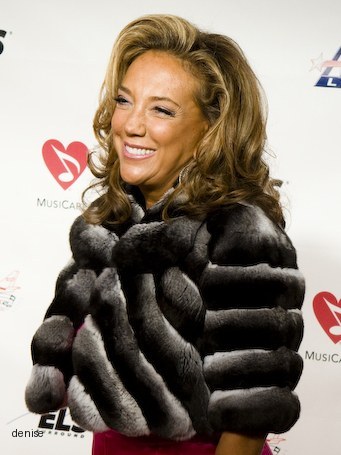
Denise Rich — donor adjacency (pardons sibling).
Denise Rich — donor adjacency (pardons sibling). christopher simon (CC BY 2.0) · Public domain or freely licensed; EXIF stripped

Gift adjacency to a pardon — not this guide’s verdict.

Denise Rich’s roughly $7,375 in furniture sat on the exit gift list the Clintons moved to reimburse. [1]

Her lobbying and library gifts around the Marc Rich pardon are the spine of the pardons guide, not a hidden chapter of the sofa dispute. [2]

Bottom line History

Documented gift; pardon questions live next door.

What the record can’t settle

This page does not adjudicate whether any gift bought a pardon.

Sources

  1. NYT: Clintons Agree To Reimburse 27 Gift Givers (3 Feb 2001) Press: $86k repayment; Denise Rich among gift-givers ($7,375 tables/chairs); $190k gifts figure; office-space cost share.
  2. AI Files: The last-day pardons (full guide) Sibling clemency spine — Denise Rich / Marc Rich adjacency only; not rebuilt here.

Back to contents · Open in the interactive guide

Same exit week as the pardons

Record · History

Document stack — audits, briefings, gift lists.
Document stack — audits, briefings, gift lists. Site documentary graphic pool · Public domain / site graphic

Why readers cross-wire the files.

Gifts, furniture, vandalism talk and the Marc Rich pardon landed in the same news cycle. [1][2]

This guide keeps the wall: cross-link, don’t merge. [3][2]

Bottom line History

Documented calendar overlap; separate merits.

What the record can’t settle

Overlap tempts conspiracy glue — resist without evidence.

Sources

  1. NYT: Clintons Agree To Reimburse 27 Gift Givers (3 Feb 2001) Press: $86k repayment; Denise Rich among gift-givers ($7,375 tables/chairs); $190k gifts figure; office-space cost share.
  2. AI Files: The last-day pardons (full guide) Sibling clemency spine — Denise Rich / Marc Rich adjacency only; not rebuilt here.
  3. AI Files short case: Leaving the White House Hub short nest this guide expands; status: Partly documented.

Back to contents · Open in the interactive guide

GAO and Congress 2001–2002

GAO-02-360

What auditors could prove

Bob Barr calls the auditors

Record · History

Rep. Bob Barr, 107th Congress.
Rep. Bob Barr, 107th Congress. U.S. Congress (public domain) · Public domain — U.S. government work

A congressional request that forced paper.

On 4 June 2001 Rep. Bob Barr asked GAO to review alleged damage during the 2001 presidential transition. [1][2]

When the report landed he used dorm-room language. The audit’s dollar band was far smaller than the January rumor mill. [3][4]

Bottom line History

Documented request and political reaction.

What the record can’t settle

Barr’s rhetoric is not GAO’s finding.

Sources

  1. Rep. Bob Barr request to GAO (4 June 2001) — as recited in GAO-02-360 Primary request line in GAO letter: review alleged damage during 2001 transition.
  2. GAO-02-360: The White House — Allegations of Damage During the 2001 Presidential Transition (7 June 2002) Primary auditor report: damage, theft, vandalism and pranks occurred; intentional acts identified; responsibility for most incidents and full dollar cost not established; recommendations on checkout.
  3. LA Times: Clinton Transition Left $15,000 Damage, GAO Says (12 June 2002) Press: Barr reaction ('dorm rooms'); GAO confirms damage/theft/vandalism/pranks.
  4. NYT: White House Vandalized In Transition, G.A.O. Finds (12 June 2002) Press on GAO: ~$13–14k including $4,850 keyboards; intentional glue/messages; Secret Service note on stolen presidential seal.

Back to contents · Open in the interactive guide

How GAO built the file

Record · Official

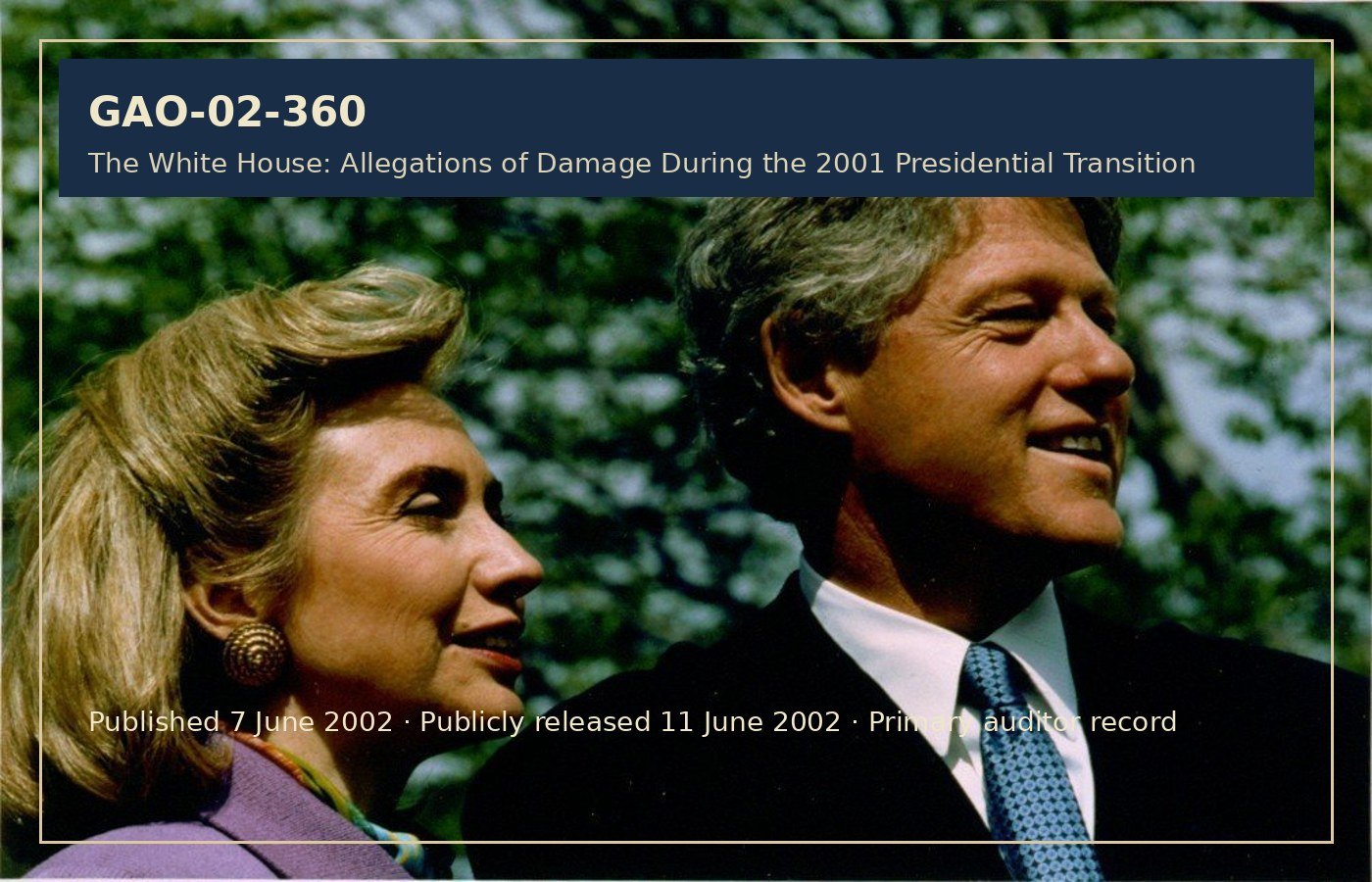
Documentary card for GAO-02-360 (not a forged report page).
Documentary card for GAO-02-360 (not a forged report page). AI Files graphic from public-domain docs pool · Public domain / site graphic

Observations, POs, and gaps.

GAO interviewed incoming EOP staff and former Clinton staff, reviewed purchase/repair documentation, and tried — with limited success — to compare 2001 to prior transitions. [1][2]

It flagged the lack of systematic checkout documentation as a reason costs and responsibility could not be fully reconstructed. [1][3]

Bottom line Official

Official method with admitted limits.

What the record can’t settle

Absence of proof of X is not proof of not-X for every anecdote.

Sources

  1. GAO-02-360: The White House — Allegations of Damage During the 2001 Presidential Transition (7 June 2002) Primary auditor report: damage, theft, vandalism and pranks occurred; intentional acts identified; responsibility for most incidents and full dollar cost not established; recommendations on checkout.
  2. GAO attempt to compare 2001 transition to prior ones — GAO-02-360 GAO: limited comparable documentation for prior transitions; cannot firmly rank 2001 as unique or typical.
  3. GAO recommendations + GSA/White House checkout follow-up status (GAO product page) Institutional legacy: checkout sheets and trash plans; some recommendations closed-implemented.

Back to contents · Open in the interactive guide

GAO’s bottom line

Record · Official

Documentary card for GAO-02-360 (not a forged report page).
Documentary card for GAO-02-360 (not a forged report page). AI Files graphic from public-domain docs pool · Public domain / site graphic

It happened — and much remains unassigned.

Published 7 June 2002 (publicly released 11 June), GAO-02-360 concluded that damage, theft, vandalism and pranks occurred in the White House complex during the 2001 transition. [1][2]

Incidents such as removing keyboard keys, leaving certain messages/signs, placing glue on drawers, and thefts were clearly intentional. Whether broken furniture was intentional, when items disappeared, and who was responsible for most incidents remained unknown. [1][3]

Bottom line Official

Official: occurred; attribution mostly open.

What the record can’t settle

GAO did not produce a criminal case file.

Sources

  1. GAO-02-360: The White House — Allegations of Damage During the 2001 Presidential Transition (7 June 2002) Primary auditor report: damage, theft, vandalism and pranks occurred; intentional acts identified; responsibility for most incidents and full dollar cost not established; recommendations on checkout.
  2. GAO-02-360 full PDF Full primary text including witness-count tables on W keys, signs, missing items, and former Clinton staff responses.
  3. NYT: White House Vandalized In Transition, G.A.O. Finds (12 June 2002) Press on GAO: ~$13–14k including $4,850 keyboards; intentional glue/messages; Secret Service note on stolen presidential seal.

Back to contents · Open in the interactive guide

Was 2001 uniquely bad?

Record · Unproven

Documentary card for GAO-02-360 (not a forged report page).
Documentary card for GAO-02-360 (not a forged report page). AI Files graphic from public-domain docs pool · Public domain / site graphic

GAO could not rank transitions cleanly.

One of GAO’s tasks was to compare 2001 with prior presidential transitions. It found too little comparable documentation to declare 2001 unique or typical with confidence. [1][2]

Political memory still treats it as the emblematic ‘trashed White House’ story — a memory fact, not an audit ranking. [3][4]

Bottom line Unproven

Unproven uniqueness.

What the record can’t settle

Absence of prior paperwork is itself a finding about transition hygiene.

Sources

  1. GAO attempt to compare 2001 transition to prior ones — GAO-02-360 GAO: limited comparable documentation for prior transitions; cannot firmly rank 2001 as unique or typical.
  2. GAO-02-360: The White House — Allegations of Damage During the 2001 Presidential Transition (7 June 2002) Primary auditor report: damage, theft, vandalism and pranks occurred; intentional acts identified; responsibility for most incidents and full dollar cost not established; recommendations on checkout.
  3. AI Files short case: Leaving the White House Hub short nest this guide expands; status: Partly documented.
  4. LA Times: Clinton Transition Left $15,000 Damage, GAO Says (12 June 2002) Press: Barr reaction ('dorm rooms'); GAO confirms damage/theft/vandalism/pranks.

Back to contents · Open in the interactive guide

What GAO called clearly intentional

Record · Official

Documentary card for GAO-02-360 (not a forged report page).
Documentary card for GAO-02-360 (not a forged report page). AI Files graphic from public-domain docs pool · Public domain / site graphic

A short list inside a long rumor.

GAO’s intentional list: keyboard key removal/damage; theft of various items; certain voice mails, signs and written messages; glue on desk drawers. [1]

Everything else — broken furniture, trash volume, some missings — sat in a foggier intent bucket. [1][2]

Bottom line Official

Official sorting of intent categories.

What the record can’t settle

Intentional ≠ identified perpetrator.

Sources

  1. GAO-02-360: The White House — Allegations of Damage During the 2001 Presidential Transition (7 June 2002) Primary auditor report: damage, theft, vandalism and pranks occurred; intentional acts identified; responsibility for most incidents and full dollar cost not established; recommendations on checkout.
  2. Former Clinton staff comments summarized in GAO-02-360 Primary: acknowledge some W keys/signs; trash normal for move; deny theft; dispute vandalism label; two reps call most observations untrue.

Back to contents · Open in the interactive guide

‘National treasure’ language

Record · Official

White House north façade.
White House north façade. AI Files record card (institutional / place / document context — not a person face) · Public domain

GAO’s moral framing without a mugshot.

GAO wrote that intentional damage at the White House complex — ‘a national treasure’ — is inappropriate and serious, and that theft or willful damage would violate federal law. [1]

That scold coexists with the report’s refusal to name offenders for most incidents. [1]

Bottom line Official

Official moral + legal framing.

What the record can’t settle

Framing is not an indictment.

Sources

  1. GAO-02-360: The White House — Allegations of Damage During the 2001 Presidential Transition (7 June 2002) Primary auditor report: damage, theft, vandalism and pranks occurred; intentional acts identified; responsibility for most incidents and full dollar cost not established; recommendations on checkout.

Back to contents · Open in the interactive guide

Open: who pulled the keys?

Question · Unproven

Typographic documentary graphic for missing/damaged “W” keys — not a staged crime-scene photo.
Typographic documentary graphic for missing/damaged “W” keys — not a staged crime-scene photo. AI Files graphic · Site graphic (no AI faces)

The audit’s loudest silence.

Despite POs and witness ranges, GAO did not establish who damaged keyboards or how many were deliberate. [1][2]

Without named offenders, the story stays a category finding — real vandalism/pranks — not a roster. [1]

Bottom line Unproven

Unproven identities.

What the record can’t settle

Unlikely to be newly solved from open sources alone.

Sources

  1. GAO-02-360: The White House — Allegations of Damage During the 2001 Presidential Transition (7 June 2002) Primary auditor report: damage, theft, vandalism and pranks occurred; intentional acts identified; responsibility for most incidents and full dollar cost not established; recommendations on checkout.
  2. EOP purchase records for 62 keyboards (23–24 Jan 2001) — GAO-02-360 Primary documentation cited by GAO: POs note 'letter W problem'; cost $4,850.

Back to contents · Open in the interactive guide

What it cost

Thousands, not tens of thousands

The keyboard purchase orders

Record · Documented

Typographic documentary graphic for missing/damaged “W” keys — not a staged crime-scene photo.
Typographic documentary graphic for missing/damaged “W” keys — not a staged crime-scene photo. AI Files graphic · Site graphic (no AI faces)

Hard paper for soft vandalism claims.

GAO reproduced the administrative trail: a 23 January request for 31 keyboards ‘needed to support the transition,’ and a 24 January ‘second request for the letter W problem.’ [1]

That $4,850 line item became the cleanest dollar figure in a story otherwise full of rumor estimates. [3][2]

Bottom line Documented

Documented EOP spending tied to the W-key problem.

What the record can’t settle

Buying keyboards does not by itself prove 62 deliberate vandalisms.

Sources

  1. EOP purchase records for 62 keyboards (23–24 Jan 2001) — GAO-02-360 Primary documentation cited by GAO: POs note 'letter W problem'; cost $4,850.
  2. GAO-02-360: The White House — Allegations of Damage During the 2001 Presidential Transition (7 June 2002) Primary auditor report: damage, theft, vandalism and pranks occurred; intentional acts identified; responsibility for most incidents and full dollar cost not established; recommendations on checkout.
  3. NYT: White House Vandalized In Transition, G.A.O. Finds (12 June 2002) Press on GAO: ~$13–14k including $4,850 keyboards; intentional glue/messages; Secret Service note on stolen presidential seal.

Back to contents · Open in the interactive guide

Thousands, not a gut renovation

Record · Partly true

Typographic documentary graphic for missing/damaged “W” keys — not a staged crime-scene photo.
Typographic documentary graphic for missing/damaged “W” keys — not a staged crime-scene photo. AI Files graphic · Site graphic (no AI faces)

The audit shrunk the dollar story.

NYT coverage of GAO put documented costs around $13,000–$14,000 including the $4,850 keyboards; LA Times used about $15,000. [1][2]

That band is the corrective to January’s unvalidated high figures — not a claim that every unpriced insult had zero cost. [3][4]

Bottom line Partly true

Partly quantified: low-teens thousands documented.

What the record can’t settle

GAO itself stressed incomplete cost reconstruction.

Sources

  1. NYT: White House Vandalized In Transition, G.A.O. Finds (12 June 2002) Press on GAO: ~$13–14k including $4,850 keyboards; intentional glue/messages; Secret Service note on stolen presidential seal.
  2. LA Times: Clinton Transition Left $15,000 Damage, GAO Says (12 June 2002) Press: Barr reaction ('dorm rooms'); GAO confirms damage/theft/vandalism/pranks.
  3. White House press briefing by Ari Fleischer (26 Jan 2001) Primary: cataloging pranks/damage; no investigation/criminal focus; President not treating as personal affront; wild dollar figures floated by others.
  4. GAO-02-360: The White House — Allegations of Damage During the 2001 Presidential Transition (7 June 2002) Primary auditor report: damage, theft, vandalism and pranks occurred; intentional acts identified; responsibility for most incidents and full dollar cost not established; recommendations on checkout.
  5. EOP purchase records for 62 keyboards (23–24 Jan 2001) — GAO-02-360 Primary documentation cited by GAO: POs note 'letter W problem'; cost $4,850.

Back to contents · Open in the interactive guide

Gifts-system politics

House Report 107-768

Undervaluation charges (2002)

Record · Alleged

U.S. Capitol — venue for Barr request and gifts-system report.
U.S. Capitol — venue for Barr request and gifts-system report. AI Files record card (institutional / place / document context — not a person face) · Public domain

A second gifts fight after the sofas.

In February 2002 Republican investigators alleged the Clintons undervalued dozens of gifts and failed to disclose others relative to Ethics Act thresholds. [1][2]

Press cited at least $362,000 in gifts worth $260 or more taken on exit. These are investigator allegations in a partisan Congress — serious to weigh, not a court finding. [2][3]

Bottom line Alleged

Alleged by House investigators; not a criminal judgment.

What the record can’t settle

Minority pushback and valuation methodology disputes are part of the record.

Sources

  1. NYT: Clintons Accused of a Failure To Disclose Gifts' True Value (13 Feb 2002) Press on GOP investigators' undervaluation claims; disclosure thresholds $250/$260.
  2. Washington Post: Panel: Clintons Took $362,000 in Gifts (13 Feb 2002) Press: ≥$362k gifts ≥$260 taken on exit; undervaluation allegations.
  3. House Report 107-768: Problems with the Presidential Gifts System (28 Oct 2002) Majority committee report on gift tracking/disclosure; partisan framing — use for institutional critique, not as sole verdict on intent.

Back to contents · Open in the interactive guide

Library gifts off the personal form

Record · Documented

Clinton library / foundation context for off-form gifts.
Clinton library / foundation context for off-form gifts. Site pool · Public domain or freely licensed; EXIF stripped

A disclosure gap, not automatically a scandal.

October 2002 reporting on the inquiry described roughly $1 million in gifts directed to the presidential library and therefore not required on the Clintons’ personal disclosure forms. [1][2]

That is how the statute’s personal-vs-official split works; critics still argued the public couldn’t see the full gift flow. [3]

Bottom line Documented

Documented legal pathway; transparency critique is political.

What the record can’t settle

Library destination ≠ proof of corrupt exchange.

Sources

  1. NYT: G.O.P. Inquiry Lists Gifts To Clintons in White House (10 Oct 2002) Press: ~$1M gifts turned over to library (not personally kept) and thus not on personal disclosure.
  2. House Report 107-768: Problems with the Presidential Gifts System (28 Oct 2002) Majority committee report on gift tracking/disclosure; partisan framing — use for institutional critique, not as sole verdict on intent.
  3. OGE letter to Rep. Stephen Horn on presidential gift reporting (2002) Primary ethics guidance: personal gifts above threshold must be disclosed; gifts accepted by Government, not personally, are different track.

Back to contents · Open in the interactive guide

House Report 107-768

Record · Mixed

U.S. Capitol — venue for Barr request and gifts-system report.
U.S. Capitol — venue for Barr request and gifts-system report. AI Files record card (institutional / place / document context — not a person face) · Public domain

Institutional critique with a majority edge.

House Report 107-768 (‘Problems with the Presidential Gifts System,’ 28 Oct 2002) gathered the gifts-system fight into a formal majority report. [1]

Use it for process history and document cites; do not treat it as a neutral verdict on Clinton intent. [1][2]

Bottom line Mixed

Mixed: real process issues + partisan packaging.

What the record can’t settle

Committee reports are advocacy documents as well as records.

Sources

  1. House Report 107-768: Problems with the Presidential Gifts System (28 Oct 2002) Majority committee report on gift tracking/disclosure; partisan framing — use for institutional critique, not as sole verdict on intent.
  2. OGE letter to Rep. Stephen Horn on presidential gift reporting (2002) Primary ethics guidance: personal gifts above threshold must be disclosed; gifts accepted by Government, not personally, are different track.

Back to contents · Open in the interactive guide

The $250 / $260 disclosure threshold

Record · Documented

Document stack — audits, briefings, gift lists.
Document stack — audits, briefings, gift lists. Site documentary graphic pool · Public domain / site graphic

Why ‘undisclosed’ sometimes means ‘under the line.’

Investigators and OGE materials cite a $250 threshold (1993–98) and $260 (1999 on) for aggregating gifts from a source; smaller gifts could be excluded. [1][2]

That arithmetic is why valuation fights matter: shade a suit or chair below the line and the public form stays quiet. [1]

Bottom line Documented

Documented threshold mechanics.

What the record can’t settle

Proving intentional undervaluation is a separate evidentiary step.

Sources

  1. NYT: Clintons Accused of a Failure To Disclose Gifts' True Value (13 Feb 2002) Press on GOP investigators' undervaluation claims; disclosure thresholds $250/$260.
  2. OGE letter to Rep. Stephen Horn on presidential gift reporting (2002) Primary ethics guidance: personal gifts above threshold must be disclosed; gifts accepted by Government, not personally, are different track.

Back to contents · Open in the interactive guide

How the story shrank 2002–2026

Memory and myth

How the file settled

What this guide covers — and what it does not

Record · History

Document stack — audits, briefings, gift lists.
Document stack — audits, briefings, gift lists. Site documentary graphic pool · Public domain / site graphic

Exit gifts/furniture and transition damage — not the full pardons spine.

The hub short case *Leaving the White House* mixes two exit controversies: alleged vandalism/pranks during the Clinton-to-Bush handoff, and gifts/furniture the Clintons took (then partly paid for or returned). [1]

Last-day pardons (Marc Rich, Hugh Rodham’s fees, FALN) are the same calendar window but a **different** illustrated guide. Denise Rich appears here only as a gift-giver. [2][4]

The nest folder `clemency-china` is yet another topic (satellites / Sudan). Do not conflate. [3]

Bottom line History

Exit damage + gifts/furniture only.

What the record can’t settle

Does not re-try every ethics allegation of the late Clinton years.

Sources

  1. AI Files short case: Leaving the White House Hub short nest this guide expands; status: Partly documented.
  2. AI Files: The last-day pardons (full guide) Sibling clemency spine — Denise Rich / Marc Rich adjacency only; not rebuilt here.
  3. AI Files: China, satellites and bin Laden (full guide) Sibling national-security spine — different topic; nest naming trap.
  4. DOJ: Pardons granted by President William J. Clinton Primary pardon list for same-day exit adjacency; full Rich/Rodham spine lives in sibling guide.

Back to contents · Open in the interactive guide

Checkout sheets after the fact

Record · Official

Document stack — audits, briefings, gift lists.
Document stack — audits, briefings, gift lists. Site documentary graphic pool · Public domain / site graphic

GAO’s institutional ask.

GAO recommended EOP/GSA revise checkout to inspect space/furniture/equipment, document damage, clarify liability, and communicate transition cleaning timetables. [1][2]

The product page shows mixed closed-implemented / not-implemented statuses — a small bureaucratic legacy of a loud political week. [2]

Bottom line Official

Official recommendations; partial follow-through.

What the record can’t settle

Checkout forms do not rewrite 2001 facts.

Sources

  1. GAO-02-360: The White House — Allegations of Damage During the 2001 Presidential Transition (7 June 2002) Primary auditor report: damage, theft, vandalism and pranks occurred; intentional acts identified; responsibility for most incidents and full dollar cost not established; recommendations on checkout.
  2. GAO recommendations + GSA/White House checkout follow-up status (GAO product page) Institutional legacy: checkout sheets and trash plans; some recommendations closed-implemented.

Back to contents · Open in the interactive guide

The settled short-case reading

Record · Partly true

Memory section image.
Memory section image. Site pool · Public domain or freely licensed; EXIF stripped

Partly documented — on purpose.

The hub short’s status line — pranks and some damage including W keys, not the scale first claimed; gifts taken then largely paid for or returned — matches the primary stack. [1][2][3]

That is a mainstream critical path, not a loyalty oath. Rival readings (total smear; massive looting; pure entitlement) get theory cards below. [1]

Bottom line Partly true

Partly true / partly documented — the honest label.

What the record can’t settle

‘Settled’ in public memory ≠ every item adjudicated.

Sources

  1. AI Files short case: Leaving the White House Hub short nest this guide expands; status: Partly documented.
  2. GAO-02-360: The White House — Allegations of Damage During the 2001 Presidential Transition (7 June 2002) Primary auditor report: damage, theft, vandalism and pranks occurred; intentional acts identified; responsibility for most incidents and full dollar cost not established; recommendations on checkout.
  3. ABC News: Clintons Return White House Furniture (8 Feb 2001) Contemporaneous: $28k household goods returned to NPS custody; prior $86k payment pledge; $114k combined pay-or-return figure.

Back to contents · Open in the interactive guide

Hub short status line, expanded

Record · Partly true

Memory section image.
Memory section image. Site pool · Public domain or freely licensed; EXIF stripped

The sentence this guide owes the reader.

Short case: ‘There were pranks and some damage, including missing “W” keys, though not the scale first claimed. The Clintons took gifts and furnishings and, under criticism, paid for or returned more than half.’ [1]

Primaries that carry that sentence: GAO-02-360; ABC/NYT gift and furniture reporting. [2][3][4]

Bottom line Partly true

Partly documented — retained as the mainstream label.

What the record can’t settle

‘More than half’ refers to the $114k / ~$190k pay-or-return arithmetic in contemporaneous press.

Sources

  1. AI Files short case: Leaving the White House Hub short nest this guide expands; status: Partly documented.
  2. GAO-02-360: The White House — Allegations of Damage During the 2001 Presidential Transition (7 June 2002) Primary auditor report: damage, theft, vandalism and pranks occurred; intentional acts identified; responsibility for most incidents and full dollar cost not established; recommendations on checkout.
  3. ABC News: Clintons Return White House Furniture (8 Feb 2001) Contemporaneous: $28k household goods returned to NPS custody; prior $86k payment pledge; $114k combined pay-or-return figure.
  4. NYT: Clintons Agree To Reimburse 27 Gift Givers (3 Feb 2001) Press: $86k repayment; Denise Rich among gift-givers ($7,375 tables/chairs); $190k gifts figure; office-space cost share.

Back to contents · Open in the interactive guide

How the press cycle moved

Record · History

Press pool documentary image.
Press pool documentary image. Site pool / free license · Public domain or freely licensed; EXIF stripped

Surge, audit, shrink.

January 2001: vivid vandalism. February: gifts and sofas. June 2002: GAO shrinks the damage dollar story while confirming a real core. [1][2][3]

That three-beat cycle is why memory.json treats the exit as fractured then partly converged. [4]

Bottom line History

Documented media arc.

What the record can’t settle

Press arcs are not the same as legal findings.

Sources

  1. Washington Post: New Administration Cataloguing 'Pranks' (26 Jan 2001) Contemporaneous: W keys; Fleischer on cut wires vs renovation crews; no criminal charges planned.
  2. ABC News: Clintons Return White House Furniture (8 Feb 2001) Contemporaneous: $28k household goods returned to NPS custody; prior $86k payment pledge; $114k combined pay-or-return figure.
  3. NYT: White House Vandalized In Transition, G.A.O. Finds (12 June 2002) Press on GAO: ~$13–14k including $4,850 keyboards; intentional glue/messages; Secret Service note on stolen presidential seal.
  4. AI Files short case: Leaving the White House Hub short nest this guide expands; status: Partly documented.

Back to contents · Open in the interactive guide

Not the satellites file

Record · History

Document stack — audits, briefings, gift lists.
Document stack — audits, briefings, gift lists. Site documentary graphic pool · Public domain / site graphic

Label hygiene.

Readers bouncing the Clinton hub sometimes land on `clemency-china` expecting pardons or exit furniture. That nest is Loral/Hughes and Sudan/bin Laden. [1]

This exit guide cross-links it only to prevent the mix-up. [1][2]

Bottom line History

Folder names lie; topics don’t have to.

What the record can’t settle

None.

Sources

  1. AI Files: China, satellites and bin Laden (full guide) Sibling national-security spine — different topic; nest naming trap.
  2. AI Files short case: Leaving the White House Hub short nest this guide expands; status: Partly documented.

Back to contents · Open in the interactive guide

A cautionary transition tale

Record · Partly true

Legacy section image.
Legacy section image. AI Files record card (institutional / place / document context — not a person face) · Public domain or freely licensed; EXIF stripped

What later staffs inherited as folklore.

After 2001, ‘don’t pull the W keys’ became transition folklore; GAO’s checkout recommendations tried to turn folklore into forms. [1][2]

The durable lesson in the mainstream path: assume some spite, demand paper, distrust the first dollar figure. [3][4]

Bottom line Partly true

Partly institutionalized memory.

What the record can’t settle

Folklore exaggerates as efficiently as it teaches.
Sources

  1. GAO recommendations + GSA/White House checkout follow-up status (GAO product page) Institutional legacy: checkout sheets and trash plans; some recommendations closed-implemented.
  2. GAO-02-360: The White House — Allegations of Damage During the 2001 Presidential Transition (7 June 2002) Primary auditor report: damage, theft, vandalism and pranks occurred; intentional acts identified; responsibility for most incidents and full dollar cost not established; recommendations on checkout.
  3. AI Files short case: Leaving the White House Hub short nest this guide expands; status: Partly documented.
  4. NYT: White House Vandalized In Transition, G.A.O. Finds (12 June 2002) Press on GAO: ~$13–14k including $4,850 keyboards; intentional glue/messages; Secret Service note on stolen presidential seal.

Back to contents · Open in the interactive guide