The AI Files · The affair, the Jones lawsuit, the Starr investigation, the House impeachment, and the Senate acquittal · plain reading edition

Lewinsky, Paula Jones and impeachment: every entry

All 50 entries of the guide, grouped by period and case, each with its bottom line and its sources. This page needs no JavaScript. The interactive guide adds the story in 21 chapters, the people, the timeline, the theories, the 15 checked claims and the media.

Jones and the affair 1991–1997

The Jones lawsuit

How discovery reached Lewinsky

The 1991 hotel-room allegation

Record · Alleged

Institutional stand-in for jones (portrait unavailable or unclear license)
Institutional stand-in for jones (portrait unavailable or unclear license) Stand-in from U.S. government / Commons institutional image · Public domain stand-in

Paula Jones’s account of an Excelsior Hotel encounter

Paula Jones alleged that on May 8, 1991, then-Governor Clinton had her brought to a Little Rock hotel room and made an unwanted sexual advance. [1]

Clinton denied the allegation throughout. The claim was never tried to a jury verdict. [2]

Bottom line Alleged

The allegation launched the civil case; it was not itself the impeachment charge.

What the record can’t settle

Neither summary judgment nor settlement decides what happened in the room.

Sources

  1. Clinton v. Jones, 520 U.S. 681 (1997) Supreme Court: sitting president not immune from private civil damages suit for unofficial acts.
  2. UPI: Clinton and Jones settle case, Nov. 13, 1998 Contemporaneous settlement report; $850,000, no admission.

Back to contents · Open in the interactive guide

Jones files in 1994

Record · History

Institutional stand-in for jones (portrait unavailable or unclear license)
Institutional stand-in for jones (portrait unavailable or unclear license) Stand-in from U.S. government / Commons institutional image · Public domain stand-in

A federal civil rights / damages action against a sitting president

Jones sued in May 1994. Clinton argued a sitting president should defer private civil litigation until after leaving office. [1]

That immunity theory set up Clinton v. Jones. [1]

Bottom line History

Without the suit, Lewinsky likely never becomes a sworn topic in 1998.

What the record can’t settle

Filing a suit is not proof of the underlying allegation.

Sources

  1. Clinton v. Jones, 520 U.S. 681 (1997) Supreme Court: sitting president not immune from private civil damages suit for unofficial acts.

Back to contents · Open in the interactive guide

Clinton v. Jones (1997)

Record · Official

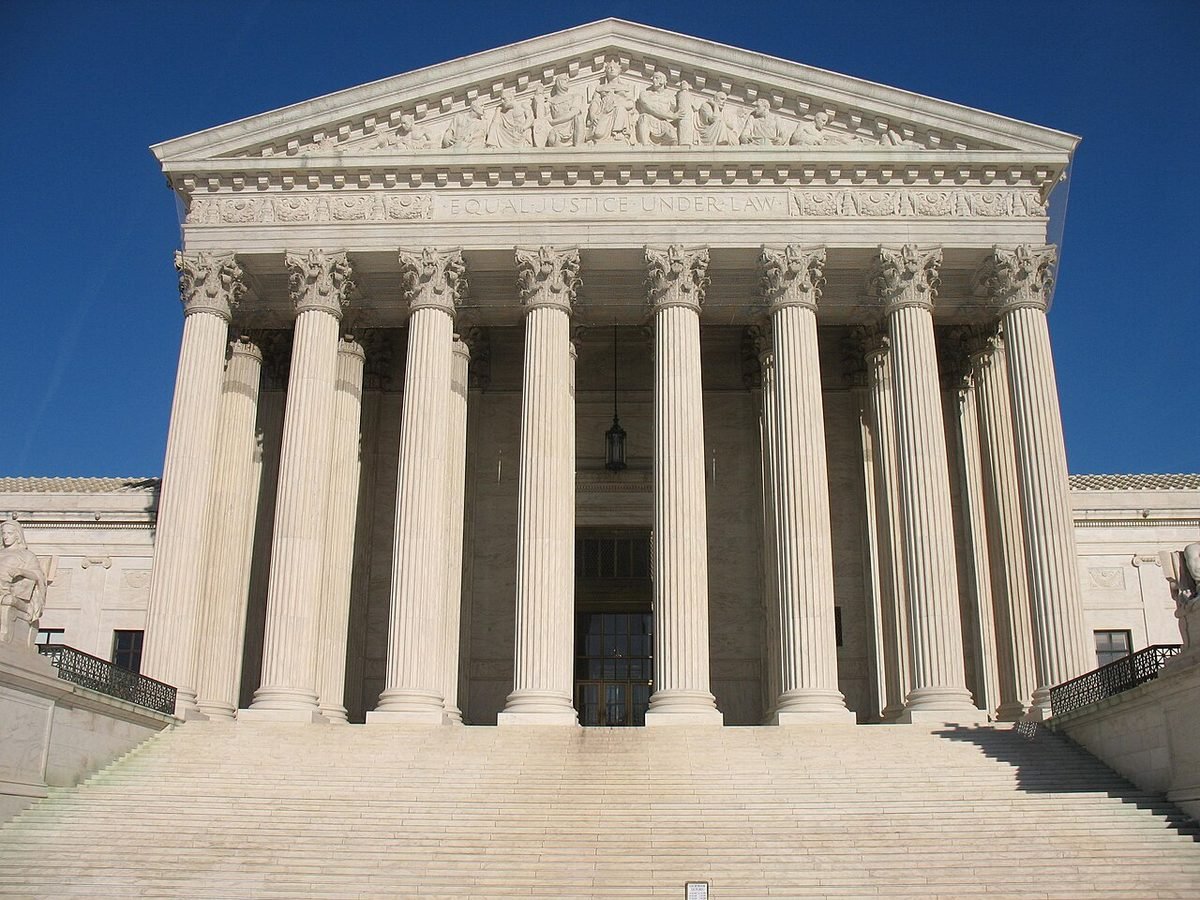
scotus (reused archive image)
scotus (reused archive image) U.S. government / site archive reuse · Public domain or prior guide credit

9–0: the suit may proceed

On May 27, 1997, the Supreme Court unanimously held that a sitting president is not immune from this private civil damages action for unofficial conduct. [1]

Discovery — including questions about other women — could go forward. [1]

Bottom line Official

The Court’s procedural ruling is why Clinton sat for a deposition that mentioned Lewinsky.

What the record can’t settle

The Court did not decide Jones’s factual claim.

Sources

  1. Clinton v. Jones, 520 U.S. 681 (1997) Supreme Court: sitting president not immune from private civil damages suit for unofficial acts.
  2. Oyez / Justia Clinton v. Jones syllabus materials Accessible opinion text.

Back to contents · Open in the interactive guide

April 1998: suit dismissed

Record · Official

Institutional stand-in for wright (portrait unavailable or unclear license)
Institutional stand-in for wright (portrait unavailable or unclear license) Stand-in from U.S. government / Commons institutional image · Public domain stand-in

Summary judgment for Clinton

On April 1, 1998, Judge Wright dismissed Jones’s case as legally insufficient. [1]

Jones appealed; the parties later settled while appeal issues remained live. [2]

Bottom line Official

A dismissal is not a finding that nothing happened — and it did not erase the deposition.

What the record can’t settle

Civil procedure outcomes are not criminal verdicts.

Sources

  1. Washington Post: Wright dismisses Jones suit (Apr. 1, 1998) Summary judgment before later settlement on appeal.
  2. UPI: Clinton and Jones settle case, Nov. 13, 1998 Contemporaneous settlement report; $850,000, no admission.

Back to contents · Open in the interactive guide

$850,000, no admission

Record · History

Institutional stand-in for jones (portrait unavailable or unclear license)
Institutional stand-in for jones (portrait unavailable or unclear license) Stand-in from U.S. government / Commons institutional image · Public domain stand-in

November 1998 settlement

On November 13, 1998, Clinton agreed to pay Jones $850,000 to end the case; the agreement included no apology and no admission of the hotel-room claim. [1] [2]

Settlement ended the civil case; it did not erase contempt later found over the Lewinsky answers. [3]

Bottom line History

Money closed Jones; oath problems remained.

What the record can’t settle

Settlement is not adjudication of the 1991 allegation.

Sources

  1. UPI: Clinton and Jones settle case, Nov. 13, 1998 Contemporaneous settlement report; $850,000, no admission.
  2. Text of the Clinton-Jones settlement agreement (SFGate archive) Published settlement text.
  3. Jones v. Clinton, 36 F. Supp. 2d 1118 (E.D. Ark. 1999) Judge Wright civil contempt opinion: intentionally false deposition answers about Lewinsky.

Back to contents · Open in the interactive guide

The relationship

Intern, Oval, power gap

The relationship begins (Nov. 1995)

Record · History

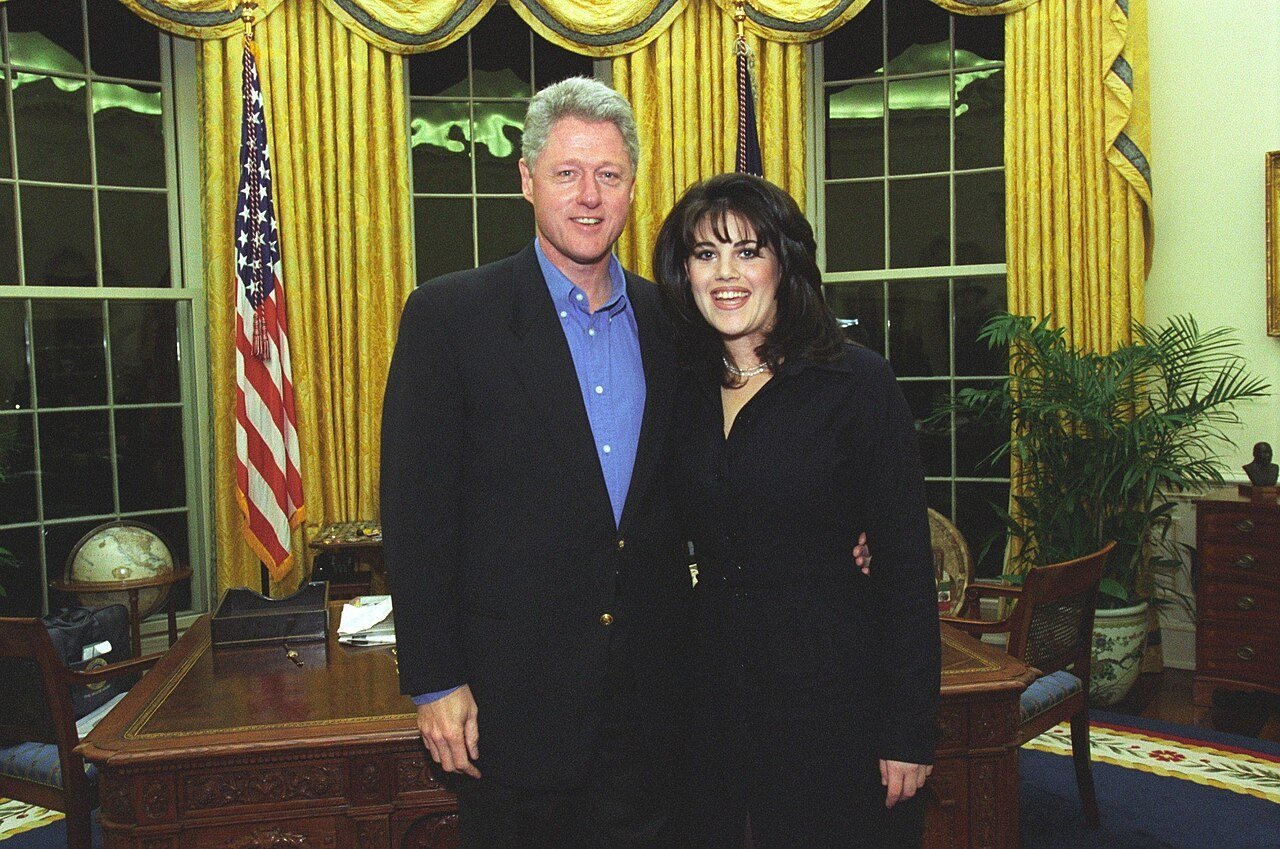
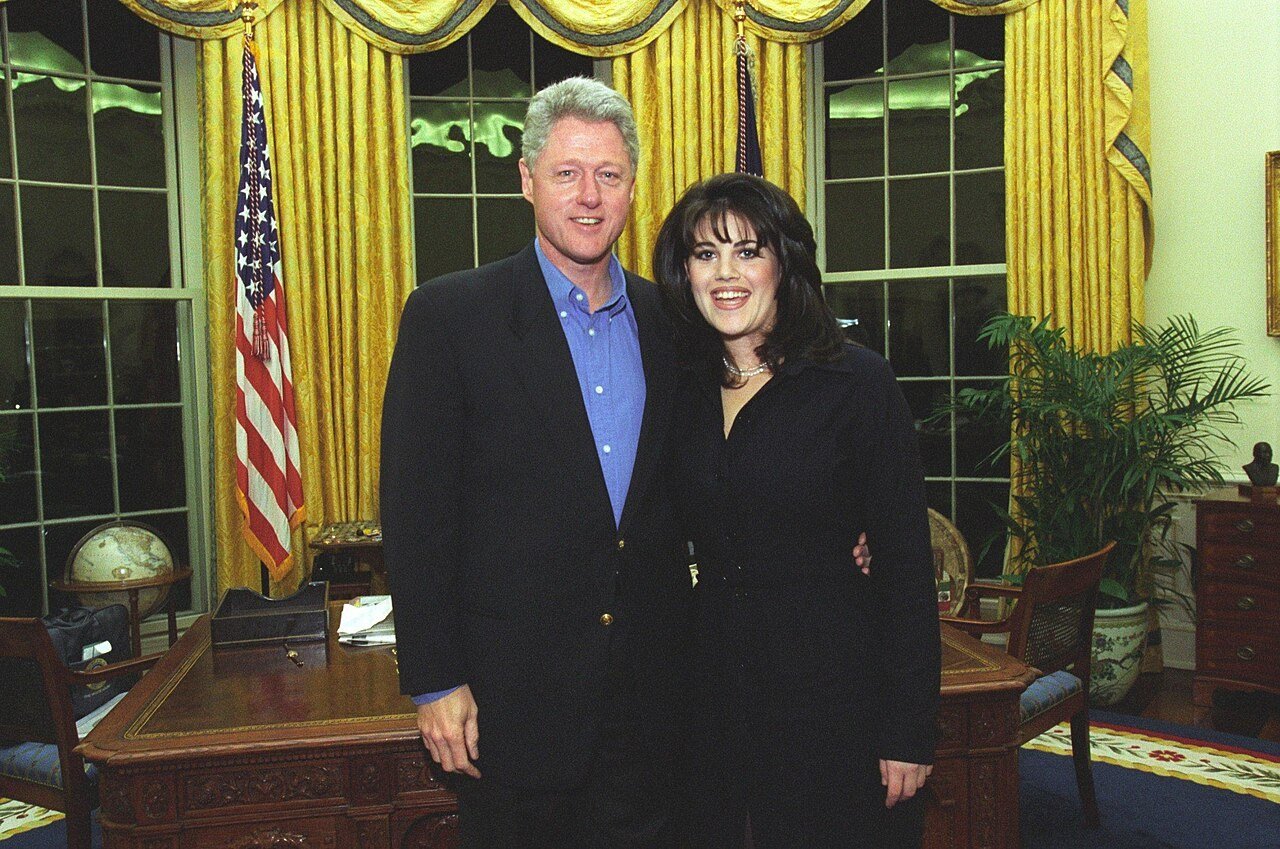
Bill Clinton and Monica Lewinsky at the White House, February 28, 1997. Documents a meeting; does not depict the misconduct.
Bill Clinton and Monica Lewinsky at the White House, February 28, 1997. Documents a meeting; does not depict the misconduct. Barbara Kinney / White House Photograph Office · Public domain

Intern, shutdown, Oval Office wing

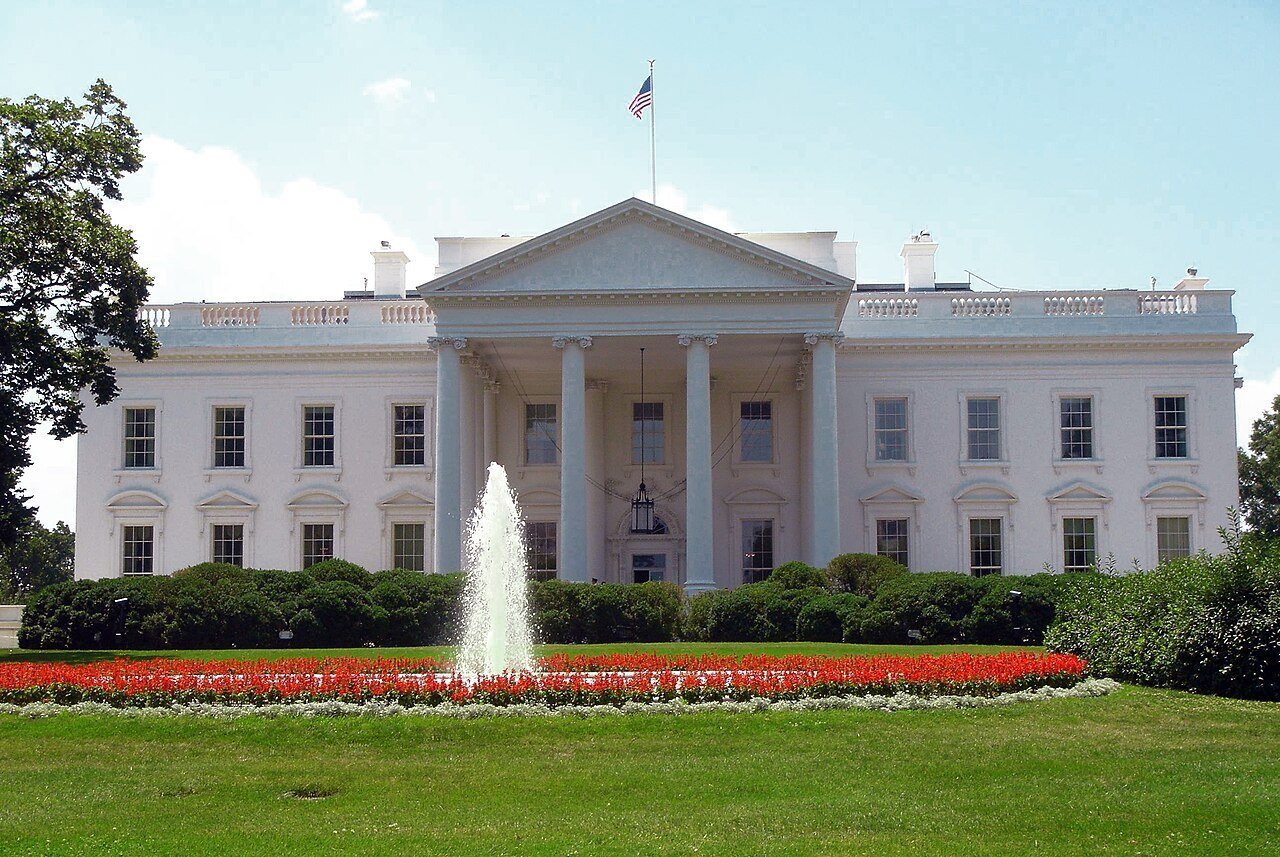
Monica Lewinsky was a 22-year-old White House intern when a sexual relationship with President Clinton began in November 1995, during a government shutdown. [1] [3]

Clinton later admitted the relationship was “not appropriate.” [2]

Bottom line History

The affair’s existence is no longer the dispute; the lies and legal consequences are.

What the record can’t settle

Starr’s narrative is detailed and contested in tone; core occurrence was admitted.

Sources

  1. Referral from Independent Counsel Kenneth W. Starr (Starr Report), Sept. 9, 1998 IC referral to the House; primary investigative narrative Congress received.
  2. Miller Center: Clinton statement after grand-jury testimony, Aug. 17, 1998 Admission that the relationship was not appropriate.
  3. Clinton Library finding aid: Monica Lewinsky records Archival description of related records.

Back to contents · Open in the interactive guide

Transfer to the Pentagon

Record · History

Bill Clinton and Monica Lewinsky at the White House, February 28, 1997. Documents a meeting; does not depict the misconduct.
Bill Clinton and Monica Lewinsky at the White House, February 28, 1997. Documents a meeting; does not depict the misconduct. Barbara Kinney / White House Photograph Office · Public domain

Out of the White House complex

In 1996 Lewinsky moved to a Pentagon public-affairs job. [1]

Investigators and critics later argued about whether the move was ordinary staffing or distancing after intimacy. [1]

Bottom line History

The transfer is documented; motives are argued.

What the record can’t settle

Motive attributions beyond paperwork are inferential.

Sources

  1. Referral from Independent Counsel Kenneth W. Starr (Starr Report), Sept. 9, 1998 IC referral to the House; primary investigative narrative Congress received.
  2. Clinton Library finding aid: Monica Lewinsky records Archival description of related records.

Back to contents · Open in the interactive guide

The relationship ends

Record · History

Bill Clinton and Monica Lewinsky at the White House, February 28, 1997. Documents a meeting; does not depict the misconduct.
Bill Clinton and Monica Lewinsky at the White House, February 28, 1997. Documents a meeting; does not depict the misconduct. Barbara Kinney / White House Photograph Office · Public domain

Before the public crisis

By Clinton’s and Lewinsky’s later accounts, the sexual relationship had ended before January 1998. [1] [2]

Emotional contact and gifts continued in ways Starr later treated as relevant to obstruction theories. [1]

Bottom line History

Timing matters for deposition answers and obstruction narratives.

What the record can’t settle

Private emotional chronology is partly reconstructed from contested testimony.

Sources

  1. Referral from Independent Counsel Kenneth W. Starr (Starr Report), Sept. 9, 1998 IC referral to the House; primary investigative narrative Congress received.
  2. Miller Center: Clinton statement after grand-jury testimony, Aug. 17, 1998 Admission that the relationship was not appropriate.

Back to contents · Open in the interactive guide

Linda Tripp’s tapes

Record · History

Institutional stand-in for tripp (portrait unavailable or unclear license)
Institutional stand-in for tripp (portrait unavailable or unclear license) Stand-in from U.S. government / Commons institutional image · Public domain stand-in

Secret recordings and a witness path

Linda Tripp secretly recorded conversations with Lewinsky about the relationship. [1]

Those tapes — and Tripp’s contacts with lawyers and Lucianne Goldberg — helped put Lewinsky on the Jones witness radar. [1] [2]

Bottom line History

Tripp is the bridge from private confession to legal process.

What the record can’t settle

Taping legality under state law was itself controversial; substance of admissions drove the case.

Sources

  1. Washington Post: Linda Tripp tapes reporting Secondary reporting on Tripp recordings of Lewinsky.
  2. Referral from Independent Counsel Kenneth W. Starr (Starr Report), Sept. 9, 1998 IC referral to the House; primary investigative narrative Congress received.

Back to contents · Open in the interactive guide

Consent and hierarchy

Question · Debated

Bill Clinton and Monica Lewinsky at the White House, February 28, 1997. Documents a meeting; does not depict the misconduct.
Bill Clinton and Monica Lewinsky at the White House, February 28, 1997. Documents a meeting; does not depict the misconduct. Barbara Kinney / White House Photograph Office · Public domain

Legal adult vs. power ethics

Lewinsky was an adult; no criminal sexual-assault prosecution defined this scandal. [1]

Years later she argued the hierarchy may make “consent” an incomplete moral frame. [2]

Bottom line Debated

Both statements can be true for different questions.

What the record can’t settle

This guide does not adjudicate a new crime.

Sources

Back to contents · Open in the interactive guide

Lucianne Goldberg’s role

Record · History

Institutional stand-in for goldberg (portrait unavailable or unclear license)
Institutional stand-in for goldberg (portrait unavailable or unclear license) Stand-in from U.S. government / Commons institutional image · Public domain stand-in

Agent, advice, and the path to lawyers

Literary agent Lucianne Goldberg advised Linda Tripp about recording Lewinsky and helped connect the matter to attorneys. [1]

Her role is part of how a private friendship became a public legal crisis. [1] [2]

Bottom line History

Intermediaries shaped timing and legalization of the story.

What the record can’t settle

Secondary reporting reconstructs private advice; Tripp remains the direct recorder.

Sources

  1. Washington Post: Linda Tripp tapes reporting Secondary reporting on Tripp recordings of Lewinsky.
  2. Referral from Independent Counsel Kenneth W. Starr (Starr Report), Sept. 9, 1998 IC referral to the House; primary investigative narrative Congress received.

Back to contents · Open in the interactive guide

Denial and investigation Jan–Jul 1998

Public denial

Deposition and finger wag

January 17, 1998 deposition

Record · Official

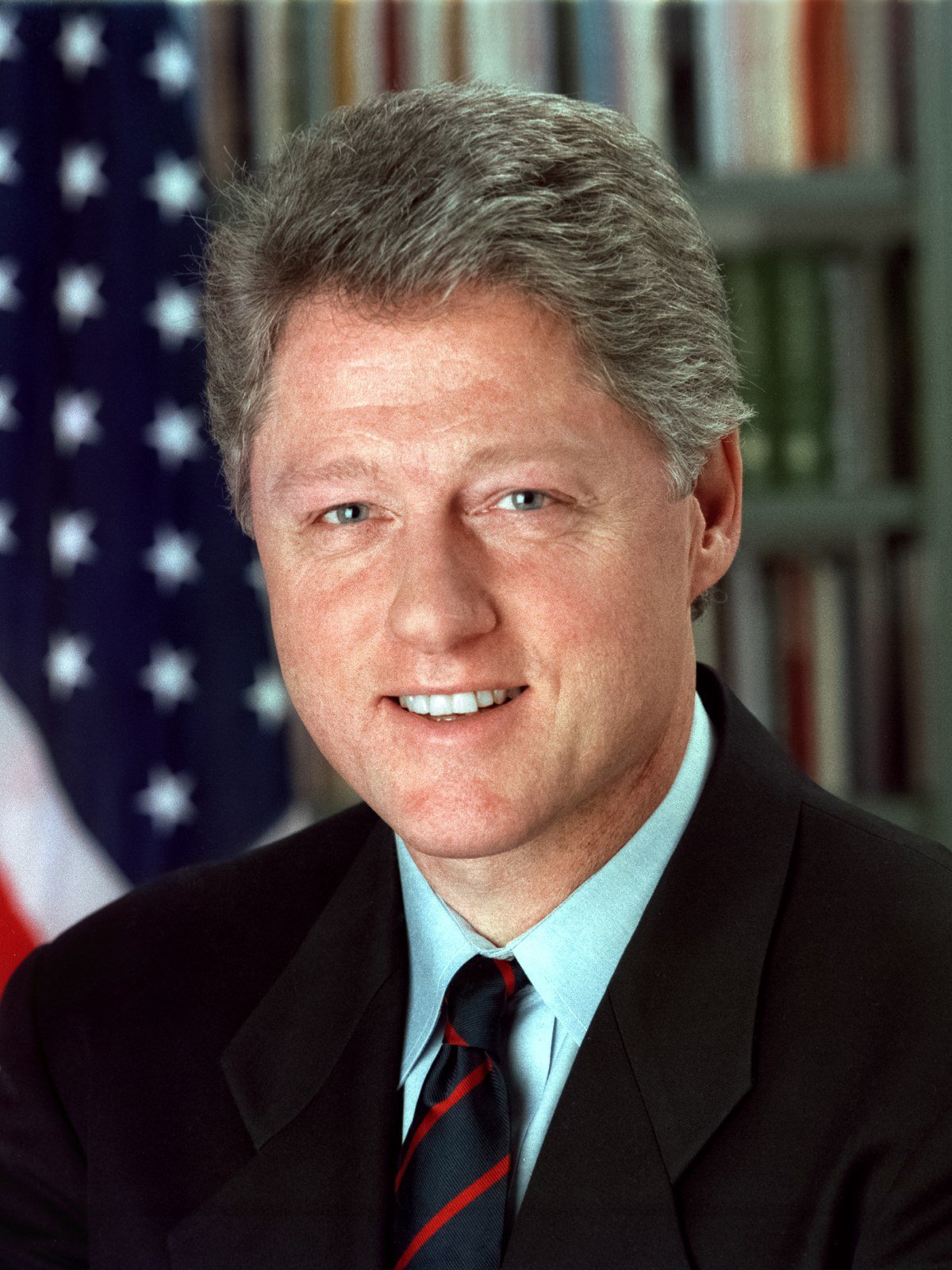
Bill Clinton, official presidential portrait context (archive reuse).
Bill Clinton, official presidential portrait context (archive reuse). U.S. government / site archive reuse · Public domain or prior guide credit

Under oath in Jones

In a Jones deposition, Clinton denied having a sexual relationship with Lewinsky under the definition used that day. [1] [2]

Judge Wright later found those answers intentionally false. [1]

Bottom line Official

The deposition is the sworn hinge between a private affair and impeachment politics.

What the record can’t settle

Deposition definitions and parsing were litigated; contempt finding addresses intent.

Sources

  1. Jones v. Clinton, 36 F. Supp. 2d 1118 (E.D. Ark. 1999) Judge Wright civil contempt opinion: intentionally false deposition answers about Lewinsky.
  2. Referral from Independent Counsel Kenneth W. Starr (Starr Report), Sept. 9, 1998 IC referral to the House; primary investigative narrative Congress received.

Back to contents · Open in the interactive guide

January 21: the story breaks

Record · History

Institutional stand-in for drudge (portrait unavailable or unclear license)
Institutional stand-in for drudge (portrait unavailable or unclear license) Stand-in from U.S. government / Commons institutional image · Public domain stand-in

From tip sheet to front pages

After online tips from the Drudge Report, major newspapers reported the Lewinsky allegations on January 21, 1998. [1]

The White House entered a siege of denials and legal strategy. [1] [2]

Bottom line History

Public politics began days after the deposition.

What the record can’t settle

Early reporting mixed confirmed and contested details.

Sources

  1. Washington Post: story breaks Jan. 21, 1998 National press break after Drudge preview.
  2. Miller Center: Clinton response to Lewinsky allegations, Jan. 26, 1998 Finger-wag denial video and transcript.

Back to contents · Open in the interactive guide

“That woman, Miss Lewinsky”

Record · Archives

Bill Clinton, official presidential portrait context (archive reuse).
Bill Clinton, official presidential portrait context (archive reuse). U.S. government / site archive reuse · Public domain or prior guide credit

The televised denial

On January 26, 1998, Clinton told the cameras he did not have sexual relations with Monica Lewinsky and that he never told anyone to lie. [1]

Seven months later he admitted an inappropriate relationship. [2]

Bottom line Archives

The finger-wag is the scandal’s most famous public lie.

What the record can’t settle

The clip is primary evidence of public messaging, not of every private fact.

Sources

  1. Miller Center: Clinton response to Lewinsky allegations, Jan. 26, 1998 Finger-wag denial video and transcript.
  2. Miller Center: Clinton statement after grand-jury testimony, Aug. 17, 1998 Admission that the relationship was not appropriate.

Back to contents · Open in the interactive guide

“Vast right-wing conspiracy”

Record · Mixed

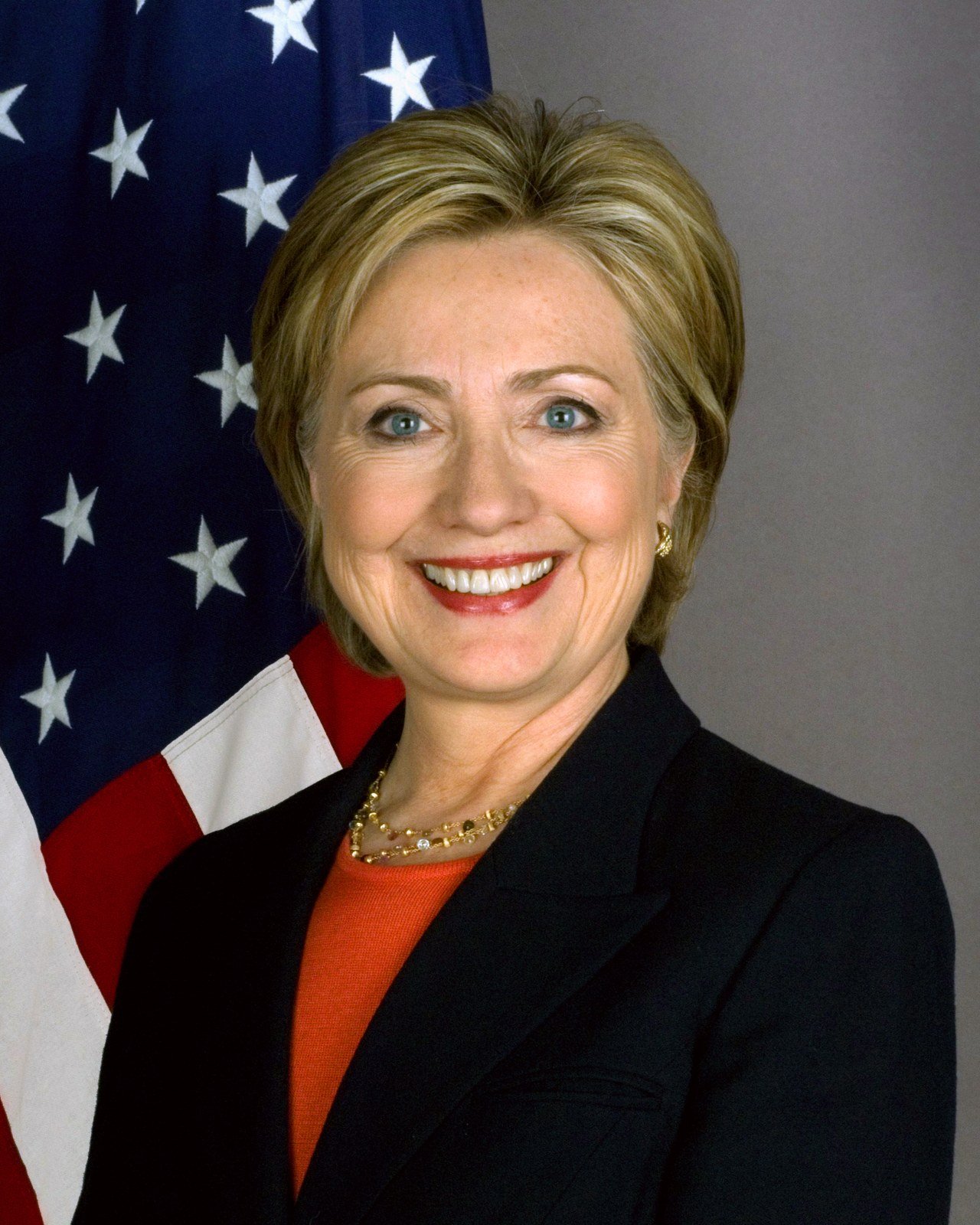
hillary (reused archive image)
hillary (reused archive image) U.S. government / site archive reuse · Public domain or prior guide credit

Hillary Clinton’s January framing

On January 27, 1998, Hillary Clinton told the Today show that a “vast right-wing conspiracy” had been attacking her husband for years. [1]

The phrase stuck as political shorthand — proof of insight to allies, denialism to critics. [1] [2]

Bottom line Mixed

It is a real quote and a real strategy; it is not a court finding.

What the record can’t settle

Whether coordinated enemies existed is a broader 1990s fight beyond Lewinsky facts.

Sources

  1. Hillary Clinton Today show 'vast right-wing conspiracy' remarks (Jan. 27, 1998) Widely reported political framing; not a judicial conspiracy finding.
  2. Pew: Clinton scandal polarized public (Dec. 1998) Opinion often opposed removal even when believing Clinton lied.

Back to contents · Open in the interactive guide

Cable and the tip sheet

Record · History

Institutional stand-in for drudge (portrait unavailable or unclear license)
Institutional stand-in for drudge (portrait unavailable or unclear license) Stand-in from U.S. government / Commons institutional image · Public domain stand-in

How the story was lived in public

The scandal unfolded in a new media environment: cable chatter, online tips, and daily briefings. [1] [2]

Saturation coverage shaped memory as much as the referral’s footnotes did. [2]

Bottom line History

Medium and message intertwined.

What the record can’t settle

Media volume is not itself proof of any legal element.

Sources

  1. Washington Post: story breaks Jan. 21, 1998 National press break after Drudge preview.
  2. Pew: Clinton scandal polarized public (Dec. 1998) Opinion often opposed removal even when believing Clinton lied.

Back to contents · Open in the interactive guide

Political counterattack

Record · History

carville
carville Chris Gampat · CC BY 2.0

Rapid response as governance style

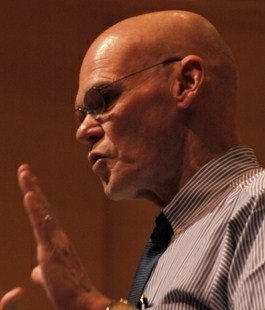
Clinton allies including James Carville waged an aggressive public campaign against Starr and accusers. [1] [2]

Supporters credit survival politics; critics call it smear-as-defense. [2]

Bottom line History

Politics ran beside law every day of 1998.

What the record can’t settle

Campaign tactics are not courtroom verdicts.

Sources

  1. Hillary Clinton Today show 'vast right-wing conspiracy' remarks (Jan. 27, 1998) Widely reported political framing; not a judicial conspiracy finding.
  2. Pew: Clinton scandal polarized public (Dec. 1998) Opinion often opposed removal even when believing Clinton lied.

Back to contents · Open in the interactive guide

Starr expands

From Whitewater to Lewinsky

Starr’s mandate grows

Record · Official

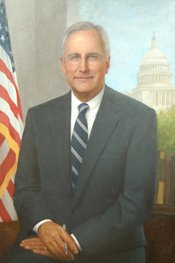
Kenneth W. Starr, independent counsel (official portrait as solicitor general).
Kenneth W. Starr, independent counsel (official portrait as solicitor general). U.S. government / site archive reuse · Public domain or prior guide credit

From Whitewater to Lewinsky

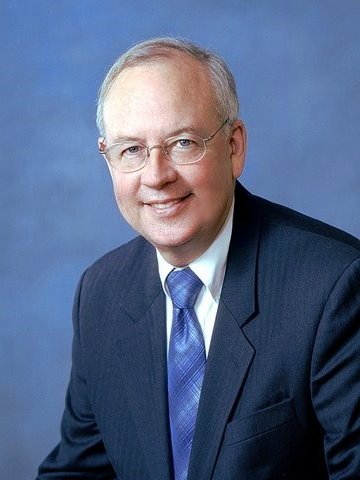
Independent Counsel Kenneth Starr’s office, born in Whitewater-related matters, received expanded authority to investigate Lewinsky-related issues in January 1998. [1] [2]

Critics called it mission creep; supporters called it following evidence of possible crimes. [3] [4]

Bottom line Official

Expansion is why a land/banking IC produced a sex-and-lies referral.

What the record can’t settle

Jurisdictional paperwork and politics are both part of the story.

Sources

  1. DOJ materials on Independent Counsel Lewinsky expansion (Jan 1998 context) Contemporaneous DOJ context for referral/expansion.
  2. Independent Counsel background (Justice archive) Starr office began with Arkansas matters before Lewinsky expansion.
  3. Referral from Independent Counsel Kenneth W. Starr (Starr Report), Sept. 9, 1998 IC referral to the House; primary investigative narrative Congress received.
  4. NYT: Sam Dash quits Starr staff over report (Nov. 1998) Ethics adviser criticized Starr advocacy role before Congress.

Back to contents · Open in the interactive guide

Currie, Jordan, gifts and jobs

Record · Debated

Institutional stand-in for currie (portrait unavailable or unclear license)
Institutional stand-in for currie (portrait unavailable or unclear license) Stand-in from U.S. government / Commons institutional image · Public domain stand-in

Obstruction narrative vs. ordinary help

Starr’s referral describes Betty Currie’s retrieval of gifts and Vernon Jordan’s efforts to help Lewinsky find a private-sector job. [1] [2]

House managers called this obstruction; the defense called it benign assistance misread as conspiracy. [3] [4]

Bottom line Debated

Same acts; opposite legal labels — the obstruction article’s core fight.

What the record can’t settle

No criminal conviction tested these theories in a petit jury trial.

Sources

  1. Starr Report narrative on Betty Currie and Vernon Jordan IC narrative of job help and gift retrieval; contested characterization.
  2. Referral from Independent Counsel Kenneth W. Starr (Starr Report), Sept. 9, 1998 IC referral to the House; primary investigative narrative Congress received.
  3. House managers presentation — trial record Prosecution theory at Senate trial.
  4. White House counsel defense presentations coverage Defense legal theory at trial.

Back to contents · Open in the interactive guide

Sam Dash walks away

Record · History

Institutional stand-in for dash (portrait unavailable or unclear license)
Institutional stand-in for dash (portrait unavailable or unclear license) Stand-in from U.S. government / Commons institutional image · Public domain stand-in

Ethics adviser vs. advocate

In November 1998, Sam Dash resigned as Starr’s ethics adviser, saying Starr had become an advocate before Congress rather than an impartial officer of the court. [1]

The resignation became a staple citation for Starr-overreach arguments. [1]

Bottom line History

Even inside Starr’s orbit, the congressional posture was contested.

What the record can’t settle

Dash did not retract the underlying evidence of the affair or false statements.

Sources

  1. NYT: Sam Dash quits Starr staff over report (Nov. 1998) Ethics adviser criticized Starr advocacy role before Congress.

Back to contents · Open in the interactive guide

Admission and referral Aug–Nov 1998

Evidence and admission

Dress, immunity, Aug. 17

The dress and DNA

Record · Archives

White House context stand-in for physical-evidence chapter (not a photo of the dress).
White House context stand-in for physical-evidence chapter (not a photo of the dress). Wikimedia Commons · Public domain

Physical corroboration

Lewinsky produced a dress with stains; DNA testing tied the material to Clinton, corroborating sexual contact. [1] [2]

The evidence collapsed pure he-said/she-said defenses of total denial. [2]

Bottom line Archives

Physical evidence is why the factual affair dispute ended.

What the record can’t settle

Graphic detail in Starr’s referral fueled charges of prurience even among some who accepted the core fact.

Sources

  1. Starr Report on dress DNA evidence Physical evidence corroborating sexual contact.
  2. Referral from Independent Counsel Kenneth W. Starr (Starr Report), Sept. 9, 1998 IC referral to the House; primary investigative narrative Congress received.

Back to contents · Open in the interactive guide

August 17, 1998

Record · Archives

Bill Clinton, official presidential portrait context (archive reuse).
Bill Clinton, official presidential portrait context (archive reuse). U.S. government / site archive reuse · Public domain or prior guide credit

Grand jury day and the evening address

Clinton testified to a grand jury via closed-circuit television, then told the nation the relationship was not appropriate and that he had misled people, including his wife. [1]

He continued to dispute some legal characterizations of his prior answers and of obstruction. [1] [2]

Bottom line Archives

Admission of the affair did not end the fight over perjury and obstruction.

What the record can’t settle

Political apology and legal parsing ran on separate tracks.

Sources

  1. Miller Center: Clinton statement after grand-jury testimony, Aug. 17, 1998 Admission that the relationship was not appropriate.
  2. Referral from Independent Counsel Kenneth W. Starr (Starr Report), Sept. 9, 1998 IC referral to the House; primary investigative narrative Congress received.

Back to contents · Open in the interactive guide

Gifts and the table

Record · Debated

Institutional stand-in for currie (portrait unavailable or unclear license)
Institutional stand-in for currie (portrait unavailable or unclear license) Stand-in from U.S. government / Commons institutional image · Public domain stand-in

What Currie retrieved

Starr detailed gifts exchanged between Clinton and Lewinsky and efforts to retrieve items after subpoenas loomed. [1] [2]

Managers called concealment; defense called confusion and lack of corrupt intent. [3] [4]

Bottom line Debated

Gifts are documented; criminal intent is the fight.

What the record can’t settle

No petit-jury verdict on obstruction.

Sources

  1. Referral from Independent Counsel Kenneth W. Starr (Starr Report), Sept. 9, 1998 IC referral to the House; primary investigative narrative Congress received.
  2. Starr Report narrative on Betty Currie and Vernon Jordan IC narrative of job help and gift retrieval; contested characterization.
  3. House managers presentation — trial record Prosecution theory at Senate trial.
  4. White House counsel defense presentations coverage Defense legal theory at trial.

Back to contents · Open in the interactive guide

Lewinsky’s cooperation deal

Record · History

Bill Clinton and Monica Lewinsky at the White House, February 28, 1997. Documents a meeting; does not depict the misconduct.
Bill Clinton and Monica Lewinsky at the White House, February 28, 1997. Documents a meeting; does not depict the misconduct. Barbara Kinney / White House Photograph Office · Public domain

From target pressure to witness

In mid-1998 Lewinsky reached an immunity agreement and cooperated with Starr’s office, producing evidence including the dress. [1] [2]

How prosecutors initially approached her became part of the Starr-methods critique. [1] [3]

Bottom line History

Cooperation unlocked corroboration.

What the record can’t settle

Immunity deals trade certainty for testimony; they are normal and contested.

Sources

  1. Referral from Independent Counsel Kenneth W. Starr (Starr Report), Sept. 9, 1998 IC referral to the House; primary investigative narrative Congress received.
  2. Starr Report on dress DNA evidence Physical evidence corroborating sexual contact.
  3. NYT: Sam Dash quits Starr staff over report (Nov. 1998) Ethics adviser criticized Starr advocacy role before Congress.

Back to contents · Open in the interactive guide

Parsing sex under oath

Record · Debated

Bill Clinton, official presidential portrait context (archive reuse).
Bill Clinton, official presidential portrait context (archive reuse). U.S. government / site archive reuse · Public domain or prior guide credit

Definitions as defense

Clinton’s lawyers and the president himself leaned on narrow definitions of “sexual relations” from the Jones deposition. [1] [2]

Judge Wright later rejected the idea that the answers were merely clever rather than false. [2]

Bottom line Debated

Legalistic parsing failed in contempt court even if it played in politics.

What the record can’t settle

Linguistic disputes do not erase the Aug. 17 admission of an inappropriate relationship.

Sources

  1. Referral from Independent Counsel Kenneth W. Starr (Starr Report), Sept. 9, 1998 IC referral to the House; primary investigative narrative Congress received.
  2. Jones v. Clinton, 36 F. Supp. 2d 1118 (E.D. Ark. 1999) Judge Wright civil contempt opinion: intentionally false deposition answers about Lewinsky.
  3. Miller Center: Clinton statement after grand-jury testimony, Aug. 17, 1998 Admission that the relationship was not appropriate.

Back to contents · Open in the interactive guide

Referral to Congress

Starr Report

The Starr Report

Record · Archives

Kenneth W. Starr, independent counsel (official portrait as solicitor general).
Kenneth W. Starr, independent counsel (official portrait as solicitor general). U.S. government / site archive reuse · Public domain or prior guide credit

Referral to the House

On September 9, 1998, Starr transmitted a referral arguing that Clinton’s conduct might constitute impeachable offenses, centered on lies under oath and obstruction theories. [1]

Congress soon released extensive materials; the tone and sexual detail drew lasting criticism even from some ethics observers. [3] [2]

Bottom line Archives

The referral is the investigative spine Congress used — not a verdict.

What the record can’t settle

Sam Dash’s resignation underscores internal dispute about Starr’s congressional role.

Sources

  1. Referral from Independent Counsel Kenneth W. Starr (Starr Report), Sept. 9, 1998 IC referral to the House; primary investigative narrative Congress received.
  2. House Judiciary Committee impeachment report (105th Cong.) Committee report accompanying articles.
  3. NYT: Sam Dash quits Starr staff over report (Nov. 1998) Ethics adviser criticized Starr advocacy role before Congress.

Back to contents · Open in the interactive guide

House impeachment Dec 1998

House articles

Perjury and obstruction

Polls vs. Congress

Record · Mixed

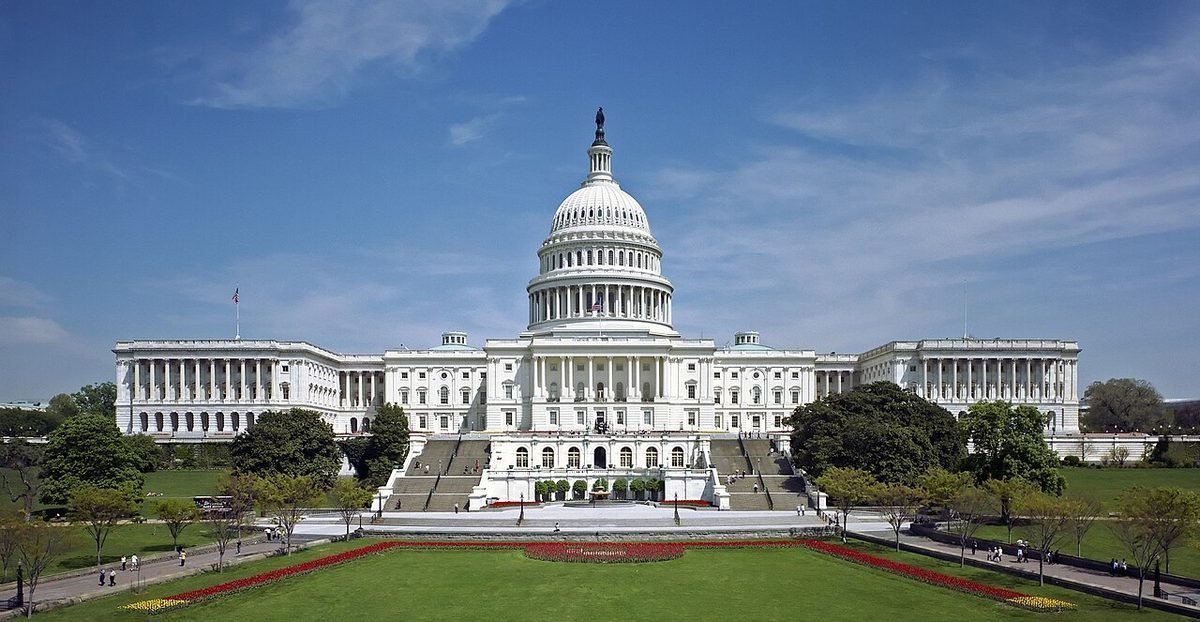
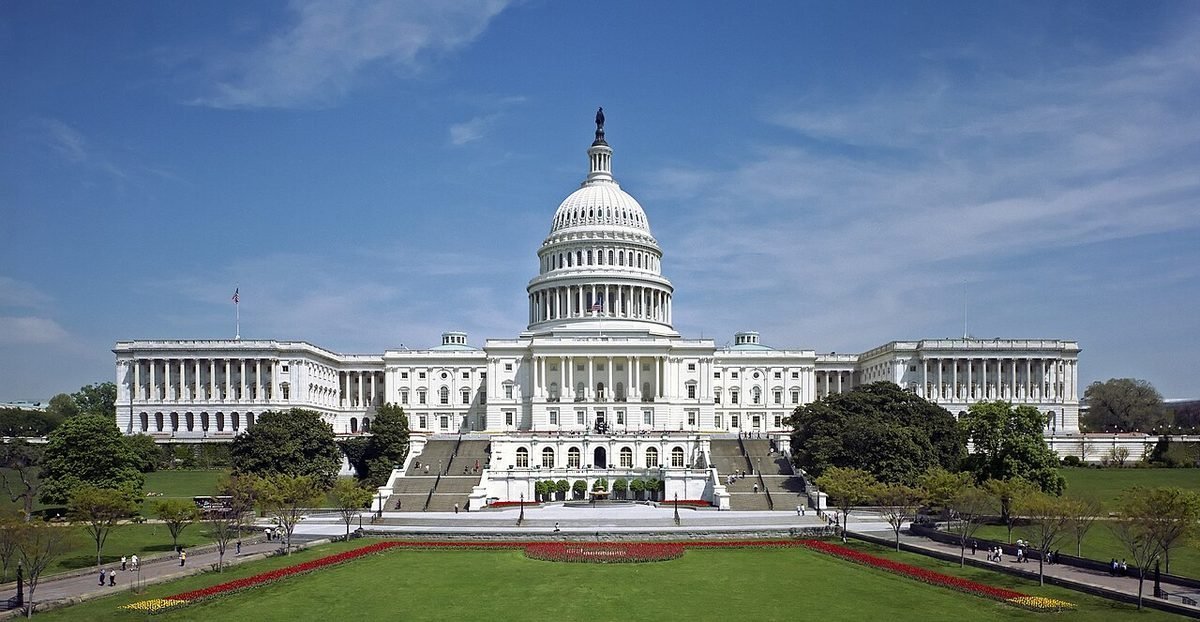
capitol (reused archive image)
capitol (reused archive image) U.S. government / site archive reuse · Public domain or prior guide credit

Believe the lie, oppose removal

Late 1998 polling showed a polarized country: many believed Clinton had lied, yet majorities often opposed impeachment or removal. [1]

That gap shaped Senate politics as much as legal briefs did. [1] [2]

Bottom line Mixed

Public legitimacy and constitutional process pulled apart.

What the record can’t settle

Polls are snapshots, not constitutional standards.

Sources

  1. Pew: Clinton scandal polarized public (Dec. 1998) Opinion often opposed removal even when believing Clinton lied.
  2. U.S. Senate historical briefing: impeachment role Process and historical outcomes including Clinton.

Back to contents · Open in the interactive guide

What counts as a high crime?

Steelman · Debated

scale (reused archive image)
scale (reused archive image) U.S. government / site archive reuse · Public domain or prior guide credit

Sex lie vs. rule of law

Managers argued that perjury and obstruction by a president strike at the rule of law regardless of the underlying subject. [1] [4]

Defenders argued private sexual misconduct and strained legalisms did not meet the Framers’ standard for removing a president. [2] [3]

Bottom line Debated

This is the steelman clash at the heart of 1998–99.

What the record can’t settle

The Constitution’s phrase is political as well as legal; the Senate is the decider.

Sources

  1. House managers presentation — trial record Prosecution theory at Senate trial.
  2. Sen. Dale Bumpers defense speech coverage (Jan. 21, 1999) Famous defense speech arguing the case was about sex, not high crimes.
  3. White House counsel defense presentations coverage Defense legal theory at trial.
  4. U.S. Constitution (National Archives transcript) Impeachment clauses.

Back to contents · Open in the interactive guide

December 19, 1998

Record · Official

house (reused archive image)
house (reused archive image) U.S. government / site archive reuse · Public domain or prior guide credit

Two articles pass

The House impeached Clinton for grand-jury perjury (228–206) and obstruction of justice (221–212). Two other articles failed. [1] [2]

The charges concerned lies and obstruction — not the affair as such. [3]

Bottom line Official

Impeachment is accusation by the House, not removal.

What the record can’t settle

Party-line structure dominated the vote pattern.

Sources

  1. House impeachment articles / Senate documentary record (106th Cong.) Official record of articles adopted Dec. 19, 1998.
  2. House impeachment vote tallies in Senate documentary record Article I 228-206; Article II 221-212.
  3. House Judiciary Committee impeachment report (105th Cong.) Committee report accompanying articles.

Back to contents · Open in the interactive guide

Livingston’s resignation

Record · History

livingston
livingston U.S. Congress · Public domain

Hypocrisy politics on impeachment day

As the House voted, Speaker-designate Bob Livingston announced he would resign from Congress amid revelations about his own extramarital affairs. [1]

The moment became a symbol in arguments about selective moralism. [1]

Bottom line History

Same-day resignation is part of the political history of the impeachment vote.

What the record can’t settle

Livingston’s conduct is separate from Clinton’s legal exposure.

Sources

  1. Washington Post: Bob Livingston resigns (Dec. 1998) Speaker-designate resigns amid own affair revelations during impeachment week.

Back to contents · Open in the interactive guide

Steelman: removal was justified

Steelman · Debated

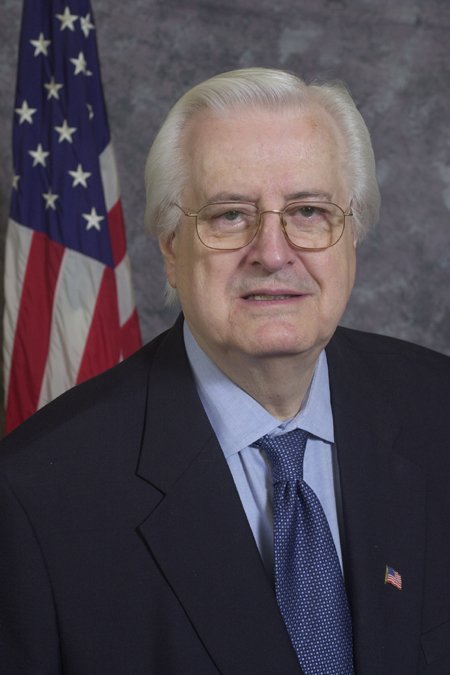
hyde
hyde Office of Congressman Henry Hyde · Public domain

Rule of law over private shame

On this reading, a president who lies under oath and seeks to influence witnesses commits classic impeachable offenses; the sexual subject matter is aggravating secrecy, not a defense. [1] [2]

Acquittal then looks like party protecting its own rather than constitutional wisdom. [1] [3]

Bottom line Debated

Strongest pro-conviction case, stated fairly.

What the record can’t settle

Still lost 67-vote math; steelman is not covert scorekeeping.

Sources

  1. House managers presentation — trial record Prosecution theory at Senate trial.
  2. Referral from Independent Counsel Kenneth W. Starr (Starr Report), Sept. 9, 1998 IC referral to the House; primary investigative narrative Congress received.
  3. Pew: Clinton scandal polarized public (Dec. 1998) Opinion often opposed removal even when believing Clinton lied.

Back to contents · Open in the interactive guide

Two articles fail

Record · Official

house (reused archive image)
house (reused archive image) U.S. government / site archive reuse · Public domain or prior guide credit

Abuse and deposition perjury counts lose

Besides the two adopted articles, the House rejected other proposed articles (including one focused on the Jones deposition perjury theory and an abuse count, in the package tallies recorded for Dec. 19). [1] [2]

Failure of articles shows even the House majority had limits. [1]

Bottom line Official

Impeachment was real — and not a blank check.

What the record can’t settle

Exact article labels are best read from the official record text.

Sources

  1. House impeachment articles / Senate documentary record (106th Cong.) Official record of articles adopted Dec. 19, 1998.
  2. House impeachment vote tallies in Senate documentary record Article I 228-206; Article II 221-212.

Back to contents · Open in the interactive guide

Not a trial of the Jones hotel room

Record · History

house (reused archive image)
house (reused archive image) U.S. government / site archive reuse · Public domain or prior guide credit

Scope of the articles

The adopted impeachment articles did not ask the Senate to convict Clinton for the 1991 Jones allegation. [1]

They targeted sworn statements and obstruction theories arising from the Lewinsky concealment. [2]

Bottom line History

Do not confuse the civil allegation with the impeachment charges.

What the record can’t settle

Jones remains a separate, unsettled factual claim.

Sources

  1. House impeachment articles / Senate documentary record (106th Cong.) Official record of articles adopted Dec. 19, 1998.
  2. House Judiciary Committee impeachment report (105th Cong.) Committee report accompanying articles.
  3. Clinton v. Jones, 520 U.S. 681 (1997) Supreme Court: sitting president not immune from private civil damages suit for unofficial acts.

Back to contents · Open in the interactive guide

Senate trial Jan–Feb 1999

Senate trial

Acquittal

Trial under Rehnquist

Record · Official

senate (reused archive image)
senate (reused archive image) U.S. government / site archive reuse · Public domain or prior guide credit

Constitutional theater with rules fights

The Senate trial opened in January 1999 with Chief Justice William Rehnquist presiding. [1] [2]

Procedure — witnesses, depositions, closed sessions — was itself a partisan fight. [2]

Bottom line Official

The Senate is both jury and political body.

What the record can’t settle

Trial rules were negotiated under intense pressure.

Sources

  1. Chief Justice role in presidential impeachment trials Rehnquist presided January-February 1999.
  2. U.S. Senate historical briefing: impeachment role Process and historical outcomes including Clinton.

Back to contents · Open in the interactive guide

The managers’ theory

Record · Archives

hyde
hyde Office of Congressman Henry Hyde · Public domain

Perjury and obstruction as high crimes

House managers, led by Henry Hyde, argued Clinton’s grand-jury lies and efforts to influence testimony/gifts/job help warranted conviction and removal. [1] [2]

They insisted the subject matter (sex) did not shrink the offense. [1]

Bottom line Archives

This is the prosecution spine of the trial.

What the record can’t settle

Managers lost the votes; that does not erase their legal theory’s coherence to supporters.

Sources

  1. House managers presentation — trial record Prosecution theory at Senate trial.
  2. House impeachment articles / Senate documentary record (106th Cong.) Official record of articles adopted Dec. 19, 1998.

Back to contents · Open in the interactive guide

The White House defense

Record · Archives

Institutional stand-in for ruff (portrait unavailable or unclear license)
Institutional stand-in for ruff (portrait unavailable or unclear license) Stand-in from U.S. government / Commons institutional image · Public domain stand-in

Not removable; not obstruction

White House counsel including Charles Ruff and Cheryl Mills argued the articles failed legally and that disputed acts were not obstruction. [1]

They stressed constitutional gravity and the danger of lowering the bar for removal. [1] [2]

Bottom line Archives

Defense succeeded politically in the Senate.

What the record can’t settle

Success at acquittal is not a factual finding that every contested answer was true.

Sources

  1. White House counsel defense presentations coverage Defense legal theory at trial.
  2. Sen. Dale Bumpers defense speech coverage (Jan. 21, 1999) Famous defense speech arguing the case was about sex, not high crimes.

Back to contents · Open in the interactive guide

Bumpers: “it’s about sex”

Record · History

bumpers
bumpers Unknown authorUnknown author · Public domain

A defining defense speech

Former Senator Dale Bumpers told senators that when someone says the case is not about sex, it is about sex — arguing against removal. [1]

The speech became a cultural shorthand for the anti-removal camp. [1]

Bottom line History

Rhetoric mattered in a political trial.

What the record can’t settle

A speech is not a legal ruling.

Sources

  1. Sen. Dale Bumpers defense speech coverage (Jan. 21, 1999) Famous defense speech arguing the case was about sex, not high crimes.

Back to contents · Open in the interactive guide

February 12, 1999

Record · Official

senate (reused archive image)
senate (reused archive image) U.S. government / site archive reuse · Public domain or prior guide credit

Acquitted on both articles

The Senate voted 45–55 on grand-jury perjury and 50–50 on obstruction; 67 votes were required to convict. [1] [2]

Every Democrat voted to acquit on both; some Republicans joined them. [1] [3]

Bottom line Official

Acquittal means not removed — not “found truthful.”

What the record can’t settle

Individual senators’ private reasons are not fully knowable from the roll call.

Sources

  1. Senate roll call 17: Article I (grand-jury perjury), Feb. 12, 1999 45 guilty / 55 not guilty.
  2. Senate roll call 18: Article II (obstruction), Feb. 12, 1999 50-50; 67 needed to convict.
  3. Senate materials on meaning of acquittal Acquittal is failure to remove; not a finding of truthfulness on every fact.

Back to contents · Open in the interactive guide

Steelman: private lie, public overreach

Steelman · Debated

bumpers
bumpers Unknown authorUnknown author · Public domain

Not what impeachment is for

On this reading, Independent Counsel zeal and House partisanship tried to remove a president for concealing an affair — a category error under “high crimes.” [1] [2]

Contempt and bar discipline can punish the oath problem without constitutional removal. [3] [4]

Bottom line Debated

Strongest anti-removal case, stated fairly.

What the record can’t settle

Does not require denying that sworn answers were false.

Sources

  1. Sen. Dale Bumpers defense speech coverage (Jan. 21, 1999) Famous defense speech arguing the case was about sex, not high crimes.
  2. White House counsel defense presentations coverage Defense legal theory at trial.
  3. Jones v. Clinton, 36 F. Supp. 2d 1118 (E.D. Ark. 1999) Judge Wright civil contempt opinion: intentionally false deposition answers about Lewinsky.
  4. Arkansas Committee on Professional Conduct agreed order, case 2000-013 Five-year law-license suspension and $25,000 fine.

Back to contents · Open in the interactive guide

Party as destiny?

Record · Mixed

senate (reused archive image)
senate (reused archive image) U.S. government / site archive reuse · Public domain or prior guide credit

Democrats unify; GOP splits slightly

Every Senate Democrat voted not guilty on both articles; Republican defections on the margins determined that neither article approached 67. [1] [2]

Critics call that raw partisanship; defenders call it constitutional judgment aligning with public opinion. [3] [4]

Bottom line Mixed

Roll calls show structure; they do not reveal each senator’s conscience.

What the record can’t settle

Partisan pattern is compatible with sincere constitutional disagreement.

Sources

  1. Senate roll call 17: Article I (grand-jury perjury), Feb. 12, 1999 45 guilty / 55 not guilty.
  2. Senate roll call 18: Article II (obstruction), Feb. 12, 1999 50-50; 67 needed to convict.
  3. Pew: Clinton scandal polarized public (Dec. 1998) Opinion often opposed removal even when believing Clinton lied.
  4. Senate materials on meaning of acquittal Acquittal is failure to remove; not a finding of truthfulness on every fact.

Back to contents · Open in the interactive guide

A Chief Justice in the chair

Record · History

rehnquist
rehnquist Wikimedia Commons · Public domain

Constitutional formality

William Rehnquist’s presence underlined that a presidential impeachment trial is a constitutional event, not an ordinary Senate debate. [1]

His role was procedural; senators retained the decisive votes. [2]

Bottom line History

Form signaled gravity even when votes tracked parties.

What the record can’t settle

Presiding is not deciding guilt.

Sources

  1. Chief Justice role in presidential impeachment trials Rehnquist presided January-February 1999.
  2. U.S. Senate historical briefing: impeachment role Process and historical outcomes including Clinton.

Back to contents · Open in the interactive guide

Contempt and license 1999–2001

Contempt and license

Civil and professional consequences

Judge Wright’s contempt finding

Record · Official

Institutional stand-in for wright (portrait unavailable or unclear license)
Institutional stand-in for wright (portrait unavailable or unclear license) Stand-in from U.S. government / Commons institutional image · Public domain stand-in

Intentionally false answers

On April 12, 1999, Judge Susan Webber Wright held Clinton in civil contempt, finding he had given intentionally false deposition answers about Lewinsky and violated discovery orders. [1]

He was ordered to pay Jones’s added legal costs, about $90,000. [1]

Bottom line Official

A federal judge found the sitting (then recently impeached) president lied under oath in her court.

What the record can’t settle

Civil contempt is not a criminal perjury conviction.

Sources

  1. Jones v. Clinton, 36 F. Supp. 2d 1118 (E.D. Ark. 1999) Judge Wright civil contempt opinion: intentionally false deposition answers about Lewinsky.

Back to contents · Open in the interactive guide

Five-year suspension

Record · Official

Bill Clinton, official presidential portrait context (archive reuse).
Bill Clinton, official presidential portrait context (archive reuse). U.S. government / site archive reuse · Public domain or prior guide credit

Arkansas bar deal, Jan. 19, 2001

On his last full day as president, Clinton agreed with Arkansas disciplinary authorities to a five-year law-license suspension and a $25,000 fine, acknowledging he knowingly gave evasive and misleading answers. [1] [2]

He said he had tried to walk a line between acting lawfully and testifying falsely — and failed. [2]

Bottom line Official

Professional discipline is part of the record alongside acquittal.

What the record can’t settle

The agreement was negotiated, not a full trial of every disputed answer.

Sources

  1. Arkansas Committee on Professional Conduct agreed order, case 2000-013 Five-year law-license suspension and $25,000 fine.
  2. Presidential statement on legal resolution, Jan. 19, 2001 (Weekly Compilation) Clinton statement accompanying the bar agreement.

Back to contents · Open in the interactive guide

No criminal indictment

Record · Official

Institutional stand-in for ray (portrait unavailable or unclear license)
Institutional stand-in for ray (portrait unavailable or unclear license) Stand-in from U.S. government / Commons institutional image · Public domain stand-in

Ray closes the investigation

Independent Counsel Robert Ray announced on January 19, 2001, that he would not pursue criminal charges against Clinton, concurrent with the bar resolution. [1]

Popular shortcuts that say “never found to have lied” ignore contempt and the bar acknowledgments; shortcuts that say “convicted of perjury” invent a criminal case. [2] [3] [1]

Bottom line Official

No criminal conviction; not a clean factual slate.

What the record can’t settle

Declining to indict is a prosecutorial judgment, not a declaration of innocence.

Sources

  1. Independent Counsel Robert Ray closing statement (Jan. 19, 2001) IC closure concurrent with bar agreement; no criminal indictment.
  2. Jones v. Clinton, 36 F. Supp. 2d 1118 (E.D. Ark. 1999) Judge Wright civil contempt opinion: intentionally false deposition answers about Lewinsky.
  3. Arkansas Committee on Professional Conduct agreed order, case 2000-013 Five-year law-license suspension and $25,000 fine.

Back to contents · Open in the interactive guide

#MeToo and the power gap

Record · Mixed

Bill Clinton and Monica Lewinsky at the White House, February 28, 1997. Documents a meeting; does not depict the misconduct.
Bill Clinton and Monica Lewinsky at the White House, February 28, 1997. Documents a meeting; does not depict the misconduct. Barbara Kinney / White House Photograph Office · Public domain

Lewinsky revisits consent

In 2018 Lewinsky wrote that she had long called the relationship consensual but had come to see the gulf in power between a president and an intern differently — without saying she was assaulted. [1]

The essay changed cultural conversation more than legal outcomes. [2]

Bottom line Mixed

Her voice is primary for her interpretation; it does not rewrite 1999 roll calls.

What the record can’t settle

Moral reassessment and legal history must be kept distinct.

Sources

  1. Monica Lewinsky, Vanity Fair, Feb. 2018 Lewinsky #MeToo-era essay on power and consent; her interpretation, not a court finding.
  2. Lewinsky later essays on power (2018 VF) Cultural reframing; does not alter 1998-99 legal outcomes.

Back to contents · Open in the interactive guide

Hard stop: not a Ukraine-war guide

Record · History

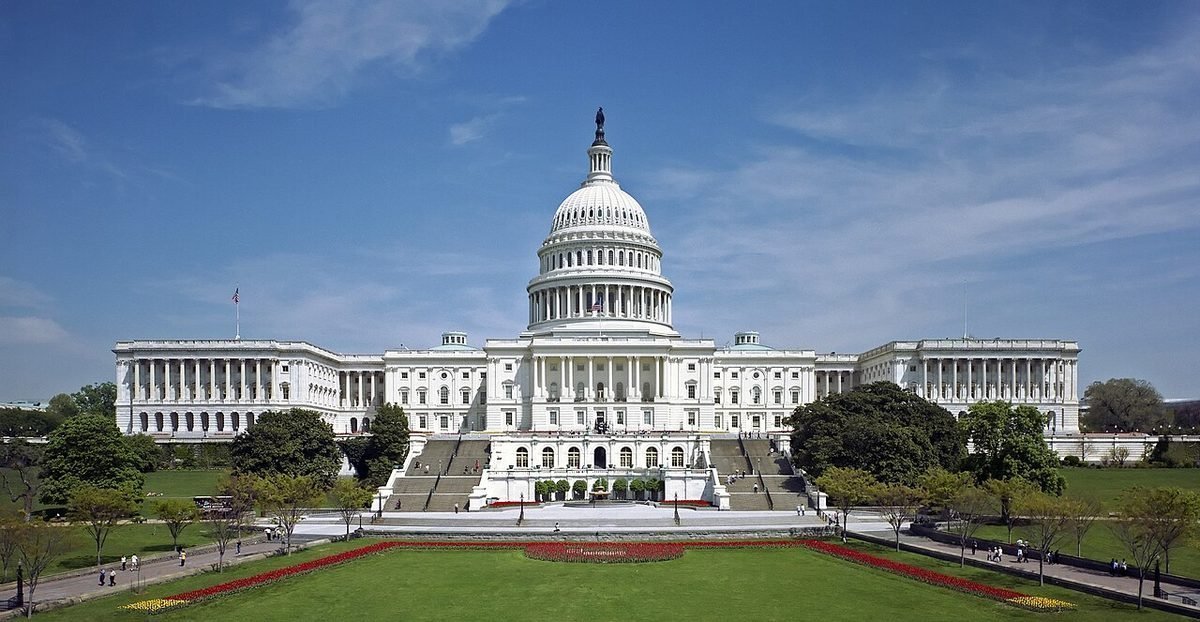
capitol (reused archive image)
capitol (reused archive image) U.S. government / site archive reuse · Public domain or prior guide credit

Scope boundary

This guide ends with the 1998–2001 accountability record. It does not narrate later foreign wars or the 2019 Trump–Ukraine impeachment except as a related-link. [1]

Readers seeking the Trump Ukraine case should open that separate full guide. [1]

Bottom line History

Scope discipline prevents scandal mash-ups.

What the record can’t settle

Related guides exist; this page does not absorb them.

Sources

  1. AI Files: emails and the Foundation (related guide) Separate full guide; cross-link only.
  2. U.S. Senate historical briefing: impeachment role Process and historical outcomes including Clinton.

Back to contents · Open in the interactive guide

Related: emails and Foundation

Record · History

hillary (reused archive image)
hillary (reused archive image) U.S. government / site archive reuse · Public domain or prior guide credit

Separate full guide

Clinton Files already maintains a full deep guide on Hillary Clinton’s private email server and the Clinton Foundation. [1]

Those controversies are not re-litigated here. [1]

Bottom line History

One scandal’s record does not prove the next.

What the record can’t settle

Cross-link only.

Sources

Back to contents · Open in the interactive guide

The statute’s afterlife

Record · Mixed

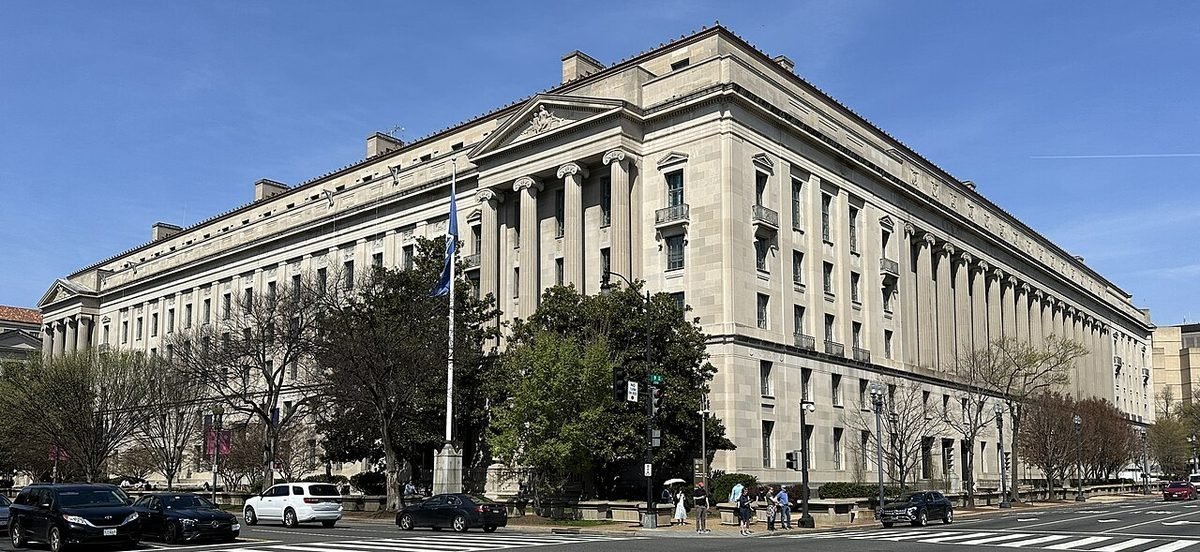
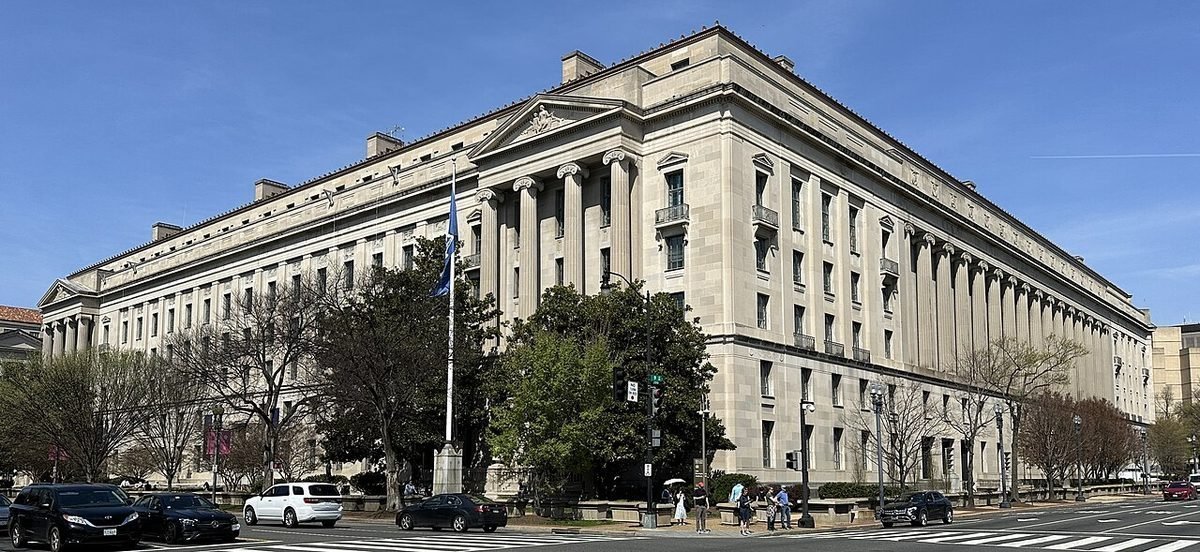
doj (reused archive image)
doj (reused archive image) U.S. government / site archive reuse · Public domain or prior guide credit

IC law expires; debate remains

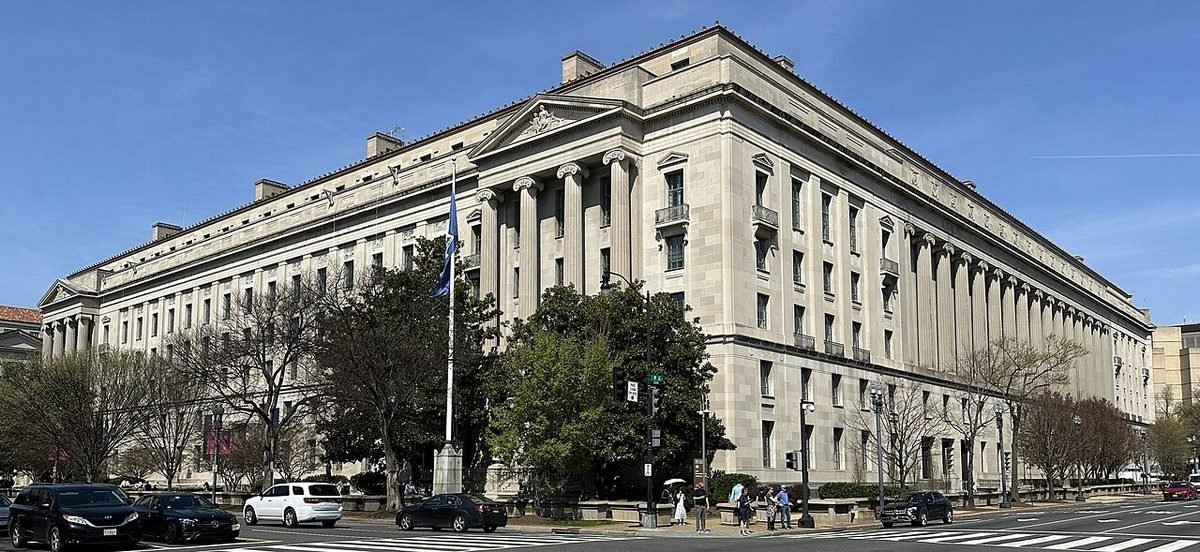
The Lewinsky phase became Exhibit A for both abolishing and defending independent counsels; the Ethics in Government Act’s IC provisions were not renewed in 1999. [1] [2]

Later special-counsel regulations are a different legal tool. [1]

Bottom line Mixed

Institutional distrust outlived Starr’s office.

What the record can’t settle

Later counsel regimes are out of this guide’s deep scope.
Sources

  1. Independent Counsel background (Justice archive) Starr office began with Arkansas matters before Lewinsky expansion.
  2. Referral from Independent Counsel Kenneth W. Starr (Starr Report), Sept. 9, 1998 IC referral to the House; primary investigative narrative Congress received.

Back to contents · Open in the interactive guide

Was he convicted of perjury?

Question · Cleared

scale (reused archive image)
scale (reused archive image) U.S. government / site archive reuse · Public domain or prior guide credit

No

Clinton was not criminally tried or convicted for perjury. [1]

He was impeached for grand-jury perjury, acquitted by the Senate, held in civil contempt, and disciplined by the Arkansas bar. [2] [3] [4]

Bottom line Cleared

Keep the boxes separate.

What the record can’t settle

Popular speech often collapses them.

Sources

  1. Independent Counsel Robert Ray closing statement (Jan. 19, 2001) IC closure concurrent with bar agreement; no criminal indictment.
  2. Senate roll call 17: Article I (grand-jury perjury), Feb. 12, 1999 45 guilty / 55 not guilty.
  3. Jones v. Clinton, 36 F. Supp. 2d 1118 (E.D. Ark. 1999) Judge Wright civil contempt opinion: intentionally false deposition answers about Lewinsky.
  4. Arkansas Committee on Professional Conduct agreed order, case 2000-013 Five-year law-license suspension and $25,000 fine.

Back to contents · Open in the interactive guide

Three outcomes, not one

Record · History

scale (reused archive image)
scale (reused archive image) U.S. government / site archive reuse · Public domain or prior guide credit

Impeachment ≠ contempt ≠ bar deal

The record contains an impeachment, an acquittal, a civil contempt finding, a bar suspension, and a decision not to indict. [1] [2] [3] [4]

Collapsing them into a single slogan (“innocent” or “guilty”) falsifies the file. [5]

Bottom line History

Precision is the point of this guide.

What the record can’t settle

Slogans travel farther than dockets.

Sources

  1. Senate roll call 17: Article I (grand-jury perjury), Feb. 12, 1999 45 guilty / 55 not guilty.
  2. Jones v. Clinton, 36 F. Supp. 2d 1118 (E.D. Ark. 1999) Judge Wright civil contempt opinion: intentionally false deposition answers about Lewinsky.
  3. Arkansas Committee on Professional Conduct agreed order, case 2000-013 Five-year law-license suspension and $25,000 fine.
  4. Independent Counsel Robert Ray closing statement (Jan. 19, 2001) IC closure concurrent with bar agreement; no criminal indictment.
  5. Senate materials on meaning of acquittal Acquittal is failure to remove; not a finding of truthfulness on every fact.

Back to contents · Open in the interactive guide