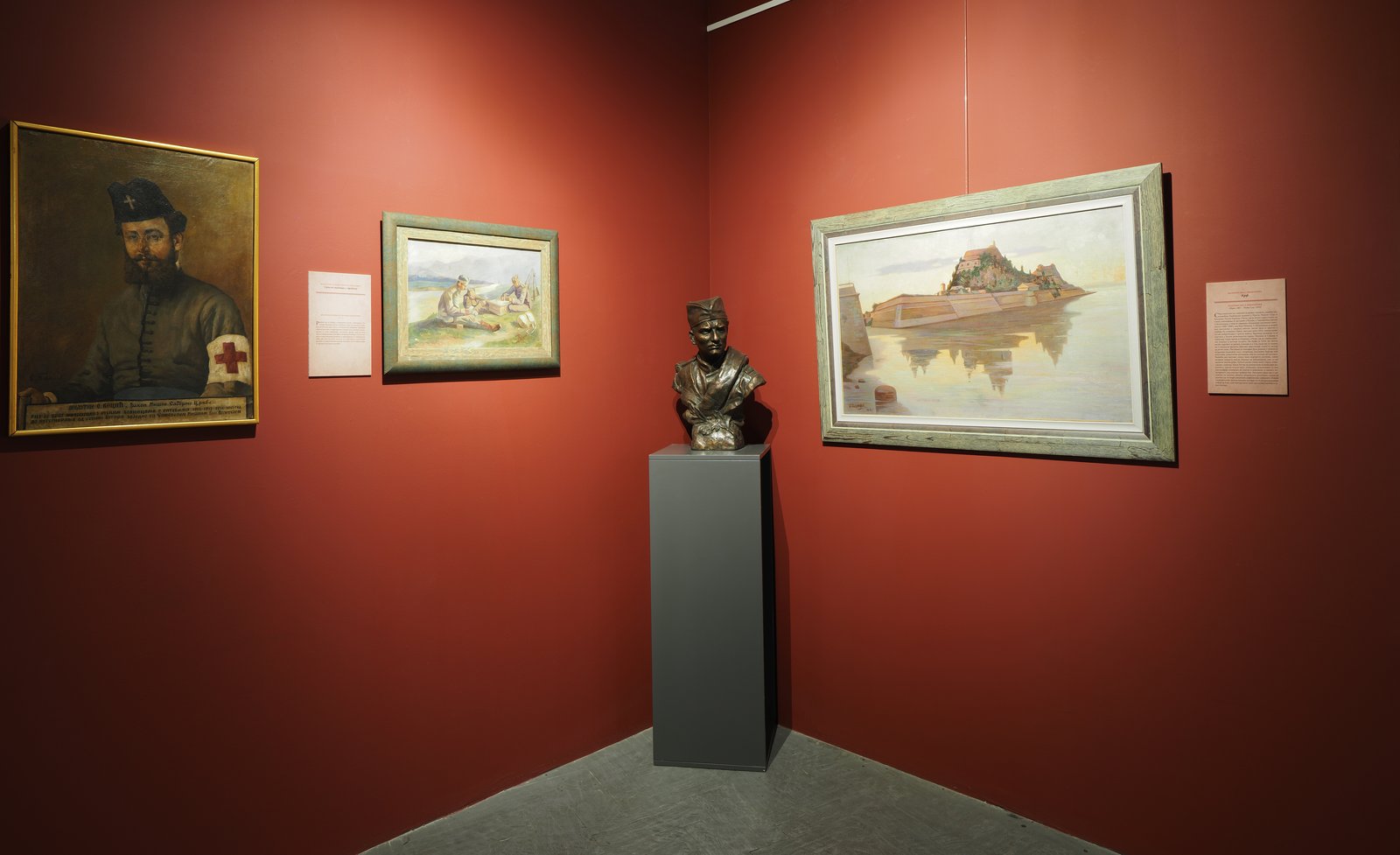
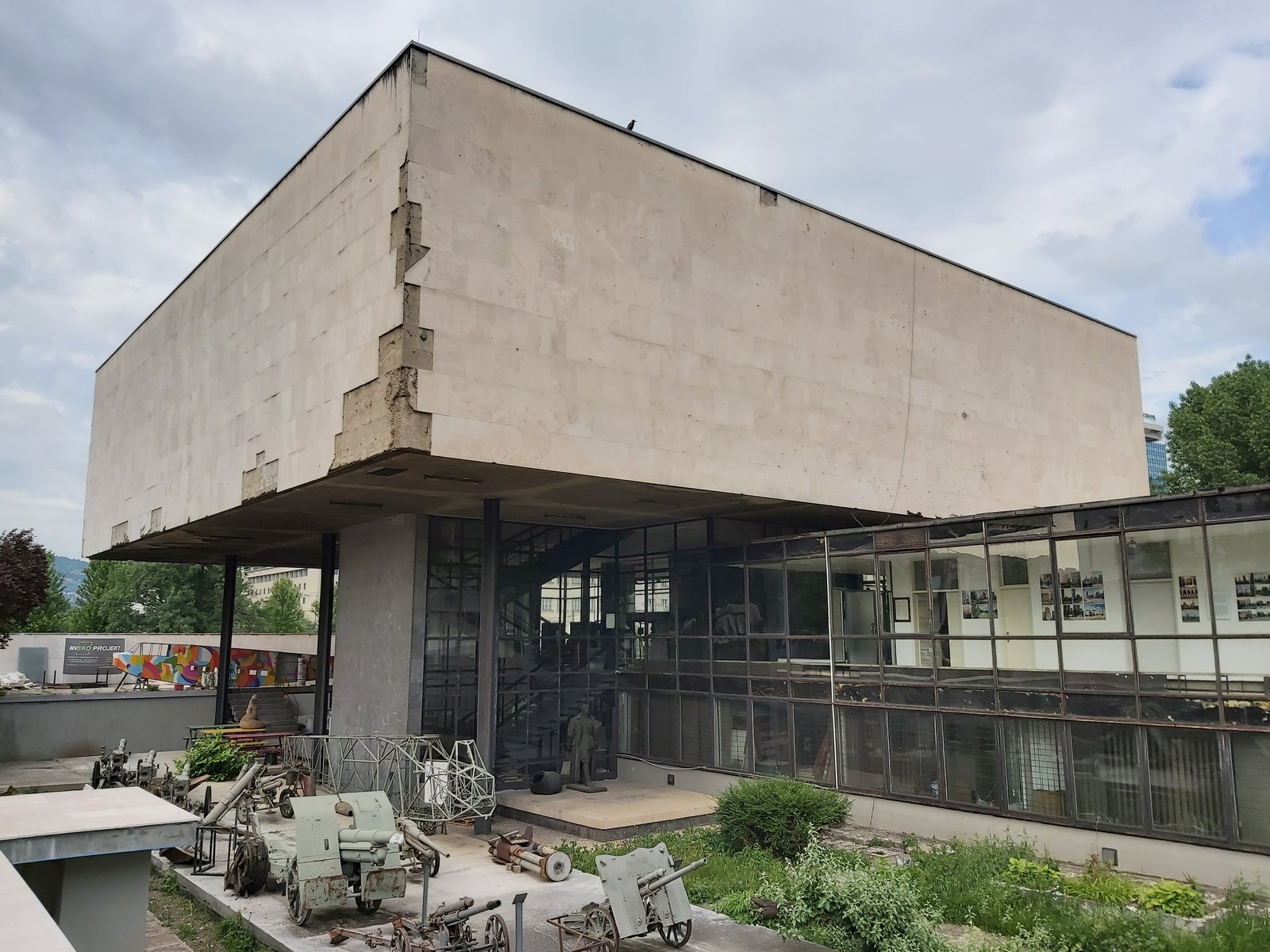
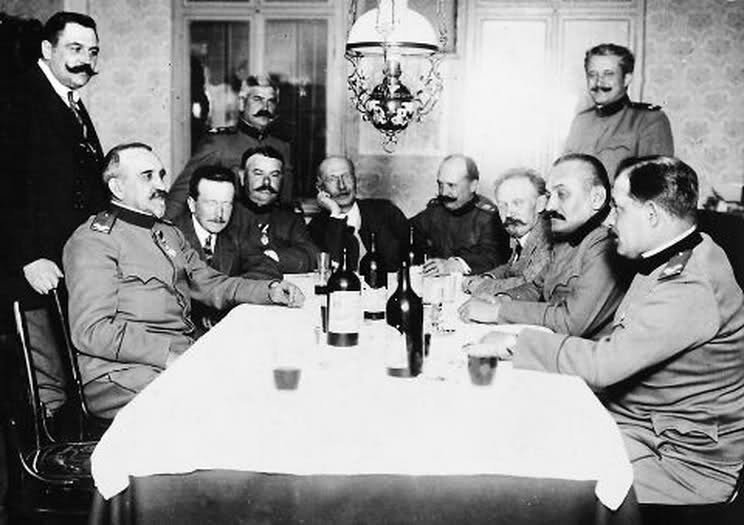
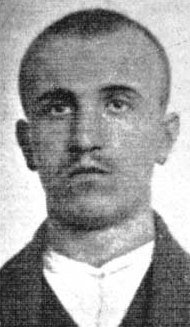
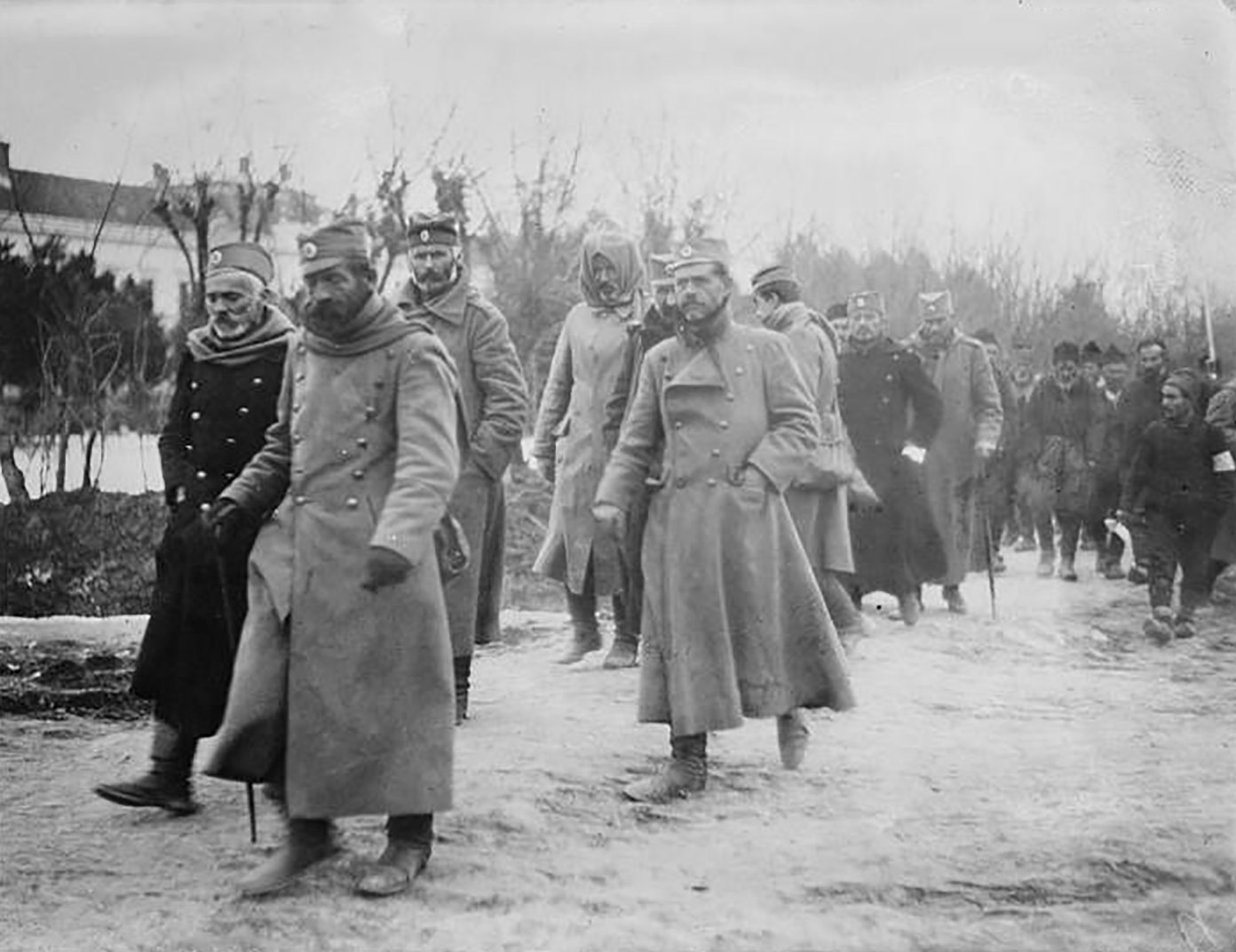
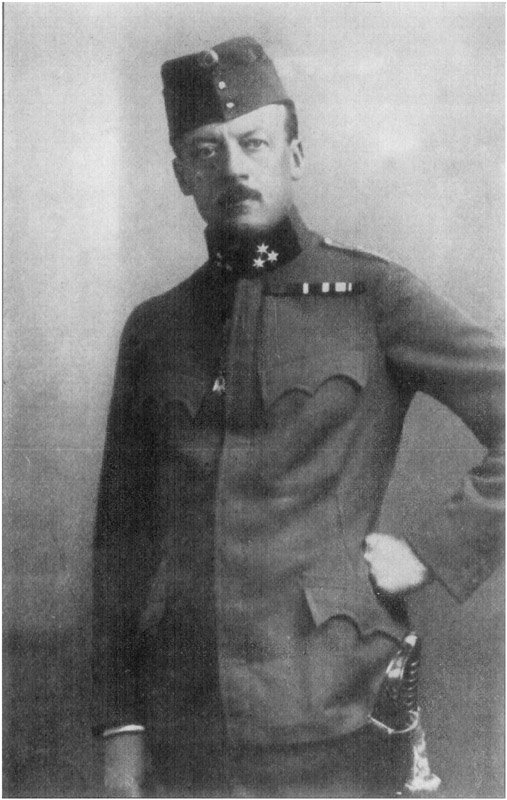
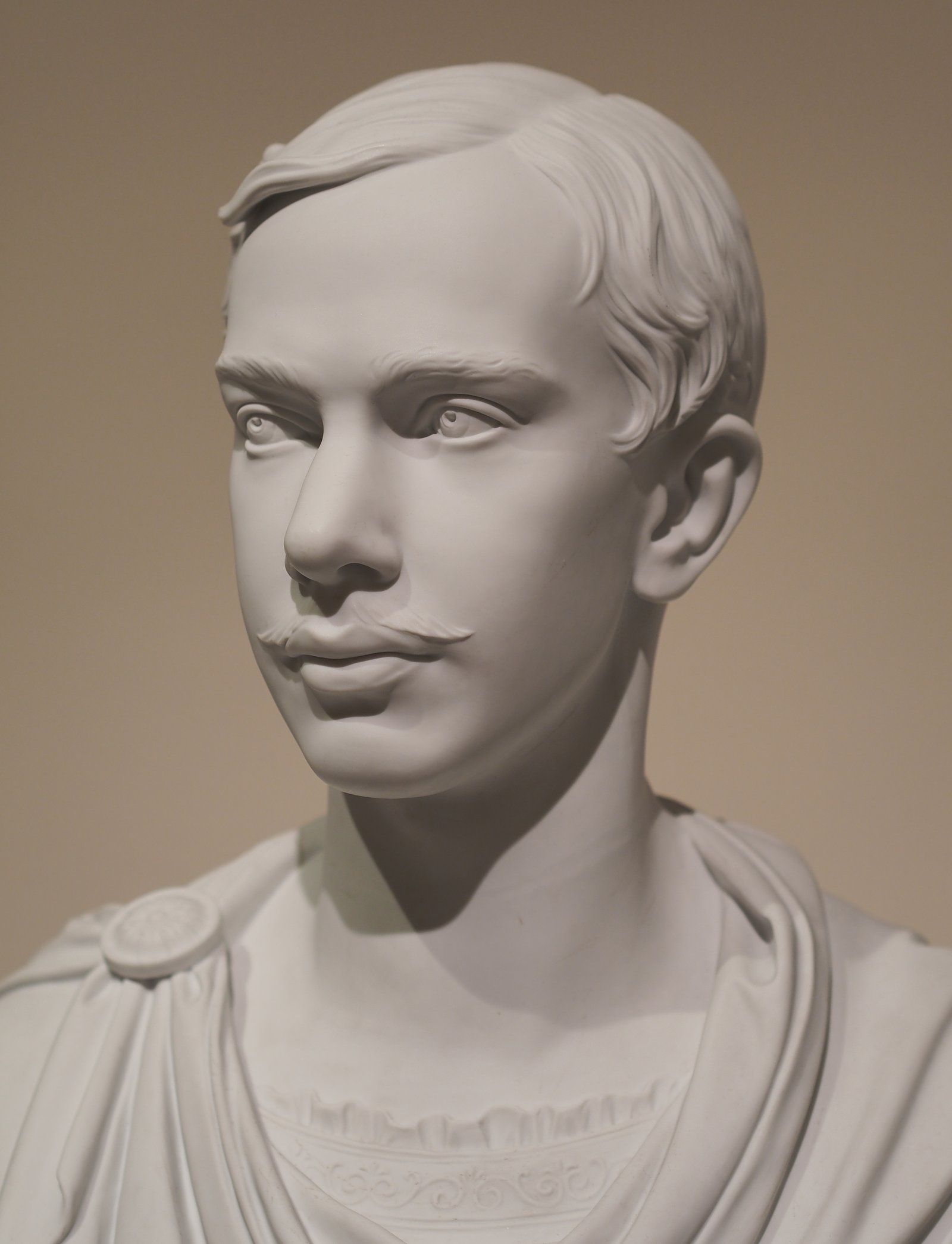
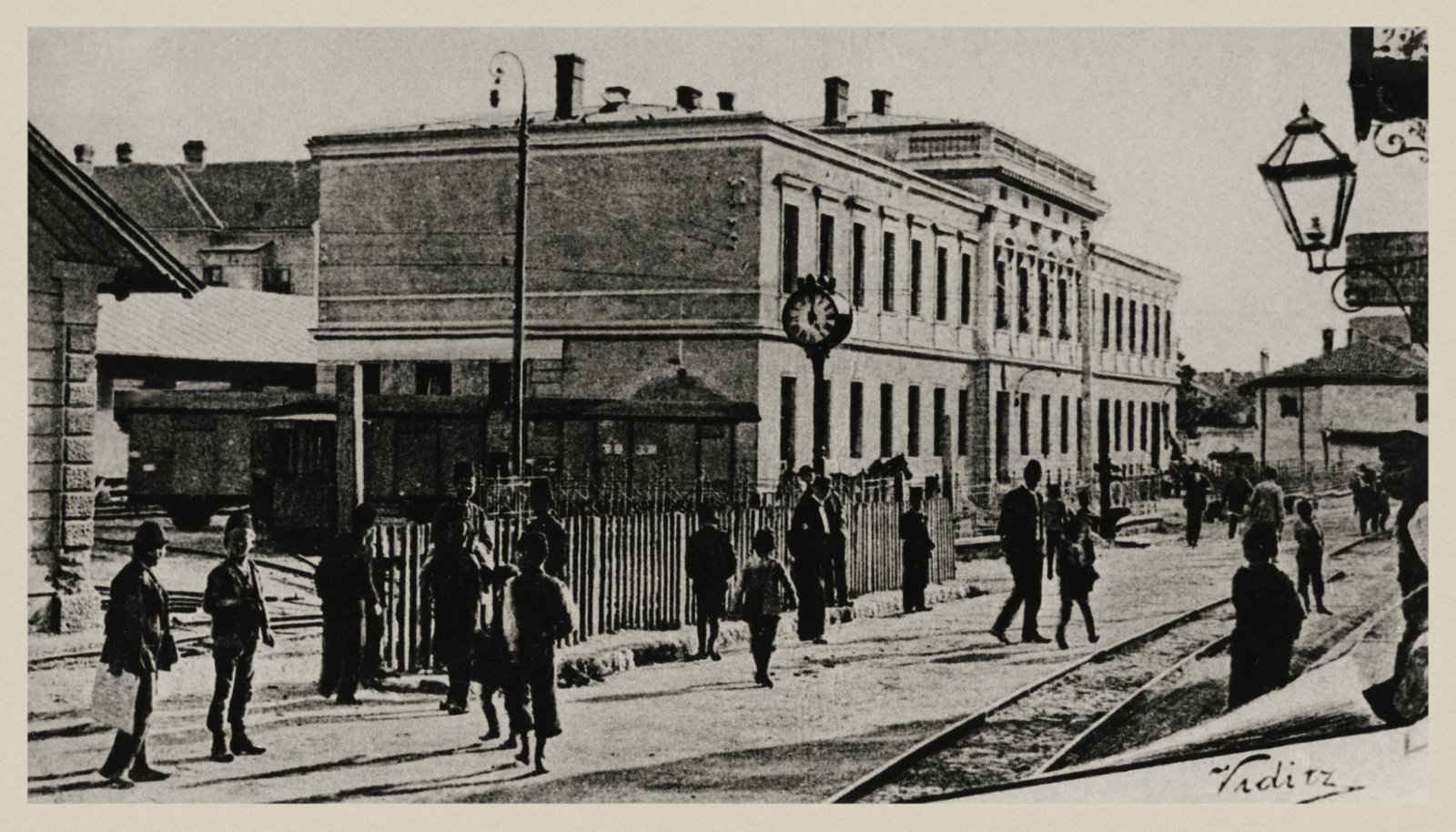
Sarajevo 1914

The AI Files · WW1 Black Hand and the Sarajevo Assassination · 1903–1918

The Black Hand & Sarajevo

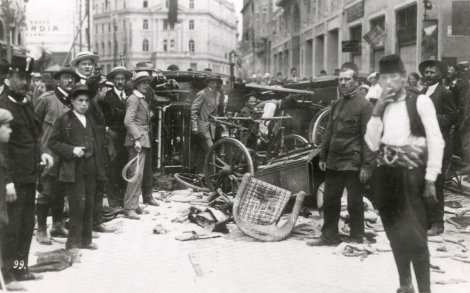
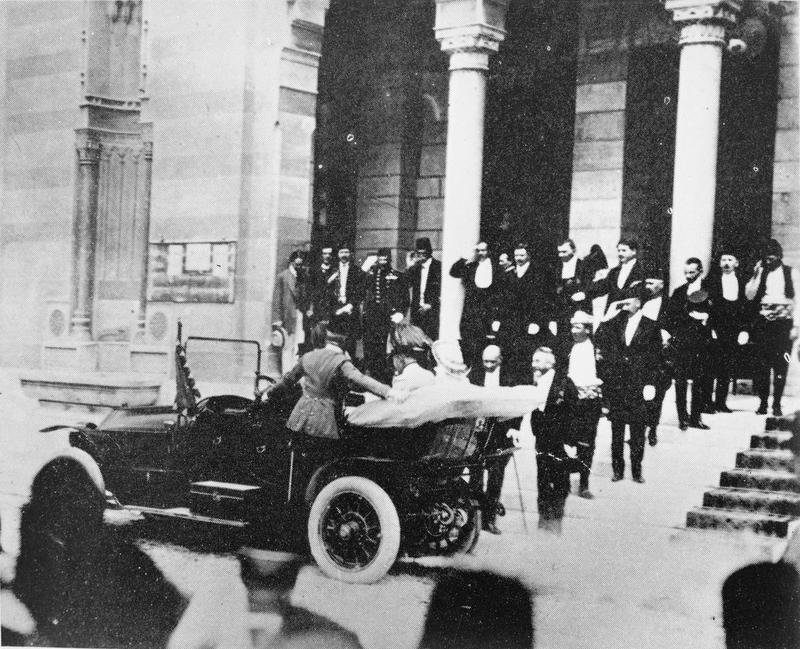
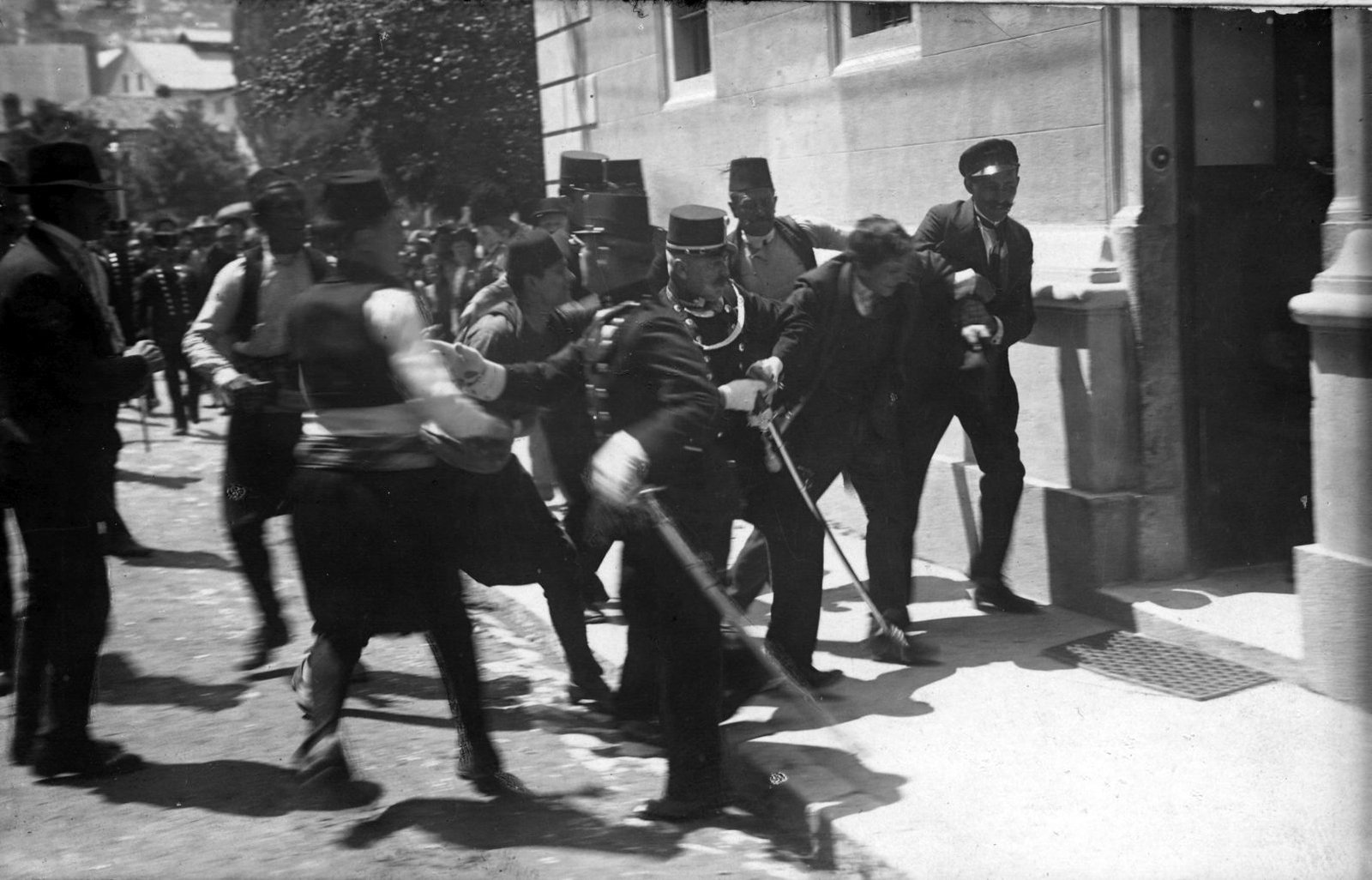
On Vidovdan morning, 28 June 1914, an open car stopped and began to reverse on a Sarajevo corner. Gavrilo Princip stepped forward with a Browning pistol. Within minutes the heir to Austria-Hungary and his wife were dying — and within five weeks Europe was at war.

Behind the shots sat Young Bosnia radicals, Belgrade arms, the secret society called the Black Hand, an Austrian ultimatum, a German blank check, and mobilizations that outran diplomacy. This guide tells that story, names the critical path, and measures the other explanations against it.

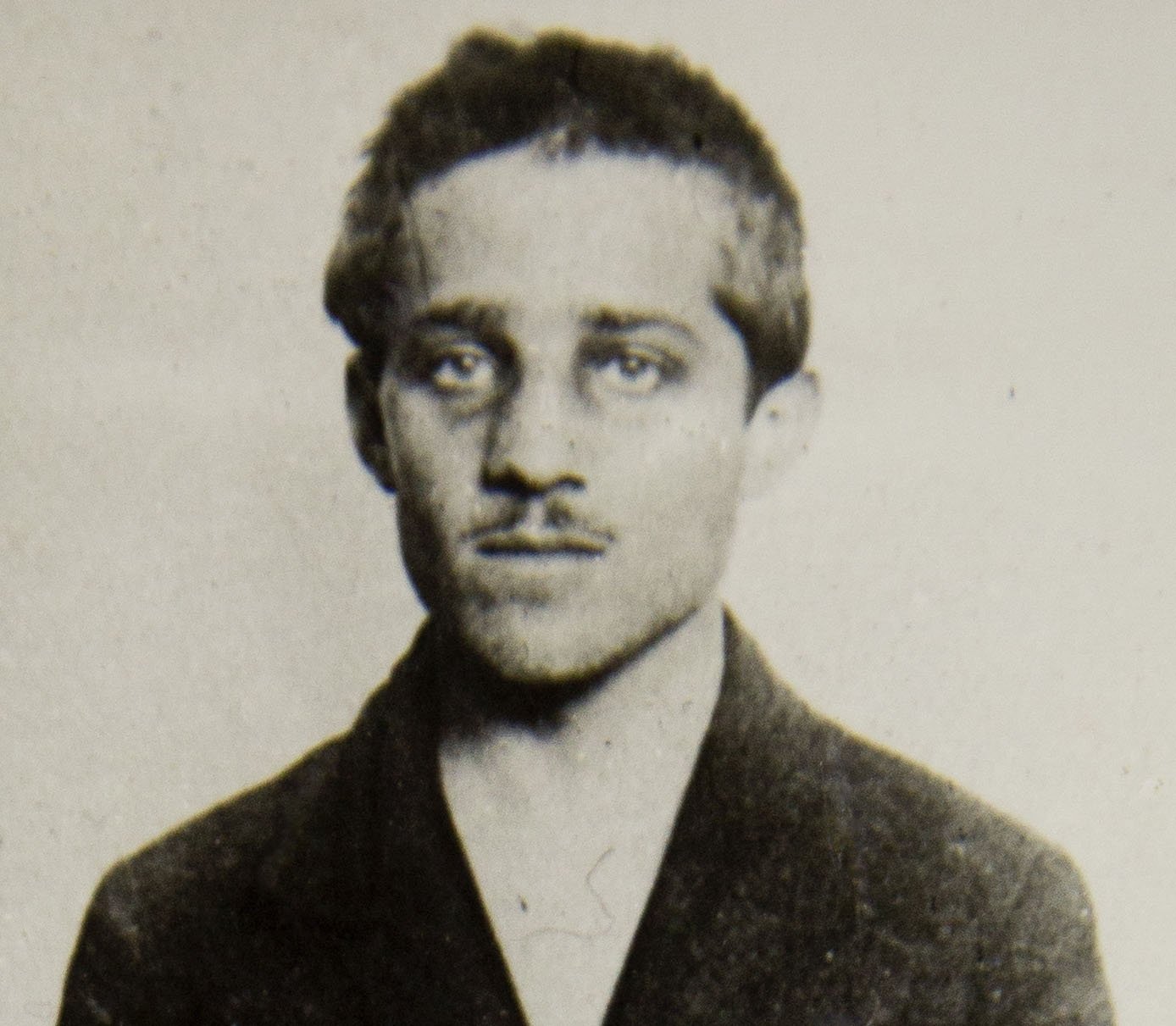
Sarajevo 1914 Image: Unknown authorUnknown author · Public domain

The story

From the Black Hand to the July Crisis

From the May Coup and Bosnia's annexation through Appel Quay, Wiesner, the ultimatum, and the declarations of war. Every fact ties to a source; underlined links open the full entry.

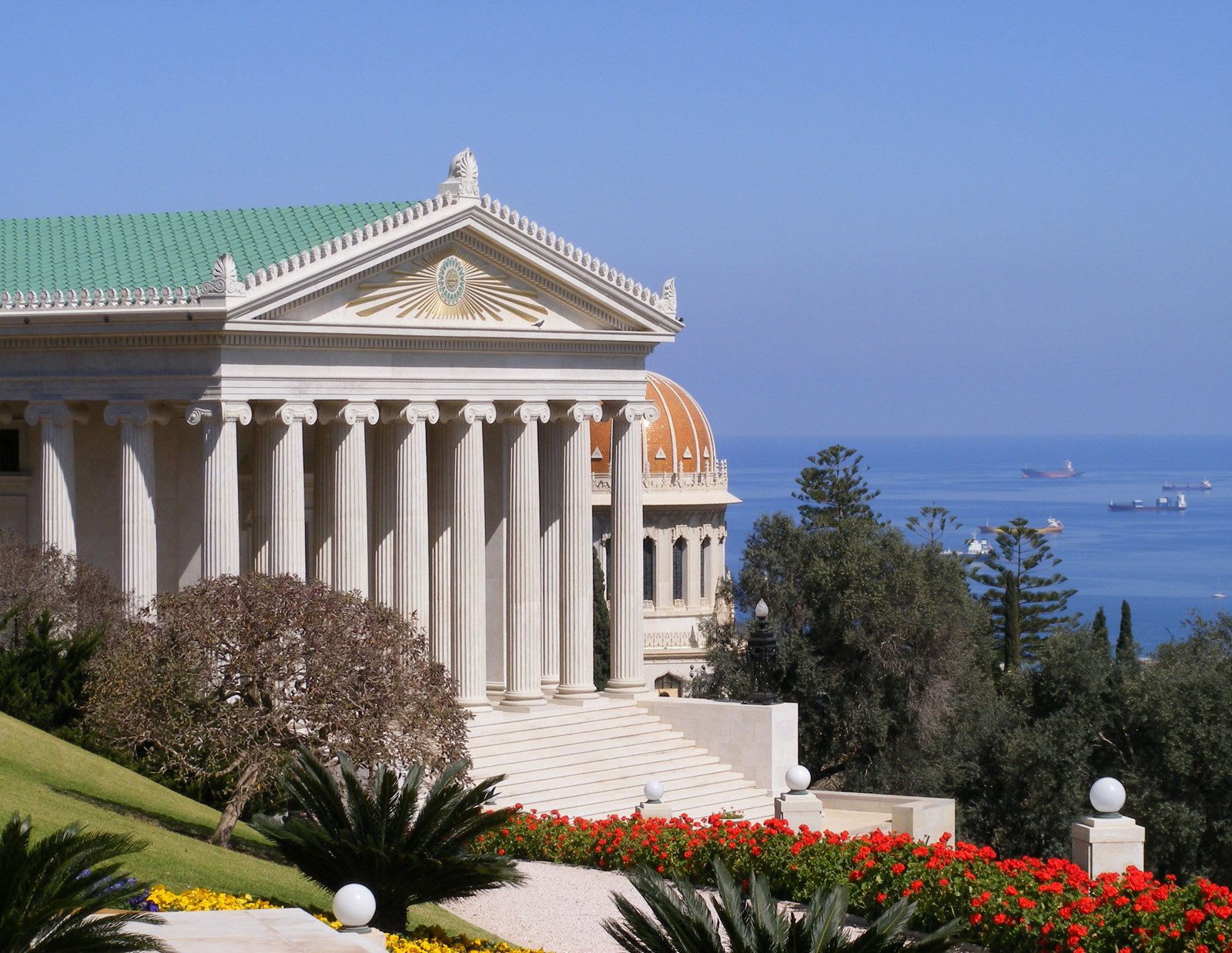
Belgrade
Belgrade Petar Milošević · CC BY-SA 4.0

Chapter 1

Officer power before the Black Hand

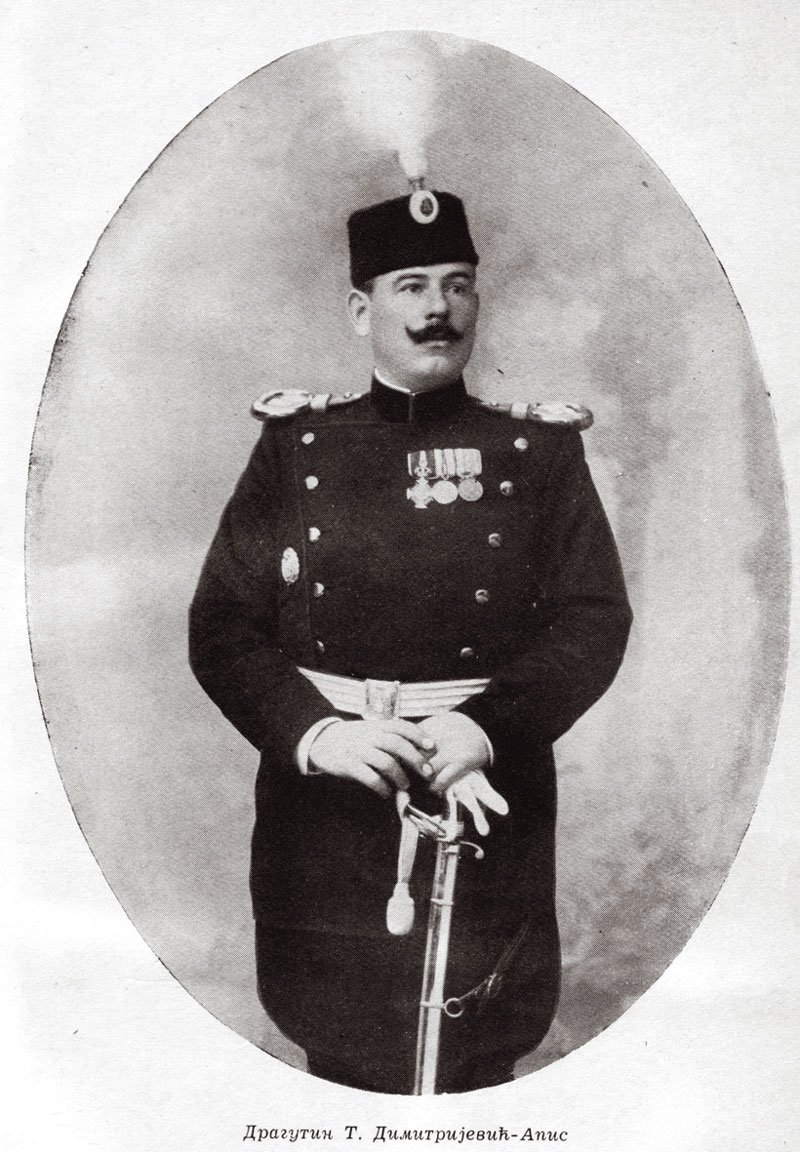
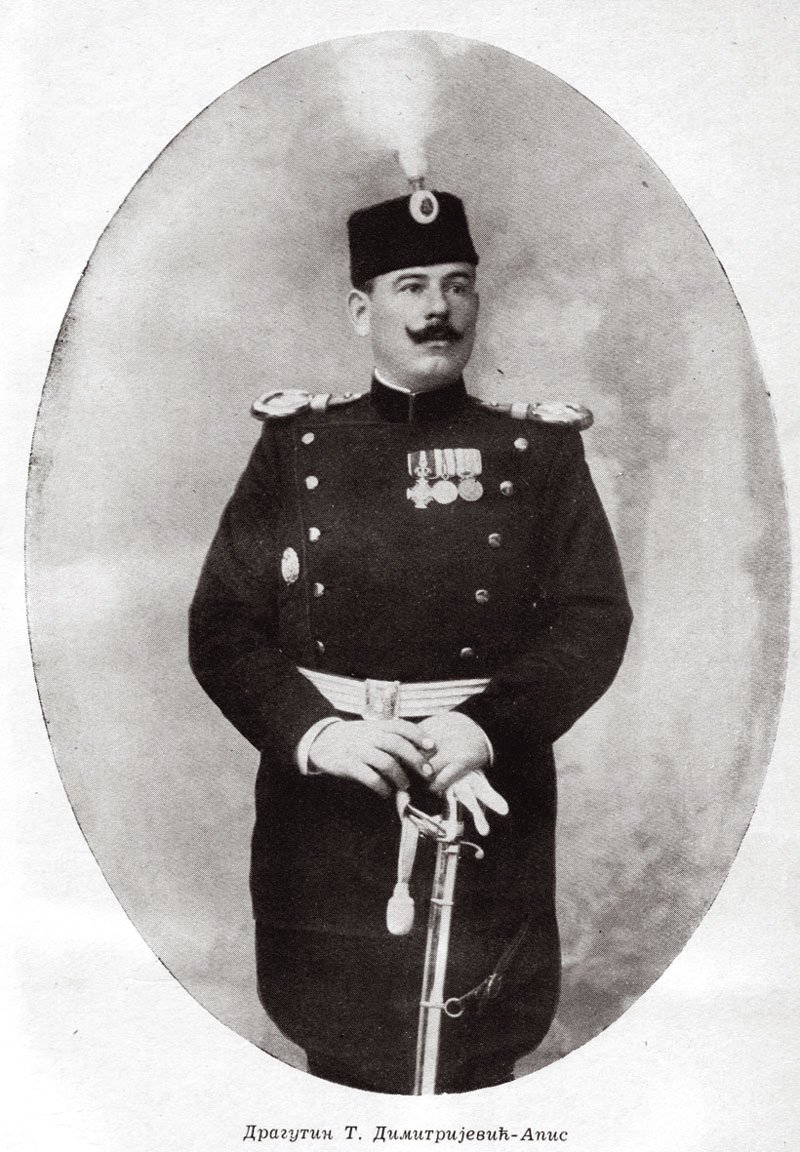
In 1903 Serbian officers murdered King Alexander Obrenović and Queen Draga and brought the Karađorđević dynasty back. Among them was Dragutin Dimitrijević, later called Apis. [1] [2]

The coup taught a generation that pistols could remake a kingdom. It also left the army as a veto player beside civilian politicians — the split that still confuses anyone who says “Serbia” as if it were one machine in 1914. [3] Pašić's Serbia in 1914

Bosnia
Bosnia Niegodzisie · CC BY-SA 4.0

Chapter 2

Bosnia annexed, youth radicalized

Austria-Hungary annexed Bosnia-Herzegovina in 1908. Serbia, which saw the provinces as South Slav homeland, swallowed the humiliation under Great Power pressure. [4] [5]

In the cafés and schools of annexed Sarajevo, Young Bosnia read nationalism, anarchism, and tyrannicide. They were not a formal chapter of the Black Hand. They were the human material of June 28. [6] [7]

Black Hand
Black Hand Unknown photographer, 1910s · CC0

Chapter 3

Unification or Death

In 1911 officers around Apis founded Ujedinjenje ili Smrt — Unification or Death — the secret society outsiders called the Black Hand. Oaths, death threats, South Slav unification under Serbia. [8] [9]

By 1914 Apis headed military intelligence. That desk had agents, money, and border contacts. Whether it also issued a kill order for Franz Ferdinand is the fight that never ended. [2] Apis at military intelligence

Austria’s July note would name Narodna Odbrana, the public patriotic society, more loudly than the secret Black Hand — a distinction this guide keeps. [10] [11]

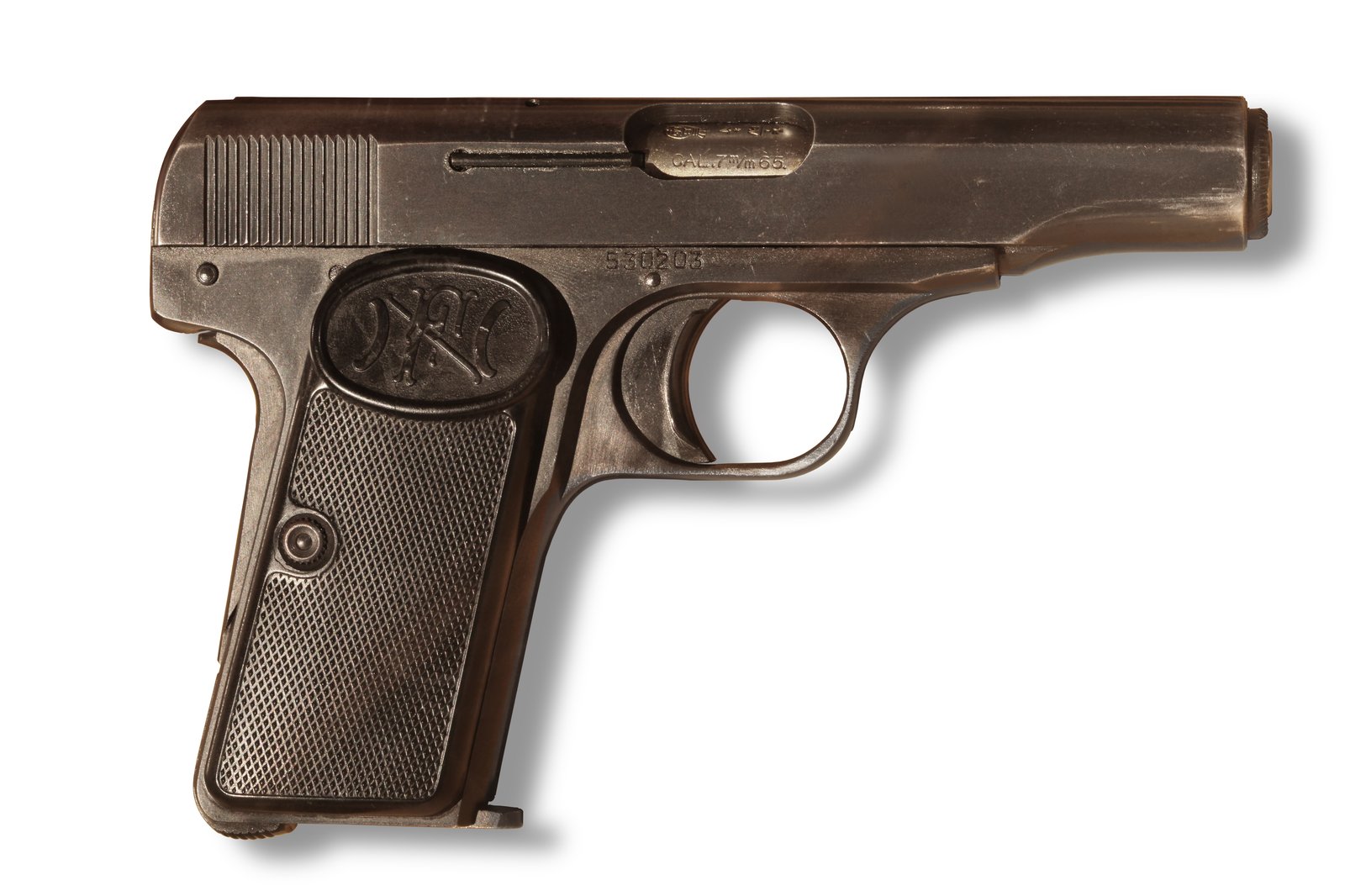
FN Browning 1910
FN Browning 1910 Rama · CC BY-SA 2.0 fr

Chapter 4

Belgrade arms, Bosnian hands

Princip, Čabrinović, and Grabež passed through Belgrade training linked to Major Vojislav Tankosić and Milan Ciganović: bombs, Browning pistols, cyanide. Tankosić, Ciganović, and the Belgrade… [12]

Serbian frontier channels helped move men and weapons into Bosnia. Friedrich von Wiesner’s later telegram would treat that facilitation as hardly contestable from the accused’s own statements — while denying proof that the Serbian *government* directed the murder. Smuggled across the Drina [12]

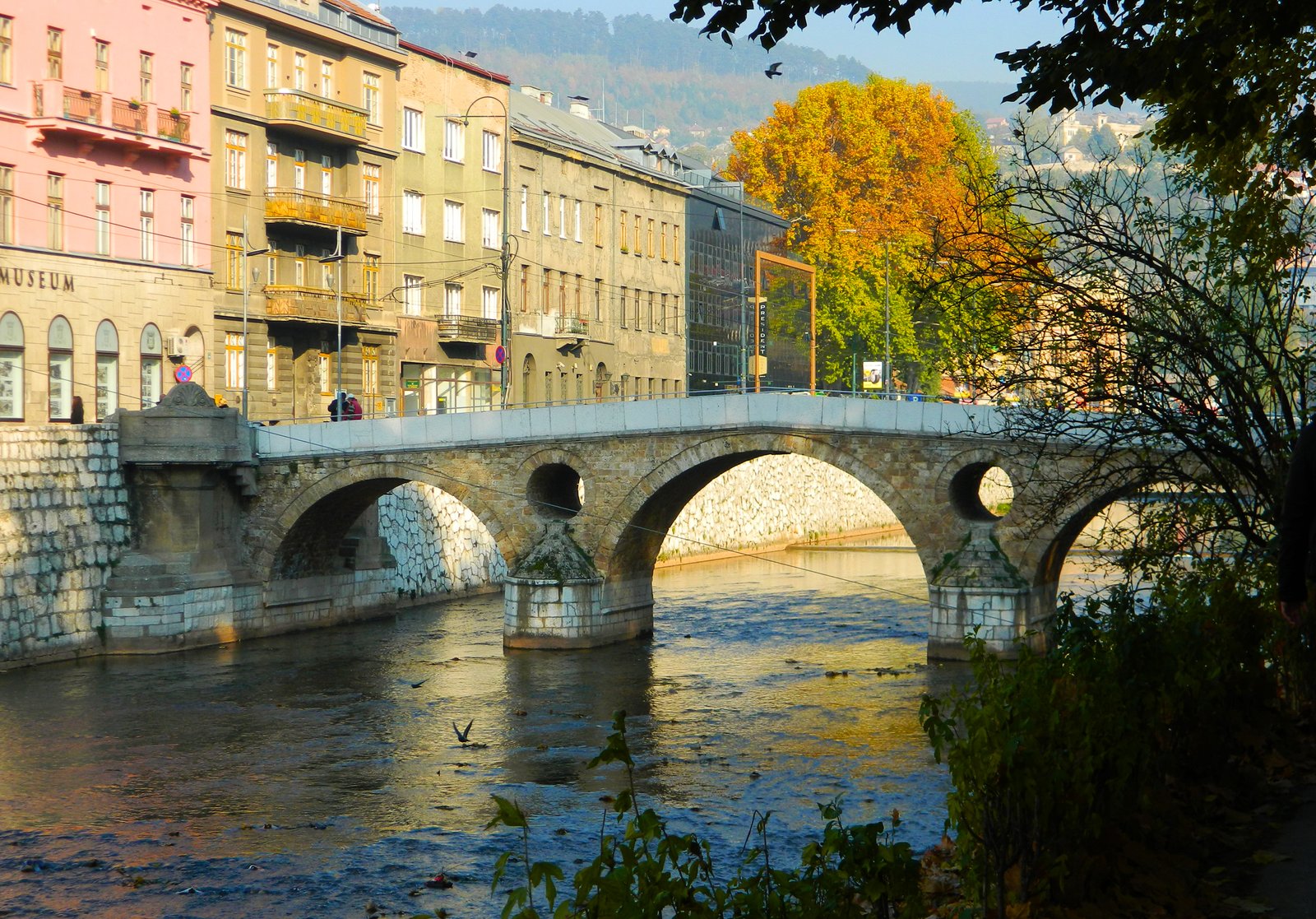
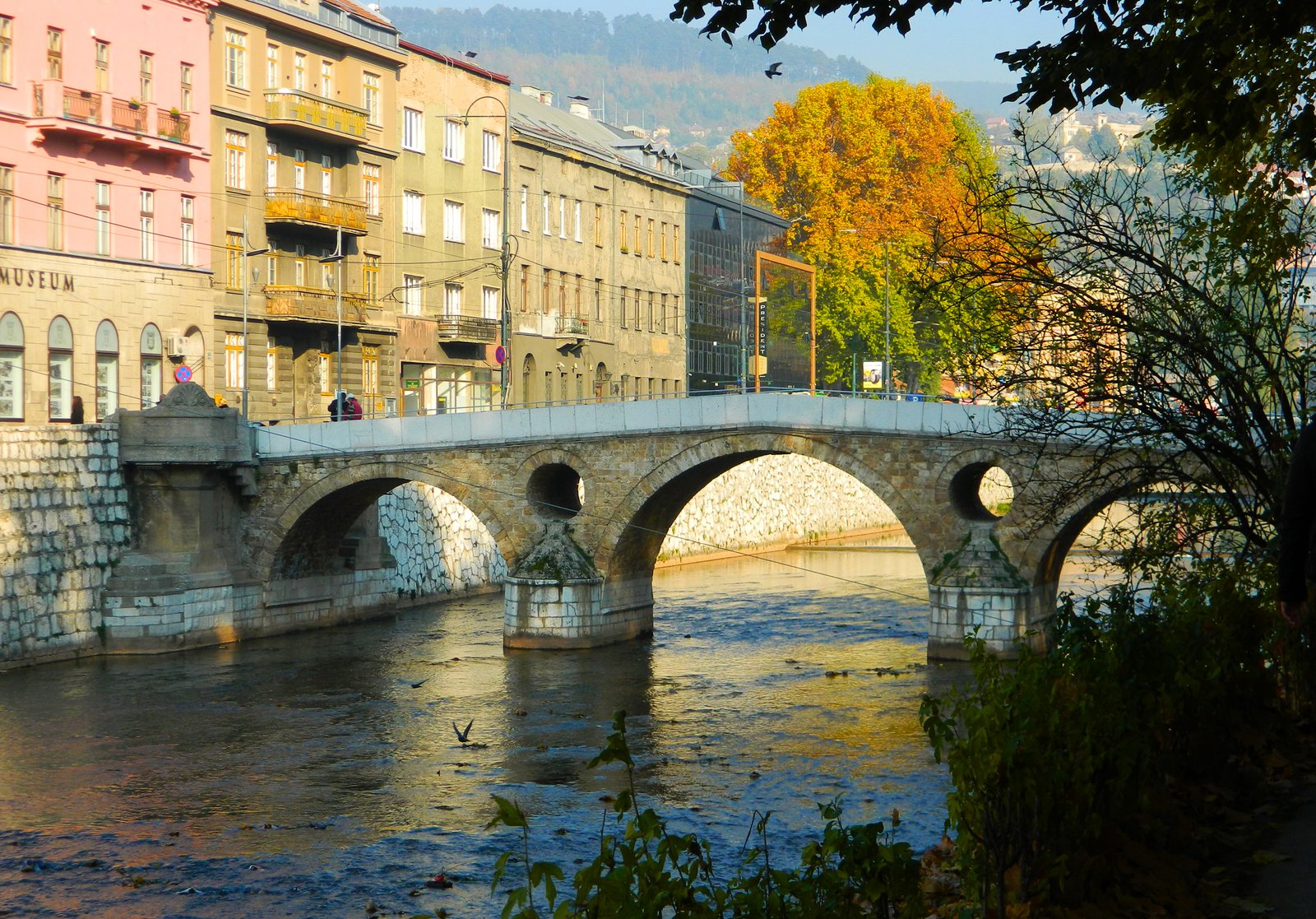
Latin Bridge (stand-in for appel-quay)
Latin Bridge (stand-in for appel-quay) sundeviljeff · CC BY 2.0

Chapter 5

Seven on Appel Quay

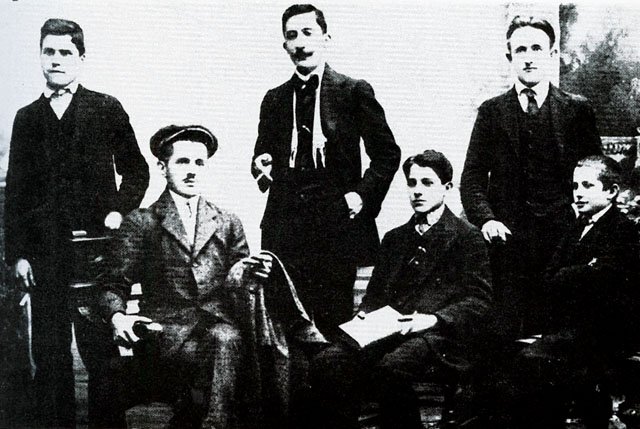
Teacher Danilo Ilić placed the cell along the motorcade: Princip, Čabrinović, Grabež, Čubrilović, Popović, Mehmedbašić, himself. Danilo Ilić organizes in Sarajevo The seven on the quay

Vidovdan — St. Vitus’ Day, tied to Kosovo memory — was the date. An open car and a published route were the method. Thin security was the gift. Vidovdan Thin security despite warnings

Nedeljko Čabrinović
Nedeljko Čabrinović Unknown authorUnknown author · Public domain

Chapter 6

The bomb that failed

Near the Čumurja bridge Nedeljko Čabrinović threw. The bomb glanced off Franz Ferdinand’s car and exploded under the next. Cyanide failed. The river did not hide him. Čabrinović's bomb on Appel Quay [13]

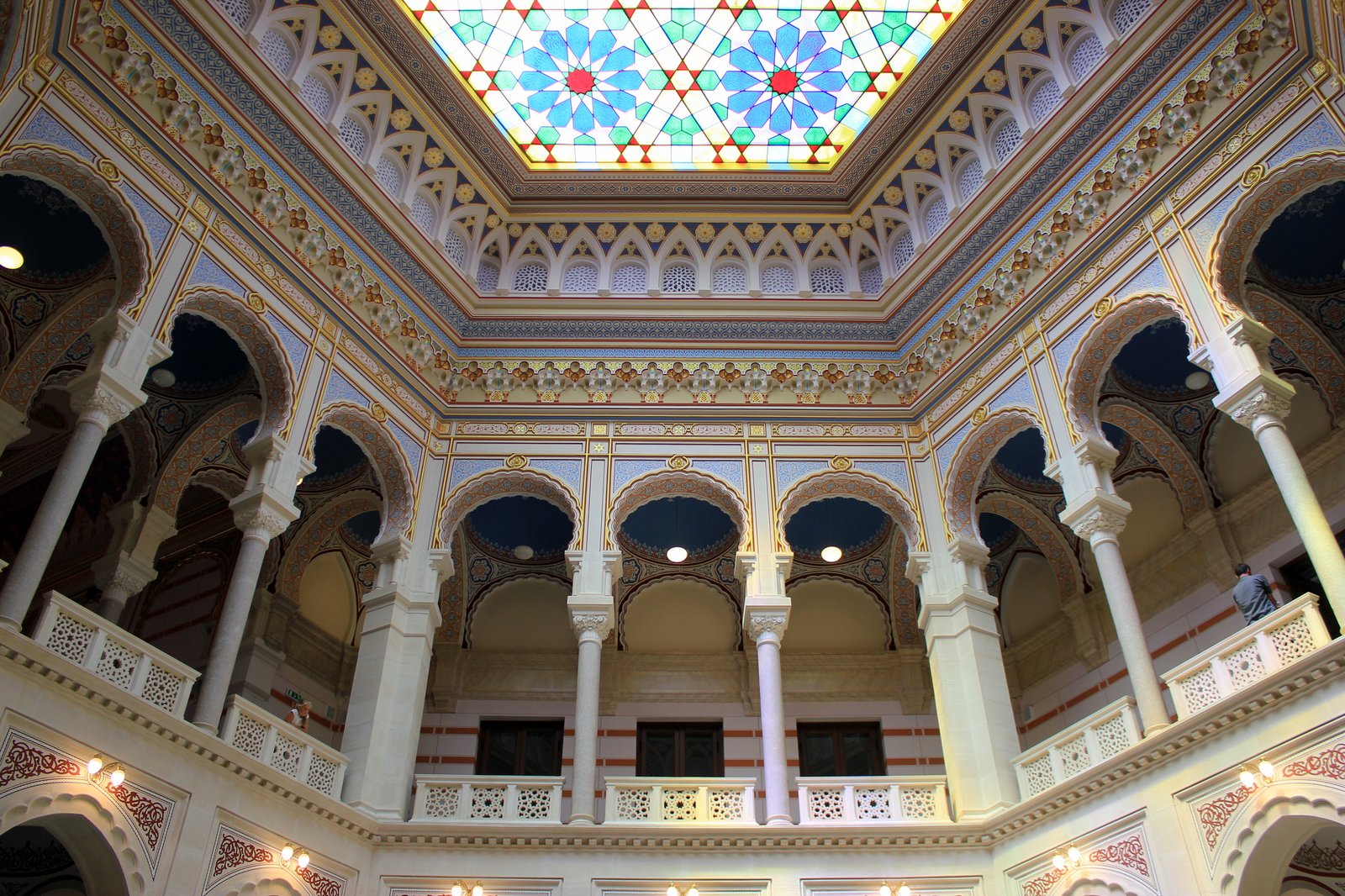
The heir reached City Hall alive and furious — welcomed, he said, with bombs. City Hall

Latin Bridge
Latin Bridge sundeviljeff · CC BY 2.0

Chapter 8

Wrong turn

Drivers followed the old museum route onto Franz Joseph Street. Potiorek shouted. The car stopped and began to reverse in front of Schiller’s delicatessen. Wrong turn at the Latin Bridge [14]

Gavrilo Princip was there with a Browning FN 1910. Harrach was on the other side of the car. [15] [13]

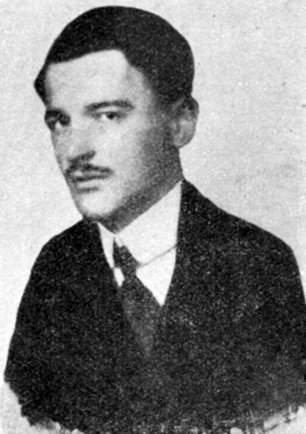
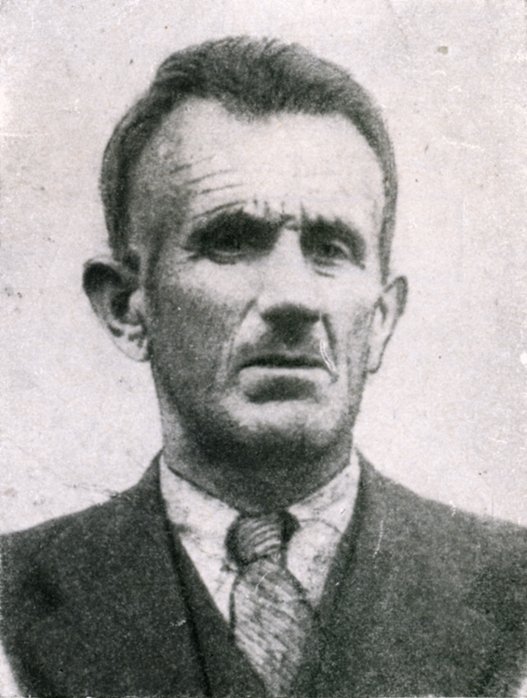
Gavrilo Princip
Gavrilo Princip Unknown photographer · Public domain

Chapter 9

Two shots

Princip fired. Franz Ferdinand was hit near the jugular; Sophie in the abdomen. Both died within minutes. Princip kills Franz Ferdinand and Sop… [16]

An assassination unrivaled in consequences, A.J.P. Taylor later wrote — not because bullets are magic, but because of what governments did next. [17] From two deaths to a world war

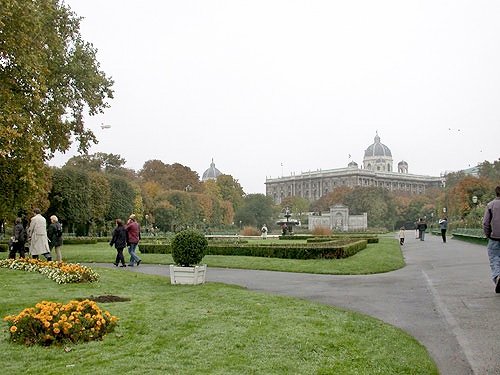
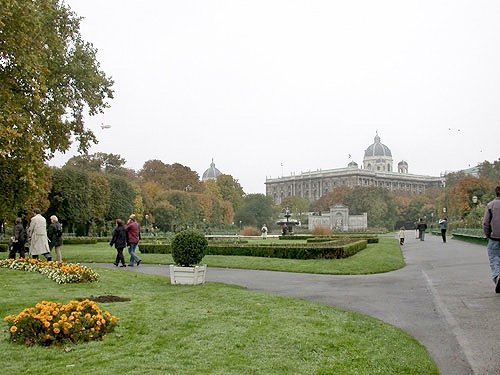
Vienna
Vienna The original uploader was Esojourn at Chinese Wikipedia. · CC BY-SA 3.0

Chapter 10

Wiesner’s careful sentence

Arrests filled Habsburg courts. Vienna built a dossier aimed at Belgrade. Vienna's case for Belgrade responsibi… The Sarajevo trial

On 13 July Wiesner wired home: complicity of the Serbian government in *directing* the attack was not proven. Belgrade conception among the accused, Tankosić/Ciganović weapons, and frontier smuggling — those looked solid. Wiesner's 13 July telegram [12]

Slogans that skip that telegram are not using the inquiry.

Vienna (stand-in for ultimatum)
Vienna (stand-in for ultimatum) The original uploader was Esojourn at Chinese Wikipedia. · CC BY-SA 3.0

Chapter 12

Forty-eight hours

On 23 July Austria delivered a note Belgrade had two days to swallow: suppress agitation, dissolve hostile societies, accept Austrian participation in a Serbian judicial inquiry. The July 23 ultimatum [11]

Point 6 was the sovereignty poison. Many expected refusal. [19]

Nikola Pašić
Nikola Pašić Wikimedia Commons · Public domain

Chapter 13

Almost yes

Serbia’s 25 July reply accepted most demands with reservations. Vienna called it insufficient, severed relations, and chose war. Serbia's 25 July reply [20]

Whether a softer tone could have stopped a government already leaning toward punishment remains an open fight — not a settled moral. Did Pašić's government know?

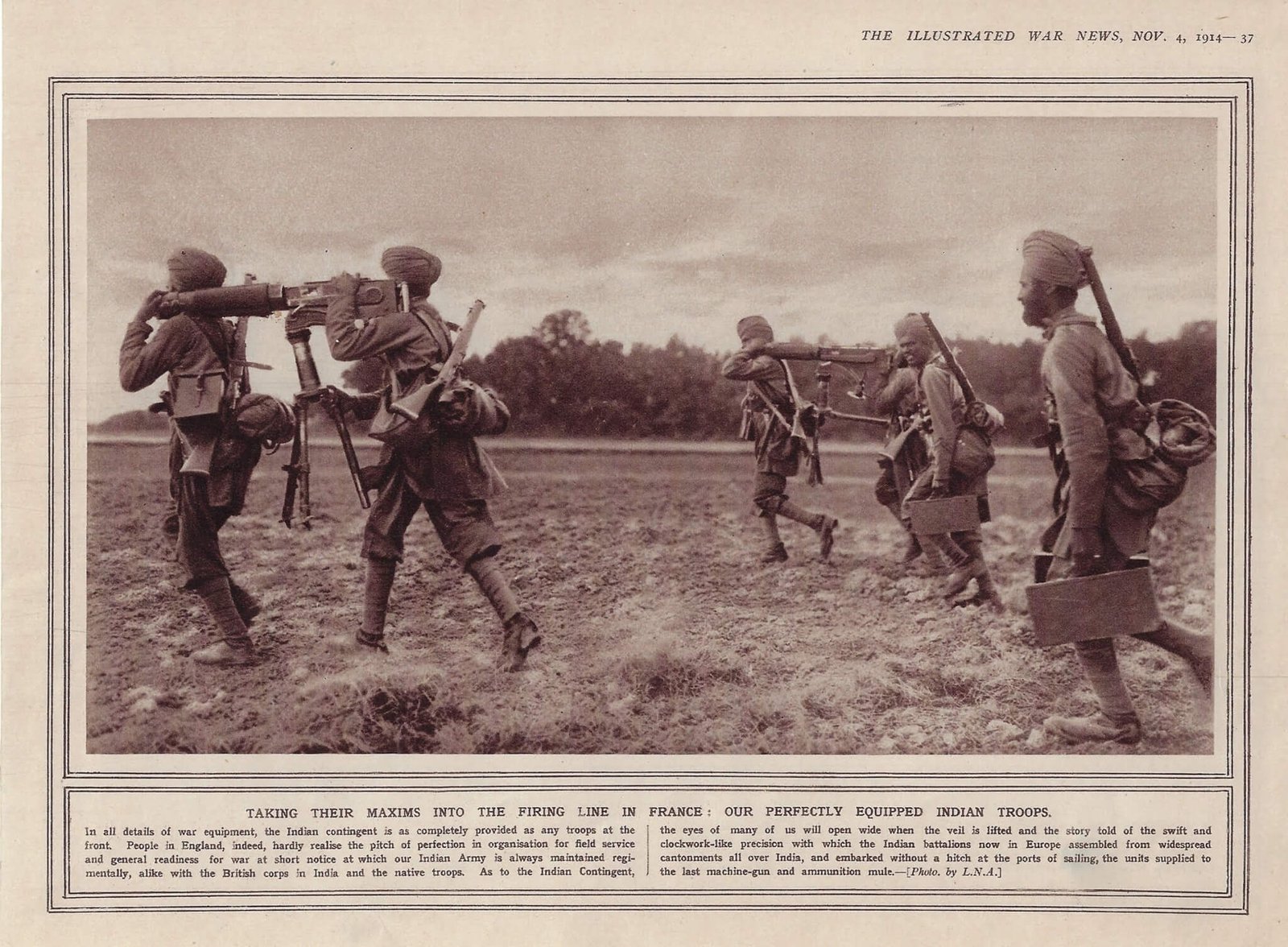
Mobilization 1914
Mobilization 1914 Unknown authorUnknown author · Public domain

Chapter 15

The cascade

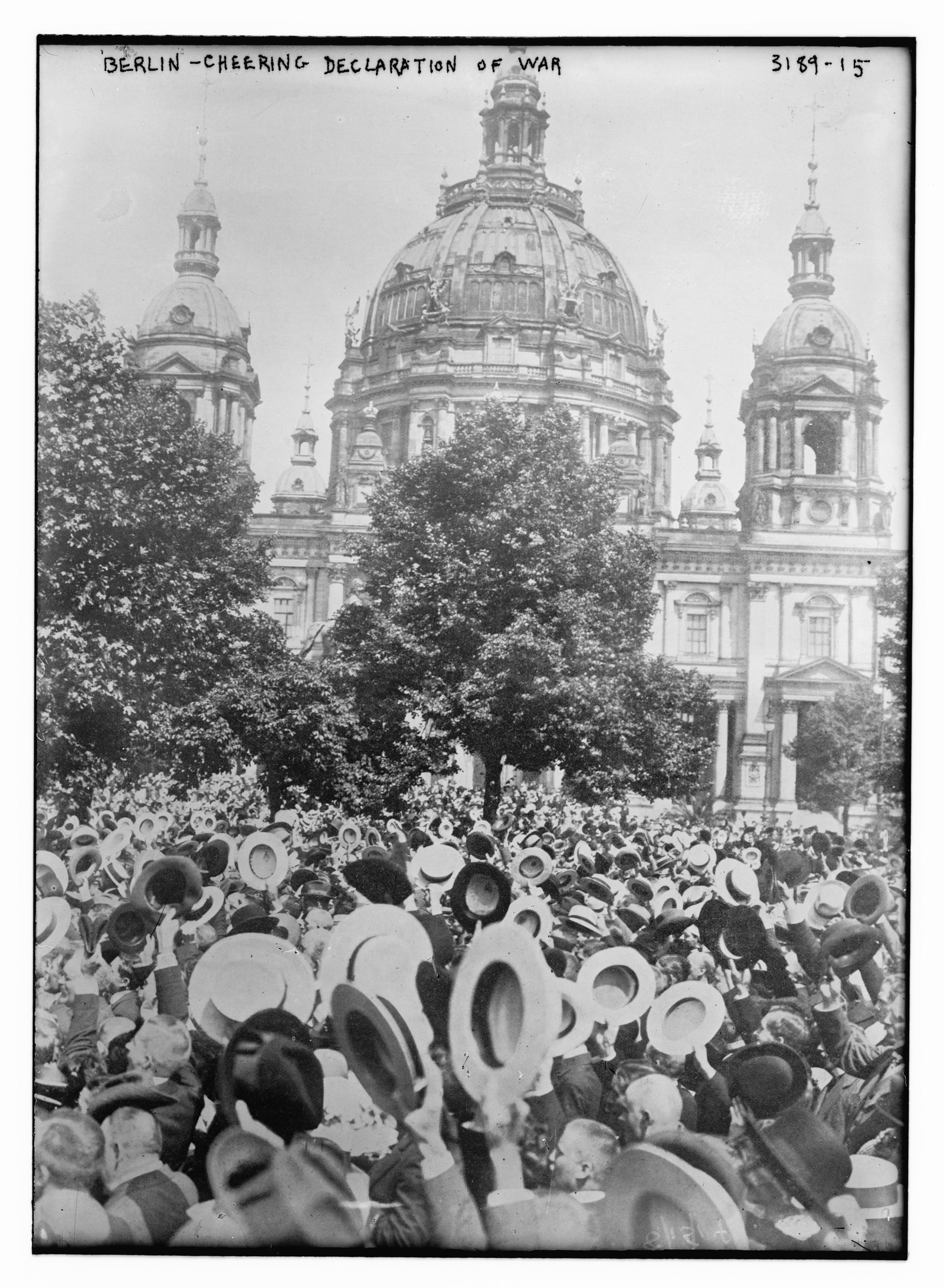
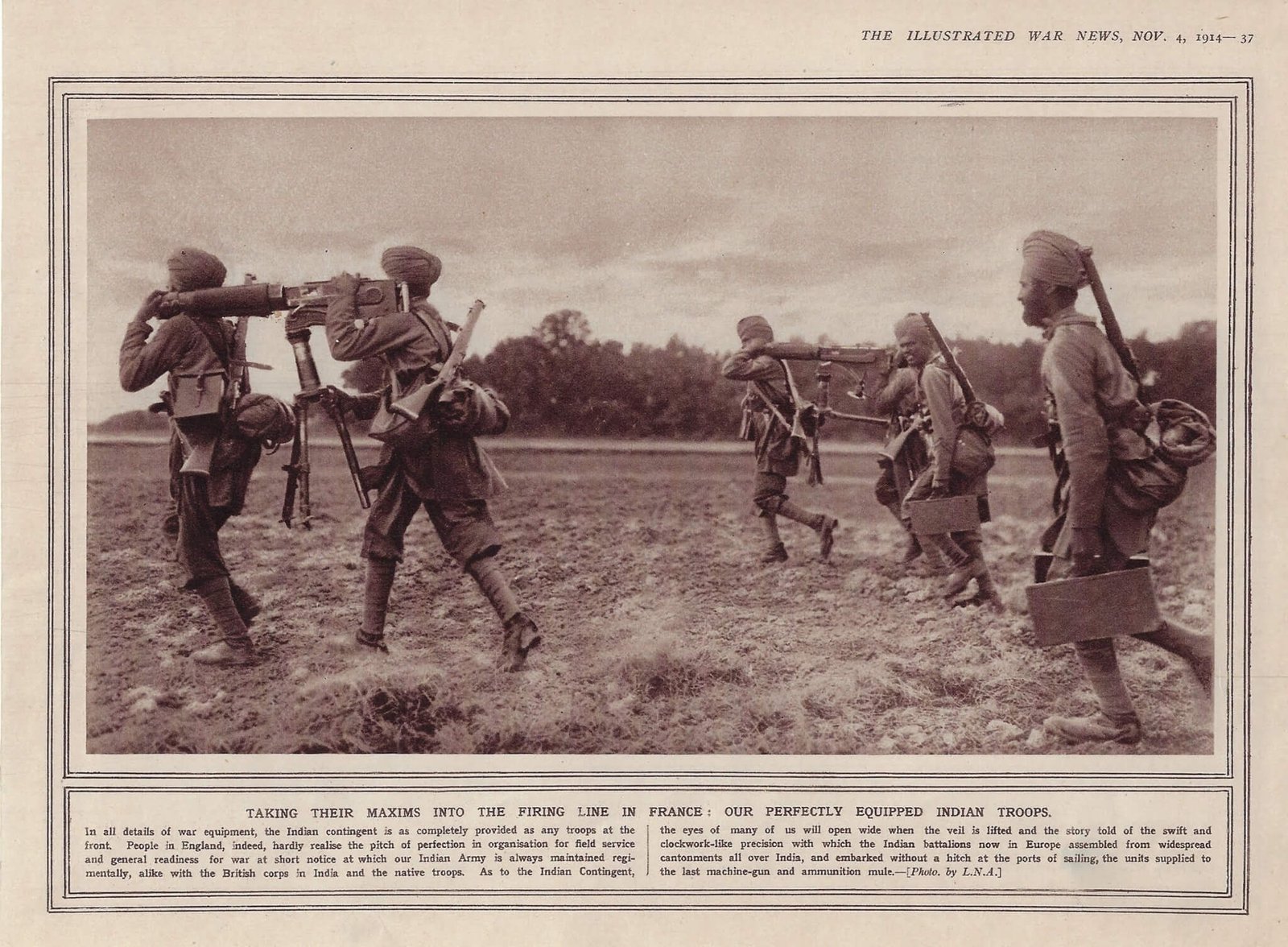
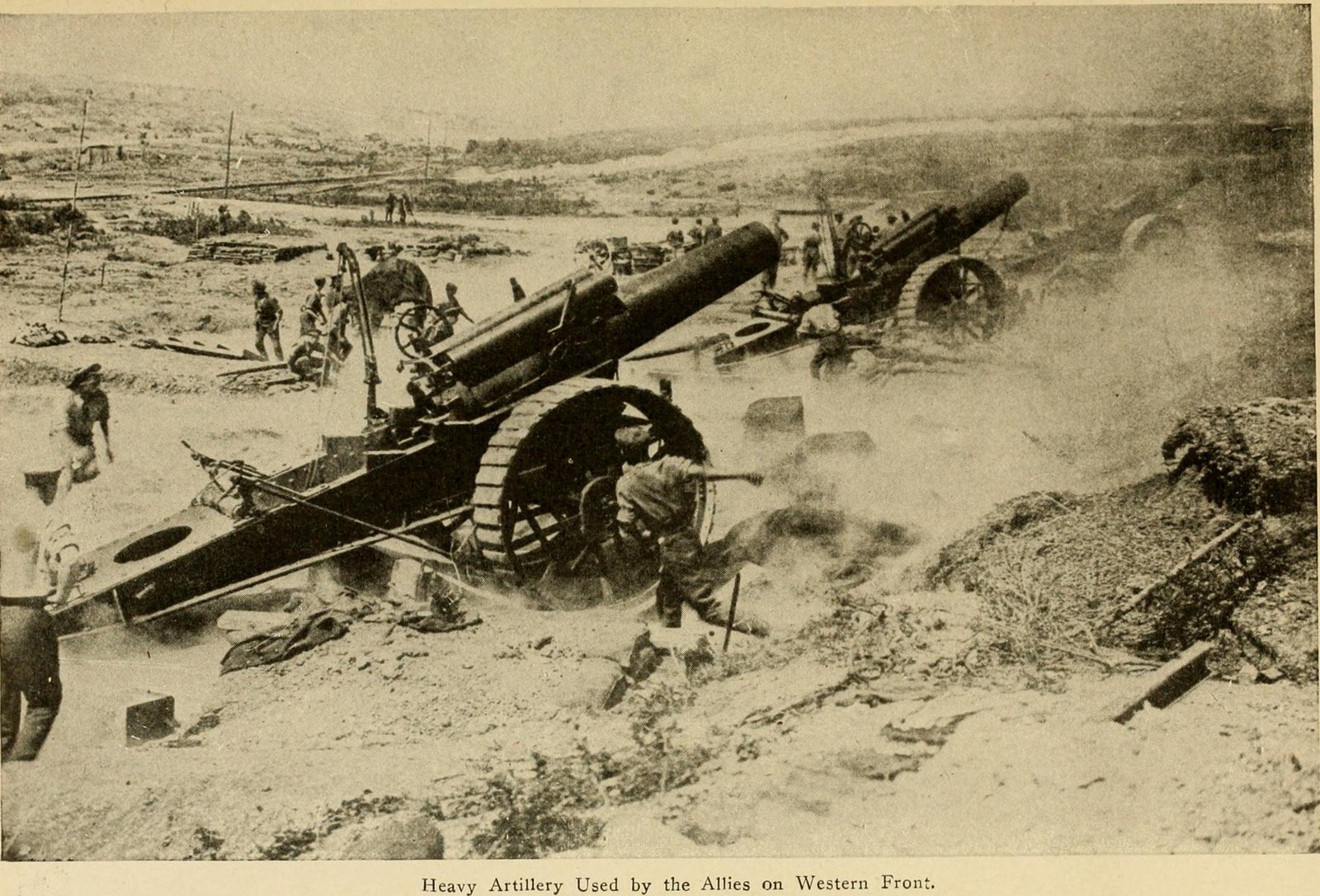
Russia mobilized for Serbia. Germany declared on Russia and France. German armies entered Belgium. Britain declared war on Germany on 4 August. Alliance cascade to general war Britain enters, 4 August 1914

From a Sarajevo corner to a world war took five weeks. [22] [23]

Dragutin Dimitrijević Apis
Dragutin Dimitrijević Apis Unknown authorUnknown author · Public domain

Chapter 16

Apis under the guns

In 1917, at Salonika, Apis was tried and shot. In prison he wrote that he had ordered the Sarajevo assassination through Rade Malobabić — and mentioned Russian attaché Artamonov. Apis's 1917 Salonika confession [24]

Historians still argue whether that letter is confession, bargaining chip, or both. [25]

Latin Bridge
Latin Bridge sundeviljeff · CC BY 2.0

Chapter 18

Plaques and arguments

Princip died of tuberculosis in 1918. Memory made him hero, terrorist, or tragic youth depending on the flag above the plaque. Princip as hero, terrorist, or tragic… [26]

The Latin Bridge corner still teaches wrong turns. The critical path teaches that wrong turns do not invent armed cells, ultimata, or blank checks. Latin Bridge Wrong turn at the Latin Bridge

Mobilization 1914 (stand-in for europe-map)
Mobilization 1914 (stand-in for europe-map) Unknown authorUnknown author · Public domain

Chapter 19

What the shots did not decide

The Browning decided two lives. It did not draft the ultimatum, sign the blank check, or order Russian mobilization. Those were choices in chancelleries that still had clocks and telegrams. Alliance cascade to general war Clark's sleepwalkers

Holding both truths — a real conspiracy on Appel Quay, and a real diplomatic catastrophe in July — is the point of a critical path. [23] [22]

Sarajevo 1914
Sarajevo 1914 Unknown authorUnknown author · Public domain

Chapter 20

The critical path (tease)

The mainstream account needs a chain: a Black Hand world and Young Bosnia radicals; Belgrade arms and a smuggled cell; Ilić’s ambush on a published route; a failed bomb; a wrong turn; Princip’s shots; Wiesner’s split finding; a German blank check; an Austrian ultimatum; a Serbian almost-yes; war on Serbia; Russian mobilization; general European war.

Those sixteen links are spelled out next in [[#path|the critical path]]. Every major other reading — Young Bosnia agency, Apis mastermind, Pašić knowledge, blank-check primacy, sleepwalkers, inevitability, fringe plots — is measured against them.

1. Black Hand exists — Ujedinjenje ili Smrt

2. Young Bosnia milieu — Mlada Bosna

3. Belgrade arms & training — Tankosić / Ciganović

4. Border smuggling — across the Drina

5. Ilić places the ambush — Danilo Ilić

6. Published motorcade — open car, thin security

7. Bomb fails to kill — Čabrinović

8. Wrong turn & reverse — Latin Bridge

9. Princip kills the couple — two shots

10. Wiesner findings — 13 July telegram

11. German blank check — 5–6 July

12. July Ultimatum — 23 July note

13. Serbian partial acceptance — 25 July reply

14. Austria declares war — 28 July

15. Russian mobilization — widening war

16. General European war — by 4 August

The critical path — 16 steps

  1. 1Black Hand exists
  2. 2Young Bosnia milieu
  3. 3Belgrade arms & training
  4. 4Border smuggling
  5. 5Ilić places the ambush
  6. 6Published motorcade
  7. 7Bomb fails to kill
  8. 8Wrong turn & reverse
  9. 9Princip kills the couple
  10. 10Wiesner findings
  11. 11German blank check
  12. 12July Ultimatum
  13. 13Serbian partial acceptance
  14. 14Austria declares war
  15. 15Russian mobilization
  16. 16General European war

View the critical path · See Theories
Sources for the story
  1. May Coup (1903) — Britannica/Wikipedia index
  2. Dragutin Dimitrijević (Wikipedia index)
  3. Nikola Pašić (Wikipedia index)
  4. Bosnian Crisis 1908 (Britannica)
  5. Franz Ferdinand, archduke of Austria-Este (Britannica)
  6. Young Bosnia (Wikipedia index)
  7. Sarajevo Fifty Years After (Vladimir Dedijer, Foreign Affairs 1964)
  8. Black Hand (Britannica)
  9. Black Hand (Serbia) (Wikipedia index)
  10. Narodna Odbrana (Wikipedia index)
  11. Austro-Hungarian Ultimatum to Serbia, 23 July 1914 (Avalon Project)
  12. Wiesner telegram to Vienna, 13 July 1914 (WWI Document Archive)
  13. Sunday, 28 June 1914: Ferdinand, Sophie shot (OUP / Gordon Martel)
  14. How a wrong turn started World War I (BBC)
  15. FN Model 1910 — Princip's pistol type (secondary)
  16. Gavrilo Princip (Britannica)
  17. The Great Assassination — A.J.P. Taylor on Dedijer (NYRB 1966)
  18. German entry into World War I — blank cheque (Wikipedia index)
  19. July Crisis (Wikipedia index)
  20. Serbian Reply to the Austro-Hungarian Ultimatum, 25 July 1914 (Avalon)
  21. Declarations of war, 1914 chronology (Britannica WWI)
  22. How the world went to war in 1914 (Imperial War Museums)
  23. World War I — Outbreak (Britannica)
  24. Salonika Trial / Apis execution context (secondary indexes)
  25. Historiography of the Sarajevo Assassination (Macksey Journal)
  26. Princip imprisonment — Terezín fortress (secondary)

Explore

Go deeper, era by era

Pick an era, or search everything at once: entries, people, dated events, claims, theories and media.
Threads

Follow one thread through the whole story

Each thread pulls together the entries on one question, across all the eras.

Key people

Who was who

33 people, from the quay to the chancelleries. Open a card for what the record shows.

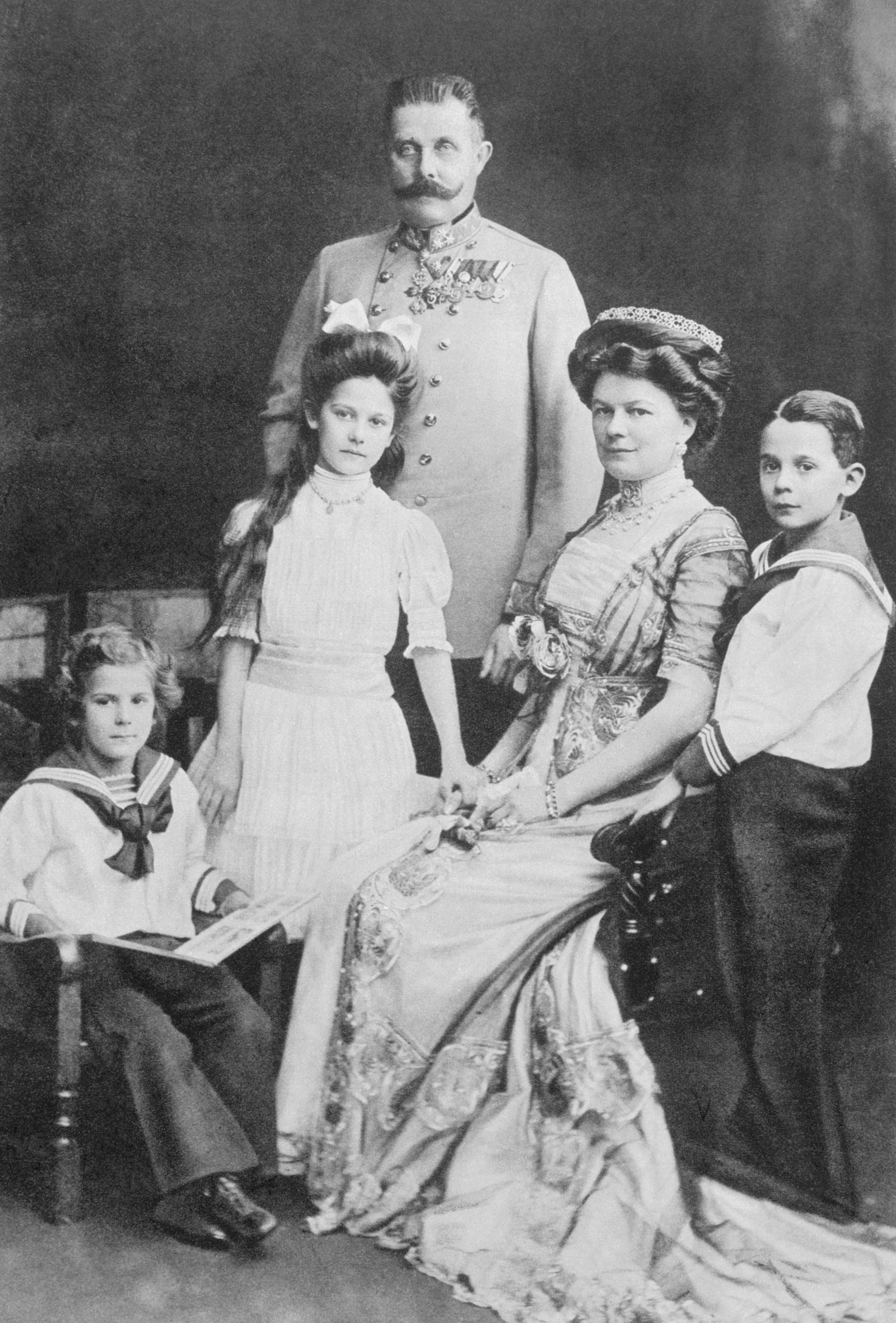
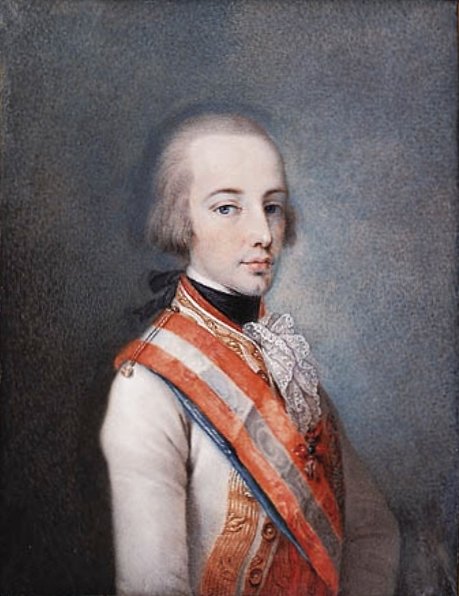
Archduke Franz FerdinandArchduke Franz FerdinandHeir presumptive of Austria-Hungary

Inspecting troops in Sarajevo on Vidovdan 1914; killed with Sophie after the wrong turn.

Sources
  1. Franz Ferdinand, archduke of Austria-Este (Britannica)
  2. Sunday, 28 June 1914: Ferdinand, Sophie shot (OUP / Gordon Martel)
Sophie, Duchess of HohenbergSophie, Duchess of HohenbergWife of the heir (morganatic)
Gavrilo PrincipGavrilo PrincipShooter; Young Bosnia

Fired the fatal shots; too young for execution; died of TB in 1918.

Sources
  1. Gavrilo Princip (Britannica)
  2. Princip imprisonment — Terezín fortress (secondary)
Nedeljko ČabrinovićNedeljko ČabrinovićBomb thrower
Dragutin Dimitrijević (Apis)Dragutin Dimitrijević (Apis)Black Hand / military intelligence

1903 coup veteran; Black Hand leader; 1917 Salonika confession and execution.

Sources
  1. Dragutin Dimitrijević (Wikipedia index)
  2. Black Hand (Britannica)
  3. Salonika Trial / Apis execution context (secondary indexes)
Vojislav TankosićVojislav TankosićMajor; arms/training link
Milan CiganovićMilan CiganovićBelgrade associate

Named with Tankosić for supplying bombs, pistols, cyanide.

Sources
  1. Wiesner telegram to Vienna, 13 July 1914 (WWI Document Archive)
Nikola PašićNikola PašićPrime Minister of Serbia

Civilian government head; knowledge/warning debate remains open.

Sources
  1. Nikola Pašić (Wikipedia index)
  2. Historiography of the Sarajevo Assassination (Macksey Journal)
Leopold BerchtoldLeopold BerchtoldForeign Minister
Emperor Franz JosephEmperor Franz JosephEmperor of Austria / King of Hungary

Aged monarch whose government chose punitive war after the heir's murder.

Sources
  1. Franz Ferdinand, archduke of Austria-Este (Britannica)
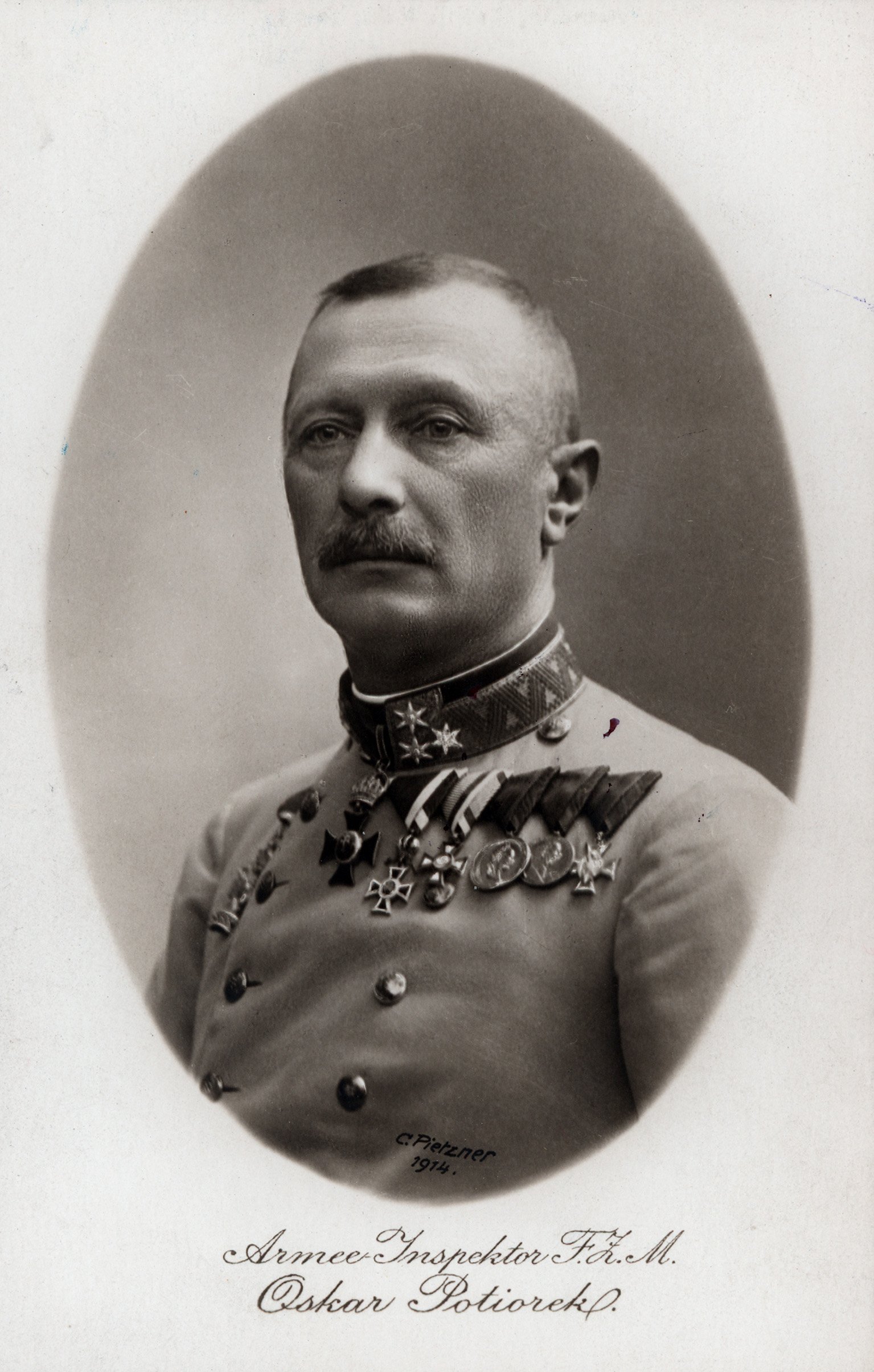
Oskar PotiorekOskar PotiorekGovernor of Bosnia

In the car; ordered the reverse after the wrong turn; survived.

Sources
  1. Sunday, 28 June 1914: Ferdinand, Sophie shot (OUP / Gordon Martel)
  2. Oskar Potiorek (Wikipedia index)
Friedrich von WiesnerFriedrich von WiesnerForeign Ministry investigator

13 July telegram: no proof of Serbian government direction; Belgrade arms/smuggling solid.

Sources
  1. Wiesner telegram to Vienna, 13 July 1914 (WWI Document Archive)
Kaiser Wilhelm IIKaiser Wilhelm IIGerman Emperor
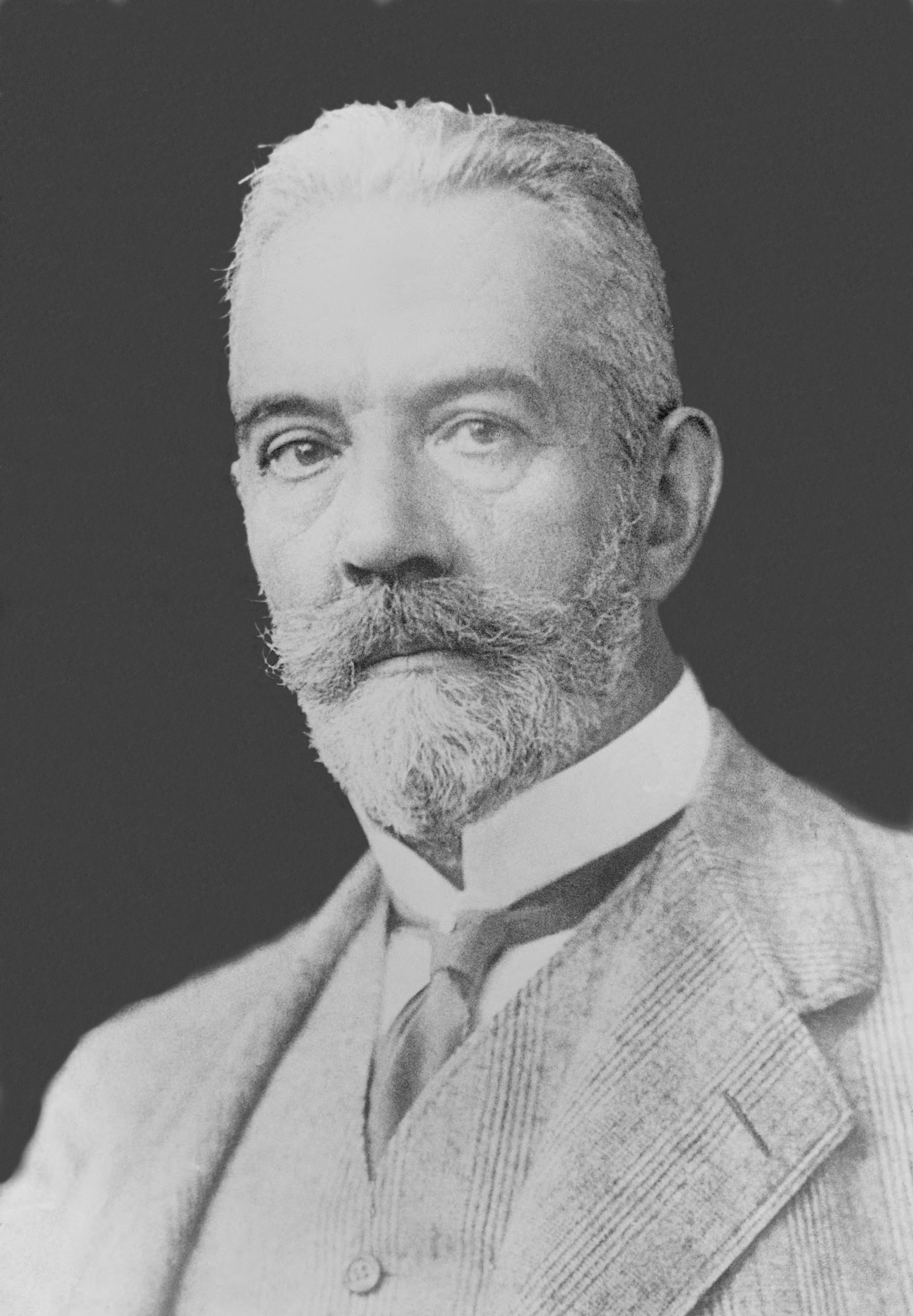
Theobald von Bethmann HollwegTheobald von Bethmann HollwegGerman Chancellor

Partner in the blank-check assurance to Vienna.

Sources
  1. German entry into World War I — blank cheque (Wikipedia index)
Trifko GrabežTrifko GrabežConspirator; Belgrade trainee
Vaso ČubrilovićVaso ČubrilovićConspirator on the quay

Youngest; held a position; later a historian in Yugoslavia.

Sources
  1. Assassination of Archduke Franz Ferdinand (Wikipedia, cited index)
Cvjetko PopovićCvjetko PopovićConspirator on the quay

Placed by Ilić; did not deliver a successful attack.

Sources
  1. Sunday, 28 June 1914: Ferdinand, Sophie shot (OUP / Gordon Martel)
Muhamed MehmedbašićMuhamed MehmedbašićBosniak conspirator

Early on the route; escaped the initial roundup.

Sources
  1. Assassination of Archduke Franz Ferdinand (Wikipedia, cited index)
Franz von HarrachFranz von HarrachCar owner / eyewitness

Stood on the running board after the bomb; opposite Princip at the shots.

Sources
  1. Sunday, 28 June 1914: Ferdinand, Sophie shot (OUP / Gordon Martel)
  2. Franz von Harrach account (secondary via OUP/Martel)
Vladimir DedijerVladimir DedijerHistorian — Road to Sarajevo
Christopher ClarkChristopher ClarkHistorian — The Sleepwalkers
Luigi AlbertiniLuigi AlbertiniHistorian — Origins of the War of 1914

Classic multi-volume diplomatic history.

Sources
  1. Luigi Albertini, The Origins of the War of 1914 (overview)
Fritz FischerFritz FischerHistorian — German war aims debate

Sparked the Fischer controversy on German responsibility.

Sources
  1. Fritz Fischer controversy — German war aims (Britannica / overview)
Sean McMeekinSean McMeekinHistorian — July 1914

July Crisis narrative stressing choices beyond Austria alone.

Sources
  1. Sean McMeekin, July 1914: Countdown to War
A.J.P. TaylorA.J.P. TaylorHistorian / reviewer

NYRB review locating Dedijer amid contested accusations.

Sources
  1. The Great Assassination — A.J.P. Taylor on Dedijer (NYRB 1966)
Gordon MartelGordon MartelHistorian — July 1914 day blog

Minute-by-minute OUP reconstruction of 28 June.

Sources
  1. Sunday, 28 June 1914: Ferdinand, Sophie shot (OUP / Gordon Martel)
Rade MalobabićRade MalobabićAgent named by Apis

Apis's confession names him as organizer — contested outside Salonika materials.

Sources
  1. Salonika Trial / Apis execution context (secondary indexes)
  2. Historiography of the Sarajevo Assassination (Macksey Journal)
Viktor ArtamonovViktor ArtamonovRussian military attaché (claimed)
Wladimir Giesl von GieslingenWladimir Giesl von GieslingenMinister at Belgrade

Delivered the ultimatum; broke relations after the reply.

Sources
  1. Austro-Hungarian Ultimatum to Serbia, 23 July 1914 (Avalon Project)
  2. July Crisis (Wikipedia index)
Sergey SazonovSergey SazonovRussian Foreign Minister

Key figure in Russia's July support for Serbia / mobilization path.

Sources
  1. World War I — Outbreak (Britannica)
  2. July Crisis (Wikipedia index)
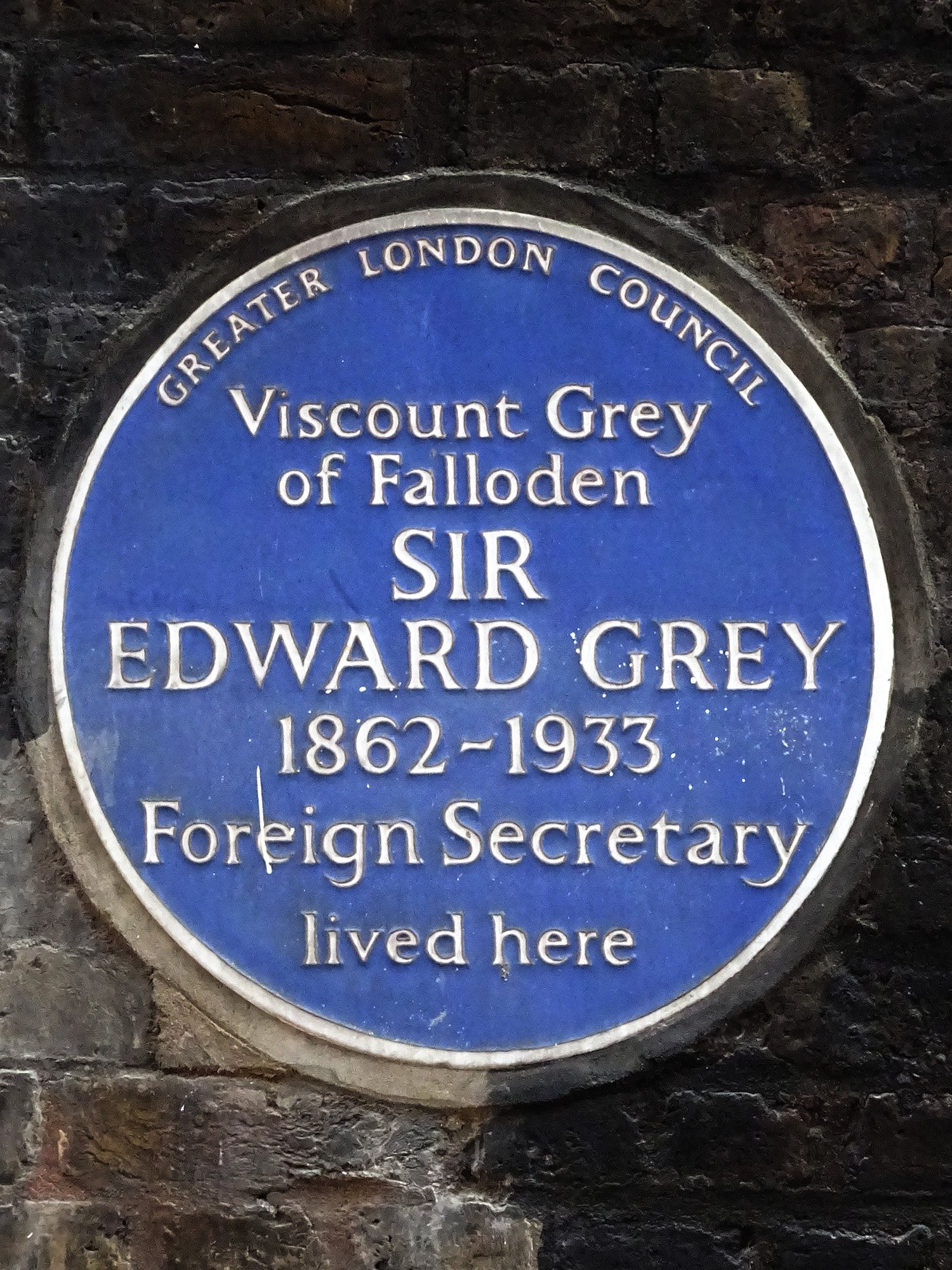
Sir Edward GreySir Edward GreyBritish Foreign Secretary

Mediation attempts; Britain entered 4 August after Belgium.

Sources
  1. World War I — Outbreak (Britannica)
  2. How the world went to war in 1914 (Imperial War Museums)
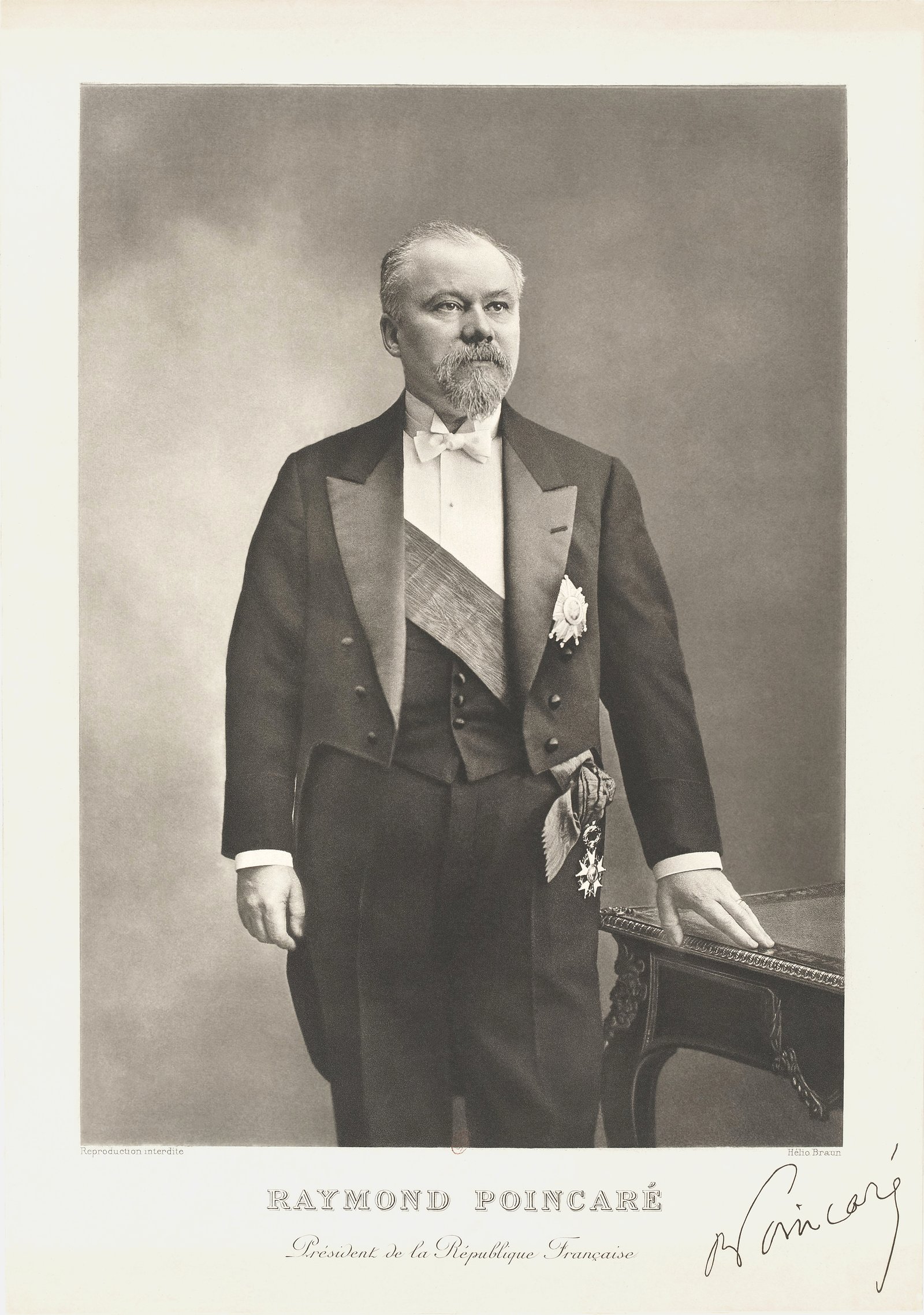
Raymond PoincaréRaymond PoincaréFrench President

Franco-Russian alliance politics during the July Crisis.

Sources
  1. World War I — Outbreak (Britannica)
  2. Sean McMeekin, July 1914: Countdown to War

Timeline

Day by day

37 dated events, 1903–1918, each with its source.

  1. 28–29 May 1903
    May Coup in Belgrade Officers kill King Alexander and Queen Draga; Apis among conspirators. Origins of the crisis · source source
  2. October 1908
    Bosnia annexed Austria-Hungary annexes Bosnia-Herzegovina; Serbian outrage. Origins of the crisis · source
  3. 9 May 1911
    Black Hand founded Ujedinjenje ili Smrt organized by officers around Apis. The Black Hand · source source
  4. October 1912
    First Balkan War Serbia expands against the Ottomans. Origins of the crisis · source
  5. June–August 1913
    Second Balkan War Further Serbian gains; Habsburg alarm grows. Origins of the crisis · source
  6. Spring 1914
    Sarajevo visit planned Franz Ferdinand to inspect army maneuvers in Bosnia; public itinerary. 28 June 1914 · source source
  7. May–June 1914
    Belgrade training & arms Princip, Čabrinović, Grabež linked to Tankosić/Ciganović weapons and practice. The cell · source source
  8. June 1914
    Cell enters Bosnia Men and weapons smuggled across the border with frontier help. The cell · source source
  9. 28 June 1914 ~10:00
    Royal party arrives Train to Sarajevo; motorcade forms for Appel Quay. 28 June 1914 · source
  10. 28 June 1914 ~10:10
    Čabrinović bomb Bomb glances off the archduke's car; next car hit; thrower seized. 28 June 1914 · source source
  11. 28 June 1914 ~10:20
    City Hall confrontation Archduke rebukes the welcome; decides to visit the wounded. 28 June 1914 · source
  12. 28 June 1914 ~10:45
    Princip fires Wrong turn; car stops; Princip kills Franz Ferdinand and Sophie. 28 June 1914 · source source
  13. 28 June 1914 ~11:00
    Couple pronounced dead Both die shortly after the shooting. 28 June 1914 · source source
  14. 28–29 June 1914
    Arrests begin Princip and most of the cell seized; investigation opens. Investigation · source source
  15. 5–6 July 1914
    German blank check Wilhelm II / Bethmann assure Austrian support against Serbia. July Crisis · source source
  16. 13 July 1914
    Wiesner telegram No proof Serbian government directed the hit; Belgrade arms/smuggling affirmed. Investigation · source
  17. 23 July 1914
    Ultimatum delivered 48-hour Austrian note to Belgrade. July Crisis · source
  18. 25 July 1914
    Serbian reply Partial acceptance with sovereignty reservations; relations break. July Crisis · source source
  19. 28 July 1914
    Austria declares war War on Serbia — one month after Sarajevo. War · source source
  20. 30–31 July 1914
    Russian mobilization Russia moves to general mobilization supporting Serbia. War · source source
  21. 1 August 1914
    Germany declares on Russia Alliance cascade accelerates. War · source source
  22. 3 August 1914
    Germany and France at war Western front opens via German war plan. War · source source
  23. 4 August 1914
    Britain declares on Germany After Belgian invasion. War · source source
  24. October 1914
    Sarajevo trial judgments Conspirators sentenced; Princip imprisoned. Investigation · source source
  25. April–June 1917
    Salonika trial; Apis shot Apis executed; confession letter later published. The Black Hand · source source
  26. 28 April 1918
    Princip dies Tuberculosis in Theresienstadt fortress prison. Memory & scholarship · source source
  27. 1952–1957
    Albertini volumes Origins of the War of 1914 becomes a diplomatic reference. Memory & scholarship · source
  28. 1966
    Dedijer, Road to Sarajevo Young Bosnia–agency landmark. Memory & scholarship · source source
  29. 1961 onward
    Fischer controversy German war-aims debate reshapes blank-check readings. July Crisis · source
  30. 2012
    Clark, Sleepwalkers Contingency / shared-responsibility bestseller. July Crisis · source source
  31. 2014
    Centenary memory fights Plaques, museums, and hero/terrorist arguments renew. Memory & scholarship · source source
  32. 28 June 1914 ~10:30
    Harrach on the running board After the bomb, Harrach shields the archduke from one side. 28 June 1914 · source
  33. 28 June 1914 ~10:45
    Wrong turn / reverse Drivers err onto Franz Joseph Street; Potiorek orders reverse. 28 June 1914 · source source
  34. 1908–1911
    Narodna Odbrana active Public patriotic society Austria later names in the ultimatum. The Black Hand · source
  35. June 1914
    Ilić places the quay team Local organizer positions seven along Appel Quay. The cell · source
  36. 31 July–1 Aug 1914
    Mobilization traps close Railway war plans compress diplomacy. War · source source
  37. 1914–1918
    World war deaths Millions dead follow the July cascade from Sarajevo. War · source source

What we know now

What the archives still teach

Document editions, centenary scholarship, and the fights that did not end in 2014.

The yardstick

The critical path

The links the mainstream account needs, in order. Each ties to a dated event and its sources. Every theory below is measured against this chain.

  1. 1
    9 May 1911Black Hand exists

    Ujedinjenje ili Smrt is founded (1911) under officer leadership including Apis.[1][2]

    On the timeline
  2. 2
    October 1908Young Bosnia milieu

    Annexed Bosnia produces radical youth who want Habsburg rule broken.[3][4]

    On the timeline
  3. 3
    May–June 1914Belgrade arms & training

    Tankosić/Ciganović supply bombs, Brownings, cyanide and coaching.[5][6]

    On the timeline
  4. 4
    June 1914Border smuggling

    Cell and weapons enter Bosnia with Serbian frontier facilitation.[5][7]

    On the timeline
  5. 5
    June 1914Ilić places the ambush

    Local organizer positions conspirators along Appel Quay.[8][6]

    On the timeline
  6. 6
    28 June 1914 ~10:00Published motorcade

    Heir and Sophie ride an open car on a known route with thin security.[8][9]

    On the timeline
  7. 7
    28 June 1914 ~10:10Bomb fails to kill

    Čabrinović's bomb wounds others; couple reaches City Hall alive.[8][10]

    On the timeline
  8. 8
    28 June 1914 ~10:45Wrong turn & reverse

    Route error stops the car in front of Princip.[8][11]

    On the timeline
  9. 9
    28 June 1914 ~10:45Princip kills the couple

    Two close-range shots; Franz Ferdinand and Sophie die.[10][8]

    On the timeline
  10. 10
    13 July 1914Wiesner findings

    No proof of Serbian government direction; Belgrade arms/smuggling affirmed.[5]

    On the timeline
  11. 11
    5–6 July 1914German blank check

    Germany assures Austria of support before the ultimatum.[12][13]

    On the timeline
  12. 12
    23 July 1914July Ultimatum

    Austria delivers a 48-hour note with sovereignty-breaking demands.[7]

    On the timeline
  13. 13
    25 July 1914Serbian partial acceptance

    Belgrade accepts most points with reservations; Vienna rejects the reply.[14][15]

    On the timeline
  14. 14
    28 July 1914Austria declares war

    28 July war on Serbia opens the Balkan conflict Austria chose.[16][13]

    On the timeline
  15. 15
    30–31 July 1914Russian mobilization

    Russia mobilizes in Serbia's support, widening the war.[13][17]

    On the timeline
  16. 16
    4 August 1914General European war

    German declarations and Belgian invasion bring France and Britain in by 4 August.[16][18][13]

    On the timeline
Sources for the 16 steps
  1. Black Hand (Britannica)
  2. Black Hand (Serbia) (Wikipedia index)
  3. Bosnian Crisis 1908 (Britannica)
  4. Young Bosnia (Wikipedia index)
  5. Wiesner telegram to Vienna, 13 July 1914 (WWI Document Archive)
  6. Assassination of Archduke Franz Ferdinand (Wikipedia, cited index)
  7. Austro-Hungarian Ultimatum to Serbia, 23 July 1914 (Avalon Project)
  8. Sunday, 28 June 1914: Ferdinand, Sophie shot (OUP / Gordon Martel)
  9. Sarajevo 1914 (Cambridge University Library spotlight)
  10. Gavrilo Princip (Britannica)
  11. How a wrong turn started World War I (BBC)
  12. German entry into World War I — blank cheque (Wikipedia index)
  13. World War I — Outbreak (Britannica)
  14. Serbian Reply to the Austro-Hungarian Ultimatum, 25 July 1914 (Avalon)
  15. Primary Documents — Serbian Reply (firstworldwar.com)
  16. Declarations of war, 1914 chronology (Britannica WWI)
  17. July Crisis (Wikipedia index)
  18. How the world went to war in 1914 (Imperial War Museums)

Other readings

The other explanations, opened up

Young Bosnia agency, Apis mastermind, Serbian government knowledge, German blank-check primacy, sleepwalker contingency, structural inevitability, and fringe plots — each measured against the critical path.

Gavrilo Princip
Gavrilo Princip Unknown photographer · Public domain
Debated

Young Bosnia initiative (Dedijer camp)

Bosnian youths conceived the murder; Belgrade supplied means more than orders.

  1. 1Black Hand existsrecast
  2. 2Young Bosnia milieu
  3. 3Belgrade arms & training
  4. 4Border smuggling
  5. 5Ilić places the ambush
  6. 6Published motorcade
  7. 7Bomb fails to kill
  8. 8Wrong turn & reverse
  9. 9Princip kills the couple
  10. 10Wiesner findings
  11. 11German blank check
  12. 12July Ultimatum
  13. 13Serbian partial acceptance
  14. 14Austria declares war
  15. 15Russian mobilization
  16. 16General European war
  17. +Autonomous Bosnian decision to kill FFSome evidence
Open the file
Who believes it
Who has voiced it
Where it started

Developed in interwar and especially Dedijer's Road to Sarajevo; maps against Apis-centric accounts.[1][2][4]

Why it lives

Appeals to readers who want agency for colonized Bosnian youth without erasing Habsburg victims.

If it were true

Critical path keeps arms and smuggling but recasts Apis as logistics, not inventor.

How it squares with the record

Dedijer and Taylor's review place Princip's world at the center. [1] [4]

Wiesner already denied government direction. [3]

What holds up Debated

Strong on shooter sociology; must still explain Tankosić/Ciganović.

Against the critical path
  1. 1Black Hand existsrecast
  2. 2Young Bosnia milieu
  3. 3Belgrade arms & training
  4. 4Border smuggling
  5. 5Ilić places the ambush
  6. 6Published motorcade
  7. 7Bomb fails to kill
  8. 8Wrong turn & reverse
  9. 9Princip kills the couple
  10. 10Wiesner findings
  11. 11German blank check
  12. 12July Ultimatum
  13. 13Serbian partial acceptance
  14. 14Austria declares war
  15. 15Russian mobilization
  16. 16General European war
  17. +Autonomous Bosnian decision to kill FFSome evidence
Removes from the critical path
  • 1. Black Hand exists must recast Black Hand becomes arsenal network, not plot inventor What has to be fake or wrong: Reading of Apis as sole mastermind[2]
Adds to the critical path
  • Autonomous Bosnian decision to kill FF Some evidence Supported by Dedijer tradition[1]
What would have to turn out fake or wrong
  • A simple Apis-only kill order as the whole story
What new information would make it true
  • Contemporaneous Bosnian planning docs predating Belgrade contact
  • Clear evidence Ilić invented the hit without Apis
What would prove it false
  • A verified 1914 Apis order to kill Ferdinand
  • Cabinet minutes directing the cell
Books and films that argue it
Dragutin Dimitrijević Apis
Dragutin Dimitrijević Apis Unknown authorUnknown author · Public domain
Debated

Apis ordered Sarajevo

The intelligence chief of the Black Hand directed Malobabić to organize the assassination.

  1. 1Black Hand exists
  2. 2Young Bosnia milieurecast
  3. 3Belgrade arms & training
  4. 4Border smuggling
  5. 5Ilić places the ambush
  6. 6Published motorcade
  7. 7Bomb fails to kill
  8. 8Wrong turn & reverse
  9. 9Princip kills the couple
  10. 10Wiesner findings
  11. 11German blank check
  12. 12July Ultimatum
  13. 13Serbian partial acceptance
  14. 14Austria declares war
  15. 15Russian mobilization
  16. 16General European war
  17. +Apis→Malobabić kill order (1914)Disputed evidence
Open the file
Who believes it
Who has voiced it
Where it started

Salonika trial letters (1917), later published; amplified in some Western accounts.[1][3][2]

Why it lives

Gives the plot a named villain inside Serbian intelligence.

If it were true

CP gains a clear upstream order; Pašić government may still be outside the loop.

How it squares with the record

Apis had means and motive in his own telling. [1] [3]

What holds up Debated

Depends heavily on a coerced, late confession.

Against the critical path
  1. 1Black Hand exists
  2. 2Young Bosnia milieurecast
  3. 3Belgrade arms & training
  4. 4Border smuggling
  5. 5Ilić places the ambush
  6. 6Published motorcade
  7. 7Bomb fails to kill
  8. 8Wrong turn & reverse
  9. 9Princip kills the couple
  10. 10Wiesner findings
  11. 11German blank check
  12. 12July Ultimatum
  13. 13Serbian partial acceptance
  14. 14Austria declares war
  15. 15Russian mobilization
  16. 16General European war
  17. +Apis→Malobabić kill order (1914)Disputed evidence
Removes from the critical path
  • 2. Young Bosnia milieu must recast Young Bosnia becomes tool more than author What has to be fake or wrong: Purely local invention story[1]
Adds to the critical path
  • Apis→Malobabić kill order (1914) Disputed evidence Salonika letter only strong source[1]
What would have to turn out fake or wrong
  • Claim that Apis had no role whatsoever
What new information would make it true
  • Independent 1914 order corroboration
  • Malobabić papers confirming the tasking
What would prove it false
  • Proof Apis fabricated the confession for pardon politics only
Nikola Pašić
Nikola Pašić Wikimedia Commons · Public domain
Debated

Serbian government knowledge / negligence

Pašić's cabinet had foreknowledge or failed in warnings — short of proving a state-ordered hit.

  1. 1Black Hand exists
  2. 2Young Bosnia milieu
  3. 3Belgrade arms & training
  4. 4Border smuggling
  5. 5Ilić places the ambush
  6. 6Published motorcade
  7. 7Bomb fails to kill
  8. 8Wrong turn & reverse
  9. 9Princip kills the couple
  10. 10Wiesner findingsrecast
  11. 11German blank check
  12. 12July Ultimatum
  13. 13Serbian partial acceptance
  14. 14Austria declares war
  15. 15Russian mobilization
  16. 16General European war
  17. +Actionable foreknowledge in Belgrade cabinetDisputed evidence
Open the file
Who believes it
Who has voiced it
Where it started

Austrian charges plus later debates over alleged opaque warnings to Vienna.[3][2][1]

Why it lives

Keeps civilian Serbia on the hook without needing a signed kill order.

If it were true

Adds negligence/foreknowledge without removing Wiesner's 'no direction' finding.

How it squares with the record

Wiesner already separated facilitation from government direction. [1]

What holds up Debated

Evidence of clear, timely official warning remains contested.

Against the critical path
  1. 1Black Hand exists
  2. 2Young Bosnia milieu
  3. 3Belgrade arms & training
  4. 4Border smuggling
  5. 5Ilić places the ambush
  6. 6Published motorcade
  7. 7Bomb fails to kill
  8. 8Wrong turn & reverse
  9. 9Princip kills the couple
  10. 10Wiesner findingsrecast
  11. 11German blank check
  12. 12July Ultimatum
  13. 13Serbian partial acceptance
  14. 14Austria declares war
  15. 15Russian mobilization
  16. 16General European war
  17. +Actionable foreknowledge in Belgrade cabinetDisputed evidence
Removes from the critical path
  • 10. Wiesner findings must recast Wiesner's 'no direction' stands but negligence is added beside it What has to be fake or wrong: Reading Wiesner as total Serbian innocence[1]
Adds to the critical path
  • Actionable foreknowledge in Belgrade cabinet Disputed evidence Warning stories uneven[2]
What would have to turn out fake or wrong
  • Slogan that Wiesner cleared every Serbian official of all fault
What new information would make it true
  • Hard proof Pašić received a specific plot briefing before 28 June
  • A delivered, documented warning Vienna ignored
What would prove it false
  • Complete exoneration from contemporaneous Serbian archives
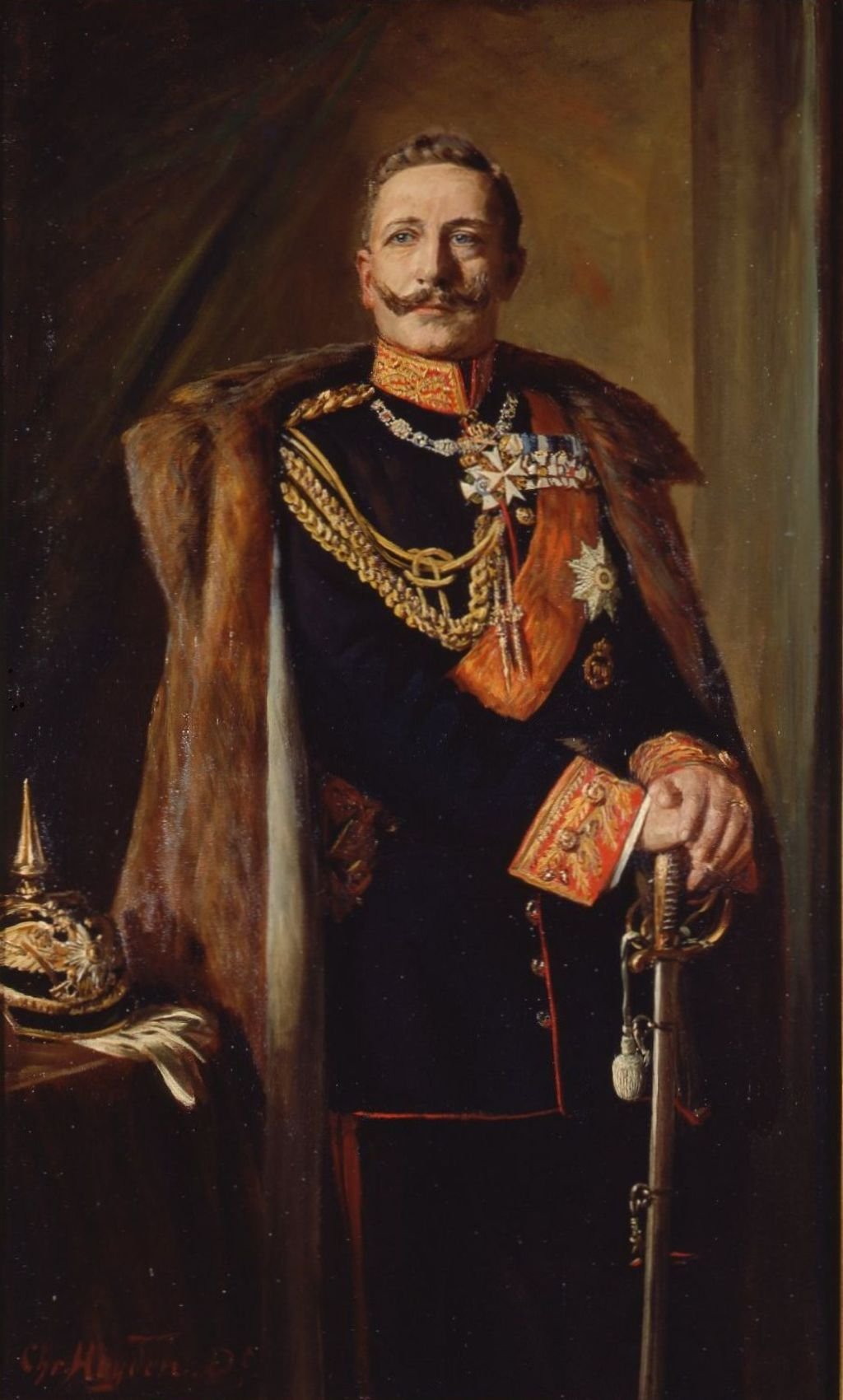
Kaiser Wilhelm II
Kaiser Wilhelm II Christian Heyden · Public domain
Debated

Blank check as decisive enabler

German assurances of 5–6 July made Austria's war risk possible and are the hinge of European war.

  1. 1Black Hand exists
  2. 2Young Bosnia milieu
  3. 3Belgrade arms & training
  4. 4Border smuggling
  5. 5Ilić places the ambush
  6. 6Published motorcade
  7. 7Bomb fails to kill
  8. 8Wrong turn & reverse
  9. 9Princip kills the couple
  10. 10Wiesner findings
  11. 11German blank check
  12. 12July Ultimatum
  13. 13Serbian partial acceptance
  14. 14Austria declares war
  15. 15Russian mobilization
  16. 16General European warrecast
  17. +German intent to risk general war in JulyDisputed evidence
Open the file
Who believes it
Who has voiced it
Where it started

Diplomatic record plus Fischer-influenced readings of German responsibility.[1][2][4]

Why it lives

Focuses guilt on Berlin's green light.

If it were true

Strengthens cp11 as the war's enabling step; does not move the shooters to Berlin.

How it squares with the record

Blank check precedes ultimatum. [1]

What holds up Debated

Enabler ≠ sole cause; Sarajevo and Austrian choice remain.

Against the critical path
  1. 1Black Hand exists
  2. 2Young Bosnia milieu
  3. 3Belgrade arms & training
  4. 4Border smuggling
  5. 5Ilić places the ambush
  6. 6Published motorcade
  7. 7Bomb fails to kill
  8. 8Wrong turn & reverse
  9. 9Princip kills the couple
  10. 10Wiesner findings
  11. 11German blank check
  12. 12July Ultimatum
  13. 13Serbian partial acceptance
  14. 14Austria declares war
  15. 15Russian mobilization
  16. 16General European warrecast
  17. +German intent to risk general war in JulyDisputed evidence
Removes from the critical path
  • 16. General European war must recast General war credited primarily to German enablement What has to be fake or wrong: Shared-guilt leveling that flattens Berlin[2]
Adds to the critical path
  • German intent to risk general war in July Disputed evidence Fischer maximal vs narrower enablement[2][5]
What would have to turn out fake or wrong
  • Claim Germany had no role in Austrian risk-taking
What new information would make it true
  • Evidence Germany demanded war rather than offered cover
What would prove it false
  • Evidence Austria would have issued the same ultimatum without German support
Mobilization 1914 (stand-in for europe-map)
Mobilization 1914 (stand-in for europe-map) Unknown authorUnknown author · Public domain
Debated

Sleepwalker contingency (Clark)

Interacting decisions in multiple capitals produced war without a single master villain.

  1. 1Black Hand exists
  2. 2Young Bosnia milieu
  3. 3Belgrade arms & training
  4. 4Border smuggling
  5. 5Ilić places the ambush
  6. 6Published motorcade
  7. 7Bomb fails to kill
  8. 8Wrong turn & reverse
  9. 9Princip kills the couple
  10. 10Wiesner findings
  11. 11German blank checkrecast
  12. 12July Ultimatum
  13. 13Serbian partial acceptance
  14. 14Austria declares war
  15. 15Russian mobilization
  16. 16General European war
  17. +Symmetric agency in Paris/London/St PetersburgSome evidence
Open the file
Who believes it
Who has voiced it
Where it started

Christopher Clark, The Sleepwalkers (2012), building on contingency diplomacy.[1][2]

Why it lives

Popular academic frame against monocausal guilt.

If it were true

Keeps every CP step but redistributes moral weight across capitals.

How it squares with the record

Matches multi-archive July narratives. [1] [3]

What holds up Debated

Tone can be heard as excuse; critics push back.

Against the critical path
  1. 1Black Hand exists
  2. 2Young Bosnia milieu
  3. 3Belgrade arms & training
  4. 4Border smuggling
  5. 5Ilić places the ambush
  6. 6Published motorcade
  7. 7Bomb fails to kill
  8. 8Wrong turn & reverse
  9. 9Princip kills the couple
  10. 10Wiesner findings
  11. 11German blank checkrecast
  12. 12July Ultimatum
  13. 13Serbian partial acceptance
  14. 14Austria declares war
  15. 15Russian mobilization
  16. 16General European war
  17. +Symmetric agency in Paris/London/St PetersburgSome evidence
Removes from the critical path
  • 11. German blank check must recast Blank check becomes one decision among many, not the master key What has to be fake or wrong: Sole German-guilt slogan[1]
Adds to the critical path
  • Symmetric agency in Paris/London/St Petersburg Some evidence Documented choices, weight debated[4][1]
What would have to turn out fake or wrong
  • Single-villain textbook compressions
What new information would make it true
  • Further archives showing near-miss peace options killed in several capitals
What would prove it false
  • Discovery of a single coordinated war plot across alliances
Mobilization 1914
Mobilization 1914 Unknown authorUnknown author · Public domain
Debated

Structural inevitability

Alliances, arms races, and railway timetables made a great war probable; Sarajevo only timed it.

  1. 1Black Hand exists
  2. 2Young Bosnia milieu
  3. 3Belgrade arms & training
  4. 4Border smuggling
  5. 5Ilić places the ambush
  6. 6Published motorcade
  7. 7Bomb fails to kill
  8. 8Wrong turn & reverse
  9. 9Princip kills the couplerecast
  10. 10Wiesner findings
  11. 11German blank check
  12. 12July Ultimatum
  13. 13Serbian partial acceptance
  14. 14Austria declares war
  15. 15Russian mobilization
  16. 16General European war
  17. +War probable by 1914 absent SarajevoThin evidence
Open the file
Who believes it
Where it started

Long tradition of structural explanations for 1914.[1][2]

Why it lives

Comforting to those who distrust Great Man / Great Assassin stories.

If it were true

Softens the uniqueness of Princip's Browning; keeps CP as spark chain.

How it squares with the record

Mobilization traps are real. [4] [1]

What holds up Debated

Can erase ultimatum and blank-check agency if overplayed.

Against the critical path
  1. 1Black Hand exists
  2. 2Young Bosnia milieu
  3. 3Belgrade arms & training
  4. 4Border smuggling
  5. 5Ilić places the ambush
  6. 6Published motorcade
  7. 7Bomb fails to kill
  8. 8Wrong turn & reverse
  9. 9Princip kills the couplerecast
  10. 10Wiesner findings
  11. 11German blank check
  12. 12July Ultimatum
  13. 13Serbian partial acceptance
  14. 14Austria declares war
  15. 15Russian mobilization
  16. 16General European war
  17. +War probable by 1914 absent SarajevoThin evidence
Removes from the critical path
  • 9. Princip kills the couple must recast Assassination becomes timer, not cause What has to be fake or wrong: Treating Princip as the war's author alone[1]
Adds to the critical path
  • War probable by 1914 absent Sarajevo Thin evidence Unfalsifiable counterfactual[3]
What would have to turn out fake or wrong
  • Claim that without Princip peace was guaranteed for decades
What new information would make it true
  • Counterfactuals showing war by 1916 absent Sarajevo
What would prove it false
  • Archives showing leaders freely chose peace after 28 June but for one factor
Sarajevo 1914
Sarajevo 1914 Unknown authorUnknown author · Public domain
Discredited

Fringe master plots

Freemasons, Jesuits, British intelligence, or other outsiders ran Sarajevo.

  1. 1Black Hand existsbreaks
  2. 2Young Bosnia milieu
  3. 3Belgrade arms & trainingbreaks
  4. 4Border smuggling
  5. 5Ilić places the ambush
  6. 6Published motorcade
  7. 7Bomb fails to kill
  8. 8Wrong turn & reverse
  9. 9Princip kills the couple
  10. 10Wiesner findings
  11. 11German blank check
  12. 12July Ultimatum
  13. 13Serbian partial acceptance
  14. 14Austria declares war
  15. 15Russian mobilization
  16. 16General European war
  17. +Outside intelligence director of SarajevoNo evidence
Open the file
Who believes it
Where it started

Interwar pamphlet literature and accusation carnival noted by Taylor.[1][2]

Why it lives

Conspiracy culture dislikes messy multinational truth.

If it were true

Would replace CP sponsorship steps with an outside director — evidence missing.

How it squares with the record

Taylor listed the wild accusations. [1]

What holds up Discredited

No serious archival case after a century.

Against the critical path
  1. 1Black Hand existsbreaks
  2. 2Young Bosnia milieu
  3. 3Belgrade arms & trainingbreaks
  4. 4Border smuggling
  5. 5Ilić places the ambush
  6. 6Published motorcade
  7. 7Bomb fails to kill
  8. 8Wrong turn & reverse
  9. 9Princip kills the couple
  10. 10Wiesner findings
  11. 11German blank check
  12. 12July Ultimatum
  13. 13Serbian partial acceptance
  14. 14Austria declares war
  15. 15Russian mobilization
  16. 16General European war
  17. +Outside intelligence director of SarajevoNo evidence
Removes from the critical path
  • 3. Belgrade arms & training must deny Belgrade kit would be cover for outside directors What has to be fake or wrong: Wiesner/Tankosić record[3]
  • 1. Black Hand exists must deny Black Hand becomes theater What has to be fake or wrong: Organization's documented existence[4]
Adds to the critical path
  • Outside intelligence director of Sarajevo No evidence No archive[1]
What would have to turn out fake or wrong
  • Trial testimony, Wiesner telegram, and Black Hand institutional record
What new information would make it true
  • Primary documents of an outside intelligence kill order
What would prove it false
  • Continued absence under open archives (already the case)

Genuinely unknown

Open questions

What the record still cannot settle, what is known but misread, and what would close each gap.

Genuinely unknownDid Apis issue a 1914 kill order?
What is known
  • Apis claimed in 1917 that he ordered Malobabić to organize the assassination. [1]
  • Apis headed military intelligence and Black Hand networks. [3]
What is not

No independently verified contemporaneous order document.

Why it is still open

Salonika letter written under death sentence; political usefulness to Belgrade.

Does it change the story?

Separates logistics facilitation from directed state-terror.

What would settle it

A 1914 order authenticated outside Salonika coercion.

Sources
  1. Salonika Trial / Apis execution context (secondary indexes)
  2. Historiography of the Sarajevo Assassination (Macksey Journal)
  3. Dragutin Dimitrijević (Wikipedia index)
Partly knownWhat did Pašić know, and when?
What is known
  • Wiesner found no proof of government direction. [1]
  • Civil-military tension between Pašić and officer societies is real. [3] [2]
What is not

Exact content and timing of any warnings to Vienna.

Why it is still open

Opaque diplomacy and destroyed/missing notes.

Does it change the story?

Negligence vs innocence of the civilian cabinet.

What would settle it

Dated Serbian archive showing a specific briefing and a delivered warning.

Sources
  1. Wiesner telegram to Vienna, 13 July 1914 (WWI Document Archive)
  2. Historiography of the Sarajevo Assassination (Macksey Journal)
  3. Nikola Pašić (Wikipedia index)
Genuinely unknownRussian attaché role
What is known
  • Apis mentioned Artamonov assurances/money. [1]
What is not

Whether Russia knowingly underwrote an assassination.

Why it is still open

Depends on Apis; Russian archives have not produced a kill-order consensus.

Does it change the story?

Feeds maximal Russian-guilt theories.

What would settle it

Russian primary docs confirming knowledge of a murder plan.

Sources
  1. Salonika Trial / Apis execution context (secondary indexes)
  2. Historiography of the Sarajevo Assassination (Macksey Journal)
  3. Sean McMeekin, July 1914: Countdown to War
Partly knownWas Sophie an intended target?
What is known
  • Two shots killed both occupants at close range. [1] [2]
What is not

Princip's precise aiming intent in the half-second.

Why it is still open

Conflicting later statements; chaos of the moment.

Does it change the story?

Moral framing more than causation of war.

What would settle it

Nothing likely beyond weighing trial-era statements.

Sources
  1. Sunday, 28 June 1914: Ferdinand, Sophie shot (OUP / Gordon Martel)
  2. Gavrilo Princip (Britannica)
  3. Assassination of Archduke Franz Ferdinand (Wikipedia, cited index)
Partly knownWhat exactly did Berlin intend with the blank check?
What is known
  • Assurances were given 5–6 July before the ultimatum. [1]
What is not

How far German leaders wanted general war versus a localized Balkan win.

Why it is still open

Fischer vs contingency readings of the same meetings.

Does it change the story?

Weight of cp11 on the path to general war.

What would settle it

Clearer private German minutes of war aims in early July (debated corpus).

Sources
  1. German entry into World War I — blank cheque (Wikipedia index)
  2. Fritz Fischer controversy — German war aims (Britannica / overview)
  3. Christopher Clark, The Sleepwalkers (2012) — publisher/overview
Genuinely unknownWar without Sarajevo?
What is known
  • Alliances and crises predated 1914. [1]
What is not

Whether another spark would have lit by 1916.

Why it is still open

Counterfactuals are not archives.

Does it change the story?

How much causal weight to give Princip's Browning.

What would settle it

Not settleable; keep as theory tension.

Sources
  1. World War I — Outbreak (Britannica)
  2. Christopher Clark, The Sleepwalkers (2012) — publisher/overview
Genuinely unknownMalobabić's operational role
What is known
  • Named by Apis as organizer. [1]
What is not

Independent corroboration of his Sarajevo tasking.

Why it is still open

Thin outside Salonika materials.

Does it change the story?

Concrete link in the Apis-mastermind theory.

What would settle it

Non-Salonika documents of his orders and contacts.

Sources
  1. Salonika Trial / Apis execution context (secondary indexes)
  2. Historiography of the Sarajevo Assassination (Macksey Journal)

What people say

15 things people say about Sarajevo and the Black Hand, checked

Popular memory compresses a multinational crisis into slogans. Each claim is set against inquiry telegrams, ultimatum texts, and major historians.

What the ratings mean
  • History Well documented in mainstream sources.
  • Archives Documented in primary diplomatic or inquiry texts.
  • Mixed Partly documented; framing contested.
  • Debated Serious historians disagree.
  • Discredited Lacks serious archival support.
  • Alleged Claimed but thinly evidenced.

DebatedThe Serbian government ordered the assassination.Who sponsored the plot

What the record shows. Wiesner found no proof of government direction. Belgrade arms and border help are documented; a cabinet kill-order is not.

Who says it: Austrian wartime propaganda; some later historians; popular slogans

Points for
  • Ultimatum cites Belgrade conception and Serbian officers/frontier help. [@avalon-ultimatum]
  • Apis confession claims intelligence-level organization. [@salonika-trial]
Points against
  • Wiesner telegram: government direction not proven. [@byu-wiesner]
  • Civil-military split — Pašić ≠ Apis. [@macksey-histo]
Sources
  1. Wiesner telegram to Vienna, 13 July 1914 (WWI Document Archive)
  2. Austro-Hungarian Ultimatum to Serbia, 23 July 1914 (Avalon Project)
  3. Salonika Trial / Apis execution context (secondary indexes)
  4. Historiography of the Sarajevo Assassination (Macksey Journal)
Read the full entry
DebatedApis personally ordered Princip's cell to kill Franz Ferdinand.Who sponsored the plot

What the record shows. Possible and claimed by Apis under death sentence; not independently proven as sole origin.

Who says it: Salonika letter readers; Black Hand–centric historians

Points for
  • Apis's 1917 letter names Malobabić and motive. [@salonika-trial]
  • Apis controlled intelligence means. [@wiki-apis]
Points against
  • Letter written facing execution; political context. [@macksey-histo]
  • Dedijer/Clark camps stress Young Bosnia initiative. [@dedijer-fa]
Sources
  1. Salonika Trial / Apis execution context (secondary indexes)
  2. Dragutin Dimitrijević (Wikipedia index)
  3. Historiography of the Sarajevo Assassination (Macksey Journal)
  4. Sarajevo Fifty Years After (Vladimir Dedijer, Foreign Affairs 1964)
Read the full entry
MixedIt was only Young Bosnia — Black Hand is a mythic add-on.Who sponsored the plot

What the record shows. Young Bosnia agency is strong; Belgrade arms/smuggling are still on the record.

Who says it: Some popular retellings of Dedijer

Points for
  • Shooters were Bosnian youths with local organizer Ilić. [@oup-28june]
  • Dedijer thesis. [@dedijer-fa]
Points against
  • Wiesner: Tankosić/Ciganović weapons and frontier smuggling. [@byu-wiesner]
Sources
  1. Sunday, 28 June 1914: Ferdinand, Sophie shot (OUP / Gordon Martel)
  2. Sarajevo Fifty Years After (Vladimir Dedijer, Foreign Affairs 1964)
  3. Wiesner telegram to Vienna, 13 July 1914 (WWI Document Archive)
Read the full entry
HistoryA chauffeur's wrong turn caused World War I.Sarajevo day

What the record shows. The wrong turn enabled Princip's shots; the war still required ultimatum, blank check, and mobilizations.

Who says it: Popular history / BBC-style explainers

Points for
  • Documented route error and reverse. [@oup-28june] [@bbc-sarajevo]
Points against
  • Armed cell was already on the published route. [@oup-28june]
  • July Crisis decisions after 28 June. [@brit-wwi]
Sources
  1. Sunday, 28 June 1914: Ferdinand, Sophie shot (OUP / Gordon Martel)
  2. How a wrong turn started World War I (BBC)
  3. World War I — Outbreak (Britannica)
Read the full entry
DebatedGermany's blank check caused the war.July Crisis

What the record shows. It enabled Austria's hard line — necessary on many readings, not the sole cause.

Who says it: Fischer-influenced accounts

Points for
  • Timing before ultimatum. [@wiki-blank-check]
  • Vienna risked war with German cover. [@fischer-debate]
Points against
  • Sarajevo and Austrian choice remain prior links. [@avalon-ultimatum]
  • Clark: multi-capital contingency. [@clark-sleepwalkers]
Sources
  1. German entry into World War I — blank cheque (Wikipedia index)
  2. Fritz Fischer controversy — German war aims (Britannica / overview)
  3. Austro-Hungarian Ultimatum to Serbia, 23 July 1914 (Avalon Project)
  4. Christopher Clark, The Sleepwalkers (2012) — publisher/overview
Read the full entry
DebatedWorld War I was inevitable by 1914; Sarajevo only timed it.July Crisis

What the record shows. Structure made war likely; leaders still chose in July.

Who says it: Structural / arms-race school

Points for
  • Alliances and timetables constrained options. [@brit-wwi]
Points against
  • Ultimatum text and blank check were choices. [@avalon-ultimatum] [@clark-sleepwalkers]
Sources
  1. World War I — Outbreak (Britannica)
  2. Austro-Hungarian Ultimatum to Serbia, 23 July 1914 (Avalon Project)
  3. Christopher Clark, The Sleepwalkers (2012) — publisher/overview
Read the full entry
DiscreditedFranz Ferdinand went to Sarajevo wanting war or knowing he would die.Sarajevo day

What the record shows. No serious evidence; thin security ≠ suicide mission.

Who says it: Fringe retellings

Points for
  • Visit proceeded despite warnings. [@oup-28june]
Points against
  • He brought his wife; protested the bomb; no documentary suicide plan. [@brit-ff] [@oup-28june]
Sources
  1. Sunday, 28 June 1914: Ferdinand, Sophie shot (OUP / Gordon Martel)
  2. Franz Ferdinand, archduke of Austria-Este (Britannica)
  3. The Great Assassination — A.J.P. Taylor on Dedijer (NYRB 1966)
Read the full entry
DiscreditedFreemasons / Jesuits / British intelligence ran Sarajevo.Who sponsored the plot

What the record shows. Discredited carnival of accusations; no archival case.

Who says it: Pamphlet literature

Points for
  • Listed among historical accusations. [@nyrb-dedijer]
Points against
  • No serious archive trail. [@nyrb-dedijer] [@macksey-histo]
Sources
  1. The Great Assassination — A.J.P. Taylor on Dedijer (NYRB 1966)
  2. Historiography of the Sarajevo Assassination (Macksey Journal)
Read the full entry
MixedPrincip was a freedom-fighter hero.Memory

What the record shows. Hero in some South Slav memories; terrorist in Habsburg/Western frames — politics of memory, not ballistics.

Who says it: Yugoslav commemorations vs Austrian/Western narratives

Points for
  • Dedijer on elevation in memory. [@dedijer-fa]
Points against
  • Two civilians killed in an open car; war followed. [@brit-princip]
Sources
  1. Sarajevo Fifty Years After (Vladimir Dedijer, Foreign Affairs 1964)
  2. Gavrilo Princip (Britannica)
  3. How a wrong turn started World War I (BBC)
Read the full entry
DiscreditedRussia ordered the assassination via Artamonov.Who sponsored the plot

What the record shows. Rests on Apis's contested letter; mainstream rejects a Russian kill-order.

Who says it: Maximal Russian-guilt readings

Points for
  • Apis mentions Artamonov assurances/money. [@salonika-trial]
Points against
  • Apis denied telling Artamonov the murder plan; coercive context. [@macksey-histo]
Sources
  1. Salonika Trial / Apis execution context (secondary indexes)
  2. Historiography of the Sarajevo Assassination (Macksey Journal)
  3. The Great Assassination — A.J.P. Taylor on Dedijer (NYRB 1966)
Read the full entry
MixedThe ultimatum was deliberately impossible so Austria could have war.July Crisis

What the record shows. Point 6 was designed to be hard; Serbia accepted most other points — intent to force war is widely argued, not a signed confession.

Who says it: Diplomatic historians critical of Vienna

Points for
  • Sovereignty-breaking inquiry demand. [@avalon-ultimatum]
  • Short deadline after German cover. [@wiki-blank-check]
Points against
  • Serbia did accept most clauses. [@avalon-reply]
Sources
  1. Austro-Hungarian Ultimatum to Serbia, 23 July 1914 (Avalon Project)
  2. Serbian Reply to the Austro-Hungarian Ultimatum, 25 July 1914 (Avalon)
  3. German entry into World War I — blank cheque (Wikipedia index)
Read the full entry
MixedBlack Hand and Narodna Odbrana were the same organization.Who sponsored the plot

What the record shows. Overlap of people; not the same organization — ultimatum names the public society.

Who says it: Simplified textbooks

Points for
  • Shared nationalist milieu. [@narodna-odbrana]
Points against
  • Secret oath society vs public association. [@brit-black-hand] [@avalon-ultimatum]
Sources
  1. Narodna Odbrana (Wikipedia index)
  2. Black Hand (Britannica)
  3. Austro-Hungarian Ultimatum to Serbia, 23 July 1914 (Avalon Project)
Read the full entry
HistorySarajevo was merely a spark; the powder was alliances.July Crisis

What the record shows. Useful metaphor if it keeps both spark and powder — bad if it erases the ultimatum and blank check as choices.

Who says it: School narratives

Points for
  • Alliance cascade after 28 July. [@brit-wwi]
Points against
  • Spark still required armed cell + Austrian policy. [@oup-28june] [@avalon-ultimatum]
Sources
  1. World War I — Outbreak (Britannica)
  2. Sunday, 28 June 1914: Ferdinand, Sophie shot (OUP / Gordon Martel)
  3. Austro-Hungarian Ultimatum to Serbia, 23 July 1914 (Avalon Project)
Read the full entry
MixedSophie was killed by accident; Princip aimed only at the archduke.Sarajevo day

What the record shows. Princip fired two shots at close range into the car; intent debates exist, double death is fact.

Who says it: Some textbook compressions

Points for
  • Some trial/statement traditions claim Sophie was unintended. [@wiki-sarajevo]
Points against
  • Two shots, two victims in an open car at contact distance. [@oup-28june] [@brit-princip]
Sources
  1. Sunday, 28 June 1914: Ferdinand, Sophie shot (OUP / Gordon Martel)
  2. Gavrilo Princip (Britannica)
  3. Assassination of Archduke Franz Ferdinand (Wikipedia, cited index)
Read the full entry
DebatedCalling leaders 'sleepwalkers' excuses Austrian and German aggression.July Crisis

What the record shows. Fair critique of tone; Clark still narrates Austrian ultimatum and German cover as decisions.

Who says it: Critics of Clark

Points for
  • Title can sound like no-fault. [@macksey-histo]
Points against
  • Book details choices and documents. [@clark-sleepwalkers]
Sources
  1. Christopher Clark, The Sleepwalkers (2012) — publisher/overview
  2. Historiography of the Sarajevo Assassination (Macksey Journal)
Read the full entry

Media

Books, films and where to look next

Primary documents first; then the books that shaped the fight over 1914.

Books 4

Gavrilo PrincipUnknown photographer · Public domainbook · 1966The Road to SarajevoVladimir DedijerLandmark Young Bosnia–agency account.
How it changes the story

Centers Bosnian initiative against Apis-only slogans.

  1. 1Black Hand existsbreaks
  2. 2Young Bosnia milieurecast
  3. 3Belgrade arms & training
  4. 4Border smuggling
  5. 5Ilić places the ambushrecast
  6. 6Published motorcade
  7. 7Bomb fails to kill
  8. 8Wrong turn & reverse
  9. 9Princip kills the couplerecast
  10. 10Wiesner findings
  11. 11German blank check
  12. 12July Ultimatum
  13. 13Serbian partial acceptance
  14. 14Austria declares war
  15. 15Russian mobilization
  16. 16General European war
Supports
2. Young Bosnia milieu, 5. Ilić places the ambush, 9. Princip kills the couple
Challenges
1. Black Hand exists
Whose account it centres
Princip and Young Bosnia
For its thesis to hold
Belgrade still supplies arms; Apis not sole inventor

Matching theories: Young Bosnia initiative (Dedijer camp)

Open
Mobilization 1914 (stand-in for europe-map)Unknown authorUnknown author · Public domainbook · 2012The Sleepwalkers: How Europe Went to War in 1914Christopher ClarkContingency / shared-responsibility synthesis.
How it changes the story

Redistributes July agency across capitals.

  1. 1Black Hand exists
  2. 2Young Bosnia milieu
  3. 3Belgrade arms & training
  4. 4Border smuggling
  5. 5Ilić places the ambush
  6. 6Published motorcade
  7. 7Bomb fails to kill
  8. 8Wrong turn & reverse
  9. 9Princip kills the couple
  10. 10Wiesner findings
  11. 11German blank checkbreaks
  12. 12July Ultimatumrecast
  13. 13Serbian partial acceptance
  14. 14Austria declares warrecast
  15. 15Russian mobilizationrecast
  16. 16General European warrecast
Supports
12. July Ultimatum, 14. Austria declares war, 15. Russian mobilization, 16. General European war
Challenges
11. German blank check
Whose account it centres
Multi-capital decision-makers
For its thesis to hold
No single master villain

Matching theories: Sleepwalker contingency (Clark)

Open
Mobilization 1914Unknown authorUnknown author · Public domainbook · 2013July 1914: Countdown to WarSean McMeekinJuly narrative emphasizing choices beyond Vienna alone.
How it changes the story

Weights Russian/French moves in the cascade.

  1. 1Black Hand exists
  2. 2Young Bosnia milieu
  3. 3Belgrade arms & training
  4. 4Border smuggling
  5. 5Ilić places the ambush
  6. 6Published motorcade
  7. 7Bomb fails to kill
  8. 8Wrong turn & reverse
  9. 9Princip kills the couple
  10. 10Wiesner findings
  11. 11German blank check
  12. 12July Ultimatum
  13. 13Serbian partial acceptance
  14. 14Austria declares war
  15. 15Russian mobilizationrecast
  16. 16General European warrecast
Supports
15. Russian mobilization, 16. General European war
Challenges
none
Whose account it centres
July decision calendar
For its thesis to hold
Sarajevo still the fuse

Matching theories: Sleepwalker contingency (Clark)

Open
ArchivesJalal Volker · Public domainbook · 1952–57The Origins of the War of 1914Luigi AlbertiniClassic multi-volume diplomatic reference.Open

Public memory

How memory of it changed

From Habsburg martyrdom to Yugoslav hero cult to post-Yugoslav argument. Polls are scarce; phases track public framing.

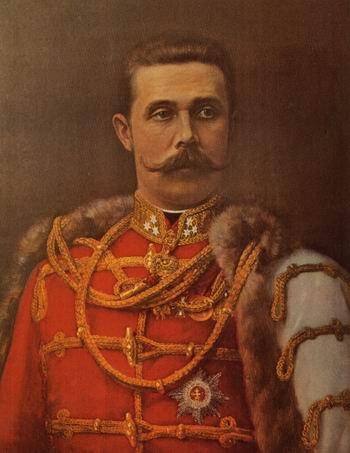
  1. Archduke Franz Ferdinand
    Unknown painterUnknown painter · Public domain
    1914–1918 Broad agreement

    Habsburg martyrdom

    Dominant views
    • Austria-Hungary Regicide by Serbian-backed terrorists justifying war.[1][2]
    What drove it
    • Wartime propaganda and the ultimatum dossier.[1]
  2. Gavrilo Princip
    Unknown photographer · Public domain
    1918–1941 Split into camps

    South Slav hero / revision fights

    Dominant views
    • Yugoslavia commemorations Princip as national liberator figure.[3]
    • Revisionist critics Emphasize Serbian guilt and Apis.[4]
    What drove it
    • New state memory vs Austrian/émigré narratives.[3][4]
  3. Archives
    Jalal Volker · Public domain
    1945–1990 Converging

    Dedijer and the scholarly turn

    Dominant views
    • Academic Road to Sarajevo recenters Young Bosnia with archival ambition.[3][5]
    What drove it
    • Postwar access and Fischer debate on German aims.[6][5]
  4. Mobilization 1914 (stand-in for europe-map)
    Unknown authorUnknown author · Public domain
    2012– Split into camps

    Sleepwalkers era

    Dominant views
    • Contingency readers Shared responsibility across capitals.[7]
    • Responsibility hardliners Fear excuse-making for Vienna/Berlin.[4]
    What drove it
    • Bestseller history and centenary media.[7][8]
  5. Latin Bridge
    sundeviljeff · CC BY 2.0
    2014–2026 Split into camps

    Plaques and arguments

    Dominant views
    • Local Sarajevo memory Site museums and contested footprints.[9][8]
    • International teaching Spark-and-powder keg schoolroom metaphor.[10]
    What drove it
    • Centenary tourism and textbook compression.[8]
Sources and polls
  1. Austro-Hungarian Ultimatum to Serbia, 23 July 1914 (Avalon Project)
  2. Franz Ferdinand, archduke of Austria-Este (Britannica)
  3. Sarajevo Fifty Years After (Vladimir Dedijer, Foreign Affairs 1964)
  4. Historiography of the Sarajevo Assassination (Macksey Journal)
  5. The Great Assassination — A.J.P. Taylor on Dedijer (NYRB 1966)
  6. Fritz Fischer controversy — German war aims (Britannica / overview)
  7. Christopher Clark, The Sleepwalkers (2012) — publisher/overview
  8. How a wrong turn started World War I (BBC)
  9. Sarajevo 1914 (Cambridge University Library spotlight)
  10. World War I — Outbreak (Britannica)

Lasting impact

How it changed us

The war that followed, the South Slav state that remembered Princip, and the permanent argument about how world wars start.

Laws & institutions 3

War settlements and intelligence myths that outlived 1914.

Mobilization 1914
Unknown authorUnknown author · Public domain
1914–1918One-case law

The First World War

Alliance cascade from the July Crisis produced a world war.

The evidence it changed
  • Outbreak chronology from Austria's declaration to Britain's entry.[1][2][3]
Gavrilo Princip
Unknown photographer · Public domain
1918–In force, amended

South Slav state memory of Princip

Kingdom/Yugoslavia commemorations cast Princip as a founding myth figure — later contested.

The evidence it changed
  • Dedijer on elevation in South Slav memory; later plaque fights.[4][5]
Black Hand
Unknown photographer, 1910s · CC0
1914–In force

Template for 'secret society started a world war'

Black Hand became the archetype of an oath society blamed for systemic catastrophe.

The evidence it changed
  • Persistent popular equation of Black Hand with the war's cause.[6][7]

People it inspired 2

Named figures whose work or politics traced back to Sarajevo's meaning.

Vladimir Dedijer
Unknown authorUnknown author · Public domain
1966History

Vladimir Dedijer

His Road to Sarajevo set the Young Bosnia–agency standard for a generation.

The evidence it changed
  • Taylor's NYRB review and lasting citation.[8][4]
Christopher Clark
ZDF, Tobias Schult · CC BY 4.0
2012History

Christopher Clark

Sleepwalkers reopened public debate on shared responsibility.

The evidence it changed
  • Historiography surveys treat Clark as a pole opposite heavier Serbian-direction accounts.[9][7]

Things we now take for granted 2

Habits of explaining world wars that started here.

Sarajevo 1914
Unknown authorUnknown author · Public domain
schoolbooks

The 'spark' metaphor

Before

Assassinations as local crimes.

After

Sarajevo taught as the spark on Europe's powder keg.

The evidence it changed
  • Standard teaching metaphor in Britannica/IWM outbreak explainers.[1][3]
Sources for this section
  1. World War I — Outbreak (Britannica)
  2. Declarations of war, 1914 chronology (Britannica WWI)
  3. How the world went to war in 1914 (Imperial War Museums)
  4. Sarajevo Fifty Years After (Vladimir Dedijer, Foreign Affairs 1964)
  5. How a wrong turn started World War I (BBC)
  6. Black Hand (Britannica)
  7. Historiography of the Sarajevo Assassination (Macksey Journal)
  8. The Great Assassination — A.J.P. Taylor on Dedijer (NYRB 1966)
  9. Christopher Clark, The Sleepwalkers (2012) — publisher/overview
  10. Sunday, 28 June 1914: Ferdinand, Sophie shot (OUP / Gordon Martel)

How this guide works

Sources and method

This guide leads with the mainstream record — the June 28 chronology (Martel/OUP, Britannica), Wiesner's 13 July telegram, the Avalon/BYU texts of the ultimatum and Serbian reply, and standard outbreak narratives (Britannica, IWM) — then measures major historiographical views against a critical path.

Apis's 1917 Salonika confession is treated as an important, compromised source — not as a sole smoking gun. Fringe Freemason/British/Jesuit plots are labeled discredited.

Grokipedia is used only as a private checklist of topics to cover. It is never cited.

Ukraine-war narrative is out of scope.

By the numbers
  • 50 entries in 7 eras
  • 43 distinct sources cited
  • 37 dated events
  • 15 claims checked
  • 7 theories opened up
  • 8 books, films and follow-ups
  • 16 steps on the critical path
  • 7 open questions
  • 7 lasting changes
  • 54 freely licensed pictures
Pictures & licenses

Picture credits

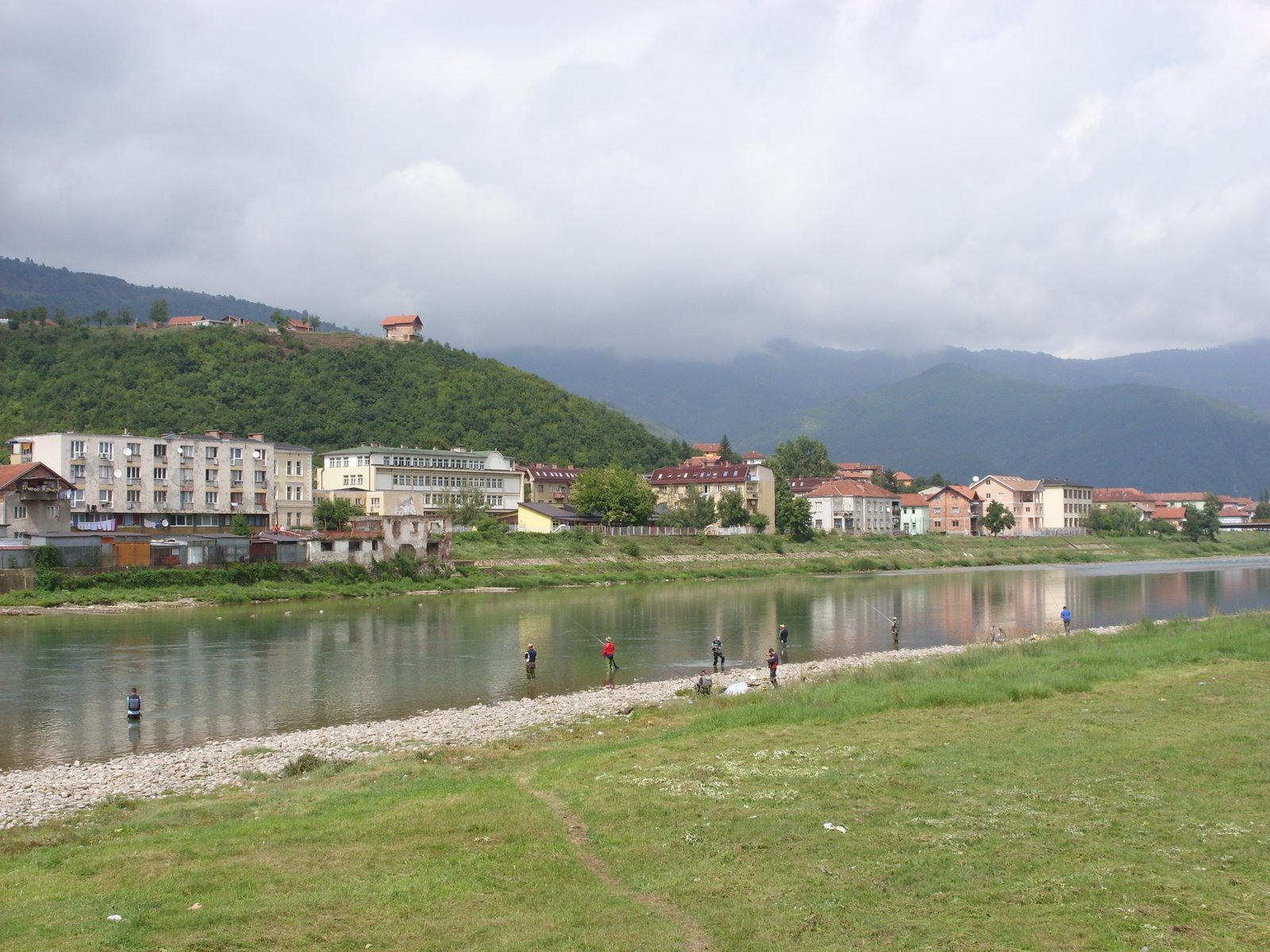
Every picture is public domain or freely licensed, from Wikimedia Commons. Files are stored on this site with their metadata removed; each credit links to the original.

Sarajevo 1914
Unknown authorUnknown author · Public domain · original
Archduke Franz Ferdinand
Unknown painterUnknown painter · Public domain · original
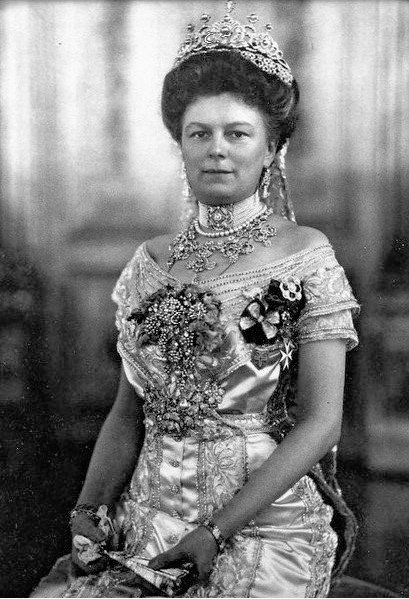
Sophie Chotek
Unknown authorUnknown author · Public domain · original
Gavrilo Princip
Unknown photographer · Public domain · original
Nedeljko Čabrinović
Unknown authorUnknown author · Public domain · original
Danilo Ilić
Unknown, PD under Austrian law (Sarajevo was then Austria-Hungarian) · Public domain · original
Dragutin Dimitrijević Apis
Unknown authorUnknown author · Public domain · original
Nikola Pašić
Wikimedia Commons · Public domain · original
Leopold Berchtold
Viscount Richard Burton Haldane · Public domain · original
Emperor Franz Joseph
Petar Milošević · CC BY-SA 4.0 · original
Oskar Potiorek
Carl Pietzner · Public domain · original
Kaiser Wilhelm II
Christian Heyden · Public domain · original
Bethmann Hollweg
Agence Rol · Public domain · original
Bosnia
Niegodzisie · CC BY-SA 4.0 · original
Belgrade
Petar Milošević · CC BY-SA 4.0 · original
Vienna
The original uploader was Esojourn at Chinese Wikipedia. · CC BY-SA 3.0 · original
Latin Bridge
sundeviljeff · CC BY 2.0 · original
Sarajevo City Hall
Julian Nyča · CC BY-SA 4.0 · original
Motorcade
Unknown authorUnknown author · Public domain · original
FN Browning 1910
Rama · CC BY-SA 2.0 fr · original
Black Hand
Unknown photographer, 1910s · CC0 · original
Mobilization 1914
Unknown authorUnknown author · Public domain · original
War declaration
Bain News Service, publisher · Public domain · original
Archives
Jalal Volker · Public domain · original
Trial stand-in
None · Public domain · original
Drina river
Julian Nyča · CC BY-SA 4.0 · original
Serbia map
Pink Flojd · CC0 · original
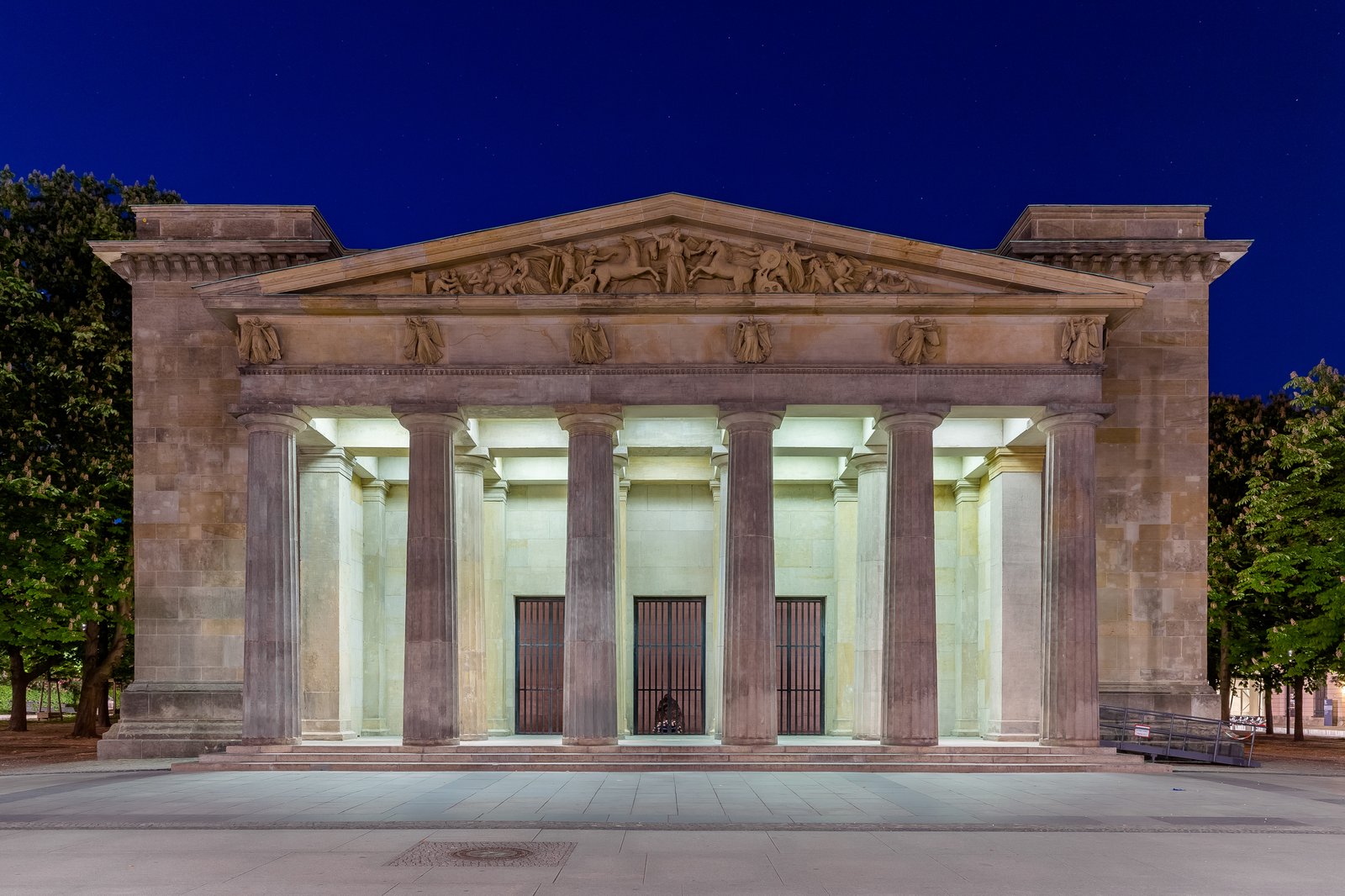
Berlin
Ansgar Koreng · CC BY 3.0 de · original
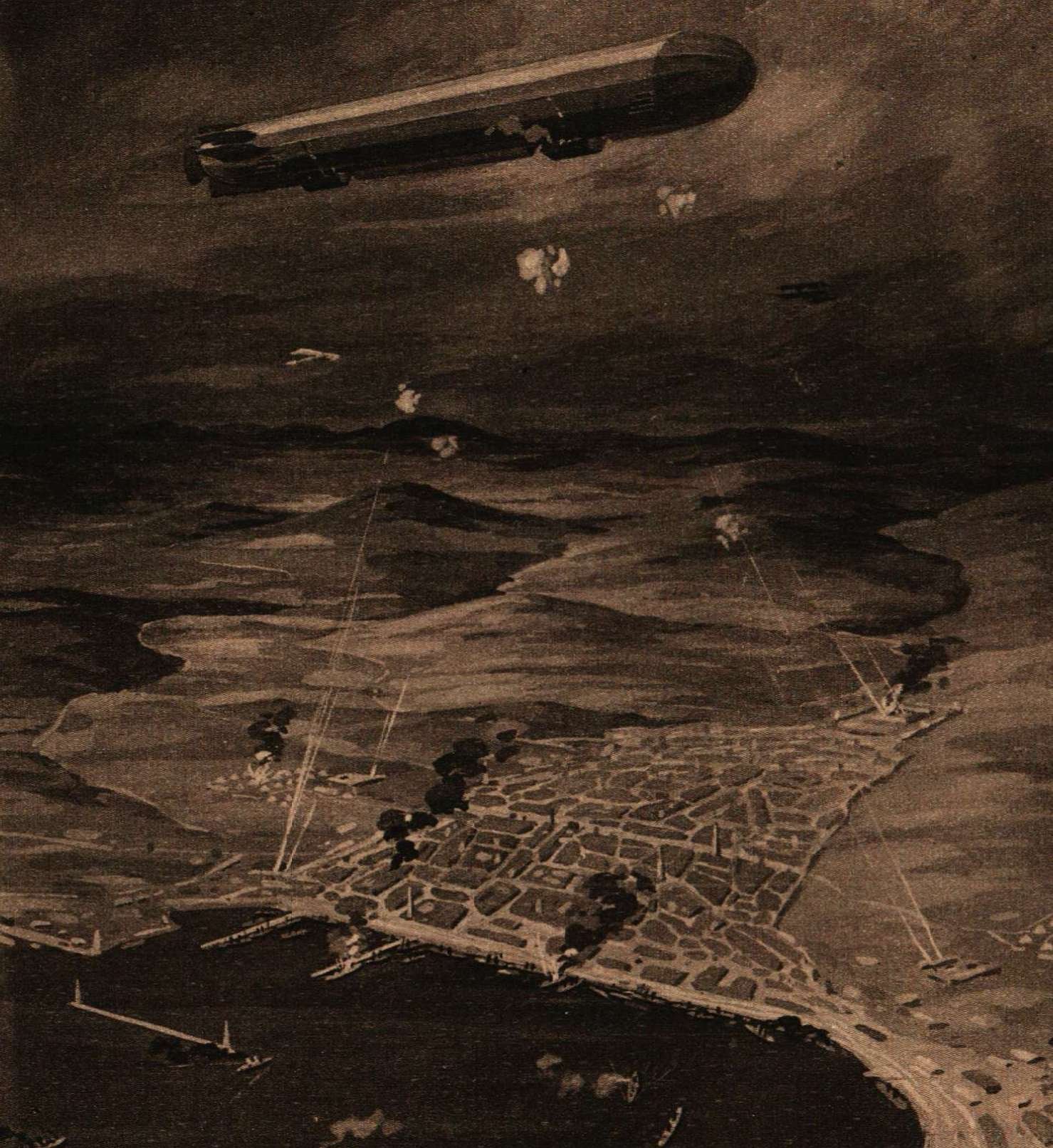
Salonika / Thessaloniki
Unknown authorUnknown author · Public domain · original
Wiesner stand-in
Austro Hungarian official court photographer · Public domain · original
Tankosić stand-in
Unknown authorUnknown author · Public domain · original
Ciganović stand-in
The Library of Congress · No restrictions · original
Grabež stand-in
Unknown authorUnknown author · Public domain · original
Popović stand-in
Unknown authorUnknown author · Public domain · original
Harrach stand-in
anonymous  · Public domain · original
Vladimir Dedijer
Unknown authorUnknown author · Public domain · original
Christopher Clark
ZDF, Tobias Schult · CC BY 4.0 · original
Luigi Albertini
Unknown authorUnknown author · Public domain · original
Fritz Fischer
Harvey Kneeslapper · CC BY-SA 4.0 · original
Sean McMeekin
ReasonTV · CC BY 3.0 · original
A.J.P. Taylor
Gillman & Soame · Public domain · original
Gordon Martel stand-in
Allan Ramsay · Public domain · original
Artamonov stand-in
Internet Archive Book Images · No restrictions · original
Giesl stand-in
Géza Szuk · Public domain · original
Sergey Sazonov
Unknown authorUnknown author · Public domain · original
Sir Edward Grey
Spudgun67 · CC BY-SA 4.0 · original
Raymond Poincaré
Braun · Public domain · original
Gavrilo Princip (stand-in for cubrilovic)
Circle of Joseph Kreutzinger · Public domain · original
Vienna (stand-in for ultimatum)
The original uploader was Esojourn at Chinese Wikipedia. · CC BY-SA 3.0 · original
Latin Bridge (stand-in for appel-quay)
sundeviljeff · CC BY 2.0 · original
Mobilization 1914 (stand-in for europe-map)
Unknown authorUnknown author · Public domain · original
Dragutin Dimitrijević Apis (stand-in for malobabic)
Unknown authorUnknown author · Public domain · original
Sarajevo
August Viditz (photographer) · Public domain · original
Muhamed Mehmedbašić stand-in
Unknown authorUnknown author · Public domain · original