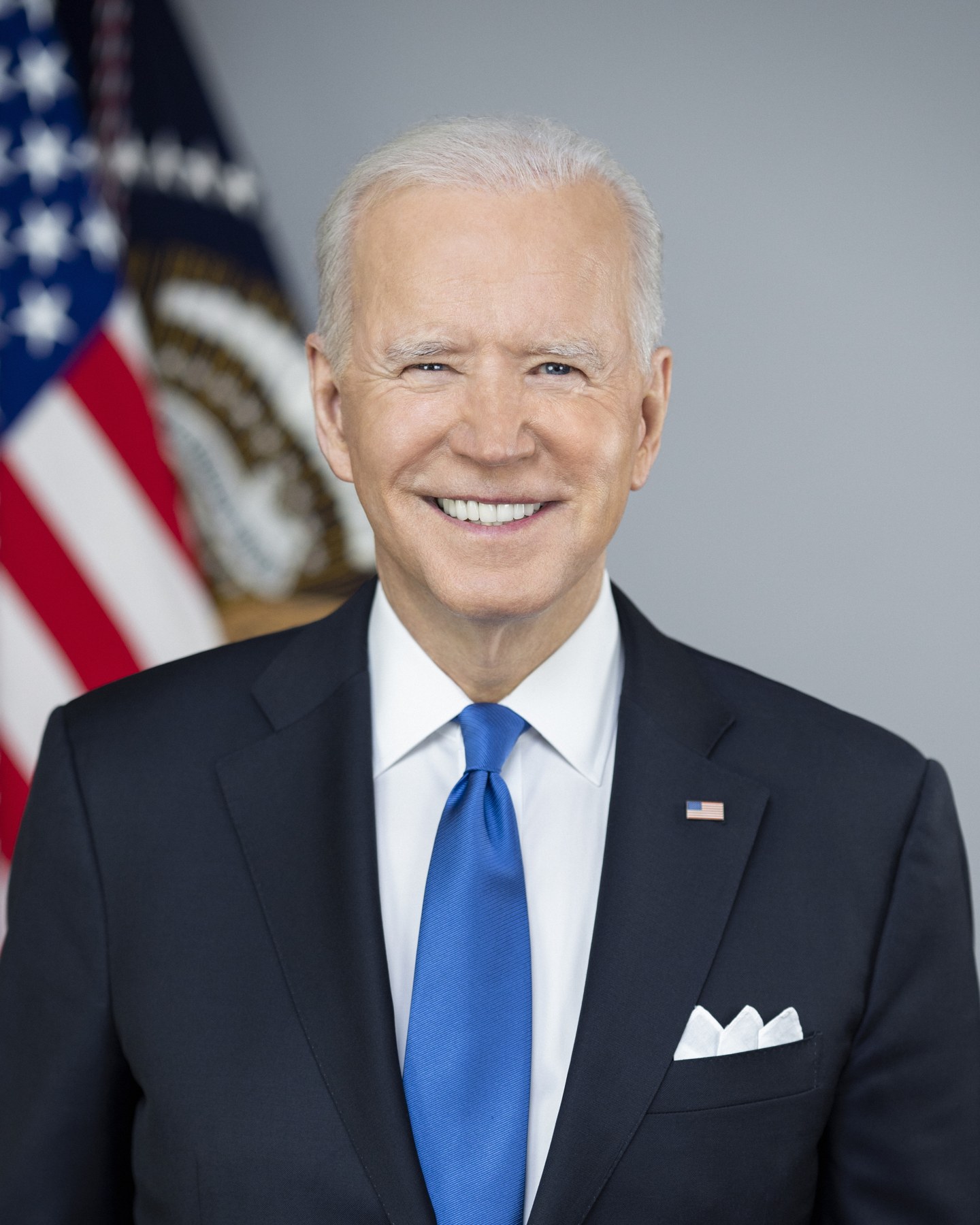
Biden's June 27, 2024 debate performance made concerns about his ability to campaign and serve impossible to dismiss as merely an edited-video phenomenon. He struggled publicly, faced pressure from Democrats and eventually ended his reelection campaign on July 21. Those events do not require a speculative medical diagnosis to be politically significant. [1]
AP reported that Jill and Hunter Biden encouraged him to stay in the race after the debate and questioned his preparation by staff. Family access mattered: relatives were influential voices around a president making a consequential decision. It is fair to ask whether loyalty and political incentives led them to underestimate what voters were seeing, and whether aides gave the public a sufficiently candid picture. [2]
Biden defended continuing in his July 5 ABC interview and resisted the suggestion that he needed independent testing to settle the controversy. The interview is a primary record of his own answers, not proof that every reassurance about his condition was accurate. His later withdrawal demonstrates the campaign decision changed; it does not tell us exactly what each relative or adviser knew at every earlier point. [3][1]
Three claims should remain separate: he showed serious public limitations; people close to him encouraged another campaign; an organized group secretly exercised presidential power because of an identified medical incapacity. Evidence for the first two does not automatically prove the third. Responsible scrutiny can investigate access, decision-making and misleading assurances while leaving clinical labels and hidden-authority claims unproven. [1][2][3]