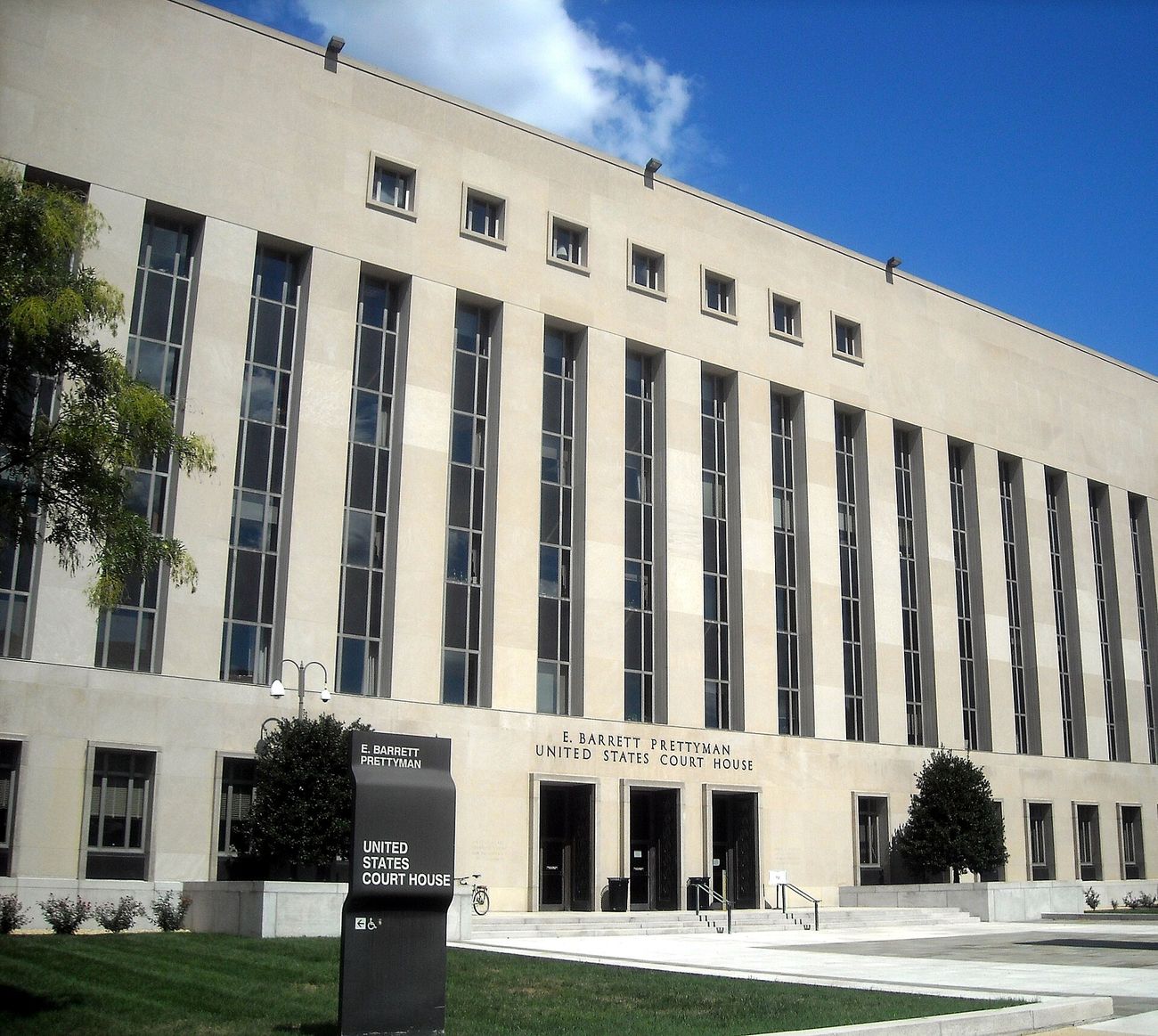
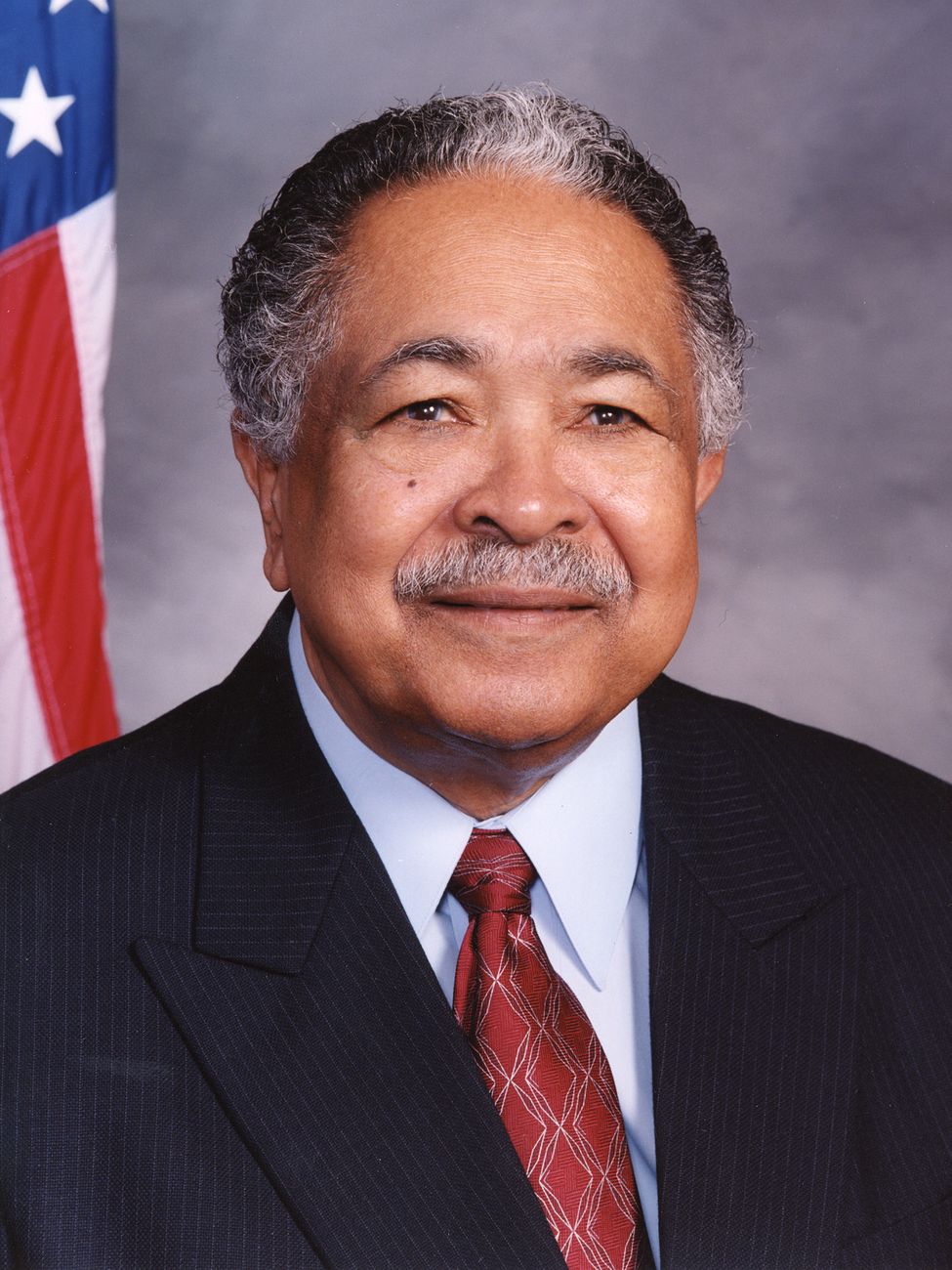
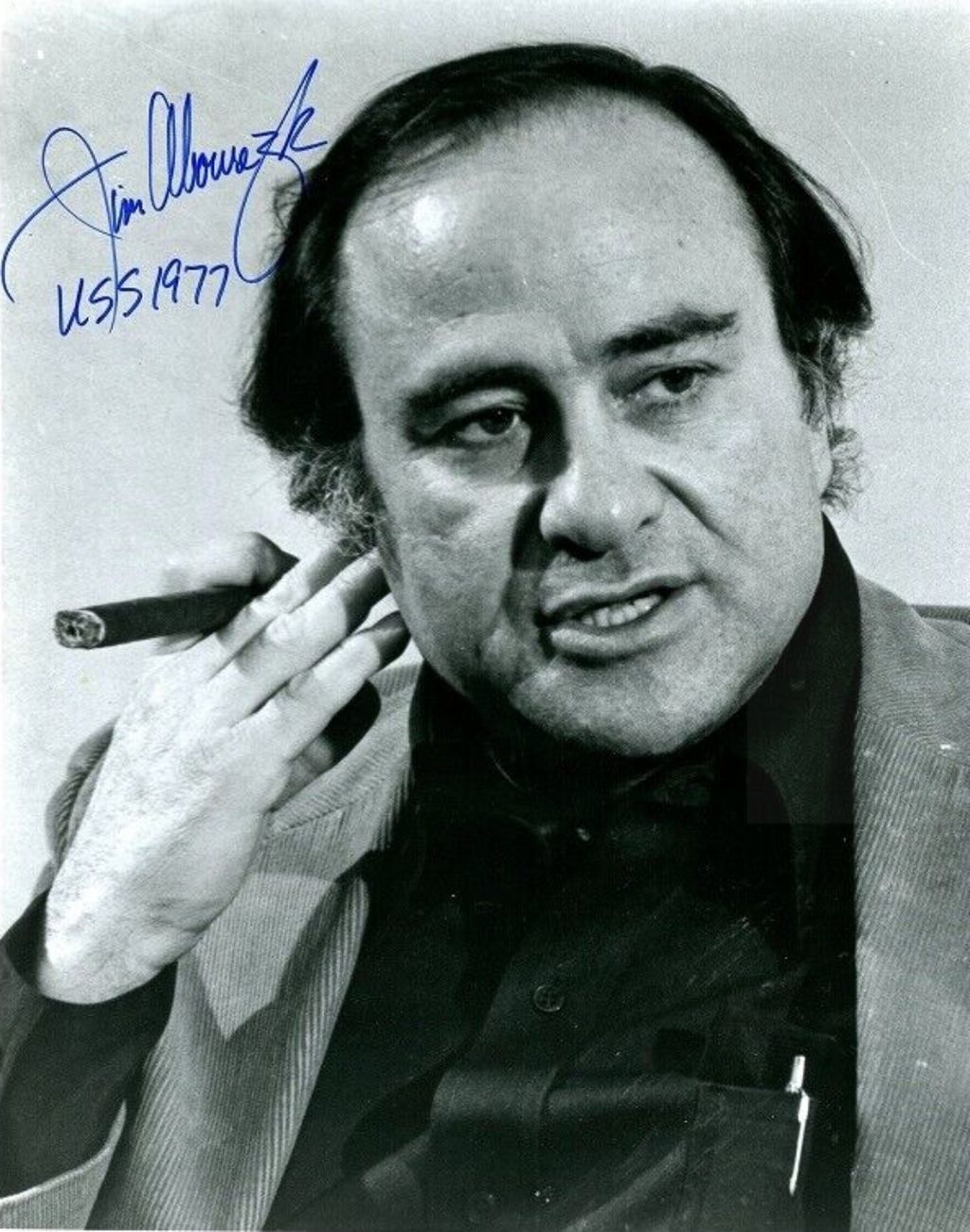
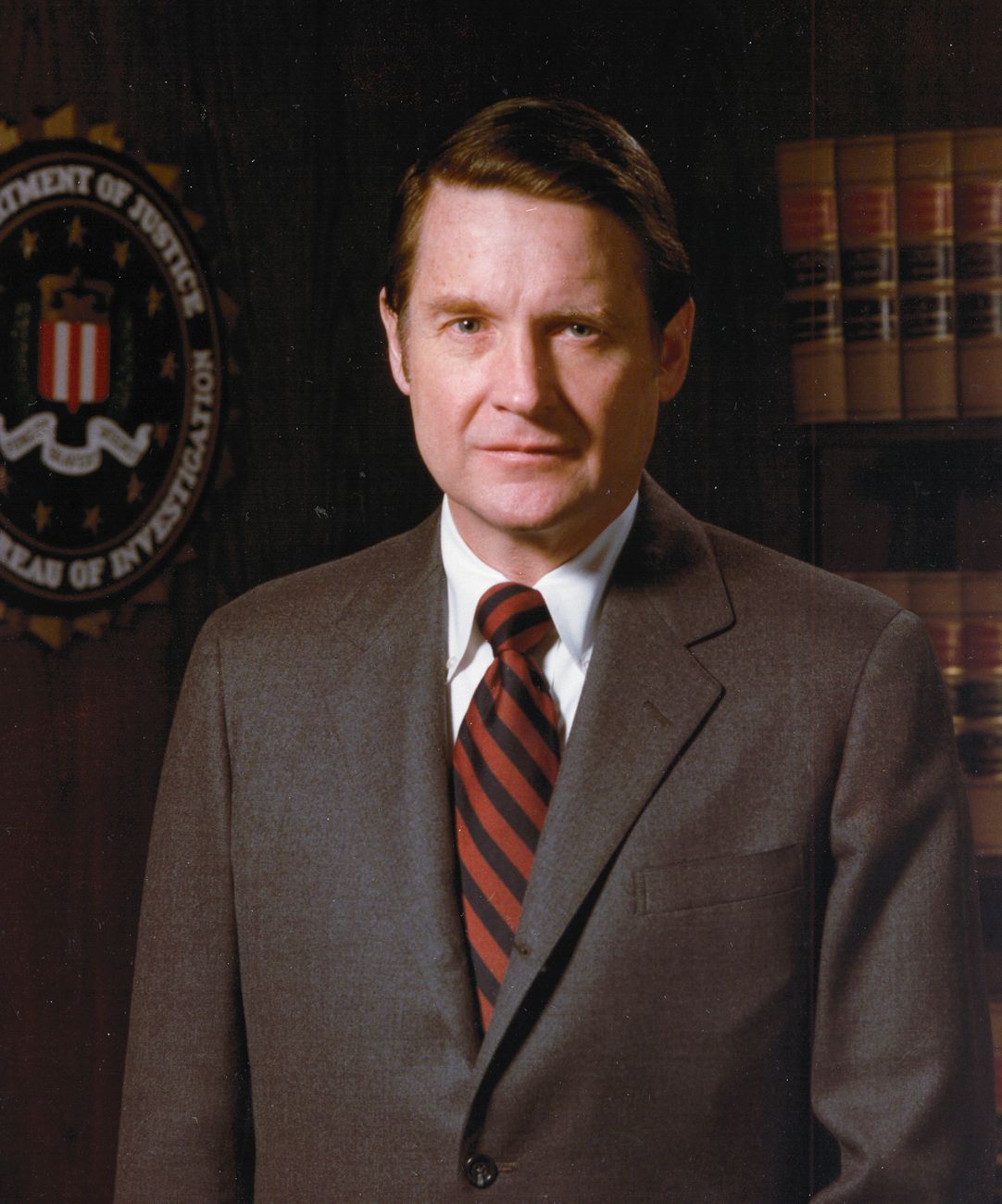
The AI Files · ABSCAM, the FBI sting that caught Congress · plain reading edition

The Sheikh’s Money: every entry

All 56 entries of the guide, grouped by period and case, each with its bottom line and its sources. This page needs no JavaScript. The interactive guide adds the story in 20 chapters, the people, the timeline, the theories, the 97 checked claims and the media.

The bait 1977 – 1979

The operation takes shape

Stolen art, a fake company and a route into public office.

How did an art sting reach Congress?
What happened · Documented

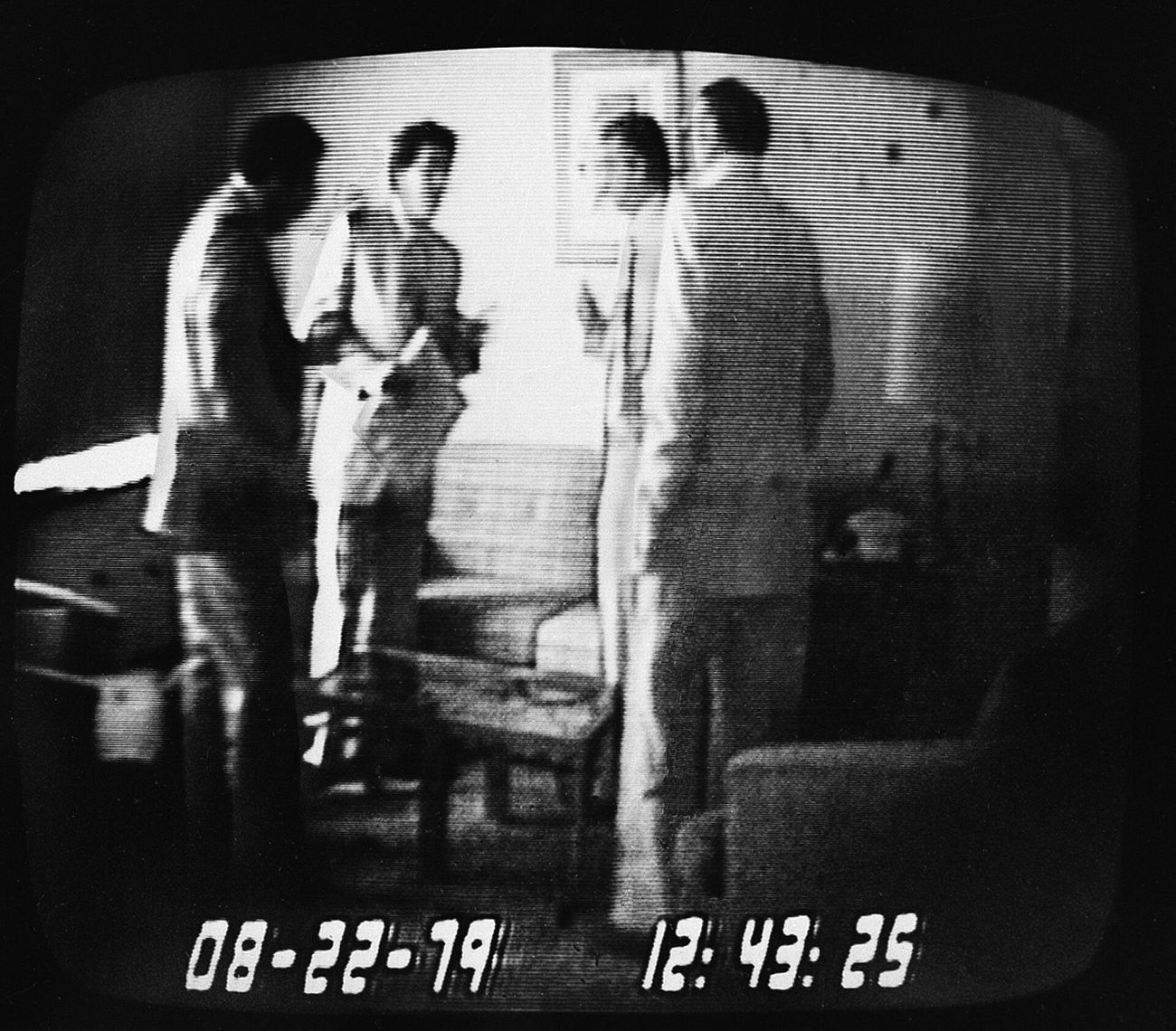
An FBI hidden-camera frame stamped 22 August 1979, 12:43: undercover agent Anthony Amoroso, Representative Michael “Ozzie” Myers holding an envelope, Camden mayor Angelo Errichetti and informant Mel Weinberg, from left. The FBI’s caption identifies the four.
An FBI hidden-camera frame stamped 22 August 1979, 12:43: undercover agent Anthony Amoroso, Representative Michael “Ozzie” Myers holding an envelope, Camden mayor Angelo Errichetti and informant Mel Weinberg, from left. The FBI’s caption identifies the four. FBI · Public domain

The operation followed whoever walked through the door, and the people walking through it kept getting more important.

The FBI’s own history starts in July 1978 on Long Island. Agents set up Abdul Enterprises, a fake company standing in for wealthy Arab investors, to find people selling stolen art. It worked: they got back two paintings worth about $1 million and, the Bureau says, stopped roughly $600 million in fraudulent securities and certificates of deposit. [1]

Then the people at the table changed. Camden’s mayor, Angelo Errichetti, came looking for the sheikh’s money and offered to help it into Atlantic City, where casinos had just been legalized and licenses were valuable. Errichetti said he could deliver officials. Others followed him in. [1]

The Senate committee that later took the operation apart found that this drift was the problem. Weinberg had been working with agents since about February 1978, five months before any written approval; the only application to headquarters, dated 26 May 1978, was vague; and when the target changed to political corruption in the autumn of 1978, nobody at headquarters signed off on the change. [2][3]

None of that makes the later bribes less real. It does mean the operation’s targets were picked by its own momentum and by the middlemen it attracted, not by a plan anyone in Washington had approved. Both sides of the later fight have a point here, and the rest of this collection takes them one at a time.

Bottom line Documented

documented. The art-to-Congress path is in the FBI’s own history and the Senate report. The criticism that it drifted without approval is the committee’s finding, not a defense talking point.

What the record can’t settle

The FBI’s retrospective is the investigating agency’s summary and compresses the legal outcomes. The Senate report is a committee finding, not a court judgment.

Sources

  1. FBI — ABSCAM historical overview An institutional retrospective by the investigating agency. Its compressed claim that convictions were upheld needs count-by-count qualification; the legal files discuss Murphy and Kelly.
  2. Senate Report 97-682 — Final Report on Undercover Activities (ordered 1982, printed 1983) Original Senate committee report; 790 numbered pages plus front matter in the 800-page scan. Selected findings and narrative sections were inspected, not every cited underlying file. It identifies strengths as well as serious deficiencies.
  3. Senate Report 97-682, Summary of findings and conclusions (printed pp. 11–25) Primary committee report, December 15, 1982. Bipartisan select committee (4 R, 4 D). Findings on informant control, authorization, recording failures, leaks and harm to innocent people.
Back to contents · Open in the interactive guide

What were the politicians being asked to do?

What happened · Documented

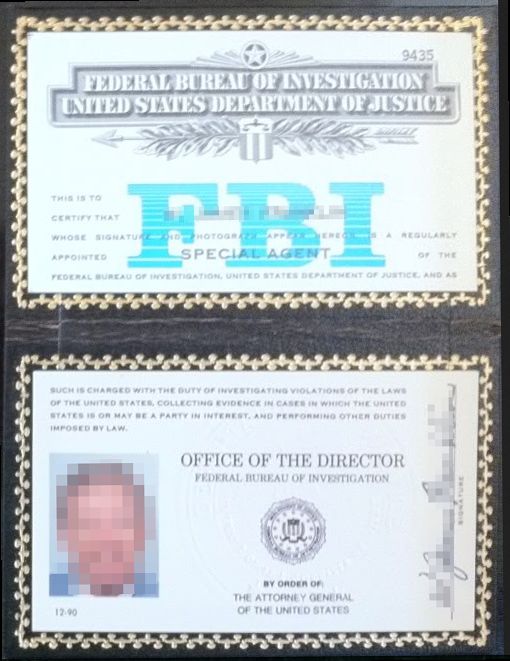
A sample FBI special agent’s credentials, about 1990. The agents in ABSCAM worked under invented names.
A sample FBI special agent’s credentials, about 1990. The agents in ABSCAM worked under invented names. FBI. · Public domain

Mostly one thing: use a member’s office to keep a rich foreigner in the country, for cash.

The story that reached Congress was simple. A sheikh feared he might have to flee his country and wanted to settle in the United States. A member of Congress could introduce a private immigration bill, a real and then fairly common tool, or press the immigration service. The standard offer, as the FBI tells it, was $50,000 up front and another $50,000 later. [1]

Not every case looked the same. In New Jersey the early pitch was casino licensing. Senator Williams’s case was about a hidden share of a titanium mine and government contracts. Some members took cash in person; others had a middleman collect it. That is why the convictions differ count by count. [1][2]

The Senate committee found that Weinberg himself came up with the asylum story on 14 July 1979, and that it was built to reach Congress and the immigration service by design. That fact cuts both ways. It shows the government chose to test members of Congress specifically. It also means the members were not tricked into some obscure act: everyone at the table understood what a bill or a phone call from a congressman was worth. [3]

The fake sheikh never needed a real deportation problem. What mattered in court was what each official agreed to sell.

Bottom line Documented

documented. The asylum scenario and the $50,000 payments are in the FBI history and the Senate report. Access offered and crimes proved are separate questions, and each member’s file treats them separately.

What the record can’t settle

The $50,000-plus-$50,000 figure is the FBI’s summary. Actual amounts varied by meeting and are given in each member’s file.

Sources

  1. FBI — ABSCAM historical overview An institutional retrospective by the investigating agency. Its compressed claim that convictions were upheld needs count-by-count qualification; the legal files discuss Murphy and Kelly.
  2. Senate Report 97-682 — Final Report on Undercover Activities (ordered 1982, printed 1983) Original Senate committee report; 790 numbered pages plus front matter in the 800-page scan. Selected findings and narrative sections were inspected, not every cited underlying file. It identifies strengths as well as serious deficiencies.
  3. Senate Report 97-682, Summary of findings and conclusions (printed pp. 11–25) Primary committee report, December 15, 1982. Bipartisan select committee (4 R, 4 D). Findings on informant control, authorization, recording failures, leaks and harm to innocent people.
Back to contents · Open in the interactive guide

The fake sheikh and Abdul Enterprises

A company with no business, a sheikh who did not exist and a yacht in Florida.

How do you build a fake sheikh?

What happened · Documented

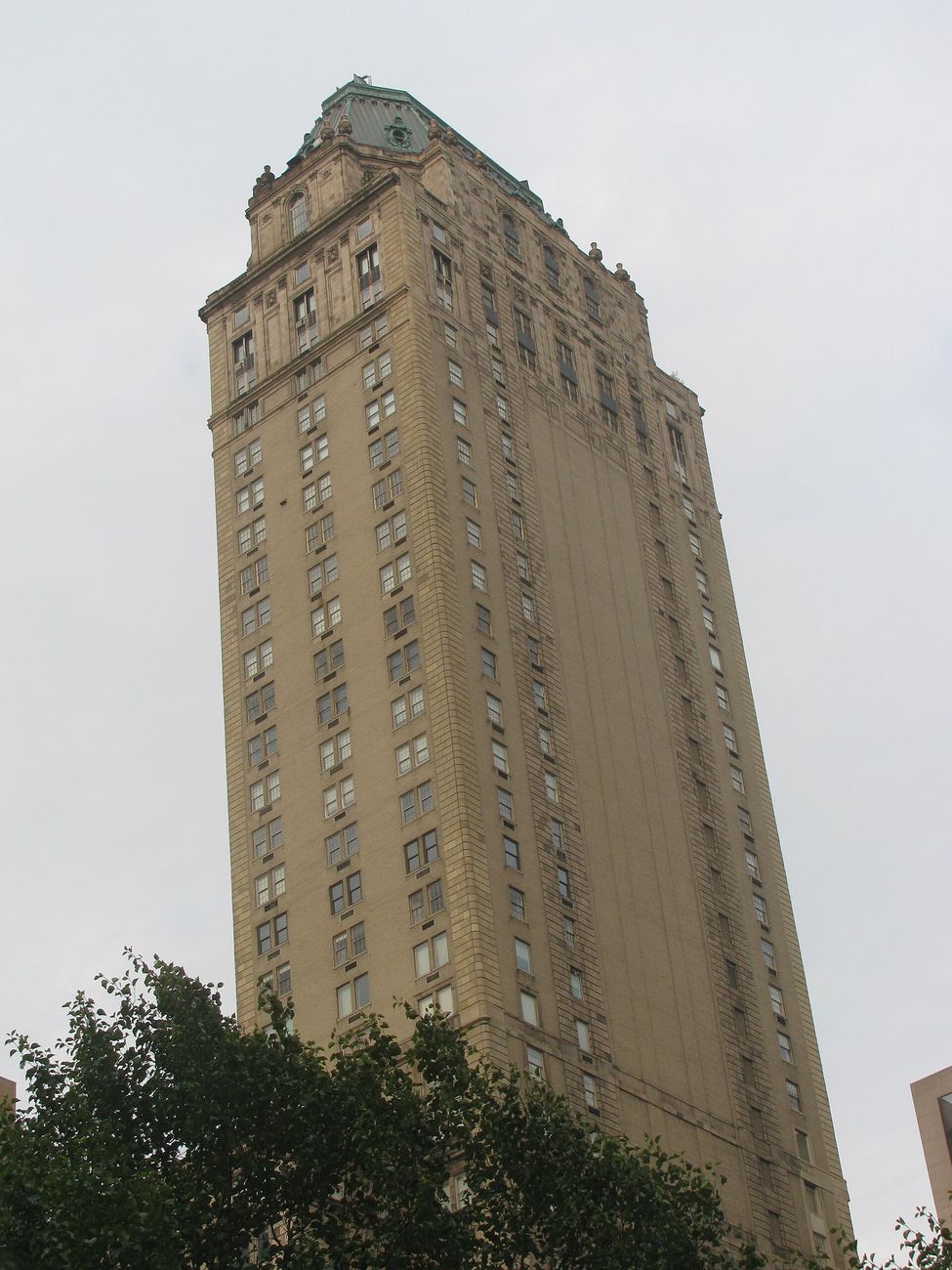
The Pierre hotel on Fifth Avenue, New York. Senator Williams met the operatives over lunch there on 31 May 1979.
The Pierre hotel on Fifth Avenue, New York. Senator Williams met the operatives over lunch there on 31 May 1979. Eden, Janine and Jim from New York City · CC BY 2.0

Costumes, a borrowed yacht, a rented mansion, and a con man who knew what corrupt people expect.

Abdul Enterprises, Ltd., was the FBI’s invented company, said to manage the fortunes of two Arab principals. The name later gave the operation its code name: ABdul SCAM. Agents played the sheikhs and their aides, in robes for the meetings. The Senate report names one of them, Special Agent Richard Farhart, who was brought in because he spoke Arabic. Much of the rest rested on props and on what people wanted to believe about oil money. [1][2]

Settings did much of the work. Meetings took place at a rented house in Washington, a hotel near JFK airport and aboard a yacht in Florida. Videotaping began on 12 February 1979, which is why the earliest dealings survive only on audio or in agents’ notes. [2]

The FBI’s case supervisor, John Good, later wrote that Weinberg was unreliable in important ways but uniquely good at opening doors, and that the people who came to the front brought their own schemes. That is a participant’s account, written to defend the operation. [3]

The design was effective. The Senate committee also found it dangerous: the front made it easy for middlemen to sell the sheikh names they had no right to sell, and the sheer amount of money on offer raised the question the defendants later pressed in court, of whether the government had created crimes rather than found them. [2]

Bottom line Documented

documented. The front, the sheikh roles and the meeting locations are on the record. Whether the size of the offers was fair is a separate question, taken up in the entrapment files.

What the record can’t settle

The supervisor’s account is firsthand but partisan to the operation. Some FBI records on the front remain redacted.

Sources

  1. FBI — ABSCAM historical overview An institutional retrospective by the investigating agency. Its compressed claim that convictions were upheld needs count-by-count qualification; the legal files discuss Murphy and Kelly.
  2. Senate Report 97-682, Summary of findings and conclusions (printed pp. 11–25) Primary committee report, December 15, 1982. Bipartisan select committee (4 R, 4 D). Findings on informant control, authorization, recording failures, leaks and harm to innocent people.
  3. John Good — participant account, The Grapevine / FBI Studies (2015) A former case supervisor’s retrospective, reproduced by a retired FBI historian. Valuable firsthand perspective, not independent verification of every recollection.

Back to contents · Open in the interactive guide

How much money moved, and where did it go?

What happened · Documented

An FBI hidden-camera frame stamped 22 August 1979, 12:43: undercover agent Anthony Amoroso, Representative Michael “Ozzie” Myers holding an envelope, Camden mayor Angelo Errichetti and informant Mel Weinberg, from left. The FBI’s caption identifies the four.
An FBI hidden-camera frame stamped 22 August 1979, 12:43: undercover agent Anthony Amoroso, Representative Michael “Ozzie” Myers holding an envelope, Camden mayor Angelo Errichetti and informant Mel Weinberg, from left. The FBI’s caption identifies the four. FBI · Public domain

Envelopes of $25,000 and $50,000, split among middlemen, and some of it never accounted for.

The cash was real government money. The DOJ summary describes $50,000 to Myers’s side, of which he kept $15,000; $50,000 to Thompson’s side through middleman Howard Criden, of which Thompson took about $20,000; $50,000 to Lederer’s side; $25,000 to Kelly; and $50,000 to Jenrette’s associate John Stowe. [3]

The middlemen took cuts. Errichetti and Criden split money before it reached the members, which is why some members were convicted of bribery without being filmed holding the full amount. [1]

The Senate committee found worse. By the weight of the evidence, it concluded, Weinberg himself received part of a $100,000 payment that the operation gave Errichetti on 31 March 1979, then met Errichetti the next day and made a misleading tape. Taxpayer money given to a corrupt mayor may have found its way back to the government’s own informant. [2]

That finding is one of the strongest arguments the operation’s critics have, and it comes from a bipartisan Senate committee, not from a defense lawyer.

Bottom line Documented

documented for the payments to members. The committee’s finding about Weinberg and the Errichetti money is a weight-of-the-evidence conclusion, not a criminal conviction; Weinberg was never charged.

What the record can’t settle

Amounts kept by each member come from DOJ and trial summaries; middlemen’s accounts of the splits were not always consistent.

Sources

  1. Senate Report 97-682, Summary of findings and conclusions (printed pp. 11–25) Primary committee report, December 15, 1982. Bipartisan select committee (4 R, 4 D). Findings on informant control, authorization, recording failures, leaks and harm to innocent people.
  2. Senate Report 97-682, Weinberg’s compensation, gifts and the Errichetti money (narrative and findings) Primary. Stipend $1,000 raised to $3,000 a month in February 1979; lump sums; $30,000 insurance reward; gifts; the committee’s weight-of-evidence finding about the March 31, 1979 payment.
  3. DOJ Public Integrity Section, Significant Cases (ABSCAM entries and Operation Lost Trust) Prosecutor’s institutional summary. Contains at least one date typo (Lederer resignation printed as 1991; correct year 1981). Cross-checked against court and House records.

Back to contents · Open in the interactive guide

The informant

Mel Weinberg was the operation’s best asset and its biggest problem.

Why trust a con man?

What happened · Documented

An FBI hidden-camera frame stamped 22 August 1979, 12:43: undercover agent Anthony Amoroso, Representative Michael “Ozzie” Myers holding an envelope, Camden mayor Angelo Errichetti and informant Mel Weinberg, from left. The FBI’s caption identifies the four.
An FBI hidden-camera frame stamped 22 August 1979, 12:43: undercover agent Anthony Amoroso, Representative Michael “Ozzie” Myers holding an envelope, Camden mayor Angelo Errichetti and informant Mel Weinberg, from left. The FBI’s caption identifies the four. FBI · Public domain

You don’t. You record him, check him and corroborate him. The FBI did the first and not enough of the rest.

Weinberg was not a bystander. He built the stage: the business patter, the introductions, the reasons the sheikh might pay for help. John Good, the FBI supervisor who ran him, later called him unreliable in important ways but brilliant at getting corrupt people to talk. [1]

The Senate committee found that nobody at the FBI reviewed his informant file before making him the center of the operation. Had they looked, they would have found he had earlier been ordered dropped as an informant for committing crimes while working for the government. There was no special plan to control him, and he worked across several cities and investigations at once. [2][3]

The case for using him is real. Corrupt officials do not take bribes from people they know to be agents, and the recordings show members of Congress agreeing to sell their offices. The case against is just as real. A paid informant has every reason to exaggerate what he can deliver and to coach targets toward the words prosecutors need, and the committee found that he did misrepresent things to his handlers. [3][4]

The answer the courts gave is corroboration. Where a conviction rested on tapes of the member himself, Weinberg’s character mattered less. Where it rested on his word about what happened off camera, it mattered a great deal.

Bottom line Documented

documented. His usefulness and his misconduct are both on the record. Whether the government controlled him well enough is the committee’s question, and its answer was no.

What the record can’t settle

The supervisor’s account is firsthand and defends the operation. The committee report is a congressional finding, not a court judgment.

Sources

  1. John Good — participant account, The Grapevine / FBI Studies (2015) A former case supervisor’s retrospective, reproduced by a retired FBI historian. Valuable firsthand perspective, not independent verification of every recollection.
  2. Senate Report 97-682 — Final Report on Undercover Activities (ordered 1982, printed 1983) Original Senate committee report; 790 numbered pages plus front matter in the 800-page scan. Selected findings and narrative sections were inspected, not every cited underlying file. It identifies strengths as well as serious deficiencies.
  3. Senate Report 97-682, Summary of findings and conclusions (printed pp. 11–25) Primary committee report, December 15, 1982. Bipartisan select committee (4 R, 4 D). Findings on informant control, authorization, recording failures, leaks and harm to innocent people.
  4. Politico Magazine, Leslie Maitland: “Mel Weinberg: The Conman Who Flipped” (December 30, 2018) Retrospective by the NYT reporter who covered ABSCAM; about $200,000 in expenses and bonuses. A journalist’s account, not an audit.

Back to contents · Open in the interactive guide

Were the allegations about Weinberg ever tested?

What happened · Documented

A sample FBI special agent’s credentials, about 1990. The agents in ABSCAM worked under invented names.
A sample FBI special agent’s credentials, about 1990. The agents in ABSCAM worked under invented names. FBI. · Public domain

Yes, by a bipartisan Senate committee. Some were proven, one was not, and the gifts were worse than first claimed.

Defense lawyers accused Weinberg of taking kickbacks and gifts from the people he was luring. The Senate committee tested those claims in 1982. It found that he did take gifts, including a microwave, a stereo, three Sony televisions, about $2,000 worth of liquor and a Betamax, and that he denied them under oath. [1][2]

Its most serious finding was about money. By the weight of the evidence, the committee concluded, Weinberg received part of a $100,000 payment the operation made to Errichetti on 31 March 1979. He met Errichetti the next day and then created a tape that gave a misleading picture of the meeting. [2]

The committee did not accept every allegation. It found insufficient evidence for a claimed meeting between Weinberg and Errichetti on 6 January 1979, and it said no defendant appeared to have been merely playacting. [1]

No court threw out a conviction because of Weinberg, and he was never prosecuted for any of this. That is both a sign of how much the convictions rested on tapes of the members themselves and a fair cause for complaint: the government’s star informant lied under oath and faced no charge.

Bottom line Documented

documented for the gifts and the false testimony; documented as a committee weight-of-evidence finding for the Errichetti money. The claim that Weinberg invented the crimes on tape is not supported.

What the record can’t settle

The committee’s Weinberg findings are not a criminal judgment; he was never charged and could not cross-examine the committee’s witnesses.

Sources

  1. Senate Report 97-682 — Final Report on Undercover Activities (ordered 1982, printed 1983) Original Senate committee report; 790 numbered pages plus front matter in the 800-page scan. Selected findings and narrative sections were inspected, not every cited underlying file. It identifies strengths as well as serious deficiencies.
  2. Senate Report 97-682, Weinberg’s compensation, gifts and the Errichetti money (narrative and findings) Primary. Stipend $1,000 raised to $3,000 a month in February 1979; lump sums; $30,000 insurance reward; gifts; the committee’s weight-of-evidence finding about the March 31, 1979 payment.

Back to contents · Open in the interactive guide

What was Weinberg paid?

What happened · Documented

An FBI hidden-camera frame stamped 22 August 1979, 12:43: undercover agent Anthony Amoroso, Representative Michael “Ozzie” Myers holding an envelope, Camden mayor Angelo Errichetti and informant Mel Weinberg, from left. The FBI’s caption identifies the four.
An FBI hidden-camera frame stamped 22 August 1979, 12:43: undercover agent Anthony Amoroso, Representative Michael “Ozzie” Myers holding an envelope, Camden mayor Angelo Errichetti and informant Mel Weinberg, from left. The FBI’s caption identifies the four. FBI · Public domain

Somewhere between $150,000 and $200,000, depending on who is counting, plus a $30,000 reward.

The Senate report lists the pieces. Weinberg’s stipend was $1,000 a month until February 1979, then $3,000. There were lump sums: $10,000 on 3 July 1978 for the art recovery, $5,000 in October 1978, a smaller payment in November 1978, the disputed $5,000 in April 1979, $15,000 in June 1979 and $6,000 for resettlement in October 1979. Separately, an insurance company paid him a $30,000 reward. [1]

The New York Times obituary put his government pay at about $150,000 in salary and bonuses. Leslie Maitland, who covered ABSCAM for the Times, wrote in 2018 that it came to about $200,000 in expenses and bonuses. [2][3]

He also earned from the story: a book with the journalist Robert W. Greene, The Sting Man, and later attention from Hollywood. Critics say that gave him a reason to make ABSCAM look bigger than it was. Defenders say the money was small next to what an informant of his skill could have made as a criminal.

Bottom line Documented

documented. The figures differ by method; none of them support the round “over $200,000 in pay” claim as a precise number.

What the record can’t settle

Totals depend on whether expenses and the insurance reward are counted. No single audited total is public.

Sources

  1. Senate Report 97-682, Weinberg’s compensation, gifts and the Errichetti money (narrative and findings) Primary. Stipend $1,000 raised to $3,000 a month in February 1979; lump sums; $30,000 insurance reward; gifts; the committee’s weight-of-evidence finding about the March 31, 1979 payment.
  2. New York Times obituary: “Mel Weinberg, 93, the F.B.I.’s Lure in the Abscam Sting, Dies” (June 6, 2018) Newspaper obituary; reports about $150,000 in government pay. Paywalled.
  3. Politico Magazine, Leslie Maitland: “Mel Weinberg: The Conman Who Flipped” (December 30, 2018) Retrospective by the NYT reporter who covered ABSCAM; about $200,000 in expenses and bonuses. A journalist’s account, not an audit.

Back to contents · Open in the interactive guide

The middlemen

Errichetti, Criden and the men who sold the sheikh names.

Who were the go-betweens?

What happened · Documented

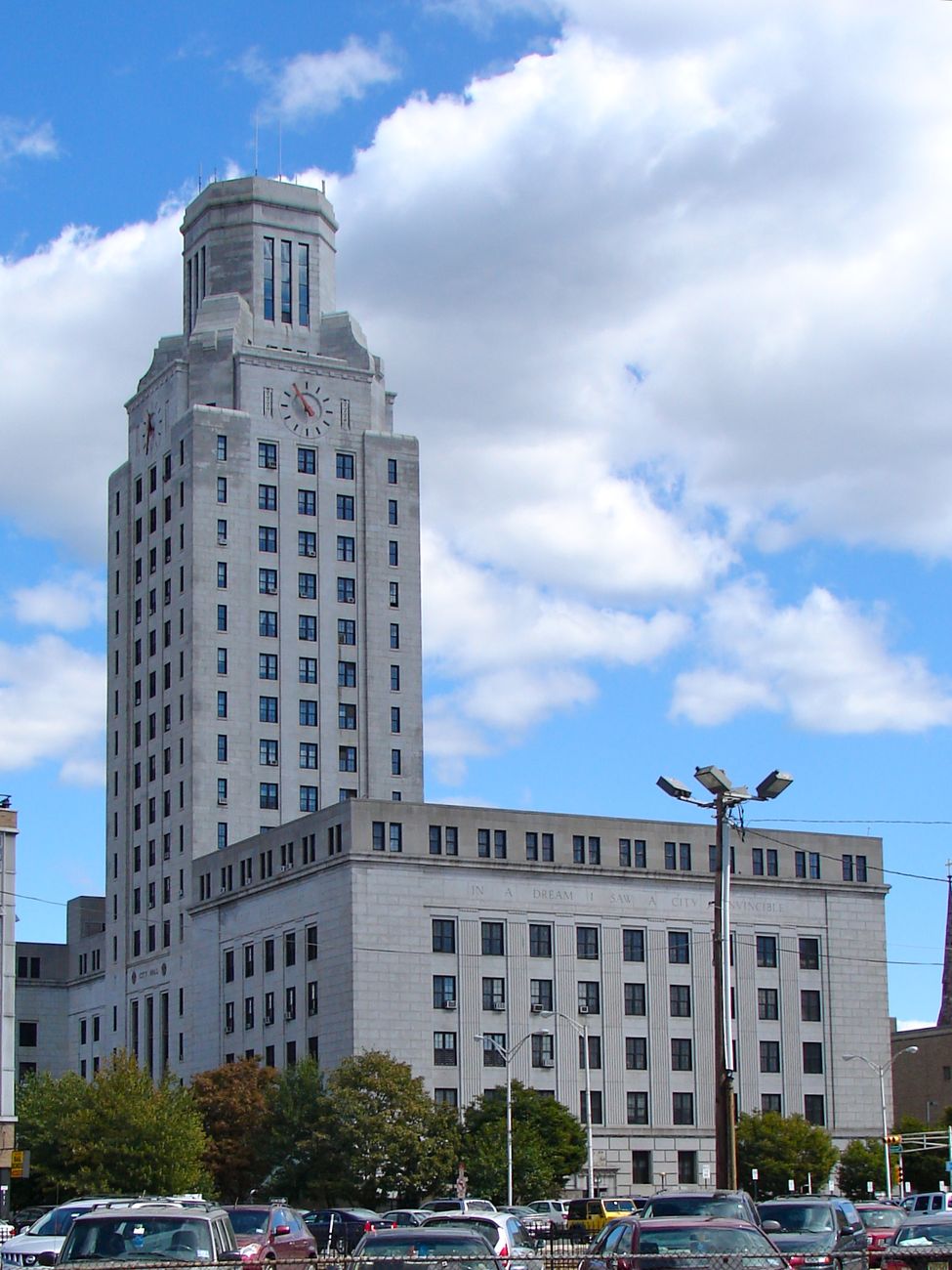
Camden City Hall, New Jersey. The city’s mayor, Angelo Errichetti, was ABSCAM’s first and busiest middleman.
Camden City Hall, New Jersey. The city’s mayor, Angelo Errichetti, was ABSCAM’s first and busiest middleman. Smallbones · Public domain

A mayor, a lawyer, a councilman and a few businessmen, all claiming to know who in Washington was for sale.

Angelo Errichetti was the hub. He was mayor of Camden and a New Jersey state senator, and he brought the operatives Myers and Lederer. Howard Criden, a Philadelphia lawyer, and his law partner Louis Johanson, a Philadelphia city councilman, brought Thompson, who in turn brought Murphy and Murtha, and named the Philadelphia council members. Joseph Silvestri, a New Jersey businessman, raised Senator Pressler’s name. Eugene Ciuzio and Stanley Weisz brought Kelly. John Stowe brought Jenrette. Alexander Feinberg, a lawyer, was Senator Williams’s partner in the titanium venture. [1][2][3]

They were paid. The Senate report records Criden receiving $5,000 on 10 January 1980 for delivering Murtha to a meeting three days earlier, and middlemen keeping shares of the cash the members took. [2]

Their claims were often false. Of 24 officials the FBI authorized for bribe meetings, every one except Representative William Hughes of New Jersey had first been named by a middleman who said the person was corrupt. Several never showed up, and some who came, like Pressler, refused. [2]

Errichetti, Criden and Johanson were convicted with Myers in August 1980. Errichetti died in 2013. [3]

Bottom line Documented

documented. The middlemen’s role is the committee’s central finding about how targets were chosen.

What the record can’t settle

Middlemen’s claims about others are evidence only of what the middlemen said.

Sources

  1. Senate Report 97-682, Summary of findings and conclusions (printed pp. 11–25) Primary committee report, December 15, 1982. Bipartisan select committee (4 R, 4 D). Findings on informant control, authorization, recording failures, leaks and harm to innocent people.
  2. Senate Report 97-682, Part on selection of subjects and the “Republicans” requests (printed pp. 60–80) Primary. Records the September 18 and October 9, 1979 recorded requests for Republican and non-Atlantic targets and the committee’s conclusion that no predicate existed for them.
  3. Senate Report 97-682, Appendix G: House Judiciary subcommittee summaries of the ABSCAM trials Primary appendix compiling indictment, trial, verdict and sentencing dates for Jenrette, Myers, Kelly, Thompson–Murphy, Lederer and Williams. Some sentencing details postdate it and are taken from later sources.
  4. DOJ Public Integrity Section, Significant Cases (ABSCAM entries and Operation Lost Trust) Prosecutor’s institutional summary. Contains at least one date typo (Lederer resignation printed as 1991; correct year 1981). Cross-checked against court and House records.

Back to contents · Open in the interactive guide

Did being named by a middleman mean anything?

What happened · Documented

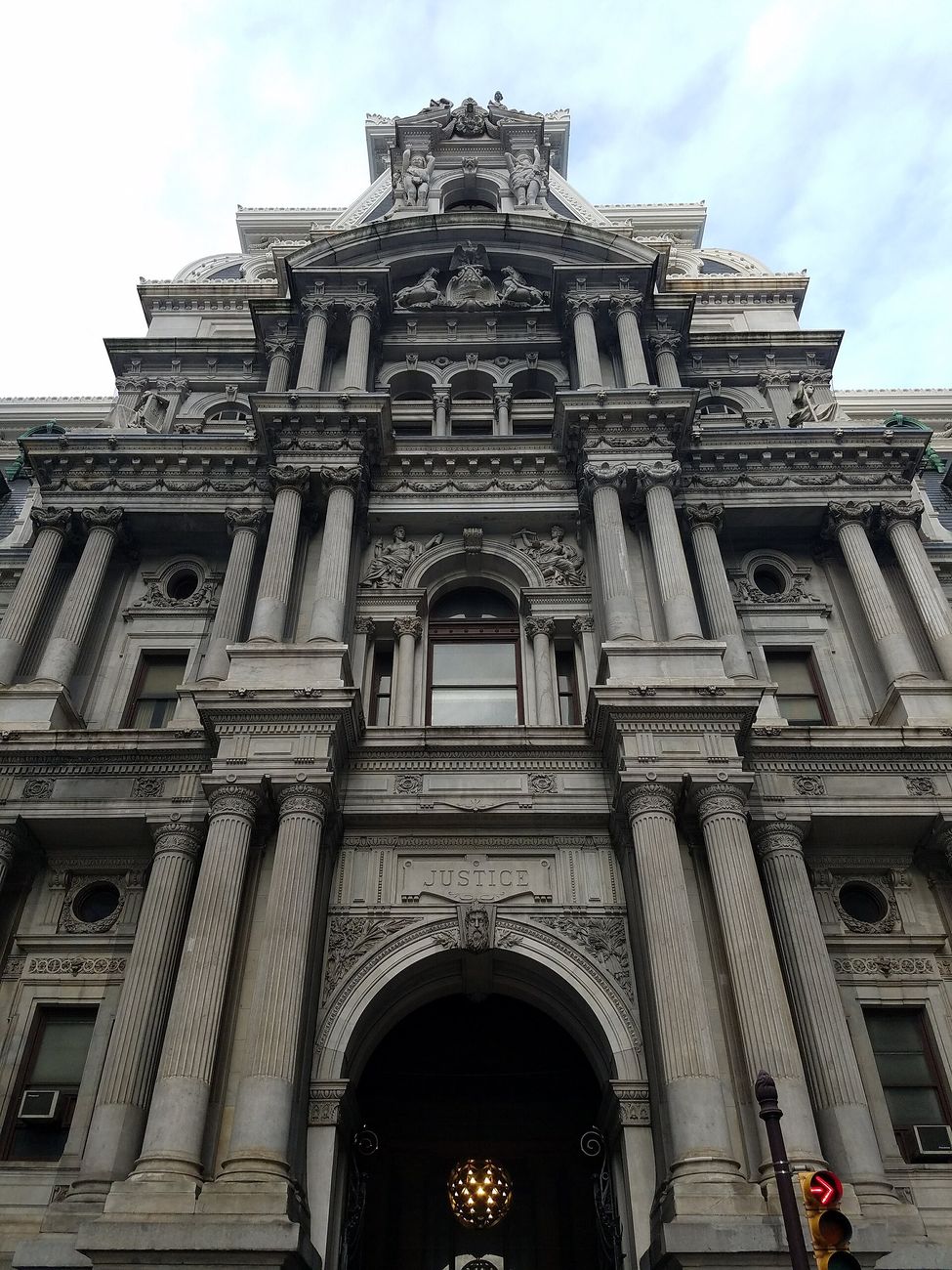
Philadelphia City Hall. ABSCAM reached two Philadelphia congressmen and members of the city council.
Philadelphia City Hall. ABSCAM reached two Philadelphia congressmen and members of the city council. Magiluke · CC BY-SA 4.0

No. It got you a meeting. What you did there was the evidence.

The committee’s harshest finding about targeting was that the FBI let corrupt people choose its subjects. “At least one (and apparently more) clearly innocent public official was brought before the hidden cameras,” it wrote, because the operation relied on middlemen who had every reason to promise more than they could deliver. [1][2]

The government’s reply was that the meeting itself was the test. An honest official would turn the money down, and some did: the trial judge in the Myers case pointed to Pressler, Patten and Murtha as proof that the offer did not overwhelm anyone who heard it. [3]

Both points are true at once. The meeting did separate refusals from acceptances. It also put honest people’s names into FBI files and, once the leaks began, into the newspapers.

Bottom line Documented

documented. Being named by a middleman is not evidence of wrongdoing, and the committee said so.

What the record can’t settle

The committee did not name every official it considered innocent.

Sources

  1. Senate Report 97-682, Part on selection of subjects and the “Republicans” requests (printed pp. 60–80) Primary. Records the September 18 and October 9, 1979 recorded requests for Republican and non-Atlantic targets and the committee’s conclusion that no predicate existed for them.
  2. Senate Report 97-682, The Pressler meeting and harm to innocent persons Primary. Approval within an hour on November 7, 1979; the committee calls Pressler clearly innocent and injured by leaks.
  3. United States v. Myers, 527 F. Supp. 1206 (E.D.N.Y. 1981) — published district-court opinion Contemporaneous trial-court opinion on constitutional challenges, published on Justia. Its description of refusals is not a finding that every aspect of every meeting was beyond ethical criticism.

Back to contents · Open in the interactive guide

The politicians on tape 1979 – 1980

What the cameras showed

Real people in a staged setting, and the gaps between the tapes.

What does the famous envelope scene establish?

What happened · Documented

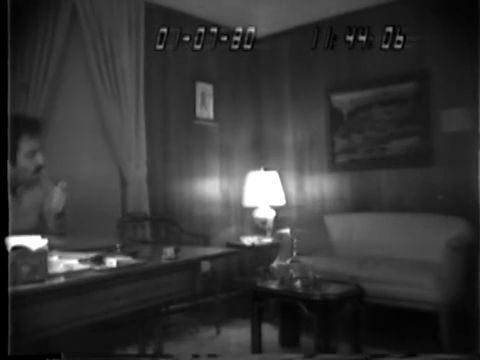
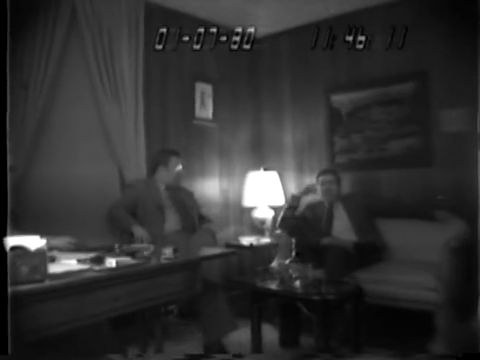
A frame from FBI hidden-camera footage released by the Bureau, stamped on screen 01-07-80. The Senate report places the Murtha meeting in the W Street townhouse on that date; the FBI release does not name who appears.
A frame from FBI hidden-camera footage released by the Bureau, stamped on screen 01-07-80. The Senate report places the Murtha meeting in the W Street townhouse on that date; the FBI release does not name who appears. Federal Bureau of Investigation · Public domain

That Myers took $50,000 and promised help. Not that every name in ABSCAM did the same.

The FBI’s best-known ABSCAM image comes from 22 August 1979. From left: undercover agent Anthony Amoroso, Representative Michael “Ozzie” Myers holding an envelope with $50,000, Camden mayor Angelo Errichetti and informant Mel Weinberg. It is a frame from the real investigation, not a reenactment. [1]

The words matter more than the picture. On the tape Myers promises help with immigration problems and delivers the line that made him famous: “Money talks in this business and bullshit walks.” He kept $15,000 of the $50,000, the DOJ says. [3]

Myers had a defense, and he made it on the House floor in 1980: he was playacting, telling a rich fool what he wanted to hear, with no intention of doing anything. The House ethics committee pointed to the tape and his testimony and rejected it, and the House expelled him. [2]

The scene proves what Myers did. It does not tell you anything about the members who were never on camera, or about the ones who were and said no.

Bottom line Documented

documented. Myers’s acceptance and promise are on tape and were proved at trial. The playacting defense was heard and rejected by a jury and by the House.

What the record can’t settle

Public copies are broadcast excerpts, not every original tape.

Sources

  1. FBI — ABSCAM historical overview An institutional retrospective by the investigating agency. Its compressed claim that convictions were upheld needs count-by-count qualification; the legal files discuss Murphy and Kelly.
  2. American Archive of Public Broadcasting — MacNeil/Lehrer, ABSCAM Tapes (October 2, 1980) Contemporary broadcast with extended House floor statements and a corrected transcript. This is an edited program, not every unedited undercover recording.
  3. DOJ Public Integrity Section, Significant Cases (ABSCAM entries and Operation Lost Trust) Prosecutor’s institutional summary. Contains at least one date typo (Lederer resignation printed as 1991; correct year 1981). Cross-checked against court and House records.

Back to contents · Open in the interactive guide

Can genuine footage still leave important gaps?

What happened · Documented

Another frame from the same FBI footage, two minutes later. The release does not identify the men.
Another frame from the same FBI footage, two minutes later. The release does not identify the men. Federal Bureau of Investigation · Public domain

Yes. The committee found unrecorded meetings with the key middleman and tapes nobody logged.

The Senate committee listed the problems. Tapes were not numbered or logged as they were made. Transcripts lagged far behind. Many phone calls were not recorded. And there were unrecorded meetings with Errichetti, the middleman at the center of the operation, on 19 January, 30 March and 22 August 1979. [1][3]

This matters most for entrapment arguments. If a defendant says he was pressured or coached before the camera started, the missing hours are exactly where the evidence would be. The committee also found that Weinberg created at least one misleading tape. [3]

It does not follow that the gaps hid an innocent explanation. Juries saw the tapes that existed and convicted every defendant. What the gaps do show is that the government asked courts and the public to trust its informant about the parts it did not record. [1]

The FBI’s released files, now in its Vault, include newspaper clippings and allegations alongside its own records. Being in an FBI file is not the same as being an FBI finding. [2]

Bottom line Documented

documented. The recordings support the convictions; the gaps support the criticism. Neither cancels the other.

What the record can’t settle

The committee reviewed tapes and logs that are not fully public.

Sources

  1. Senate Report 97-682 — Final Report on Undercover Activities (ordered 1982, printed 1983) Original Senate committee report; 790 numbered pages plus front matter in the 800-page scan. Selected findings and narrative sections were inspected, not every cited underlying file. It identifies strengths as well as serious deficiencies.
  2. FBI Vault — ABSCAM Part 10, released file including contemporary clippings An official file can contain third-party newspaper clippings, allegations and correspondence. Inclusion is not FBI adoption of every statement.
  3. Senate Report 97-682, Summary of findings and conclusions (printed pp. 11–25) Primary committee report, December 15, 1982. Bipartisan select committee (4 R, 4 D). Findings on informant control, authorization, recording failures, leaks and harm to innocent people.
Back to contents · Open in the interactive guide

Six House members, different verdicts

The roster everyone repeats hides the legal differences between them.

Who was convicted, and of what?

What happened · Documented

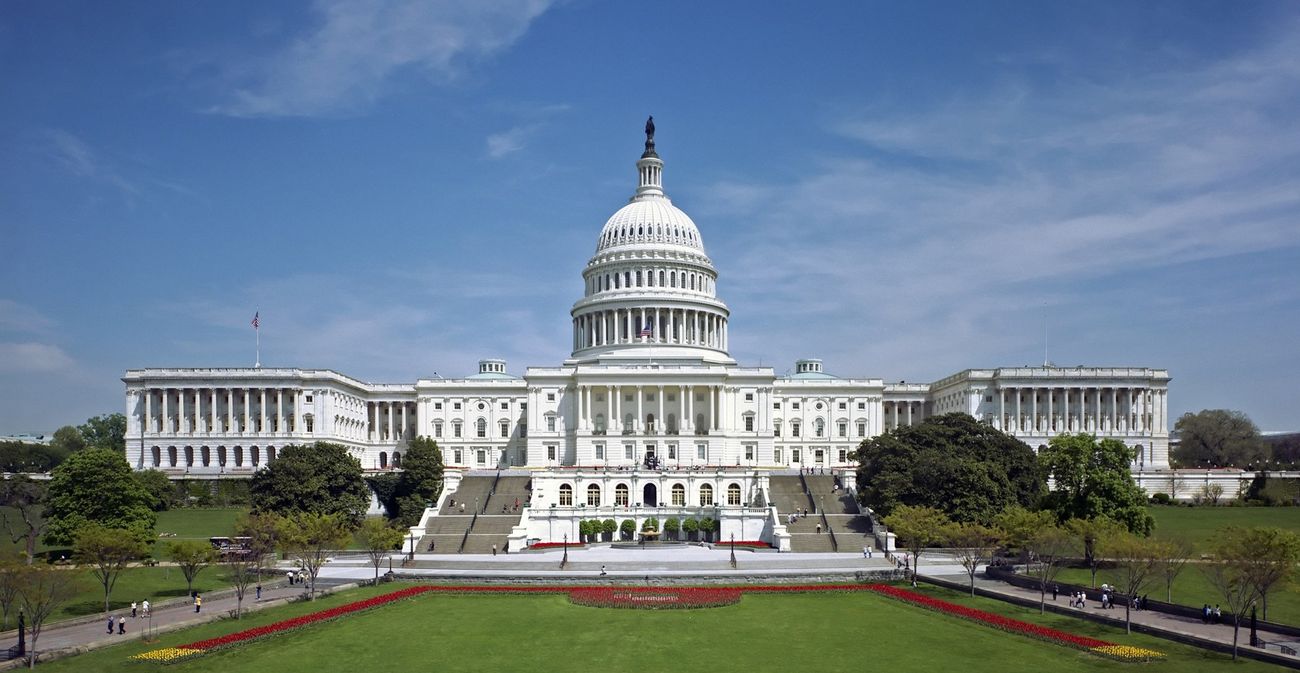
The U.S. Capitol’s west front, photographed in 1997.
The U.S. Capitol’s west front, photographed in 1997. Architect of the Capitol; derivative edit by O.J. · Public domain — US federal work

Seven members of Congress. Seven different sets of counts.

Michael “Ozzie” Myers (D-Pa.) was convicted of conspiracy, bribery and interstate travel to commit bribery. Raymond Lederer (D-Pa.) was convicted of the same plus taking an unlawful gratuity. Frank Thompson Jr. (D-N.J.) was convicted of conspiracy, bribery and a gratuity, and acquitted of a conflict-of-interest charge. [1][6]

John Murphy (D-N.Y.) was acquitted of bribery. The jury convicted him of conspiracy, conflict of interest and a gratuity, and the appeals court later reversed the conflict-of-interest count for a new trial because of a faulty jury instruction. Calling Murphy a convicted briber is wrong. [1]

John Jenrette (D-S.C.) was convicted in Washington of conspiracy and bribery in a deal run through his associate John Stowe; the conviction was affirmed in 1984. [2][3] Richard Kelly (R-Fla.) was convicted of conspiracy, bribery and a Travel Act count. A trial judge threw the conviction out in 1982; the appeals court put it back in 1983 and affirmed it in 1984. [4][5]

Add Senator Harrison Williams (D-N.J.) and the total is seven. Other officials were convicted too, including Camden’s mayor, who was also a state senator, and members of the Philadelphia city council. The FBI counts “more than a dozen” convictions besides the members of Congress.

Bottom line Documented

documented. Seven members of Congress were convicted. The details per member differ and are in each file.

What the record can’t settle

Count lists summarize the opinions and the House Judiciary summaries; sentences are in each member’s file.

Sources

  1. United States v. Myers, 692 F.2d 823 (2d Cir. 1982), opinion and count-by-count dispositions Primary federal appellate opinion. Murphy bribery acquittal and reversal of conflict-of-interest Count Three are explicit. Opinion says Myers trial ended August 29; House biographical record says conviction August 30. Avoid false date precision; use August 1980.
  2. United States v. Jenrette, 744 F.2d 817 (D.C. Cir. 1984), conviction affirmed Read the dated record and its stated scope.
  3. DOJ Public Integrity Section, Significant Cases: ABSCAM/Jenrette Prosecutorial institutional account, cross-checked against appellate opinion; source contains a stray Snowe spelling where Stowe is intended.
  4. United States v. Kelly, 707 F.2d 1460 (D.C. Cir. 1983), reversal of district-court dismissal Read the dated record and its stated scope.
  5. United States v. Kelly, 748 F.2d 691 (D.C. Cir. 1984), direct appeal and entrapment Read the dated record and its stated scope.
  6. Senate Report 97-682, Appendix G: House Judiciary subcommittee summaries of the ABSCAM trials Primary appendix compiling indictment, trial, verdict and sentencing dates for Jenrette, Myers, Kelly, Thompson–Murphy, Lederer and Williams. Some sentencing details postdate it and are taken from later sources.

Back to contents · Open in the interactive guide

The recordings show more than people touching money

What happened · Documented

An FBI hidden-camera frame stamped 22 August 1979, 12:43: undercover agent Anthony Amoroso, Representative Michael “Ozzie” Myers holding an envelope, Camden mayor Angelo Errichetti and informant Mel Weinberg, from left. The FBI’s caption identifies the four.
An FBI hidden-camera frame stamped 22 August 1979, 12:43: undercover agent Anthony Amoroso, Representative Michael “Ozzie” Myers holding an envelope, Camden mayor Angelo Errichetti and informant Mel Weinberg, from left. The FBI’s caption identifies the four. FBI · Public domain

Some members took the envelope. Others let a middleman hold it. The law treated both as taking it.

The image everyone remembers is Myers holding the envelope. But the court described a range of arrangements: Lederer’s money went to the middleman Howard Criden, who took out $5,000 for him; Thompson and Murphy had Criden carry the cash for them. [1][4]

Prosecutors did not need a picture of each member pocketing the whole amount. What they needed was proof that the member knew about the money and agreed to sell official help in return. Standing near a briefcase would not have been enough on its own. [1]

Kelly is the opposite case: he was filmed stuffing $25,000 into his pockets. His defense was that he was running his own investigation of the shady people around him. The jury did not believe it, and the appeals court reviewed both the tape and the entrapment instructions before affirming. [2]

Jenrette argued duress, entrapment, due process and withheld evidence. He lost on all of them, but the court took each seriously. A tape is the start of the legal question, not the end of it. [3]

Bottom line Documented

documented. Recorded agreements, not just cash in hand, carried the convictions.

What the record can’t settle

Amounts and splits come from the indictments and DOJ summaries.

Sources

  1. United States v. Myers, 692 F.2d 823 (2d Cir. 1982), opinion and count-by-count dispositions Primary federal appellate opinion. Murphy bribery acquittal and reversal of conflict-of-interest Count Three are explicit. Opinion says Myers trial ended August 29; House biographical record says conviction August 30. Avoid false date precision; use August 1980.
  2. United States v. Kelly, 748 F.2d 691 (D.C. Cir. 1984), direct appeal and entrapment Read the dated record and its stated scope.
  3. United States v. Jenrette, 744 F.2d 817 (D.C. Cir. 1984), conviction affirmed Read the dated record and its stated scope.
  4. DOJ Public Integrity Section, Significant Cases (ABSCAM entries and Operation Lost Trust) Prosecutor’s institutional summary. Contains at least one date typo (Lederer resignation printed as 1991; correct year 1981). Cross-checked against court and House records.

Back to contents · Open in the interactive guide

Michael “Ozzie” Myers

“Money talks in this business and bullshit walks.”

What Myers did, and what he said he meant

What happened · Documented

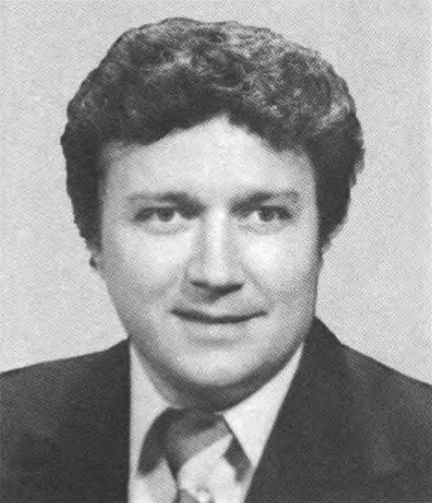
Representative Michael “Ozzie” Myers of Pennsylvania, 1977 congressional portrait.
Representative Michael “Ozzie” Myers of Pennsylvania, 1977 congressional portrait. US Government Printing Office · Public domain

The clearest ABSCAM case, and the first.

On 22 August 1979 Myers met the operatives at a hotel near JFK airport and accepted $50,000. He promised to help the sheikh with immigration, introduced the idea of influence with other officials and delivered the line that would follow him for the rest of his life: “Money talks in this business and bullshit walks.” He kept $15,000; middlemen took the rest. [1]

The steelman for Myers is the one he gave. He said he was playacting: the sheikh was a mark, he was taking money from a fool and never meant to do anything. The appeals court answered that selling a promise of official help is bribery even if the seller secretly plans to cheat the buyer. [4]

The House ethics committee heard the same argument and rejected it. On 2 October 1980 the House expelled him 376–30. He was the first member expelled since three were expelled in 1861 for joining the Confederacy. [3]

He was sentenced on 13 August 1981 to three years and a $20,000 fine. [2]

Bottom line Documented

documented. Access offered on tape; wrongdoing proved at trial and affirmed. The playacting defense is a real argument that the law rejects.

What the record can’t settle

The House says the conviction came on 30 August 1980; the court record says 29 August.

Sources

  1. DOJ Public Integrity Section, Significant Cases (ABSCAM entries and Operation Lost Trust) Prosecutor’s institutional summary. Contains at least one date typo (Lederer resignation printed as 1991; correct year 1981). Cross-checked against court and House records.
  2. Senate Report 97-682, Appendix G: House Judiciary subcommittee summaries of the ABSCAM trials Primary appendix compiling indictment, trial, verdict and sentencing dates for Jenrette, Myers, Kelly, Thompson–Murphy, Lederer and Williams. Some sentencing details postdate it and are taken from later sources.
  3. U.S. House historian — expulsion, censure and reprimand register Read the dated record and its stated scope.
  4. United States v. Myers, 692 F.2d 823 (2d Cir. 1982), opinion and count-by-count dispositions Primary federal appellate opinion. Murphy bribery acquittal and reversal of conflict-of-interest Count Three are explicit. Opinion says Myers trial ended August 29; House biographical record says conviction August 30. Avoid false date precision; use August 1980.

Back to contents · Open in the interactive guide

Myers’s second conviction

What happened · Documented

An FBI hidden-camera frame stamped 22 August 1979, 12:43: undercover agent Anthony Amoroso, Representative Michael “Ozzie” Myers holding an envelope, Camden mayor Angelo Errichetti and informant Mel Weinberg, from left. The FBI’s caption identifies the four.
An FBI hidden-camera frame stamped 22 August 1979, 12:43: undercover agent Anthony Amoroso, Representative Michael “Ozzie” Myers holding an envelope, Camden mayor Angelo Errichetti and informant Mel Weinberg, from left. The FBI’s caption identifies the four. FBI · Public domain

In 2022, at 79, he admitted rigging Philadelphia elections for pay.

Myers never left Philadelphia politics. In 2022 he pleaded guilty in federal court to conspiring to stuff ballot boxes in the city’s primary elections between 2014 and 2018, paying an election judge to add votes for candidates, including judicial candidates, whose campaigns had paid Myers as a consultant. [1]

On 27 September 2022 he was sentenced to 30 months in prison and a $100,000 fine. [2]

Supporters of the old ABSCAM defense have long argued that Myers was a small-time pol caught in a federal show. The 2022 case does not prove anything about 1979. It does make the claim that he was an innocent man framed by the FBI harder to sustain.

Bottom line Documented

documented. Guilty plea and sentence in 2022.

What the record can’t settle

The 2022 case is a separate crime and is not evidence about ABSCAM itself.

Sources

  1. U.S. Attorney, E.D. Pa.: Former U.S. Congressman and Philadelphia political operative pleads guilty to election fraud (2022) Primary prosecutor release; ballot stuffing for judicial candidates, 2014–2018.
  2. CNN: Former congressman Michael ‘Ozzie’ Myers sentenced to 30 months for election fraud (September 27, 2022) News report of the sentence.

Back to contents · Open in the interactive guide

Raymond Lederer

“I can give you me.”

The congressman who was re-elected anyway

What happened · Documented

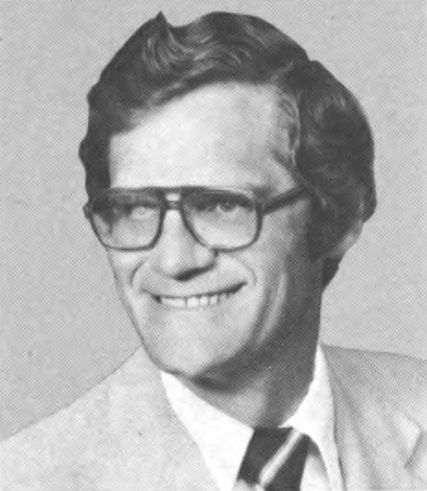
Representative Raymond Lederer of Pennsylvania.
Representative Raymond Lederer of Pennsylvania. US Government Printing Office · Public domain

Philadelphia sent him back to Congress while he awaited trial.

On 11 September 1979 Lederer met Weinberg and Amoroso, posing as Tony DeVito. He said he could not promise other members but could promise himself: “I can give you me.” The indictment said $50,000 was paid at the meeting and passed to Howard Criden, who took $5,000 out of a safe deposit box for Lederer. [1][2]

His voters did not abandon him. He won re-election in November 1980 while under indictment. A jury convicted him on 9 January 1981. The House ethics committee voted on 28 April 1981 to recommend his expulsion, and he resigned on 29 April. [1][3]

His defense was entrapment and the same claim of government overreach that the other defendants pressed. It failed at trial and on appeal.

Bottom line Documented

documented. Access offered on tape; wrongdoing proved. Resigned, not expelled.

What the record can’t settle

The DOJ summary prints his resignation year as 1991; it was 1981.

Sources

  1. Senate Report 97-682, Appendix G: House Judiciary subcommittee summaries of the ABSCAM trials Primary appendix compiling indictment, trial, verdict and sentencing dates for Jenrette, Myers, Kelly, Thompson–Murphy, Lederer and Williams. Some sentencing details postdate it and are taken from later sources.
  2. DOJ Public Integrity Section, Significant Cases (ABSCAM entries and Operation Lost Trust) Prosecutor’s institutional summary. Contains at least one date typo (Lederer resignation printed as 1991; correct year 1981). Cross-checked against court and House records.
  3. U.S. House biographical directory — Raymond Francis Lederer Read the dated record and its stated scope.

Back to contents · Open in the interactive guide

Frank Thompson Jr.

A powerful committee chairman, and the man who brought in Murphy and Murtha.

The chairman and the recruiter

What happened · Documented

Representative Frank Thompson Jr. of New Jersey, chairman of the House Administration Committee.
Representative Frank Thompson Jr. of New Jersey, chairman of the House Administration Committee. U.S. Congress · Public domain

Thompson did more than take money. He brought others to the table.

Thompson met the operatives in the autumn of 1979 and, the indictment said, accepted $50,000 through Criden in return for promises to introduce private immigration bills and to press the immigration service. DOJ says Thompson’s share was about $20,000. [1][2]

He also introduced Criden to Representative John Murphy and later steered John Murtha to a meeting. Murtha testified at the trial that Thompson told him the three of them would split $50,000; Murtha said he wanted no part of it. [1][3]

The jury convicted Thompson of conspiracy, bribery and a gratuity and acquitted him of conflict of interest. He had already lost his seat in November 1980 and resigned in December. Judge Pratt sentenced him on 13 August 1981. [1][2]

Bottom line Documented

documented. Access offered, wrongdoing proved, recruitment of colleagues documented in testimony.

What the record can’t settle

The exact split of the money comes from DOJ and trial summaries.

Sources

  1. Senate Report 97-682, Appendix G: House Judiciary subcommittee summaries of the ABSCAM trials Primary appendix compiling indictment, trial, verdict and sentencing dates for Jenrette, Myers, Kelly, Thompson–Murphy, Lederer and Williams. Some sentencing details postdate it and are taken from later sources.
  2. DOJ Public Integrity Section, Significant Cases (ABSCAM entries and Operation Lost Trust) Prosecutor’s institutional summary. Contains at least one date typo (Lederer resignation printed as 1991; correct year 1981). Cross-checked against court and House records.
  3. New York Times: Murtha Testifies on Money Offer From Thompson (November 21, 1980) Contemporary trial report: Murtha, an unindicted co-conspirator, testified for the government.

Back to contents · Open in the interactive guide

John M. Murphy

Acquitted of bribery, convicted of the rest.

Why “Murphy took a bribe” is the wrong headline

What happened · Partly true

Representative John M. Murphy of New York, chairman of the Merchant Marine and Fisheries Committee.
Representative John M. Murphy of New York, chairman of the Merchant Marine and Fisheries Committee. US Government Printing Office · Public domain

The jury drew a line between bribery and a gratuity.

The indictment said Murphy agreed to help the sheikh with immigration and to use his committee chairmanship for shipping interests the sheikh would invest in. Criden carried $50,000 at a meeting near JFK on 20 October 1979. [1]

The jury convicted him of conspiracy, conflict of interest and receiving an unlawful gratuity, and acquitted him of bribery. A gratuity is a payment for or because of official action; bribery requires a corrupt deal to be influenced. The distinction mattered to twelve jurors, and it should matter in the retelling. [1]

On appeal the Second Circuit reversed the conflict-of-interest count because of a faulty instruction and affirmed the conspiracy and gratuity counts. A later appeal over a new-trial motion also failed. He was sentenced to three years and a $20,000 fine. [2][3]

Bottom line Partly true

partly true for “Murphy was convicted of bribery.” He was convicted of corruption offenses; he was acquitted of bribery itself.

What the record can’t settle

Sentence from the House Judiciary summary; later appeals in 715 F.2d 39.

Sources

  1. Senate Report 97-682, Appendix G: House Judiciary subcommittee summaries of the ABSCAM trials Primary appendix compiling indictment, trial, verdict and sentencing dates for Jenrette, Myers, Kelly, Thompson–Murphy, Lederer and Williams. Some sentencing details postdate it and are taken from later sources.
  2. United States v. Myers, 692 F.2d 823 (2d Cir. 1982), opinion and count-by-count dispositions Primary federal appellate opinion. Murphy bribery acquittal and reversal of conflict-of-interest Count Three are explicit. Opinion says Myers trial ended August 29; House biographical record says conviction August 30. Avoid false date precision; use August 1980.
  3. United States v. Murphy, 715 F.2d 39 (2d Cir. 1983) — new-trial appeal Published appellate opinion preserves the distinction between Murphy’s affirmed gratuity/conspiracy convictions and his acquittal on the bribery charge; cited here only for its discussion of Murtha declining the offer.

Back to contents · Open in the interactive guide

John Jenrette

“I got larceny in my blood.”

Larceny in his blood

What happened · Documented

Representative John Jenrette of South Carolina.
Representative John Jenrette of South Carolina. US Government · Public domain

Jenrette said the quiet part on tape, and dragged a senator’s name in with it.

Jenrette met the operatives in late 1979 and, on tape, told them “I got larceny in my blood.” On 6 December 1979, $50,000 was delivered to his associate John Stowe. The two also discussed $125,000 more in connection with getting Senator Strom Thurmond to introduce a bill. Thurmond was never approached and was never accused of anything. [1][2]

Jenrette lost re-election in November 1980, was convicted, and resigned on 10 December 1980. His appeal argued duress, entrapment, due process and withheld evidence; the D.C. Circuit affirmed in 1984. He served 13 months of a two-year sentence. [2][3][4]

His defense deserves a hearing. He said he had a drinking problem, that the operatives plied him and that the inducement was overwhelming. The courts found he was predisposed. Thurmond is the cautionary tale in the other direction: a name used at a bribe meeting is not evidence against the person named.

Bottom line Documented

documented for Jenrette. False for any suggestion that Thurmond was involved.

What the record can’t settle

Some accounts of his personal life come from his former wife Rita’s memoir and press interviews and are not used here as evidence.

Sources

  1. Senate Report 97-682, Appendix G: House Judiciary subcommittee summaries of the ABSCAM trials Primary appendix compiling indictment, trial, verdict and sentencing dates for Jenrette, Myers, Kelly, Thompson–Murphy, Lederer and Williams. Some sentencing details postdate it and are taken from later sources.
  2. DOJ Public Integrity Section, Significant Cases (ABSCAM entries and Operation Lost Trust) Prosecutor’s institutional summary. Contains at least one date typo (Lederer resignation printed as 1991; correct year 1981). Cross-checked against court and House records.
  3. United States v. Jenrette, 744 F.2d 817 (D.C. Cir. 1984), conviction affirmed Read the dated record and its stated scope.
  4. AP: Former US Rep. John Jenrette, jailed in Abscam scandal, dies (March 2023) Wire obituary; died March 17, 2023 at 86; served 13 months of a two-year sentence.

Back to contents · Open in the interactive guide

Richard Kelly

The Republican, the pockets full of cash and the judge who threw it out.

Kelly’s own investigation

What happened · Documented

Representative Richard Kelly of Florida, the one Republican convicted.
Representative Richard Kelly of Florida, the one Republican convicted. U.S. Congress · Public domain

The best entrapment argument any ABSCAM member had, and it still lost.

Kelly was brought in by middleman Eugene Ciuzio, who first raised his name on 19 December 1979. At his first meeting Kelly turned down the money. Then the operatives came back. On 8 January 1980 he took $25,000, stuffed it into his pockets and asked whether it showed. [1][2]

His explanation was that he had become suspicious of the people around the sheikh and was taking the money to investigate them himself. He said he was going to report it. The jury rejected that. [2]

Judge William Bryant did not. He found that the government had kept pushing after Kelly said no, with nothing beyond a middleman’s word to suggest he was corrupt, and that its conduct violated due process. He dismissed the case in 1982. The D.C. Circuit reversed him in 1983, and after sentencing in January 1984, to six to 18 months, the lightest of the seven, it affirmed the conviction. [3][4]

Kelly served 13 months and died in 2005. The strongest version of his case is not that he was innocent but that the government should not have kept going after a congressman who had already said no. A respected federal judge agreed. [5]

Bottom line Documented

documented. Access offered on the second try; wrongdoing proved and affirmed. Whether the second approach was fair is a real dispute that the higher court settled against him.

What the record can’t settle

Bryant’s opinion, 539 F. Supp. 363, is discussed in the appellate opinions linked here.

Sources

  1. Senate Report 97-682, Appendix G: House Judiciary subcommittee summaries of the ABSCAM trials Primary appendix compiling indictment, trial, verdict and sentencing dates for Jenrette, Myers, Kelly, Thompson–Murphy, Lederer and Williams. Some sentencing details postdate it and are taken from later sources.
  2. United States v. Kelly, 748 F.2d 691 (D.C. Cir. 1984), direct appeal and entrapment Read the dated record and its stated scope.
  3. United States v. Kelly, 707 F.2d 1460 (D.C. Cir. 1983), reversal of district-court dismissal Read the dated record and its stated scope.
  4. New York Times: Former Congressman Given 18-Month Abscam Sentence (January 13, 1984) Contemporary report on Kelly’s 6-to-18-month sentence.
  5. New York Times: Richard Kelly, 81, Congressman Who Went to Prison in Scandal, Dies (August 26, 2005) Obituary; died August 22, 2005; served 13 months; lightest of the seven sentences.

Back to contents · Open in the interactive guide

The senator and the titanium venture

A hidden stake in a mine, a $100 million loan and a senator who refused the cash.

What Williams actually agreed to

What happened · Documented

Senator Harrison A. Williams Jr. of New Jersey, the only senator convicted in ABSCAM.
Senator Harrison A. Williams Jr. of New Jersey, the only senator convicted in ABSCAM. U.S. Congress · Public domain

Not cash. A secret share and a promise.

Williams, a New Jersey Democrat first elected to the Senate in 1958, was convicted in a case built around a titanium mine. He and his associates, including lawyer Alexander Feinberg, wanted the sheikh to finance the venture. One proposal was a $100 million loan; another involved a sale expected to bring about $70 million in profit to all the owners together. Neither figure was money paid to Williams. [1]

What the court described was an 18 percent interest in the venture’s companies, held in Feinberg’s name and endorsed in blank, so Williams’s stake would not show. In recorded meetings Williams promised to use his influence to get government contracts to buy the mine’s titanium. [1]

Williams turned down a separate offer of cash for immigration help. His lawyers made much of that, and of the fact that Weinberg had coached him on what to say. The court agreed the government had pushed hard but held a jury could find he was predisposed, because he already had the hidden interest and the plan before the sheikh came along. [1]

Nine counts were affirmed in 1983: conspiracy, bribery, gratuity, conflict of interest and interstate travel.

Bottom line Documented

documented. The conviction concerned a concealed financial interest and a promise of influence, not a $100 million payoff.

What the record can’t settle

Feinberg was separately acquitted on one count after trial.

Sources

  1. United States v. Williams, 705 F.2d 603 (2d Cir. 1983), mining venture, inducement and convictions Primary opinion. $100 million is proposed venture financing, $70 million estimated aggregate owners’ profit; 18 percent stock interest is Williams’s arrangement. Nine guilty counts affirmed for Williams; associate Feinberg separately acquitted posttrial on Count Five.

Back to contents · Open in the interactive guide

Conviction, ethics and resignation are three different events

What happened · Documented

Harrison Williams in a congressional portrait from about 1955, early in his career.
Harrison Williams in a congressional portrait from about 1955, early in his career. US Government · Public domain

Williams was convicted, recommended for expulsion and resigned. He was never expelled.

The Senate Ethics Committee examined Williams separately from the criminal case and, on 24 August 1981, unanimously recommended his expulsion, calling his conduct “ethically repugnant.” [1]

The full Senate began debating on 3 March 1982. Williams defended himself for hours, saying he had been manipulated and urging senators to look at the government’s conduct instead. His leading defender, Daniel Inouye of Hawaii, argued that the Senate had expelled members only for disloyalty, never for this, and that censure was enough. [1][2]

On 11 March, with the votes plainly there, Williams resigned. There was no expulsion vote. The Second Circuit affirmed his conviction in 1983, and he served 21 months. [1][3]

The Senate historian’s account preserves both sides. Those who wanted him out saw an institution protecting itself. His defenders, including some who thought his conduct indefensible, saw a dangerous precedent in expelling a member convicted through an operation the Senate was itself investigating.

Bottom line Documented

documented. Williams resigned before a vote; calling him “expelled” is false.

What the record can’t settle

The Senate historian’s account is an institutional retrospective; the floor debate is the primary record.

Sources

  1. U.S. Senate historical account: Expulsion Case of Harrison A. Williams, Jr. (1982) Institutional retrospective distinguishes resignation March 11, 1982 from a never-completed expulsion vote.
  2. Congressional Record, March 11, 1982: Senate debate and Williams resignation Read the dated record and its stated scope.
  3. United States v. Williams, 705 F.2d 603 (2d Cir. 1983), mining venture, inducement and convictions Primary opinion. $100 million is proposed venture financing, $70 million estimated aggregate owners’ profit; 18 percent stock interest is Williams’s arrangement. Nine guilty counts affirmed for Williams; associate Feinberg separately acquitted posttrial on Count Five.

Back to contents · Open in the interactive guide

Was Williams set up by his own script?

What happened · Documented

The Pierre hotel on Fifth Avenue, New York. Senator Williams met the operatives over lunch there on 31 May 1979.
The Pierre hotel on Fifth Avenue, New York. Senator Williams met the operatives over lunch there on 31 May 1979. Eden, Janine and Jim from New York City · CC BY 2.0

The tape shows coaching. The courts said that was not enough.

The best evidence for Williams is the FBI’s own tape. Before his meeting with the sheikh, Weinberg told him what to say, including that he should boast of his influence and promise to use it. Williams then said much of it. [1]

That is the core of the entrapment argument: the government wrote the lines and then prosecuted him for saying them. Jack Anderson and other journalists of the time took up his cause, and some senators found it persuasive. [2]

The appeals court did not deny the coaching. It held that coaching an already willing person is not entrapment, and that the evidence of his existing hidden stake and earlier plans let a jury find he was predisposed. The Senate select committee, investigating the FBI at the same time, did not find that any defendant had been merely playacting. [1][3]

So the question is not whether he was coached. He was. It is whether a senator who secretly owned part of a mine and promised to steer contracts to it needed coaching to commit the crime.

Bottom line Documented

documented that he was coached; the claim that coaching made him innocent was rejected by the jury and the appeals court.

What the record can’t settle

Public tape excerpts are partial; the appeals court describes the full recordings.

Sources

  1. United States v. Williams, 705 F.2d 603 (2d Cir. 1983), mining venture, inducement and convictions Primary opinion. $100 million is proposed venture financing, $70 million estimated aggregate owners’ profit; 18 percent stock interest is Williams’s arrangement. Nine guilty counts affirmed for Williams; associate Feinberg separately acquitted posttrial on Count Five.
  2. U.S. Senate historical account: Expulsion Case of Harrison A. Williams, Jr. (1982) Institutional retrospective distinguishes resignation March 11, 1982 from a never-completed expulsion vote.
  3. Senate Report 97-682, Summary of findings and conclusions (printed pp. 11–25) Primary committee report, December 15, 1982. Bipartisan select committee (4 R, 4 D). Findings on informant control, authorization, recording failures, leaks and harm to innocent people.
Back to contents · Open in the interactive guide

The ones who said no 1979 – 1982

Who was approached, and who said no

A chain of introductions is not a survey of Congress.

Pressler, Patten and Murtha: do not turn appearances into convictions

What happened · Documented

Larry Pressler of South Dakota in 1977, before his election to the Senate. In November 1979 he turned down the operatives’ offer.
Larry Pressler of South Dakota in 1977, before his election to the Senate. In November 1979 he turned down the operatives’ offer. U.S. Congress · Public domain

Three men in the files who did not take the money.

The district judge in the Myers case named Senator Larry Pressler and Representatives Edward Patten and John Murtha as officials who refused offers. He used them to answer the defense claim that the inducements were so large no one could resist. Pressler, he said, had seen the line between a campaign contribution and a bribe clearly. [1]

That matters because ABSCAM lists often treat anyone who sat across from the sheikh as caught. A meeting proves a meeting. What happened at it is the evidence. [1][3]

Murtha’s case is the most argued, and it gets its own entry. The Second Circuit described the offer to him as one he declined. That is not a finding that everything he said was admirable, and it is not a conviction. [2]

Bottom line Documented

documented. These three refused, on the record.

What the record can’t settle

The judge’s description of the refusals is not a finding that every word at each meeting was above criticism.

Sources

  1. United States v. Myers, 527 F. Supp. 1206 (E.D.N.Y. 1981) — published district-court opinion Contemporaneous trial-court opinion on constitutional challenges, published on Justia. Its description of refusals is not a finding that every aspect of every meeting was beyond ethical criticism.
  2. United States v. Murphy, 715 F.2d 39 (2d Cir. 1983) — new-trial appeal Published appellate opinion preserves the distinction between Murphy’s affirmed gratuity/conspiracy convictions and his acquittal on the bribery charge; cited here only for its discussion of Murtha declining the offer.
  3. Senate Report 97-682, The Pressler meeting and harm to innocent persons Primary. Approval within an hour on November 7, 1979; the committee calls Pressler clearly innocent and injured by leaks.

Back to contents · Open in the interactive guide

Why “a quarter of Congress took bribes” is not the finding

What happened · Documented

John Murtha of Pennsylvania in a later official portrait. He declined the money in January 1980 and was never charged.
John Murtha of Pennsylvania in a later official portrait. He declined the money in January 1980 and was never charged. U.S. Congress · Public domain

The sting measured the honesty of the people middlemen knew, not of Congress.

ABSCAM’s politicians were not a random draw. They came through introductions: one middleman brought a member, who brought another. That process can find crimes. It cannot measure what share of Congress would commit them. [1]

The Senate committee found the government was not entirely passive about whom it met. On 18 September 1979 Weinberg asked a middleman, on tape, “How about some Republicans? Doesn’t it look bad it’s all Democrats?” On 9 October agent Anthony Amoroso, as DeVito, said it “would be nice to have some guys that are Republicans in here, too.” The committee found no factual basis for seeking those new names. [2][3]

So the sample was shaped twice: by whom the corrupt middlemen knew, and by the agents’ wish for political balance. Neither tells you how many honest members there were.

Bottom line Documented

false for “a quarter of Congress took bribes.” Documented: the selection ran through middlemen and the agents asked for Republicans.

What the record can’t settle

The committee’s targeting findings are in the select committee report; individual FBI approval memos remain partly redacted.

Sources

  1. United States v. Kelly, 707 F.2d 1460 (D.C. Cir. 1983) — appellate opinion Read the dated record and its stated scope.
  2. Senate Report 97-682 — final undercover-activities report, ordered printed December 15, 1982; GPO 1983 Primary Senate committee report, not a court judgment. Consulted selected sections, including printed pp. 32–33, 67–68 and 75–76. The file is an 800-PDF-page scan including preliminaries and appendices. Ordered printed in December 1982 and published by GPO in 1983. Some underlying document citations were withheld as explained in its front matter; this guide does not claim access to that confidential version.
  3. Senate Report 97-682, Part on selection of subjects and the “Republicans” requests (printed pp. 60–80) Primary. Records the September 18 and October 9, 1979 recorded requests for Republican and non-Atlantic targets and the committee’s conclusion that no predicate existed for them.

Back to contents · Open in the interactive guide

The ones who said no

Pressler, Murtha, Hughes and the honest men hurt by the leaks.

Pressler: the Republican who walked out

What happened · Documented

Larry Pressler of South Dakota in 1977, before his election to the Senate. In November 1979 he turned down the operatives’ offer.
Larry Pressler of South Dakota in 1977, before his election to the Senate. In November 1979 he turned down the operatives’ offer. U.S. Congress · Public domain

He was approved for a bribe meeting within an hour and was injured anyway.

Larry Pressler, a South Dakota Republican, came to the house in Washington on 7 November 1979 believing he was meeting potential campaign donors. The name had come from middleman Joseph Silvestri in an unrecorded phone call, and the FBI approved the meeting within about an hour. When the talk turned to money for immigration help, Pressler said, in substance, that what they were suggesting might be illegal, and left. [1][3]

The FBI later told the committee he was the first Republican legislator to come forward, and that turning him away could have made the operation look political. The committee found there was no reason to suspect him at all. It called him clearly innocent and found that the 1980 leaks, which put his name in the news alongside the defendants, injured him. [1]

The trial judge praised him by name. [2] The committee recommended that innocent people hurt by undercover operations get written notice clearing them. [1]

Bottom line Documented

documented. Pressler refused; no wrongdoing alleged by anyone with evidence.

What the record can’t settle

Pressler’s exact words are summarized; the committee quotes the recorded meeting in part.

Sources

  1. Senate Report 97-682, The Pressler meeting and harm to innocent persons Primary. Approval within an hour on November 7, 1979; the committee calls Pressler clearly innocent and injured by leaks.
  2. United States v. Myers, 527 F. Supp. 1206 (E.D.N.Y. 1981) — published district-court opinion Contemporaneous trial-court opinion on constitutional challenges, published on Justia. Its description of refusals is not a finding that every aspect of every meeting was beyond ethical criticism.
  3. Senate Report 97-682, Part on selection of subjects and the “Republicans” requests (printed pp. 60–80) Primary. Records the September 18 and October 9, 1979 recorded requests for Republican and non-Atlantic targets and the committee’s conclusion that no predicate existed for them.

Back to contents · Open in the interactive guide

Murtha: refused, or just not yet?

What happened · Documented

John Murtha of Pennsylvania in a later official portrait. He declined the money in January 1980 and was never charged.
John Murtha of Pennsylvania in a later official portrait. He declined the money in January 1980 and was never charged. U.S. Congress · Public domain

On tape he said no to the money and yes to future business. Both sides have quoted him ever since.

John Murtha of Pennsylvania met the operatives on 7 January 1980, brought by Criden through Thompson. On the tape played to the jury he turned down the $50,000: “I’m not interested… at this point.” In the same conversation he talked about the sheikh investing in his district and suggested they could do business in the future. [1]

The government named him an unindicted co-conspirator and then called him as its own witness. At the Thompson–Murphy trial he testified that Thompson had told him the three congressmen would split the money, and that he had wanted no part of it. The Second Circuit later described the offer as one he declined. [2][3]

In July 1981 the House ethics committee voted not to charge him. Its special counsel, E. Barrett Prettyman Jr., resigned within hours and would later say only that it was “a logical conclusion” that the vote was the reason. Don Bailey, a fellow Pennsylvania Democrat who had argued Murtha’s side to the committee, wrote in 2002 that he had come to believe Murtha cooperated to avoid prosecution, not out of civic duty. [4]

Murtha’s defenders note he refused, cooperated and was never charged by the Justice Department. His critics note he left the door open on tape and was cleared by colleagues. Both are accurate. When he ran for majority leader in 2006, CNN replayed the tape. [5]

Bottom line Documented

documented that he refused the cash and was not charged. Disputed whether his answer was principled refusal or caution. Unproven that he committed a crime.

What the record can’t settle

The CNSNews account was written during a 2006 leadership race and is used only for attributed quotations.

Sources

  1. UPI Archives: Videotape shown in the Abscam trial (November 13, 1980) Wire report of the Murtha tape as played to the jury.
  2. New York Times: Murtha Testifies on Money Offer From Thompson (November 21, 1980) Contemporary trial report: Murtha, an unindicted co-conspirator, testified for the government.
  3. United States v. Murphy, 715 F.2d 39 (2d Cir. 1983) — new-trial appeal Published appellate opinion preserves the distinction between Murphy’s affirmed gratuity/conspiracy convictions and his acquittal on the bribery charge; cited here only for its discussion of Murtha declining the offer.
  4. CNSNews, 2006: Murtha’s Abscam past (ethics vote, Prettyman resignation, Bailey letter) Right-leaning outlet writing during a 2006 leadership race; used only for attributed quotations (Prettyman, Bailey) and the July 1981 committee vote, which other accounts confirm.
  5. CNN transcript — ABSCAM footage and John Murtha discussion (November 15, 2006) Later broadcast revisiting footage. Editorial excerpts are not a complete original recording or a complete court record.

Back to contents · Open in the interactive guide

The others: Hughes, Patten and the names that never came

What happened · Documented

William J. Hughes of New Jersey, in a later portrait as ambassador to Panama. He was the one target no middleman had named.
William J. Hughes of New Jersey, in a later portrait as ambassador to Panama. He was the one target no middleman had named. Ambassador William J. Hughes. · CC BY-SA 3.0

Of 24 officials approved, four never showed up.

Representative William Hughes, a New Jersey Democrat, was the one official approved for a bribe meeting whom no middleman had first claimed was corrupt. He never attended. [1]

Representative Edward Patten, also a New Jersey Democrat, was cited by the trial judge as one who refused. [2]

Four of the 24 officials approved for meetings never came. Some names the middlemen offered belonged to people who knew nothing about it. The committee warned that their names sat in FBI files anyway, and once the leaks began, some were reported.

Bottom line Documented

documented. Being named or approved is not evidence of wrongdoing.

What the record can’t settle

The committee did not publish every name, to protect people it considered innocent.

Sources

  1. Senate Report 97-682, Part on selection of subjects and the “Republicans” requests (printed pp. 60–80) Primary. Records the September 18 and October 9, 1979 recorded requests for Republican and non-Atlantic targets and the committee’s conclusion that no predicate existed for them.
  2. United States v. Myers, 527 F. Supp. 1206 (E.D.N.Y. 1981) — published district-court opinion Contemporaneous trial-court opinion on constitutional challenges, published on Justia. Its description of refusals is not a finding that every aspect of every meeting was beyond ethical criticism.

Back to contents · Open in the interactive guide

Juries, judges and Congress 1980 – 1986

The entrapment argument

The government invented the offer. That was never the whole legal test.

The FBI invented the offer. Did that make it entrapment?

What happened · Documented

Judge Ruggero Aldisert of the Third Circuit, who dissented when the Philadelphia convictions were reinstated.
Judge Ruggero Aldisert of the Third Circuit, who dissented when the Philadelphia convictions were reinstated. Administrative Office of the United States Courts (The Third Branch newsletter) · Public domain

Not by itself. The question is whether the person was ready to do it anyway.

The sheikh was fake, the money was the government’s and the approach came from the government. Those are fair reasons to raise entrapment. They do not settle it. Under the federal test, a defendant must show that the government induced the crime, and the government can still win by proving the defendant was predisposed to commit it. [1][2]

The Myers defendants argued that they had been coached into incriminating promises and never meant to deliver. The court answered that selling a promise of official help is a crime even if the seller plans to cheat the buyer. A congressman does not have to actually pass an immigration bill to have taken a bribe for one. [1]

In Kelly’s appeal, the court separated two things: how hard the government pushed, and whether Kelly was ready to take money. It held that a jury could reject his story that he was investigating the investigators. [2]

Nine juries heard these arguments and convicted every defendant. The Senate committee, no friend of the FBI’s methods, found that no defendant was “merely playacting” and that each understood the payment was a bribe. [3]

Bottom line Documented

documented. Entrapment defenses were heard and rejected. A fake offer is not, on its own, entrapment.

What the record can’t settle

Each defendant’s argument differed; see each member’s file.

Sources

  1. United States v. Myers, 692 F.2d 823 (2d Cir. 1982), opinion and count-by-count dispositions Primary federal appellate opinion. Murphy bribery acquittal and reversal of conflict-of-interest Count Three are explicit. Opinion says Myers trial ended August 29; House biographical record says conviction August 30. Avoid false date precision; use August 1980.
  2. United States v. Kelly, 748 F.2d 691 (D.C. Cir. 1984), direct appeal and entrapment Read the dated record and its stated scope.
  3. Senate Report 97-682, Summary of findings and conclusions (printed pp. 11–25) Primary committee report, December 15, 1982. Bipartisan select committee (4 R, 4 D). Findings on informant control, authorization, recording failures, leaks and harm to innocent people.
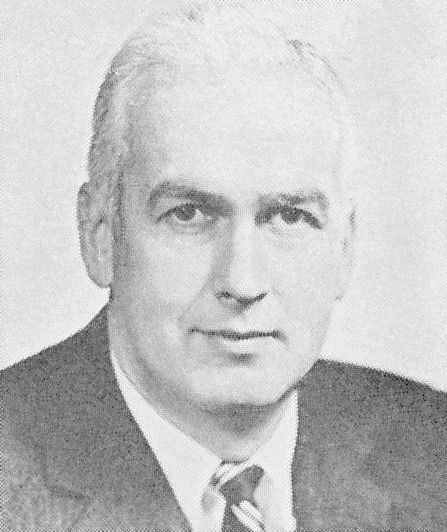
Back to contents · Open in the interactive guide

The strongest judicial objection came from inside the courts

The strongest case · Documented

Judge John P. Fullam, who set aside the Philadelphia councilmen’s convictions in 1980.
Judge John P. Fullam, who set aside the Philadelphia councilmen’s convictions in 1980. John Fullam Family · CC BY-SA 4.0

Judges Fullam and Aldisert thought the government had crossed the line.

Philadelphia council members Harry Jannotti and George Schwartz were convicted of taking payments in a fake hotel-development scheme. Their trial judge, John Fullam, set the verdicts aside for entrapment, due process and lack of federal jurisdiction. The Third Circuit, sitting en banc, reversed in 1982 and reinstated the verdicts. [1]

The majority said the jury could find predisposition, and that a scheme impossible to complete could still be a conspiracy. The trial judge, it held, had taken factual questions away from the jury. [1]

Judge Ruggero Aldisert dissented, joined in most of it by Judge Joseph Weis. He argued the government had not proved the men were predisposed and warned that investigators with unlimited money could create the wrongdoing they then punished. He was not arguing that corruption should go unpunished. He was arguing that courts must protect people from crimes the government manufactures. [1]

The dissent lost. It deserves a hearing anyway, because it was the best-reasoned case against the method from people with no stake in the defendants.

Bottom line Documented

documented. The convictions survived; the disagreement among judges was substantial.

What the record can’t settle

Philadelphia council members, not members of Congress.

Sources

  1. United States v. Jannotti, 673 F.2d 578 (3d Cir. 1982) (en banc), majority and Aldisert dissent Primary majority and dissent. Philadelphia city officials, not two additional congressmen. En banc majority reinstated verdict; Aldisert dissent joined by Weis except Part VII.

Back to contents · Open in the interactive guide

Could the government go too far?

A conviction is not a certificate that every investigative act was proper.

The Kelly reversal that often gets told backward

What happened · Documented

Judge William B. Bryant of the federal district court in Washington, who threw out Kelly’s conviction in 1982.
Judge William B. Bryant of the federal district court in Washington, who threw out Kelly’s conviction in 1982. Administrative Office of the United States Courts · Public domain

Kelly won in the trial court, then lost twice above it.

Richard Kelly was convicted in January 1981. In May 1982 Judge William Bryant dismissed the case on due-process grounds, criticizing the government for continuing to pursue a congressman who had first turned the money down. That was a serious judicial rebuke, not a fringe theory. [1]

In 1983 the D.C. Circuit reversed Bryant and ordered the verdict reinstated. On remand Kelly’s remaining motions were denied, and in 1984 the D.C. Circuit affirmed the conviction on every count. [1][2]

A historical-society overview says Kelly’s conviction was reversed on appeal. That gets it backward: the appeal reversed the dismissal, and the later appeal upheld the conviction. Institutional sources make mistakes, which is why the opinions are linked next to it. [3]

A separate 1986 appeal concerned claims that an informant spied on Kelly’s defense. That is the next entry. [4]

Bottom line Documented

documented. Kelly’s dismissal was reversed; his conviction was affirmed. “Kelly’s conviction was overturned” is false as a final outcome.

What the record can’t settle

Bryant’s 1982 opinion is described in the appellate opinions.

Sources

  1. United States v. Kelly, 707 F.2d 1460 (D.C. Cir. 1983), reversal of district-court dismissal Read the dated record and its stated scope.
  2. United States v. Kelly, 748 F.2d 691 (D.C. Cir. 1984), direct appeal and entrapment Read the dated record and its stated scope.
  3. Historical Society of the D.C. Circuit: Abscam, 1984–1986 (contains an outcome error) Outcome correction: overview says Kelly conviction reversed on appeal. 707 F.2d 1460 reversed the dismissal/reinstated verdict, 748 F.2d 691 affirmed conviction. Link supplied transparently as source being corrected.
  4. United States v. Kelly, 790 F.2d 130 (D.C. Cir. 1986), informant allegations and evidentiary remand Primary 1986 opinion remanded new-trial motion for factual development; not an appellate acquittal or conclusive finding that prosecution received defense strategy. No complete subsequent docket audit performed.

Back to contents · Open in the interactive guide

The allegation that an informant entered the defense camp

What happened · Documented

The E. Barrett Prettyman courthouse in Washington, where the Jenrette and Kelly cases were tried.
The E. Barrett Prettyman courthouse in Washington, where the Jenrette and Kelly cases were tried. AgnosticPreachersKid · Public domain

A claim that the FBI’s side stole Kelly’s trial strategy was taken seriously and sent back for hearings.

In a new-trial motion, Kelly offered affidavits from an informant, James Davenport, who said he had posed as a disgruntled former agent, met Kelly and his lawyer, discussed strategy and taken defense papers. Davenport described a plan involving Weinberg to get information and profit from it. [1]

The D.C. Circuit did not find the claims proven. It held that the trial court had denied the motion without building an adequate record, and it listed what had to be found out: whether the government was responsible, whether anything reached prosecutors and whether withheld material could have mattered. [1]

It also addressed a letter and an FBI interview report that Kelly had not received before trial, and it ordered further proceedings. It did not acquit Kelly or order a new trial. [1]

Two easy summaries are both wrong: that the tapes made the misconduct irrelevant, and that the FBI was found to have stolen the defense. The ruling was a remand for facts.

Bottom line Documented

disputed. The allegation was serious enough for a remand; it was not established.

What the record can’t settle

No later ruling finding the allegations proved was located.

Sources

  1. United States v. Kelly, 790 F.2d 130 (D.C. Cir. 1986), informant allegations and evidentiary remand Primary 1986 opinion remanded new-trial motion for factual development; not an appellate acquittal or conclusive finding that prosecution received defense strategy. No complete subsequent docket audit performed.

Back to contents · Open in the interactive guide

The “outrageous government conduct” doctrine

What happened · Documented

Representative Richard Kelly of Florida, the one Republican convicted.
Representative Richard Kelly of Florida, the one Republican convicted. U.S. Congress · Public domain

Courts recognized it in principle. ABSCAM never met it.

Due process is a separate argument from entrapment. Entrapment asks about the defendant’s state of mind; due process asks whether the government’s own conduct was so outrageous that no conviction should stand, whatever the defendant’s mind. The Supreme Court had left that door open in the 1970s, and the Third Circuit had walked through it once, in a 1978 drug case. [1][2]

ABSCAM defendants pushed hard on it: the size of the money, the coaching, the informant’s misconduct, the lack of any prior suspicion. Trial judges in New York rejected it in long opinions, and the appeals courts held that offering a bribe to a public official, even one not previously suspected, is not outrageous in itself. [1][3]

The Senate committee reported that, as of its report, no appellate court had found a constitutional violation in any ABSCAM case. [4]

Critics answer that the doctrine is almost impossible to win precisely because courts defer to the government, and that ABSCAM’s defects, documented by Congress, were exactly what it exists for.

Bottom line Documented

documented. The due-process challenges failed on appeal in every ABSCAM case.

What the record can’t settle

The doctrine’s scope has stayed narrow and varies by circuit.

Sources

  1. United States v. Myers, 692 F.2d 823 (2d Cir. 1982), opinion and count-by-count dispositions Primary federal appellate opinion. Murphy bribery acquittal and reversal of conflict-of-interest Count Three are explicit. Opinion says Myers trial ended August 29; House biographical record says conviction August 30. Avoid false date precision; use August 1980.
  2. United States v. Jannotti, 673 F.2d 578 (3d Cir. 1982) (en banc), majority and Aldisert dissent Primary majority and dissent. Philadelphia city officials, not two additional congressmen. En banc majority reinstated verdict; Aldisert dissent joined by Weis except Part VII.
  3. United States v. Myers, 527 F. Supp. 1206 (E.D.N.Y. 1981) — published district-court opinion Contemporaneous trial-court opinion on constitutional challenges, published on Justia. Its description of refusals is not a finding that every aspect of every meeting was beyond ethical criticism.
  4. Senate Report 97-682, Summary of findings and conclusions (printed pp. 11–25) Primary committee report, December 15, 1982. Bipartisan select committee (4 R, 4 D). Findings on informant control, authorization, recording failures, leaks and harm to innocent people.
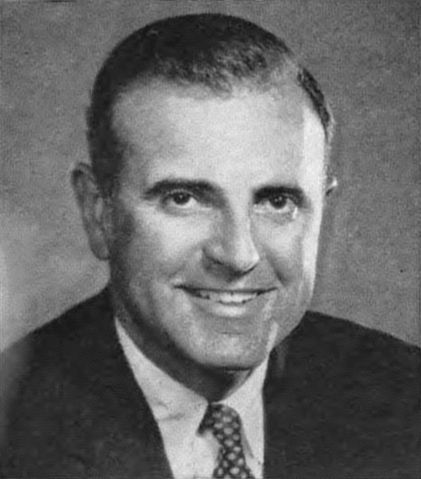
Back to contents · Open in the interactive guide

Congress responds

An expulsion, resignations and defeats at the polls.

The first House expulsion since the Civil War

What happened · Documented

The U.S. Capitol’s west front, photographed in 1997.
The U.S. Capitol’s west front, photographed in 1997. Architect of the Capitol; derivative edit by O.J. · Public domain — US federal work

Myers is still one of only six House members ever expelled.

On 2 October 1980 the House expelled Michael Myers, 376–30, under H. Res. 794, citing his bribery conviction. He was the fourth member expelled in the House’s history and the first since three were expelled in 1861 for supporting the Confederacy. [1]

Expulsion needs a two-thirds vote. It is Congress’s judgment about its own membership, separate from the court’s judgment of guilt. [1]

Only two other House members have been expelled since: James Traficant in 2002 and George Santos in 2023.

Bottom line Documented

documented. Myers was expelled; no other ABSCAM member was.

What the record can’t settle

The House historian’s register is the institutional record.

Sources

  1. U.S. House historian — expulsion, censure and reprimand register Read the dated record and its stated scope.

Back to contents · Open in the interactive guide

Lederer and Williams resigned before expulsion votes

What happened · Documented

Representative Michael “Ozzie” Myers of Pennsylvania, 1977 congressional portrait.
Representative Michael “Ozzie” Myers of Pennsylvania, 1977 congressional portrait. US Government Printing Office · Public domain

Both were headed for removal. Neither was formally removed.

Raymond Lederer was convicted on 9 January 1981 and resigned on 29 April, the day after the ethics committee recommended expulsion. The House directory records his service ending by resignation, not expulsion. [1]

Harrison Williams was convicted on 1 May 1981. The Senate Ethics Committee recommended expulsion, the Senate debated it from 3 March 1982, and he resigned on 11 March as the votes became clear. There was no final vote. [2]

The Senate historian’s account records a real argument about fairness, not a formality. Williams said the government’s tactics had produced an unfair case; others said the Senate had to protect its integrity. You can accept the verdict and still find that debate worth reading. [2]

Bottom line Documented

documented. Resigned, not expelled.

What the record can’t settle

Resignation is not an admission and was not treated as one.

Sources

  1. U.S. House biographical directory — Raymond Francis Lederer Read the dated record and its stated scope.
  2. U.S. Senate historian — Harrison Williams expulsion case Read the dated record and its stated scope.

Back to contents · Open in the interactive guide

The arguments 1980 – 1998

Did ABSCAM target Democrats?

Six of seven convicted members were Democrats. Here is what that number does and does not mean.

The strongest version: a sting that found only one party

The strongest case · Unproven

The U.S. Capitol’s west front, photographed in 1997.
The U.S. Capitol’s west front, photographed in 1997. Architect of the Capitol; derivative edit by O.J. · Public domain — US federal work

Why reasonable people suspected a partisan aim.

Start with the result. Six of the seven members of Congress convicted were Democrats: Williams, Myers, Lederer, Thompson, Murphy and Jenrette. The only Republican was Kelly. Many of the other officials caught were Democrats too, in Camden and Philadelphia. [1]

Add the process. The Senate committee found the FBI had no factual basis for targeting most of the people it met, that it relied on middlemen, and that headquarters approvals were rushed. If the selection was not driven by evidence, the critics ask, what was it driven by? [2]

And the timing. The leaks came in an election year, in February 1980, and three of the convicted Democrats lost their seats that November. [1]

That is the honest case. The rest of this file asks whether the record supports the conclusion it points toward.

Bottom line Unproven

the lopsided result is documented. Whether it was deliberate is the question.

What the record can’t settle

Party counts are for members of Congress; the committee did not tabulate every official by party.

Sources

  1. Senate Report 97-682, Part on selection of subjects and the “Republicans” requests (printed pp. 60–80) Primary. Records the September 18 and October 9, 1979 recorded requests for Republican and non-Atlantic targets and the committee’s conclusion that no predicate existed for them.
  2. Senate Report 97-682, Summary of findings and conclusions (printed pp. 11–25) Primary committee report, December 15, 1982. Bipartisan select committee (4 R, 4 D). Findings on informant control, authorization, recording failures, leaks and harm to innocent people.
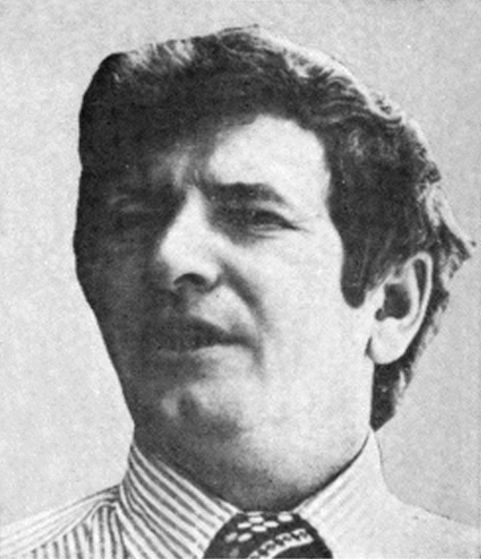
  3. U.S. House History, Art & Archives: Party Divisions of the House Official historian’s table; 96th Congress (1979–1981): 278 Democrats, 157 Republicans at the start.

Back to contents · Open in the interactive guide

What the data shows

What happened · Unproven

Representative Richard Kelly of Florida, the one Republican convicted.
Representative Richard Kelly of Florida, the one Republican convicted. U.S. Congress · Public domain

A lopsided result, a Democratic network and agents asking for Republicans.

Base rates first. The House in 1979 had 278 Democrats and 157 Republicans, about 64 percent Democratic; the Senate was also Democratic. If seven members had been picked at random from that Congress, the chance that six or seven would be Democrats is roughly one in five. Lopsided, but not wildly improbable on its own. [1]

Selection was not random, and the direction it ran matters. The pipeline went through Angelo Errichetti, a Democratic mayor, and Howard Criden and Louis Johanson, Philadelphia Democrats. Their contacts were Democrats from New Jersey, Pennsylvania and nearby, the party that controlled those city halls and most of those seats. [2]

The agents pushed the other way. On tape, Weinberg asked for Republicans because it looked bad that it was all Democrats, and agent Amoroso said the same thing three weeks later. The committee criticized that too: it found no basis for seeking Republicans either. [2]

And the people running it: a Democratic Justice Department under President Carter and Attorney General Benjamin Civiletti, with FBI Director William Webster, a Carter appointee. A Republican-led Senate committee later investigated the operation with an even split of Republican and Democratic members and did not find a partisan aim. [3]

Bottom line Unproven

unproven that ABSCAM targeted Democrats as Democrats. Documented that the result was lopsided and that the agents sought, and found, Republicans.

What the record can’t settle

A small sample and a non-random pipeline; the base-rate calculation is illustrative only.

Sources

  1. U.S. House History, Art & Archives: Party Divisions of the House Official historian’s table; 96th Congress (1979–1981): 278 Democrats, 157 Republicans at the start.
  2. Senate Report 97-682, Part on selection of subjects and the “Republicans” requests (printed pp. 60–80) Primary. Records the September 18 and October 9, 1979 recorded requests for Republican and non-Atlantic targets and the committee’s conclusion that no predicate existed for them.
  3. Senate Report 97-682, Summary of findings and conclusions (printed pp. 11–25) Primary committee report, December 15, 1982. Bipartisan select committee (4 R, 4 D). Findings on informant control, authorization, recording failures, leaks and harm to innocent people.
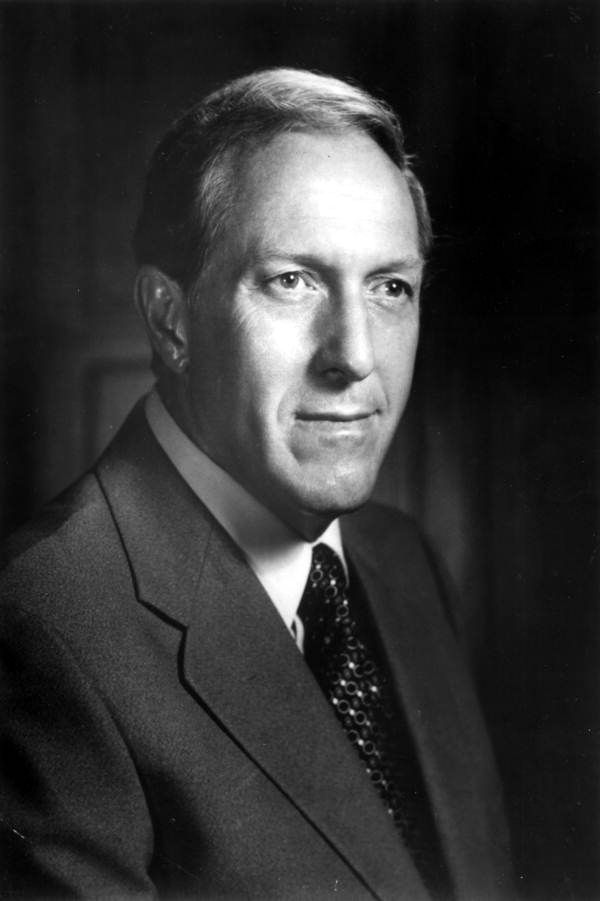
Back to contents · Open in the interactive guide

Did ABSCAM target Black officials?

The claim, the 1988 affidavit behind it and what ABSCAM’s record shows.

The strongest version, and where it comes from

The strongest case · False

Mervyn Dymally in his California Assembly years. In Congress he put the 1988 “Fruehmenschen” affidavit into the record.
Mervyn Dymally in his California Assembly years. In Congress he put the 1988 “Fruehmenschen” affidavit into the record. California State Assembly · Public domain

The claim is real, older than ABSCAM, and mostly about something else.

The FBI’s history with Black leaders is not a theory. COINTELPRO targeted Martin Luther King Jr. and others, and that history is documented in the Church Committee reports. So when Black elected officials in the 1980s said they were investigated more often than white ones, many listened. [1]

In 1988 Hirsch Friedman, an Atlanta lawyer who had worked as an FBI informant, signed an affidavit saying agents had told him of an unwritten policy, which he called “Fruehmenschen,” of routinely investigating Black officials on the assumption that they were unfit to govern. Representative Mervyn Dymally of California placed it in the Congressional Record. A 1998 peer-reviewed study discusses it in detail. [1]

ABSCAM also raised a different ethnic objection. Critics, including former Senator James Abourezk, argued that the robed-sheikh fiction played on ugly stereotypes about Arabs. The FBI replied that the name came from Abdul Enterprises and denied any racial motive. [2]

Bottom line False

the FBI’s earlier targeting of Black leaders is documented history. The specific Fruehmenschen policy is unproven: it rests on one affidavit relaying what agents told the affiant.

What the record can’t settle

The affidavit is an allegation and the FBI denied it. It concerns the 1980s, not ABSCAM.

Sources

  1. Journal of Black Studies 28:5 (1998): case study of the Arrington prosecution and the “Fruehmenschen” allegation Peer-reviewed academic article; reports the 1988 Hirsch Friedman affidavit and the claim of a policy aimed at Black officials. The affidavit is an allegation, and it concerns the late 1980s, not ABSCAM.
  2. Perspectives, Winter–Spring 1983 — James Abourezk essay and Oliver Revell FBI rebuttal, printed pp. 27–31 A magazine published by the U.S. Commission on Civil Rights carrying attributed viewpoints: Abourezk’s Speaking Out essay and the FBI response. These are not described as adjudicated facts or a formal Commission finding of racism.

Back to contents · Open in the interactive guide

What ABSCAM’s record shows

What happened · False

James Abourezk, former senator from South Dakota, who argued that the sheikh fiction played on anti-Arab prejudice.
James Abourezk, former senator from South Dakota, who argued that the sheikh fiction played on anti-Arab prejudice. Unknown, handout photo · Public domain

The defendants, the middlemen and the approvals.

The seven members of Congress convicted were Williams, Myers, Lederer, Thompson, Murphy, Jenrette and Kelly. All were white. [1][3]

The Senate committee examined how every target was chosen, through middlemen and approvals, and its report does not suggest race played a part. We found no record that a Black member of Congress was approved for a bribe meeting. [2]

So the claim, as applied to ABSCAM, does not fit the record. That does not answer the broader question about the 1980s, which this site rates separately and leaves unproven.

Bottom line False

false that ABSCAM targeted Black officials. Unproven for the broader 1980s claim.

What the record can’t settle

Some committee material identifying uncharged officials is redacted; the conclusion rests on the defendants and the public approvals record.

Sources

  1. DOJ Public Integrity Section, Significant Cases (ABSCAM entries and Operation Lost Trust) Prosecutor’s institutional summary. Contains at least one date typo (Lederer resignation printed as 1991; correct year 1981). Cross-checked against court and House records.
  2. Senate Report 97-682, Part on selection of subjects and the “Republicans” requests (printed pp. 60–80) Primary. Records the September 18 and October 9, 1979 recorded requests for Republican and non-Atlantic targets and the committee’s conclusion that no predicate existed for them.
  3. Senate Report 97-682, Appendix G: House Judiciary subcommittee summaries of the ABSCAM trials Primary appendix compiling indictment, trial, verdict and sentencing dates for Jenrette, Myers, Kelly, Thompson–Murphy, Lederer and Williams. Some sentencing details postdate it and are taken from later sources.

Back to contents · Open in the interactive guide

Was ABSCAM a political hit?

Leaks, an election year and an FBI rebuilding its reputation.

The strongest version: an agency proving itself

The strongest case · Partly true

William Webster, FBI Director from 1978 to 1987, who ran the Bureau through ABSCAM.
William Webster, FBI Director from 1978 to 1987, who ran the Bureau through ABSCAM. FBI · Public domain

Why critics saw institutional motive, not just law enforcement.

In the mid-1970s the FBI had been battered: the Church Committee had exposed its domestic spying, and Watergate had shown what political use of law enforcement looked like. Under Directors Clarence Kelley and then William Webster, appointed in 1978, the Bureau shifted toward white-collar crime and public corruption, and undercover work was the tool. The Senate committee counted 53 FBI undercover operations in 1977 and 463 in 1981. [1]

Critics say ABSCAM was the showcase. It went after Congress, the institution that had just investigated the FBI, with a script written to reach Congress, and its results were leaked before indictment, convicting members in the press first. [1][2]

Then the timing: the leaks came in February 1980, an election year, and three of the convicted members lost that November.

Bottom line Partly true

partly true. The FBI’s institutional interest and the leaks are documented. A partisan or retaliatory plan is not.

What the record can’t settle

Motive is inferred by critics; the committee looked for evidence of it.

Sources

  1. Senate Report 97-682, Summary of findings and conclusions (printed pp. 11–25) Primary committee report, December 15, 1982. Bipartisan select committee (4 R, 4 D). Findings on informant control, authorization, recording failures, leaks and harm to innocent people.
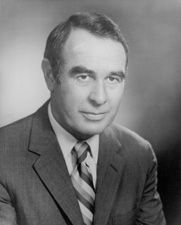
  2. Perspectives, Winter–Spring 1983 — James Abourezk essay and Oliver Revell FBI rebuttal, printed pp. 27–31 A magazine published by the U.S. Commission on Civil Rights carrying attributed viewpoints: Abourezk’s Speaking Out essay and the FBI response. These are not described as adjudicated facts or a formal Commission finding of racism.

Back to contents · Open in the interactive guide

What the committee found about motive and leaks

What happened · Partly true

Attorney General Benjamin Civiletti in December 1979. He signed the first undercover guidelines in January 1981.
Attorney General Benjamin Civiletti in December 1979. He signed the first undercover guidelines in January 1981. Rob Croes for Anefo · CC BY-SA 3.0

Damaging leaks, no partisan motive found, and a refusal to call the leaks an accident.

The leaks were bad. Names, including those of people never charged, reached the press in early February 1980. The committee found they injured innocent people, Pressler among them, and that they did not come from any single deficiency that could easily be fixed. [1][2]

But it also found “no evidence that these leaks were politically motivated.” It found that no one attending a bribe meeting had been targeted before a middleman raised the name, and that no lead had been dropped for an improper purpose. [1]

The partisan direction argues against a hit, too: a Democratic administration’s Justice Department ran it against mostly Democratic targets, and its agents asked for Republicans. [3]

The fairest reading is that ABSCAM was not a political hit in the partisan sense, but it was an institution under pressure to produce, run with too little supervision, and its leaks did damage that no verdict could undo.

Bottom line Partly true

unproven that ABSCAM was a political hit. Documented that the leaks harmed innocent people.

What the record can’t settle

The source of the leaks was never publicly established.

Sources

  1. Senate Report 97-682, Summary of findings and conclusions (printed pp. 11–25) Primary committee report, December 15, 1982. Bipartisan select committee (4 R, 4 D). Findings on informant control, authorization, recording failures, leaks and harm to innocent people.
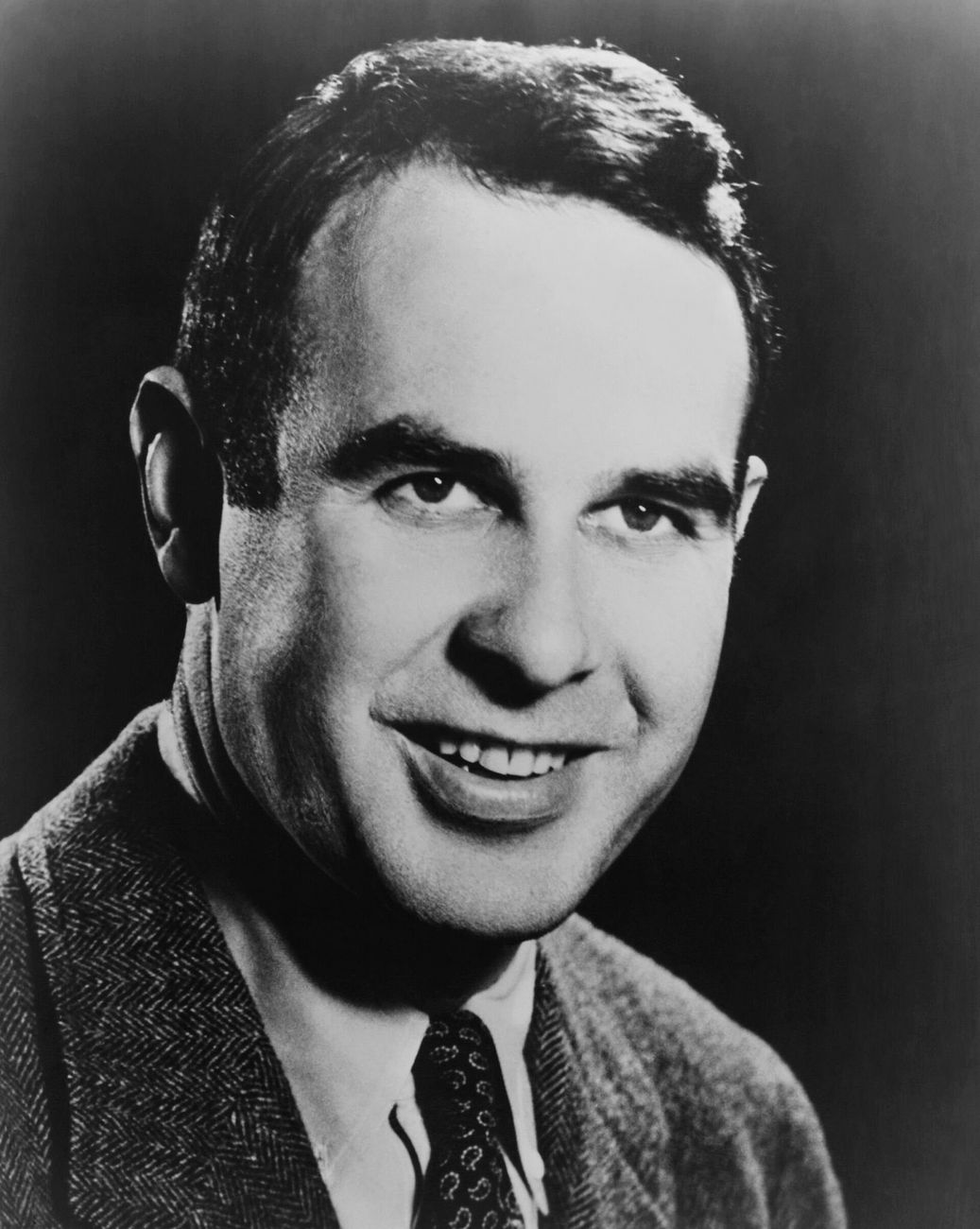
  2. Senate Report 97-682, The Pressler meeting and harm to innocent persons Primary. Approval within an hour on November 7, 1979; the committee calls Pressler clearly innocent and injured by leaks.
  3. Senate Report 97-682, Part on selection of subjects and the “Republicans” requests (printed pp. 60–80) Primary. Records the September 18 and October 9, 1979 recorded requests for Republican and non-Atlantic targets and the committee’s conclusion that no predicate existed for them.

Back to contents · Open in the interactive guide

Were more members involved, and covered up?

The names that never went to court, and why.

The strongest version: the ones who got away

The strongest case · Unproven

John Murtha of Pennsylvania in a later official portrait. He declined the money in January 1980 and was never charged.
John Murtha of Pennsylvania in a later official portrait. He declined the money in January 1980 and was never charged. U.S. Congress · Public domain

Leaks ended the sting early, and one congressman was cleared by his colleagues.

ABSCAM ended suddenly. The February 1980 leaks blew the cover while middlemen were still offering names. Anyone not yet on tape was safe. Critics say that is convenient: an operation that was closing in on more members was shut down by a leak whose source was never named. [1]

Then there is Murtha. On tape he declined the money “at this point” and talked about future business. The House ethics committee voted not to charge him, and its special counsel quit within hours. A colleague who had defended him later wrote that he had come to believe Murtha cooperated only to avoid prosecution. [2]

Some critics go further and say other members, including Republicans, were warned off. We found no evidence of any warning to a member who would otherwise have taken money. [3]

Bottom line Unproven

the early end and the Murtha ethics vote are documented. A cover-up of members who took money is unproven.

What the record can’t settle

Uncharged names in FBI files are redacted, for good reason.

Sources

  1. Senate Report 97-682, Summary of findings and conclusions (printed pp. 11–25) Primary committee report, December 15, 1982. Bipartisan select committee (4 R, 4 D). Findings on informant control, authorization, recording failures, leaks and harm to innocent people.
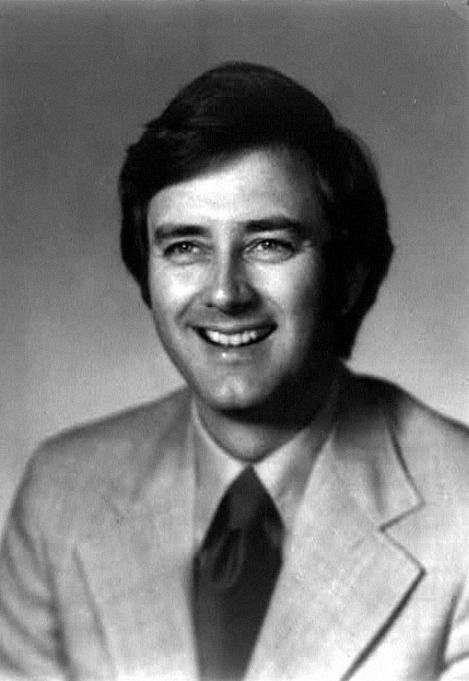
  2. CNSNews, 2006: Murtha’s Abscam past (ethics vote, Prettyman resignation, Bailey letter) Right-leaning outlet writing during a 2006 leadership race; used only for attributed quotations (Prettyman, Bailey) and the July 1981 committee vote, which other accounts confirm.
  3. Senate Report 97-682, Part on selection of subjects and the “Republicans” requests (printed pp. 60–80) Primary. Records the September 18 and October 9, 1979 recorded requests for Republican and non-Atlantic targets and the committee’s conclusion that no predicate existed for them.

Back to contents · Open in the interactive guide

What the record shows about the uncharged

What happened · Unproven

The U.S. Capitol’s west front, photographed in 1997.
The U.S. Capitol’s west front, photographed in 1997. Architect of the Capitol; derivative edit by O.J. · Public domain — US federal work

Named is not guilty, and the committee checked.

The committee asked whether any lead had been dropped for improper reasons and found none. It found the opposite problem: names were pursued too easily, on the word of corrupt middlemen. [1][2]

Of the 24 approved, four never came. Several who came refused, on tape. Every member of Congress who took money on tape was charged, and every one charged was convicted. [2]

The committee’s real worry about the uncharged was not that they were protected but that they were smeared, and it recommended written notice to clear injured innocents. Pressler’s case is the example. [3]

The Murtha ethics decision was a judgment about a man who refused the money. One can think it too lenient without calling it a cover-up of a bribe.

Bottom line Unproven

unproven that more members were involved and covered up. Documented that innocent people were named.

What the record can’t settle

The full approval records are not public.

Sources

  1. Senate Report 97-682, Summary of findings and conclusions (printed pp. 11–25) Primary committee report, December 15, 1982. Bipartisan select committee (4 R, 4 D). Findings on informant control, authorization, recording failures, leaks and harm to innocent people.
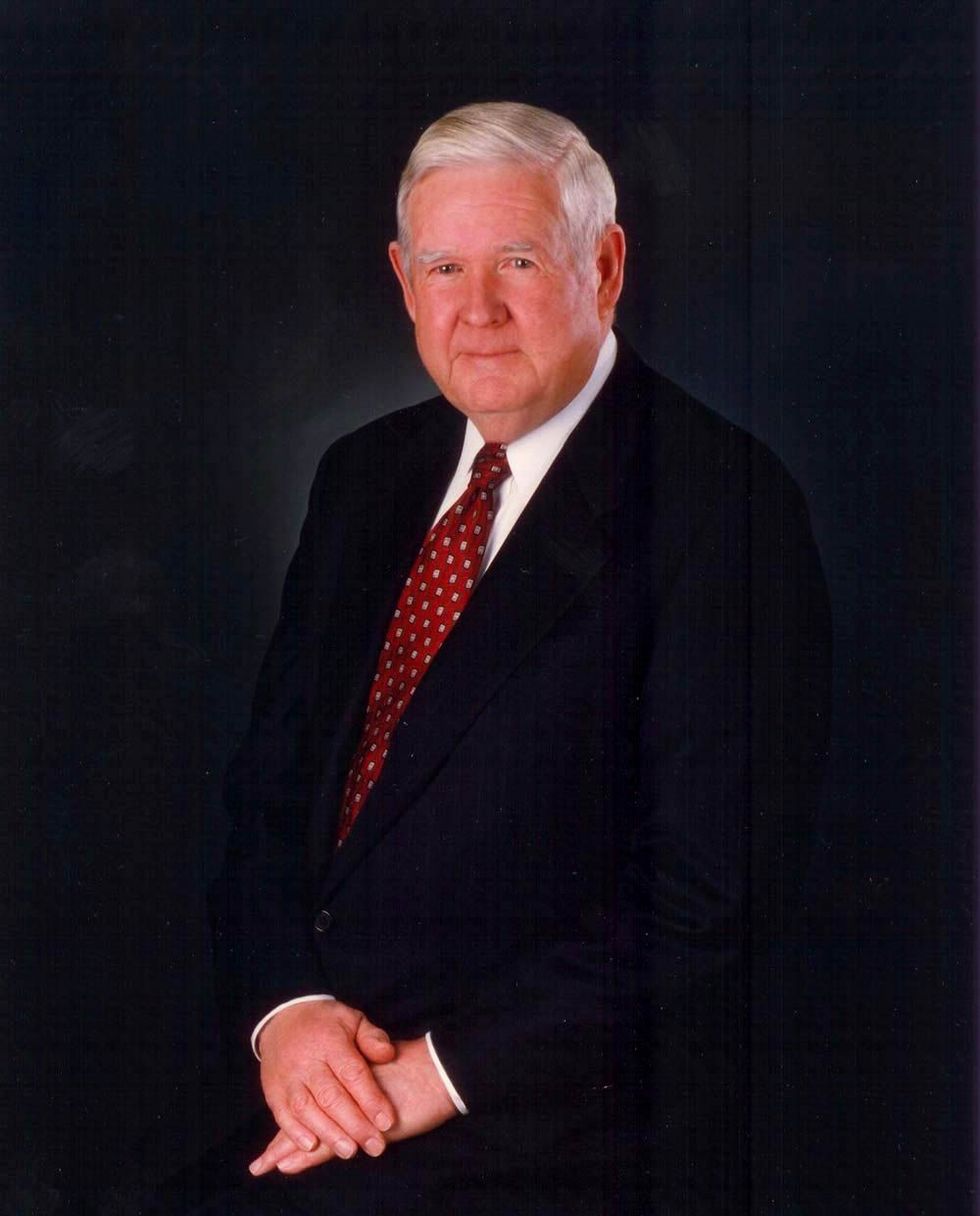
  2. Senate Report 97-682, Part on selection of subjects and the “Republicans” requests (printed pp. 60–80) Primary. Records the September 18 and October 9, 1979 recorded requests for Republican and non-Atlantic targets and the committee’s conclusion that no predicate existed for them.
  3. Senate Report 97-682, The Pressler meeting and harm to innocent persons Primary. Approval within an hour on November 7, 1979; the committee calls Pressler clearly innocent and injured by leaks.

Back to contents · Open in the interactive guide

The reckoning and after 1982 – 2026

The Senate investigates the sting

A bipartisan committee spent two years on ABSCAM and found both sides partly right.

What the committee found against the FBI

What happened · Documented

Title page of Senate Report 97-682, the undercover-activities committee’s final report, ordered printed on 15 December 1982.
Title page of Senate Report 97-682, the undercover-activities committee’s final report, ordered printed on 15 December 1982. US Senate / Government Printing Office · Public domain — US federal work

Unapproved months, an unchecked informant and tapes nobody logged.

The list is long. Weinberg worked from February to July 1978 without headquarters approval, and the one written application was vague. When the target changed to political corruption in the autumn of 1978, nobody at headquarters approved the change. Nobody reviewed Weinberg’s informant file. [1]

Weinberg got a bonus by misrepresentation, took gifts, lied about them under oath and, by the weight of the evidence, shared in a $100,000 bribe the operation paid Errichetti. He devised the asylum scenario himself. There were unrecorded meetings with Errichetti on three dates, and tapes were not numbered or logged. [1][2]

And on selection: every approved target but one came from a middleman’s claim, the agents went looking for Republicans and non-local officials without any factual basis, and “at least one (and apparently more) clearly innocent public official was brought before the hidden cameras.” [3]

Bottom line Documented

documented. These are the committee’s findings, made by members of both parties.

What the record can’t settle

Some underlying citations were withheld from the public version of the report.

Sources

  1. Senate Report 97-682, Summary of findings and conclusions (printed pp. 11–25) Primary committee report, December 15, 1982. Bipartisan select committee (4 R, 4 D). Findings on informant control, authorization, recording failures, leaks and harm to innocent people.
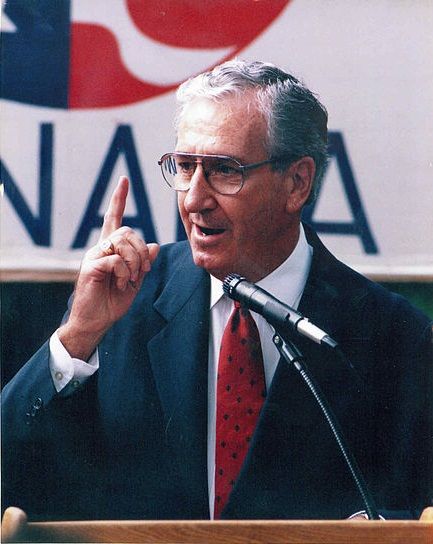
  2. Senate Report 97-682, Weinberg’s compensation, gifts and the Errichetti money (narrative and findings) Primary. Stipend $1,000 raised to $3,000 a month in February 1979; lump sums; $30,000 insurance reward; gifts; the committee’s weight-of-evidence finding about the March 31, 1979 payment.
  3. Senate Report 97-682, Part on selection of subjects and the “Republicans” requests (printed pp. 60–80) Primary. Records the September 18 and October 9, 1979 recorded requests for Republican and non-Atlantic targets and the committee’s conclusion that no predicate existed for them.

Back to contents · Open in the interactive guide

What the committee found in the FBI’s favor

What happened · Documented

Senator Charles McC. Mathias Jr. of Maryland, chairman of the Senate’s undercover-activities committee.
Senator Charles McC. Mathias Jr. of Maryland, chairman of the Senate’s undercover-activities committee. U.S. Congress · Public domain

No partisan motive, no playacting, no constitutional violation.

The committee was equally clear about what it could not find. No one at a bribe meeting had been targeted before a middleman raised the name. No lead was abandoned for an improper purpose. No defendant was “merely playacting”: each understood the payment was a bribe. Nine juries had convicted every defendant before them, and every appellate court to that date had found the convictions free of constitutional violation. [1]

It found no evidence that the leaks were politically motivated, though it did not accept that they were a minor problem. [1]

Its recommendations were for more control, not less undercover work: a law authorizing undercover operations under Attorney General guidelines, a review committee reporting to the Judiciary committees, and written notice clearing innocent people hurt by an operation. [2]

Bottom line Documented

documented. The committee supported undercover work against corruption while criticizing how ABSCAM was run.

What the record can’t settle

The recommended legislation was never enacted in that form.

Sources

  1. Senate Report 97-682, Summary of findings and conclusions (printed pp. 11–25) Primary committee report, December 15, 1982. Bipartisan select committee (4 R, 4 D). Findings on informant control, authorization, recording failures, leaks and harm to innocent people.
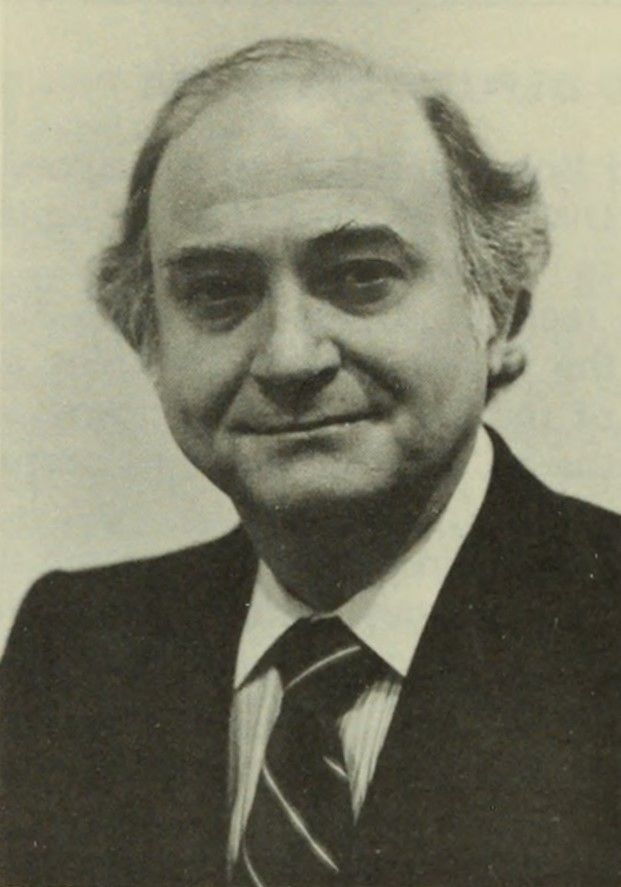
  2. Senate Report 97-682, Recommendations (legislation, review committee, notice to injured innocents) Primary. Recommendations were not all enacted; the AG guidelines remained the main control.

Back to contents · Open in the interactive guide

The rules after the sting

Guidelines, not a ban.

Did Congress make it illegal to run another ABSCAM?

What happened · Documented

Attorney General Benjamin Civiletti in December 1979. He signed the first undercover guidelines in January 1981.
Attorney General Benjamin Civiletti in December 1979. He signed the first undercover guidelines in January 1981. Rob Croes for Anefo · CC BY-SA 3.0

No. It made the FBI ask permission.

The DOJ Inspector General traces the first undercover guidelines to 5 January 1981, signed by Attorney General Benjamin Civiletti in the last weeks of the Carter administration. Congress held hearings and the Senate committee recommended a law. A recommendation is not a law, and the law was not passed. [1][4]

The archived 1992 guidelines show the system that replaced it. They allow undercover public-corruption investigations and treat those involving elected officials as sensitive circumstances requiring FBI headquarters and a joint FBI–Justice Department review committee. They require a reasonable indication of criminal activity or a clear illegal proposal before an inducement, and care about predisposition. [2]

Then the test case. In 2005 a cooperating witness handed Representative William Jefferson cash on a recorded tape, and agents later found $90,000 in his freezer. [3]

So the honest summary is: more rules, more sign-offs, and stings of members of Congress still possible.

Bottom line Documented

false that Congress banned stings on its members. Documented that guidelines and approvals were added.

What the record can’t settle

The 1992 text is historical; current guidelines are not fully public.

Sources

  1. DOJ Inspector General, September 2005 — historical background of investigative guidelines DOJ’s independent inspector-general history describes both ABSCAM’s convictions and criticisms of supervision, as well as recommendations versus administrative guidelines.
  2. Attorney General guidelines on FBI undercover operations — archived revision, November 13, 1992 Archived 1992 revision provides direct evidence that undercover public-corruption investigations were permitted after ABSCAM. It is not represented as a complete statement of October 2026 operational policy.
  3. FBI, April 2013 — a look back at the William Jefferson corruption investigation FBI institutional account from 2013, used only to demonstrate later investigative techniques and the 2005 cash transaction. Its account of the then-current sentence is not used as a present-day sentencing summary.
  4. Senate Report 97-682, Recommendations (legislation, review committee, notice to injured innocents) Primary. Recommendations were not all enacted; the AG guidelines remained the main control.

Back to contents · Open in the interactive guide

The Arab-sheikh fiction had consequences beyond the defendants

What happened · Documented

Philip Heymann, head of the Justice Department’s Criminal Division during ABSCAM.
Philip Heymann, head of the Justice Department’s Criminal Division during ABSCAM. U.S. Department of Justice · Public domain

Arab Americans objected at the time. The FBI rejected the charge.

The sheikh was a costume the FBI wore. No real Arab government or community had anything to do with the bribes. That has to be said plainly, because the images of robes and cash were broadcast everywhere. [1]

In 1983 the U.S. Commission on Civil Rights’ magazine published both sides. Former Senator James Abourezk, the first Arab American senator, argued ABSCAM fed damaging stereotypes and made Arab Americans feel targeted. FBI official Oliver Revell answered that there was no racism and that the name came from Abdul Enterprises. The magazine printed both as views, not as a Commission finding. [1]

The Senate report’s answer was general rather than ethnic: safeguards to protect the public from undercover operations, not special protection for Congress. [2]

Bottom line Documented

documented that the objection was made and answered. Whether the fiction caused lasting harm is a matter of judgment.

What the record can’t settle

Attributed opinions, not adjudicated findings.

Sources

  1. Perspectives, Winter–Spring 1983 — James Abourezk essay and Oliver Revell FBI rebuttal, printed pp. 27–31 A magazine published by the U.S. Commission on Civil Rights carrying attributed viewpoints: Abourezk’s Speaking Out essay and the FBI response. These are not described as adjudicated facts or a formal Commission finding of racism.
  2. Senate Report 97-682 — final undercover-activities report, ordered printed December 15, 1982; GPO 1983 Primary Senate committee report, not a court judgment. Consulted selected sections, including printed pp. 32–33, 67–68 and 75–76. The file is an 800-PDF-page scan including preliminaries and appendices. Ordered printed in December 1982 and published by GPO in 1983. Some underlying document citations were withheld as explained in its front matter; this guide does not claim access to that confidential version.

Back to contents · Open in the interactive guide

What the 1981 guidelines required

What happened · Documented

Title page of Senate Report 97-682, the undercover-activities committee’s final report, ordered printed on 15 December 1982.
Title page of Senate Report 97-682, the undercover-activities committee’s final report, ordered printed on 15 December 1982. US Senate / Government Printing Office · Public domain — US federal work

A paper trail where ABSCAM had none.

Most of the problems the Senate committee found came down to missing paperwork and missing approvals: no review of the informant, no written approval for the change of target, no log of the tapes. [2]

The 1981 guidelines were the Justice Department’s answer, issued while the committee was still working. Operations had to be approved in writing, with sensitive operations, including those aimed at public officials, sent to headquarters and a review committee. Inducements needed a basis. [1][3]

Critics said guidelines that the FBI and Justice Department wrote for themselves were no substitute for law. Supporters said they were flexible enough to work. Both views were heard in the committee’s report, and the guidelines won.

Bottom line Documented

documented.

What the record can’t settle

Guideline texts have been revised several times since.

Sources

  1. DOJ Inspector General, September 2005 — historical background of investigative guidelines DOJ’s independent inspector-general history describes both ABSCAM’s convictions and criticisms of supervision, as well as recommendations versus administrative guidelines.
  2. Senate Report 97-682, Summary of findings and conclusions (printed pp. 11–25) Primary committee report, December 15, 1982. Bipartisan select committee (4 R, 4 D). Findings on informant control, authorization, recording failures, leaks and harm to innocent people.
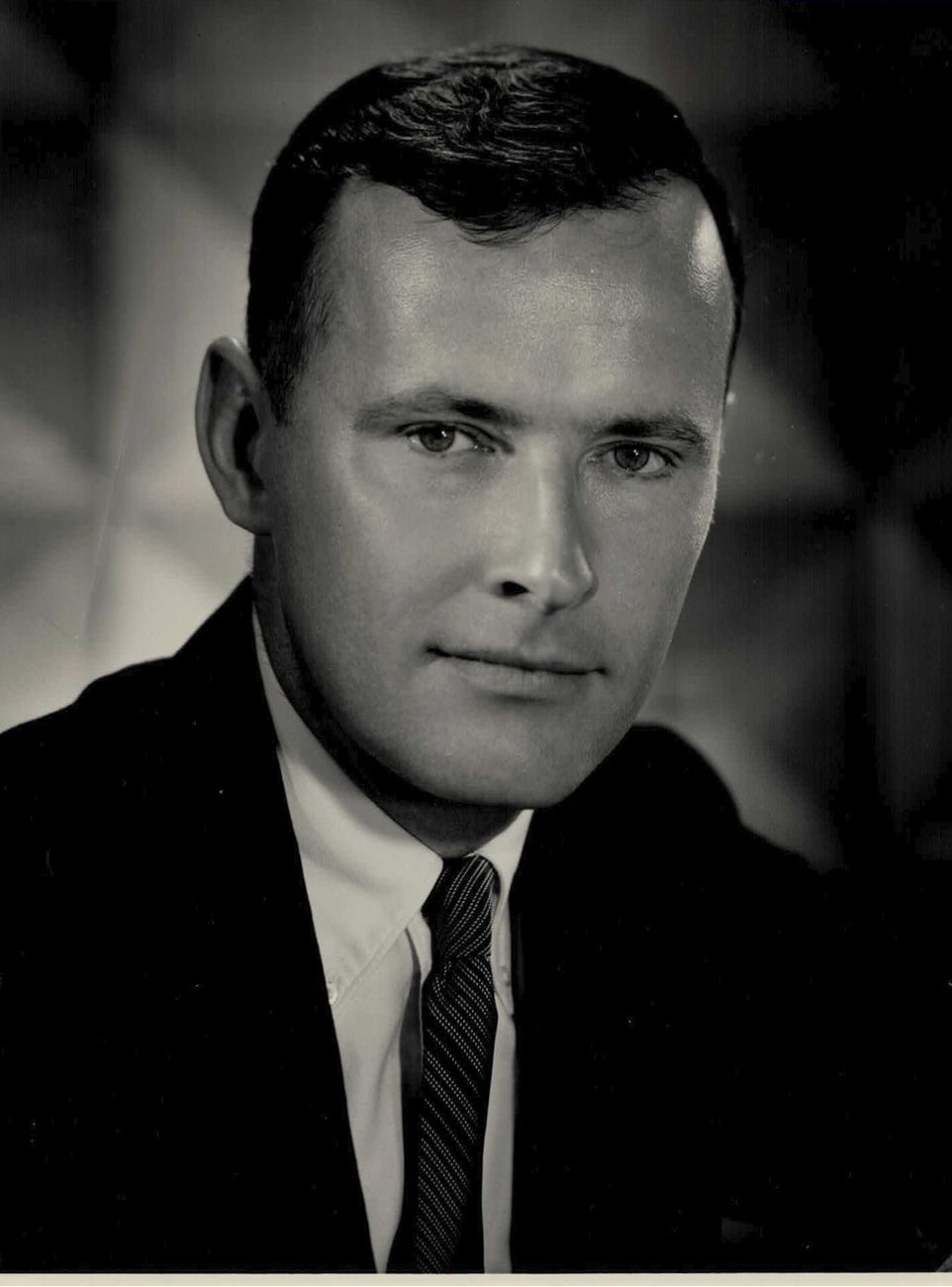
  3. Attorney General guidelines on FBI undercover operations — archived revision, November 13, 1992 Archived 1992 revision provides direct evidence that undercover public-corruption investigations were permitted after ABSCAM. It is not represented as a complete statement of October 2026 operational policy.

Back to contents · Open in the interactive guide

Stings after ABSCAM

Greylord, Lost Trust, Tennessee Waltz, Bid Rig and the cases people compare to ABSCAM today.

The direct descendants: bribery stings

What happened · Documented

Representative William Jefferson of Louisiana, caught in an FBI bribery sting in 2005.
Representative William Jefferson of Louisiana, caught in an FBI bribery sting in 2005. U.S. Congress · Public domain

Fake businesses, real officials, recorded cash.

Operation Greylord in Chicago used honest judges and lawyers posing as crooked ones; 92 officials were indicted, including 17 judges, and nearly all were convicted. [1] South Carolina’s Operation Lost Trust in 1990 used a lobbyist working with the FBI to pay legislators over a betting bill.

Tennessee Waltz (2005) was ABSCAM with a different costume: FBI agents set up a fake electronics company and paid legislators to help it. A dozen state and local officials were convicted or pleaded guilty. [2] New Jersey’s Bid Rig (2009) charged 44 people, including the mayors of Hoboken, Secaucus and Ridgefield, after a cooperating developer, Solomon Dwek, himself facing bank-fraud charges, paid bribes on tape. Some defendants were acquitted. Dwek got six years for his own $50 million fraud. [3][4]

In 2005 Representative William Jefferson was recorded taking cash; $90,000 was later found in his freezer. His 2009 conviction was cut back after the Supreme Court narrowed the meaning of an “official act” in 2016. [5]

These cases share ABSCAM’s strengths and its risk: a cooperator with his own legal problems, choosing whom to approach.

Bottom line Documented

documented. These are fair comparisons to ABSCAM.

What the record can’t settle

Each case’s later appeals varied and are not all summarized here.

Sources

  1. FBI History: Operation Greylord Investigating agency’s retrospective of the 1980s Cook County court-corruption sting.
  2. FBI History: Tennessee Waltz Investigating agency’s retrospective of the 2005 Tennessee legislative sting with a fake company.
  3. U.S. Attorney, District of New Jersey: Operation Bid Rig III charges (July 23, 2009) Primary prosecutor release: 44 charged, including mayors and legislators; a cooperating witness posed as a developer.
  4. U.S. Attorney, District of New Jersey: Solomon Dwek sentencing release Primary prosecutor release on the Bid Rig cooperator.
  5. FBI, April 2013 — a look back at the William Jefferson corruption investigation FBI institutional account from 2013, used only to demonstrate later investigative techniques and the 2005 cash transaction. Its account of the then-current sentence is not used as a present-day sentencing summary.

Back to contents · Open in the interactive guide

Sittenfeld: the closest modern echo

What happened · Documented

P.G. Sittenfeld, the Cincinnati councilman convicted in 2022 after FBI agents posed as developers.
P.G. Sittenfeld, the Cincinnati councilman convicted in 2022 after FBI agents posed as developers. Sittenfeld for Senate · CC BY-SA 2.0

A councilman, fake developers, campaign money, a split court and a pardon.

P.G. Sittenfeld, a Democratic Cincinnati councilman and mayoral front-runner, took $20,000 in checks for his political action committee from FBI agents posing as developers who wanted help with a project. In July 2022 a jury convicted him of one count of federal-program bribery and one of attempted extortion and acquitted him of the others. [1]

His defense was the line ABSCAM also tested: politicians take campaign money from people who want things all the time, so when does a contribution become a bribe? The Sixth Circuit affirmed 2–1 in February 2025, but even the majority said the Supreme Court’s McCormick and Evans line was blurry and that it “may be time” for the Court to revisit it. [1]

On 28 May 2025 President Trump granted Sittenfeld a full pardon. [2]

The comparison works because Sittenfeld’s case was about the line between access and a deal, which is the line ABSCAM forced juries to draw. It differs because ABSCAM members took cash, not checks to a PAC.

Bottom line Documented

documented. The comparison is apt on the legal question and weaker on the facts.

What the record can’t settle

Pardon supporters and critics read the case very differently; the opinions are the primary record.

Sources

  1. United States v. Sittenfeld, No. 23-3840 (6th Cir. Feb. 11, 2025), opinion Primary opinion affirming 2–1; the court discussed the line between campaign contributions and bribes in undercover cases.
  2. Executive Grant of Clemency: Alexander Sittenfeld (May 28, 2025) Primary pardon warrant, United States v. Sittenfeld, 1:20-cr-142.

Back to contents · Open in the interactive guide

The Whitmer plot and January 6: what the comparison gets wrong

What happened · Documented

A sample FBI special agent’s credentials, about 1990. The agents in ABSCAM worked under invented names.
A sample FBI special agent’s credentials, about 1990. The agents in ABSCAM worked under invented names. FBI. · Public domain

Neither was a bribery sting, and the records say different things.

People who distrust FBI stings often line ABSCAM up beside the 2020 plot to kidnap Michigan’s governor and the January 6 Capitol attack. The common thread they see is informants and agents shaping a crime.

In the Whitmer case, FBI informants and agents were deep inside the group. Juries took the entrapment argument seriously: in April 2022 one jury acquitted two defendants, Daniel Harris and Brandon Caserta. At a retrial, Adam Fox and Barry Croft were convicted and sentenced to about 16 and 19.5 years. In 2025 the Sixth Circuit affirmed and rejected their entrapment claims. [1]

On January 6, the DOJ inspector general found in December 2024 that the FBI had 26 confidential sources in Washington that day; three had been tasked to be there, four entered the Capitol and another 13 entered restricted areas around it. None was authorized to enter the Capitol or to encourage anyone to break the law, and the inspector general found no undercover FBI employees in the crowd. [2]

Those are real questions about informants. They are not ABSCAM, which was a bribery offer to sitting officials with a script written by the government.

Bottom line Documented

the Whitmer entrapment argument is disputed and lost in court; the claim that the FBI orchestrated January 6 is not supported by the inspector general’s findings. The comparison to ABSCAM is weak for both.

What the record can’t settle

The OIG report concerns FBI sources only, not other agencies.

Sources

  1. Courthouse News: Sixth Circuit upholds convictions in plot to kidnap Michigan governor (2025) News report of the appellate ruling rejecting entrapment arguments for Fox and Croft.
  2. DOJ Office of the Inspector General, Report 25-011: FBI handling of confidential human sources and intelligence before January 6, 2021 (December 2024) Primary inspector-general report: 26 FBI sources in Washington that day; none authorized to enter the Capitol or encourage illegal acts.

Back to contents · Open in the interactive guide

American Hustle and the real sting

A film that told you up front it was only partly true.

How much of American Hustle is history?

What happened · Partly true

An FBI hidden-camera frame stamped 22 August 1979, 12:43: undercover agent Anthony Amoroso, Representative Michael “Ozzie” Myers holding an envelope, Camden mayor Angelo Errichetti and informant Mel Weinberg, from left. The FBI’s caption identifies the four.
An FBI hidden-camera frame stamped 22 August 1979, 12:43: undercover agent Anthony Amoroso, Representative Michael “Ozzie” Myers holding an envelope, Camden mayor Angelo Errichetti and informant Mel Weinberg, from left. The FBI’s caption identifies the four. FBI · Public domain

The skeleton is real. The flesh is invented.

Sony’s synopsis introduces Irving Rosenfeld, Sydney Prosser, Richie DiMaso, Carmine Polito and Rosalyn. None of them is a real name to look up in the court records. [1]

Irving is Mel Weinberg, more or less, and Weinberg told ABC in 2014 he recognized himself in Christian Bale. Sydney is loosely based on Evelyn Knight, Weinberg’s real English mistress, who was not his partner in ABSCAM and was never in any love triangle with an agent. DiMaso, Bradley Cooper’s agent, is a composite: Weinberg said the handler combined more than one real agent. [2][4]

Carmine Polito is Angelo Errichetti. The film makes him a sympathetic mayor trying to save jobs; the real Errichetti took bribes from the start and was convicted. The film’s plot about winning immunity by turning the tables on the FBI is invented. [4]

The bones are right: a con man working for the FBI, a fake Arab front, envelopes of cash and members of Congress on tape. [3]

Bottom line Partly true

the film is an entry point, not evidence about real people.

What the record can’t settle

Slate’s comparison is journalism; the court record is the check.

Sources

  1. Sony Pictures — American Hustle official synopsis The studio identifies the fictional characters and story. Used for the film’s premise, not as historical evidence about real defendants.
  2. ABC News — Mel Weinberg discusses American Hustle (February 28, 2014) An interview with an interested participant. His assessments of the film are attributed rather than treated as definitive historical findings.
  3. FBI — ABSCAM historical overview An institutional retrospective by the investigating agency. Its compressed claim that convictions were upheld needs count-by-count qualification; the legal files discuss Murphy and Kelly.
  4. Slate, December 2013: How accurate is American Hustle? Fact-versus-fiction comparison by a journalist; cross-checked with the court record where possible.

Back to contents · Open in the interactive guide

What the film got wrong, item by item

What happened · Partly true

Camden City Hall, New Jersey. The city’s mayor, Angelo Errichetti, was ABSCAM’s first and busiest middleman.
Camden City Hall, New Jersey. The city’s mayor, Angelo Errichetti, was ABSCAM’s first and busiest middleman. Smallbones · Public domain

The knife, the mob, the yacht and the sheikh.

The mob. The film builds to a Mafia boss played by Robert De Niro. Slate found no such figure in the real sting, which did involve Atlantic City casino-license bribes but no mob boss demanding a cut. [1]

The sheikh. In the film the fake sheikh is a Mexican-American agent. The real sheikhs were FBI agents, one of them, Richard Farhart, recruited because he spoke Arabic. [1][2]

The knife. Slate reports that the ceremonial knife in the real story was a cheap souvenir, not a treasure. [1]

What it left out: the yacht meeting, the Senate investigation, the entrapment appeals and Senator Pressler, the man who said no. The most interesting parts of the real story are not in the movie.

Bottom line Partly true

documented. The differences are well established.

What the record can’t settle

Slate’s details about props come from interviews with participants.

Sources

  1. Slate, December 2013: How accurate is American Hustle? Fact-versus-fiction comparison by a journalist; cross-checked with the court record where possible.
  2. Senate Report 97-682, Summary of findings and conclusions (printed pp. 11–25) Primary committee report, December 15, 1982. Bipartisan select committee (4 R, 4 D). Findings on informant control, authorization, recording failures, leaks and harm to innocent people.
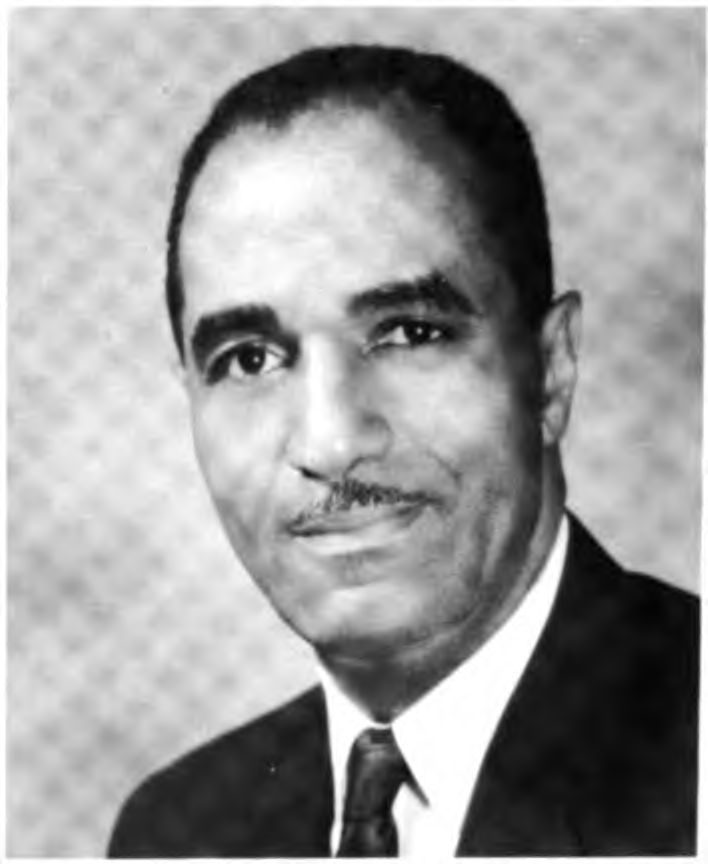
Back to contents · Open in the interactive guide

Where can I see the record for myself?

What happened · Partly true

An FBI hidden-camera frame stamped 22 August 1979, 12:43: undercover agent Anthony Amoroso, Representative Michael “Ozzie” Myers holding an envelope, Camden mayor Angelo Errichetti and informant Mel Weinberg, from left. The FBI’s caption identifies the four.
An FBI hidden-camera frame stamped 22 August 1979, 12:43: undercover agent Anthony Amoroso, Representative Michael “Ozzie” Myers holding an envelope, Camden mayor Angelo Errichetti and informant Mel Weinberg, from left. The FBI’s caption identifies the four. FBI · Public domain

The tapes, the debate, the report and the opinions are all public.

The American Archive of Public Broadcasting has the 2 October 1980 MacNeil/Lehrer program on the Myers expulsion, with House members arguing both sides. [1]

The FBI’s own history is a short starting point. Read it as the investigating agency’s summary; its line that all convictions were upheld needs the qualifications in the court files here. [2]

The Senate report, Report 97-682, is the counterweight: nearly 800 pages on how the operation was run. [3]

The FBI Vault has released files, with redactions. And every court opinion cited here is linked in full. [4]

Bottom line Partly true

documented. Read the primary sources side by side.

What the record can’t settle

Archive terms vary; this site links rather than copies.

Sources

  1. American Archive of Public Broadcasting — MacNeil/Lehrer, ABSCAM Tapes (October 2, 1980) Contemporary broadcast with extended House floor statements and a corrected transcript. This is an edited program, not every unedited undercover recording.
  2. FBI — ABSCAM historical overview An institutional retrospective by the investigating agency. Its compressed claim that convictions were upheld needs count-by-count qualification; the legal files discuss Murphy and Kelly.
  3. Senate Report 97-682 — Final Report on Undercover Activities (ordered 1982, printed 1983) Original Senate committee report; 790 numbered pages plus front matter in the 800-page scan. Selected findings and narrative sections were inspected, not every cited underlying file. It identifies strengths as well as serious deficiencies.
  4. FBI Vault — ABSCAM released records A public release collection, not a claim that every original record, tape or unredacted investigative file is available.

Back to contents · Open in the interactive guide

What’s newer

ABSCAM’s people after ABSCAM, through October 2026.

Where they ended up

What happened · Documented

Representative Michael “Ozzie” Myers of Pennsylvania, 1977 congressional portrait.
Representative Michael “Ozzie” Myers of Pennsylvania, 1977 congressional portrait. US Government Printing Office · Public domain

Deaths, a second conviction and a lot of silence.

Richard Kelly died on 22 August 2005, at 81. Mel Weinberg died on 30 May 2018, at 93. John Jenrette died on 17 March 2023, at 86. [1][2][3]

Michael Myers, the first to take the money, pleaded guilty in 2022 to stuffing ballot boxes in Philadelphia from 2014 to 2018 and was sentenced to 30 months. [4][5]

Harrison Williams died in 2001. Frank Thompson died in 1989, John Murphy in 2015 and Raymond Lederer in 2008. John Murtha died in 2010, still in Congress. Larry Pressler left the Senate in 1997.

Bottom line Documented

documented where sourced; deaths not separately sourced here are matters of public record.

What the record can’t settle

Dates not linked to a source in this entry are given from standard congressional biographies.

Sources

  1. New York Times: Richard Kelly, 81, Congressman Who Went to Prison in Scandal, Dies (August 26, 2005) Obituary; died August 22, 2005; served 13 months; lightest of the seven sentences.
  2. New York Times obituary: “Mel Weinberg, 93, the F.B.I.’s Lure in the Abscam Sting, Dies” (June 6, 2018) Newspaper obituary; reports about $150,000 in government pay. Paywalled.
  3. AP: Former US Rep. John Jenrette, jailed in Abscam scandal, dies (March 2023) Wire obituary; died March 17, 2023 at 86; served 13 months of a two-year sentence.
  4. U.S. Attorney, E.D. Pa.: Former U.S. Congressman and Philadelphia political operative pleads guilty to election fraud (2022) Primary prosecutor release; ballot stuffing for judicial candidates, 2014–2018.
  5. CNN: Former congressman Michael ‘Ozzie’ Myers sentenced to 30 months for election fraud (September 27, 2022) News report of the sentence.

Back to contents · Open in the interactive guide

The legal argument ABSCAM started is still running

What happened · Documented

Representative John Jenrette of South Carolina.
Representative John Jenrette of South Carolina. US Government · Public domain

When is money for access a bribe?

ABSCAM’s cases set a rule that still holds: selling a promise of official help is bribery even if you never mean to keep it. [3]

The harder question is campaign money. In 2025 the Sixth Circuit, upholding Sittenfeld’s conviction, said the line between a lawful contribution and a bribe had become blurry and invited the Supreme Court to revisit it. Weeks later the President pardoned him. [1][2]

That is the argument ABSCAM’s defendants made in a cruder form forty years ago: that the government should not get to define the crime by staging the offer. It has never fully gone away.

Bottom line Documented

documented.

What the record can’t settle

No Supreme Court ruling revisiting McCormick had been issued as of 23 October 2026.

Sources

  1. United States v. Sittenfeld, No. 23-3840 (6th Cir. Feb. 11, 2025), opinion Primary opinion affirming 2–1; the court discussed the line between campaign contributions and bribes in undercover cases.
  2. Executive Grant of Clemency: Alexander Sittenfeld (May 28, 2025) Primary pardon warrant, United States v. Sittenfeld, 1:20-cr-142.
  3. United States v. Myers, 692 F.2d 823 (2d Cir. 1982), opinion and count-by-count dispositions Primary federal appellate opinion. Murphy bribery acquittal and reversal of conflict-of-interest Count Three are explicit. Opinion says Myers trial ended August 29; House biographical record says conviction August 30. Avoid false date precision; use August 1980.

Back to contents · Open in the interactive guide

Discussion

Comment, dispute or support a claim, submit a source or rate this page through a short Google Form. It asks you to sign in with Google so we know you are a real person; your email is never shown. Nothing appears here until it has been reviewed. Conversation on X tagged #AIFiles #Abscam shows up below after the daily refresh.

CommentSubmit a sourceRate this pageStart a discussion on XFull forum topicSee all disputesFollow updates (Google Group)

Reader comments

Approved reader comments and ratings are shown on the interactive edition. This plain reading edition does not load them.

On X

This plain reading edition does not load posts. You can read this subject’s threads on the forum: Forum: #Abscam.

Reader comments are shown only after review, and rows removed from the form’s sheet disappear at the next refresh. X posts are a read-only daily snapshot; posts deleted or made private there are removed at the next refresh. Inclusion is not endorsement. A submitted source stays pending review until a page update says otherwise.