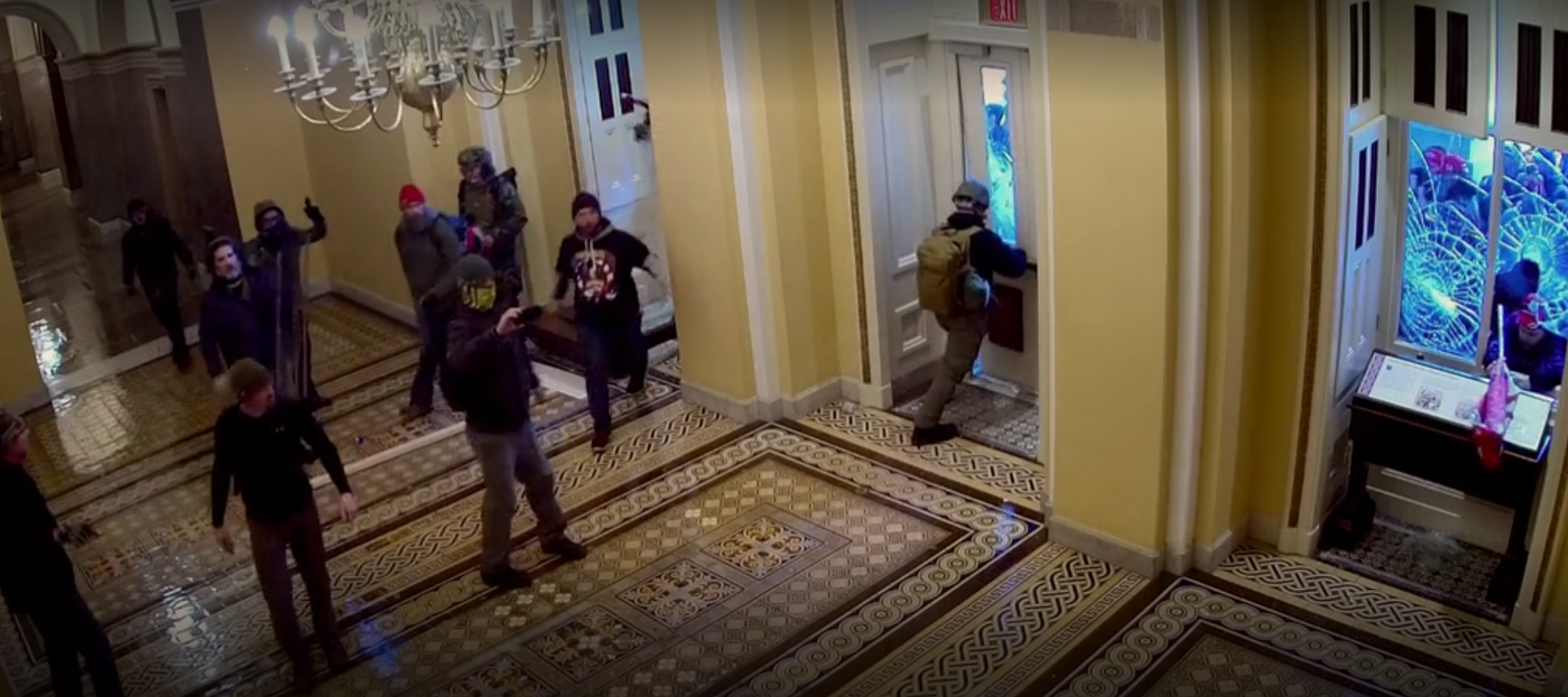
The Free Press release showed staff initially judging that Trump’s January 8 tweets did not constitute incitement under the rules they were reviewing. It also documented employees advocating a ban and executives examining a broader interpretation. Those exchanges are important evidence that the decision was contested rather than mechanically dictated by an obvious textual violation. [1]
The two posts praised the voters who supported Trump and said he would not attend the inauguration. Twitter’s published decision did not claim either was an explicit instruction to attack. It said their interpretation by audiences, after the Capitol attack, presented a risk of further violence and invoked its glorification-of-violence policy. [2]
This distinction matters: an initial employee assessment of incitement and an executive assessment under the final contextual rationale need not be identical questions. One can still reasonably criticize the interpretation as expansive, inconsistent or inadequately constrained. But saying Twitter stated no policy basis omits the explanation it actually published. [1][2]
Neither the private company’s explanation nor the selected messages constitute a criminal-law judgment that Trump committed incitement. The Files illuminate how platform power was exercised; they do not settle that separate legal standard or establish a government command to impose the ban.