The AI Files · Twitter’s internal files and the fight over moderation · plain reading edition
The Twitter Files: every entry
All 62 entries of the guide, grouped by period and case, each with its bottom line and its sources. This page needs no JavaScript. The interactive guide adds the story in 19 chapters, the people, the timeline, the theories, the 61 checked claims and the media.
Visual timeline
61 dated events
The rules before the files 2018 – 2020
The rules before the files
What Twitter said it did, and the policies it wrote.
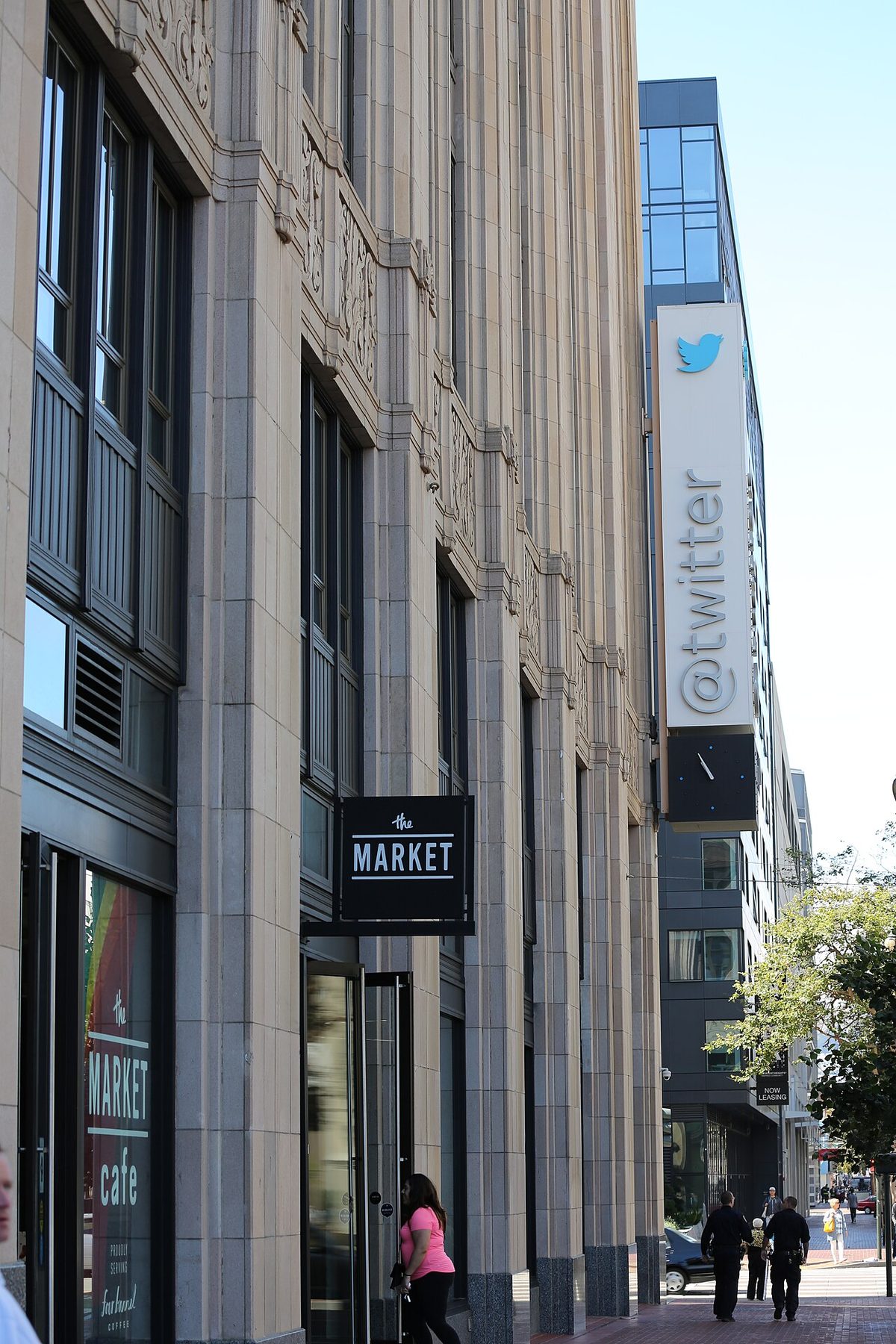
Twitter’s headquarters at the Market Square complex in San Francisco. Tobias Kleinlercher / Wikipedia · CC BY-SA 3.0 (https://creativecommons.org/licenses/by-sa/3.0)
In 2018 Twitter publicly denied shadow banning. Four years later, the files showed tools that limited reach without telling users.
In 2018 two Twitter executives, Vijaya Gadde and Kayvon Beykpour, wrote: “We do not shadow ban,” adding, “And we certainly don’t shadow ban based on political viewpoints or ideology.” Bari Weiss opened Part 2 of the Twitter Files by quoting that line. [1]
Inside the company, the term was different. “What many people call ‘shadow banning,’ Twitter executives and employees call ‘Visibility Filtering’ or ‘VF,’” Weiss wrote, quoting a senior employee: “Think about visibility filtering as being a way for us to suppress what people see to different levels.” [1]
The 2018 denial rested on a narrow definition. In the same 2018 post Twitter defined shadow banning as making someone’s content undiscoverable to everyone but the person who posted it, and said it did rank tweets and search results. [2] Both things can be true at once: the narrow denial was accurate, and the broader practice was real and undisclosed.
Bottom line Documented
Twitter limited the reach of some accounts without telling them, while denying “shadow banning” in a narrow sense.
What the record can’t settle
The files show the tools and some named accounts. They do not give the full number of accounts filtered or the political mix.
Vijaya Gadde, Twitter’s former head of legal, policy and trust. Access Now · CC BY 3.0 (https://creativecommons.org/licenses/by/3.0)
Written in 2018 after the 2016 leaks, the rule barred sharing hacked material. It is the rule Twitter used on 14 October 2020.
Twitter adopted its hacked-materials policy in 2018. Gadde told Congress in 2023 it was meant “to prevent Twitter from becoming a dumping ground for hacked materials.” [1]
Behind it was 2016, when Russian military intelligence hacked Democratic emails and released them through fronts. Yoel Roth told the same hearing that Twitter “erred in this case because we wanted to avoid repeating the mistakes of 2016.” [2]
When the Post story broke, staff struggled to fit it to the rule. Roth wrote that it “isn’t clearly violative of our Hacked Materials Policy, nor is it clearly in violation of anything else,” but added that it felt “a lot like a somewhat subtle leak operation.” [3]
Bottom line Documented
A real rule with a real history, applied to a story that did not clearly fit it.
What the record can’t settle
Twitter’s original 2018 policy page is archived but was not fully fetched here; its wording is taken from testimony and the threads.
Twitter’s headquarters at the Market Square complex in San Francisco. Tobias Kleinlercher / Wikipedia · CC BY-SA 3.0 (https://creativecommons.org/licenses/by-sa/3.0)
The writers stressed the staff’s politics and its former FBI employees. Both facts are documented; what they prove is argued.
Shellenberger reported that in 2018, 2020 and 2022, 96%, 98% and 99% of Twitter staff political donations went to Democrats. [1]
He also found that so many former FBI employees worked at Twitter that they had their own Slack channel, and that Jim Baker, the FBI’s general counsel from 2014 to 2018, became deputy general counsel. [2]
Donations show the staff’s leanings, not how rules were applied. A 2021 study by Twitter’s own researchers found its ranking algorithm amplified the mainstream right more than the left in six of seven countries. [3]
Bottom line Documented
The staff leaned left and included former FBI officials. Whether that shaped enforcement is the argument, not the record.
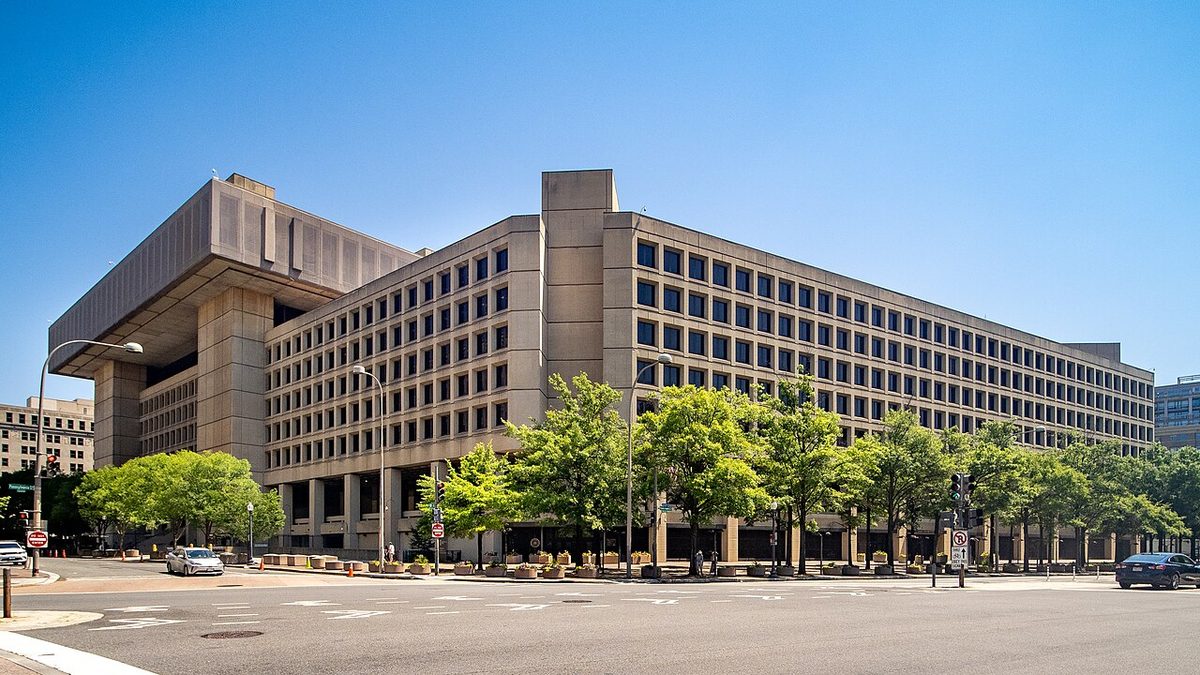
The FBI’s J. Edgar Hoover Building in Washington. ajay_suresh · CC BY 2.0 (https://creativecommons.org/licenses/by/2.0)
From a repair shop to the FBI, and a copy to Giuliani and the Post.
The shop owner, John Paul Mac Isaac, contacted the FBI about a laptop Hunter Biden had left with him. On 9 December 2019 the FBI subpoenaed and took it. [1]
By August 2020, Shellenberger writes, Mac Isaac had not heard back, so he emailed Rudy Giuliani; in early October Giuliani gave a copy to the New York Post. [1][2]
A 2022 forensic review for CBS News of a copy that came from Mac Isaac found “no evidence that the user data had been modified, fabricated or tampered with,” and no new files after April 2019, when store records show it was dropped off. [3]
Bottom line Documented
The laptop was Hunter Biden’s, and the FBI had it ten months before the Post story.
What the record can’t settle
The chain of custody after the copy left the shop was not independently audited for the Post’s version.
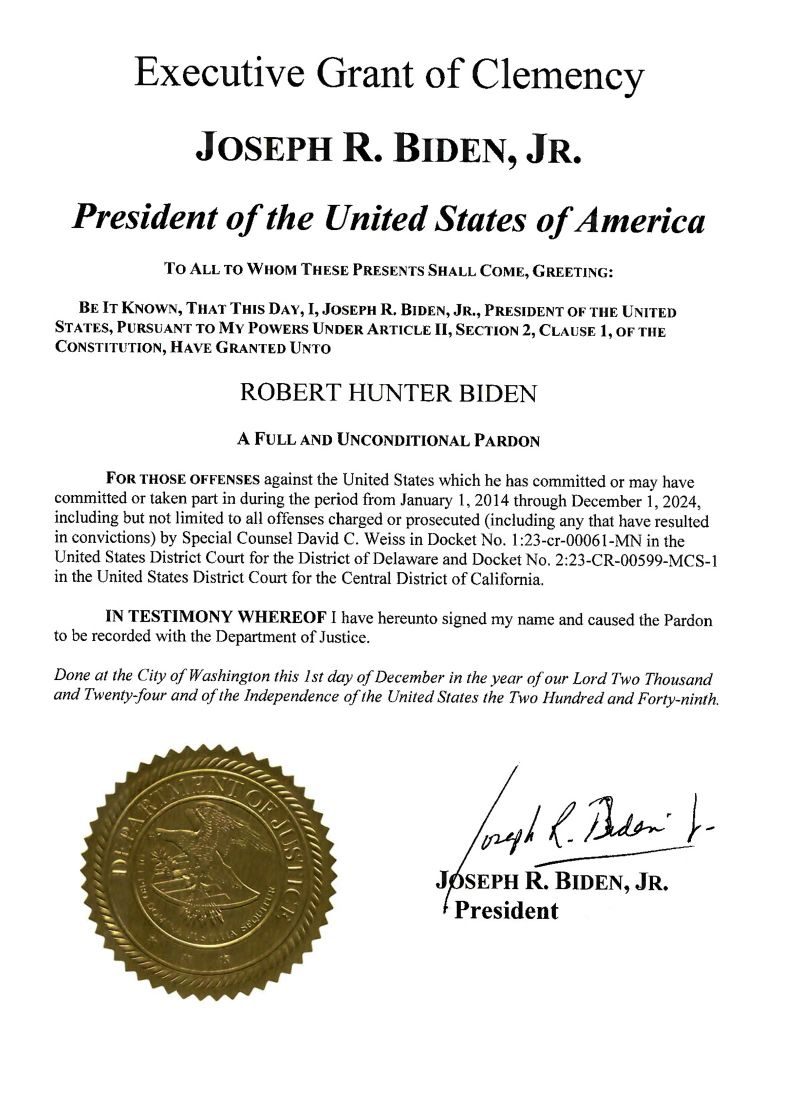
President Biden’s pardon of Hunter Biden, 1 December 2024. United States Department of Justice · Public domain
On 14 October 2020 the New York Post published emails from the laptop about Hunter Biden’s Ukrainian business.
The Post’s story said an email showed Hunter Biden introduced his father to an adviser at the Ukrainian energy firm Burisma. [1]
Shellenberger later wrote that “every single fact in it was accurate.” [2] Later reviews confirmed the laptop data was genuine; whether the meeting described took place, and what it meant, remained disputed. [3]
Bottom line Documented
The underlying emails were real. Their meaning was, and is, argued.
What the record can’t settle
The authenticity of particular emails has been checked by outlets; the significance of the business dealings is a separate question.
Twitter’s headquarters at the Market Square complex in San Francisco. Tobias Kleinlercher / Wikipedia · CC BY-SA 3.0 (https://creativecommons.org/licenses/by-sa/3.0)
Twitter blocked links to the story, warned they were “unsafe,” and locked accounts that shared it.
Twitter stopped users posting links to the story, showed warnings that it might be “unsafe,” and blocked it in direct messages, “a tool hitherto reserved for extreme cases, e.g. child pornography,” Taibbi wrote. [1]
The White House press secretary, Kayleigh McEnany, was locked out of her account for tweeting about it, and the Post’s own account was locked. [1]
Inside, staff doubted the basis. A communications official wrote, “I’m struggling to understand the policy basis for marking this as unsafe.” One former employee told Taibbi: “Hacking was the excuse, but within a few hours, pretty much everyone realized that wasn’t going to hold. But no one had the guts to reverse it.” [1]
Taibbi also wrote that he had seen no evidence “of any government involvement in the laptop story,” adding, “that might have been the problem.” [1] The decision was made at the top, Taibbi reported, without Dorsey’s knowledge. [1]
Bottom line Documented
A company decision, doubted inside the company almost at once.
What the record can’t settle
The threads show the executives’ messages, not every conversation they had by phone or in meetings.
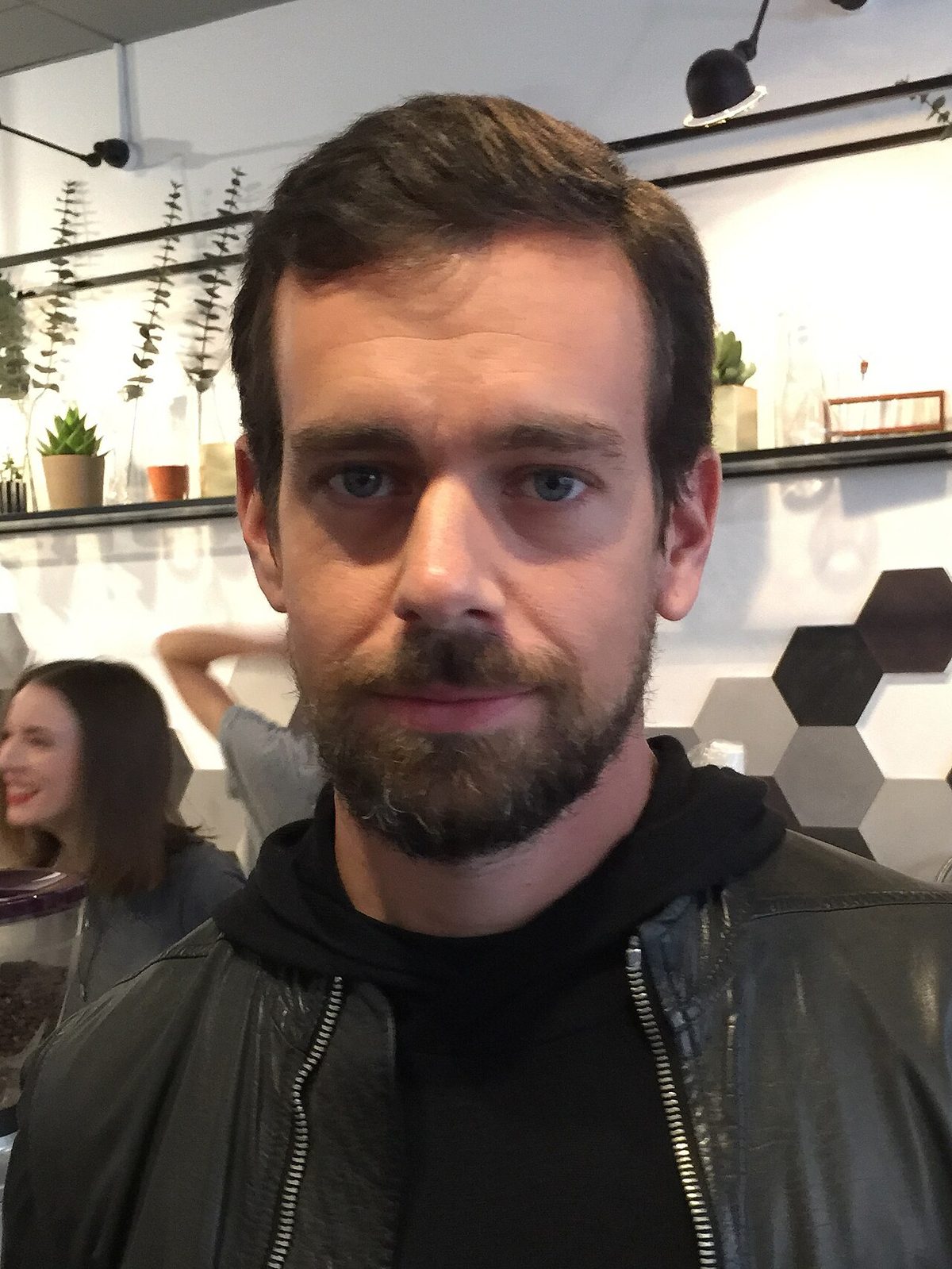
Jack Dorsey, Twitter’s co-founder and chief executive, in 2014. cellanr · CC BY-SA 2.0 (https://creativecommons.org/licenses/by-sa/2.0)
Within two days Twitter changed the rule and Dorsey called the block “unacceptable.”
On 14 October Dorsey said blocking links “with zero context” was “unacceptable.” [1]
The next day Gadde announced Twitter would “no longer remove hacked content unless it is directly shared by hackers or those acting in concert with them,” and would “label Tweets to provide context.” [2]
Roth summed it up in a note Taibbi published: “We blocked the NYP story, then unblocked it (but said the opposite)… comms is angry, reporters think we’re idiots… in short, FML.” [3]
Bottom line Documented
Twitter backed off fast. The damage to trust was already done.
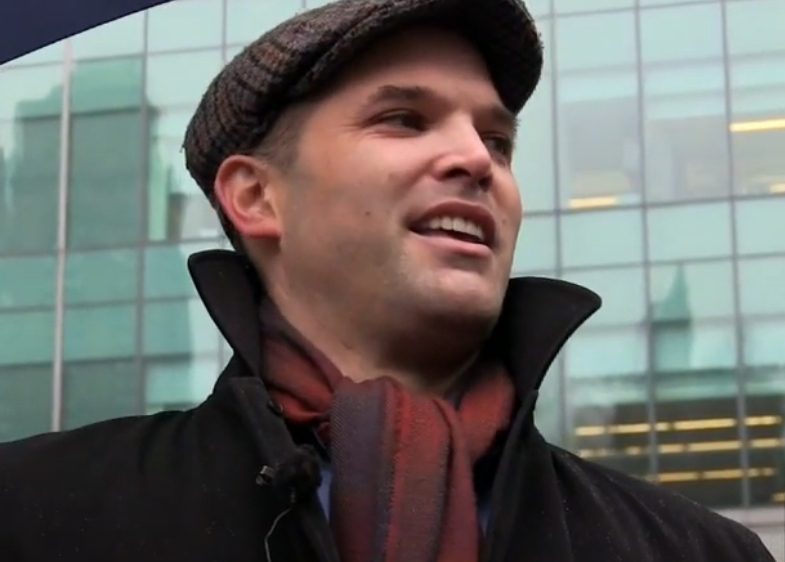
Matt Taibbi talking to Occupy Wall Street activists in Bryant Park, New York. OccupyTVNY · CC BY 3.0 (https://creativecommons.org/licenses/by/3.0)
Taibbi showed Biden campaign takedown requests marked “Handled.” Most were nude images, which Twitter’s rules barred.
Taibbi wrote that by 2020 “requests from connected actors to delete tweets were routine. One executive would write to another: ‘More to review from the Biden team.’ The reply would come back: ‘Handled.’” [1]
He added: “Both parties had access to these tools. For instance, in 2020, requests from both the Trump White House and the Biden campaign were received and honored.” [1]
Lead Stories checked the archived tweets and found they were mainly nude images of Hunter Biden posted without his consent, which Twitter’s rules on intimate media prohibit. [2] The Biden campaign was not the government in 2020, so its requests raise no First Amendment issue on their own. [3]
Bottom line Partly true
Real requests, mostly to remove non-consensual nude images. Both parties made requests.
President Biden’s pardon of Hunter Biden, 1 December 2024. United States Department of Justice · Public domain
By 2022 major outlets had authenticated the data; in 2024 an FBI agent said so in court.
In 2022 a forensic review for CBS News found no sign the data had been altered. [1] Two experts hired by The Washington Post verified nearly 22,000 emails that year, a small fraction of the data; most of it could not be checked. [2]
At Hunter Biden’s 2024 gun trial, FBI agent Erika Jensen testified the laptop was authentic. [3] Marcy Wheeler, a critic of the FBI and of the Post’s story, noted that Jensen said she had not looked for evidence of tampering. [4]
President Biden pardoned his son on 1 December 2024, saying he had been “selectively” prosecuted. [5]
Bottom line Documented
The laptop was real. The early claim that it was Russian disinformation did not hold.
What the record can’t settle
Authenticating the data does not settle what every email means.
The FBI’s J. Edgar Hoover Building in Washington. ajay_suresh · CC BY 2.0 (https://creativecommons.org/licenses/by/2.0)
The FBI had the laptop and, an FBI official later testified, knew it was real. It warned platforms about hack-and-leaks but would not answer about this one.
Throughout 2020 federal officials warned Twitter that “malign state actors” might hack and release material, Roth said in a sworn declaration, and that Hunter Biden might be a target. [1] Zuckerberg said the FBI told Facebook to be “on high alert” for “some kind of dump.” [2]
The FBI’s Laura Dehmlow told Congress in 2023 that Foreign Influence Task Force staff knew by 14 October 2020 that the laptop was real. When Twitter asked, an analyst began to say so, and an FBI lawyer cut in: “no further comment.” [3]
Elvis Chan said in 2022 the FBI did not see “any similar competing intrusions to what had happened in 2016.” [4] Roth had also taken part in an Aspen Institute exercise on a hypothetical Hunter Biden “hack-and-dump.” [4]
What the record does not show is an FBI instruction to block the Post. Zuckerberg said the FBI did not name the story. [2] An FBI official told CNN the ten documents sent the night before were not about the laptop. [5]
Bottom line Mixed
The FBI primed platforms for a hack-and-leak and stayed silent when asked about a laptop it knew was real. No document shows it ordered the block.
What the record can’t settle
Much of this is testimony from interested parties, given years later.
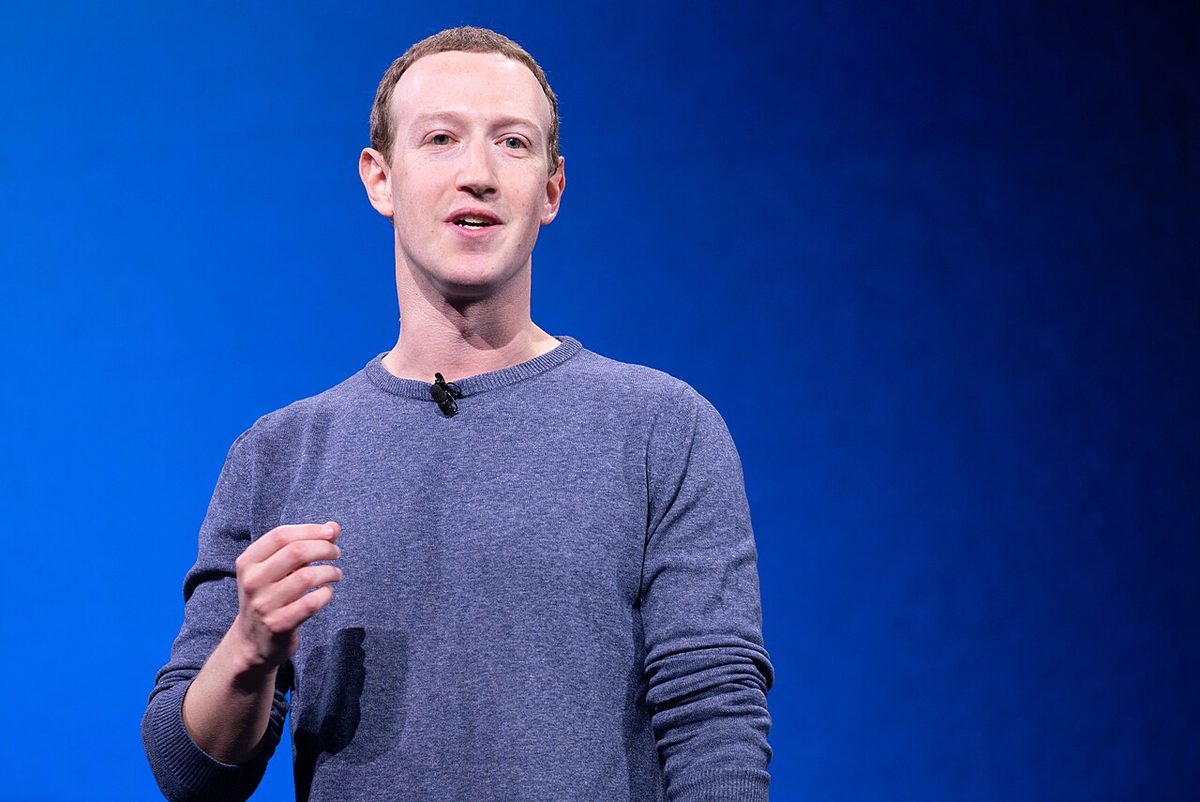
Mark Zuckerberg at Facebook’s developer conference. Anthony Quintano from Westminster, United States · CC BY 2.0 (https://creativecommons.org/licenses/by/2.0)
Facebook reduced the story’s spread. Zuckerberg later said it should not have.
Facebook limited distribution of the Post story while fact-checkers reviewed it. In 2022 Zuckerberg said an FBI warning had prompted it. [1]
In August 2024 he wrote to Jim Jordan that “we shouldn’t have demoted the story,” and that senior Biden officials had “repeatedly pressured” Meta over COVID content. [2][3]
Bottom line Documented
Two platforms throttled the story; one now says it was wrong.
What the record can’t settle
Zuckerberg’s letter was written to a committee chair during a campaign year.
President Biden’s pardon of Hunter Biden, 1 December 2024. United States Department of Justice · Public domain
Many say the block cost Trump the election. No official poll can show it.
In 2020 many voters had heard of the story. A Yahoo News/YouGov poll found more than three-quarters of independents had heard a lot or a little about it, and 77% of Trump voters said the press covered it too little. [1]
Twitter changed its rule within two days, and the story was then widely shared and covered. [2][3] Claims that the block changed the result rest on polls by advocacy groups taken after the election, which this guide does not use. What official polls do show is that distrust came first: in June 2020, months before the story, Pew found 73% of adults thought social media sites likely censor political views, including 90% of Republicans. [4]
Bottom line Unproven
Unknown and probably unknowable.
What the record can’t settle
We use only official pollster data; advocacy polls on this question are excluded.
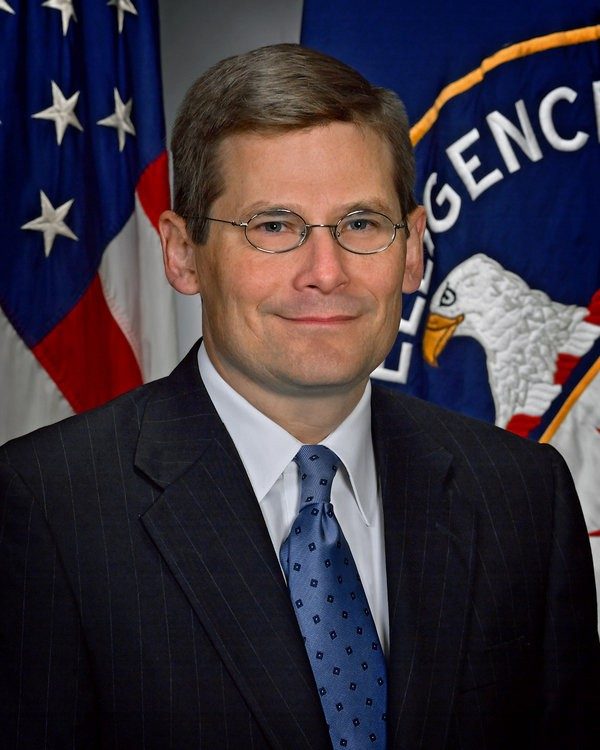
Michael Morell, former deputy director of the CIA. Central Intelligence Agency · Public domain
Five days after the story, 51 former intelligence officials said it had “all the classic earmarks” of Russian disinformation.
On 19 October 2020, 51 former intelligence officials, using their titles, said the story “ha[d] all the classic earmarks” of a Russian information operation, while saying they had no evidence of Russian involvement. [1][2]
Three days later Biden used it in the final debate: “there are 50 former national intelligence folks who said that what this, he’s accusing me of is a Russian plan.” [1]
The same day the letter appeared, Director of National Intelligence John Ratcliffe said publicly that the laptop was not Russian disinformation. [1]
Bottom line Documented
A public letter that hedged its claim, and was used as if it did not.
What the record can’t settle
The letter’s text is quoted from reports, not fetched in full here.
Michael Morell, former deputy director of the CIA. Central Intelligence Agency · Public domain
A House report found the Biden campaign set it in motion.
On 17 October 2020 Antony Blinken, then a Biden campaign adviser, contacted Michael Morell about the Post’s reporting, according to a 2023 House Judiciary and Intelligence report based on Morell’s testimony. [1]
The report concluded the campaign “took active measures to discredit the allegations about Hunter Biden by exploiting the national security credentials of former intelligence officials.” [1] It was written by the Republican majority.
The letter has no direct link to Twitter’s block, which happened five days earlier. [2]
Bottom line Documented
A campaign-prompted letter, after Twitter had already acted.
What the record can’t settle
The House report is a majority document; Democrats did not join it.
Michael Morell, former deputy director of the CIA. Central Intelligence Agency · Public domain
In 2025 Trump revoked the clearances of the letter’s signers.
On 20 January 2025 an executive order said “at least 51 former intelligence officials coordinated with the Biden campaign” and revoked their clearances, naming Morell among others. [1][2]
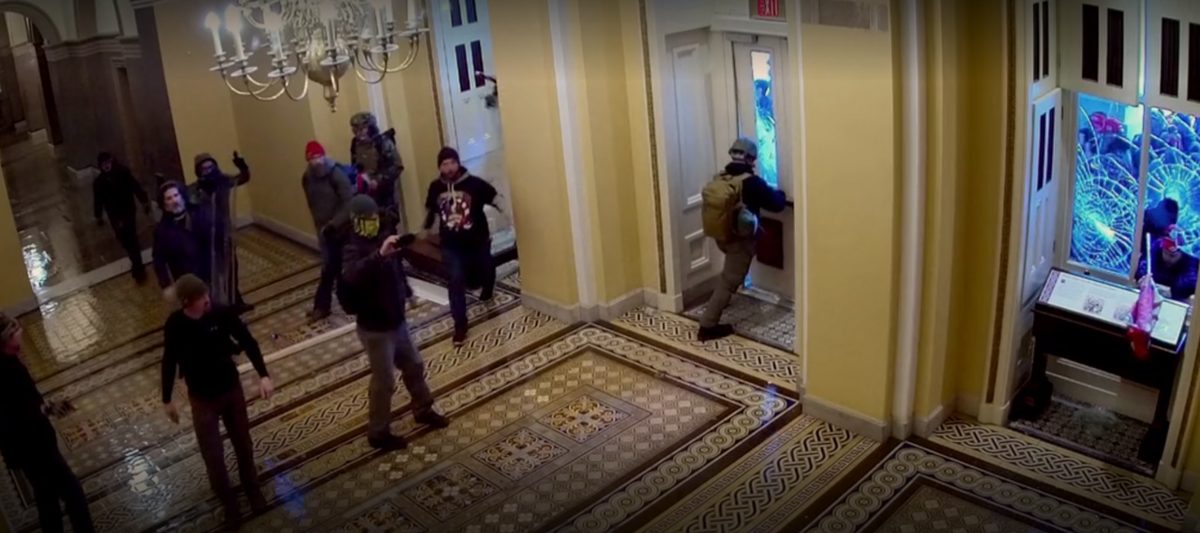
The first breach of the Capitol on 6 January 2021, on a security camera. US Capitol Police security camera footage · Public domain
On 7 January 2021 Dorsey approved a strike system. Trump had one strike left.
Shellenberger’s Part 4 shows Roth telling colleagues on 7 January, “GUESS WHAT… Jack just approved repeat offender for civic integrity,” a system in which five strikes meant permanent suspension. Asked whether Trump could now be banned, Roth replied: “Trump continues to just have his one strike” remaining. [1]
Taibbi’s Part 3 shows how the ground was laid. Senior policy staff acted as a “high-speed Supreme Court of moderation,” he wrote, and Trump was “visibility filtered” as late as a week before the election. [2]
Twitter had long said it would not ban world leaders. In 2018 it wrote that blocking one “would hide important info… [and] hamper necessary discussion around their words and actions.” [1]
Bottom line Documented
The rules were changing in the very days Twitter applied them to Trump.
What the record can’t settle
The threads quote Slack messages; whole channels were not published.
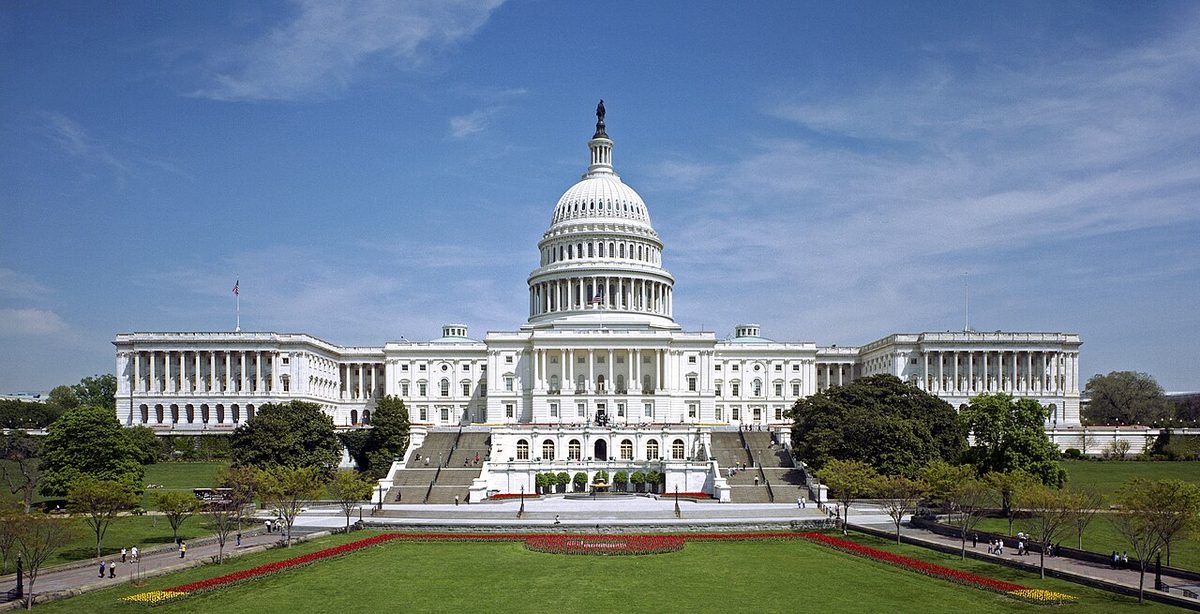
The west front of the U.S. Capitol. United_States_Capitol_-_west_front.jpg: Architect of the Capitol derivative work: O.J. · Public domain
Staff found no violation in Trump’s 8 January tweets. Ninety minutes later the question was reopened.
At 6:46 am Trump tweeted that “75,000,000 great American Patriots who voted for me… will have a GIANT VOICE long into the future.” At 7:44 am he said he would not go to the inauguration. [1]
Staff reviewing them were clear. “I think we’d have a hard time saying this is incitement,” one wrote. Anika Navaroli wrote that she was “not seeing clear or coded incitement,” and the safety team called the second tweet “a clear no vio.” [1]
Less than 90 minutes later Gadde asked whether it could be “coded incitement to further violence.” A scaled-enforcement team then argued “American Patriots” might mean the rioters. That evening Twitter announced the permanent suspension “due to the risk of further incitement of violence.” [1]
More than 300 employees had signed a letter that day demanding the ban. [1]
Bottom line Documented
Front-line reviewers found no violation; the executives found one in the context.
What the record can’t settle
The Free Press thread is selective by its own account; Twitter’s full deliberation is not public.
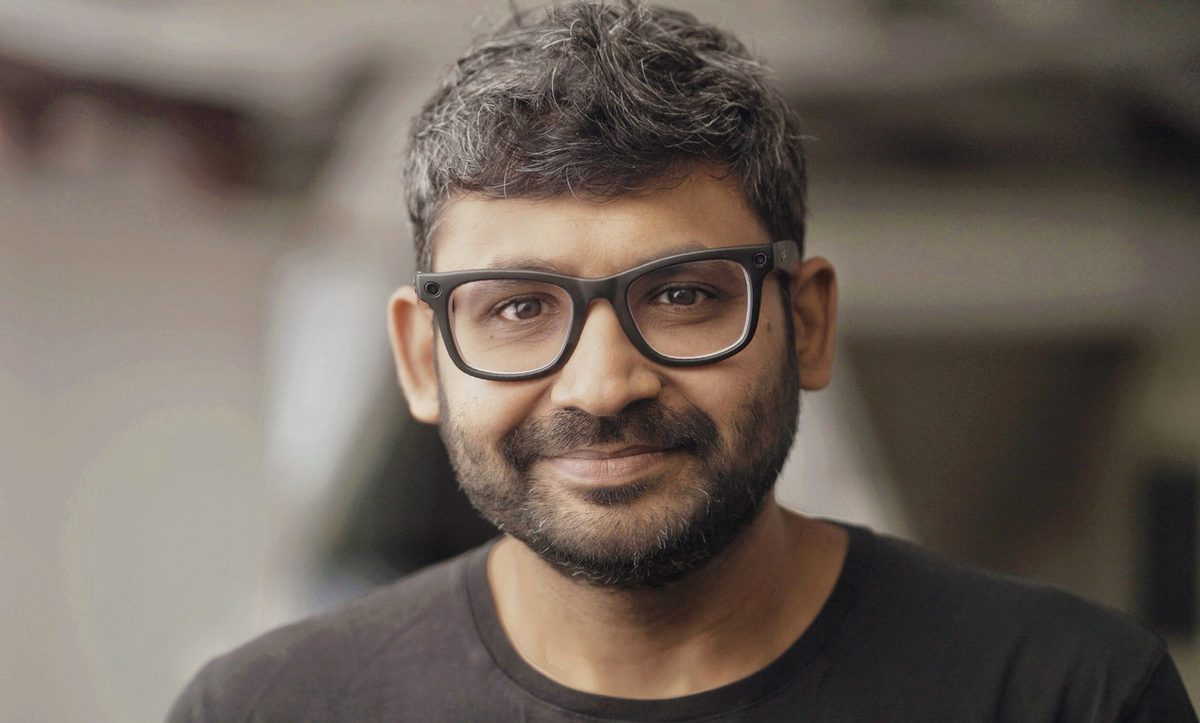
Parag Agrawal, Twitter’s chief executive until the takeover, in 2025. Lukaslevert · CC BY-SA 4.0 (https://creativecommons.org/licenses/by-sa/4.0)
The other side of the ban: a riot, a pattern of posts, and warnings that went unheeded.
The case for the ban rested on context. One executive spoke of actions by Trump and supporters “over the course of the election and frankly last 4+ years.” [1] Twitter said it judged “how [Trump’s tweets] are being received & interpreted.” [2]
Navaroli, who first found no violation, told the January 6 committee: “For months I had been begging and anticipating… if we made no intervention… people were going to die.” [3] In 2023 she told Congress the real failure was Twitter’s “failure to act before January 6th.” [4]
Leaders abroad objected. Germany’s government called the ban “problematic,” and Russian opposition leader Alexei Navalny called it “an unacceptable act of censorship.” [3] Parag Agrawal wrote that day: “centralized content moderation IMO has reached a breaking point now.” [3]
Bottom line Mixed
A defensible call on a new standard, made in a hurry by the people who wrote the standard.
What the record can’t settle
Whether the tweets would have incited more violence cannot be tested.
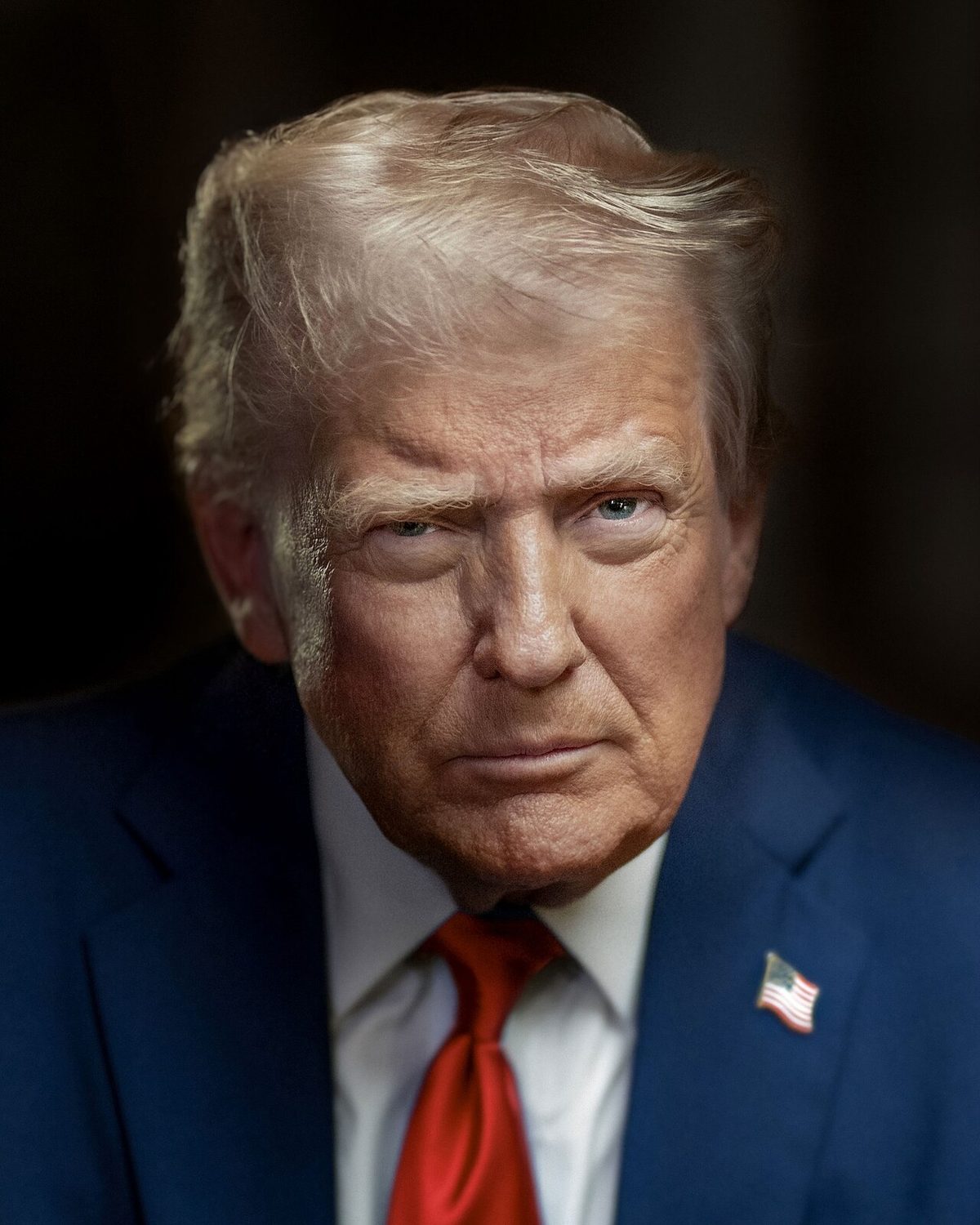
President Donald Trump, official portrait, second term. Daniel Torok · Public domain
Musk ran a poll and restored Trump’s account in November 2022.
On 19 November 2022 Musk restored Trump’s account after a Twitter poll of 15 million votes came out 51.8% to 48.2%. “The people have spoken,” he wrote. [1] In the same weeks he announced an amnesty for many suspended accounts. [2]
Bottom line Documented
The ban lasted 22 months and ended by an owner’s poll.
What the record can’t settle
Trump did not post regularly on the platform until later.
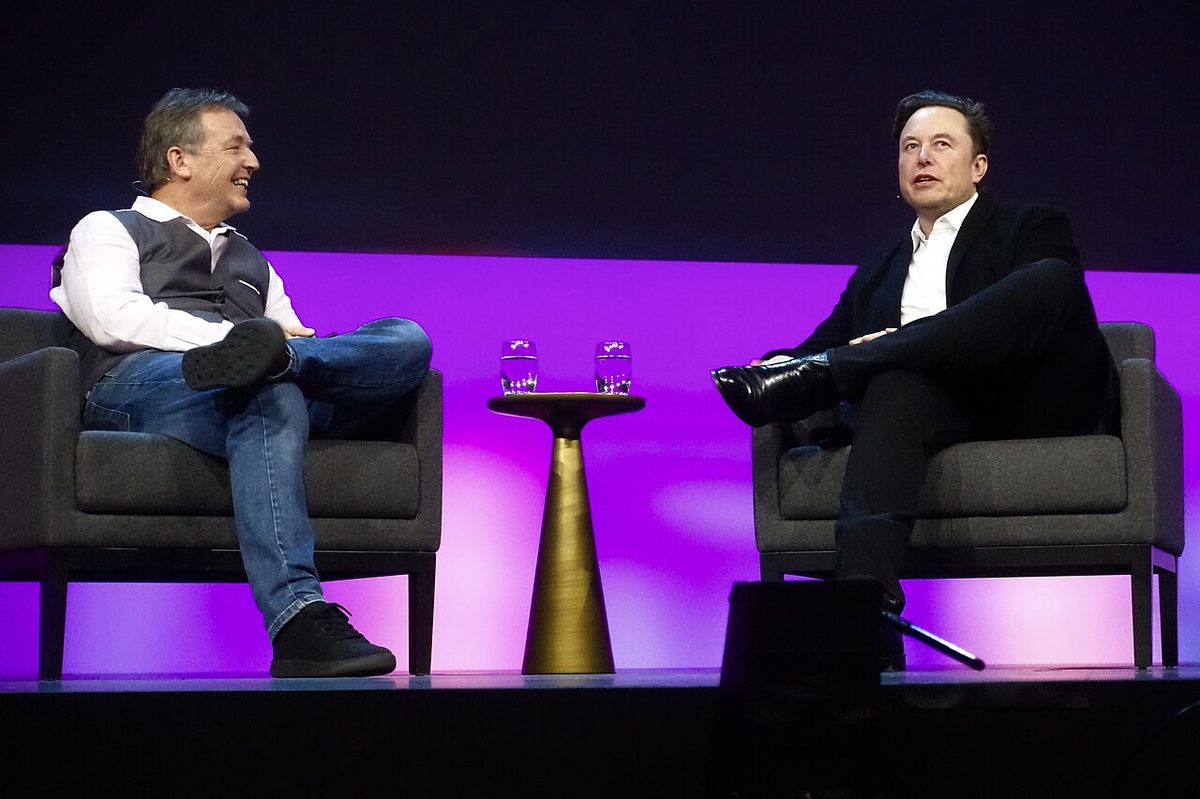
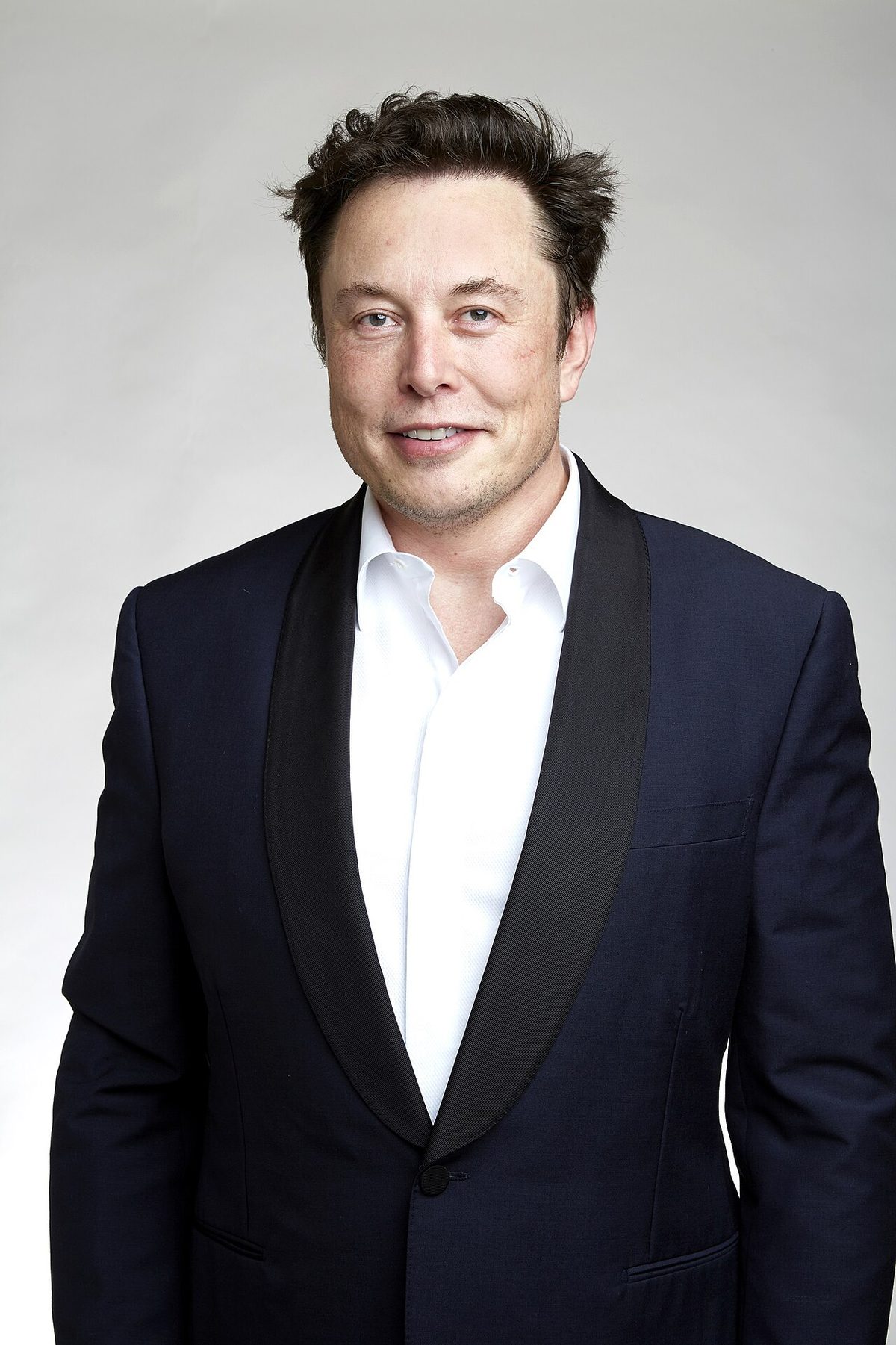
Elon Musk interviewed about Twitter at TED, April 2022. Steve Jurvetson from Los Altos, USA · CC BY 2.0 (https://creativecommons.org/licenses/by/2.0)
A $44 billion deal, an attempt to back out, a sink, and firings.
Musk agreed on 25 April 2022 to buy Twitter at $54.20 a share. [1] He then spent months trying to get out, citing bots and a whistleblower’s claims; Twitter’s board said it would sue to enforce the deal. [3][1] On 26 October he walked into the headquarters carrying a sink: “let that sink in!” [2]
The $44 billion deal closed on 27 October 2022. [3] Musk fired the chief executive Parag Agrawal, the finance chief Ned Segal, the policy head Vijaya Gadde and the general counsel Sean Edgett. [3]
Yoel Roth stayed on for a few weeks and resigned in November. [4]
Bottom line Documented
The files exist because a new owner chose to open them.
What the record can’t settle
Musk’s own account of why he opened the files is told in posts, not documents.
Elon Musk at the Royal Society. Duncan.Hull · CC BY-SA 4.0 (https://creativecommons.org/licenses/by-sa/4.0)
Musk fired Jim Baker in the middle of the releases.
On 6 December 2022 Musk wrote: “In light of concerns about Baker’s possible role in suppression of information important to the public dialogue, he was exited from Twitter today.” He called Baker’s explanation “unconvincing.” [1]
Taibbi’s next thread called him “recently plank-walked.” [2] Baker had urged caution on the laptop in October 2020, writing that more facts were needed. [3] Shellenberger argued Baker pressed the hack theory. [4]
Bottom line Documented
The firing was real; what Baker did with the files is told mostly by the writers.
What the record can’t settle
Baker has not published his own account of his last weeks.
Matt Taibbi talking to Occupy Wall Street activists in Bryant Park, New York. OccupyTVNY · CC BY 3.0 (https://creativecommons.org/licenses/by/3.0)
Writers got access on one condition: news broke on Twitter first.
Taibbi told his readers on 2 December 2022: “in exchange for the opportunity to cover a unique and explosive story, I had to agree to certain conditions.” [1] The Free Press team wrote that “the only condition we agreed to was that the material would first be published on Twitter.” [2]
In 2023 Taibbi described it as “Elon Musk’s requirement that news from the Files be broken on his Twitter,” and Musk as “an eccentric CEO” who “decided to blow the whistle on his own newly acquired company.” [3]
Shellenberger told Congress Weiss had brought him in and that he “never had a single request denied.” Asked who gave him access, Taibbi said, “the attribution from my story is sources at Twitter.” [4]
Bottom line Documented
Access came from the owner, with conditions the writers disclosed.
Matt Taibbi talking to Occupy Wall Street activists in Bryant Park, New York. OccupyTVNY · CC BY 3.0 (https://creativecommons.org/licenses/by/3.0)
The writers saw what searches returned. Searches were run by others.
Taibbi wrote: “The searches were carried out by third parties, so what I saw could be limited.” [1] A note on Part 17 said the files “were prepared by a third party, so material may have been left out.” [2]
At the hearing Plaskett said the writers had seen roughly 100,000 emails and Taibbi had published 338. Taibbi agreed. [3]
Shellenberger said the files were “so voluminous that there was no way that anybody could have gone through them beforehand.” [3]
Bottom line Documented
A large but filtered view, published in small slices.
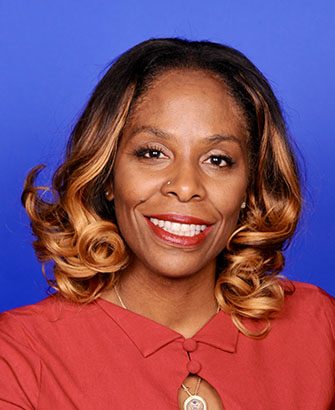
Delegate Stacey Plaskett, congressional portrait. Clerk of the United States House of Representives · Public domain
Critics said the files left out what did not fit. Some of the record supports them.
Plaskett called the writers “Elon Musk’s public scribes” who released “cherry-picked out-of-context emails.” [1] CNN described them as journalists “handpicked” at “Musk’s discretion” and given “selective access.” [2]
Taibbi himself wrote that the election channel he searched had no Republican requests: “They may exist: we were told they do.” [3] Rolling Stone later reported that Twitter kept a “database” of Republican requests, and Navaroli testified the Trump White House asked for a Chrissy Teigen tweet to come down. [4][5]
The writers did publish material that cut the other way: Taibbi’s first thread said both parties’ requests were honoured, and he told Congress government lists swept up left-wing outlets too. [6][1]
Bottom line Mixed
The files were curated by people with a story to tell, and they said so. That does not make the documents fake.
What the record can’t settle
What was left out can only be judged from what later surfaced.
Michael Shellenberger in 2017. Michael Shellenberger · CC BY-SA 4.0 (https://creativecommons.org/licenses/by-sa/4.0)
Independent writers, most of them on Substack.
Taibbi named the first writers as “principally Bari Weiss, Michael Shellenberger and me,” all independent writers on Substack. [1] Lee Fang, David Zweig and Alex Berenson wrote later installments, and a Free Press team, including Abigail Shrier and Nellie Bowles, worked on Part 2. [2][3]
The first Taibbi tweet drew 143 million impressions, he told Congress. [4] In 2023 the reports won a $100,000 Dao Prize. [1]
Bottom line Documented
A small group of writers with similar complaints about the mainstream press.
What the record can’t settle
Some writers later published more files on their own sites.
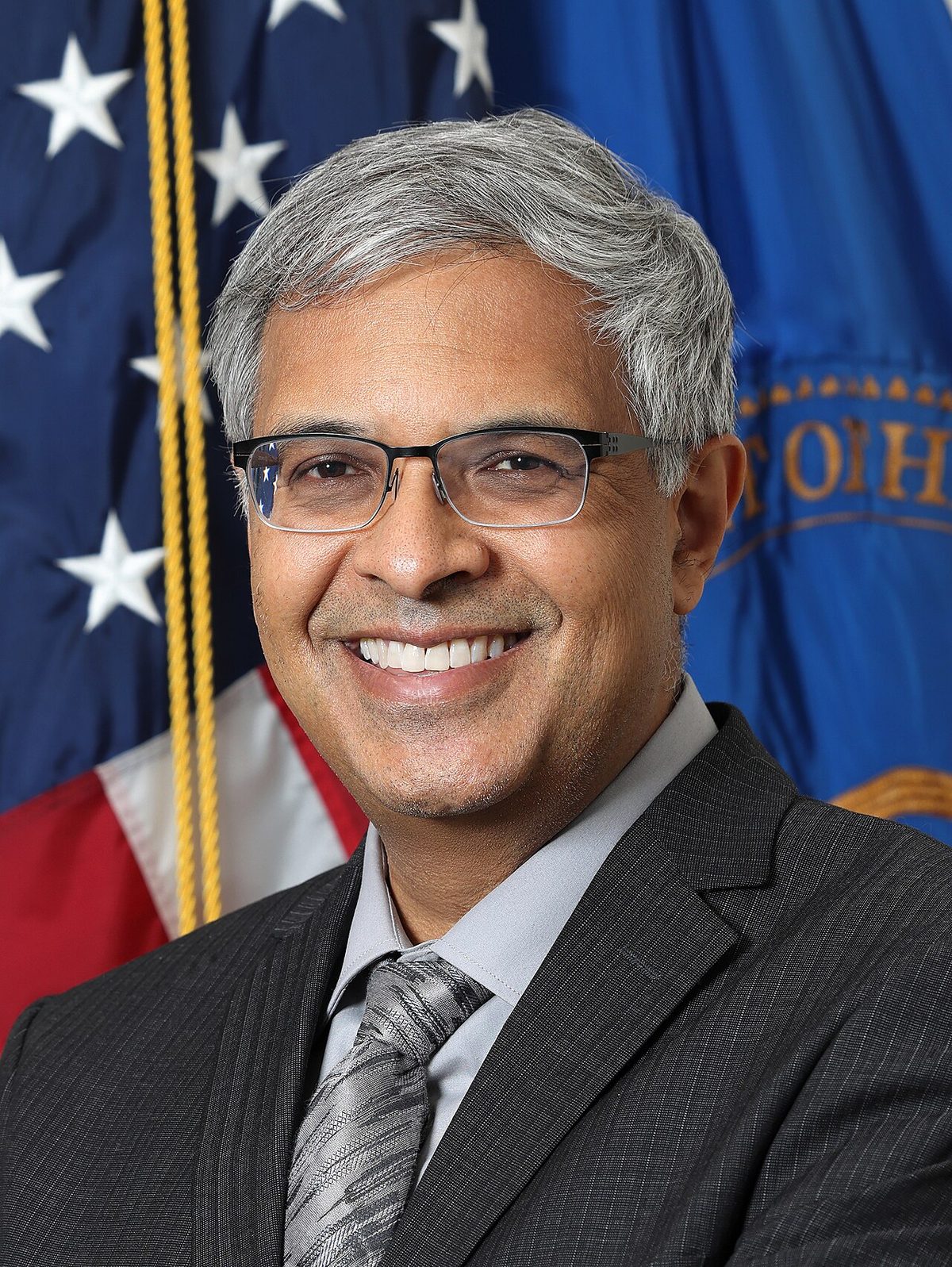
Jay Bhattacharya as director of the National Institutes of Health. Chia-Chi Charlie Chang · Public domain
Part 2 showed labels that kept named accounts out of trends and search.
Weiss showed Jay Bhattacharya on a “Trends Blacklist,” Dan Bongino on a “Search Blacklist,” and Charlie Kirk set to “Do Not Amplify.” [1]
A secret group, “Site Integrity Policy, Policy Escalation Support,” handled the most sensitive cases. “Think high follower account, controversial,” an employee said; for these “there would be no ticket or anything.” [1]
One engineer told the writers: “We control visibility quite a bit… And normal people do not know how much we do.” [1]
Bottom line Documented
Real, secret and aimed at named accounts, several of them on the right.
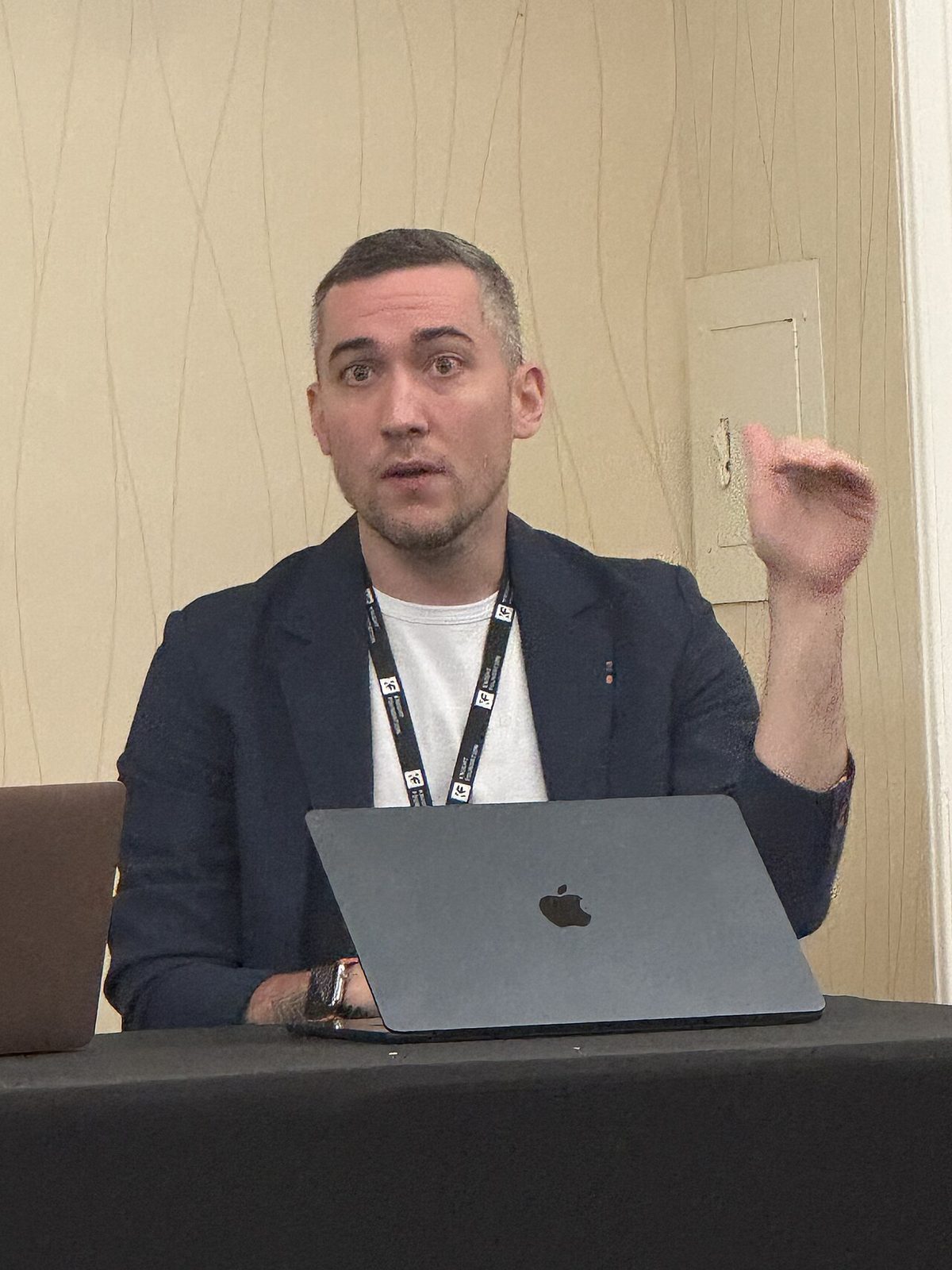
Yoel Roth, Twitter’s former head of trust and safety, at the 2025 Knight Media Forum. Jennifer 8. Lee · CC BY-SA 4.0 (https://creativecommons.org/licenses/by-sa/4.0)
The fight over the word hid agreement on the facts.
Twitter’s 2018 definition was narrow: content invisible to all but its author. [1] Weiss’s definition was broad: “What many people call ‘shadow banning,’ Twitter executives and employees call ‘Visibility Filtering.’” [2]
Roth wanted more “non-removal policy interventions like disabling engagements and deamplification/visibility filtering,” believing that limiting spread was better than deleting. [2]
Under Musk the practice did not stop. In 2023 X called it “Freedom of Speech, not Freedom of Reach” and began labelling some limited tweets. [3] A 2026 research abstract sets out to audit shadowban-style limits on X from the outside. [4]
Bottom line Mixed
Both sides were right about different definitions.
What the record can’t settle
Visibility filtering is still mostly invisible to users.
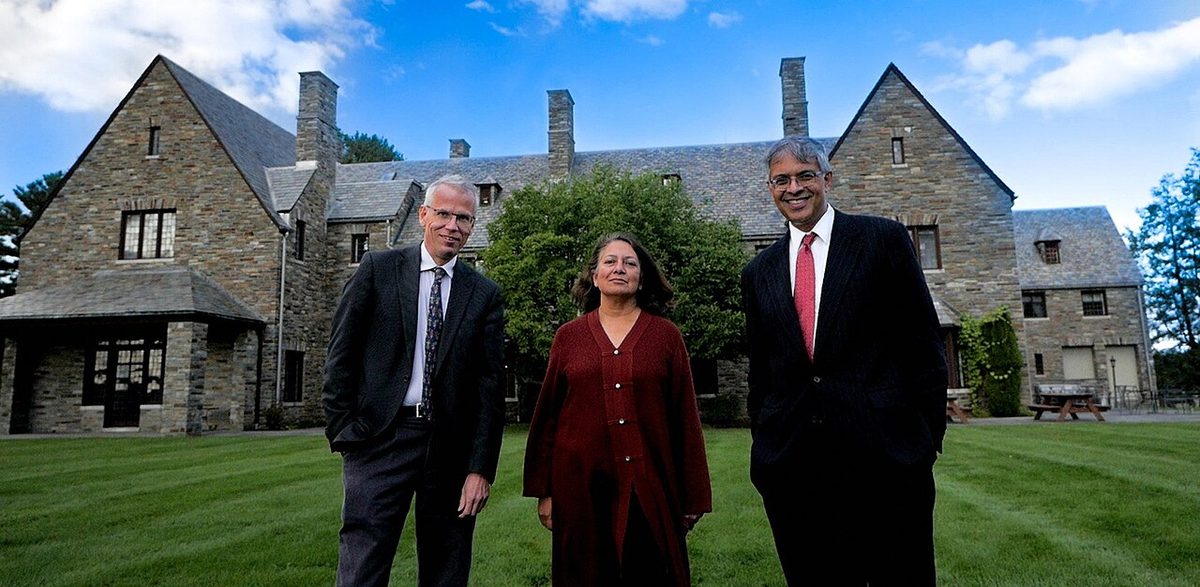
Martin Kulldorff, Sunetra Gupta and Jay Bhattacharya at the American Institute for Economic Research. Taleed Brown · CC BY 4.0 (https://creativecommons.org/licenses/by/4.0)
The account was suspended repeatedly although an internal memo said it had not broken the hateful-conduct rule.
Libs of TikTok, run by Chaya Raichik, was on the Trends Blacklist and marked “Do Not Take Action on User Without Consulting With SIP-PES.” Raichik says it was suspended six times in 2022. [1]
An October 2022 memo said the account “has not directly engaged in behavior violative of the Hateful Conduct policy,” justifying suspensions instead on the risk of harassment of hospitals and doctors. [1]
Bottom line Documented
The memo shows Twitter stretching its own rules.
What the record can’t settle
The harassment risk the memo cited was real to the hospitals involved; the thread does not weigh it.
Martin Kulldorff, Sunetra Gupta and Jay Bhattacharya at the American Institute for Economic Research. Taleed Brown · CC BY 4.0 (https://creativecommons.org/licenses/by/4.0)
In 2021 Twitter found its algorithm amplified the right more than the left.
Twitter researchers studied tweets by elected officials in seven countries and found that “in 6 out of 7 countries studied, the mainstream political right enjoys higher algorithmic amplification than the mainstream political left.” [1]
In the US, they found, the algorithm favoured right-leaning news sources. [1][2] The study measured the home timeline, not the blacklists Weiss showed.
Bottom line Documented
At scale, the algorithm leaned right, even as individual accounts on the right were filtered.
What the record can’t settle
The study did not explain why, and covered 2020 data.
Linda Yaccarino, chief executive of X, in New York, February 2024. UK Home Office676767 · CC BY 2.0 (https://creativecommons.org/licenses/by/2.0)
Musk’s X kept limiting reach, and said so.
In April 2023 Twitter announced labels on tweets it restricted for hateful conduct, describing the approach as “Freedom of Speech, not Freedom of Reach.” [1]
X’s own transparency report for late 2024 shows it acted on about 82% of government removal requests worldwide, and more in Turkey. [2]
Bottom line Documented
The new owner kept the tools and made some visible.
The FBI’s J. Edgar Hoover Building in Washington. ajay_suresh · CC BY 2.0 (https://creativecommons.org/licenses/by/2.0)
The FBI, DHS and intelligence officials met Twitter regularly before the 2020 election.
Taibbi’s Part 3 quotes Roth saying he met weekly with the FBI, DHS and the Office of the Director of National Intelligence on election security. [1] Part 6 says the FBI’s Foreign Influence Task Force “swelled to 80 agents” and corresponded with Twitter. [2]
CNN reported that by October 2020 Roth “had spent two years meeting with the FBI and other government officials” and was primed for a hack-and-leak. [3]
Part 9 calls the FBI a “doorman” to contacts with agencies “from the State Department to the Pentagon to the CIA.” [4] That is Taibbi’s framing; the emails show meetings and messages, not orders.
Bottom line Documented
Contact was constant and friendly. The files show access more than command.
The FBI’s J. Edgar Hoover Building in Washington. ajay_suresh · CC BY 2.0 (https://creativecommons.org/licenses/by/2.0)
The FBI sent lists of accounts, including jokes from small accounts.
Part 6 shows “a surprisingly high number” of FBI requests about election misinformation, “even involving joke tweets from low-follower accounts.” [1]
Stacia Cardille noticed FBI staff “in the Baltimore field office and at HQ that are just doing keyword searches for violations,” and Baker agreed it was “odd.” [2] FBI complaints were nearly always framed as “possible terms of service violation.” [2]
How often Twitter acted is not in the threads. Elvis Chan of the FBI’s San Francisco office testified in 2021 that the FBI had “about a 50% success rate” in getting reported election posts taken down or restricted across the platforms. [3]
Bottom line Documented
The FBI flagged; the platforms decided; by the FBI’s own estimate, about half the time they acted.
What the record can’t settle
No Twitter-only count of flags and outcomes was published.
Yoel Roth, Twitter’s former head of trust and safety, at the 2025 Knight Media Forum. Jennifer 8. Lee · CC BY-SA 4.0 (https://creativecommons.org/licenses/by-sa/4.0)
Chan sent Roth ten documents the night before the Post story. What was in them?
On 13 October 2020 at 9:22 pm Eastern, Elvis Chan sent Roth ten documents through a secure portal. Shellenberger raised the timing and asked what they contained. [1]
An FBI official told CNN: “I reviewed all 10 of these documents personally and I can say explicitly there is nothing in these 10 documents about Hunter Biden’s laptop.” [2]
The documents have not been released. The claim rests on an anonymous FBI official; the suspicion rests on timing. [2]
Bottom line Disputed
Timing alone does not show content; neither does an unnamed denial.
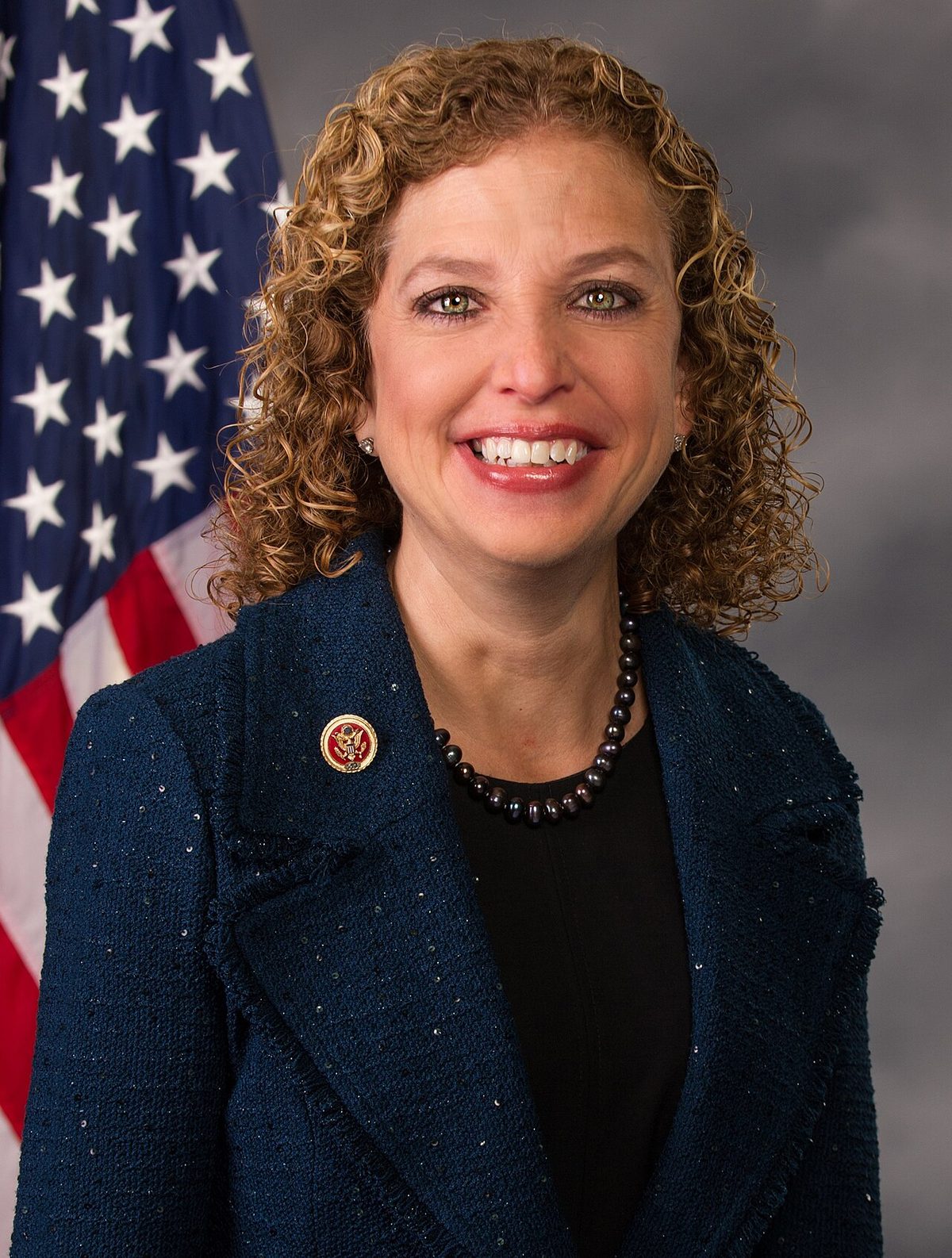
Representative Debbie Wasserman Schultz. U.S. Congress · Public domain
The FBI paid Twitter for processing legal requests, not for moderation.
An email in Part 7 says the FBI had paid Twitter “$3,415,323 since October 2019.” [1] Musk tweeted that the government paid Twitter “millions of dollars” to censor info from the public. [2]
The payments were reimbursement for responding to legal process, which federal law allows under 18 USC 2706, FactCheck.org found. [2] In March 2023 Wasserman Schultz got Shellenberger to agree the email never said the money was for moderation. [3]
In February 2026 a court upheld the FBI withholding reimbursement records because they were “created as part of serving subpoenas, warrants, and other requests.” [4]
Bottom line Documented
The money was real. The record ties it to legal requests, not to censorship.
The FBI’s J. Edgar Hoover Building in Washington. ajay_suresh · CC BY 2.0 (https://creativecommons.org/licenses/by/2.0)
The FBI called its critics conspiracy theorists.
On 21 December 2022 the FBI said that “the FBI provides critical information to the private sector” and that “it is unfortunate that conspiracy theorists and others are feeding the American public misinformation with the sole purpose of attempting to discredit the agency.” [1]
It repeated that “private sector entities independently make decisions about what, if any, action they take.” [1]
Bottom line Documented
A blunt denial that answered the label, not the documents.
What the record can’t settle
The FBI never released its own records of the contacts.
The FBI’s J. Edgar Hoover Building in Washington. ajay_suresh · CC BY 2.0 (https://creativecommons.org/licenses/by/2.0)
Requests came from beyond the FBI, including an “OGA.”
Chan asked in June 2020 to bring an “OGA” to a conference; Taibbi says that can be a euphemism for CIA. [1] Part 6 says DHS “partnered with security contractors and think tanks.” [2]
Taibbi summed it up as a program “encompassing agencies across the federal government.” [1] The documents show contacts from several agencies; how coordinated they were is his reading.
President Donald Trump, official portrait, second term. Daniel Torok · Public domain
The first threads found no Republican requests. Later reporting did.
Taibbi wrote that he found no Republican requests in the election channel: “They may exist: we were told they do.” [1] His first thread said “both parties had access” and that requests from both the Trump White House and the Biden campaign “were received and honored.” [2]
Rolling Stone reported Twitter kept a “database” of Republican requests to remove posts. [3] Navaroli told Congress the Trump White House asked Twitter to remove a Chrissy Teigen tweet insulting Trump. [4]
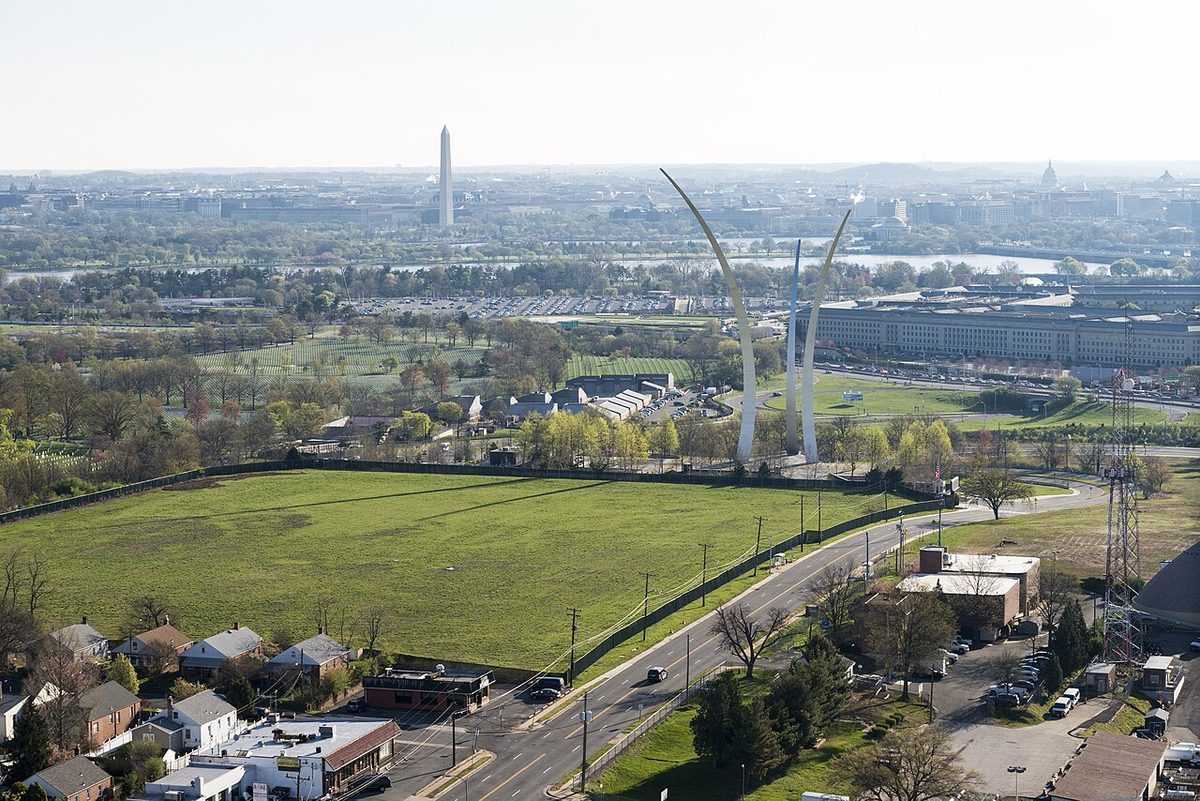
Arlington, Virginia, from the air in 2018: the Air Force Memorial and Arlington National Cemetery, beside the Pentagon. Arlington National Cemetery · Public domain
Twitter whitelisted Arabic accounts used by US Central Command.
Lee Fang reported that in 2017 a CENTCOM official sent Twitter 52 Arabic-language accounts “we use to amplify certain messages,” and Twitter gave them whitelist status. [1][2]
Some later changed into seemingly organic profiles. Emails from 2020 show executives knew of the network “and did not suspend the accounts,” Fang wrote, and some ran until May 2022 or later. [1]
In August 2022 Graphika and the Stanford Internet Observatory exposed the network in a report called “Unheard Voice.” [3] This finding cuts against the idea that Stanford researchers only targeted the right.
Bottom line Documented
Twitter helped the US military run covert accounts, against its own rules.
What the record can’t settle
The Pentagon has not explained the accounts in full.
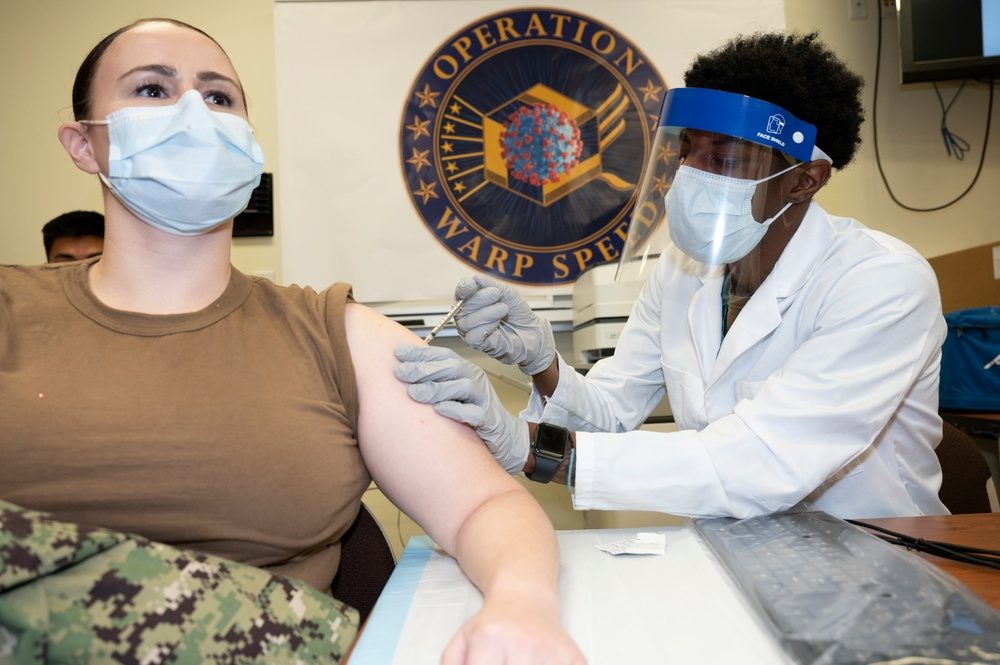
Medical staff are vaccinated at Walter Reed, December 2020. U.S. Department of Defense / Lisa Ferdinando · Public domain (https://www.dvidshub.net/about/copyright)
Both the Trump and Biden administrations pressed Twitter on COVID.
David Zweig wrote that “both the Trump and Biden administrations directly pressed Twitter.” Trump officials sought help with misinformation about “runs on grocery stores.” “But… there were runs on grocery stores,” Zweig added. [1]
One of the Biden team’s first meeting requests focused on “anti-vaxxer accounts,” especially Alex Berenson. [1] Zweig also showed bots and contractors “in places like the Philippines” moderating complex medical claims. [1]
Martin Kulldorff was “Exhibit A”: a tweet of expert opinion was labelled misleading. [1]
Bottom line Documented
Pressure crossed administrations; crude systems did the work.
Alex Berenson at AmericaFest, 2025. Gage Skidmore · CC BY-SA 4.0 (https://creativecommons.org/licenses/by-sa/4.0)
Suspended in 2021, he sued. The cases ended in a government settlement and a loss in court.
Berenson was suspended hours after Biden said platforms were “killing people,” and removed the next month. [1] In 2025 a federal judge threw out his later lawsuit over the account’s termination. [2]
In May 2026 the Justice Department settled his claims against the government, citing an executive order that said the previous administration “trampled free speech rights.” [3]
In October 2026 an appeals court affirmed the dismissal of his claims against Pfizer’s Scott Gottlieb and Albert Bourla. [4]
Bottom line Documented
A government settlement, a lost private suit, and no ruling that the government coerced Twitter.
Renée DiResta of the Stanford Internet Observatory, 2022. Knight Foundation · CC BY-SA 2.0 (https://creativecommons.org/licenses/by-sa/2.0)
Taibbi said it targeted “true stories.” Its leaders said the email was cut.
Part 19 said the Virality Project worked with platforms through a shared Jira system and flagged “stories of true vaccine side effects” as actionable. [1]
In 2026 DiResta published the full email, saying Taibbi “cropped” it and fused separate list categories, and that the project issued “no pressure or recommendation to censor.” [2] Stanford said it “had no control over content moderation.” [3]
Both readings concern the same email; readers can compare it. [2]
Bottom line Disputed
Both sides agree the project flagged posts; they differ on why and what was asked.
Alex Berenson testifying before the Senate Judiciary Committee, 2022. United States Senate Committee on the Judiciary · Public domain
A Pfizer board member flagged a tweet about natural immunity.
Berenson reported that on 27 August 2021 Scott Gottlieb, then a Pfizer director, pressed Twitter about a tweet arguing natural immunity beat vaccine protection. [1]
Gottlieb was not a government official. A court later dismissed Berenson’s claims against him. [2]
Yoel Roth, Twitter’s former head of trust and safety, at the 2025 Knight Media Forum. Jennifer 8. Lee · CC BY-SA 4.0 (https://creativecommons.org/licenses/by-sa/4.0)
A dashboard on Russian influence was built on a secret list of mostly ordinary accounts.
Hamilton 68’s method rested on a hidden list of 644 accounts. Twitter staff reverse-engineered it and wrote: “These accounts are neither strongly Russian nor strongly bots.” Roth wanted to “call this out on the bullshit it is.” [1]
The Alliance for Securing Democracy answered that the dashboard tracked accounts that amplified Russian themes and “was not designed to identify Russian bot networks.” [2] It said it used no government money. [2]
Media outlets cited the dashboard for years as a measure of Russian activity. [1]
Bottom line Documented
Twitter’s own staff doubted it; its makers said it was misread.
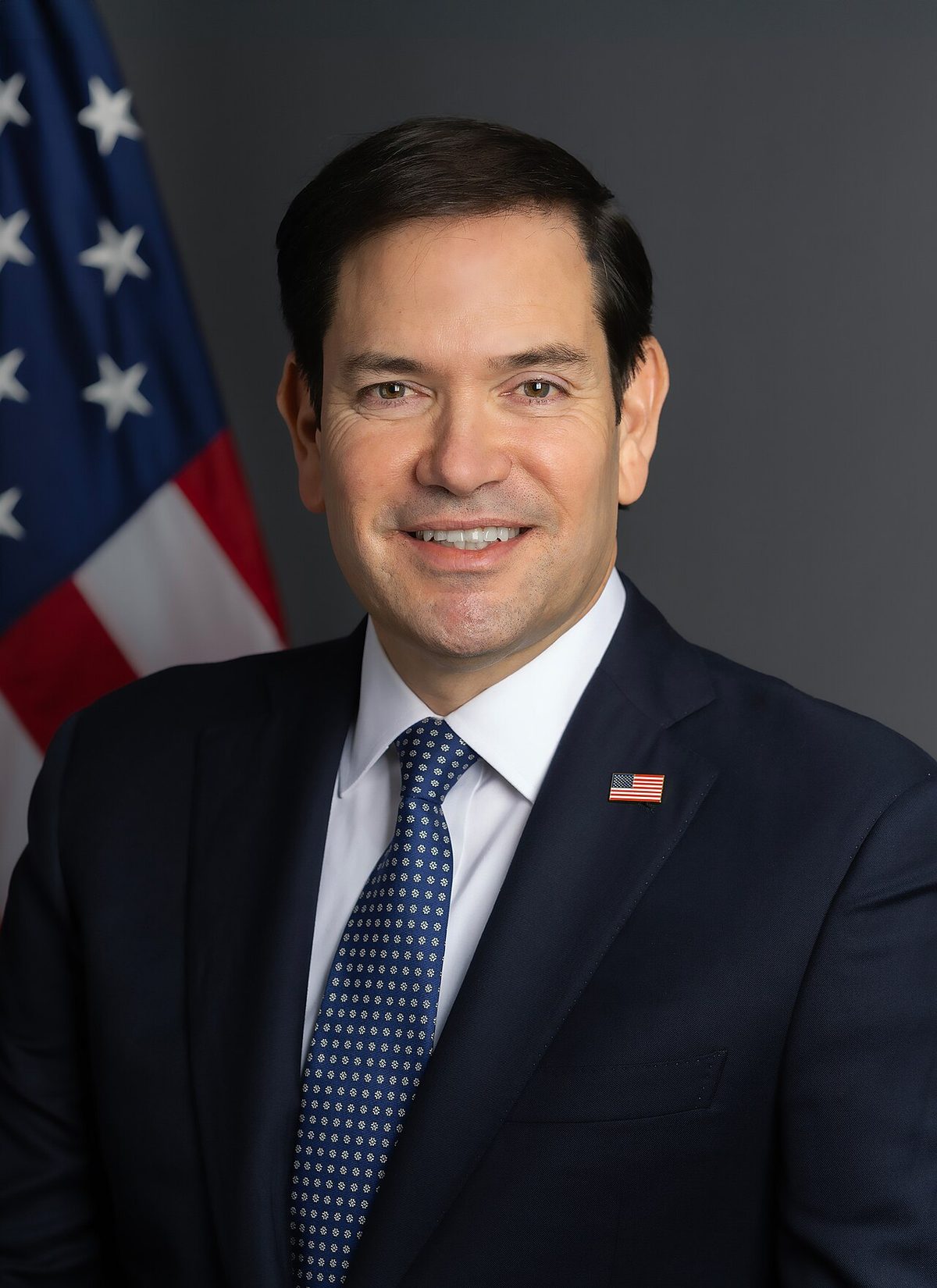
Secretary of State Marco Rubio, January 2025. U.S. Department of State · Public domain
A State Department–funded lab sent a list of 40,000 accounts. Roth found most were real people.
In June 2021 the Atlantic Council’s DFRLab sent Twitter around 40,000 accounts suspected of being paid by India’s ruling party. Many were ordinary Americans. Roth replied that “virtually all appear to be real people.” [1]
DFRLab was funded in part by the State Department’s Global Engagement Center. Its director said the grants had “an exclusively international focus.” [1]
The GEC’s authority lapsed in December 2024. [2] In April 2025 Rubio closed its successor office, which he said “cost taxpayers more than $50 million per year.” [3]
Bottom line Documented
Twitter rejected a bad list from a government-funded lab.
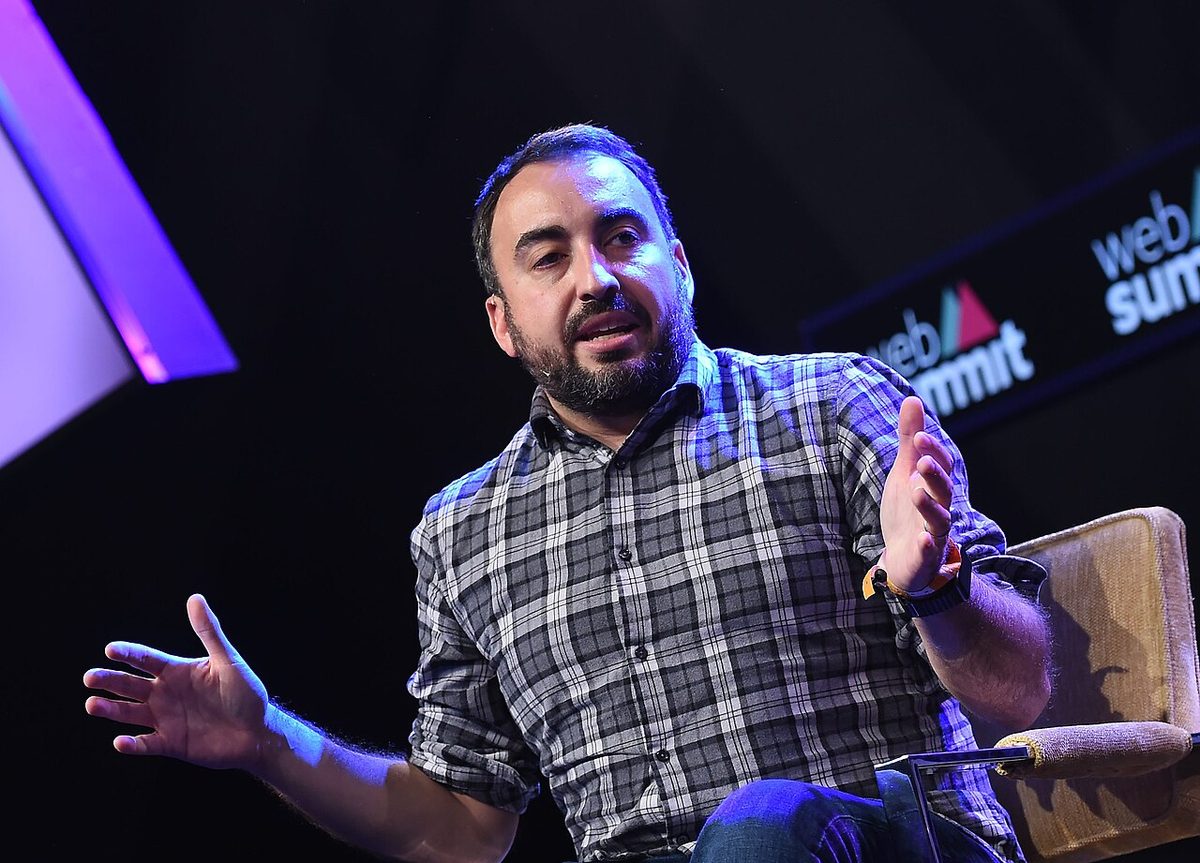
Alex Stamos at Web Summit, 2015. Web Summit · CC BY 2.0 (https://creativecommons.org/licenses/by/2.0)
A Stanford-led project tracked 2020 election claims and sent tickets to platforms.
The EIP brought together Stanford, the University of Washington, Graphika and the Atlantic Council’s DFRLab in 2020. [1] A House Republican report said internal emails described it as created “at the request of DHS/CISA” and that CISA could see its tickets. [2]
Stamos told Congress the goal was to fill “three big gaps,” starting with a real-time record of what was being posted. [3] Taibbi quoted a video of him saying it would “fill the gap of things the government couldn’t do.” [4]
Stanford said the EIP “had no control over content moderation,” and that Twitter took no action where posts did not break its rules. [5]
Bottom line Mixed
A close link to government, with no proof it controlled decisions.
What the record can’t settle
The two readings of Stamos’s words remain in dispute.
Michael Shellenberger in 2017. Michael Shellenberger · CC BY-SA 4.0 (https://creativecommons.org/licenses/by-sa/4.0)
Shellenberger’s name for the network, and its critics.
Shellenberger told Congress that taxpayers were “unwittingly financing the growth and power of a censorship industrial complex run by America’s scientific and technological elite.” [1]
Andrew Lowenthal’s liber-net later mapped the groups and funders. [2] In December 2025 the State Department used the term itself in imposing visa bans. [3]
Researchers rejected the framing. Stanford said its work produced “public factual findings.” [4]
Bottom line Disputed
The links are documented; whether they form one complex is the argument.
What the record can’t settle
The term implies coordination the documents only partly show.
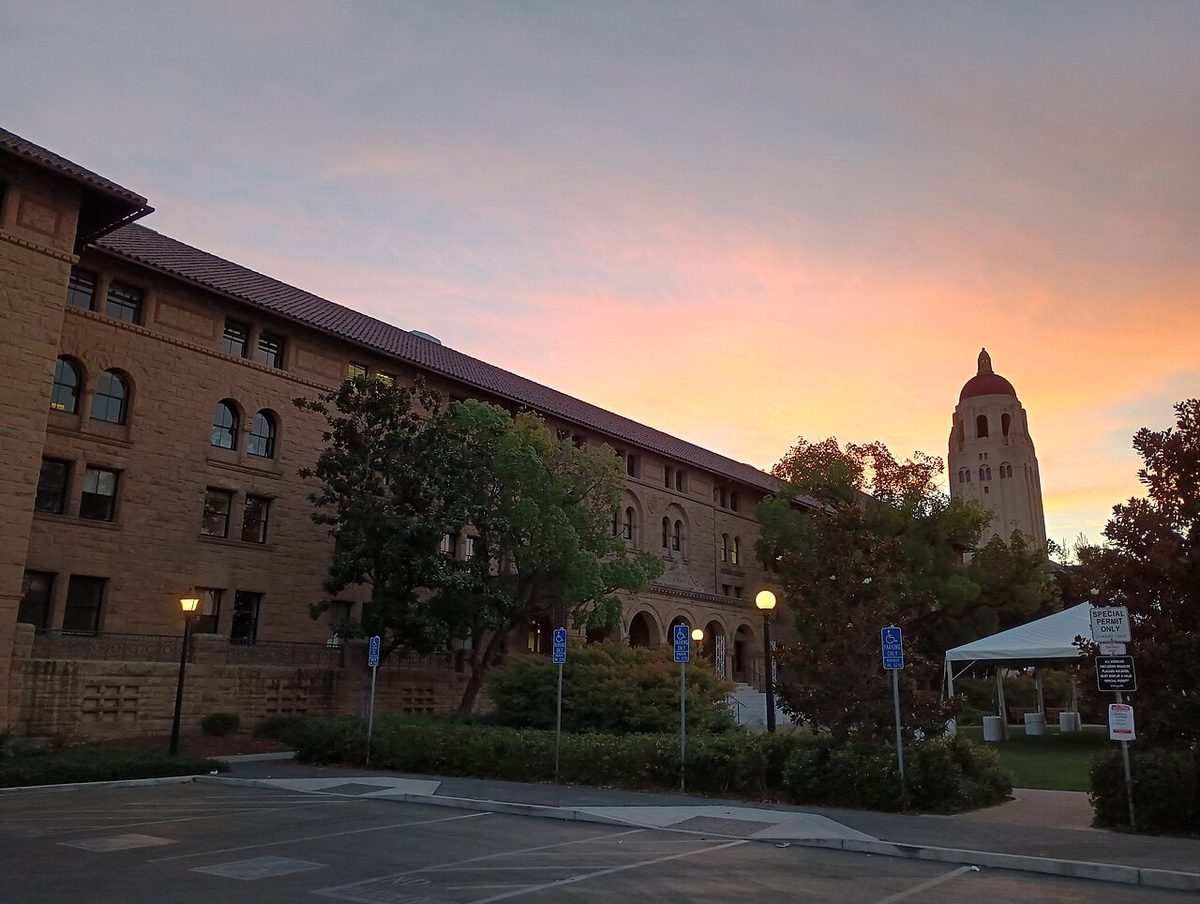
Encina Hall at Stanford University, home of the Stanford Internet Observatory. Effeietsanders · CC BY-SA 4.0 (https://creativecommons.org/licenses/by-sa/4.0)
The Stanford Internet Observatory was dismantled in 2024.
Platformer reported in June 2024 that the observatory was “winding down.” It had been “sued three times by conservative groups,” costing Stanford “millions of dollars,” and subpoenaed by Jordan’s subcommittee. [1][2]
In December 2024 a federal court in Louisiana let one of those suits, Hines v. Stamos, proceed to discovery. [3]
Bottom line Documented
The pressure worked on the institution, whatever the courts decide.
What the record can’t settle
Stanford said the work would continue in other forms.
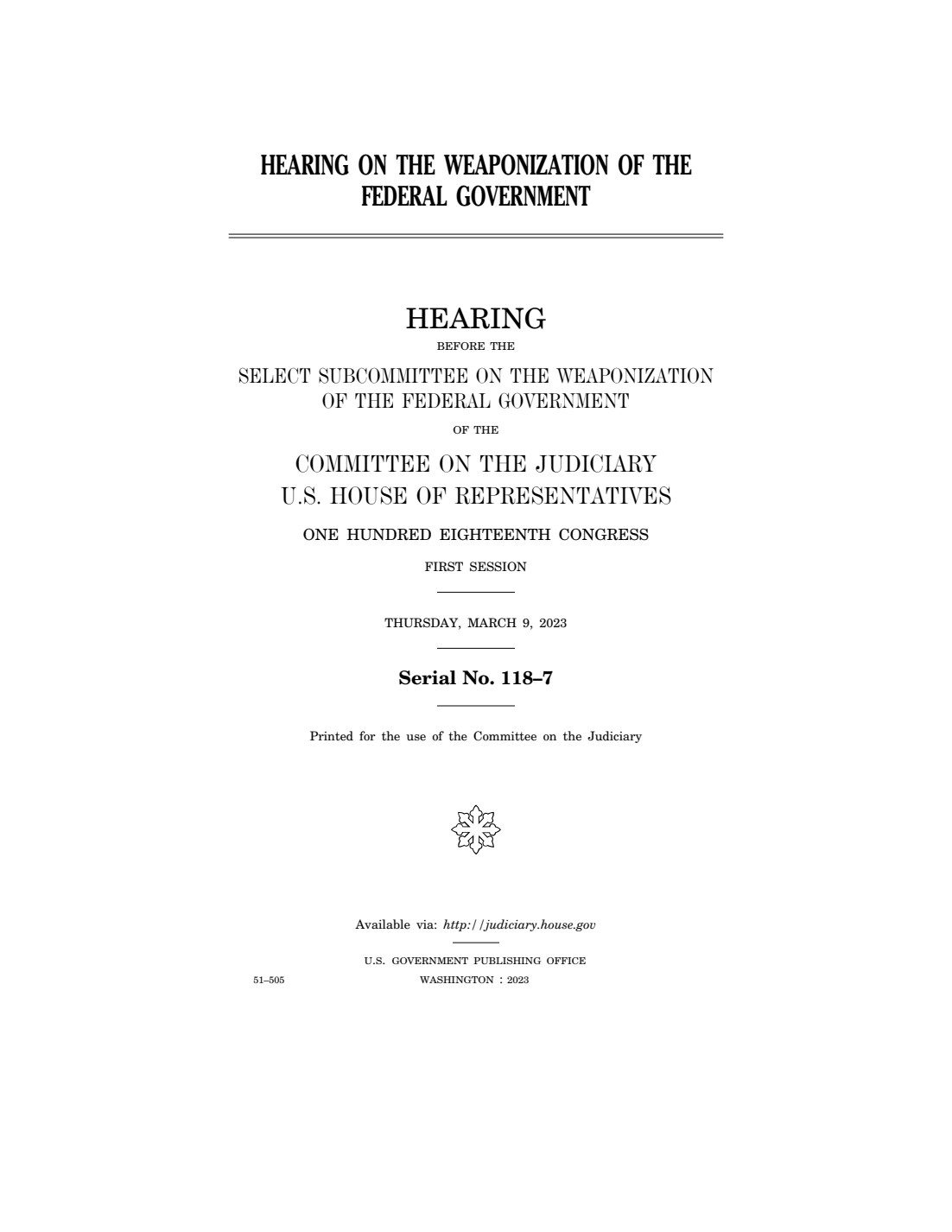
The cover of the transcript of the March 9, 2023 House hearing on the Twitter Files. U.S. Government Publishing Office · Public domain (https://www.copyright.gov/title17/92chap1.html#105)
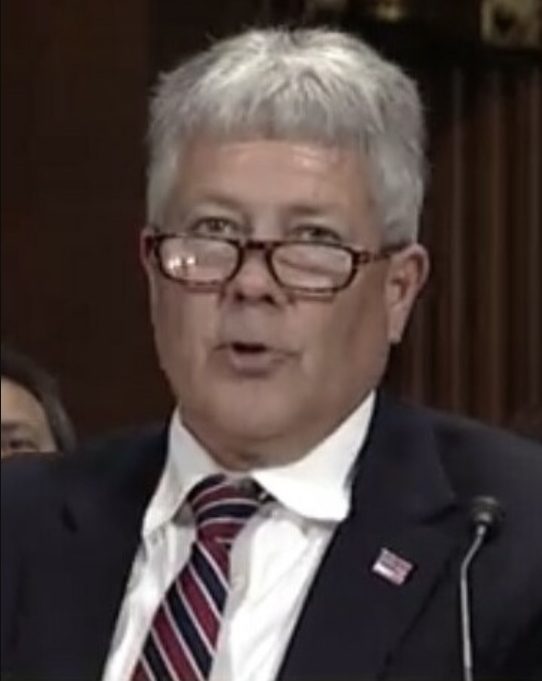
Twitter’s former leaders told the House Oversight Committee the laptop block was a mistake, made without the government.
On 8 February 2023 Vijaya Gadde, Jim Baker, Yoel Roth and Anika Navaroli testified before the House Oversight Committee. [1]
Roth said: “Twitter made a mistake” in blocking the Post’s laptop stories under the hacked-materials policy, which “was not meant to be a tool to censor news.” He said he had recommended a milder step. [2] Gadde said the company had “reversed course.” [3]
Navaroli said that if Congress was to talk about social media and government, “we need to talk about Twitter’s failure to act before January 6th.” [4]
Bottom line Documented
The people who ran Twitter admitted the laptop mistake and denied government orders.
What the record can’t settle
Their written statements are self-serving as well as sworn.
The cover of the transcript of the March 9, 2023 House hearing on the Twitter Files. U.S. Government Publishing Office · Public domain (https://www.copyright.gov/title17/92chap1.html#105)
Taibbi and Shellenberger testified. Democrats attacked the reporters; Republicans praised them.
On 9 March 2023 Taibbi and Shellenberger appeared before Jordan’s Weaponization Subcommittee. Shellenberger warned of a “censorship industrial complex.” [1]
Plaskett called them “Elon Musk’s public scribes.” Wasserman Schultz pressed Shellenberger on the $3.4 million, and Taibbi agreed he had published 338 of about 100,000 emails. [1]
Taibbi said government lists swept up left-wing outlets too, including Truthout and Consortium: “Some of those people are my friends actually.” [1]
Bottom line Documented
A hearing about the files became a hearing about the reporters.
Matt Taibbi talking to Occupy Wall Street activists in Bryant Park, New York. OccupyTVNY · CC BY 3.0 (https://creativecommons.org/licenses/by/3.0)
An IRS agent visited Taibbi’s home the day he testified.
Jordan’s committee found that the IRS opened an examination of Taibbi’s 2018 return on 24 December 2022, “Christmas Eve and a Saturday,” and that an agent visited his home on the day he testified. [1]
In July 2023 the IRS ended most unannounced visits to taxpayers. [2][3]
Bottom line Documented
The timing is documented. A motive was never shown.
Judge Terry Doughty of the Western District of Louisiana. US Senate · Public domain
A judge called it possibly “the most massive attack against free speech” in US history.
On 4 July 2023 Judge Terry Doughty barred many federal agencies from contacting platforms about protected speech. He wrote that, if the allegations were true, the case “arguably involves the most massive attack against free speech in United States’ history.” [1]
The Fifth Circuit agreed that officials’ messages made them responsible for platforms’ decisions and “affirmed a sweeping preliminary injunction,” as the Supreme Court later described it. [2]
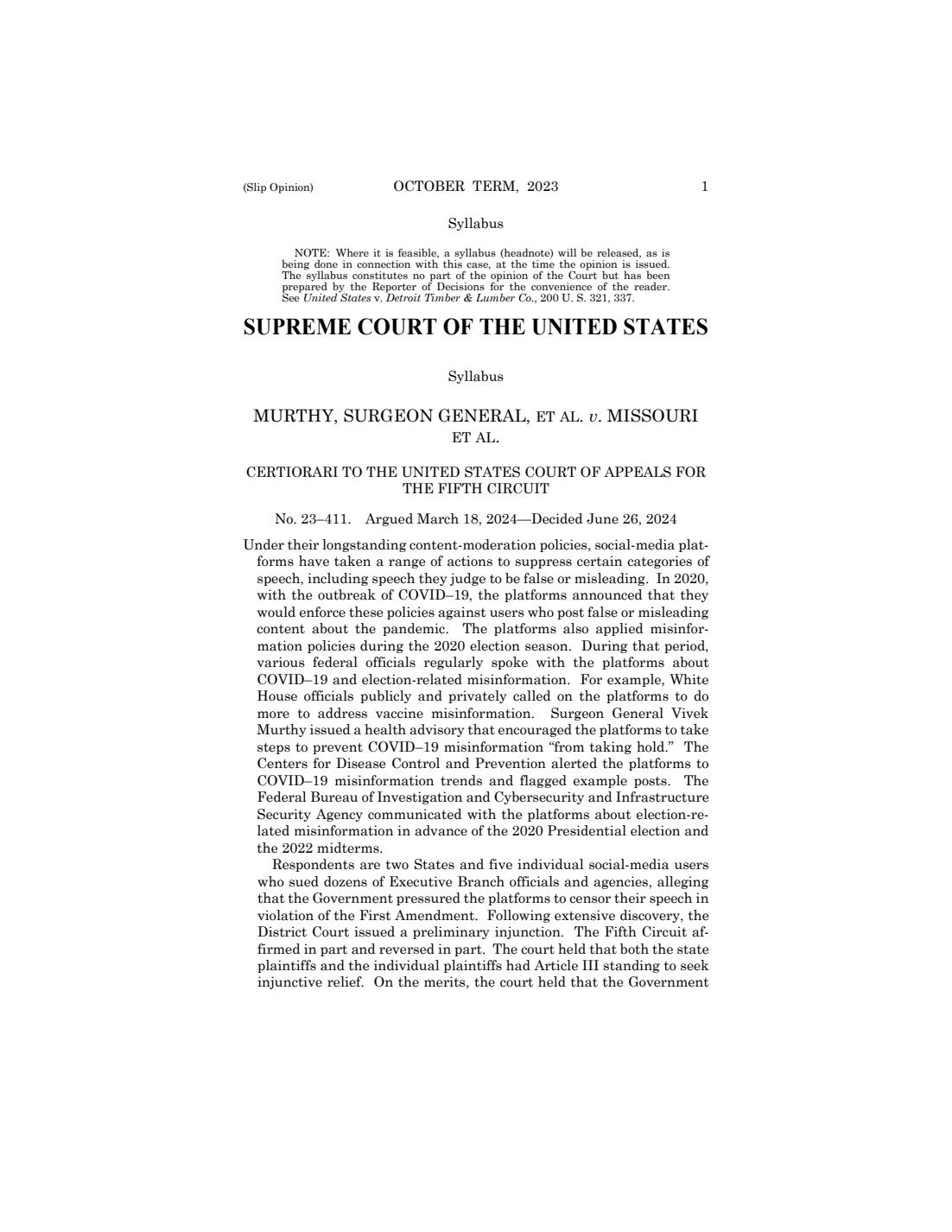
The first page of the syllabus in Murthy v. Missouri, 26 June 2024. Supreme Court of the United States · Public domain (https://www.copyright.gov/title17/92chap1.html#105)
The Supreme Court ruled the plaintiffs lacked standing.
On 26 June 2024, by 6–3, the Court held that the plaintiffs “fail, by and large, to link their past social-media restrictions and the defendants’ communications with the platforms.” Justice Barrett wrote for the Court. [1]
The platforms had begun restricting content before the challenged contacts, she noted. [1]
Justice Alito, joined by Thomas and Gorsuch, dissented, calling it potentially “one of the most important free speech cases to reach this Court in years.” [1]
Bottom line Documented
No ruling on the merits; no finding that coercion happened or did not.
The U.S. Supreme Court building. Unknown · Public domain
In 2023 Twitter, under Musk, told a court the files did not show coercion.
In a June 2023 filing in Trump’s suit against Twitter, the company’s lawyers wrote that the communications “do not contain a specific government demand to remove content—let alone one backed by the threat of government sanction.” [1]
They said the files showed the FBI “issued general updates about their efforts to combat foreign interference.” [1]
Bottom line Documented
Musk’s company argued in court against Musk’s public claim.
What the record can’t settle
Lawyers argue for their client; the filing is advocacy too.
The U.S. Supreme Court building. Unknown · Public domain
In 2026 the government settled two censorship suits.
In March 2026 the government signed a consent decree in Missouri v. Biden. It says the government cannot “threaten Social-Media Companies with some form of punishment” unless they suppress protected speech. [1]
The decree also says it “shall not be construed as evidence or as an admission” about the facts. [1]
In April 2026 the State Department settled a suit by Texas, the Daily Wire and the Federalist. It agreed not to fund tools meant to suppress or downgrade Americans’ protected speech. [2]
Bottom line Documented
The new administration settled cases against the old one on terms it agreed with.
The U.S. Supreme Court building. Unknown · Public domain
A unanimous Court said officials may not coerce private firms to punish speech.
In May 2024 the Court ruled unanimously, in an opinion by Justice Sotomayor, that “the First Amendment prohibits government officials from wielding their power selectively to punish or suppress speech, directly or… through private intermediaries.” [1]
The ruling drew a line between “permissible attempts to persuade and impermissible attempts to coerce.” [1]
Bottom line Documented
The test for coercion is now clear; applying it to Twitter is not.
What the record can’t settle
Vullo concerned insurers and a gun group, not platforms.
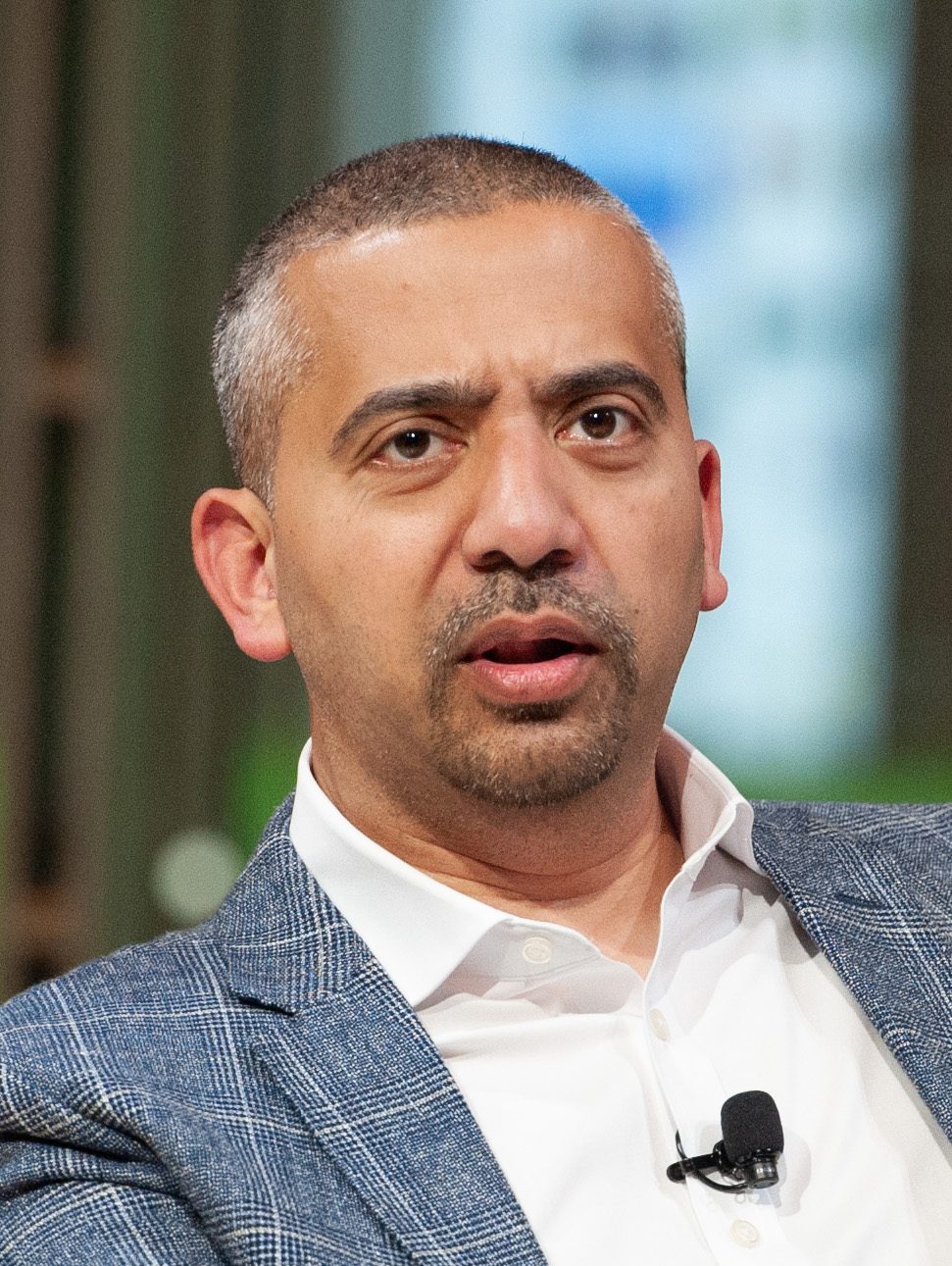
Mehdi Hasan, founder of Zeteo, at the 2026 Status Summit. SWinxy · CC BY 4.0 (https://creativecommons.org/licenses/by/4.0)
A cable interview turned on an acronym.
In April 2023 Mehdi Hasan confronted Taibbi on MSNBC over a tweet that confused the Center for Internet Security (CIS) with the Cybersecurity and Infrastructure Security Agency (CISA). [1][2]
Taibbi acknowledged the conflation. He wrote that Hasan was accusing him of lying to Congress, “a felony charge,” and argued that “CISA absolutely was a partner to the EIP, as was the CIS.” [1]
Matt Taibbi talking to Occupy Wall Street activists in Bryant Park, New York. OccupyTVNY · CC BY 3.0 (https://creativecommons.org/licenses/by/3.0)
In April 2023 Twitter blocked Substack links. Taibbi left Twitter.
On 7 April 2023 Taibbi learned that “Substack links were being blocked on Twitter” over the rival Substack Notes feature. Offered the option to post on Twitter instead, he wrote, “I’m staying at Substack.” [1]
His post was headlined “On staying at Substack, and leaving Twitter, I guess.” [1]
Bottom line Documented
The writer who exposed throttling was throttled by the new owner.
What the record can’t settle
Twitter’s side of the dispute was not set out in writing.
Yoel Roth, Twitter’s former head of trust and safety, at the 2025 Knight Media Forum. Jennifer 8. Lee · CC BY-SA 4.0 (https://creativecommons.org/licenses/by-sa/4.0)
Roth fled his home after threats followed Musk’s posts.
In December 2022 Roth left his home because of threats, CNN reported. Musk had appeared to endorse a tweet that baselessly accused Roth of sympathy for pedophilia. [1]
Threats against Roth “escalated exponentially” after that, a person familiar with his situation said. [1]
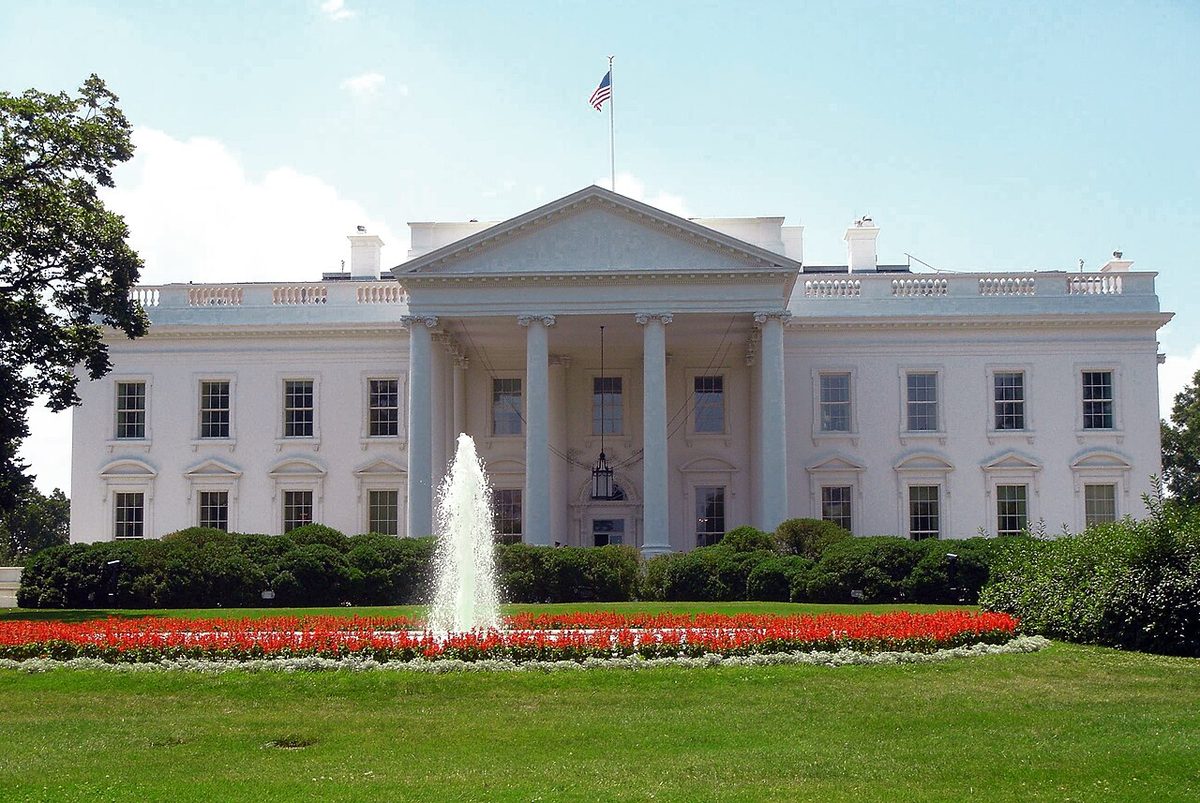
The north front of the White House. Nishkid64 · Public domain
Trump’s first-day order made the files’ thesis federal policy.
Executive Order 14149, signed 20 January 2025, said the previous administration had pressured social media companies “to moderate, deplatform, or otherwise suppress speech that the Federal Government did not approve.” [1]
Its language later appeared in the Missouri decree and the Berenson settlement. [2][3]
Bottom line Documented
A political finding, not a judicial one.
What the record can’t settle
An order states policy; it does not prove past facts.
Secretary of State Marco Rubio, January 2025. U.S. Department of State · Public domain
Its authority lapsed in 2024 and its successor was shut in 2025.
The Global Engagement Center’s authority expired on 23 December 2024. [1] On 16 April 2025 Rubio closed its successor, R/FIMI, saying it had “spent millions of dollars to actively silence and censor the voices of Americans.” [2]
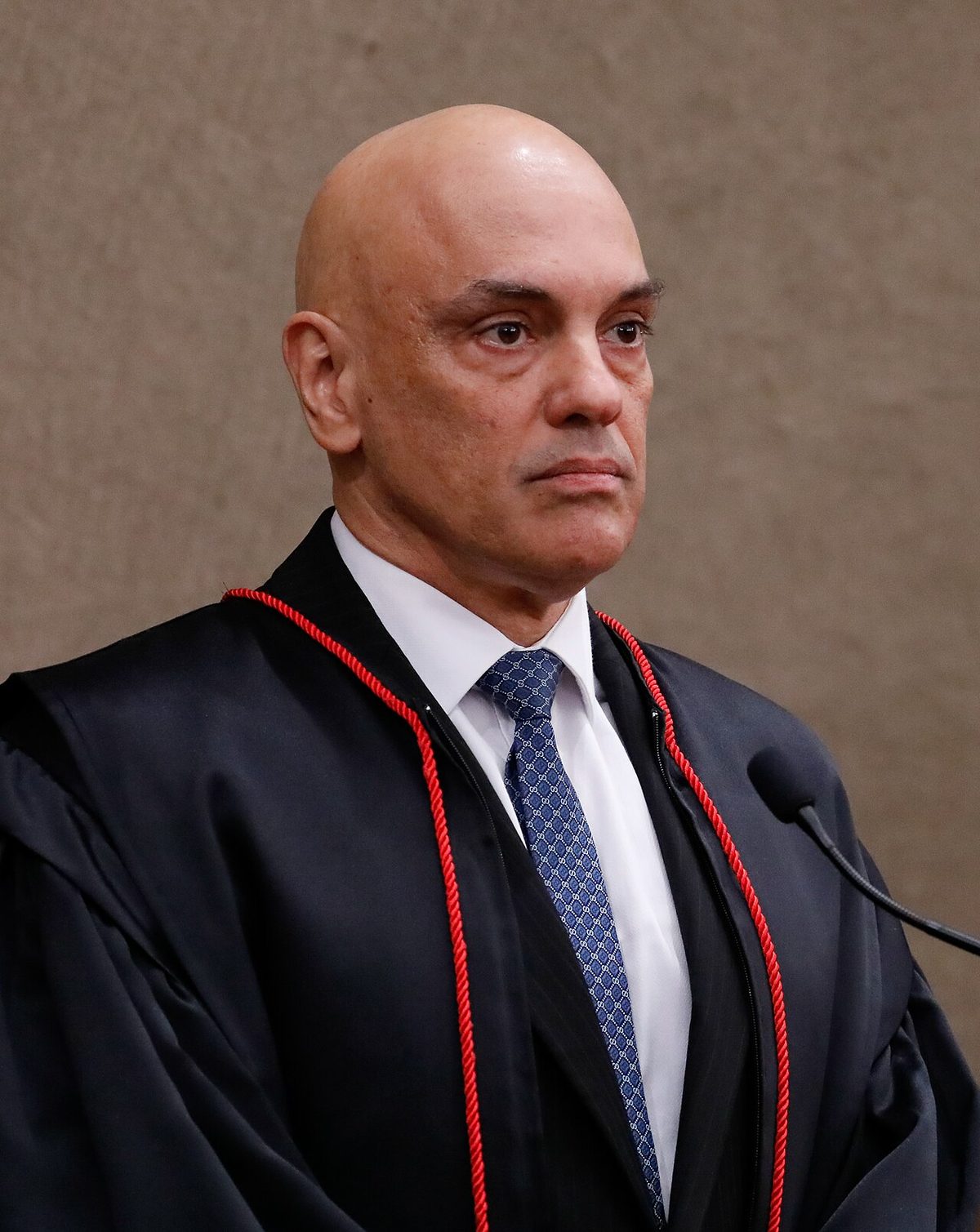
Justice Alexandre de Moraes of Brazil’s Supreme Federal Court, 2022. Isac Nóbrega · CC BY 2.0 (https://creativecommons.org/licenses/by/2.0)
Under Musk, X complied with many government requests and blocked some speech.
In late 2024 X reported acting on about 82% of government removal requests worldwide. [1] In Brazil, X paid about $5 million in fines and blocked accounts to get back online. [2]
In September 2024 X suspended Ken Klippenstein and blocked links after he posted a Vance dossier said to come from an Iranian hack, citing private personal information. [3] The case echoed the 2020 hacked-materials decision.
In September 2026 Turkey ordered access blocks on at least 1,270 X accounts; X withheld 1,139 of them in Turkey, according to the İFÖD free-expression group. [4]
Bottom line Documented
The new owner faced the same choices, and often chose like the old one.
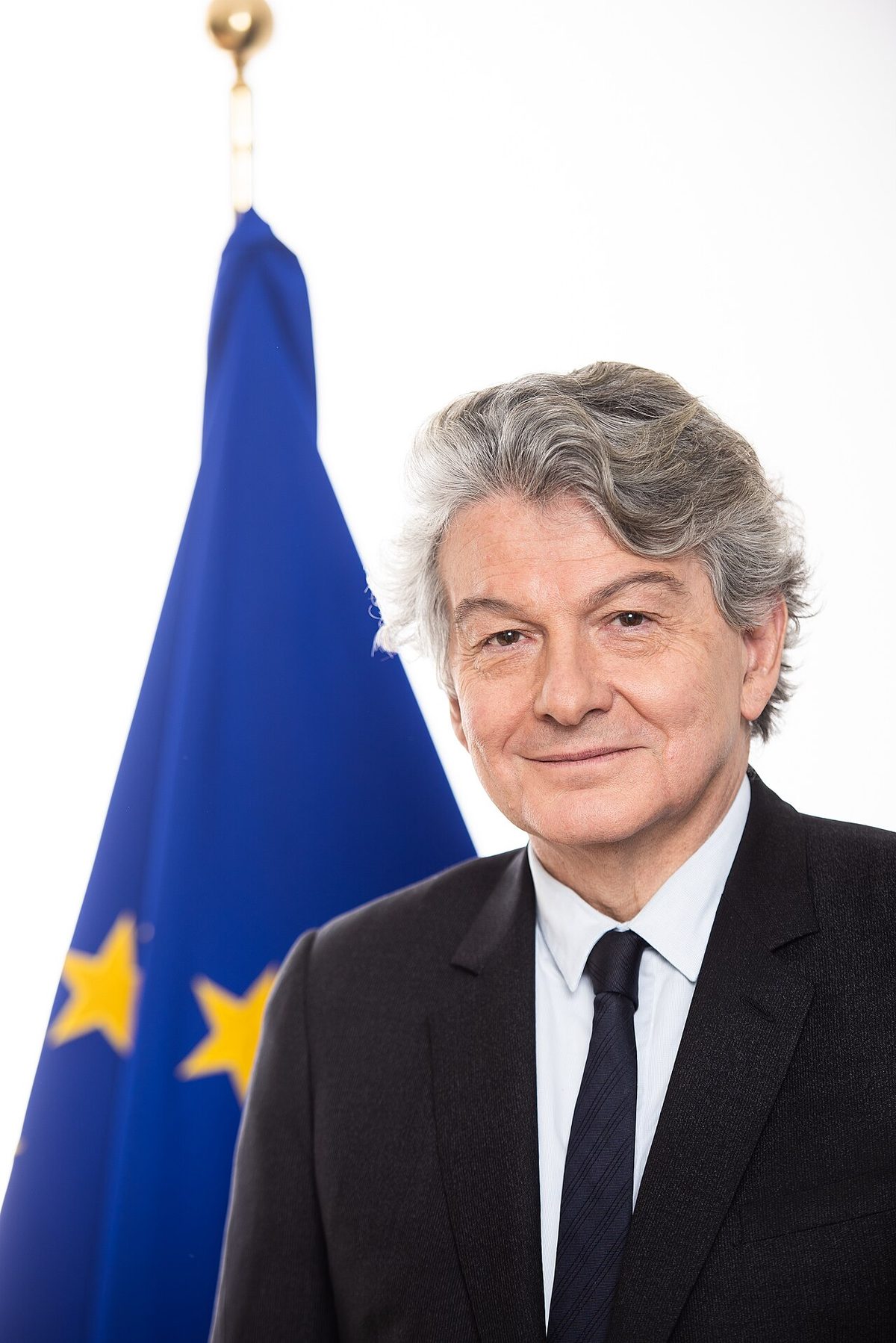
Thierry Breton, European commissioner for the internal market. Christophe Licoppe - European Commission · CC BY 4.0 (https://creativecommons.org/licenses/by/4.0)
In December 2025 the US barred five Europeans it linked to censorship.
On 23 December 2025 the State Department announced visa bans as part of action against what it called the “global censorship-industrial complex.” Those named included Thierry Breton and Imran Ahmed. [1][2]
Rubio said the five had led “organized efforts to coerce American platforms to censor, demonetize, and suppress American viewpoints they oppose.” [3]
Bottom line Documented
The phrase from the 2023 hearing became US foreign policy.
What the record can’t settle
The State Department did not publish its evidence for each person.
Comment, dispute or support a claim, submit a source or rate this page through a short Google Form. It asks you to sign in with Google so we know you are a real person; your email is never shown. Nothing appears here until it has been reviewed. Conversation on X tagged #AIFiles #TwitterFiles shows up below after the daily refresh.
Approved reader comments and ratings are shown on the interactive edition. This plain reading edition does not load them.
On X
This plain reading edition does not load posts. You can read this subject’s threads on the forum: Forum: #TwitterFiles.
Reader comments are shown only after review, and rows removed from the form’s sheet disappear at the next refresh. X posts are a read-only daily snapshot; posts deleted or made private there are removed at the next refresh. Inclusion is not endorsement. A submitted source stays pending review until a page update says otherwise.

Approved reader comments and ratings are shown on the interactive edition. This plain reading edition does not load them.