The AI Files · The 2020 aftermath, the Capitol attack, the cases and the pardons · plain reading edition
Trump and January 6: every entry
All 53 entries of the guide, grouped by period and case, each with its bottom line and its sources. This page needs no JavaScript. The interactive guide adds the story in 31 chapters, the people, the timeline, the theories, the 29 checked claims and the media.
Visual timeline
48 dated events
The contest Nov – Dec 2020
The certified result
Margins, recounts and audits.
Biden’s certified margins
What happened · Documented
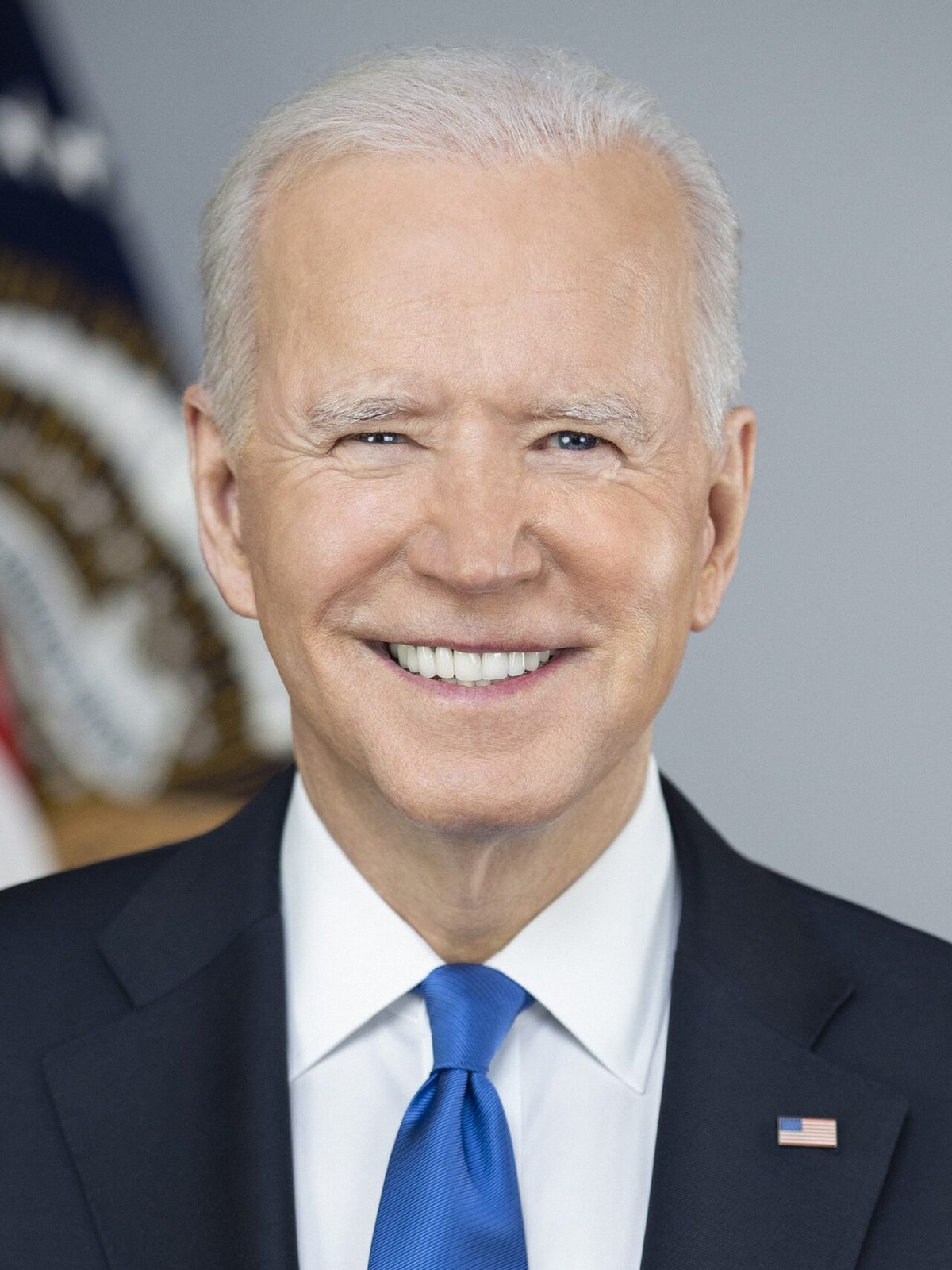
Official portrait of President Joe Biden, 2021. Adam Schultz · Public domain
The decisive states were decided by tens of thousands of votes, not hundreds.
Joe Biden defeated Donald Trump in the 2020 electoral vote, 306–232, after states certified their results and electors voted on 14 December. [1][2]
In the states that decided the election, the margins were large enough that flipping the result would have required changing or inventing tens of thousands of votes in several places at once: on the order of 12,000 in Georgia, 10,000 in Arizona and 20,000 in Wisconsin, among others. [2][1]
Every state completed its canvass. No state legislature flipped its electors after Election Day. [1]
Bottom line Documented
The certified count is the starting fact of this story.
What the record can’t settle
Exact county-level tables are in state canvass reports; this guide uses the round figures in the special-counsel and committee records.
Georgia Secretary of State Brad Raffensperger, 2022. Knight Foundation · CC BY-SA 2.0 (https://creativecommons.org/licenses/by-sa/2.0)
The hand tally matched the machines and upheld Biden’s win.
On 19 November 2020 Georgia’s secretary of state announced that a statewide hand audit of every paper presidential ballot had upheld the machine result. [1]
The audit was run by a Republican statewide official, Brad Raffensperger, whose office certified Biden as the winner. [1][2]
Hand counts are one of the few checks that do not depend on the same scanners critics attacked. Georgia’s matched. [1]
Bottom line Documented
If machines had flipped tens of thousands of Georgia votes, the hand tally should have shown it. It did not.
What the record can’t settle
Audits catch some classes of error better than others; they do not prove every allegation elsewhere false.
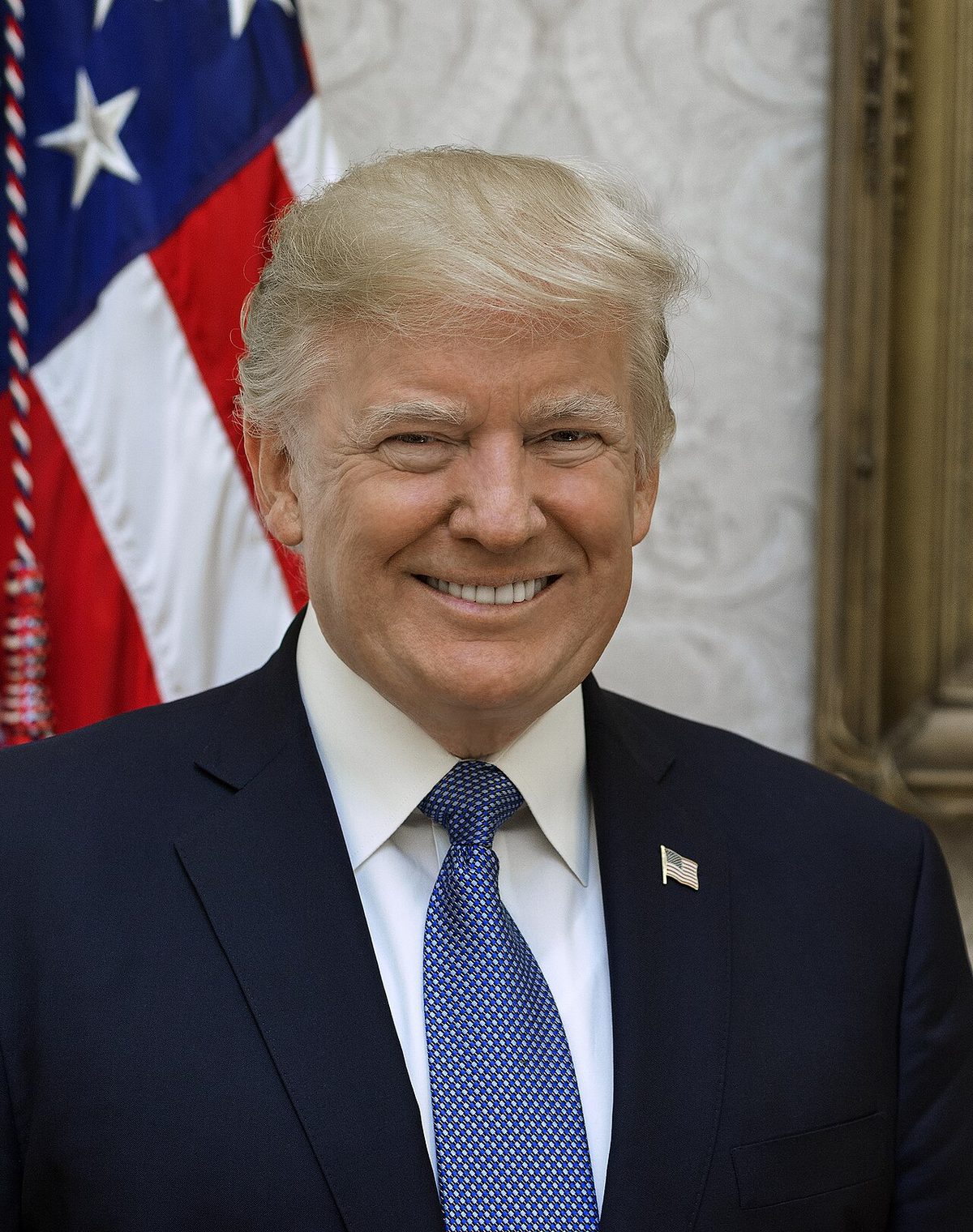
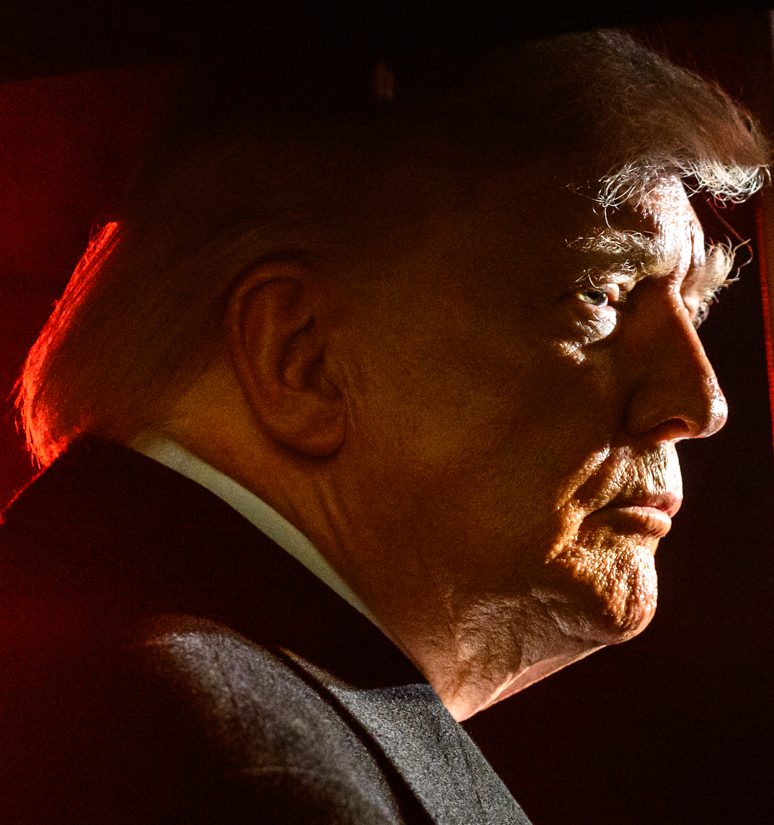
Official White House portrait of President Donald Trump, 2017. Shealeah Craighead · Public domain
Isolated fraud exists in every election; no record shows fraud on the scale needed to reverse 2020.
Trump and allies claimed for years that the election was stolen through widespread fraud. Special Counsel Jack Smith’s later report describes Trump being told repeatedly by his own officials that specific claims were false. [1]
Georgia’s hand audit, other states’ recounts, and dozens of court losses undercut the scale required. [2][3]
Real problems happened in 2020: pandemic rule changes, late-counted mail ballots, and some individual prosecutions for illegal voting. That is not the same as outcome-determinative fraud. [4]
Bottom line False
The central “stolen” claim does not hold up against audits, courts and Trump’s own attorney general.
What the record can’t settle
Smith’s report is a prosecutor’s account never tested at trial.
Trump fired the cybersecurity director who called the election secure
What happened · Documented
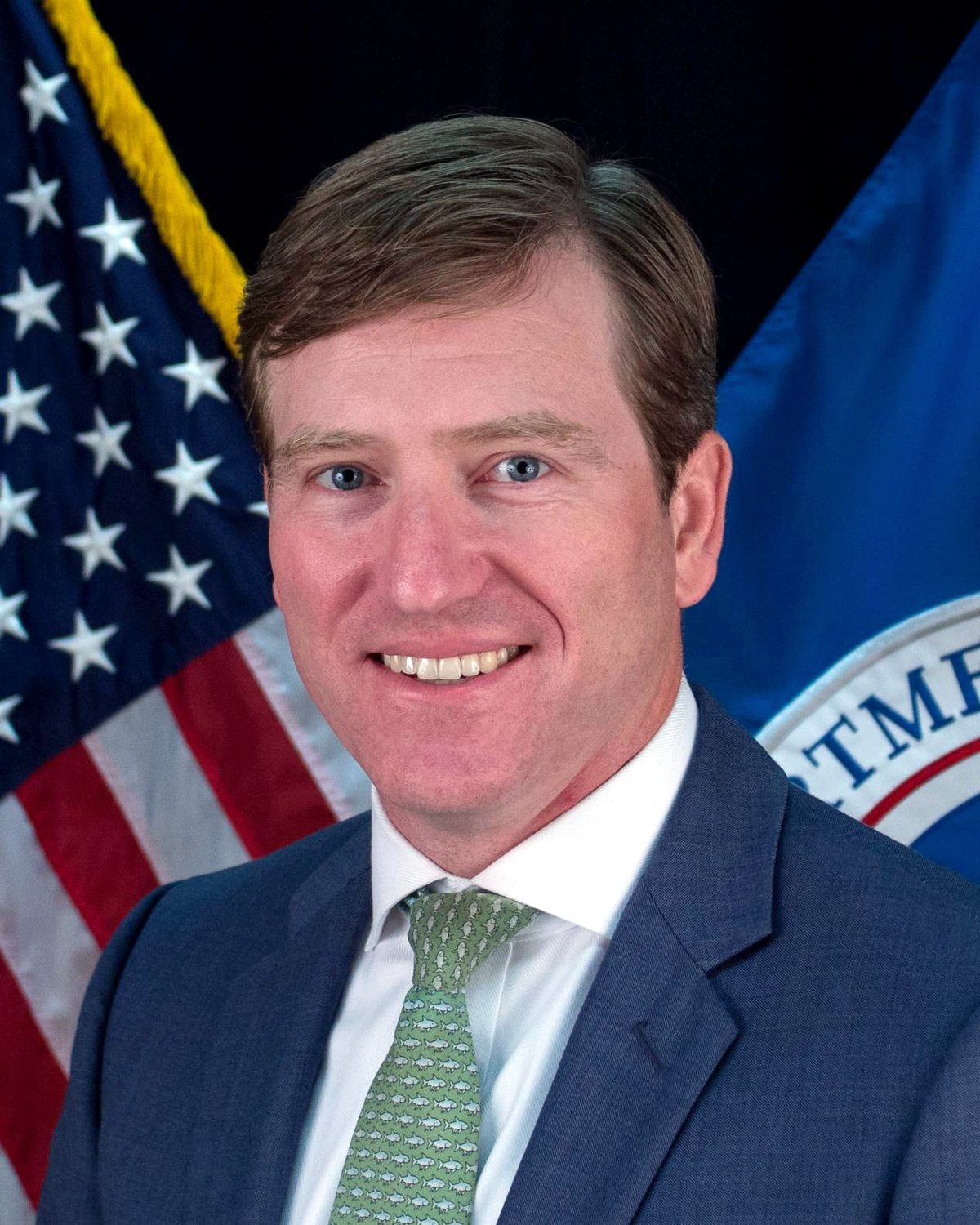
Chris Krebs, official portrait. United States Department of Homeland Security · Public domain
Chris Krebs’s agency said 2020 was the most secure election in American history; he was fired by tweet.
CISA Director Chris Krebs and a joint industry statement described the 2020 election as secure. Trump fired Krebs by Twitter on 1 December 2020. [1]
Firing a critic is not proof the critic was wrong. Krebs’s statement remains part of the official record of how the federal cybersecurity agency assessed the count. [1]
Bottom line Documented
Personnel retaliation does not create fraud evidence.
What the record can’t settle
CISA’s “most secure” phrasing is a judgment about systems, not a claim that zero illegal ballots existed.
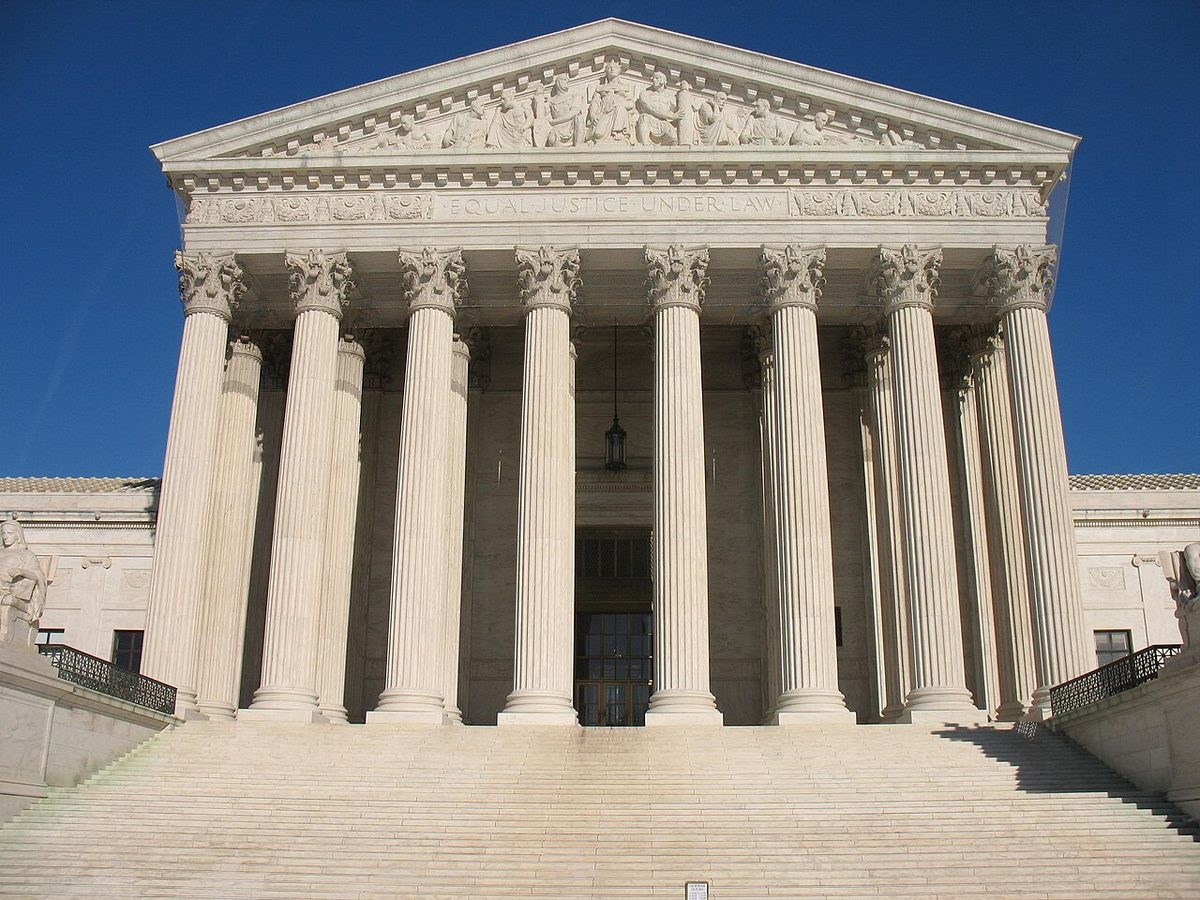
The Supreme Court of the United States. Photo by Mr. Kjetil Ree. · CC BY-SA 3.0 (https://creativecommons.org/licenses/by-sa/3.0)
Almost every post-election suit lost, including before Trump-appointed judges.
The Trump campaign and allies filed dozens of suits after Election Day. They lost nearly all of them, often because they did not produce evidence of fraud that would change a state’s result. [2][3]
In Pennsylvania, the Third Circuit—opinion by Judge Stephanos Bibas, a Trump appointee—wrote: “Calling an election unfair does not make it so. Charges require specific allegations and then proof. We have neither here.” [1]
On 11 December 2020 the Supreme Court dismissed Texas’s attempt to invalidate other states’ electors for lack of standing. [2]
Bottom line Documented
Court losses are not proof of a conspiracy; they are the ordinary place fraud claims go to die when evidence is thin.
What the record can’t settle
Some cases were dismissed on standing or timing rather than a full trial on the facts.
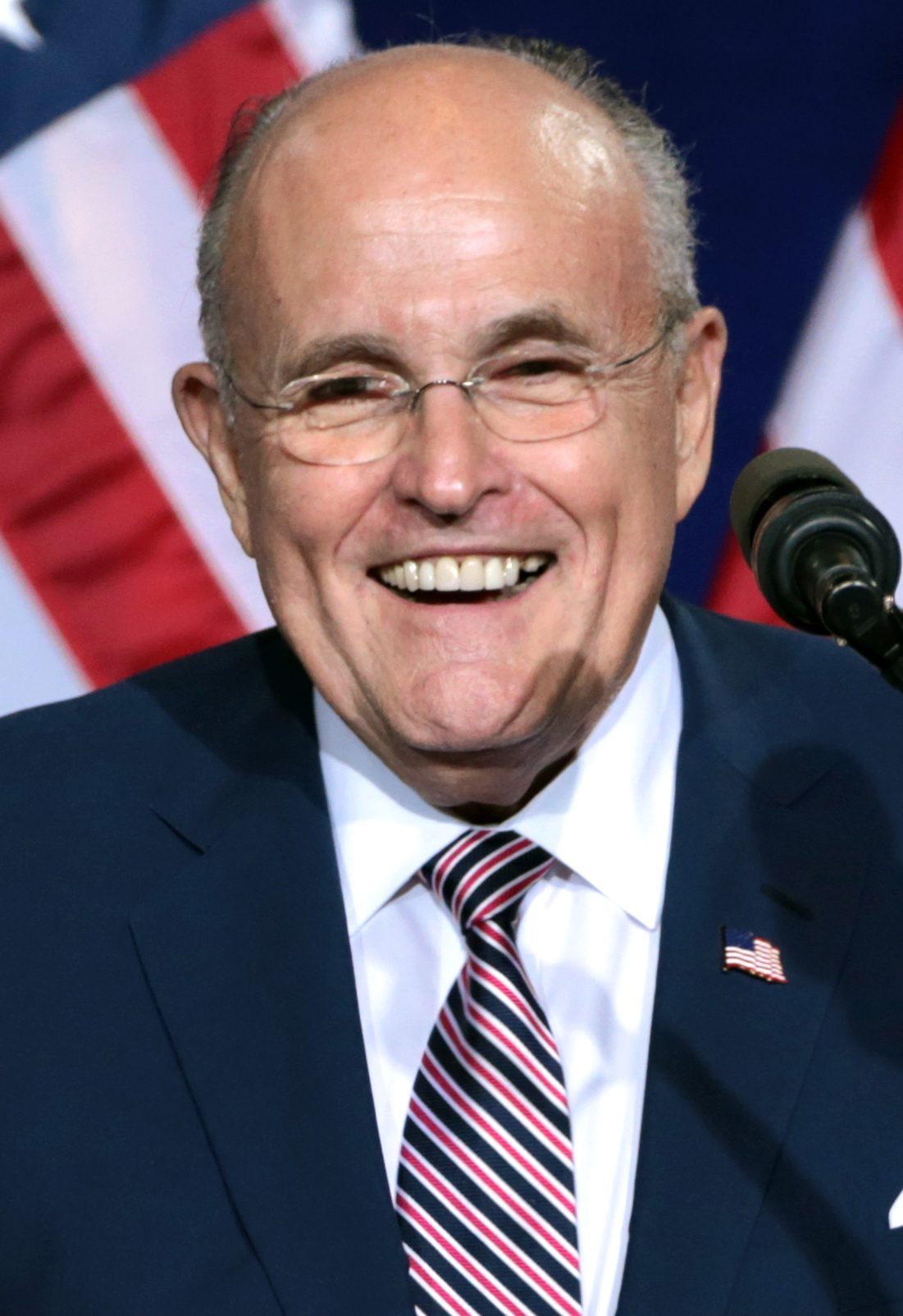
Rudy Giuliani speaking at an immigration policy event, 2016. Gage Skidmore · CC BY-SA 3.0 (https://creativecommons.org/licenses/by-sa/3.0)
Viral clips and films made specific claims; the ones that were tested in court or by officials failed.
Footage from State Farm Arena in Atlanta was said to show workers pulling “suitcases” of fake ballots. Georgia investigators said it showed ordinary ballot containers after observers had left. [1][2]
Rudy Giuliani’s accusations against election workers Ruby Freeman and Shaye Moss led a federal jury to order him to pay $148 million for defamation. [1]
Other viral theories—Italian satellites, Venezuela, bamboo fibers—never produced courtroom proof. [3]
Bottom line Mixed
A clip that feels like proof is not proof until it survives audit or cross-examination.
What the record can’t settle
Not every social-media claim was individually litigated.
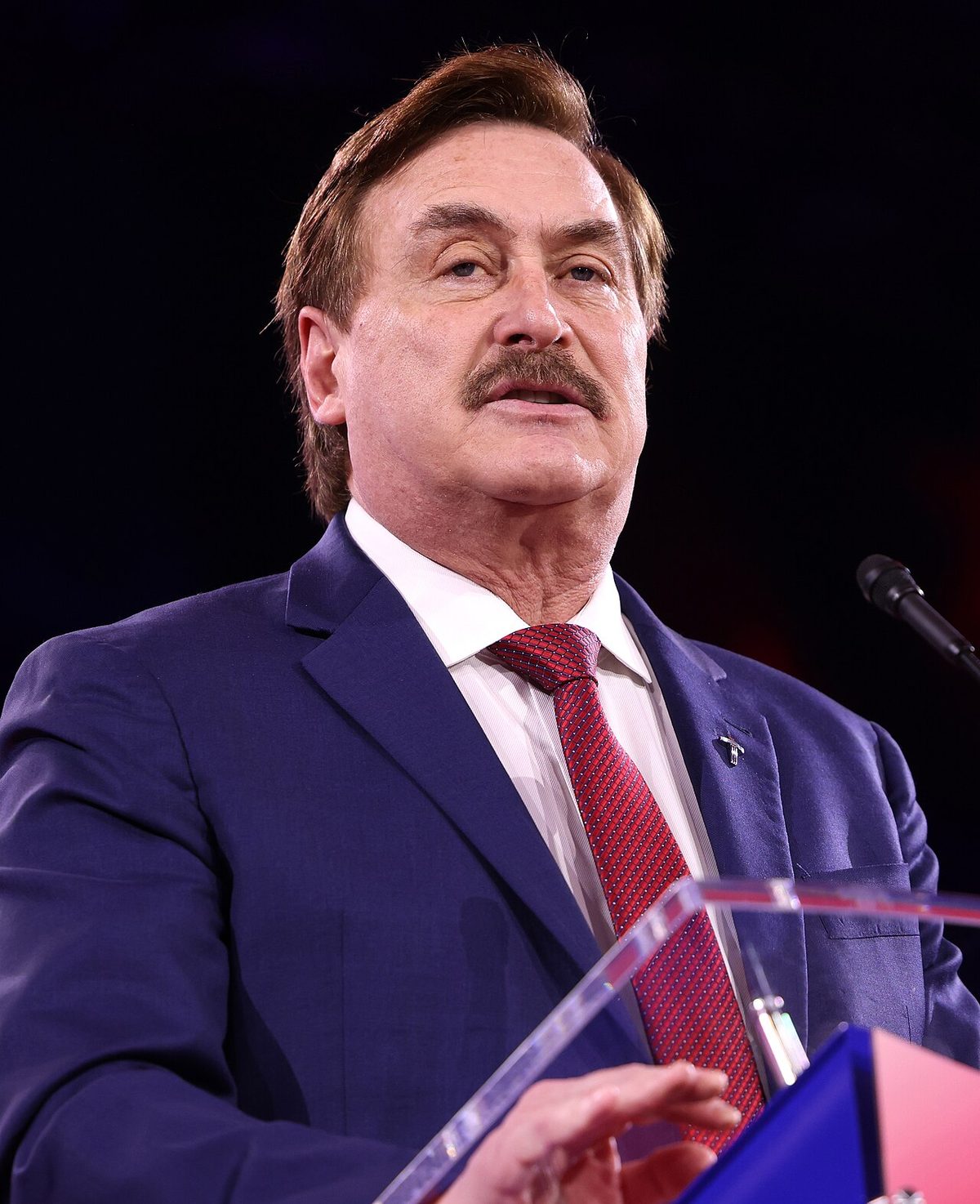
Mike Lindell speaking at an event in National Harbor, Maryland. Gage Skidmore · CC BY-SA 3.0 (https://creativecommons.org/licenses/by-sa/3.0)
A judge had already ruled that certain on-air claims about Dominion were false.
Dominion Voting Systems sued Fox News over false claims that its machines flipped votes. On the eve of trial in April 2023, Fox agreed to pay $787.5 million. [1]
The trial judge had already held that the specific claims at issue were false. The settlement is not a jury finding against every guest who ever mentioned Dominion, but it is a major corporate admission under court pressure. [1]
Georgia’s hand audit, which did not use Dominion’s software to retally, had already undercut the machine-flipping story in that state. [2]
Bottom line Documented
The settlement is about Fox’s broadcasts, not a secret confession by election officials.
What the record can’t settle
Settlement terms beyond the dollar figure and the court’s prior falsity ruling are limited in the public reporting used here.
Mike Lindell speaking at an event in National Harbor, Maryland. Gage Skidmore · CC BY-SA 3.0 (https://creativecommons.org/licenses/by-sa/3.0)
The film’s publisher apologized and withdrew it after featuring a man who was dropping off family ballots legally.
The 2022 film “2000 Mules” claimed cellphone data showed paid “mules” stuffing drop boxes. [1][2]
In May 2024 Salem Media apologized to a Georgia man the film treated as an example and pulled the movie; investigators had found he was delivering ballots for his own family, which Georgia law allowed. [1]
Cellphone geolocation is a blunt tool. Without named, proven illegal drop-offs, it does not show a national mule network. [1]
Bottom line False
A withdrawn film with a publisher’s apology is not a hidden proof of theft.
What the record can’t settle
Apology and withdrawal are not the same as a court judgment on every claim in the film.
Rudy Giuliani speaking at an immigration policy event, 2016. Gage Skidmore · CC BY-SA 3.0 (https://creativecommons.org/licenses/by-sa/3.0)
A jury found he defamed two Georgia election workers.
Rudy Giuliani repeatedly accused Ruby Freeman and Shaye Moss of ballot fraud based on the State Farm Arena video and related claims. [1]
In December 2023 a federal jury ordered him to pay $148 million. The verdict is a finding about his statements, not a ruling on every 2020 allegation. [1]
Bottom line Documented
Naming election workers as criminals on television has a price when the evidence fails.
What the record can’t settle
Collection of the judgment has been a separate fight.
Seven states produced unofficial Trump elector certificates
What happened · Documented
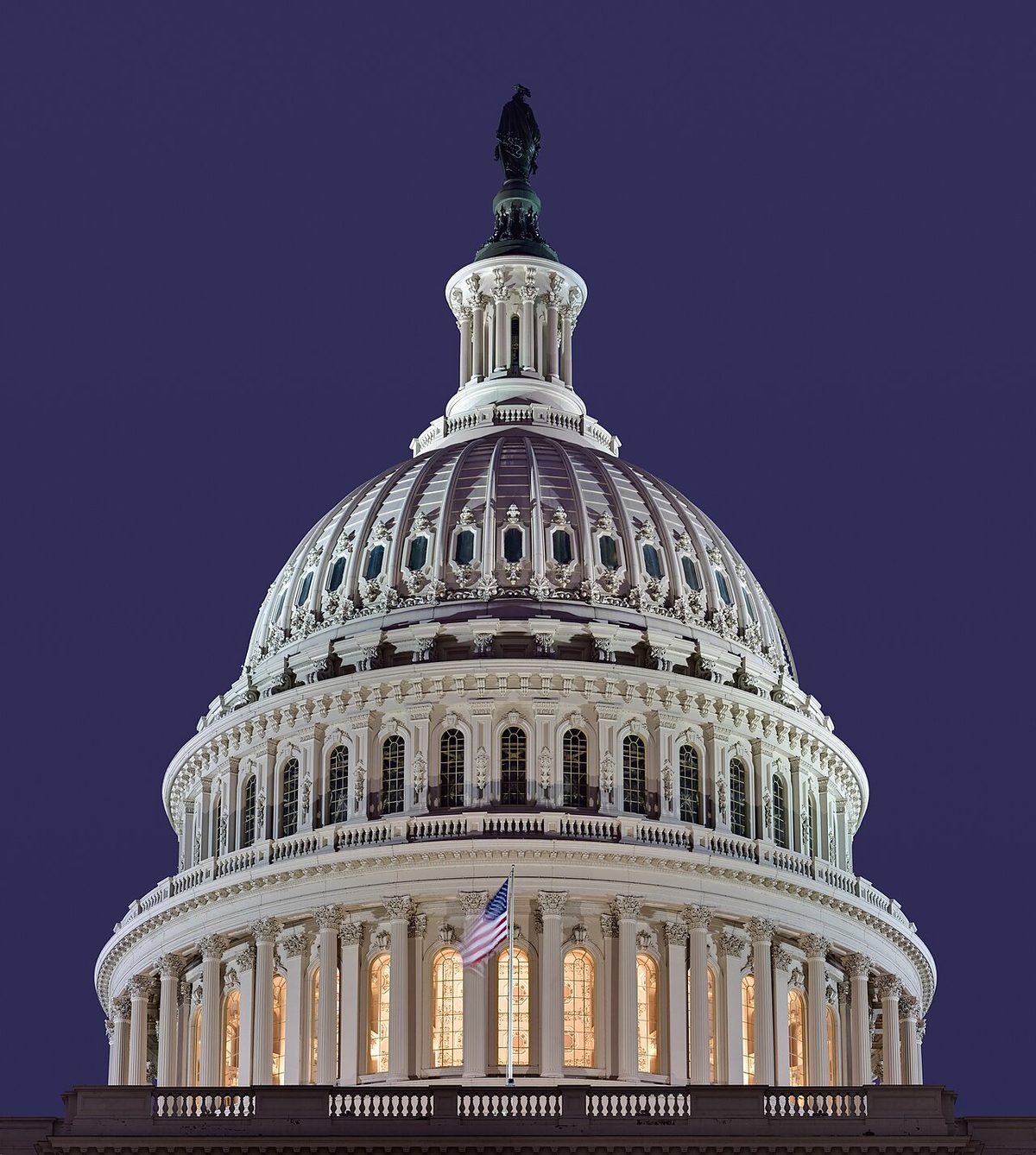
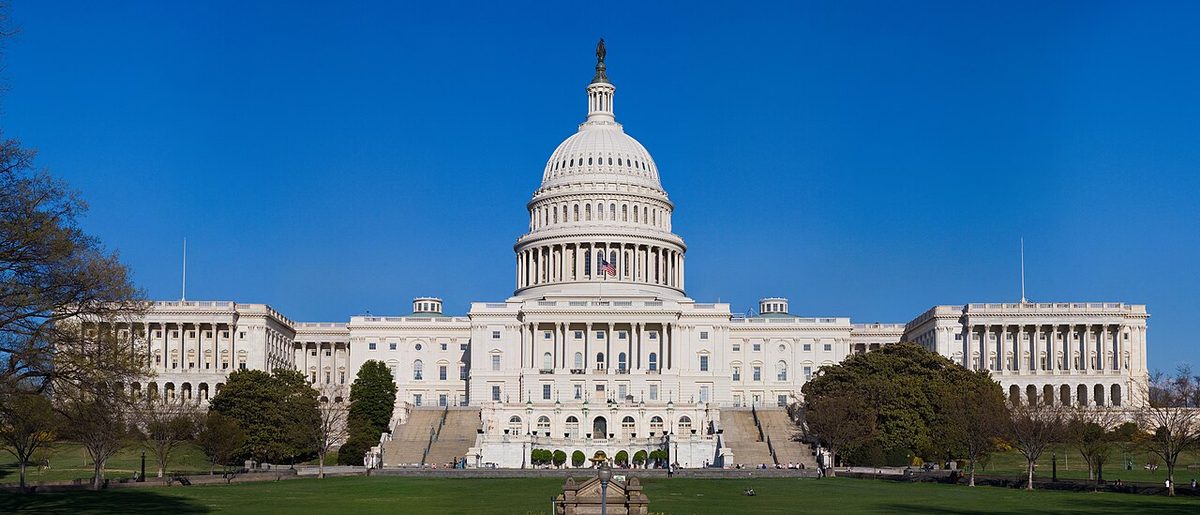
The dome of the U.S. Capitol. Diliff · CC BY 2.5 (https://creativecommons.org/licenses/by/2.5)
The papers are real. The National Archives did not treat them as official votes.
On 14 December 2020, Trump-supporting slates in Arizona, Georgia, Michigan, Nevada, New Mexico, Pennsylvania and Wisconsin signed certificates stating they were the states’ electors. [1]
The National Archives has published them as unofficial documents “not accepted as evidence of official State action.” [1]
Some participants later said they believed the certificates were contingent on court wins—an analogy to Hawaii in 1960. Critics note that several certificates did not say they were contingent, and that the plan presented to Vice President Pence treated them as usable. Both descriptions appear in the record; the difference matters for criminal intent. [2][3][4]
Bottom line Documented
The documents existed. Whether signing them was a crime has mostly failed in state court; whether the political plan was legitimate remains the fight.
What the record can’t settle
Wisconsin’s case was still pending in the sources reviewed for this guide.
The dome of the U.S. Capitol. Diliff · CC BY 2.5 (https://creativecommons.org/licenses/by/2.5)
Dismissals turned on intent, process and a disqualified prosecutor—not on a finding that Trump won those states.
Michigan dismissed charges against 15 electors in September 2025 for lack of evidence of intent to defraud. [1]
Arizona’s case was dismissed in August 2026 without prejudice; Nevada’s was dismissed the same month. [2][3]
Georgia’s elector-related charges ended with the whole Fulton County case in November 2025. Wisconsin defendants pleaded not guilty in June 2026; that case remained pending in the materials reviewed here. [5][4]
A dismissal is not an acquittal after trial, and it is not proof the 2020 electors were rightful. It is a failure of those particular criminal cases. [1][6]
Bottom line Mixed
“Fake electors” names a real paper trail. “Convicted electors” mostly does not.
What the record can’t settle
Refiling remains legally possible in some jurisdictions.
The dome of the U.S. Capitol. Diliff · CC BY 2.5 (https://creativecommons.org/licenses/by/2.5)
Contingent electors have a historical analogy; several 2020 certificates omitted contingency language.
In Hawaii in 1960, a competing slate was part of a live recount dispute later resolved for Kennedy. Trump allies cite that history to say 2020’s slates were a legal backup. [1][2]
Prosecutors argued that several certificates presented themselves as the valid electors, and that the Pence strategy treated them as usable without court wins. [3][4]
State judges dismissing elector cases have often focused on intent, not on blessing the strategy as correct. [5][1]
Bottom line Disputed
History supplies an analogy. It does not automatically immunize 2020’s paperwork or the Pence plan.
What the record can’t settle
Electoral Count Act practice before ECRA was messy; analogies cut both ways.
Georgia Secretary of State Brad Raffensperger, 2022. Knight Foundation · CC BY-SA 2.0 (https://creativecommons.org/licenses/by-sa/2.0)
The call is on tape. What the words meant was never decided by a jury.
On 2 January 2021 Trump spoke for about an hour with Georgia Secretary of State Brad Raffensperger and his counsel. He pressed fraud claims they told him were false, then said he wanted to “find 11,780 votes,” one more than Biden’s margin, and warned it would be “a big risk” not to act. [1][2]
Trump has called the call “perfect” and said he meant votes he believed were already there. Raffensperger’s office had already hand-counted the state. [1][3]
The Fulton County indictment charged the call as part of a criminal scheme. The replacement prosecutor later called the language concerning but ambiguous on intent and dropped the case. [4][5]
Bottom line Documented
You can hear the words. Calling them a completed crime, or proof of innocence, goes further than any court went.
What the record can’t settle
Tone and intent disputes are why criminal cases have mens rea requirements.
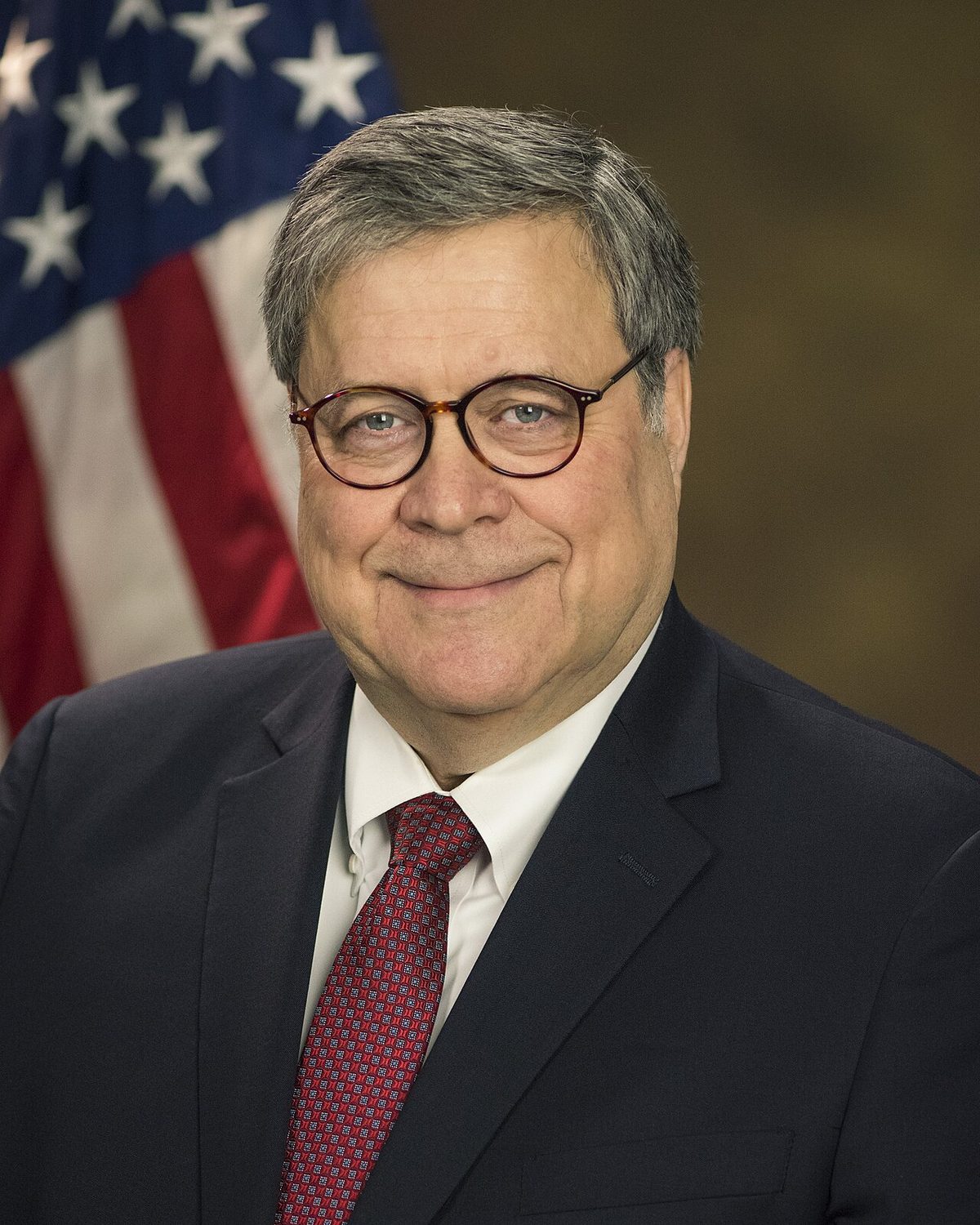
Attorney General William Barr. The United States Department of Justice · Public domain
Trump’s own attorney general publicly contradicted the stolen-election claim.
On 1 December 2020 William Barr told the Associated Press the Justice Department had not seen fraud “on a scale that could have effected a different outcome in the election.” [1]
Trump responded that Barr had not looked hard enough. Barr resigned later that month. [1][2]
Barr had earlier authorized prosecutors to examine substantial allegations before certification; his December statement was about what that work found. [1]
Bottom line Documented
A president’s own AG saying the fraud was not outcome-determinative is powerful evidence against the stolen claim—not a secret deep-state plot.
What the record can’t settle
Barr’s AP interview is not a sworn affidavit; it is a contemporaneous public statement by the nation’s chief federal law officer.
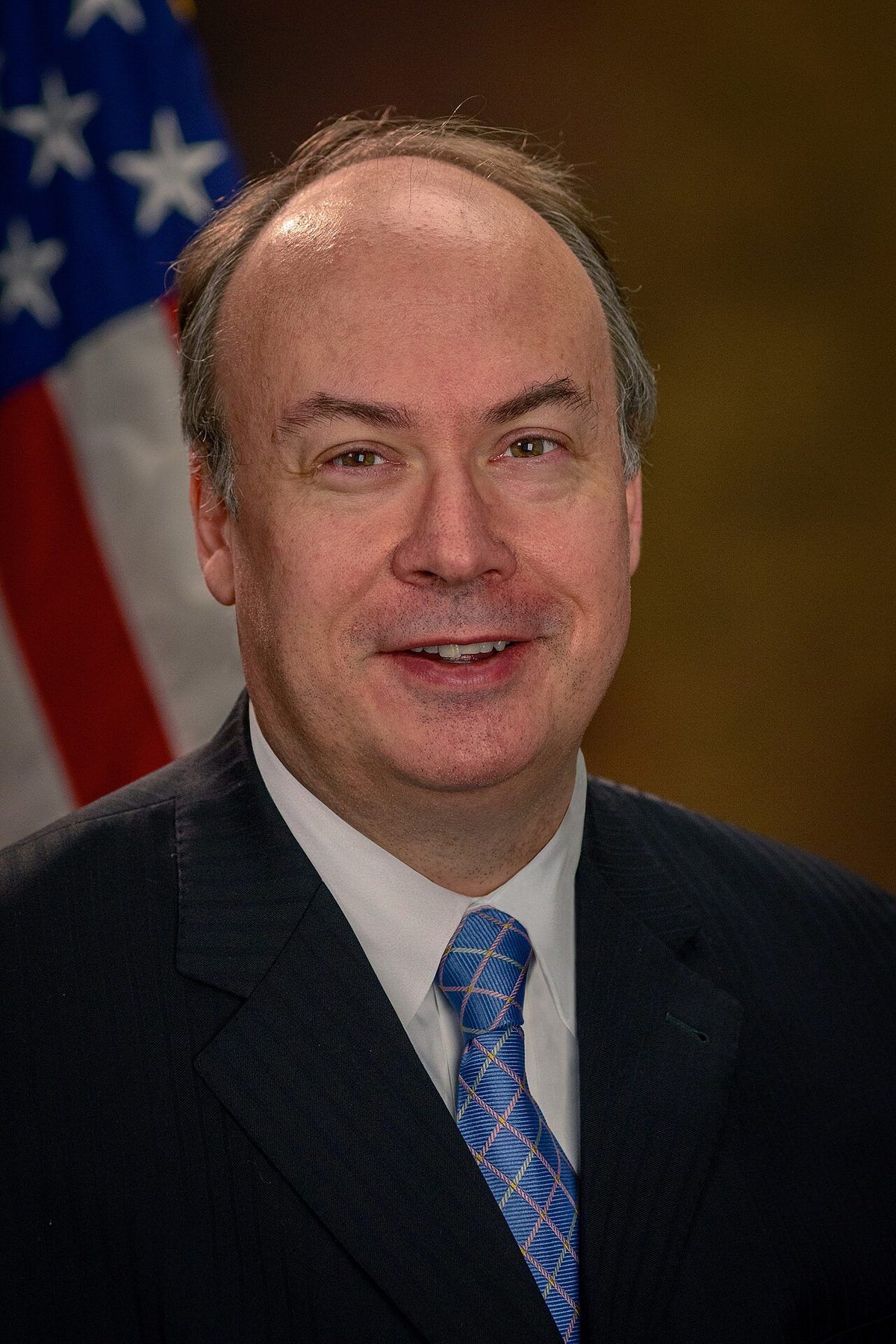
Senior leaders refused and threatened to resign if Jeffrey Clark took over.
In December 2020 Trump repeatedly pressed Acting Attorney General Jeffrey Rosen and Richard Donoghue to announce that the Justice Department had found serious election fraud. They told him the claims had been checked and rejected. [1][2]
On 3 January 2021 the White House nearly replaced Rosen with Jeffrey Clark, who was willing to send states a letter claiming DOJ concerns. Rosen, Donoghue and other leaders said they would resign; the plan collapsed. [1]
Whether those contacts were official acts later mattered under Trump v. United States; the superseding indictment trimmed some DOJ-related allegations. [3][1]
Bottom line Documented
DOJ’s refusal is documented. The near-replacement of its leadership is documented. A trial verdict on criminality is not.
What the record can’t settle
Notes of meetings come from participants; Trump disputes characterizations.
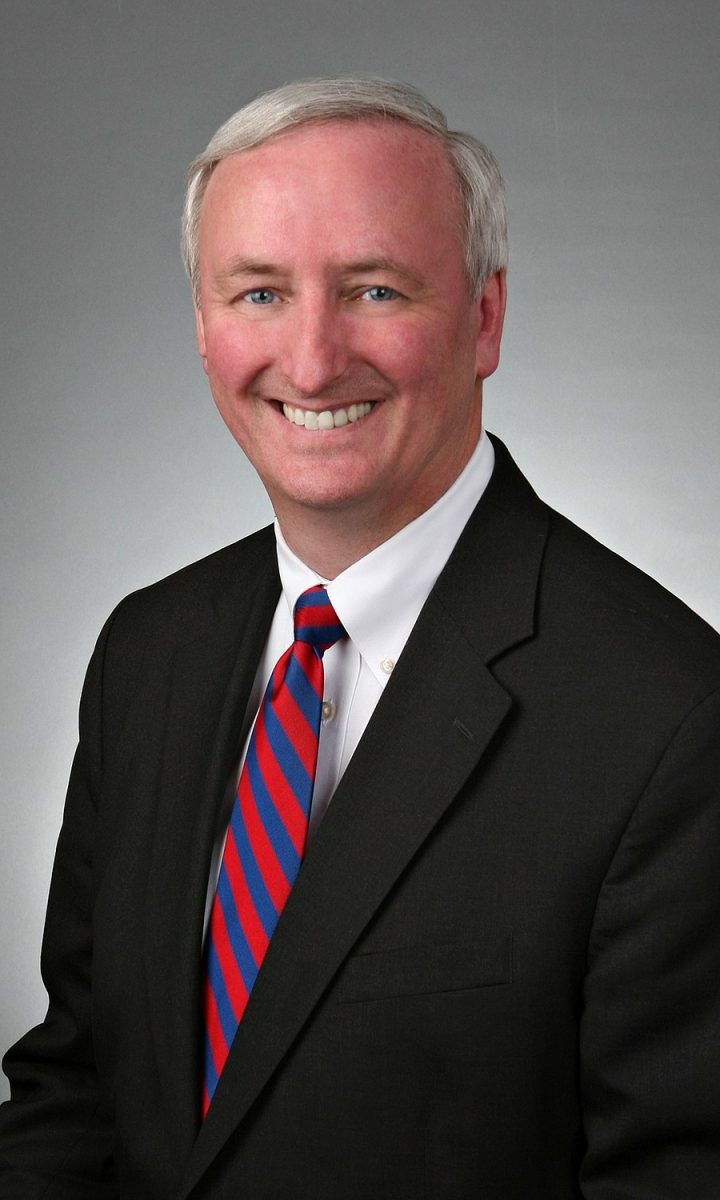
Jeffrey Bossert Clark, official DOJ portrait. United States Department of Justice · Public domain
Clark drafted a DOJ letter for Georgia; his bosses stopped it.
Jeffrey Clark, head of the Civil Division’s environment section, drafted a letter stating that the Justice Department believed Georgia should consider a special legislative session because of election irregularities. [1][2]
Rosen and Donoghue refused to sign or send it. They considered the claims false and the letter an abuse of DOJ’s voice. [1]
Clark was later indicted in Georgia; that case ended with the Fulton dismissal. [3]
Bottom line Documented
An unsent letter still shows what some inside DOJ were willing to put in writing.
What the record can’t settle
Drafts can be negotiating positions; the refusal to send is the historical fact.
Transition Integrity Project war games (June 2020)
What happened · Documented
Site-made label card for the Transition Integrity Project 2020 exercises. The AI Files (site-made label card) · CC0 (site-made)
A bipartisan-branded project ran four tabletop scenarios on a contested 2020 transition months before Election Day — later cited as eerie foreshadowing of Jan 6-era fights.
The Transition Integrity Project (TIP), launched by Rosa Brooks and Nils Gilman, organized four June 2020 scenario exercises to explore risks between Election Day and Inauguration. About sixty-seven people participated as active players across teams (campaigns, elected officials, career government, media, public/polling) in a matrix-game format. [1][2]
Scenarios included a clear Biden win, a clear Trump Electoral College win with Biden popular-vote win, a narrow Biden win, and an unresolved/ambiguous result. The August 2020 report warned of lawsuits, halted counting, rival elector slates, protests, and institutional stress — framed as mitigation research, not prophecy. [1][3]
Critics later treated TIP as a “script” for Democratic contestation or for the chaos that followed. The public record shows a real war game whose themes rhymed with later fights (electors, street pressure, media narratives). Rhyme is not proof that TIP authored January 6 or that participants intended the Capitol breach. [1]
Bottom line Documented
TIP’s June 2020 tabletops are documented. That they “predicted” or caused January 6 is an inference, not a finding in the TIP report.
What the record can’t settle
Player identities beyond organizers’ public comments are only partly public. Judicial Watch hosts a PDF of the report; cite the report’s own methodology language.
Official portrait of Acting Defense Secretary Christopher C. Miller. William Pratt · Public domain
DoD’s own timeline: Acting Secretary Miller joined an 11:30 a.m. table-top on contingency response options — hours before the Capitol evacuation order.
A Department of Defense timeline states that at 08:30 on 6 January 2021 the Acting Secretary of Defense and the Chairman of the Joint Chiefs reviewed the DoD plan to support law enforcement and “request an exercise regarding DoD contingency response options.” At 11:30 the Acting Secretary “participates in table-top exercise regarding DoD contingency response options.” Open-source reports of demonstrators moving to the Capitol appear at 13:05; USCP ordered evacuation at 13:26. [1]
ProPublica and Just the News reported the morning exercise from that timeline; an unnamed official told Just the News that Miller and Gen. Mark Milley were part of it. The Pentagon did not publish a detailed public after-action of what scenarios were on the table. [2][3]
Rival readings: (1) routine contingency planning on a high-risk day already underway; (2) an eerie coincidence that senior DoD leaders were in a tabletop as the breach approached, feeding “they knew” narratives. The timeline documents timing; it does not document a Capitol-siege script inside that tabletop. [1]
Bottom line Documented
The morning DoD tabletop happened. Its content and relationship to the breach remain thinly documented beyond the timeline line-item.
What the record can’t settle
DoD has not released the tabletop’s scenario packet. Secondary outlets add color; the PDF is the spine.
Site-made label card for the Transition Integrity Project 2020 exercises. The AI Files (site-made label card) · CC0 (site-made)
How to read TIP 2020 and the Jan 6 morning DoD tabletop without collapsing documentation into destiny.
**Path A — Routine security / political contingency planning.** Accepts both exercises as what institutions do before contested certifications and large protests. Removes: the claim that running a scenario makes the team the author of the later violence. Must-be-wrong: evidence the TIP games or DoD tabletop assigned roles to stage a Capitol breach. [1][2]
**Path B — Eerie coincidence / predictive pattern.** Accepts the same documents; adds that war-gaming contested electors and DoD contingency options so close to the real crisis is a pattern citizens should track (especially alongside later midterm tabletops and pandemic exercises). Does not require proving authorship of the breach. Must-be-wrong: a clean showing that tabletops never correlate with later contested events beyond base rates. [1][2]
Post-event Senate recommendations urged more Capitol-attack tabletops going forward — which itself treats drills as preparedness, not confession. [3]
Bottom line Disputed
Document what was exercised; keep causation claims on a short leash.
What the record can’t settle
No complete inventory of every NGO or agency red-cell before Jan 6 is attempted here — only well-sourced TIP and DoD items.
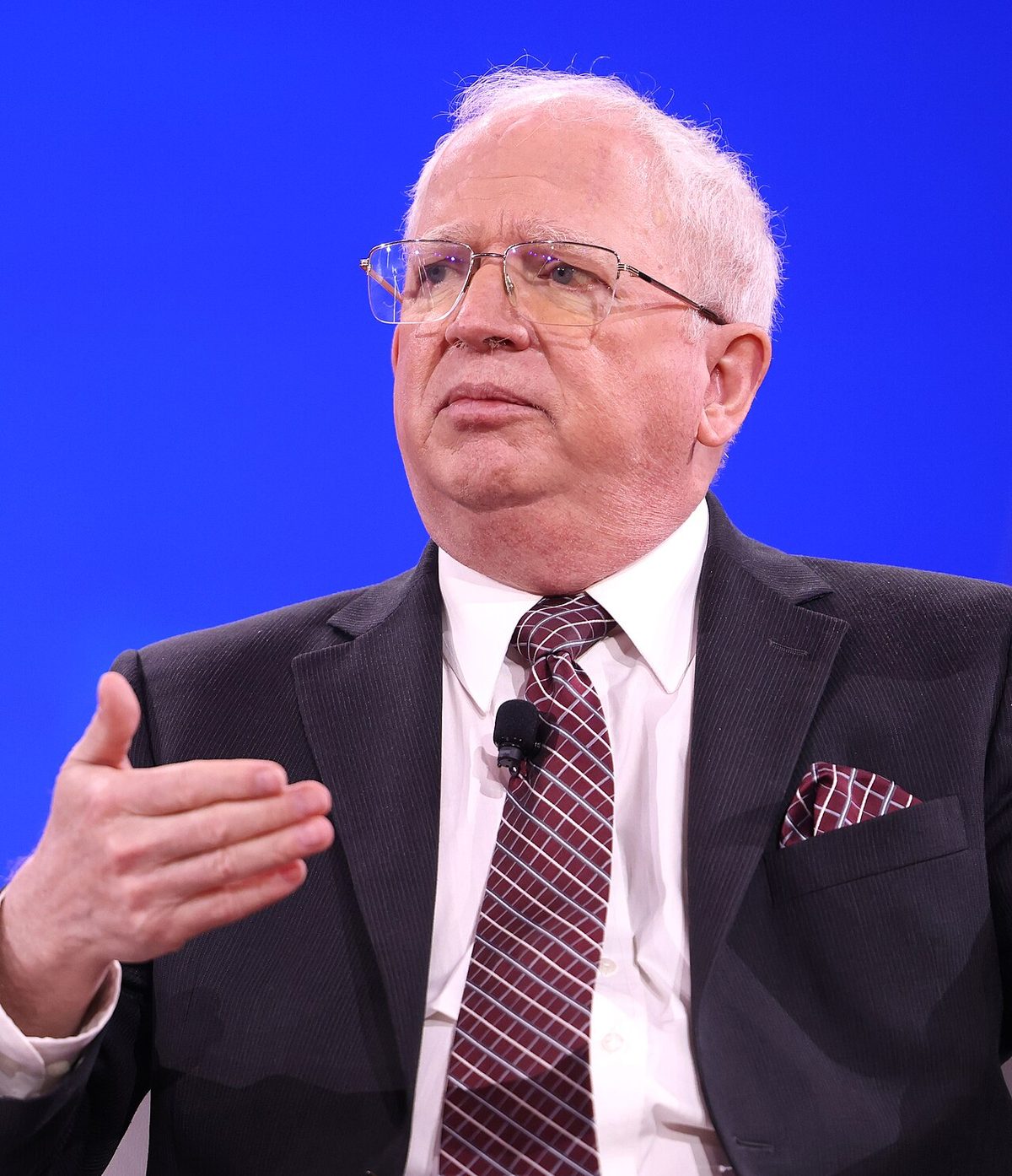
John Eastman speaking at an event in National Harbor, Maryland. Gage Skidmore · CC BY-SA 3.0 (https://creativecommons.org/licenses/by-sa/3.0)
Memos argued the Vice President could reject or delay Biden electors. Pence’s lawyers said no.
John Eastman authored memos arguing that under the Electoral Count Act the Vice President could resolve disputes or reject electors. [1][2]
Pence’s counsel, including Greg Jacob, and conservative former Judge Michael Luttig publicly and privately rejected that reading. Pence refused. [1][3]
The indictment and Smith report treat the pressure on Pence as part of a plan to obstruct the certification. Trump’s lawyers called it legal advice and contested advocacy. No jury decided. [2][3]
Bottom line Documented
Pence’s refusal is documented. Whether asking him was a crime was never tried to verdict.
What the record can’t settle
Eastman’s academic theories are not the same as the short memo versions used in December 2020.
President Trump speaks at the Ellipse on 6 January 2021 (Select Committee report). Unknown photographer · Public domain
He said “fight like hell” and “peacefully and patriotically.” Both lines are in the speech.
On 6 January 2021 Trump spoke for roughly an hour at the Ellipse. He repeated fraud claims, told the crowd the election had been stolen, and said Vice President Pence could still act. [1][2]
He told supporters to “fight like hell,” adding that if they did not they would not have a country anymore. He also said they should make their voices heard “peacefully and patriotically.” [1][3]
He directed the crowd to walk to the Capitol to give Republican members “the kind of pride and boldness they need.” [1]
Quoting only one of the “fight” or “peaceful” lines misleads. The legal fight has always been about the speech as a whole, the preceding pressure campaign, and what happened next. [4][1]
Bottom line Documented
The transcript is the best evidence of what he said. Selective clips are not.
What the record can’t settle
Crowd size estimates vary; not everyone at the Ellipse went to the Capitol.
President Trump speaks at the Ellipse on 6 January 2021 (Select Committee report). Unknown photographer · Public domain
A multi-week pressure campaign plus a crowd aimed at the count—or contested advocacy that got out of hand?
The indictment and Smith report describe a plan: false fraud claims, alternate electors, DOJ pressure, Pence pressure, then a crowd at the Capitol as the last chance to stop certification. [1][2]
Trump’s defenders say every step was legal advocacy, that “fight like hell” is ordinary political speech, and that he also said “peacefully.” [3][1]
Because the federal case never reached a jury, the country has the charging theory and the defense theory—not a verdict. [4]
Bottom line Disputed
“Coup” is a moral and historical word. The legal word in the indictment was conspiracy to obstruct and defraud.
What the record can’t settle
Without a trial, steelmanning both sides is mandatory.
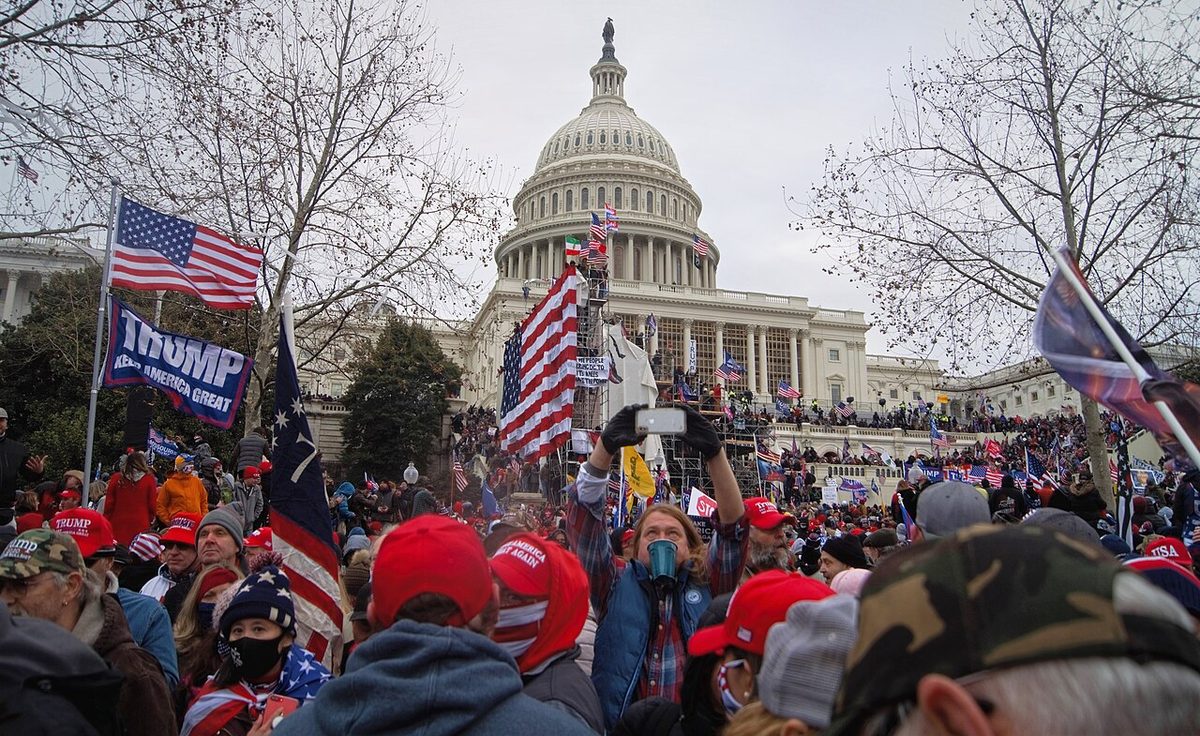
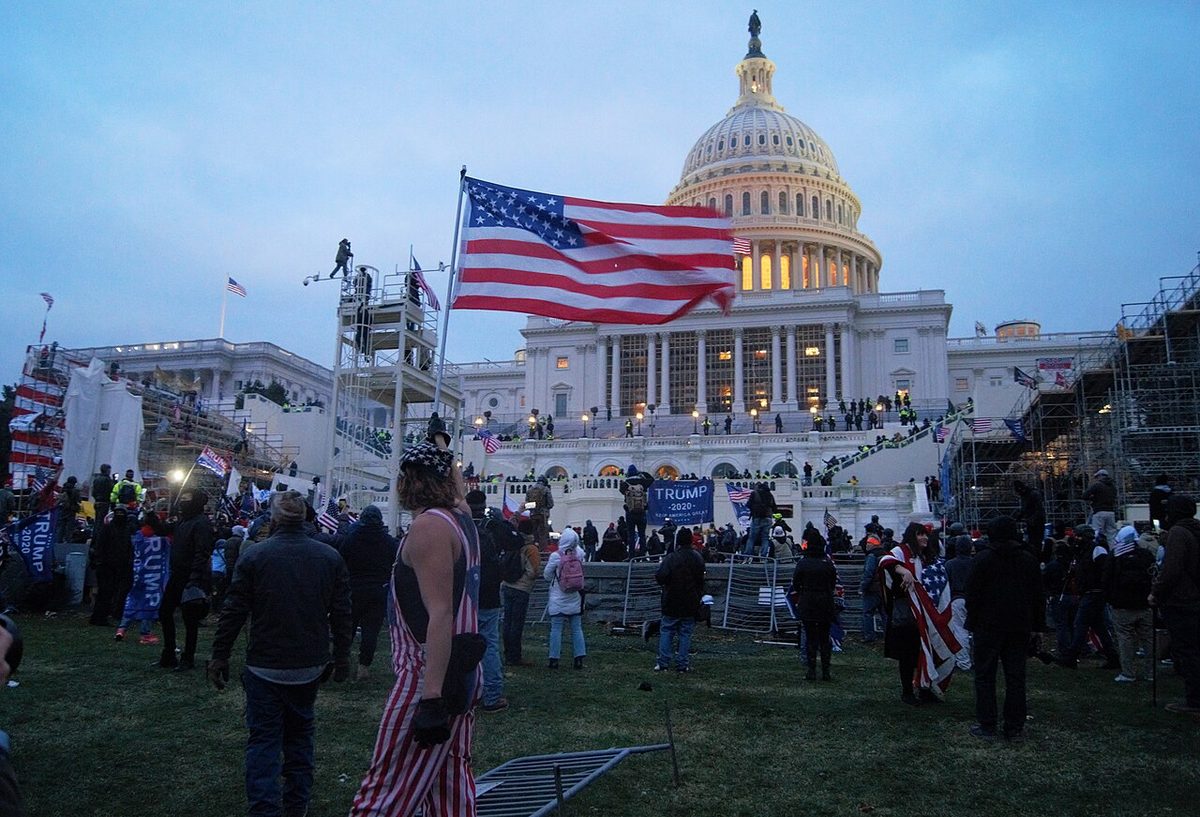
Outside the U.S. Capitol during the attack on 6 January 2021. Tyler Merbler from USA · CC BY 2.0 (https://creativecommons.org/licenses/by/2.0)
This is not a metaphor. Barriers fell; officers were assaulted; Congress fled.
Around 2:13 p.m. rioters entered the Capitol. The Senate and House recessed; Pence and members were evacuated. [1][2]
About 140 police officers were injured in the fighting, according to congressional and contemporaneous tallies cited in the committee record. [3]
Windows were smashed, offices occupied, and the building was not fully secured until evening. [1]
Calling the day only a “tour” erases the assaults. Calling every entrant a “terrorist” erases people who walked in after doors were open and left. The record supports a violent breach with a mixed crowd. [3][4]
Bottom line Documented
Something can be both a protest and a riot. January 6 was both.
What the record can’t settle
Exact injury counts vary slightly by source and definition.
Capitol Police Officer Brian Sicknick died on 7 January after engaging rioters. The D.C. medical examiner attributed death to natural causes (strokes). Two men were later convicted of assaulting him with chemical spray. [1]
Ashli Babbitt was shot by a Capitol Police lieutenant. Other Trump supporters died of medical emergencies during the day. [2][1]
Bottom line Documented
Casualties cut more than one way; none of them make the breach peaceful.
What the record can’t settle
Cause-of-death findings are medical, not political, determinations.
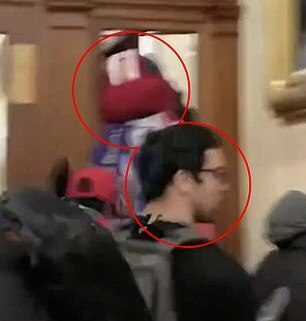
DOJ filing image of Ashli Babbitt and Zachary Alam in the Speaker’s Lobby on 6 January 2021. US Department of Justice · Public domain
Investigators cleared the officer; the 2025 settlement admitted no fault.
Ashli Babbitt, an Air Force veteran, was climbing through a broken window into the Speaker’s Lobby when Lt. Michael Byrd shot her. [1][3]
Internal investigations cleared the officer. In 2025 the Justice Department agreed to pay her estate $4.975 million without admitting liability. [1][2]
A settlement is not a finding that the shooting was criminal. It is also not proof she was an FBI asset or that the breach was staged. [1]
Bottom line Documented
Her death is real and tragic. It does not rewrite who broke the window.
What the record can’t settle
Civil settlements often avoid admissions for legal reasons.
Oath Keepers and Proud Boys leaders were convicted—then freed
What happened · Documented
Stewart Rhodes speaking at a Nullify Now! event, 2011. Gage Skidmore from Surprise, AZ, United States of America · CC BY-SA 2.0 (https://creativecommons.org/licenses/by-sa/2.0)
Juries found seditious conspiracy; the 2025 clemency covered them.
Stewart Rhodes of the Oath Keepers was convicted of seditious conspiracy in November 2022. Enrique Tarrio and other Proud Boys leaders were convicted in May 2023. [1]
Those convictions were among the most serious January 6 verdicts. On 20 January 2025 Trump commuted or pardoned them under the mass clemency order. [2][3]
A pardon ends punishment; it does not erase the trial record or the evidence admitted there. [2]
Bottom line Documented
Organized groups were not a myth. Clemency is also not a myth.
What the record can’t settle
Seditious conspiracy is a specific statute; it is not synonymous with “everyone who entered.”
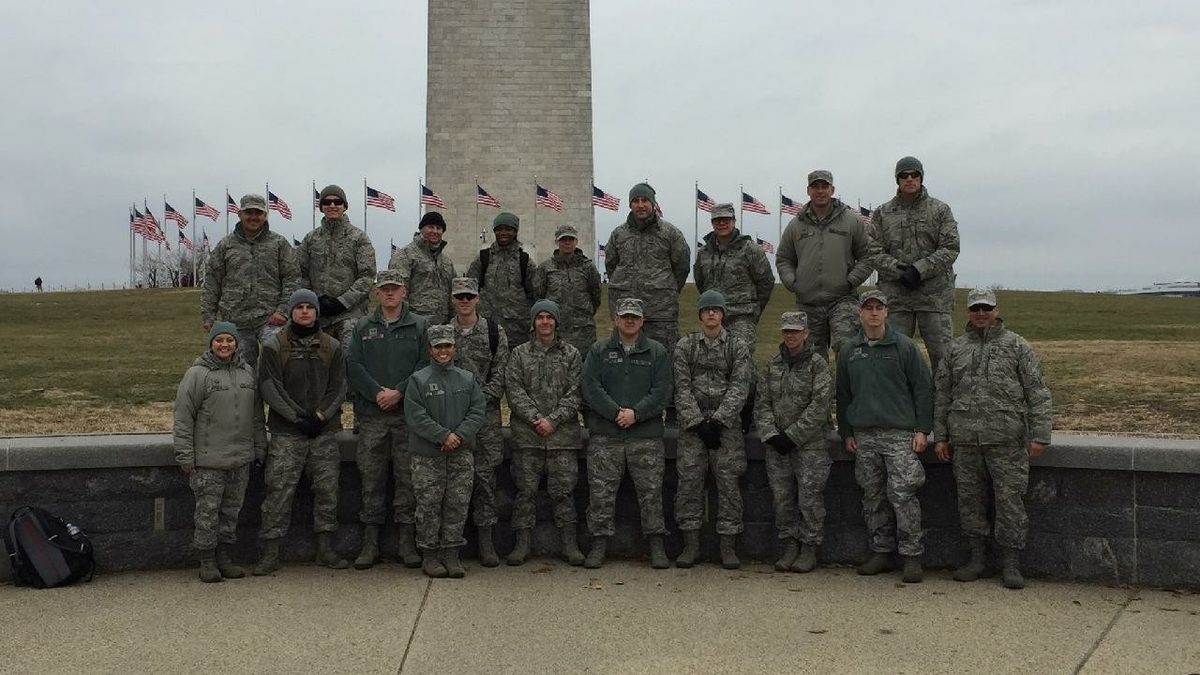
National Guard troops deployed to Washington after January 6. Colorado National Guard · Public domain
The inspector general found informants, not an FBI-orchestrated attack.
DOJ’s inspector general reported in December 2024 that 26 FBI confidential human sources were in Washington in connection with January 6. Three had been tasked by field offices; 23 came on their own. [1]
Four entered the Capitol; thirteen entered the restricted perimeter; nine did neither. None was authorized to enter illegally or to encourage crimes. The OIG found no undercover FBI employees in the protest crowds. [1]
The same report found the FBI failed to canvass field offices for source intelligence beforehand—a “basic step that was missed,” in a deputy director’s words. That is a preparation failure, not proof of staging. [1]
Bottom line Documented
Informants in a crowd are not the same as a Fedsurrection. Conflating them is the move that makes the theory go.
What the record can’t settle
CHS identities remain largely hidden; the OIG summarized what files showed.
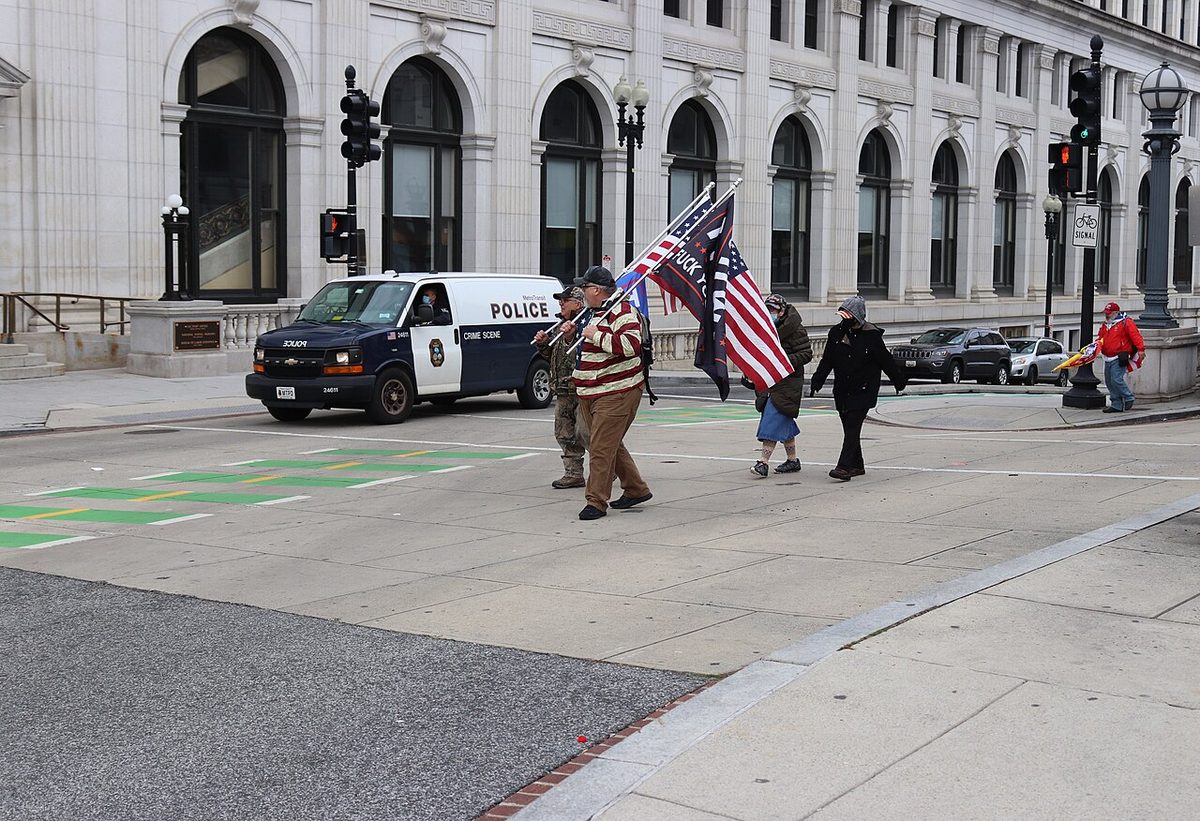
Trump supporters near Union Station / Columbus Circle on 6 January 2021. Elvert Barnes · CC BY-SA 2.0 (https://creativecommons.org/licenses/by-sa/2.0)
He urged people toward the Capitol; prosecutors say he was never a source; he got probation.
Ray Epps was filmed on 5 and 6 January telling people to go into the Capitol. The clips spread as proof of a federal provocateur. [1]
Prosecutors and the FBI said he was never a confidential source or employee. He pleaded guilty to a misdemeanor and in January 2024 was sentenced to a year of probation. [1]
Being wrong, loud and filmed is not the same as being an FBI asset. [1][2]
Bottom line False
Epps is a weak foundation for a national staging theory.
What the record can’t settle
Absence of evidence he was a source is not a metaphysical proof of innocence of every allegation online.
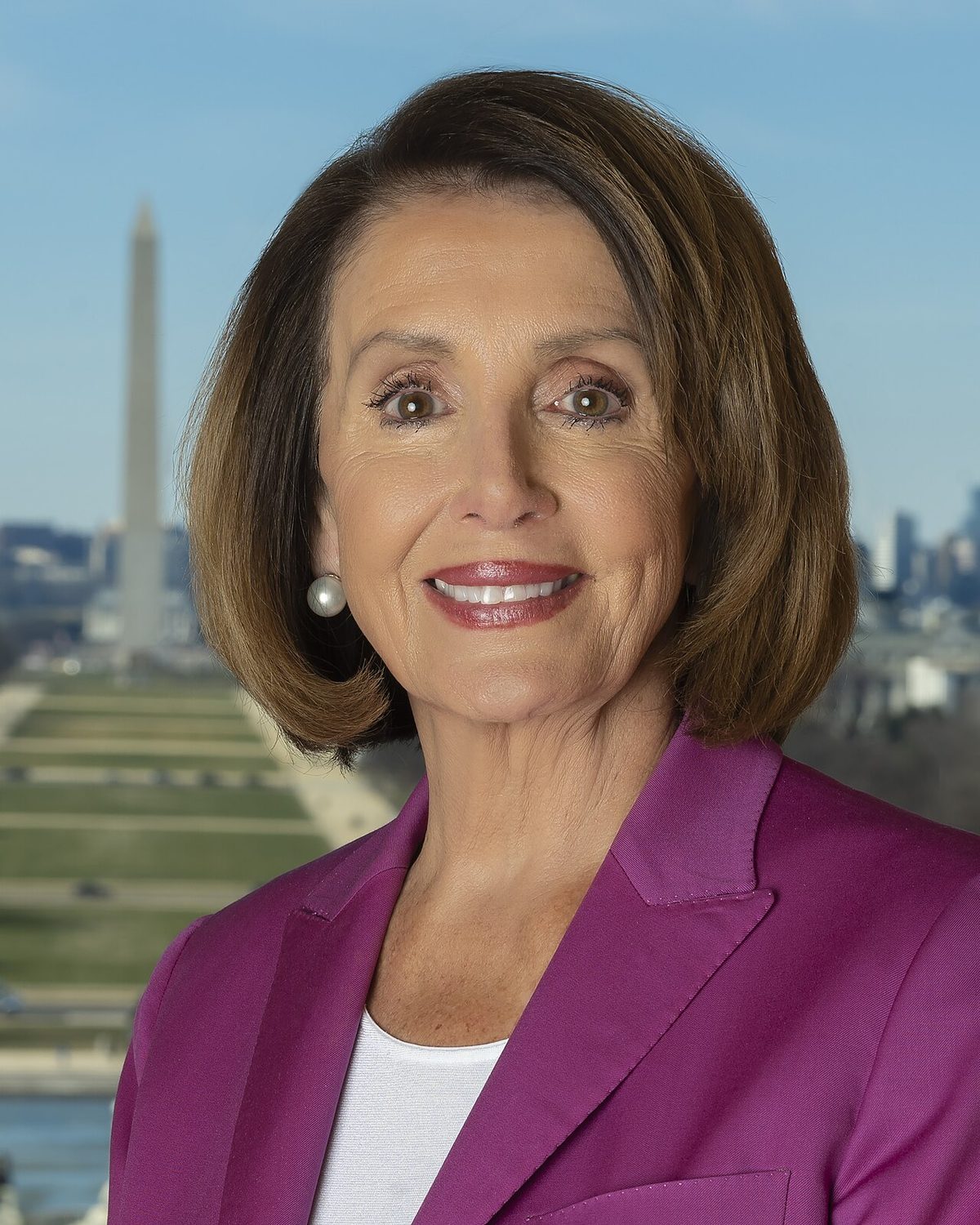
Speaker Nancy Pelosi, official portrait. John Harrington · Public domain
No formal order for 10,000 Guard troops appears in the Pentagon records fact-checkers cite; the Speaker does not command the Guard.
Trump, Mark Meadows and Kash Patel have said Trump offered or authorized 10,000 National Guard troops and that Nancy Pelosi blocked them. [1][2]
PolitiFact’s reviews of Pentagon and Capitol Police testimony found no such formal request or order, and noted that the Capitol Police Board—not the Speaker alone—requests Guard help at the Capitol, while the D.C. Guard answers to the president through the Army. [1][2]
An HBO clip of Pelosi saying “we take responsibility for not having more protection” concerns Capitol security failures; it is not an admission she refused Trump’s troops. [3]
Security planning failed in many places that day. This specific story is not supported by an order, request or record. [1]
Bottom line False
Failed security is documented. Pelosi vetoing 10,000 Trump troops is not.
What the record can’t settle
Private talk Meadows or Patel recall cannot be fully checked beyond their accounts.
Outside the U.S. Capitol during the attack on 6 January 2021. Tyler Merbler from USA · CC BY 2.0 (https://creativecommons.org/licenses/by/2.0)
Informants existed; authorization to stage a riot does not appear in the OIG record.
The theory says federal agents or informants orchestrated the breach to entrap Trump supporters. It points to Ray Epps, unindicted persons in charging language, and the 26 CHSs. [2][1]
The OIG found no undercover FBI employees in the crowds, no authorization for CHSs to break the law or encourage crimes, and intelligence failures of omission (no canvass), not a scripted attack. [1]
Epps was prosecuted as a defendant, not revealed as an agent. [2]
For the theory to hold, the OIG’s file review, the Proud Boys and Oath Keepers trial evidence, and thousands of defendant phones and videos would all have to be misleading in the same direction. [1][3]
Bottom line False
Suspicious people in a crowd are not a controlled demolition of the legislature.
What the record can’t settle
Classified files the public has not seen could in theory add facts; none have reversed the OIG’s published conclusions as of this guide.
Crowds at the Capitol on 6 January 2021. Tyler Merbler · CC BY 2.0 (https://creativecommons.org/licenses/by/2.0)
Estimates vary; thousands were charged over time for related offenses.
The Select Committee and charging documents describe hundreds inside the building and a larger crowd on restricted grounds. Exact totals depend on camera angles and definitions of “entered.” [1]
By early 2025 roughly 1,500 people had been convicted of January 6–related offenses and were covered by clemency tallies. [2][3]
Not everyone on the Mall entered. Not everyone who entered assaulted an officer. [1]
Bottom line Partly true
Use ranges and categories, not a single mythic number.
What the record can’t settle
DOJ’s public dashboards changed over time as cases resolved.
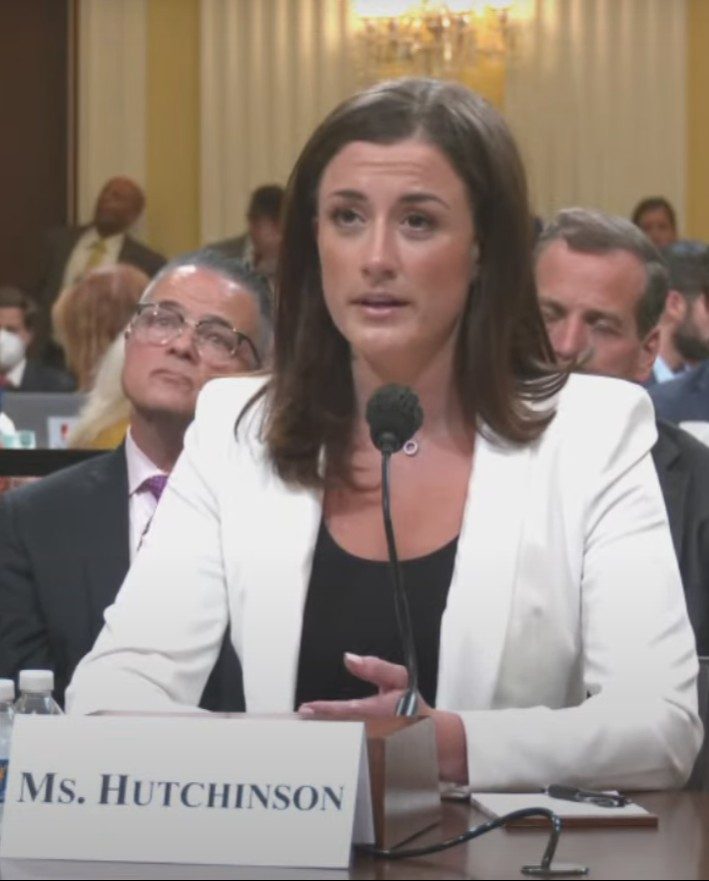
Cassidy Hutchinson at the Select Committee hearing, 28 June 2022. United States House Select Committee on the January 6 Attack · Public domain
Trump tweeted against Pence at 2:24 and posted a go-home video at 4:17.
After returning to the White House, Trump watched television coverage. Advisers told him the Capitol was under attack. [1][2]
At 2:24 p.m. he tweeted that Pence “didn’t have the courage to do what should have been done to protect our Country and our Constitution.” [1]
At 3:13 p.m. he asked supporters to “Stay peaceful!” without telling them to leave. At 4:17 p.m. he posted a video telling them to go home, repeating fraud claims and saying “We love you.” [1][2]
The Select Committee and Smith report treat the delay as deliberate. Trump’s defenders say he was gathering information and that the “peaceful” line shows intent. The timeline of posts is not in dispute. [1][2]
Bottom line Documented
The timestamps are solid. The motive for the gap is the argument.
What the record can’t settle
Private words in the dining room are reconstructed from witnesses who disagree on some details.
Cassidy Hutchinson at the Select Committee hearing, 28 June 2022. United States House Select Committee on the January 6 Attack · Public domain
Hutchinson said she was told he did. The driver said he did not.
Cassidy Hutchinson testified in 2022 that she was told Trump lunged for the steering wheel of his SUV when Secret Service refused to take him to the Capitol. She said the account was second-hand. [1][2][3]
The driver later told House investigators in a transcribed interview that it did not happen. Neither the agent who allegedly told Hutchinson nor the driver has said Trump grabbed the wheel. [1]
That Trump wanted to go to the Capitol and was refused is better supported than the lunge story. [4][1]
Bottom line Disputed
Drop the theatrical detail if it fails; keep the well-supported fact that he wanted to go.
What the record can’t settle
Second-hand testimony can be honest and still wrong.
Speaker Nancy Pelosi, official portrait. John Harrington · Public domain
57 senators voted guilty—short of 67. Seven were Republicans.
On 13 January 2021 the House impeached Trump a second time for “incitement of insurrection,” 232–197, with ten Republicans joining Democrats. [1][2]
On 13 February the Senate voted 57–43 to convict. Two-thirds (67) were required. Seven Republicans voted guilty. [1]
An acquittal is not a finding that the underlying conduct was admirable. Several senators who acquitted said they believed a former president could not be tried or that the speech was protected. [1]
Saying the Senate “cleared” him of the facts overstates a supermajority rule Trump survived. [1]
Bottom line Documented
He was impeached. He was not removed. Both sentences are true.
What the record can’t settle
Senate speeches explaining votes are political acts, not judicial findings.
The Select Committee built a public record—and a partisan fight
What happened · Mixed
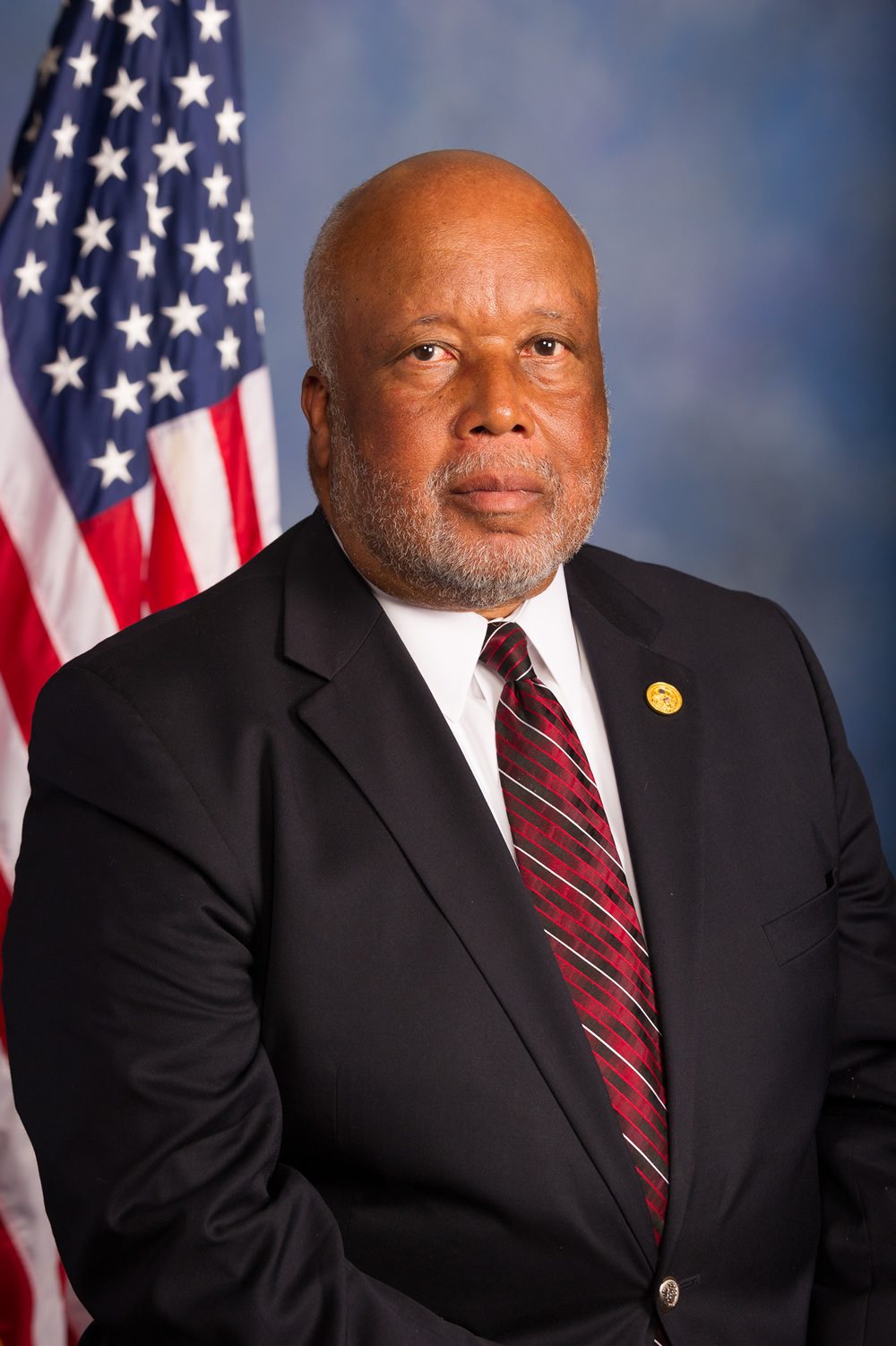
Rep. Bennie Thompson, official portrait. United States Congress · Public domain
Hearings and a final report; critics call it one-sided.
After a bipartisan commission failed, the House created a select committee. Speaker Pelosi rejected some Republican nominees; Leader McCarthy withdrew others; Liz Cheney and Adam Kinzinger joined as Republicans. [1]
In 2022 the committee held televised hearings and in December published a multi-chapter final report with criminal referrals. [1][2]
Supporters say it preserved testimony under oath. Critics say its membership and presentation were designed to condemn Trump, not to inquire neutrally. Both the documentary value and the political framing are real. [1]
Bottom line Mixed
Use the exhibits and transcripts; do not outsource your judgment to the committee’s adjectives.
The western front of the U.S. Capitol. Noclip · Public domain
The 2022 reform is in force: harder objections, ministerial VP, clearer state certificates.
On 29 December 2022 President Biden signed the omnibus that included the Electoral Count Reform and Presidential Transition Improvement Act. [1]
The law raises the threshold to object to a state’s electors to one-fifth of both chambers, clarifies that the Vice President’s role is ministerial, requires states to appoint electors on Election Day under pre-existing law (with narrow force-majeure exceptions), and tightens who sends the certificate of ascertainment. [2][1]
Supporters said it closed ambiguities exploited in 2020. Some opponents said it made it harder for Congress to contest fraud. [1]
Bottom line Documented
Whatever one thinks of 2020, the counting rules for future elections changed.
What the record can’t settle
State implementing statutes vary; the federal baseline is what ECRA sets.
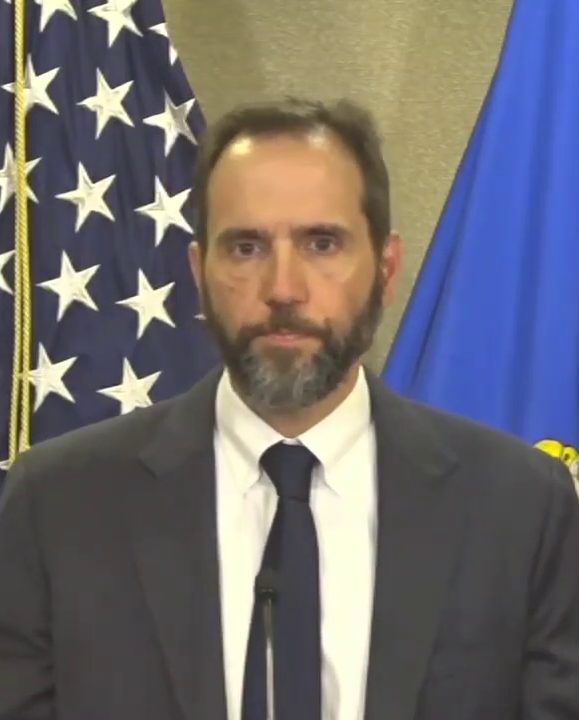
Special Counsel Jack Smith speaking about an indictment of Donald Trump, 2023. United States Department of Justice · Public domain
The indictment charged a plan to stop Biden’s electors from being counted.
On 1 August 2023 a D.C. grand jury charged Trump with conspiracy to defraud the United States (18 U.S.C. §371), conspiracy to obstruct an official proceeding (§1512(k)), obstruction of an official proceeding (§1512(c)(2)), and conspiracy against rights (§241). [1]
The indictment said Trump had every right to claim, even falsely, that he won. It charged acts: pressing officials, organizing alternate electors, and pressing Pence. [1]
Judge Chutkan later rejected a pure free-speech dismissal theory; that ruling was never finally tested on appeal because the case died. [2]
Bottom line Documented
Charged is not convicted. Dismissed is not exonerated.
The Supreme Court of the United States. Photo by Mr. Kjetil Ree. · CC BY-SA 3.0 (https://creativecommons.org/licenses/by-sa/3.0)
Absolute immunity for core acts; presumptive immunity for other official acts.
On 1 July 2024 the Supreme Court held, 6–3, that a former president is absolutely immune from criminal prosecution for core constitutional acts and presumptively immune for other official acts within the outer perimeter of official responsibility. Unofficial acts are not immune. [1]
The Court did not decide which of Trump’s alleged acts were official. It sent that sorting back to the district court. [1]
Smith’s office returned a superseding indictment that omitted some DOJ-related allegations. [2]
Bottom line Documented
The ruling is about categories of conduct, not a finding that January 6 “never happened.”
What the record can’t settle
How lower courts apply the test to future cases is still developing.
The Supreme Court of the United States. Photo by Mr. Kjetil Ree. · CC BY-SA 3.0 (https://creativecommons.org/licenses/by-sa/3.0)
The Court said states cannot enforce §3 against presidential candidates without Congress.
On 4 March 2024 the Supreme Court unanimously held that Colorado (and by extension other states) could not keep Trump off the ballot under Section 3 of the Fourteenth Amendment without congressional action. [1]
The Court did not decide whether Trump engaged in insurrection. Saying it “ruled he did” or “ruled he didn’t” is false. [1]
Bottom line Documented
Ballot access and historical guilt are different questions. The Court answered the first.
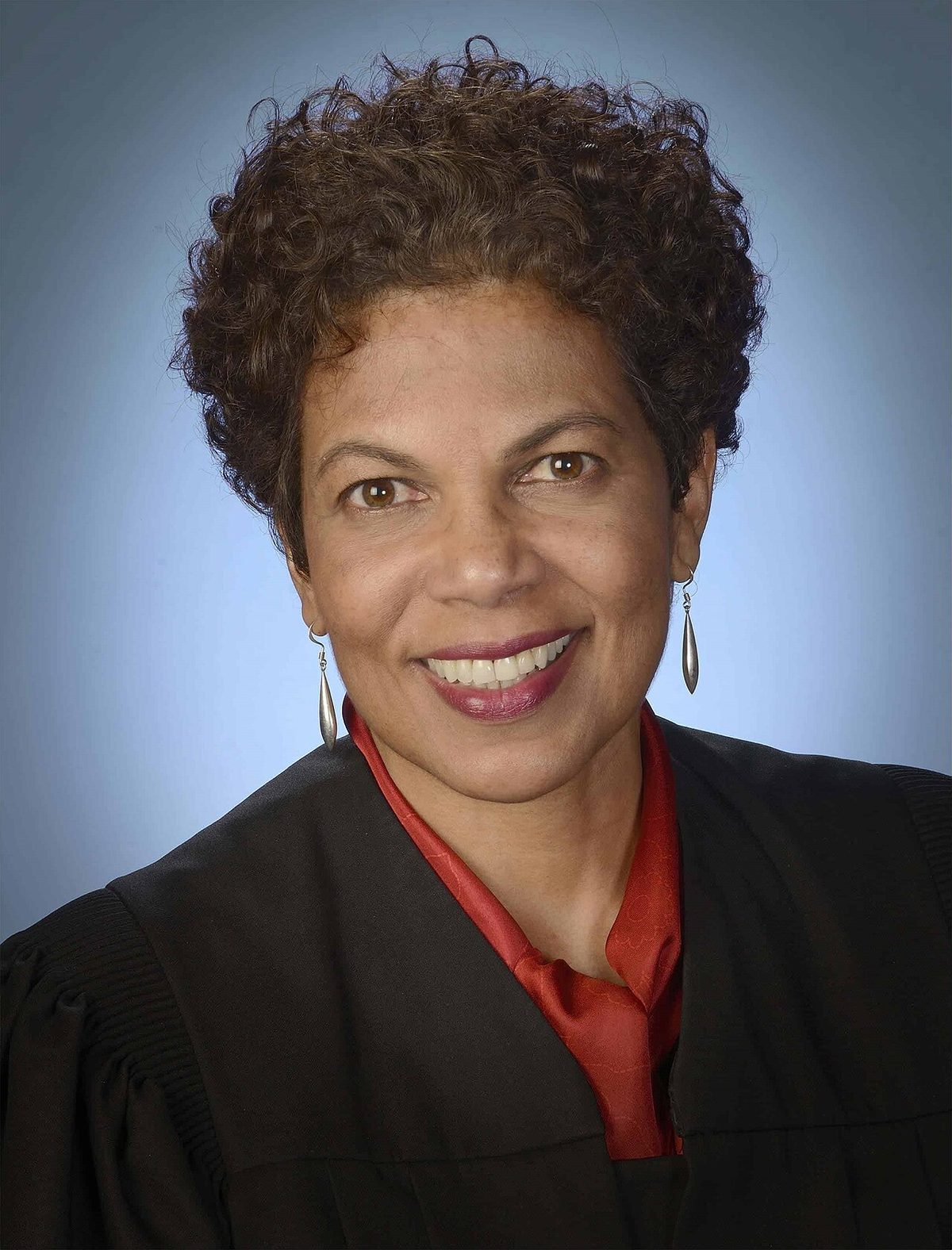
Judge Tanya Chutkan, U.S. District Court for the District of Columbia. United States District Court for the District of Columbia · Public domain
DOJ policy against prosecuting a sitting president—not a jury—ended it.
After Trump won the 2024 election, Smith moved to dismiss. Judge Tanya Chutkan granted the unopposed motion on 25 November 2024, without prejudice. [1][2][3]
Smith’s final report says the office concluded admissible evidence would have been sufficient to obtain and sustain a conviction, but for the election and the categorical bar on prosecuting a sitting president. [4]
That is a prosecutor’s assessment. It is not a verdict. Trump was never tried. [4][1]
Bottom line Documented
“Dropped because he did nothing wrong” and “convicted in the court of Smith’s report” are both overreach.
What the record can’t settle
Without prejudice means charges could in theory return after he leaves office; practical and legal barriers are high.
Special Counsel Jack Smith speaking about an indictment of Donald Trump, 2023. United States Department of Justice · Public domain
A special counsel’s closing argument in book form.
Volume One of Smith’s January 2025 report narrates the pressure campaigns and January 6 and states the office’s view that the evidence would have supported conviction. [1][2]
Trump’s lawyers call it a partisan document released into a political fight. On 22 January 2026 Smith told the House Judiciary Committee he stands by the charges. [3]
Readers can use its footnotes and exhibits without accepting its adjectives. [1]
Bottom line Mixed
Primary citations inside the report often matter more than the report’s tone.
What the record can’t settle
The defendant never cross-examined this narrative in court.
Special Counsel Jack Smith speaking about an indictment of Donald Trump, 2023. United States Department of Justice · Public domain
A 165-page brief landed in October; a Hatch Act inquiry followed; no finding is in the record reviewed here.
On 2 October 2024 a redacted brief arguing which conduct was unofficial was made public, five weeks before Election Day. [2][1]
Smith says he followed court schedules. Sen. Tom Cotton and others alleged Hatch Act violations. The Office of Special Counsel opened an inquiry in August 2025; as of the FactCheck.org summary used here, no final finding was reported. [1]
Timing can look political and still be procedurally forced. The opposite is also possible. The public record does not settle motive. [1]
Bottom line Disputed
Suspicious timing is a fair question; it is not proof of a crime until an authority finds one.
What the record can’t settle
Ongoing oversight may add facts after this guide’s cutoff.
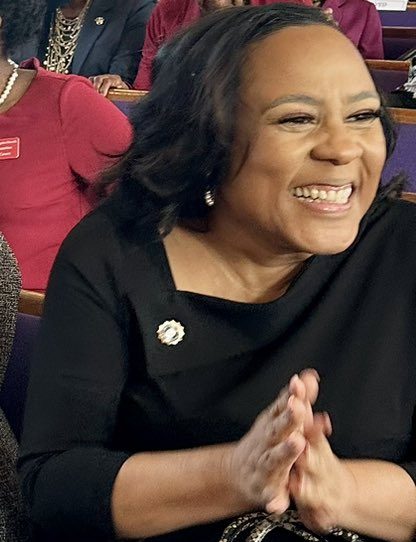
Fulton County District Attorney Fani Willis with Rep. Nikema Williams, 2024. Office of Congresswoman Nikema Williams · Public domain
The case was sprawling; it never reached a trial verdict on Trump.
In August 2023 Fulton County District Attorney Fani Willis indicted Trump and 18 others under Georgia’s Racketeer Influenced and Corrupt Organizations Act, alleging a conspiracy to unlawfully change the election outcome. [1][2]
Several co-defendants, including Sidney Powell, Kenneth Chesebro and Jenna Ellis, pleaded guilty to lesser charges in 2023. Those pleas remain part of the record even after the main case ended. [1]
No jury ever weighed the full indictment against Trump. [3]
Bottom line Documented
An indictment is a charge. It is not a conviction.
What the record can’t settle
RICO’s breadth was itself contested by defense lawyers.
Public-domain portrait used as a stand-in where noted in image credits. TheBoyGenious01 · CC BY-SA 4.0 (https://creativecommons.org/licenses/by-sa/4.0)
Not an acquittal. The prosecutor was removed; her successor declined to go on.
In 2024 it emerged that Willis had a romantic relationship with Nathan Wade, the outside lawyer she hired to lead the case. The Georgia Court of Appeals disqualified Willis and her office in December 2024 for an appearance of impropriety. [1]
Peter Skandalakis, head of the state prosecutors’ council, took over and on 26 November 2025 moved to nolle prosequi. His motion called the Raffensperger call concerning but ambiguous, gave defendants the benefit of the doubt on intent, disputed charging theories, cited presidential-immunity obstacles, and called the underlying fraud claims unsubstantiated and disproved. [2]
Judge Scott McAfee dismissed the case in its entirety the same day. [3]
Bottom line Documented
Willis’s misconduct gave Trump a real legal win. It did not settle what the call meant.
What the record can’t settle
A nolle prosequi is the state’s choice not to prosecute; it is not a finding of innocence.
President Trump speaks with reporters before boarding Marine One. The White House · Public domain
Day one of the second term emptied most January 6 cases.
On 20 January 2025 Trump issued a proclamation pardoning nearly everyone convicted of offenses relating to January 6 and commuting fourteen named sentences, including Stewart Rhodes. [1][2]
AP reported that people convicted of assaulting police were among those pardoned. So were people who only entered. [3][2]
A pardon forgives legal consequences. It does not erase bodycam, convictions or the injuries officers documented. [1]
Bottom line Documented
Clemency is a constitutional power. Using it this broadly is a political fact as much as a legal one.
What the record can’t settle
Exact headcounts vary slightly by how pending cases and misdemeanors are tallied.
Special Counsel Jack Smith speaking about an indictment of Donald Trump, 2023. United States Department of Justice · Public domain
Call logs (not content) for eight Republican senators around January 6.
In October 2025 Sen. Chuck Grassley released an FBI document showing investigators obtained toll records—who called whom, when, for how long—for eight Republican senators’ personal phones for dates around 4–7 January 2021. [1]
No call content was obtained. Call detail records are not wiretaps. Whether the step was justified remains politically contested and was not adjudicated in the materials reviewed here. [1]
Calling it “spying on senators” captures the politics; the technical description is toll records. [1]
Bottom line Partly true
Process fights about investigators do not by themselves prove January 6 was staged.
What the record can’t settle
The Grassley release is a majority-party oversight event; read the underlying FBI page.
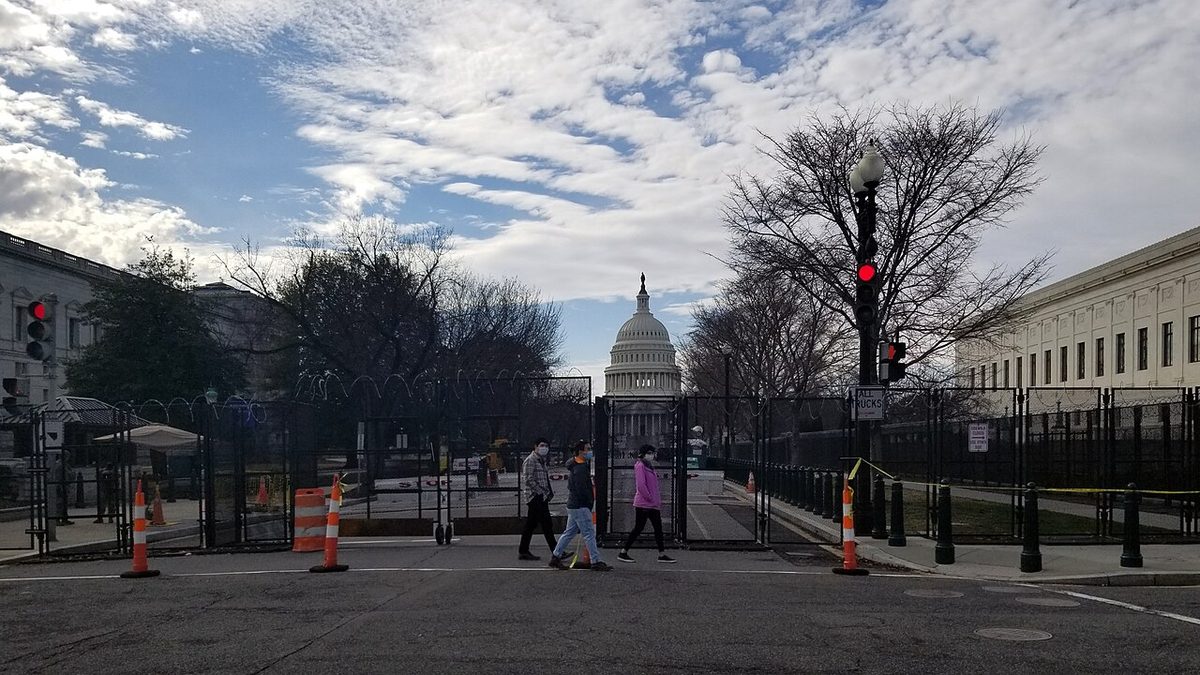
Security fencing near the Capitol after January 6, February 2021. Chris Jantsch · CC BY-SA 4.0 (https://creativecommons.org/licenses/by-sa/4.0)
Polls show durable partisan splits; this guide cites pollsters, not vibes.
Pew, Gallup and AP-NORC surveys from 2021 onward repeatedly found large gaps between Republicans and Democrats on whether Trump bears responsibility and whether to call the day an insurrection. [1][2][3]
Those gaps narrowed only slightly even after convictions, the committee hearings and the pardons. [1]
Memory is not a verdict. It is data about publics. [3]
Bottom line Documented
A 50–50 country will not share a single name for January 6.