The AI Files · Mar-a-Lago, NARA, the FBI search, Jack Smith, and a dismissed Espionage Act case · plain reading edition
All 51 entries of the guide, grouped by period and case, each with its bottom line and its sources. This page needs no JavaScript. The interactive guide adds the story in 20 chapters, the people, the timeline, the theories, the 15 checked claims and the media.
Leaving with the boxes January 2021 and the packing.
Boxes leave the White House Record · History
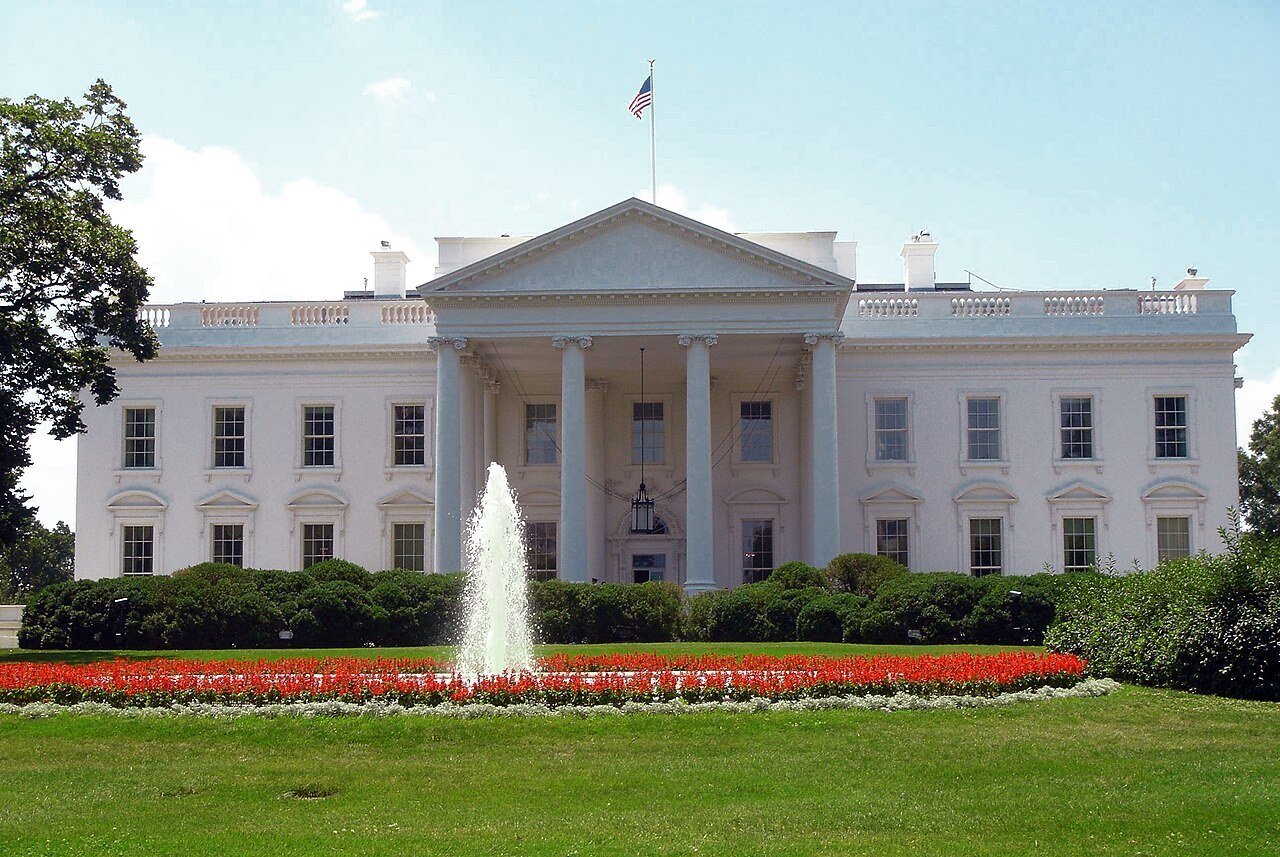
The White House Reused from AI Files local store (originally Commons/gov) · Freely licensed upstream; re-encoded Presidential records end up at Mar-a-Lago after January 20, 2021.
After the presidency ended on January 20, 2021, large volumes of presidential records were not all in NARA custody. [1] [2]
NARA later described a prolonged effort to recover missing boxes from Mar-a-Lago. [1] [3]
Bottom line History
The archives’ missing-records claim is the case’s opening fact—not yet a finding of Espionage Act willfulness.
What the record can’t settle
Exact packing decisions and who directed which boxes remain partly reconstructed from later investigations.
Sources National Archives statement on presidential records recovered from Mar-a-Lago (2022) NARA’s public account of recovering records and finding classified markings; scope limited to what NARA states. Presidential Records Act, 44 U.S.C. §§ 2201–2209 Statute governing ownership and custody of presidential records; does not by itself litigate Espionage Act counts. AP explainer/timeline coverage of the Mar-a-Lago documents investigation Wire chronology summarizing NARA requests, subpoena, search and charging; secondary synthesis. Back to contents · Open in the interactive guide
What the Presidential Records Act says Record · History
Classified documents context Reused from AI Files local store (originally Commons/gov) · Freely licensed upstream; re-encoded The PRA treats most presidential records as public property under NARA’s custody.
The Presidential Records Act establishes that presidential records are public property and sets rules for custody and access. [1]
Trump allies have argued the PRA made some materials “his.” The statute’s text is about custody and ownership of presidential records, not a free-standing Espionage Act defense. [1] [2]
Bottom line History
PRA arguments are real legal claims; they do not automatically erase classification or obstruction statutes.
What the record can’t settle
Courts never finally adjudicated the PRA defense on the merits in this dismissed case.
Sources Presidential Records Act, 44 U.S.C. §§ 2201–2209 Statute governing ownership and custody of presidential records; does not by itself litigate Espionage Act counts. Superseding indictment, U.S. v. Trump, Nauta & De Oliveira (S.D. Fla.), July 27, 2023 Prosecutor’s allegations with photographs of boxes and charged documents. Not a verdict; the case was dismissed without trial. Back to contents · Open in the interactive guide
Records act fight vs Espionage Act crime Question · Debated
Classified documents context Reused from AI Files local store (originally Commons/gov) · Freely licensed upstream; re-encoded Two legal frames share one warehouse.
PRA custody fights and Espionage Act willful-retention counts can describe the same boxes in different legal languages. [1] [2]
Cannon never reached a trial that forced a jury to pick. [3]
Bottom line Debated
Frame choice is much of the political war.
What the record can’t settle
No final merits opinion chose between frames on these facts.
Sources Presidential Records Act, 44 U.S.C. §§ 2201–2209 Statute governing ownership and custody of presidential records; does not by itself litigate Espionage Act counts. 18 U.S.C. § 793 — Gathering, transmitting or losing defense information Statutory text for willful retention charges alleged in the indictment. Judge Aileen Cannon dismissal order (July 15, 2024) District court order dismissing the indictment on Appointments Clause and appropriations grounds regarding the special counsel. Back to contents · Open in the interactive guide
Ukraine-war hard stop Record · History
Classified documents context Reused from AI Files local store (originally Commons/gov) · Freely licensed upstream; re-encoded This guide refuses a foreign-war detour.
User editorial rules for AI Files Trump expansions bar Ukraine-war narrative sprawl on this page. [1]
Geopolitical documents allegedly in boxes are discussed only as classification/allegations, not as a war diary. [2]
Bottom line History
Stay on Mar-a-Lago process, law and theories.
What the record can’t settle
Specific document titles remain largely classified/withheld.
Sources Superseding indictment, U.S. v. Trump, Nauta & De Oliveira (S.D. Fla.), July 27, 2023 Prosecutor’s allegations with photographs of boxes and charged documents. Not a verdict; the case was dismissed without trial. Reporting on alleged showing of classified map/plan to visitors (per indictment) Allegation inside indictment that Trump showed a military plan; unproven at trial. Back to contents · Open in the interactive guide
NARA recovers 15 boxes January 2022.
NARA’s year of requests Record · History
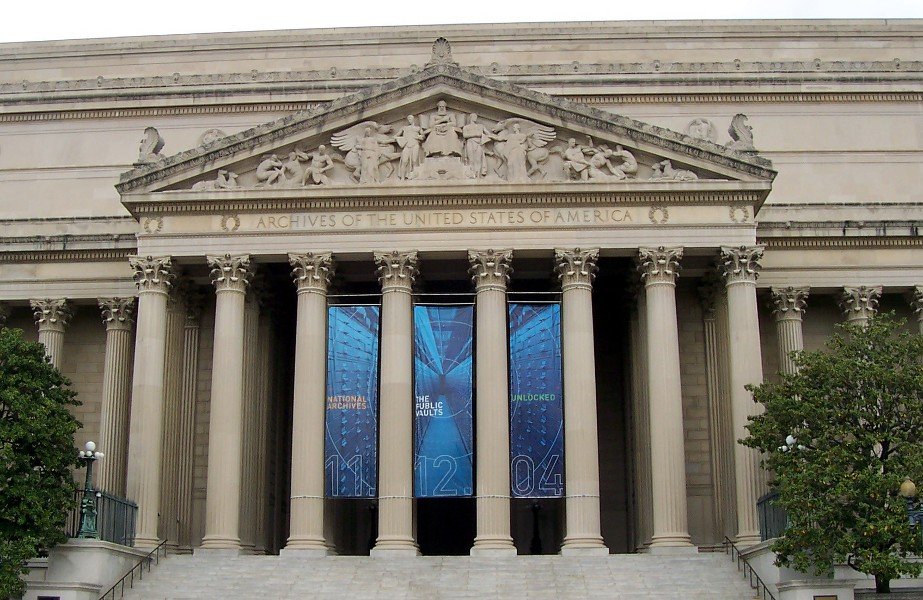
National Archives Building Wikimedia Commons · Public domain Through 2021 archivists pressed for return before any search warrant.
NARA’s public account describes repeated efforts in 2021 to recover missing records. [1] [2]
Garland later cited failed less-intrusive steps as context for seeking a warrant. [3]
Bottom line History
The long NARA negotiation is why “they never asked” is a weak slogan.
What the record can’t settle
Not every private letter between NARA and counsel is public.
Sources National Archives statement on presidential records recovered from Mar-a-Lago (2022) NARA’s public account of recovering records and finding classified markings; scope limited to what NARA states. AP explainer/timeline coverage of the Mar-a-Lago documents investigation Wire chronology summarizing NARA requests, subpoena, search and charging; secondary synthesis. Attorney General Merrick Garland remarks on the Mar-a-Lago search and unsealing (Aug. 11, 2022) Official DOJ statement that the search was court-authorized and that the warrant affidavit was later partly unsealed. Back to contents · Open in the interactive guide
Fifteen boxes returned (January 2022) Record · Official
Classified documents context Reused from AI Files local store (originally Commons/gov) · Freely licensed upstream; re-encoded About fifteen boxes come back; classified markings are found.
On or about January 17, 2022, representatives returned fifteen boxes to NARA. [1] [2]
NARA reported classified markings among the contents and referred the matter to DOJ in February 2022. [2]
Bottom line Official
Return of some boxes proved incomplete custody—not innocence and not guilt.
What the record can’t settle
The public record does not itemize every page in those fifteen boxes here.
Sources NARA / reporting on the 15 boxes returned January 2022 Public NARA communications on the January 2022 recovery. National Archives statement on presidential records recovered from Mar-a-Lago (2022) NARA’s public account of recovering records and finding classified markings; scope limited to what NARA states. Back to contents · Open in the interactive guide
NARA’s DOJ referral Record · Official
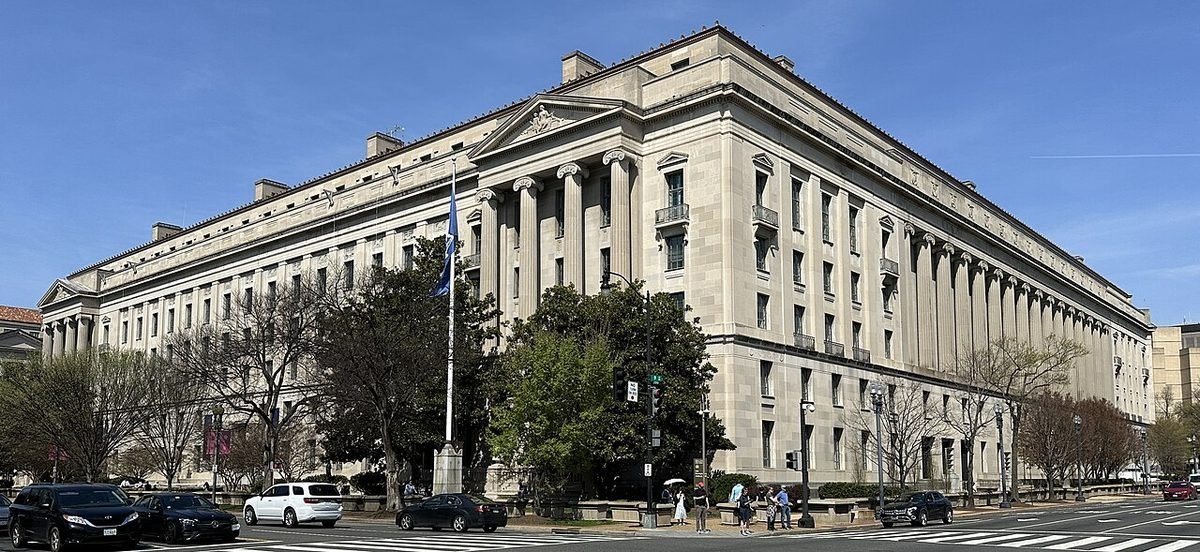
U.S. Department of Justice Reused from AI Files local store (originally Commons/gov) · Freely licensed upstream; re-encoded February 2022 moves the fight from archives to criminal process.
NARA’s referral to the Justice Department followed discovery of classified markings in returned boxes. [1] [2]
Senate Judiciary majority materials later characterized early framing as non-criminal “spillage.” That is a partisan reading of early correspondence, not a verdict on later obstruction allegations. [3]
Bottom line Official
A referral opens a door; it does not prove the superseding indictment’s obstruction story.
What the record can’t settle
Full early FBI/NARA memos are only partly public via oversight releases.
Sources National Archives statement on presidential records recovered from Mar-a-Lago (2022) NARA’s public account of recovering records and finding classified markings; scope limited to what NARA states. AP explainer/timeline coverage of the Mar-a-Lago documents investigation Wire chronology summarizing NARA requests, subpoena, search and charging; secondary synthesis. Senate Judiciary majority release on initial referral / ‘spillage’ framing (Sept. 29, 2026) Partisan committee characterization of early agency correspondence; not a finding that later obstruction allegations were fabricated. Back to contents · Open in the interactive guide
The “spillage” political frame Steel-man · Debated
National Archives Building Wikimedia Commons · Public domain Majority oversight says early agencies treated it as mishandling, not a crime.
Senate Judiciary majority materials argue the initial referral was framed as non-criminal spillage/mishandling. [1] [2]
Even if early labels were mild, later alleged post-subpoena concealment is a different legal animal. [3]
Bottom line Debated
Early labels can be true as history and still not erase later obstruction allegations—or prove them.
What the record can’t settle
Underlying agency emails are selectively disclosed via oversight.
Sources Senate Judiciary majority release on initial referral / ‘spillage’ framing (Sept. 29, 2026) Partisan committee characterization of early agency correspondence; not a finding that later obstruction allegations were fabricated. Senate Judiciary hearing: Oversight of Jack Smith (Sept. 29, 2026) Hearing title reflects majority framing; video and testimony are primary for what was said. Superseding indictment, U.S. v. Trump, Nauta & De Oliveira (S.D. Fla.), July 27, 2023 Prosecutor’s allegations with photographs of boxes and charged documents. Not a verdict; the case was dismissed without trial. Back to contents · Open in the interactive guide
Subpoena and certification May–June 2022.
The May 11, 2022 subpoena Record · Official
U.S. Department of Justice Reused from AI Files local store (originally Commons/gov) · Freely licensed upstream; re-encoded A grand jury demands remaining classified documents.
A May 11, 2022 grand jury subpoena sought documents with classification markings still at Mar-a-Lago. [1] [2]
This is the hard edge between voluntary return and compelled production. [1]
Bottom line Official
After the subpoena, “just a records dispute” has to explain a grand jury demand.
What the record can’t settle
The full subpoena text is discussed via indictment and reporting rather than a standalone public PDF in every archive.
Sources Superseding indictment, U.S. v. Trump, Nauta & De Oliveira (S.D. Fla.), July 27, 2023 Prosecutor’s allegations with photographs of boxes and charged documents. Not a verdict; the case was dismissed without trial. Washington Post reporting on the June 2022 certification and later discoveries Reporting on the Corcoran certification episode and affidavit unsealing. Back to contents · Open in the interactive guide
The June 2022 certification Record · Alleged
Counsel stand-in Komaiko123 · CC BY 3.0 Counsel certifies a diligent search; prosecutors later say more remained.
In June 2022, production was accompanied by a certification that a diligent search had located no further classified documents. [1] [2]
The August search, prosecutors alleged, recovered more than a hundred additional classified documents—making the certification’s substance false. [1]
Bottom line Alleged
The certification is central to the obstruction narrative; it was never tested by a jury.
What the record can’t settle
Privilege litigation around Corcoran’s testimony complicates the public record. [@corcoran-privilege]
Sources Superseding indictment, U.S. v. Trump, Nauta & De Oliveira (S.D. Fla.), July 27, 2023 Prosecutor’s allegations with photographs of boxes and charged documents. Not a verdict; the case was dismissed without trial. Washington Post reporting on the June 2022 certification and later discoveries Reporting on the Corcoran certification episode and affidavit unsealing. Reporting and filings on Evan Corcoran’s grand-jury testimony / crime-fraud litigation Secondary account of counsel testimony disputes; privilege rulings are case-specific. Back to contents · Open in the interactive guide
Evan Corcoran and privilege fights Record · Mixed
Counsel stand-in Komaiko123 · CC BY 3.0 Trump’s counsel becomes a witness flashpoint.
Reporting and filings describe litigation over whether Corcoran’s grand-jury testimony fell within crime-fraud exceptions. [1]
Counsel’s notes and testimony are tools prosecutors used to build obstruction; defense called the process unfair. [1] [2]
Bottom line Mixed
Attorney-client fights shaped discovery; they are not themselves a verdict on retention.
What the record can’t settle
Many underlying transcripts remain sealed or redacted.
Sources Reporting and filings on Evan Corcoran’s grand-jury testimony / crime-fraud litigation Secondary account of counsel testimony disputes; privilege rulings are case-specific. Superseding indictment, U.S. v. Trump, Nauta & De Oliveira (S.D. Fla.), July 27, 2023 Prosecutor’s allegations with photographs of boxes and charged documents. Not a verdict; the case was dismissed without trial. Back to contents · Open in the interactive guide
From subpoena to search in one summer Record · History
U.S. Department of Justice Reused from AI Files local store (originally Commons/gov) · Freely licensed upstream; re-encoded May subpoena, June certification, August warrant.
The compressed 2022 summer—from May 11 subpoena to August 8 search—is the prosecution’s urgency story. [1] [2] [3]
Defense reads the same weeks as ambush after cooperation. [4]
Bottom line History
The calendar itself is solid; the moral of the calendar is not.
What the record can’t settle
None.
Sources Superseding indictment, U.S. v. Trump, Nauta & De Oliveira (S.D. Fla.), July 27, 2023 Prosecutor’s allegations with photographs of boxes and charged documents. Not a verdict; the case was dismissed without trial. Unsealed Mar-a-Lago search warrant and property receipt (Aug. 2022) Court-authorized warrant and inventory categories; does not alone prove willfulness. Washington Post reporting on the June 2022 certification and later discoveries Reporting on the Corcoran certification episode and affidavit unsealing. Public Trump statements claiming standing declassification / personal ownership of records Primary-ish transcript of Trump’s post-search framing; claim, not legal holding. Back to contents · Open in the interactive guide
The Mar-a-Lago search August 8, 2022.
August 8 search warrant executed Record · Official
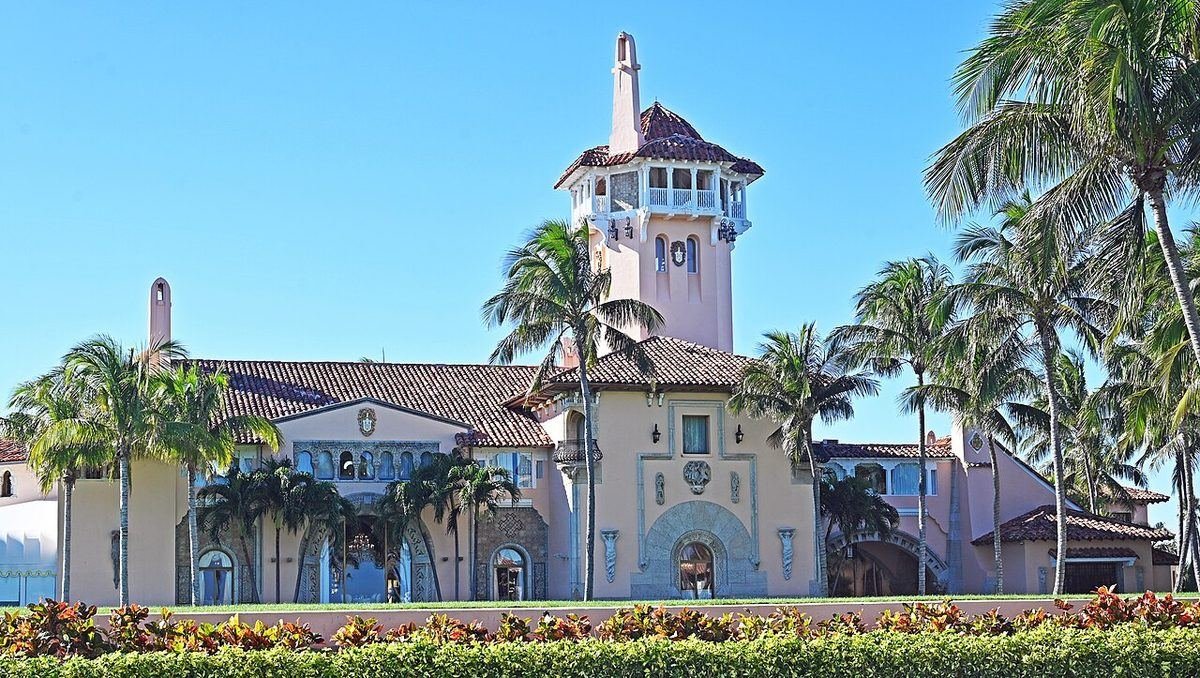
Mar-a-Lago, Palm Beach Reused from AI Files local store (originally Commons/gov) · Freely licensed upstream; re-encoded Court-authorized FBI search of Mar-a-Lago.
FBI agents executed a warrant at Mar-a-Lago on August 8, 2022. [1] [2]
Garland stated the search followed unsuccessful less-intrusive efforts and that the warrant was court-authorized. [2]
Bottom line Official
A lawful warrant is documented; “raid” is politics; “plant” needs evidence not in the public warrant file.
What the record can’t settle
The underlying affidavit was only partly unsealed.
Sources Unsealed Mar-a-Lago search warrant and property receipt (Aug. 2022) Court-authorized warrant and inventory categories; does not alone prove willfulness. Attorney General Merrick Garland remarks on the Mar-a-Lago search and unsealing (Aug. 11, 2022) Official DOJ statement that the search was court-authorized and that the warrant affidavit was later partly unsealed. New York Times reporting on the Aug. 8, 2022 Mar-a-Lago search Contemporaneous reporting; not a substitute for the warrant or indictment. Back to contents · Open in the interactive guide
Property receipt and inventory categories Record · Official
Classified documents context Reused from AI Files local store (originally Commons/gov) · Freely licensed upstream; re-encoded Seized items include classified-document categories.
The publicly released property receipt lists categories of materials seized, including classified documents. [1] [2]
Indictment exhibits later showed photographs of boxes in a storage room. [3]
Bottom line Official
The inventory documents seizure categories; it does not alone prove willful retention under § 793.
What the record can’t settle
Item-level classification titles are largely withheld.
Sources FBI property receipt from Mar-a-Lago search listing classified document categories Inventory of items seized; classification markings noted in receipt categories. Unsealed Mar-a-Lago search warrant and property receipt (Aug. 2022) Court-authorized warrant and inventory categories; does not alone prove willfulness. Superseding indictment Exhibit photographs of Mar-a-Lago storage room boxes Indictment exhibits showing stacked boxes; prosecutorial presentation. Back to contents · Open in the interactive guide
“I declassified them” Steel-man · Debated
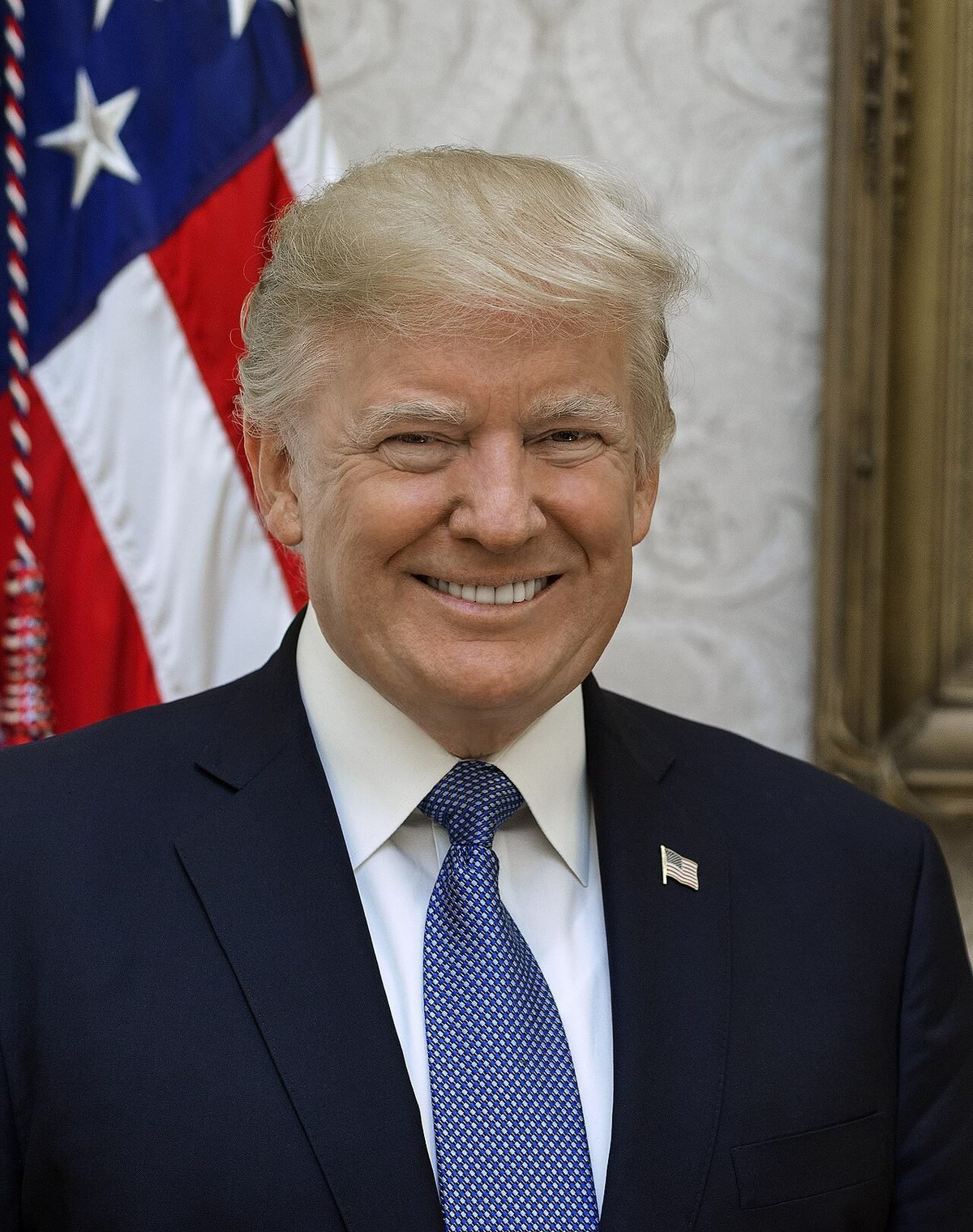
Donald Trump Reused from AI Files local store (originally Commons/gov) · Freely licensed upstream; re-encoded Trump’s standing public claim after the search.
Trump publicly argued he could declassify by taking documents or by thinking it. [1] [2]
No formal declassification order matching the seized set is cited in the public indictment file. [3]
Bottom line Debated
The claim is a defense theory, not a documented declassification process in the charging papers.
What the record can’t settle
Internal White House declassification paperwork, if any, was never publicly produced as a complete set.
Sources Public Trump statements claiming standing declassification / personal ownership of records Primary-ish transcript of Trump’s post-search framing; claim, not legal holding. Trump social-media posts responding to the search and indictment Collected public messaging; political speech, not court findings. Superseding indictment, U.S. v. Trump, Nauta & De Oliveira (S.D. Fla.), July 27, 2023 Prosecutor’s allegations with photographs of boxes and charged documents. Not a verdict; the case was dismissed without trial. Back to contents · Open in the interactive guide
Storage-room photographs Record · Alleged
Mar-a-Lago, Palm Beach Reused from AI Files local store (originally Commons/gov) · Freely licensed upstream; re-encoded Indictment exhibits show boxes in a ballroom storage area.
Superseding indictment exhibits include photographs of stacked boxes on a stage/storage area at Mar-a-Lago. [1] [2]
Photos show custody conditions alleged; they do not alone prove every count. [2]
Bottom line Alleged
Visuals became the public face of the case; treat them as prosecutorial exhibits.
What the record can’t settle
Chain-of-custody trial testing never occurred.
Sources Superseding indictment Exhibit photographs of Mar-a-Lago storage room boxes Indictment exhibits showing stacked boxes; prosecutorial presentation. Superseding indictment, U.S. v. Trump, Nauta & De Oliveira (S.D. Fla.), July 27, 2023 Prosecutor’s allegations with photographs of boxes and charged documents. Not a verdict; the case was dismissed without trial. Back to contents · Open in the interactive guide
Garland’s “less intrusive steps” claim Record · Official
Merrick Garland Reused from AI Files local store (originally Commons/gov) · Freely licensed upstream; re-encoded AG says warrant followed failed alternatives.
Garland’s August 11, 2022 remarks stated the department sought a court-authorized search after other approaches failed. [1]
Critics call that narrative incomplete; the warrant file is the legal authorization regardless. [2] [1]
Bottom line Official
Official rationale for the warrant’s timing; contested as spin by Trump allies.
What the record can’t settle
Full negotiation chronology is only partly public.
Sources Attorney General Merrick Garland remarks on the Mar-a-Lago search and unsealing (Aug. 11, 2022) Official DOJ statement that the search was court-authorized and that the warrant affidavit was later partly unsealed. Unsealed Mar-a-Lago search warrant and property receipt (Aug. 2022) Court-authorized warrant and inventory categories; does not alone prove willfulness. Back to contents · Open in the interactive guide
Mar-a-Lago as storage Record · History
Mar-a-Lago, Palm Beach Reused from AI Files local store (originally Commons/gov) · Freely licensed upstream; re-encoded A club and residence used as a records warehouse.
The indictment and warrant concern storage areas inside the Mar-a-Lago property, including a ballroom storage space depicted in exhibits. [1] [2]
Secure-facility standards for SCIFs are the contrast critics draw; the club setting is undisputed geography. [1]
Bottom line History
Geography matters to the negligence-versus-willfulness debate.
What the record can’t settle
Floor plans beyond indictment photos are limited.
Sources Superseding indictment, U.S. v. Trump, Nauta & De Oliveira (S.D. Fla.), July 27, 2023 Prosecutor’s allegations with photographs of boxes and charged documents. Not a verdict; the case was dismissed without trial. Superseding indictment Exhibit photographs of Mar-a-Lago storage room boxes Indictment exhibits showing stacked boxes; prosecutorial presentation. Back to contents · Open in the interactive guide
Trump’s public messaging after the search Record · Mixed
Donald Trump Reused from AI Files local store (originally Commons/gov) · Freely licensed upstream; re-encoded “Raid,” weaponization, and declassification claims.
Trump’s post-search messaging framed the FBI action as a political raid and insisted on declassification/ownership theories. [1] [2] [3]
Messaging is evidence of defense narrative, not of declassification paperwork. [1]
Bottom line Mixed
Quote the claims; demand the documents.
What the record can’t settle
Platform posts can be edited or deleted; contemporaneous news captures are used.
Sources Public Trump statements claiming standing declassification / personal ownership of records Primary-ish transcript of Trump’s post-search framing; claim, not legal holding. Trump social-media posts responding to the search and indictment Collected public messaging; political speech, not court findings. New York Times reporting on the Aug. 8, 2022 Mar-a-Lago search Contemporaneous reporting; not a substitute for the warrant or indictment. Back to contents · Open in the interactive guide
How indictment photos shaped memory Record · Mixed
Mar-a-Lago, Palm Beach Reused from AI Files local store (originally Commons/gov) · Freely licensed upstream; re-encoded Stacked boxes became the iconic image.
Indictment photographs of boxes circulated globally as shorthand for the scandal. [1] [2]
Icons are not elements of a crime; they still structure public memory. [1]
Bottom line Mixed
Visual memory outran legal process because legal process stopped.
What the record can’t settle
Some circulating crops online are unverified edits; prefer indictment exhibits.
Sources Superseding indictment Exhibit photographs of Mar-a-Lago storage room boxes Indictment exhibits showing stacked boxes; prosecutorial presentation. Superseding indictment, U.S. v. Trump, Nauta & De Oliveira (S.D. Fla.), July 27, 2023 Prosecutor’s allegations with photographs of boxes and charged documents. Not a verdict; the case was dismissed without trial. Back to contents · Open in the interactive guide
Club members and national defense info Question · Debated
Mar-a-Lago, Palm Beach Reused from AI Files local store (originally Commons/gov) · Freely licensed upstream; re-encoded Risk theories about who could be near boxes.
Critics stressed that Mar-a-Lago is a club with members and events, unlike a SCIF. [1] [2]
Defense stressed locked storage and Secret Service presence. Neither theory was tried to judgment. [1]
Bottom line Debated
Security culture clash is real; specific unauthorized foreign access was not adjudicated here.
What the record can’t settle
No public finding of a specific espionage handoff from these boxes.
Sources Superseding indictment, U.S. v. Trump, Nauta & De Oliveira (S.D. Fla.), July 27, 2023 Prosecutor’s allegations with photographs of boxes and charged documents. Not a verdict; the case was dismissed without trial. Superseding indictment Exhibit photographs of Mar-a-Lago storage room boxes Indictment exhibits showing stacked boxes; prosecutorial presentation. Back to contents · Open in the interactive guide
Indictment and superseding June–July 2023.
June 2023 indictment Record · Alleged
Classified documents context Reused from AI Files local store (originally Commons/gov) · Freely licensed upstream; re-encoded Willful retention and obstruction counts charged.
A grand jury indicted Trump in June 2023 on Espionage Act willful-retention and obstruction-related counts. [1] [2] [3]
Allegations included showing a classified military plan to visitors. [4]
Bottom line Alleged
Charged ≠ convicted. The case never reached a jury.
What the record can’t settle
Grand jury materials beyond the indictment are secret.
Sources Superseding indictment, U.S. v. Trump, Nauta & De Oliveira (S.D. Fla.), July 27, 2023 Prosecutor’s allegations with photographs of boxes and charged documents. Not a verdict; the case was dismissed without trial. 18 U.S.C. § 793 — Gathering, transmitting or losing defense information Statutory text for willful retention charges alleged in the indictment. CNN: Trump indicted in classified documents case (June 2023) Contemporaneous charging coverage. Reporting on alleged showing of classified map/plan to visitors (per indictment) Allegation inside indictment that Trump showed a military plan; unproven at trial. Back to contents · Open in the interactive guide
Superseding indictment adds aides Record · Alleged
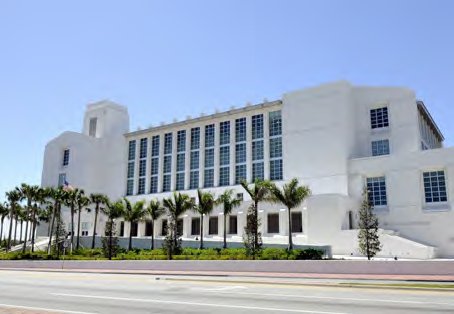
Federal courthouse context (Florida) United States District Court, Southern District of Florida · Public domain Nauta and De Oliveira charged over alleged concealment.
The July 27, 2023 superseding indictment added Walt Nauta and Carlos De Oliveira and detailed alleged box moves and footage deletion efforts. [1] [2]
Both aides pleaded not guilty. [3]
Bottom line Alleged
Obstruction allegations against aides are the indictment’s sharp edge—and untried.
What the record can’t settle
Surveillance footage itself is not publicly viewable in full.
Sources Superseding indictment, U.S. v. Trump, Nauta & De Oliveira (S.D. Fla.), July 27, 2023 Prosecutor’s allegations with photographs of boxes and charged documents. Not a verdict; the case was dismissed without trial. 18 U.S.C. § 1519 — Destruction, alteration, or falsification of records in federal investigations Statutory text for obstruction counts alleged regarding boxes and surveillance footage. Court docket / reporting: Walt Nauta and Carlos De Oliveira not-guilty pleas Plea posture; charges later dismissed with the case. Back to contents · Open in the interactive guide
Alleged showing of a military plan Record · Alleged
Classified documents context Reused from AI Files local store (originally Commons/gov) · Freely licensed upstream; re-encoded Indictment says Trump showed classified war plan to visitors.
The superseding indictment alleges Trump showed a classified military document/plan to visitors at Mar-a-Lago and commented on its classified nature. [1] [2]
That allegation goes to willfulness and knowledge; it was never tried. [1]
Bottom line Alleged
Treat as allegation. Visitor identities and exact document titles are constrained in public papers.
What the record can’t settle
No trial transcript tests the witnesses.
Sources Superseding indictment, U.S. v. Trump, Nauta & De Oliveira (S.D. Fla.), July 27, 2023 Prosecutor’s allegations with photographs of boxes and charged documents. Not a verdict; the case was dismissed without trial. Reporting on alleged showing of classified map/plan to visitors (per indictment) Allegation inside indictment that Trump showed a military plan; unproven at trial. Back to contents · Open in the interactive guide
Why prosecutors said it was obstruction Steel-man · Alleged
Classified documents context Reused from AI Files local store (originally Commons/gov) · Freely licensed upstream; re-encoded Not only possession—alleged concealment after process.
Prosecutors distinguished mere packing errors from alleged efforts to hide boxes and delete footage after subpoena. [1] [2]
That distinction is also how they answered “Biden did it too” comparisons. [3] [1]
Bottom line Alleged
Obstruction is the steel-man of the prosecution case; dismissal prevented a jury test.
What the record can’t settle
Without Volume II or a trial, the full evidentiary stack is incomplete.
Sources Superseding indictment, U.S. v. Trump, Nauta & De Oliveira (S.D. Fla.), July 27, 2023 Prosecutor’s allegations with photographs of boxes and charged documents. Not a verdict; the case was dismissed without trial. 18 U.S.C. § 1519 — Destruction, alteration, or falsification of records in federal investigations Statutory text for obstruction counts alleged regarding boxes and surveillance footage. Special Counsel Robert K. Hur report on Biden classified documents (Feb. 2024) Explains decision not to charge Biden; useful comparative context, not a finding about Trump. Back to contents · Open in the interactive guide
Biden documents (comparative) Record · Mixed
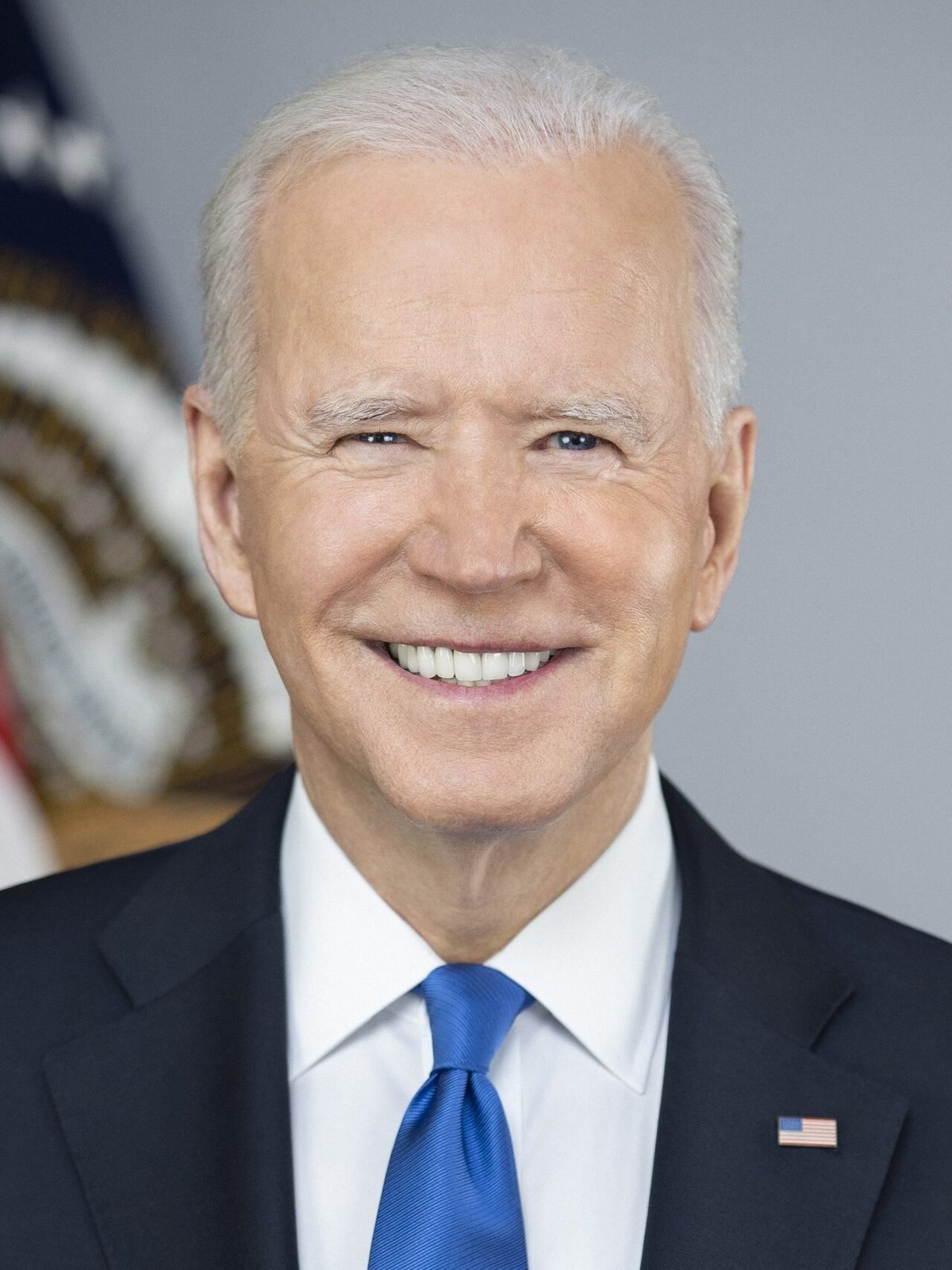
Joe Biden Reused from AI Files local store (originally Commons/gov) · Freely licensed upstream; re-encoded Hur declines charges; cooperation cited.
Classified materials were found at the Penn Biden Center and in Biden’s Delaware garage. [1]
Special Counsel Robert Hur declined prosecution, discussing willfulness proof and cooperation. [2]
Bottom line Mixed
Comparative context only—not a second spine for this guide.
What the record can’t settle
Hur’s report is about Biden, not a factual finding on Trump’s Mar-a-Lago conduct.
Sources Reporting: classified documents found at Penn Biden Center and Delaware garage (2022–23) Comparative discovery chronology; Hur later declined charges. Special Counsel Robert K. Hur report on Biden classified documents (Feb. 2024) Explains decision not to charge Biden; useful comparative context, not a finding about Trump. Back to contents · Open in the interactive guide
Pence documents (comparative) Record · Mixed
Classified documents context Reused from AI Files local store (originally Commons/gov) · Freely licensed upstream; re-encoded Pence returns records and is not charged.
Reporting describes classified documents found among Pence’s materials and his cooperation in returning them. [1]
He was not charged. [1]
Bottom line Mixed
Cooperation without a subpoena fight is the comparative point defenders and critics both cite—for opposite morals.
What the record can’t settle
Fine-grained inventories of Pence materials are not fully public.
Sources Reporting: Pence returns classified documents and cooperates (2023) Comparative cooperation narrative; Pence was not charged. Back to contents · Open in the interactive guide
What § 793 required them to prove Question · Debated
Classified documents context Reused from AI Files local store (originally Commons/gov) · Freely licensed upstream; re-encoded Willful retention of national defense information.
18 U.S.C. § 793 supplies the willful-retention framework alleged. [1]
Dismissal meant no jury instructions or verdict construed those elements on this record. [2]
Bottom line Debated
Statutory text is clear enough to quote; application to a former president was never finally tried here.
What the record can’t settle
No appellate construction of § 793 on these facts exists in this case.
Sources 18 U.S.C. § 793 — Gathering, transmitting or losing defense information Statutory text for willful retention charges alleged in the indictment. Judge Aileen Cannon dismissal order (July 15, 2024) District court order dismissing the indictment on Appointments Clause and appropriations grounds regarding the special counsel. Superseding indictment, U.S. v. Trump, Nauta & De Oliveira (S.D. Fla.), July 27, 2023 Prosecutor’s allegations with photographs of boxes and charged documents. Not a verdict; the case was dismissed without trial. Back to contents · Open in the interactive guide
Nauta and De Oliveira’s alleged roles Record · Alleged
Federal courthouse context (Florida) United States District Court, Southern District of Florida · Public domain Valet and property manager in the obstruction story.
The superseding indictment alleges Nauta moved boxes at Trump’s direction and De Oliveira helped with surveillance-footage issues. [1] [2]
Both pleaded not guilty; charges ended with the case. [2] [3]
Bottom line Alleged
Aide allegations are load-bearing for obstruction—and untried.
What the record can’t settle
Their contemporaneous texts/CCTV are not fully public.
Sources Superseding indictment, U.S. v. Trump, Nauta & De Oliveira (S.D. Fla.), July 27, 2023 Prosecutor’s allegations with photographs of boxes and charged documents. Not a verdict; the case was dismissed without trial. Court docket / reporting: Walt Nauta and Carlos De Oliveira not-guilty pleas Plea posture; charges later dismissed with the case. ABC News: Eleventh Circuit dismisses remaining classified-documents appeal (Feb. 11, 2025) Reporting on the one-page circuit order dismissing the appeal after DOJ moved to dismiss as to co-defendants. Back to contents · Open in the interactive guide
Steel-man: willful retention + cover-up Steel-man · Alleged
Classified documents context Reused from AI Files local store (originally Commons/gov) · Freely licensed upstream; re-encoded Best version of the government’s case.
Steel-man: Trump knew boxes held national defense information, kept them after NARA demands, certified falsely after subpoena, then moved boxes and eyed camera deletion—hence § 793 and obstruction. [1] [2] [3]
That case was pled in detail and never put to twelve jurors. [4]
Bottom line Alleged
Steel-man ≠ proof. It is the account theories must answer.
What the record can’t settle
Volume II might add or subtract detail.
Sources Superseding indictment, U.S. v. Trump, Nauta & De Oliveira (S.D. Fla.), July 27, 2023 Prosecutor’s allegations with photographs of boxes and charged documents. Not a verdict; the case was dismissed without trial. 18 U.S.C. § 1519 — Destruction, alteration, or falsification of records in federal investigations Statutory text for obstruction counts alleged regarding boxes and surveillance footage. 18 U.S.C. § 793 — Gathering, transmitting or losing defense information Statutory text for willful retention charges alleged in the indictment. Judge Aileen Cannon dismissal order (July 15, 2024) District court order dismissing the indictment on Appointments Clause and appropriations grounds regarding the special counsel. Back to contents · Open in the interactive guide
Cannon dismisses July 15, 2024.
Cannon’s July 15, 2024 dismissal Record · Official
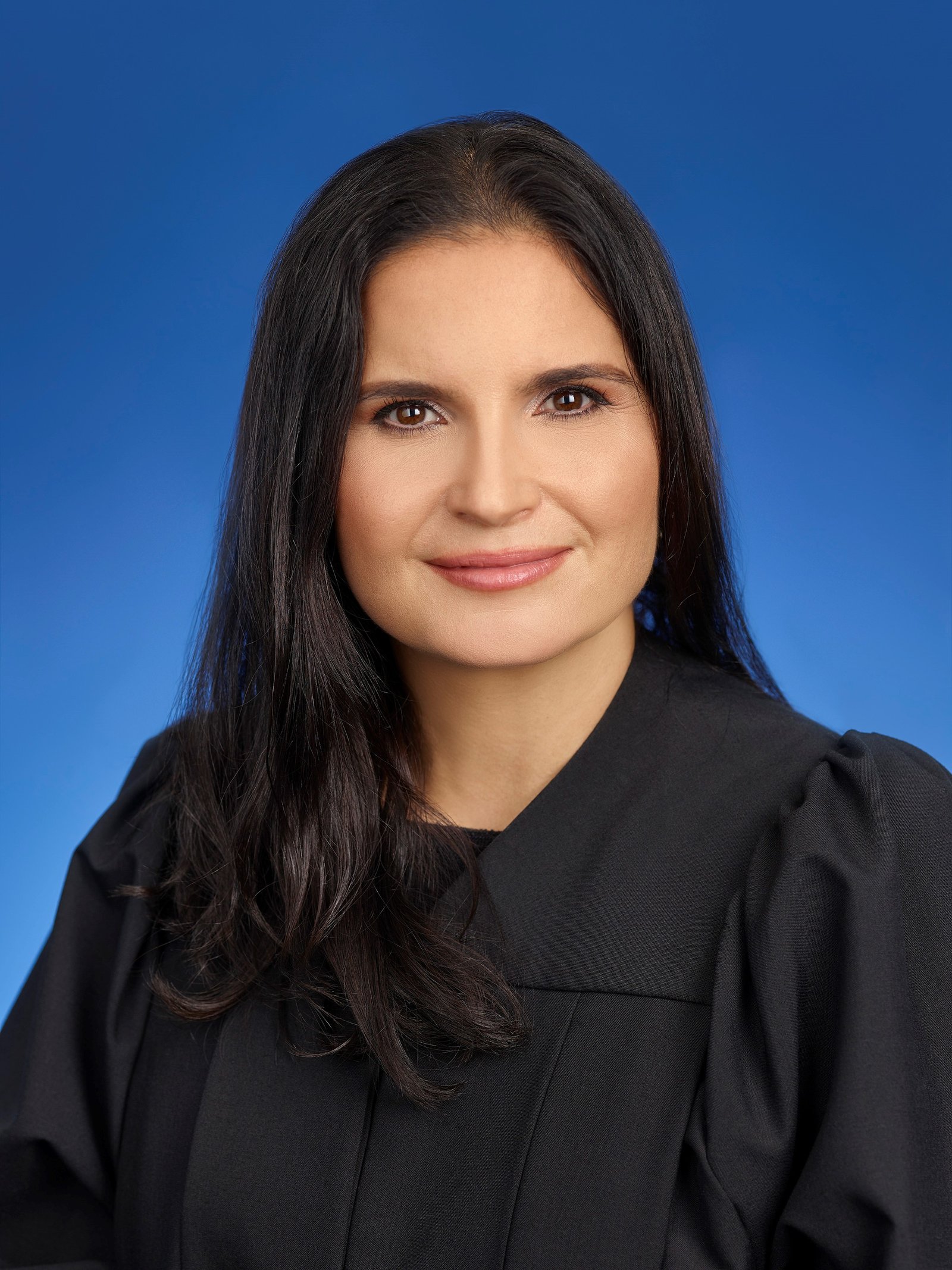
Aileen Cannon Southern District of Florida · Public domain Appointments Clause and funding; indictment wiped without trial.
Judge Aileen Cannon dismissed the indictment on July 15, 2024, holding Smith’s appointment and funding unconstitutional. [1] [2] [3]
The order is a legal ruling about the prosecutor, not a jury finding on document facts. [1]
Bottom line Official
Dismissal ≠ factual innocence. It is still a total win for defendants on the criminal case’s survival.
What the record can’t settle
Other courts had upheld similar special-counsel models; this district court disagreed.
Sources Judge Aileen Cannon dismissal order (July 15, 2024) District court order dismissing the indictment on Appointments Clause and appropriations grounds regarding the special counsel. U.S. Constitution, Article II, Appointments Clause Constitutional text Cannon applied to the special-counsel appointment. Reuters: Cannon dismisses Trump classified documents case (July 15, 2024) Wire report on dismissal grounds. Justice Thomas concurrence in Trump v. United States discussing special-counsel appointments (2024) Concurrence raising Appointments Clause questions later cited in Cannon’s dismissal reasoning. Back to contents · Open in the interactive guide
Was the special counsel lawful? Question · Debated
Aileen Cannon Southern District of Florida · Public domain Cannon said no; the appeal never produced a final circuit merits holding.
Cannon relied on Appointments Clause and appropriations arguments; Thomas’s concurrence had flagged related issues. [1] [2] [3]
Smith appealed; the appeal ended without a definitive Eleventh Circuit merits opinion reviving or burying the appointments holding. [4] [5]
Bottom line Debated
The constitutional question is live in scholarship and politics; it is moot for this prosecution.
What the record can’t settle
We lack a final appellate merits decision on Cannon’s appointments holding in this case.
Sources Judge Aileen Cannon dismissal order (July 15, 2024) District court order dismissing the indictment on Appointments Clause and appropriations grounds regarding the special counsel. Justice Thomas concurrence in Trump v. United States discussing special-counsel appointments (2024) Concurrence raising Appointments Clause questions later cited in Cannon’s dismissal reasoning. Trump v. United States, 603 U.S. ___ (2024) — immunity decision Official-acts immunity for criminal process; separate from Cannon’s appointments holding, though Thomas concurrence discussed appointments. Politico: DOJ drops Smith appeal against Trump after election Reporting on post-election appeal posture under sitting-president policy. ABC News: Eleventh Circuit dismisses remaining classified-documents appeal (Feb. 11, 2025) Reporting on the one-page circuit order dismissing the appeal after DOJ moved to dismiss as to co-defendants. Back to contents · Open in the interactive guide
Dismissed is not acquitted Record · History
Federal courthouse context (Florida) United States District Court, Southern District of Florida · Public domain No jury verdict of not guilty issued.
An acquittal is a judgment of not guilty after trial (or equivalent). Cannon’s order dismissed for appointment defects. [1]
Claims that “a judge found him innocent of the documents” conflate those outcomes. [1]
Bottom line History
Keep the verbs straight: dismissed, not acquitted.
What the record can’t settle
None.
Sources Judge Aileen Cannon dismissal order (July 15, 2024) District court order dismissing the indictment on Appointments Clause and appropriations grounds regarding the special counsel. Back to contents · Open in the interactive guide
Immunity decision’s side wind Record · Mixed
Federal courthouse context (Florida) United States District Court, Southern District of Florida · Public domain SCOTUS immunity case and Thomas appointments concurrence.
Trump v. United States (2024) reshaped official-acts immunity; Thomas’s concurrence discussed special-counsel appointments. [1] [2]
Cannon’s dismissal is an appointments holding, not an immunity acquittal on documents. [3]
Bottom line Mixed
Do not collapse immunity and appointments into one slogan.
What the record can’t settle
How immunity would have applied at a documents trial was never briefed to judgment.
Sources Trump v. United States, 603 U.S. ___ (2024) — immunity decision Official-acts immunity for criminal process; separate from Cannon’s appointments holding, though Thomas concurrence discussed appointments. Justice Thomas concurrence in Trump v. United States discussing special-counsel appointments (2024) Concurrence raising Appointments Clause questions later cited in Cannon’s dismissal reasoning. Judge Aileen Cannon dismissal order (July 15, 2024) District court order dismissing the indictment on Appointments Clause and appropriations grounds regarding the special counsel. Back to contents · Open in the interactive guide
Why there was no trial Record · History
Federal courthouse context (Florida) United States District Court, Southern District of Florida · Public domain Dismissal plus dropped appeals ended fact-finding.
Cannon’s dismissal stopped the trial path; abandoned appeals stopped revival. [1] [2] [3]
Public argument therefore still runs on indictment allegations versus defenses, not verdicts. [4]
Bottom line History
The missing trial is the case’s defining limit.
What the record can’t settle
Volume II might someday add narrative; it still would not be a verdict.
Sources Judge Aileen Cannon dismissal order (July 15, 2024) District court order dismissing the indictment on Appointments Clause and appropriations grounds regarding the special counsel. ABC News: Eleventh Circuit dismisses remaining classified-documents appeal (Feb. 11, 2025) Reporting on the one-page circuit order dismissing the appeal after DOJ moved to dismiss as to co-defendants. Politico: DOJ drops Smith appeal against Trump after election Reporting on post-election appeal posture under sitting-president policy. Superseding indictment, U.S. v. Trump, Nauta & De Oliveira (S.D. Fla.), July 27, 2023 Prosecutor’s allegations with photographs of boxes and charged documents. Not a verdict; the case was dismissed without trial. Back to contents · Open in the interactive guide
Cannon on funding as well as appointments Record · Official
Aileen Cannon Southern District of Florida · Public domain Dismissal also attacked how the special counsel was paid.
Cannon’s order addressed both Appointments Clause authority and appropriations/funding problems she attributed to the special counsel structure. [1]
That dual ground mattered to her remedy of dismissal. [1]
Bottom line Official
Funding + appointments together were her package; appeals never finally resolved them here.
What the record can’t settle
Detailed budget appendices are for specialists reading the order.
Sources Judge Aileen Cannon dismissal order (July 15, 2024) District court order dismissing the indictment on Appointments Clause and appropriations grounds regarding the special counsel. Back to contents · Open in the interactive guide
What Cannon settled—and what she didn’t Record · Official
Aileen Cannon Southern District of Florida · Public domain Settled: this indictment under this counsel. Unsettled: the historical facts.
Cannon’s order settled that this prosecution could not proceed as charged under Smith. [1]
It did not take testimony on whether boxes were willfully retained or footage was sought to be deleted. [1] [2]
Bottom line Official
Legal finality for the case; historical incompleteness for the public.
What the record can’t settle
Volume II might narrow historical incompleteness without creating a verdict.
Sources Judge Aileen Cannon dismissal order (July 15, 2024) District court order dismissing the indictment on Appointments Clause and appropriations grounds regarding the special counsel. Superseding indictment, U.S. v. Trump, Nauta & De Oliveira (S.D. Fla.), July 27, 2023 Prosecutor’s allegations with photographs of boxes and charged documents. Not a verdict; the case was dismissed without trial. Back to contents · Open in the interactive guide
Steel-man: unlawful prosecutor + overreach Steel-man · Debated
Aileen Cannon Southern District of Florida · Public domain Best version of the defense win.
Steel-man: even serious records disputes cannot be tried by a private citizen special counsel without Senate-confirmed appointment and proper funding; Cannon correctly dismissed; Biden/Pence comparisons show politics. [1] [2] [3]
That steel-man explains the legal ending; it does not inventory the boxes. [1]
Bottom line Debated
Appointment defects can kill a case without writing history’s last word on the warehouse.
What the record can’t settle
No final circuit affirmance of Cannon’s theory.
Sources Judge Aileen Cannon dismissal order (July 15, 2024) District court order dismissing the indictment on Appointments Clause and appropriations grounds regarding the special counsel. U.S. Constitution, Article II, Appointments Clause Constitutional text Cannon applied to the special-counsel appointment. Special Counsel Robert K. Hur report on Biden classified documents (Feb. 2024) Explains decision not to charge Biden; useful comparative context, not a finding about Trump. Back to contents · Open in the interactive guide
Appeal dropped 2024–25.
DOJ drops appeal as to Trump Record · Official
Donald Trump Reused from AI Files local store (originally Commons/gov) · Freely licensed upstream; re-encoded Sitting-president policy after the 2024 election.
After Trump’s election, DOJ abandoned the appeal against him, consistent with policy against prosecuting a sitting president. [1] [2]
That ends the road to reversing Cannon as to Trump personally. [1]
Bottom line Official
Policy termination ≠ factual exoneration.
What the record can’t settle
Internal DOJ deliberative notes on the timing are not public.
Sources Politico: DOJ drops Smith appeal against Trump after election Reporting on post-election appeal posture under sitting-president policy. OLC opinions / DOJ policy against indicting a sitting president (historical) Policy context for dropping the appeal after the 2024 election; not a merits acquittal. Back to contents · Open in the interactive guide
Co-defendant appeal dismissed (Feb 2025) Record · Official
Federal courthouse context (Florida) United States District Court, Southern District of Florida · Public domain Eleventh Circuit ends the remaining criminal appeal.
On February 11, 2025 the Eleventh Circuit dismissed the remaining appeal after DOJ’s motion as to Nauta and De Oliveira. [1]
The criminal case was then fully over. [1]
Bottom line Official
Book closed on US v. Trump (classified documents) as a criminal prosecution.
What the record can’t settle
None material.
Sources ABC News: Eleventh Circuit dismisses remaining classified-documents appeal (Feb. 11, 2025) Reporting on the one-page circuit order dismissing the appeal after DOJ moved to dismiss as to co-defendants. Back to contents · Open in the interactive guide
Sitting-president non-prosecution policy Record · History
U.S. Department of Justice Reused from AI Files local store (originally Commons/gov) · Freely licensed upstream; re-encoded OLC tradition used to end the Trump appeal.
DOJ/OLC tradition holds a sitting president is not to be indicted; related policy shaped dropping the appeal. [1] [2]
Critics call it a loophole; defenders call it constitutional structure. [1]
Bottom line History
Policy explains the off-ramp without rewriting 2022–24 facts.
What the record can’t settle
OLC opinions are legal advice, not statutes.
Sources OLC opinions / DOJ policy against indicting a sitting president (historical) Policy context for dropping the appeal after the 2024 election; not a merits acquittal. Politico: DOJ drops Smith appeal against Trump after election Reporting on post-election appeal posture under sitting-president policy. Back to contents · Open in the interactive guide
The sealed report 2025–26.
Smith Volume I released Record · Official
Classified documents context Reused from AI Files local store (originally Commons/gov) · Freely licensed upstream; re-encoded Election-interference volume published January 2025.
Volume I of Smith’s final report, on the election case, was released in January 2025. [1]
It is a separate spine from Mar-a-Lago documents. [1]
Bottom line Official
Volume I’s release sharpens the contrast with the sealed documents volume.
What the record can’t settle
This guide does not retry the election case.
Sources Special Counsel Jack Smith final report Volume I (election interference) — Jan. 2025 release Released election volume; documents volume (II) remains sealed per Cannon orders. Back to contents · Open in the interactive guide
Volume II permanently barred Record · Official
Classified documents context Reused from AI Files local store (originally Commons/gov) · Freely licensed upstream; re-encoded Cannon blocks the documents report; still sealed as of Oct 2026.
Cannon barred release of the documents volume; AP reported a February 23, 2026 order permanently blocking it. [1]
Trump, former co-defendants, and DOJ have argued to keep it sealed. [2]
Bottom line Official
The public still lacks Smith’s documents-volume narrative.
What the record can’t settle
Contents of Volume II are unknown by definition while sealed.
Sources AP: Cannon bars release of Smith documents-volume report (Feb. 23, 2026) Reporting on the district court order permanently blocking Volume II release. Law&Crime: Trump/DOJ filings on Cannon Volume II injunction (2026) Reporting on defense/DOJ alignment seeking to keep Volume II sealed. Knight Institute docket index: United States v. Trump et al. report-access litigation Litigant-maintained index; court orders, not advocacy text, establish outcomes. Back to contents · Open in the interactive guide
Knight Institute & American Oversight Record · Mixed
Federal courthouse context (Florida) United States District Court, Southern District of Florida · Public domain Press-freedom litigants seek Volume II.
The Knight First Amendment Institute and American Oversight have litigated for access. [1] [2] [3]
They are parties with a viewpoint; court orders—not their press releases—control outcomes. [1]
Bottom line Mixed
Access litigation is ongoing; it has not produced a public Volume II.
What the record can’t settle
Future briefing may change posture after a rescheduled argument.
Sources Knight Institute docket index: United States v. Trump et al. report-access litigation Litigant-maintained index; court orders, not advocacy text, establish outcomes. American Oversight litigation seeking Smith Volume II Advocacy litigant alongside Knight Institute; party filings. Knight First Amendment Institute: opposition to further delay on Smith report hearing (Oct. 2026) Advocacy filing by a party seeking public access; not a court finding. Back to contents · Open in the interactive guide
October 2026 continuance Record · Official
Federal courthouse context (Florida) United States District Court, Southern District of Florida · Public domain Eleventh Circuit postpones Volume II argument; no release ordered.
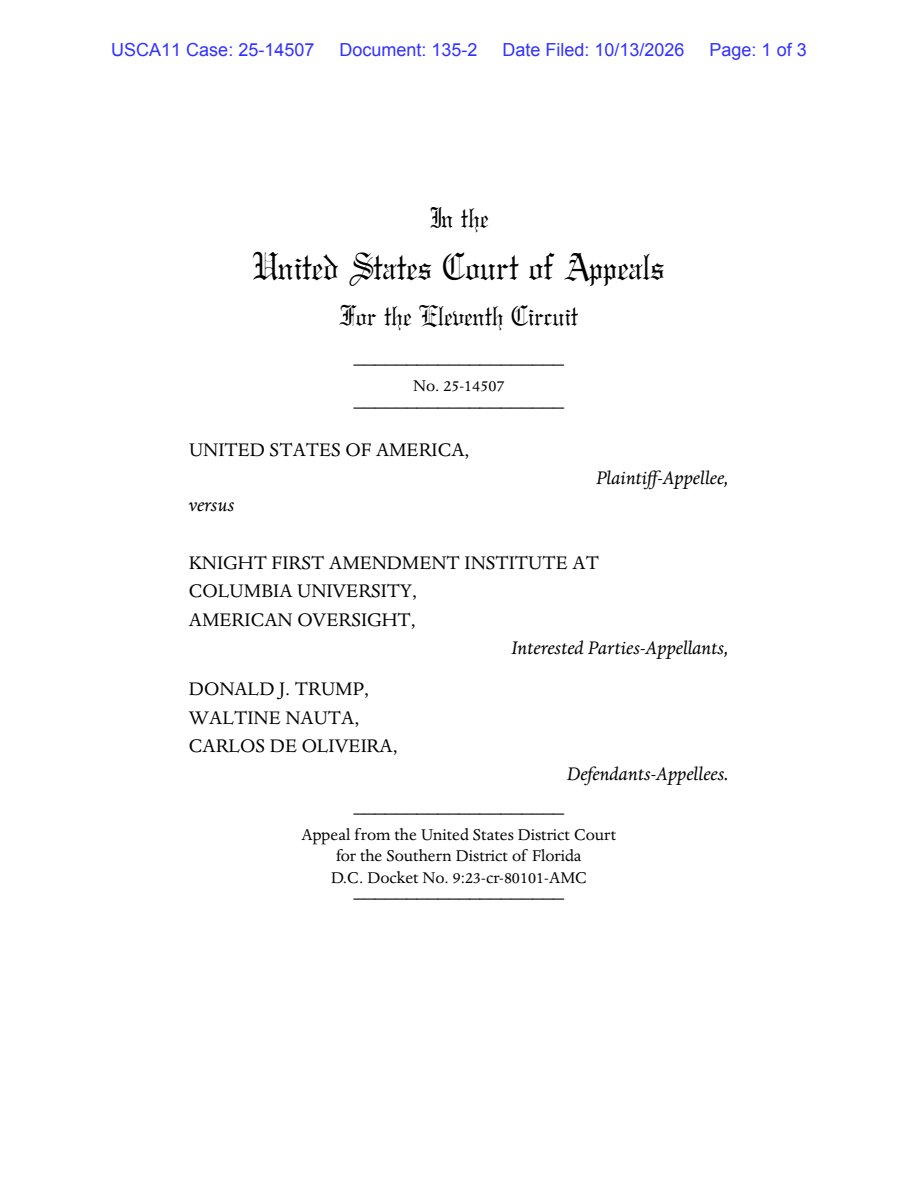
On October 13, 2026 the Eleventh Circuit partially granted a continuance regarding the Volume II appeal argument. [1]
Reporting describes vacation of a November 2 setting amid midterm-related scheduling claims. [2] [3]
Bottom line Official
Continuance ≠ decision on the merits of sealing.
What the record can’t settle
No new argument date was fixed in the October 13 order.
Sources Eleventh Circuit order partially granting continuance (Oct. 13, 2026) Three-page appellate order postponing argument; does not order the report released. MS NOW / Deadline Legal Blog: 11th Circuit delays Smith documents-report hearing (Oct. 14, 2026) Reporting on continuance after Trump/co-defendant motion citing midterm travel; no merits ruling. New York Sun: hearing on Smith Mar-a-Lago report delayed (Oct. 15, 2026) Secondary report that Nov. 2 argument will not proceed before midterms. Knight First Amendment Institute: opposition to further delay on Smith report hearing (Oct. 2026) Advocacy filing by a party seeking public access; not a court finding. Back to contents · Open in the interactive guide
Senate Judiciary oversight (Sept 29, 2026) Record · Mixed
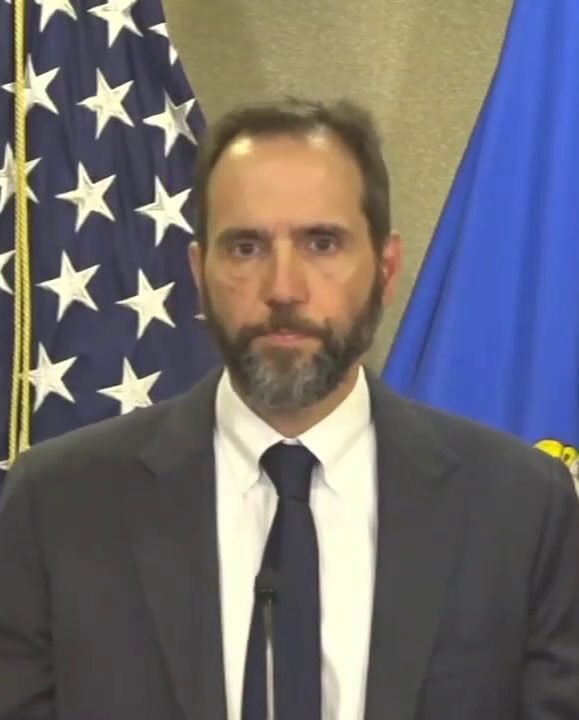
Jack Smith U.S. Department of Justice / reused from trump-january-6 · Public domain (USGOV) upstream Majority frames Smith as abusive; hearing record is primary for quotes.
The committee majority held a September 29, 2026 oversight hearing under a title accusing Smith of abuse. [1]
A majority press release highlighted early “spillage” framing of the referral. [2]
Bottom line Mixed
Oversight politics is evidence of partisan conflict, not a substitute for the indictment’s untried facts.
What the record can’t settle
Smith’s Volume II substance remained constrained by Cannon’s orders during testimony.
Sources Senate Judiciary hearing: Oversight of Jack Smith (Sept. 29, 2026) Hearing title reflects majority framing; video and testimony are primary for what was said. Senate Judiciary majority release on initial referral / ‘spillage’ framing (Sept. 29, 2026) Partisan committee characterization of early agency correspondence; not a finding that later obstruction allegations were fabricated. Back to contents · Open in the interactive guide
What Volume II might contain Question · Alleged
Classified documents context Reused from AI Files local store (originally Commons/gov) · Freely licensed upstream; re-encoded Unknown while sealed; both camps project.
Smith’s documents volume remains sealed under Cannon’s orders. [1] [2]
Allies predict vindication narratives; critics predict damning detail. Neither camp can cite the text. [3]
Bottom line Alleged
Projection is not evidence. The open question is the point.
What the record can’t settle
Literally unknown until unsealed or leaked with authentication.
Sources AP: Cannon bars release of Smith documents-volume report (Feb. 23, 2026) Reporting on the district court order permanently blocking Volume II release. Eleventh Circuit order partially granting continuance (Oct. 13, 2026) Three-page appellate order postponing argument; does not order the report released. Knight First Amendment Institute: opposition to further delay on Smith report hearing (Oct. 2026) Advocacy filing by a party seeking public access; not a court finding. Back to contents · Open in the interactive guide
Eleventh Circuit as the remaining arena Record · History
Federal courthouse context (Florida) United States District Court, Southern District of Florida · Public domain After dismissal, the live court fight is about the report.
The criminal appeal ended in 2025; 2026 litigation centers on whether Volume II may be released. [1] [2] [3]
The circuit previously criticized delay in related access litigation, per reporting—but the October 2026 order is a continuance, not a release. [4] [2]
Bottom line History
Watch the circuit for access; do not confuse that with reviving criminal counts.
What the record can’t settle
Panel composition and future dates unknown.
Sources ABC News: Eleventh Circuit dismisses remaining classified-documents appeal (Feb. 11, 2025) Reporting on the one-page circuit order dismissing the appeal after DOJ moved to dismiss as to co-defendants. Eleventh Circuit order partially granting continuance (Oct. 13, 2026) Three-page appellate order postponing argument; does not order the report released. Knight Institute docket index: United States v. Trump et al. report-access litigation Litigant-maintained index; court orders, not advocacy text, establish outcomes. MS NOW / Deadline Legal Blog: 11th Circuit delays Smith documents-report hearing (Oct. 14, 2026) Reporting on continuance after Trump/co-defendant motion citing midterm travel; no merits ruling. Back to contents · Open in the interactive guide
Midterms and the sealed report Record · Mixed
Federal courthouse context (Florida) United States District Court, Southern District of Florida · Public domain 2026 scheduling explicitly cited election proximity.
Motions and reporting on the October 2026 continuance cite midterm travel and a November 2 argument date adjacent to Election Day. [1] [2] [3]
Whatever the court’s internal reasons, the public effect is delay past the midterms. [3]
Bottom line Mixed
Scheduling is not a merits holding—but it is political fact.
What the record can’t settle
Judges’ private deliberations on “why” are not in the short order.
Sources MS NOW / Deadline Legal Blog: 11th Circuit delays Smith documents-report hearing (Oct. 14, 2026) Reporting on continuance after Trump/co-defendant motion citing midterm travel; no merits ruling. Eleventh Circuit order partially granting continuance (Oct. 13, 2026) Three-page appellate order postponing argument; does not order the report released. New York Sun: hearing on Smith Mar-a-Lago report delayed (Oct. 15, 2026) Secondary report that Nov. 2 argument will not proceed before midterms. Back to contents · Open in the interactive guide