The AI Files · Inflated Statements of Financial Condition, a $464 million judgment, and the appeal that erased the money · plain reading edition
New York civil fraud: every entry
All 52 entries of the guide, grouped by period and case, each with its bottom line and its sources. This page needs no JavaScript. The interactive guide adds the story in 20 chapters, the people, the timeline, the theories, the 15 checked claims and the media.
The statements years 2011–2018
Statements of Financial Condition
How the numbers were built
The annual Statement of Financial Condition
Record · Archives
Financial documents context (context stand-in). Stand-in · local
Yearly wealth packets for outside eyes
For years, annual Statements of Financial Condition compiled assets and liabilities attributed to Donald J. Trump; the trial court treated those SFCs as the spine of the Attorney General’s case. [1]
They were compilations that still conveyed specific values for towers, clubs, homes and brand-related assets. [2]
Bottom line Archives
The case is about what those yearly packets said—and what counterparties did with them.
What the record can’t settle
Compilation practice varies; the legal question was §63(12) fraud.
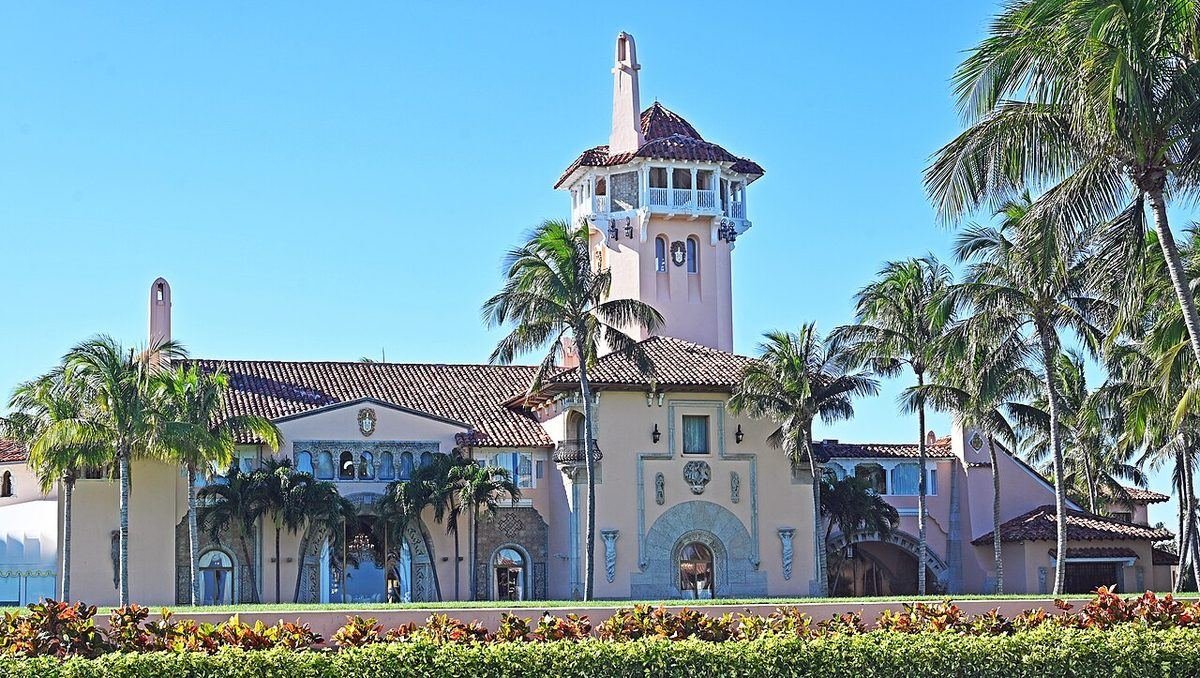
Mar-a-Lago / estate context (library reuse; not a finding about any valuation year). AI Files local library (prior freely licensed ingest) · See prior guide credits; re-encoded JPEG metadata stripped
Seven Springs, Mar-a-Lago, limits ignored
The decision details valuations that ignored conservation easements, club-use restrictions or comps the court found more realistic. [1]
Mar-a-Lago became a talking point; the legal issue was whether SFC numbers were false under §63(12). [1]
Bottom line Official
The court found a pattern across asset classes.
What the record can’t settle
Appraisal science is contested; findings are civil.
Donald Trump, official portrait (library reuse). AI Files local library (prior freely licensed ingest) · See prior guide credits; re-encoded JPEG metadata stripped
Reputation as a line item
Some SFC approaches baked in brand or goodwill-style premiums the court rejected as unsupported for those statements. [1]
Defense witnesses defended entrepreneur premiums as ordinary high-end practice. [1]
Bottom line Mixed
Brand value can be real in markets and still be misstated on a particular form.
N.Y. Executive Law § 63(12) Statutory text: AG may sue for repeated fraudulent or illegal acts; no private-loss element in the statute’s fraud definition as construed in this litigation.
N.Y. Executive Law § 63(12) Statutory text: AG may sue for repeated fraudulent or illegal acts; no private-loss element in the statute’s fraud definition as construed in this litigation.
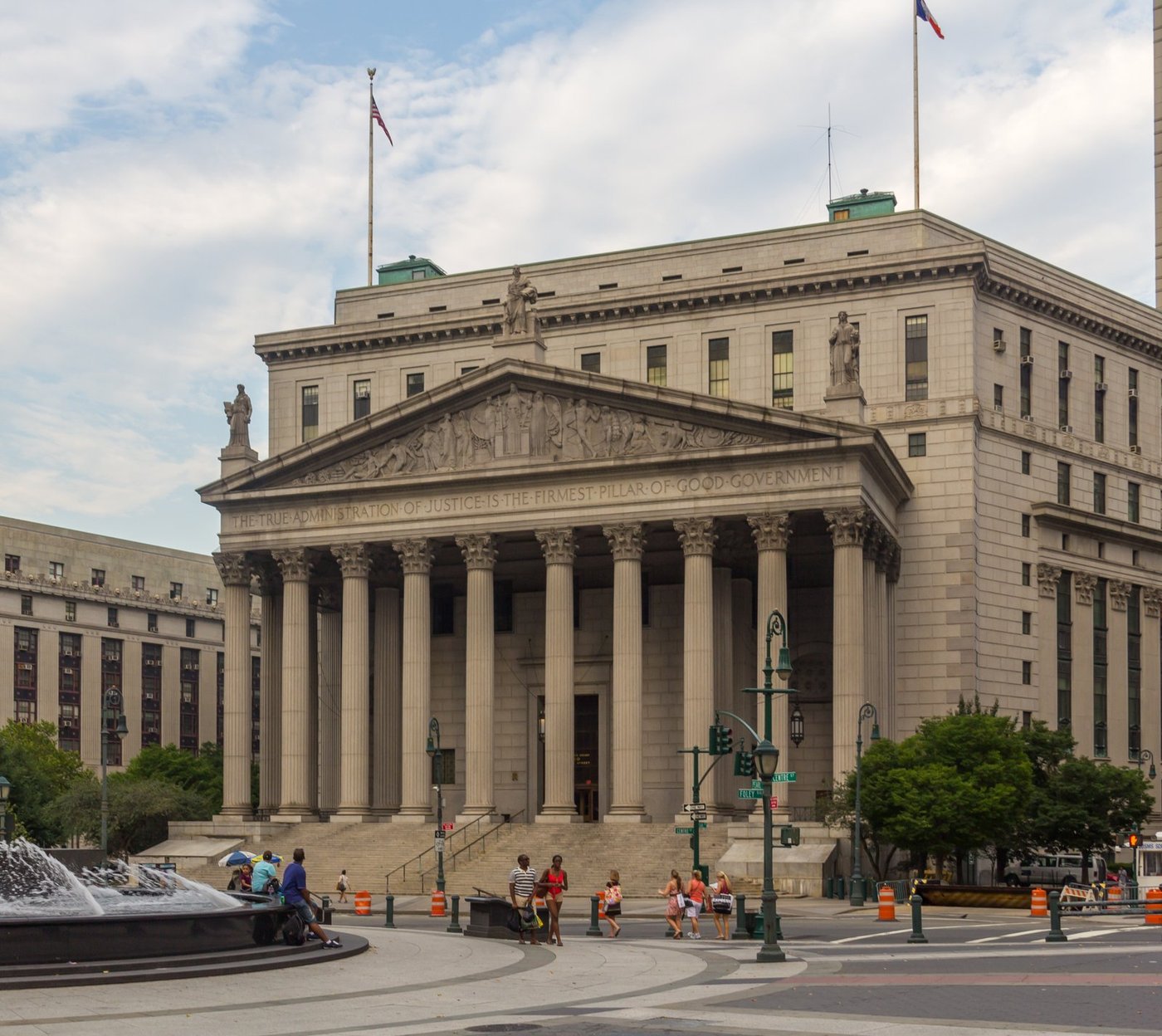
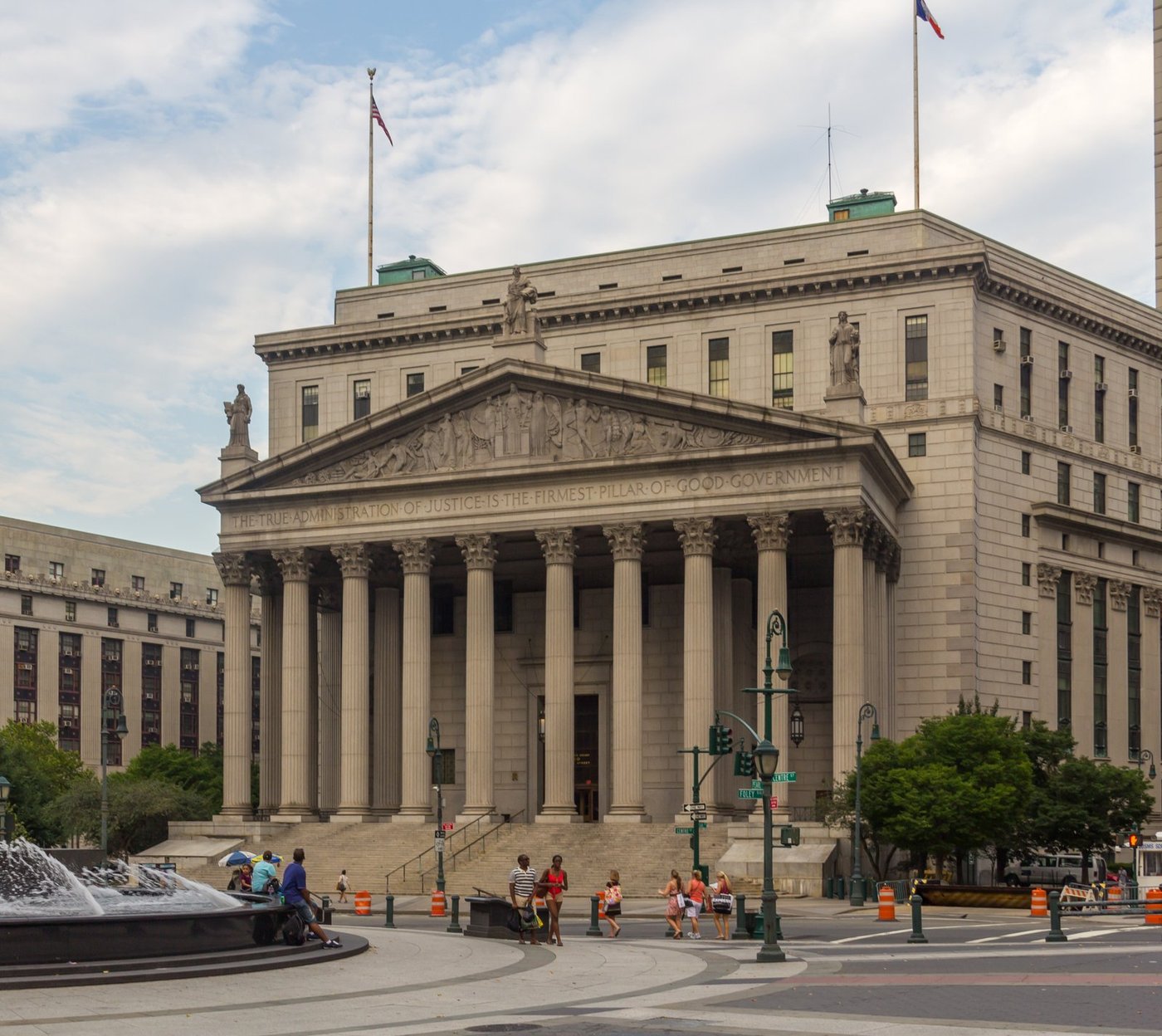
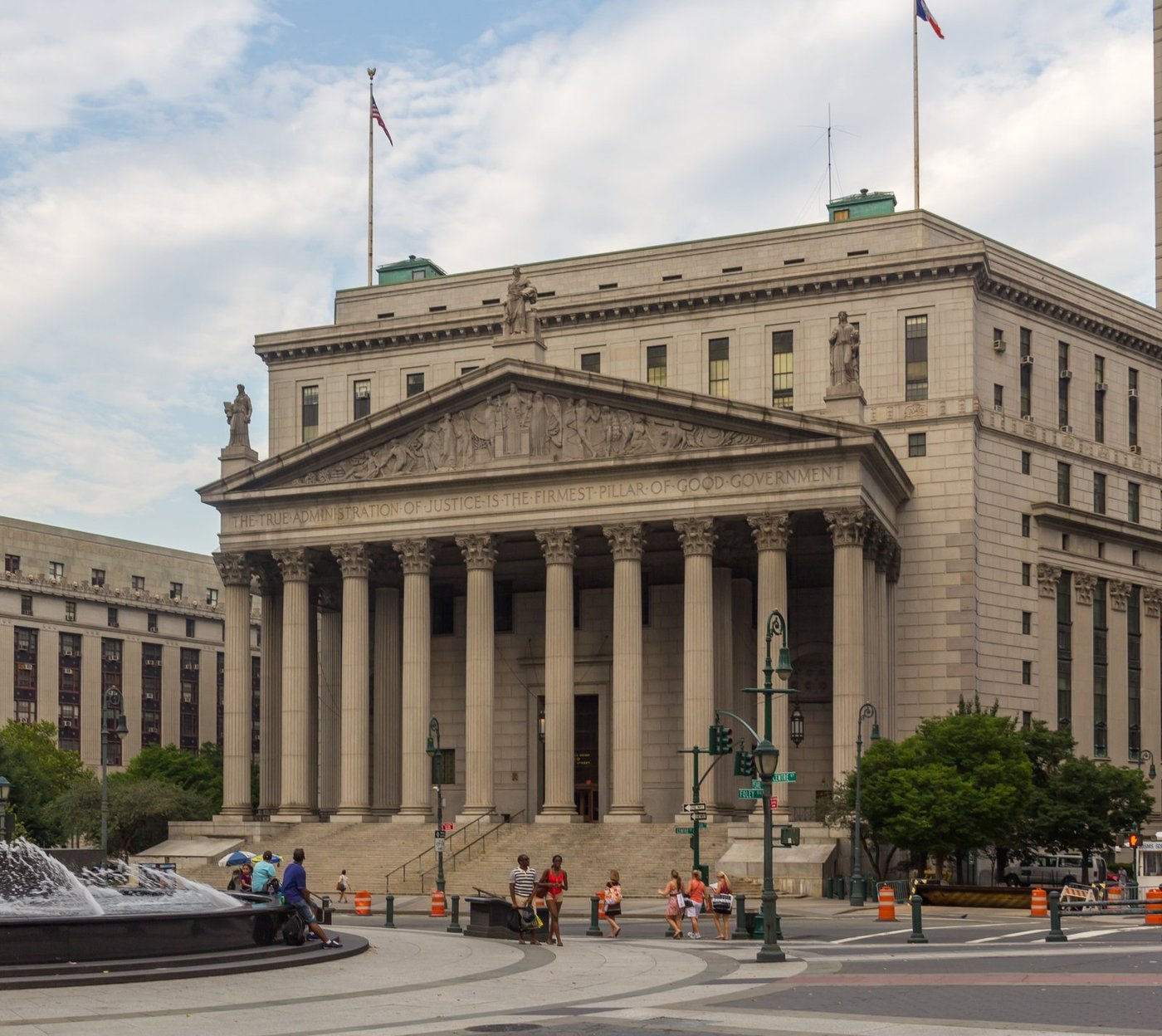
New York courthouse context (library reuse). AI Files local library (prior freely licensed ingest) · See prior guide credits; re-encoded JPEG metadata stripped
People by James v. Trump filed
The complaint sought disgorgement, bans and oversight. [1][2]
It invoked §63(12) persistent-fraud authority, not a classic private fraud damages suit. [3]
N.Y. Executive Law § 63(12) Statutory text: AG may sue for repeated fraudulent or illegal acts; no private-loss element in the statute’s fraud definition as construed in this litigation.
Letitia James (library reuse). AI Files local library (prior freely licensed ingest) · See prior guide credits; re-encoded JPEG metadata stripped
Why a profitable bank may not end it
§63(12) lets the AG halt repeated fraud or illegality in business beyond classic victim suits. [1][2]
On that view, inflated SFCs in New York commerce are the harm even without a bank loss memo. [3][4]
Bottom line Debated
This theory survived AD1’s majority path on AG power.
What the record can’t settle
As-applied constitutional limits are pending. [@cal-july-2026]
Sources
N.Y. Executive Law § 63(12) Statutory text: AG may sue for repeated fraudulent or illegal acts; no private-loss element in the statute’s fraud definition as construed in this litigation.
N.Y. Executive Law § 63(12) Statutory text: AG may sue for repeated fraudulent or illegal acts; no private-loss element in the statute’s fraud definition as construed in this litigation.
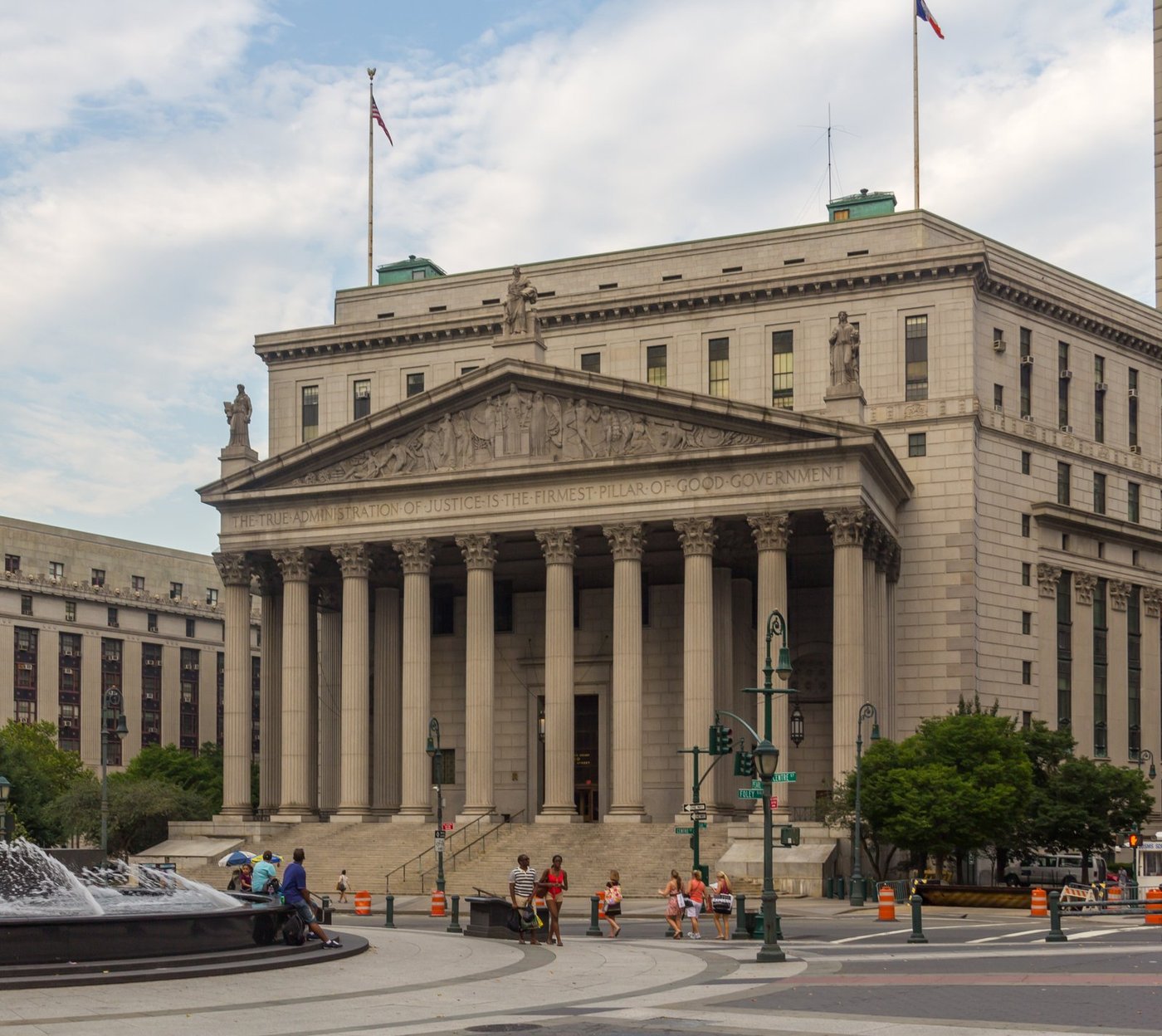
New York courthouse context (library reuse). AI Files local library (prior freely licensed ingest) · See prior guide credits; re-encoded JPEG metadata stripped
Oct–Dec 2023 bench trial
About forty witnesses, hundreds of exhibits, nearly 7,000 transcript pages. [2][1]
Trump testified; family executives and valuation experts did too. [3]
Bottom line History
Bench trial: Engoron was finder of fact on tried issues.
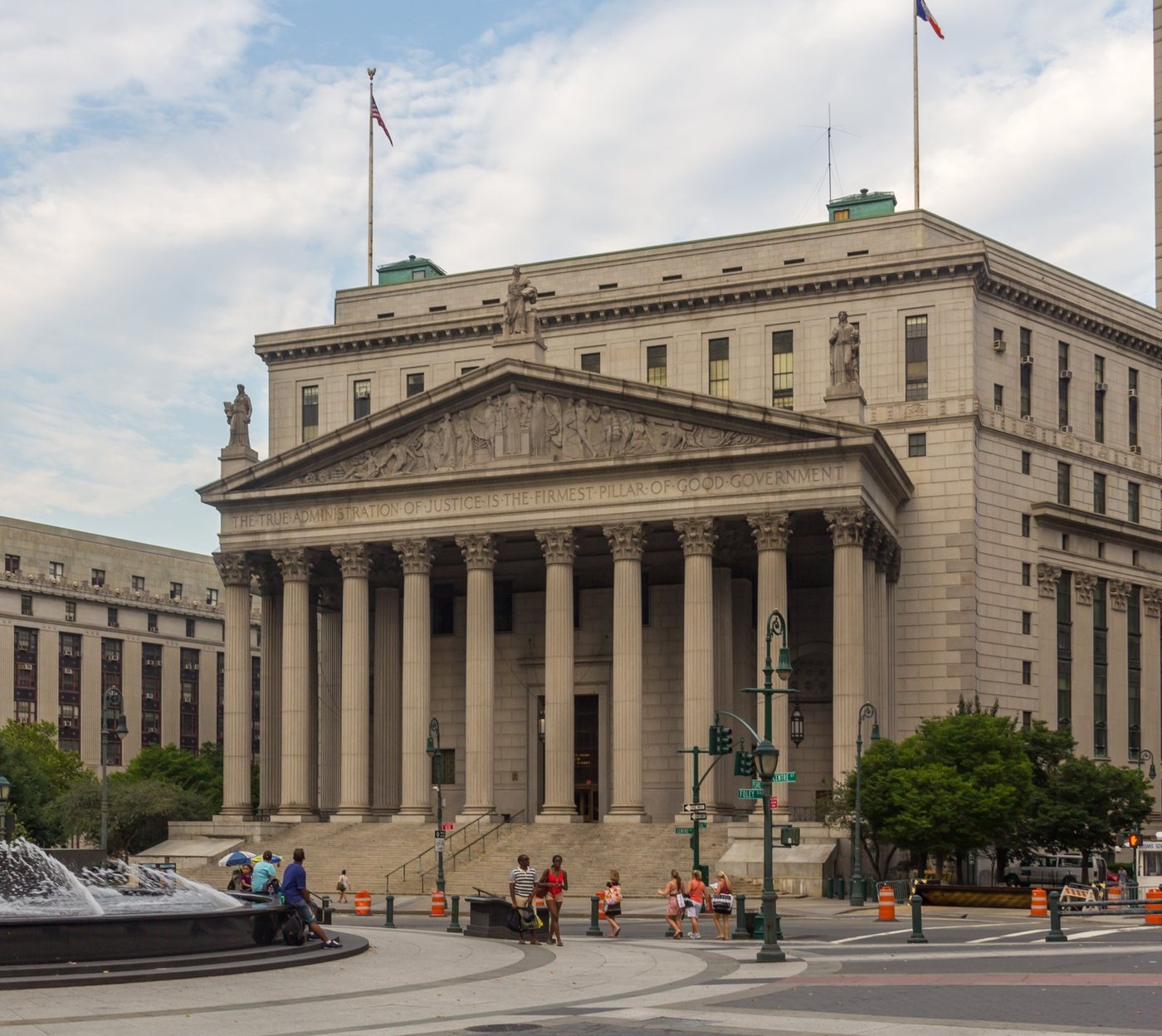
New York courthouse context (library reuse). AI Files local library (prior freely licensed ingest) · See prior guide credits; re-encoded JPEG metadata stripped
False records theories under §63(12)
Post-trial liability tied to falsifying business records, false financial statements and related conspiracy/insurance theories—civilly via §63(12). [1][2]
That is why people say ‘fraud’ while the caption is still a civil AG case. [3]
Bottom line Official
Civil predicates can sound criminal; sanctions here were not imprisonment.
What the record can’t settle
Parallel criminal cases elsewhere are not decided here.
N.Y. Executive Law § 63(12) Statutory text: AG may sue for repeated fraudulent or illegal acts; no private-loss element in the statute’s fraud definition as construed in this litigation.
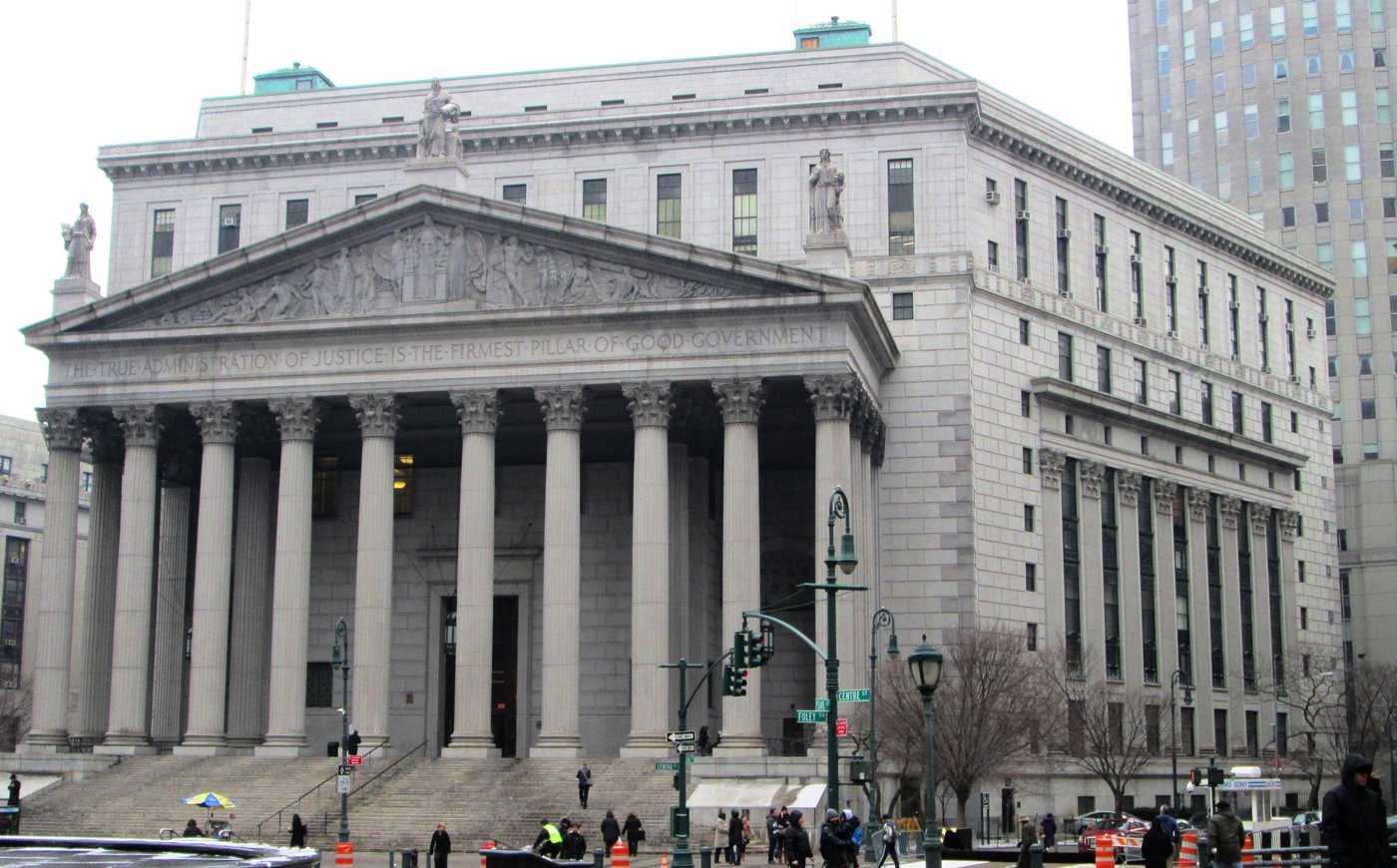
New York courthouse context (library reuse). AI Files local library (prior freely licensed ingest) · See prior guide credits; re-encoded JPEG metadata stripped
New York courthouse context (library reuse). AI Files local library (prior freely licensed ingest) · See prior guide credits; re-encoded JPEG metadata stripped
Side theater around the trial
Contemporaneous coverage tracked contempt threats and courtroom clashes alongside the evidence. [1]
Those episodes colored public memory; they are not substitutes for the findings of fact. [2]
Bottom line History
Side theater is real; it is not the holding.
What the record can’t settle
Do not confuse contempt disputes with valuation findings.
Donald Trump, official portrait (library reuse). AI Files local library (prior freely licensed ingest) · See prior guide credits; re-encoded JPEG metadata stripped
Entities, trust, family limits
Disgorgement ran jointly and severally across Trump, the revocable trust, Org entities and deal entities. [1][2]
Sons faced officer bans; Ivanka had been dismissed and was not under the money judgment. [3][1]
Image for donjr (reused from AI Files library; see credits). AI Files local library (prior freely licensed ingest) · See prior guide credits; re-encoded JPEG metadata stripped
Officer/director restrictions
Feb 2024 judgment barred the sons from NY officer/director roles for two years (Trump three). [1]
Mar 2024 stay paused those bans behind the $175M bond; Aug 2025 modification left a complex injunction picture for the COA. [2][3]
Bottom line Official
Family executive restrictions were always part of the remedy story.
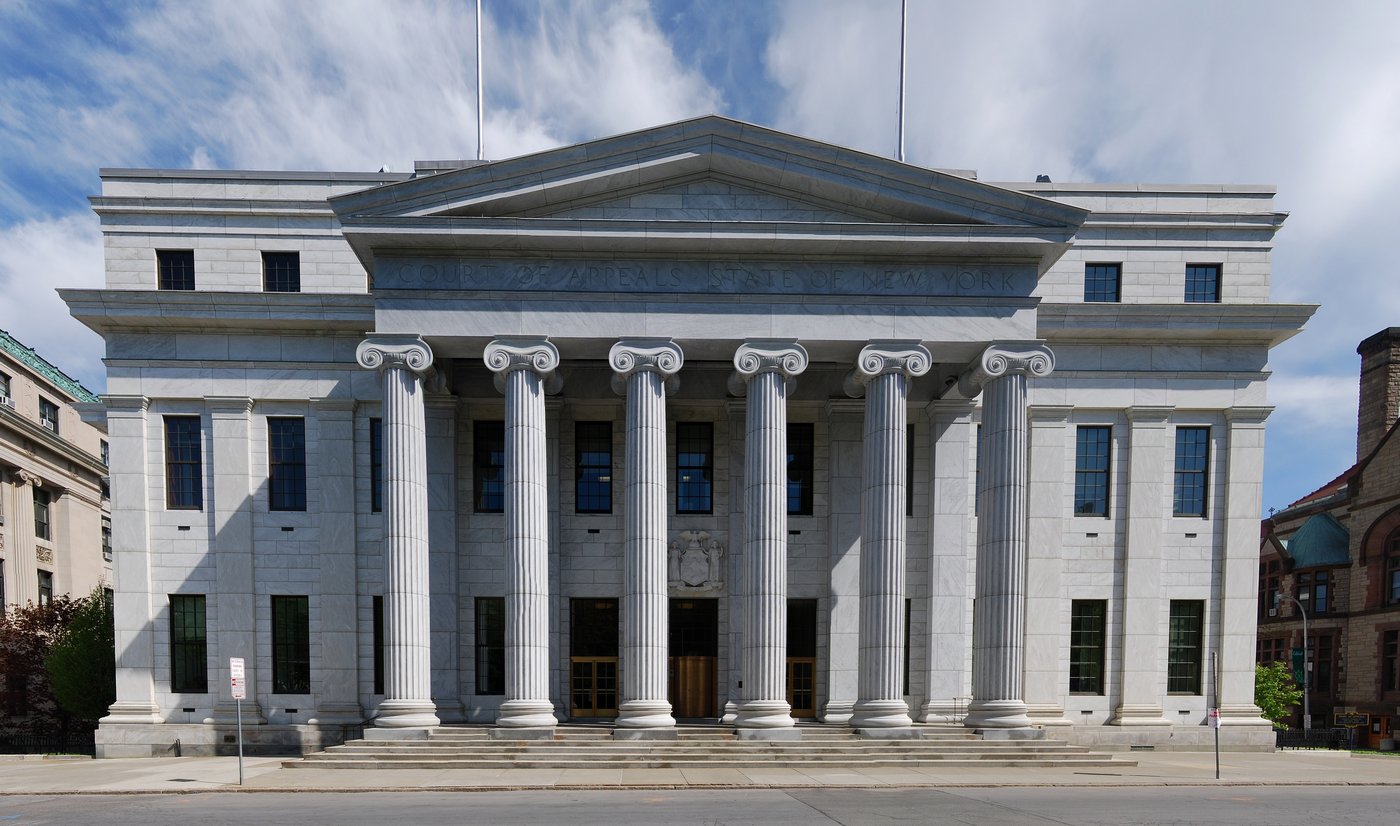
New York Court of Appeals UpstateNYer · CC BY-SA 3.0
Court of Appeals caption
January 2026 notice identifies the appeal from 2025 NY Slip Op 04756 with issues on AG power, constitutionality, vacatur and affirmance as modified. [1][2]
Court-PASS is official for briefing and argument dates. [3]
Bottom line Official
This is the docket number to track.
What the record can’t settle
Schedules move; ‘waiting’ is dated. [@cal-july-2026]
New York courthouse context (library reuse). AI Files local library (prior freely licensed ingest) · See prior guide credits; re-encoded JPEG metadata stripped
Too much conduct time-barred?
Defendants argued continuing-wrong and limitations theories to shrink or kill the case. [1][2]
Engoron rejected a full SOL wipeout; AD1’s decretal did not hand that win either. [3]
Bottom line Debated
SOL remains a serious theme even when it does not end the case below.
N.Y. Executive Law § 63(12) Statutory text: AG may sue for repeated fraudulent or illegal acts; no private-loss element in the statute’s fraud definition as construed in this litigation.
N.Y. Executive Law § 63(12) Statutory text: AG may sue for repeated fraudulent or illegal acts; no private-loss element in the statute’s fraud definition as construed in this litigation.
Donald Trump, official portrait (library reuse). AI Files local library (prior freely licensed ingest) · See prior guide credits; re-encoded JPEG metadata stripped
How shorthand broke the timeline
2024 anchored on a collectible nine-figure judgment; 2025 on vacatur; 2026 on dueling appeals. [2][1][3]
‘Cleared’ and ‘owes half a billion now’ are both false under AD1’s mixed decretal. [4]
Bottom line Mixed
Update the scoreboard when the court updates the order.