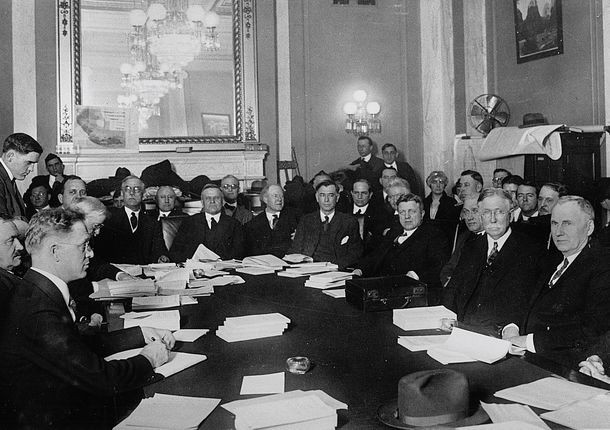
In November 1921, Edward Doheny arranged for his son, Ned, to deliver $100,000 in cash to Interior Secretary Albert Fall. Fall used the money in connection with his New Mexico ranch holdings. Doheny maintained that this was a personal loan to an old friend, independent of the government contracts his company sought. That defense deserves to be stated accurately: the transfer itself was admitted; criminal intent was disputed. [1] [2]
When senators asked where Fall’s new resources came from, he identified Washington Post publisher Edward McLean as the lender and denied receiving the money from the oilmen. Walsh followed that explanation to Florida. McLean said he had supplied checks, but they had been returned without being cashed. The supposed lender did not explain the cash that had actually arrived. [1]
In January 1924 Doheny acknowledged the payment publicly. At Fall’s later trial, jurors could evaluate the official acts, the money and the false explanation together. Fall was convicted of accepting a bribe in 1929; the appellate court upheld that conviction. Doheny’s separate acquittal is covered in the trials file. It does not erase Fall’s judgment, just as Fall’s judgment does not permit rewriting Doheny’s verdict. [1] [2]