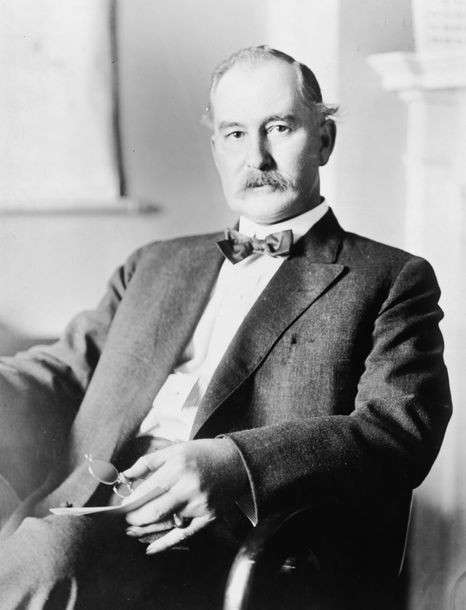
Albert B. Fall’s bribery conviction was a particular criminal judgment. The appellate opinion identifies the transaction with Edward Doheny, including the $100,000 received in November 1921 and Fall’s official role in the naval-reserve arrangements. In April 1931 the court affirmed the conviction and the sentence of a $100,000 fine and one year’s imprisonment. This was not a conviction of President Harding or a collective verdict against everyone mentioned in the scandal.[1]
Fall’s defense portrayed the payment as a personal loan between friends. The jury rejected the defense sufficiently to convict. The appellate court also examined the use of evidence concerning Sinclair: the trial instructions limited its relevance to what it could establish about Fall’s intent in the Doheny transaction. Evidence about another deal did not change the identity of the charged bribe.[1]
The distinction matters when a summary says simply that Fall took money “for Teapot Dome.” The name covers several reserves, contracts and lawsuits. Calling the entire affair Teapot Dome is reasonable shorthand; converting that shorthand into a different criminal judgment is not.[1]